


The Fundamental Distinction: Continuous Illumination vs. Instantaneous Flash
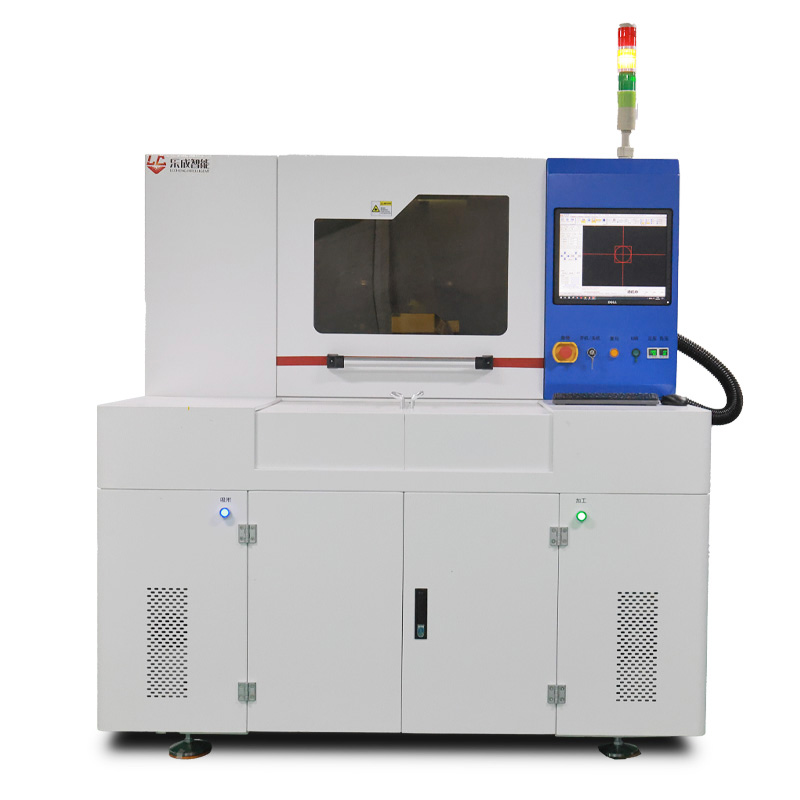
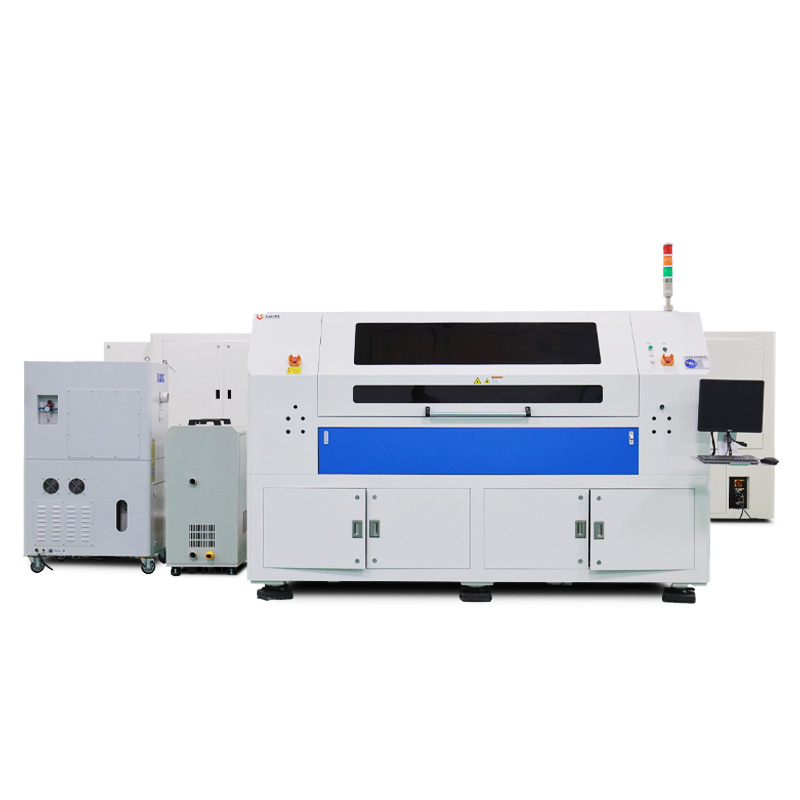
Accurately measuring the power conversion efficiency (PCE) of a perovskite solar cell (PSC) is the foundational step in its development and validation. The choice between steady-state and pulsed light testing methods represents a critical decision point, as each captures different aspects of the device's physics and operational behavior. Steady-state testing involves illuminating the cell with a continuous, constant light source that closely mimics natural sunlight. The cell's current-voltage (I-V) curve is swept slowly, allowing the device to reach a stable electrical and ionic equilibrium at each measurement point. This method directly reflects the cell's performance under realistic, continuous operating conditions, integrating effects like slow ion migration, charge accumulation, and self-heating. In contrast, pulsed light testing (often using a Xenon flash lamp) exposes the cell to an extremely short, intense light pulse (typically milliseconds). The I-V sweep is completed within this brief window, effectively "freezing" the cell's state. This aims to measure the instantaneous photoresponse before slower, non-fundamental processes (like ionic redistribution or significant heating) can manifest. The core distinction lies in what is being measured: steady-state reveals the stabilized, operational output, while pulsed light attempts to capture a more idealized, "snapshot" of the electronic properties, often yielding a higher,瞬态 PCE value. This discrepancy is particularly pronounced in PSCs due to their unique ionic dynamics and inherent hysteresis.
Why the Choice Matters: Hysteresis, Stability, and Real-World Relevance
The debate between these two methods is central to perovskite PV because it directly addresses the technology's most discussed phenomena: I-V hysteresis and operational stability. Pulsed light measurements, by design, often minimize the apparent hysteresis effect because the sweep is faster than the ionic relaxation time. This can result in an inflated efficiency number that does not represent the cell's sustained power output. Steady-state testing, however, fully incorporates hysteresis, revealing the often lower stabilized power output (SPO) that dictates real energy yield. Consequently, a cell with a high pulsed PCE but significant hysteresis may severely underperform in the field compared to a cell with a lower pulsed PCE but excellent steady-state performance. For stability testing, the distinction is even more critical. Measuring degradation under pulsed light can be misleading, as it may fail to capture the slow, cumulative damage from continuous charge flux and ion motion that occurs in actual operation. True accelerated lifetime tests, such as maximum power point tracking under continuous illumination, must use steady-state conditions to provide predictive data for module warranties. Therefore, while pulsed testing is invaluable for rapid screening of materials, comparative studies, and probing fundamental electronic properties, steady-state testing is the unequivocal benchmark for assessing commercial viability, reliability, and energy yield. It is the only method that answers the critical question: "What power will this module consistently deliver over its lifetime?"
Implementing the Correct Methodology: Tools and Best Practices
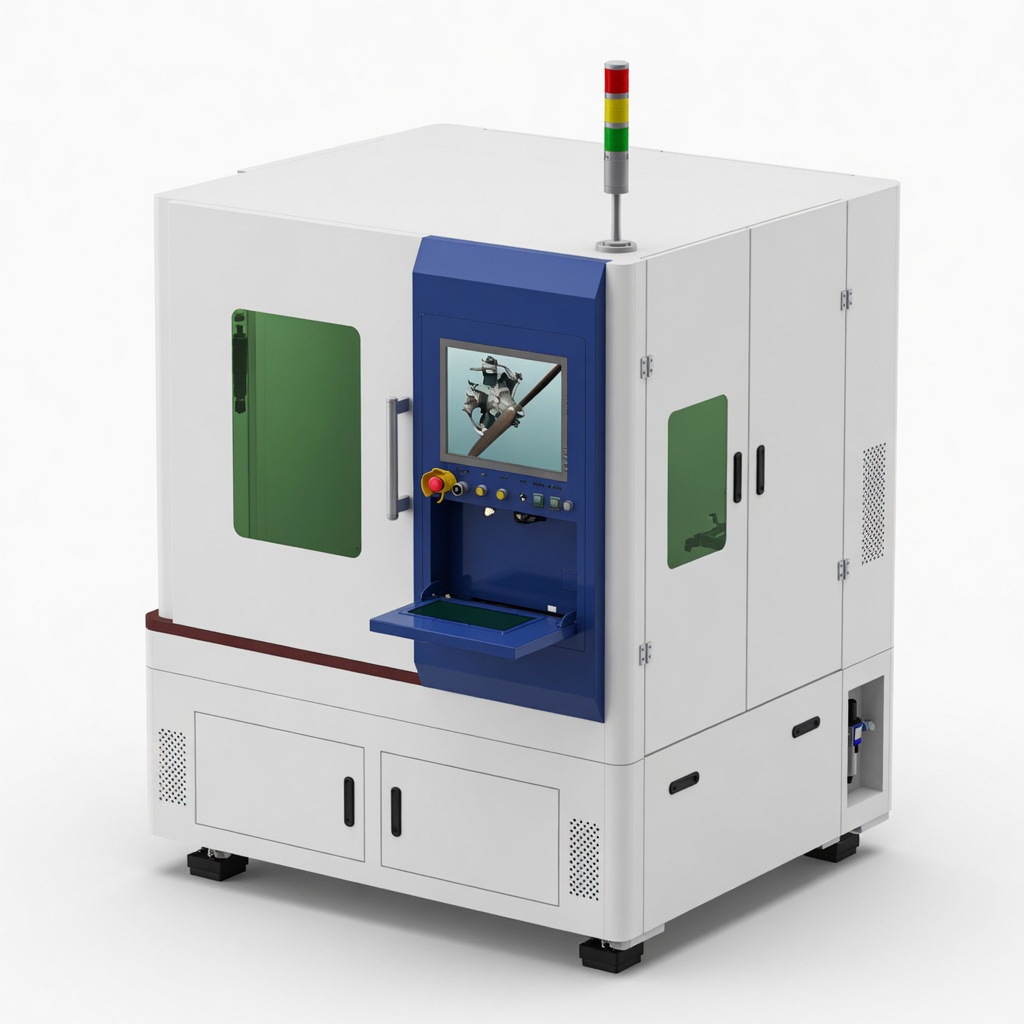
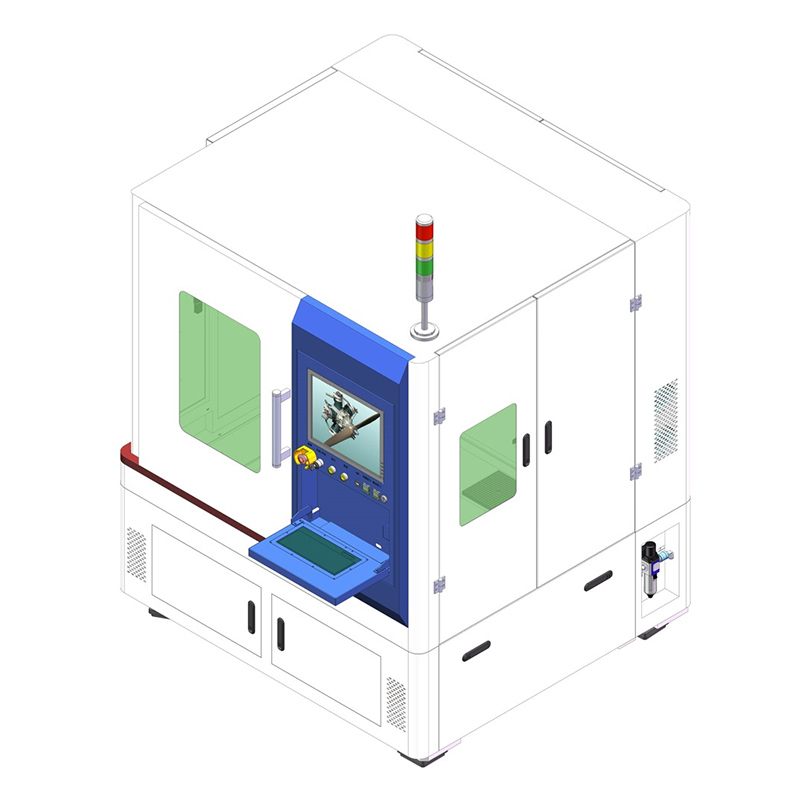
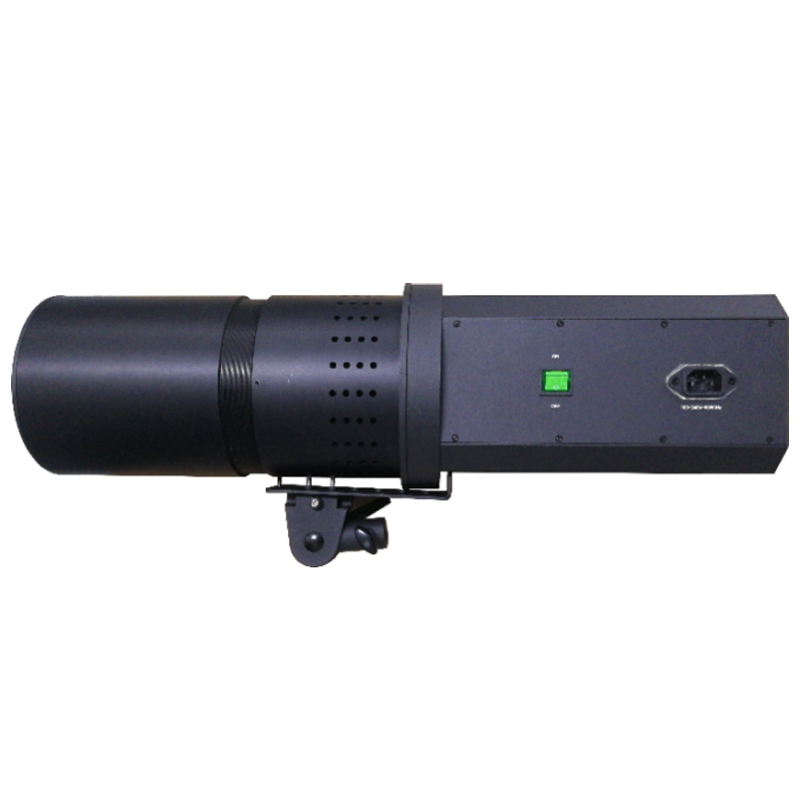
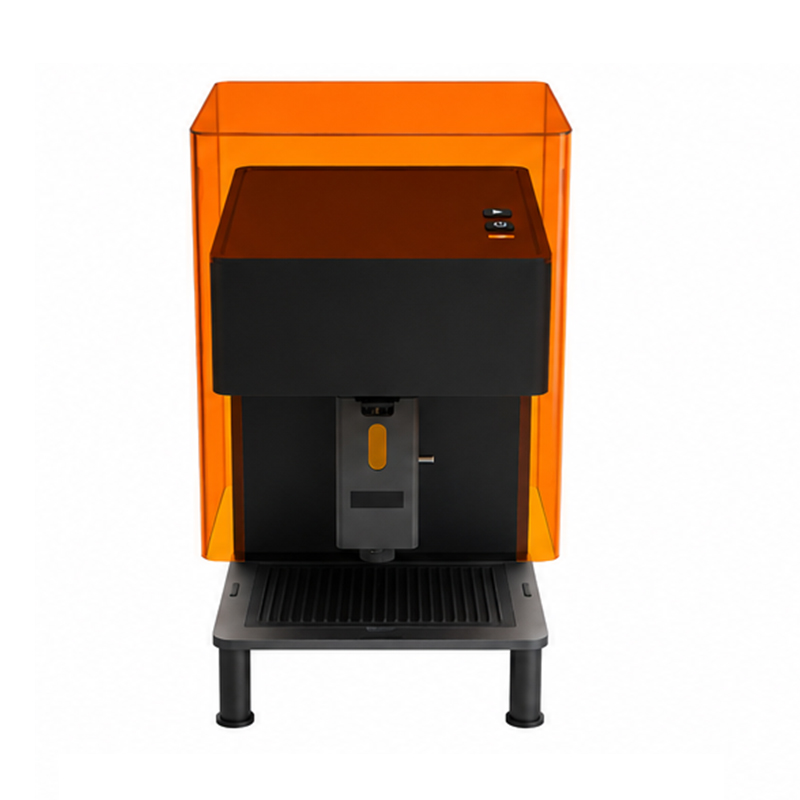
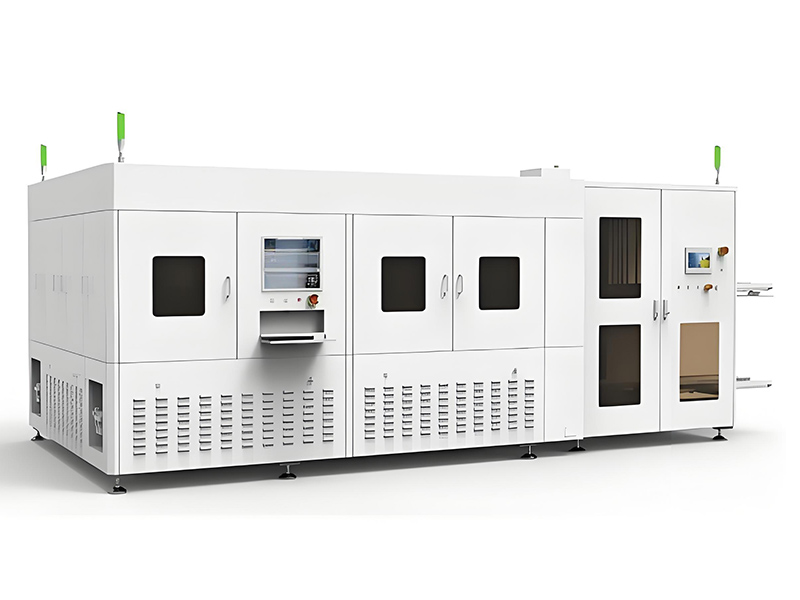
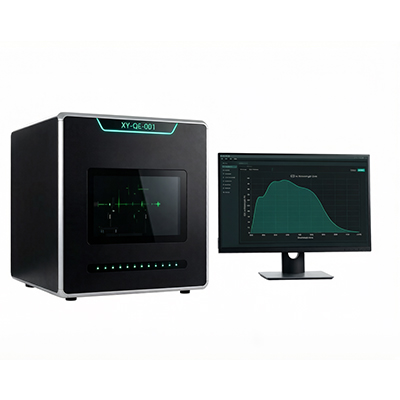
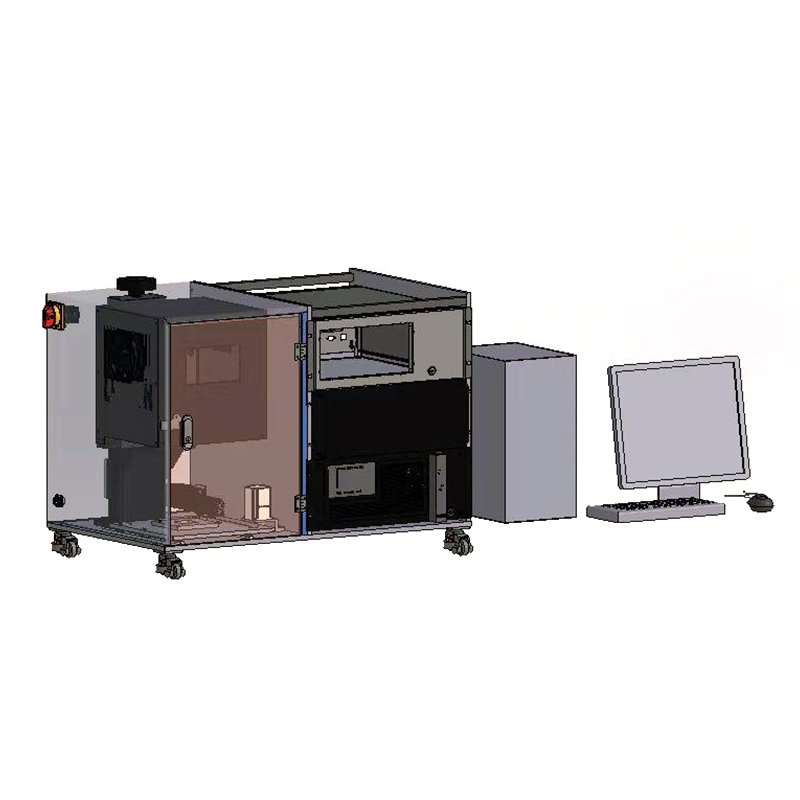
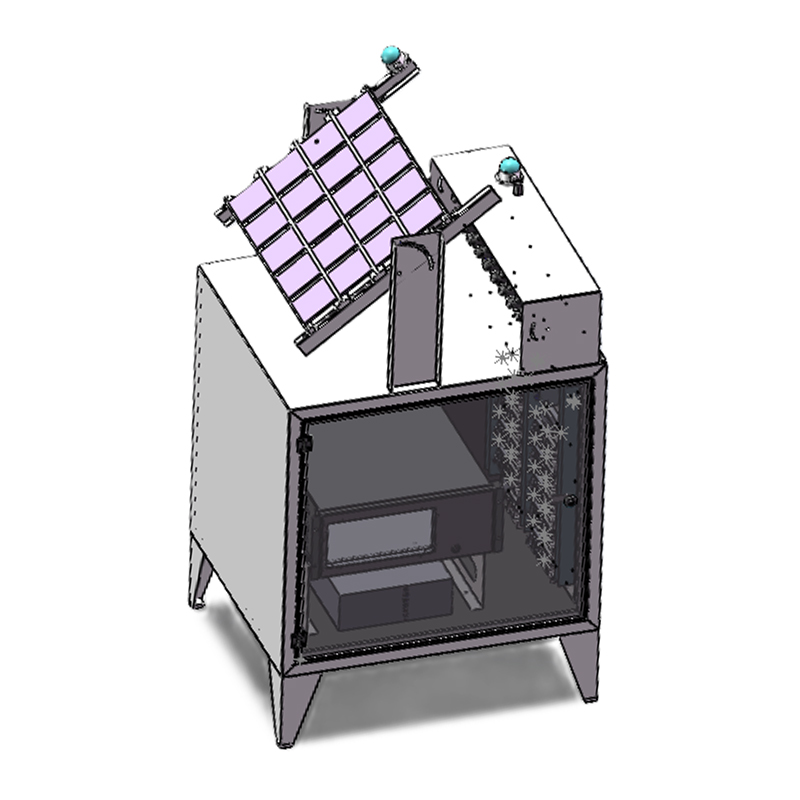
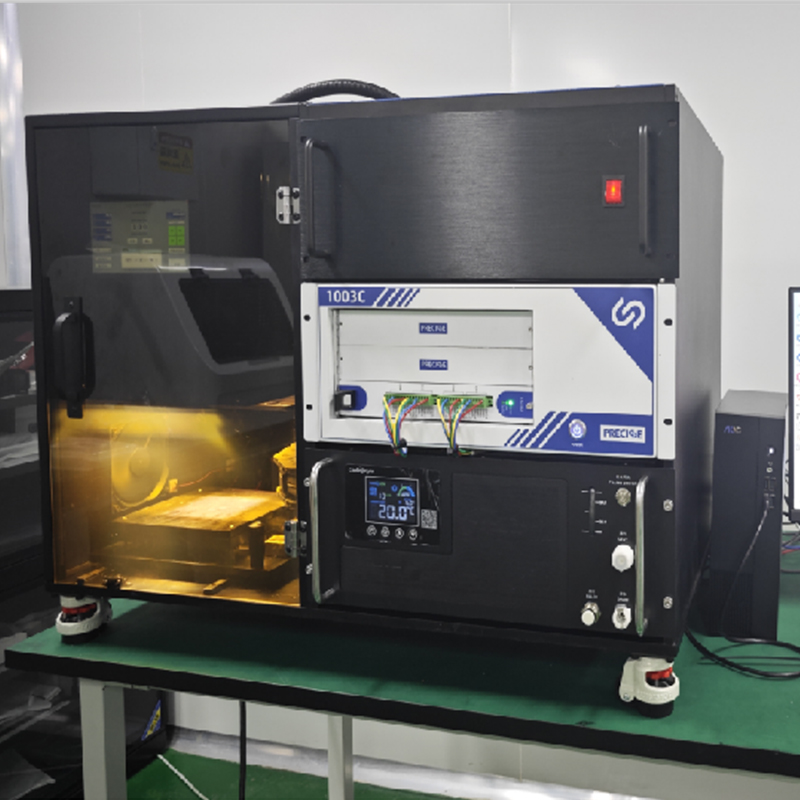
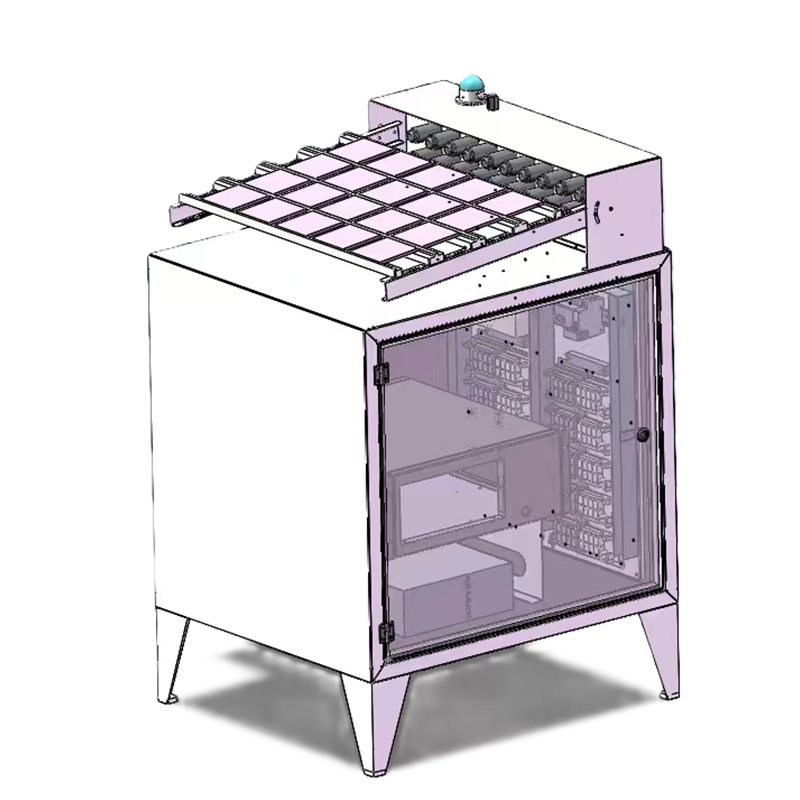
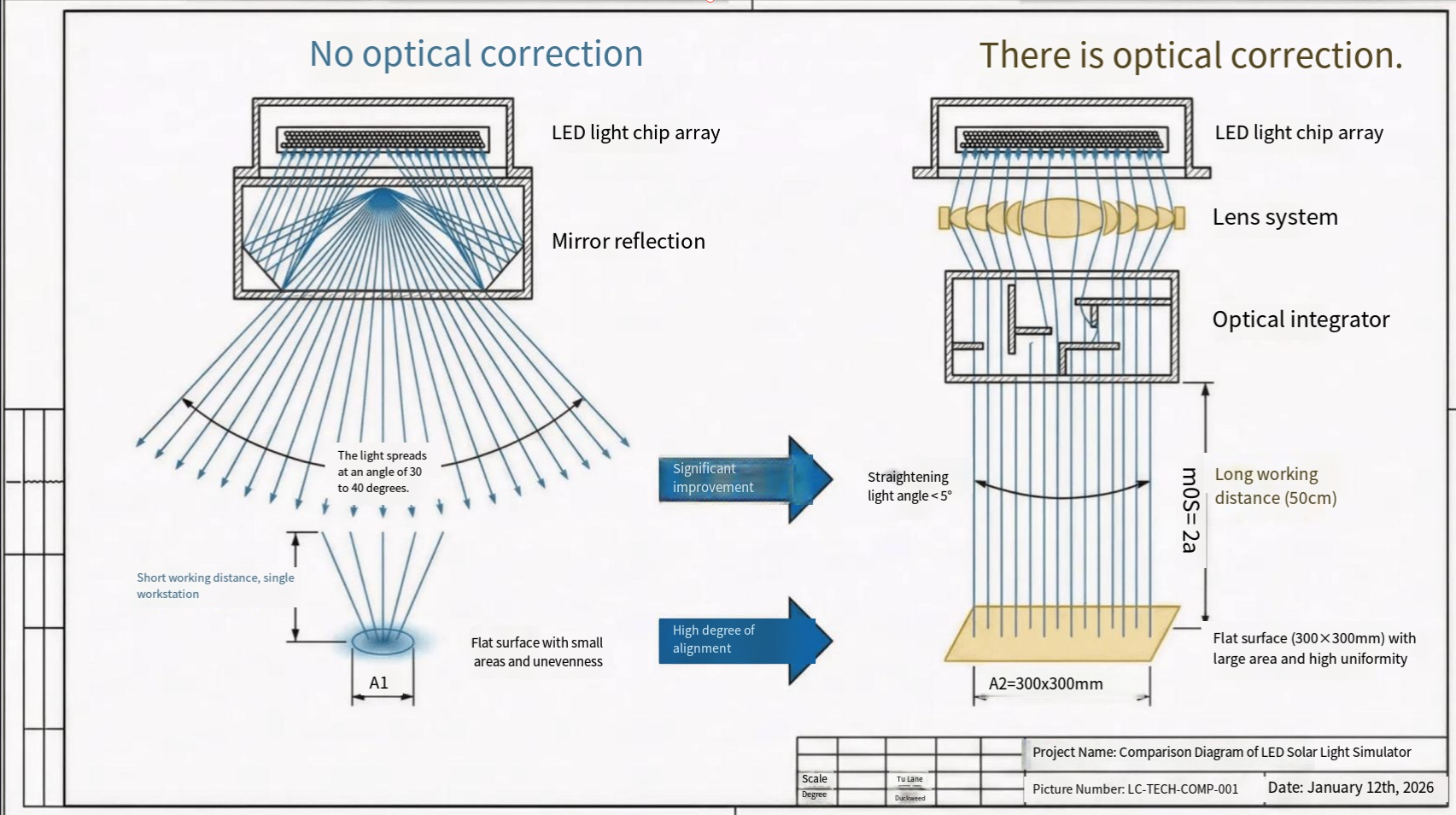
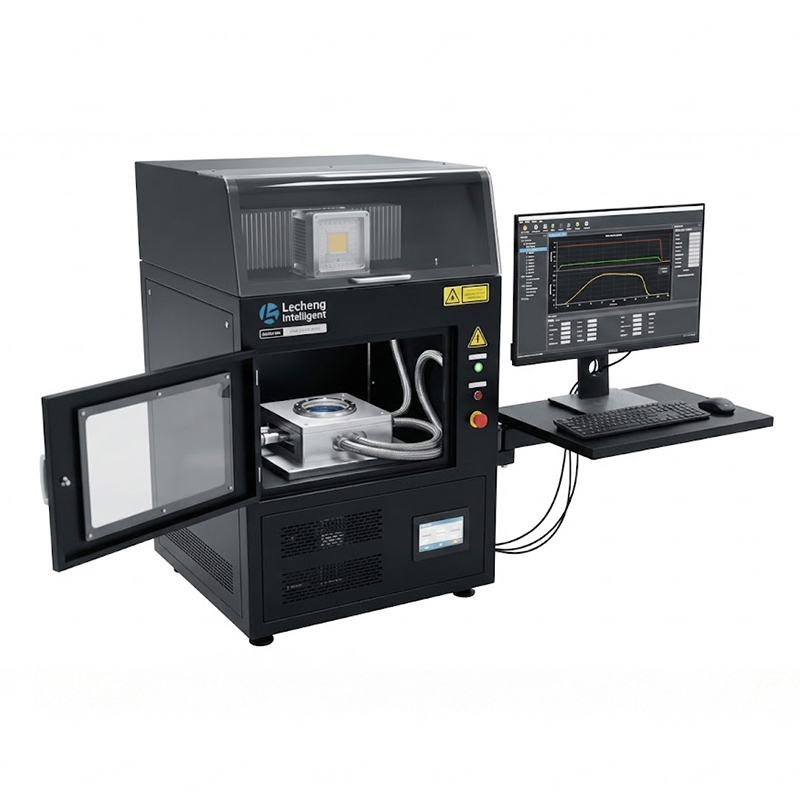
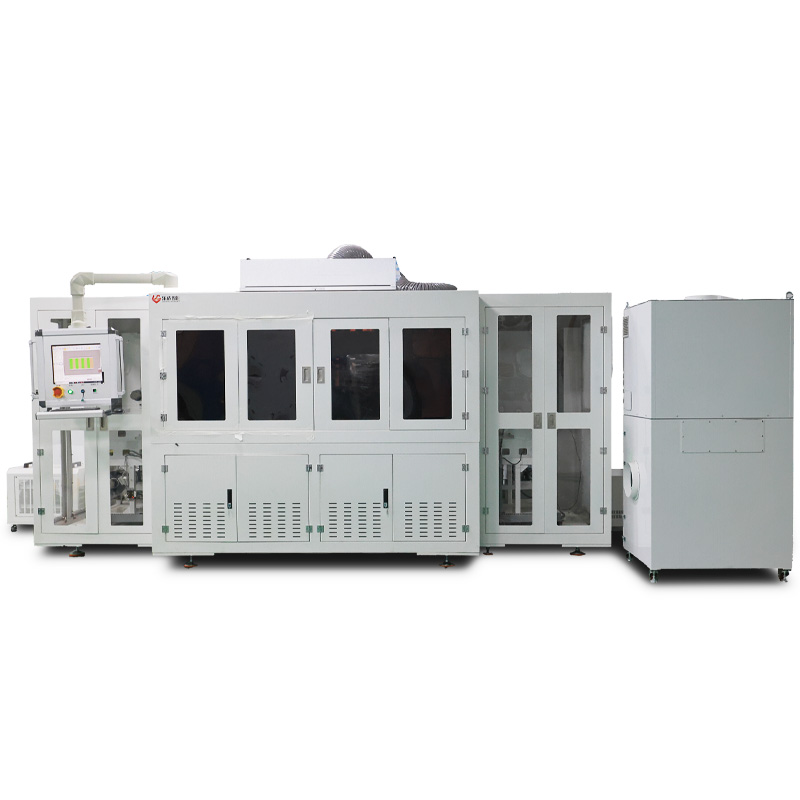
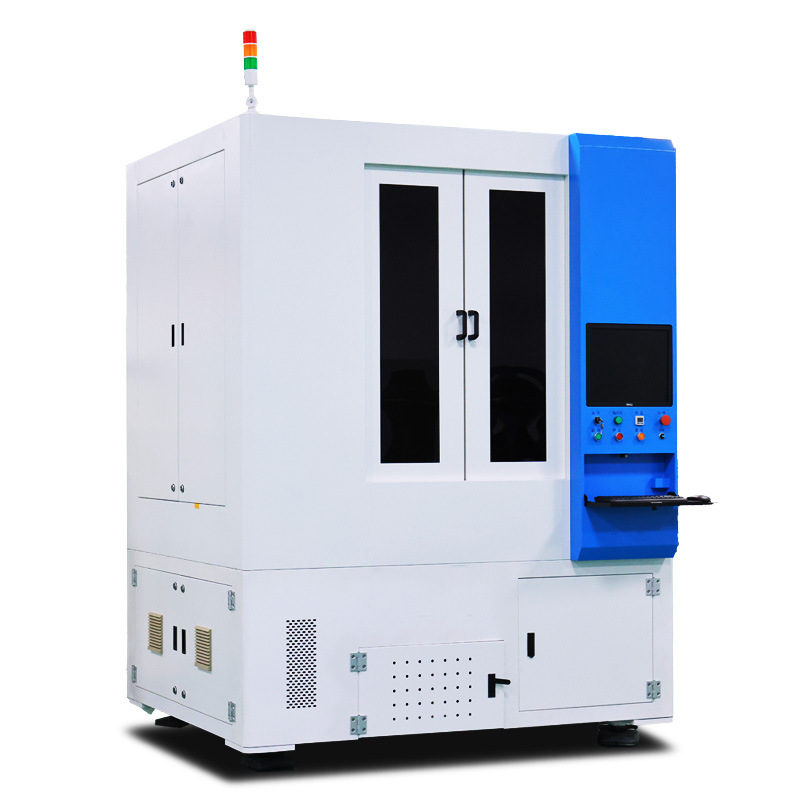
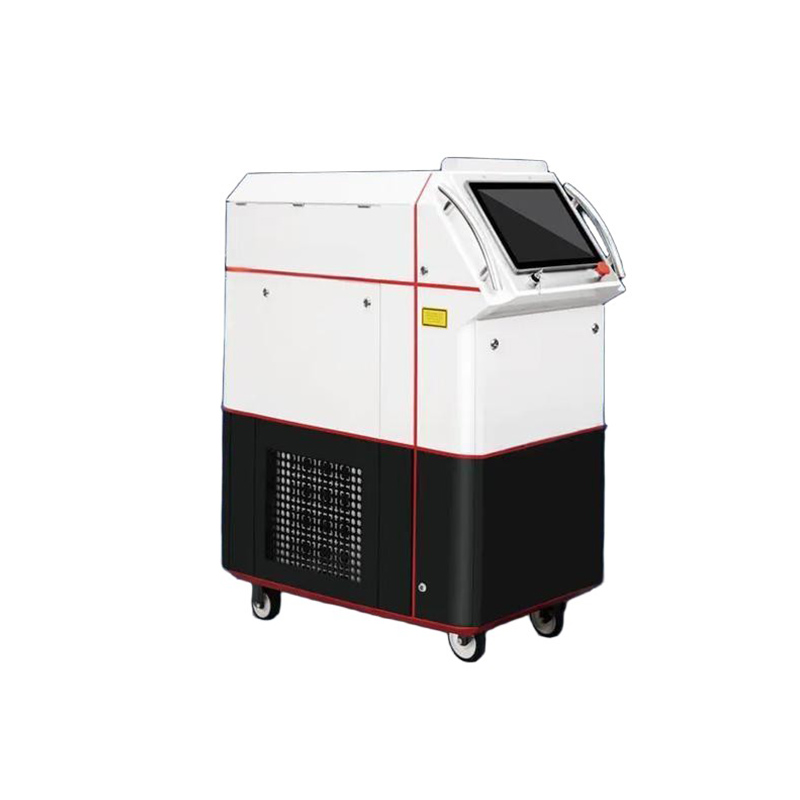
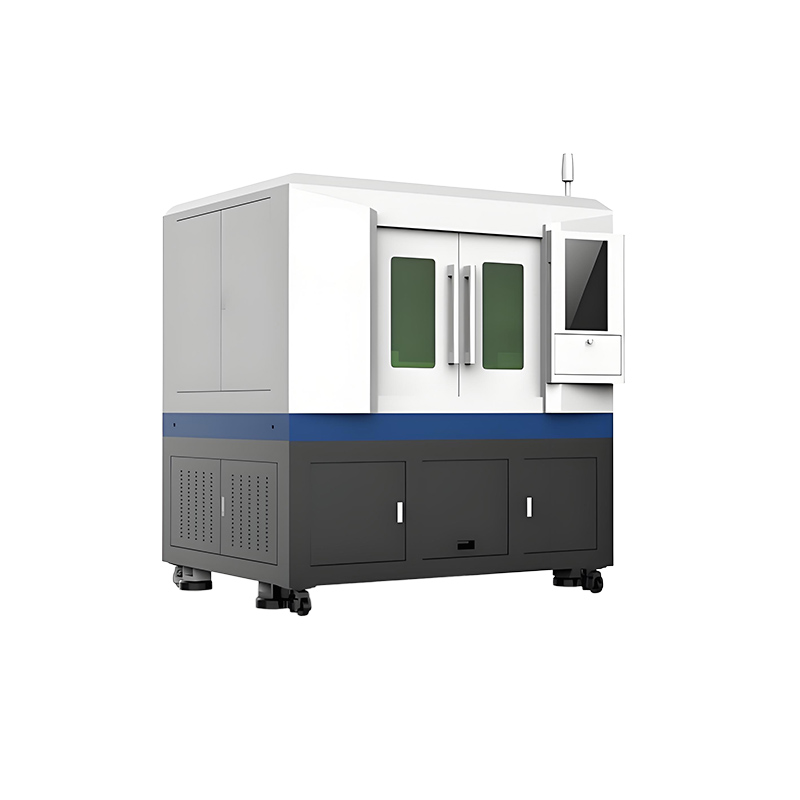
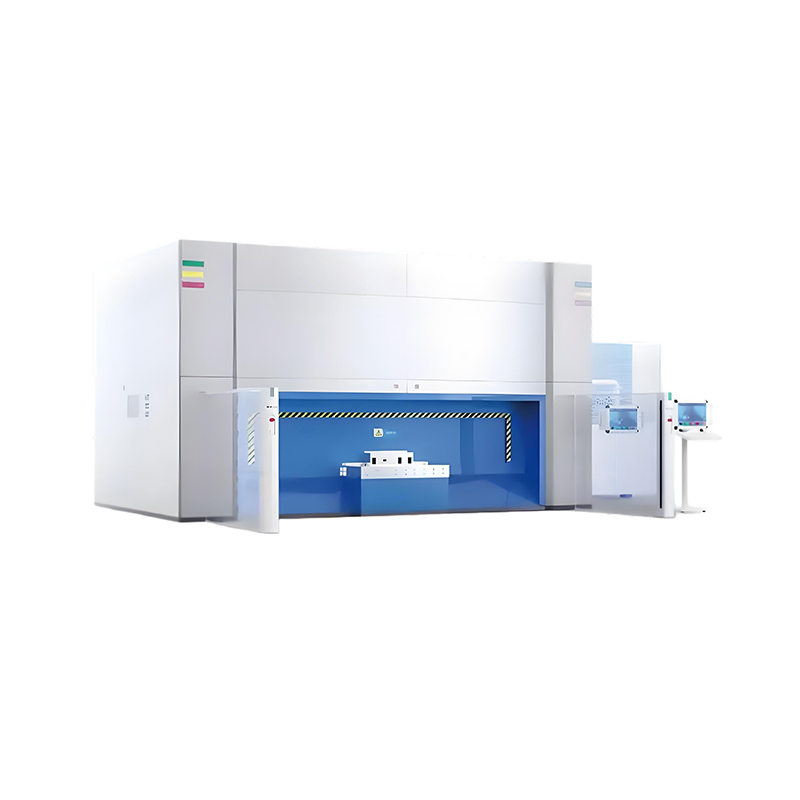
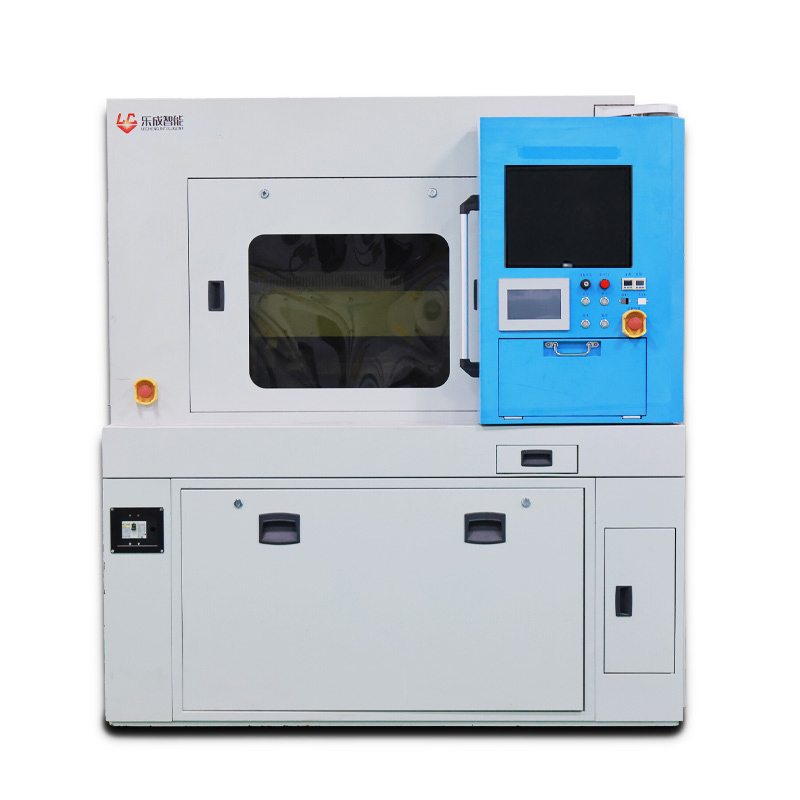
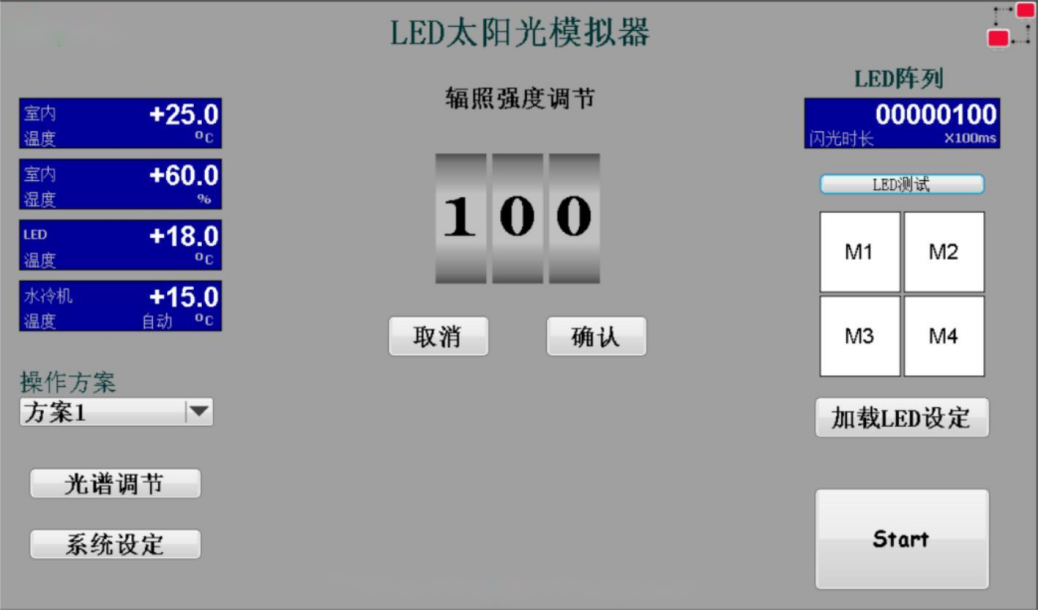
Selecting the right methodology necessitates using purpose-built equipment. For credible steady-state testing, a Class AAA solar simulator with extremely high temporal stability (light intensity variation <0.5%) is mandatory. It must be coupled with a precision source measure unit and software capable of performing slow I-V sweeps, long-term maximum power point tracking, and directly reporting the stabilized power output. Advanced systems, like those from Lecheng, integrate these features with environmental control (temperature), enabling true steady-state performance measurement under controlled conditions. For pulsed light testing, a calibrated Xenon flash simulator with uniform beam profile and appropriate pulse duration is required. The system must ensure the pulse is long enough for the cell's capacitive transient to settle but short enough to avoid heating, a balance critical for valid data. The most rigorous R&D and quality control labs recognize the need for both. A best-practice workflow involves using pulsed light for initial, high-throughput characterization of new architectures or materials, providing quick feedback. The most promising candidates are then subjected to in-depth steady-state analysis, including MPPT tracking over hours or days, to determine their true operational efficiency and stability. This combined approach provides a complete picture: pulsed data for understanding fundamental device physics and screening, and steady-state data for predicting field performance and guiding commercialization. By offering both high-fidelity steady-state simulators and precise pulsed testers, manufacturers like Lecheng empower researchers and producers to make informed decisions at every stage of the perovskite development cycle.
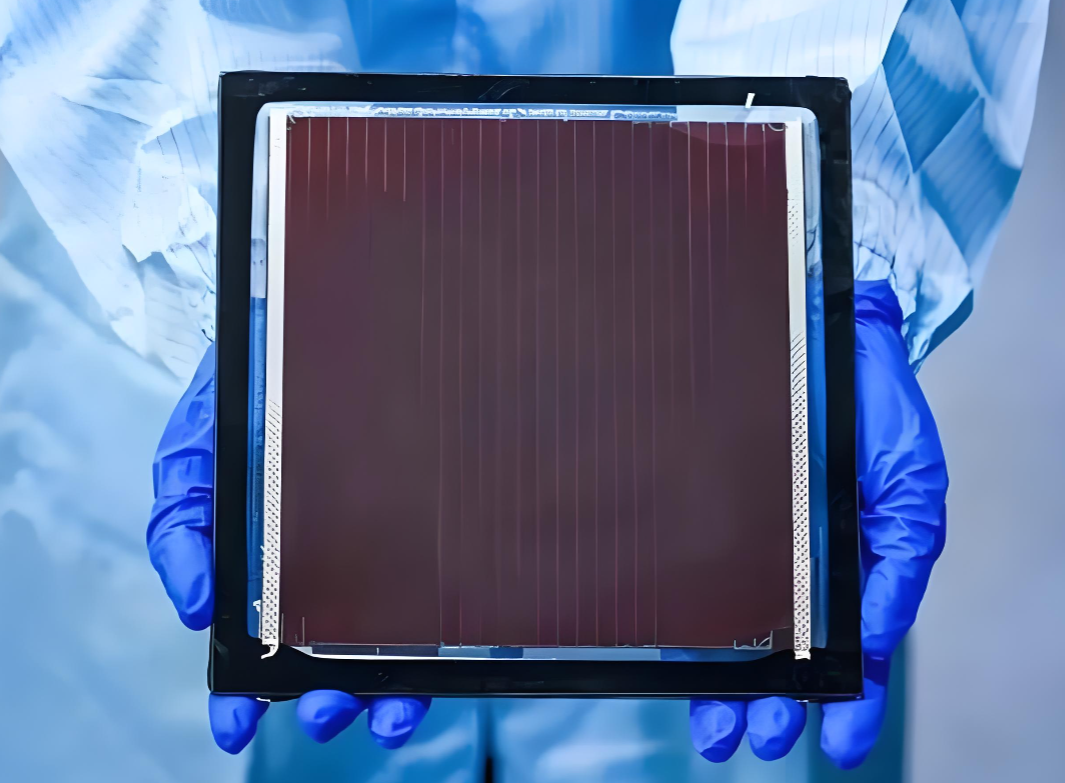
The steady-state versus pulsed light debate in perovskite testing is not about finding a single "correct" method, but about applying the right tool for the right question. Pulsed light offers speed and insight into intrinsic electronic properties, while steady-state testing delivers the essential truth about operational performance and long-term energy yield. For the perovskite industry to build trust and achieve commercialization, prioritizing steady-state measurements as the gold standard for reporting stabilized efficiency and conducting reliability assessments is non-negotiable. Ultimately, investing in precise, reliable testing equipment for both methodologies—and understanding their distinct roles—is crucial for transforming promising perovskite innovations into bankable, high-performance solar products that can endure in the real world.