


The Unparalleled Challenge of Perovskite Stability Testing
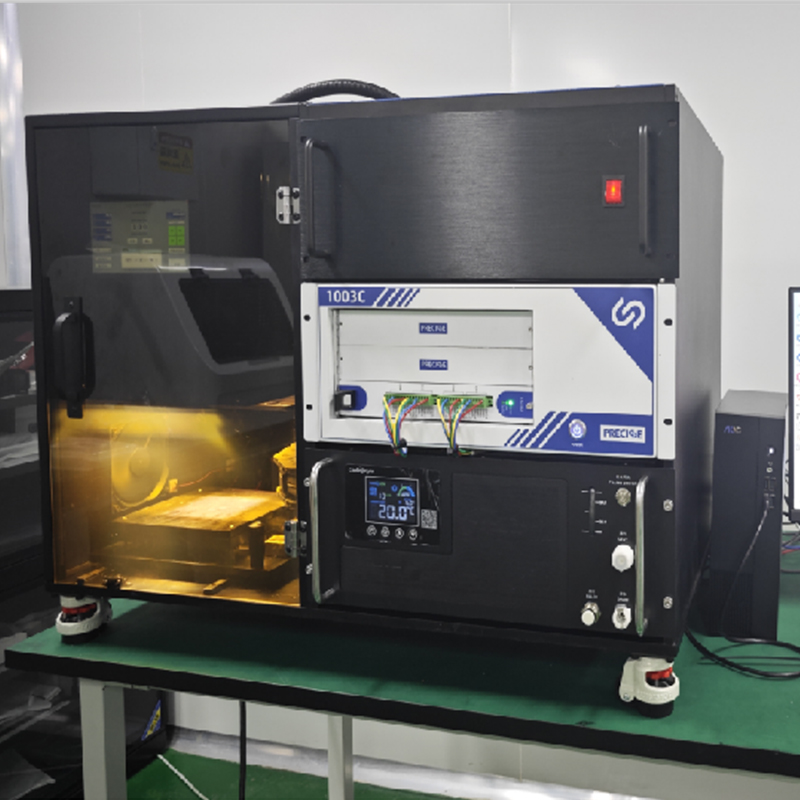
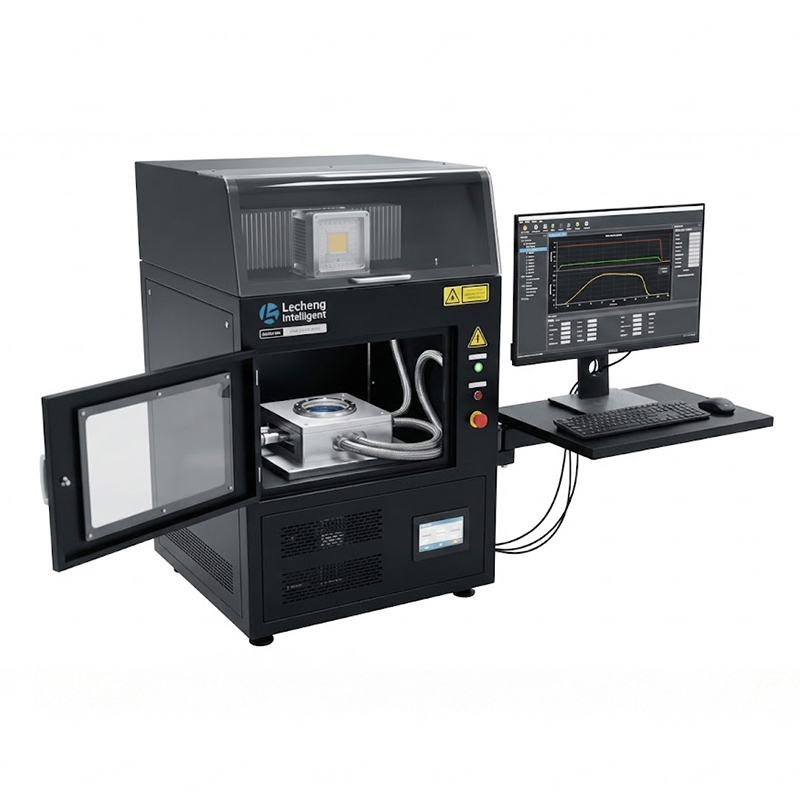
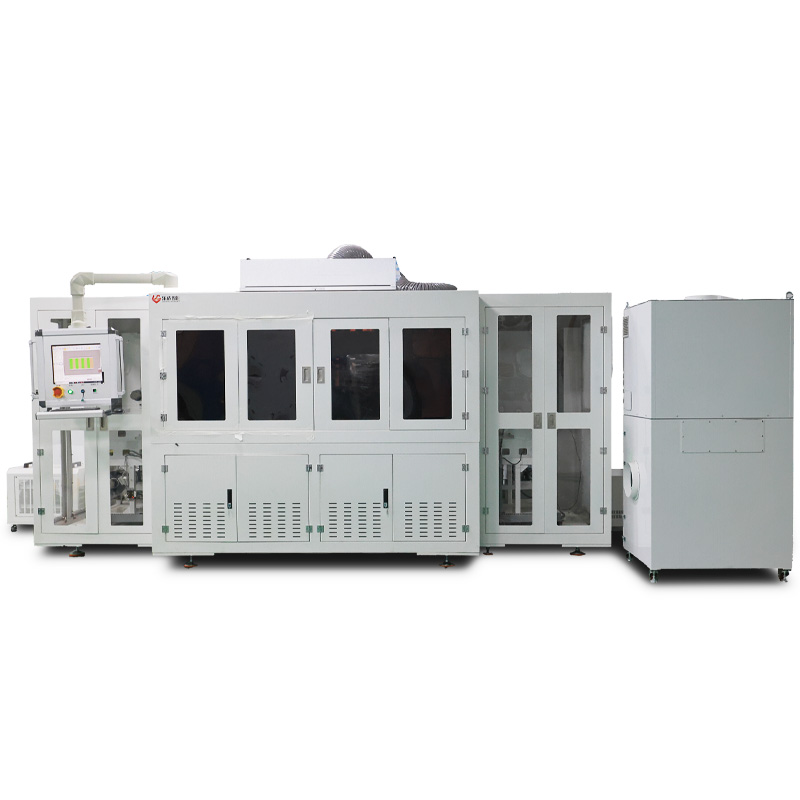
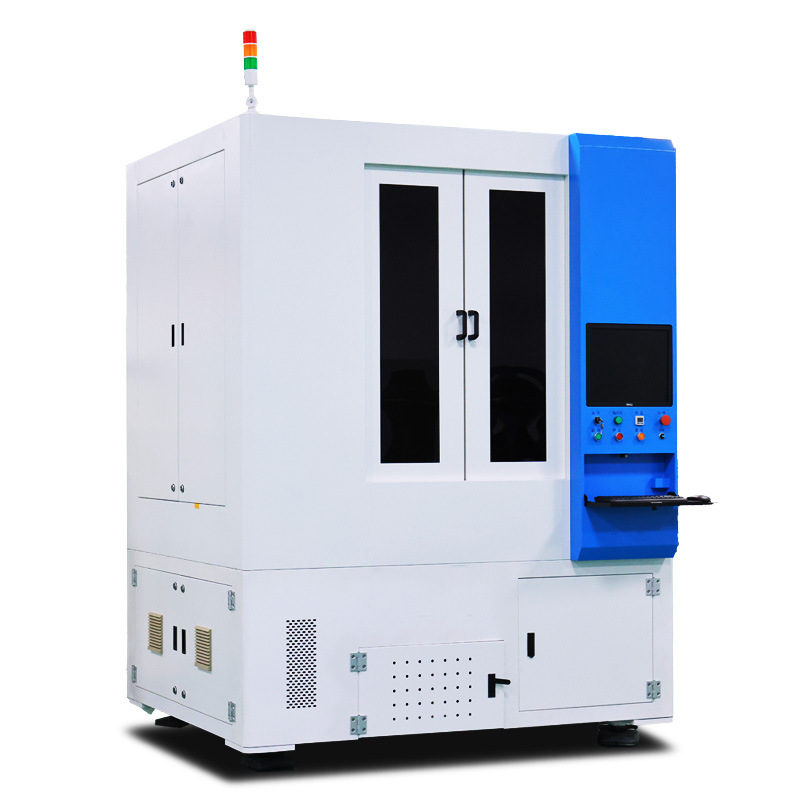
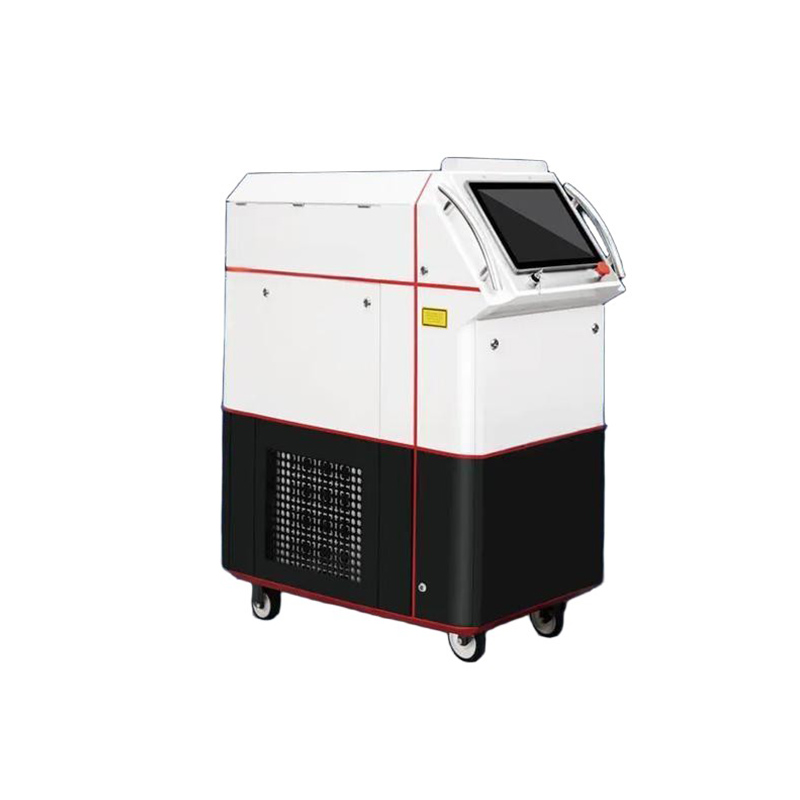
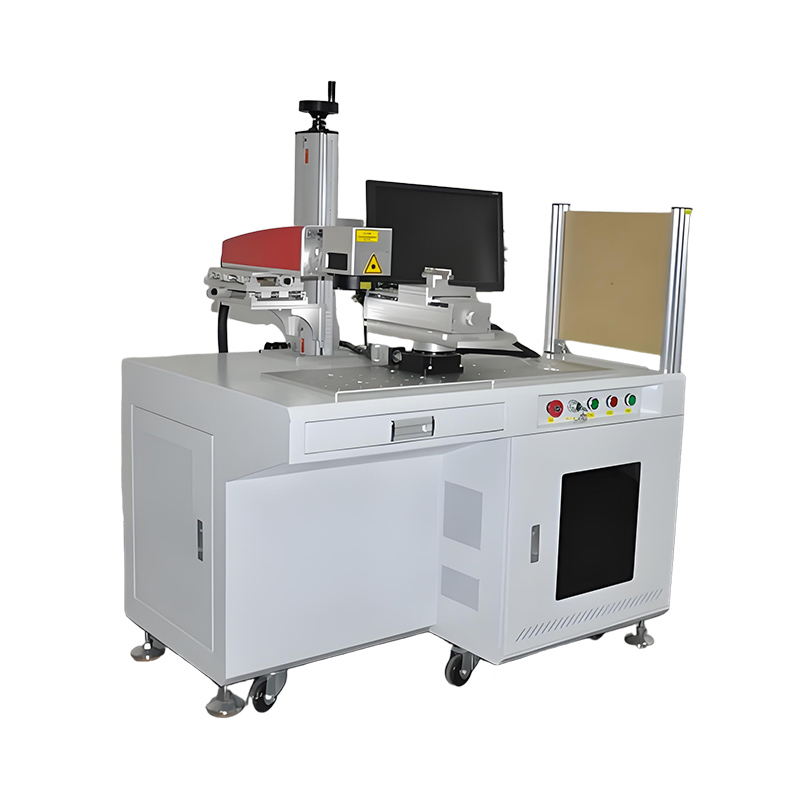
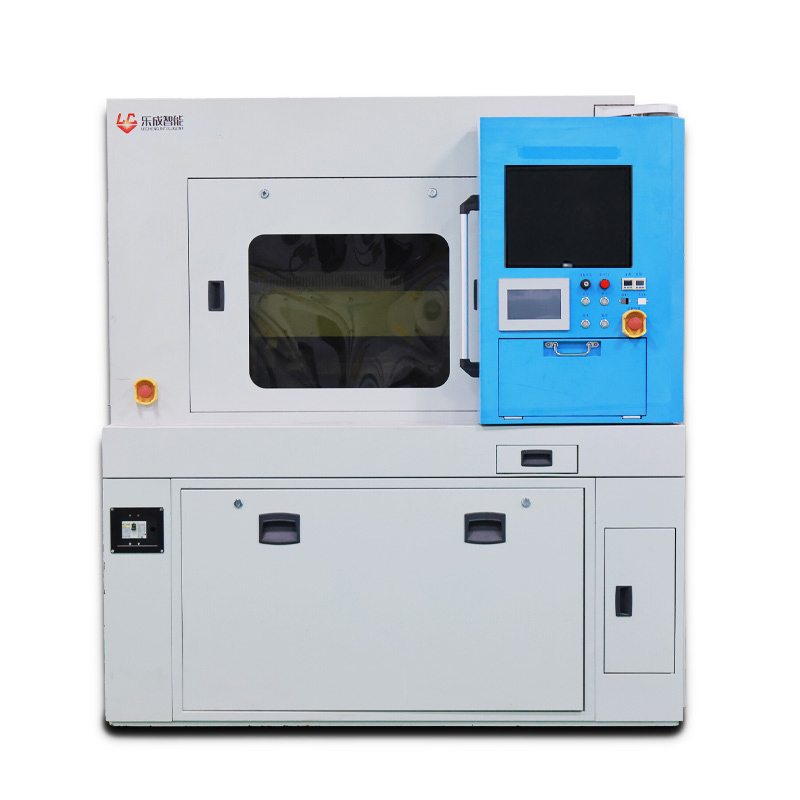
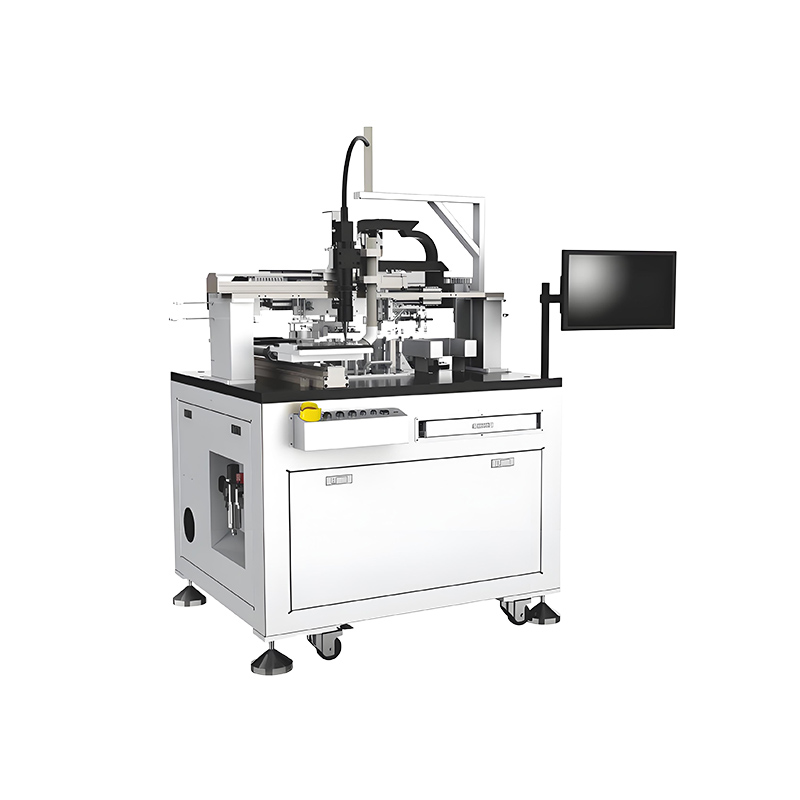
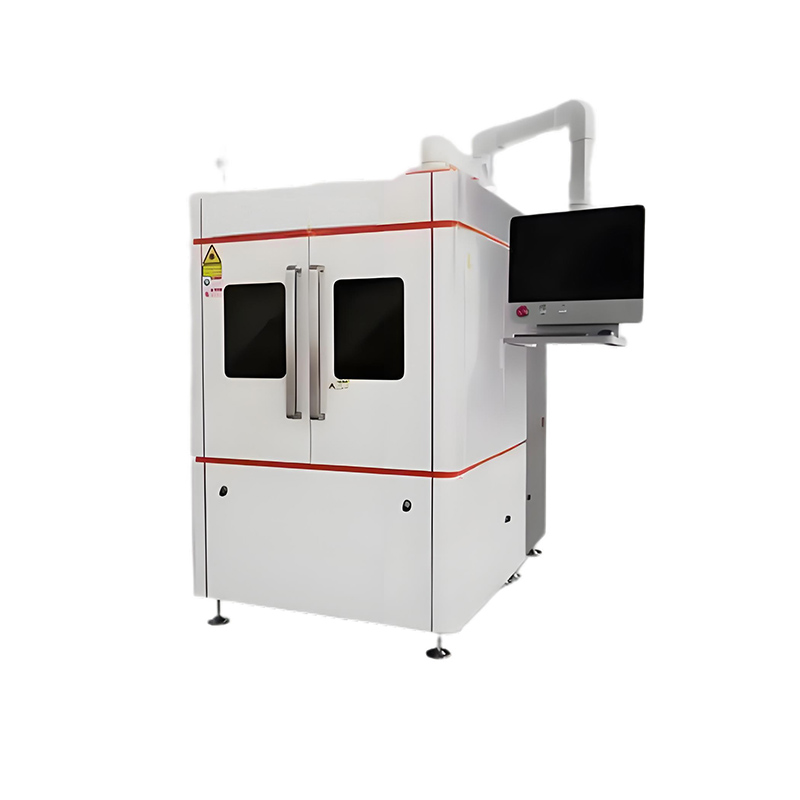
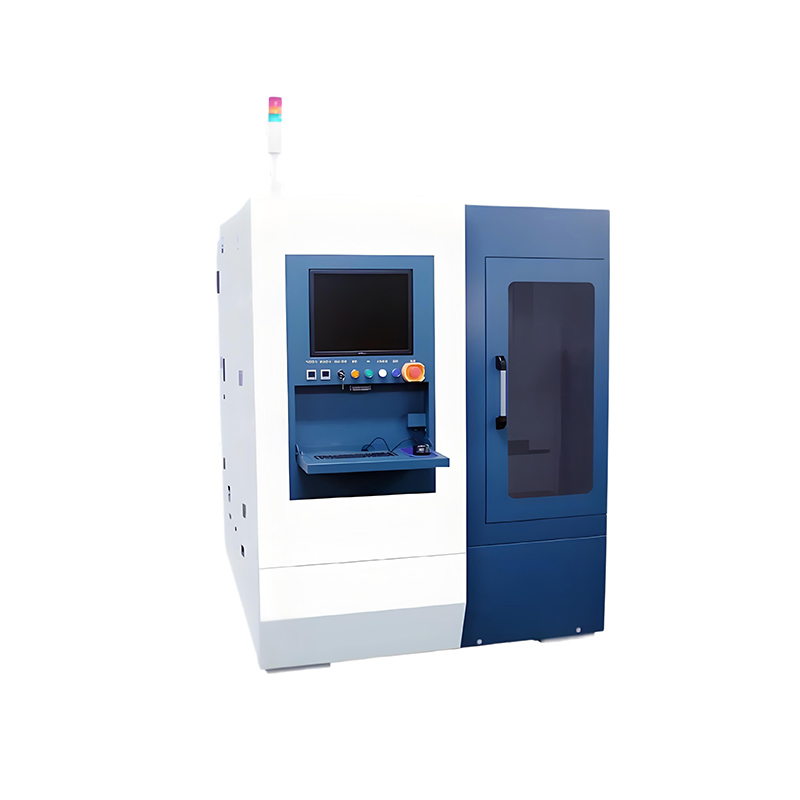
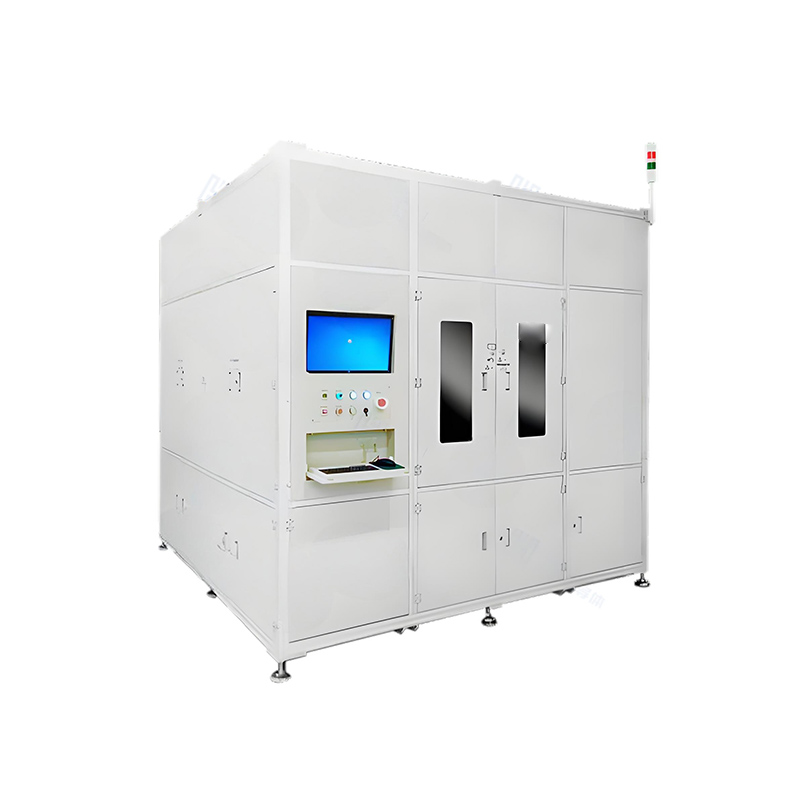
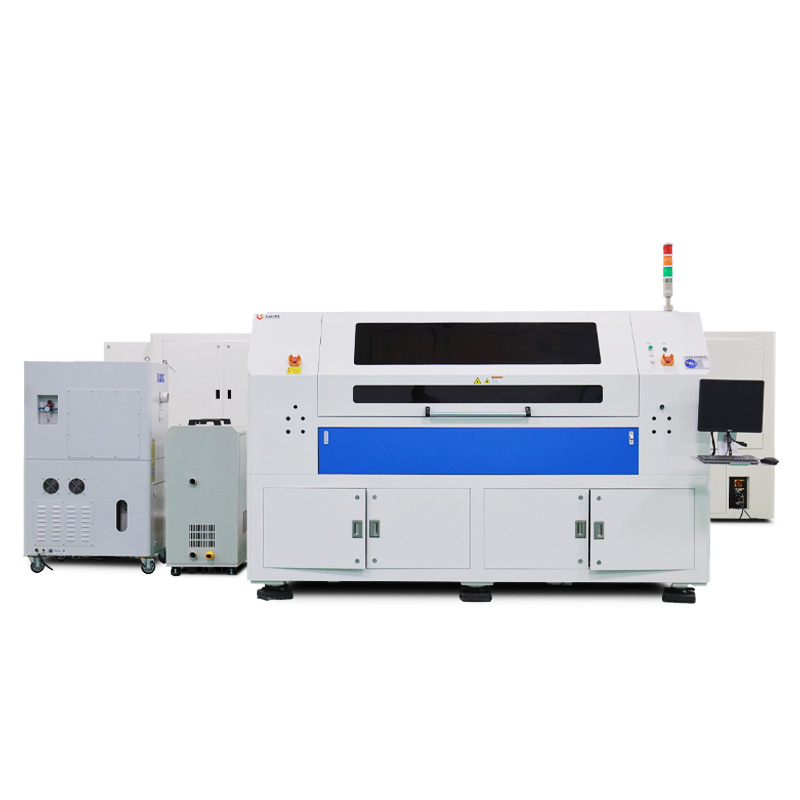
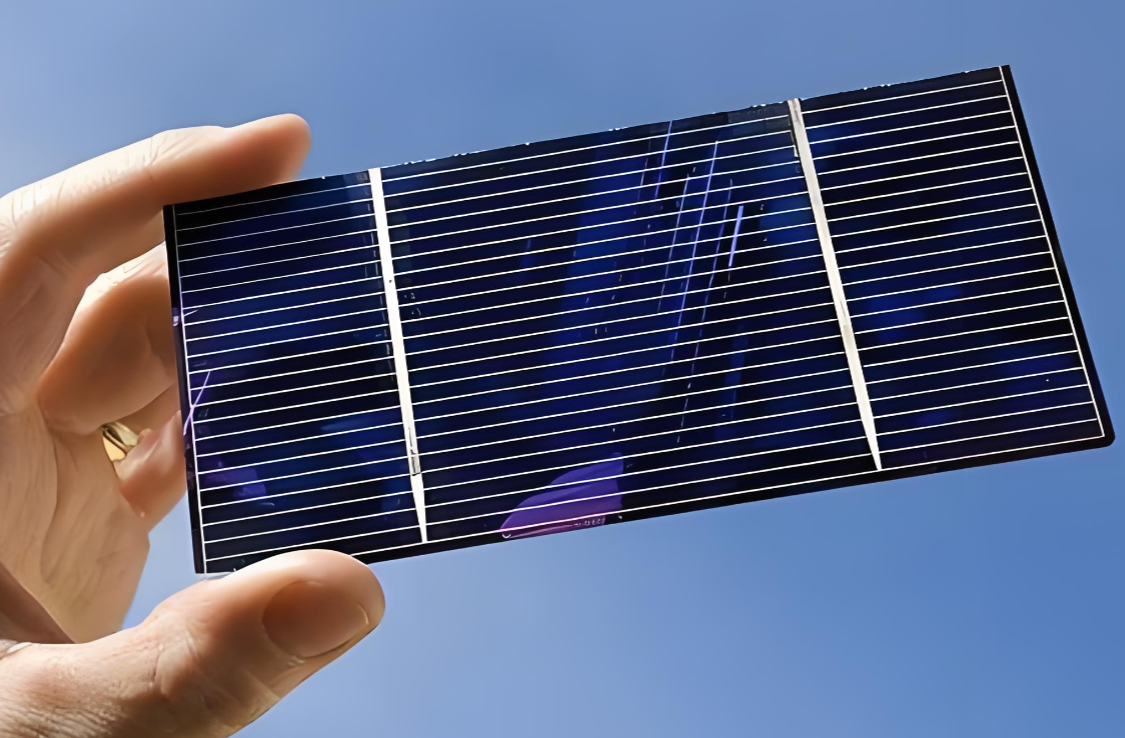
The journey of perovskite solar cells (PSCs) from record-breaking lab efficiencies to commercial products is contingent upon one critical factor: proving long-term operational stability. Unlike silicon, perovskite materials are sensitive to a synergistic combination of environmental stressors—light, heat, humidity, and electrical bias—that can induce complex, intertwined degradation mechanisms. Testing for stability by applying these factors in isolation (light-only, heat-only) often fails to predict real-world performance, leading to overly optimistic or incomplete data. The true test requires replicating the combined stressa cell endures in the field: continuous illumination that generates heat, elevated temperatures that accelerate ion migration, and an applied electrical load (bias) that drives electrochemical reactions. Historically, this required a complex, multi-device setup—a solar simulator, a separate thermal chamber, and external biasing circuits—introducing variables, measurement uncertainty, and logistical complexity. An integrated testing system that unifies controlled illumination (sun simulation), precise temperature cycling, and programmable electrical bias within a single, sealed environment is therefore not a mere convenience; it is a scientific and commercial necessity. It is the only way to conduct accelerated lifetime testing that yields predictive, reliable, and actionable data on how a perovskite device will perform over decades. Companies like Lecheng are addressing this core industry need by developing these essential, all-in-one validation tools.
The Engineering of a Unified Stress Environment
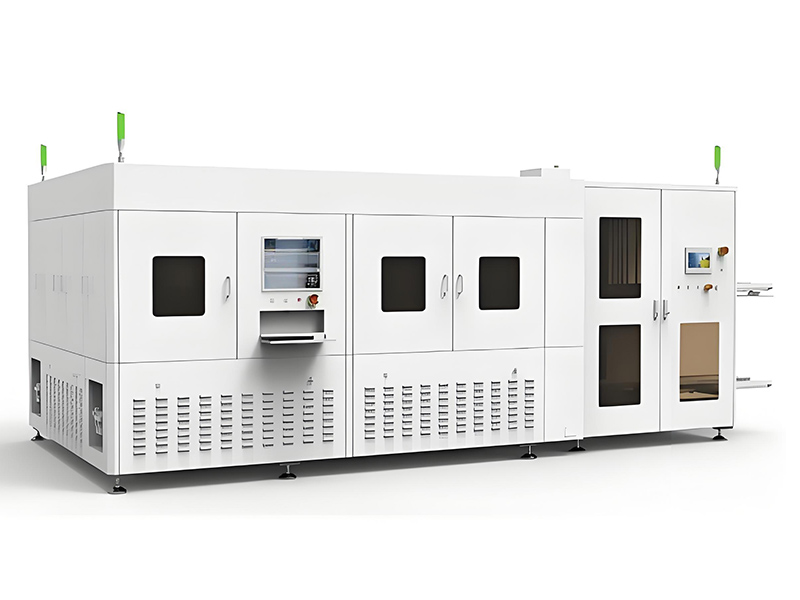
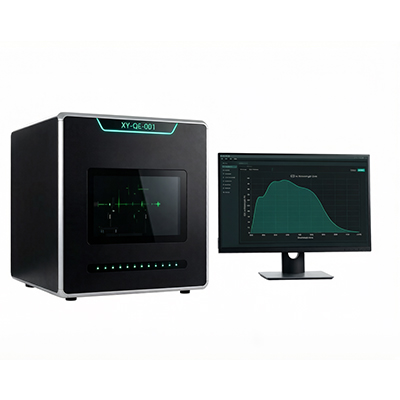
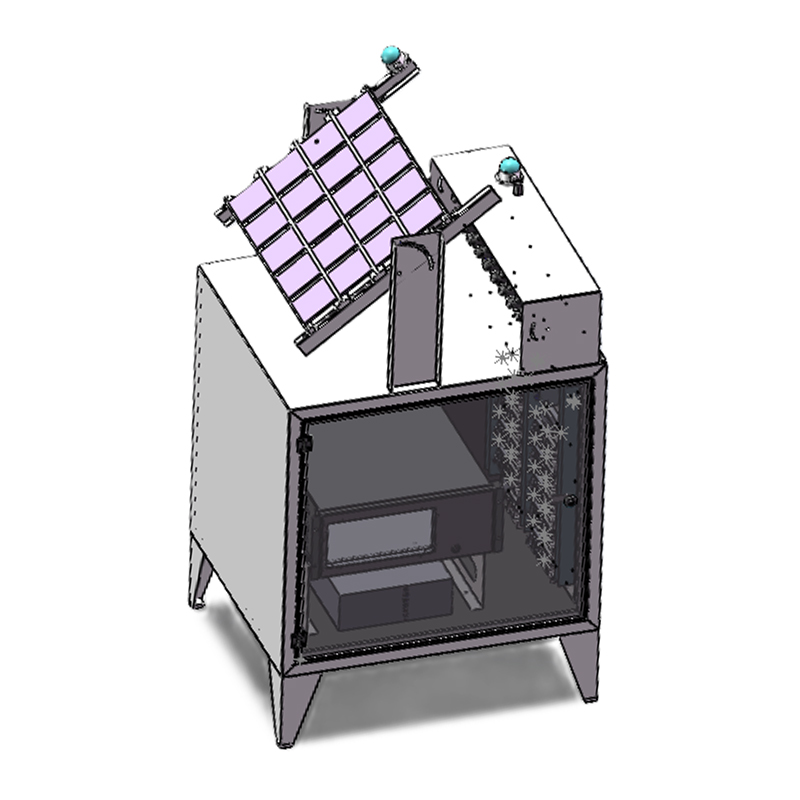
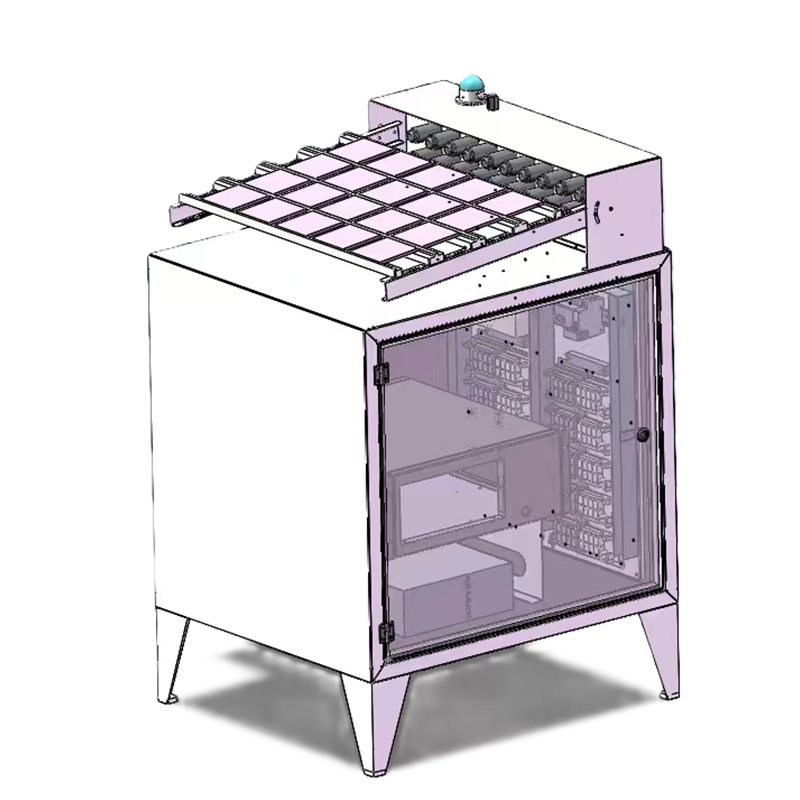
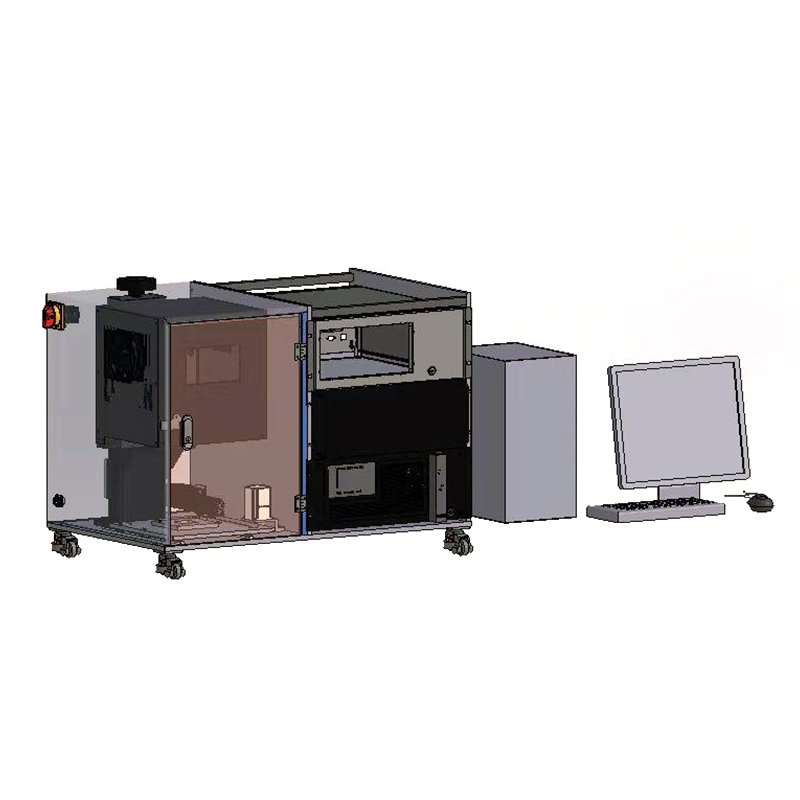
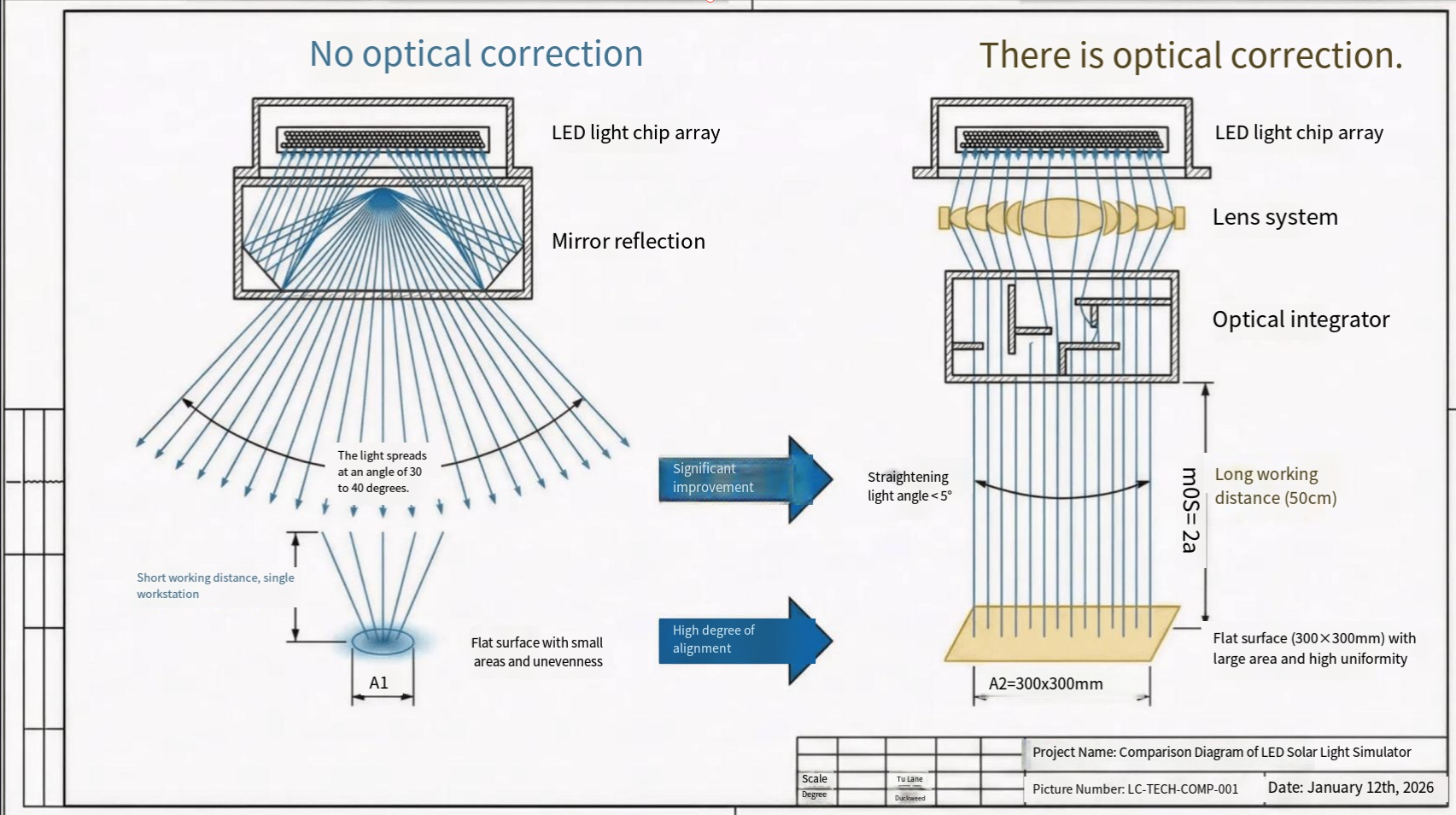
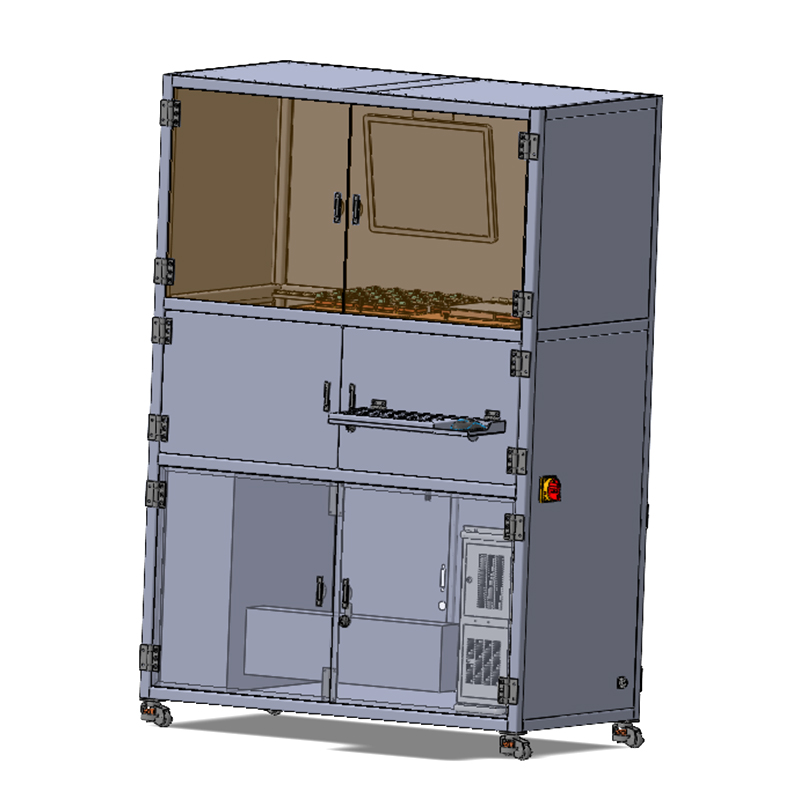
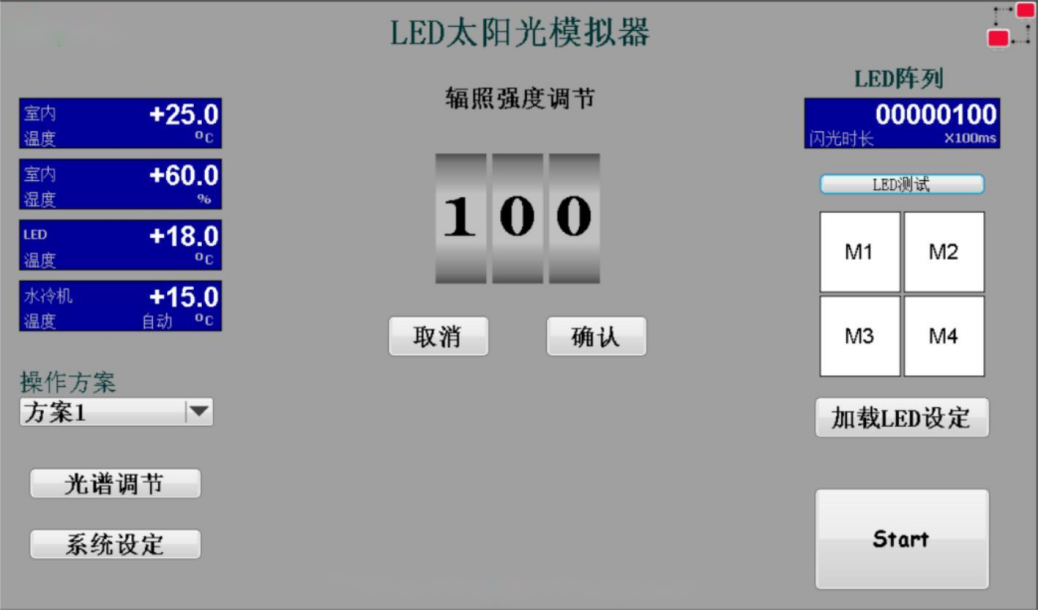
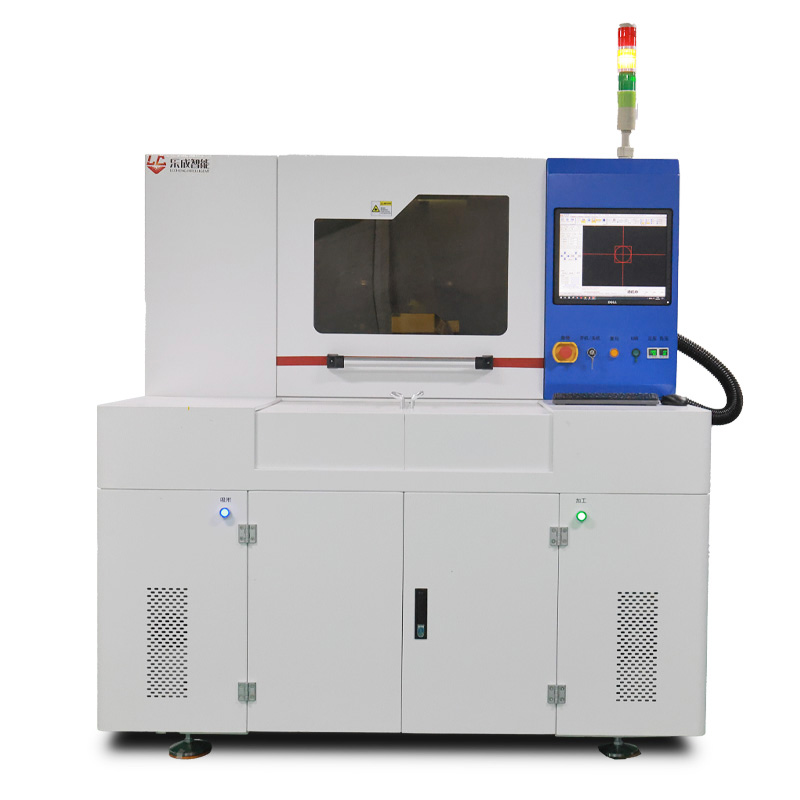
Creating a system that accurately and uniformly applies combined light, heat, and bias is a significant feat of opto-thermal-electrical engineering. The core challenge is to ensure that each stressor is controlled independently yet interacts with the device under test in a manner that mirrors real-world conditions, all while enabling precise, in-situ measurement. First, the light source must be a Class AAA solar simulator, providing spectrally matched, spatially uniform, and temporally stable illumination across the entire active area of the test sample. This light source must be integrated into a thermal chamber capable of maintaining precise temperature setpoints (from sub-ambient to >85°C) and executing rapid thermal cycles, with the sample temperature monitored directly—not just the chamber air. Concurrently, the system must integrate multi-channel source measure units (SMUs) to apply maximum power point tracking (MPPT), open-circuit, short-circuit, or any custom voltage/current bias to each cell or mini-module, all while under continuous illumination and temperature stress. Crucially, the system design must minimize measurement artifacts: for example, ensuring that electrical connections are stable across wide temperature ranges and that the sample stage is thermally conductive yet electrically isolated. Advanced systems, like those offered by Lecheng, achieve this integration with sophisticated control software that synchronizes all parameters, logs comprehensive data (J-V curves, Pmax, FF, etc. over time), and allows for automated, long-duration test sequences. This creates a true "environmental reactor" where degradation kinetics can be studied under defined, repeatable multi-stress conditions.
From Accelerated Data to Bankable Product Claims
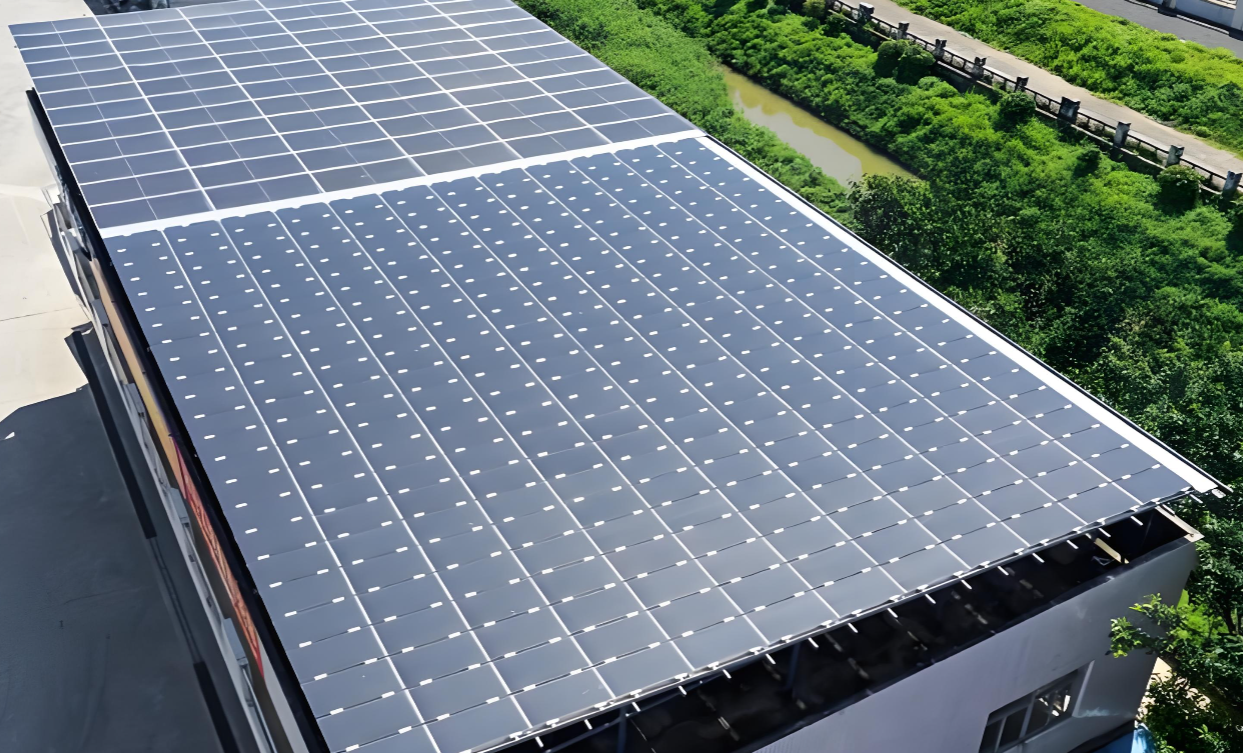
The ultimate value of an integrated stability testing system is its power to de-risk product development and substantiate commercial claims. By subjecting perovskite cells to accelerated, combined-stress testing (e.g., ISOS-L-2, ISOS-T-1, or custom protocols), researchers and manufacturers can obtain predictive lifetime data in weeks or months, not decades. This integrated approach reveals failure modes invisible in single-stress tests, such as how ion migration under bias is accelerated by heat, or how photo-induced degradation pathways change at different temperatures. The rich, time-series data on efficiency, fill factor, and shunt resistance under these combined stresses allows for the development of accurate degradation models and the identification of the weakest link in the device architecture or encapsulation scheme. For a manufacturer, this means being able to iterate materials and designs rapidly with confidence, targeting specific stability benchmarks like passing 1000 hours of damp heat testing or thermal cycling. It provides the hard evidence needed to secure investor confidence, pass due diligence for project financing, and ultimately offer competitive performance warranties. By providing a turnkey, integrated system that combines a high-fidelity light-soaking environment, precise thermal control, and sophisticated electrical biasing, companies like Lecheng are not just selling a tester; they are providing the critical infrastructure for building trust. This enables perovskite technology developers to translate their laboratory breakthroughs into stable, reliable, and bankable solar energy products, bridging the gap between innovation and commercialization.
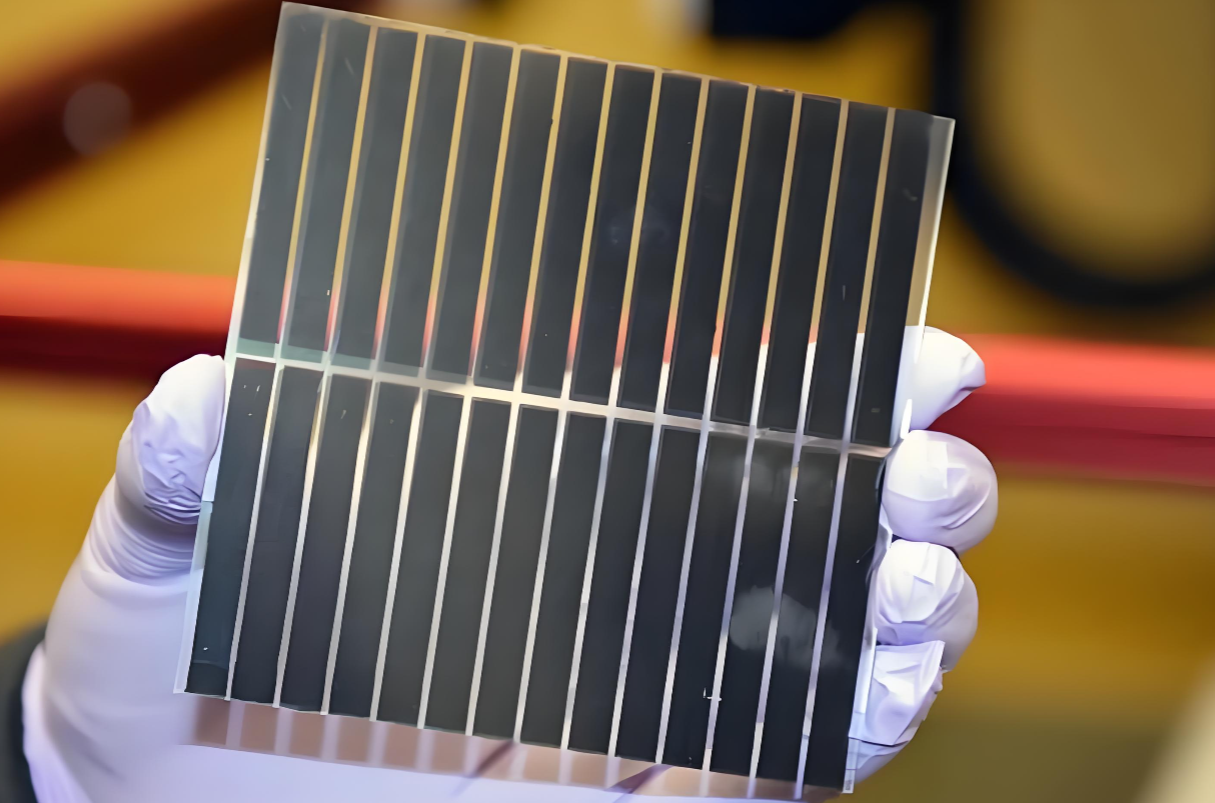
An integrated solution for perovskite stability testing is the indispensable bridge between groundbreaking efficiency achievements and real-world commercial deployment. By unifying light, heat, and electrical bias within a single, precise instrument, it delivers the accelerated, predictive, and realistic lifetime data that the industry demands. This capability transforms stability from a vague concern into a quantifiable, optimizable parameter. Investing in such a comprehensive testing system is, therefore, a strategic imperative for any serious player in the perovskite PV space. It is the tool that turns promising laboratory cells into certified, warranty-backed products, enabling the perovskite revolution to move confidently from the research bench to the global energy market.