


The Manufacturing Revolution: From Batch to Continuous
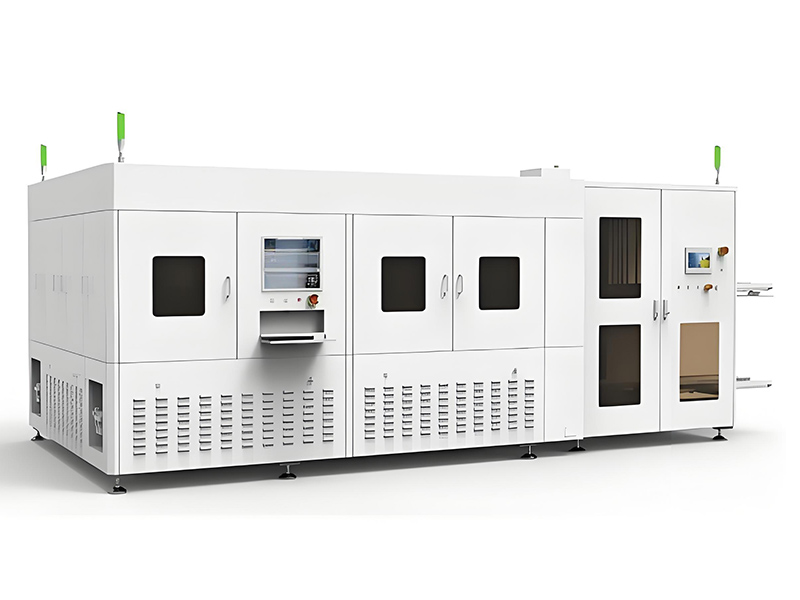
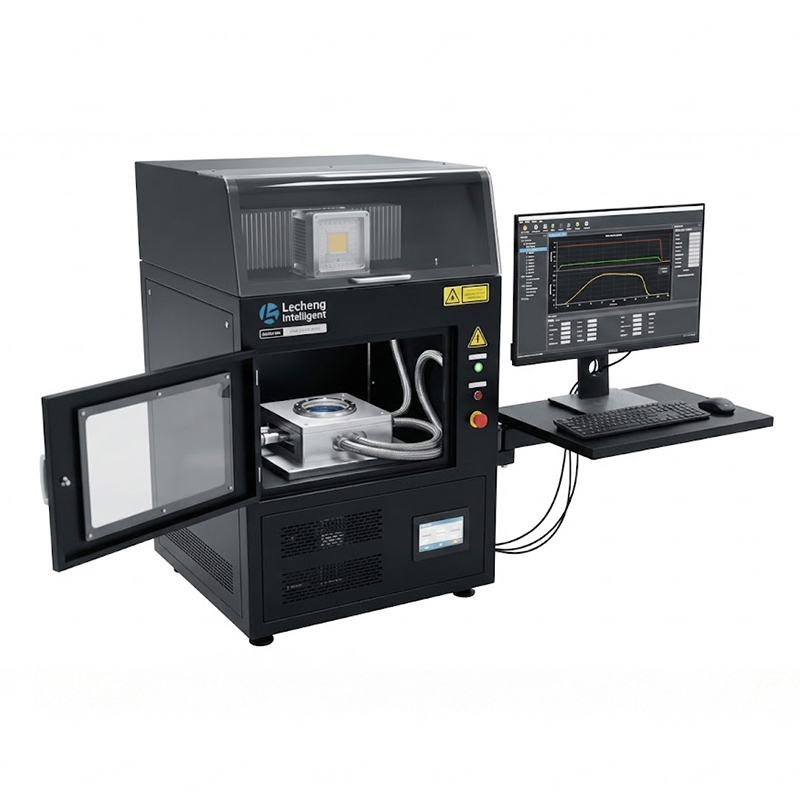
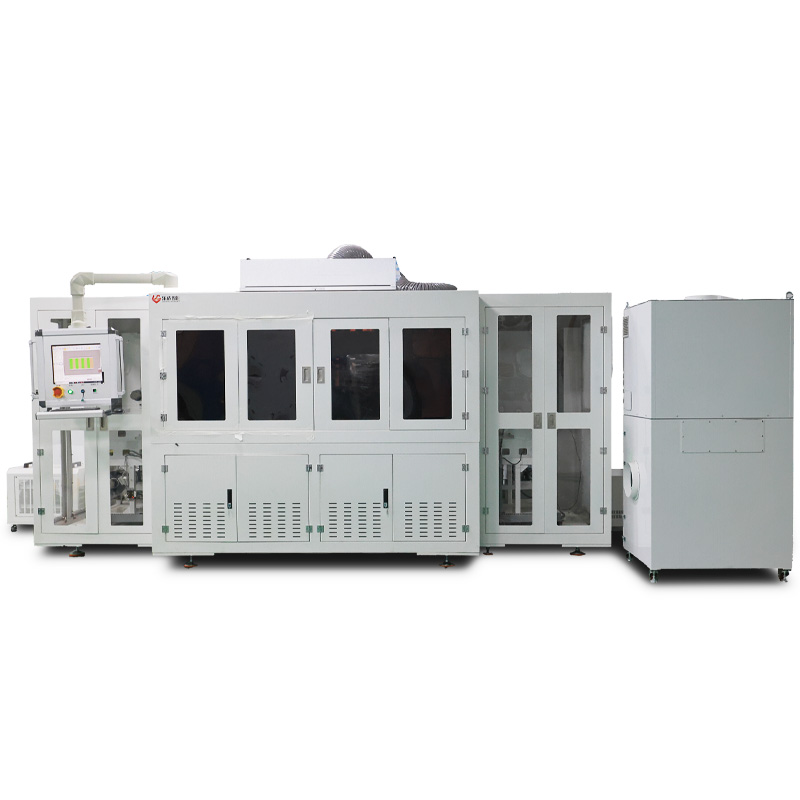
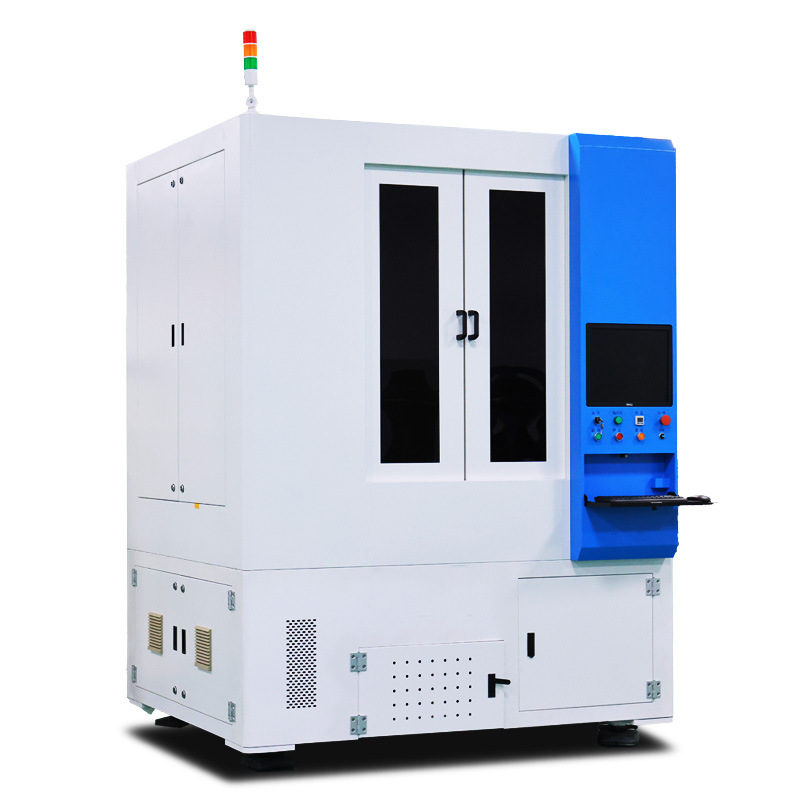
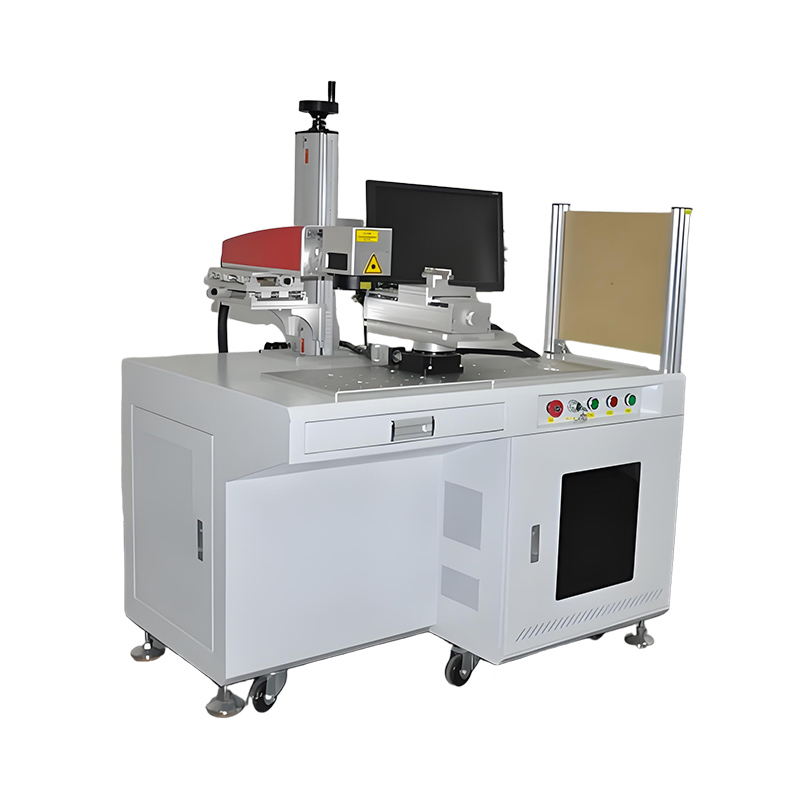
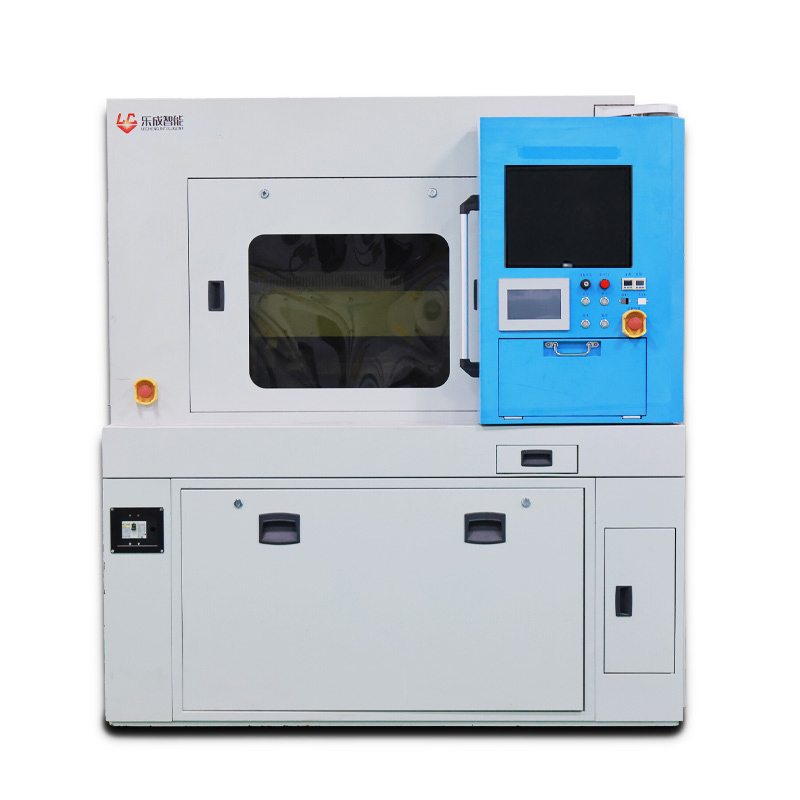
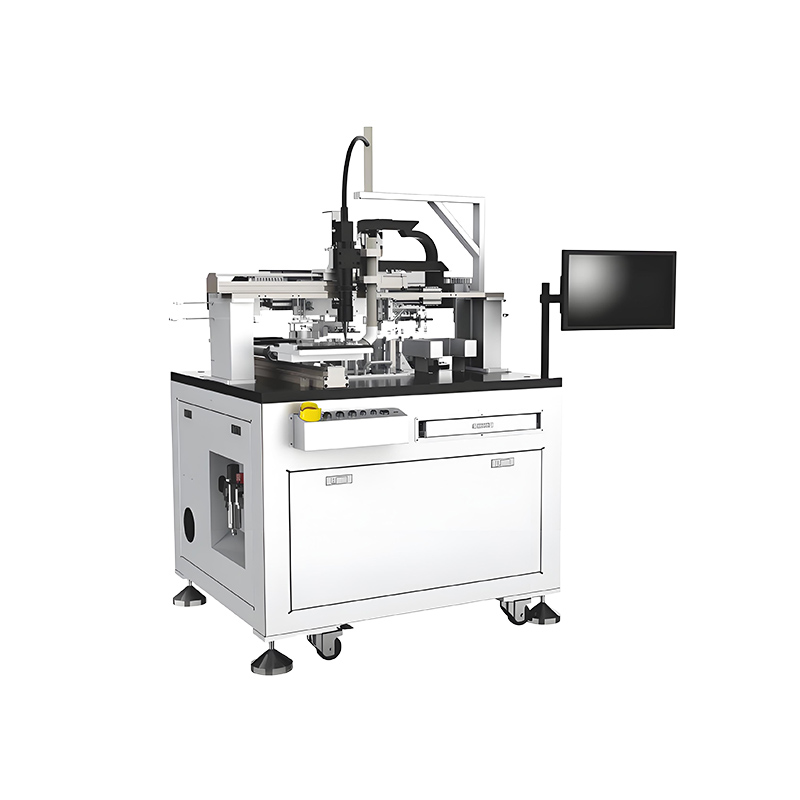
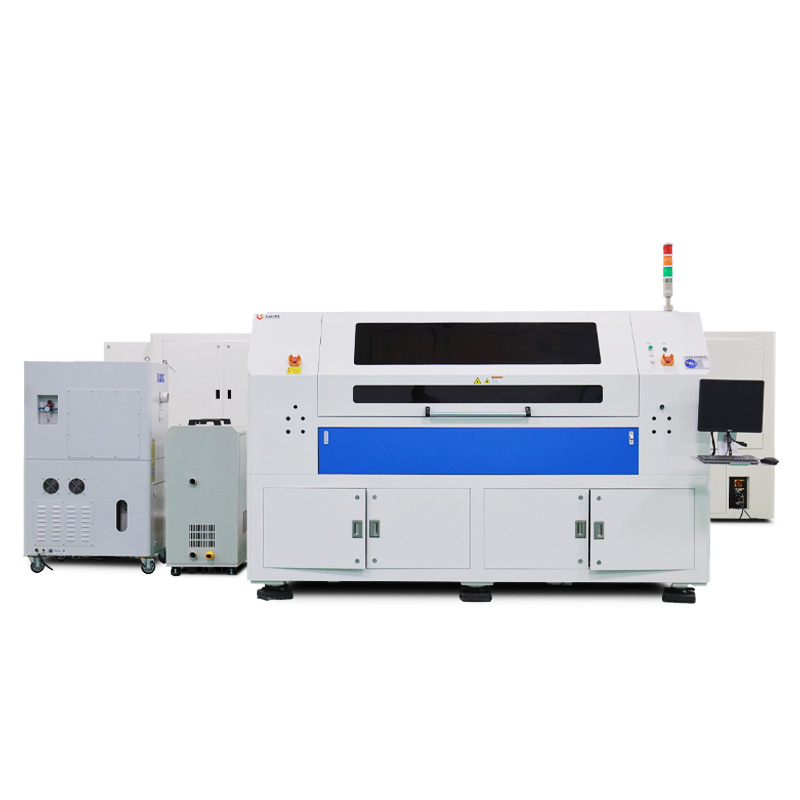
The promise of lightweight, flexible, and low-cost perovskite and organic photovoltaic (PV) modules hinges on a fundamental shift in manufacturing philosophy: moving from batch processing on rigid glass to continuous, high-speed production on flexible substrates. This is the core promise of Roll-to-Roll (R2R) manufacturing. Traditional sheet-by-sheet ("sheet-to-sheet") laser scribing, while precise, creates a bottleneck incompatible with the high-throughput, low-cost targets essential for these emerging technologies. R2R laser scribing systems are engineered to break this bottleneck. In an integrated production flow, a continuous roll of flexible material—such as plastic film or metal foil—feeds seamlessly through deposition, laser patterning, and encapsulation stages. The laser scribing system acts as the critical digital patterning heart of this line. It must dynamically and precisely perform the P1, P2, and P3 interconnection scribes, and often the P4 edge deletion, on a moving, potentially non-rigid web. This transition from static to dynamic processing is not merely a change in handling; it is a paradigm shift that enables the economies of scale and production speeds necessary for flexible PV to compete in the broader energy market. Implementing an R2R laser scribing system is therefore the decisive step from lab-scale fabrication to truly scalable, cost-effective industrial production. Companies like Lecheng are at the forefront, developing the specialized laser tools that make this continuous, efficient future a reality.
Engineering for a Moving Target: Precision at Speed
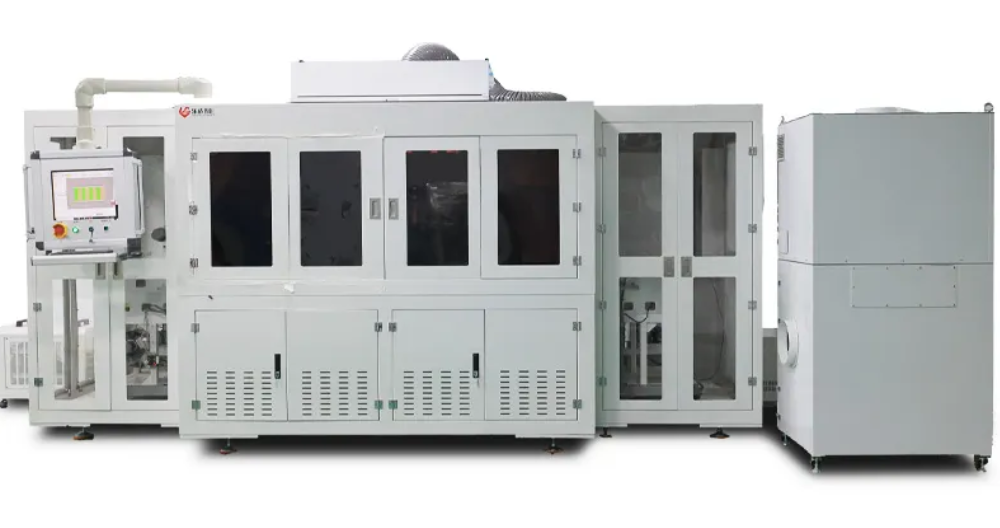
Performing micron-precision scribing on a fast-moving, potentially vibrating web presents a formidable engineering challenge. An effective R2R laser scribing system is a symphony of synchronized technologies. First, it requires a stable, precisely controlled web-handling system that maintains consistent tension and transport speed, as any slip or variation directly translates to patterning errors. The laser processing unit must then be integrated with high-speed, real-time motion compensation. This is typically achieved through a combination of a fast galvanometer scanner for the scribe axis and a precision servo stage that moves the optics in sync with the web movement, or via advanced "on-the-fly" scanning algorithms. Furthermore, dynamic autofocus systems are non-negotiable. They continuously adjust the laser focal plane to account for substrate thickness variations, wrinkles, or "bowing" of the web as it moves. The laser source itself, often a high-repetition-rate, short-pulse (ultraviolet or green) laser, must deliver consistent pulse energy to create clean, debris-minimized scribes with a narrow heat-affected zone. The system must also incorporate in-line process monitoring, such as machine vision, to inspect scribe quality and registration in real-time. The goal of this complex integration is to achieve on a dynamic web the same level of clean, precise, and consistent patterning that is demanded in static batch processing. The precision of the P1, P2, and P3 scribes directly defines the module's fill factor and efficiency, making the R2R system's ability to maintain this precision at high speed the single most critical factor for manufacturing yield and performance.
Unlocking the Commercial Potential of Flexible PV
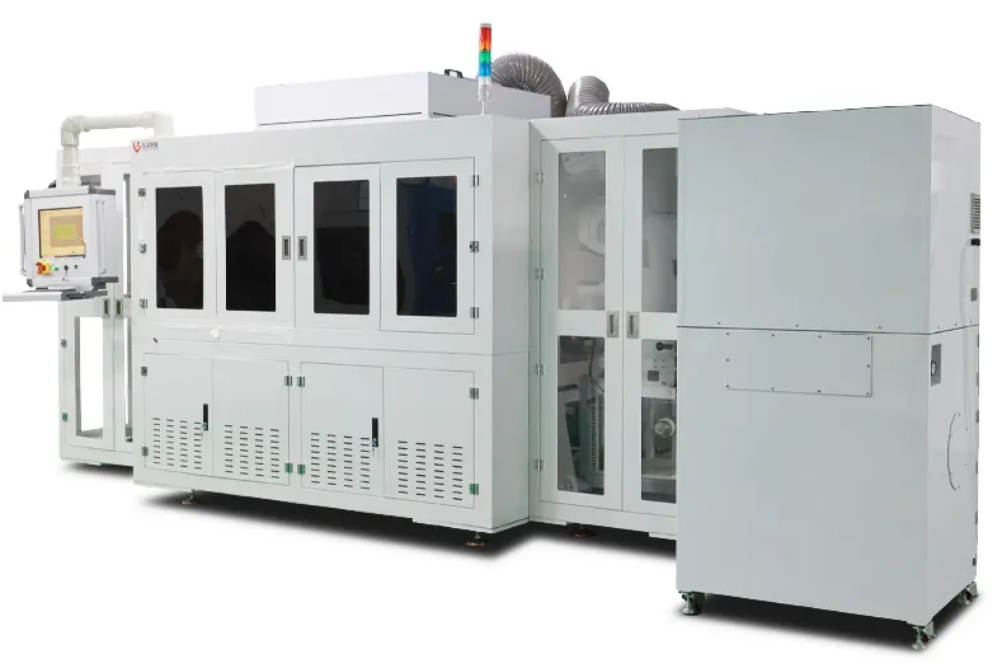
The successful implementation of R2R laser scribing is the key that unlocks the commercial potential of flexible perovskite and organic PV. Its benefits are transformative. The most direct is a dramatic reduction in manufacturing cost per unit area. Continuous processing minimizes handling steps, reduces labor, and maximizes factory footprint utilization. It enables production speeds measured in meters per minute, a quantum leap from the minutes-per-sheet pace of batch processing. This high throughput is essential for achieving the low levelized cost of energy targeted by these technologies. Moreover, the process consistency inherent in a well-tuned R2R line leads to higher and more uniform product quality, directly improving yield and reliability. The flexibility of the substrate and the process also opens the door to novel applications unreachable with rigid glass modules, such as building-integrated photovoltaics (BIPV) on curved surfaces, portable power for wearable electronics, and lightweight solar for vehicles and drones. By providing a complete R2R laser scribing solution, including precision web handling, dynamic laser processing, and in-situ inspection, companies like Lecheng are not just selling equipment; they are delivering the core manufacturing capability that allows flexible PV innovators to transition from promising R&D to high-volume, market-ready production. It transforms flexible PV from a laboratory curiosity into a scalable, economically viable pillar of the future distributed energy landscape.
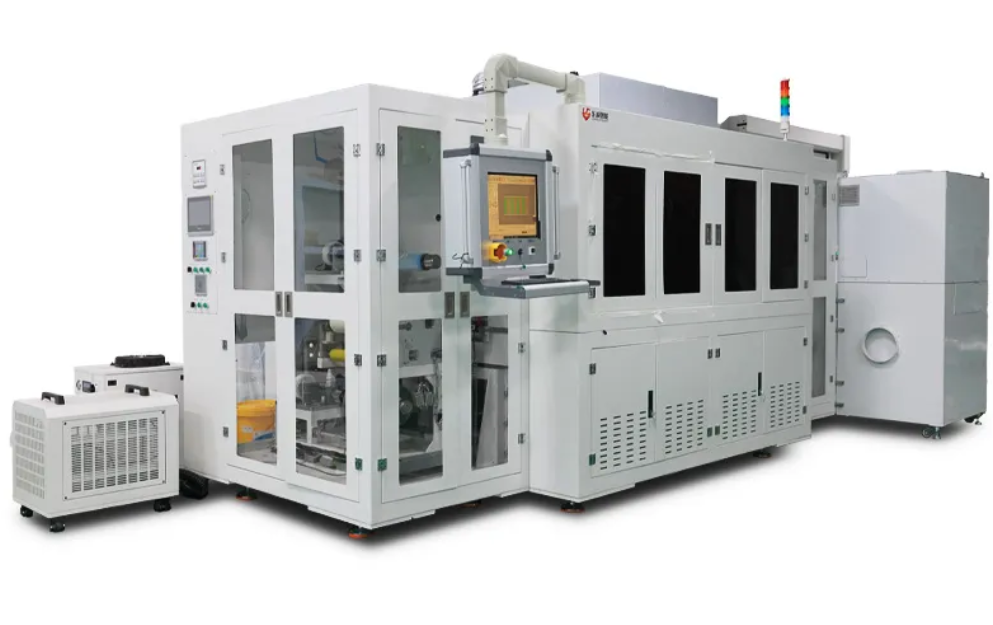
Roll-to-Roll laser scribing is far more than an adaptation of a static process; it is the foundational technology that bridges the gap between the groundbreaking efficiency of flexible perovskite and organic PV materials and their real-world commercial deployment. It provides the essential combination of high speed, precision, and process control needed for cost-effective, high-volume manufacturing. By enabling continuous, high-yield production on flexible substrates, R2R laser systems unlock the unique value propositions of light weight, flexibility, and low embedded energy. Investing in robust, precision R2R laser scribing technology is, therefore, the critical strategic decision for any enterprise aiming to lead the next wave of solar innovation and bring the transformative potential of flexible photovoltaics to market at scale.