


Solar Simulator Cost Guide
Solar Simulator Price Guide: What Affects The Cost For R&D Labs And Pilot Lines
Solar simulator price can vary greatly depending on test area, spectral match, irradiance uniformity, temporal stability, light source type, IV testing integration, calibration requirements and automation level. For R&D labs and pilot lines, buyers should compare the full testing configuration instead of only checking the equipment price.
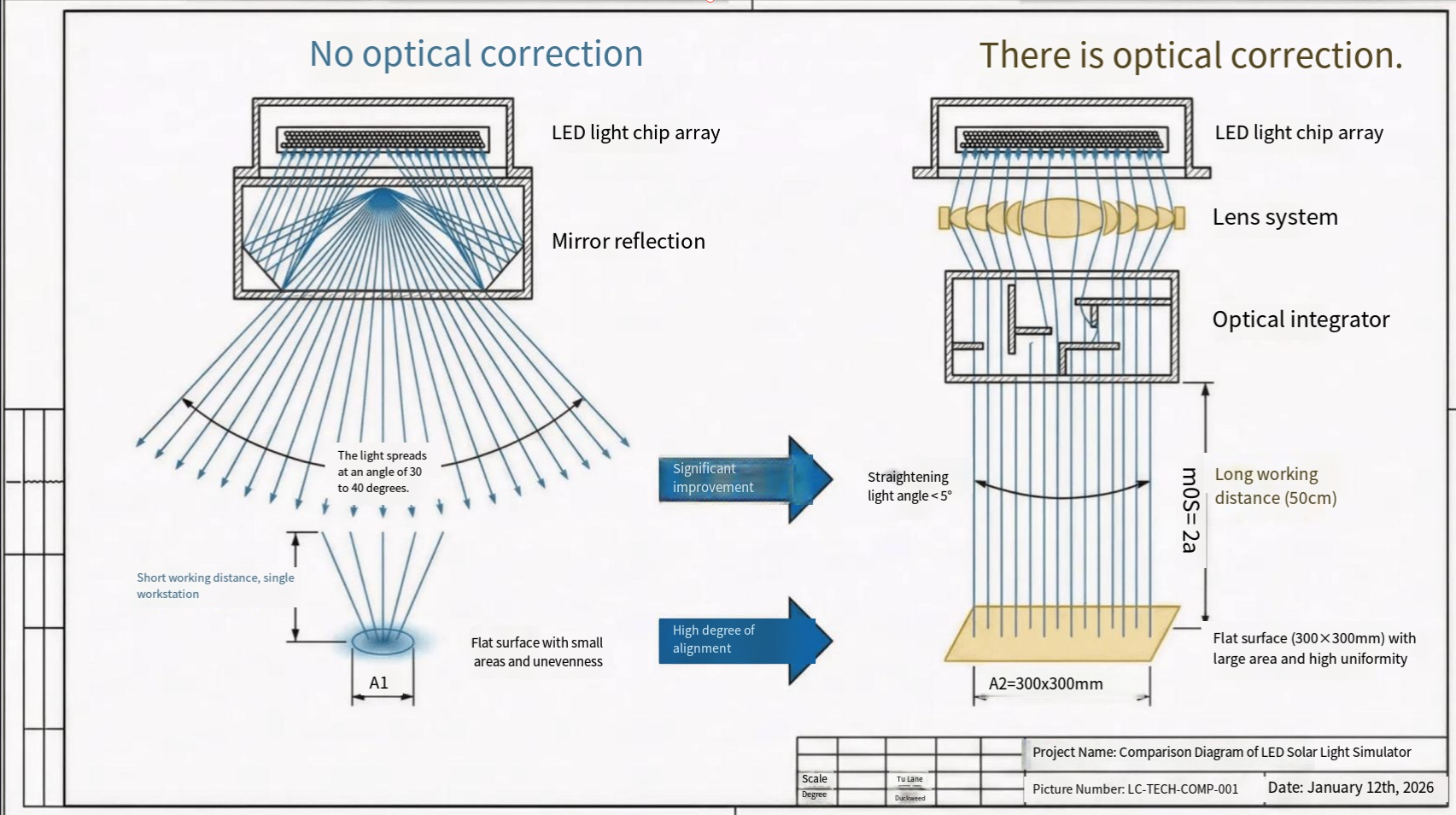
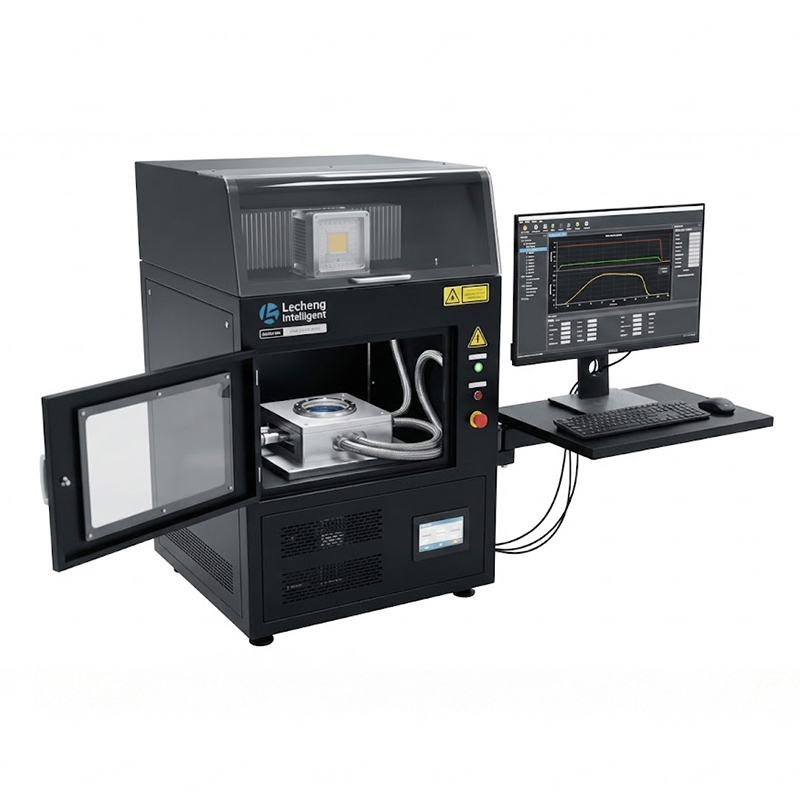
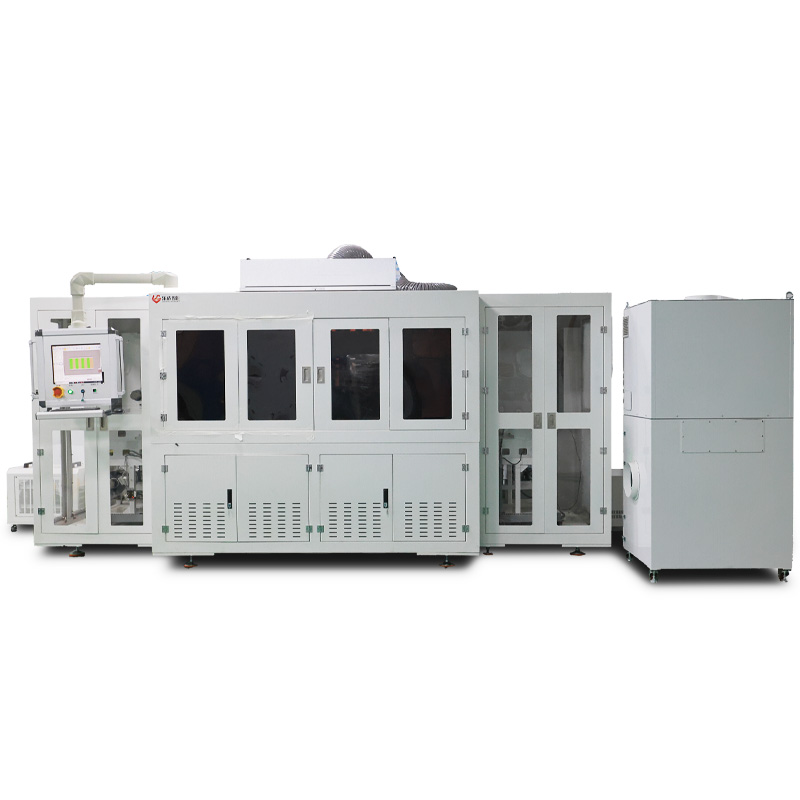
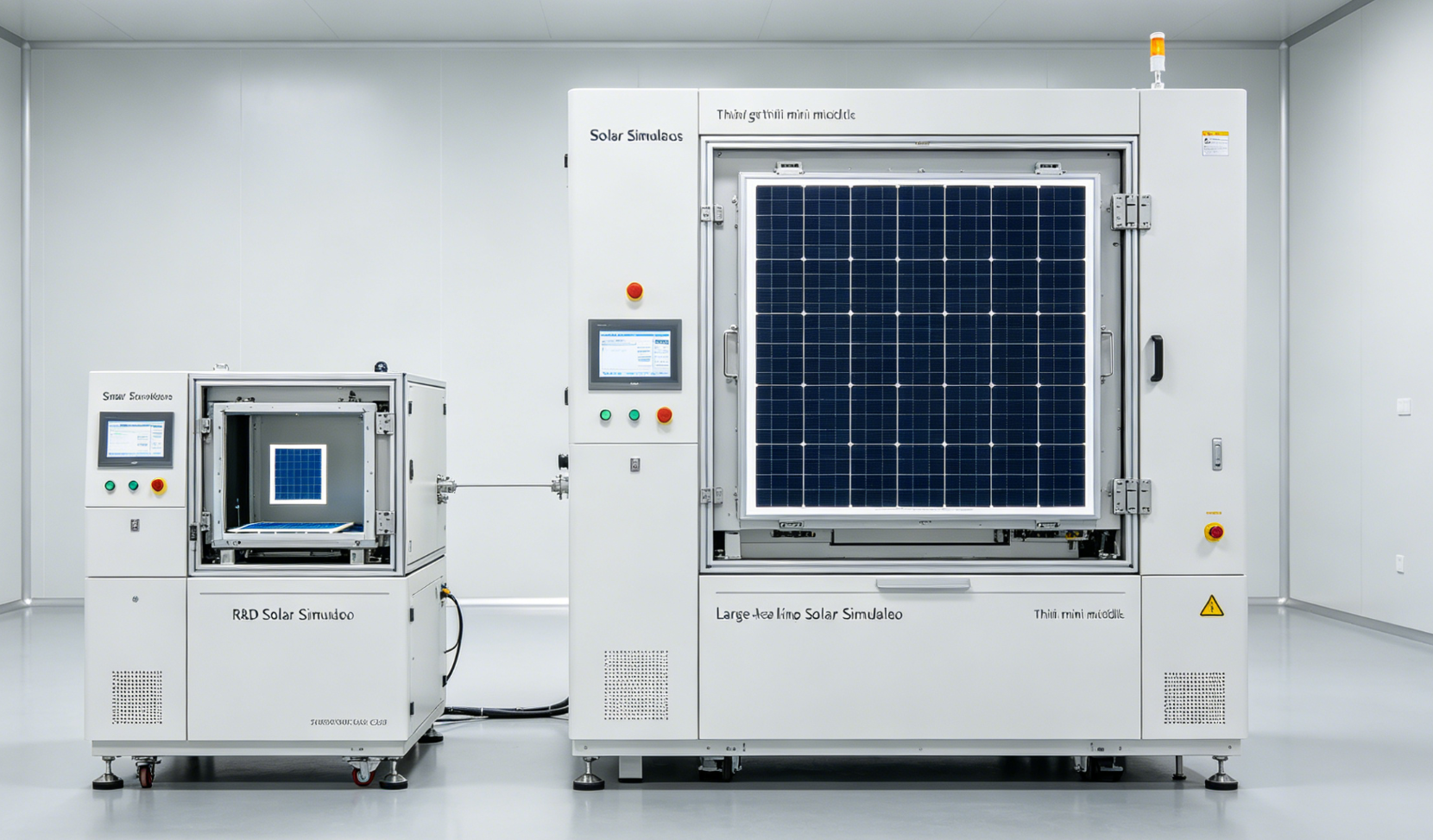
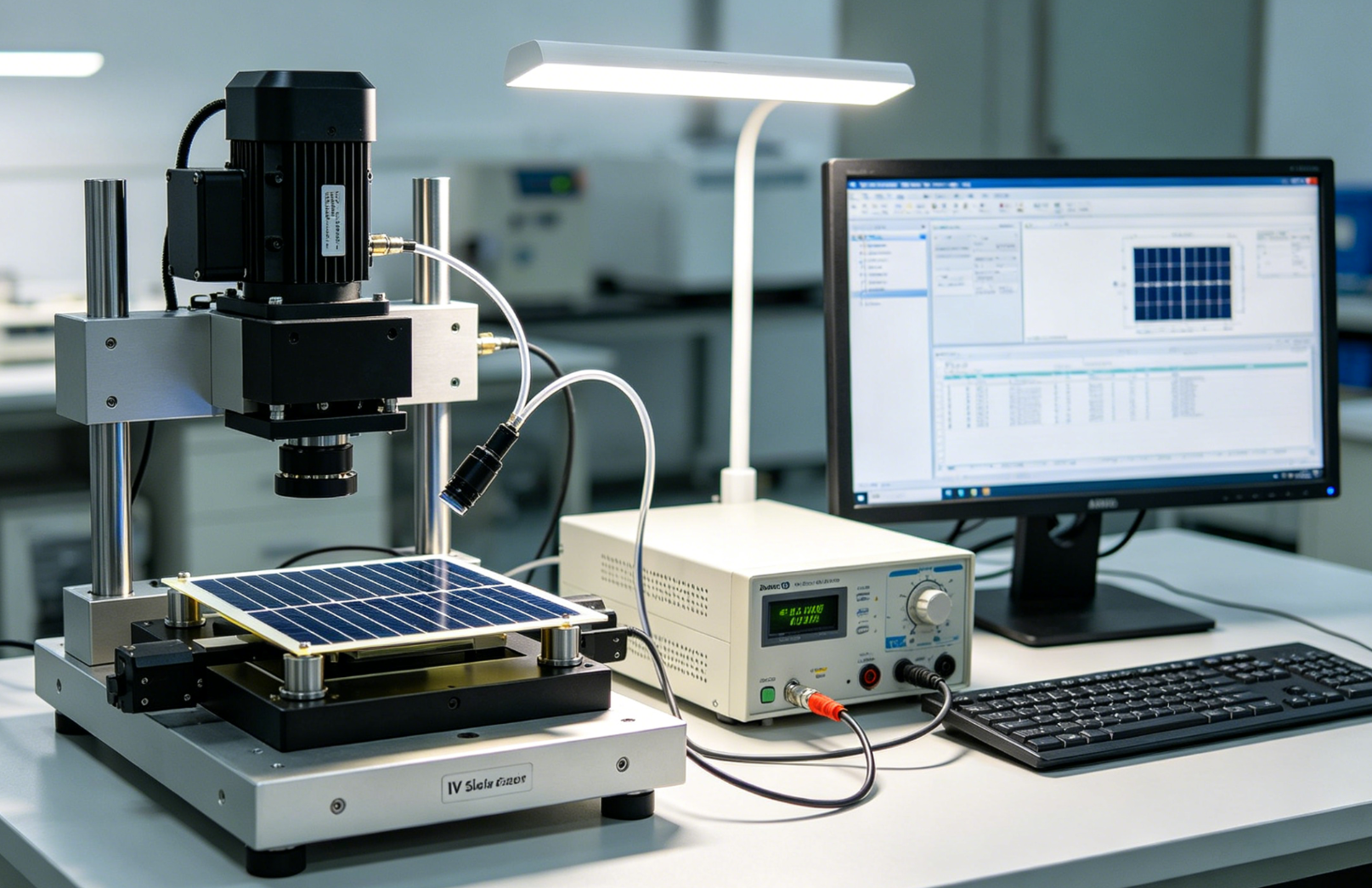
Get QuoteA solar simulator is not a standard one-price machine. A small R&D system for lab cells is very different from a large-area simulator used for pilot line modules. The final cost depends on testing accuracy, sample size, light quality, software integration and long-term stability requirements. For perovskite and thin-film solar cell projects, buyers should not choose equipment only by the lowest quotation. A lower-cost system may not provide enough spectral match, uniformity or stability for reliable efficiency measurement. The test area is one of the biggest cost factors. Small-area solar simulators are suitable for early R&D cells, while larger pilot line samples need wider illumination areas with stable uniformity. If buyers plan to move from small cells to mini-modules, they should consider future sample size before ordering. Buying a small system first may lead to repeated investment later. Better spectral match usually means higher equipment configuration. For perovskite, tandem and thin-film solar cells, accurate spectral response is important because different materials respond differently to different wavelengths. Light source type also affects cost. LED-based, xenon-based or hybrid solar simulators may have different advantages in stability, spectral control, maintenance and lifetime. Some buyers only ask for the solar simulator, but real testing usually requires IV testers, source meters, sample stages, temperature control and software. A complete system costs more, but it provides more reliable efficiency data. For pilot lines, software functions such as data export, batch comparison, recipe management and report generation can help engineers track process changes more efficiently. R&D labs often need flexibility for different sample sizes and testing conditions. Pilot lines care more about repeatability, throughput, calibration stability and process data management. If the system will be used for both R&D and pilot validation, buyers should choose a configuration that supports current experiments and future scale-up. Cell or module size to be tested Perovskite, tandem or thin-film material type Required test area and illumination uniformity Required spectral match and stability level Whether IV tester and source meter are needed Data export, software and batch comparison requirements Calibration and reference cell requirements R&D use, pilot line QC or long-term reliability testing Solar simulator cost is affected by test area, spectral match, irradiance uniformity, temporal stability, light source type, IV testing integration, calibration and software functions. Buyers should compare the complete testing solution, not only the base machine price. For perovskite and thin-film solar cell testing, the right solar simulator helps improve data reliability, reduce testing errors and support the transition from R&D to pilot line validation. Contact Lecheng Laser to discuss your test area, spectral match, IV testing needs and R&D or pilot line configuration.Why Solar Simulator Prices Are Different
1. Test Area Size
2. Spectral Match And Light Source Type
Main Factors That Affect Solar Simulator Price
Cost Factor Why It Affects Price Buyer Checkpoint Test Area Larger illumination area requires stronger optical design Current lab cells or future mini-modules? Spectral Match Higher accuracy requires better light source and control Suitable for perovskite or tandem cells? Irradiance Uniformity Better uniformity improves test reliability What uniformity is guaranteed over the test area? Temporal Stability Stable light output supports accurate IV measurement Is long-term output stable during testing? IV Integration Source meter, software and data export add system value Do you need complete IV testing setup? Calibration Reference cells and calibration support affect long-term accuracy What calibration method is included? 3. IV Tester And Software Configuration
4. R&D Lab vs Pilot Line Requirements
Information To Prepare Before Requesting A Quote
Conclusion
Need A Solar Simulator Cost Estimate?