


Solar Cell Testing Equipment Guide
How To Choose A Solar Simulator For Perovskite And Thin-Film Solar Cell Testing
Choosing the right solar simulator is critical for perovskite and thin-film solar cell testing. Buyers should evaluate spectral match, irradiance uniformity, temporal stability, test area, IV measurement integration, calibration method and future pilot line requirements before ordering equipment.
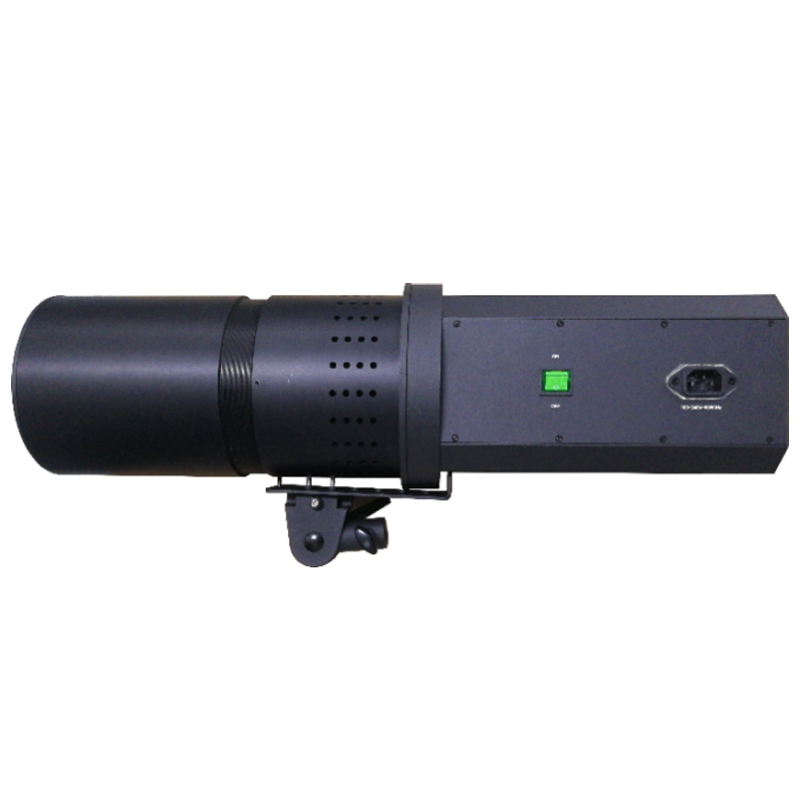
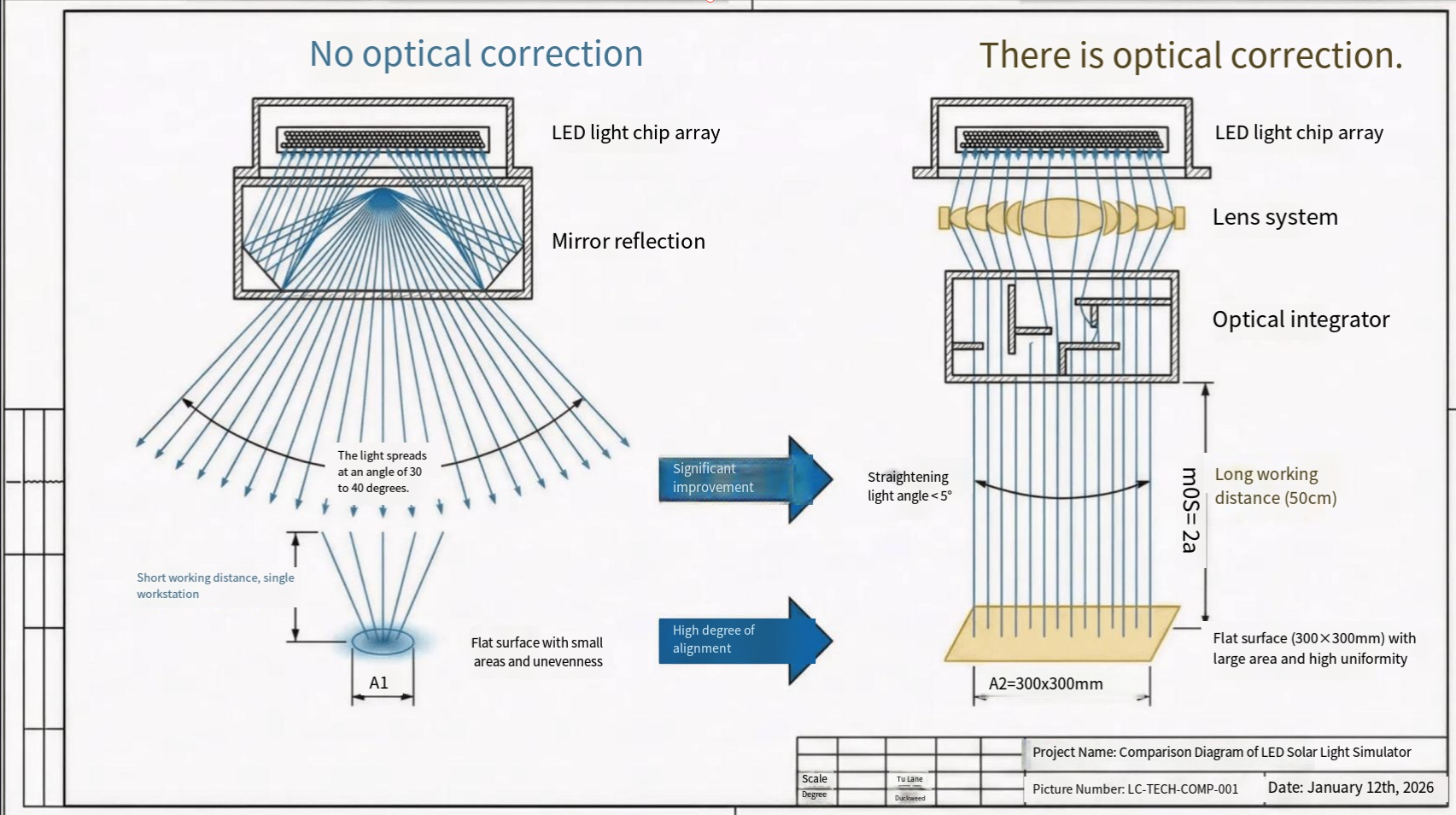
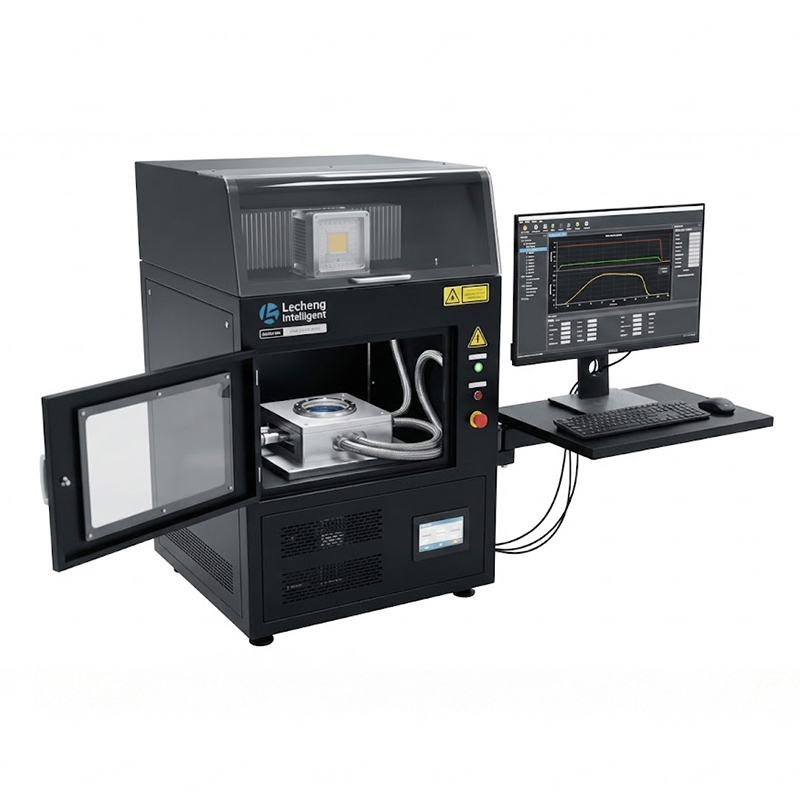
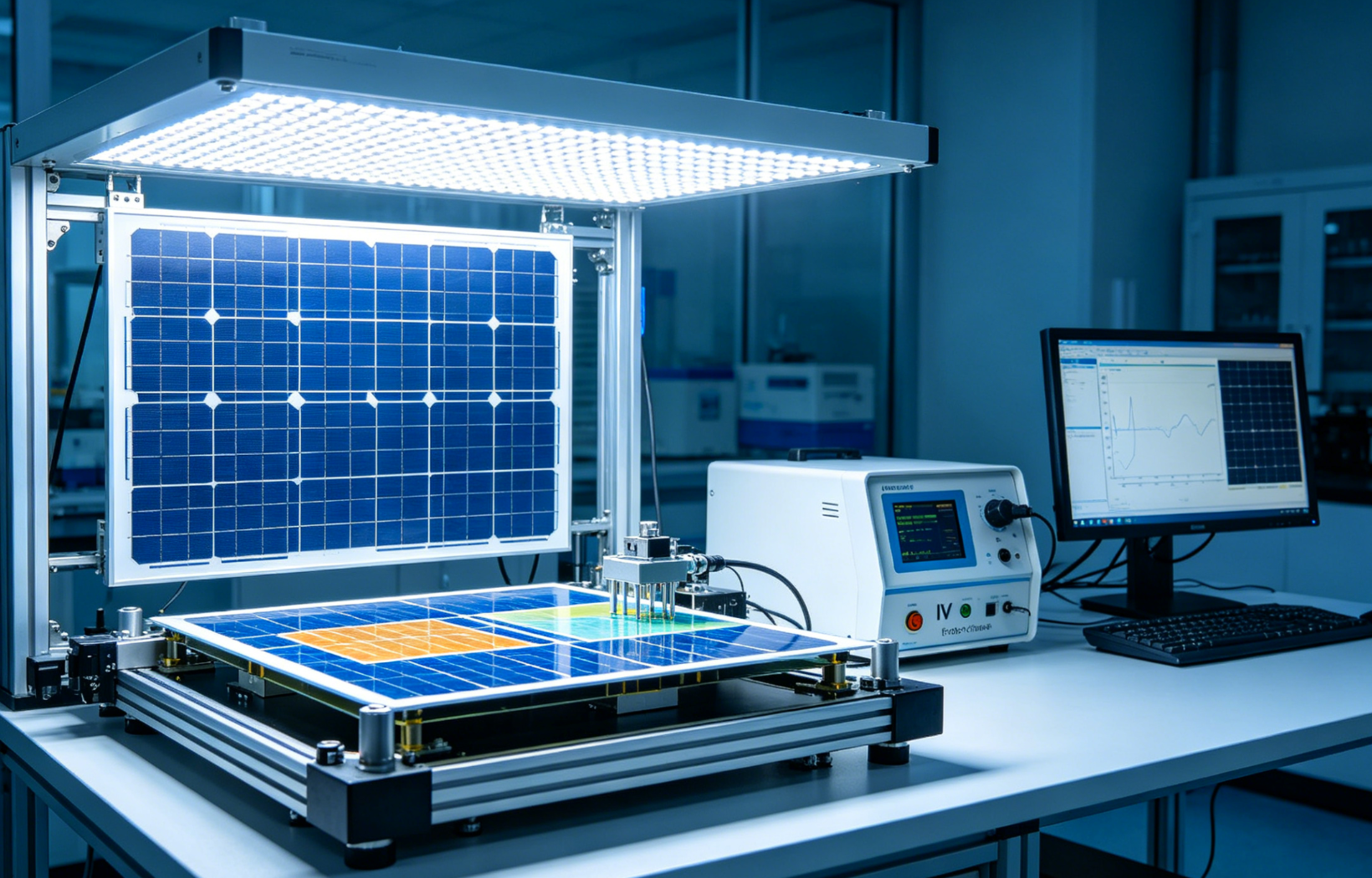
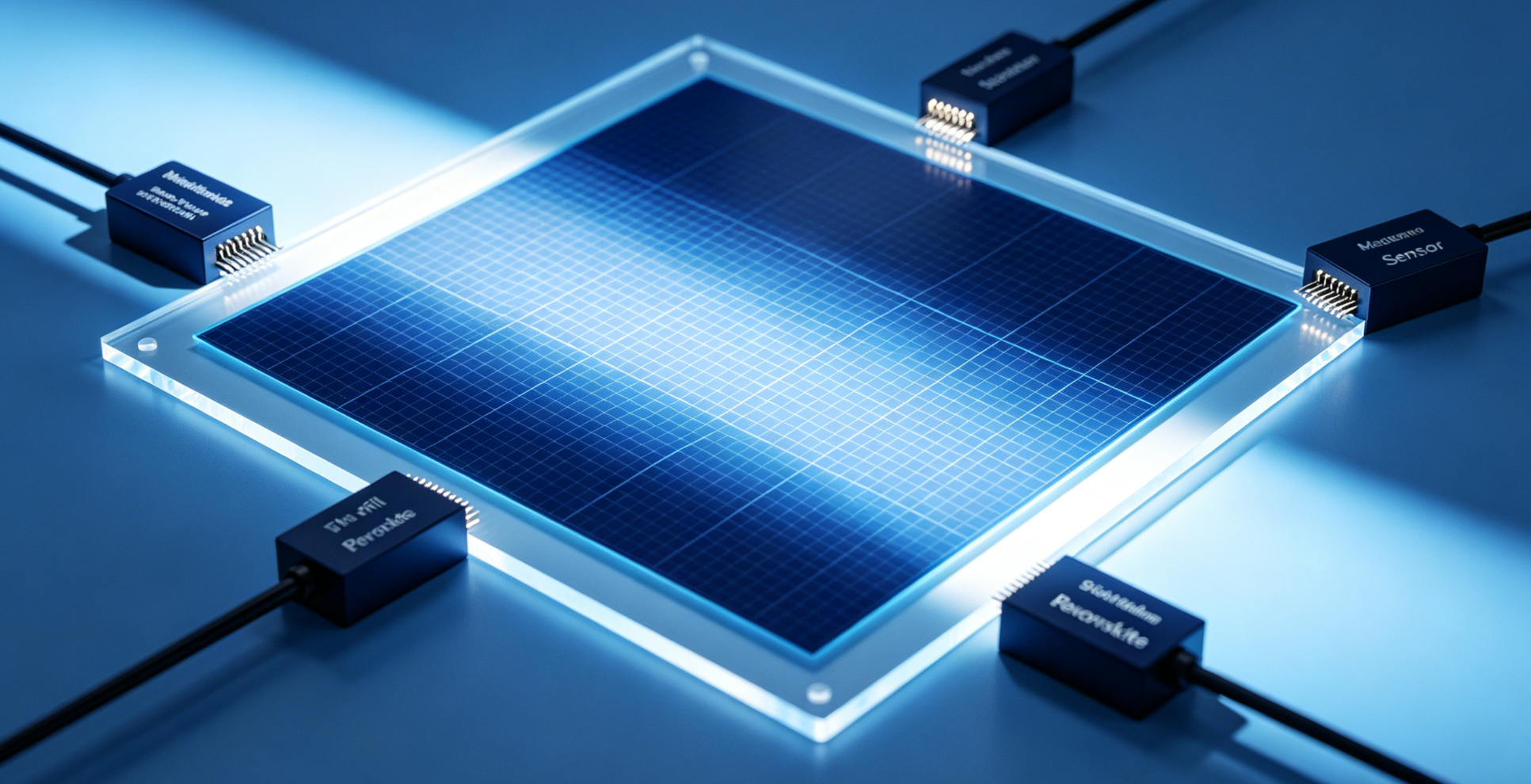
Get QuotePerovskite and thin-film solar cells are sensitive to light spectrum, illumination stability and test conditions. If the solar simulator is not properly selected, test results may become unstable, making it difficult to compare samples, optimize processes or validate pilot line performance. For R&D labs and pilot lines, a solar simulator should provide repeatable light output, accurate IV testing support and a suitable test area for both small cells and larger module samples. Spectral match shows how closely the simulator light matches the standard solar spectrum. This is especially important for perovskite and thin-film materials because different absorber layers respond differently to different wavelength ranges. Buyers should confirm whether the solar simulator is suitable for single-junction perovskite cells, tandem cells or other thin-film solar structures. Irradiance uniformity determines whether the whole sample receives consistent light intensity. Poor uniformity may cause inaccurate efficiency data, especially when testing larger thin-film cells or mini-modules. Before ordering, buyers should confirm the required test area and ask for uniformity data over that area. A system that performs well on a small area may not be suitable for larger pilot line samples. Temporal stability affects whether the light output remains stable during measurement. If the light changes during IV testing, the resulting efficiency, current and voltage data may not be reliable. This is important for perovskite materials because some samples may show dynamic behavior during illumination. Stable testing conditions help researchers compare different batches more accurately. A small-area solar simulator may be enough for early R&D cells, but pilot line users often need to test larger cells, mini-modules or thin-film samples. Buyers should avoid choosing equipment only for today’s smallest samples. If future module size will increase, it is better to plan a larger test area or upgradeable testing solution from the beginning. A solar simulator is usually used together with IV testers, source meters, temperature control and testing software. Good system integration helps users measure open-circuit voltage, short-circuit current, fill factor, maximum power and efficiency more consistently. For pilot lines, buyers should also check whether the software supports data export, batch comparison and long-term process tracking. What cell or module size do you need to test? Do you need testing for perovskite, tandem or other thin-film solar cells? What spectral match, uniformity and stability level is required? Does the system support IV curve measurement and data export? Is temperature control or a custom sample stage required? Will the system be used for R&D, pilot line QC or reliability testing? Do you also need MPPT aging or long-term stability testing? Can the supplier provide calibration and after-sales support? Choosing a solar simulator for perovskite and thin-film solar cell testing requires careful evaluation of spectral match, irradiance uniformity, temporal stability, test area, IV integration, calibration and future pilot line needs. The right system helps buyers obtain reliable efficiency data, compare process results and support the transition from laboratory research to pilot line validation. Contact Lecheng Laser to discuss your sample size, testing standard, IV measurement needs and pilot line testing configuration.Why Solar Simulator Selection Matters
1. Check Spectral Match
2. Evaluate Irradiance Uniformity
Solar Simulator Selection Checklist
Selection Item Why It Matters Buyer Checkpoint Spectral Match Affects material response and efficiency accuracy Suitable for perovskite, tandem or thin-film cells? Irradiance Uniformity Ensures even illumination across the sample What is the uniformity over the required test area? Temporal Stability Reduces IV measurement fluctuation Is the light output stable during testing? Test Area Must match cell or module size Can it support current and future samples? IV Integration Determines efficiency, current and voltage data quality Can it connect with source meter and software? Calibration Ensures long-term measurement reliability What reference cell and calibration method are used? 3. Confirm Temporal Stability
4. Match The Test Area With Your Sample Size
5. Check IV Tester And Software Integration
Questions Buyers Should Ask Before Ordering
Conclusion
Need A Solar Simulator For Perovskite Or Thin-Film Testing?