


Perovskite Production Line Cost Guide
Perovskite Solar Cell Production Line Cost Guide: What Affects The Price
The cost of a perovskite solar cell production line depends on many factors, including process route, substrate size, laser scribing requirements, coating method, automation level, testing equipment and future scale-up plans. Buyers should evaluate the complete line configuration instead of comparing only a single machine price.
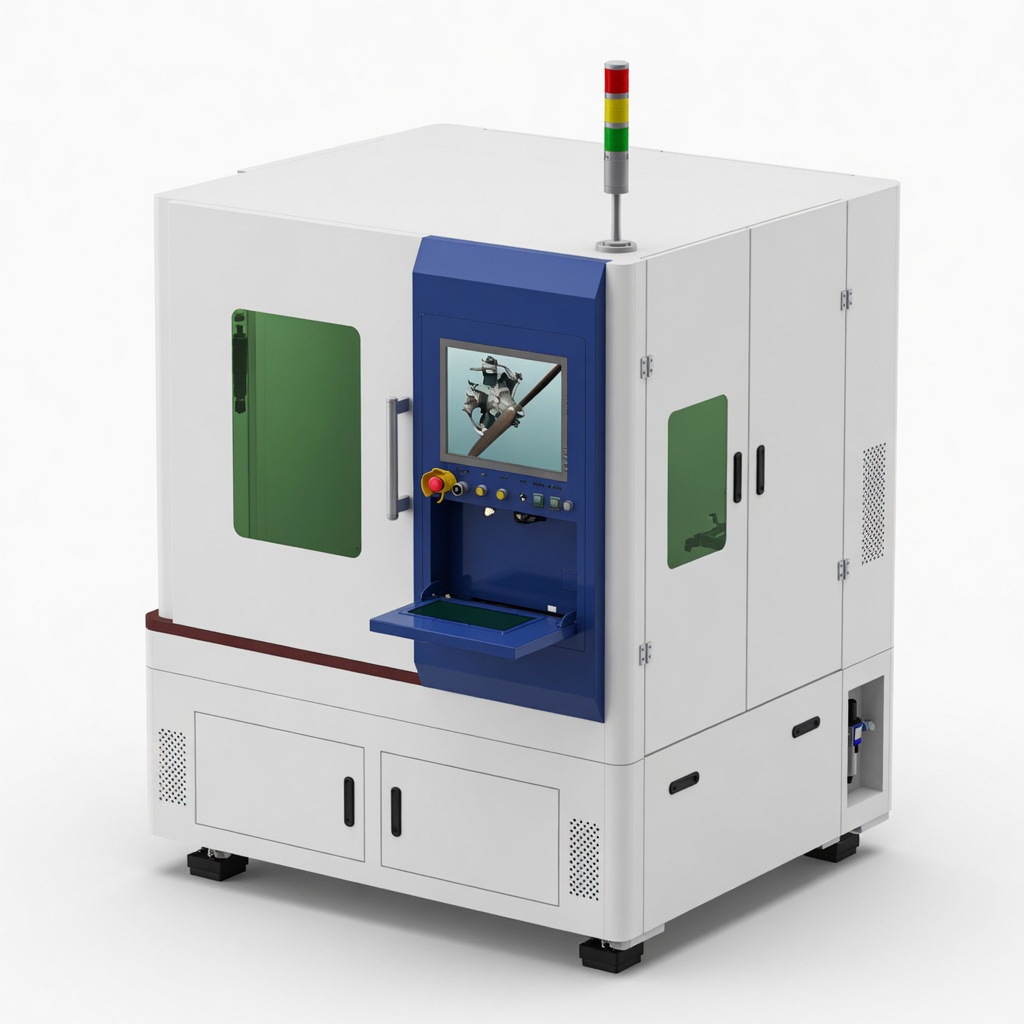
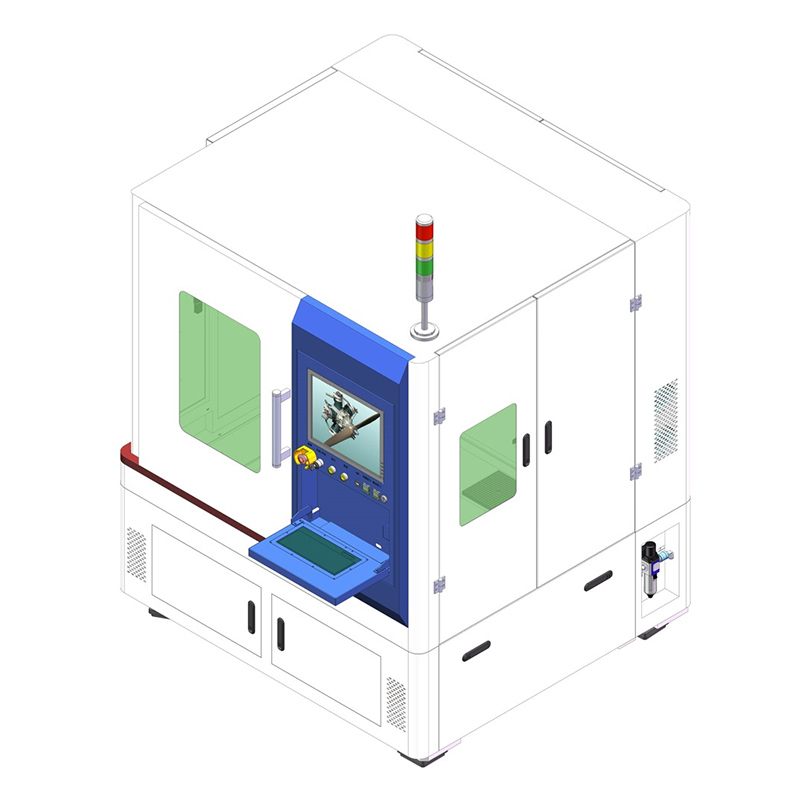
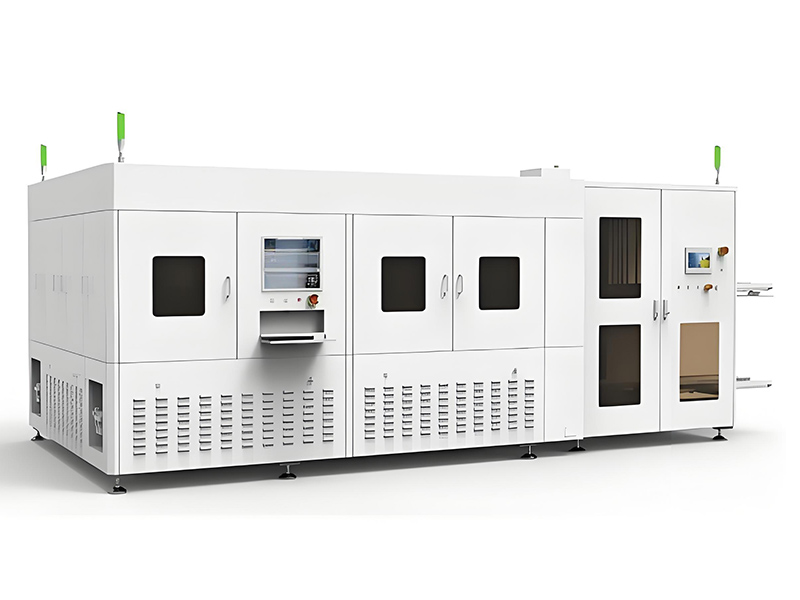
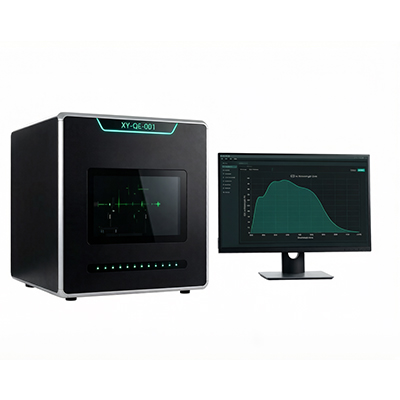
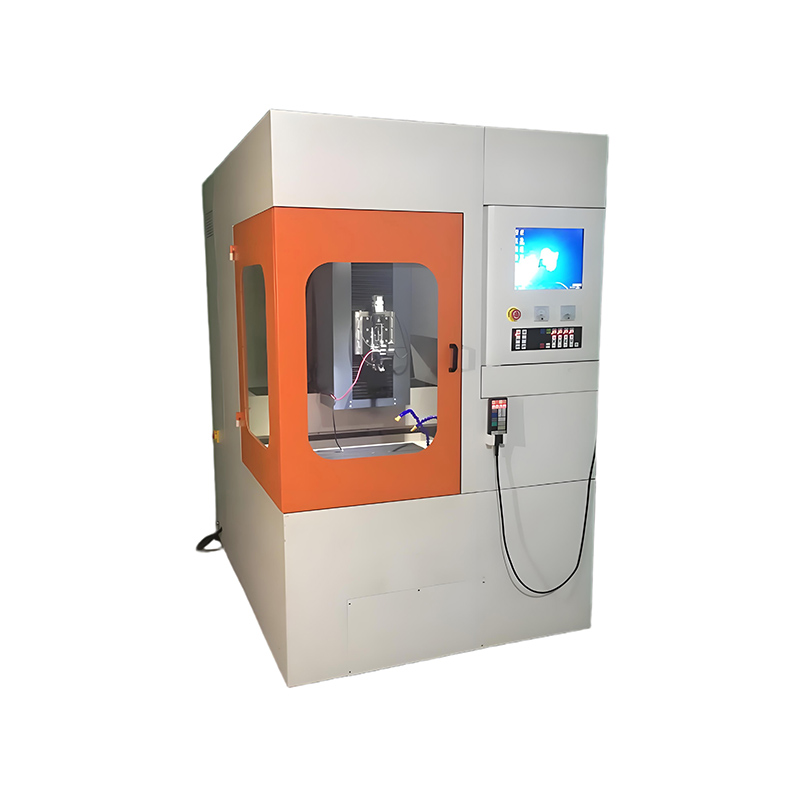
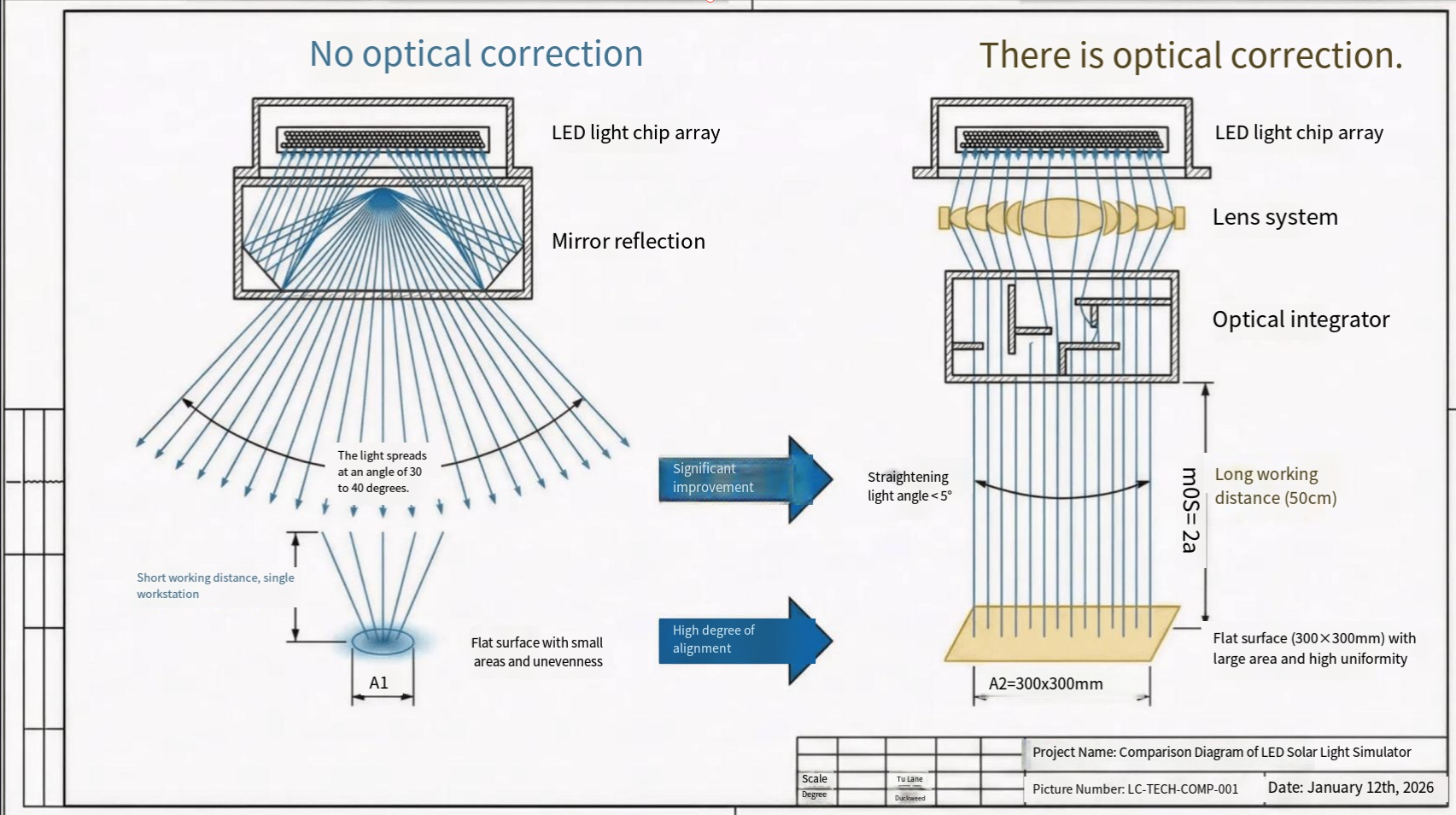
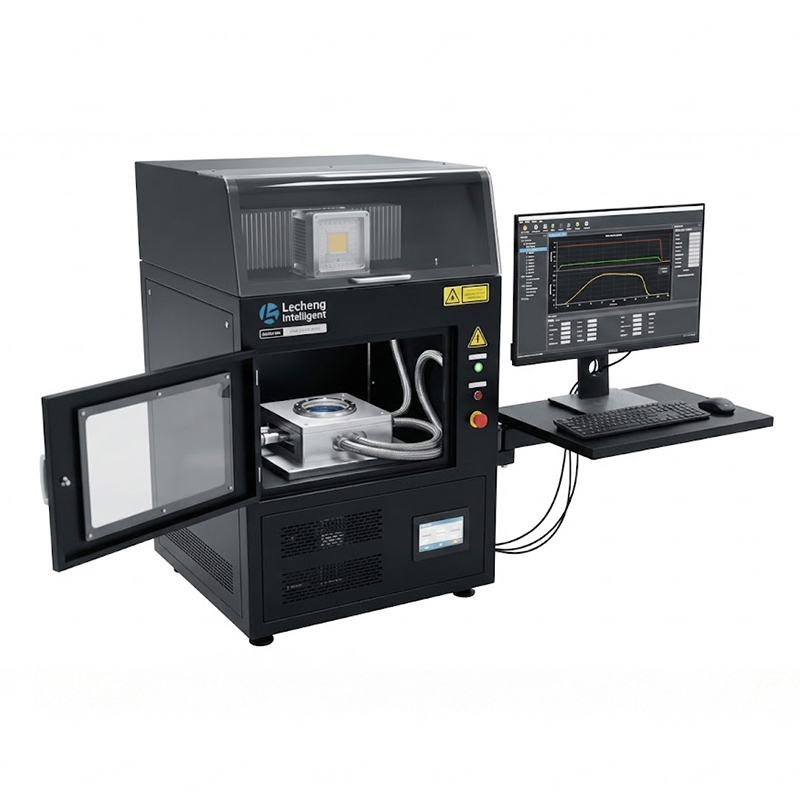
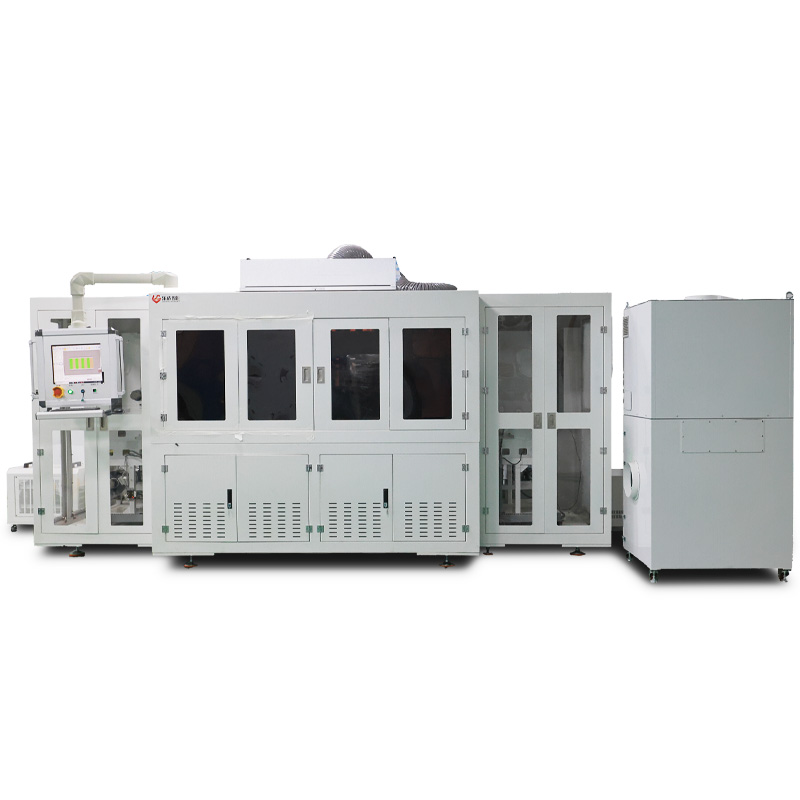
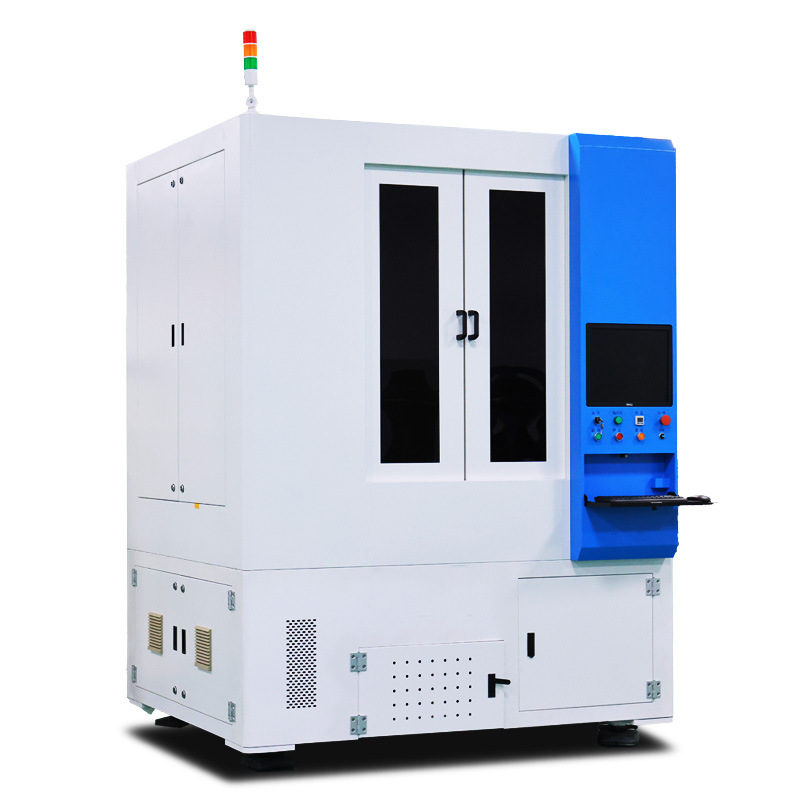
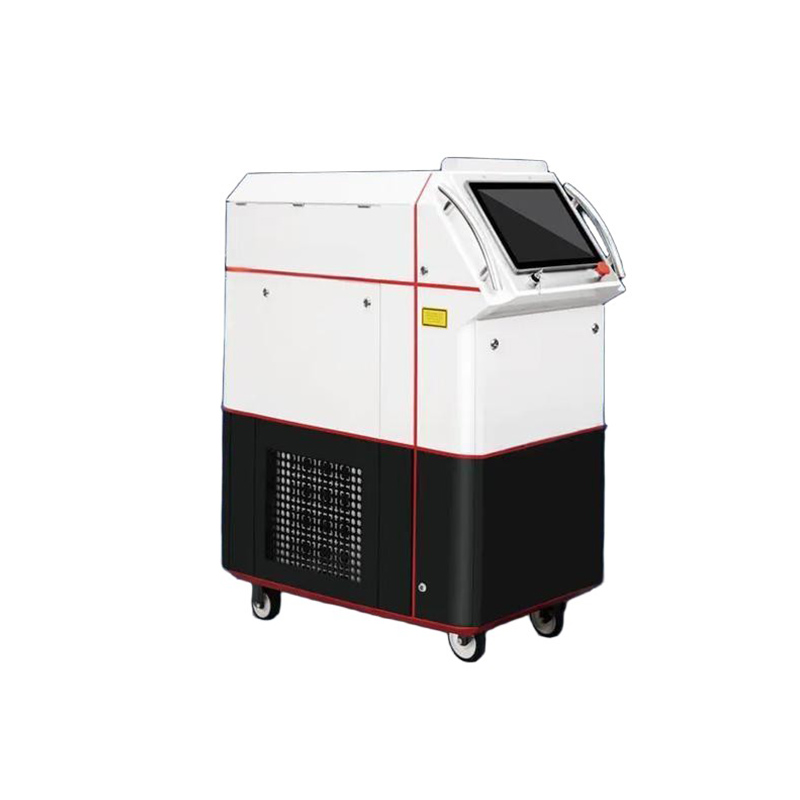
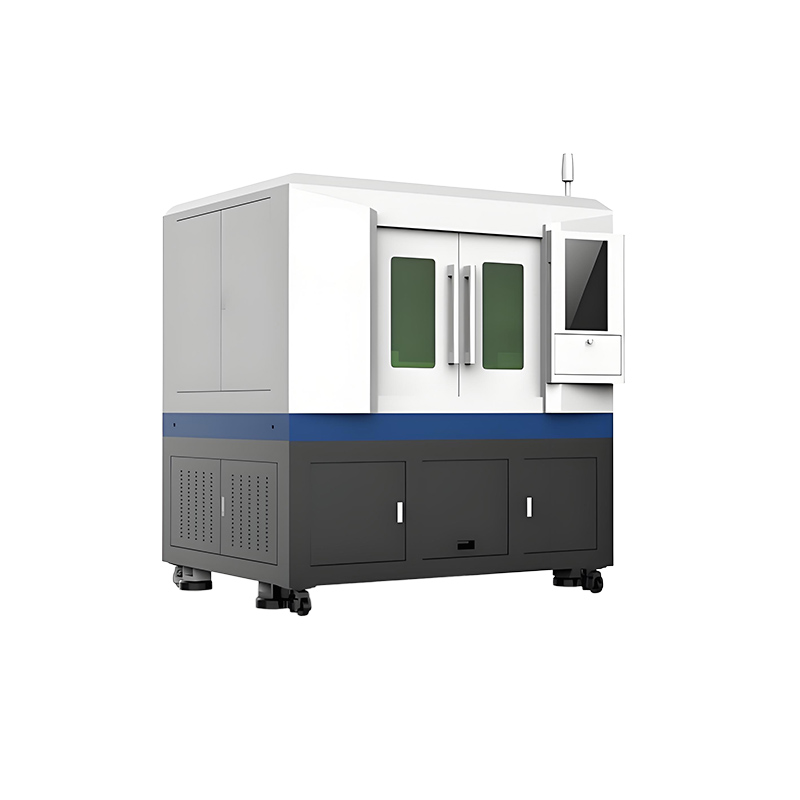
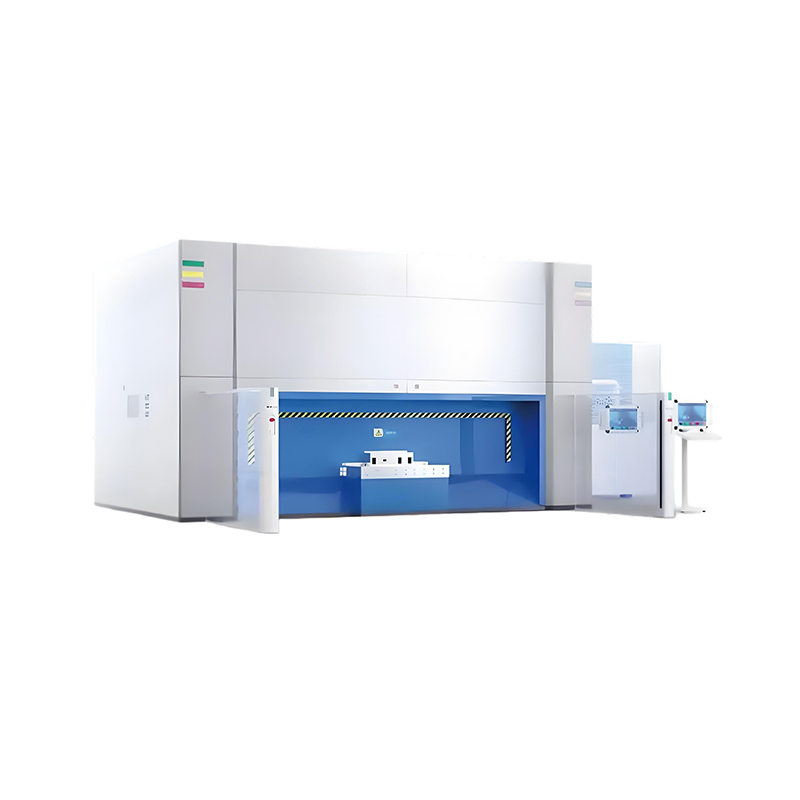
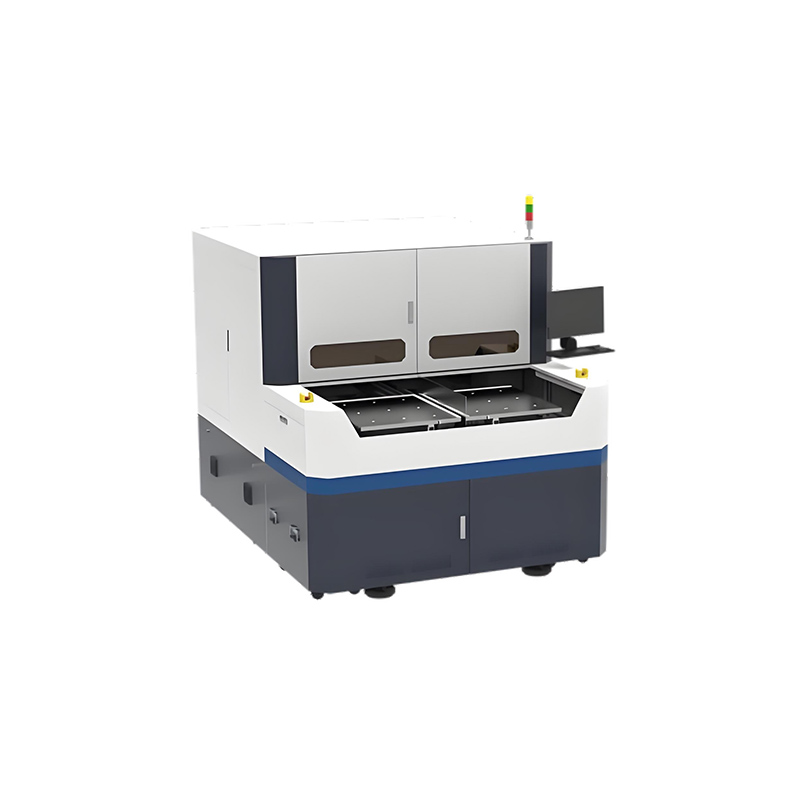
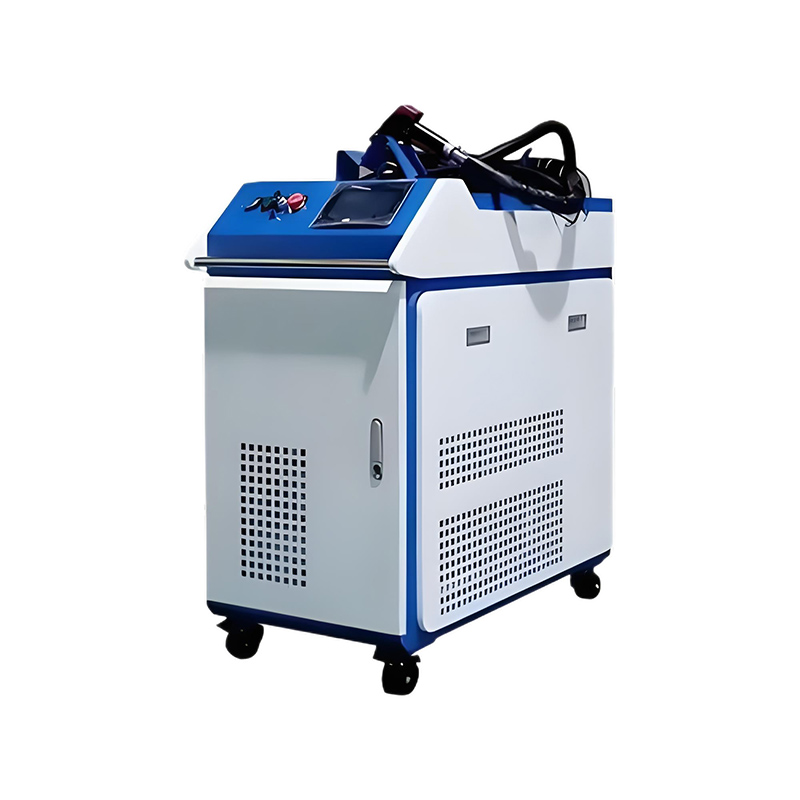
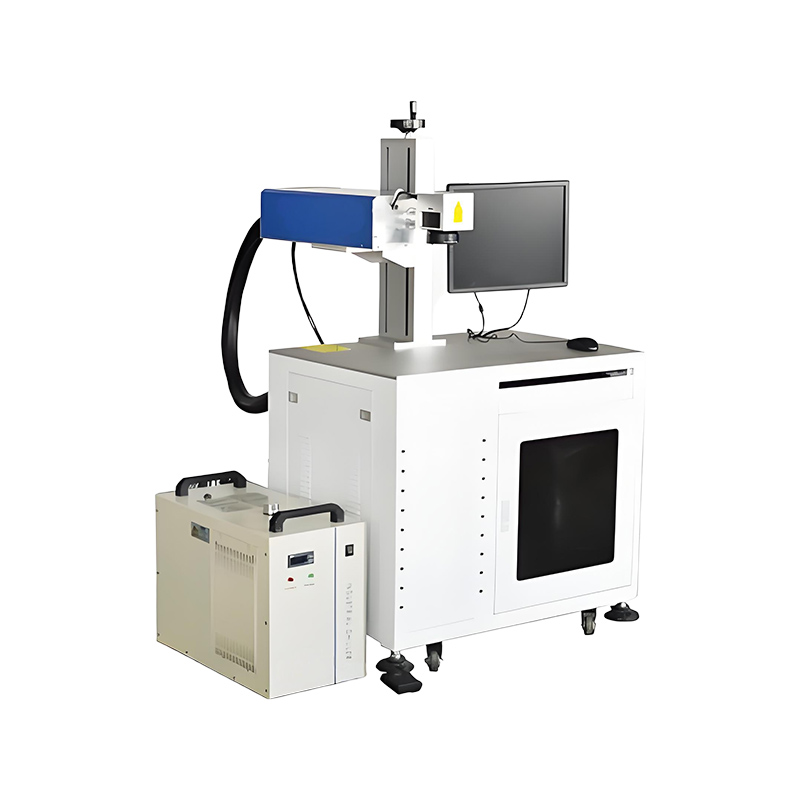
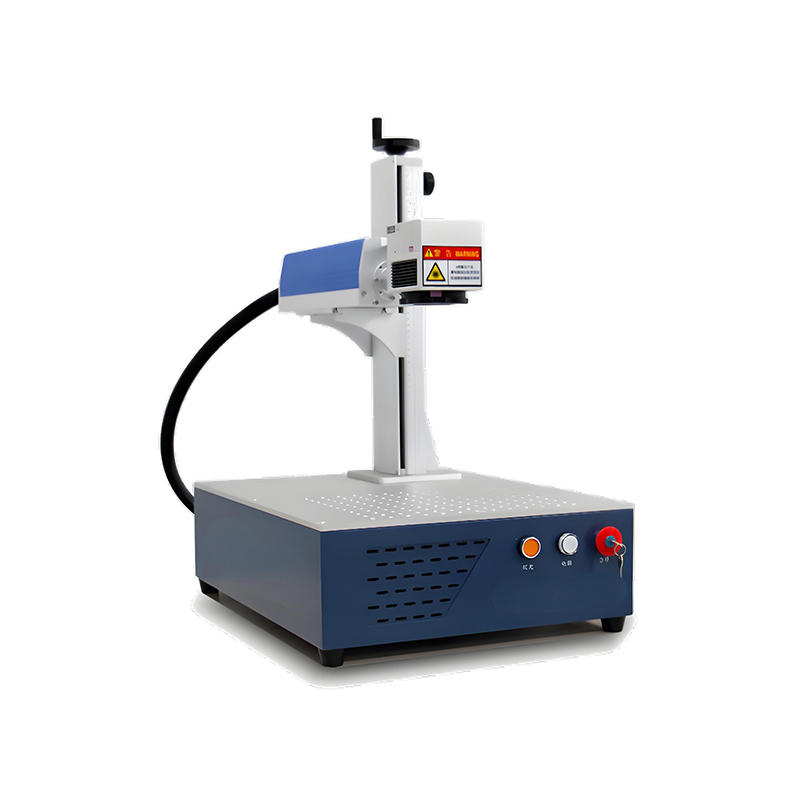
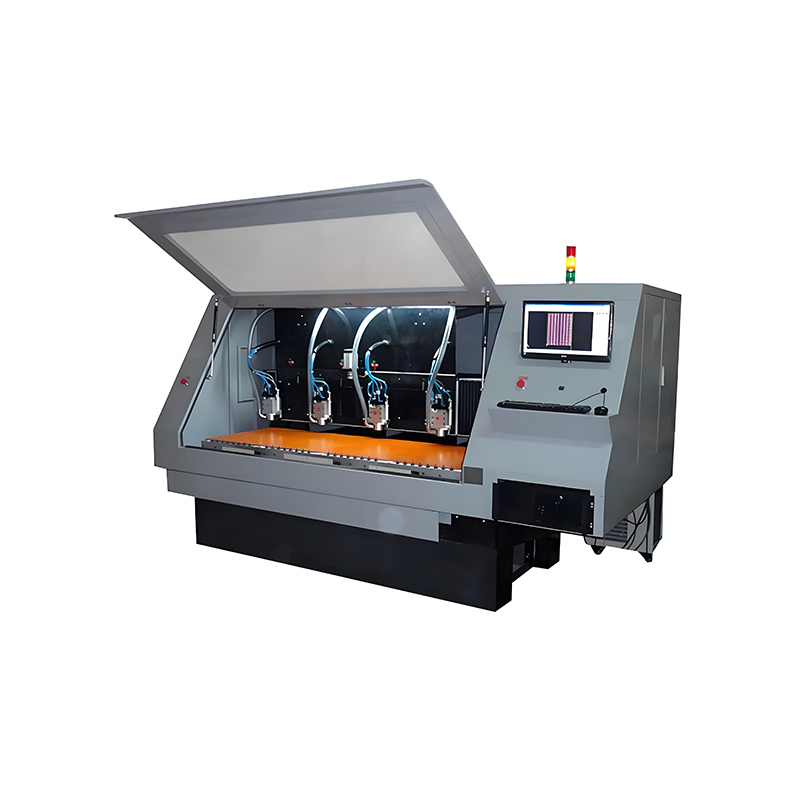
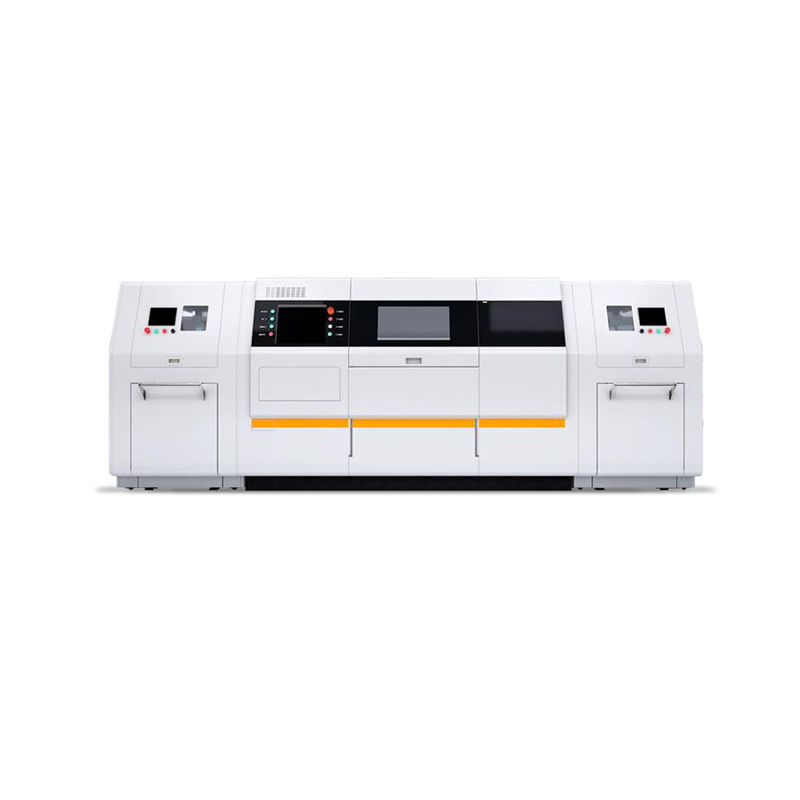
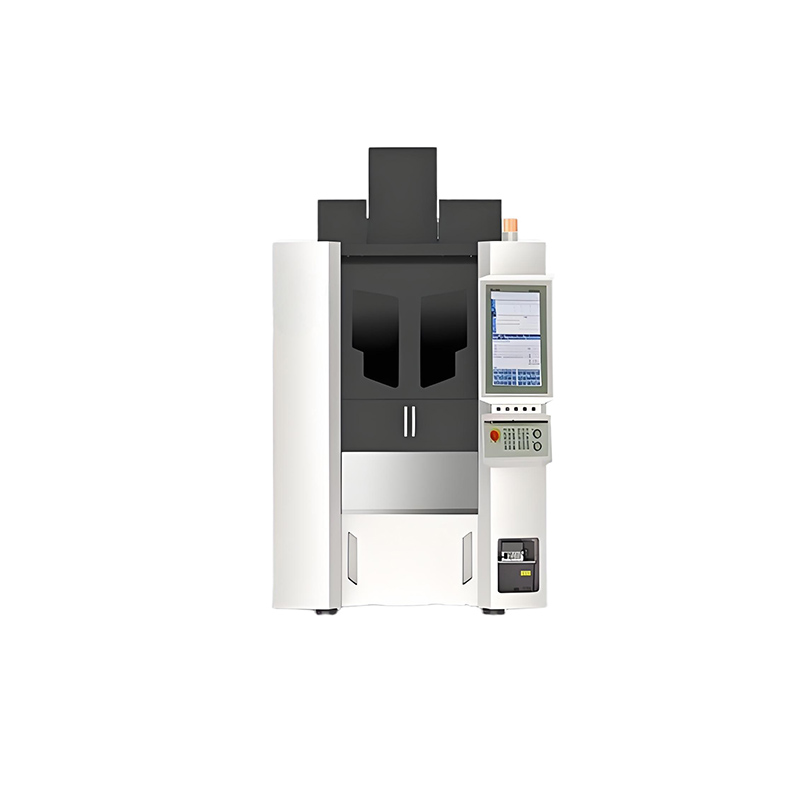
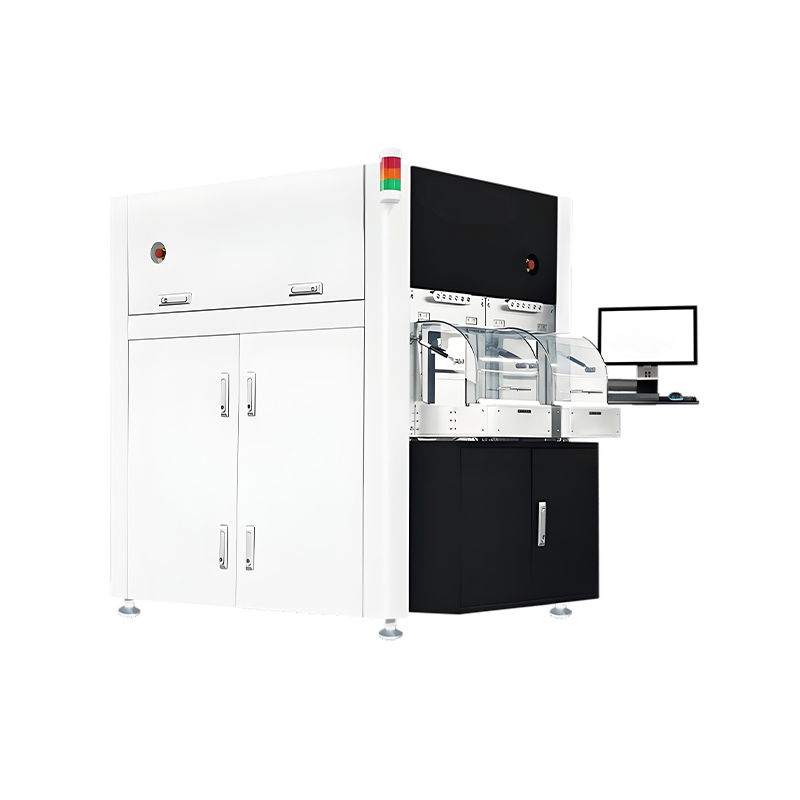
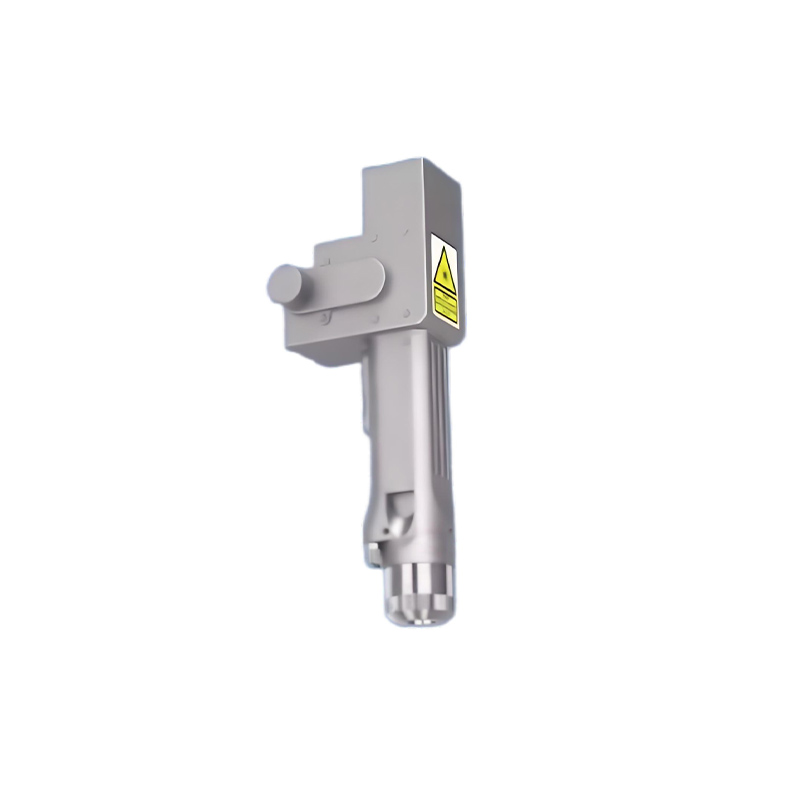
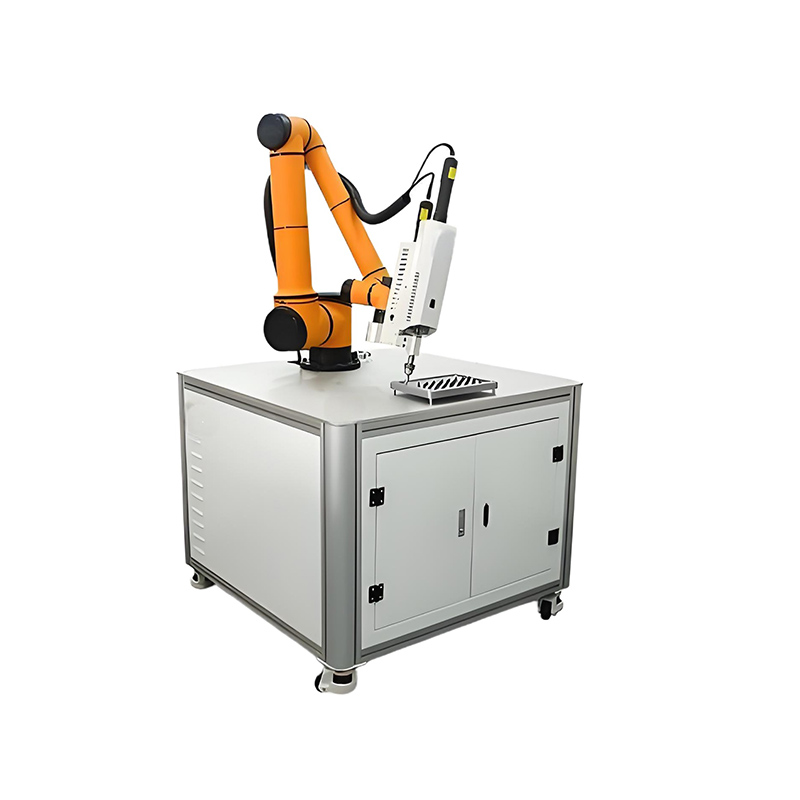
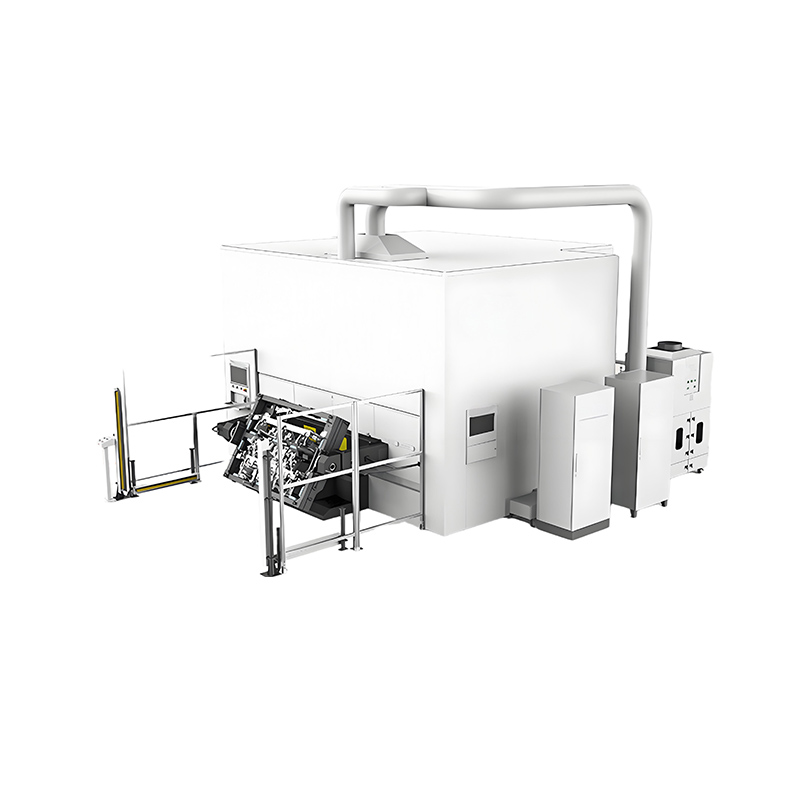
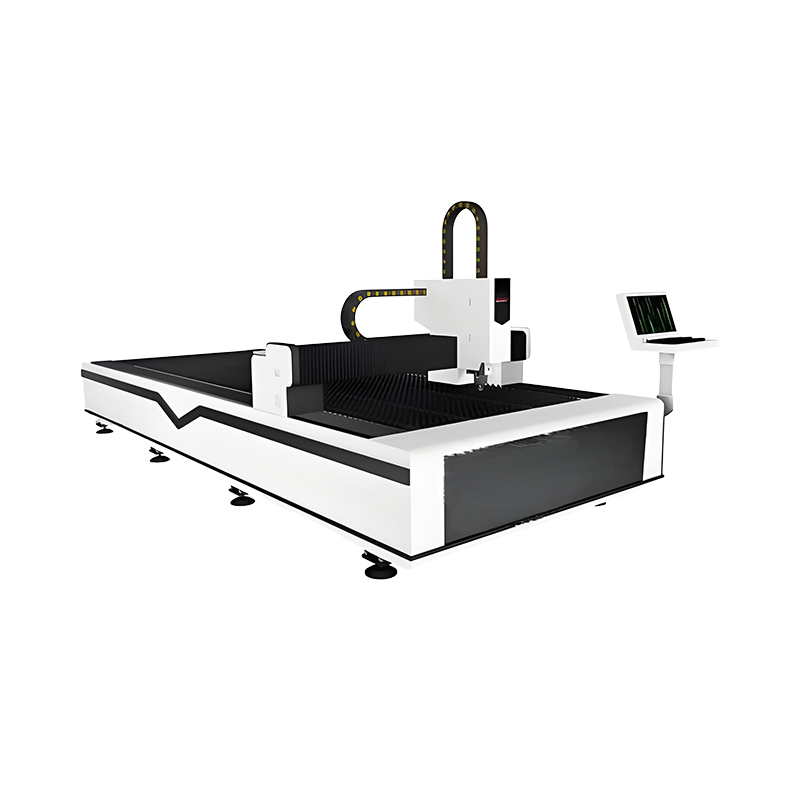
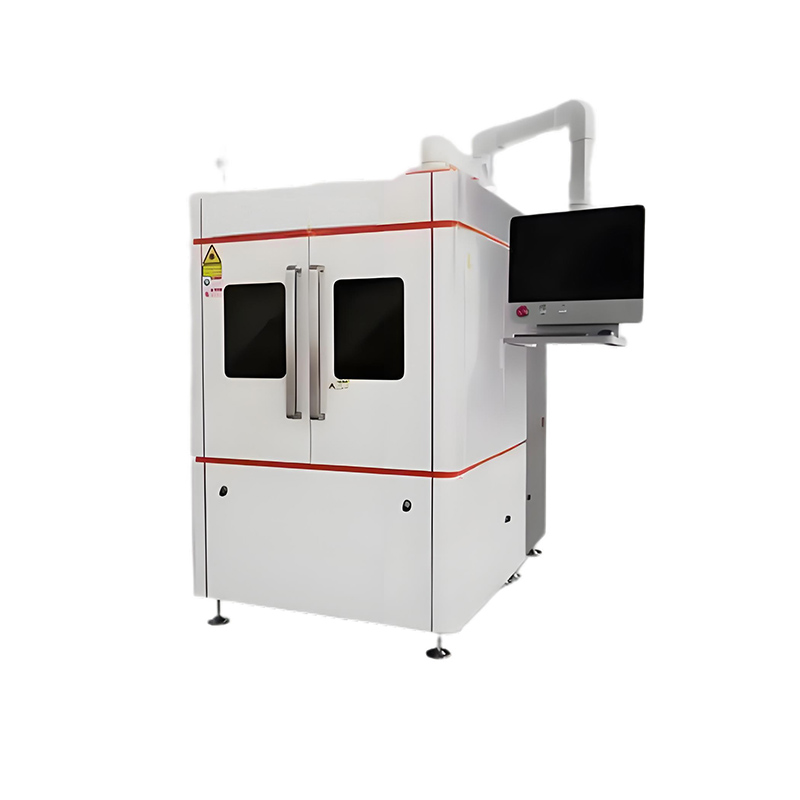
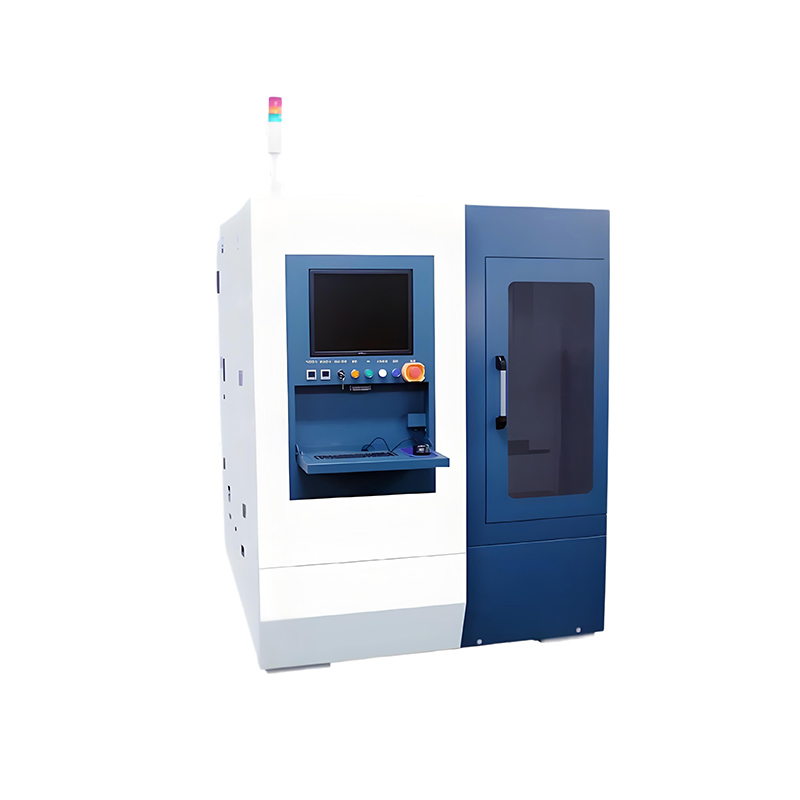
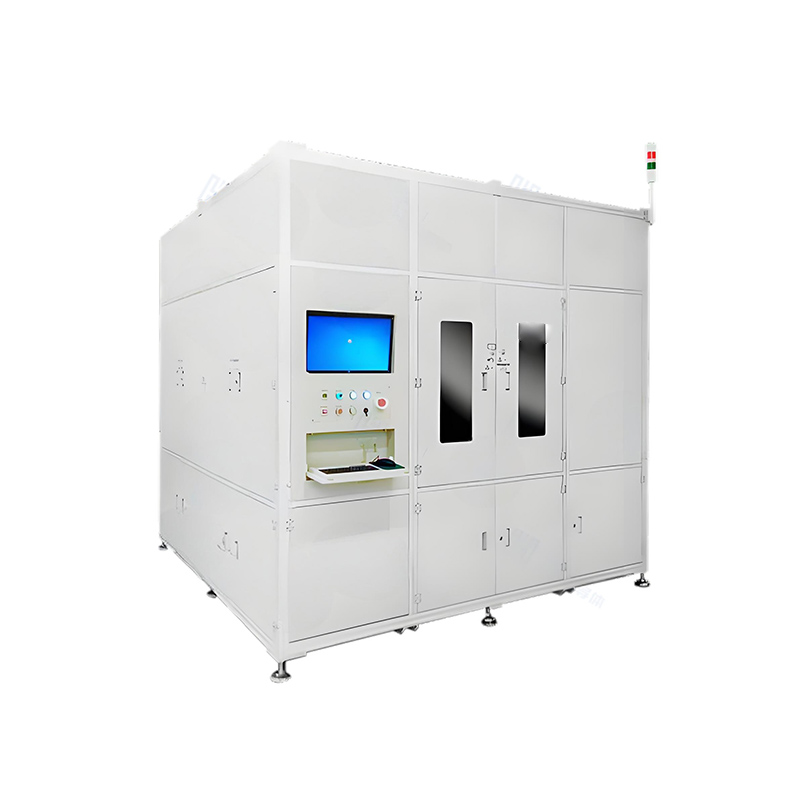
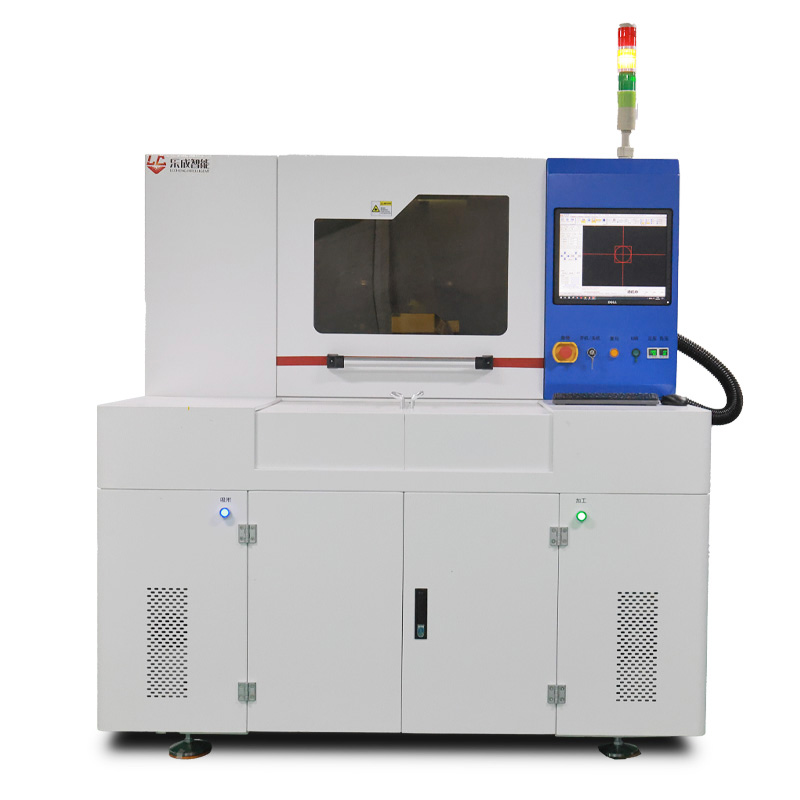
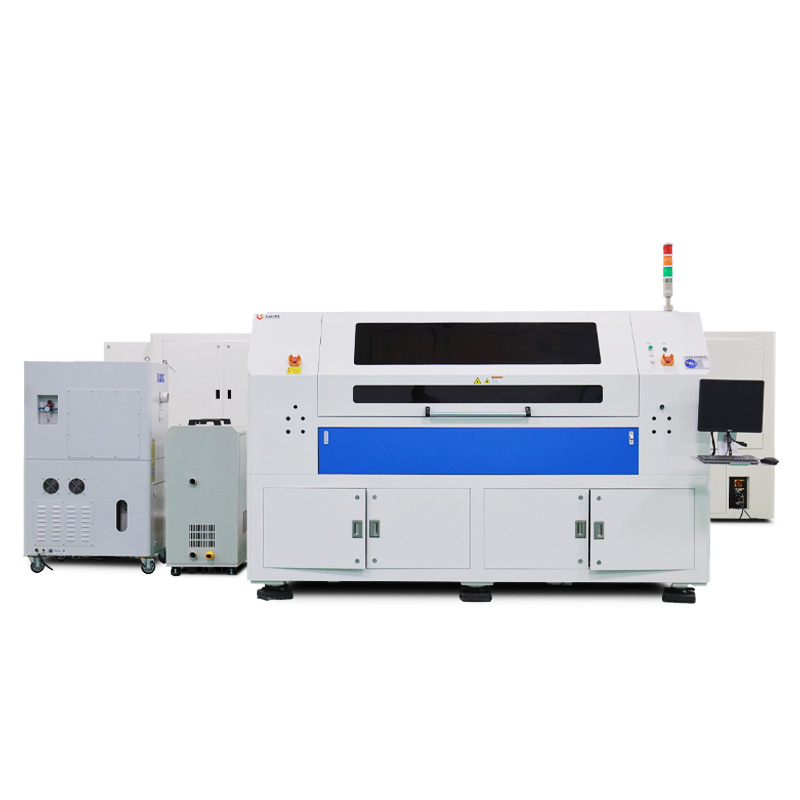
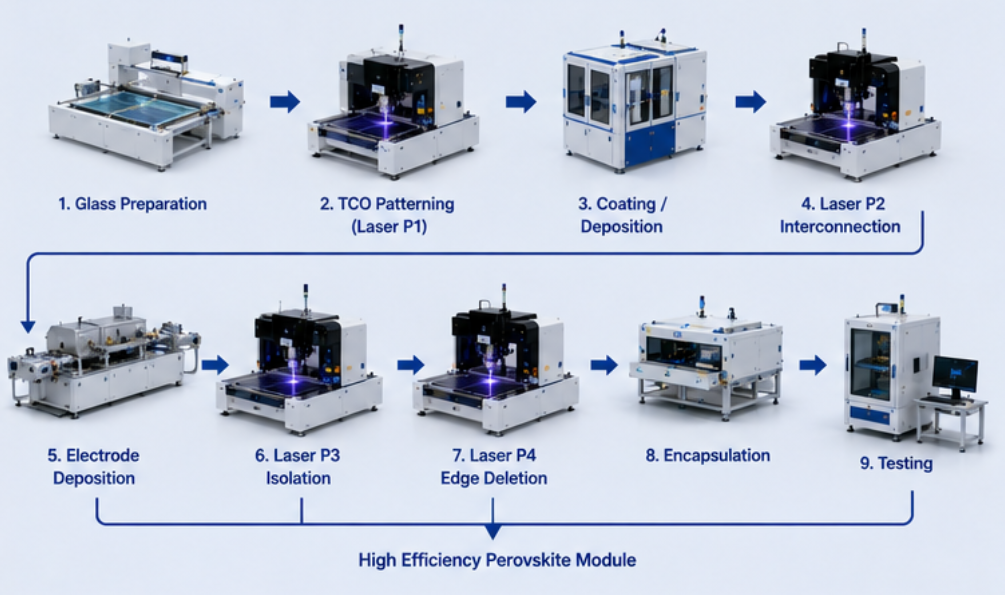
Get QuoteA perovskite solar cell production line is not a fixed standard package. Different buyers may need very different configurations depending on whether the project is for laboratory R&D, pilot line validation, demonstration production or commercial scale-up. For example, a small R&D line may focus on flexible process development, while a pilot line may require larger substrate handling, automatic alignment, recipe management, testing integration and production data tracking. These differences can significantly affect the final quotation. The first factor affecting price is the required process route. A complete perovskite production line may include substrate cleaning, TCO patterning, coating or deposition, P1/P2/P3 laser scribing, electrode processing, P4 edge deletion, encapsulation and final testing. If the buyer only needs a laser processing section, the cost will be much lower than a full pilot production line. If the buyer needs a complete turnkey solution, the quotation must include multiple process modules and integration work. Substrate size has a direct impact on equipment structure, platform size, motion system, loading method and overall line layout. Larger substrates usually require stronger mechanical platforms, more accurate alignment systems and more complex handling solutions. Line capacity also affects price. A low-throughput R&D line can be relatively simple, while a pilot or demonstration line may need semi-automatic or fully automatic handling to improve repeatability and reduce labor dependency. Laser processing is one of the most important cost factors in a perovskite production line. P1, P2, P3 and P4 processes may require different laser sources, optical paths, motion systems and process recipes. A basic system may support one process step, while a more advanced system may support multiple processes with automatic vision alignment, high-precision stages, recipe control and inline integration. The more demanding the scribing accuracy and process stability, the higher the equipment configuration and cost. Different perovskite production routes use different coating or deposition methods. Spin coating, slot-die coating, blade coating, vapor deposition or hybrid processes may require different equipment structures and process environments. Encapsulation also affects cost because perovskite materials are sensitive to moisture and oxygen. Buyers may need laminators, sealing equipment, moisture barrier solutions and process control systems to improve long-term module stability. A production line quotation should not ignore testing equipment. Solar simulators, IV measurement systems, MPPT aging testers, quantum efficiency systems and environmental chambers may be required depending on the project goal. For R&D projects, testing helps compare process results. For pilot lines, testing is essential for yield analysis, module validation and customer sample evaluation. Higher testing requirements usually increase total project cost but reduce long-term process risk. Target application: R&D, pilot line, demonstration line or production scale-up Required process scope: laser section only or complete line Substrate size and future module size plan Material stack and coating or deposition route Required P1, P2, P3 and P4 laser processes Expected automation level and handling method Testing equipment requirements Installation, training and future upgrade expectations The cost of a perovskite solar cell production line is affected by process scope, substrate size, laser configuration, coating route, automation level, testing equipment and integration requirements. Buyers should avoid comparing only single-machine prices and instead evaluate the complete manufacturing workflow. A well-planned production line can reduce repeated investment, improve process stability and support the transition from R&D to pilot manufacturing and future commercial production. Contact Lecheng Laser to discuss your process route, substrate size, laser scribing needs, testing equipment and production line configuration.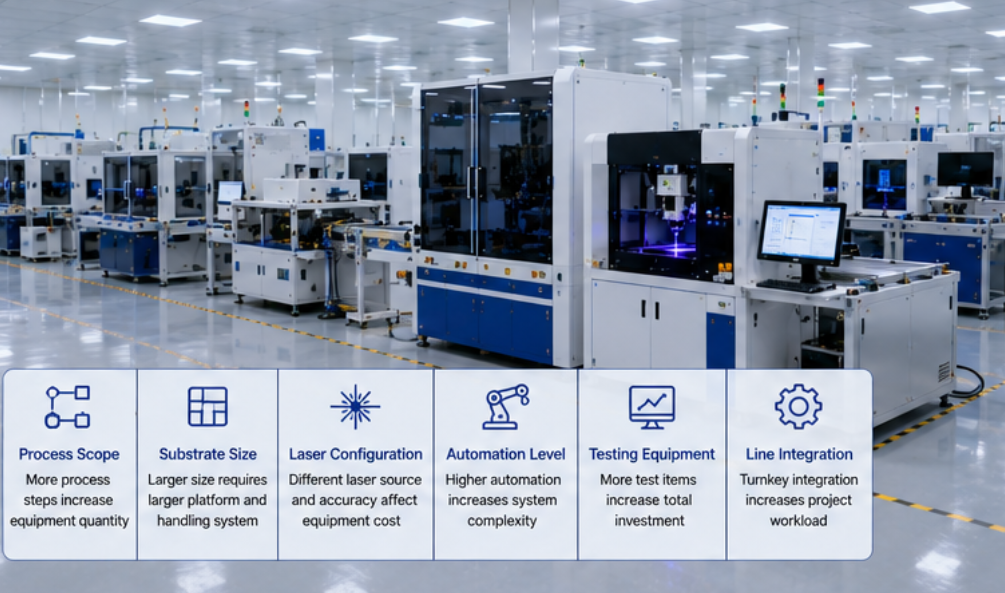
Why Production Line Price Can Vary Greatly
1. Process Route And Equipment Scope
2. Substrate Size And Line Capacity
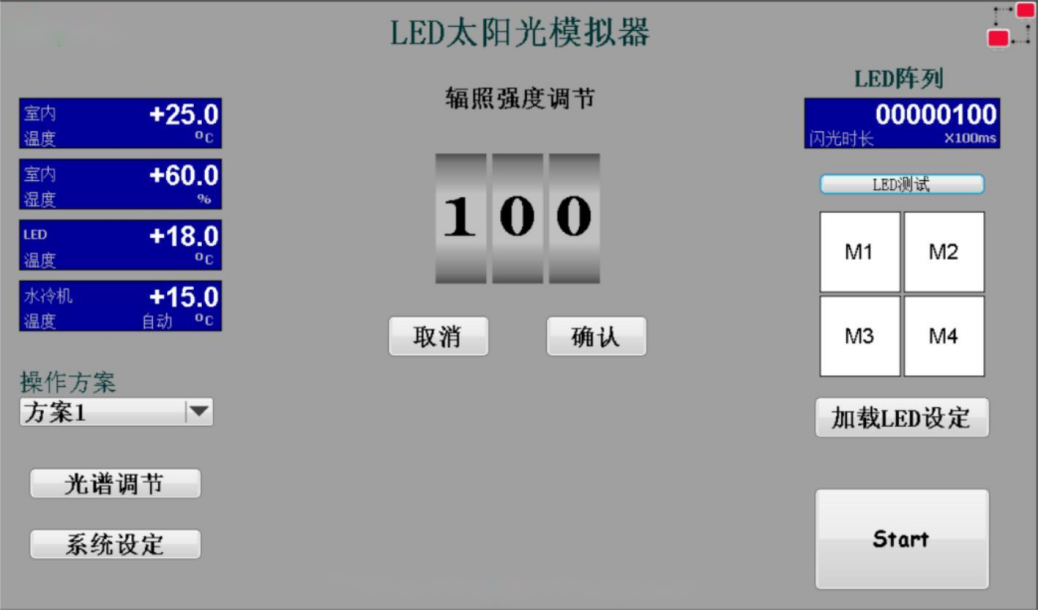
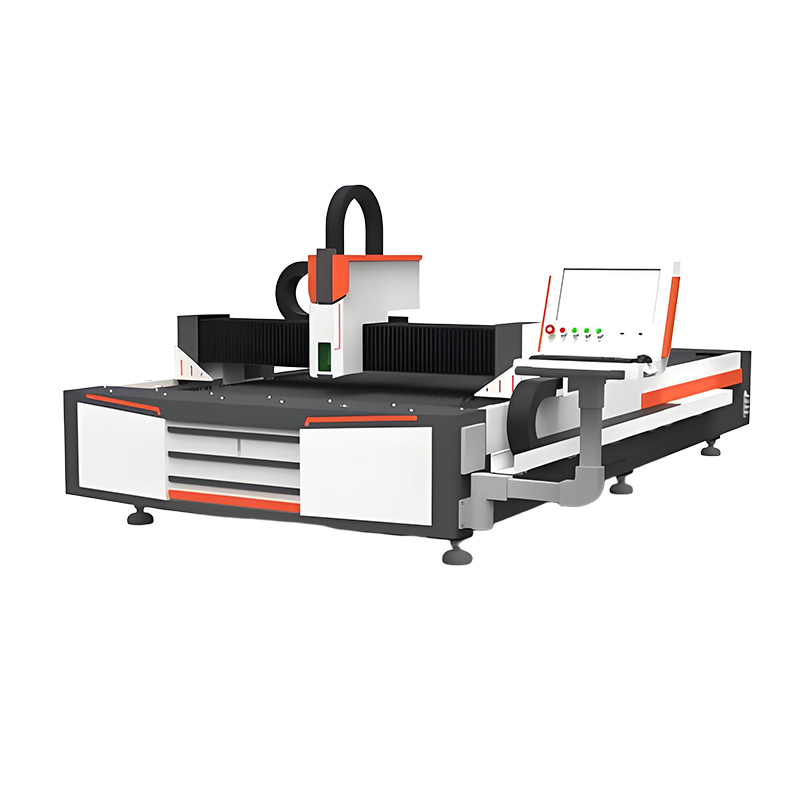
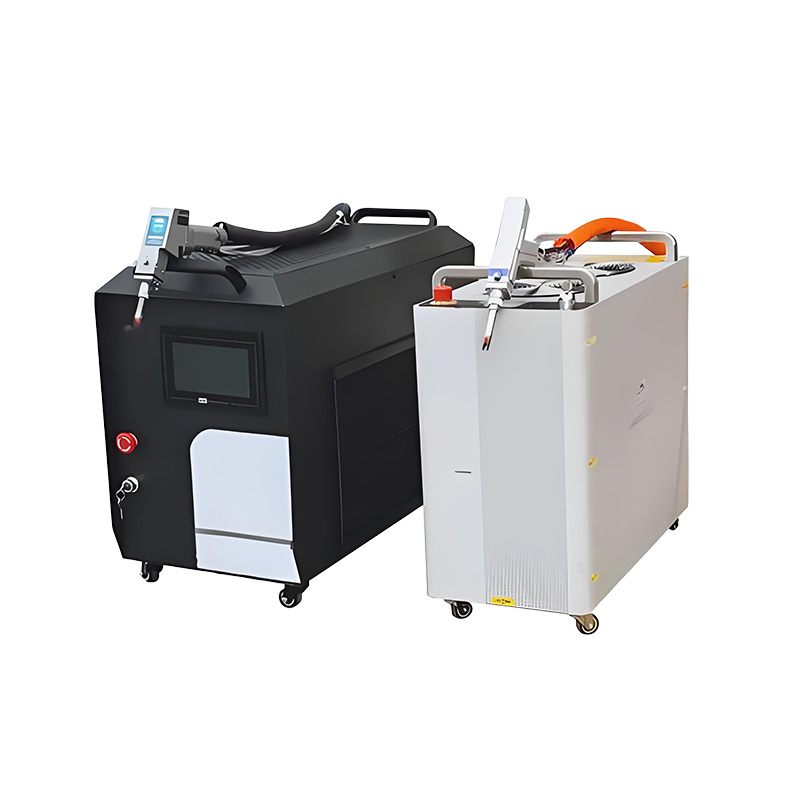
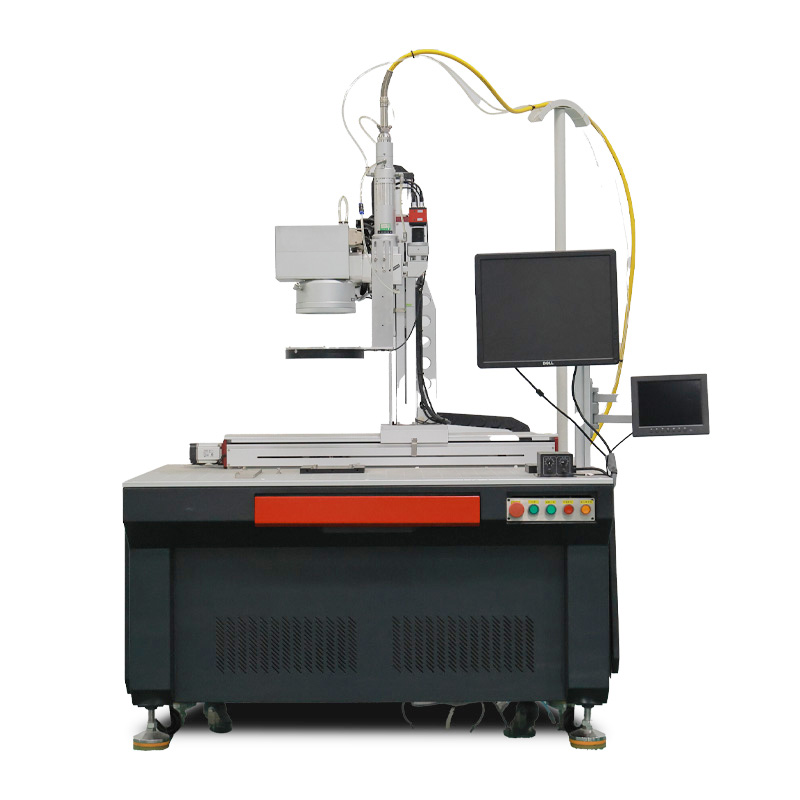
3. Laser Scribing Configuration
Main Factors That Affect Production Line Cost
Cost Factor Why It Affects Price Buyer Checkpoint Process Scope More process modules increase equipment quantity and integration work Laser section only or complete pilot line? Substrate Size Larger substrates require larger platforms and handling systems What current and future module size is required? Laser Source Different wavelength and pulse width options have different costs What material stack needs to be processed? Automation Level Automatic loading, alignment and data tracking increase system complexity Manual, semi-auto or fully automatic? Testing Equipment Solar simulator, IV, QE and MPPT systems may be required Do you need performance and stability testing? Line Integration Turnkey layout, software and process coordination increase project workload Standalone machines or integrated line solution? 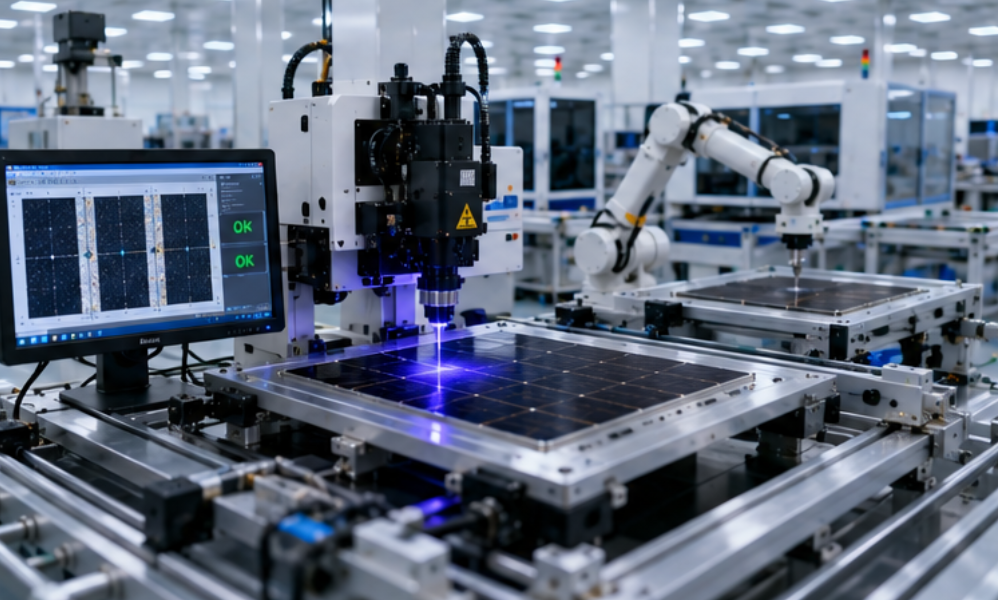
4. Coating, Deposition And Encapsulation Choices
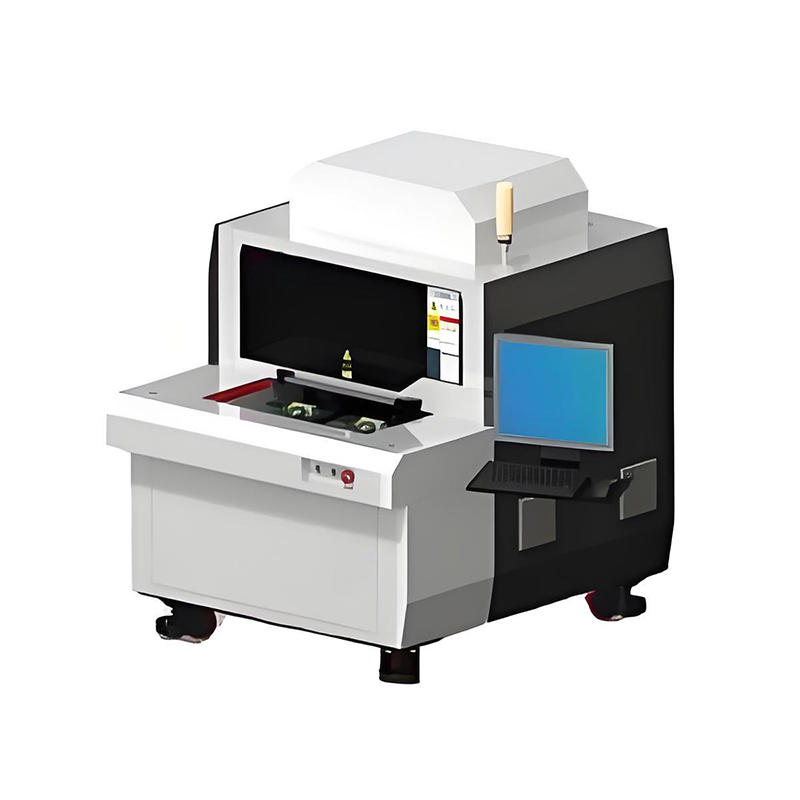
5. Testing And Quality Control Requirements
Information Needed For An Accurate Cost Estimate
Conclusion
Need A Perovskite Production Line Cost Estimate?