
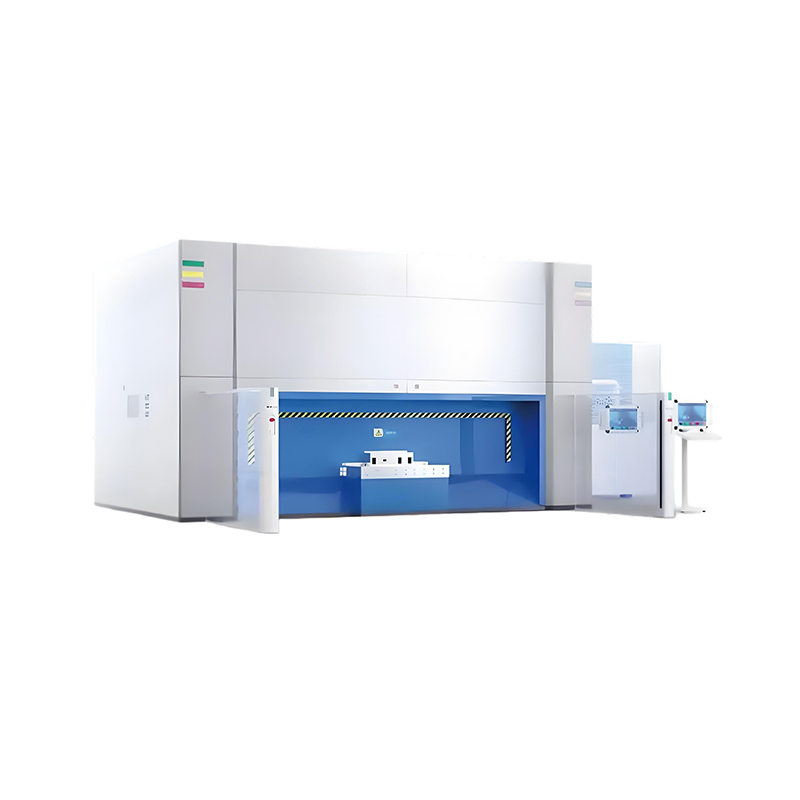
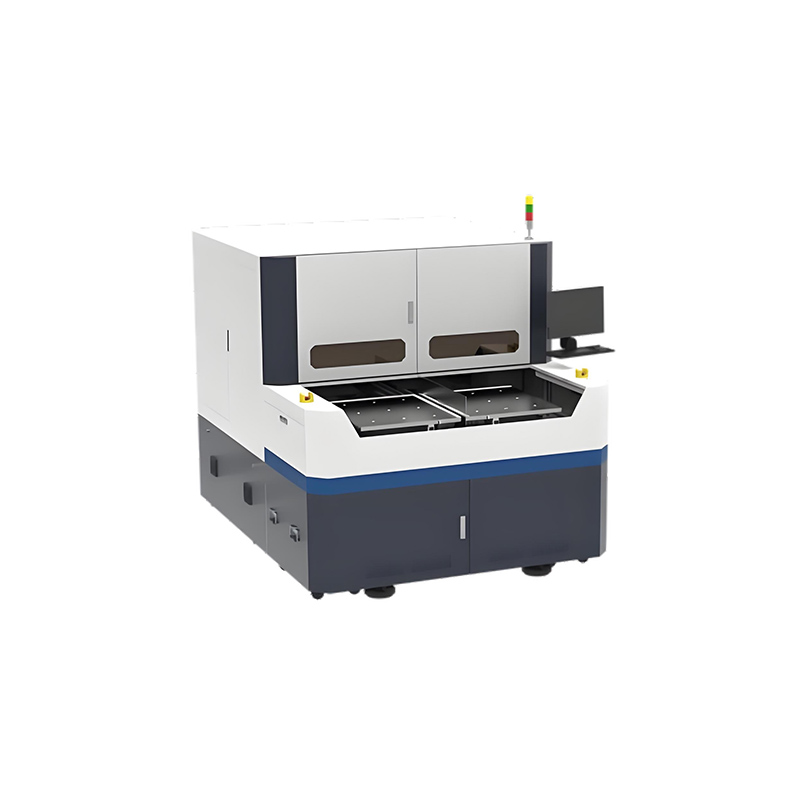
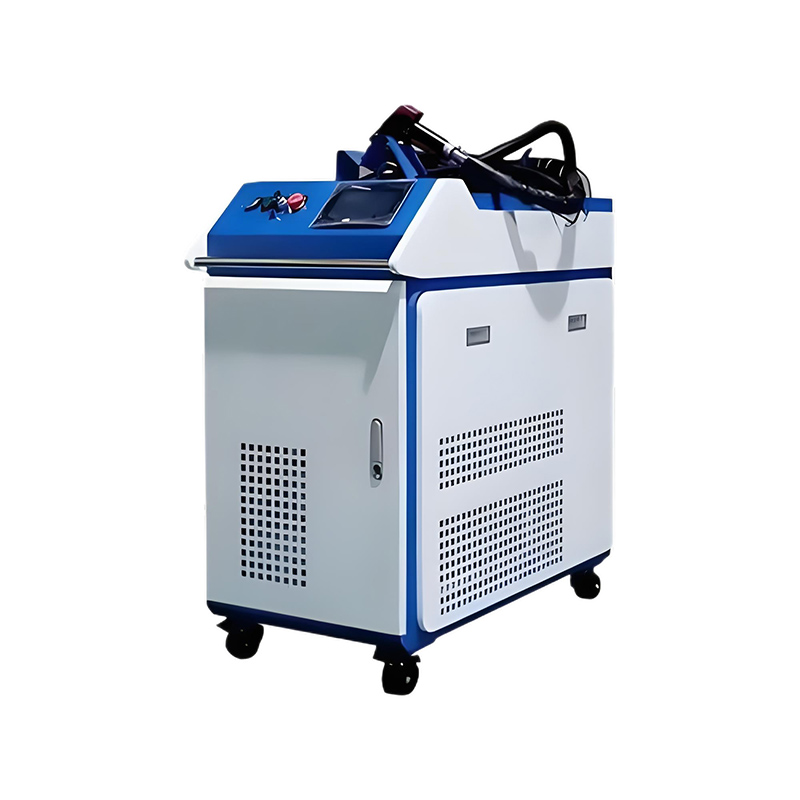
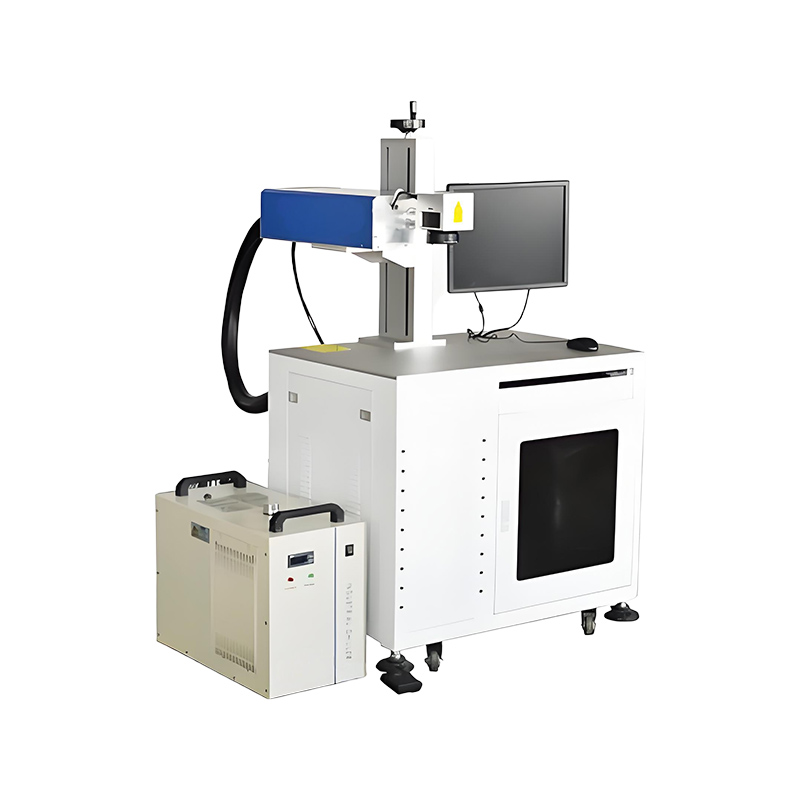
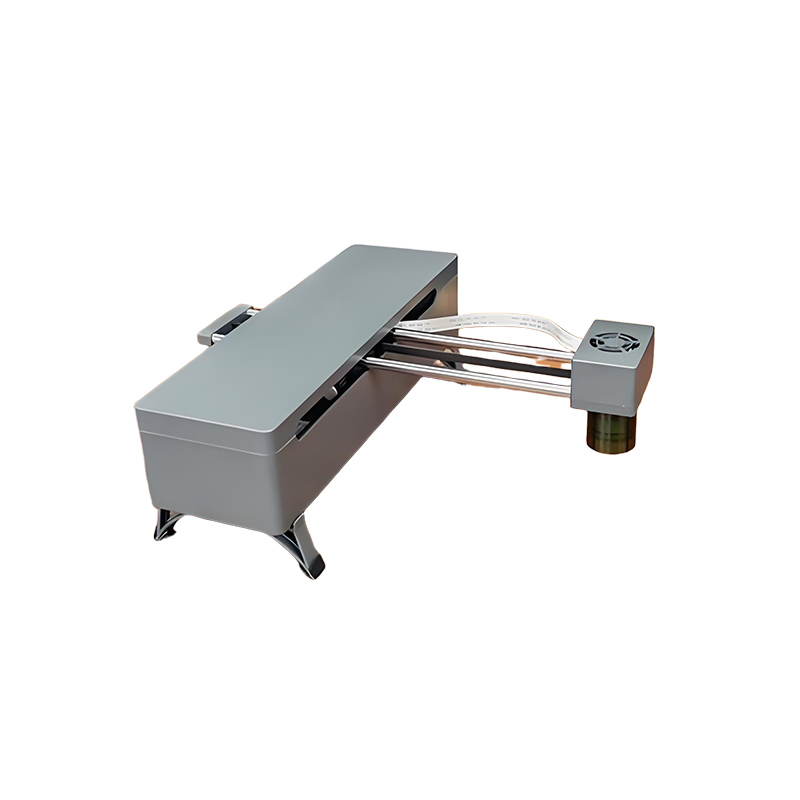
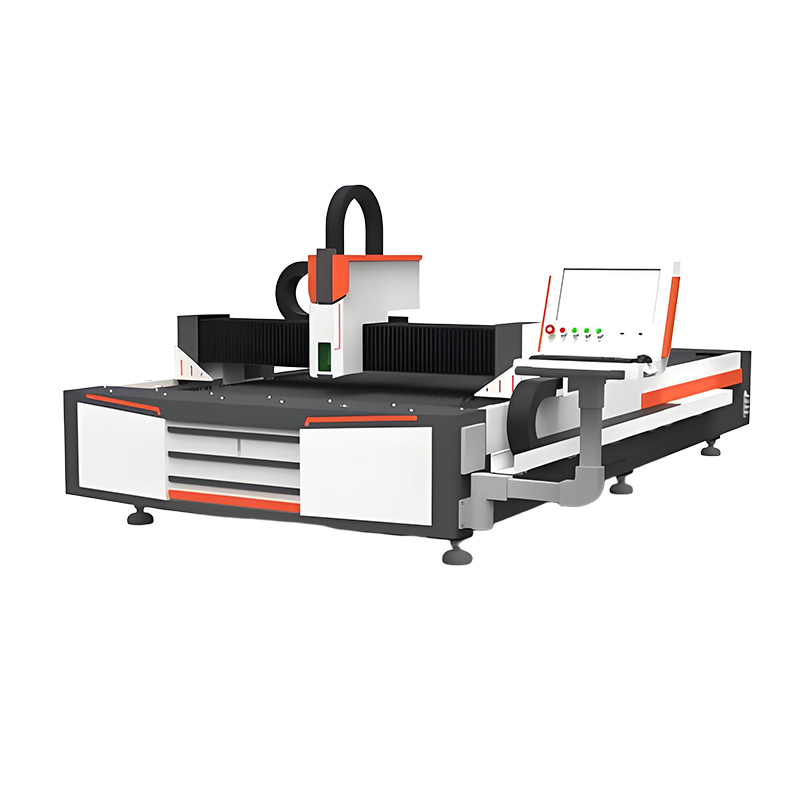
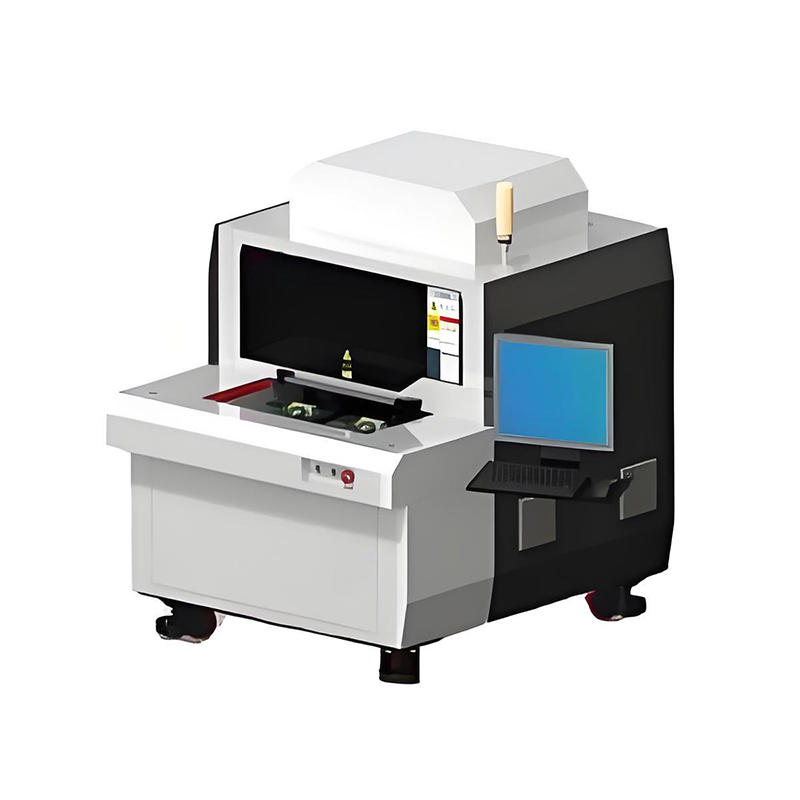
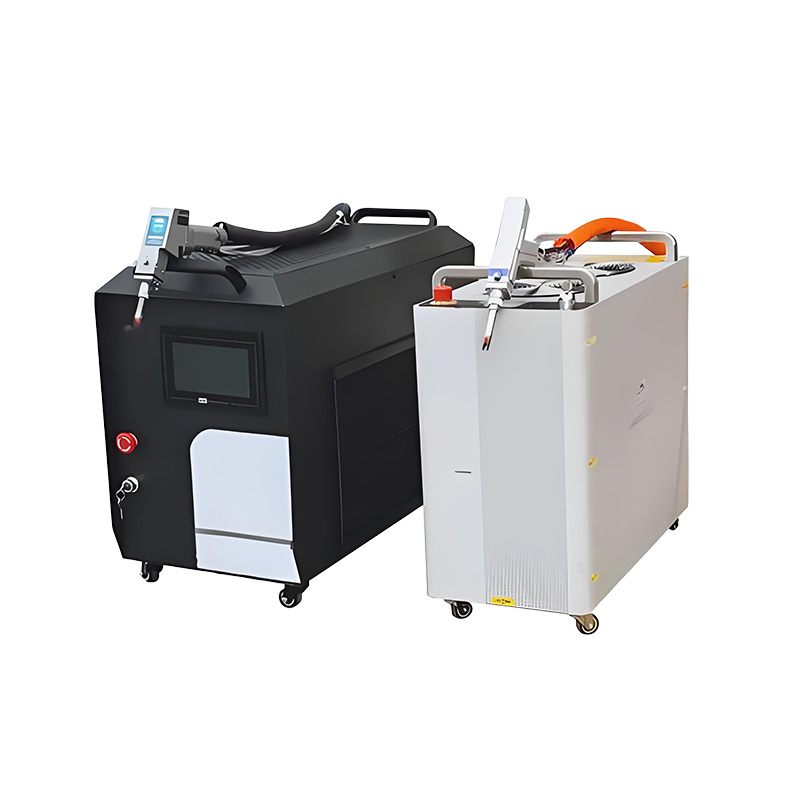


Perovskite Laser Equipment Guide
How To Choose P1 P2 P3 P4 Laser Scribing Equipment For Perovskite Modules
Choosing P1 P2 P3 P4 laser scribing equipment for perovskite modules requires careful evaluation of process compatibility, laser source configuration, alignment accuracy, substrate size, automation level and future pilot line integration. A suitable system should support clean layer removal, stable interconnection, reliable edge deletion and scalable module manufacturing.
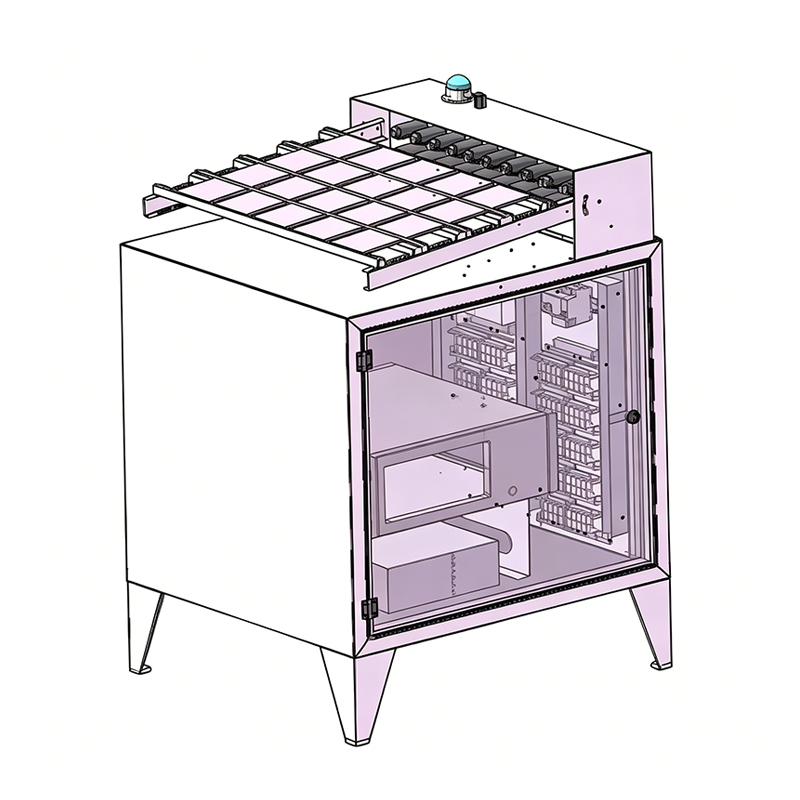
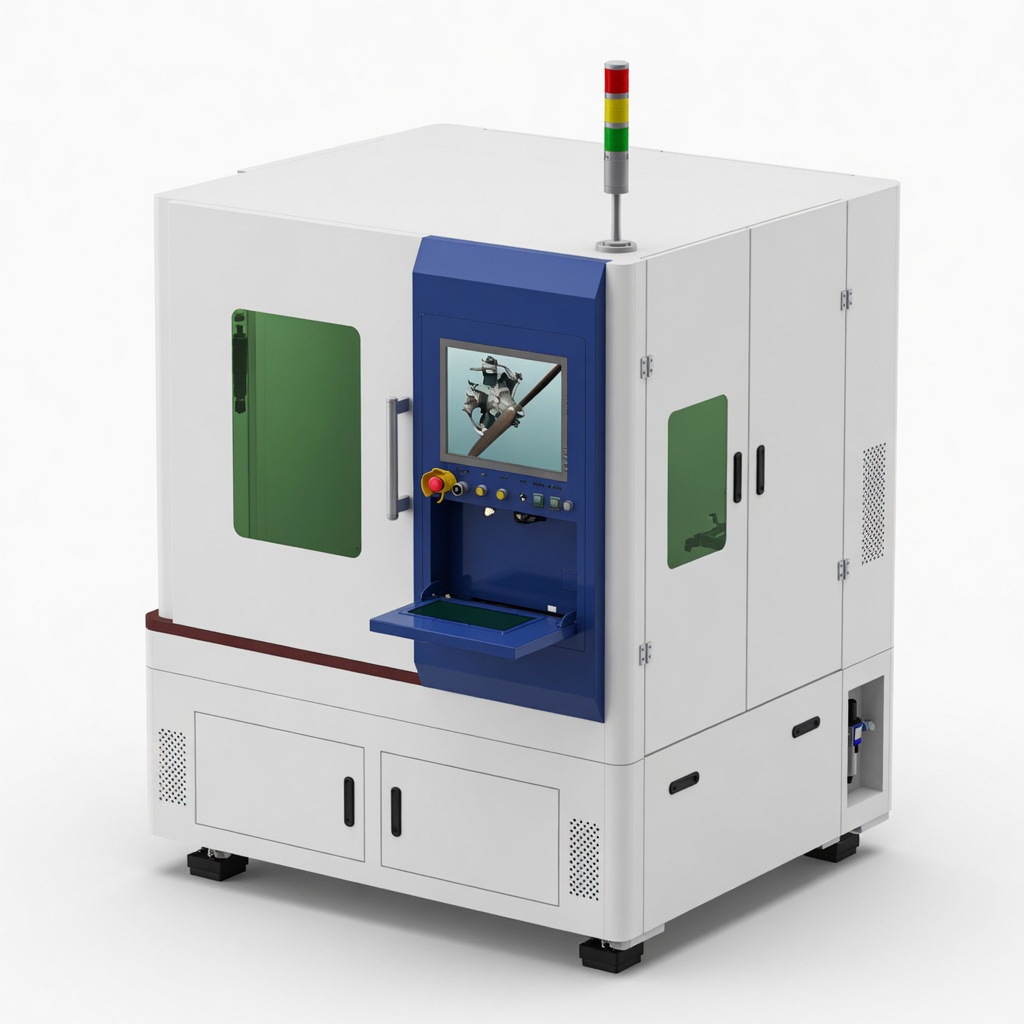
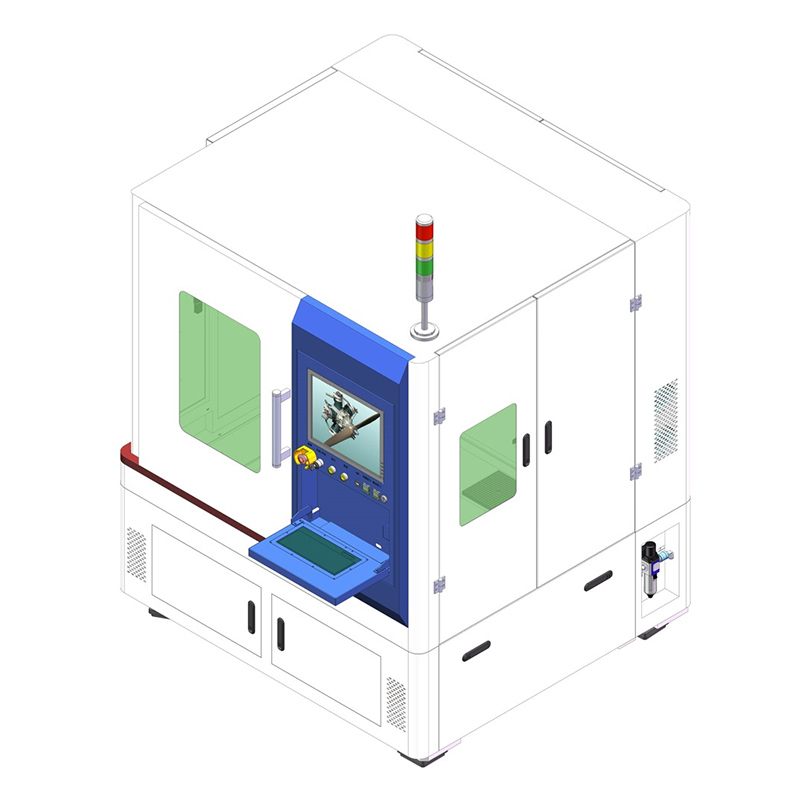
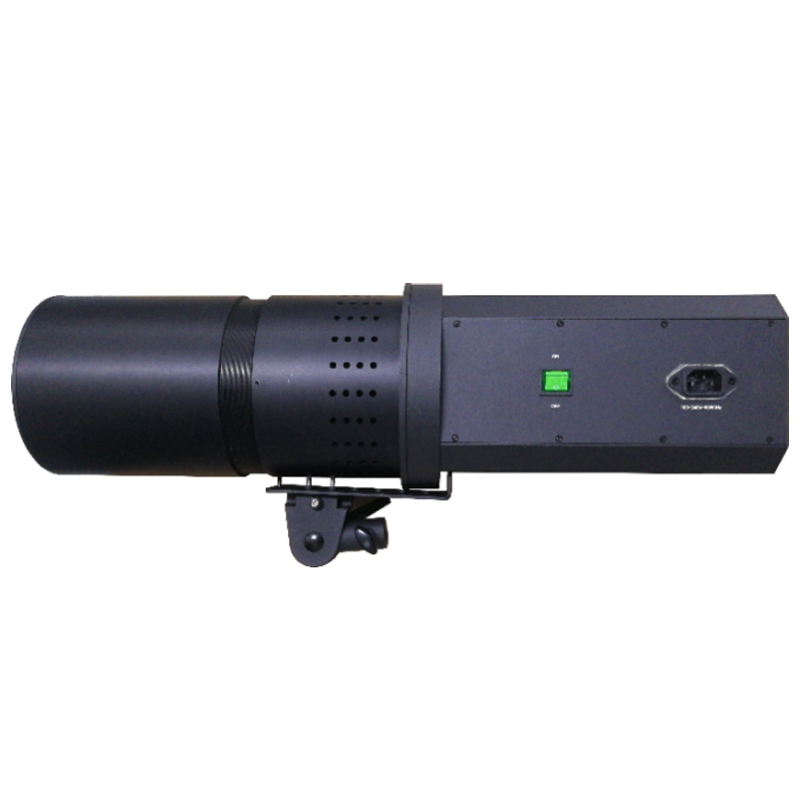
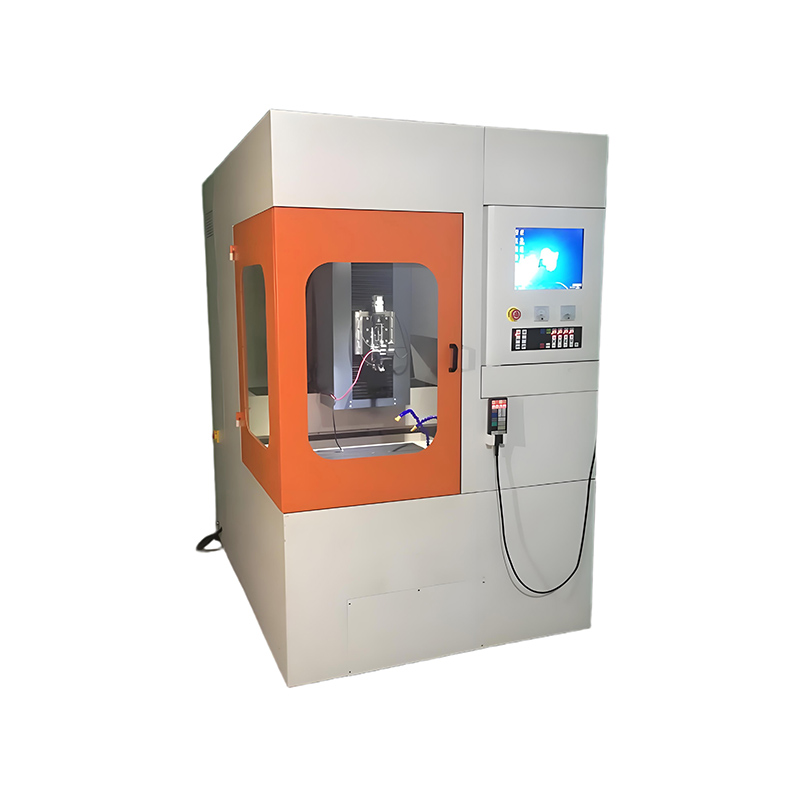
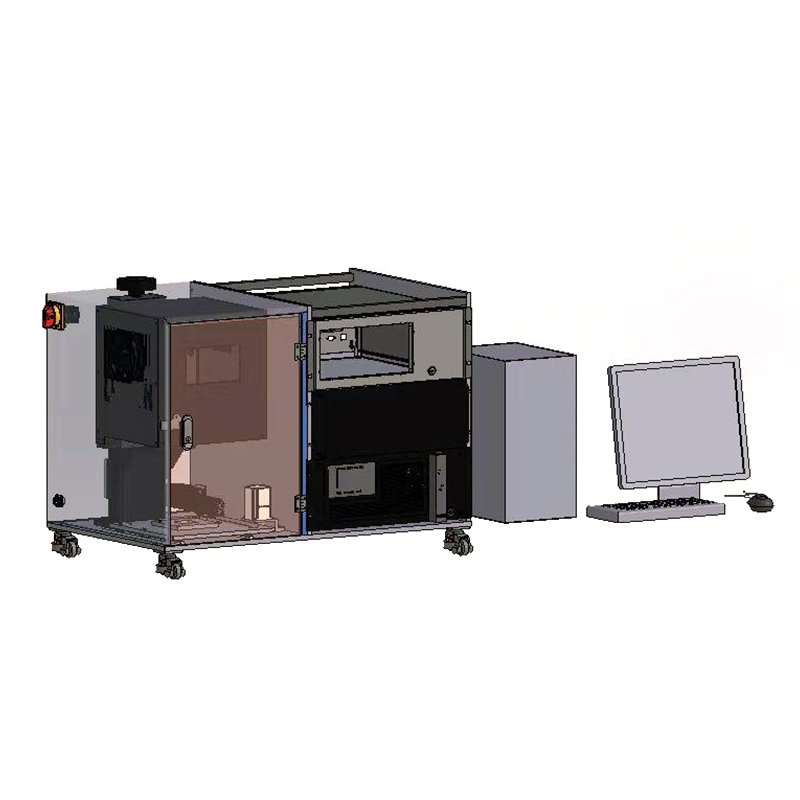
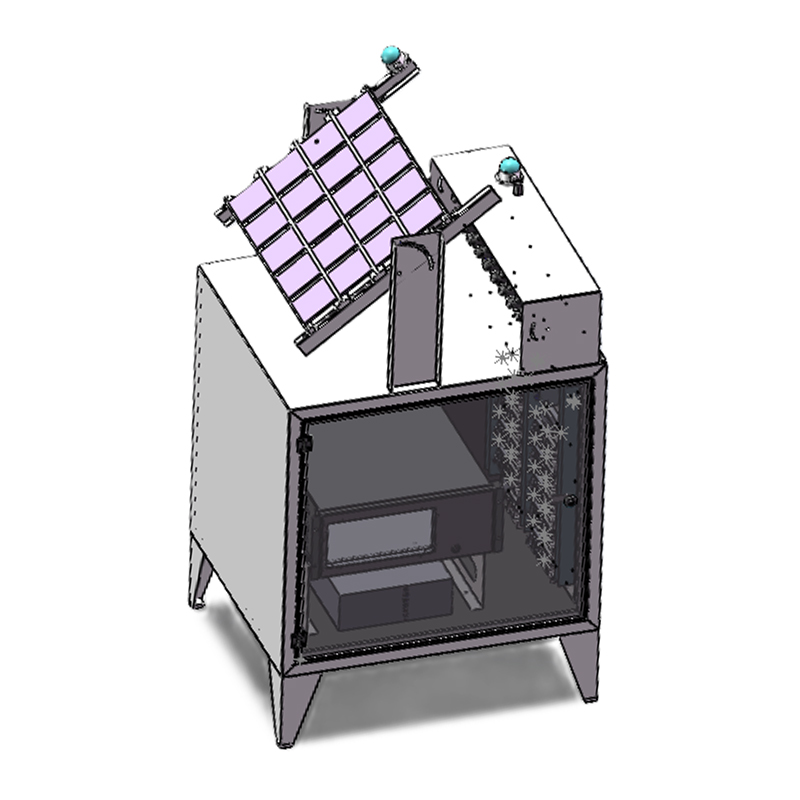
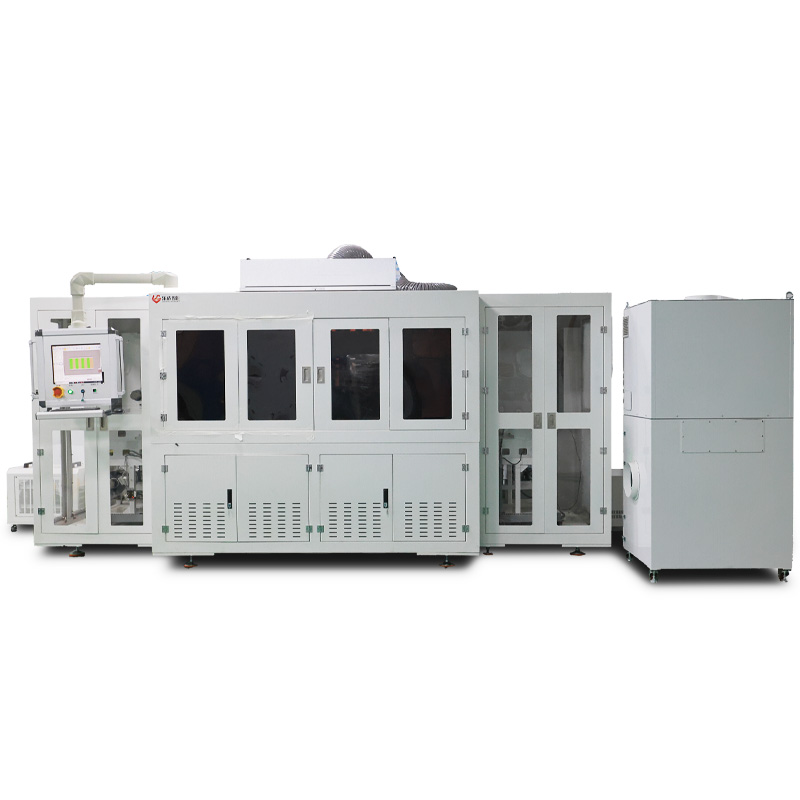
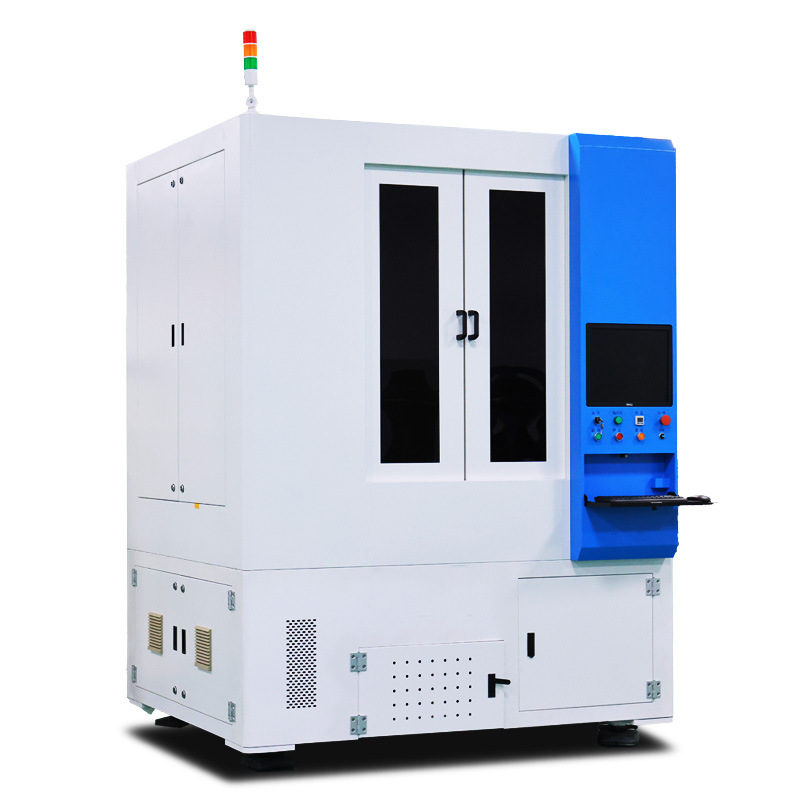
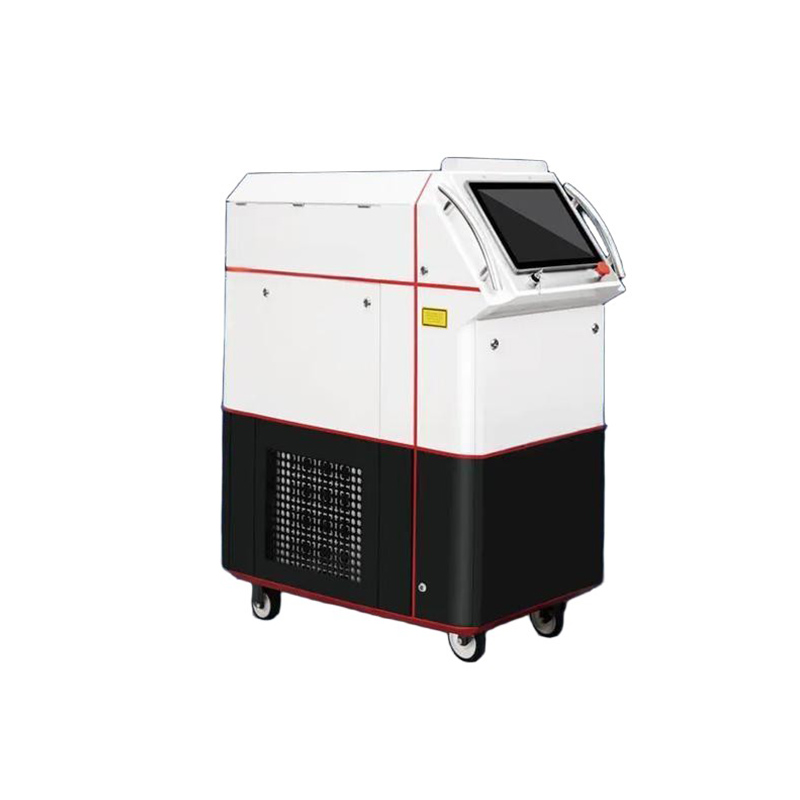
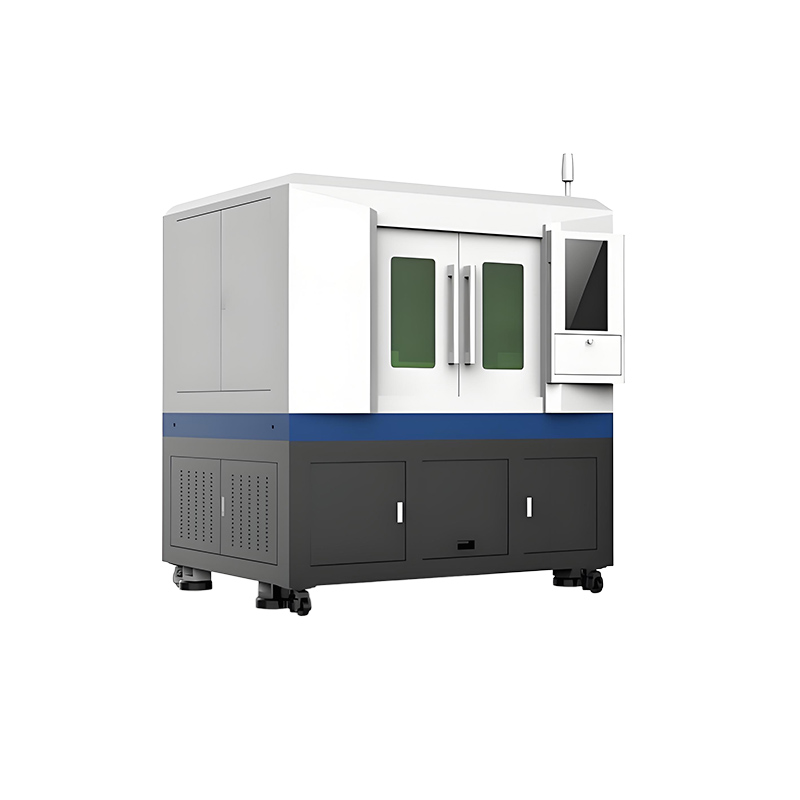
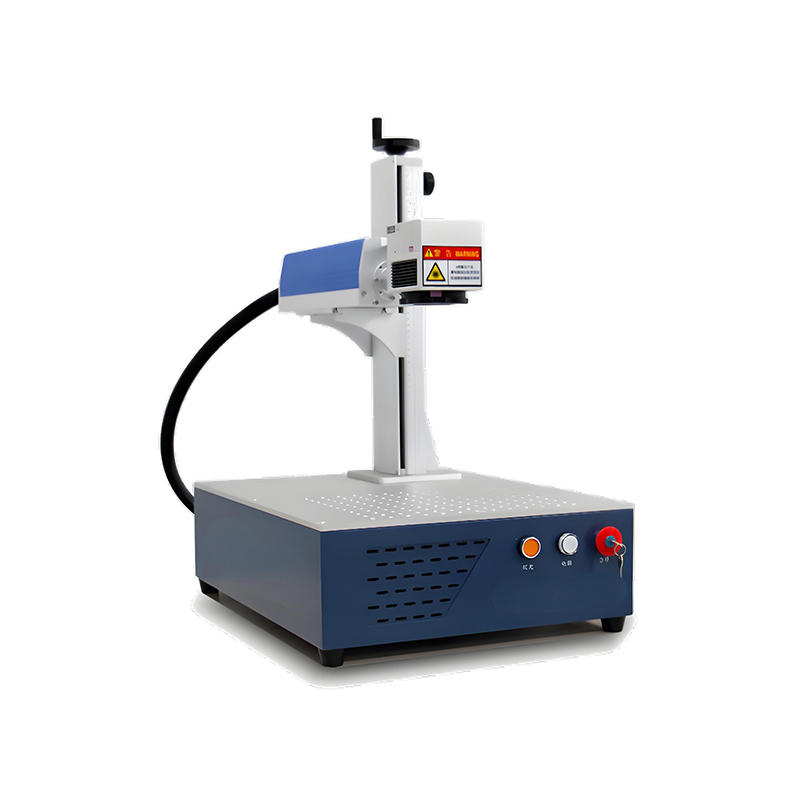
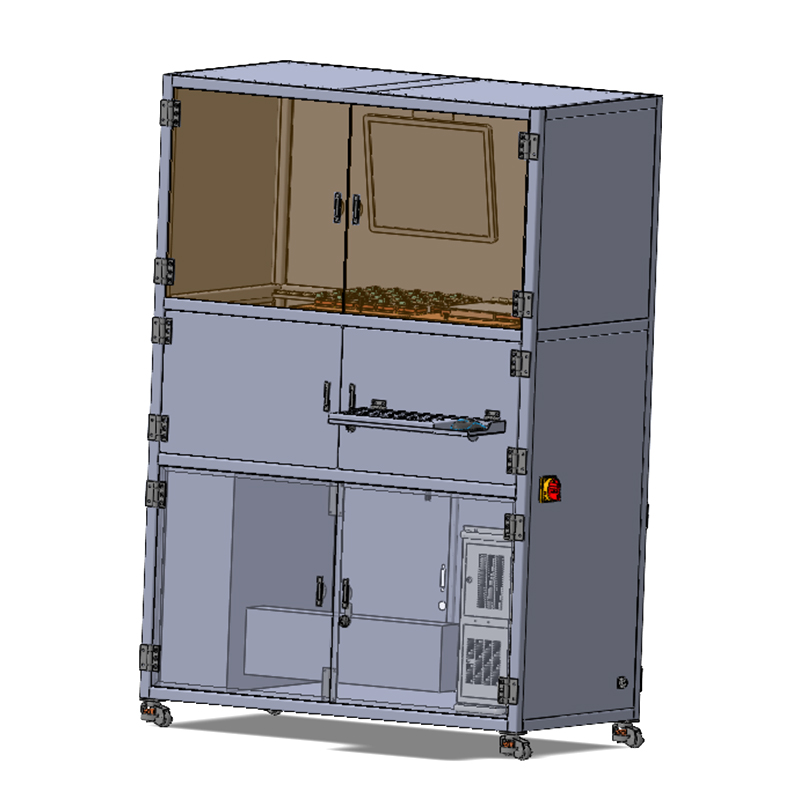
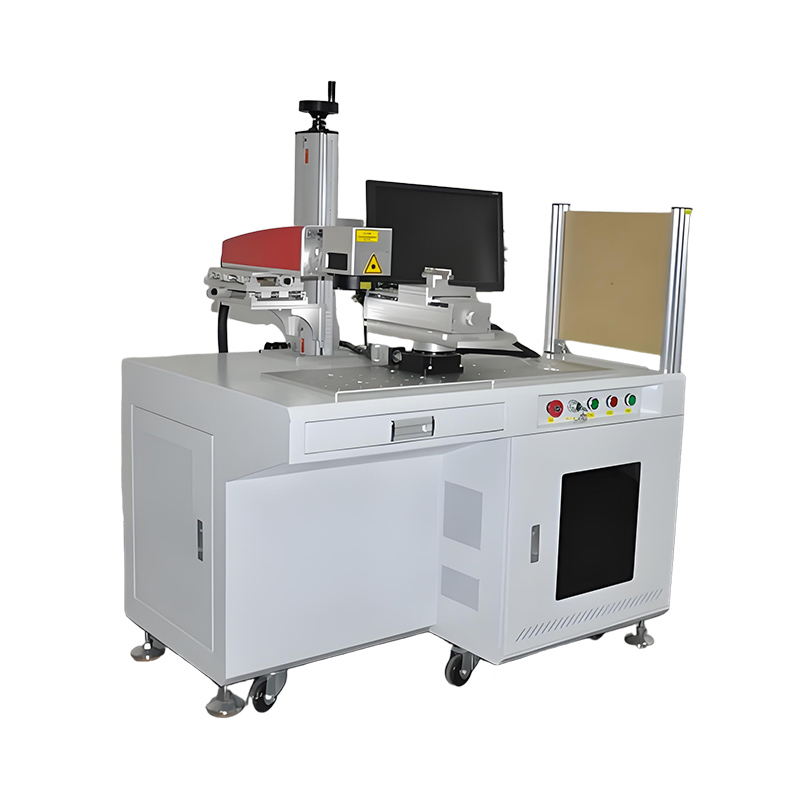
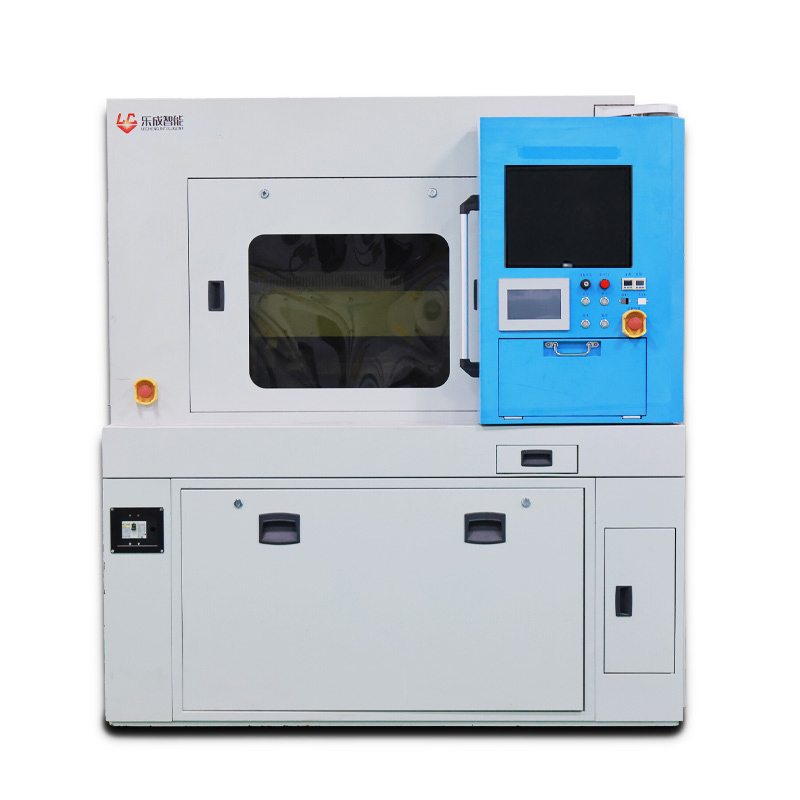
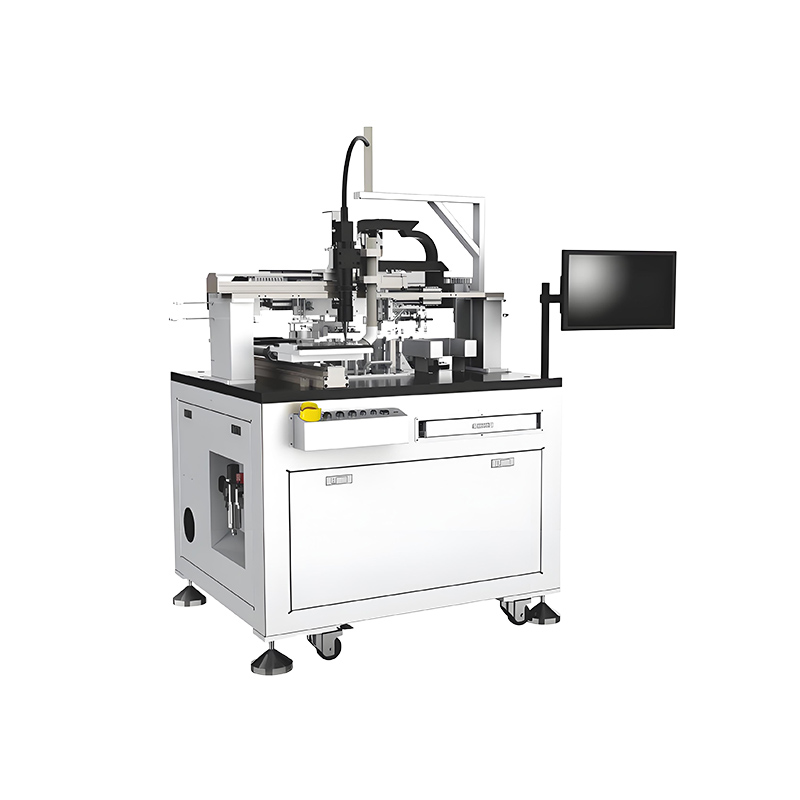
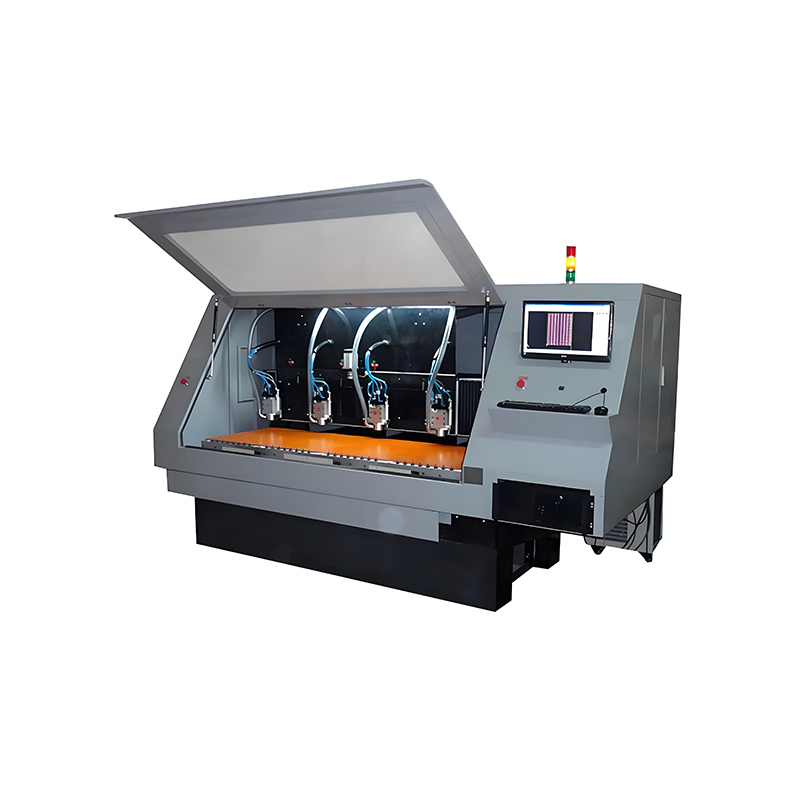
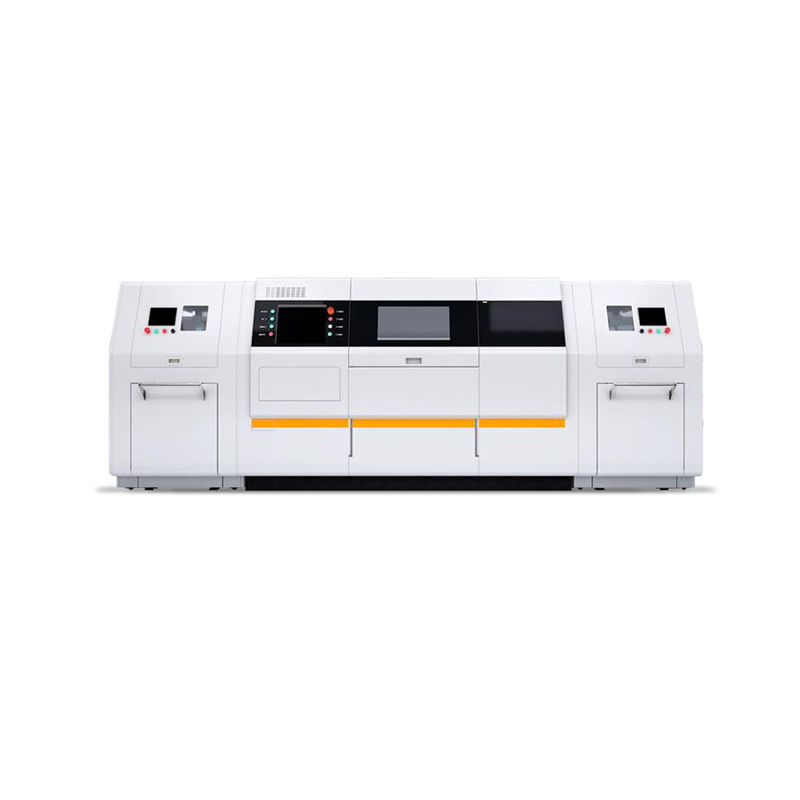
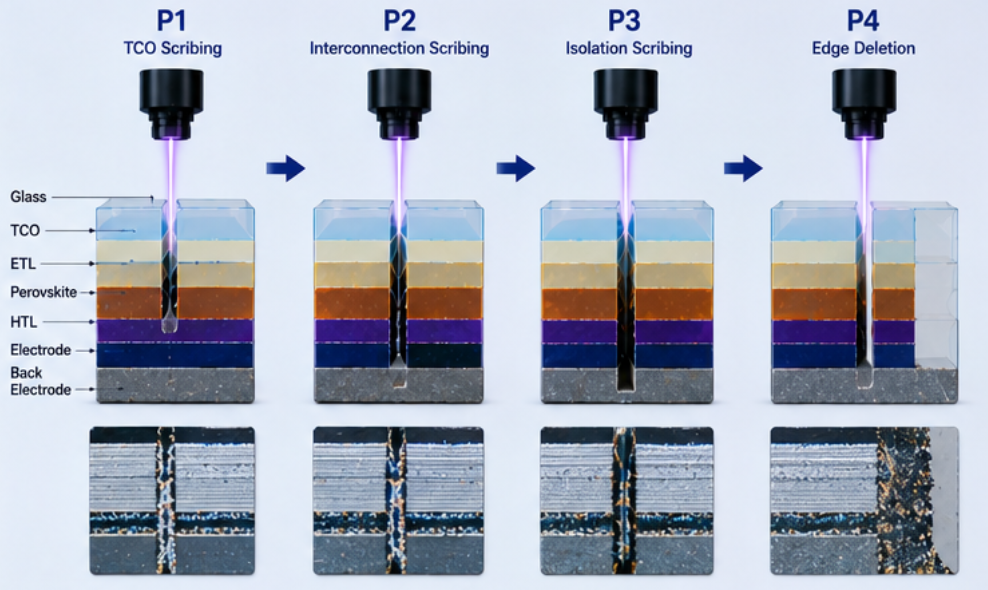
Get QuoteIn perovskite solar module manufacturing, P1, P2, P3 and P4 laser processes directly determine module structure, electrical connection and long-term reliability. Each process removes different layers and requires different laser parameters. If the equipment is not properly selected, buyers may face problems such as poor insulation, high contact resistance, wide dead area, thermal damage, edge leakage or low module yield. Therefore, the best choice is not simply the cheapest laser machine, but a complete process-matched laser scribing solution. Before choosing equipment, buyers should clearly understand what each scribing step does. P1 Laser Scribing: removes the TCO layer to isolate the bottom electrode. P2 Laser Scribing: removes perovskite and transport layers to create the interconnection channel. P3 Laser Scribing: separates the back electrode and functional layers for final cell isolation. P4 Laser Edge Deletion: removes edge materials to improve encapsulation and reduce leakage risk. A professional equipment configuration should match these process goals instead of using one general laser setup for every material stack. Laser source selection is one of the most important factors. Different layers absorb different wavelengths, so buyers should evaluate wavelength, pulse width, power stability, beam quality and process window. For P1, the system must remove the conductive TCO layer cleanly without damaging the glass. For P2, the laser must remove functional layers while protecting the lower conductive layer. For P3, the laser must ensure complete isolation. For P4, the system must remove edge layers cleanly without damaging the substrate or active area. P1, P2 and P3 lines must be precisely aligned to form efficient series connections. Poor alignment increases dead area and may cause short circuits, leakage or unstable output. For pilot and production-level systems, automatic vision alignment is highly recommended. Buyers should check positioning accuracy, repeatability, calibration method and long-term stability. A system that looks accurate in a single test may not be stable enough for repeated pilot line operation. The required equipment configuration depends on whether the project is for laboratory R&D, pilot line validation or production scale-up. Small research samples may only need flexible manual or semi-automatic systems. Larger modules require bigger platforms, stronger alignment control and better handling systems. R&D stage: flexible process development and parameter testing. Pilot line stage: repeatability, automation and process data tracking. Production stage: throughput, stability, integration and maintenance efficiency. A standalone laser machine may be enough for early research, but a pilot line needs better integration. Buyers should consider automatic loading, robotic handling, recipe management, barcode tracking, dust extraction, safety protection and connection with coating, electrode, encapsulation or testing equipment. If the equipment will be upgraded later, it is better to confirm integration interfaces and layout planning before purchase. Does the equipment support P1, P2, P3 and P4 separately? Can different process recipes be saved and repeated? Which laser source is recommended for the material stack? What scribing width and alignment accuracy can be achieved repeatedly? Does the system include automatic vision alignment? Can the supplier provide microscope images and sample testing data? Can the machine be upgraded from R&D to pilot line use? Can the system integrate with upstream and downstream equipment? Choosing P1 P2 P3 P4 laser scribing equipment for perovskite modules requires a process-oriented approach. Buyers should evaluate laser source compatibility, scribing quality, alignment accuracy, substrate size, automation level and future pilot line integration. The right equipment partner should provide not only laser hardware, but also sample testing, process recommendations and long-term support for perovskite module scale-up. Contact Lecheng Laser to discuss your perovskite module process, material stack, substrate size and pilot line configuration.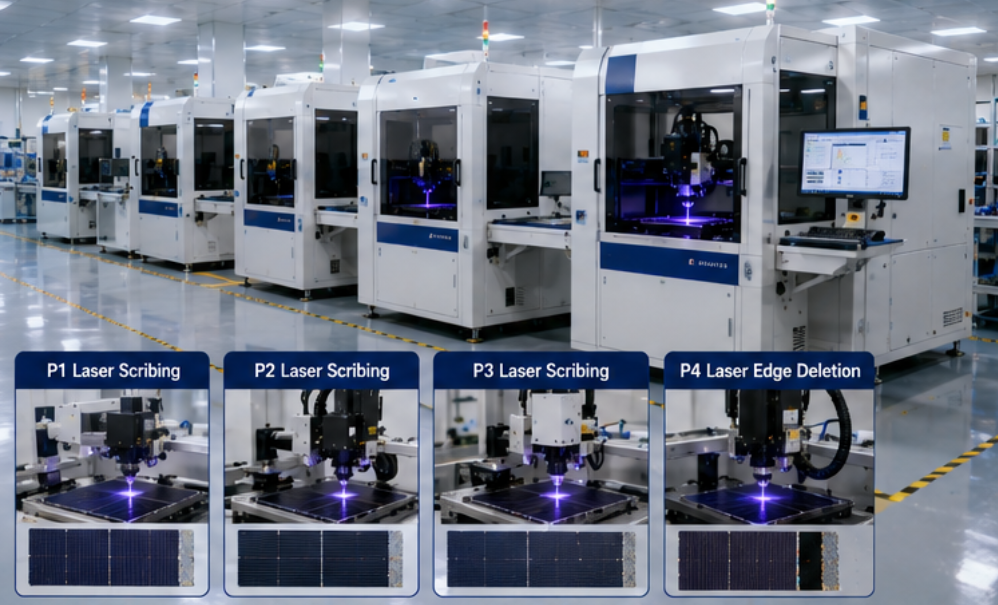
Why P1 P2 P3 P4 Equipment Selection Matters
1. Understand The Function Of Each Process
2. Check Laser Source Compatibility
P1 P2 P3 P4 Equipment Selection Checklist
Process Target Layer Key Requirement Buyer Checkpoint P1 TCO layer Clean isolation Check insulation and glass damage risk P2 Perovskite and transport layers Stable interconnection Check contact resistance and layer selectivity P3 Back electrode and functional layers Final cell isolation Check leakage current and insulation performance P4 Edge functional layers Encapsulation reliability Check edge deletion width and edge cleanliness 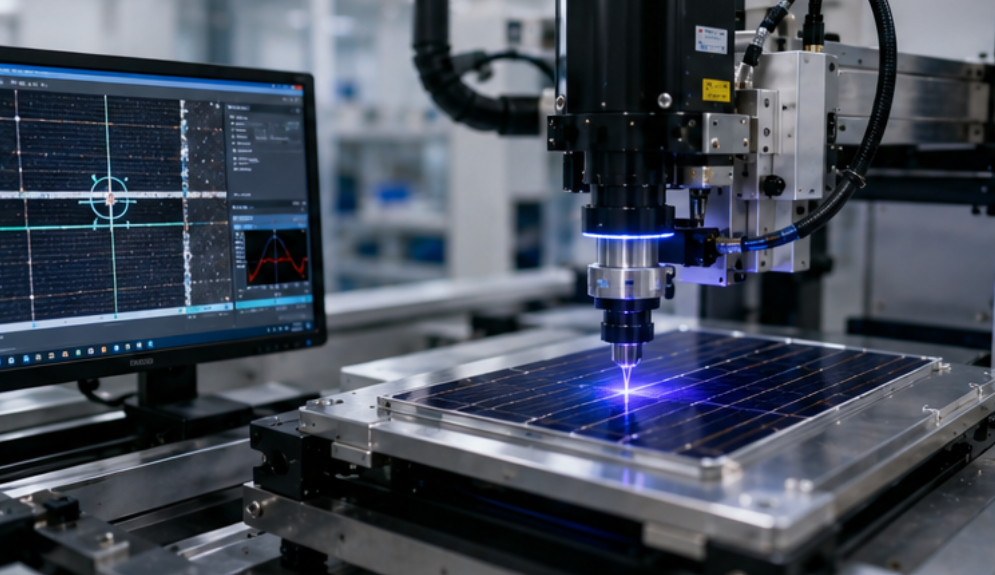
3. Evaluate Alignment Accuracy And Repeatability
4. Match Equipment With Substrate Size And Production Stage
5. Check Automation And Line Integration Ability
Questions To Ask Before Ordering

Conclusion
Need P1 P2 P3 P4 Laser Scribing Equipment?