


Perovskite Processing Comparison Guide
Perovskite Laser Scribing vs Mechanical Scribing: Which Is Better?
In perovskite solar cell module manufacturing, scribing quality directly affects interconnection, insulation, active area utilization and module yield. Compared with mechanical scribing, laser scribing offers higher precision, better repeatability, lower mechanical stress and stronger scalability for R&D, pilot lines and future production.
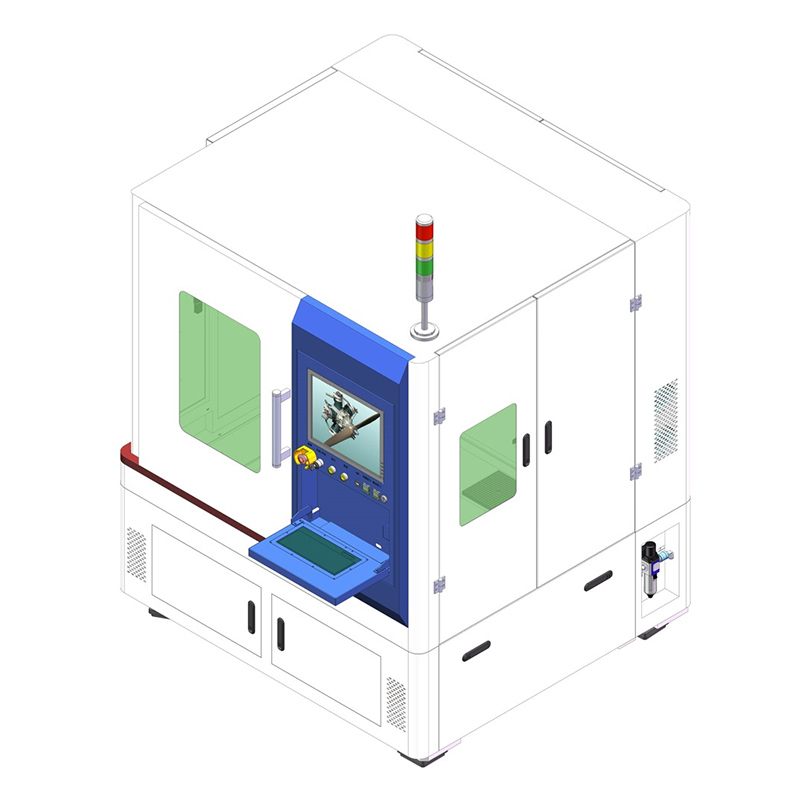
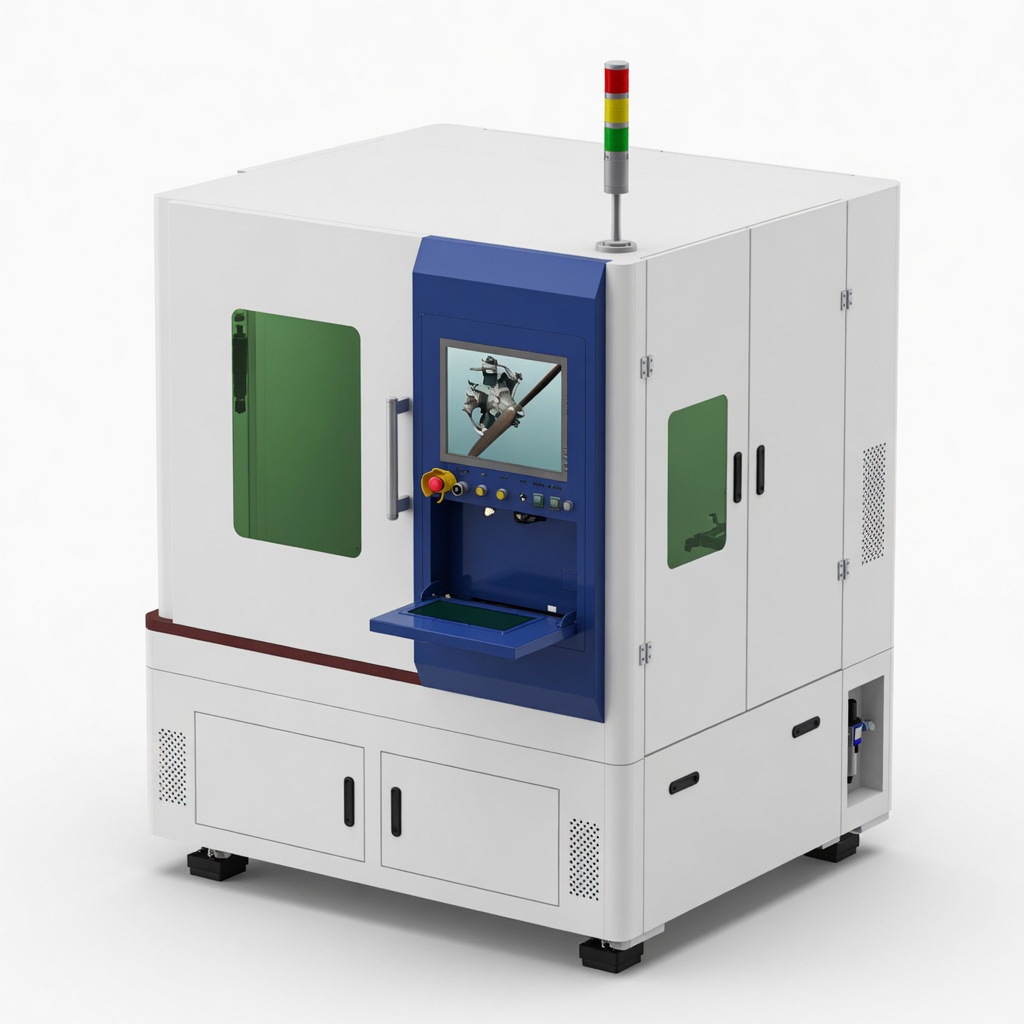
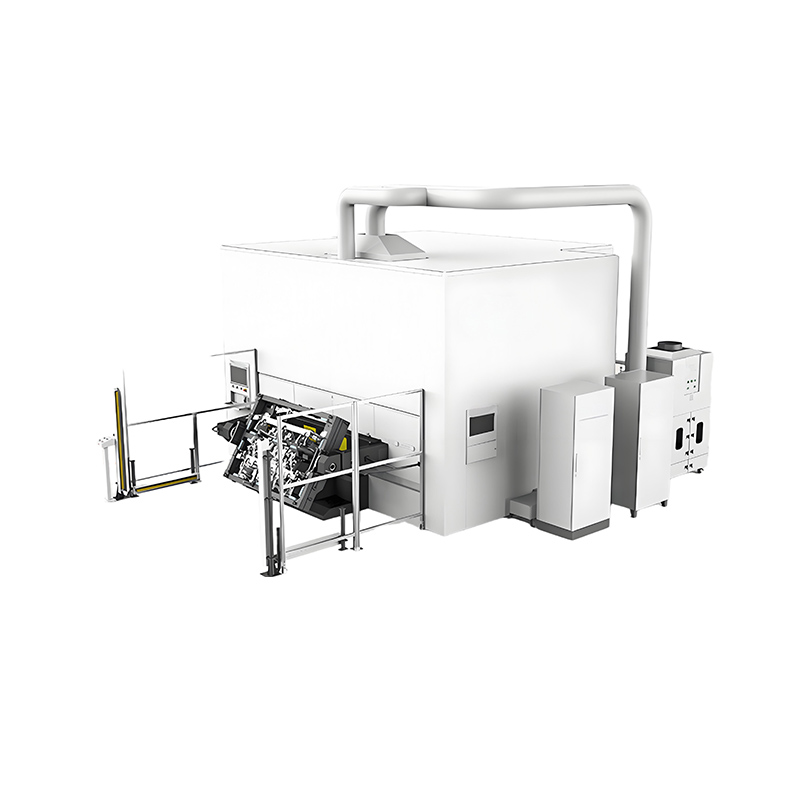
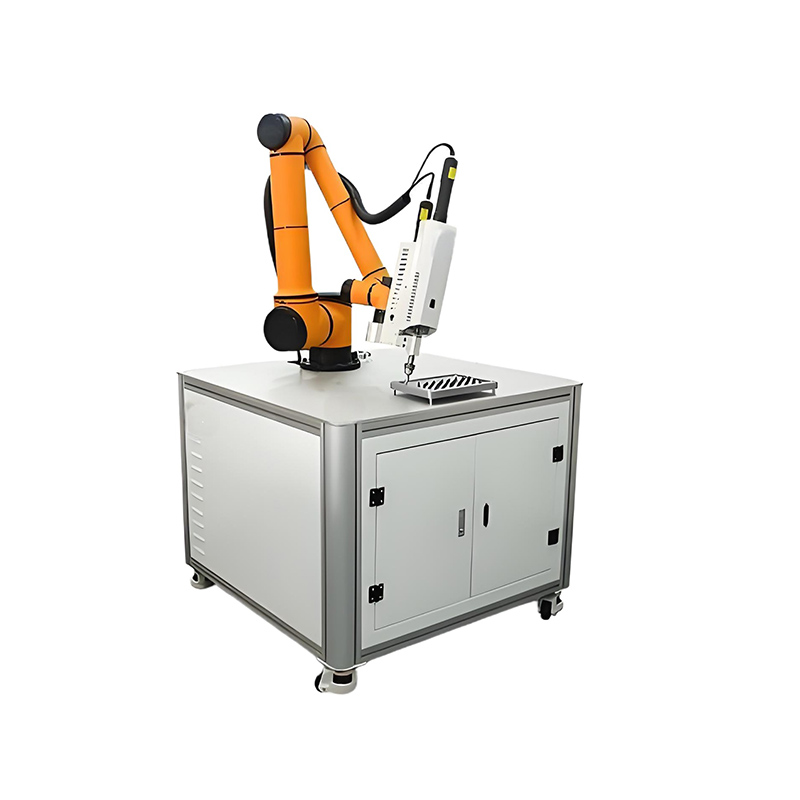
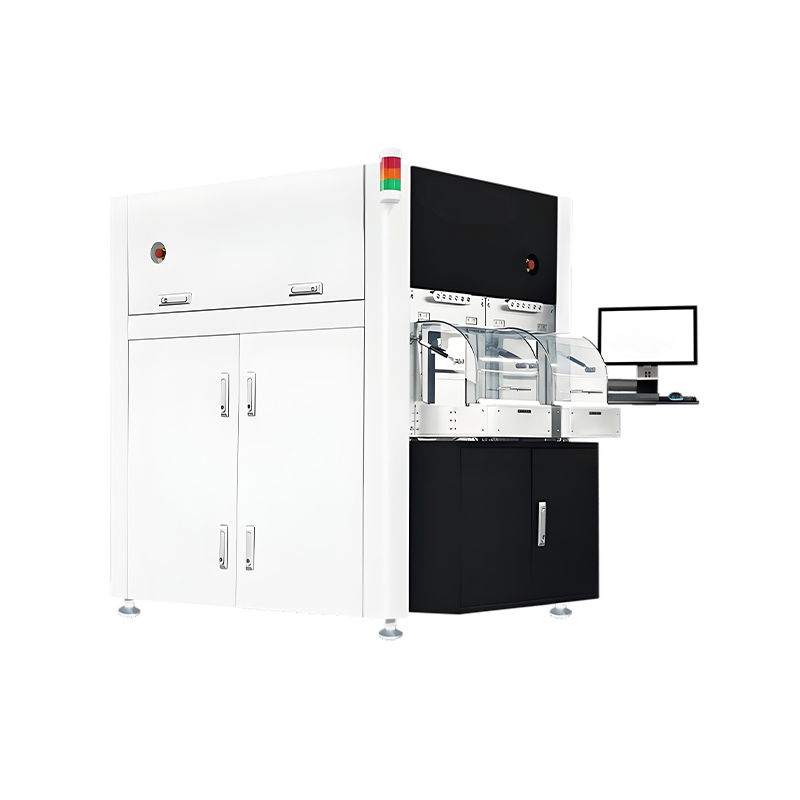
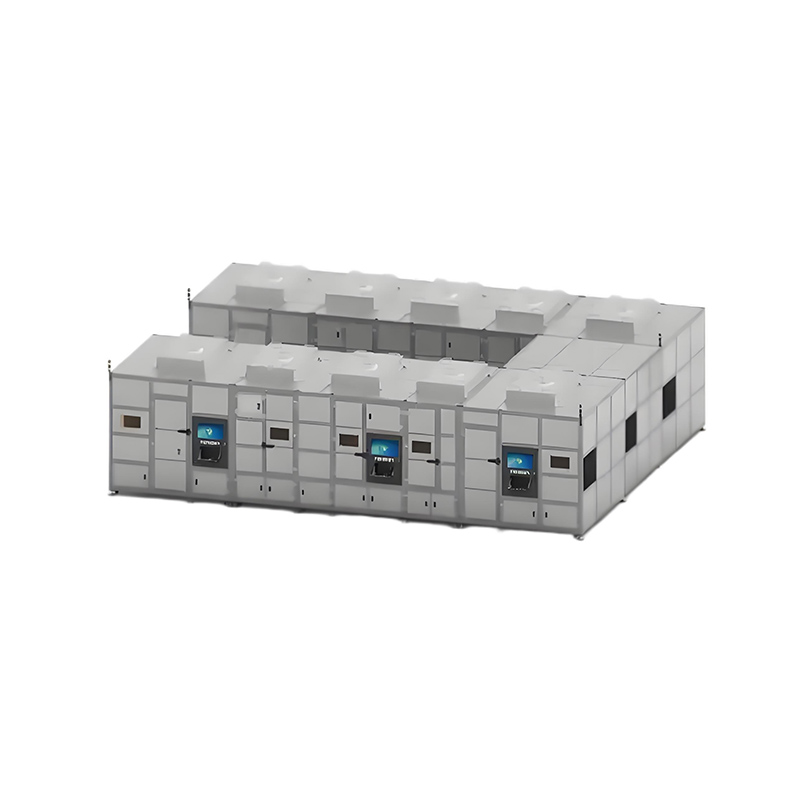
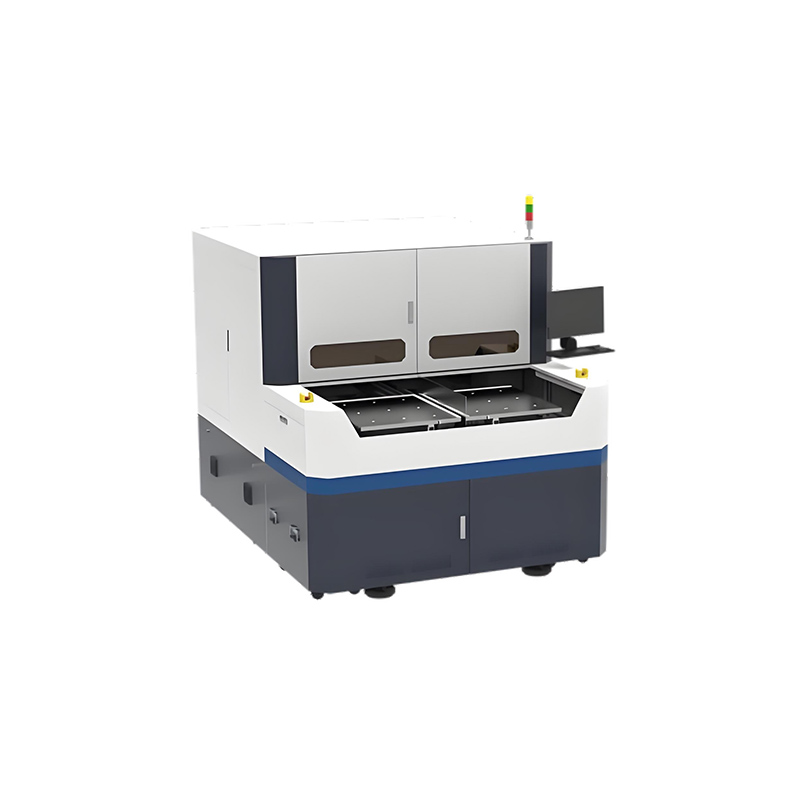
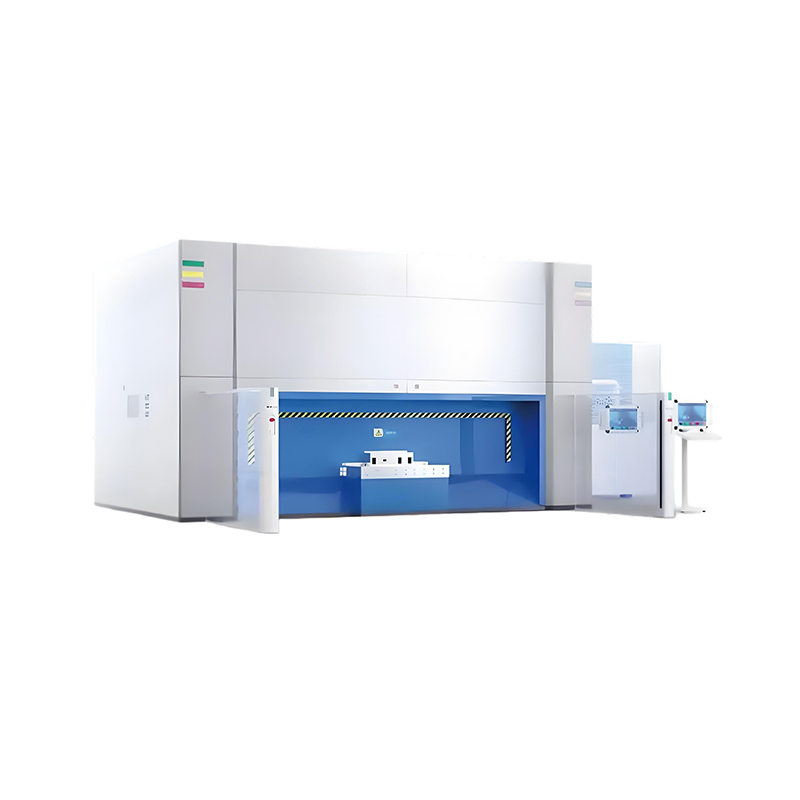
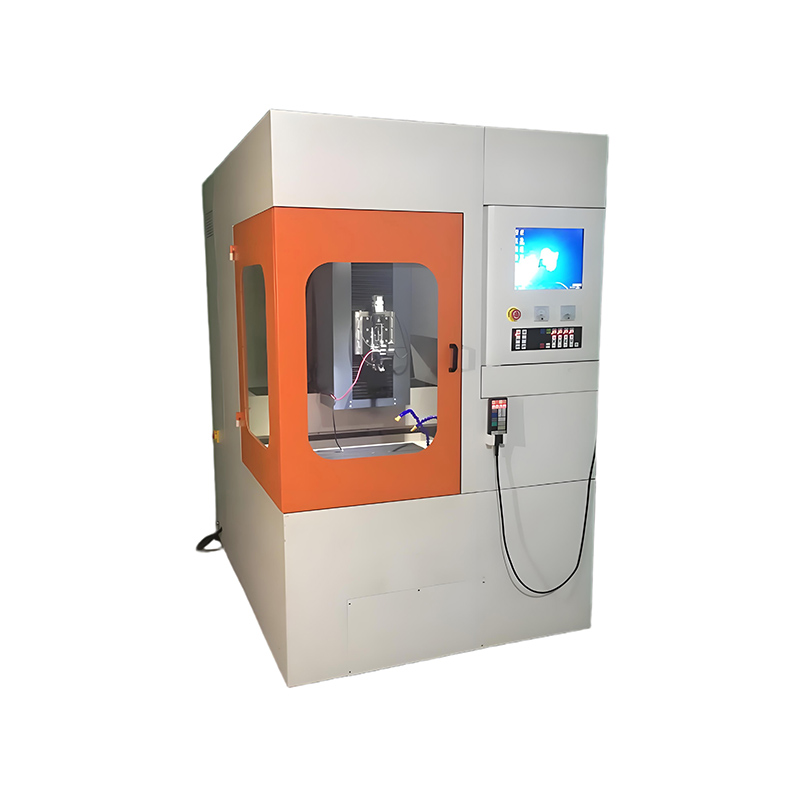
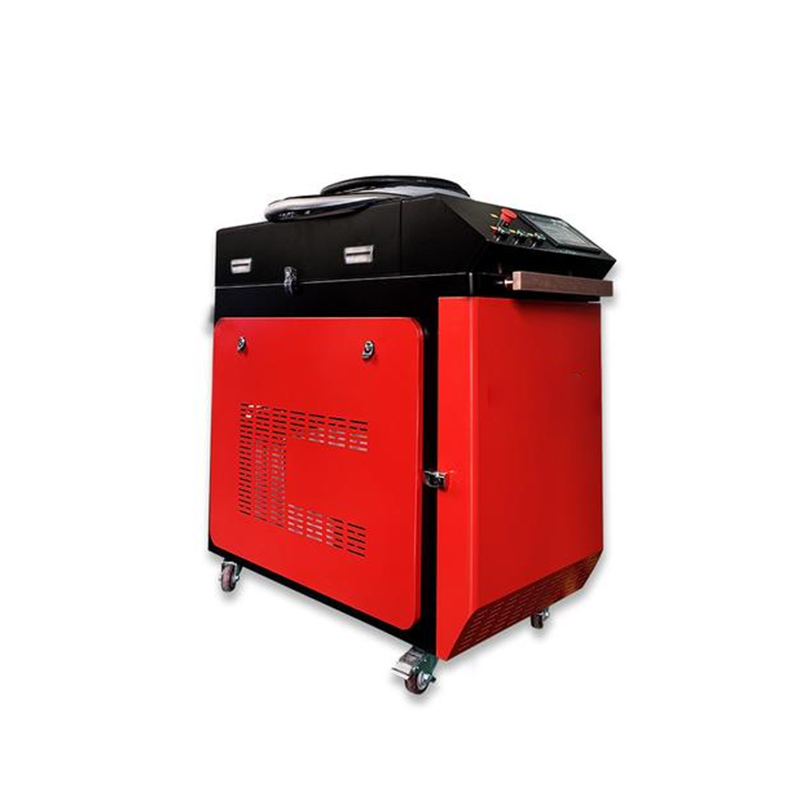
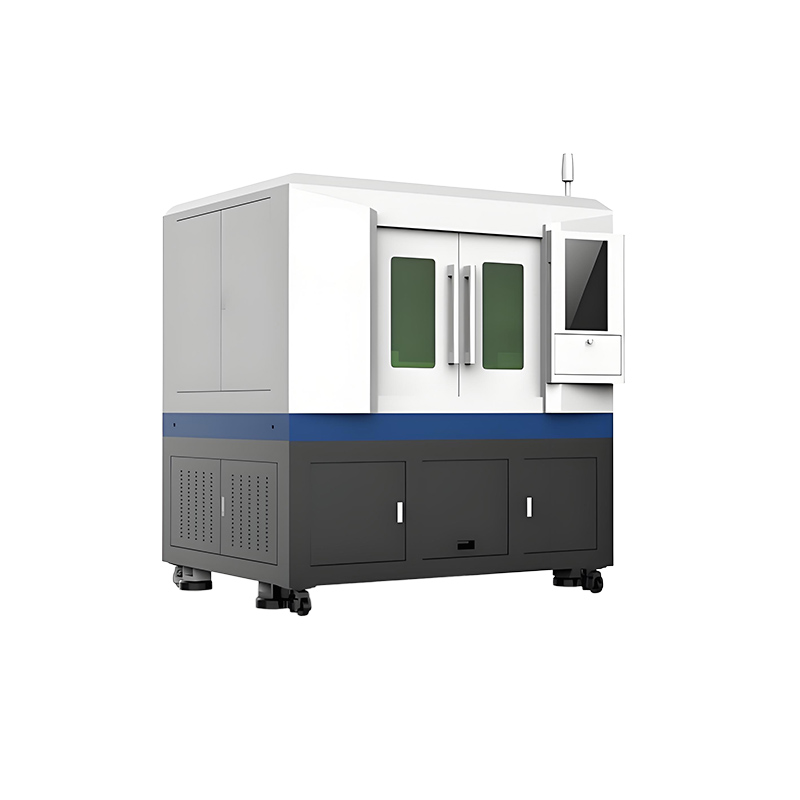
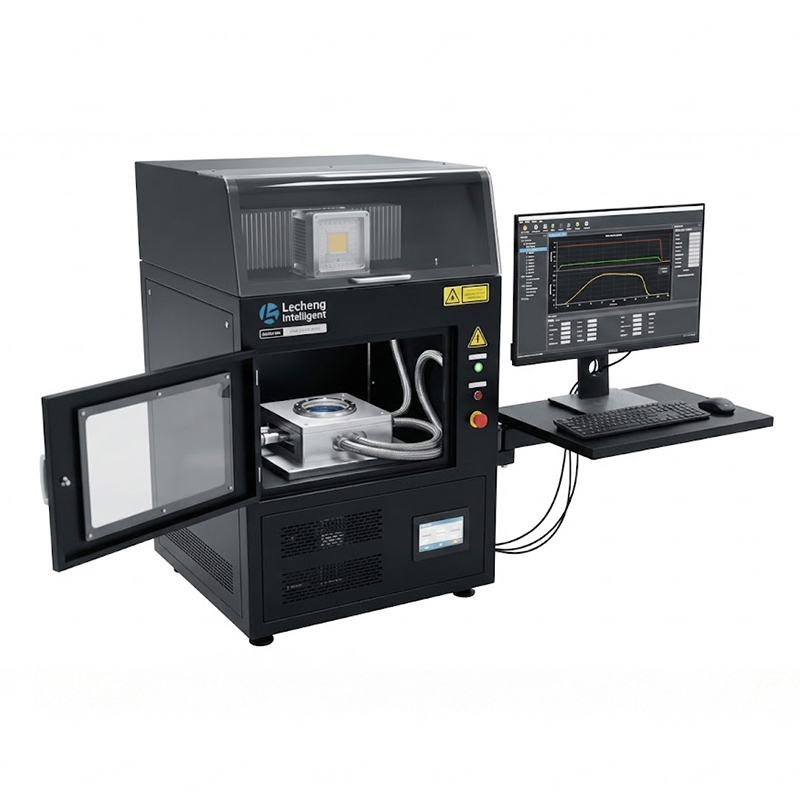
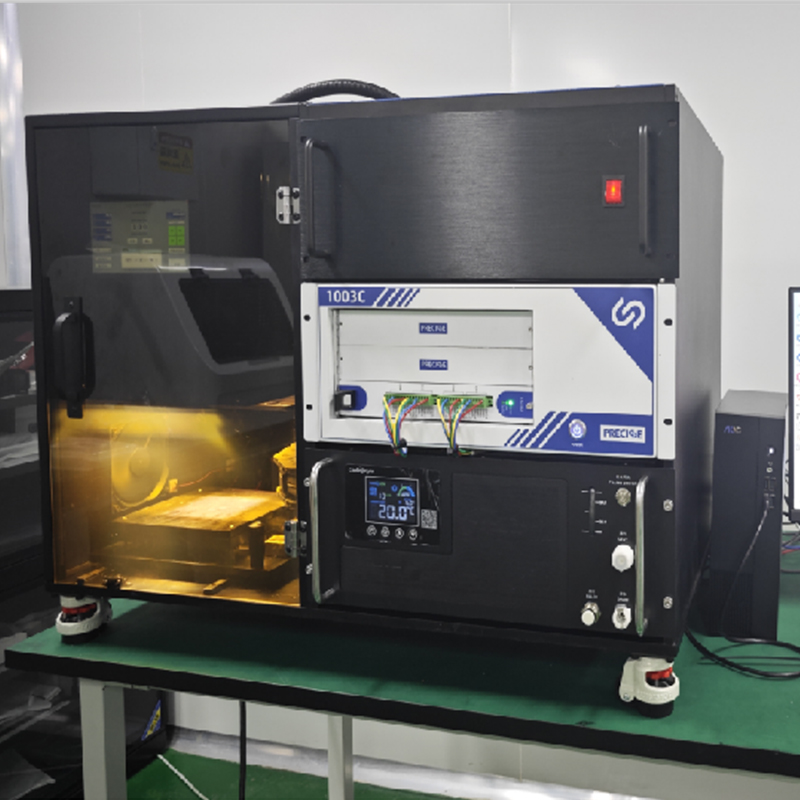
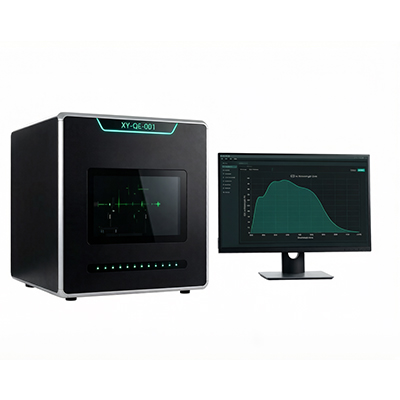
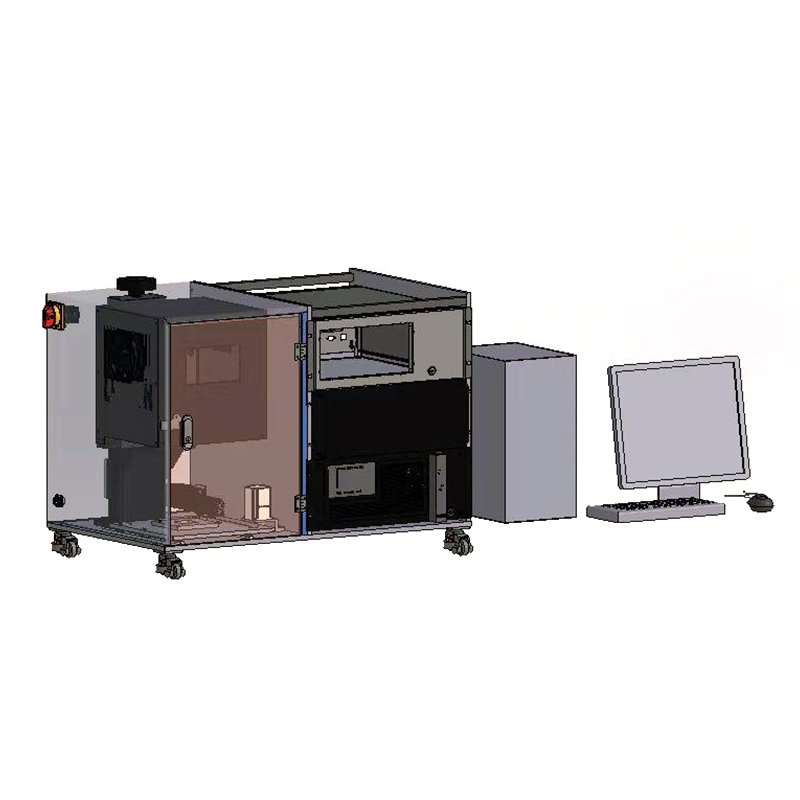
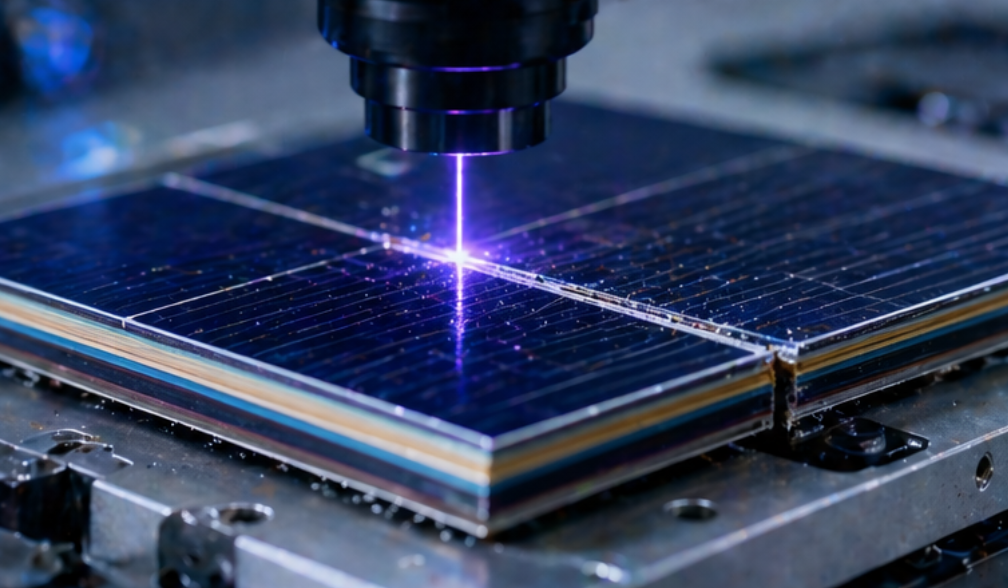
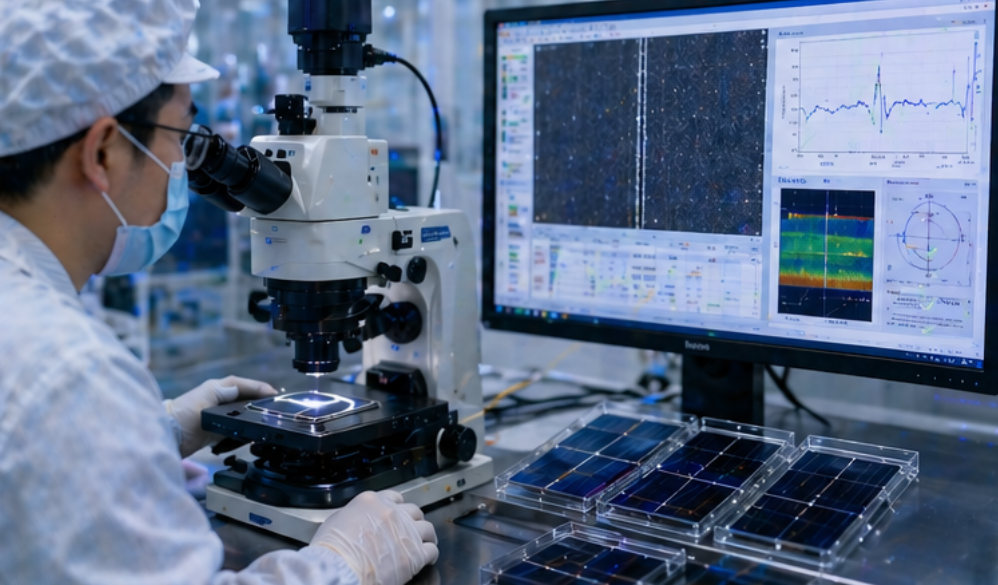
Get QuotePerovskite solar modules require accurate patterning to divide large-area thin-film layers into connected sub-cells. The scribing process must remove specific layers while protecting nearby materials. If the scribing method is unstable, it may cause poor insulation, high resistance, debris contamination, edge defects or lower module yield. The two common approaches are laser scribing and mechanical scribing. Mechanical scribing uses physical contact to cut or scrape layers, while laser scribing uses a controlled laser beam to remove materials without direct contact. Laser scribing is a non-contact process that uses focused laser energy to remove selected thin-film layers. In perovskite solar cell manufacturing, laser scribing is commonly used for P1, P2, P3 and P4 processes. Its main advantages are high precision, narrow scribing width, repeatable line quality and easier integration with automated production. Laser scribing is especially suitable for delicate thin-film structures where mechanical pressure may cause damage. Non-contact processing High positioning accuracy Suitable for P1, P2, P3 and P4 Lower mechanical stress on the substrate Better potential for automation and scale-up Mechanical scribing uses a physical tool, blade or needle to remove or separate layers. It may be useful for simple laboratory trials or early process exploration, especially when equipment budget is limited. However, mechanical scribing may introduce particle contamination, tool wear, uneven line quality and mechanical stress. For perovskite modules, these risks can affect layer integrity, encapsulation quality and long-term stability. Lower initial equipment cost Simple operation for early experiments Higher risk of debris and tool wear More difficult to control line width and depth Limited scalability for pilot and production lines For most perovskite solar cell pilot lines and scalable module manufacturing, laser scribing is usually the better choice. It provides better process control, higher alignment accuracy, cleaner edges and stronger compatibility with automated production. Mechanical scribing may still be used for simple experiments or low-cost early-stage testing. However, when the project moves toward module efficiency improvement, process repeatability and commercial validation, laser scribing becomes much more important. Buyers should choose the scribing method based on their project stage. If the goal is only basic laboratory exploration, mechanical scribing may be acceptable. If the goal is reliable perovskite module development, pilot line validation or future production, laser scribing should be prioritized. When selecting a laser scribing system, buyers should evaluate P1/P2/P3/P4 capability, laser source configuration, alignment accuracy, heat affected zone, substrate size, sample testing support and future line integration. Is the project for R&D, pilot line or production scale-up? Do you need P1, P2, P3 and P4 processing capability? What scribing width and alignment accuracy are required? How sensitive is your perovskite material stack to mechanical stress? Do you need repeatable process recipes and data tracking? Will the system need to integrate with coating, electrode or testing equipment? Can the supplier provide sample testing and scribing quality evidence? Laser scribing and mechanical scribing can both be used in thin-film solar cell research, but they are not equal for scalable perovskite module manufacturing. Laser scribing offers higher precision, better repeatability, lower mechanical stress and stronger automation potential. For buyers planning perovskite pilot lines or future commercial production, laser scribing is usually the more reliable and scalable solution. Contact Lecheng Laser to discuss your perovskite material stack, P1/P2/P3/P4 process requirements and pilot line configuration.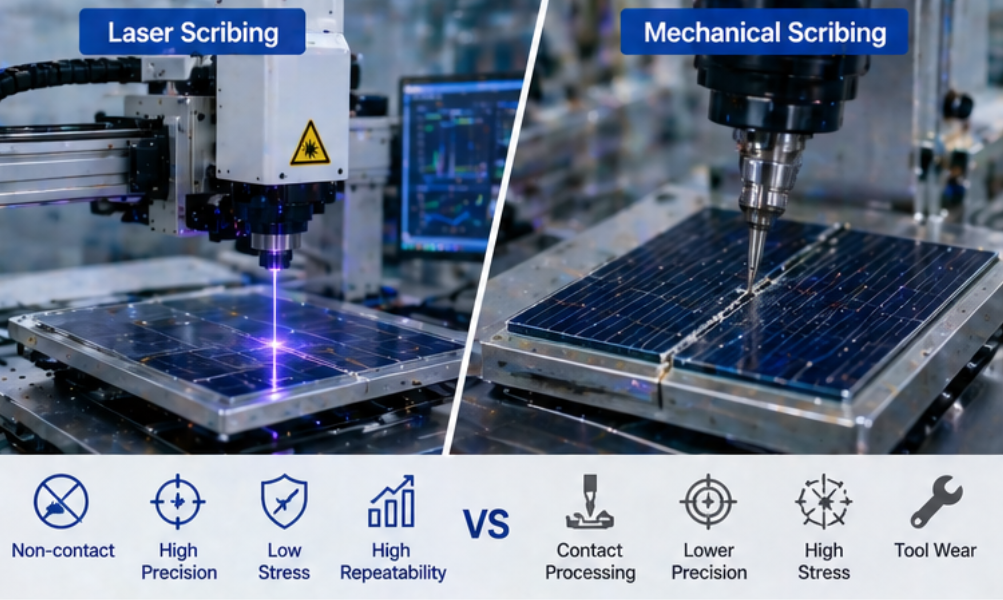
Why Scribing Method Matters
What Is Laser Scribing?
What Is Mechanical Scribing?
Laser Scribing vs Mechanical Scribing
Comparison Item Laser Scribing Mechanical Scribing Processing Method Non-contact laser ablation Physical contact cutting or scraping Precision High precision and narrow line width Lower precision and more variation Substrate Stress Low mechanical stress Higher risk of cracking or layer damage Debris Control Cleaner with proper extraction Higher particle contamination risk Repeatability Stable with recipe control Affected by tool wear and pressure variation Scalability Suitable for pilot and production integration Limited for automated production 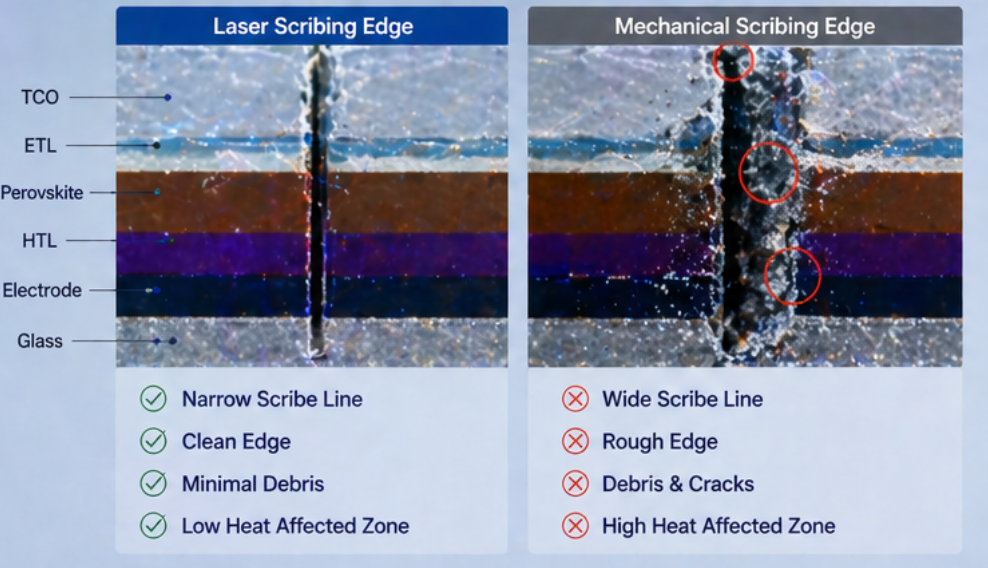
Which Method Is Better For Perovskite Solar Cells?
Buyer Selection Advice
Questions To Ask Before Choosing A Scribing Method
Conclusion
Need Perovskite Laser Scribing Equipment?