


The Critical Weak Link at the Edge
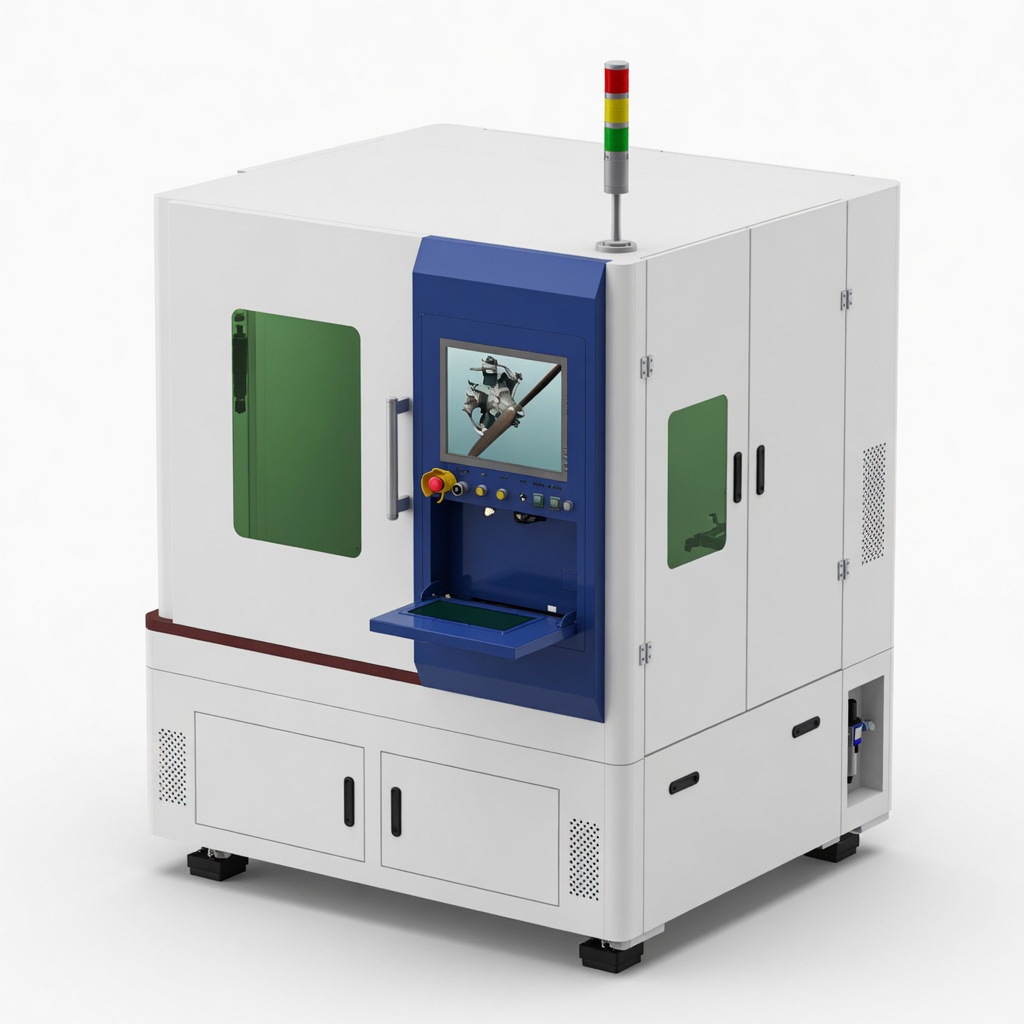
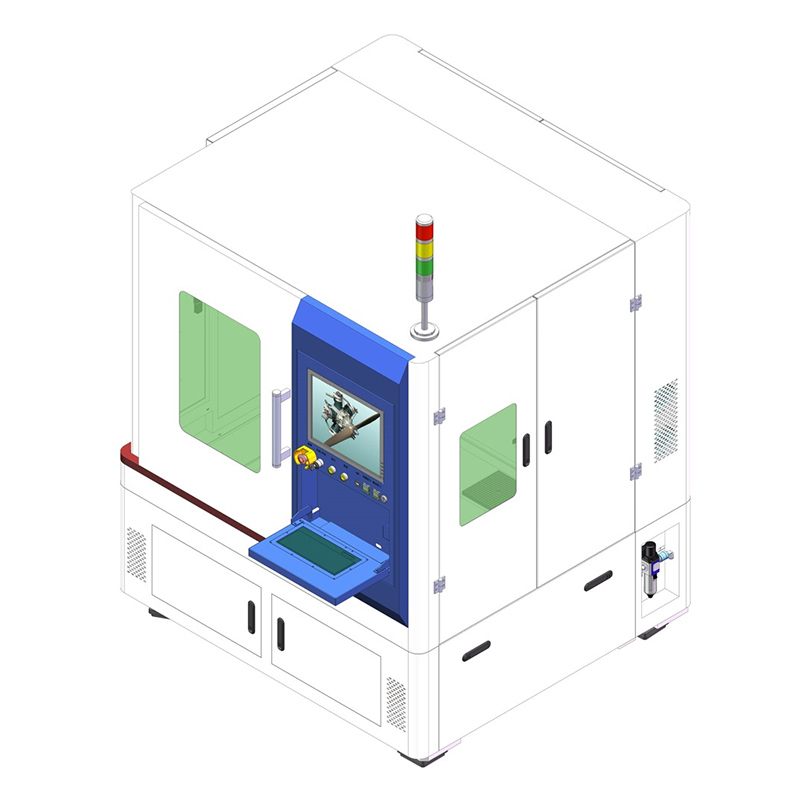
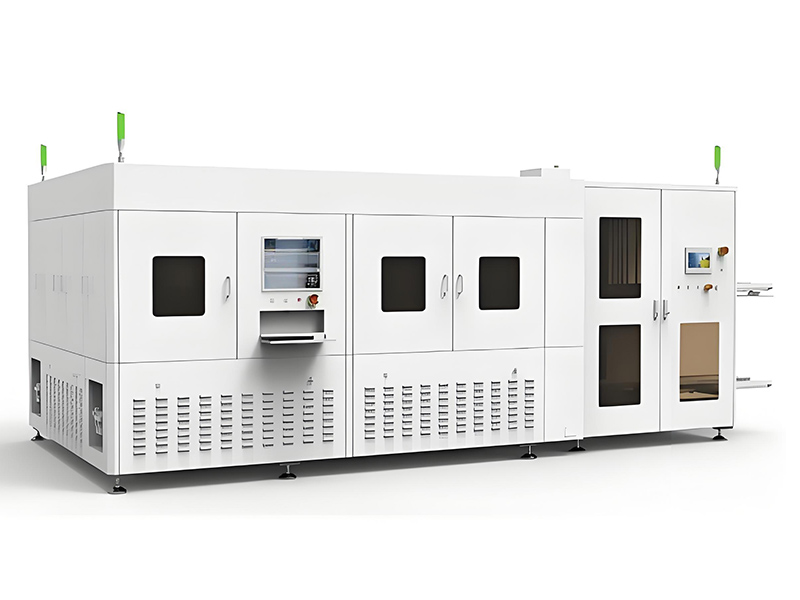
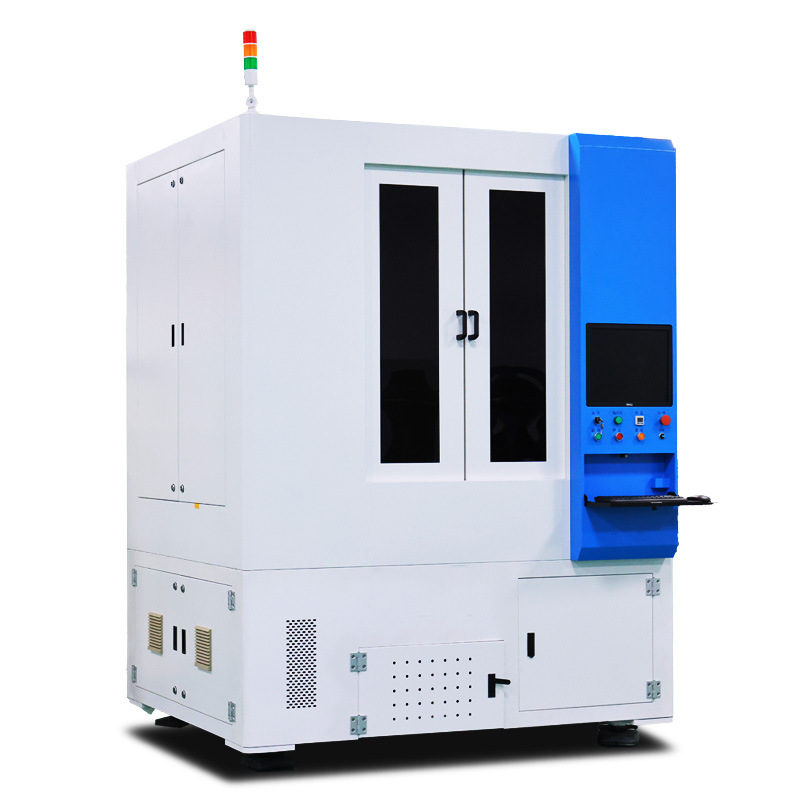
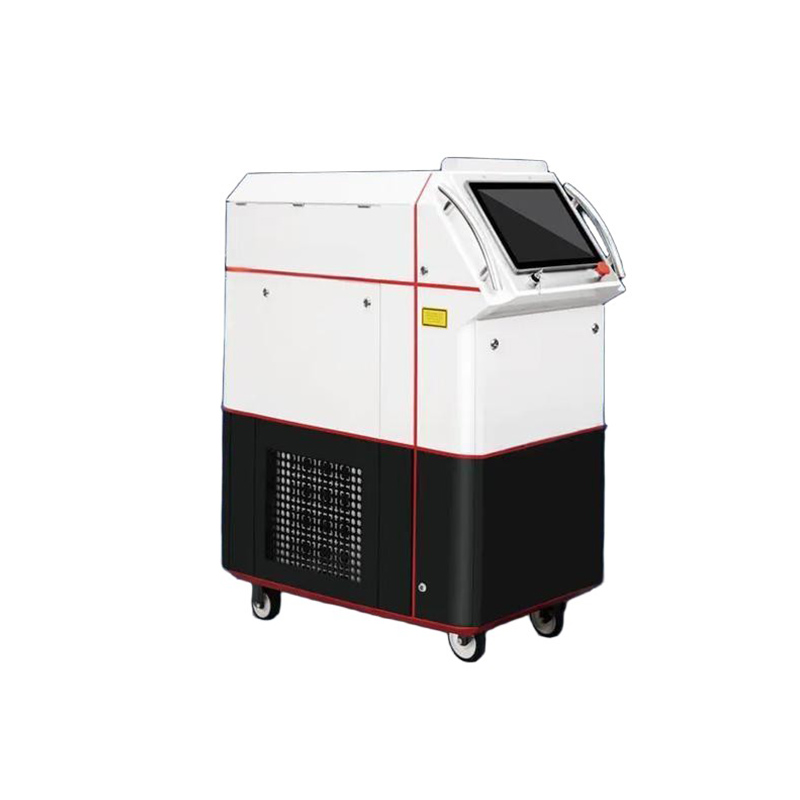
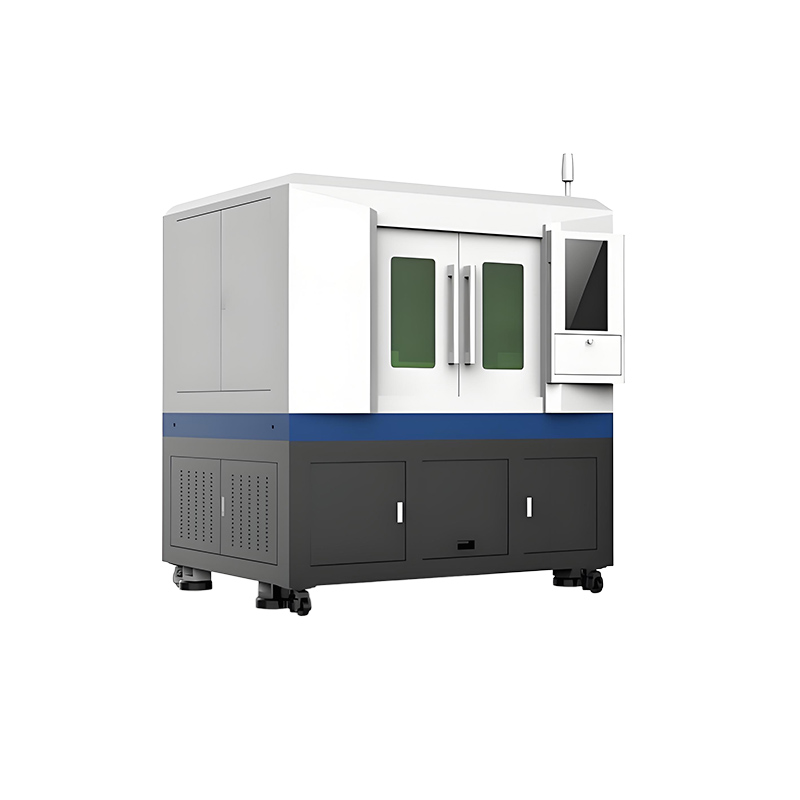
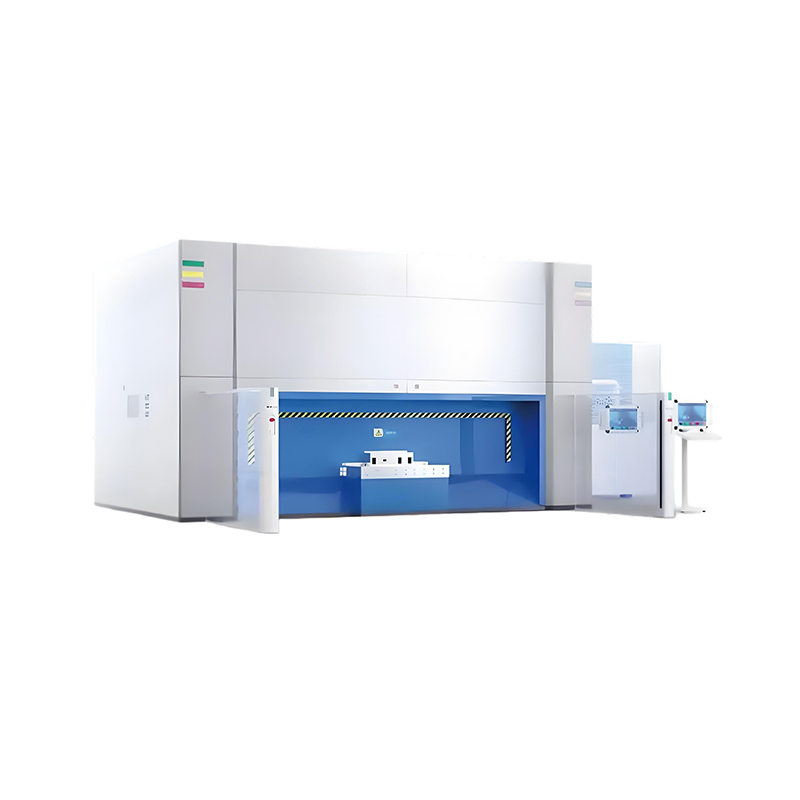
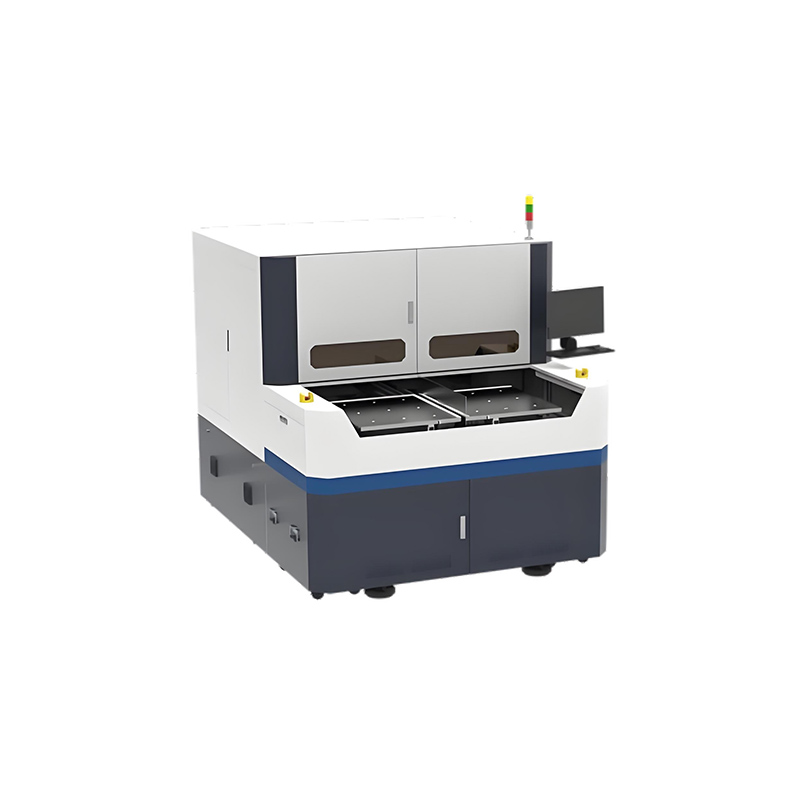
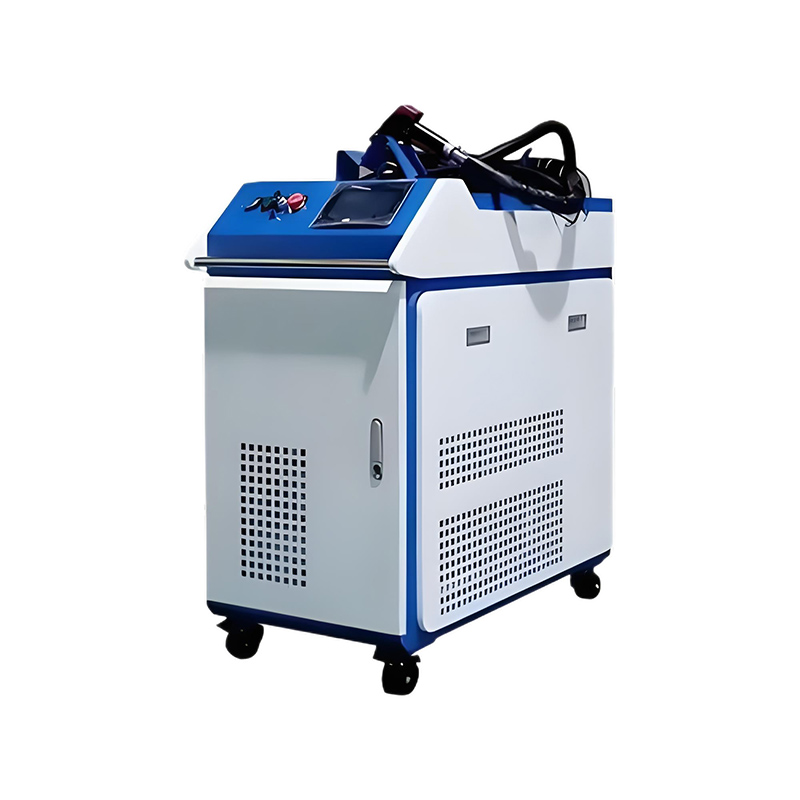
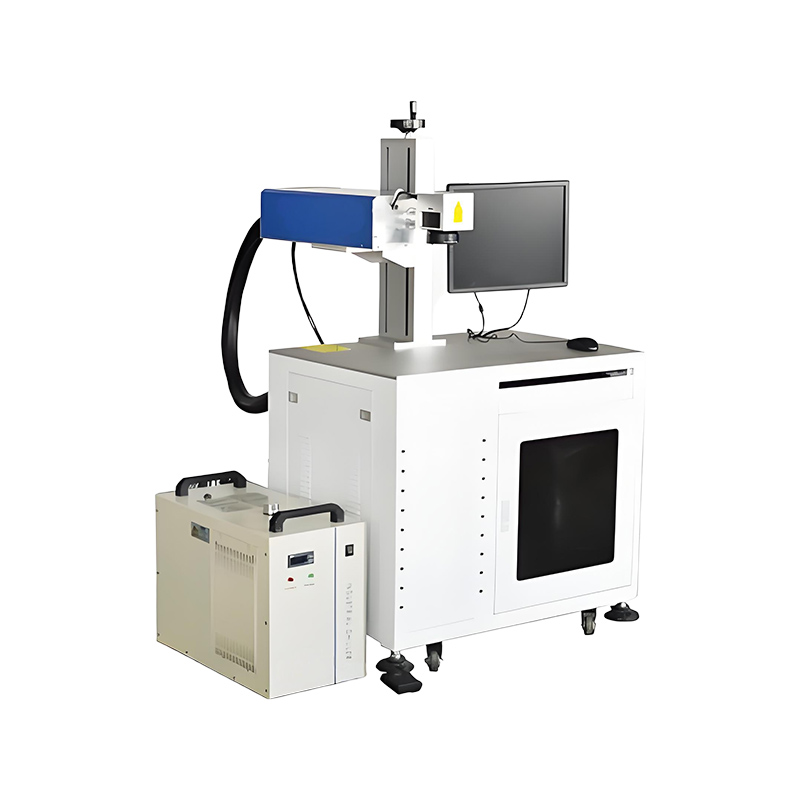
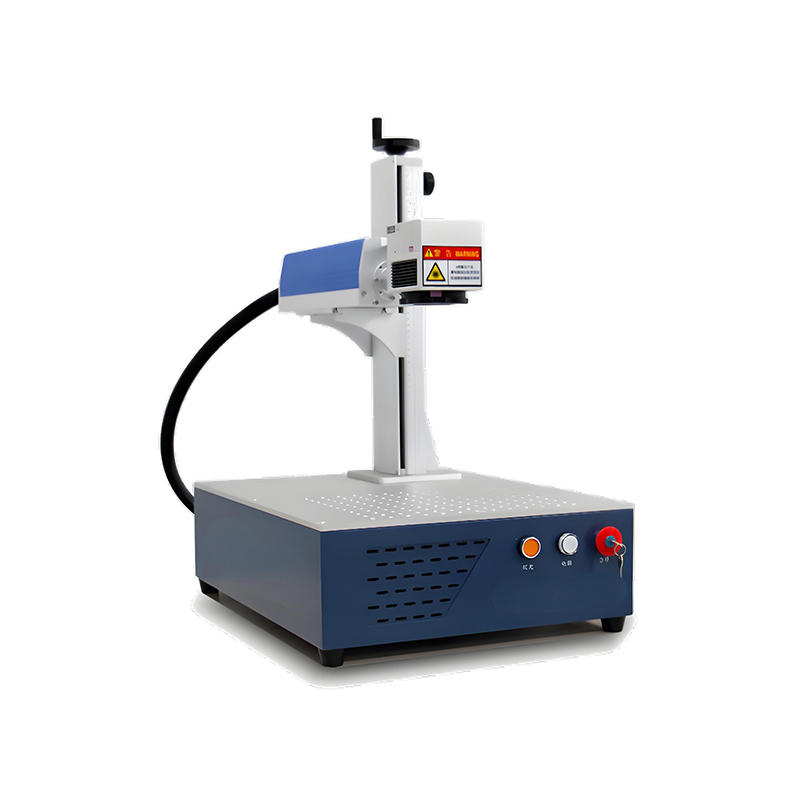
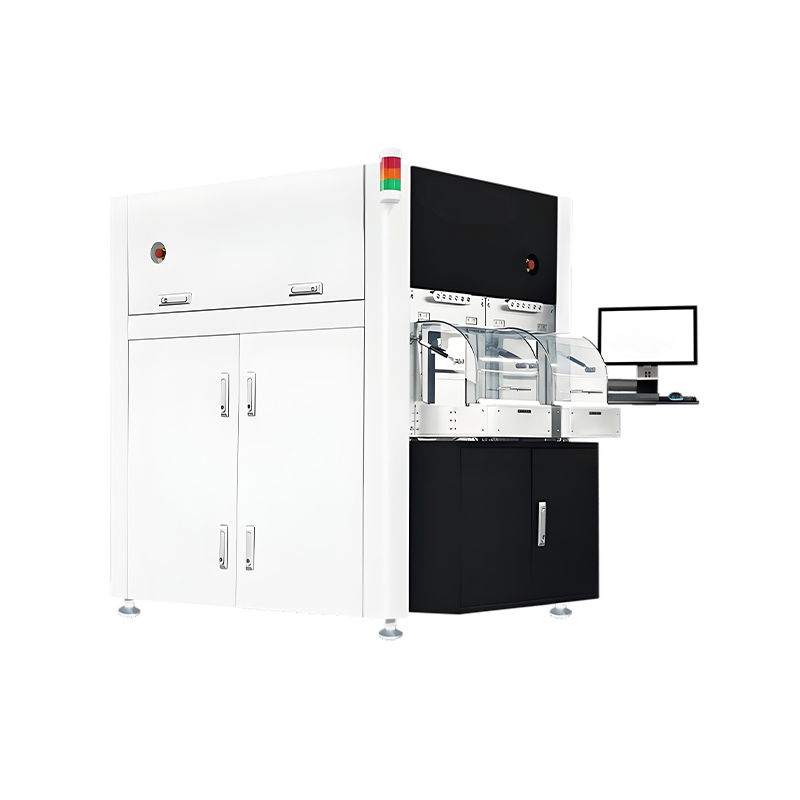
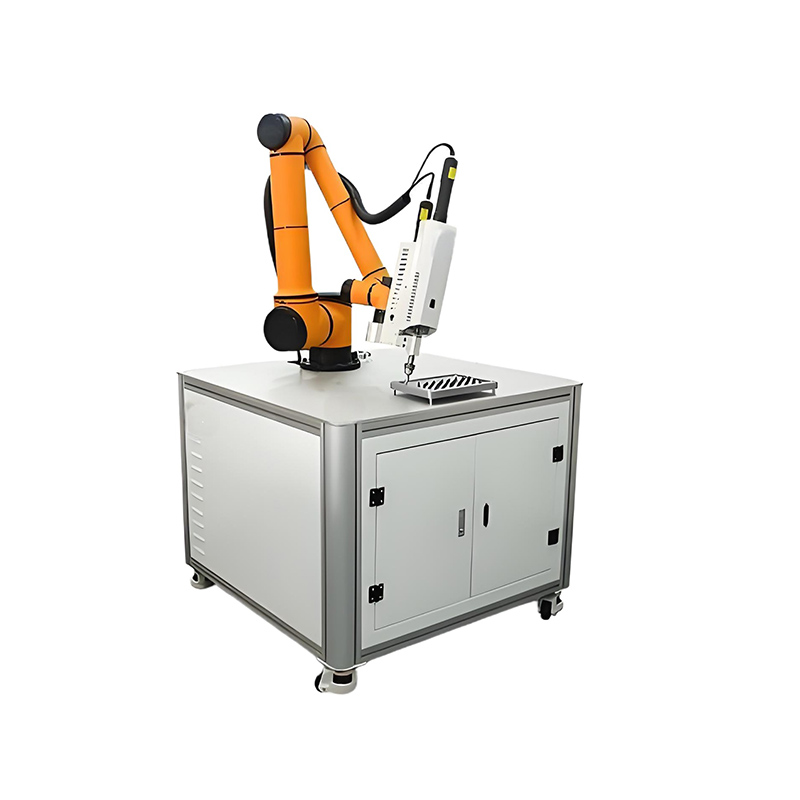
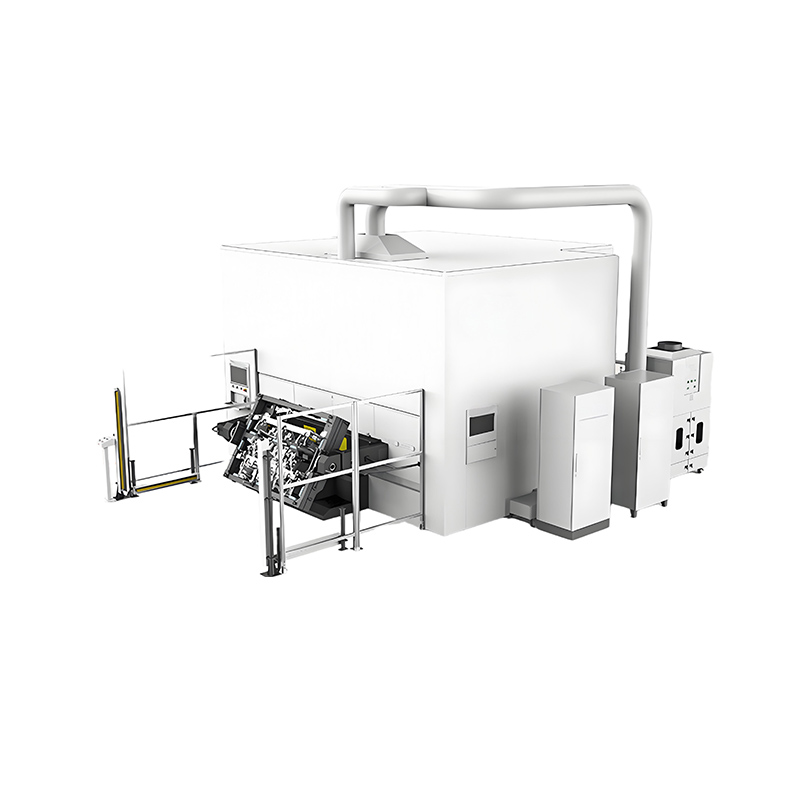
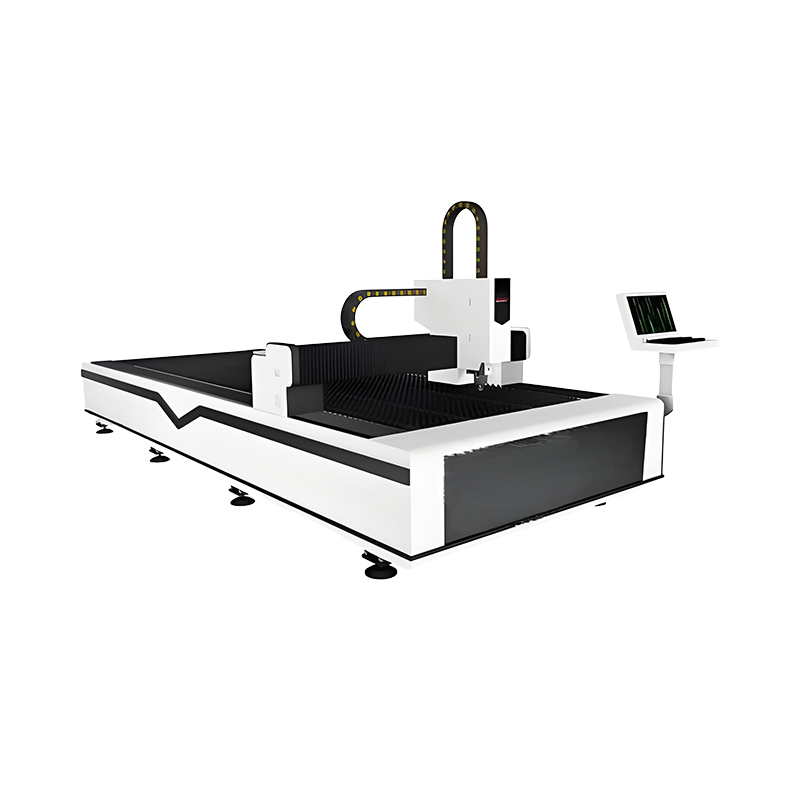
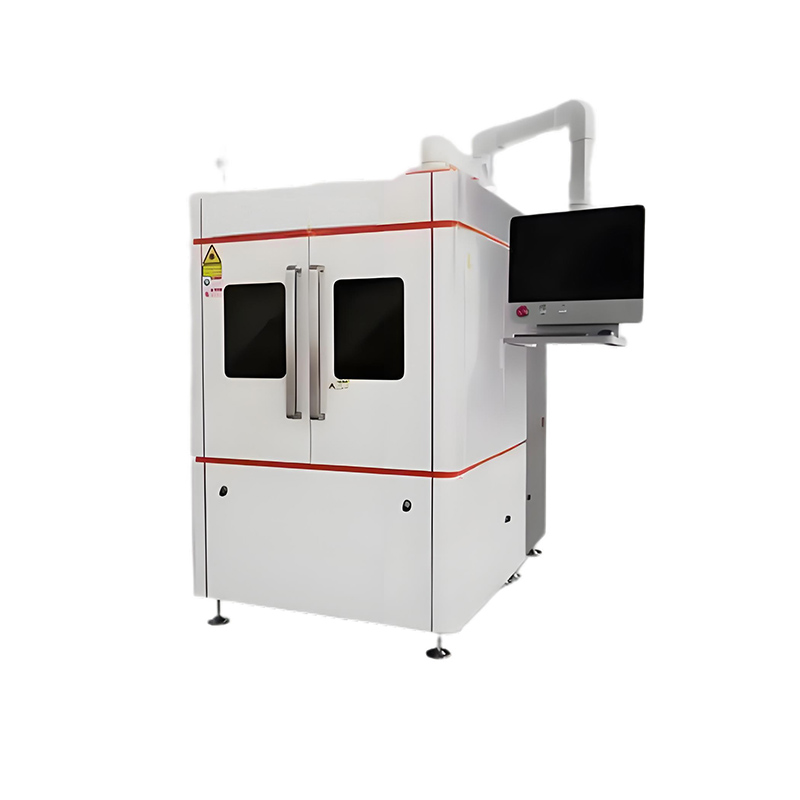
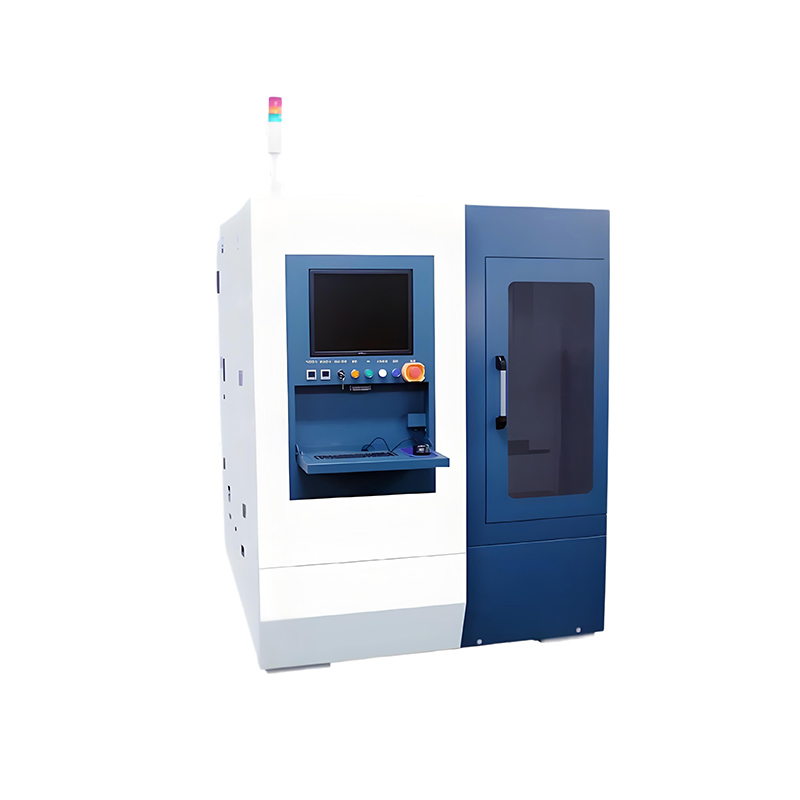
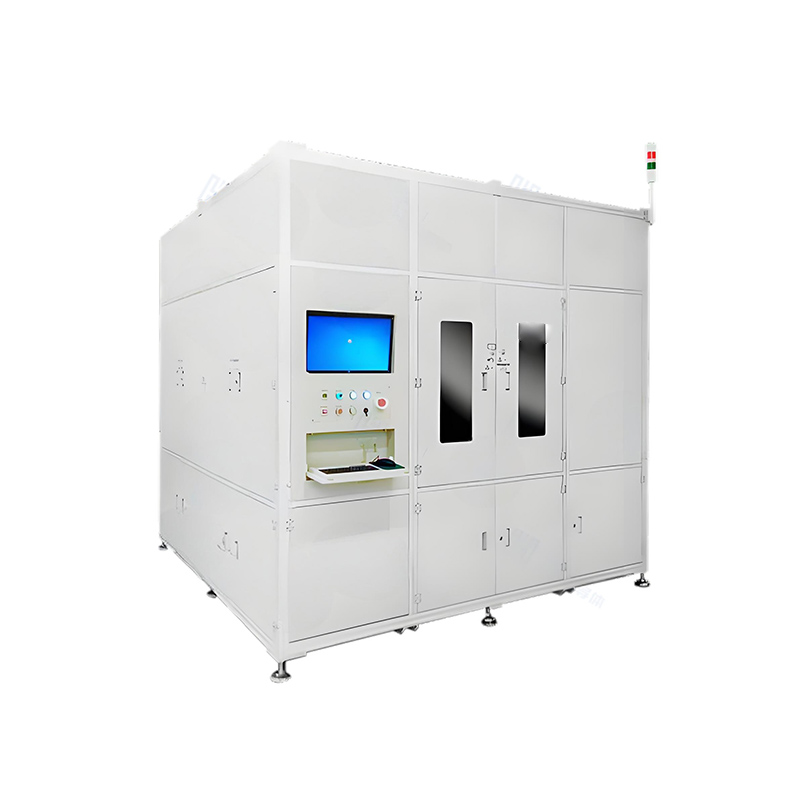
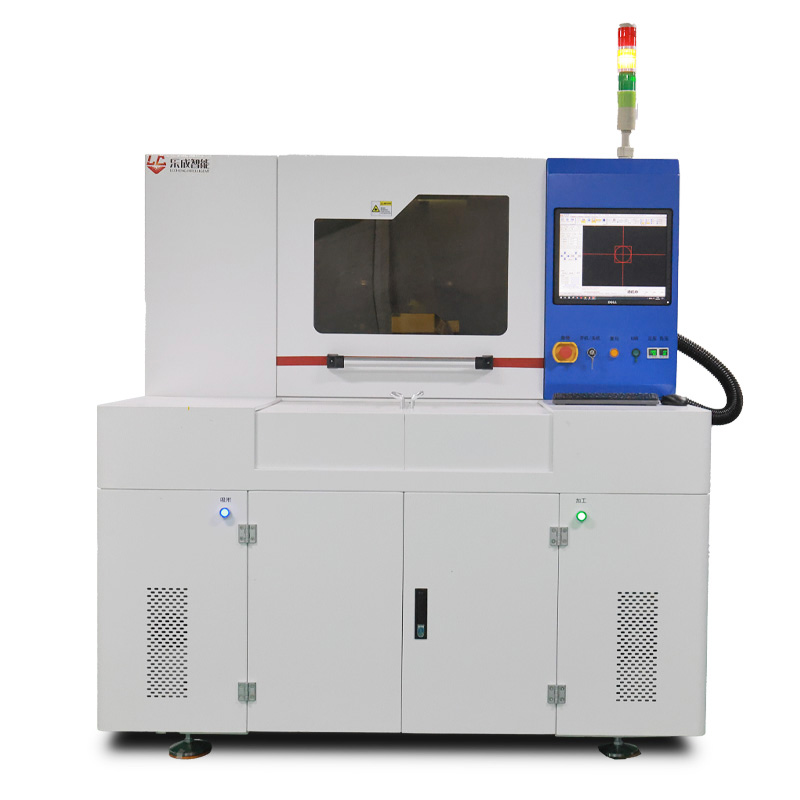
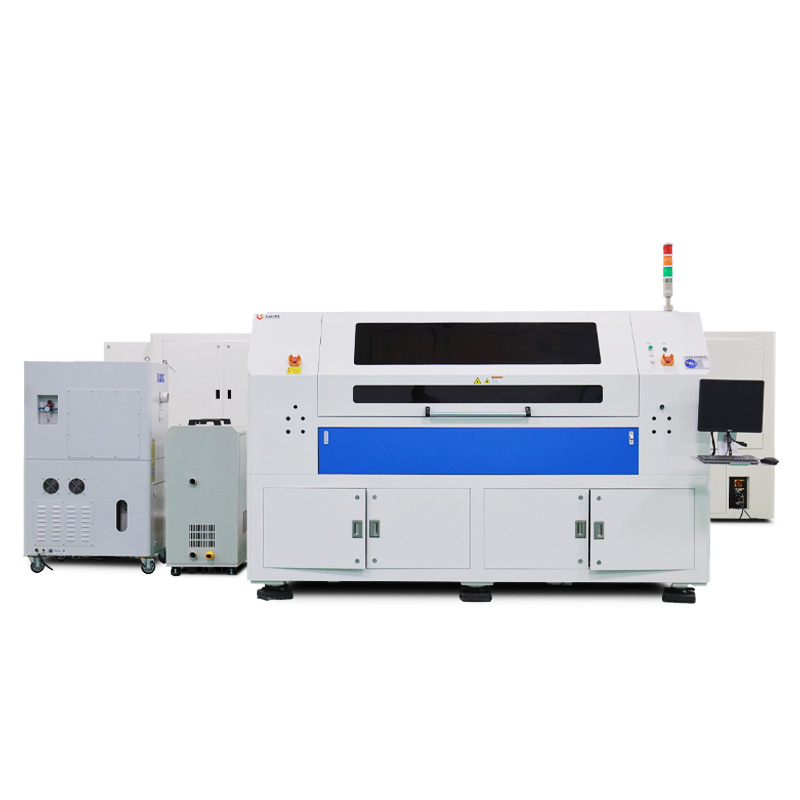
In the architecture of a monolithic perovskite solar module, the perimeter is a zone of heightened vulnerability. Following the P1, P2, and P3 scribes that create the interconnected cell strips, a conductive "frame" of the transparent electrode, perovskite, and metal layers inevitably remains around the entire module's edge. This unremoved conductive edge acts as a persistent threat. It creates a direct, low-resistance shunt path between the module's front and back contacts, allowing photogenerated current to leak internally rather than flow to the external circuit. This shunting directly erodes the module's fill factor and power output. More critically, this conductive pathway undermines the very foundation of encapsulation. It can lead to electrochemical corrosion at the edges, accelerate moisture and oxygen ingress, and become a site for potential-induced degradation (PID). Therefore, the final P4 laser edge deletion is not merely a finishing step; it is the essential sealing operation for the module's electrical integrity. It defines the precise boundary between the active area and the inactive frame, isolating the delicate internal electrical network from the harsh external environment. Without a flawless P4 process, even the most efficiently scribed internal cells are compromised, making edge deletion the definitive gatekeeper for module reliability and long-term performance. Lecheng's P4 systems are engineered specifically to address this critical weak link with precision and cleanliness.
Precision Engineering for a Clean Electrical Boundary
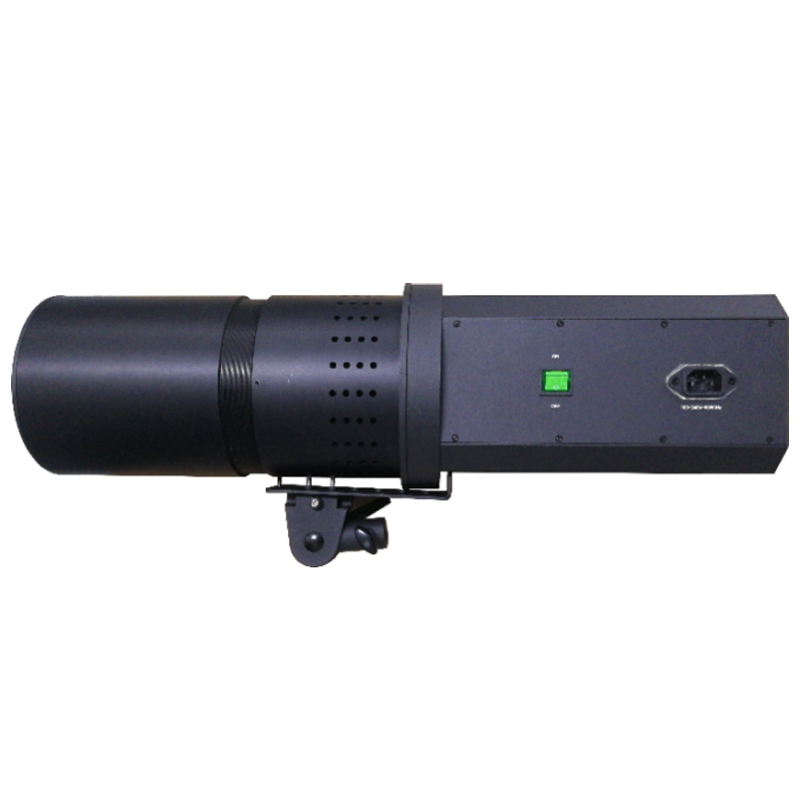
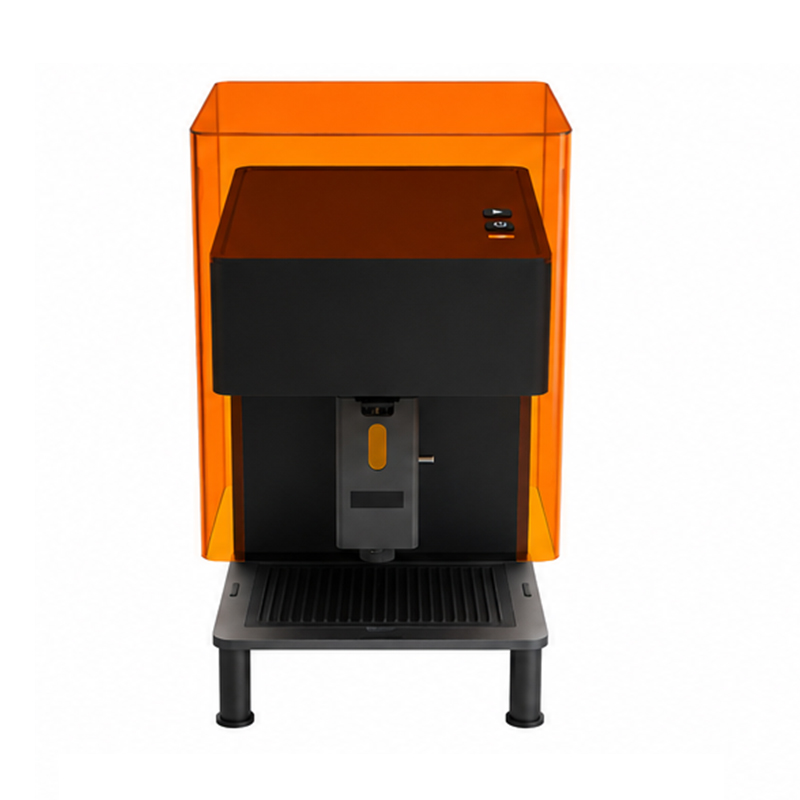
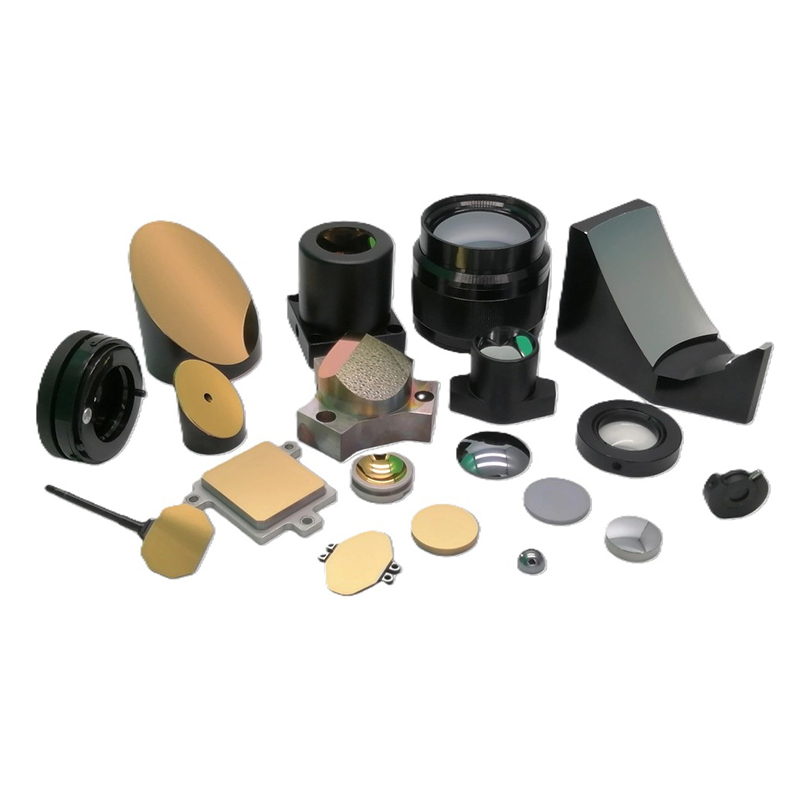
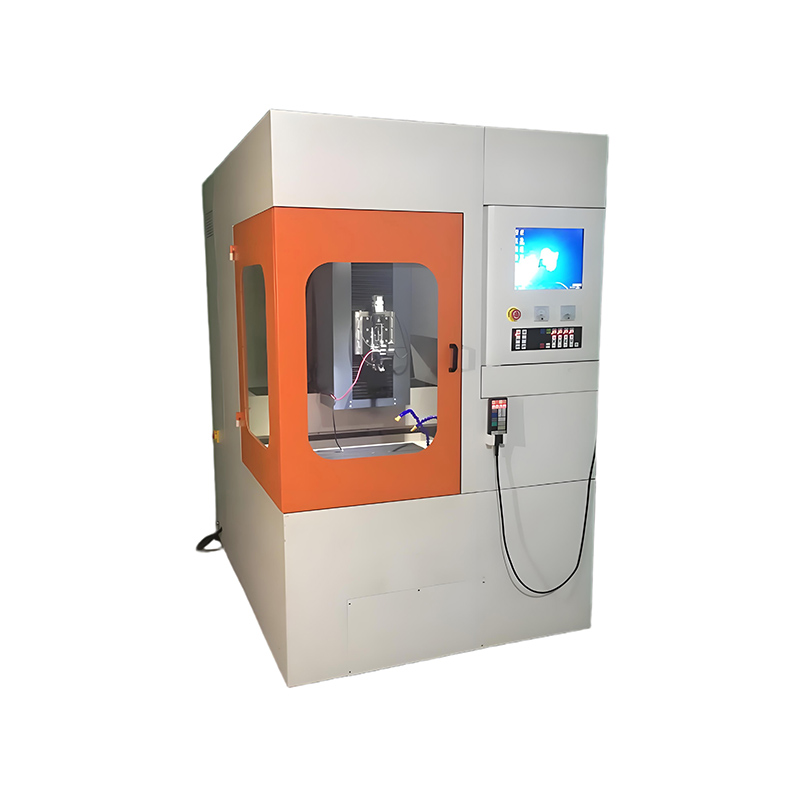
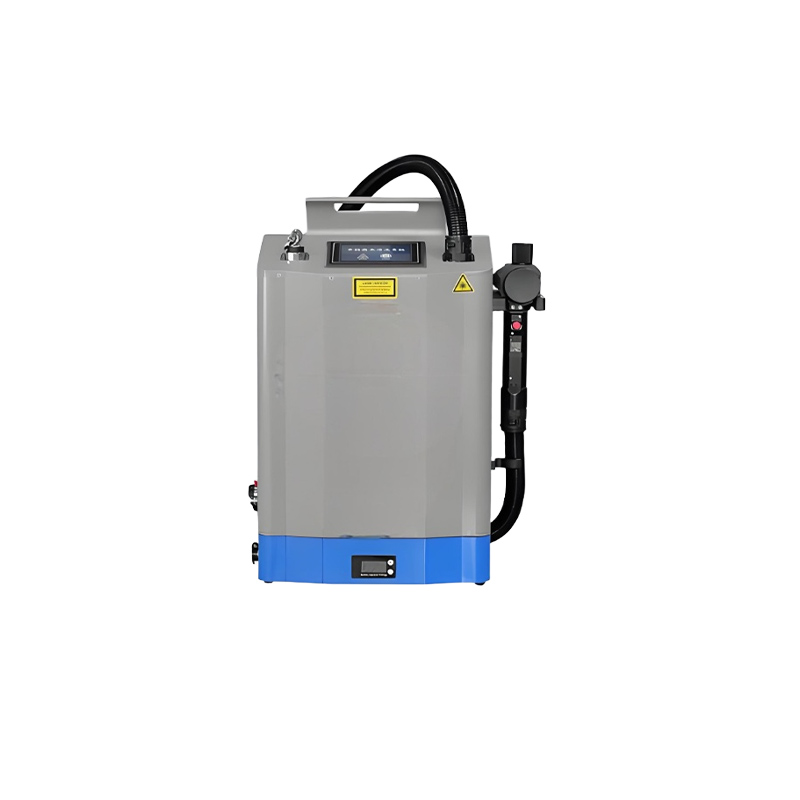
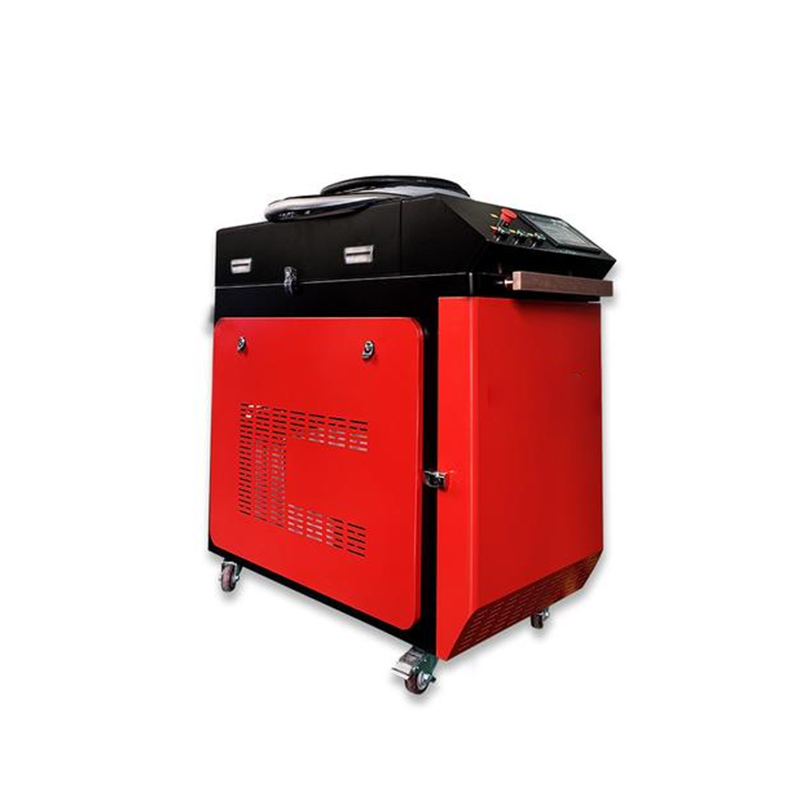
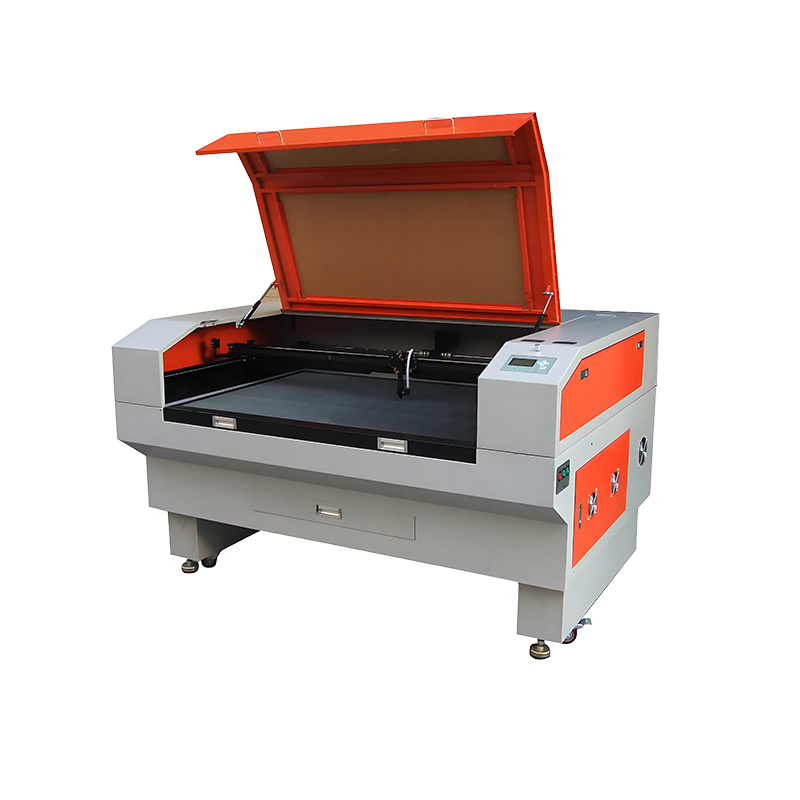
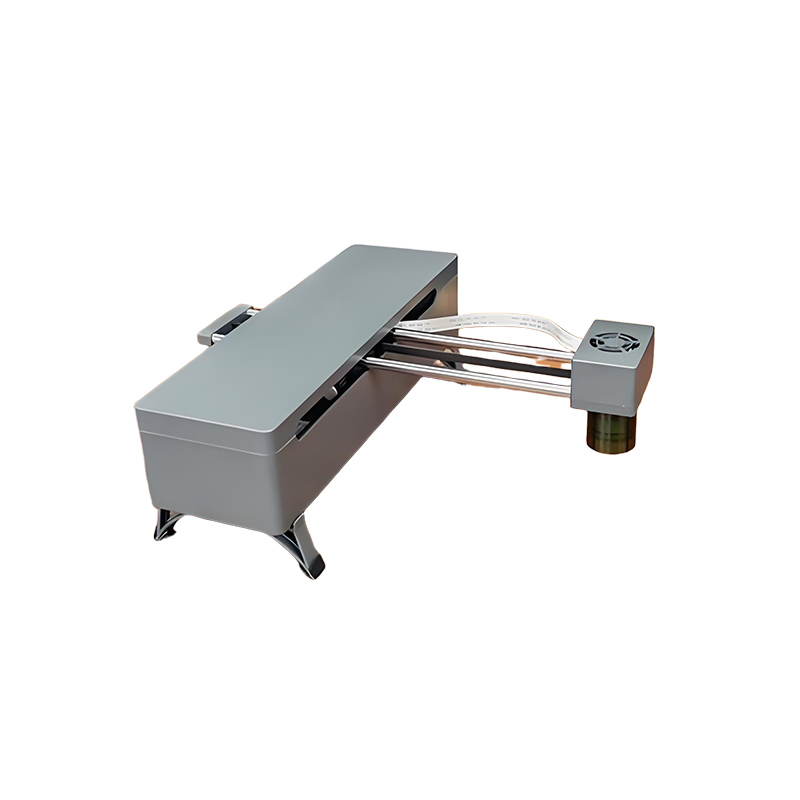
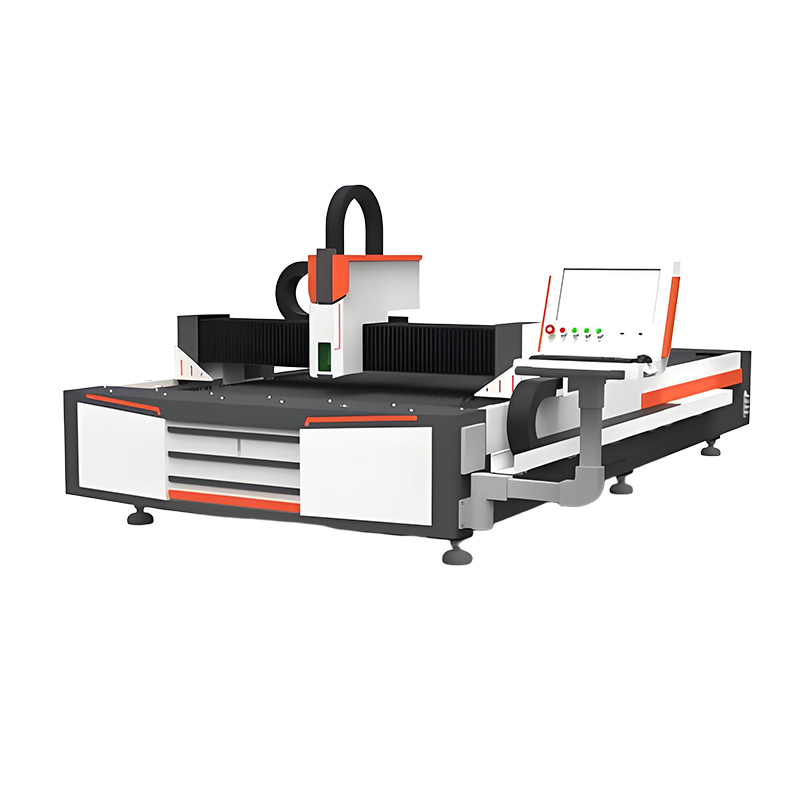
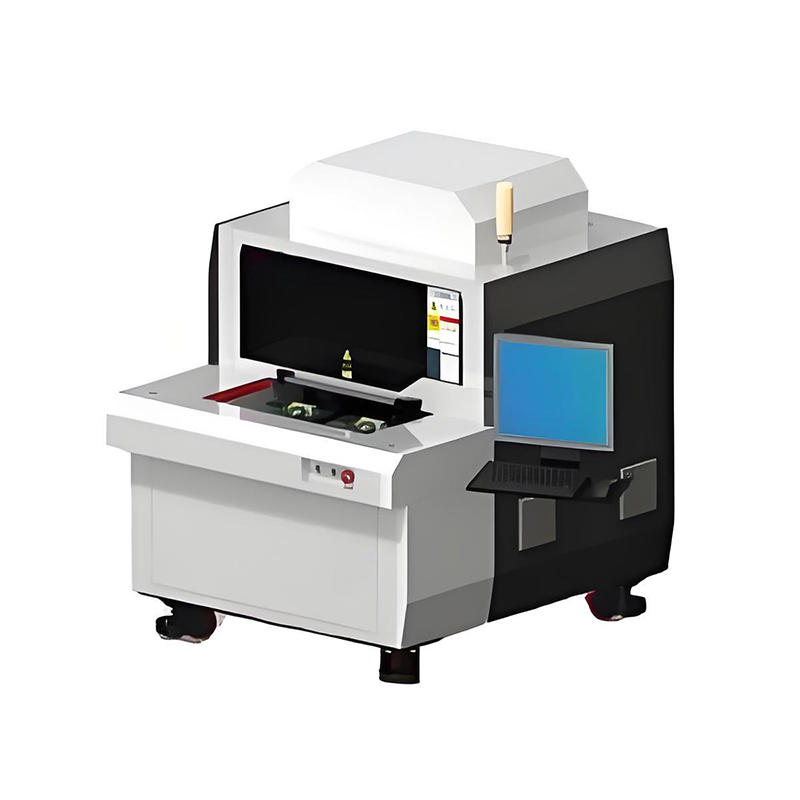
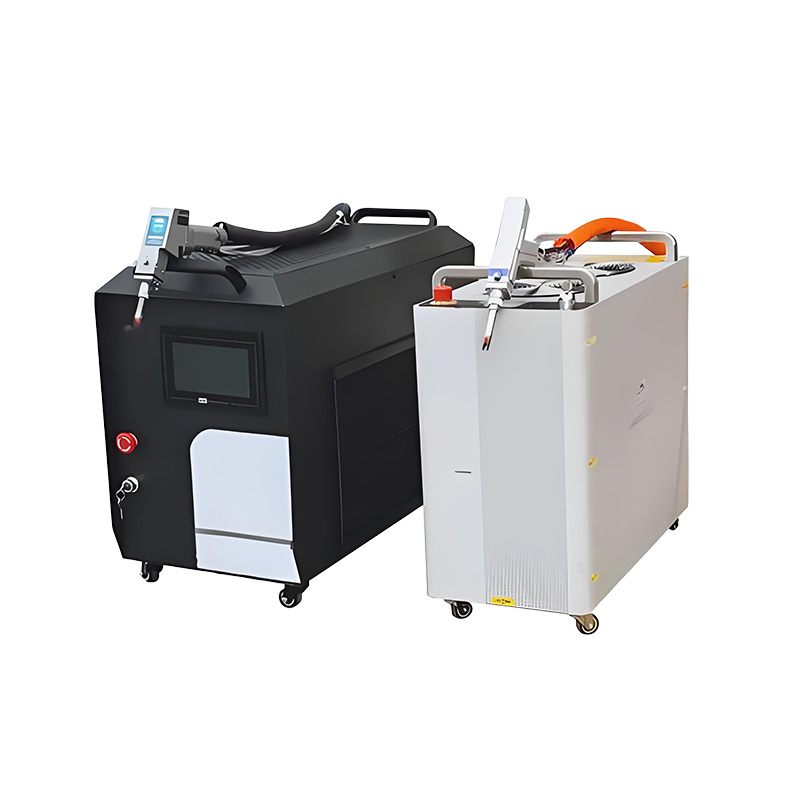
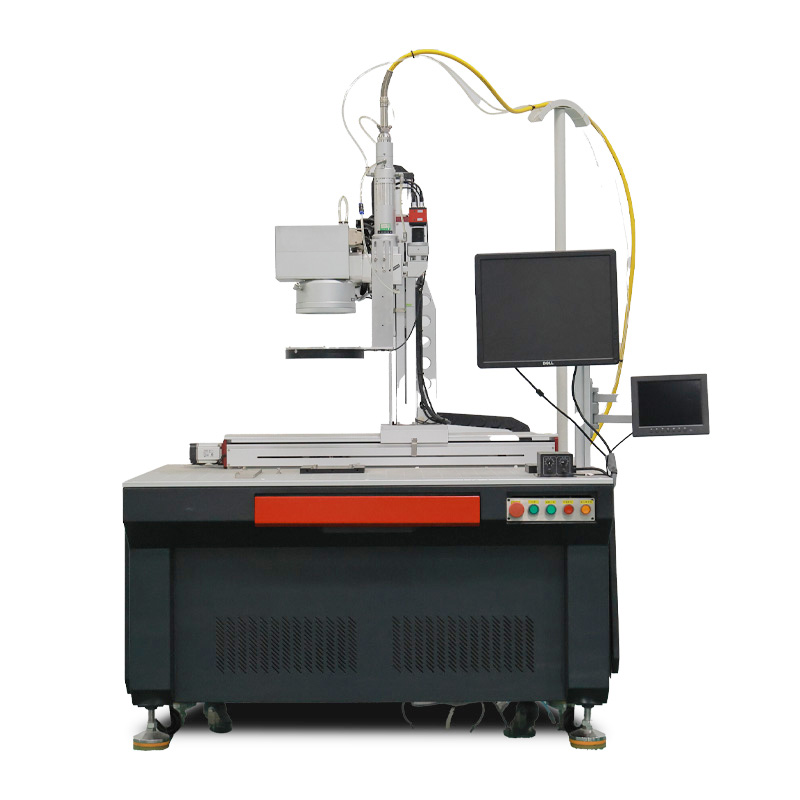
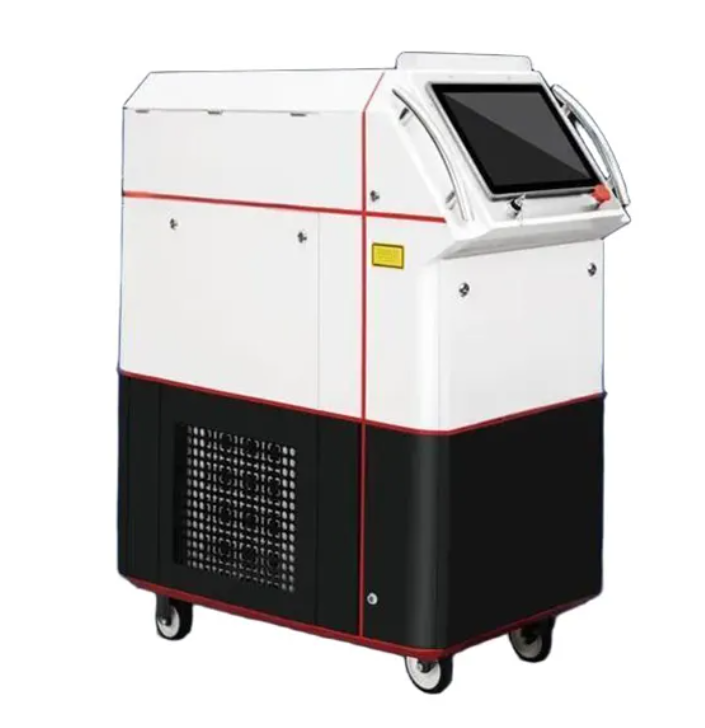
Achieving a reliable seal is not a simple matter of rough ablation. The P4 edge deletion process demands meticulous engineering to create a clean, stable, and electrically isolated perimeter. The challenge is twofold. First, the laser must completely and uniformly remove all conductive layers—from the top metal electrode, through the charge transport and perovskite layers, down to the underlying TCO—in a narrow border zone, typically 0.5-2mm wide. Any residual conductive material, or "whiskers," can re-establish a shunt path. Second, this removal must be performed with minimal thermal damage to the underlying glass substrate and the adjacent, active cell area. Excessive heat can create micro-cracks in the glass or delaminate the encapsulated edge, seeding points for future failure. Advanced laser systems, like those from Lecheng, employ specialized short-pulse (nanosecond to picosecond) laser sources that ablate material through a cold or near-cold process, minimizing the heat-affected zone. Coupled with high-speed scanning optics and precision motion control, they define a perfectly clean, groove-free border. This laser-defined trench acts as a physical and electrical moat, ensuring the internal series-connected cell string is hermetically isolated from the edge, thereby preserving the full open-circuit voltage and blockading leakage currents. This precision is what enables subsequent encapsulation materials, such as edge sealants and backsheets, to adhere to a stable, inert surface, forming a lasting barrier against the elements.
Enabling Durable Encapsulation and Long-Term Stability
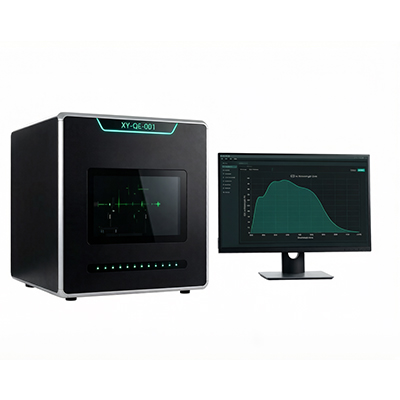
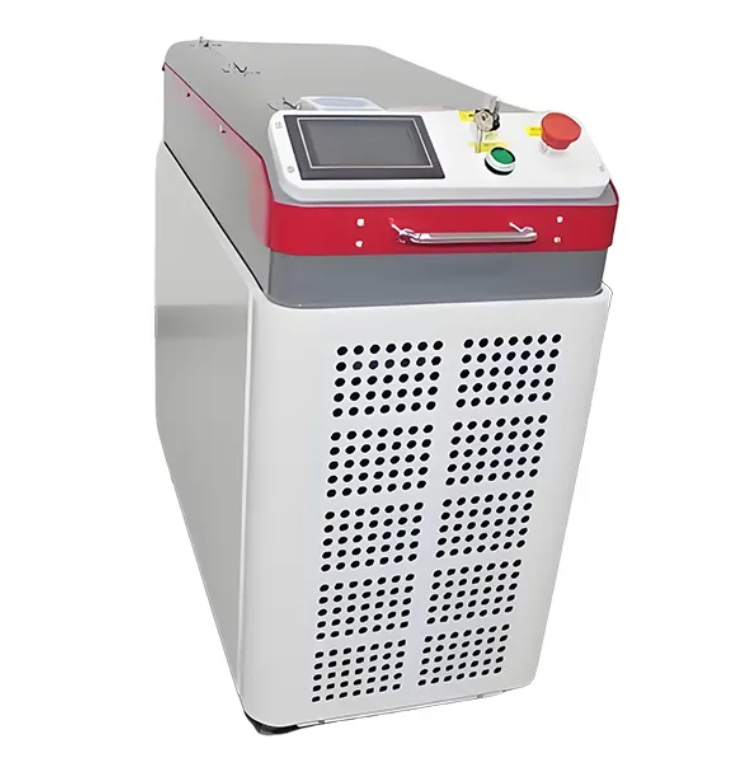
The ultimate test of a P4 process is its contribution to the module’s operational lifetime. A poorly executed edge deletion directly undermines encapsulation durability, which is the primary defense against environmental stressors like humidity, UV radiation, and thermal cycling. A clean, laser-isolated edge provides an optimal substrate for edge sealants. It ensures strong adhesion without conductive contaminants that could promote corrosion or electrochemical reactions at the sealant-glass interface. More importantly, it eliminates the primary electrical pathway for potential-driven degradation mechanisms, such as PID, where high voltage stress relative to the ground can cause ion migration and power loss. By removing all conductive paths to the edge, the P4 process prevents the formation of these damaging electric fields across the encapsulant. In accelerated lifetime testing, modules with precise laser edge deletion consistently show superior damp heat (85°C/85% RH) and thermal cycle performance. For manufacturers targeting 25-year warranties, this step is non-negotiable. Lecheng’s P4 solutions, often integrated with in-situ monitoring, provide the process control needed to ensure every module leaving the production line has a hermetically sealed electrical boundary, transforming the vulnerable perimeter from a liability into a bastion of long-term stability. This allows the promise of high perovskite efficiency to be sustained not just in the lab, but in real-world installations for decades.
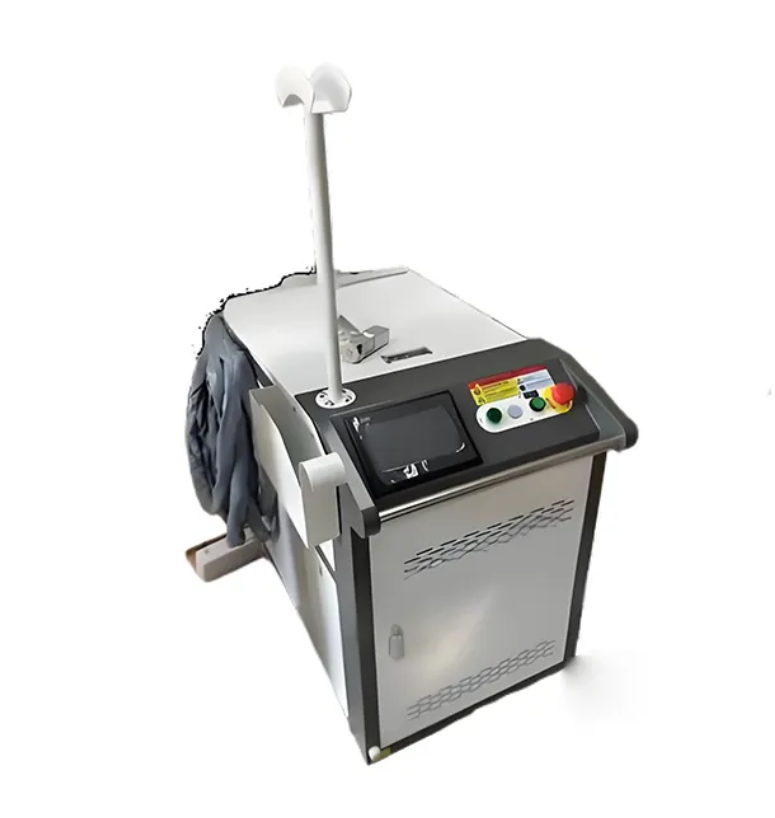
While P1-P3 scribes build the electrical heart of a perovskite module, the P4 laser edge deletion process fortifies its perimeter. It is the critical, final step that transforms a collection of high-efficiency cells into a robust, reliable, and commercially viable solar product. By definitively eliminating edge shunts and creating an ideal surface for encapsulation, precision P4 processing locks in initial performance and safeguards against the primary degradation pathways. Investing in advanced, controlled P4 laser technology, therefore, is not an optional refinement; it is a fundamental requirement for ensuring the durability, bankability, and long-term success of perovskite photovoltaic modules in the field. It is the definitive seal of quality and reliability.