


The Architectural Blueprint - Why Monolithic Interconnection is Key
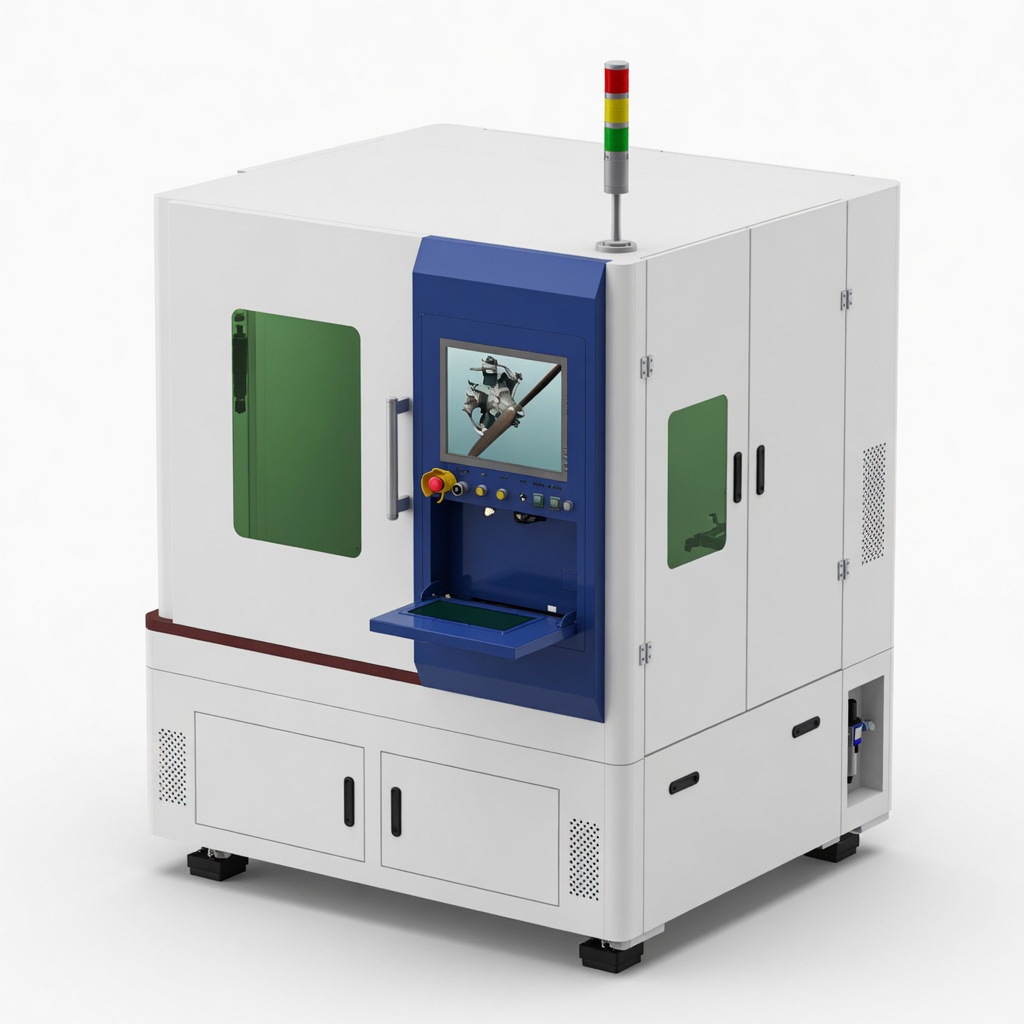
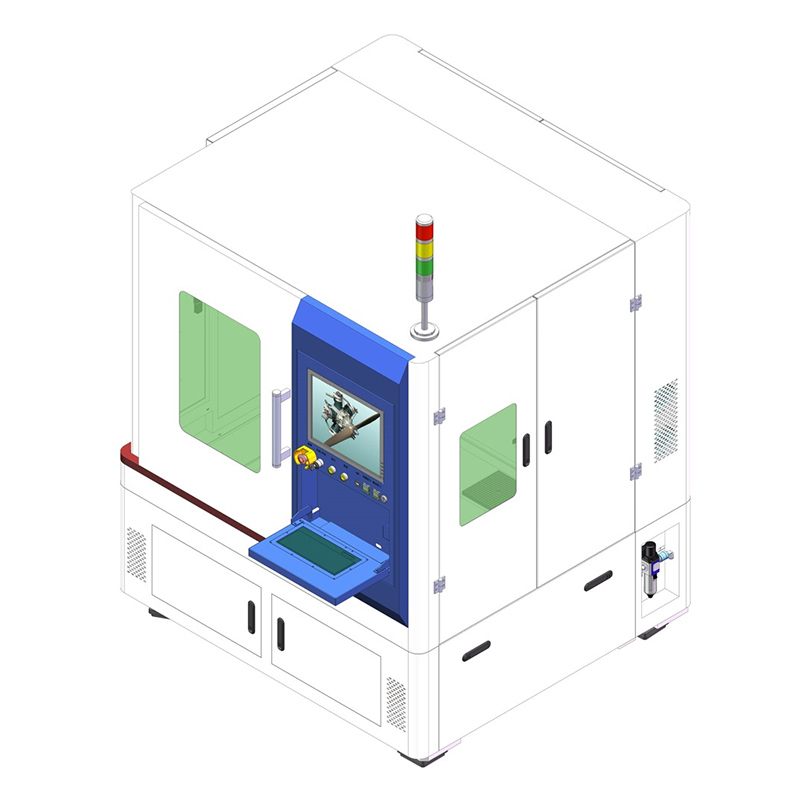
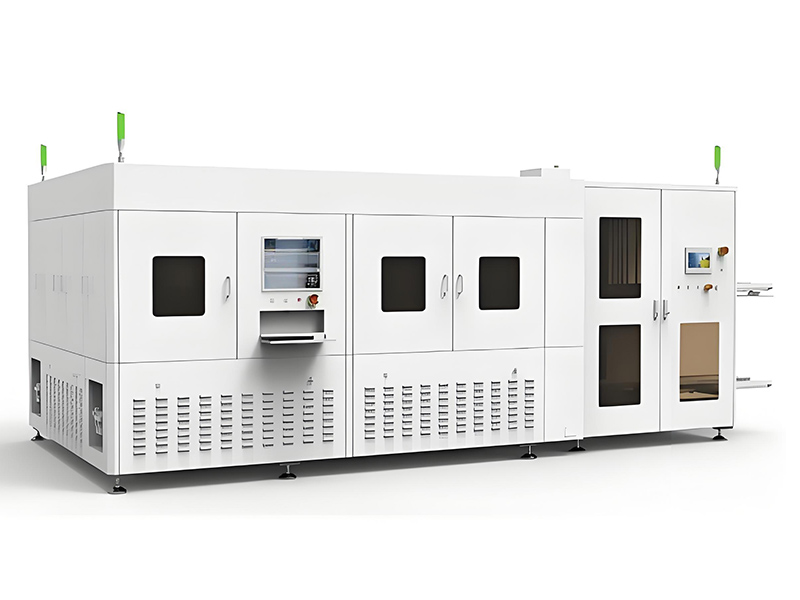
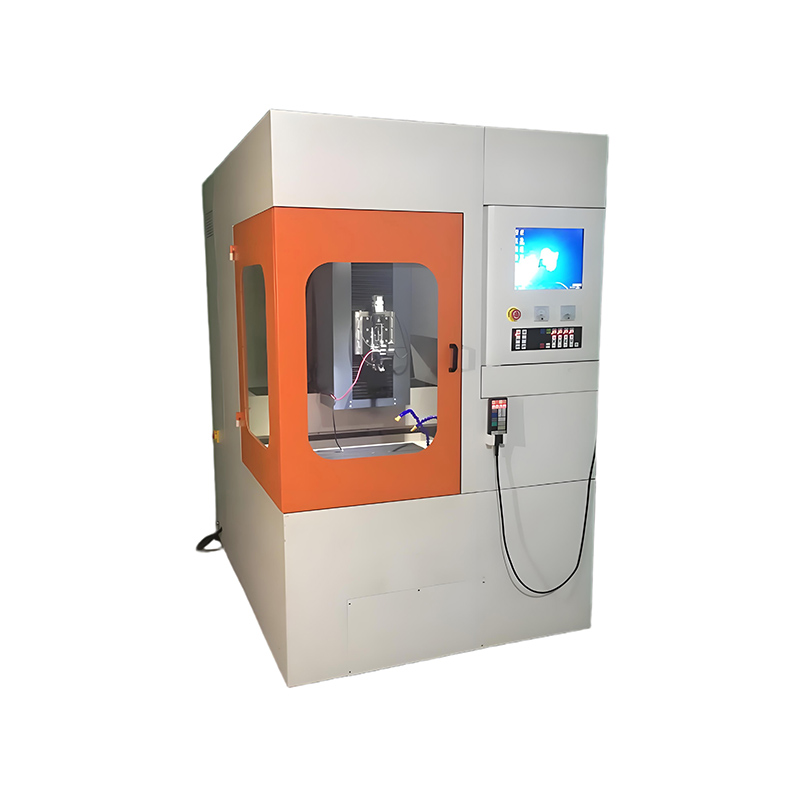
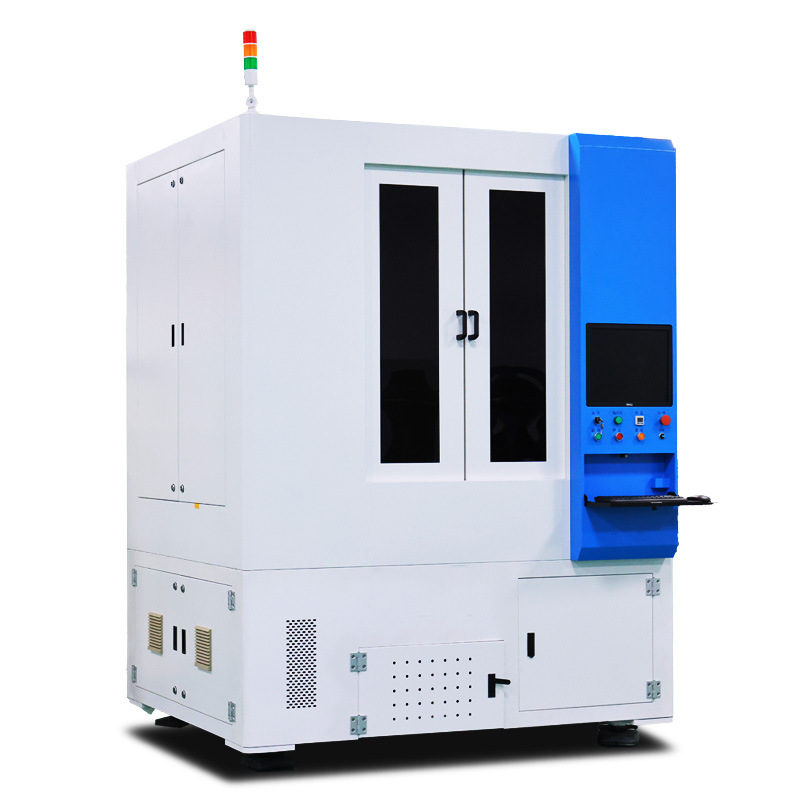
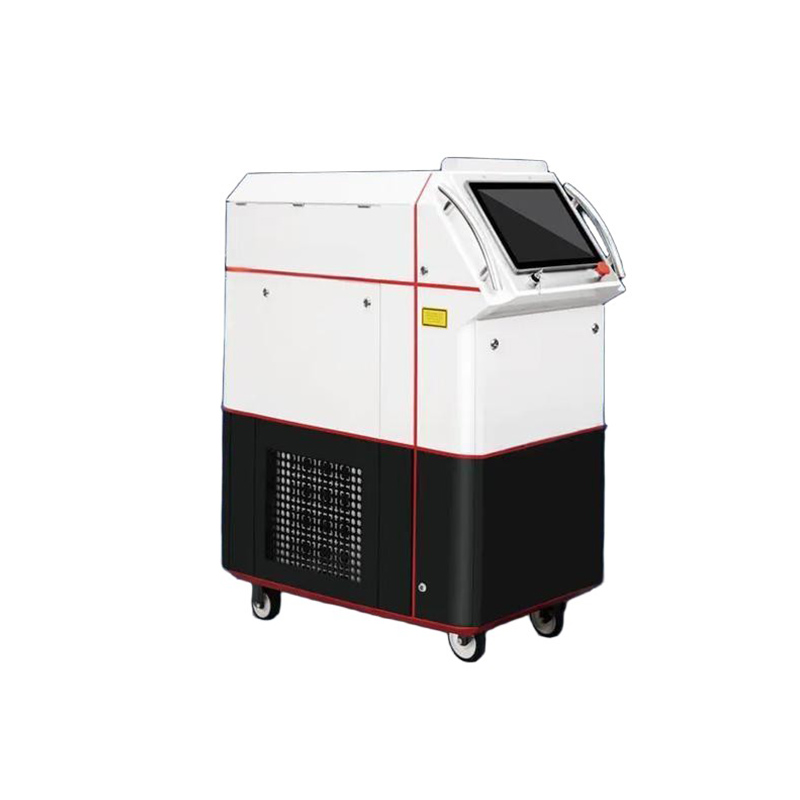
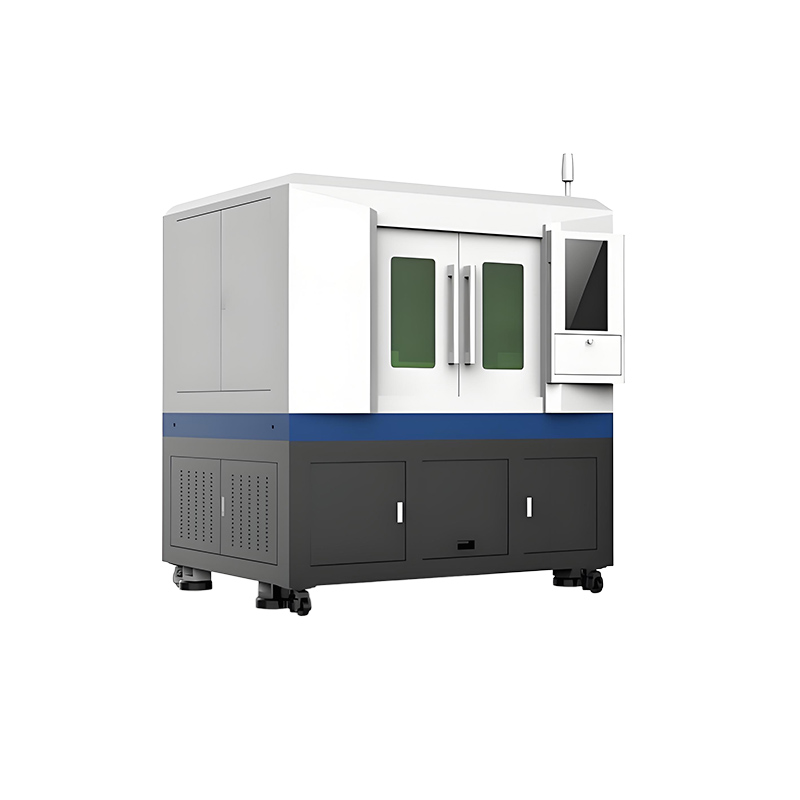
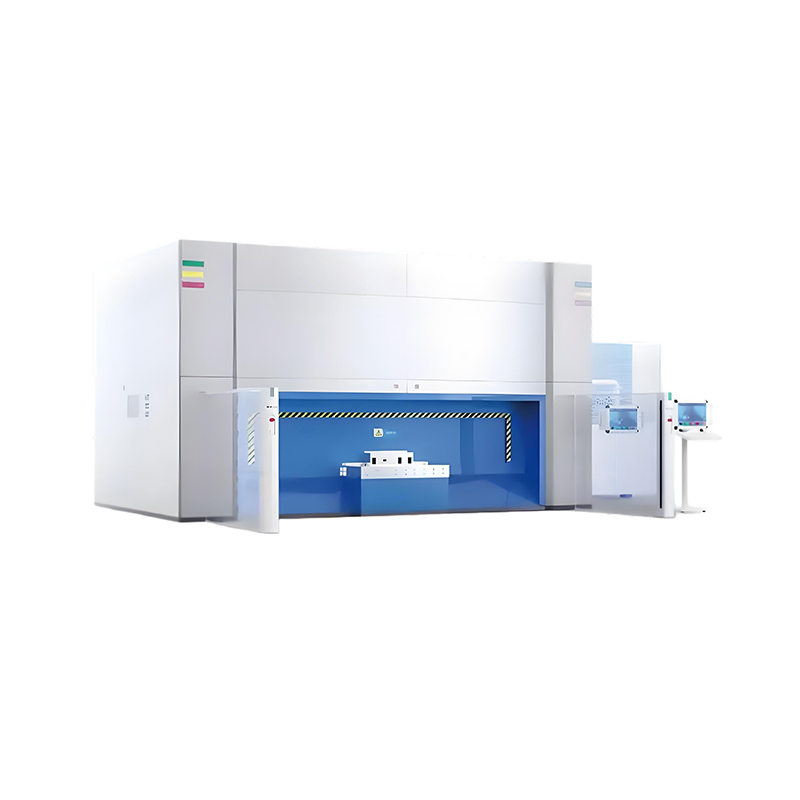
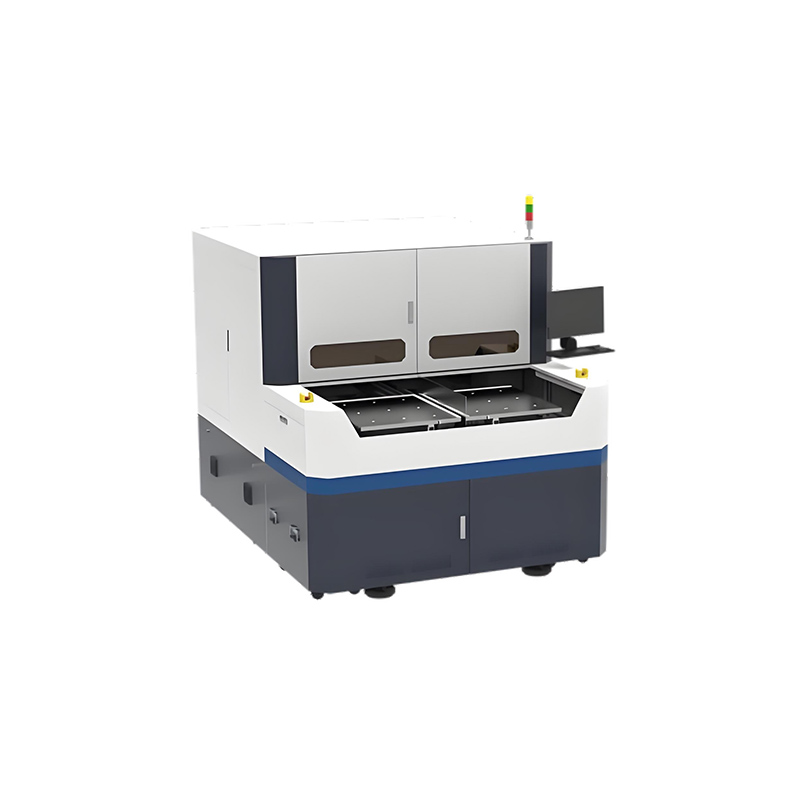
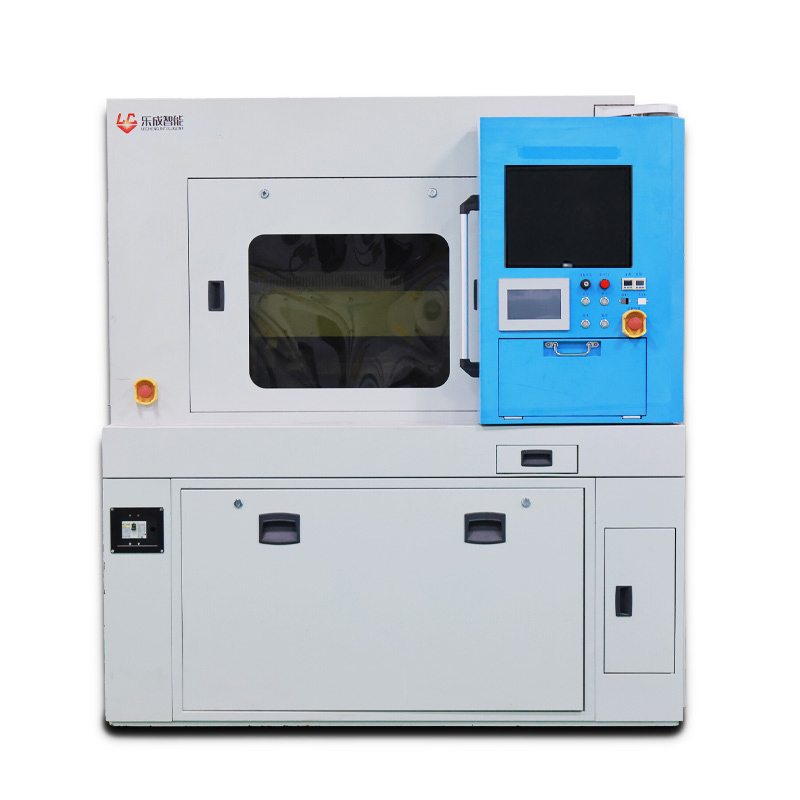
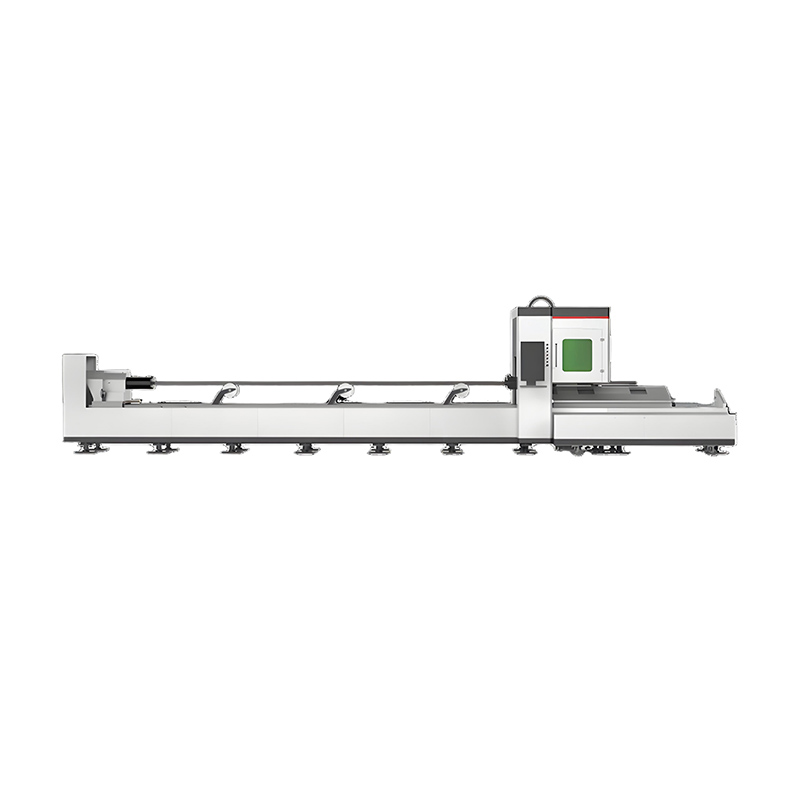
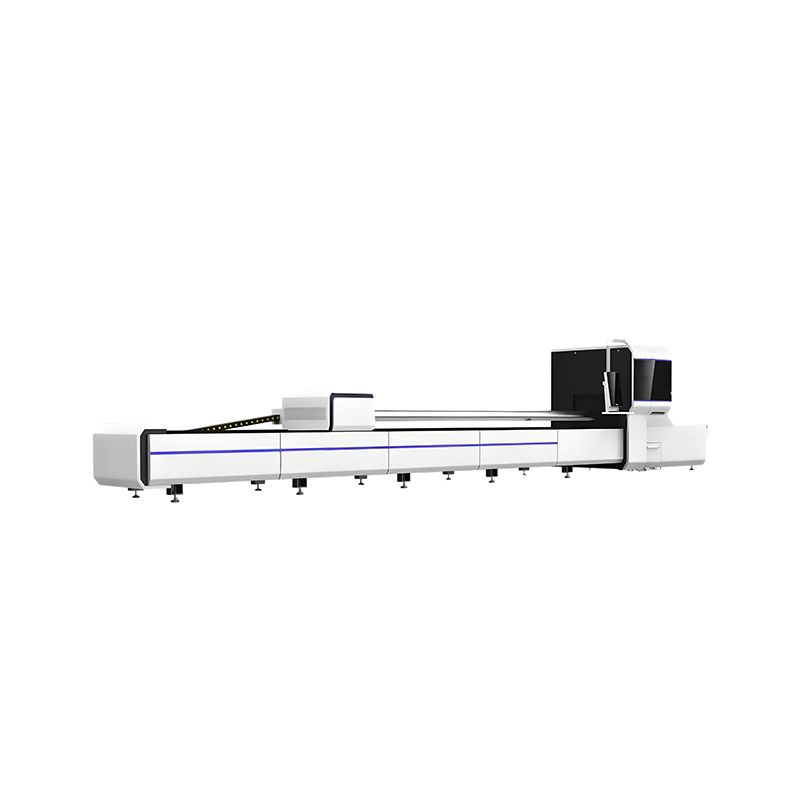
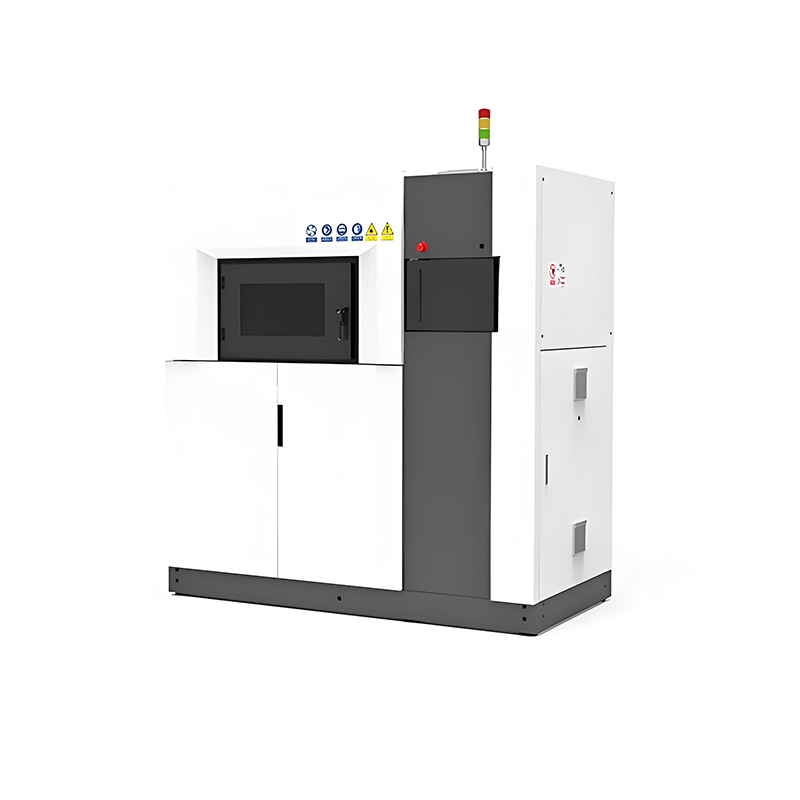
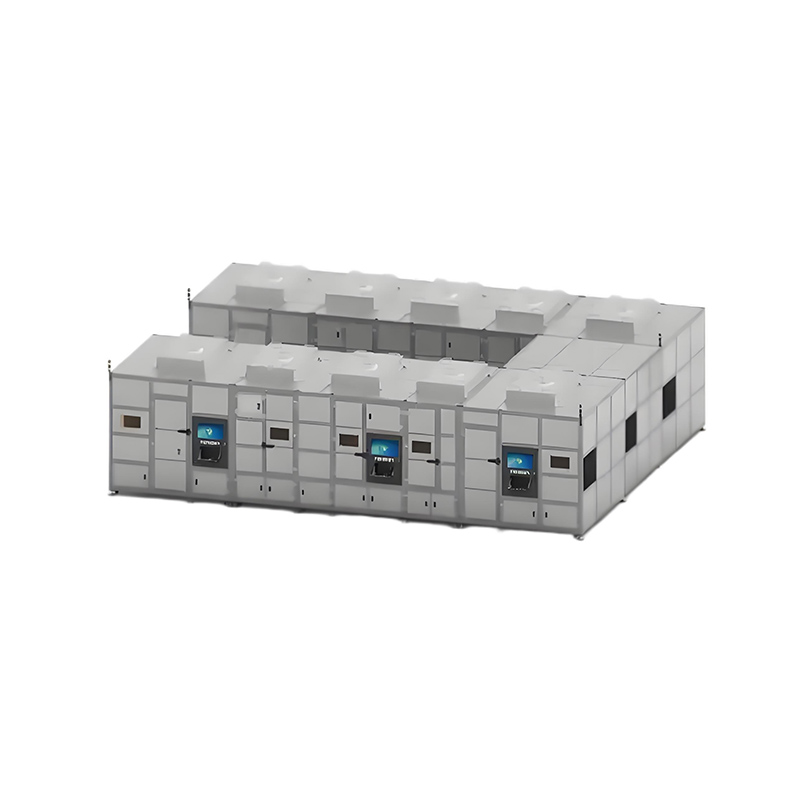
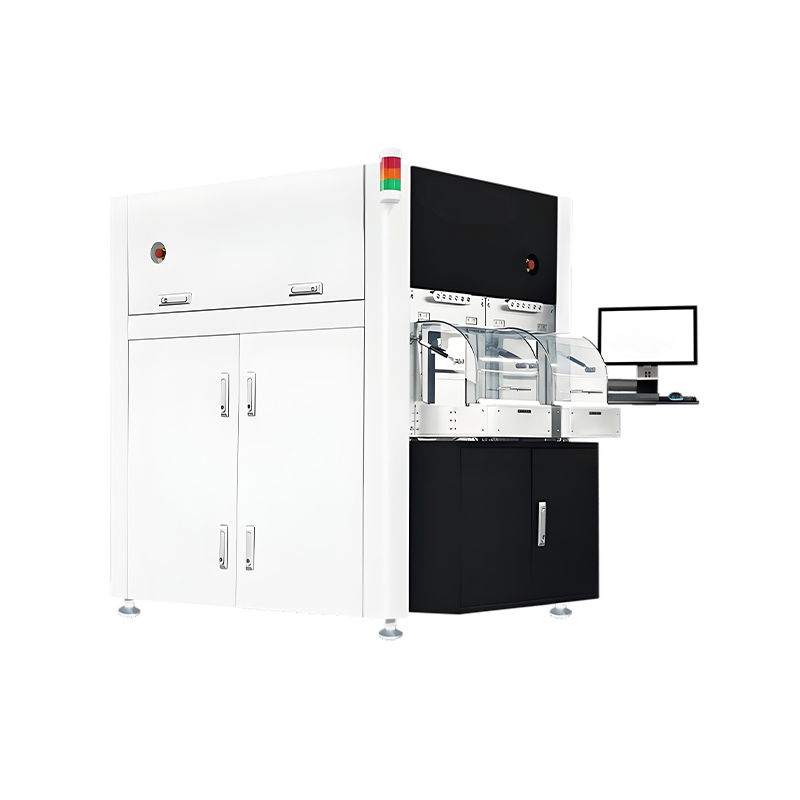
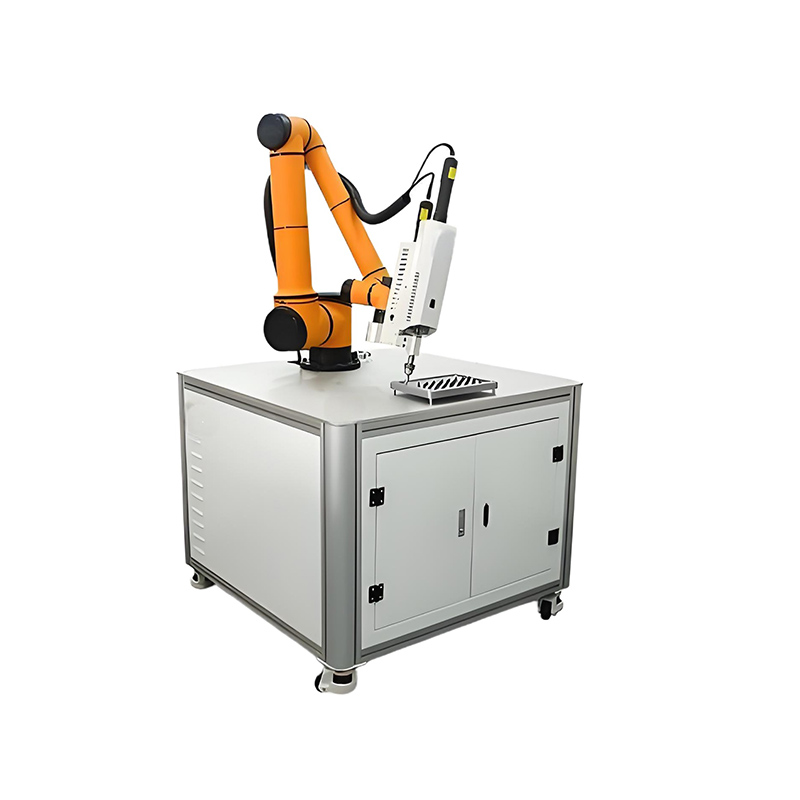
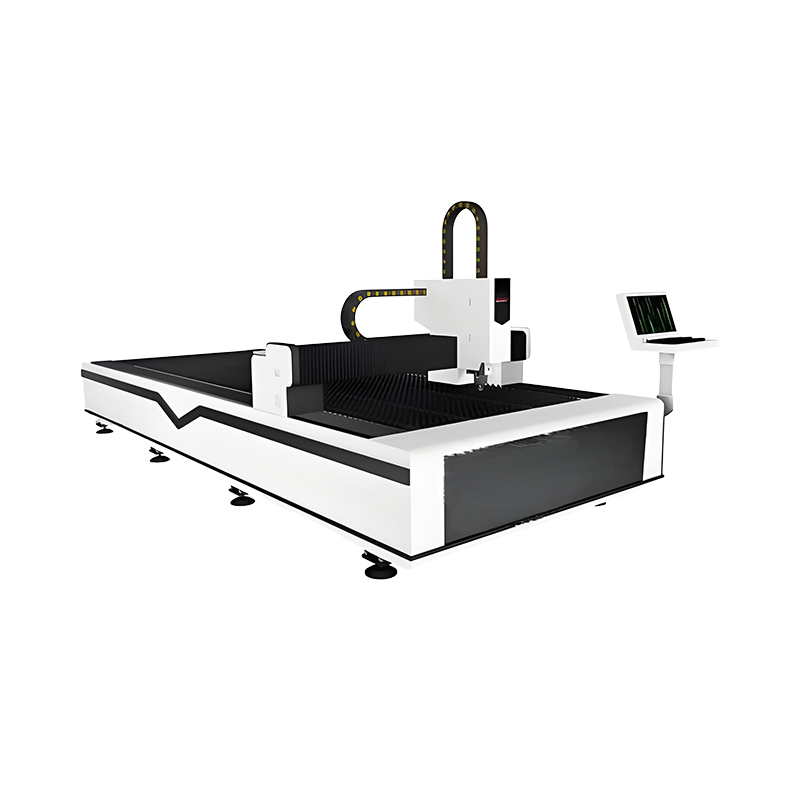
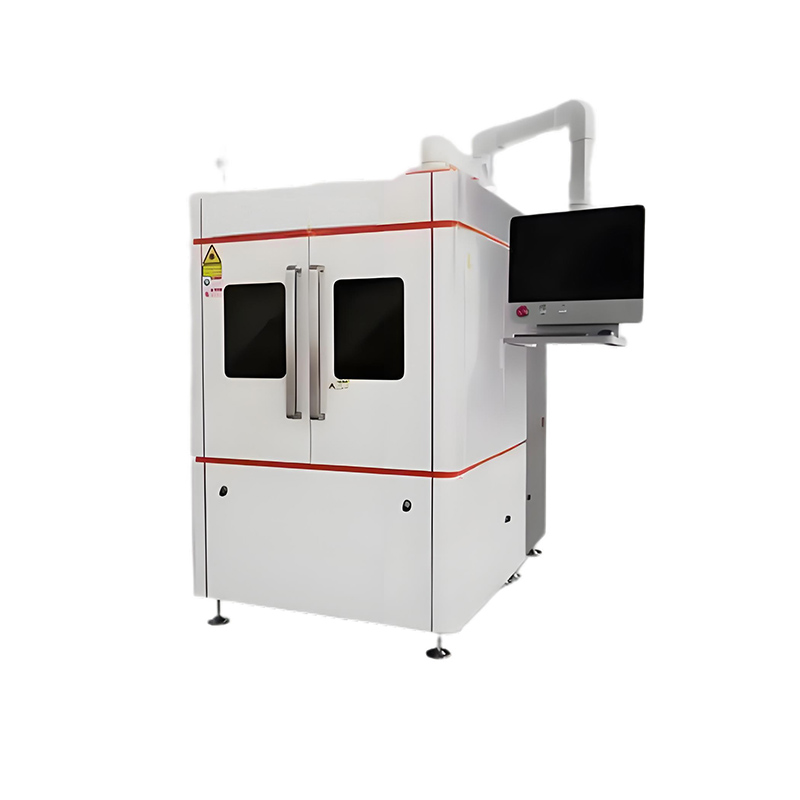
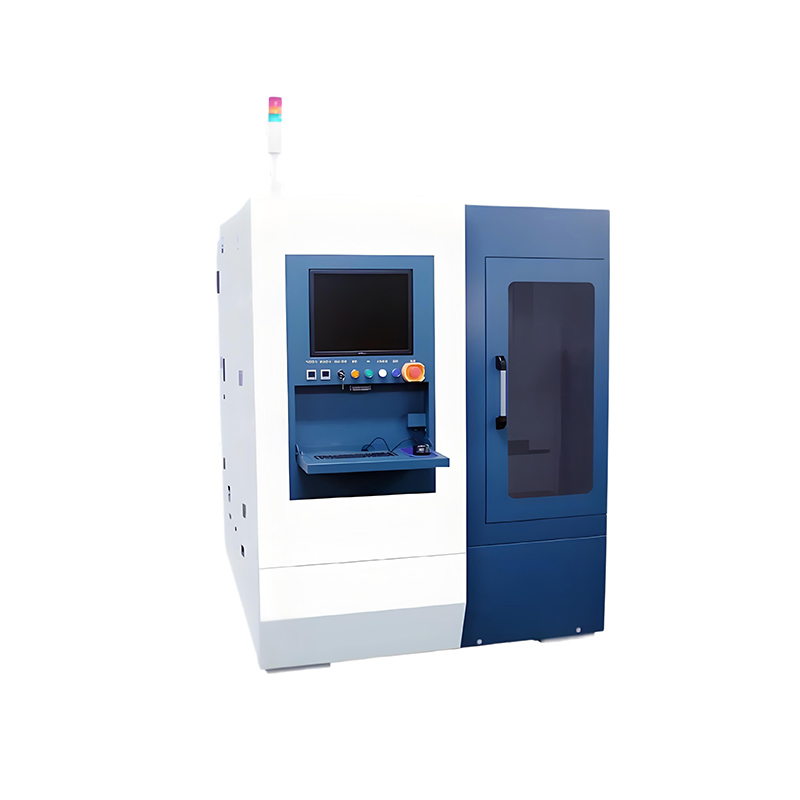
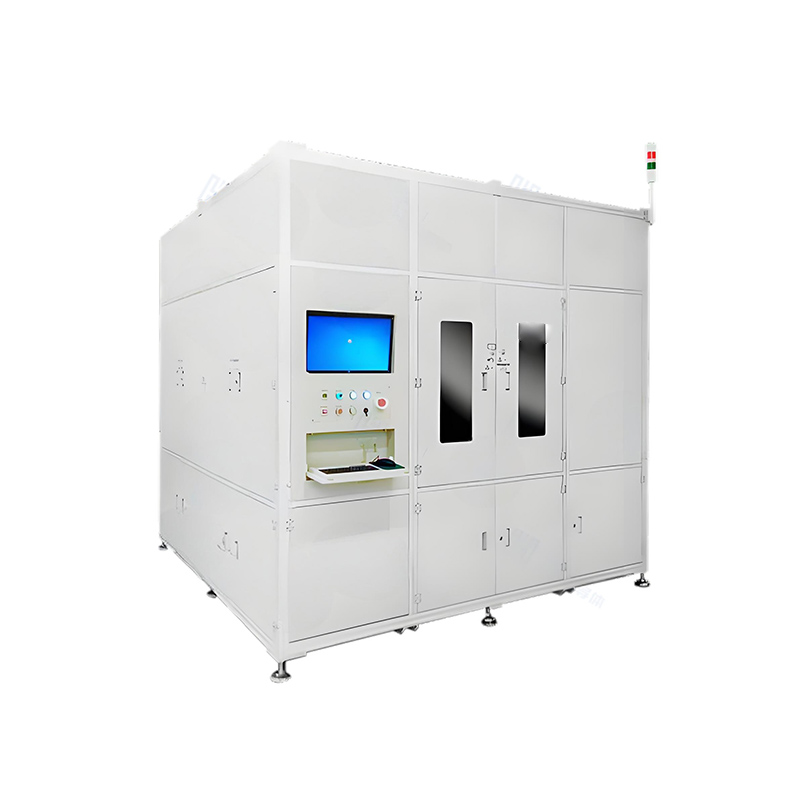
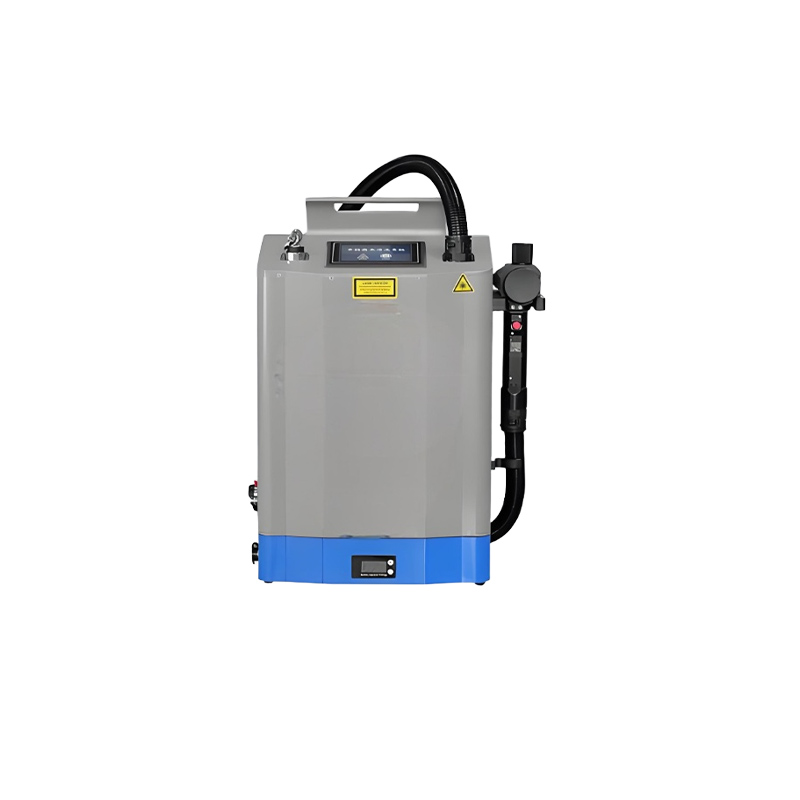
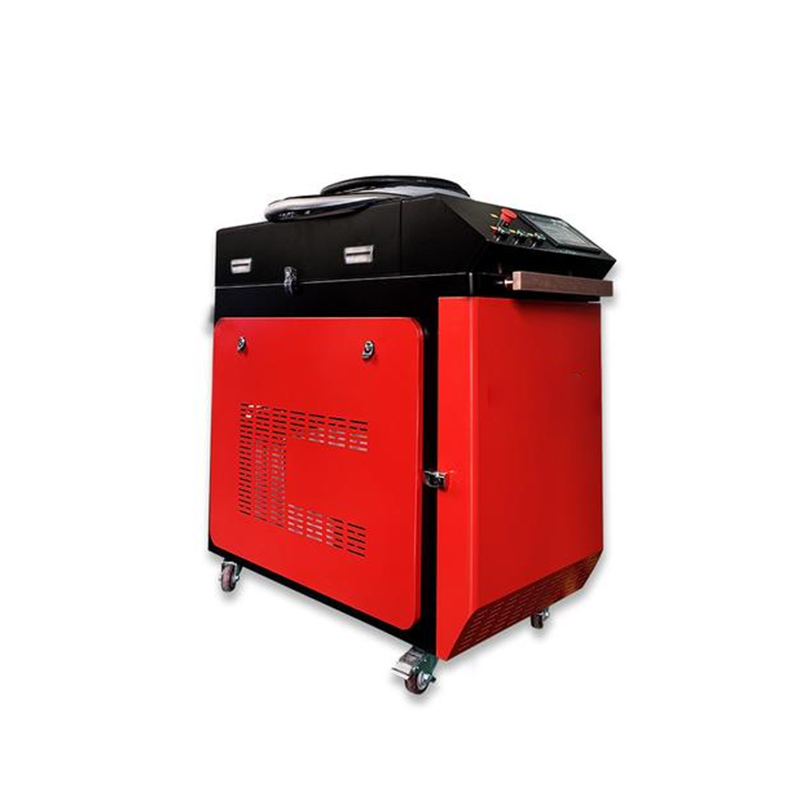
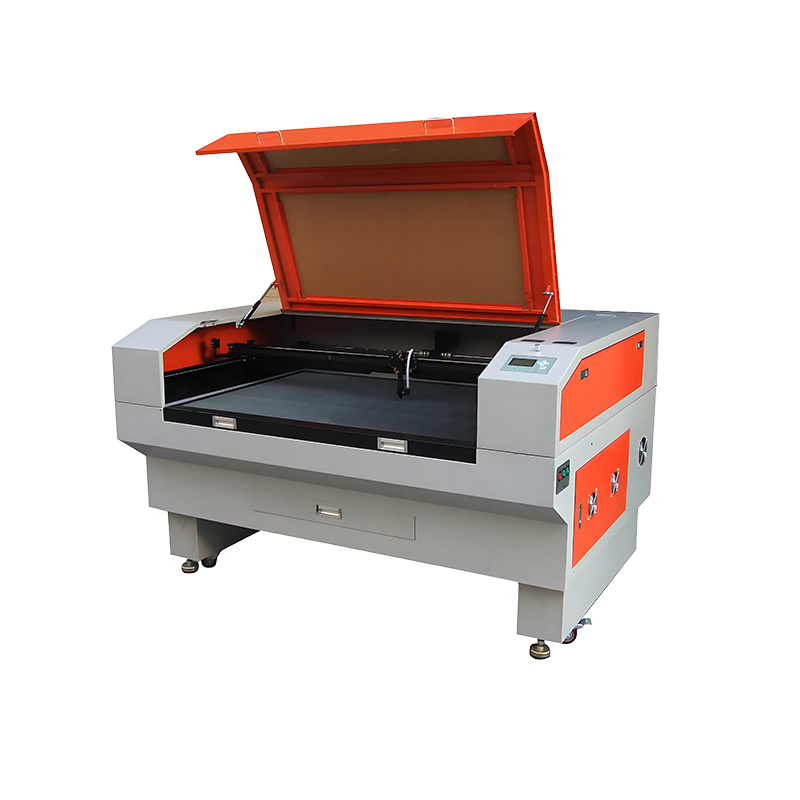
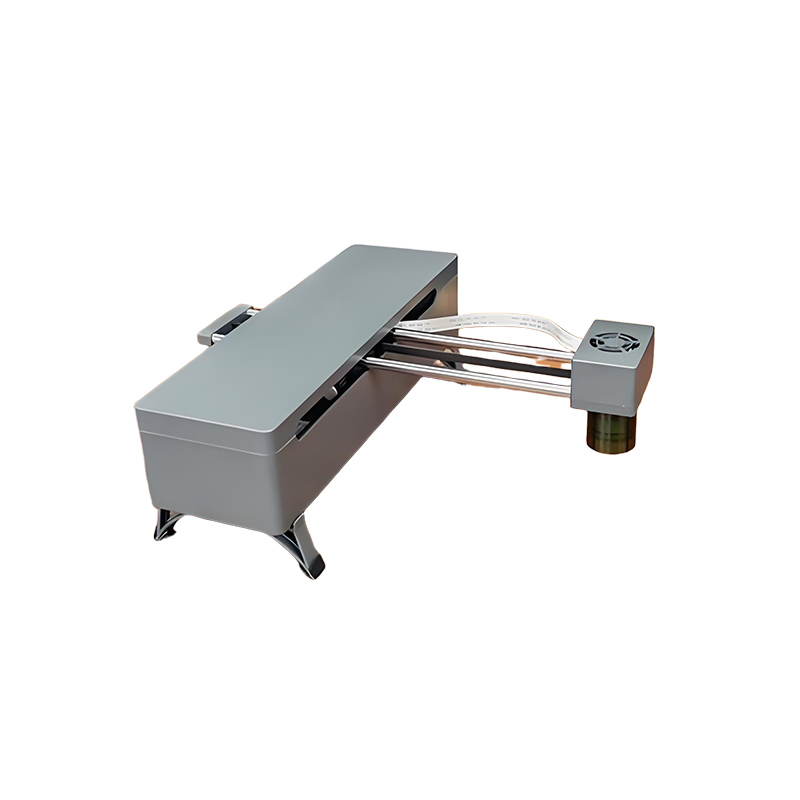
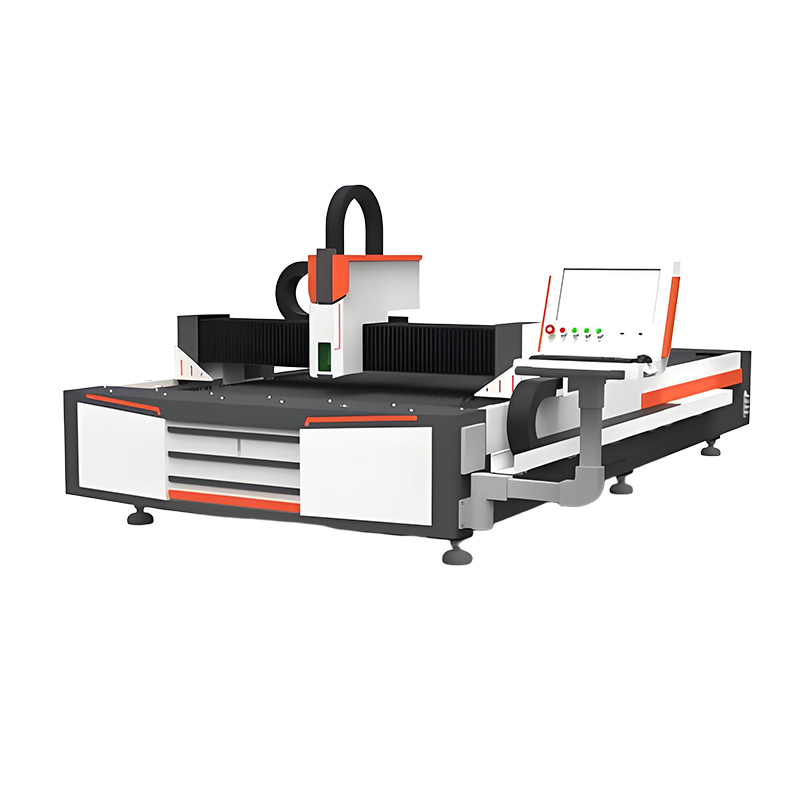
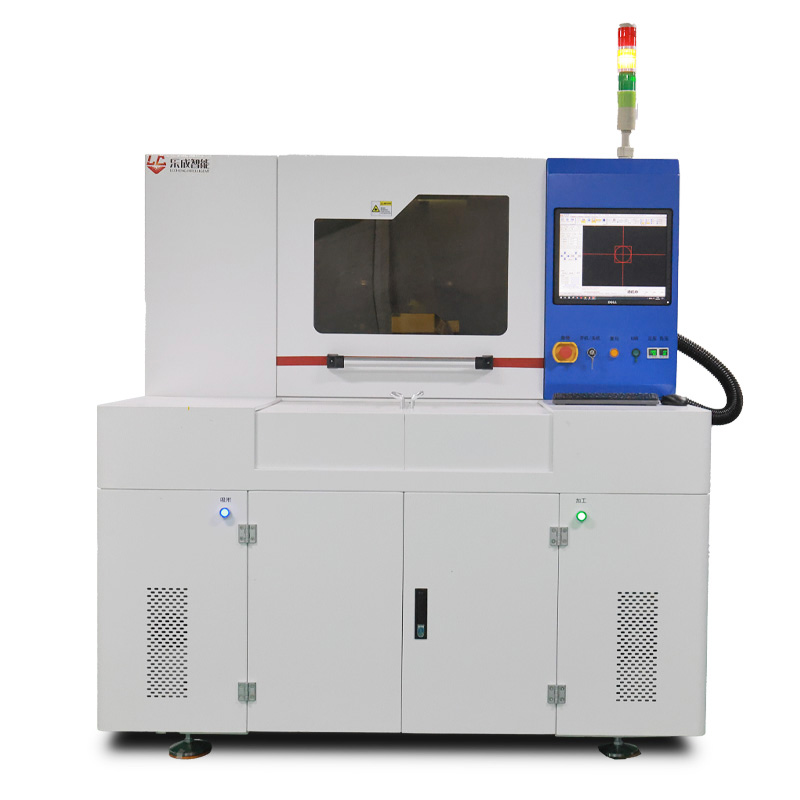
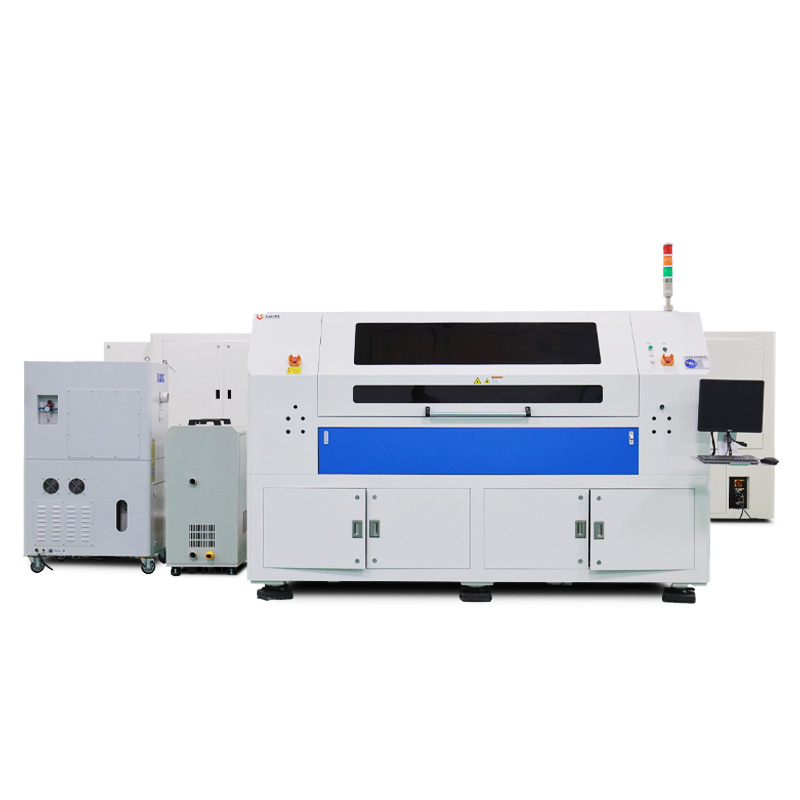
The exceptional efficiency potential of perovskite solar cells can only be fully realized at the module level through a precise structuring process. Unlike traditional silicon cells that are wired together, perovskite modules achieve series interconnection monolithically, directly on the glass substrate. This is where laser scribing becomes the defining, enabling technology. The P1, P2, P3, and P4 steps are not merely cuts; they are a sophisticated sequence of material ablations that create the electrical blueprint of the entire module. The P1 line isolates the bottom transparent conductive electrode. The P2 line then exposes this electrode to allow contact with the perovskite and charge transport layer above it. Finally, the P3 line isolates the perovskite and top electrode, defining the individual cell strips. The precision of these scribes directly dictates the cell width, the interconnect resistance, and the crucial "dead zone" – the inactive area between cells. Any inconsistency, edge chipping, or thermal damage from these scribes leads to resistive losses, shunting, and reduced active area. Therefore, laser scribing doesn't just createthe module; it fundamentally establishes its efficiency ceiling. Companies like Lecheng Intelligence provide the advanced tools that make this high-precision architecture possible, directly impacting the fill factor and overall power output.

The Precision Challenge - More Than Just Making Lines
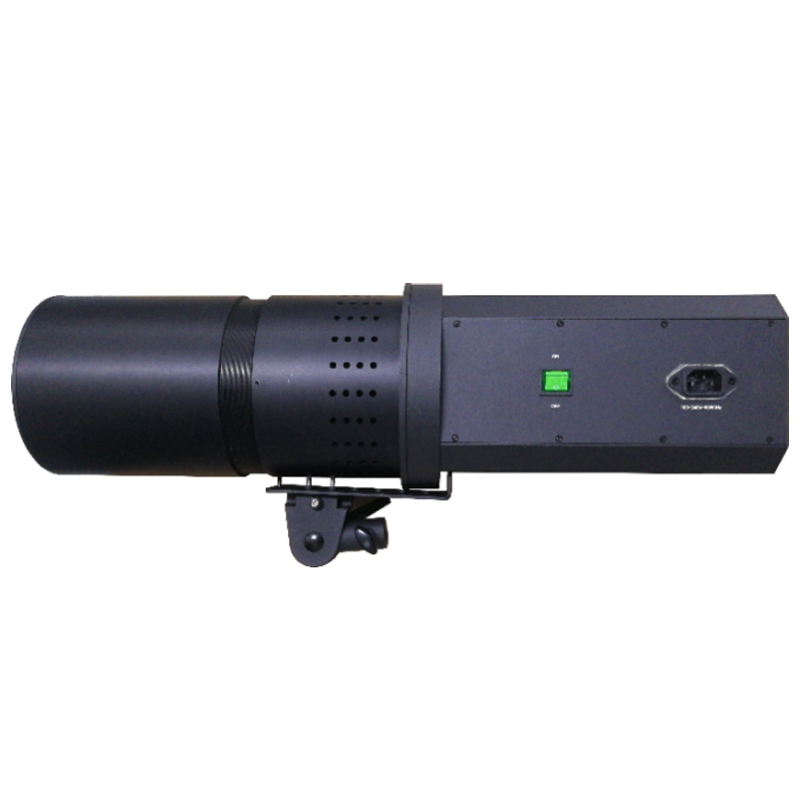
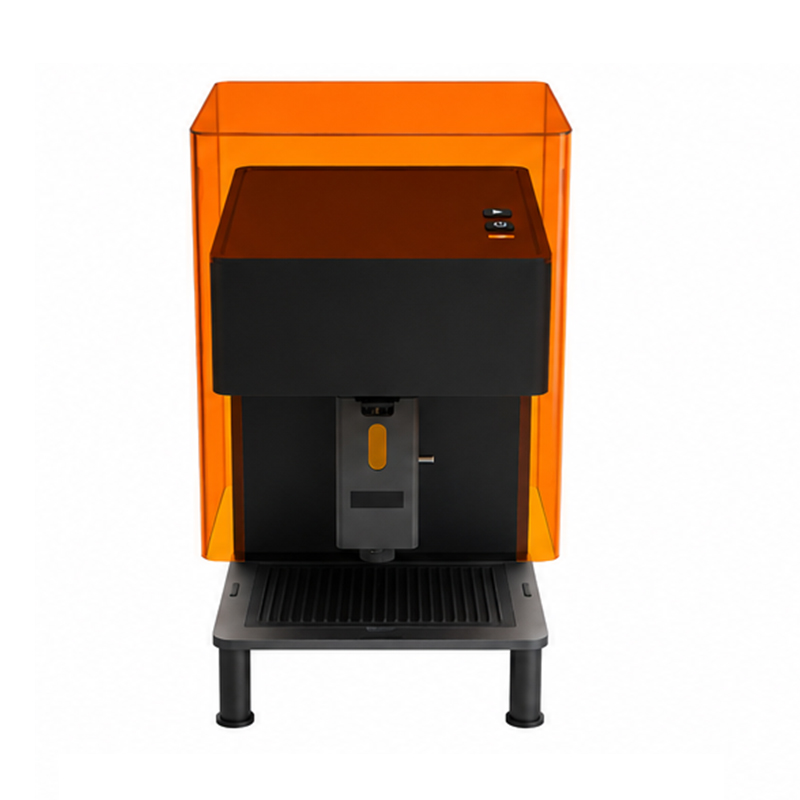
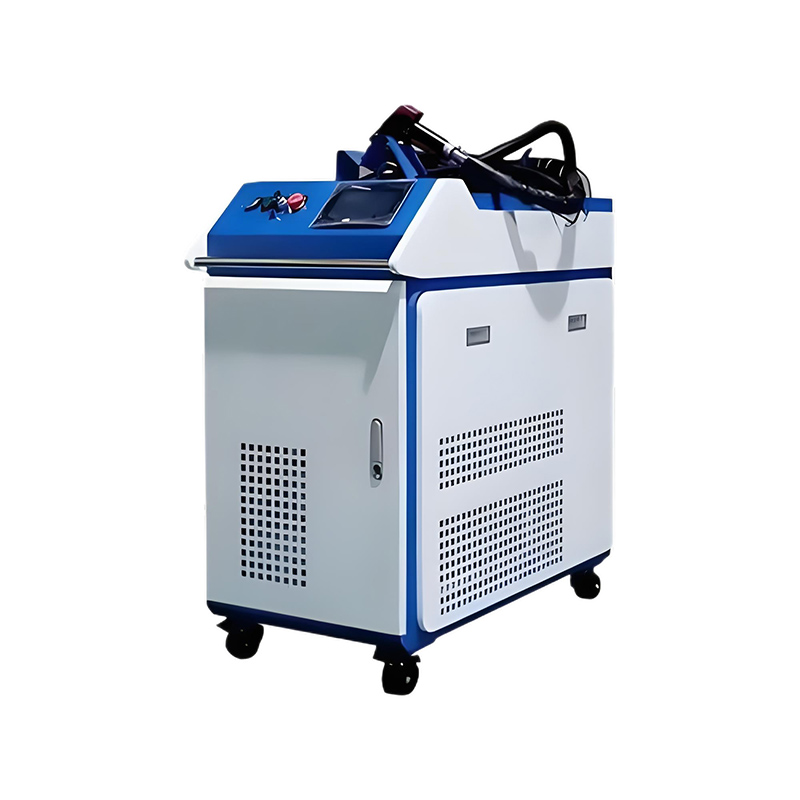
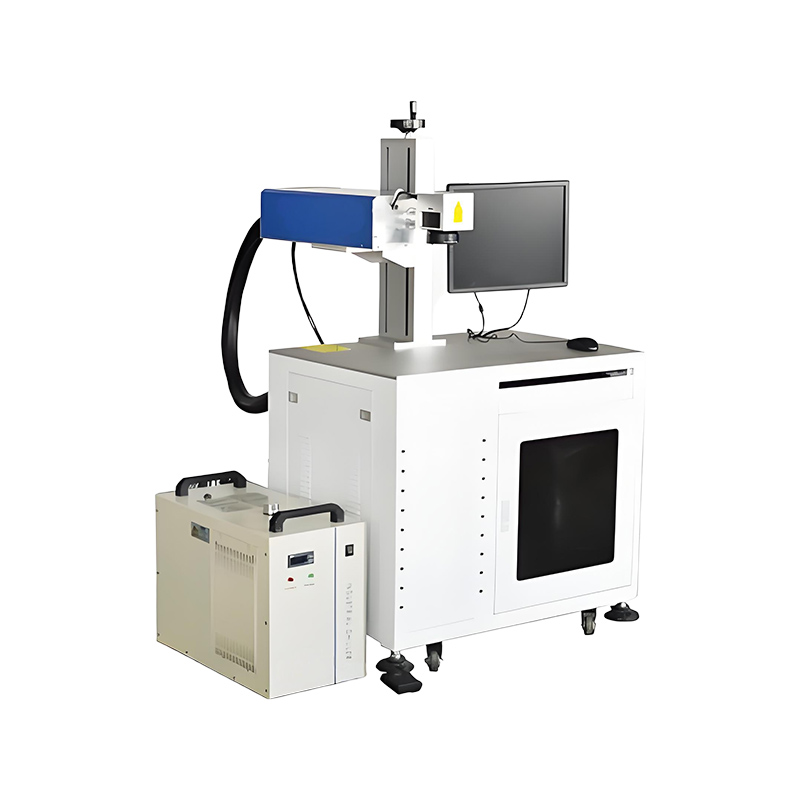
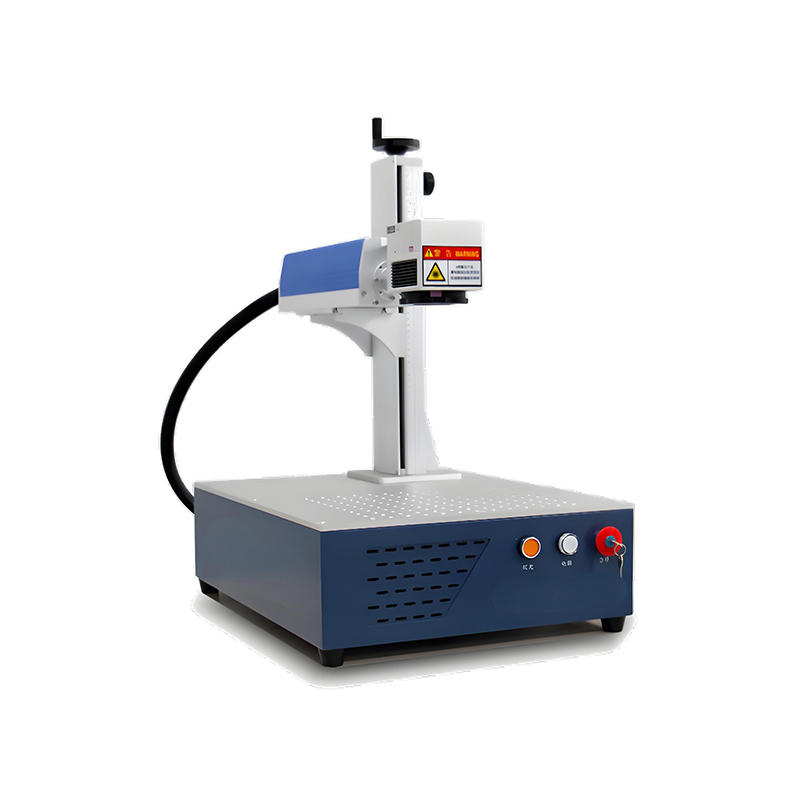
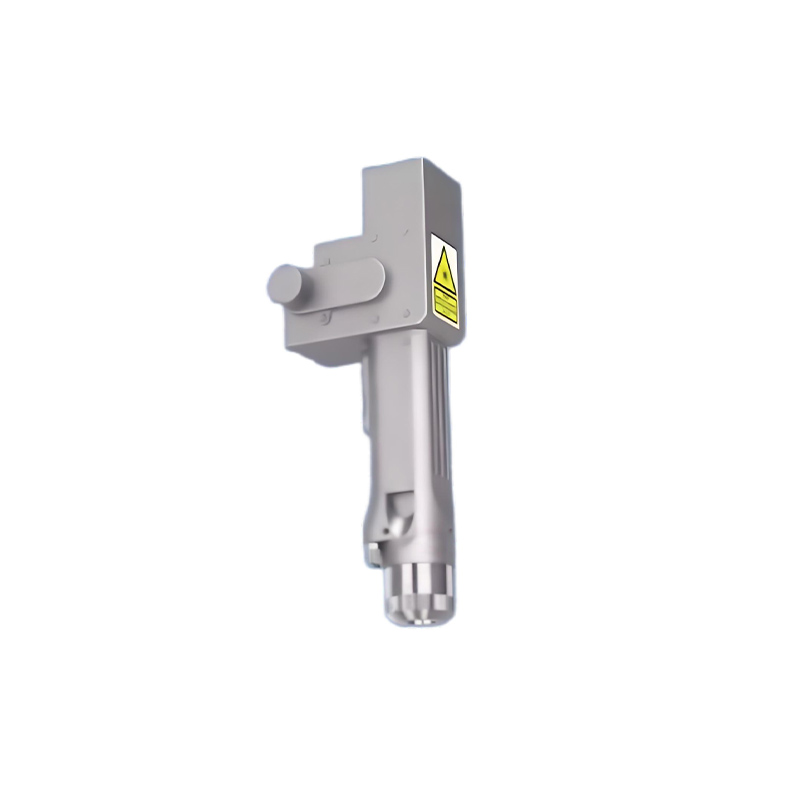
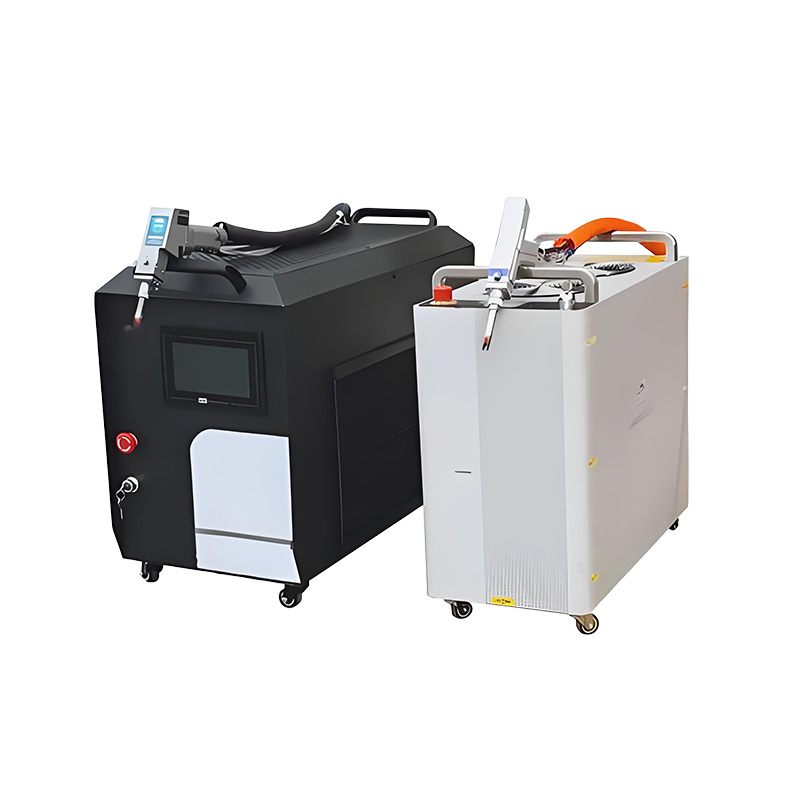
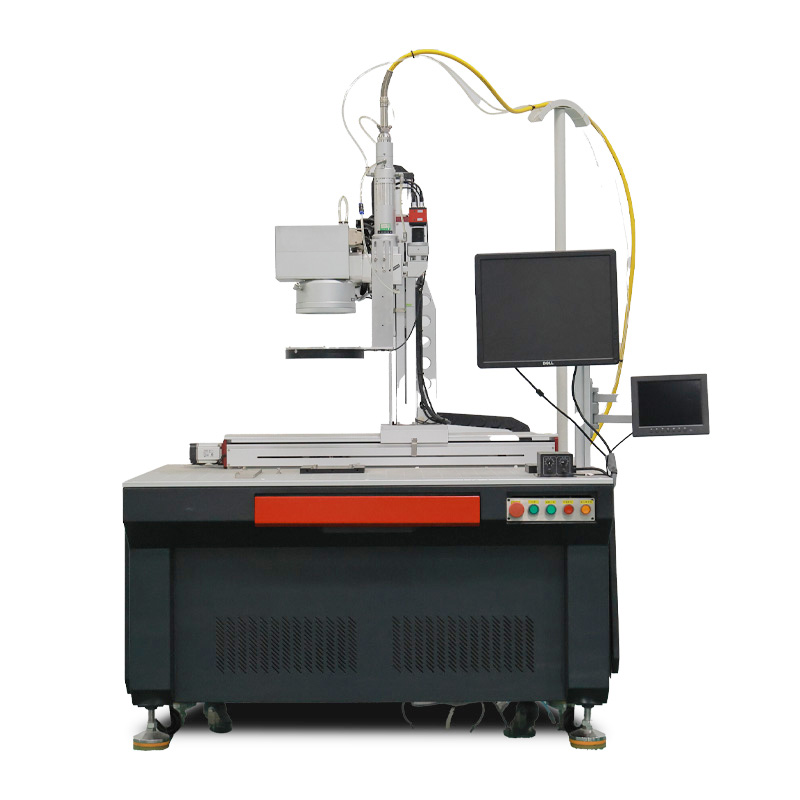
Executing the P1-P3 scribe sequence is a formidable challenge in microfabrication. Each layer in the perovskite stack—TCO, perovskite, HTL/ETL, and top electrode—has different material properties and ablation thresholds. The laser must remove specific layers with micron-level accuracy without damaging the underlying or adjacent layers. For instance, the P2 scribe must cleanly penetrate the perovskite and charge transport layers to expose the TCO below, but stopping precisely at the TCO surface is critical; any over-ablation into the TCO increases series resistance, while under-ablation creates poor electrical contact. This requires sophisticated laser sources (like UV picosecond lasers for clean, cold processing), real-time focus tracking to accommodate substrate warpage, and high-speed galvanometer scanners synchronized with precision stages. The final P4 edge deletion step, removing all conductive layers from the module perimeter, is equally vital for preventing shunt paths and ensuring long-term insulation. Lecheng's equipment addresses these challenges by integrating features like multi-beam processing for throughput, intelligent vision alignment for accuracy, and tailored wavelengths for each layer, ensuring that each scribe contributes to maximal current collection and voltage, not losses.
Driving Yield and Stability - The Role of Advanced Laser Tools
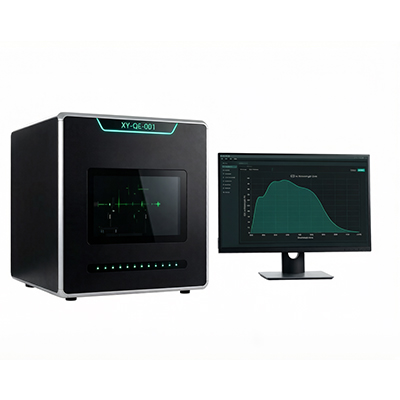
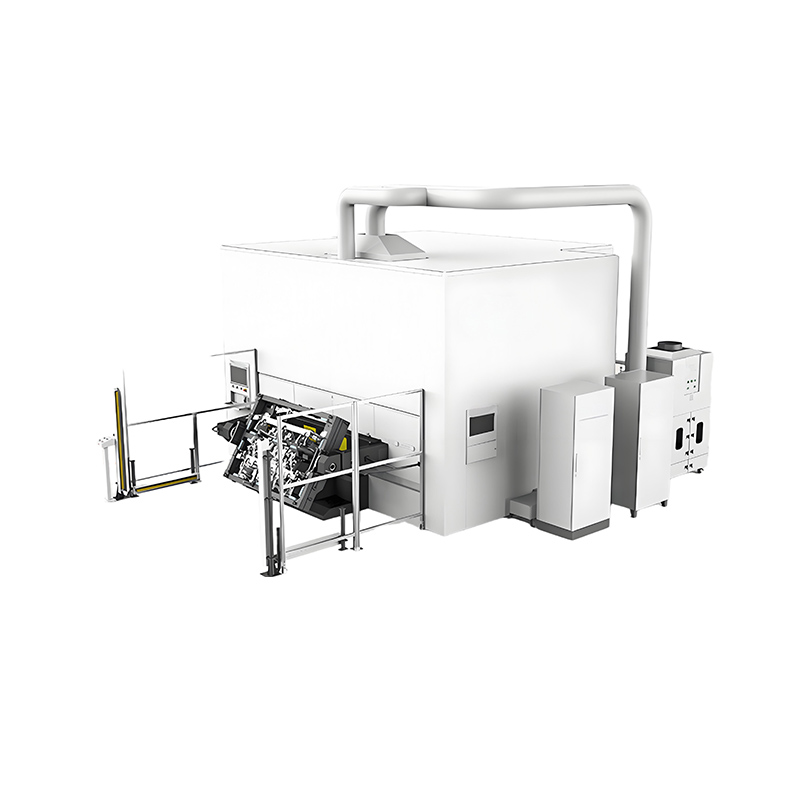
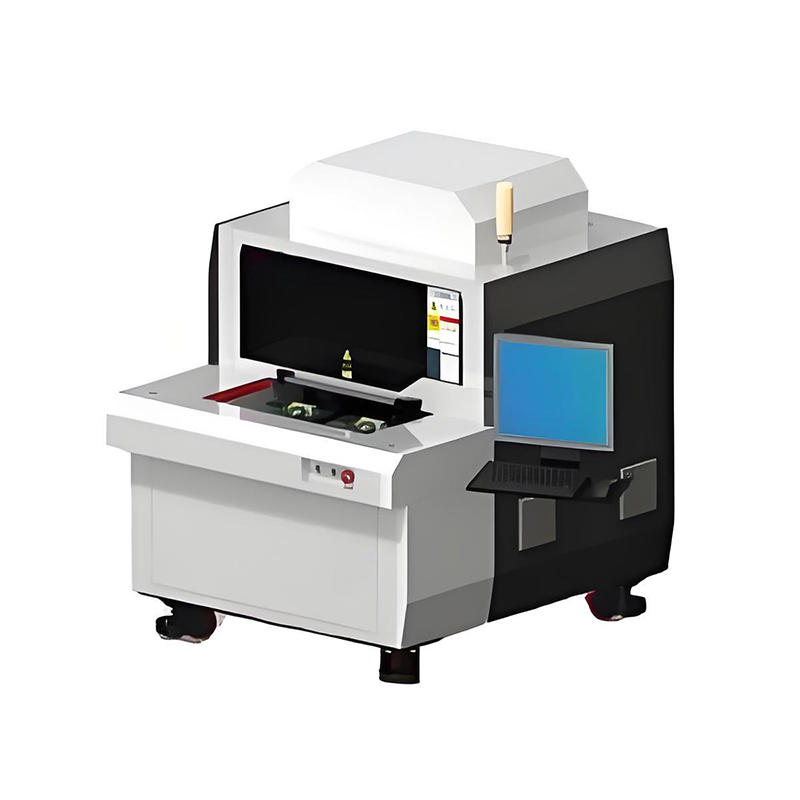
Ultimately, the commercial viability of perovskite modules hinges on high manufacturing yield and long-term field stability. Inconsistent or defective laser scribing is a primary source of yield loss. Microscopic cracks from P1, residual film debris in P2, or uneven P3 edges can create localized shunts, hot spots, and early module failure. Advanced laser scribing systems from technology leaders are engineered to maximize process window and repeatability. Features like adaptive power control compensate for film thickness variations. High-resolution machine vision inspects each scribe in-line. Moreover, the cleanliness of the P4 edge isolation is paramount for preventing moisture ingress and corrosion at the module borders, a key factor in long-term stability. By providing a stable, reliable, and clean scribing process, high-precision laser equipment minimizes initial performance variation and latent defects. This transforms the intricate P1-P4 sequence from a yield risk into a controlled, defining step for producing efficient, durable, and bankable perovskite solar modules, enabling the technology to scale from the lab to gigawatt production.
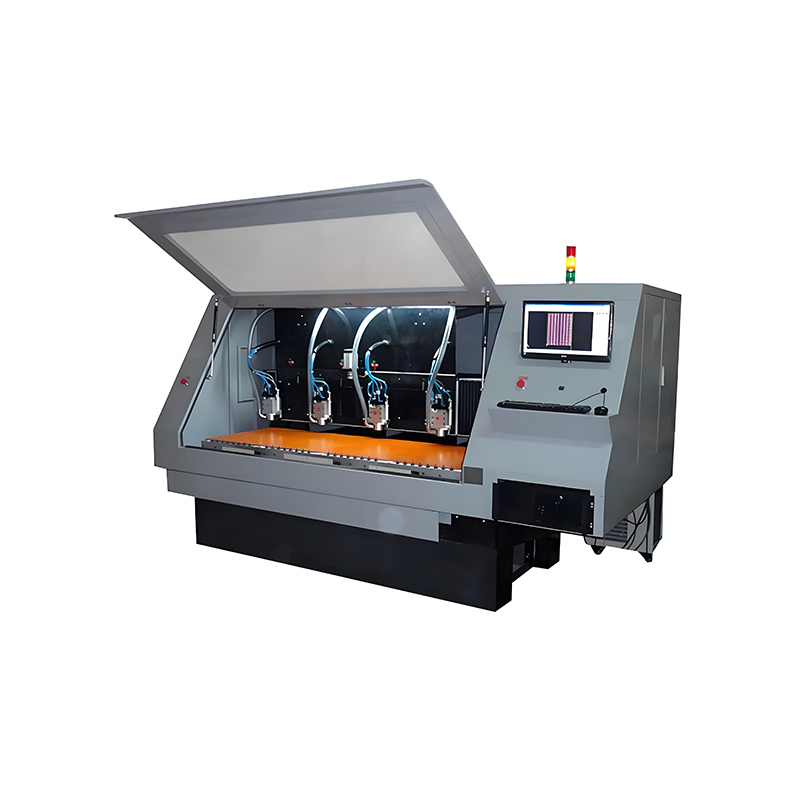
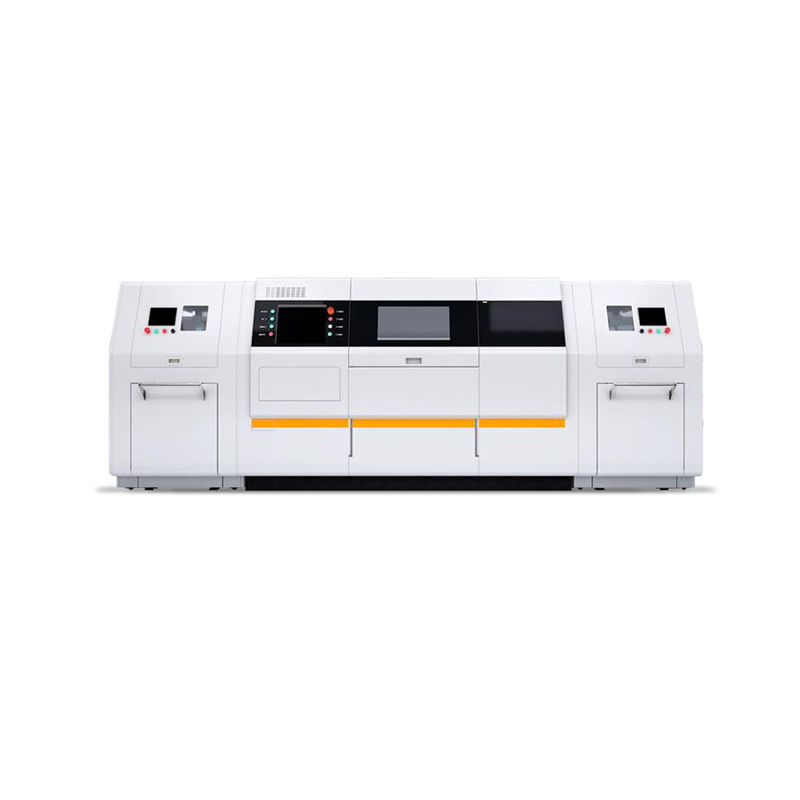
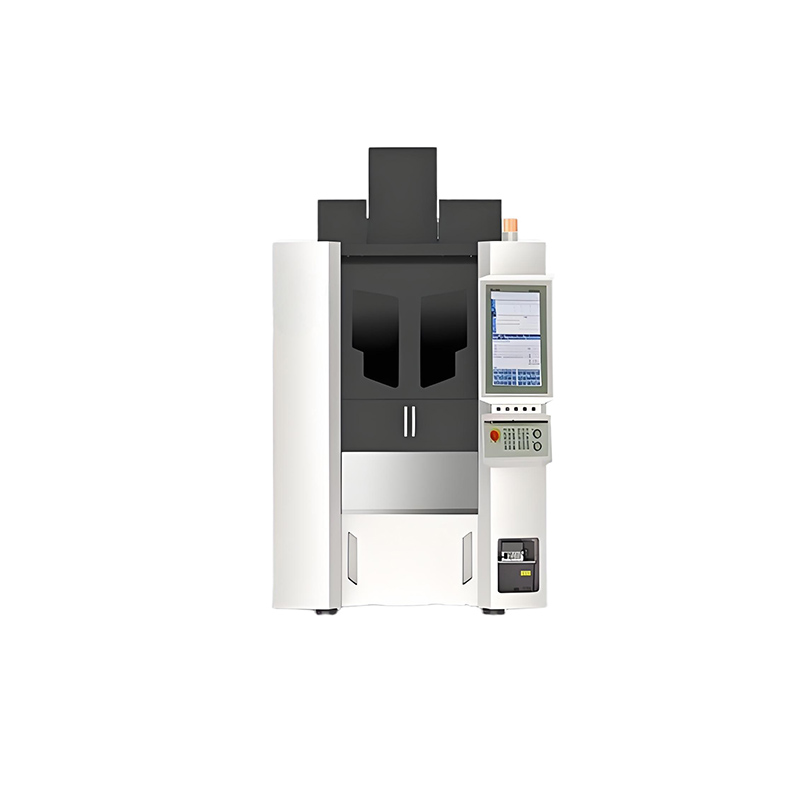
In the race to commercialize perovskite photovoltaics, laser scribing is far more than a manufacturing step—it is the core engineering discipline that translates lab-cell efficiency into commercial-module performance. The precision, control, and cleanliness achieved in the P1-P4 processes directly and irreversibly define the electrical output, production yield, and operational lifetime of the final product. Investing in advanced laser systems, such as those developed by Lecheng Intelligence, is therefore not merely a capital expense; it is a strategic decision to embed efficiency, reliability, and scalability into the very architecture of the perovskite solar module.