


Match The Machine With Your Photovoltaic Process And Materials
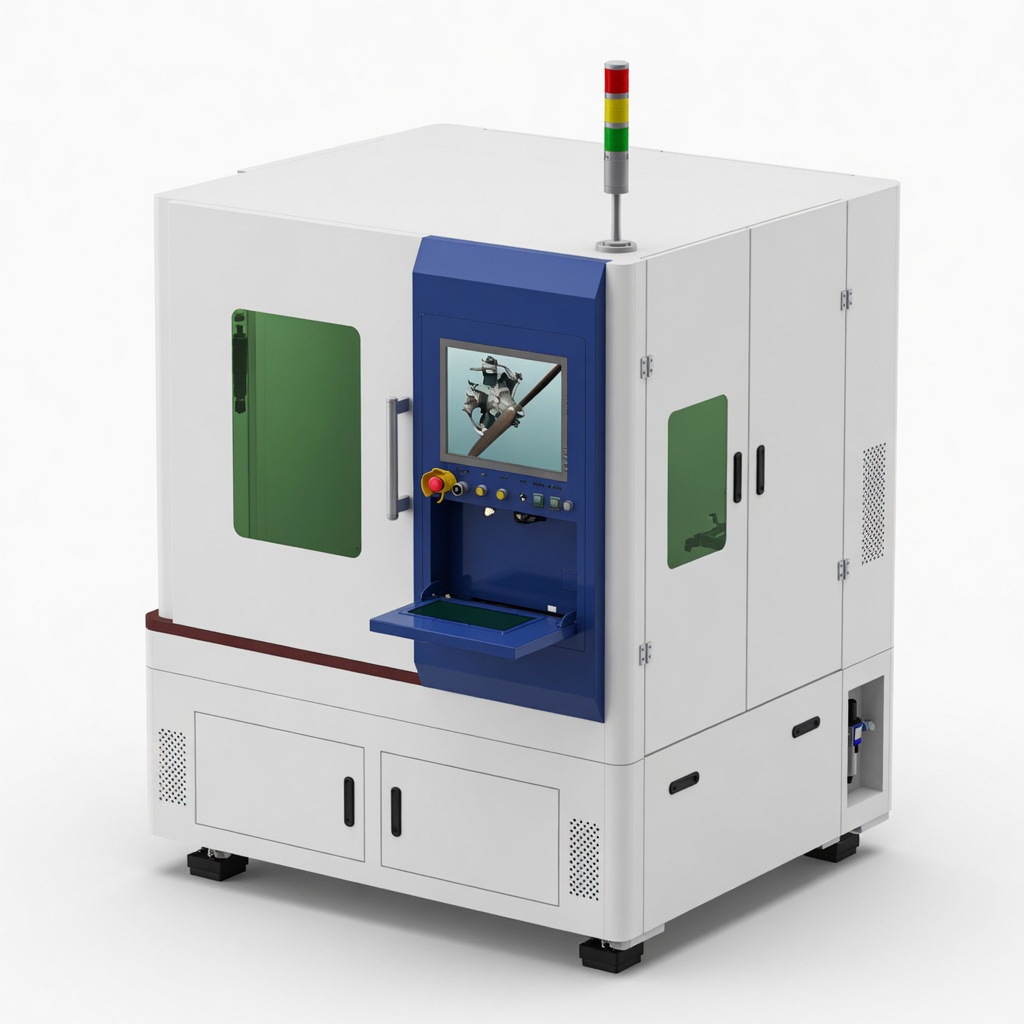
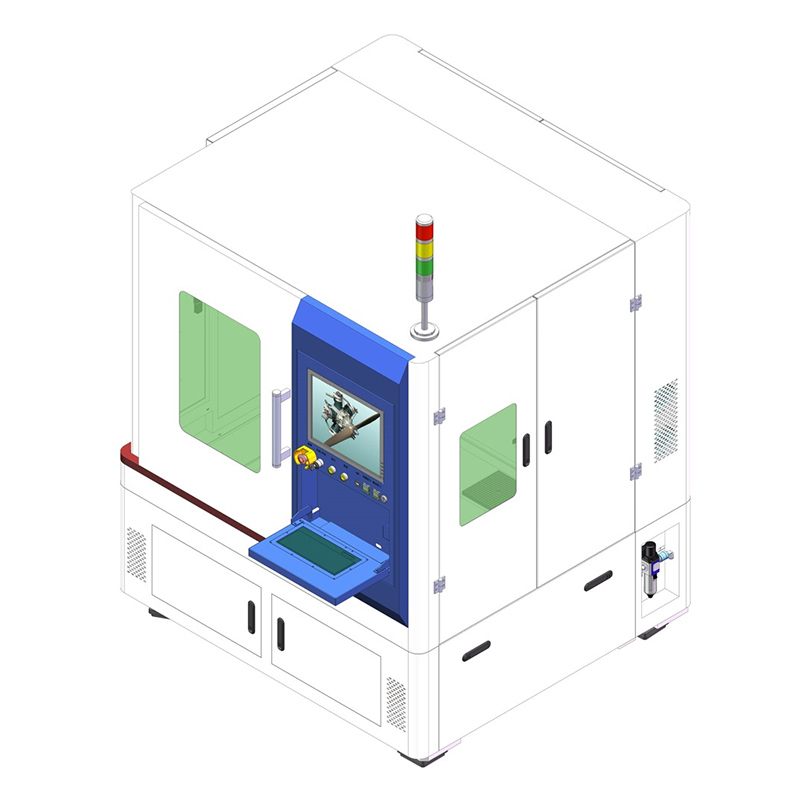
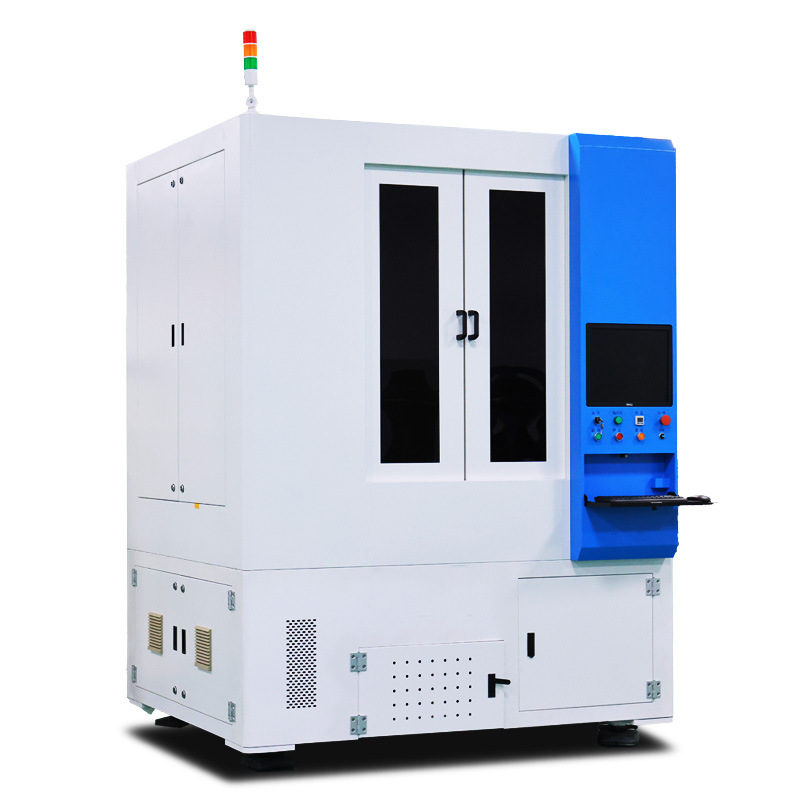
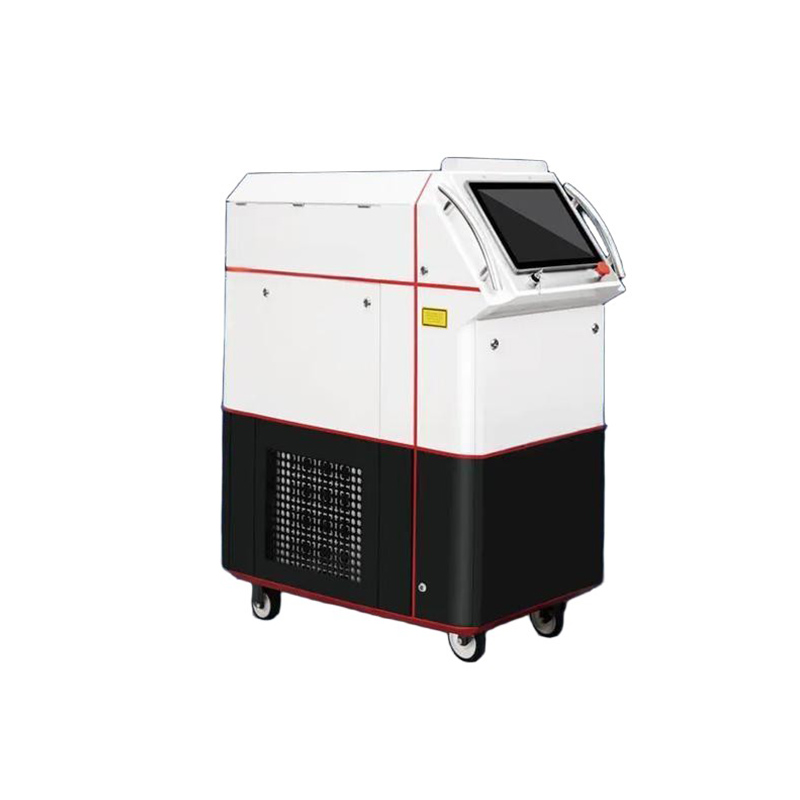
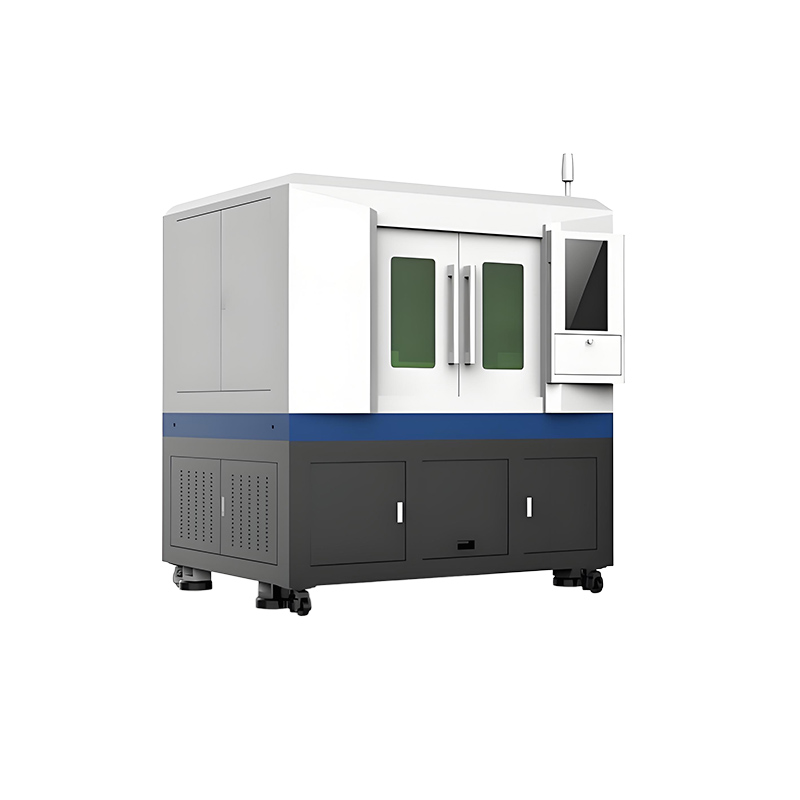
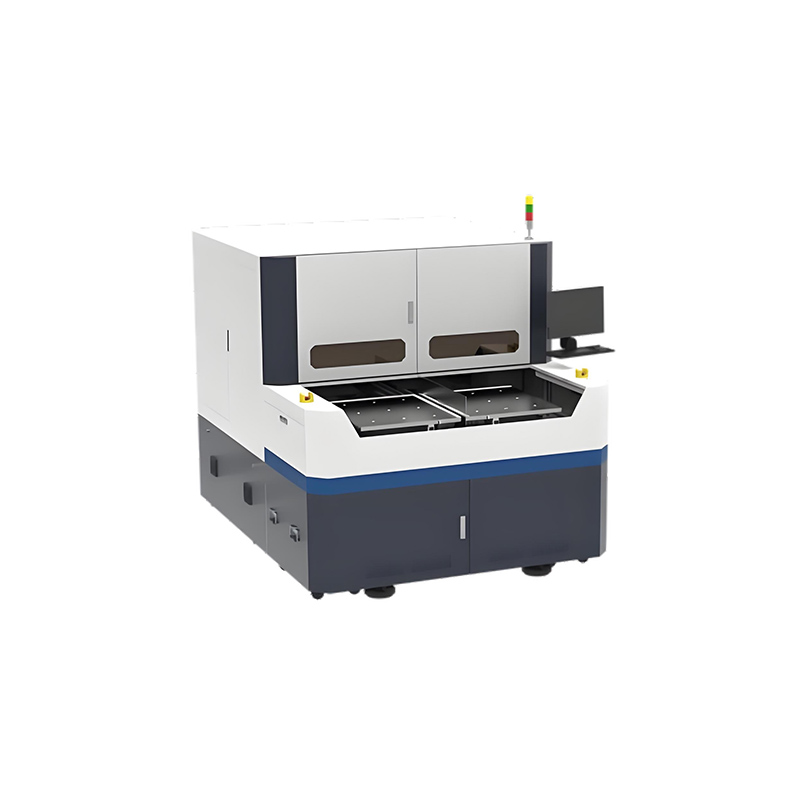
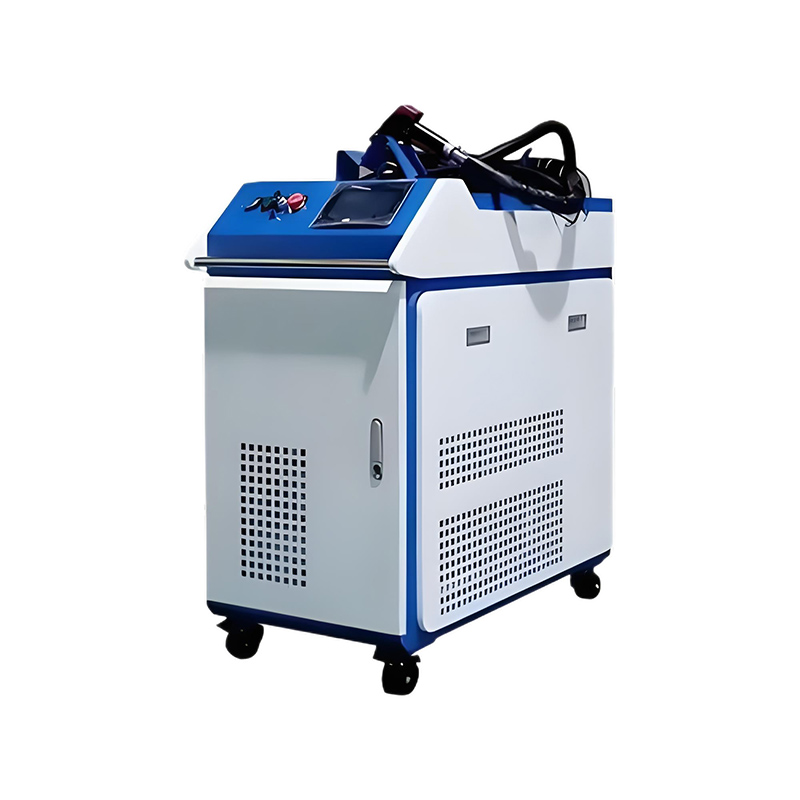
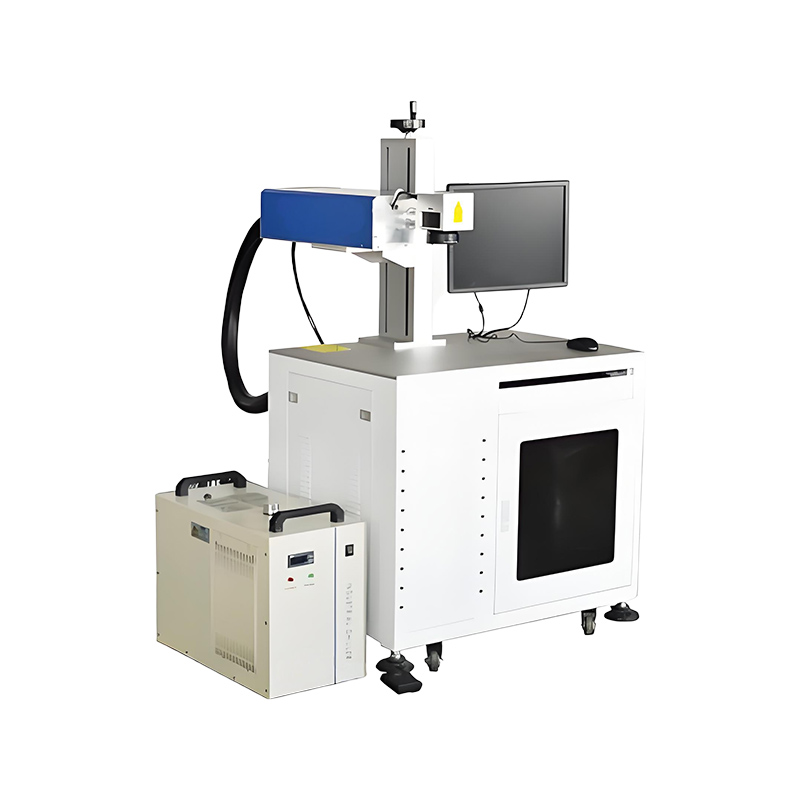
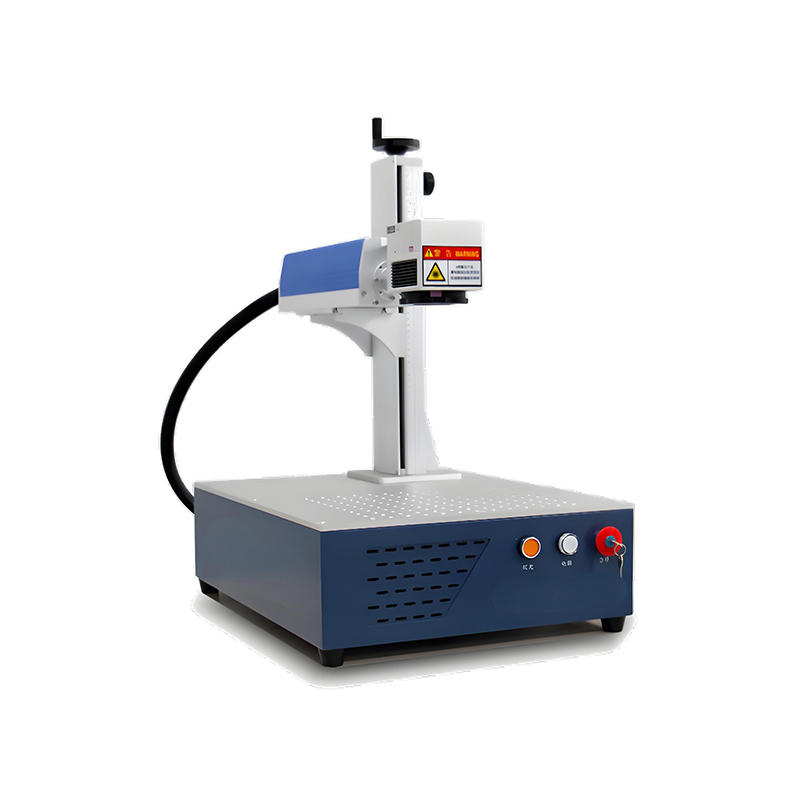
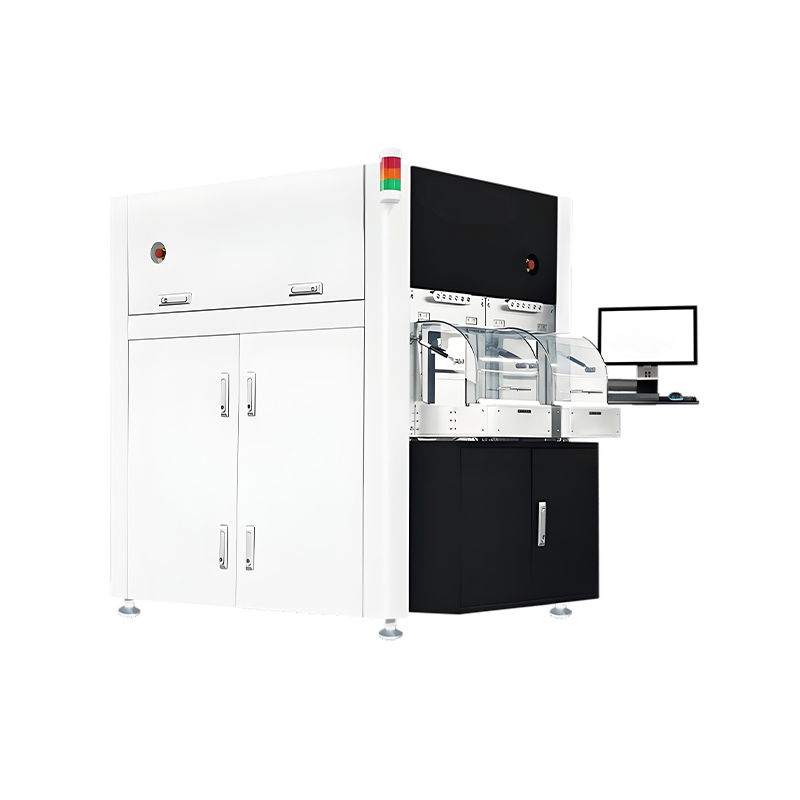
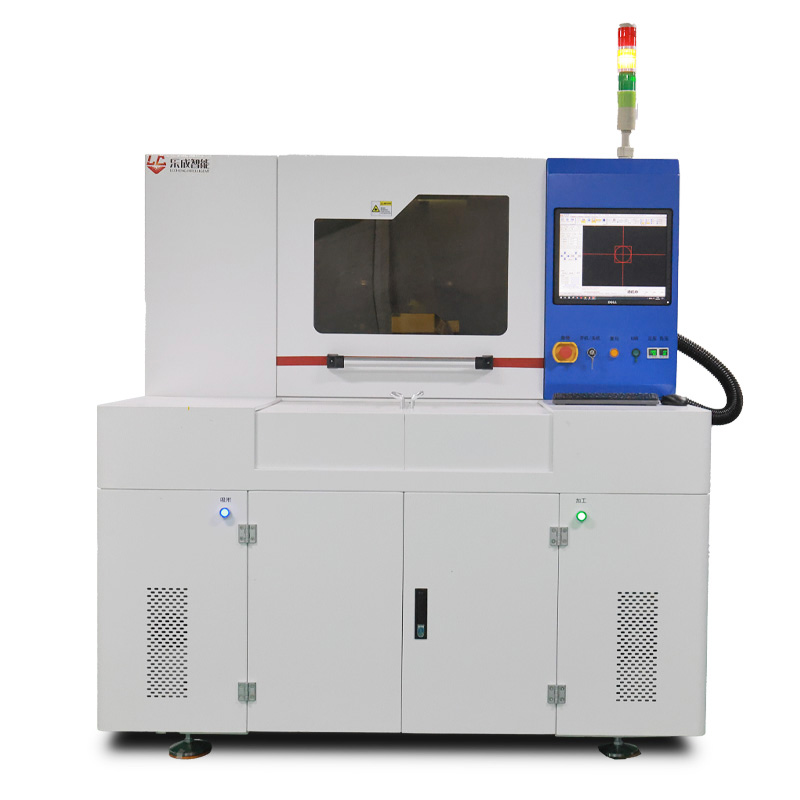
The first step in selecting a laser scribing machine is to ensure it matches the specific photovoltaic technology and materials being used. Different types of solar cells—such as thin-film, perovskite, or multi-layer structures—require different laser processing characteristics. Buyers need to confirm whether the machine supports required processes like P1, P2, and P3 scribing, and whether it can handle specific substrate types, coating layers, and thickness ranges.
It is also important to evaluate how the machine controls energy input and thermal effects. In photovoltaic processing, excessive heat can damage sensitive layers, while insufficient energy may lead to incomplete isolation. A suitable machine should provide precise control of laser parameters, ensuring clean scribing lines and minimal impact on surrounding materials.
From a procurement perspective, sample testing is highly recommended. Testing real materials under actual process conditions provides the most reliable way to confirm whether the machine truly fits the application.
Evaluate Precision, Stability, And Production Consistency
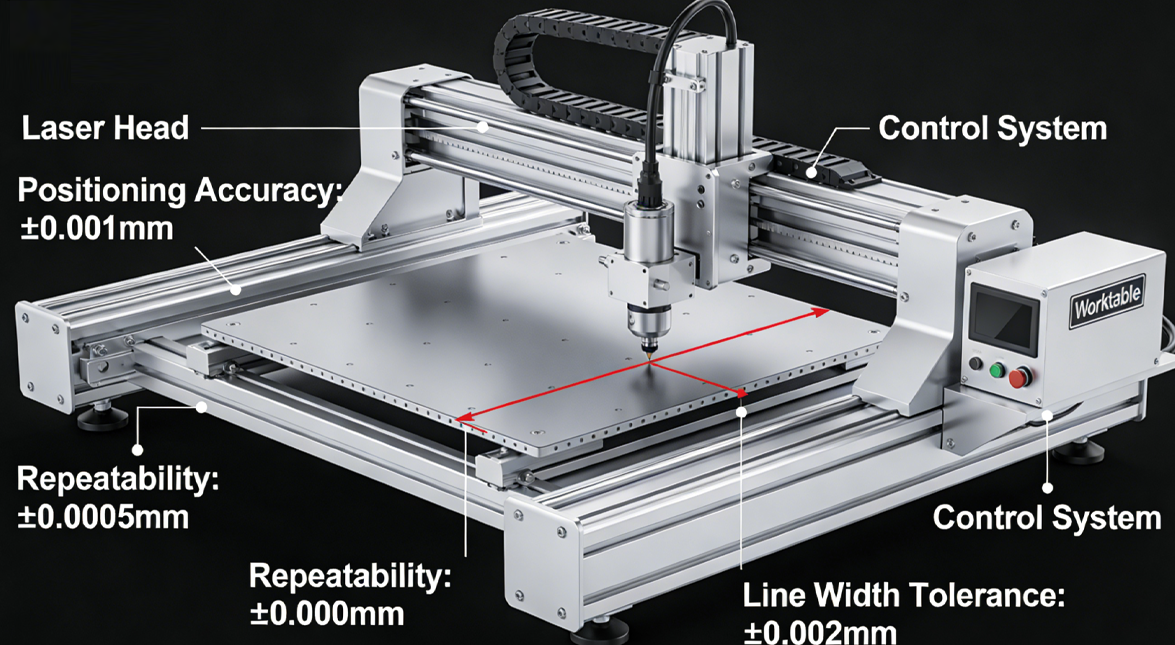
Precision and consistency are essential for photovoltaic laser scribing. Even small deviations in line width, positioning, or depth can affect electrical isolation and reduce overall module efficiency. Buyers should therefore evaluate not only the machine’s nominal accuracy, but also its ability to maintain that accuracy during continuous production.
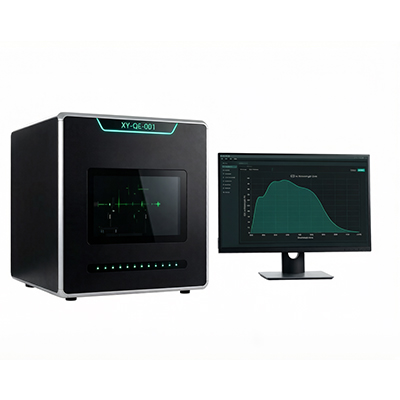
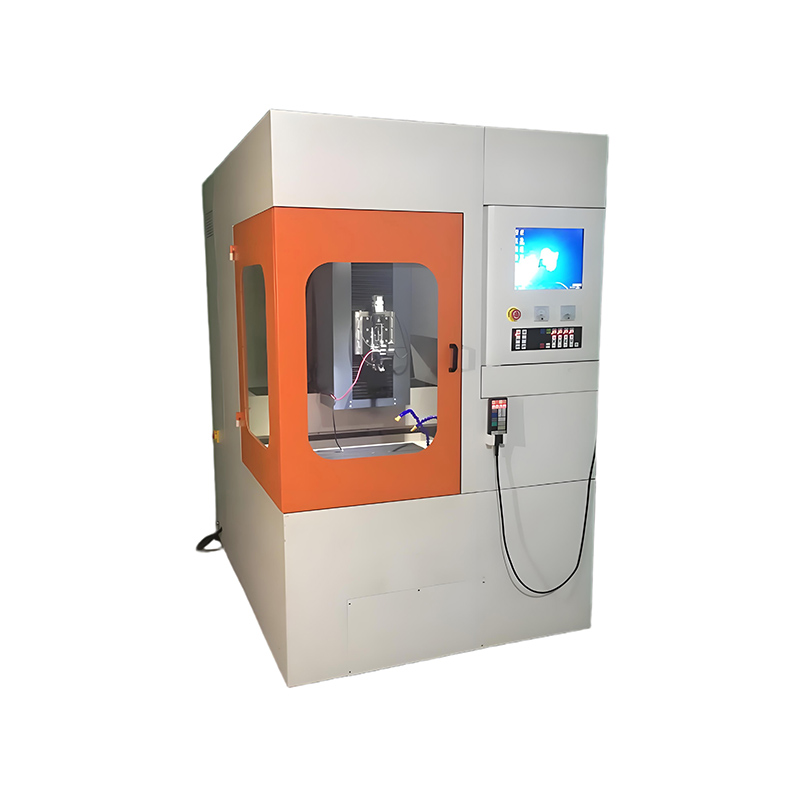
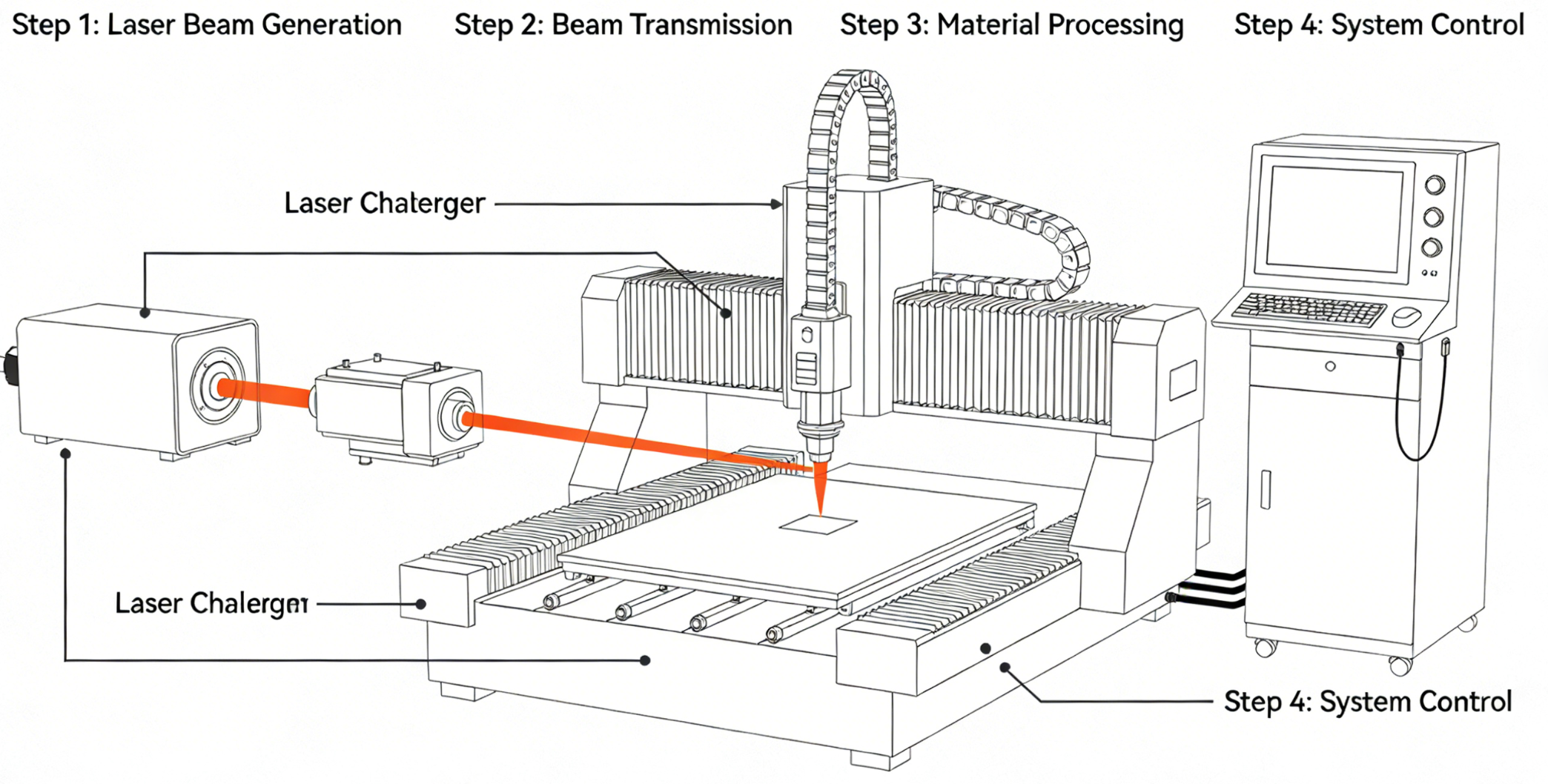
A high-quality system should include stable laser sources, precise motion control, rigid mechanical structure, and optimized cooling systems. These components work together to ensure that the machine delivers repeatable results over long production runs. Buyers should also consider whether the equipment supports process monitoring and parameter management, which help maintain consistent quality across batches.
For industrial buyers, consistency is often more valuable than peak performance. A machine that delivers slightly lower but stable results may generate better overall yield and lower production risk.
Consider Automation, Integration, And Long-Term Production Value
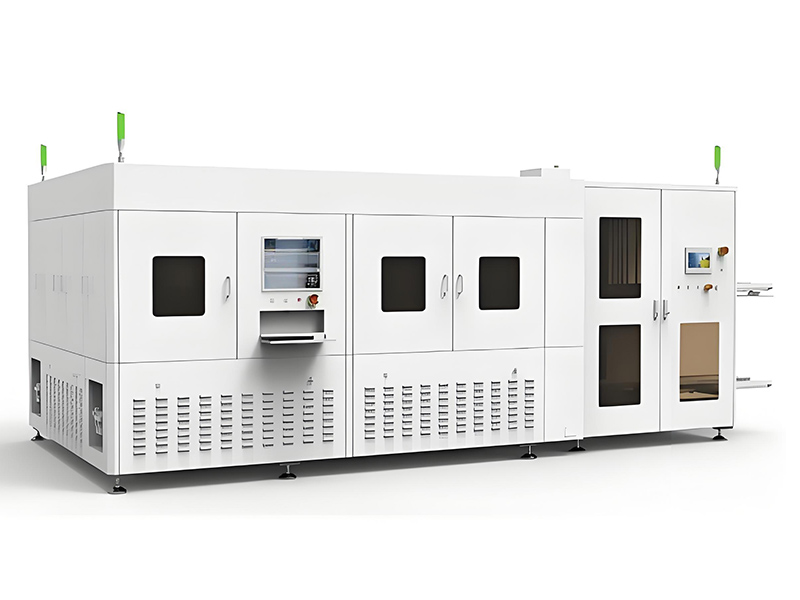
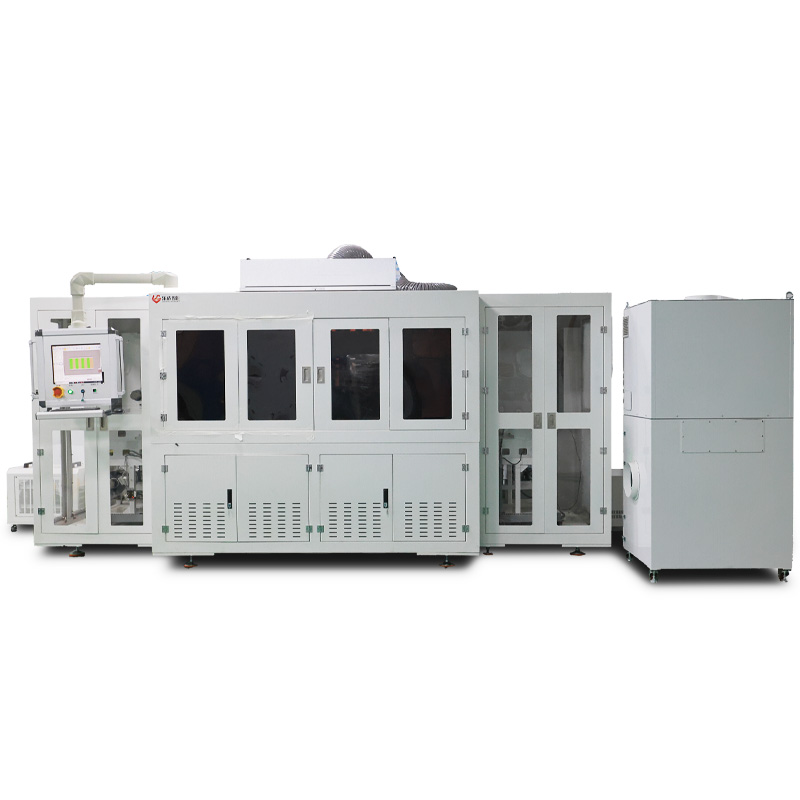
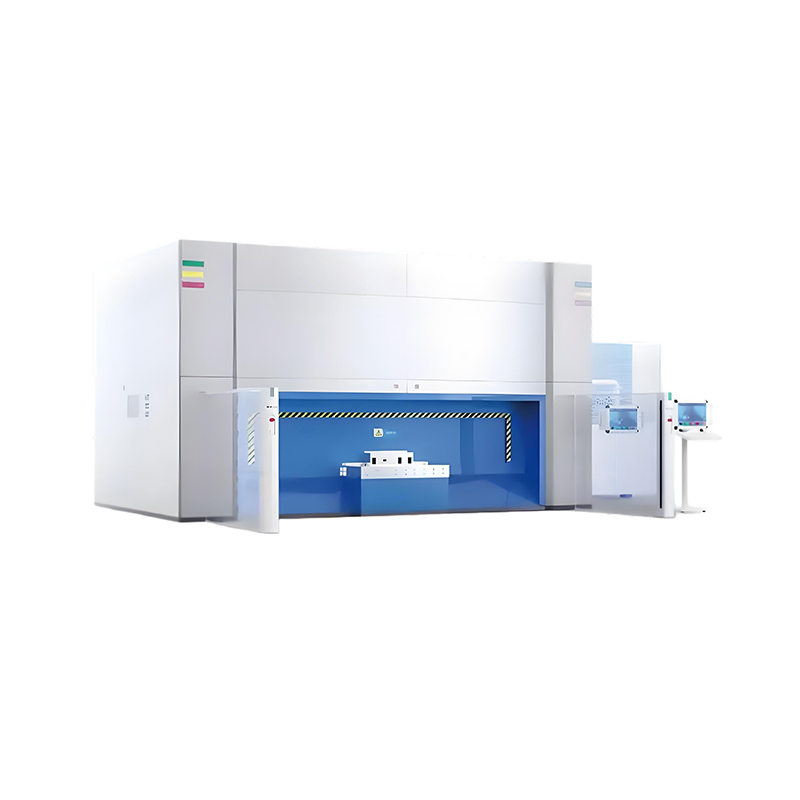
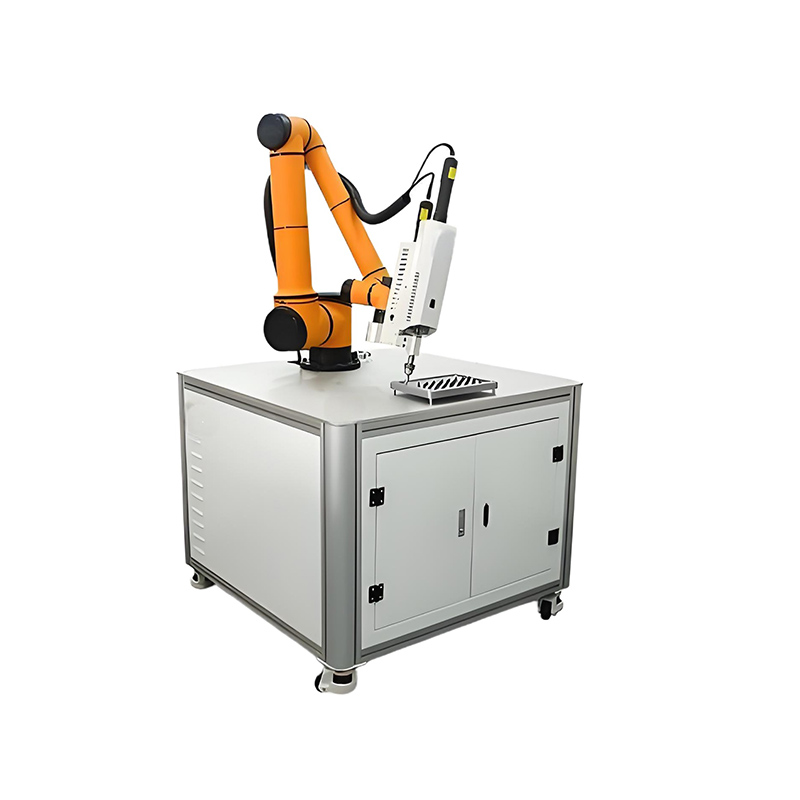
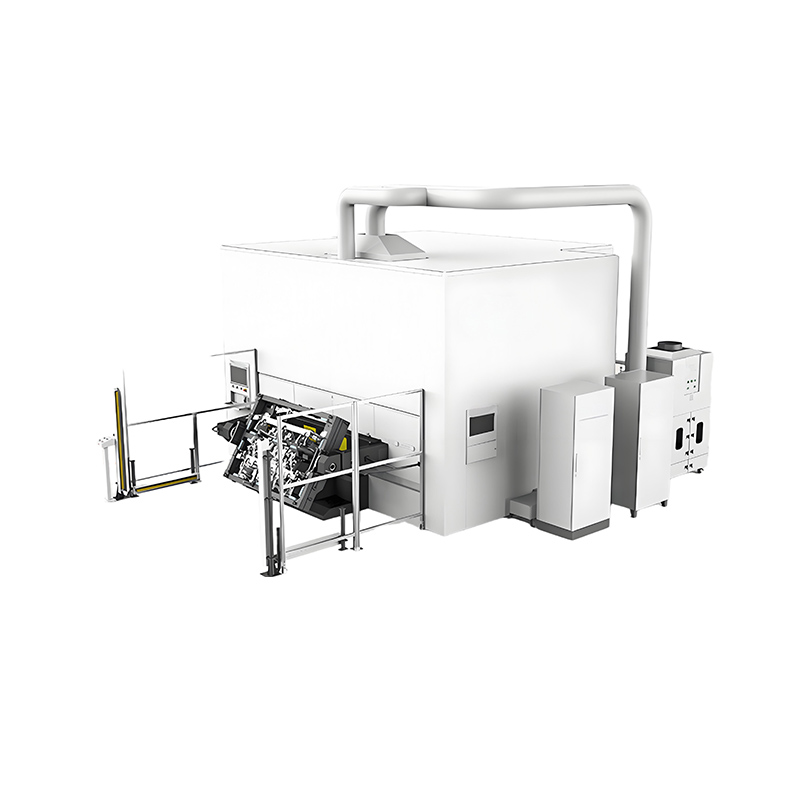
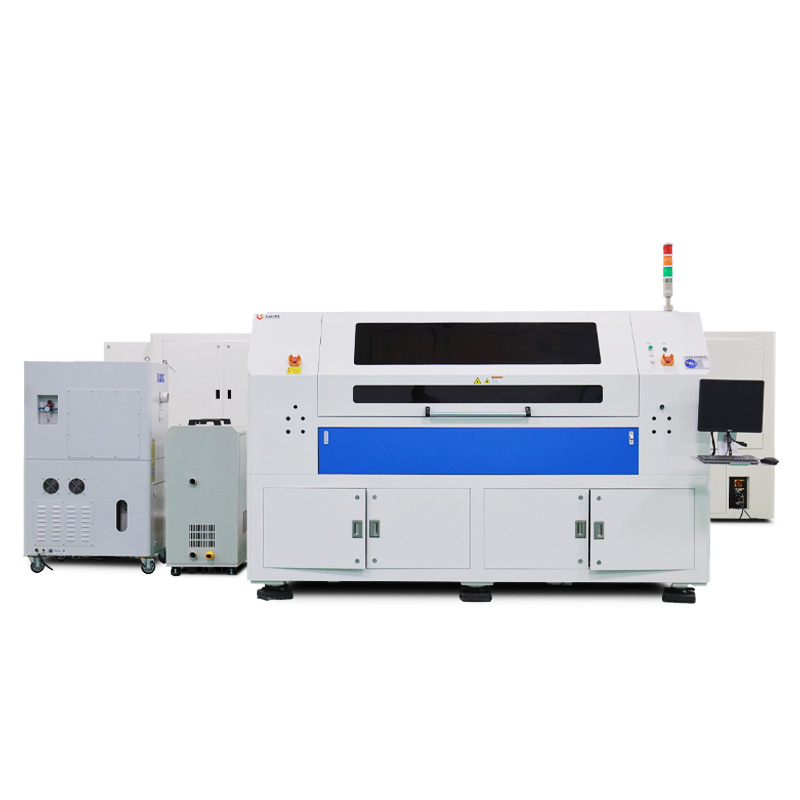
In modern photovoltaic manufacturing, laser scribing machines are rarely used as standalone equipment. Instead, they are integrated into automated production lines. Buyers should evaluate whether the system supports automation features such as automatic loading, alignment, transfer, and unloading. These capabilities significantly improve efficiency and reduce manual intervention.
Integration with existing production systems is also critical. A suitable machine should be able to connect with MES systems, support data tracking, and allow easy parameter adjustment. This ensures that the equipment can adapt to different product types and production requirements.
Finally, buyers should consider long-term value. This includes supplier support, spare parts availability, maintenance requirements, and upgrade capability. A machine that can evolve with production needs will provide better return on investment over time.
Choosing the right laser scribing machine for photovoltaic production requires a comprehensive evaluation of process compatibility, precision stability, automation capability, and long-term value. For international buyers, the best choice is not simply the most advanced or the lowest-cost machine, but the one that fits their specific application and delivers consistent, reliable performance in real production environments.