
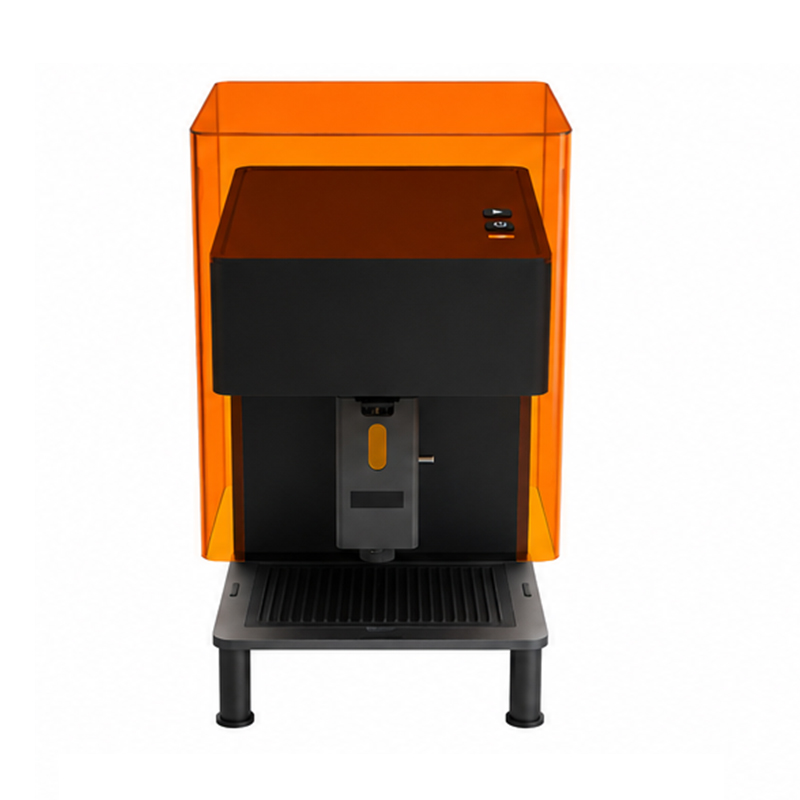
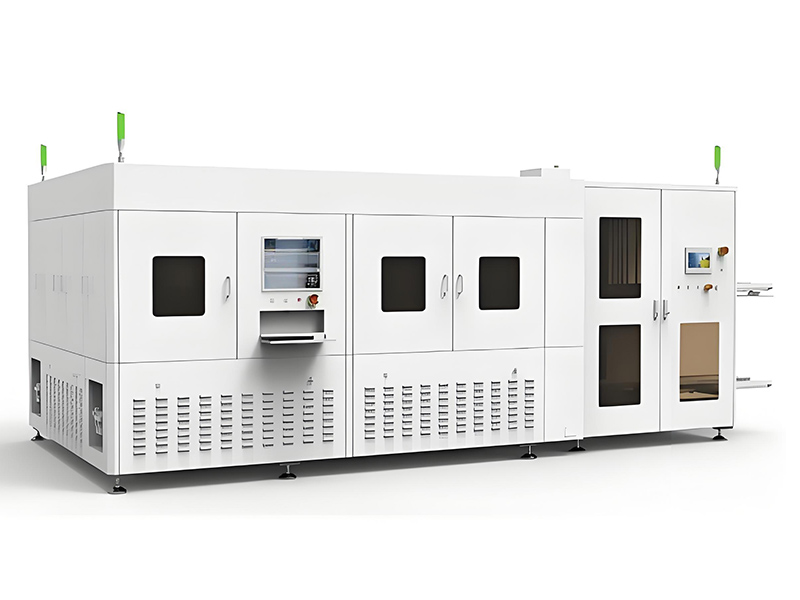
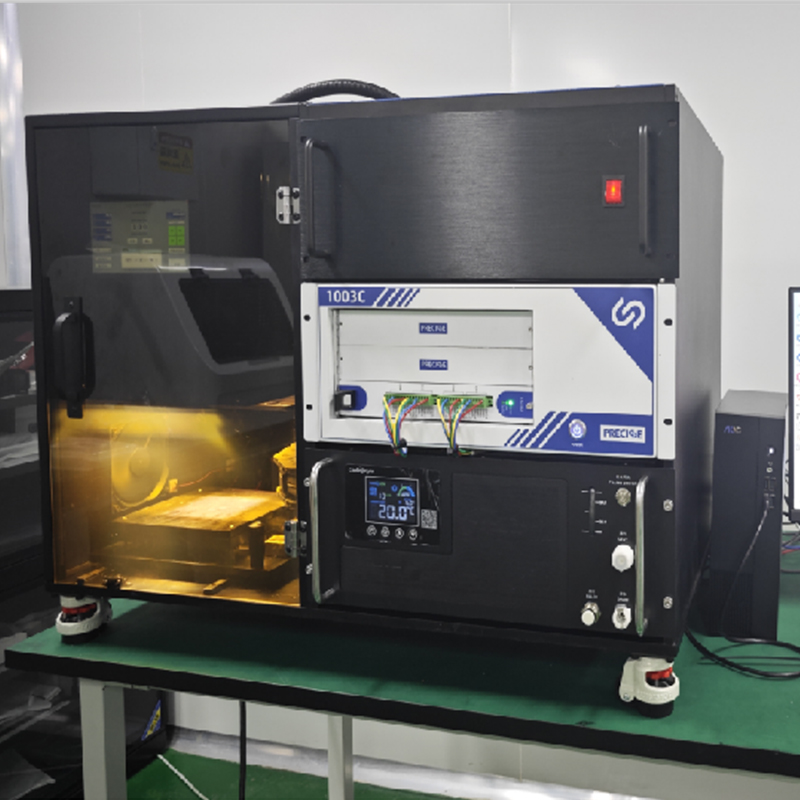
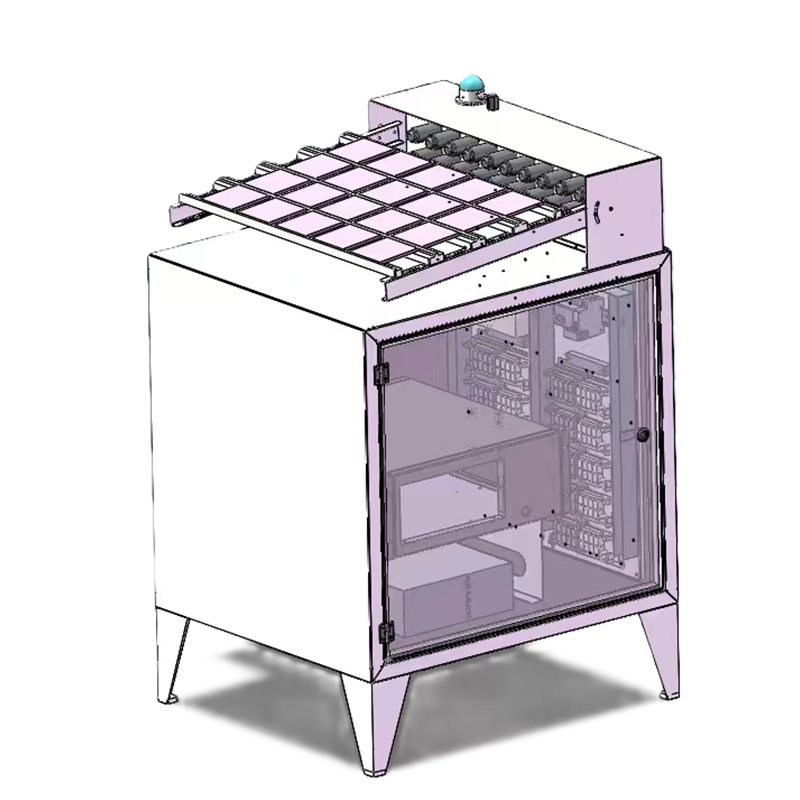
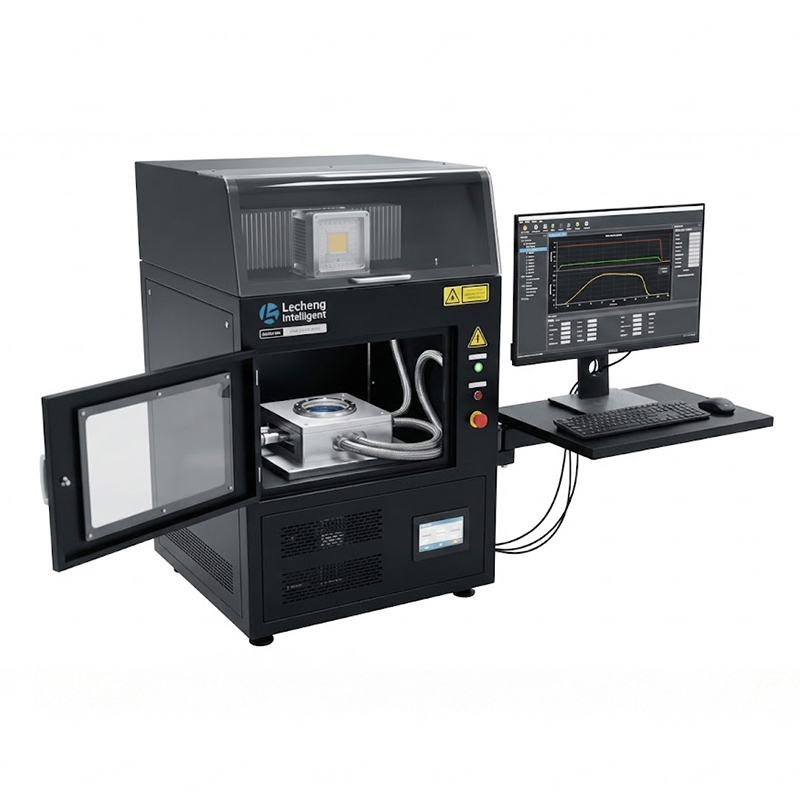
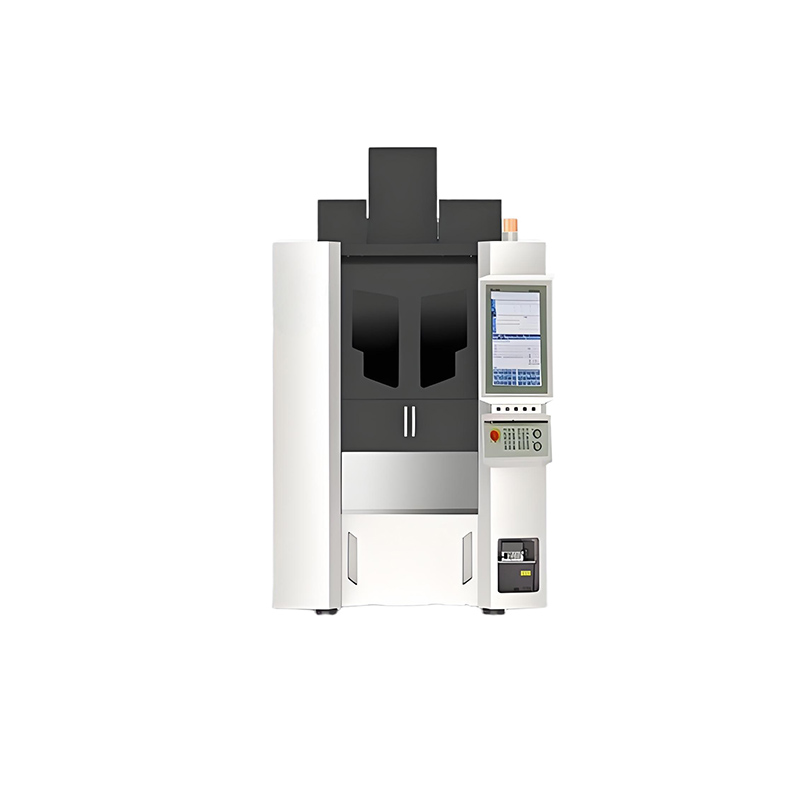
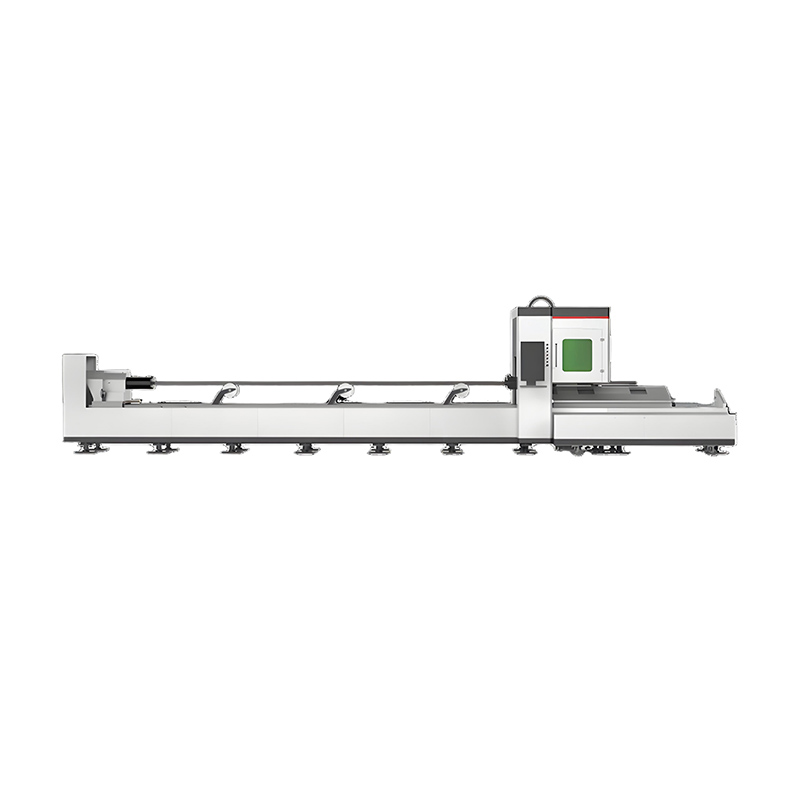
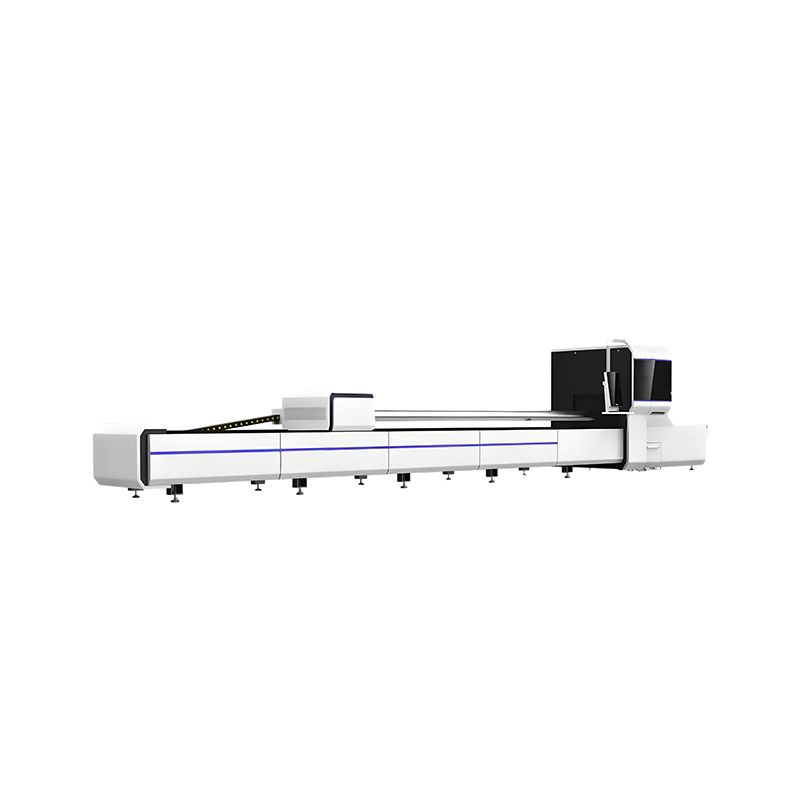
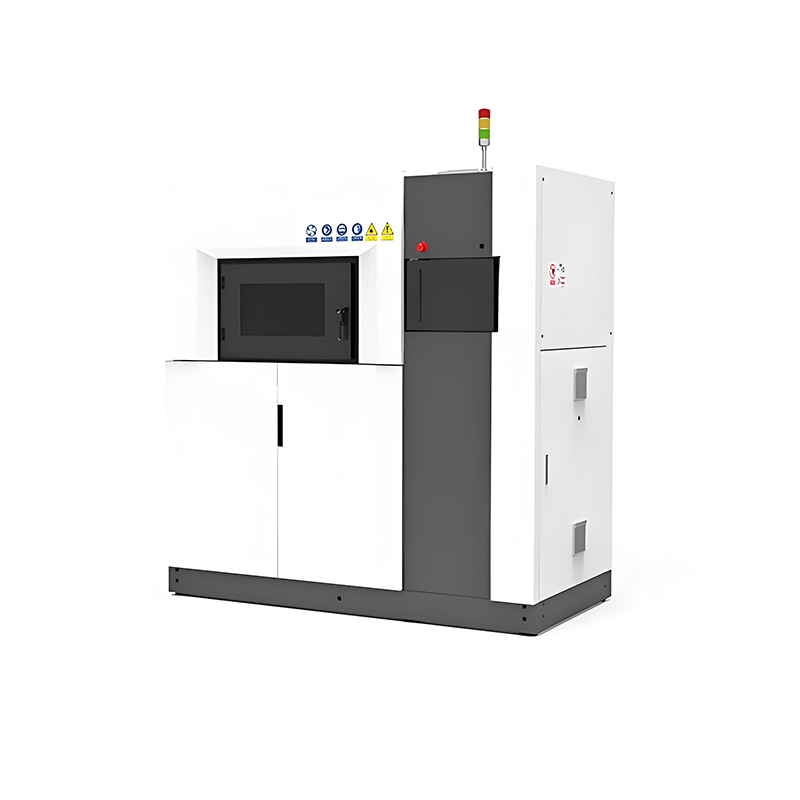
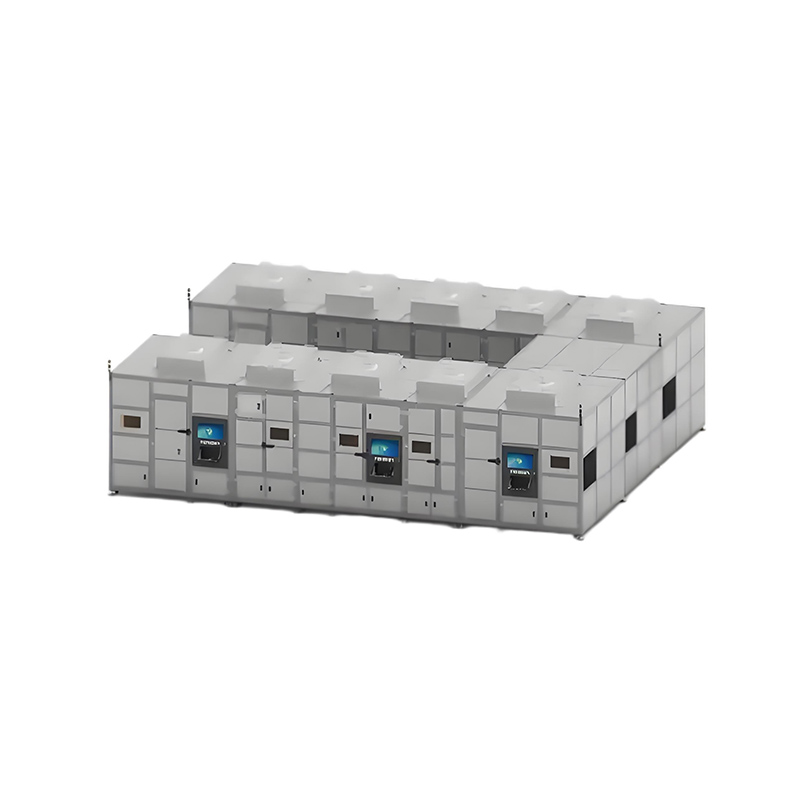
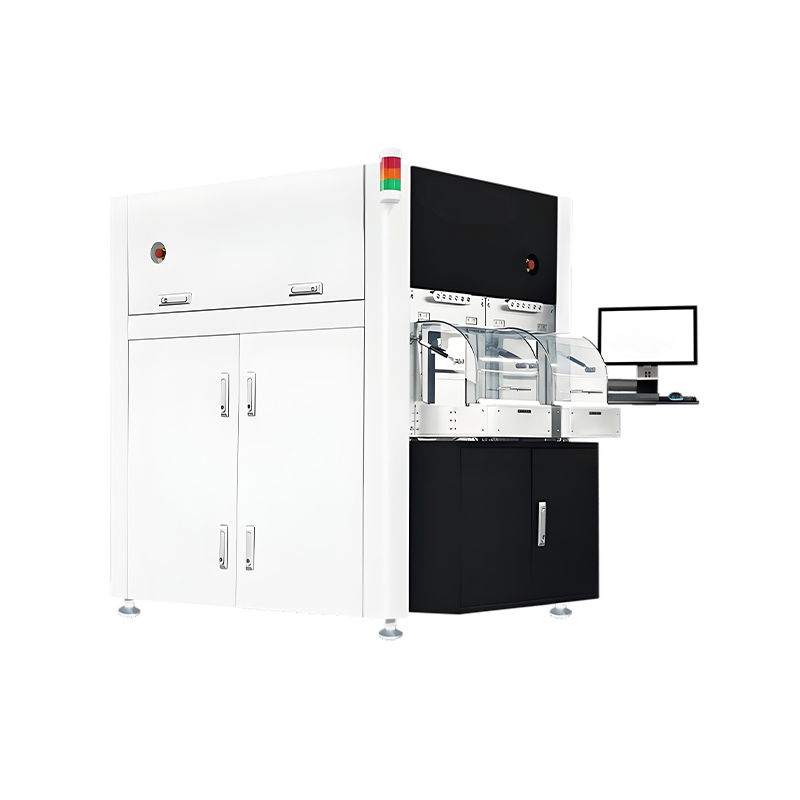
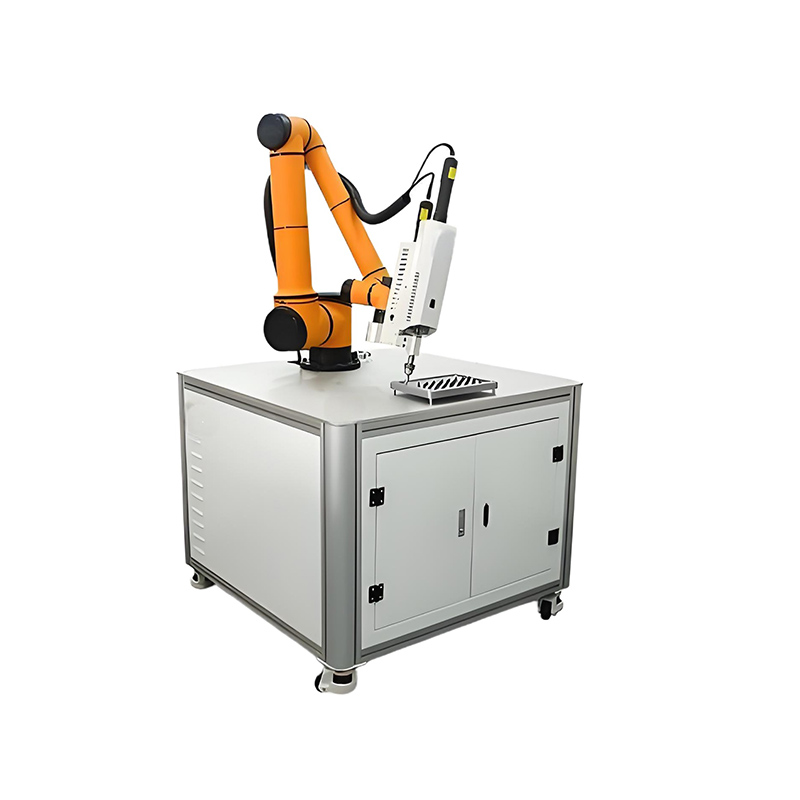
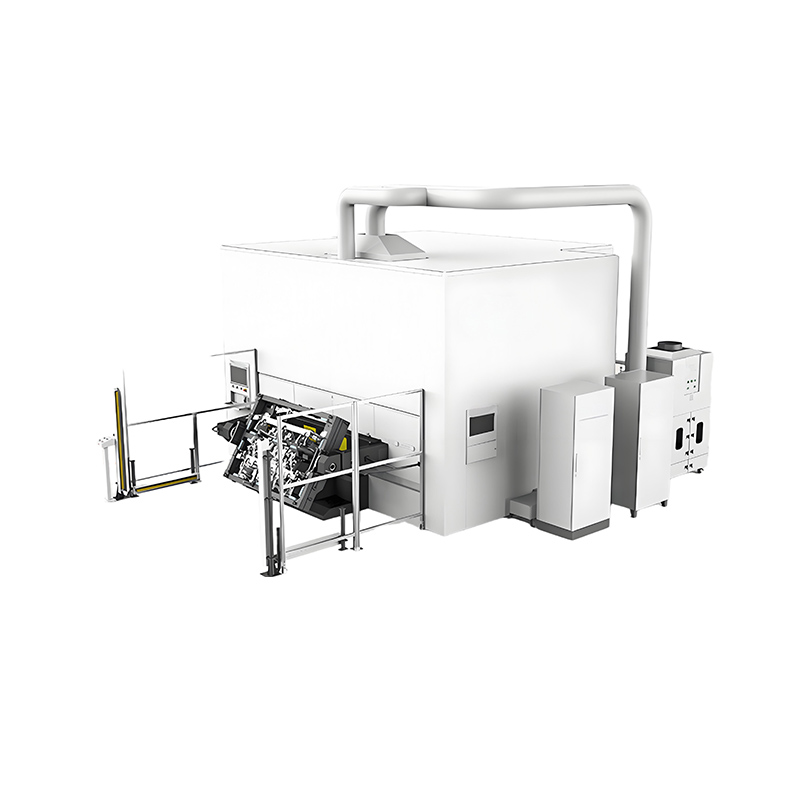
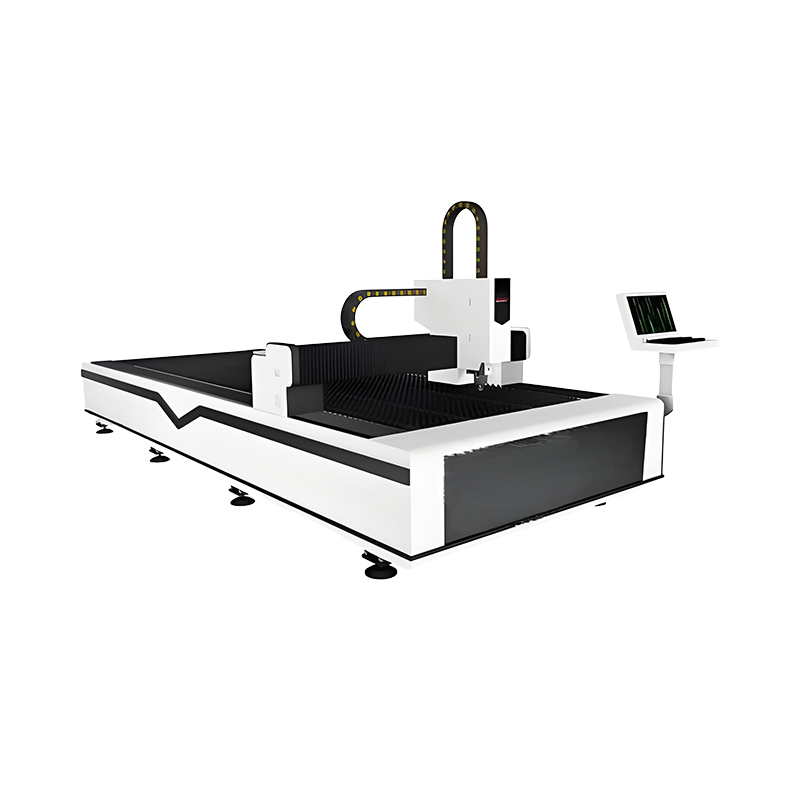
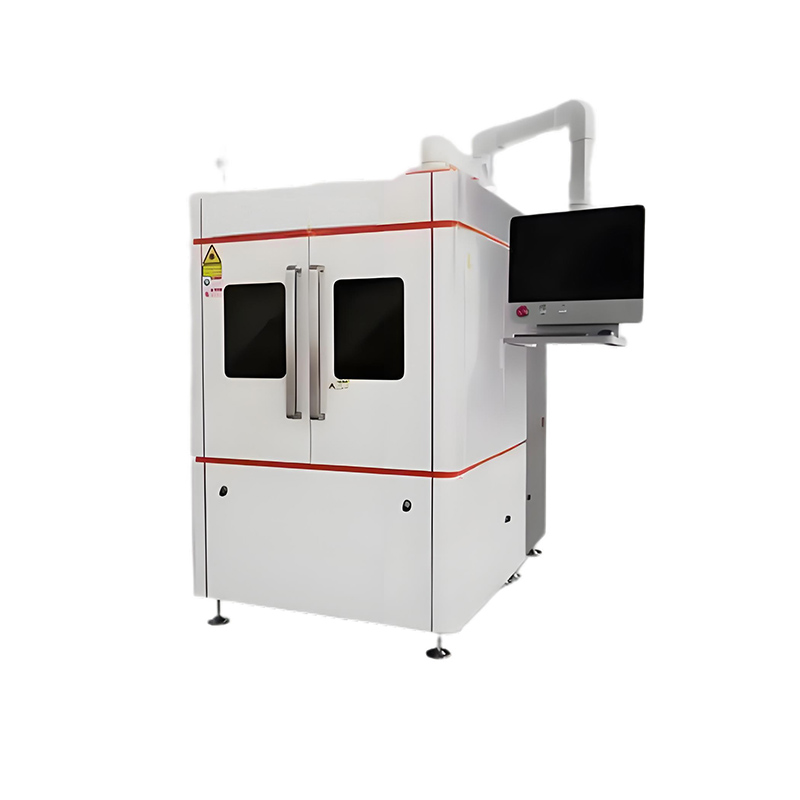
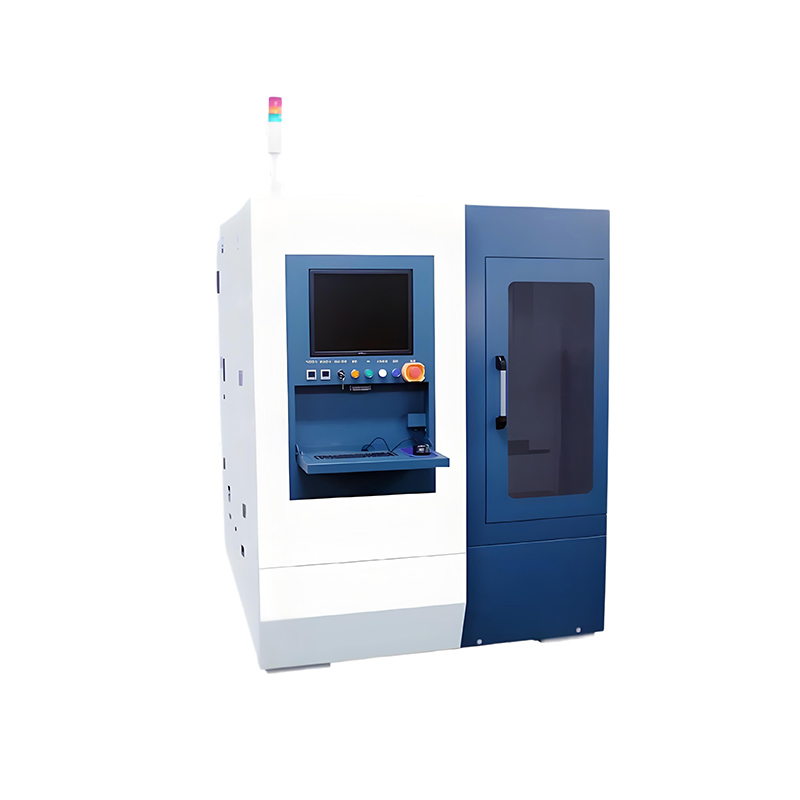
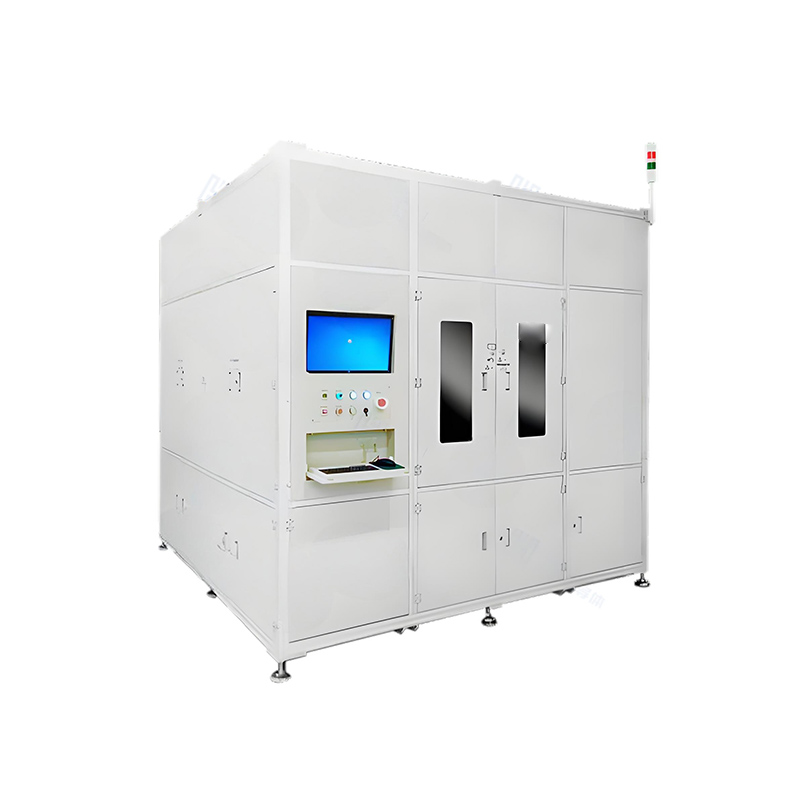
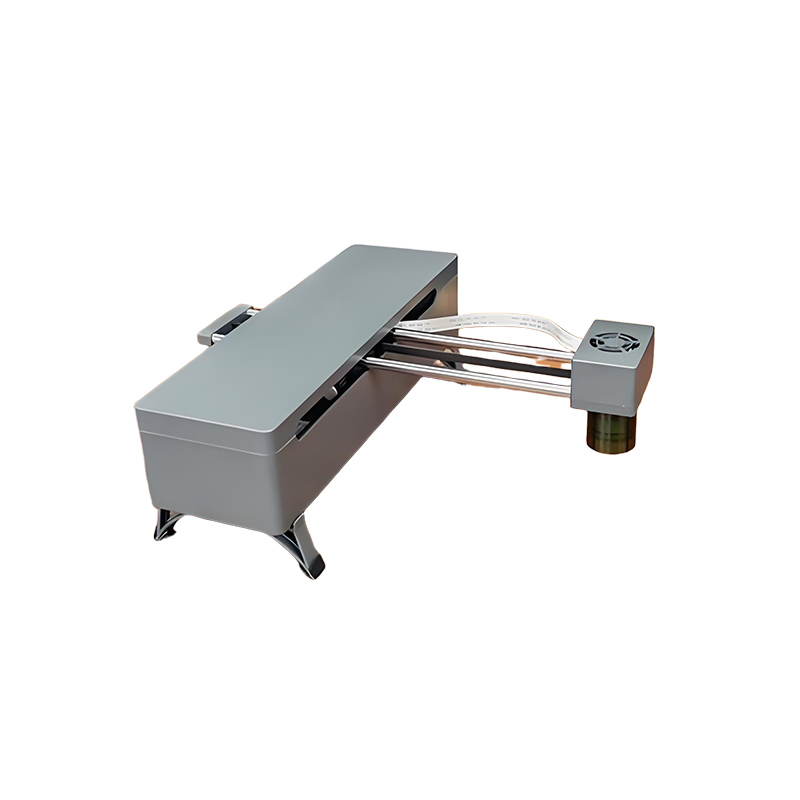
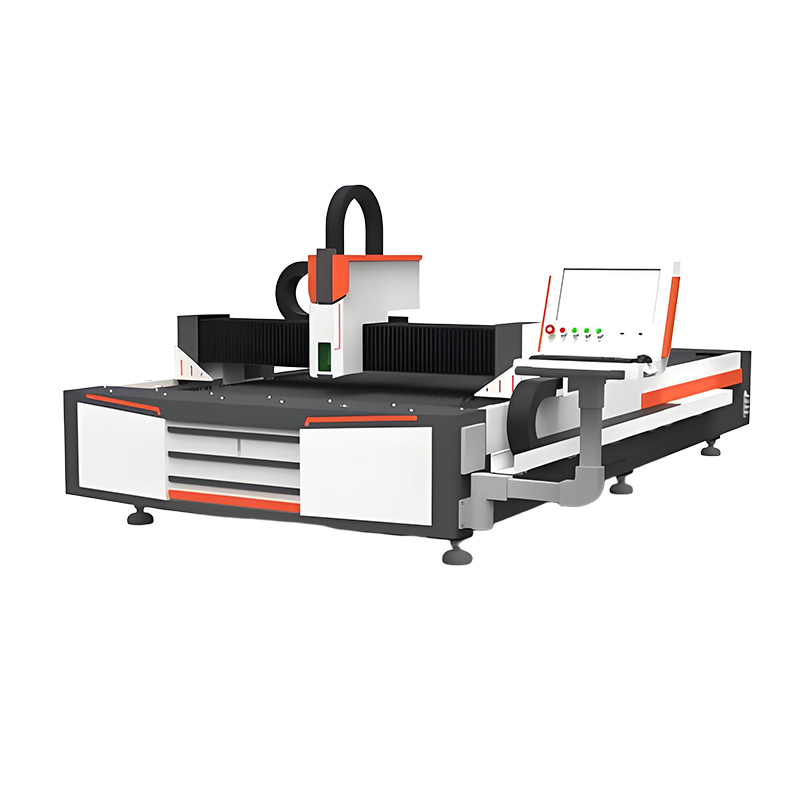
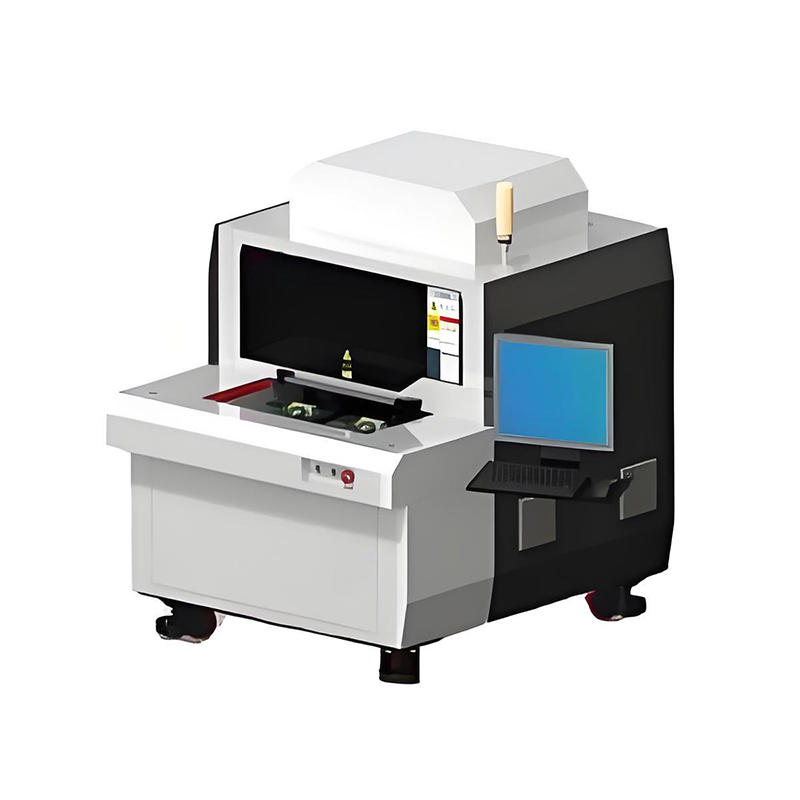
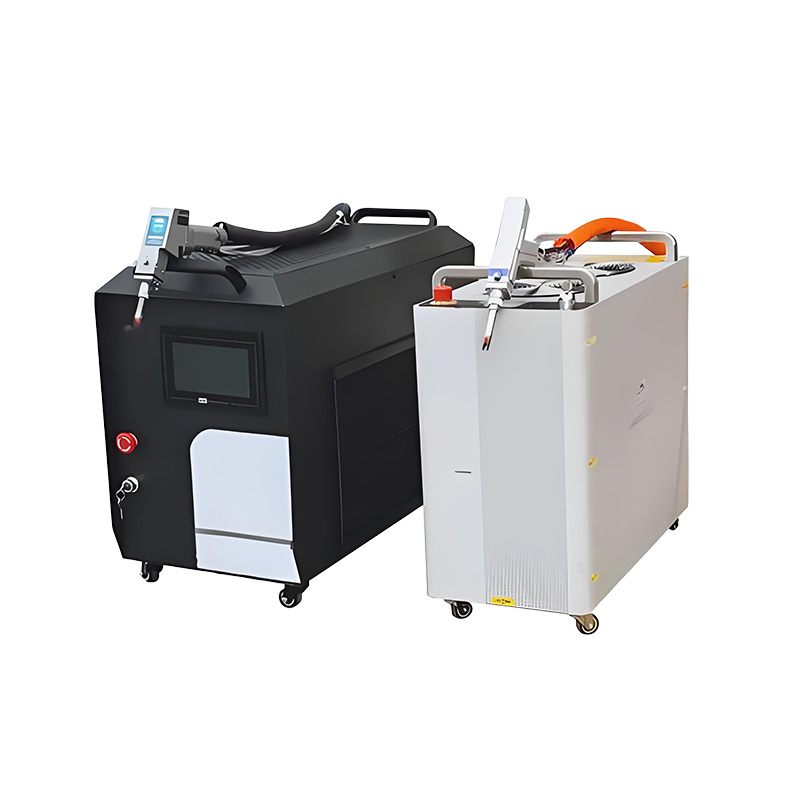

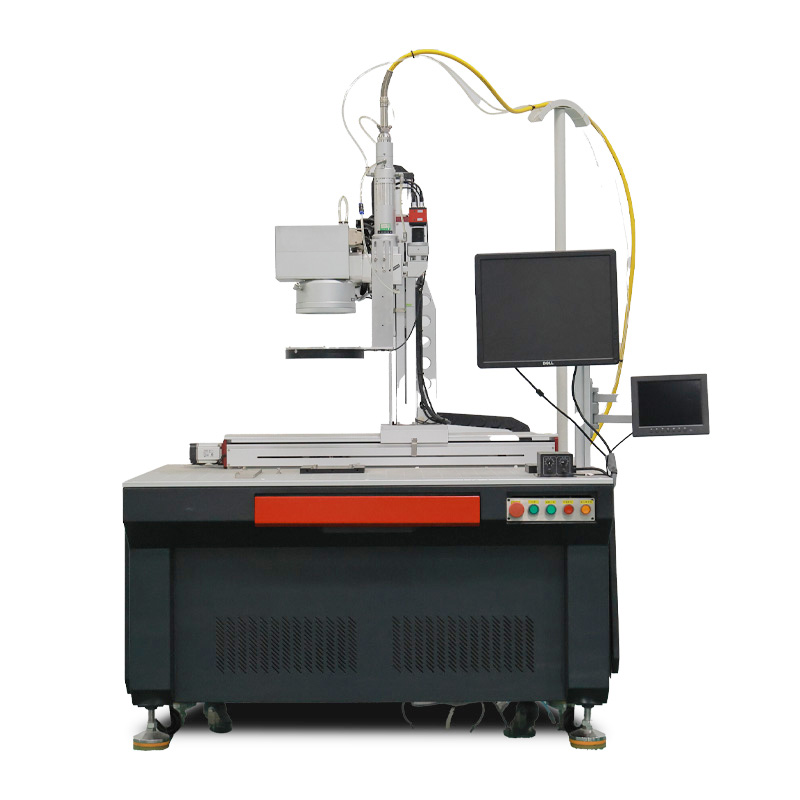
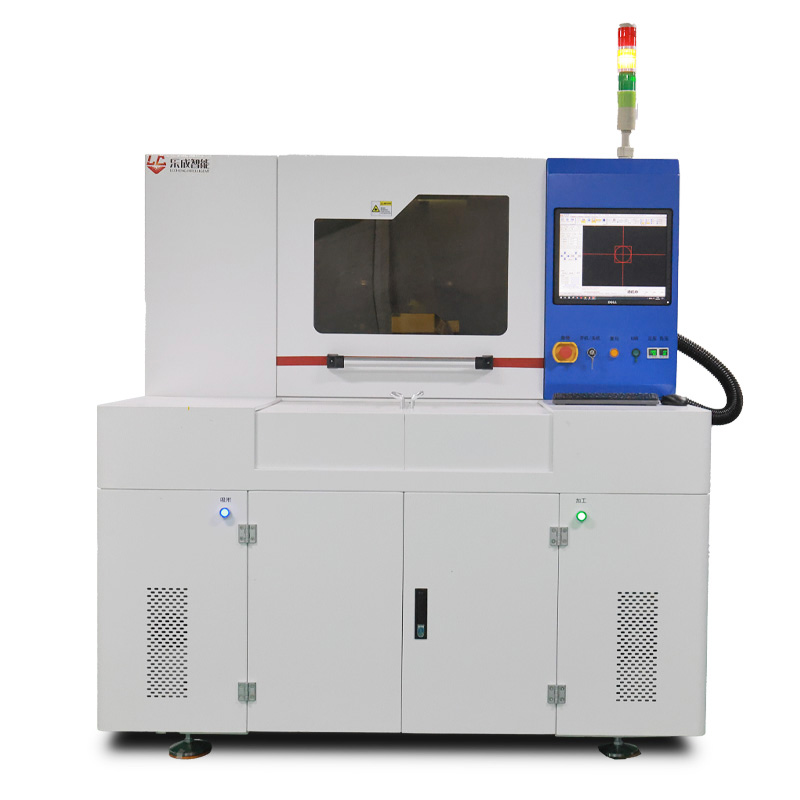
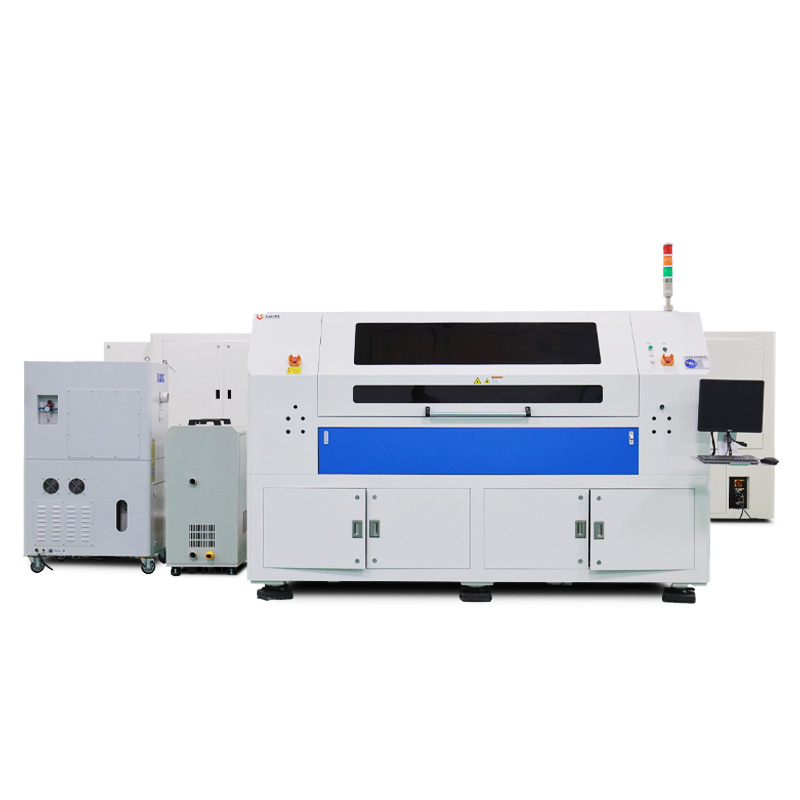

Lecheng's P4 Laser Edge Cleaning Equipment: Beyond Standard Edge Scanning
Redefining the Final Step: From Isolation to Optimization
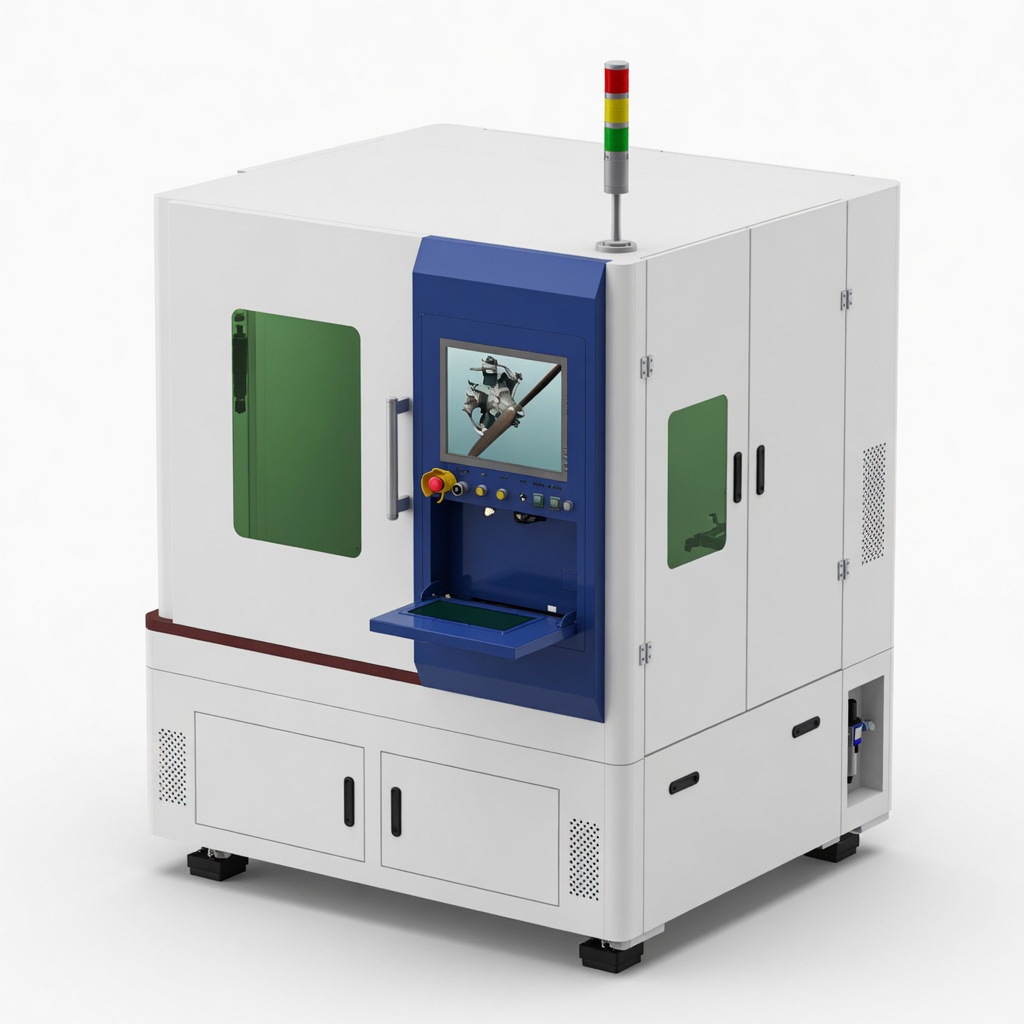
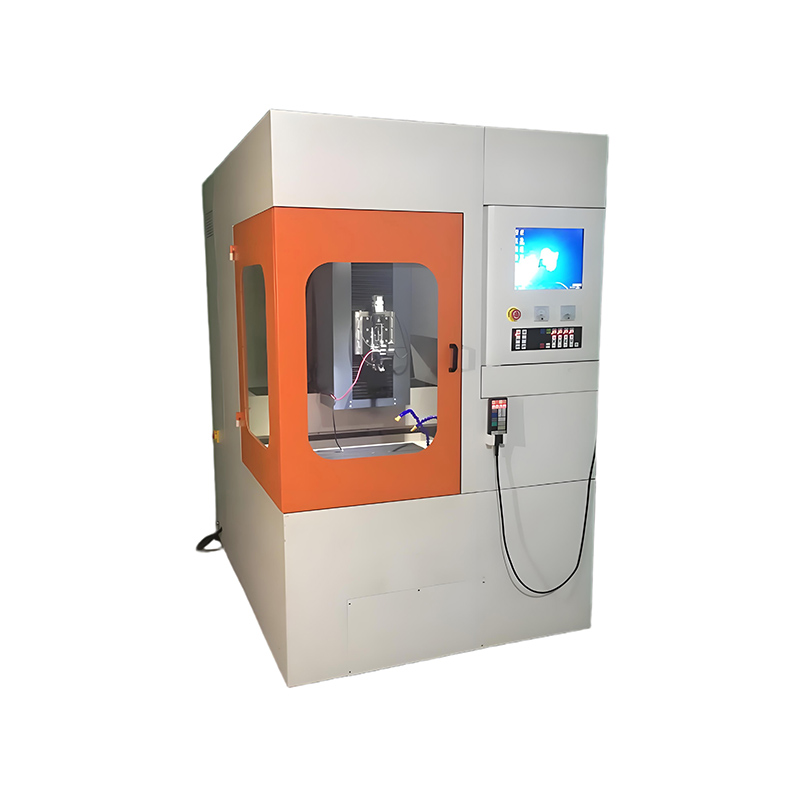
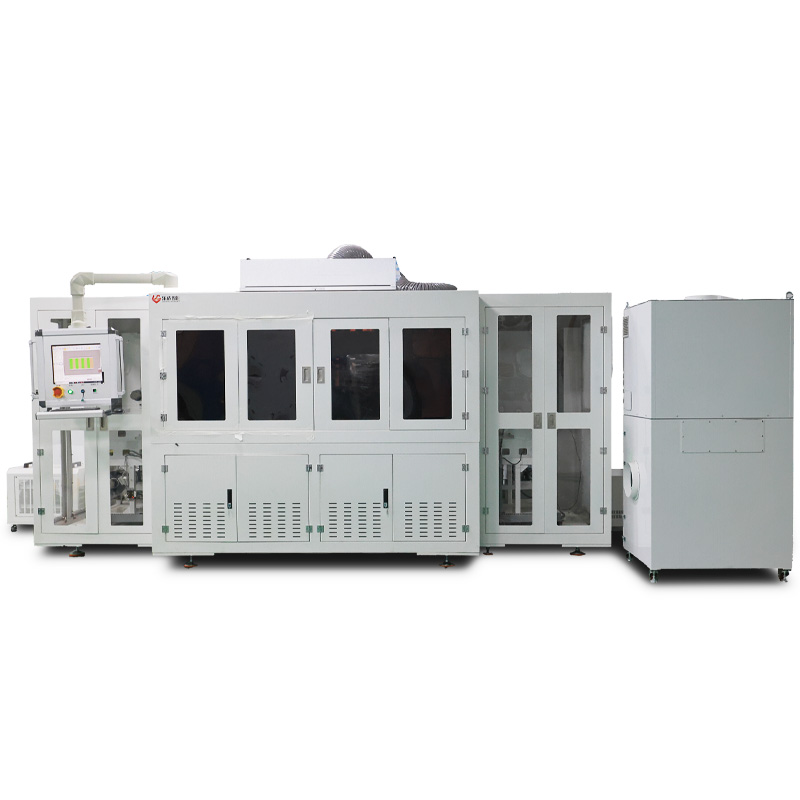
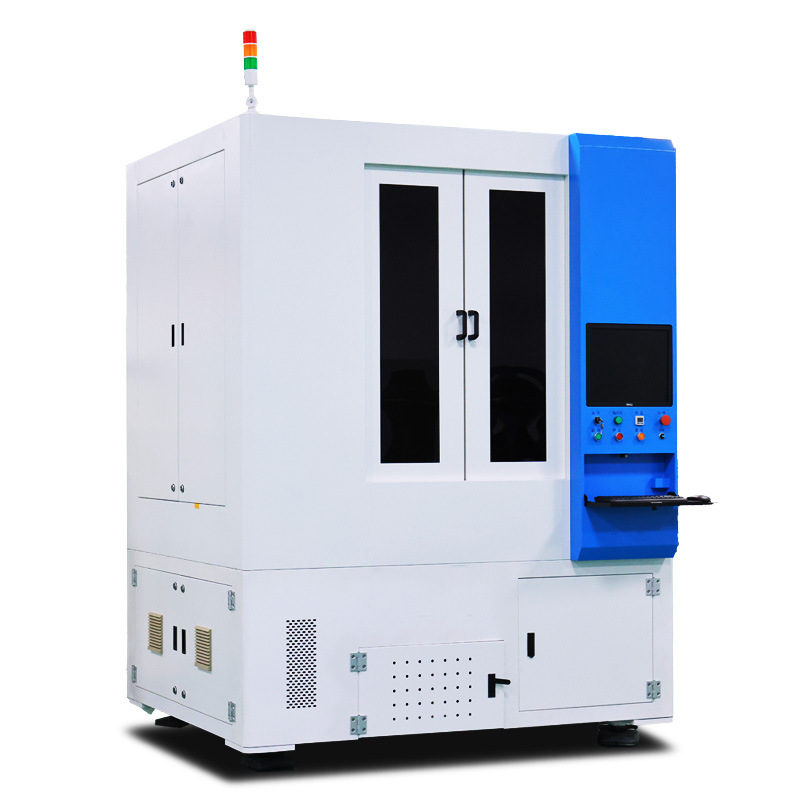
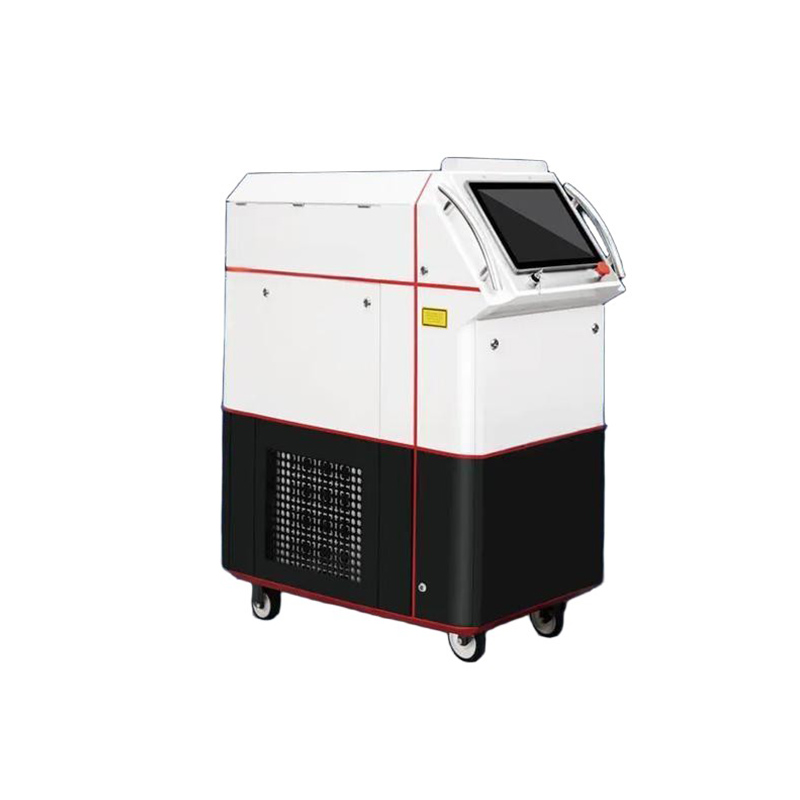
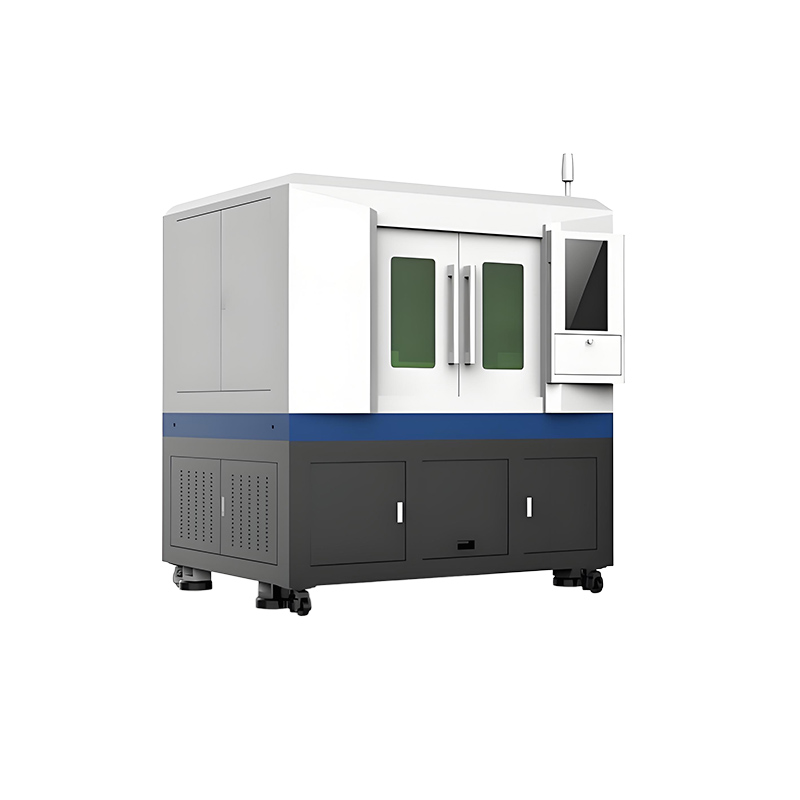
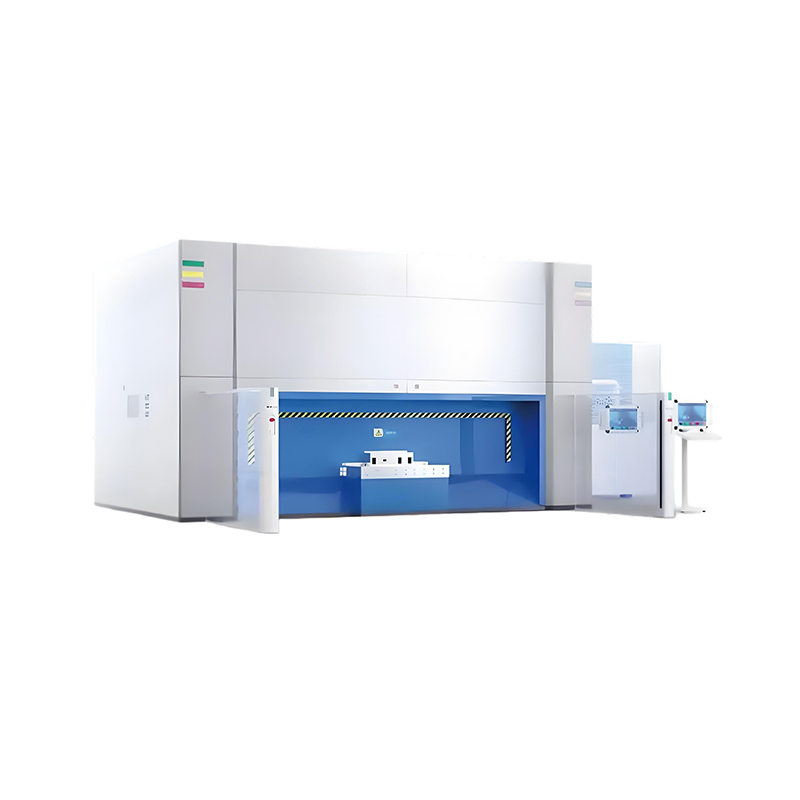
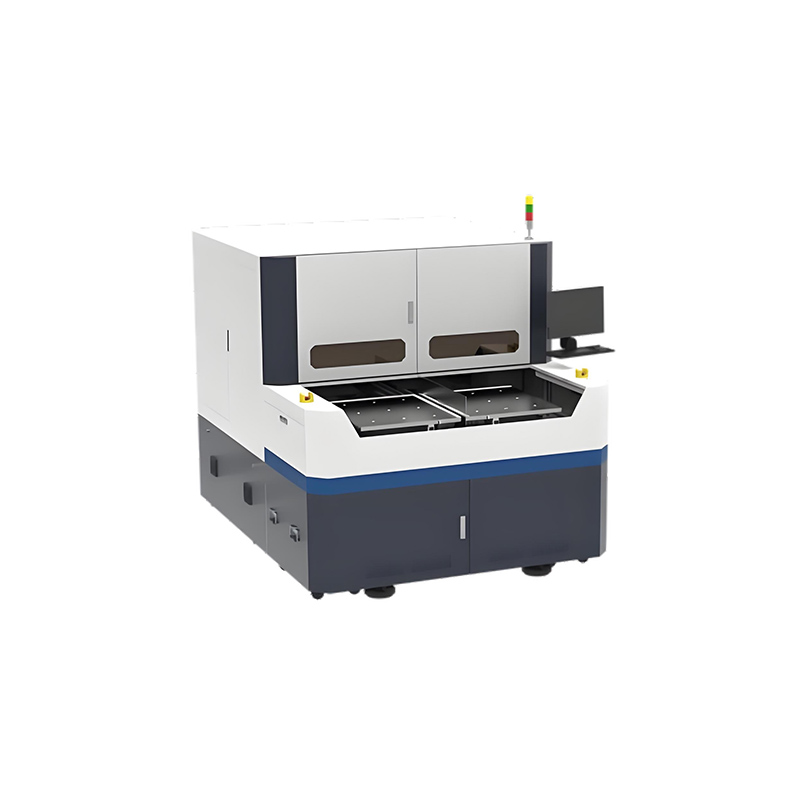
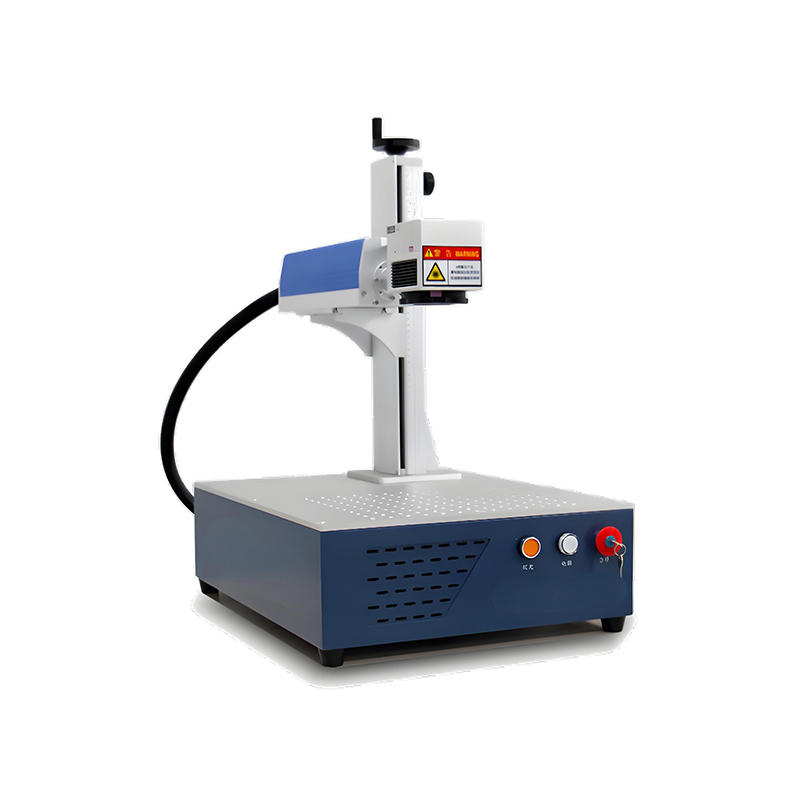
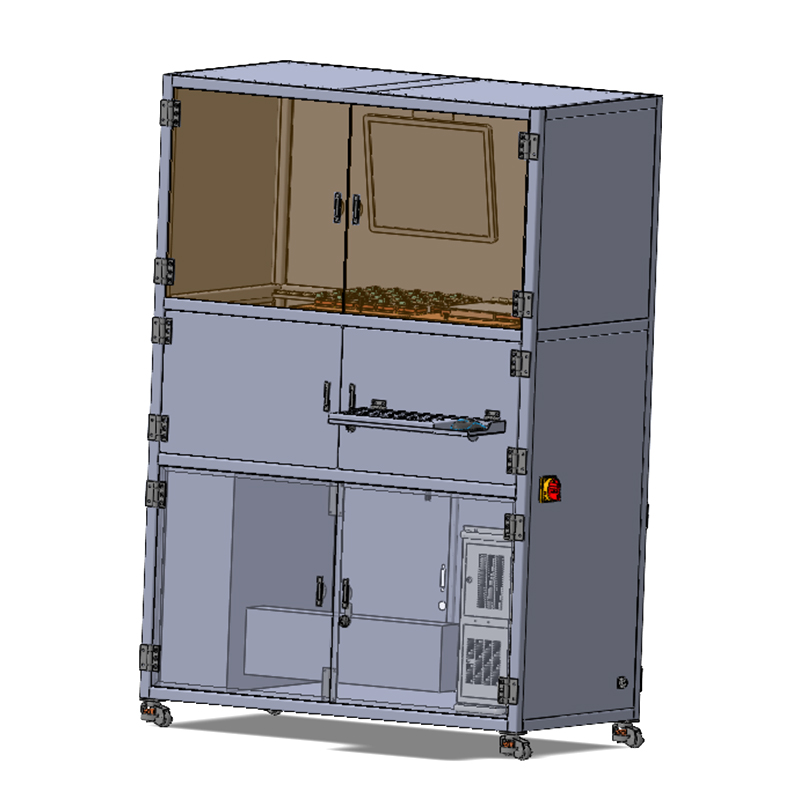
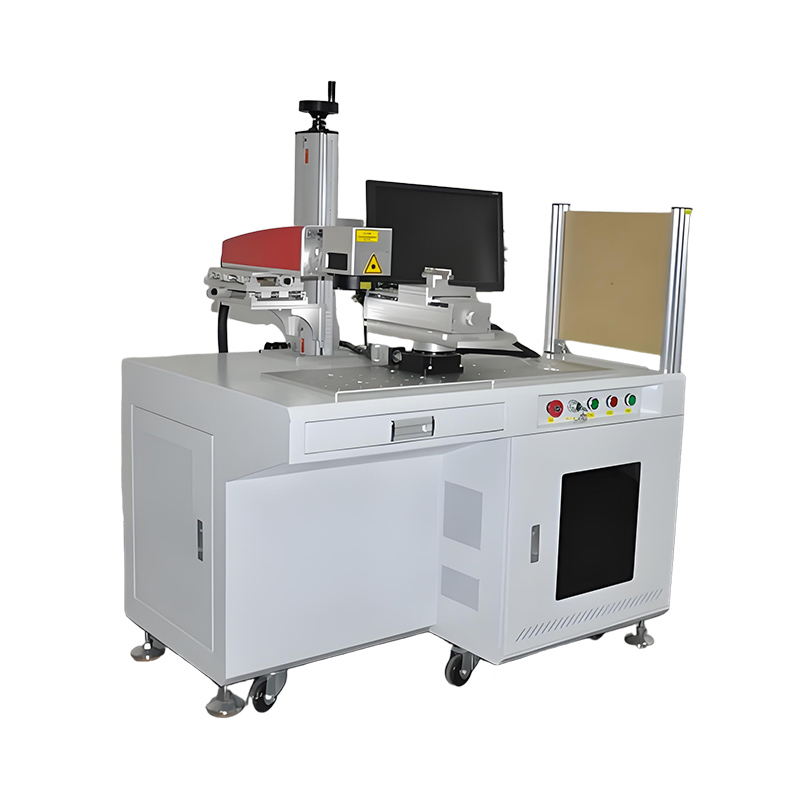
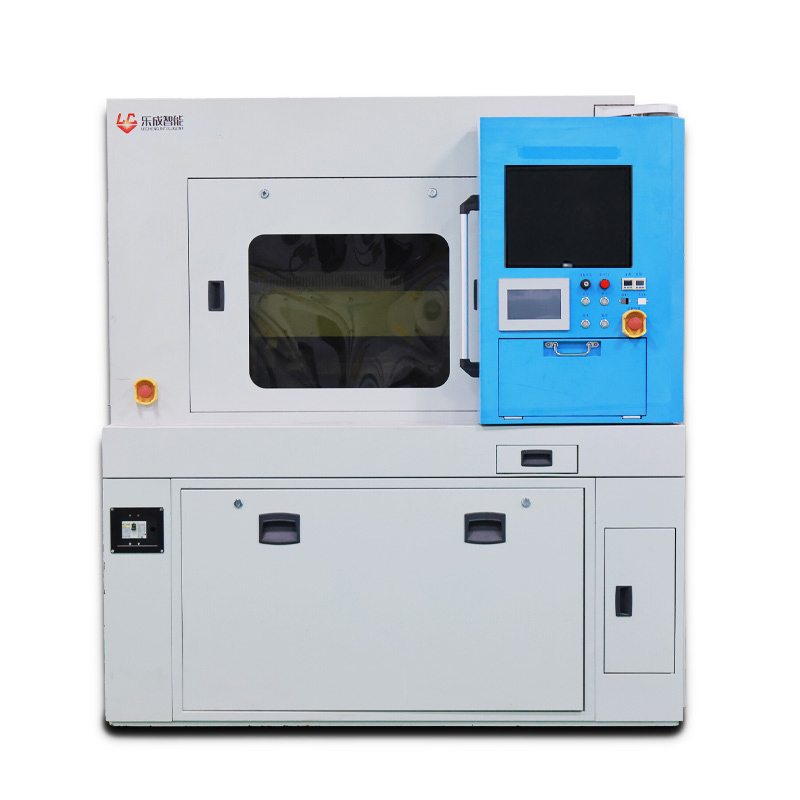
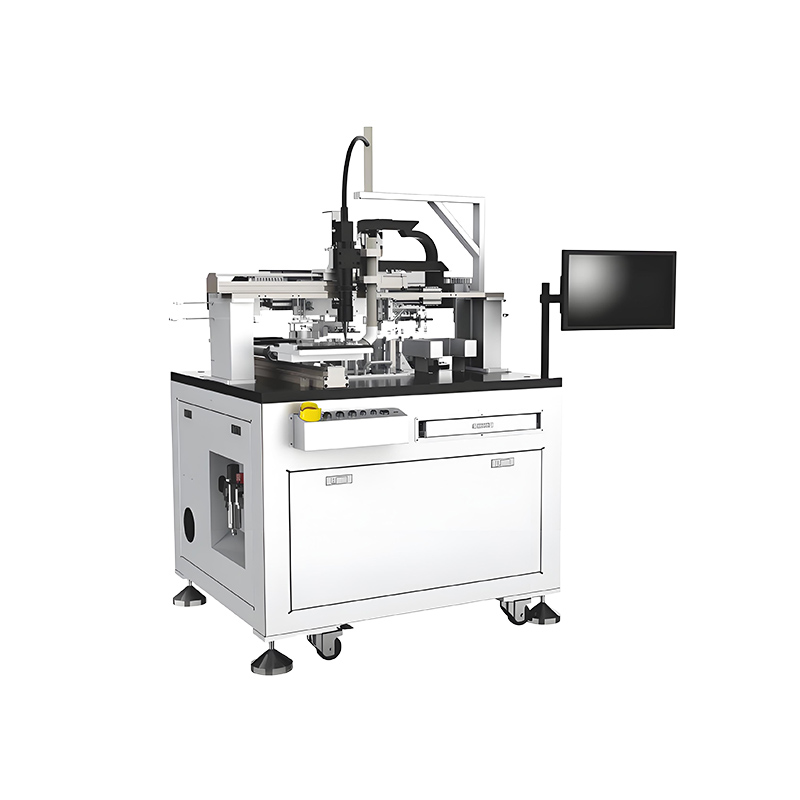
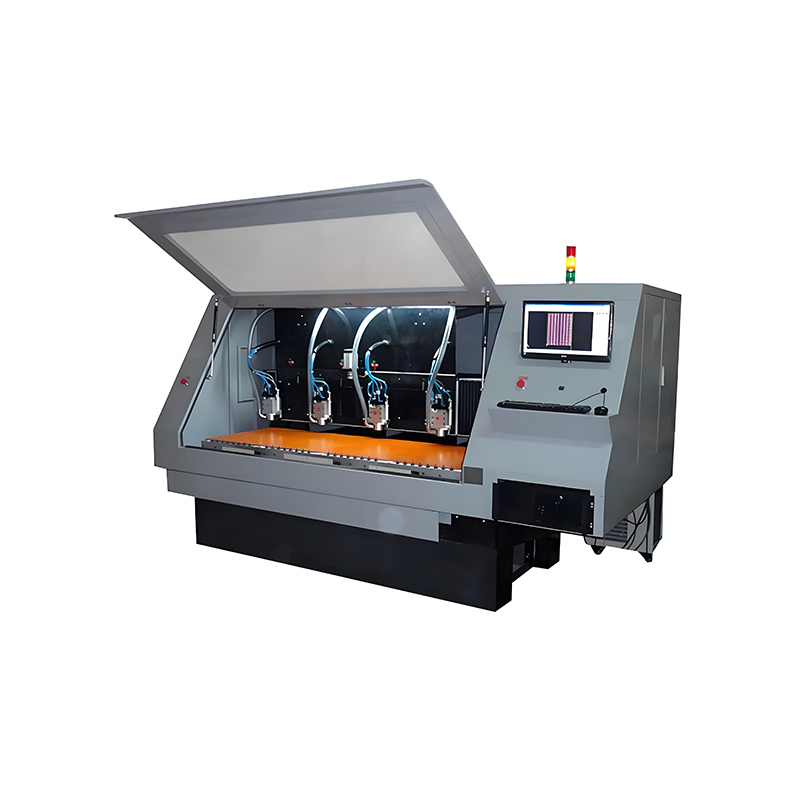
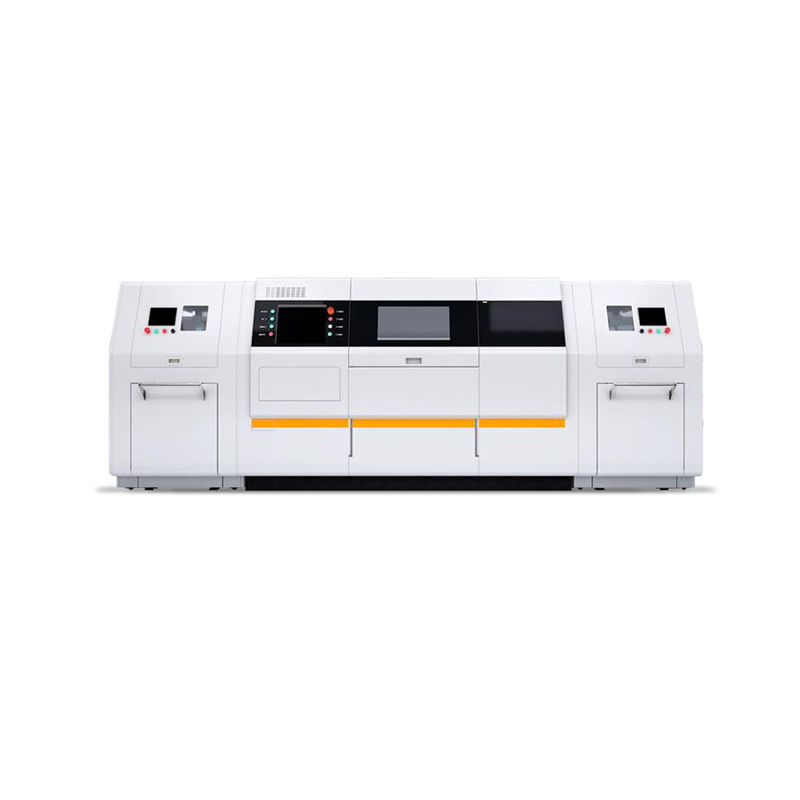
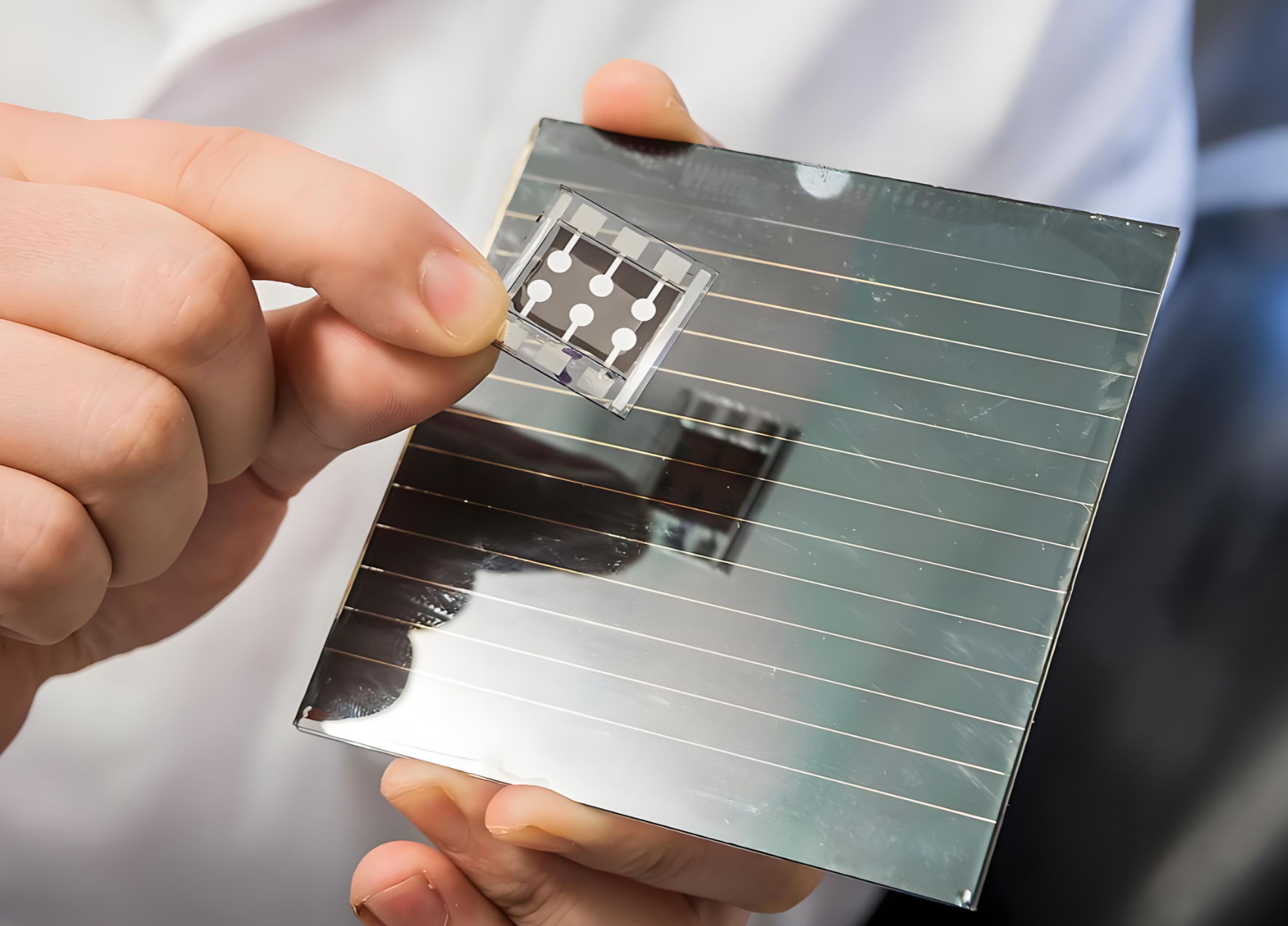
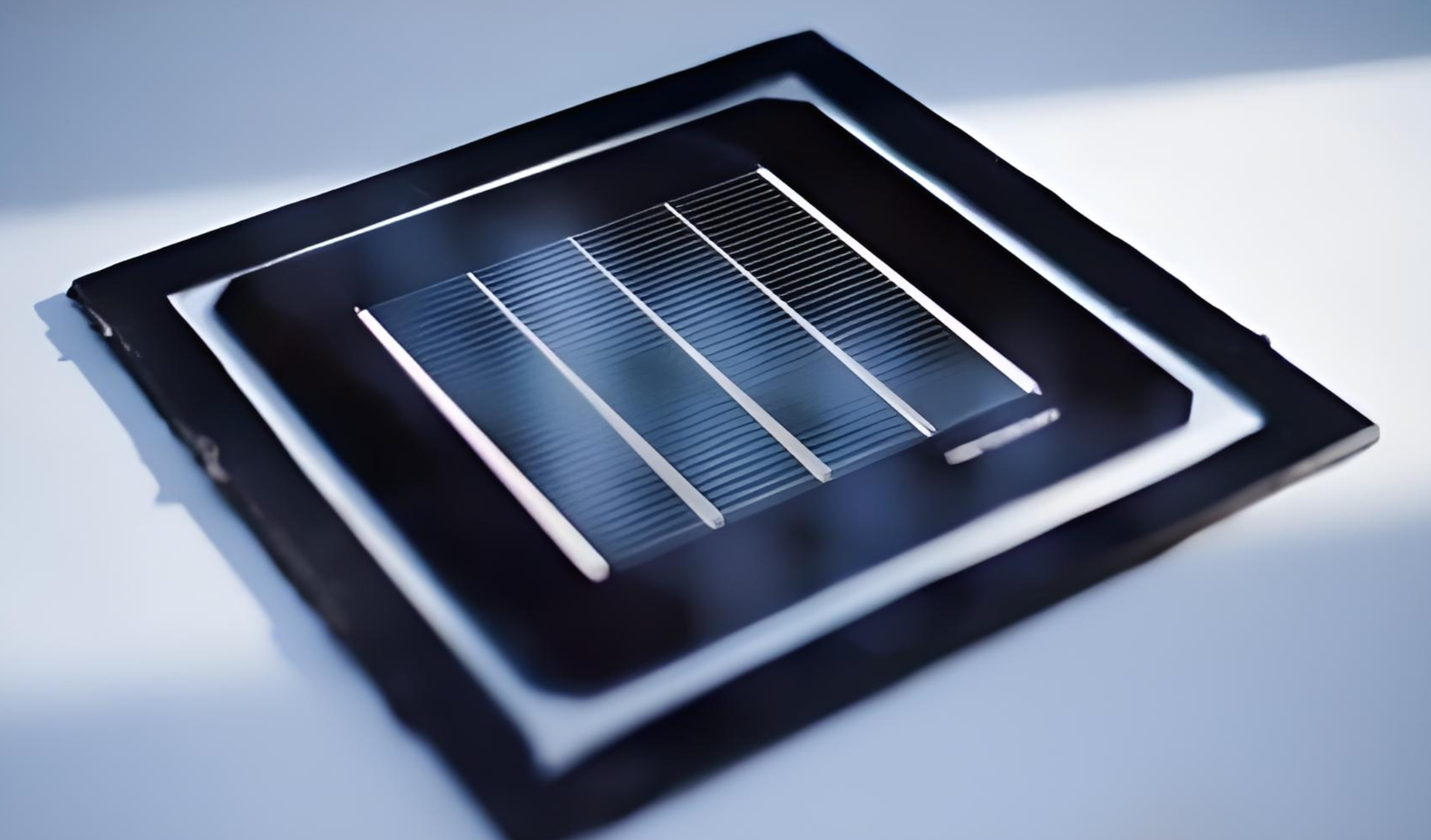
In the meticulous production flow of perovskite solar modules, the P4 step—traditionally known as edge isolation—serves as the final critical touch. Its primary role is to remove conductive materials from the panel's edges to prevent short-circuiting and ensure electrical safety. However, standard edge scanning or mechanical methods often approach this as a simple cleanup task, potentially leaving performance on the table. Lecheng Intelligent's P4 Laser Edge Cleaning Equipment redefines this stage, transforming it from a rudimentary isolation procedure into a precision optimization process. By employing a controlled laser ablation technique, the system meticulously removes the perovskite thin-film stack and electrode layers along the edges with micron-level accuracy. This goes beyond preventing shorts; it minimizes the dead zone—the non-power-generating area at the module's perimeter. A minimized dead zone directly translates to a larger active area and higher module efficiency and power output. Thus, Lecheng's P4 technology addresses the fundamental goal: not just to isolate, but to maximize the harvestable energy from every square centimeter of the panel.
The Technology Behind Superior Edge Definition: Precision and Flexibility
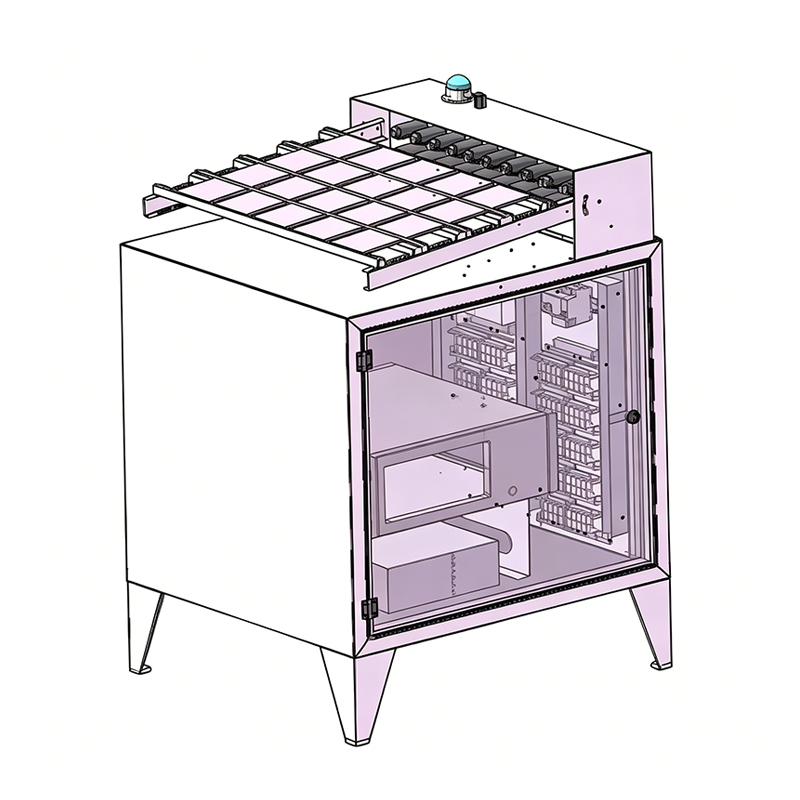
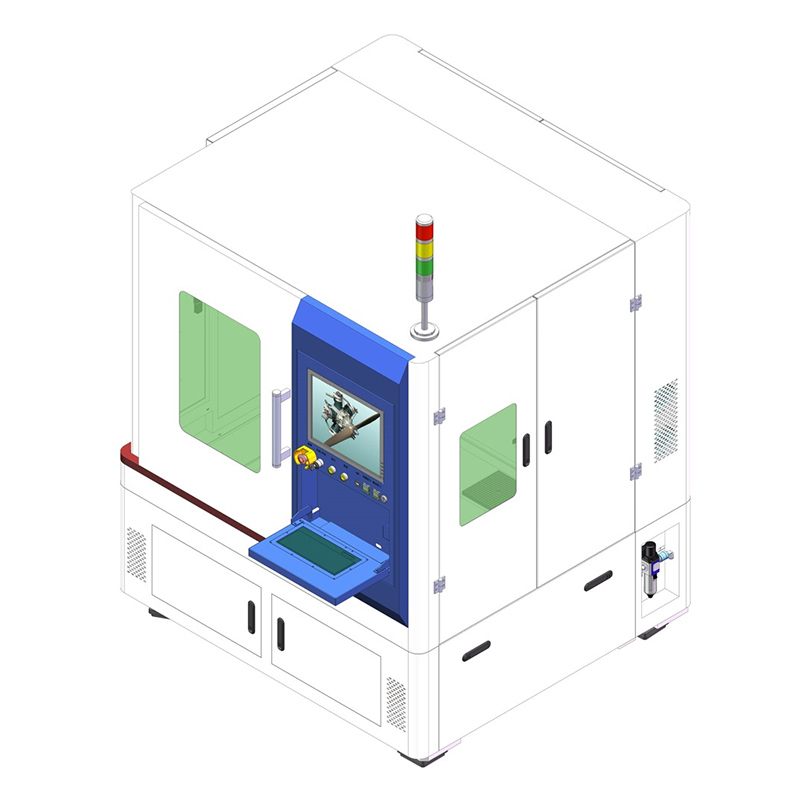
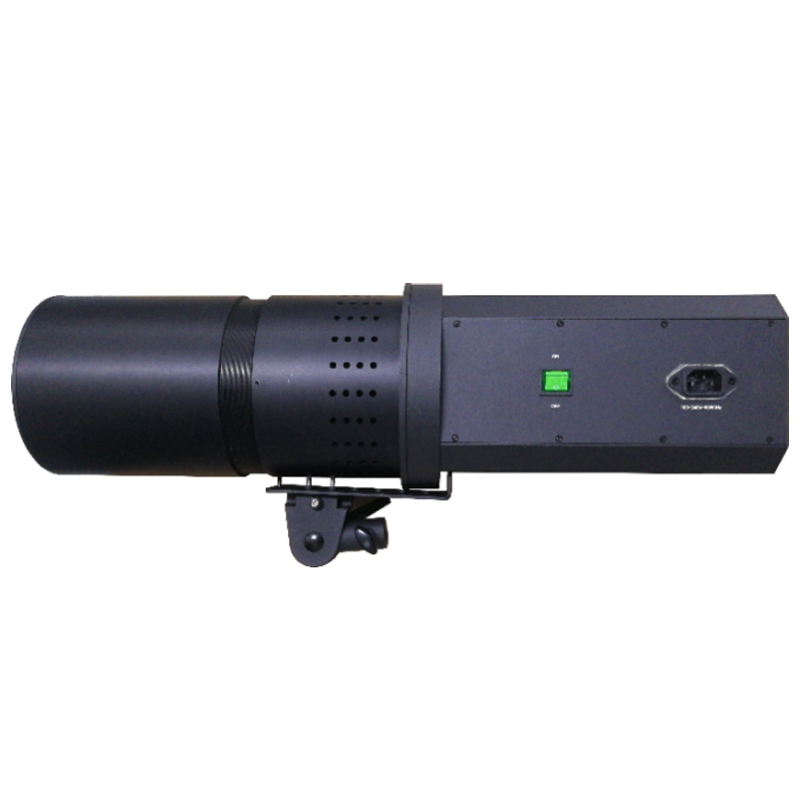
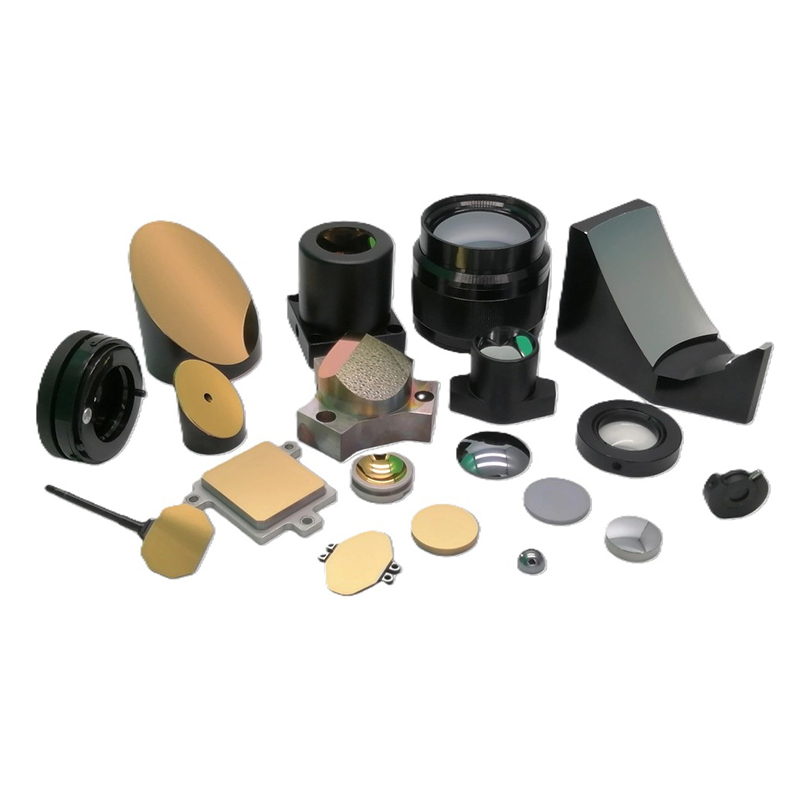
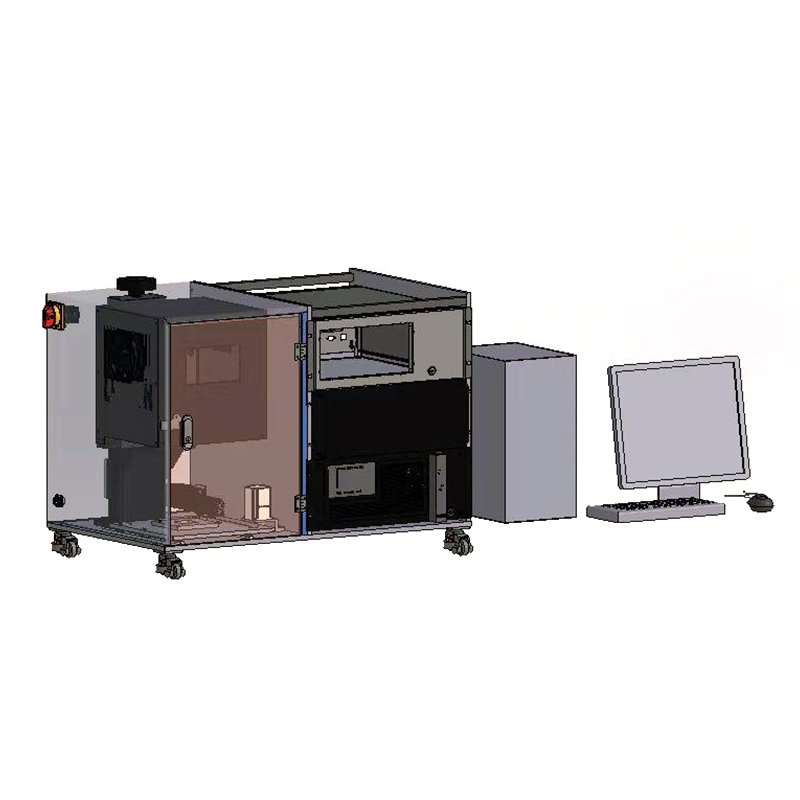
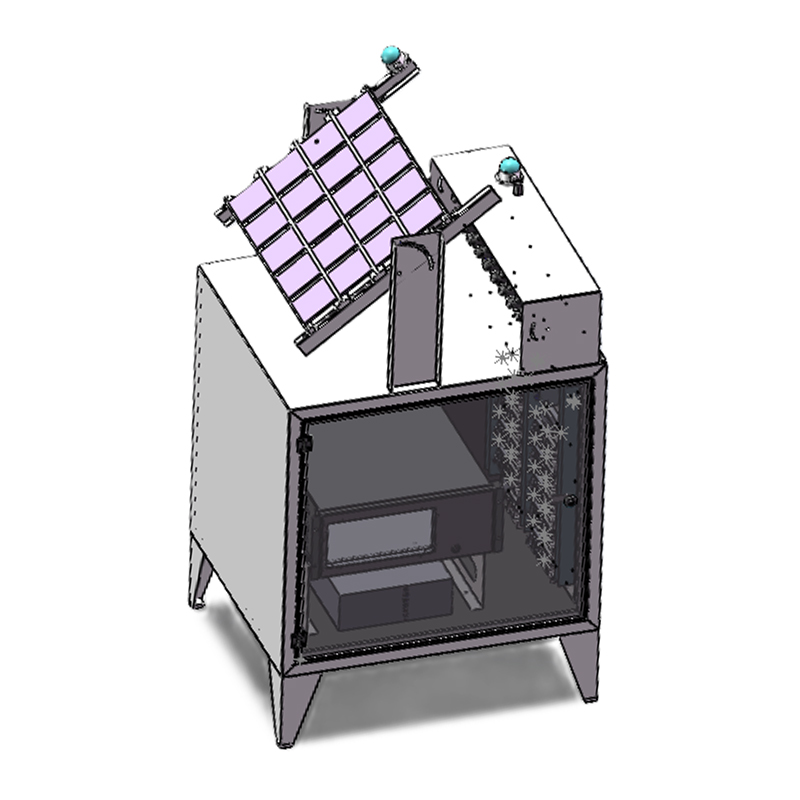
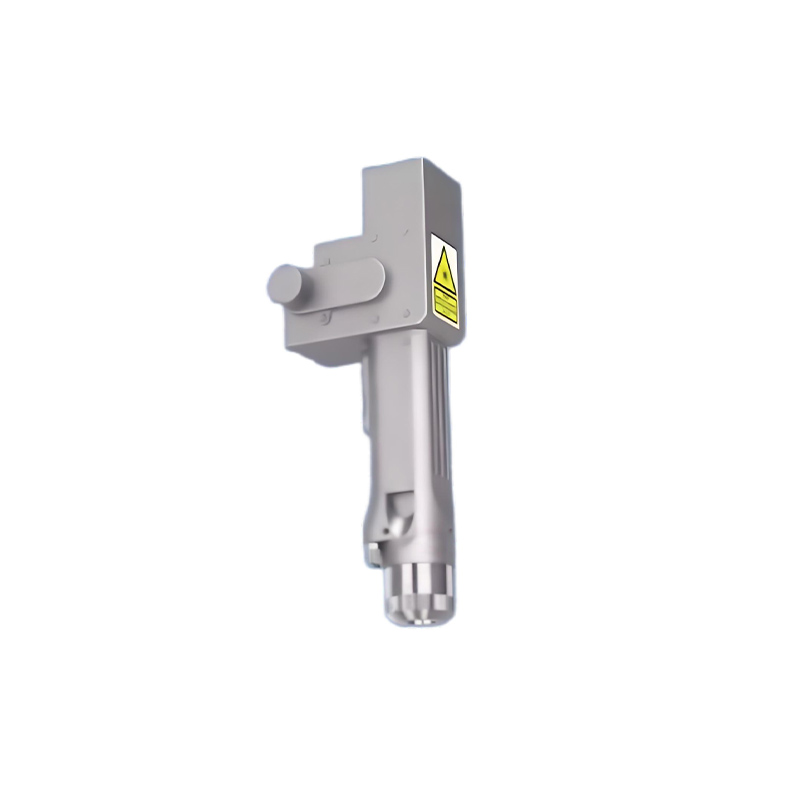
What sets Lecheng's P4 system apart is its integration of advanced precision laser control with intelligent motion systems. Unlike broad-scanned methods, it utilizes a focused laser beam guided by high-accuracy galvanometer scanners and synchronized CNC stages. This allows for exceptional control over the ablation width and depth, ensuring complete removal of conductive materials without damaging the fragile glass substrate or compromising its edge strength. Furthermore, the equipment offers remarkable processing flexibility. It is not confined to a simple, uniform strip. The system can be programmed to create custom edge patterns, such as staggered or patterned edges, which can be beneficial for specific module designs or encapsulation processes. This programmability, coupled with real-time monitoring, guarantees consistent, high-quality results across every module, batch after batch. It transforms the module edge from a potential liability into a well-defined, optimized feature of the finished product.
Impact on Yield, Reliability, and Advanced Manufacturing
The implications of deploying such an advanced P4 solution extend directly to production economics and product longevity. By achieving a cleaner, more precise edge, the process significantly reduces the risk of micro-shorts or potential leakage currents that could degrade performance over time. This enhances the long-term reliability and stability of the perovskite modules. In high-volume manufacturing, consistency is king. Lecheng's equipment ensures that the edge cleaning process is not a variable, contributing to higher overall production yield. Moreover, as the industry progresses towards more advanced designs like monolithic perovskite modules or requires integration into specific building-integrated photovoltaics (BIPV) formats, the need for precise and adaptable edge treatment grows. This P4 system, capable of handling different substrate sizes and edge specifications, positions manufacturers to adapt to future product roadmaps seamlessly, making it a strategic investment for scalable manufacturing.
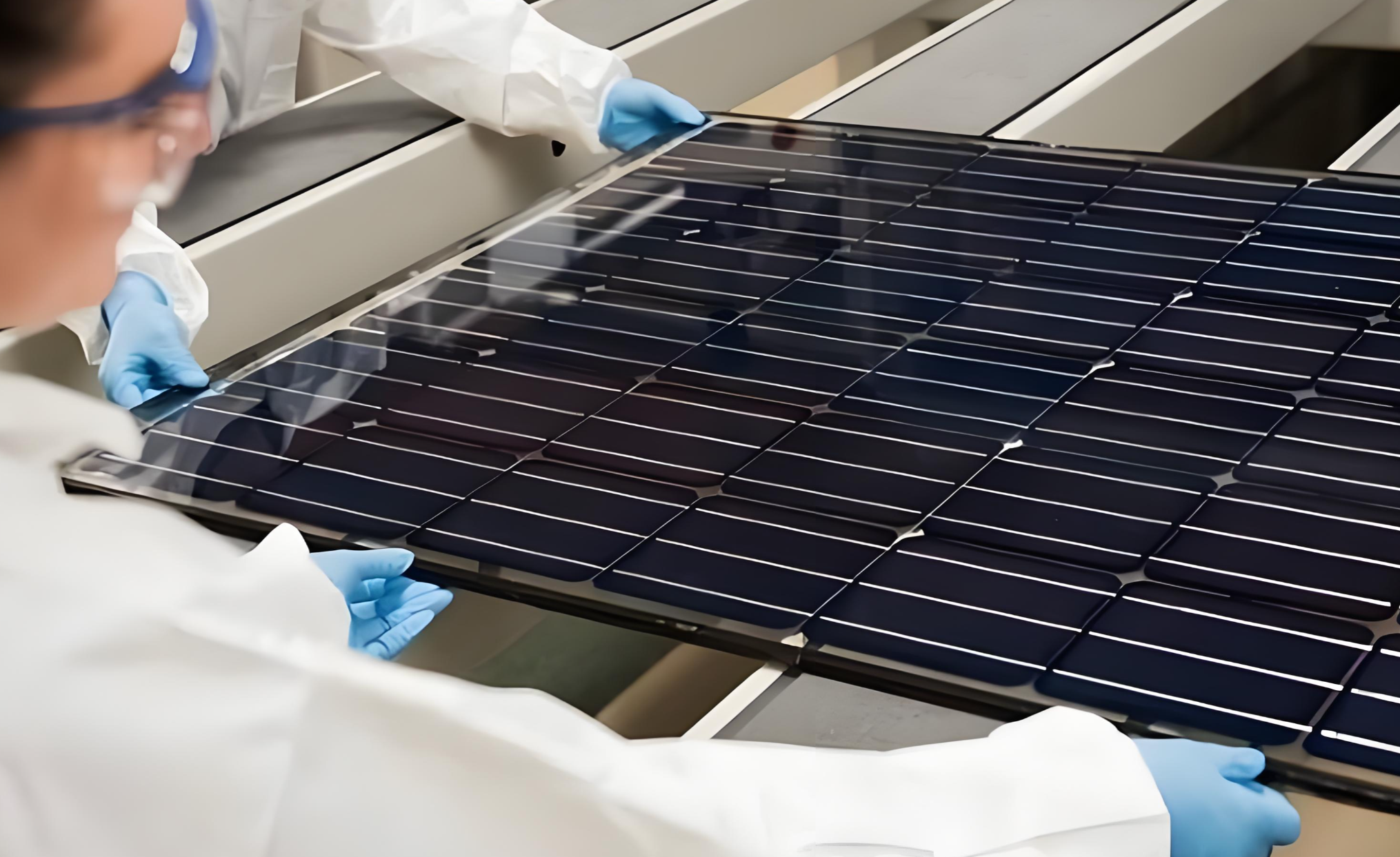
Lecheng's P4 Laser Edge Cleaning Equipment represents a paradigm shift in perovskite module finishing. It moves beyond the basic safety function of edge isolation to become an active contributor to module performance, manufacturing yield, and design flexibility. By applying precision laser technology to this final step, Lecheng provides manufacturers with a critical tool not just to make functional modules, but to make them more efficient, reliable, and adaptable to the future of solar technology.