




Demystifying Beam Splitting Technologies in Perovskite Photovoltaic Laser Processing
The Multi-Beam Imperative: Unlocking Speed and Uniformity
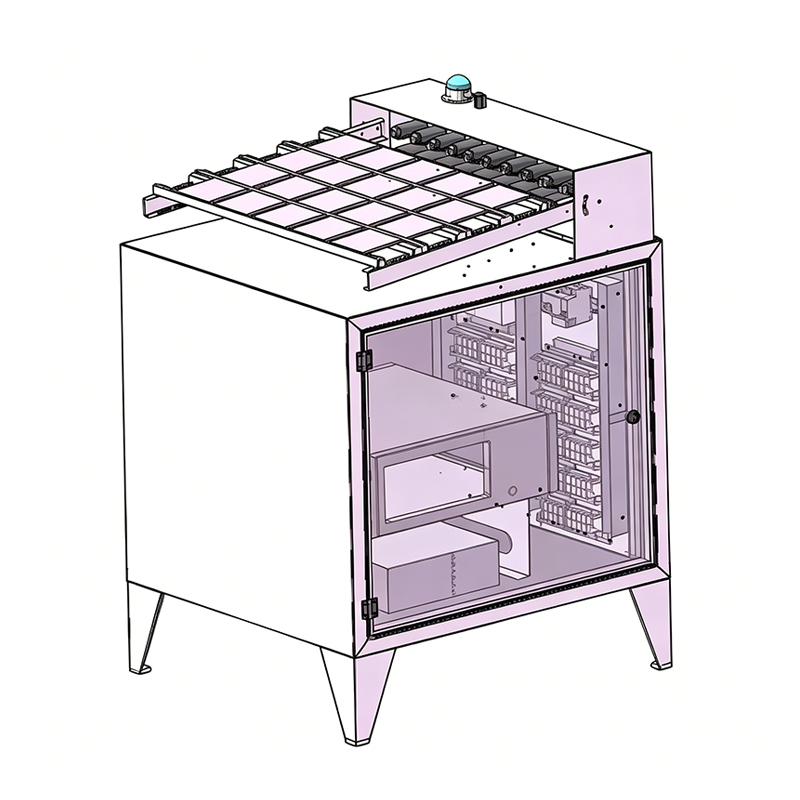
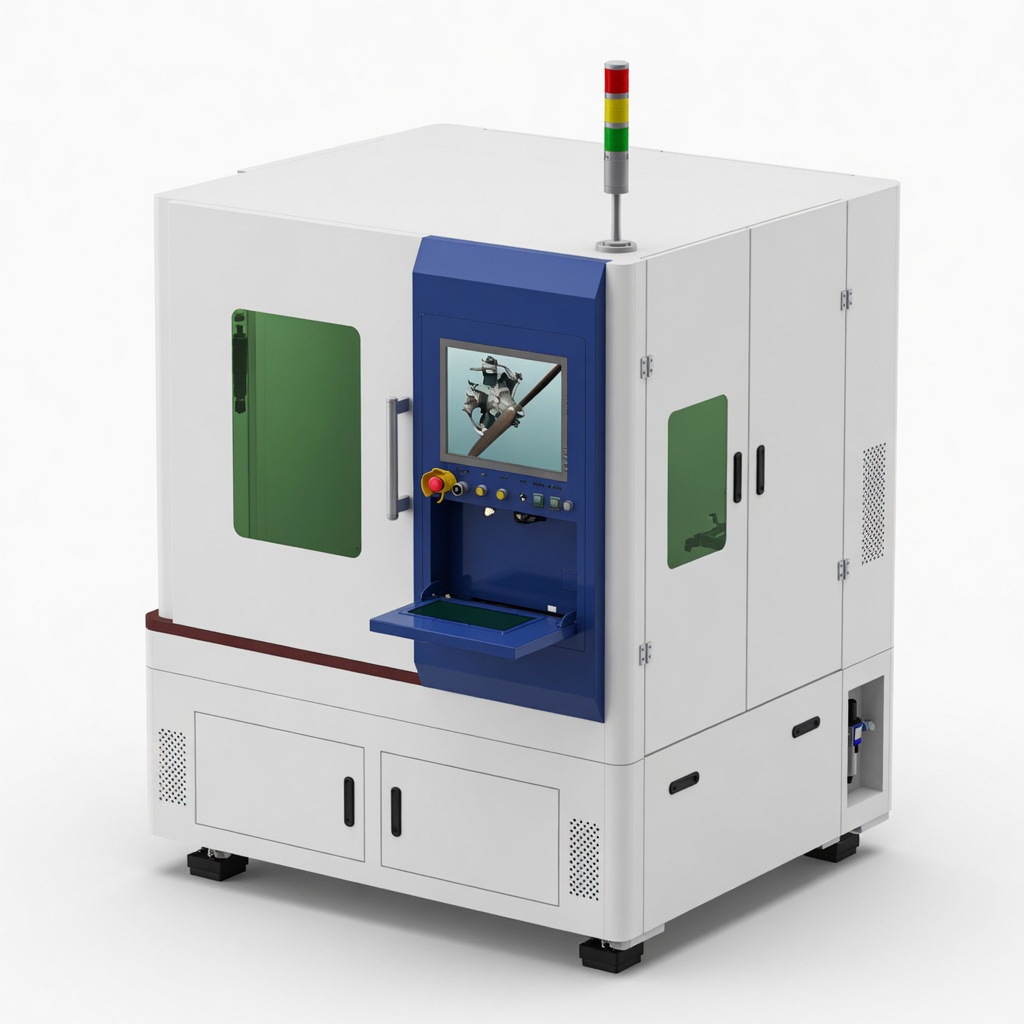
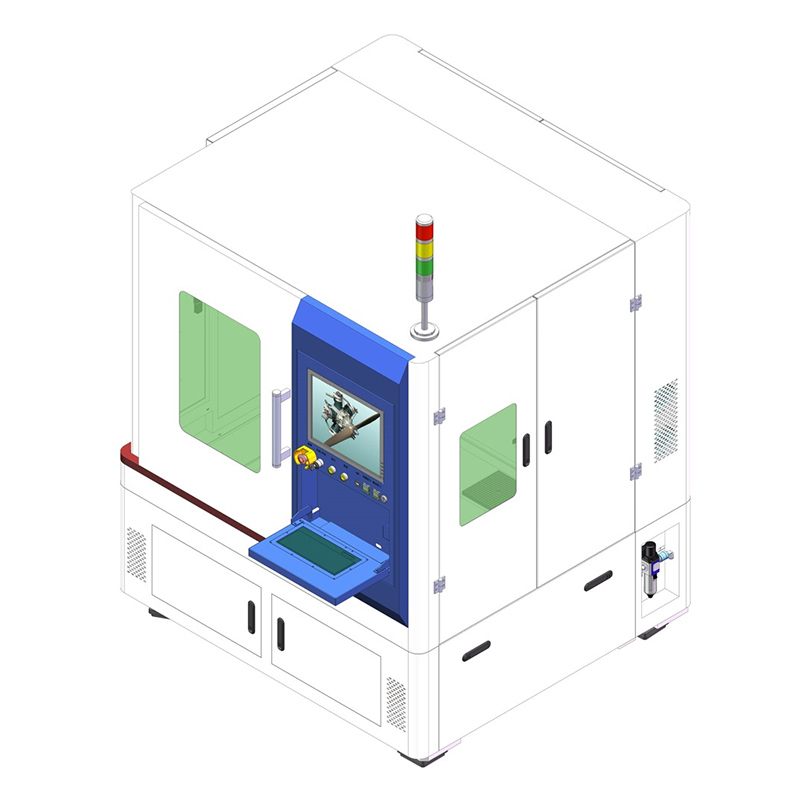
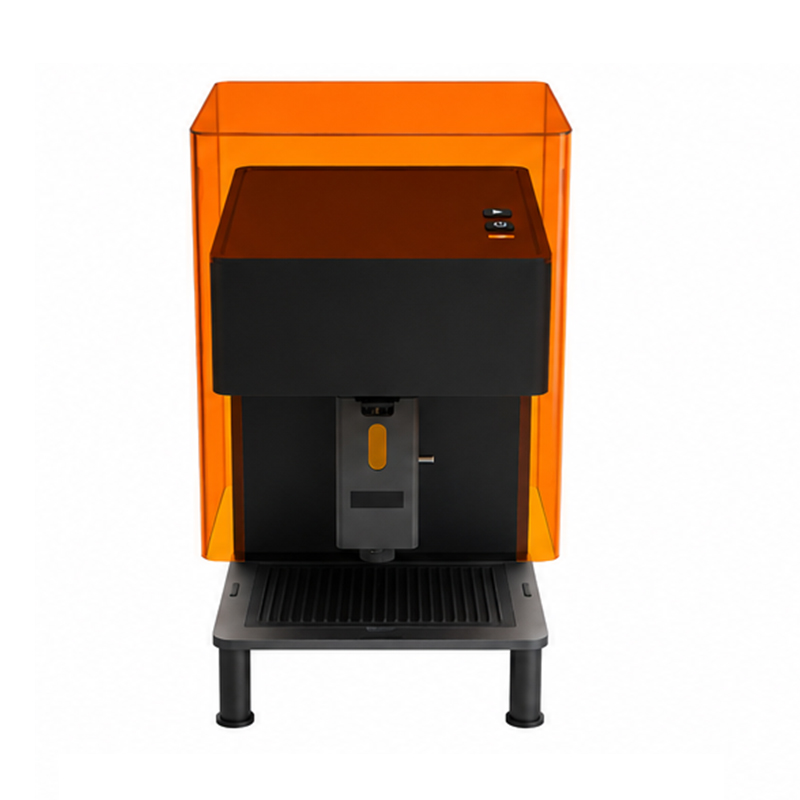
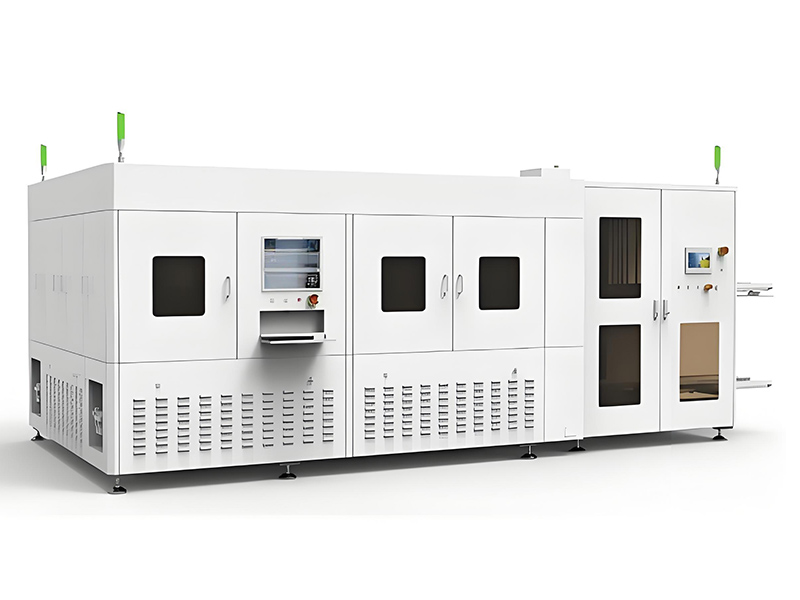
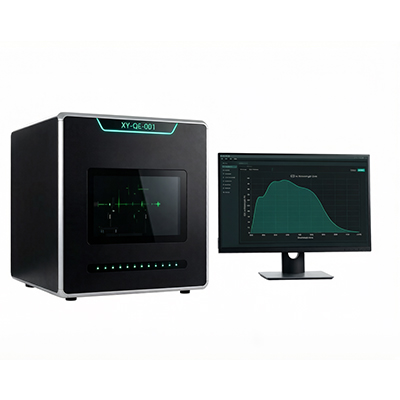
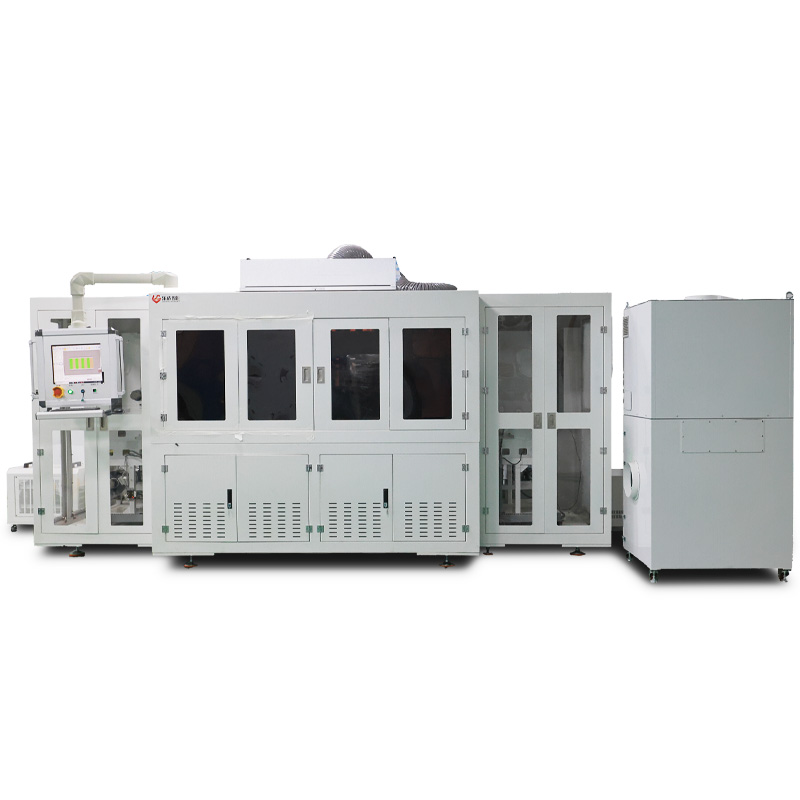
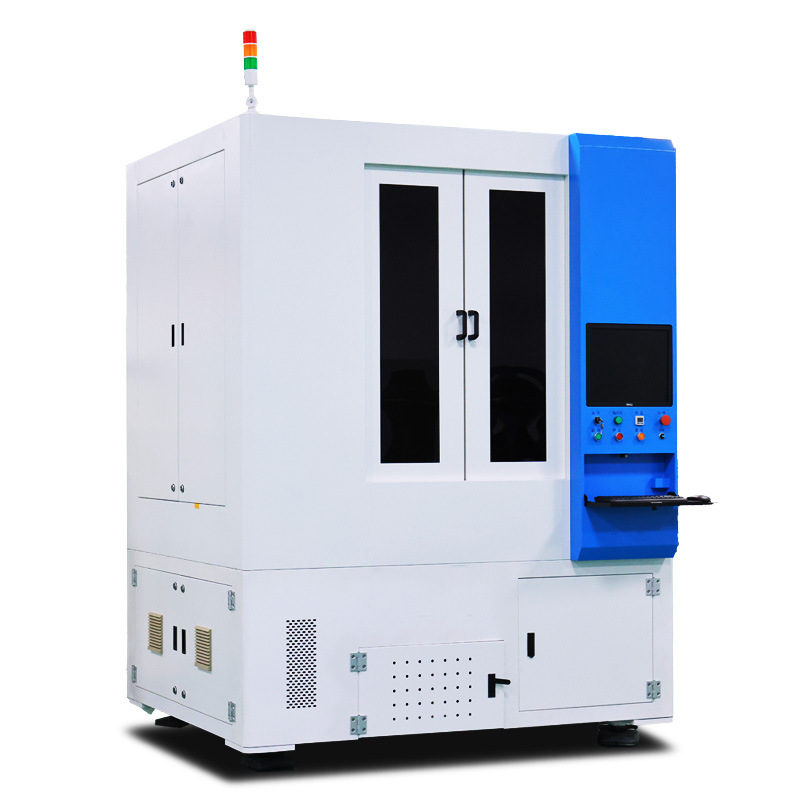
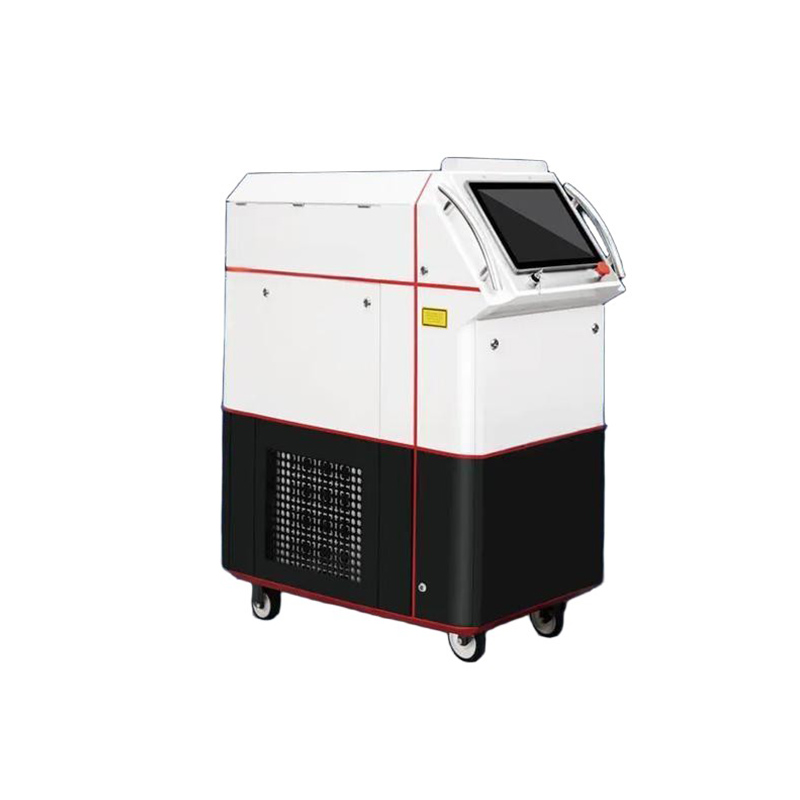
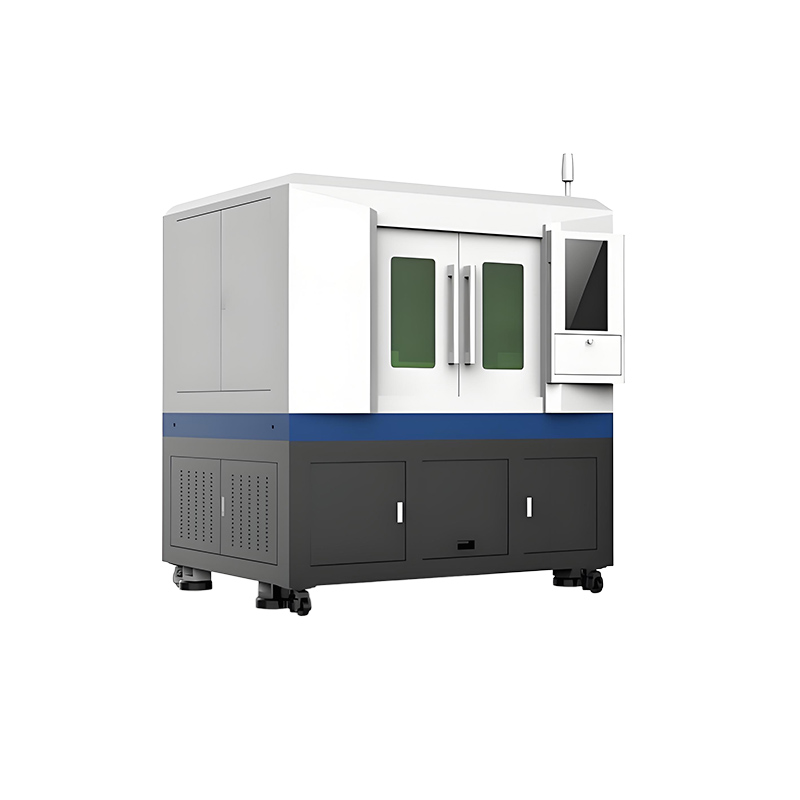
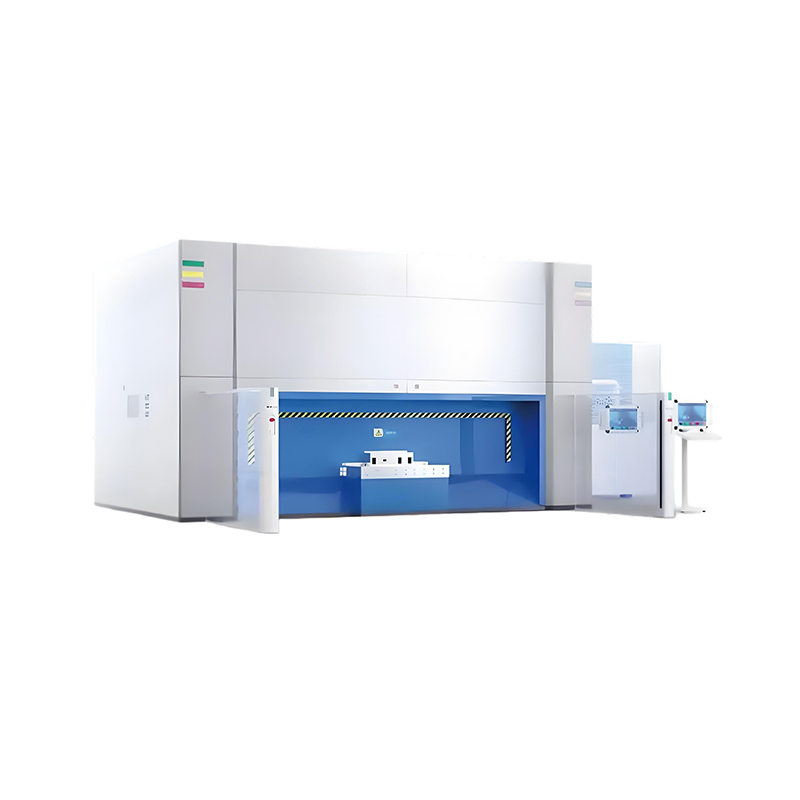
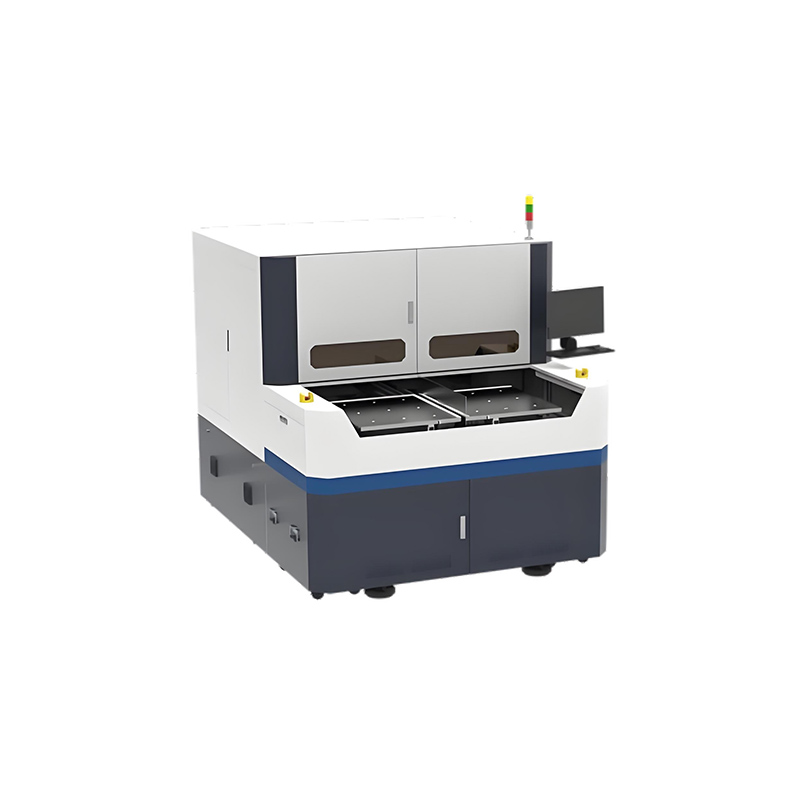
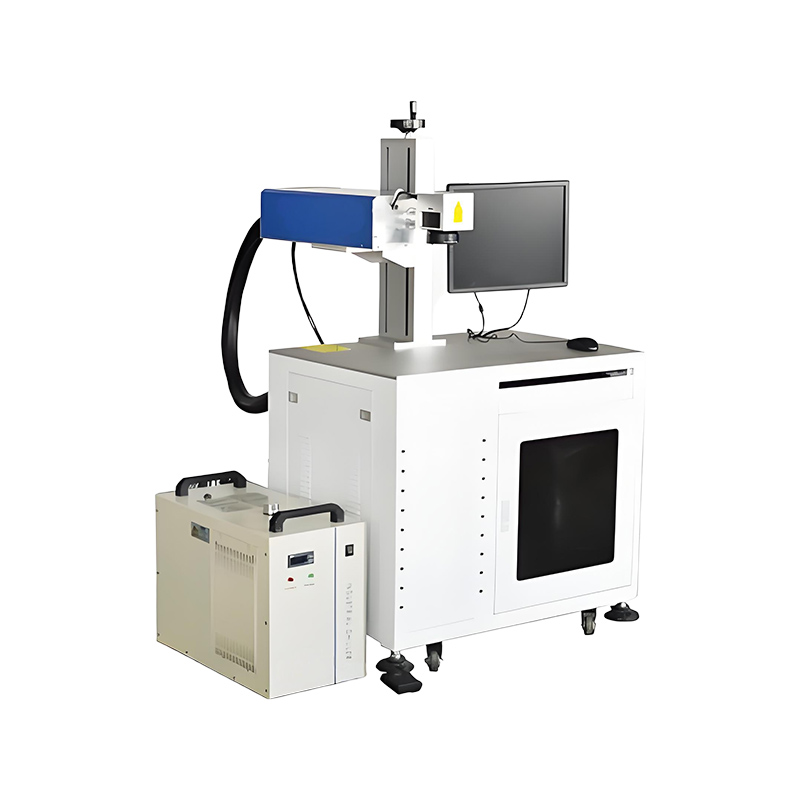
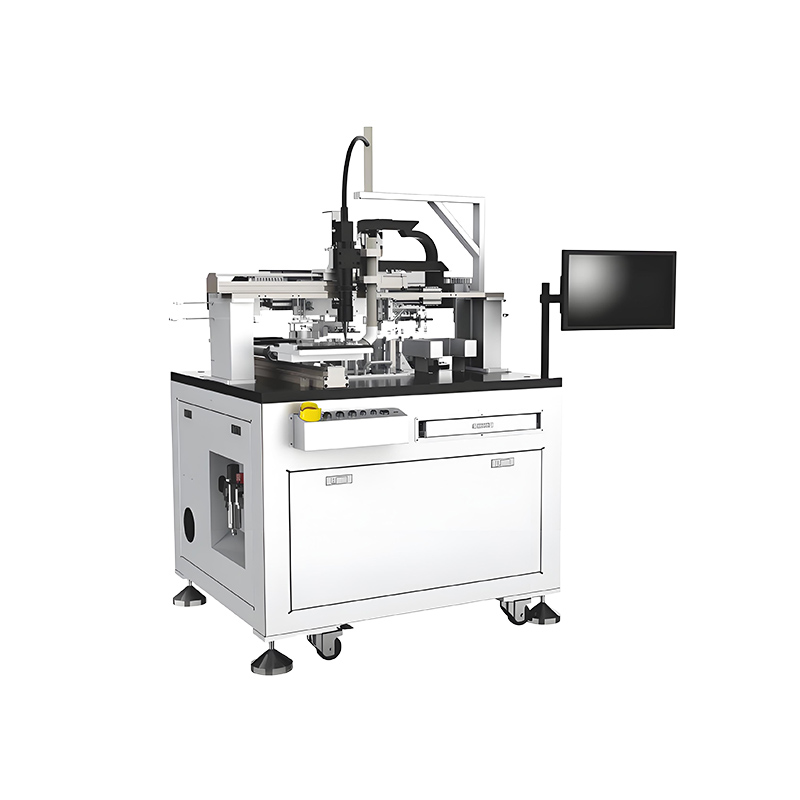
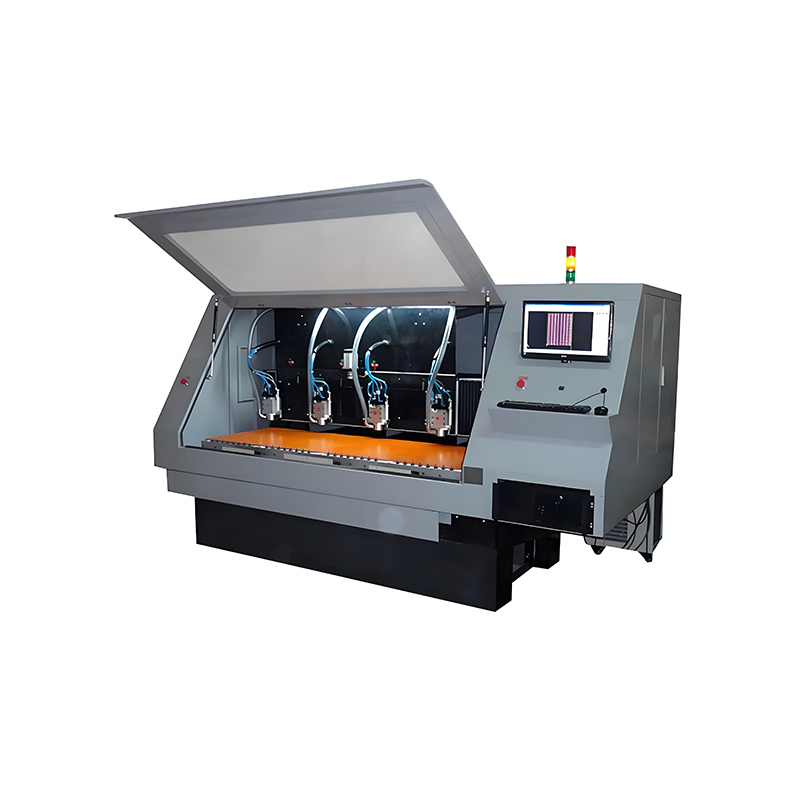
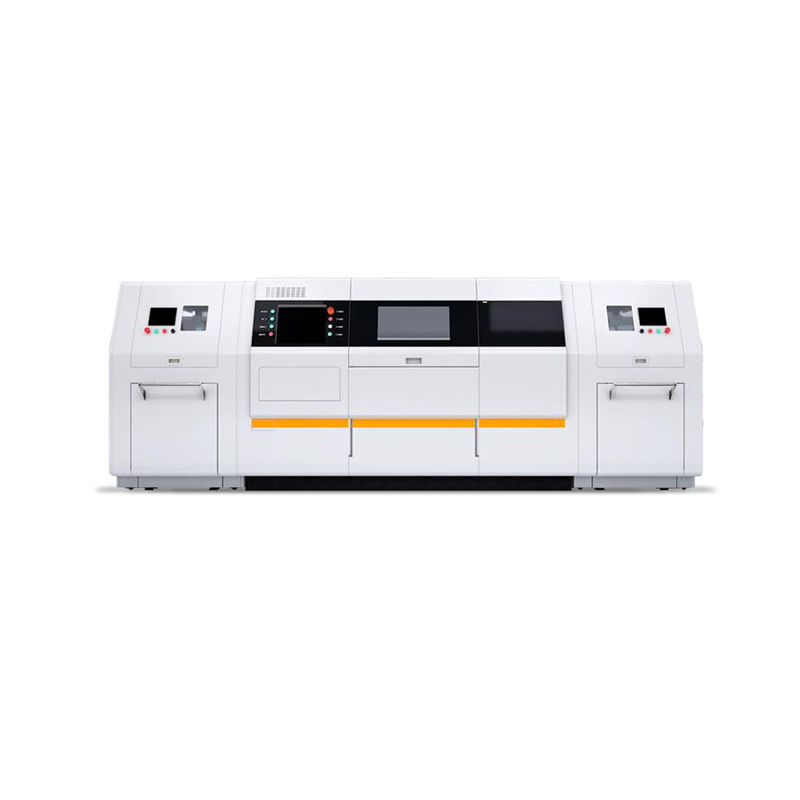
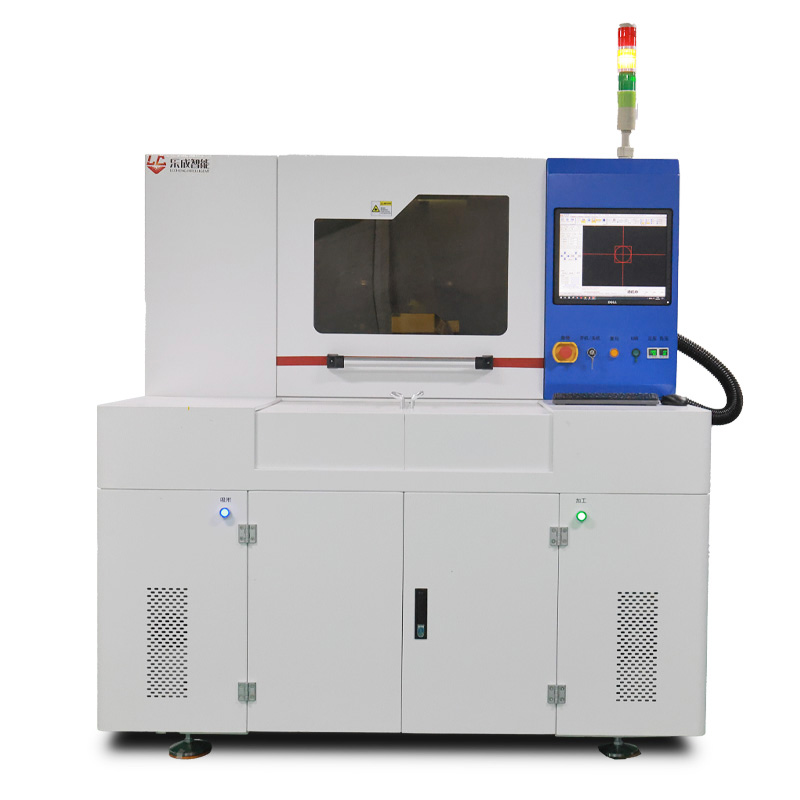
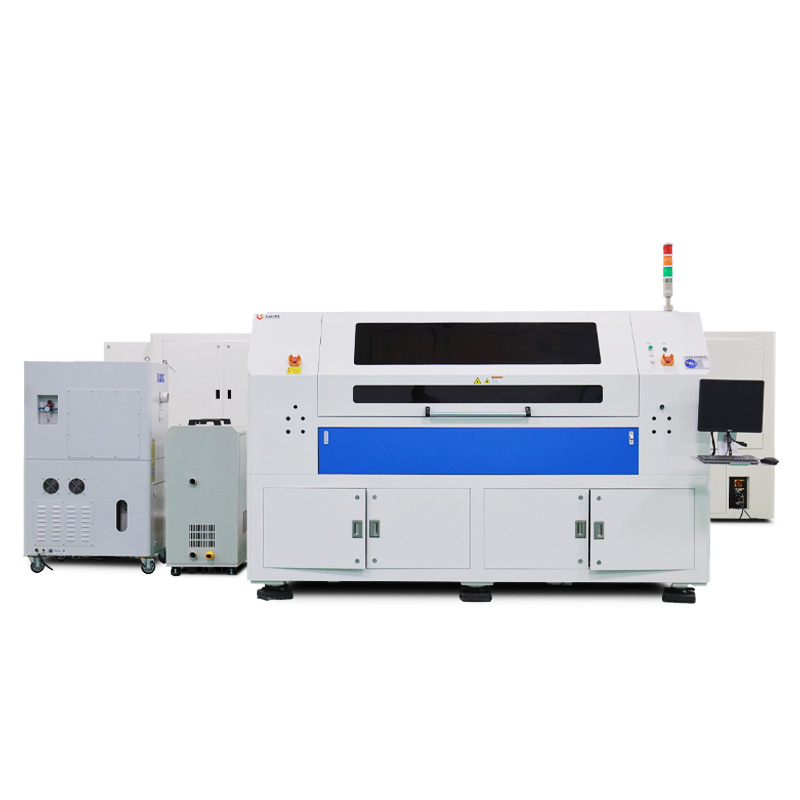
In the high-stakes race to commercialize perovskite solar cells, manufacturing throughput is paramount. A critical bottleneck in module production is the laser scribing process (P1, P2, P3), which electrically isolates and interconnects individual cells on a panel. Performing these scribes with a single laser beam is inherently slow for large-area modules. This is where beam splitting technology becomes a game-changer. By dividing a single high-quality laser source into multiple, precisely controlled beams, equipment like that from Lecheng Intelligent can perform several scribe lines simultaneously. This multi-beam approach dramatically increases processing speed and throughput, directly lowering the cost per watt—a key metric for photovoltaic competitiveness. Crucially, advanced optical systems ensure that each split beam maintains consistent power density and spot quality, guaranteeing uniform scribe depth and width across the entire panel. This uniformity is essential for achieving high cell efficiency and module yield, making multi-beam scribing not just a luxury, but a necessity for gigawatt-scale production.
Precision Engineering: From One to Many Without Compromise
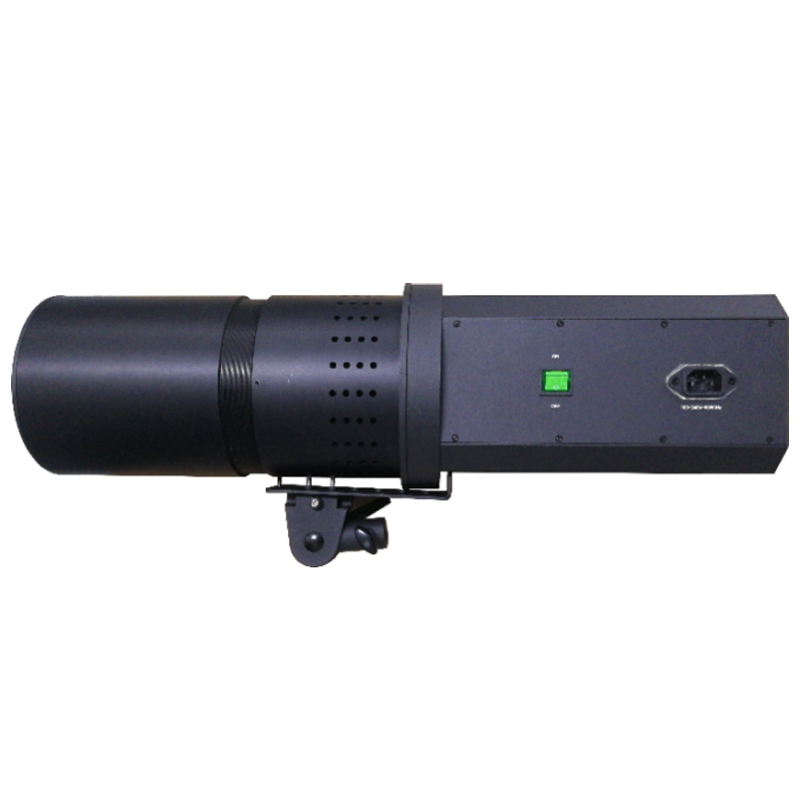
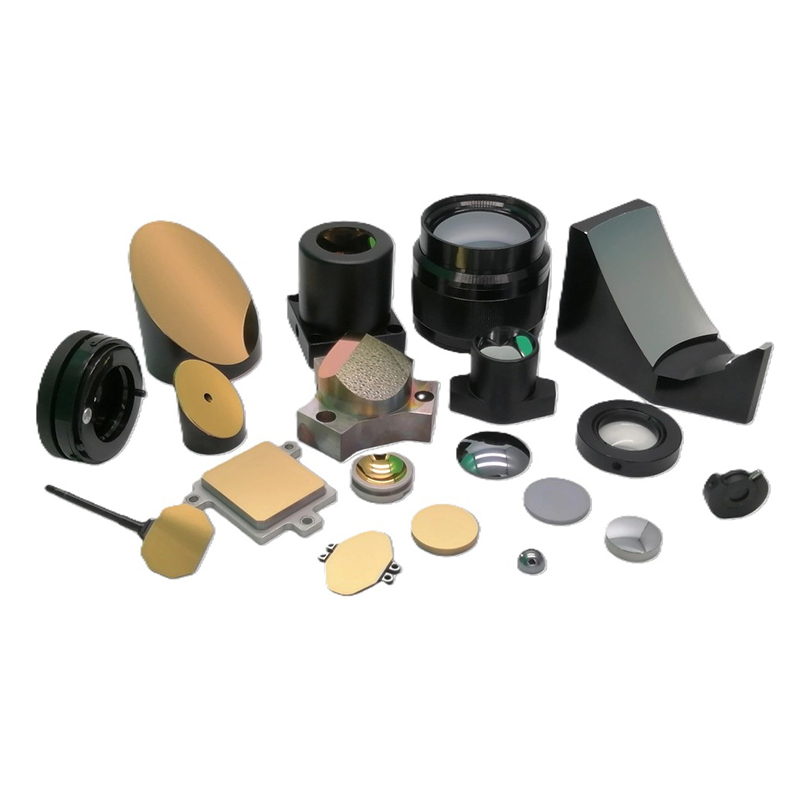
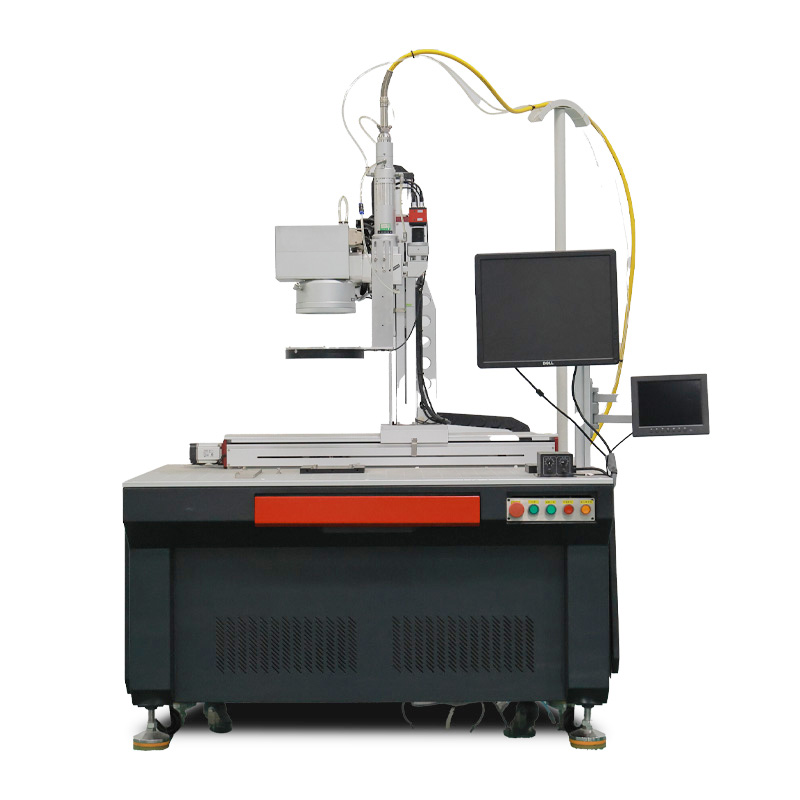
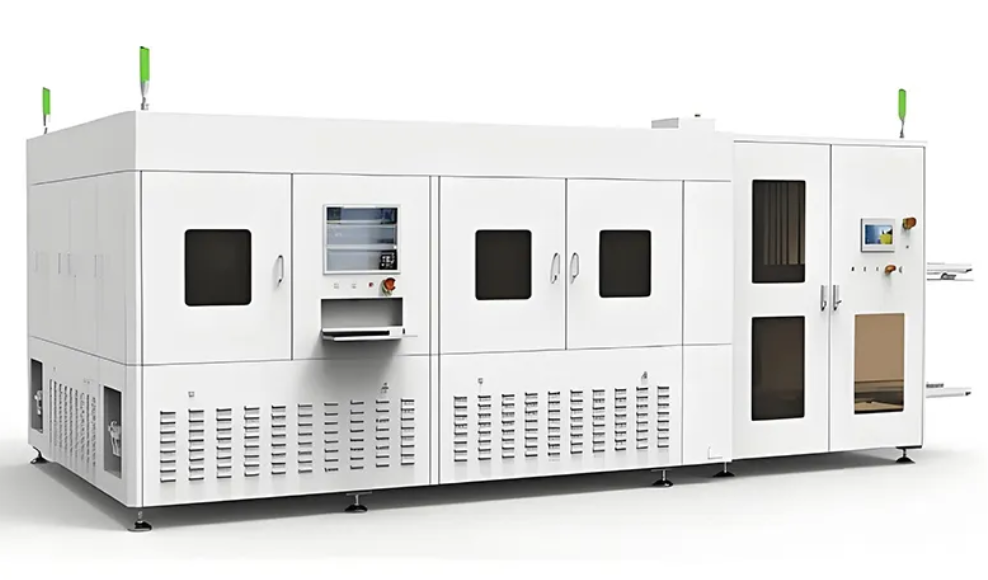
Splitting a beam is conceptually simple, but executing it for micron-precision photovoltaics manufacturing is an engineering feat. The core challenge lies in maintaining the integrity of the laser's key parameters after division. Lecheng's systems address this through sophisticated beam splitting optics and galvanometer scanner coordination. The technology often involves diffractive optical elements (DOEs) or precision beam splitters to create an array of identical beams. Each beam's path length, focus, and alignment are meticulously calibrated to sub-micron tolerances. Furthermore, real-time focus tracking and vision compensation systems work in concert to account for substrate warpage or stage movement, ensuring all beams strike the perovskite thin-film stack with identical precision across the entire scan field. This level of control prevents defects like non-contact areas or over-ablated lines, which can cripple module performance. The result is a high-precision laser scribing process where speed gains do not come at the expense of the exquisite accuracy required for delicate perovskite layers.
Enabling Scalability and the Future of Tandem Cells
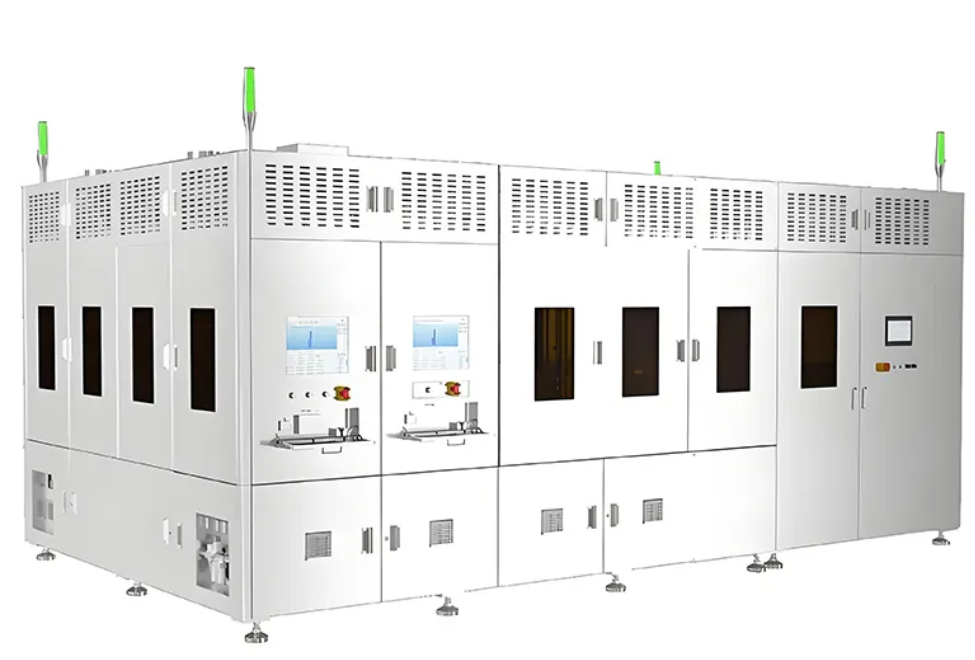
The true value of advanced beam splitting extends beyond today's perovskite single-junction lines. It is a foundational technology for the future of photovoltaics, particularly perovskite-silicon tandem cells. Tandem structures, which stack a perovskite cell atop a silicon cell to capture more sunlight, require even more complex and aligned patterning steps. Multi-beam laser systems are ideally suited to handle these intricate patterning sequences efficiently and with the registration accuracy needed for high-performance tandems. By enabling high-speed, uniform scribing on larger glass substrates (e.g., for 150MW+ production lines), this technology provides the scalability pathway from pilot plants to mass manufacturing. It allows equipment manufacturers to offer a complete laser processing solution that meets the industry's roadmap for higher efficiency and lower cost. As cell architectures evolve, the flexibility of programmable multi-beam systems will be crucial for adapting to new scribe designs and layer stacks, solidifying laser processing as the enabling tool for next-generation solar.
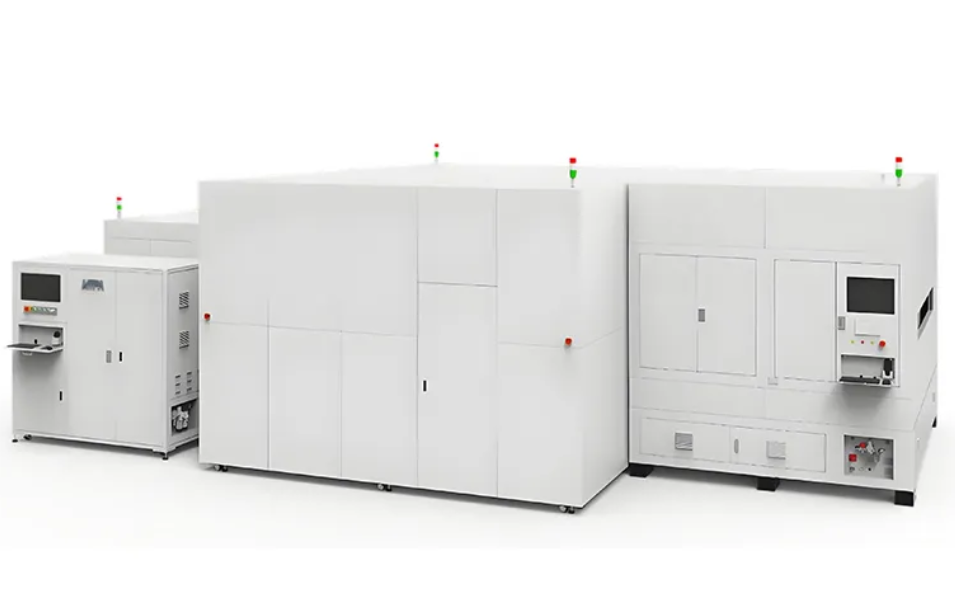
In essence, beam splitting technology is far more than a simple speed booster; it is the precision orchestrator of light that makes high-volume, high-yield perovskite photovoltaic manufacturing viable. By transforming a single laser source into a synchronized array of precision tools, companies like Lecheng are directly addressing the core production challenges of speed, uniformity, and cost. This innovation is critical not only for the current commercialization of perovskite modules but also as a key enabler for the more efficient and complex tandem solar cells that represent the future of solar power.
Related product and article resources
For procurement comparison and technical evaluation, readers can continue with these related product pages and supporting articles.
- Products
- Product catalog
- Contact the sales team
- Contact us
- Laser Scribing Machine RFQ Checklist for PV Cell Production Lines
- Laser Scribing vs Mechanical Cutting in Photovoltaic Production
- P1, P2 and P3 Laser Scribing: What Solar Manufacturers Should Know
- Lecheng Powers Dehu's 100MW Perovskite Pilot Line to Historic First Light