


Advanced P4 Cleaning for Perovskite Module Performance
The Critical Role of Edge Isolation in Module Reliability and Efficiency
In the intricate architecture of a perovskite solar module, the final step in the laser patterning sequence—P4 edge isolation cleaning—is far from an afterthought. It is a decisive process that directly impacts module power, long-term stability, and overall yield. Following the P1, P2, and P3 scribes that define the cell structure and interconnections, the P4 process removes conductive material along the module's perimeter. This step is crucial for creating a clean, high-resistance border that electrically isolates the active cell area from the module's edges. Without effective P4 cleaning, shunt paths can form, allowing photogenerated current to leak away. This parasitic power loss directly reduces fill factor and final conversion efficiency, sabotaging the gains made in prior manufacturing steps. Moreover, imperfect edges can become focal points for moisture ingress and ion migration, accelerating degradation and undermining the module's operational lifespan. Thus, precision in P4 is not merely about finishing; it's about safeguarding the performance and durability engineered into the module.
Lecheng's P4 Laser Edge Cleaning: Precision Engineering for Superior Results
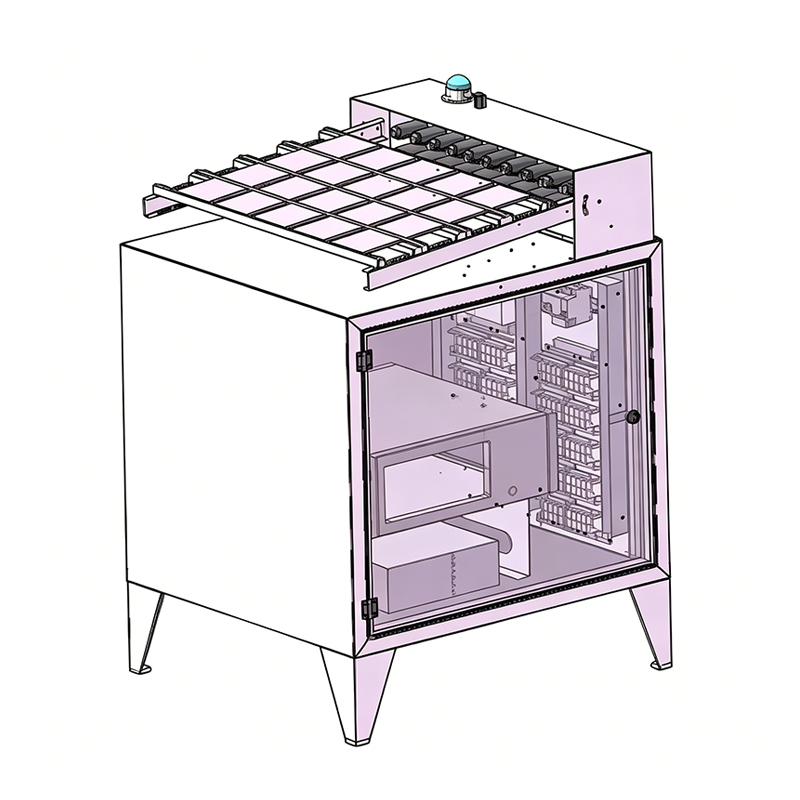
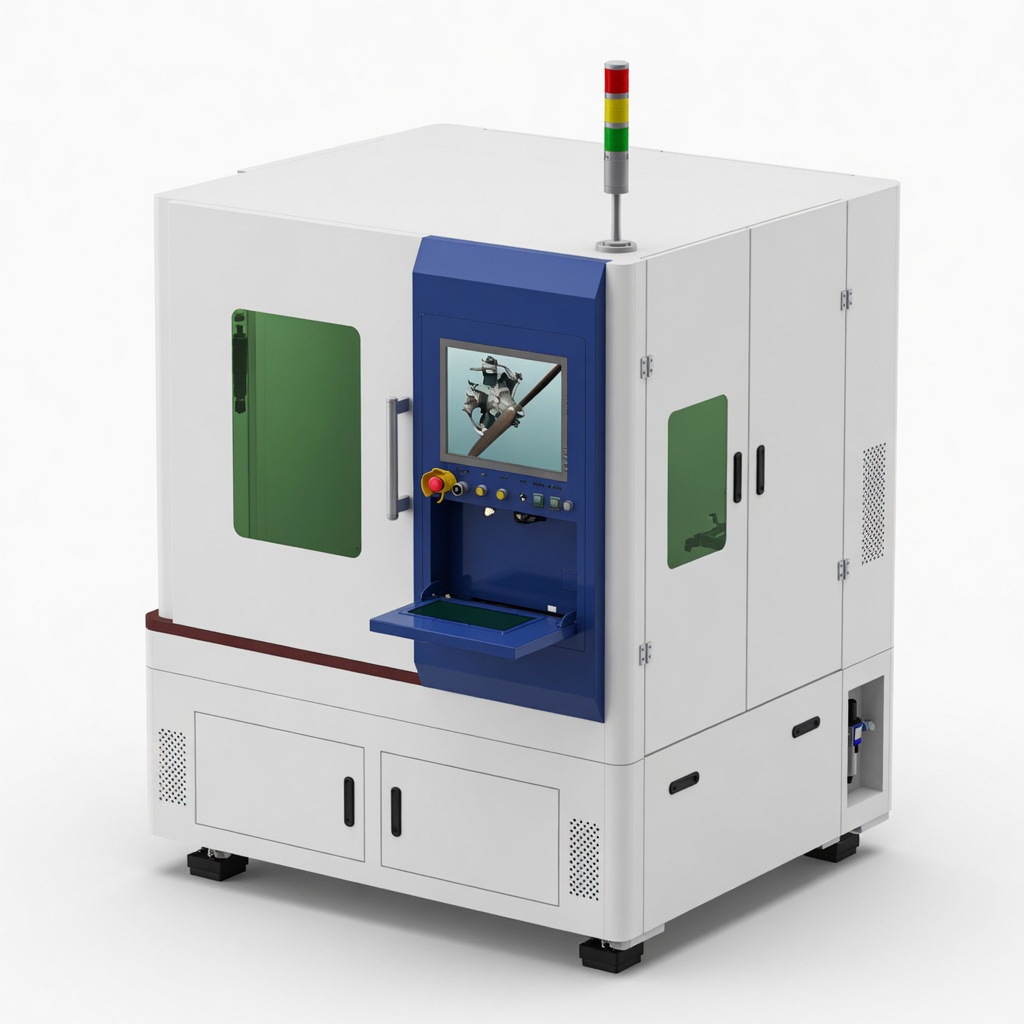
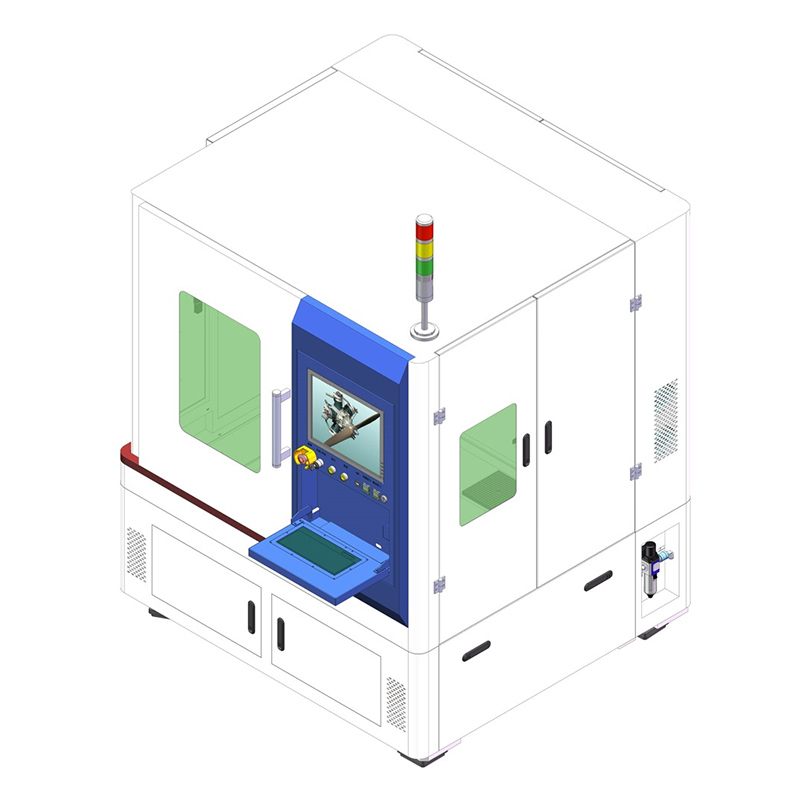
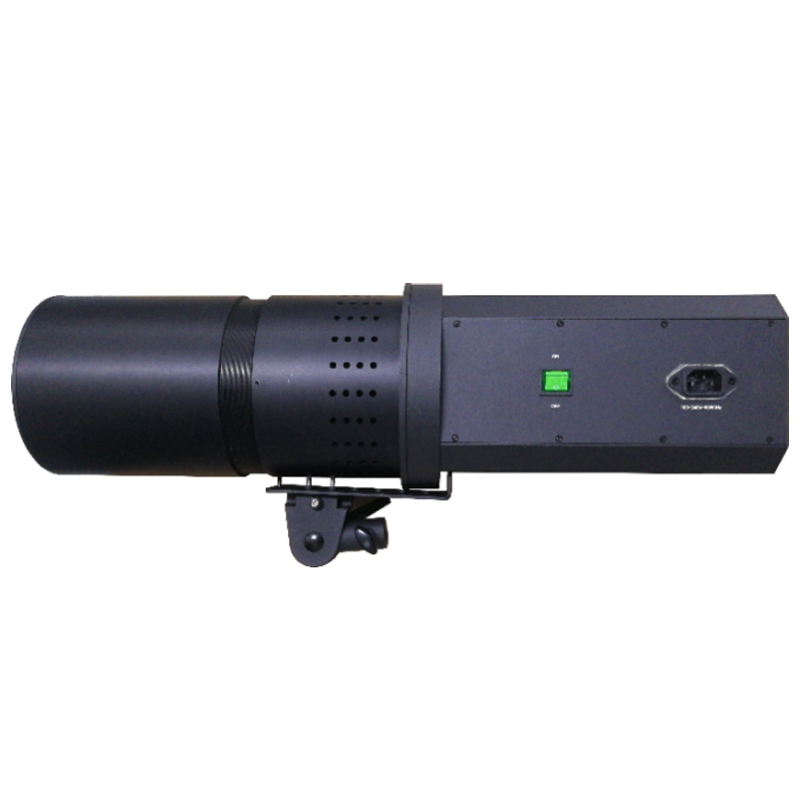
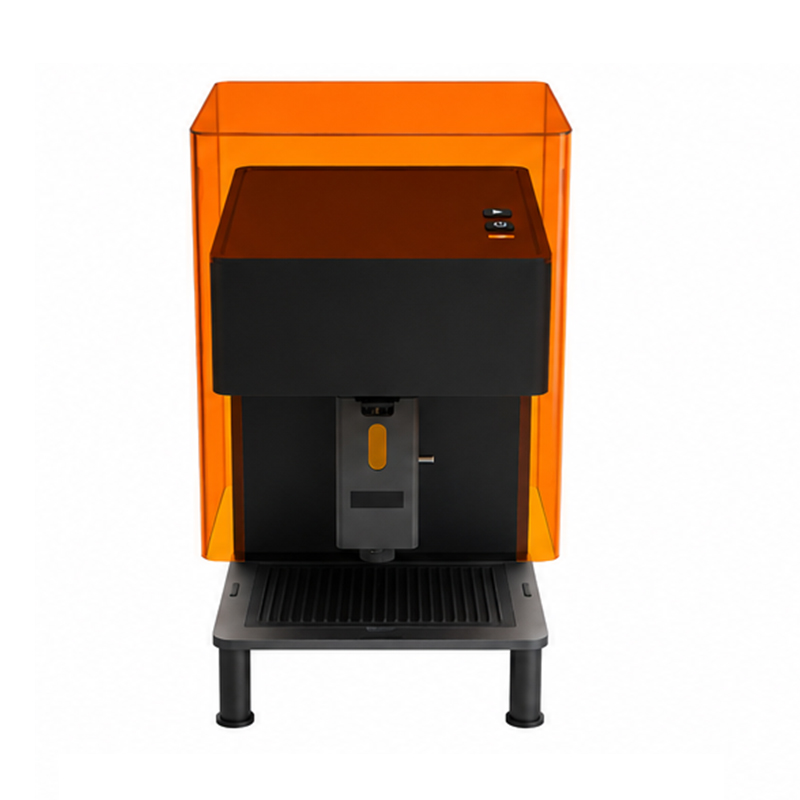
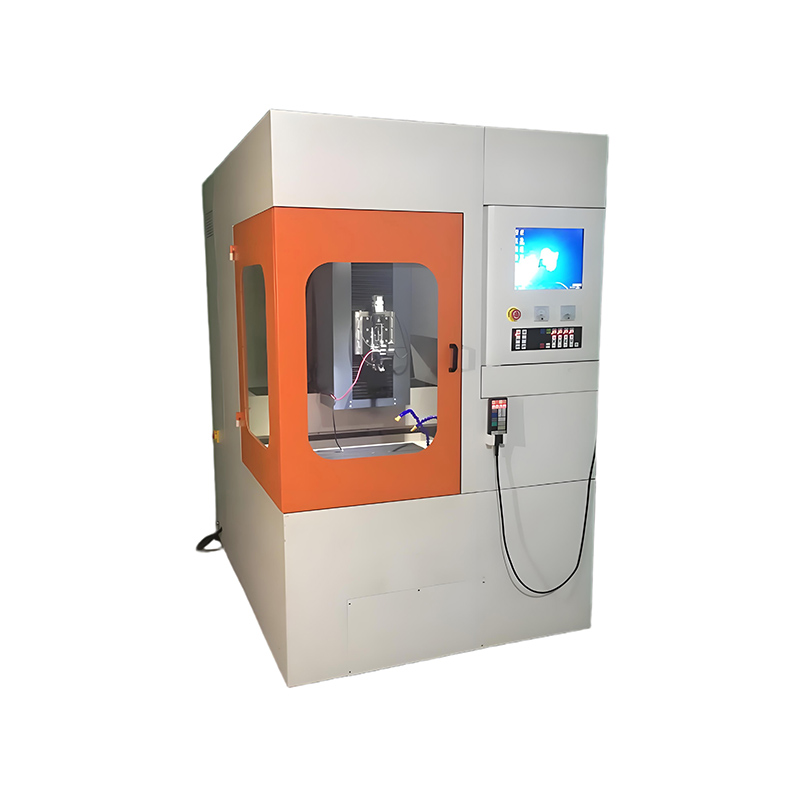
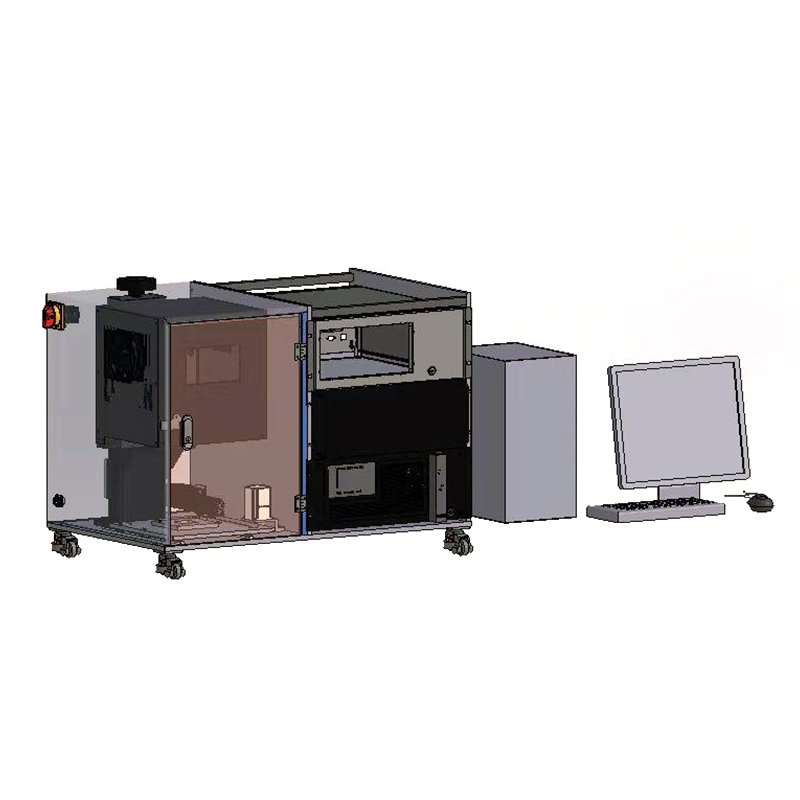
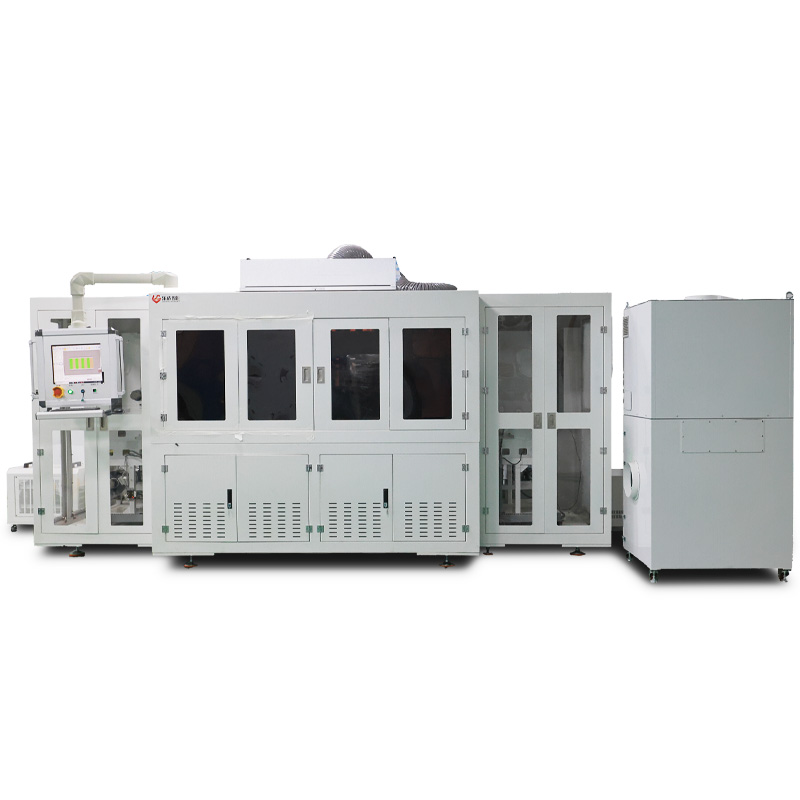
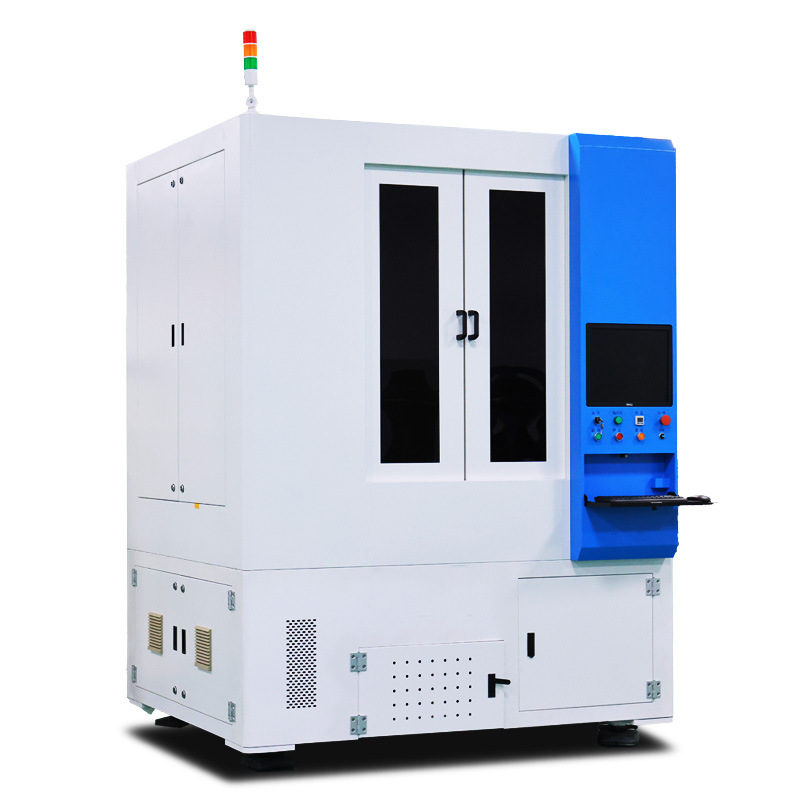
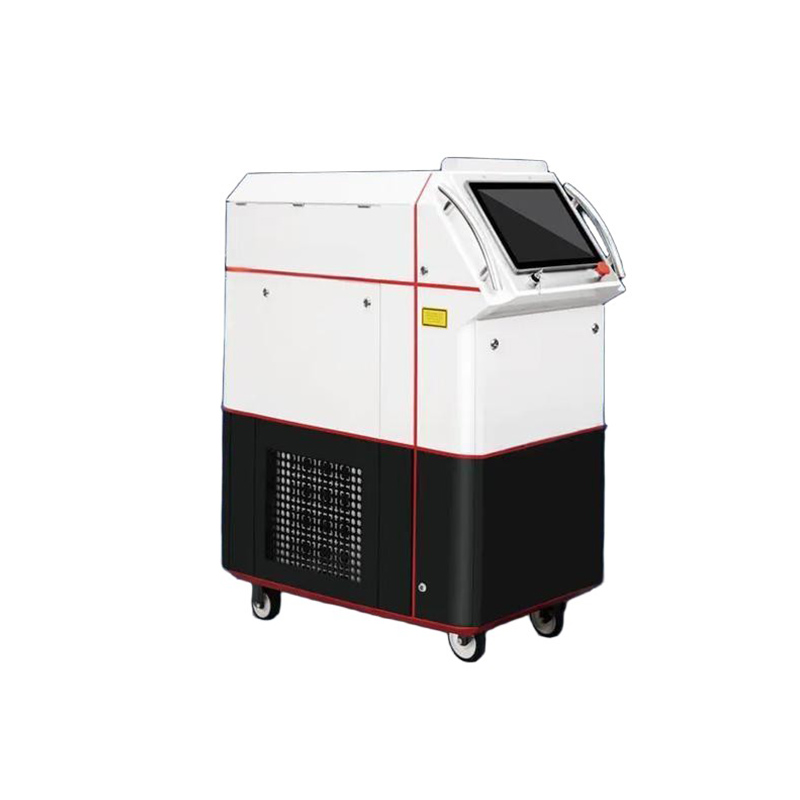
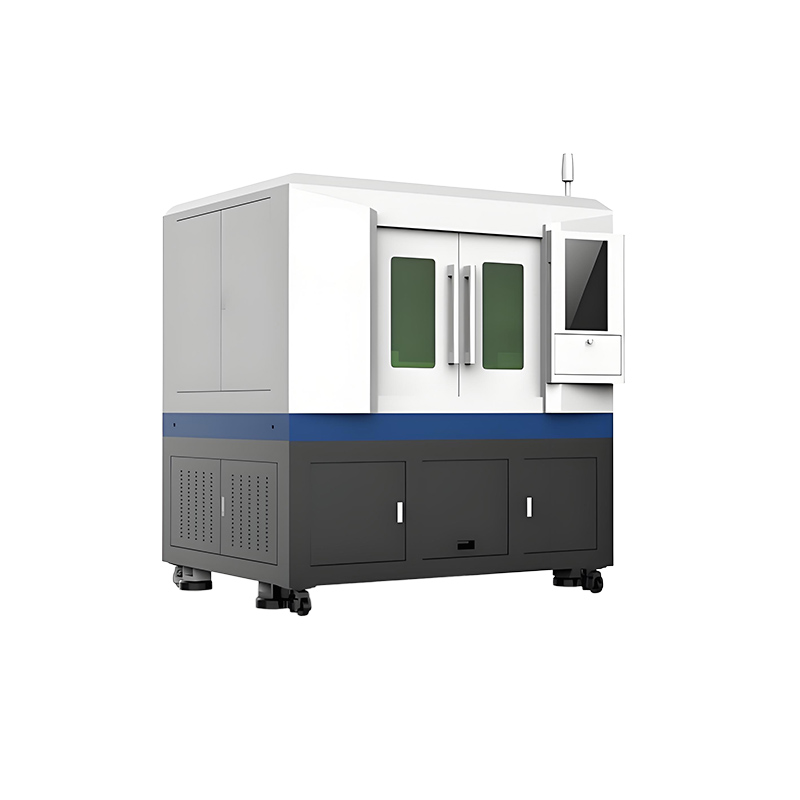
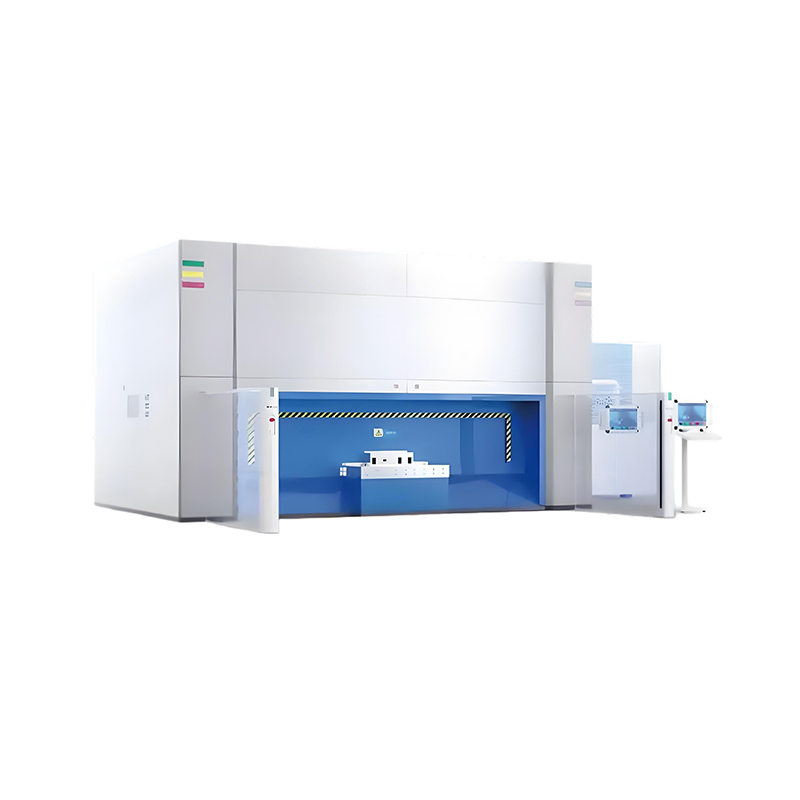
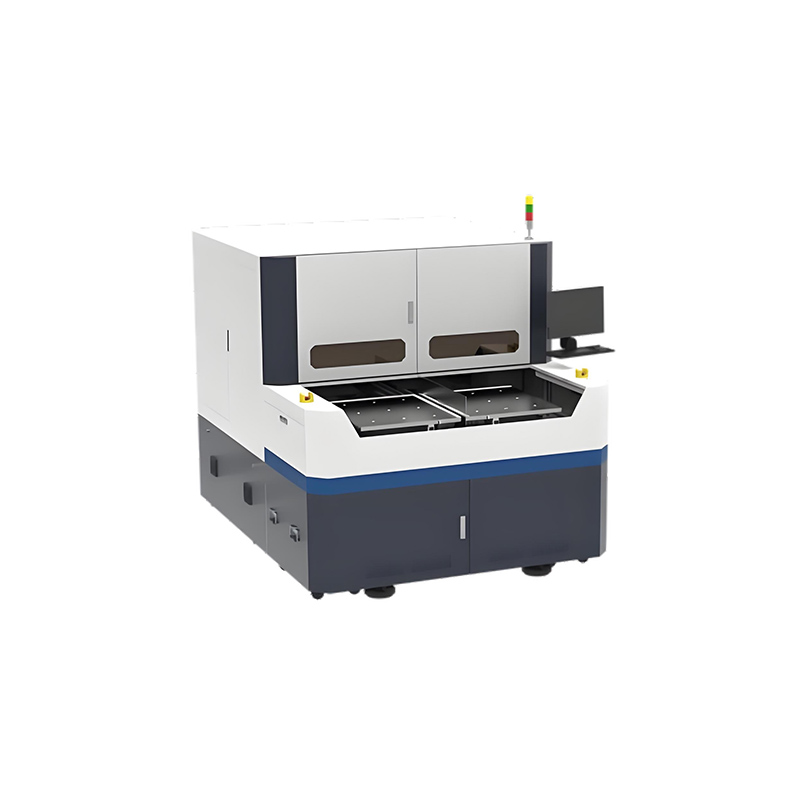
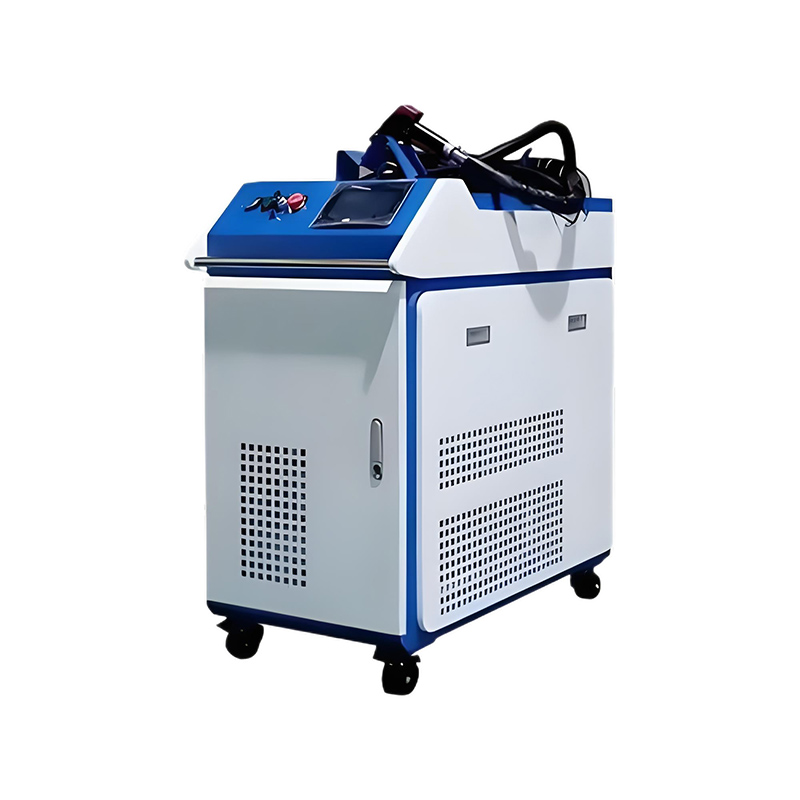
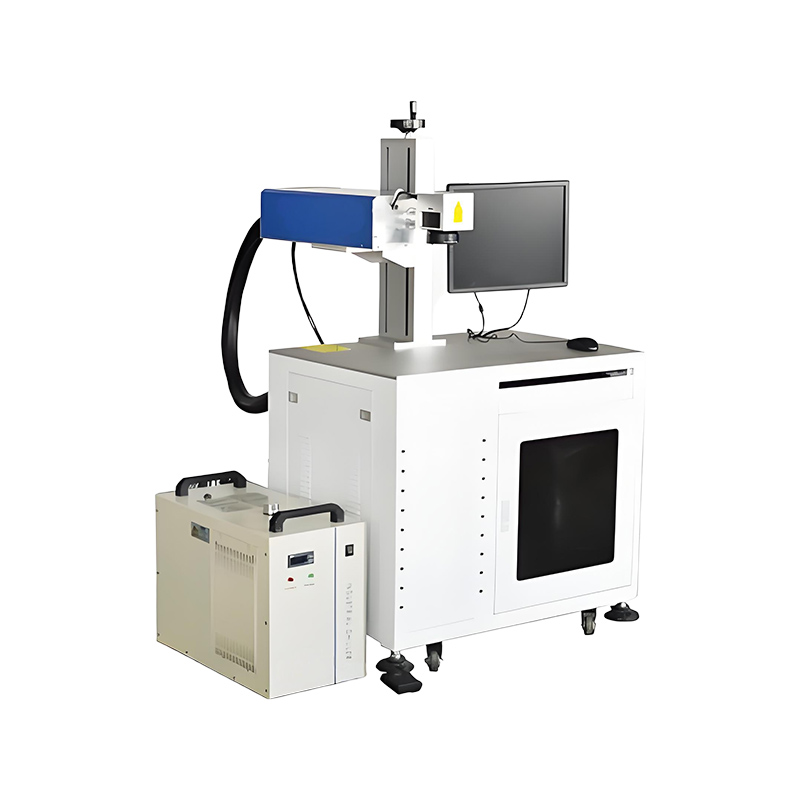
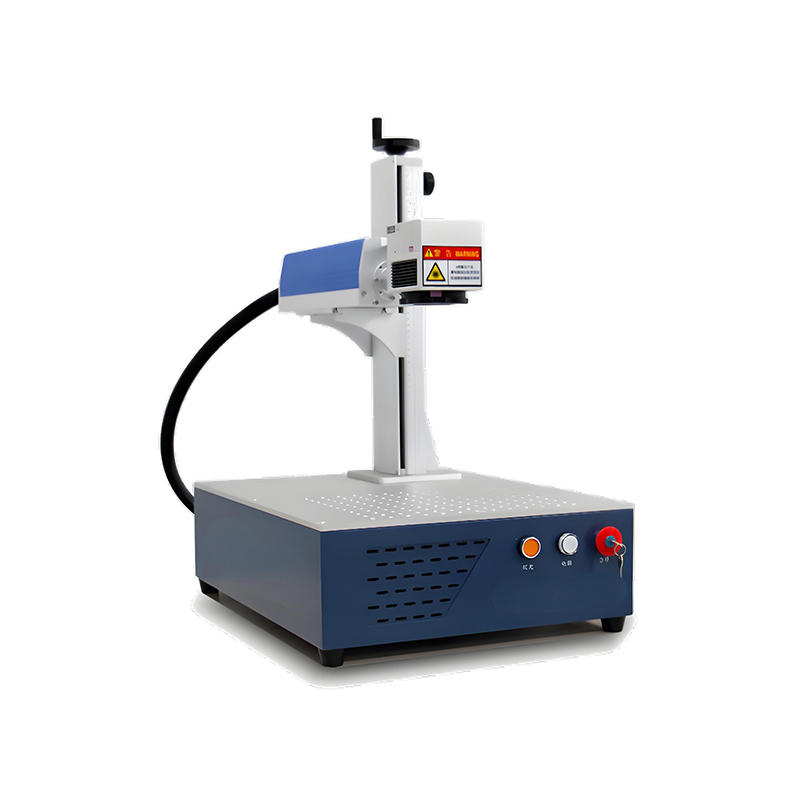
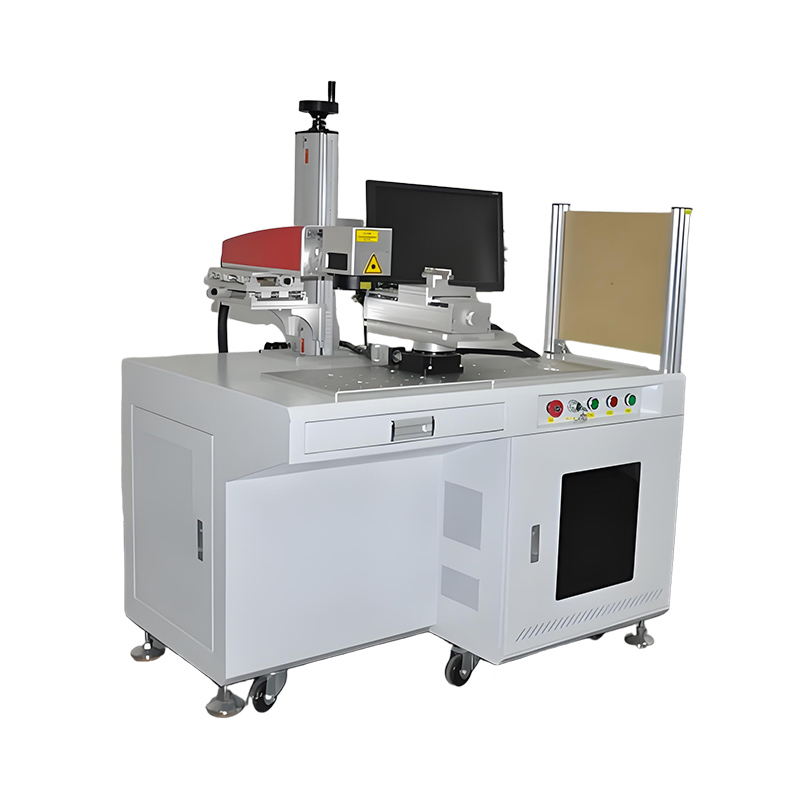
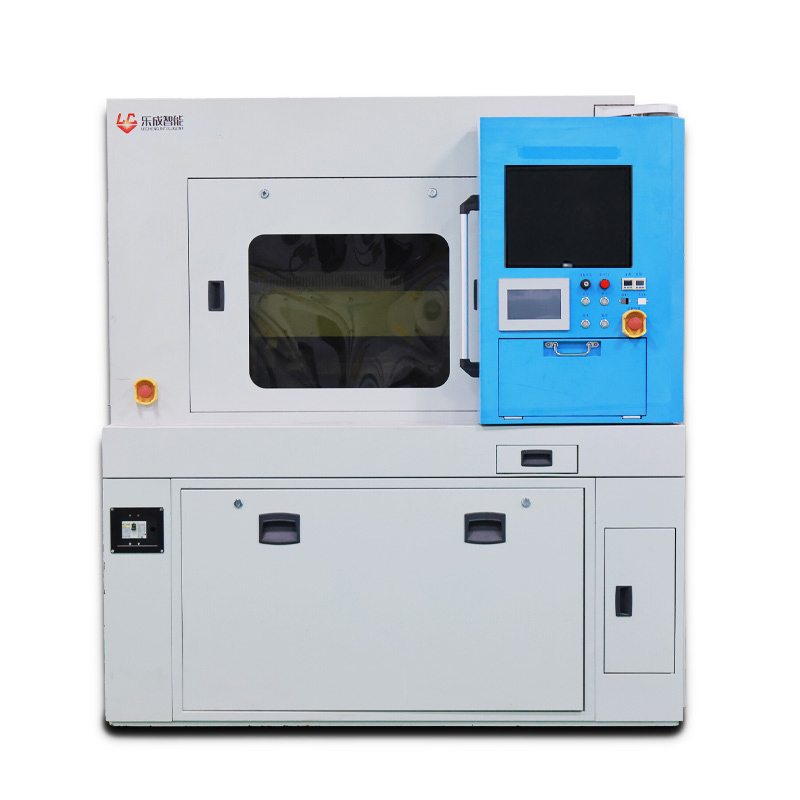
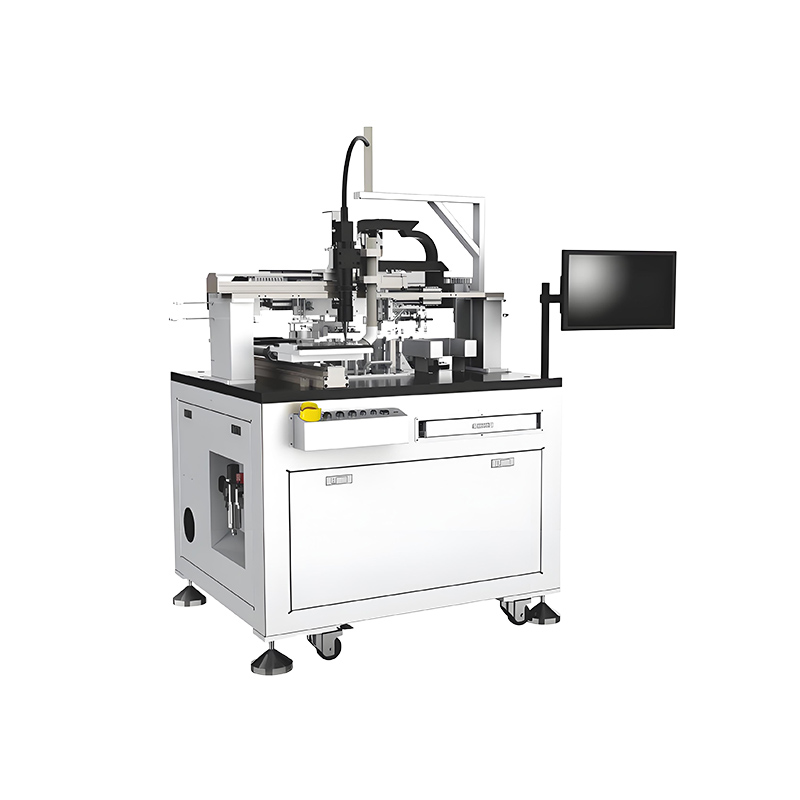
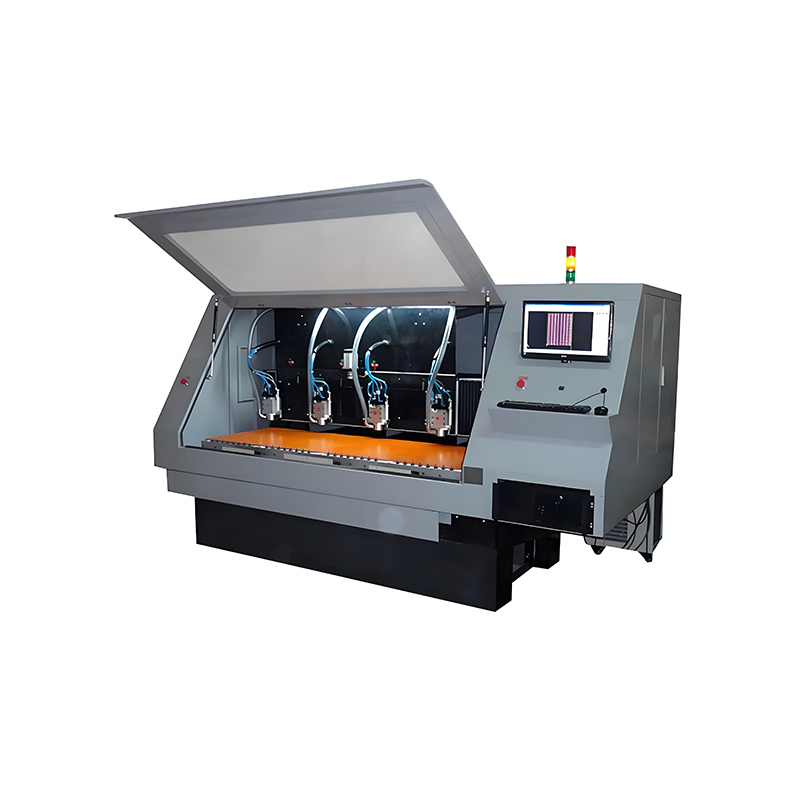
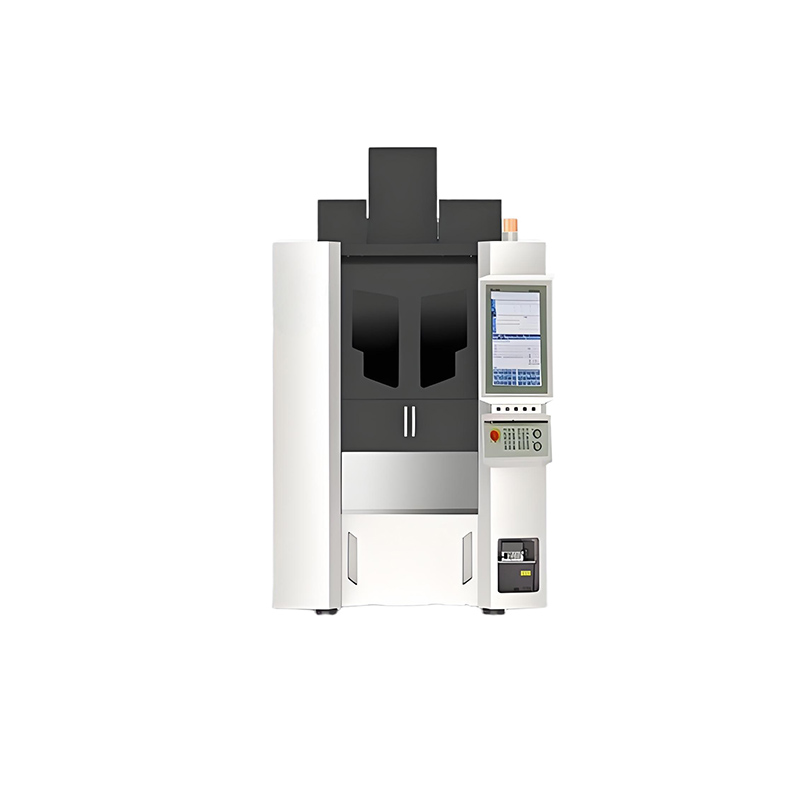
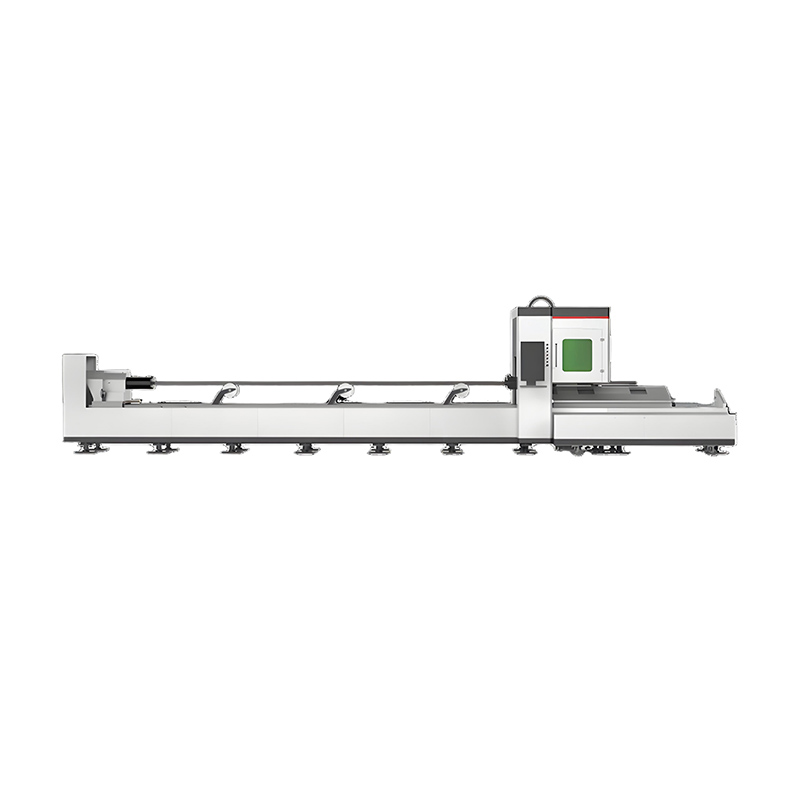
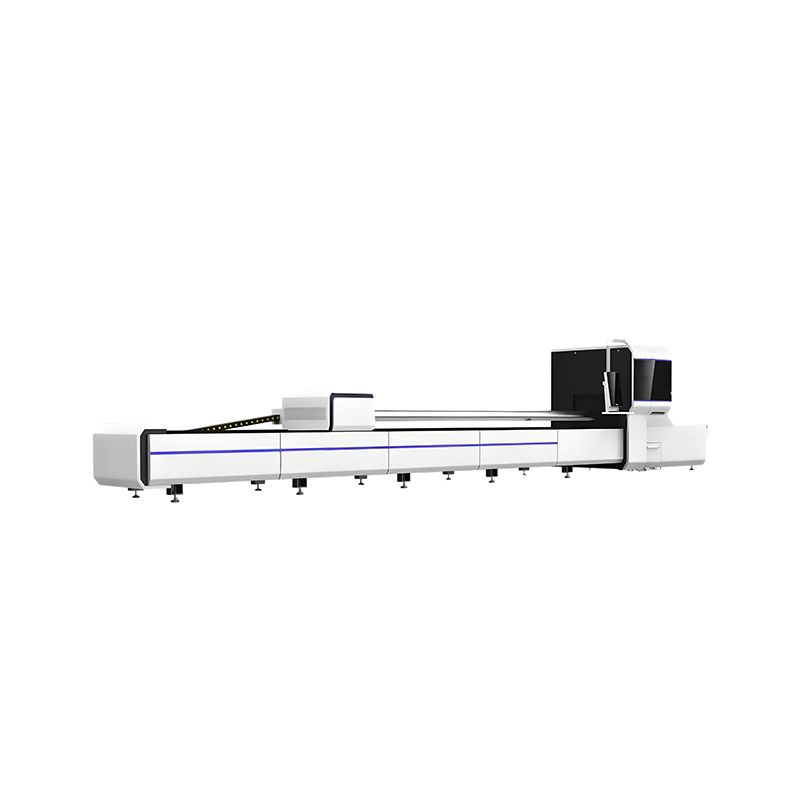
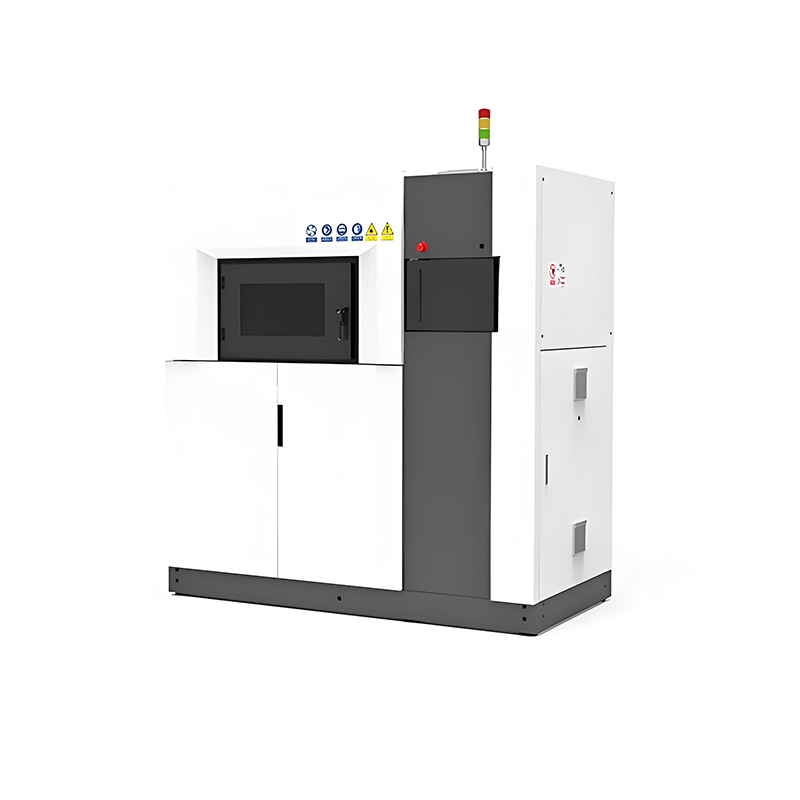
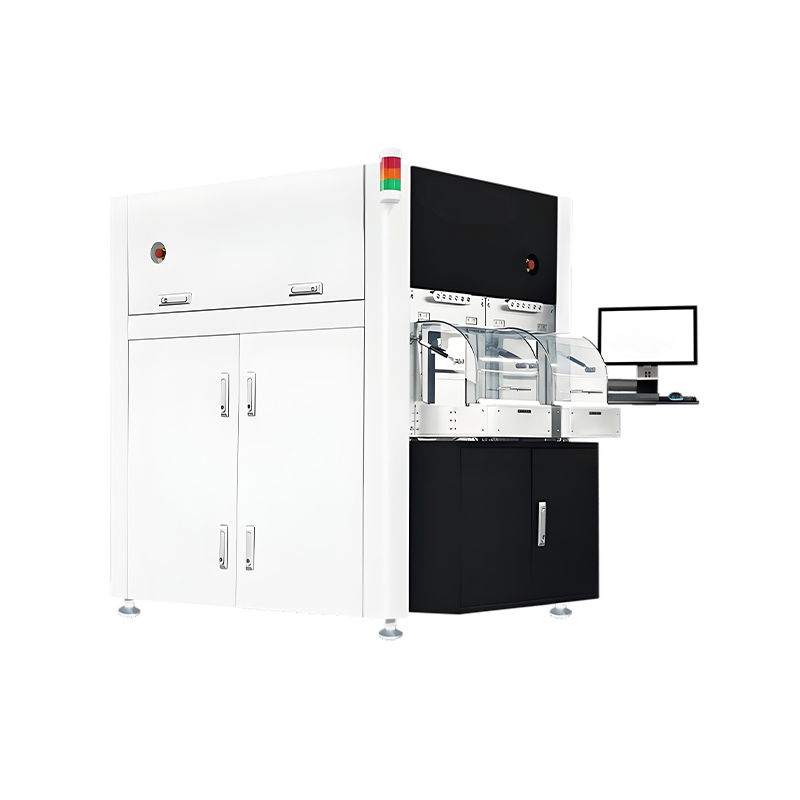
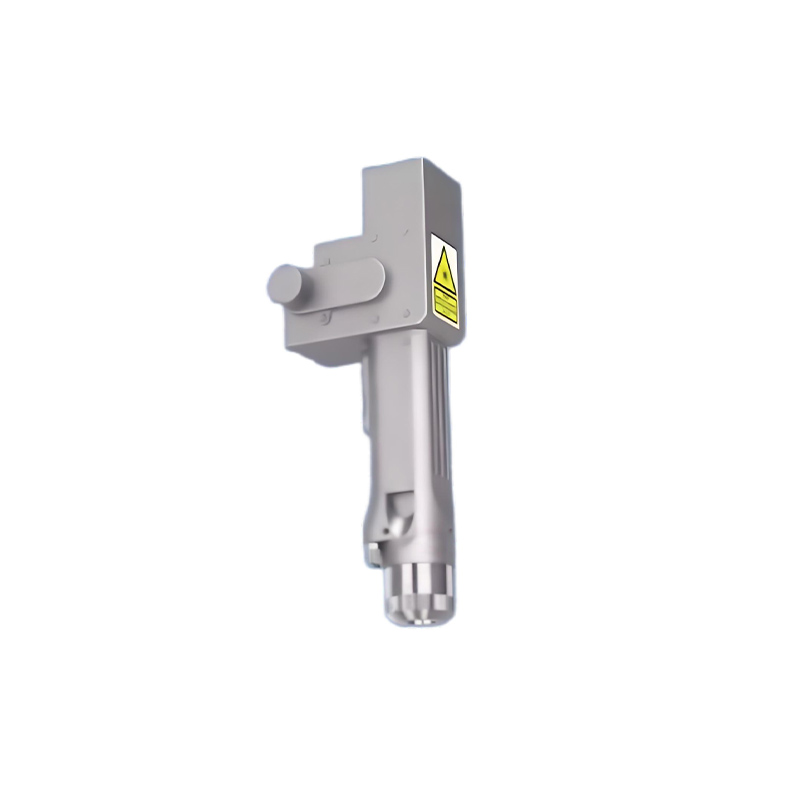
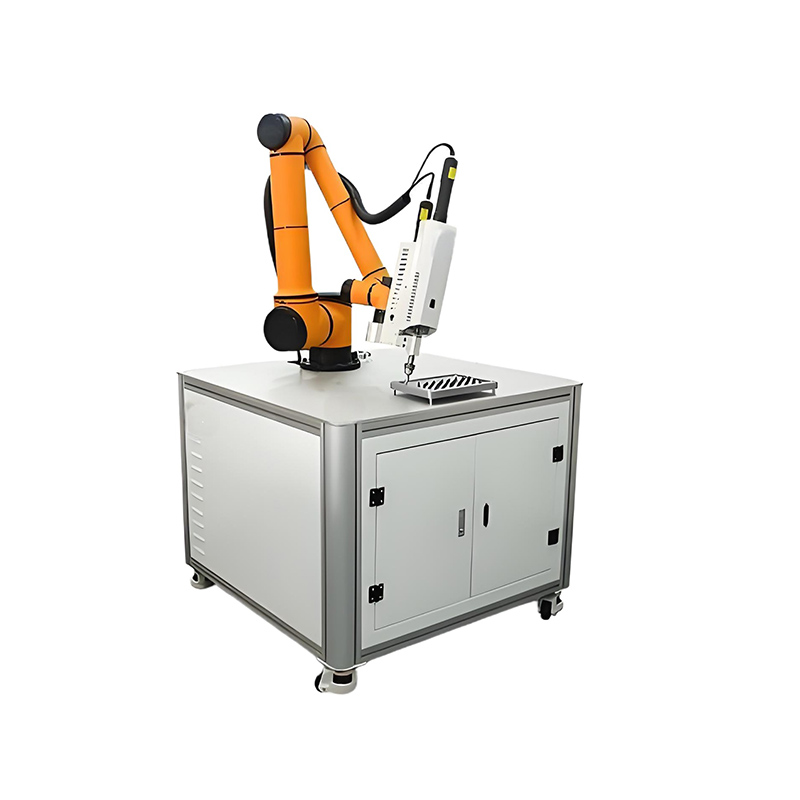
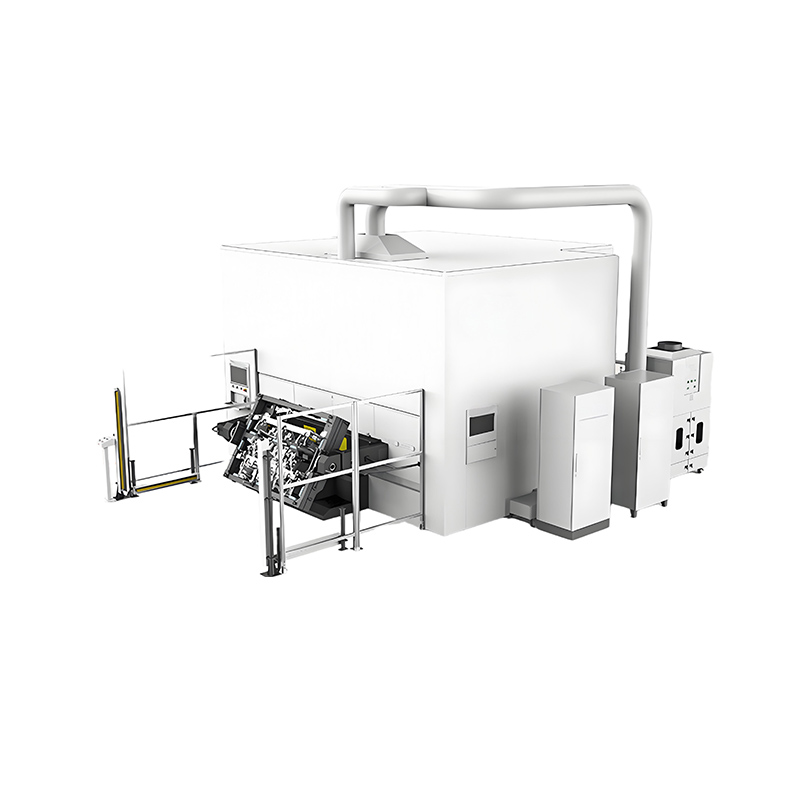
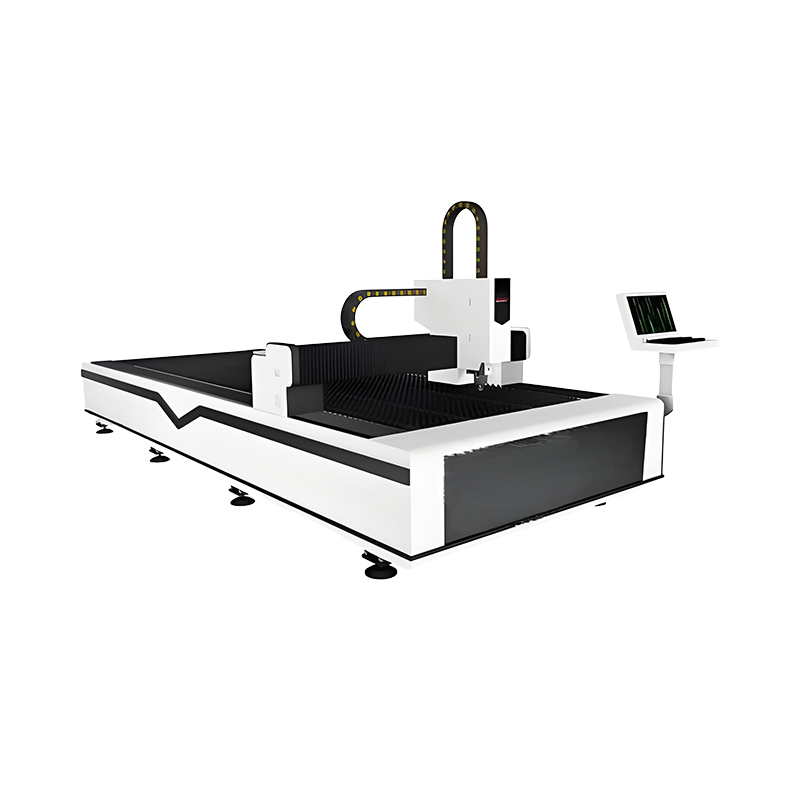
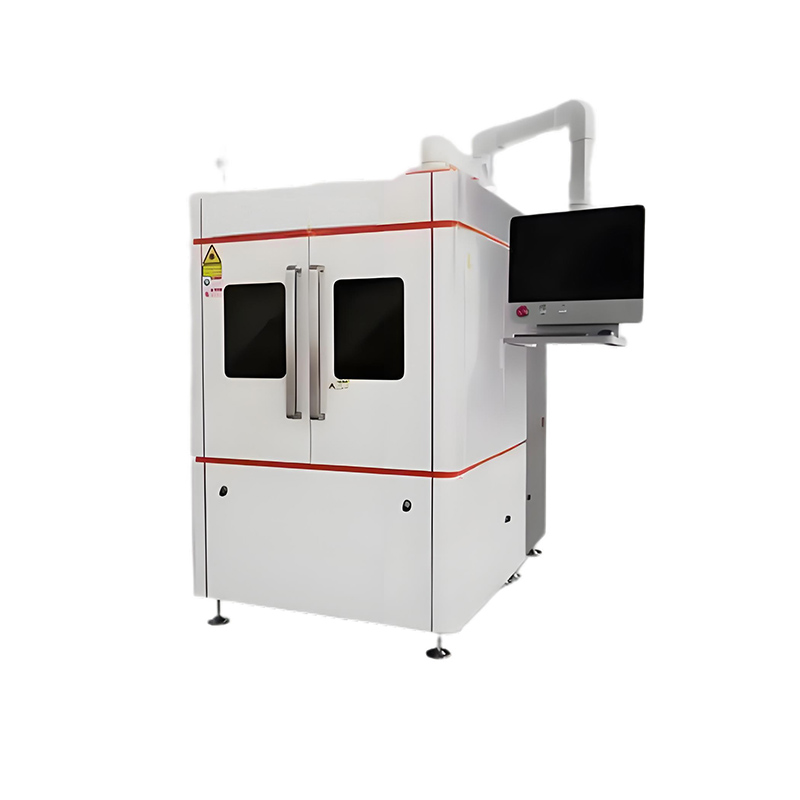
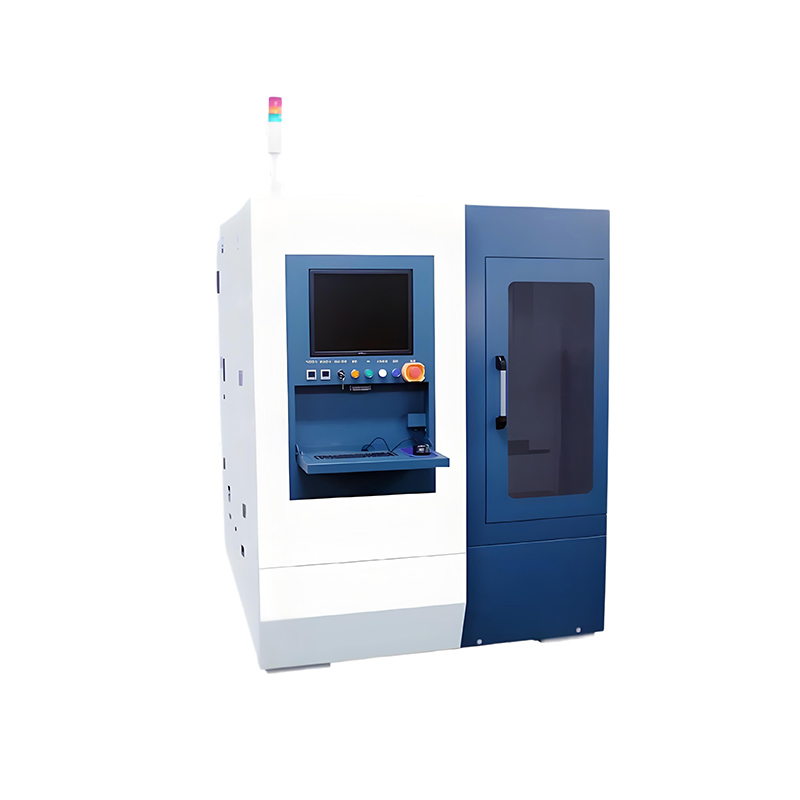
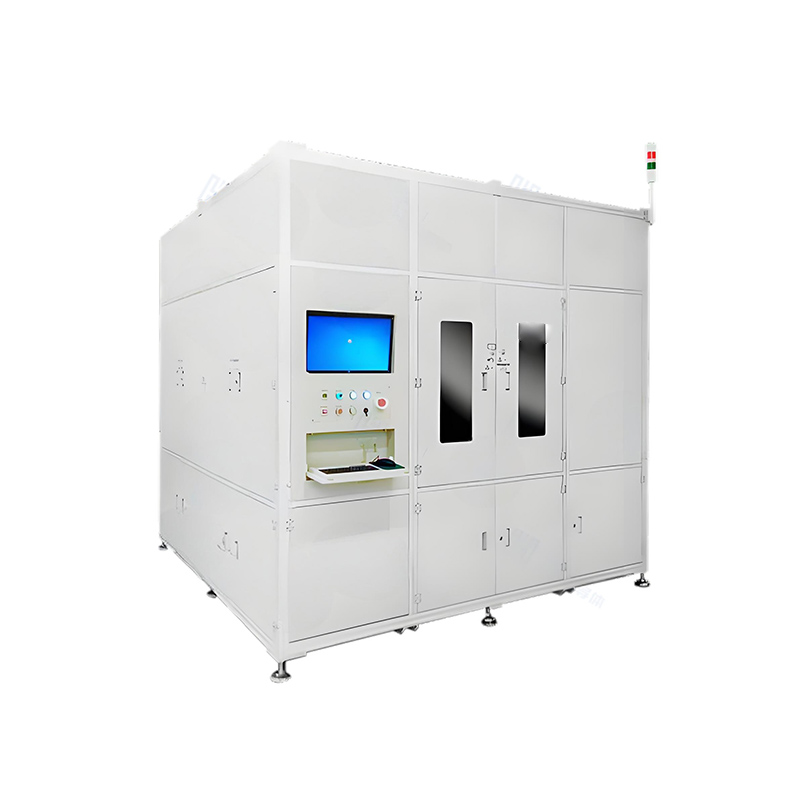
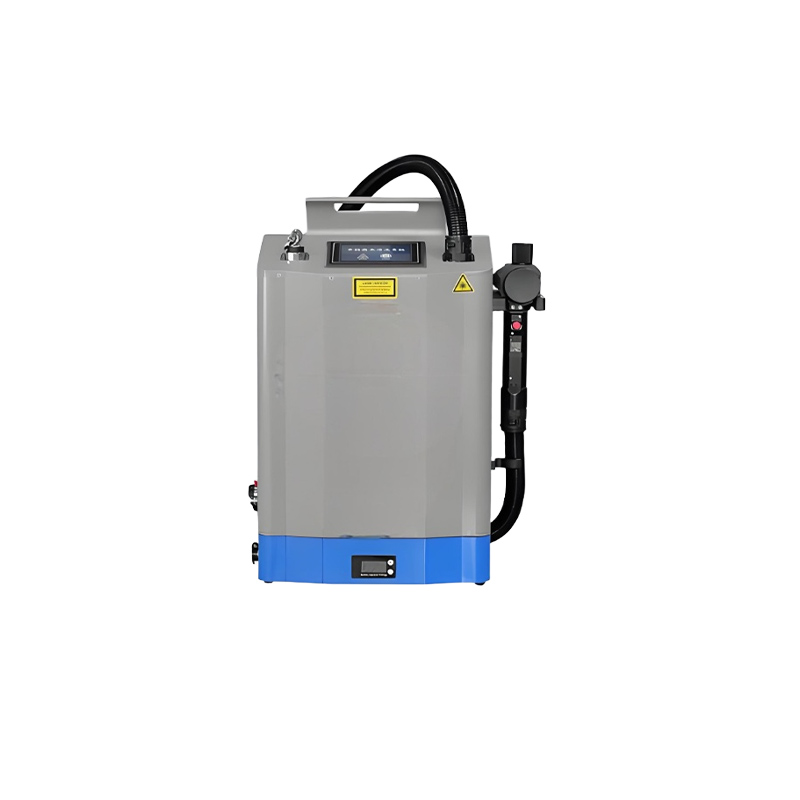
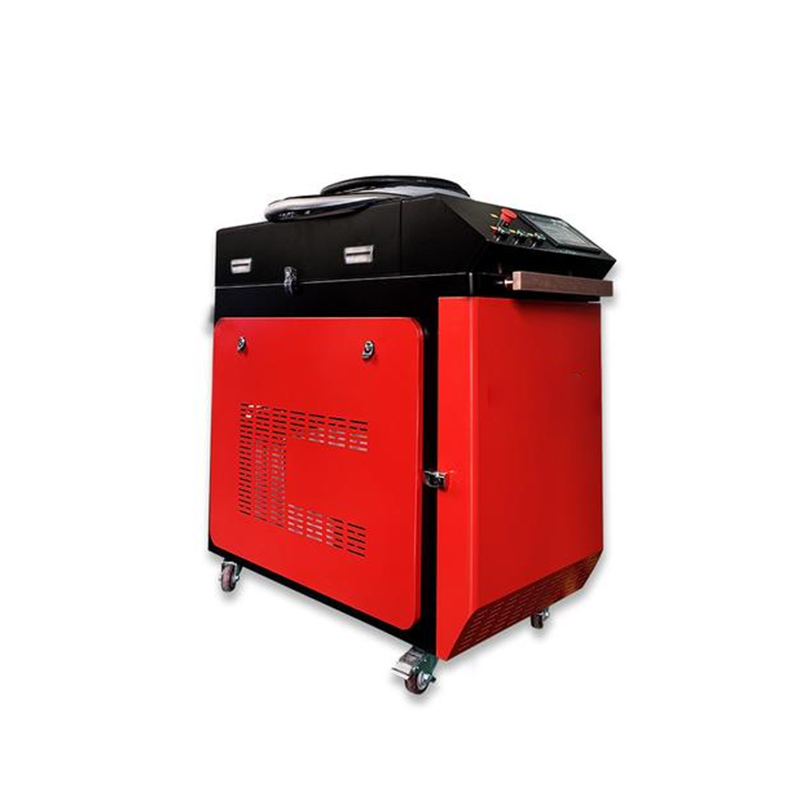
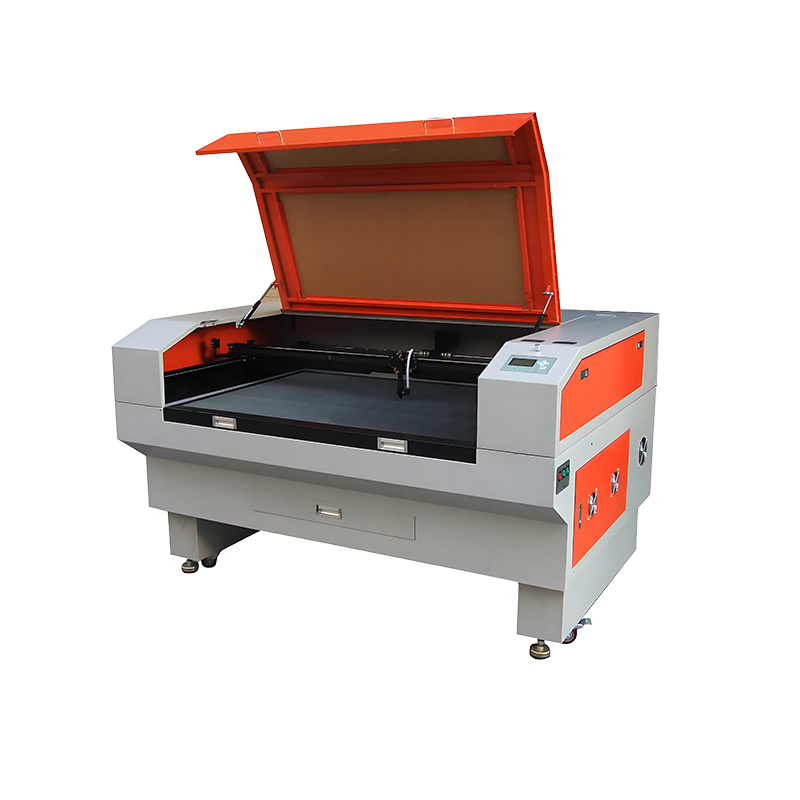
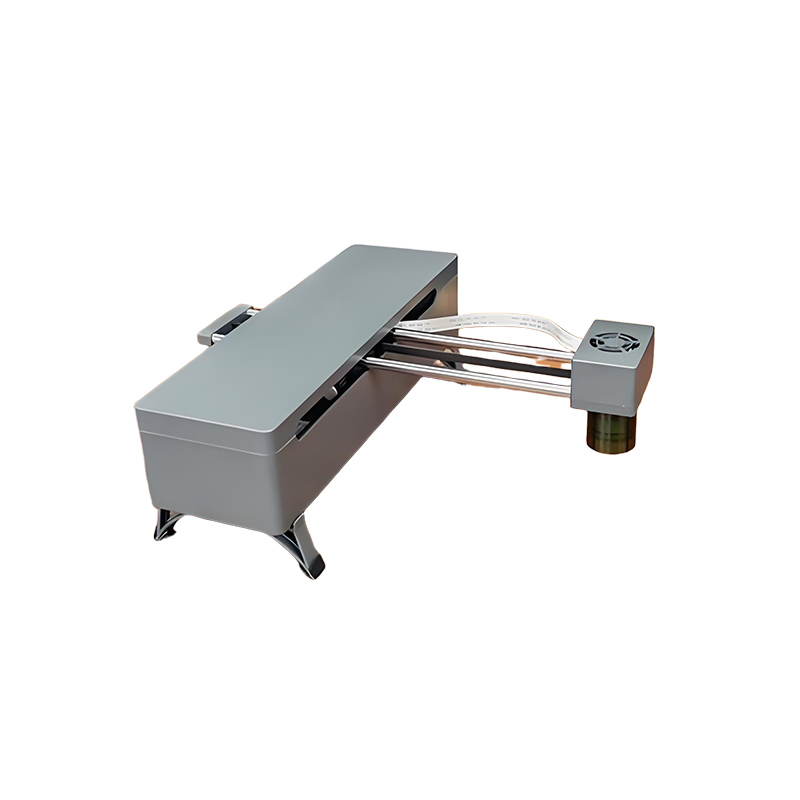
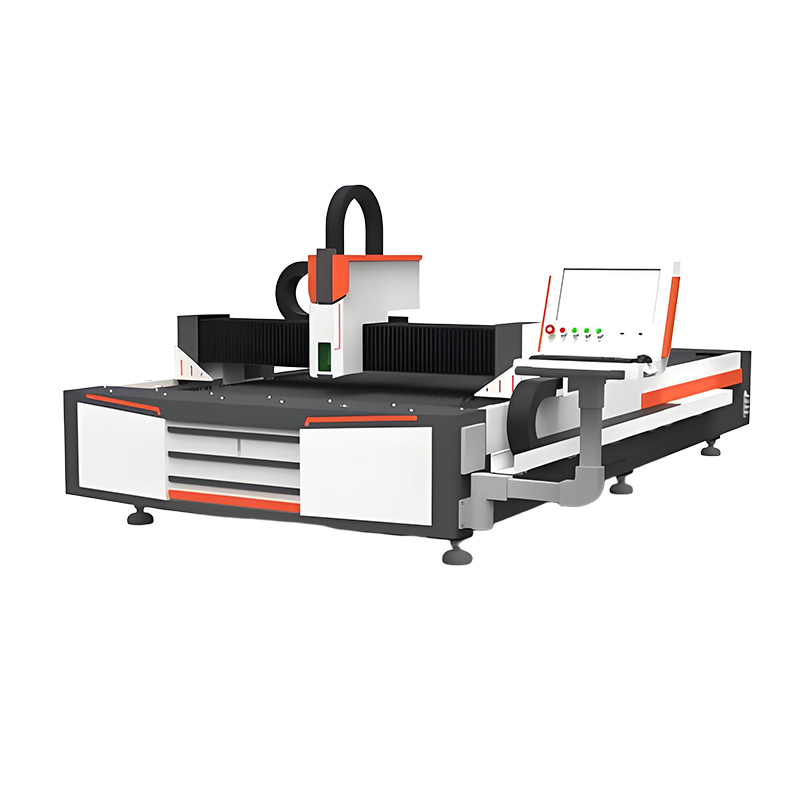
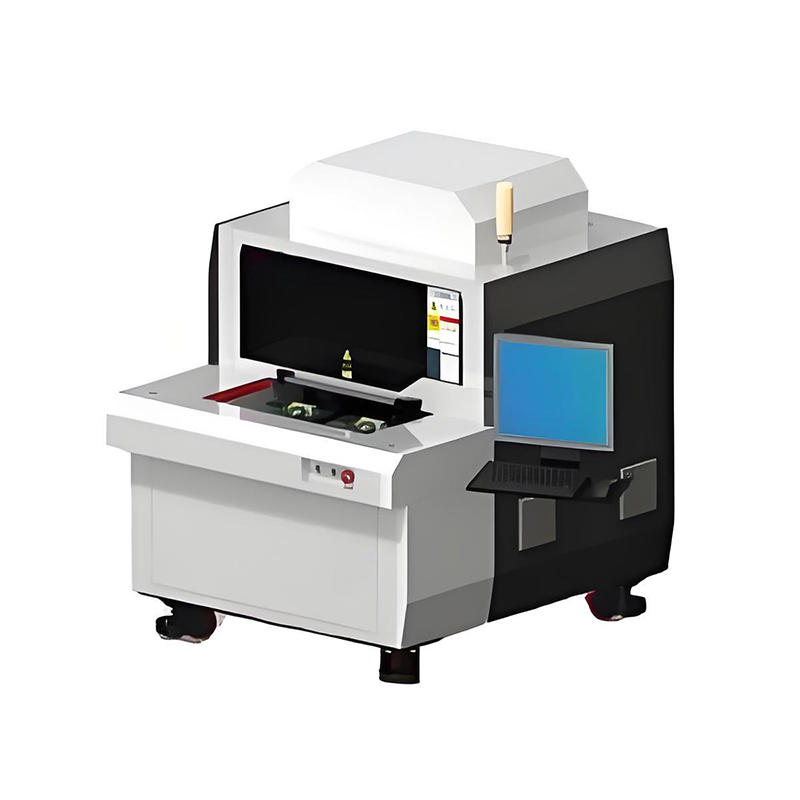
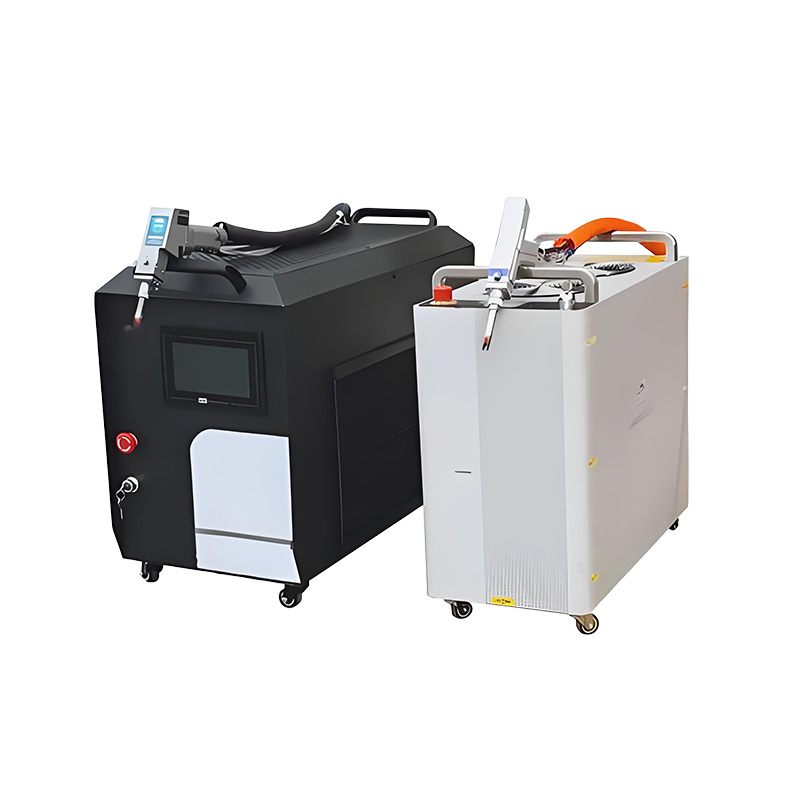
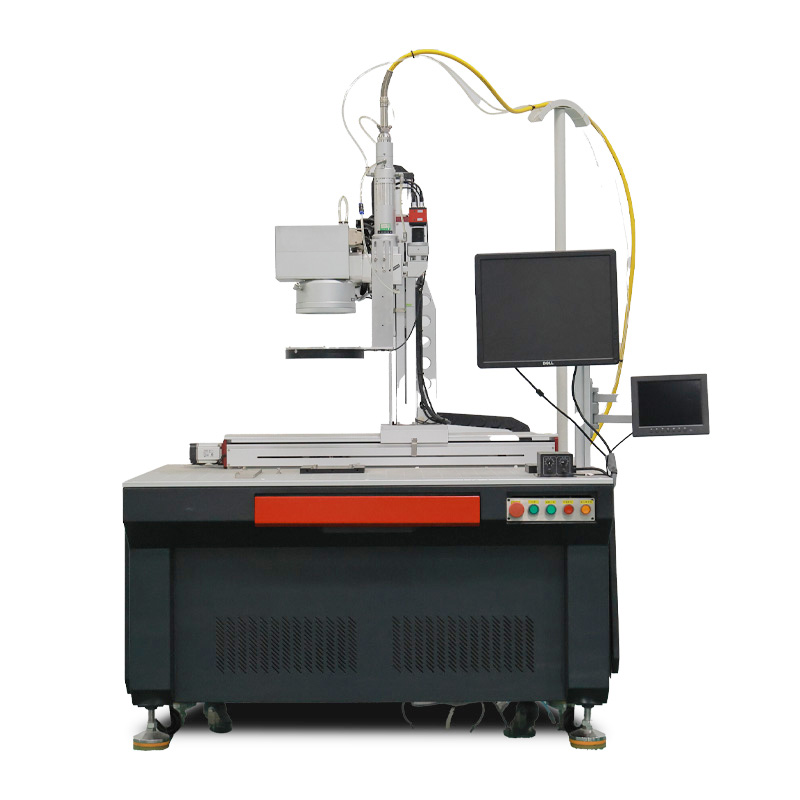
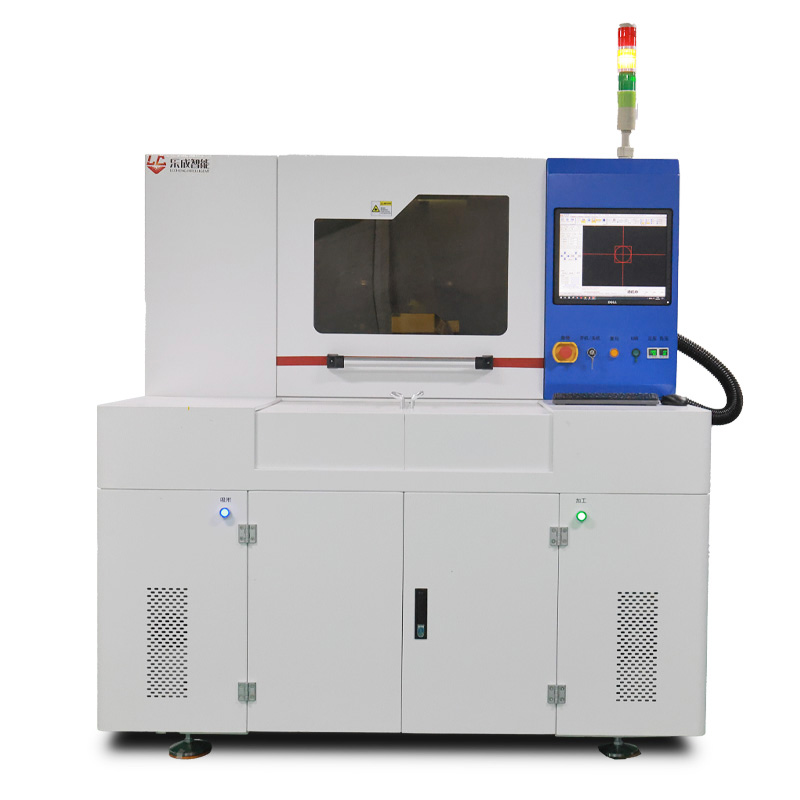
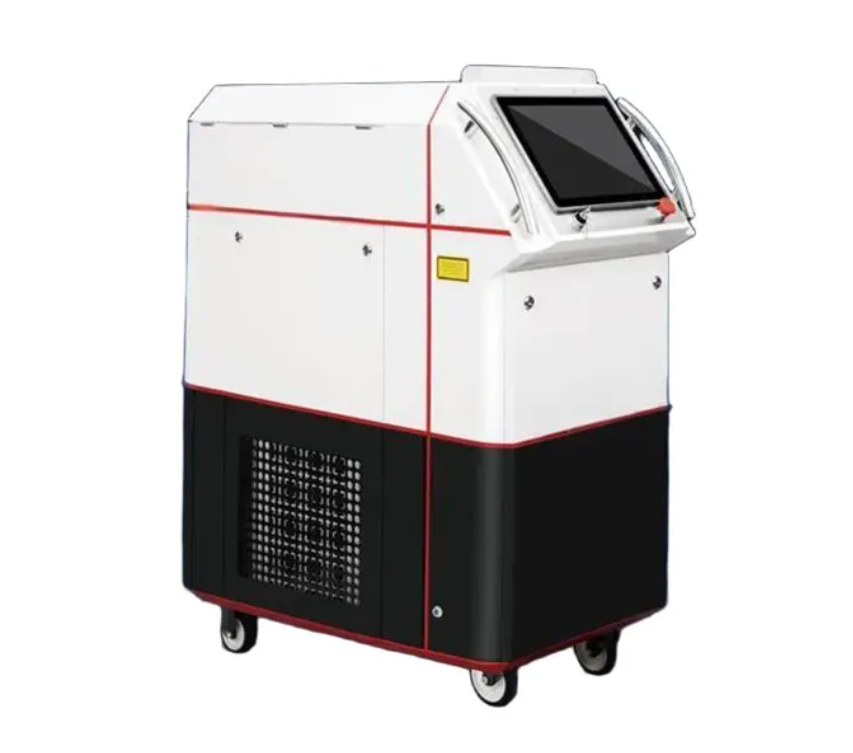
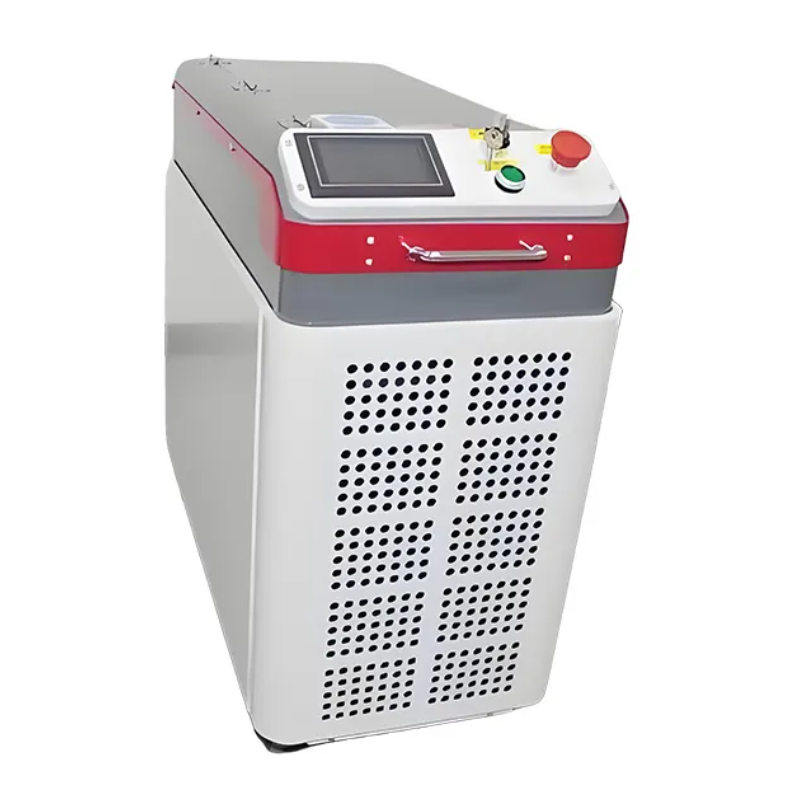
Lecheng Intelligent's P4 laser edge cleaning system addresses these challenges with targeted, high-precision engineering. Moving beyond simple fixed-width ablation, Lecheng's technology enables custom pattern cleaning, allowing manufacturers to define the exact isolation path needed for their specific module layout. This is achieved through sophisticated galvanometer scanning systems and advanced control software. The core of the system lies in its use of a high-quality, short-pulse laser source. This choice is deliberate: the ultrashort pulse interaction minimizes the Heat-Affected Zone (HAZ). By drastically reducing thermal stress and micro-cracking at the periphery, this "cold processing" approach preserves the integrity of the fragile perovskite and charge transport layers. The system incorporates real-time vision monitoring and compensation, ensuring the cleaning path remains accurate even over large panel areas or with slight substrate warping. The result is a consistently clean, well-defined edge with minimal damage to the adjacent functional layers, effectively sealing the module's electrical perimeter and eliminating performance-robbing shunts.
Integrating P4 into a Holistic, High-Yield Manufacturing Line
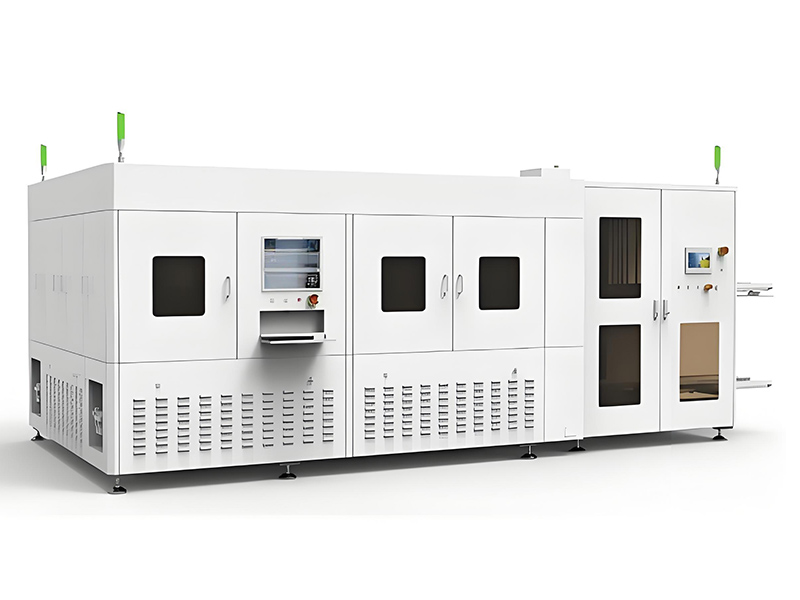
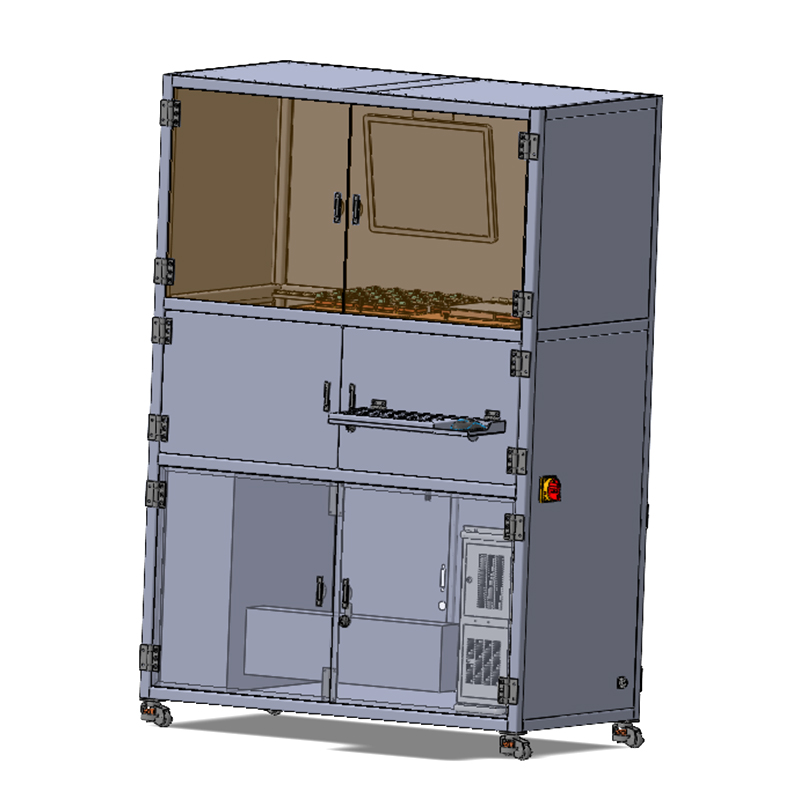
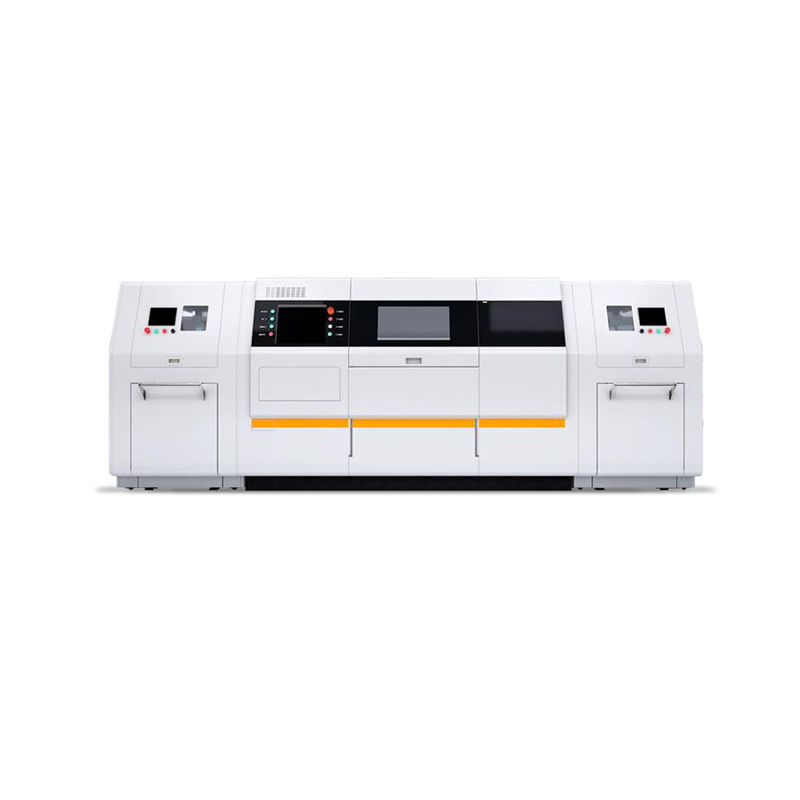
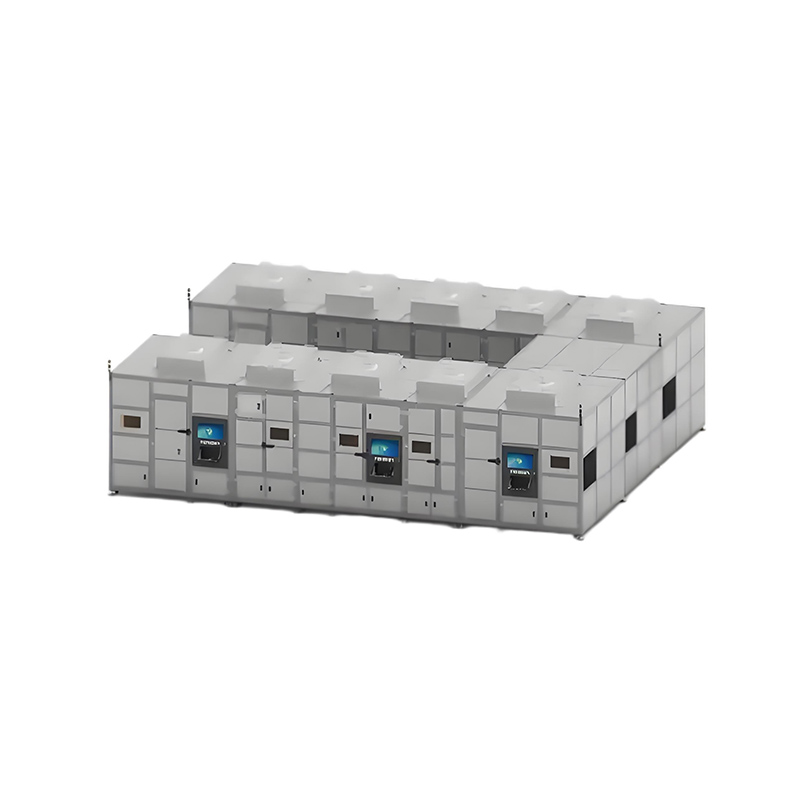
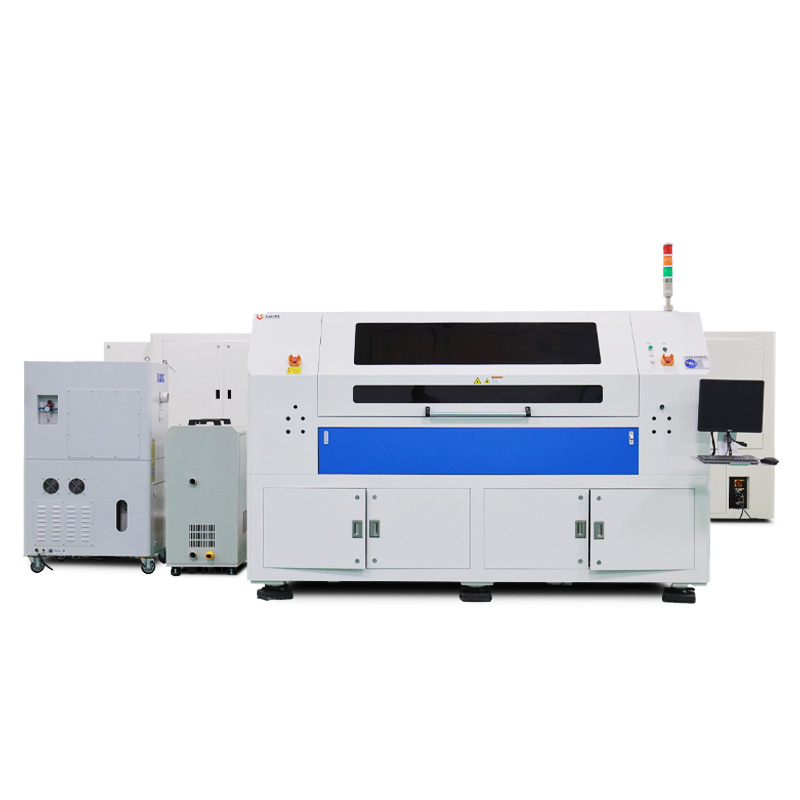
For maximum impact, P4 cleaning cannot operate in a vacuum. Lecheng designs its P4 systems as integral components within a holistic Perovskite Laser Production Line. This seamless integration from P1 through P4 ensures process continuity, minimizes handling, and optimizes throughput. The P4 station inherits the high-precision motion platforms and alignment capabilities of the earlier scribing stages, guaranteeing pattern-to-pattern registration accuracy across the entire module. This unified approach simplifies the production workflow, reduces the footprint of the manufacturing cell, and lowers the total cost of ownership. Furthermore, data from the P4 process can be fed into a centralized process control system, providing valuable feedback for quality assurance and traceability. By offering P4 as part of a synchronized, turnkey production solution, Lecheng empowers manufacturers to achieve not only superior individual module performance but also the high, consistent yields necessary for profitable, large-scale commercialization of perovskite technology.
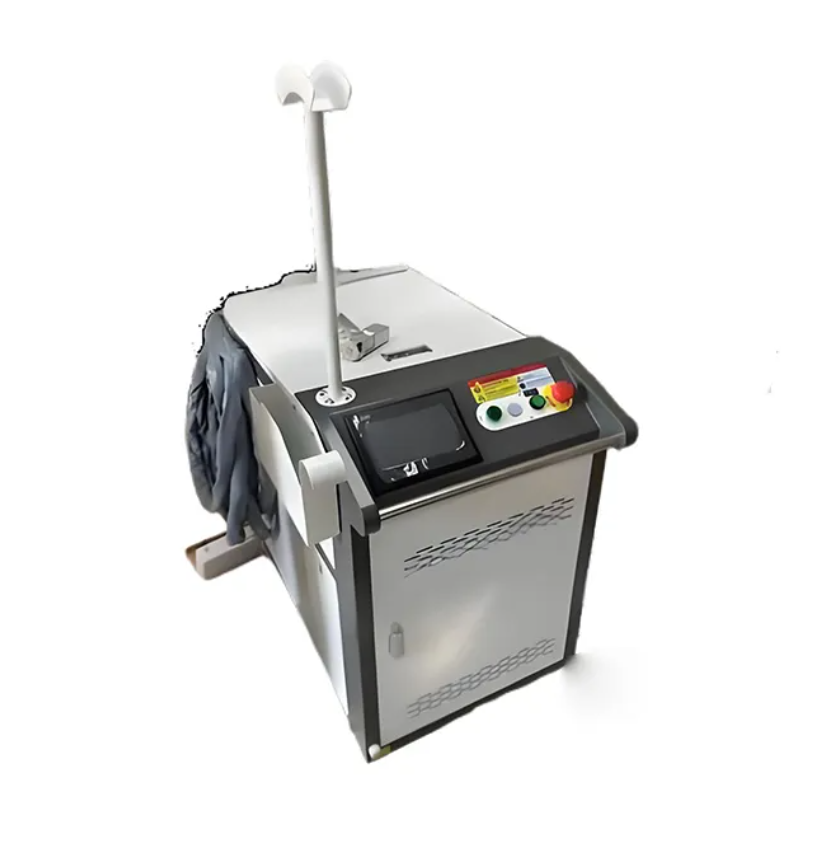
In the race to commercialize durable and efficient perovskite solar modules, the significance of a flawless finish cannot be overstated. Lecheng Intelligent's advanced P4 laser edge cleaning technology represents this critical final touch. By delivering precision, minimal thermal damage, and seamless line integration, it transforms the module edge from a potential liability into a guarantor of performance and longevity. Investing in such sophisticated P4 processing is not an extra cost but a fundamental strategy to protect the value of the entire perovskite cell and secure a competitive edge in the high-stakes photovoltaic market.
Related product and article resources
For procurement comparison and technical evaluation, readers can continue with these related product pages and supporting articles.
- Products
- Product catalog
- Contact the sales team
- Contact us
- Laser Scribing Machine RFQ Checklist for PV Cell Production Lines
- Laser Scribing vs Mechanical Cutting in Photovoltaic Production
- P1, P2 and P3 Laser Scribing: What Solar Manufacturers Should Know
- Lecheng Powers Dehu's 100MW Perovskite Pilot Line to Historic First Light