


Choosing the right glass cutting method impacts your product quality, production costs, and competitive position. This article provides a detailed, objective comparison of laser and mechanical methods to help you make an informed decision.
Overview of Both Methods
Mechanical Glass Cutting
Traditional glass cutting uses a hardened wheel (carbide or diamond-tipped) to score the glass surface. The scored glass is then broken along the line by applying force. For quality edges, secondary grinding and polishing are required.
Laser Glass Cutting
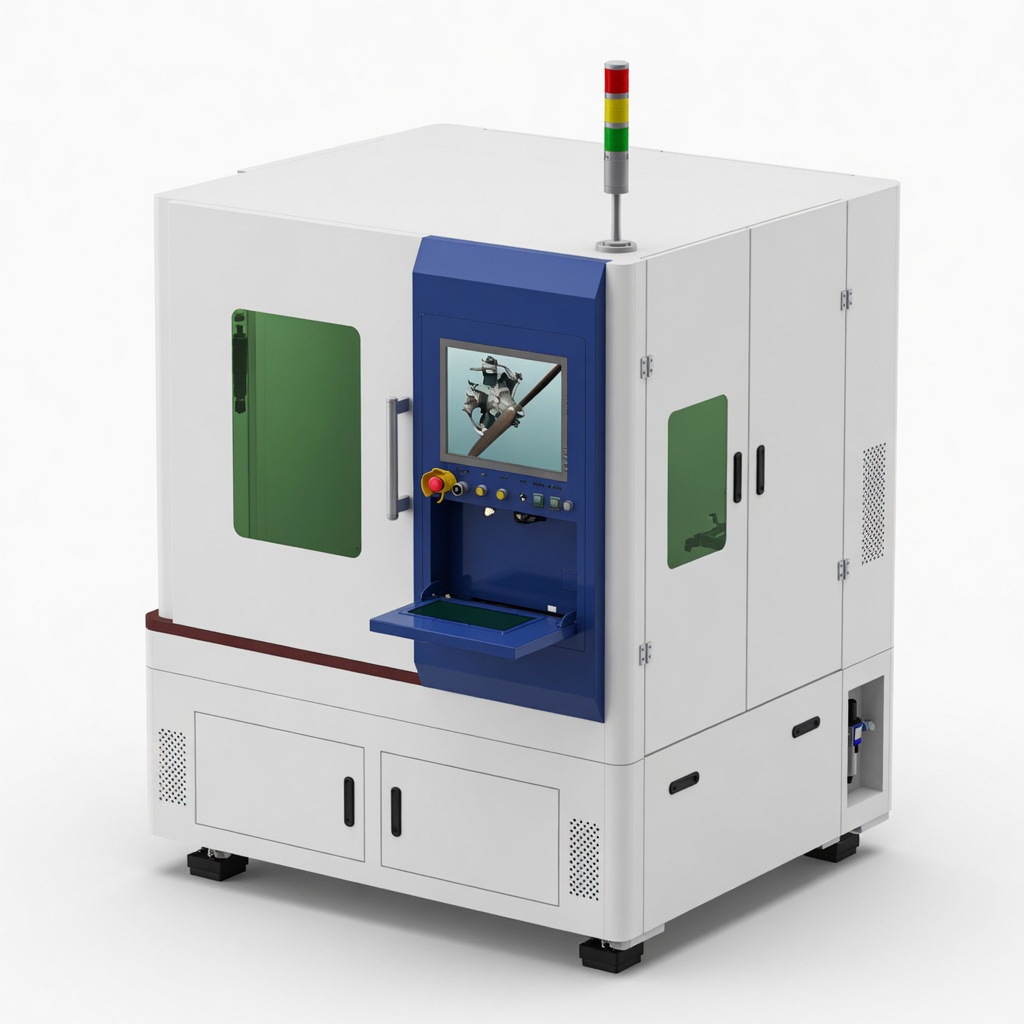
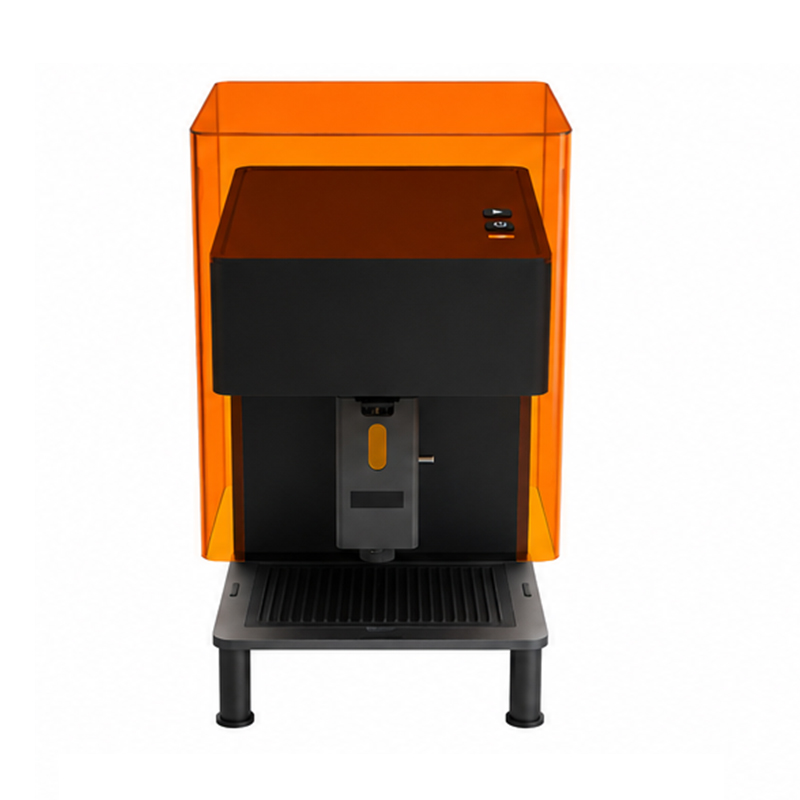
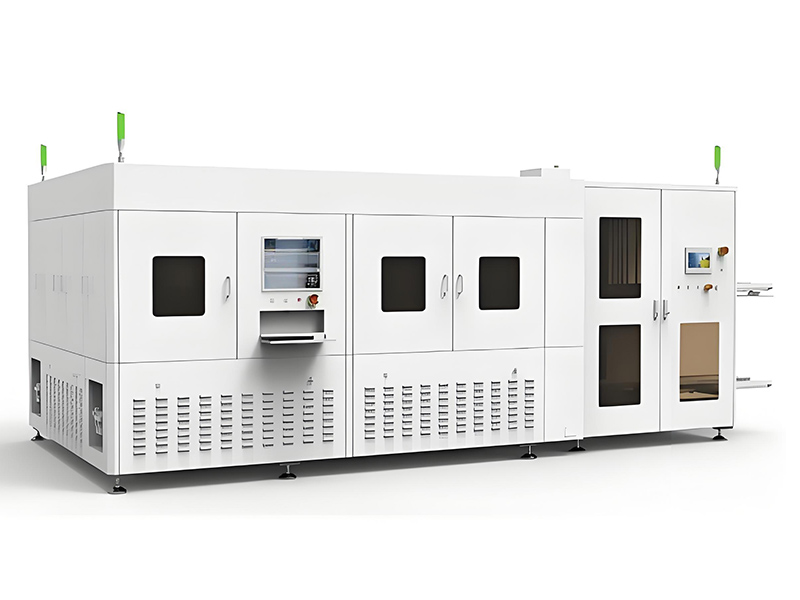
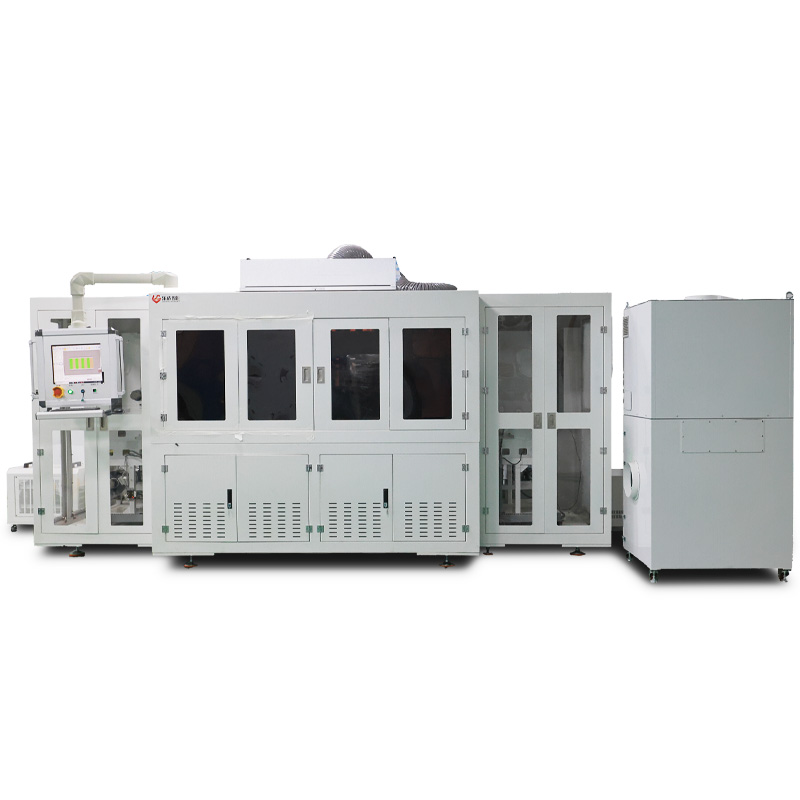
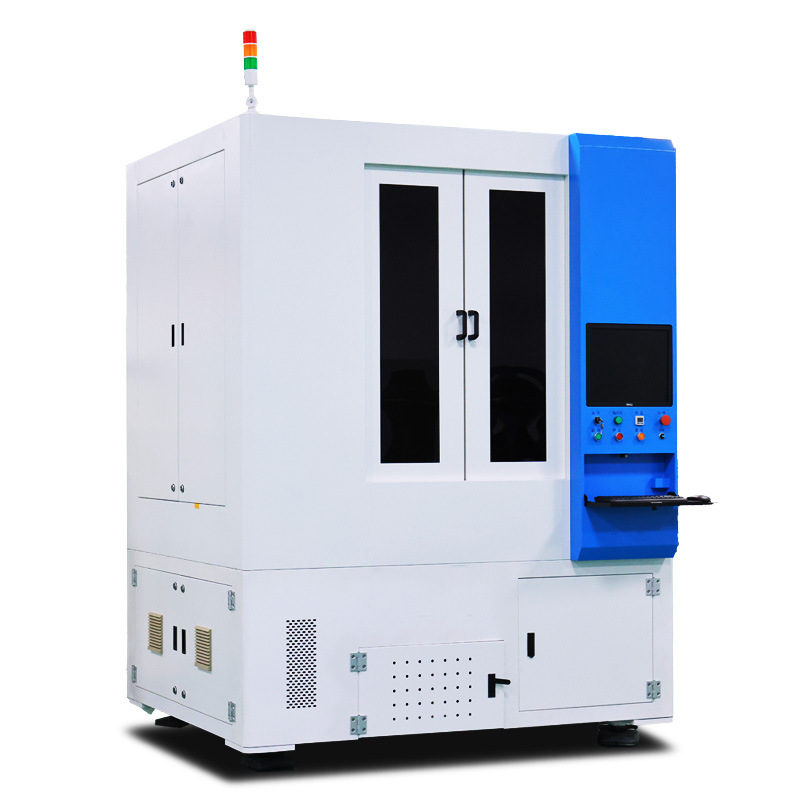
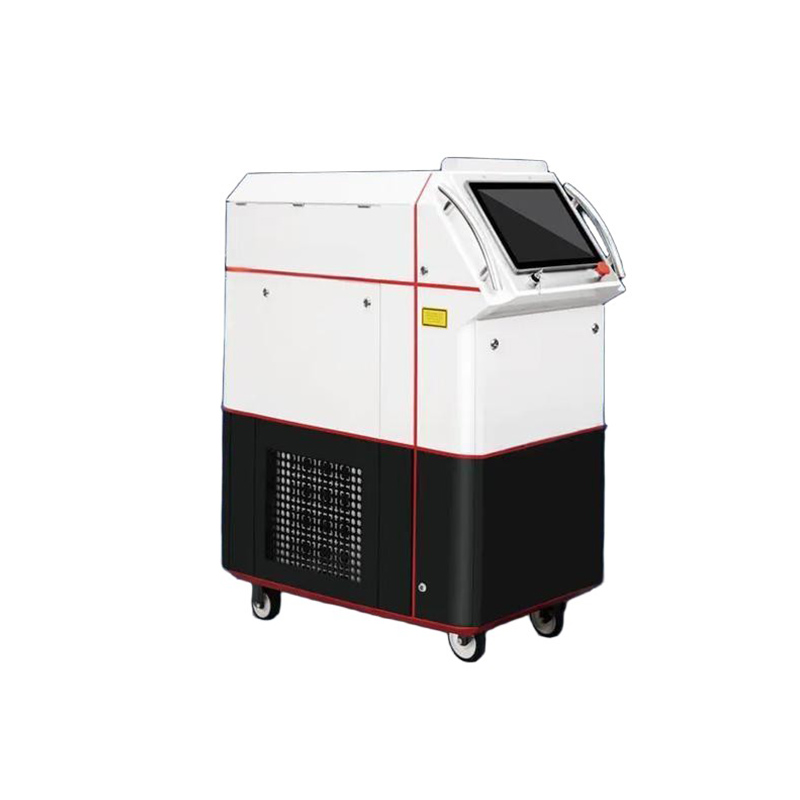
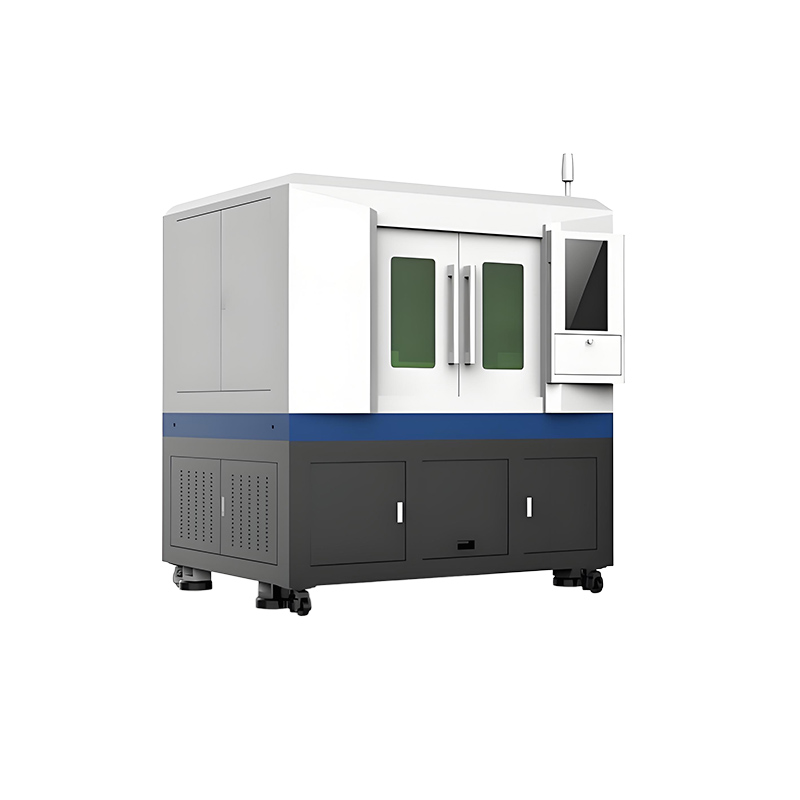
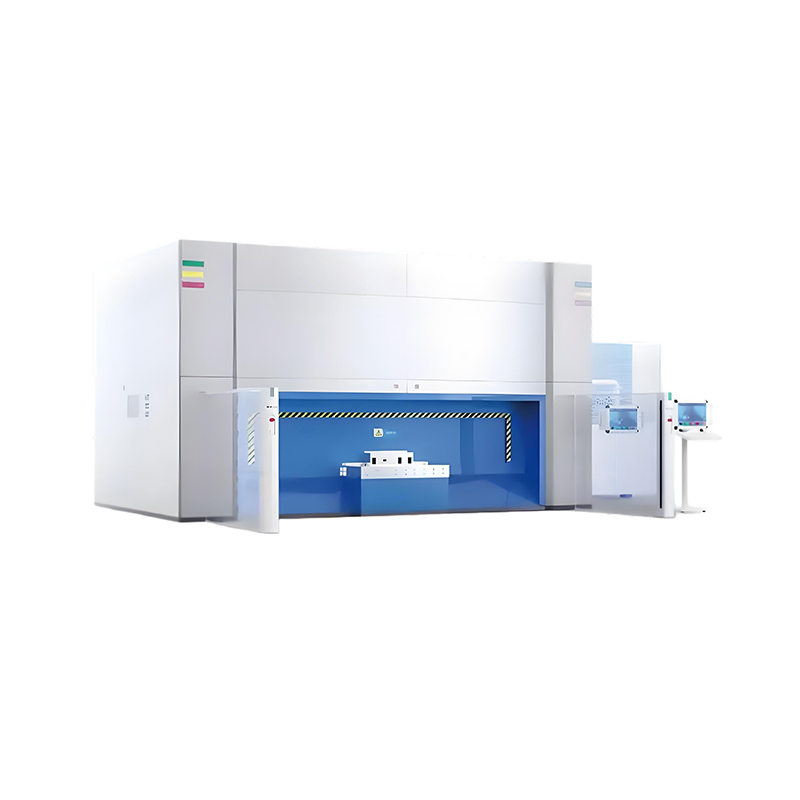
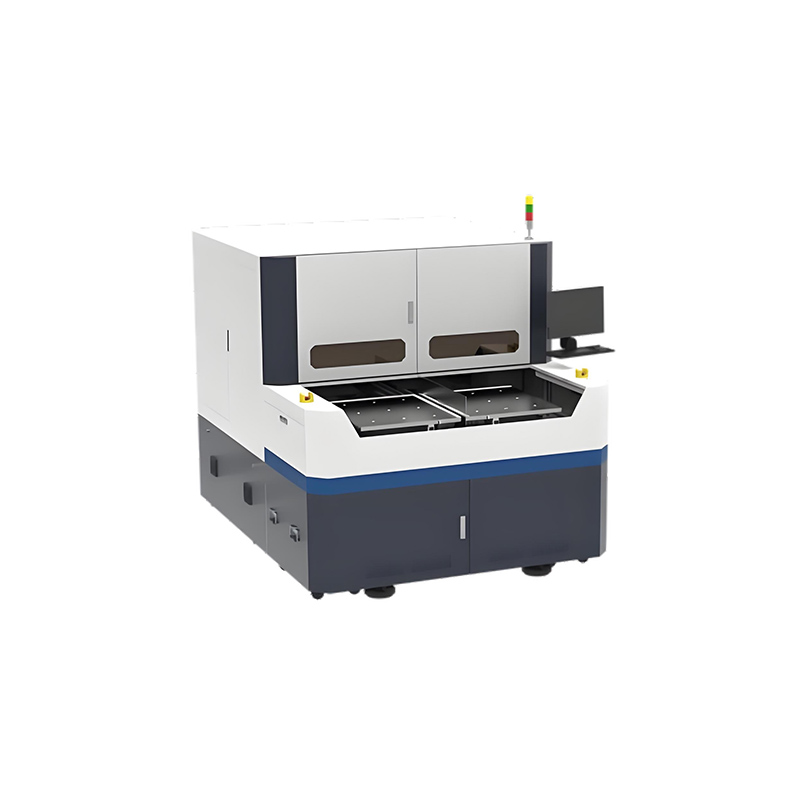
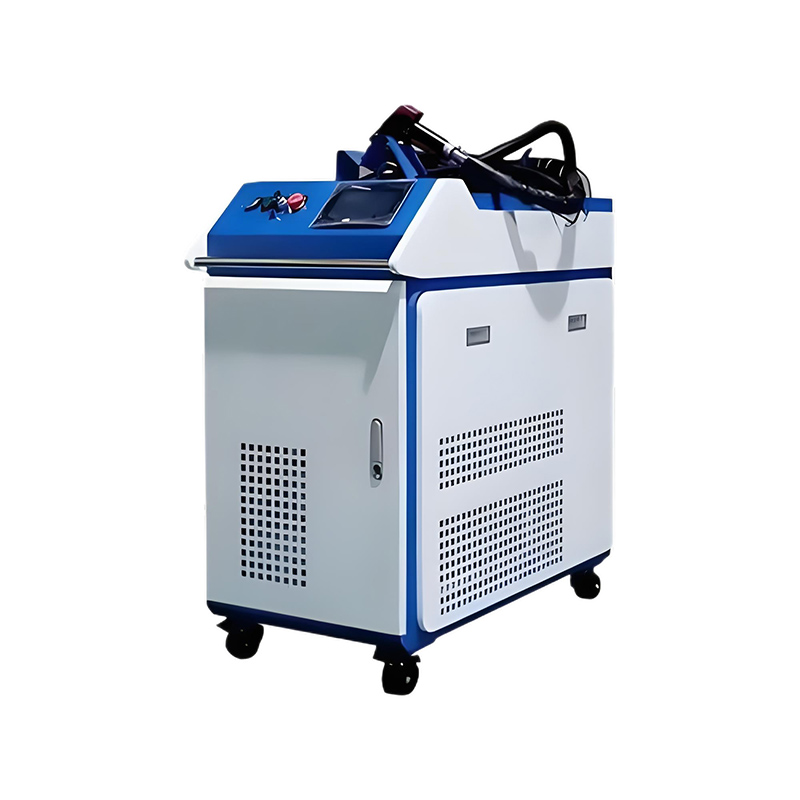
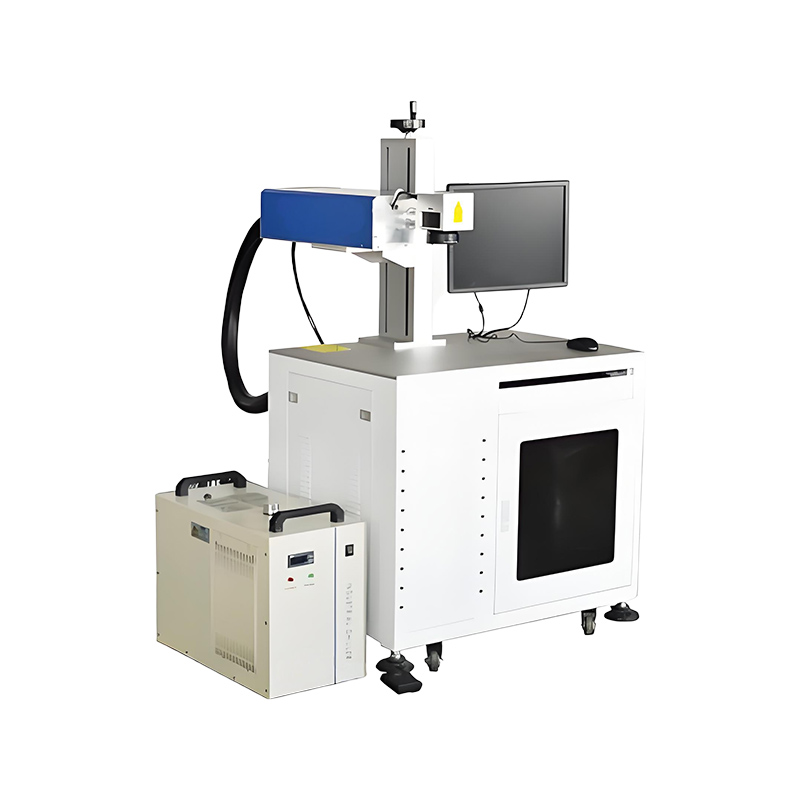
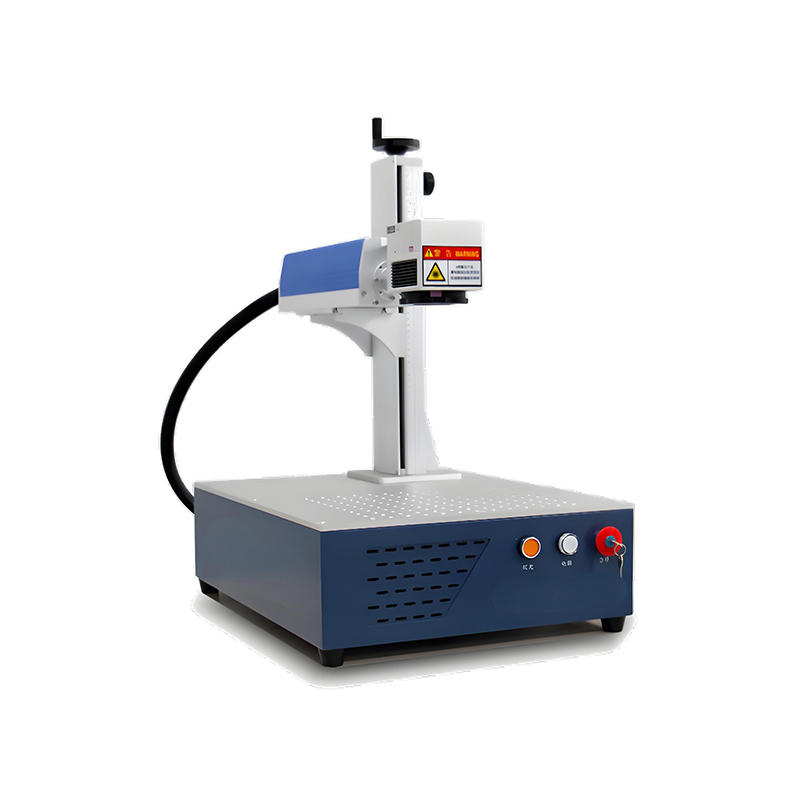
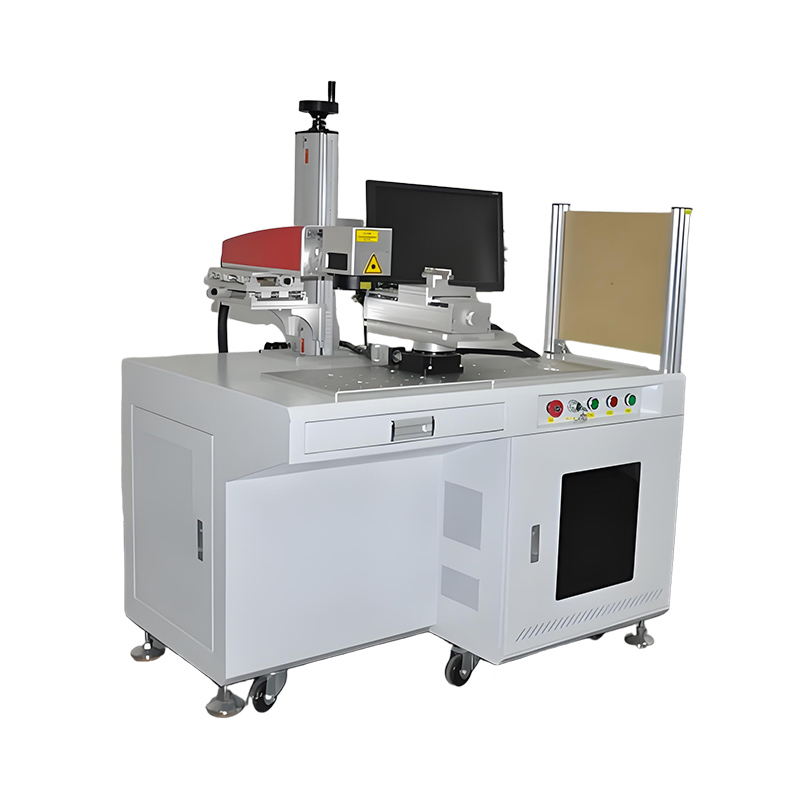
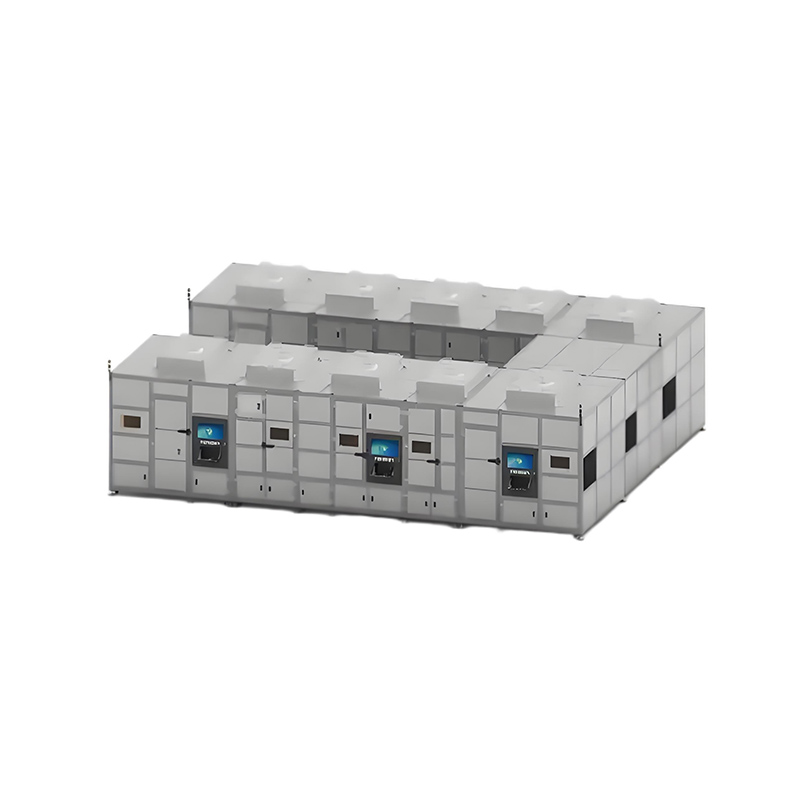
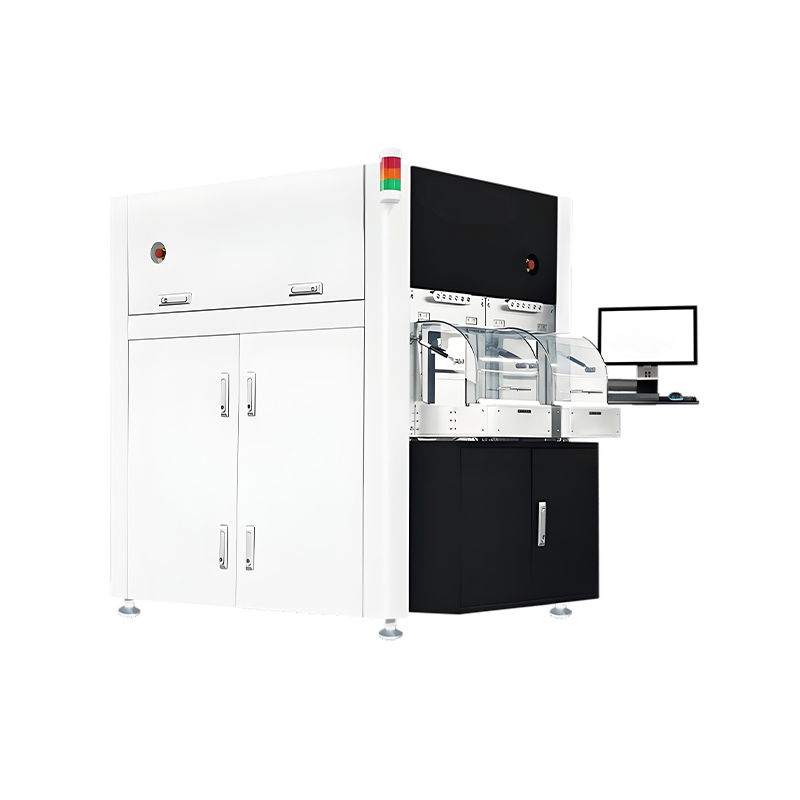
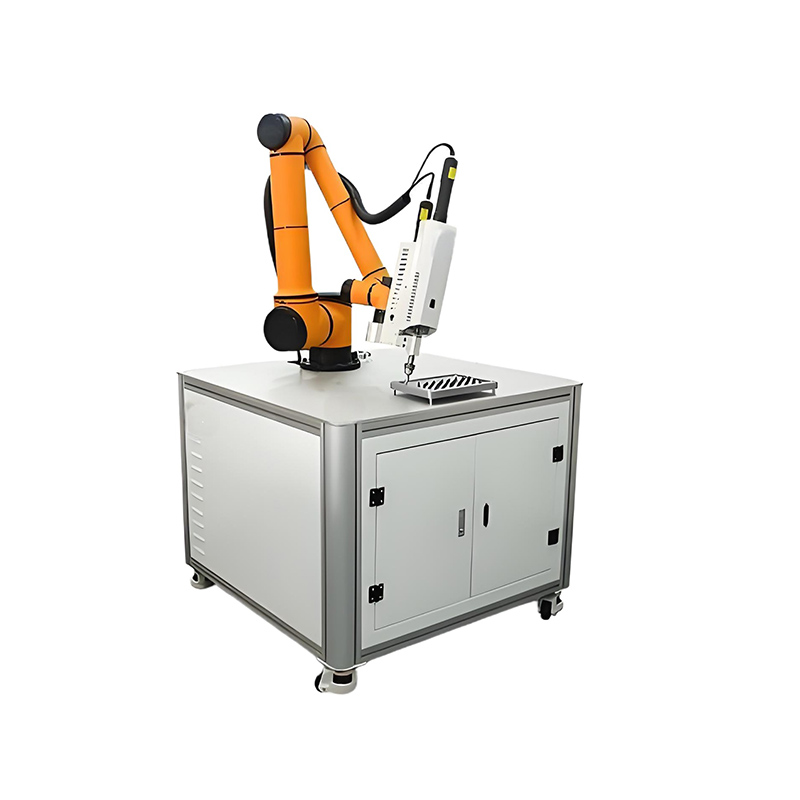
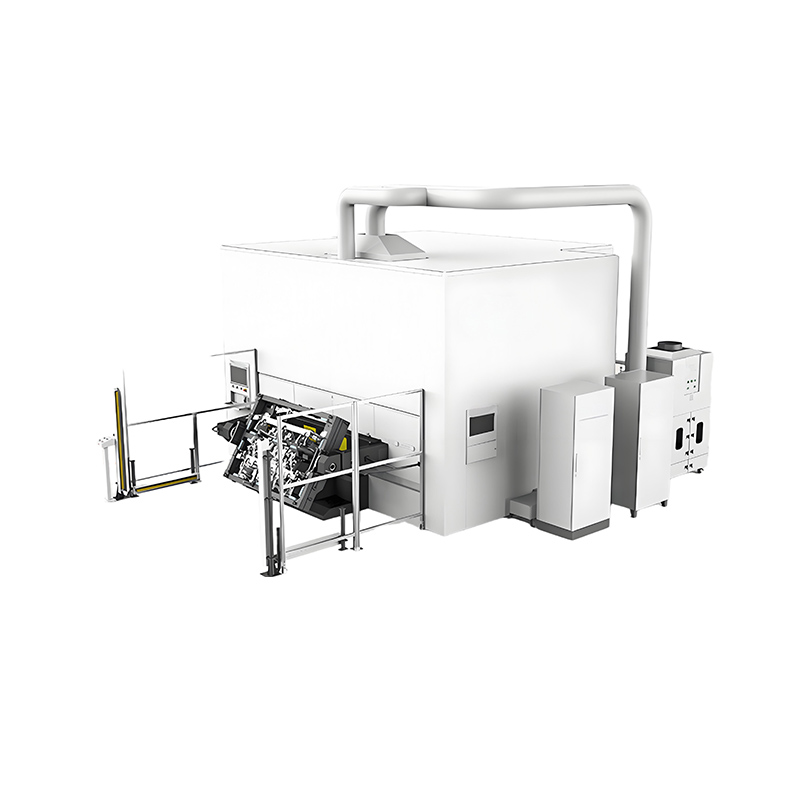
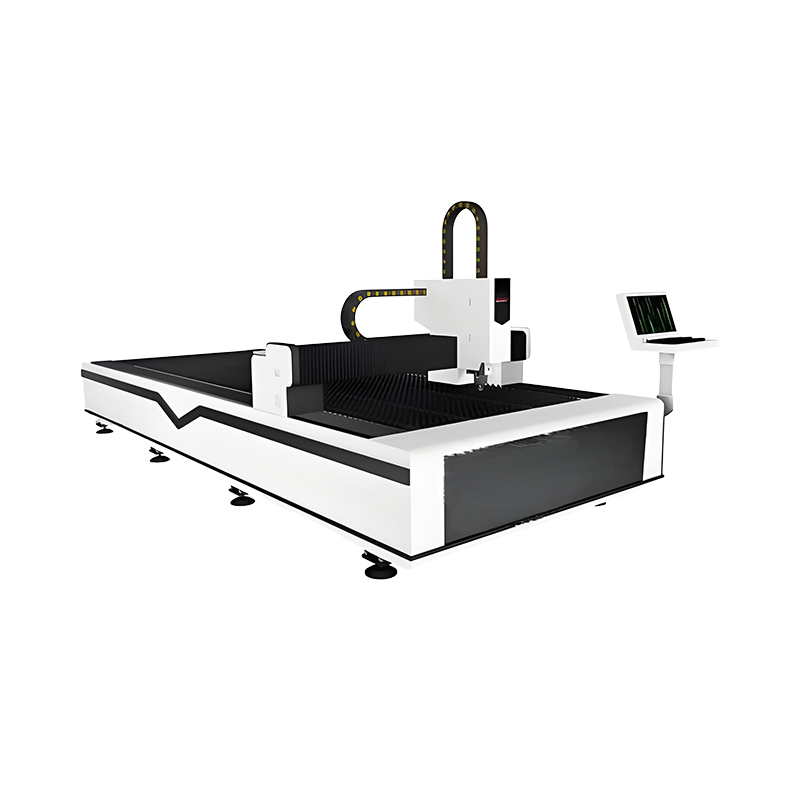
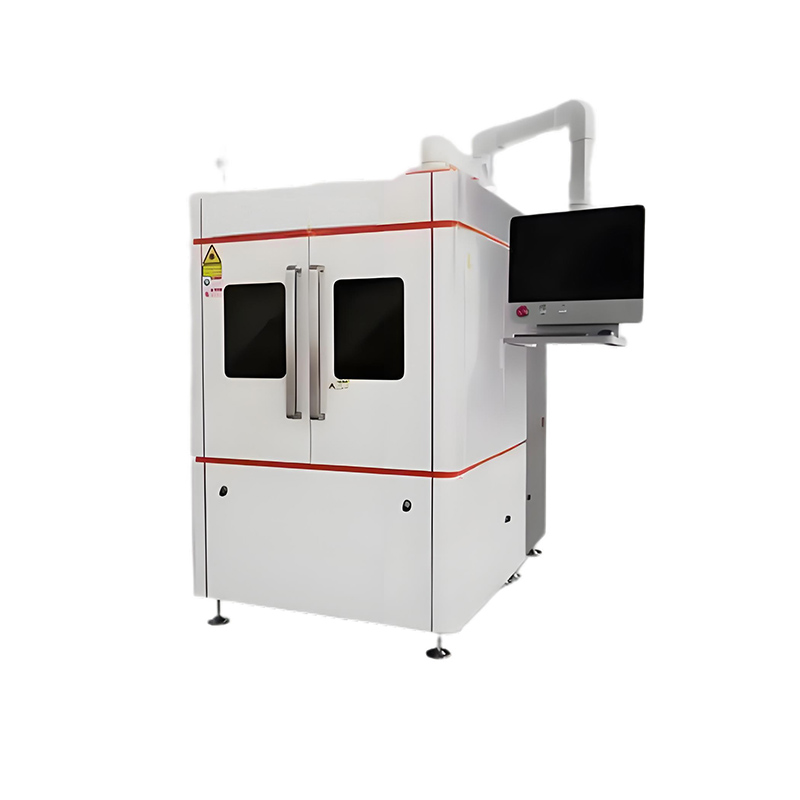
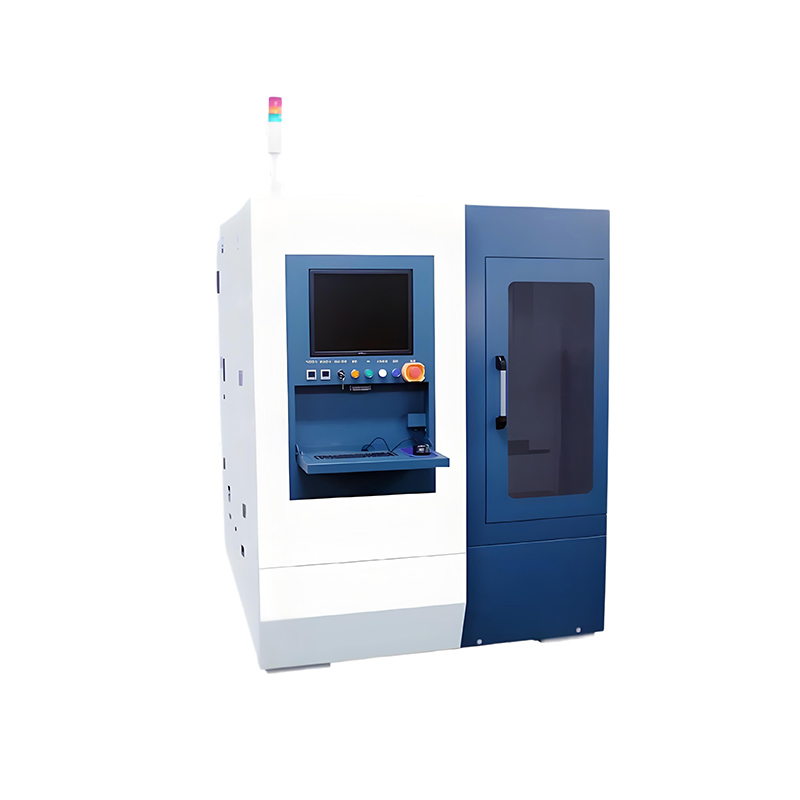
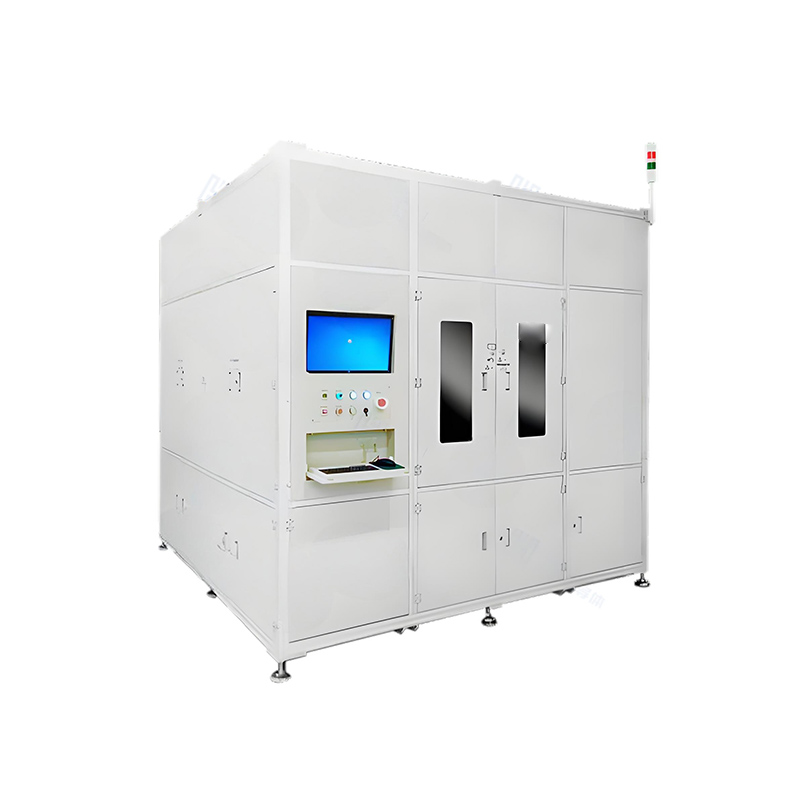
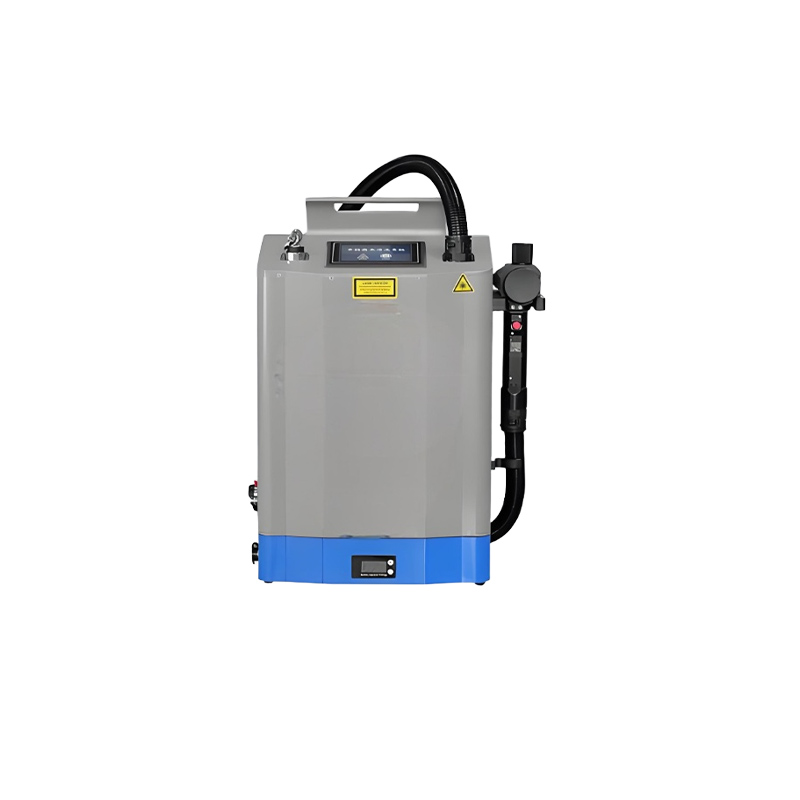
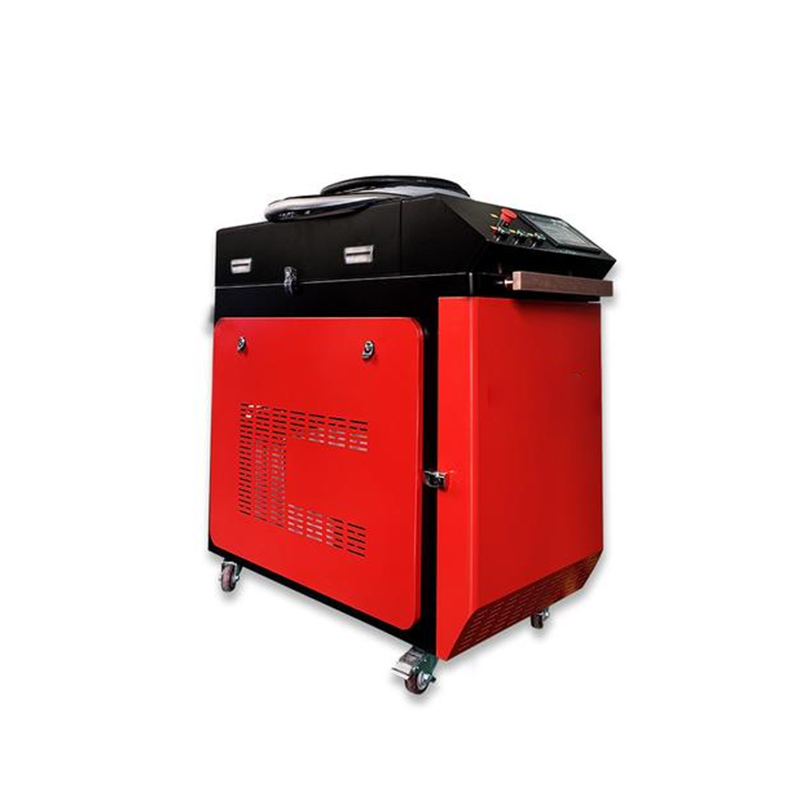
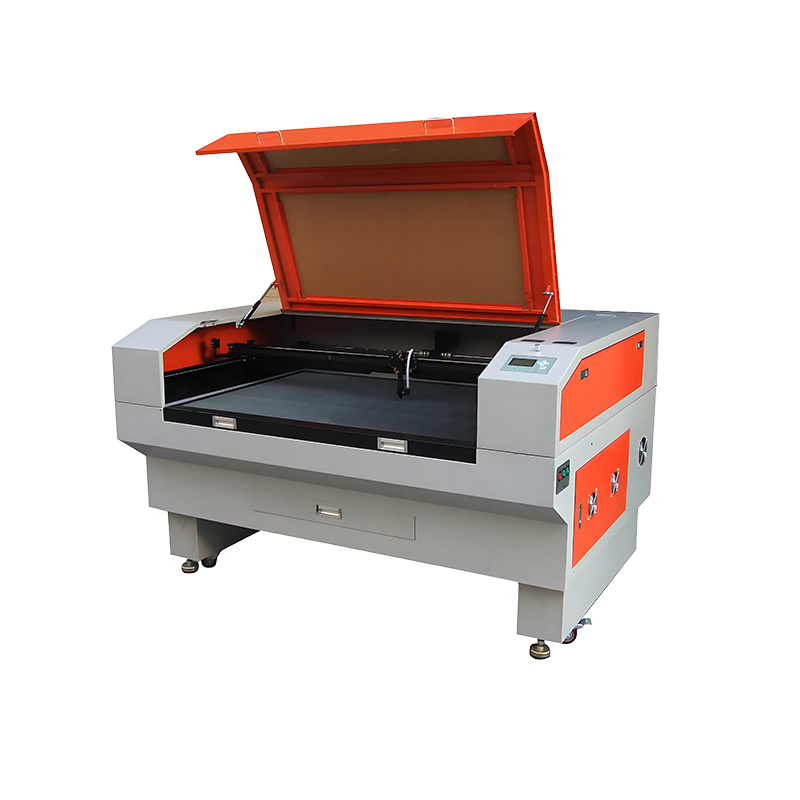
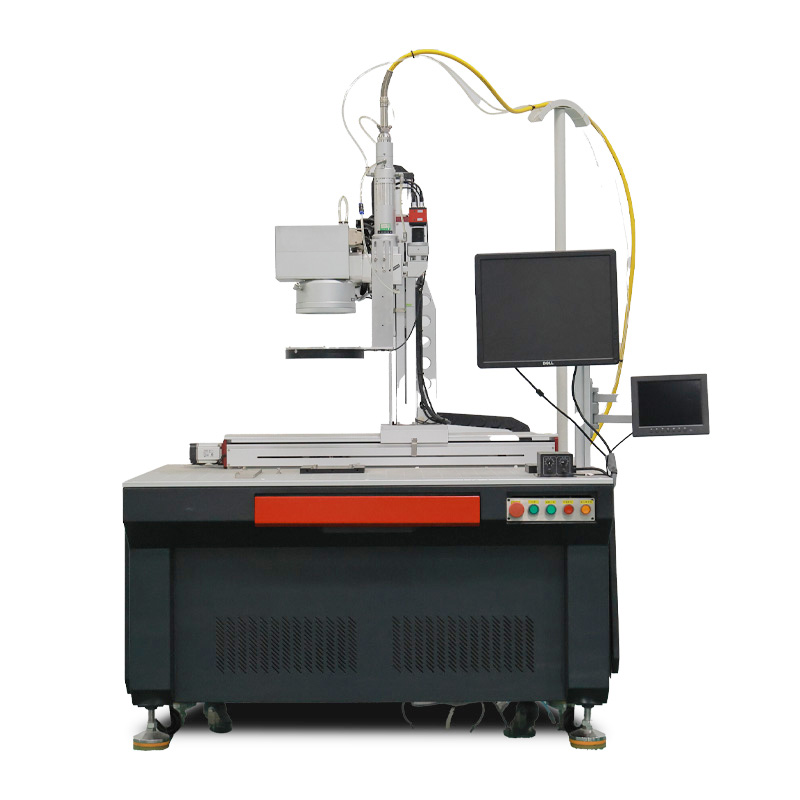
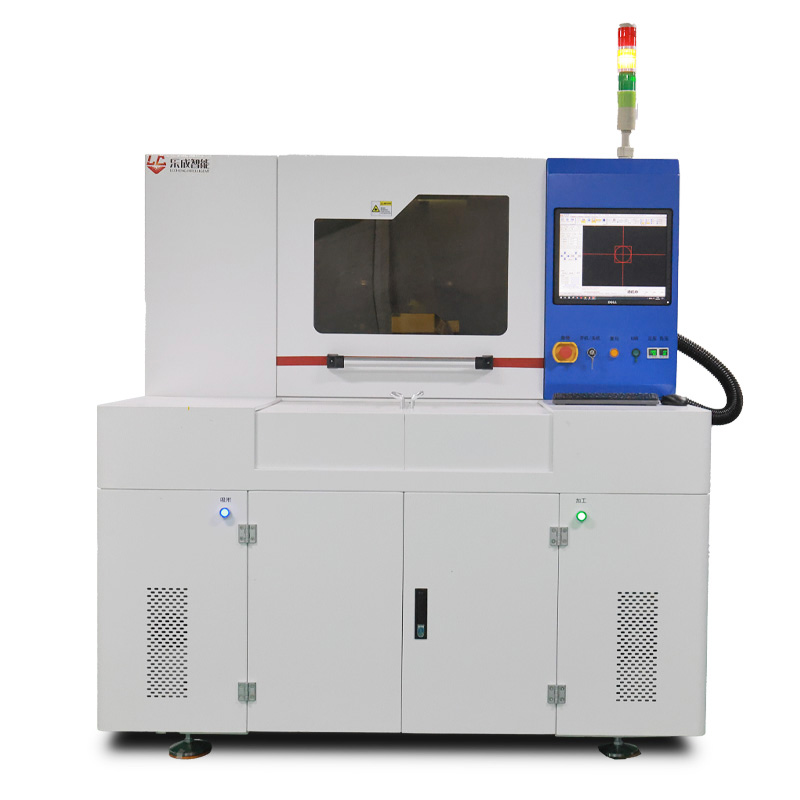
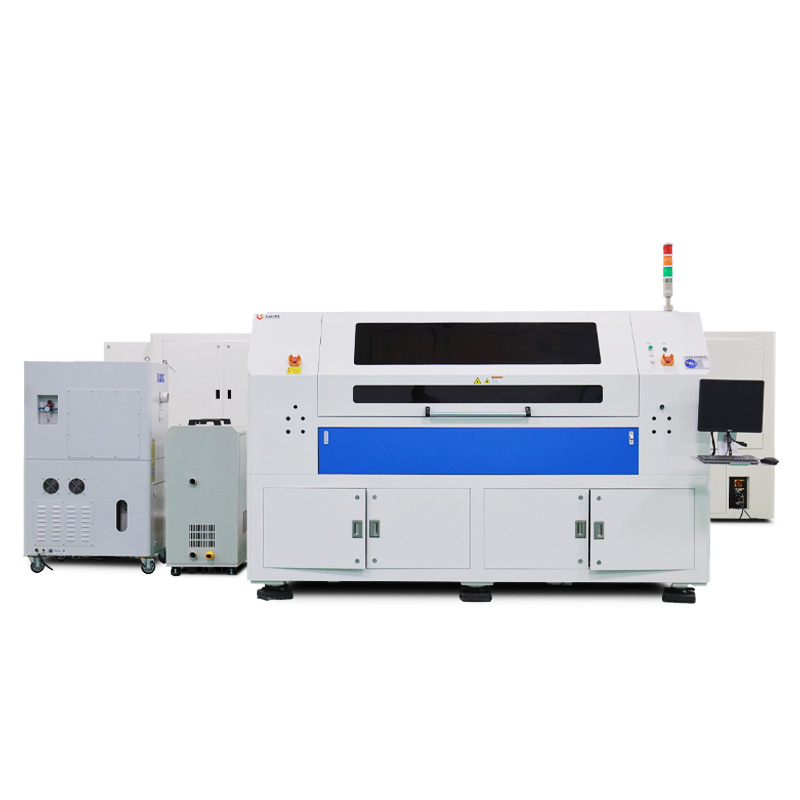
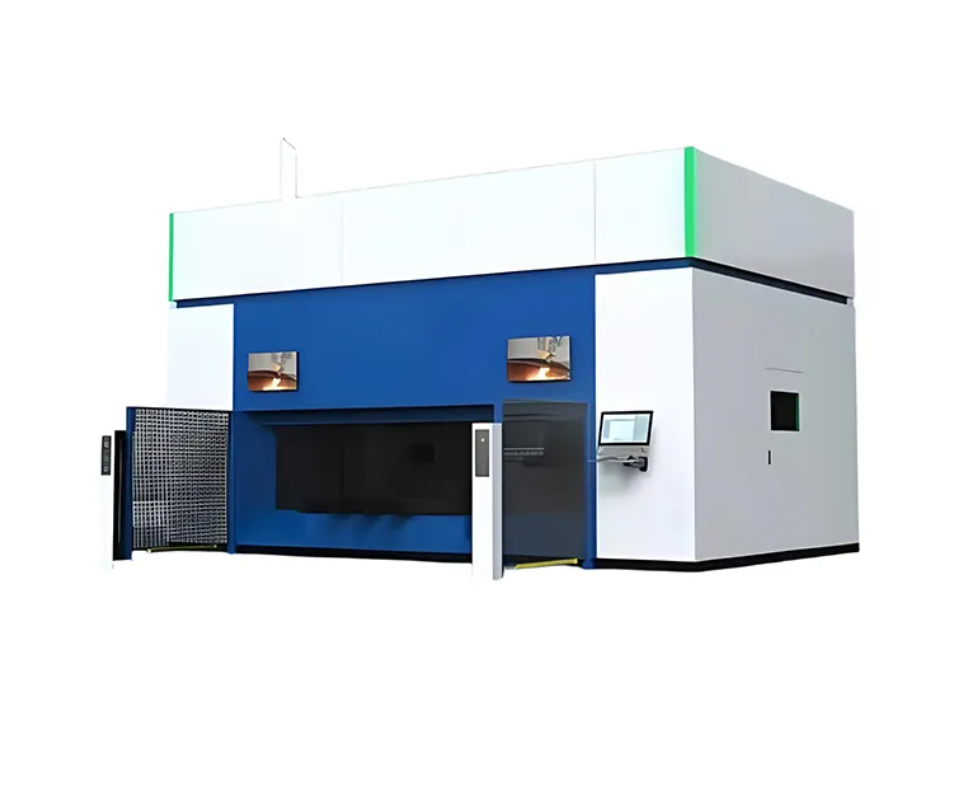
Modern laser systems use focused laser beams to scribe, heat, or ablate glass. The process is non-contact and can produce finished edges in a single operation. Various laser types (picosecond, CO₂, UV) are used depending on the application.
Head-to-Head Comparison
Aspect | Mechanical + Grinding | Laser
Edge chipping | 50-200μm | <20μm
Surface roughness | Ra 0.5-2.0μm | Ra 0.1-0.3μm
Micro-cracks | Present 50-100μm deep | Minimal (<30μm HAZ)
Edge angle | 90° ± 3° | 90° ± 0.3°
Laser cutting produces edges 5-10x smoother than mechanical methods, with significantly less subsurface damage. For applications requiring optical-quality edges (displays, touch screens, optical components), laser is essential.
Edge strength directly affects product durability and safety. Testing data shows:
· Mechanical-cut glass: Baseline (typically 40-60 MPa edge strength)
· Laser-cut glass: 200-300% higher edge strength
The absence of deep micro-cracks means laser-cut edges can withstand significantly higher stress before failure. This is critical for:
· Mobile device cover glass (drop resistance)
· Automotive glass (safety requirements)
· Architectural glass (wind load requirements)
Feature | Mechanical | Laser
Straight lines | ✅ Excellent | ✅ Excellent
Gentle curves (R>50mm) | ✅ Good | ✅ Excellent
Tight curves (R<10mm) | ⚠️ Difficult | ✅ Easy
Internal holes | ❌ Requires drilling | ✅ Single operation
Complex shapes | ❌ Multiple operations | ✅ Single operation
3D profiles | ❌ Not possible | ✅ With 5-axis systems
If your products require anything beyond simple rectangles and straight lines, laser cutting offers capabilities that mechanical methods simply cannot match.
Raw cutting speed varies by thickness:
Glass Thickness | Mechanical Speed | Laser Speed
0.5mm | 1000-2000 mm/s | 500-800 mm/s
1.0mm | 800-1500 mm/s | 200-400 mm/s
2.0mm | 500-1000 mm/s | 100-200 mm/s
5.0mm | 200-500 mm/s | 30-80 mm/s
Mechanical cutting appears faster, but this is misleading. Consider the complete process:
Mechanical workflow:
1. Score (fast)
2. Break (fast)
3. Grind edges (slow)
4. Polish if needed (slow)
5. Clean (moderate)
Laser workflow:
1. Scribe (moderate)
2. Break thermally (fast)
3. Clean (fast)
Total cycle time for a finished part:
· Mechanical + grinding: 120-180 seconds
· Laser: 45-90 seconds
Mechanical cutting requires:
· Extra material for handling tabs
· Wider cutting paths (2-3mm kerf)
· Multiple setups for complex shapes
· Grinding stock removal (0.5-1.0mm)
Laser cutting requires:
· Minimal handling margins (0.5mm)
· Narrow kerf (<0.05mm)
· Single setup for complex shapes
· No grinding stock
Material utilization:
· Mechanical: 70-85%
· Laser: 85-95%
For expensive materials (specialty glass, large panels), this difference represents significant savings.
Mechanical cutting costs:
· Cutting wheels: $50-200/month (high-volume)
· Grinding consumables: $300-800/month
· Lubricants and coolants: $100-300/month
· Wheel dresser replacement: $100-200/month
· Waste disposal: $150-500/month
· Labor (multiple operations): Higher
Laser cutting costs:
· Electricity: $100-300/month
· Optics cleaning/replacement: $200-400/month
· Assist gas (if used): $50-150/month
· Labor (single operation): Lower
Annual operating cost comparison (assuming 2-shift operation):
· Mechanical + grinding: $15,000-35,000
· Laser: $5,000-12,000
System Type | Price Range
Manual glass cutter | $500-2,000
Semi-automatic scorer | $10,000-30,000
CNC scorer + grinding line | $100,000-300,000
Entry-level laser system | $150,000-250,000
Production laser system | $250,000-500,000
Mechanical equipment has a lower entry point, but for production volumes, laser systems often provide better ROI.
Mechanical systems:
· Wheels require frequent replacement
· Grinding wheels need dressing
· Coolant systems require maintenance
· Multiple stations = multiple failure points
Laser systems:
· No mechanical wear in cutting process
· Optics require periodic cleaning
· Laser source has 20,000+ hour lifetime
· Fewer moving parts overall
Mean time between failures (MTBF):
· Mechanical: 500-1,000 hours
· Laser: 5,000-10,000 hours
Application-Based Recommendations
· Your products are simple shapes (rectangles, basic curves)
· Edge quality is not critical
· Budget is severely constrained
· Production volume is very low (<1,000 parts/month)
· You process only standard soda-lime glass
· Complex shapes are required (tight curves, internal features)
· Edge quality is critical (optical, visible edges)
· You process specialty glasses (tempered, laminated, coated)
· Material waste is a significant cost
· High-volume production requires consistency
· Product durability depends on edge strength
Hybrid Approaches
Some facilities use both methods:
· Mechanical cutting for simple, non-critical parts
· Laser cutting for complex shapes and quality-sensitive applications
This approach optimizes cost when product mix includes both simple and complex parts.
Real-World Cost Example
A manufacturer of display glass processes 100,000 parts per month:
Mechanical method:
· Material cost: $150,000/month
· Grinding cost: $50,000/month
· Labor (3 operators): $12,000/month
· Consumables: $5,000/month
· Total: $217,000/month
Laser method:
· Material cost: $127,500/month (15% waste reduction)
· Labor (1 operator): $4,000/month
· Electricity and maintenance: $3,000/month
· Total: $134,500/month
Savings: $82,500/month or $990,000/year
Even with a $400,000 laser system, payback is achieved in less than 5 months.
Conclusion
For most production environments processing glass, laser cutting offers compelling advantages in quality, consistency, and total cost of ownership. While mechanical methods remain appropriate for simple applications with tight budgets, the trend is clearly toward laser technology.
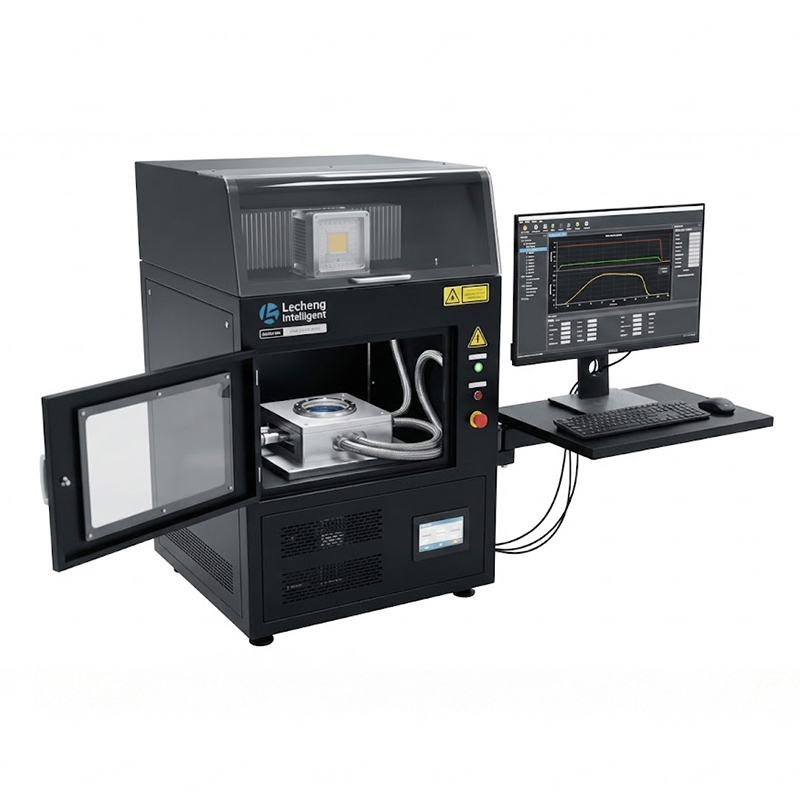
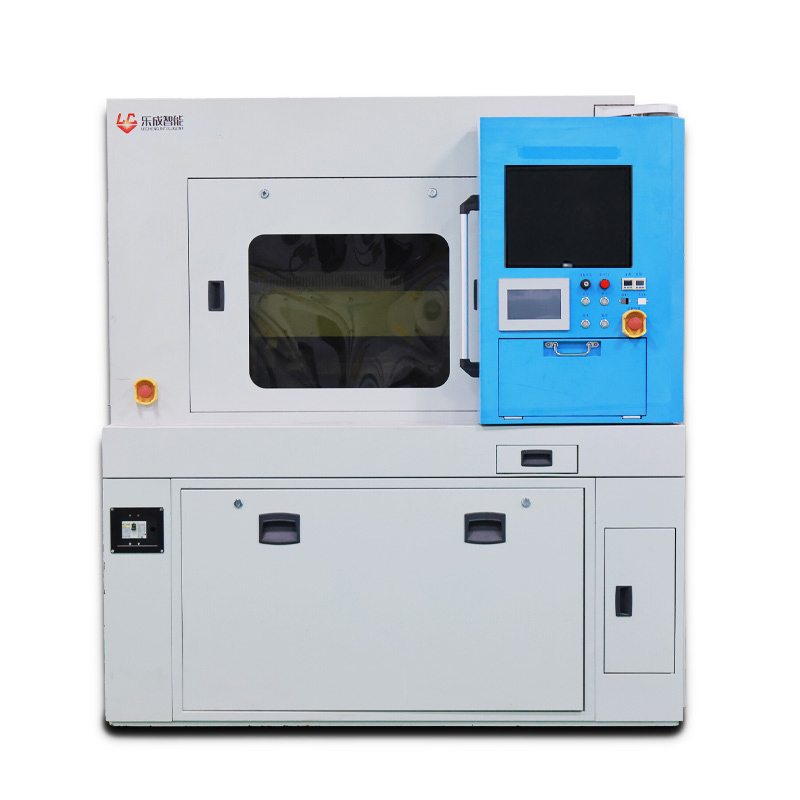
At Lecheng Intelligence, we've helped manufacturers across industries evaluate and implement laser glass cutting. Our systems are designed for production environments, with the reliability and support you need.
Contact us for a free process evaluation and ROI analysis for your specific application.