
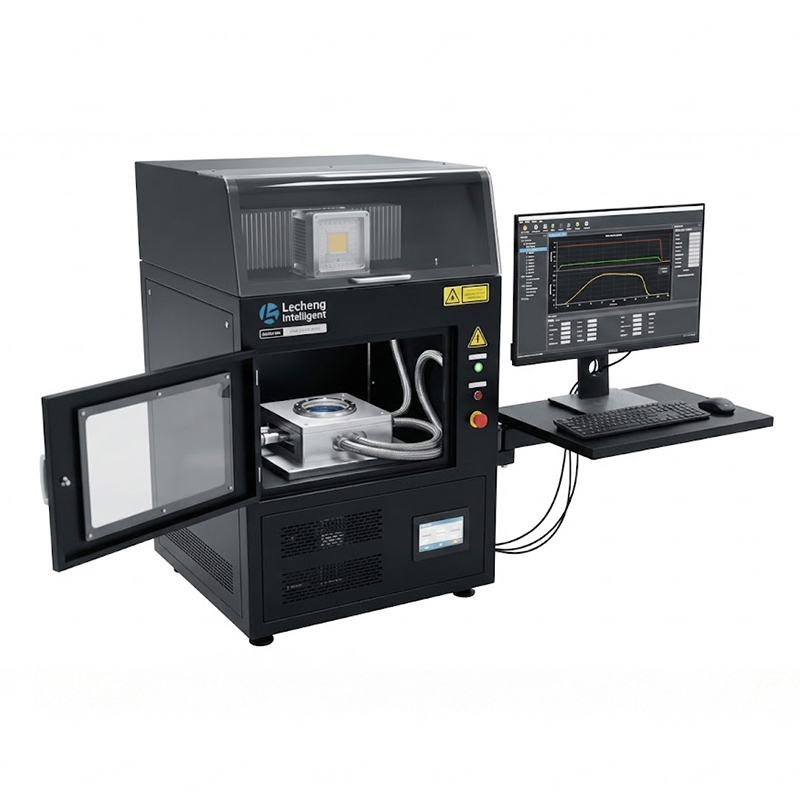
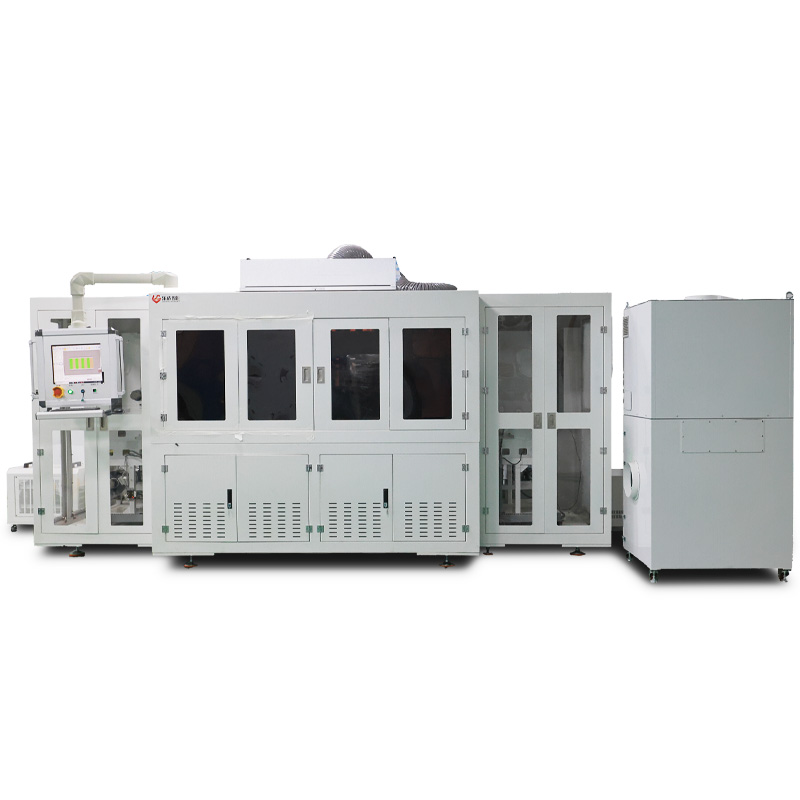
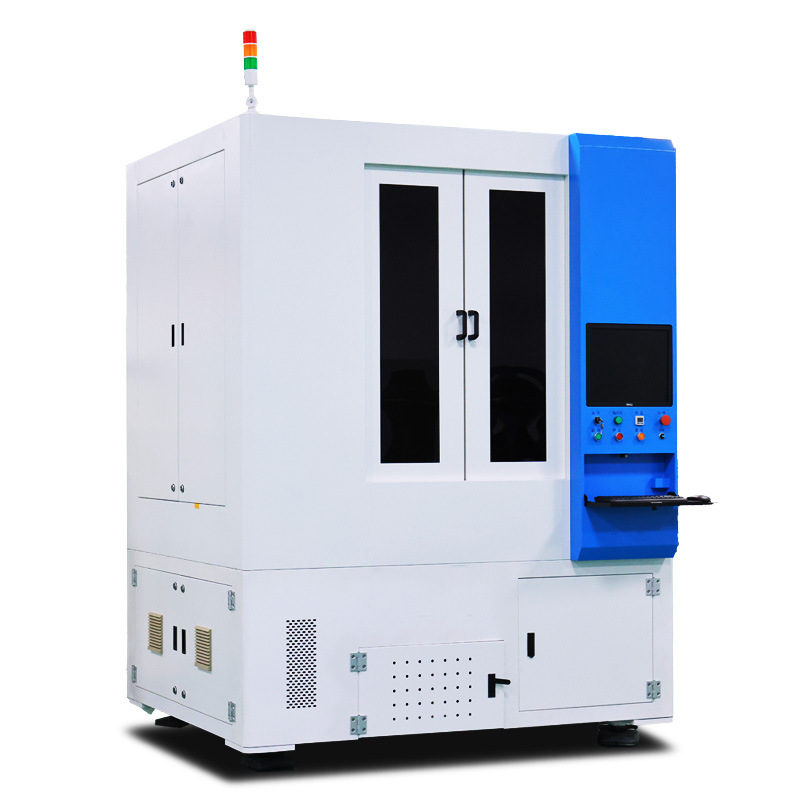
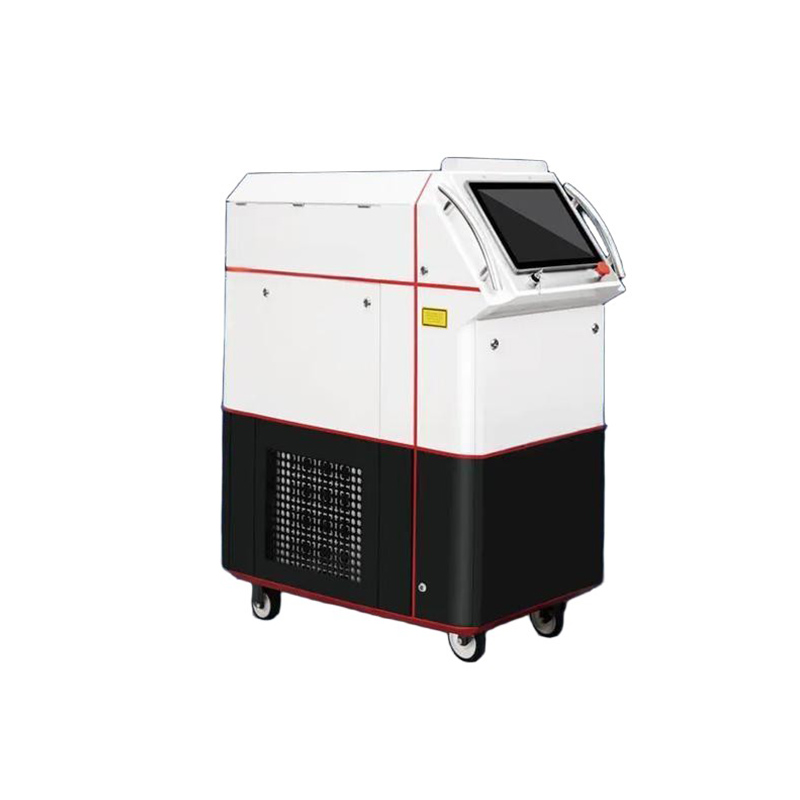
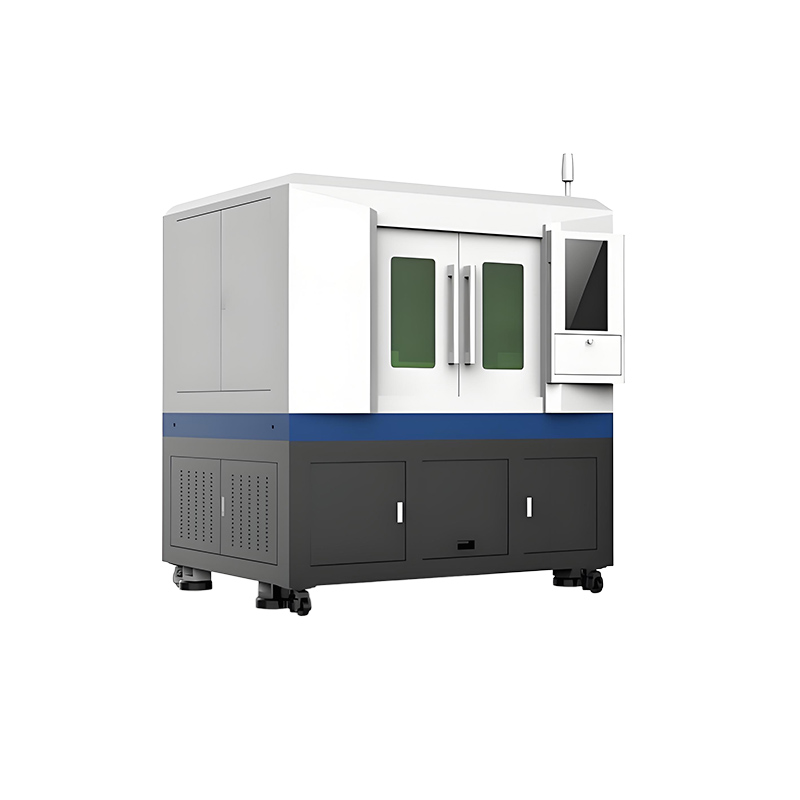
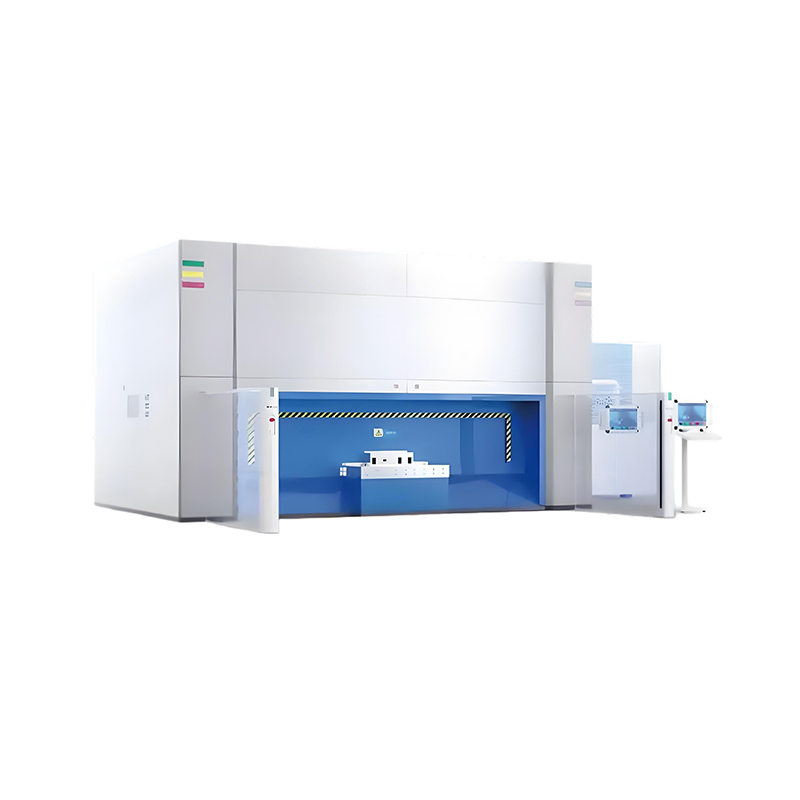
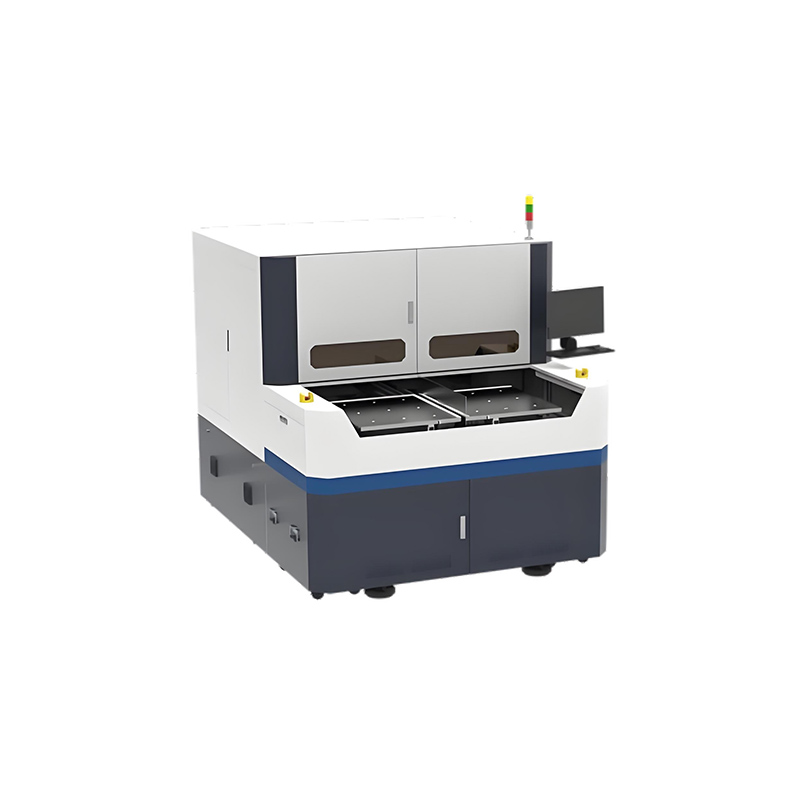
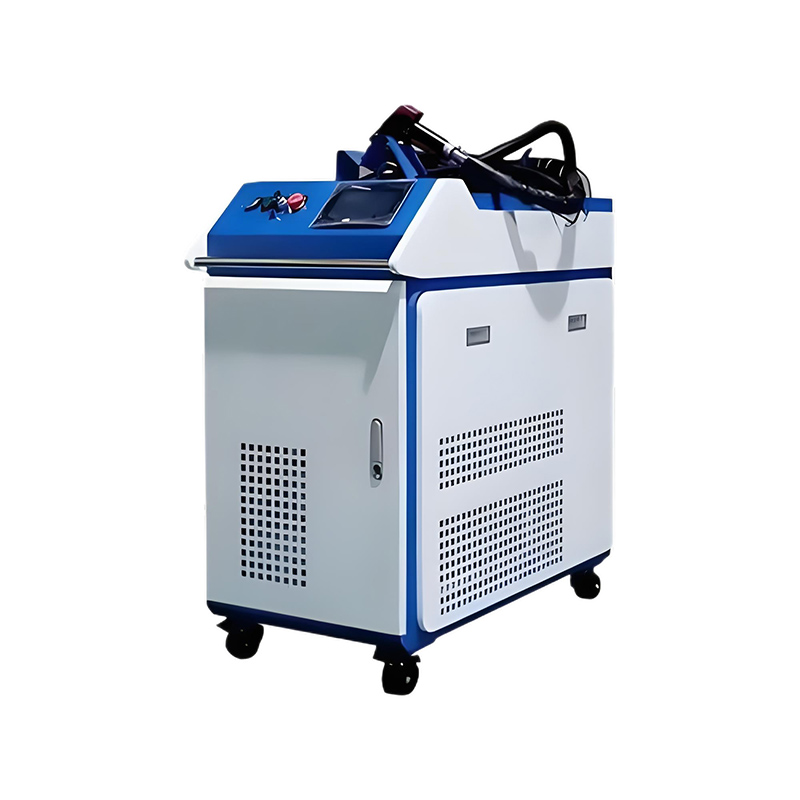
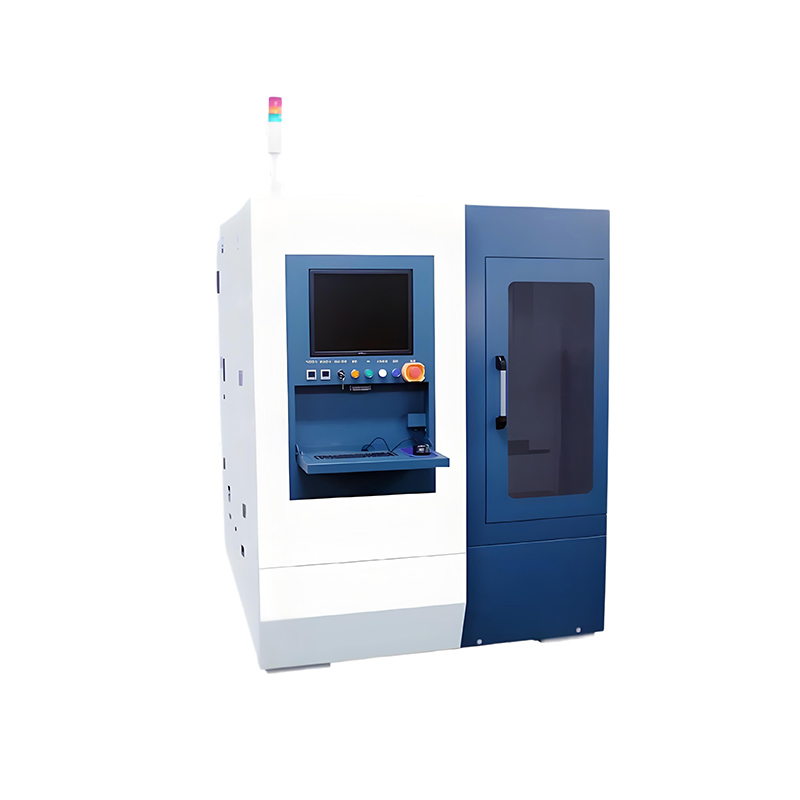
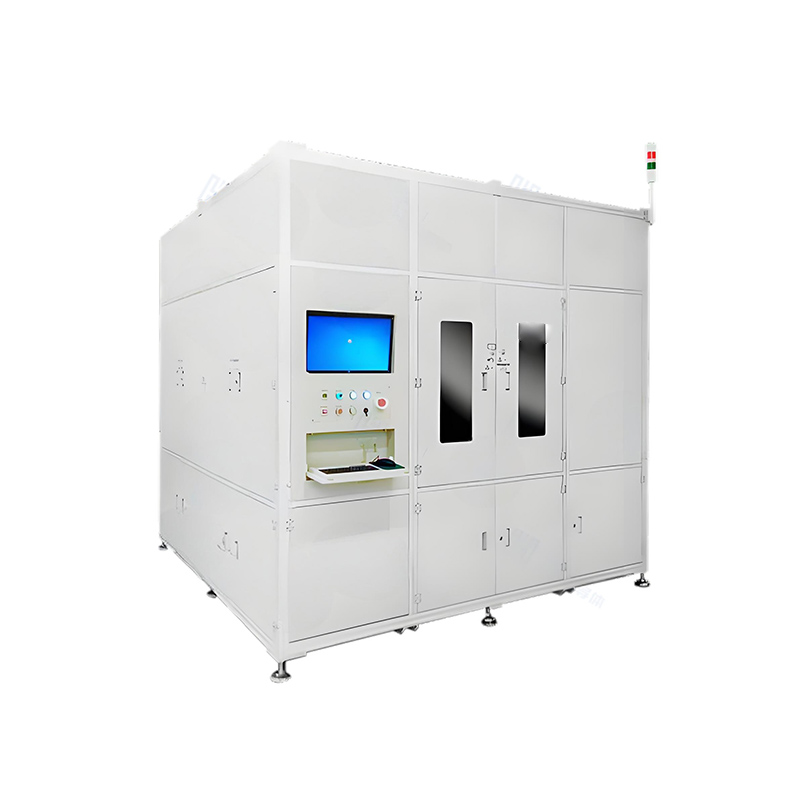
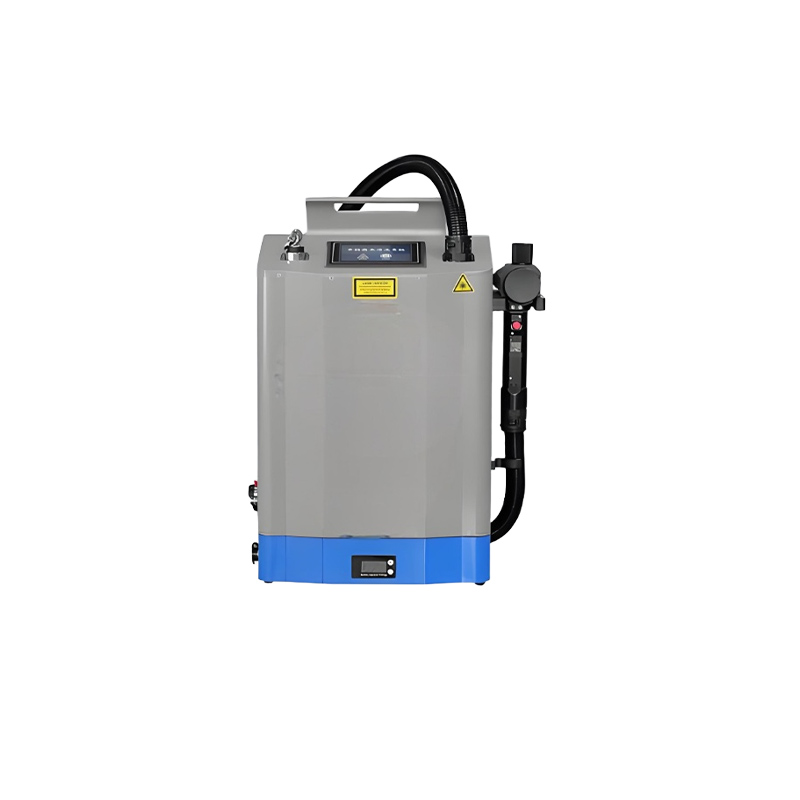
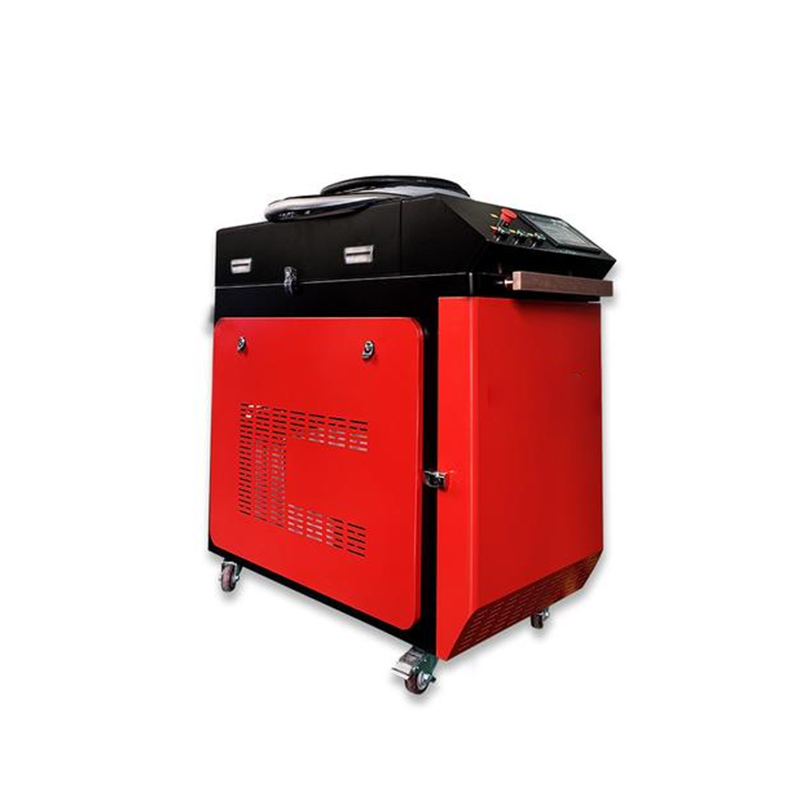


Glass has always been one of the most challenging materials to process. Its brittleness, tendency to chip, and sensitivity to thermal stress made traditional cutting methods slow, expensive, and often inconsistent. But laser technology has changed everything.
In this comprehensive guide, we'll explain exactly how laser glass cutting works, why it's replacing mechanical methods, and what you need to know before investing in this technology.
The Fundamental Challenge of Cutting Glass
Before understanding the solution, we need to understand the problem.
Traditional mechanical glass cutting uses a hardened steel or diamond wheel to score the glass surface. The operator then applies force to snap the glass along the scored line. This process has three inherent limitations:
1. Micro-crack Formation
The scoring wheel creates microscopic cracks that extend 50-100μm from the cut edge. These cracks don't disappear—they remain in the finished part and can propagate over time, leading to delayed failure.
2. Edge Chipping
The mechanical impact of scoring produces chips ranging from 50-200μm. For applications requiring optical-quality edges, secondary grinding is mandatory, adding cost and complexity.
3. Geometric Constraints
Straight lines and gentle curves are manageable. But tight radii, internal features, or complex shapes require multiple operations or specialized equipment.
Laser cutting addresses all three problems simultaneously by eliminating mechanical contact entirely.
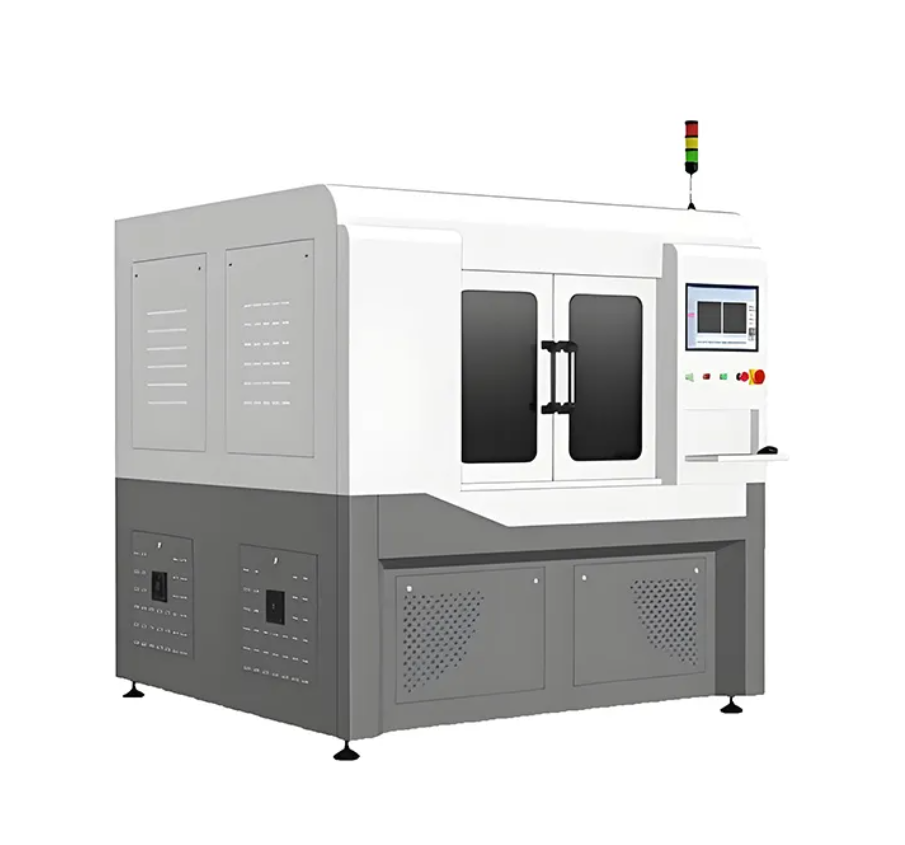
The Laser Cutting Mechanism
Laser glass cutting isn't a single technique—it's a family of processes, each optimized for specific applications.
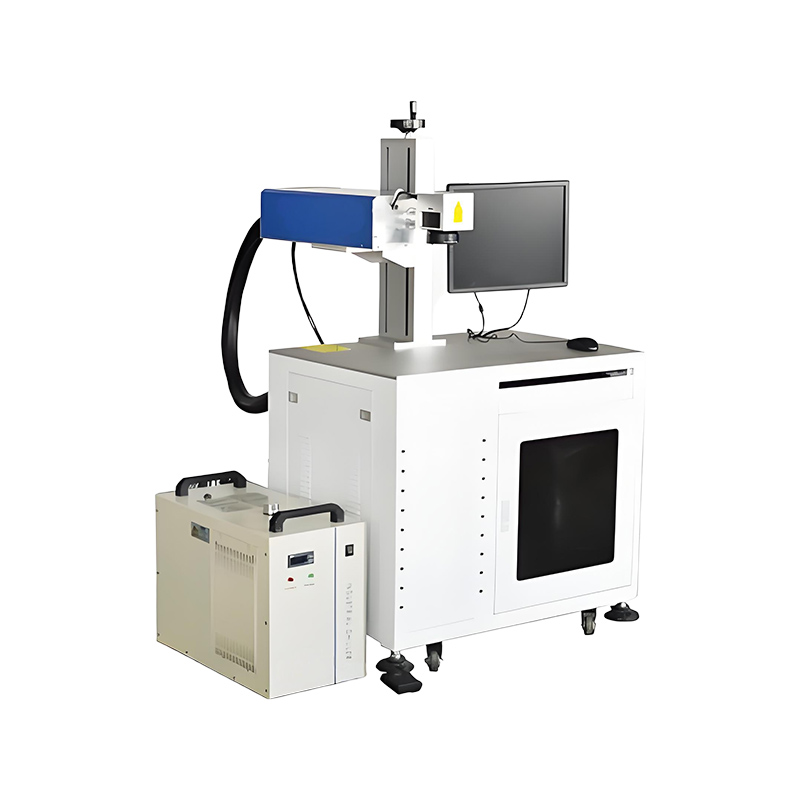
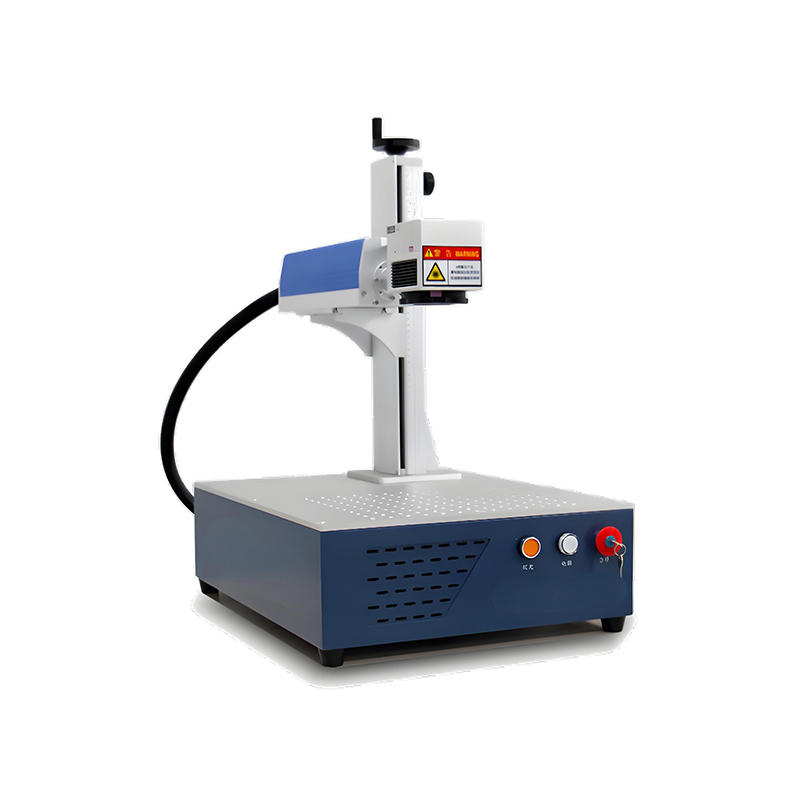
This two-stage process is the most common for production environments:
Stage 1: Scribing
A focused laser beam (typically picosecond or nanosecond pulsed) creates a shallow groove or modification zone in the glass. The laser doesn't cut through the material—it creates a controlled weak point.
Key parameters:
· Wavelength: 355nm (UV) or 1064nm (infrared)
· Pulse duration: 10-15 picoseconds optimal
· Scribe depth: 10-50% of material thickness
· Scribe width: 5-30μm
Stage 2: Thermal Breaking
A CO₂ laser (10.6μm wavelength) rapidly heats the glass surface along the scribed line. The thermal stress causes the glass to separate cleanly at the weakened zone.
Why two different lasers? The short-wavelength laser creates precise scribes without thermal damage, while the long-wavelength CO₂ laser couples efficiently with glass for rapid heating.
For thinner materials (typically <2mm), some systems can cut through the entire thickness in one pass:
· Filamentation cutting: A focused beam creates a series of microscopic modifications through the glass thickness. The part is then separated mechanically.
· Ablation cutting: High-power pulses vaporize the material layer by layer. Slower but produces finished edges directly.
A water jet guides the laser beam while simultaneously cooling the cut zone. This technique minimizes thermal stress and can cut thick glass (>10mm), but requires specialized equipment and water treatment.
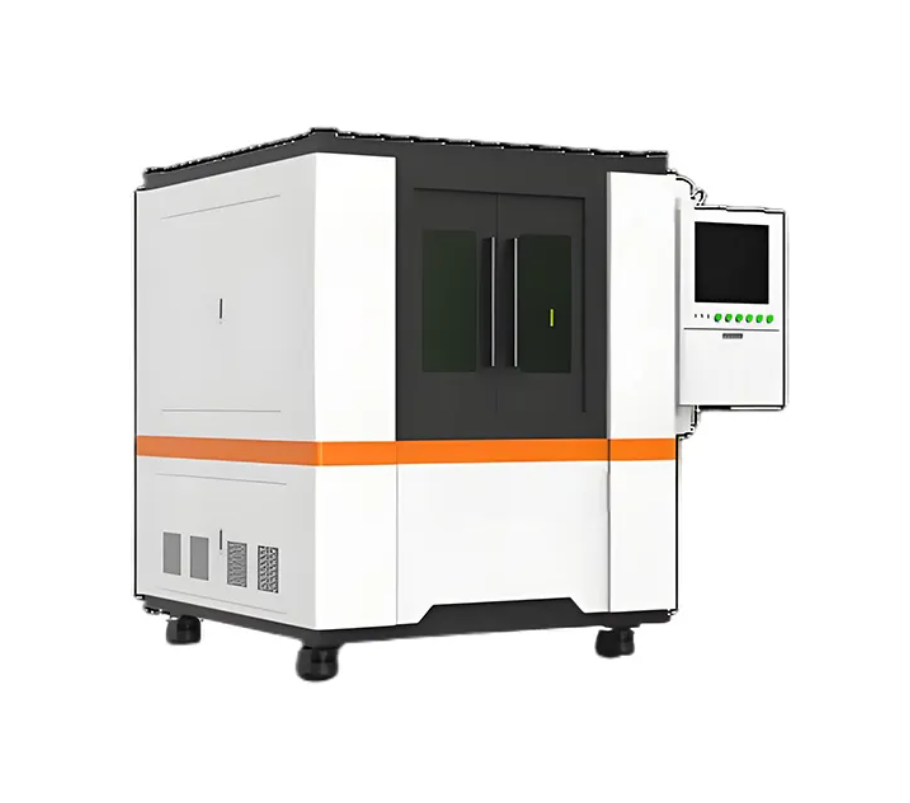
Why Picosecond Lasers Are Preferred
The pulse duration of a laser directly affects the quality of glass cutting. Here's why:
Nanosecond lasers (10⁻⁹ seconds)
· Heat has time to diffuse into surrounding material
· Creates a heat-affected zone (HAZ) of 50-100μm
· May cause micro-cracks from thermal stress
· Suitable for less demanding applications
Picosecond lasers (10⁻¹² seconds)
· Pulse ends before heat can diffuse
· "Cold ablation" with minimal HAZ (<30μm)
· No thermal cracking
· Optimal for precision applications
Femtosecond lasers (10⁻¹⁵ seconds)
· Even less thermal effect
· Higher equipment cost
· Similar results to picosecond for glass
· Reserved for specialty applications
For most industrial glass cutting, picosecond lasers offer the best balance of quality, speed, and cost.
Edge Quality: What to Expect
Laser-cut glass edges differ fundamentally from mechanical-cut edges:
Metric | Mechanical + Grinding | Laser (Picosecond + CO₂)
Edge chipping | 50-200μm | <20μm (often <10μm)
Surface roughness | Ra 0.5-2.0μm | Ra 0.1-0.3μm
Edge strength | Baseline | 200-300% higher
Heat-affected zone | N/A | <30μm
Secondary processing | Required | Usually unnecessary
The strength advantage is critical for applications where edge failure is unacceptable (automotive glass, mobile devices, aerospace).
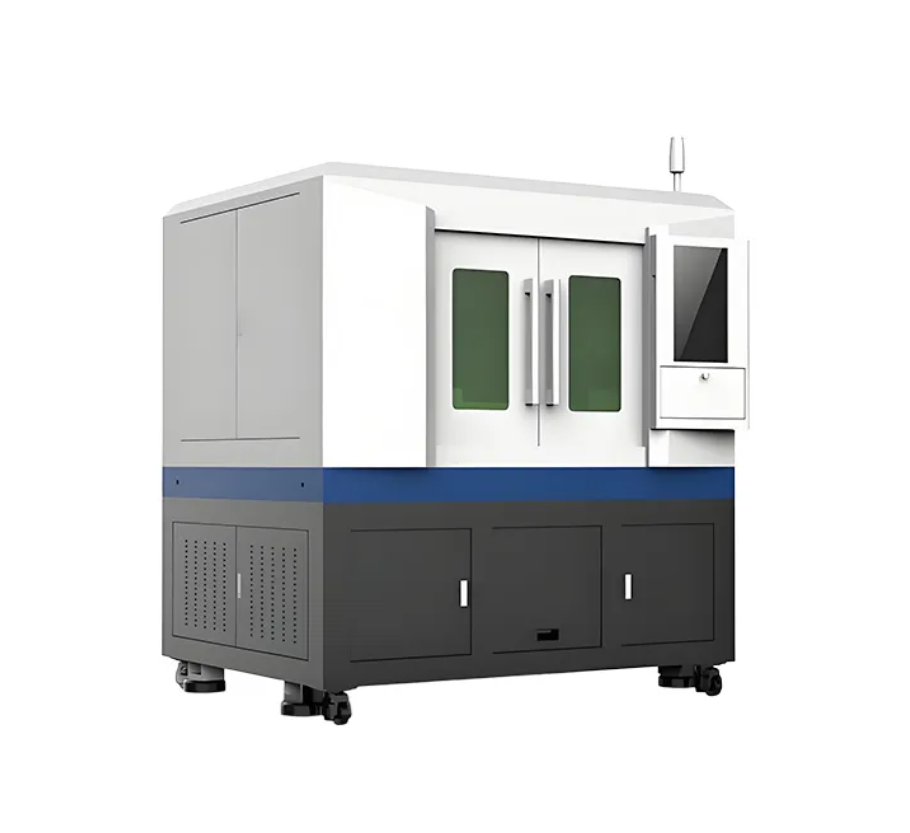
Materials That Can Be Laser-Cut
Modern laser systems can process virtually any glass type:
· Soda-lime glass: The most common type, used in windows, bottles, and basic displays
· Borosilicate glass: Lower thermal expansion, used in laboratory equipment and cookware
· Fused silica/quartz: High-purity, high-temperature resistance for optical and semiconductor applications
· Aluminosilicate glass: Used in smartphone cover glass (Gorilla Glass®, etc.)
· Tempered glass: Requires special parameters to avoid spontaneous breakage
· Laminated glass: Both layers can be processed simultaneously
Material thickness ranges from 0.05mm (specialty optics) to over 10mm (architectural applications).
Production Throughput
Speed depends on glass thickness and cut complexity:
Thickness | Typical Speed | Notes
0.5mm | 500-800 mm/s | High-volume production feasible
1.0mm | 200-400 mm/s | Standard display glass
2.0mm | 100-200 mm/s | Automotive glass typical
5.0mm | 30-80 mm/s | Architectural applications
These speeds are for straight-line cutting. Complex shapes require additional time for acceleration/deceleration.
Investment Considerations
A production-grade laser glass cutting system represents a significant investment, but the total cost of ownership often favors laser over mechanical methods:
Direct costs
· Machine purchase: $150,000-500,000 depending on features
· Installation and training: $10,000-20,000
· Annual maintenance: $5,000-15,000
Savings vs. mechanical cutting
· Eliminated grinding step: $2-5 per part
· Reduced material waste: 5-15% improvement
· Lower labor cost: 50-70% reduction
· Higher yield: 3-8% improvement
For a facility processing 500,000 parts per year, laser cutting can save $100,000-300,000 annually compared to mechanical methods.
Conclusion: Is Laser Glass Cutting Right for You?
Laser glass cutting makes sense when:
· You need complex shapes that mechanical methods can't achieve
· Edge quality is critical to your application
· You're processing tempered or specialty glasses
· High-volume production requires consistent results
· Material waste is a significant cost
Mechanical cutting may still be appropriate for:
· Simple straight-line cuts on standard glass
· Very low-volume applications
· Budget-constrained situations
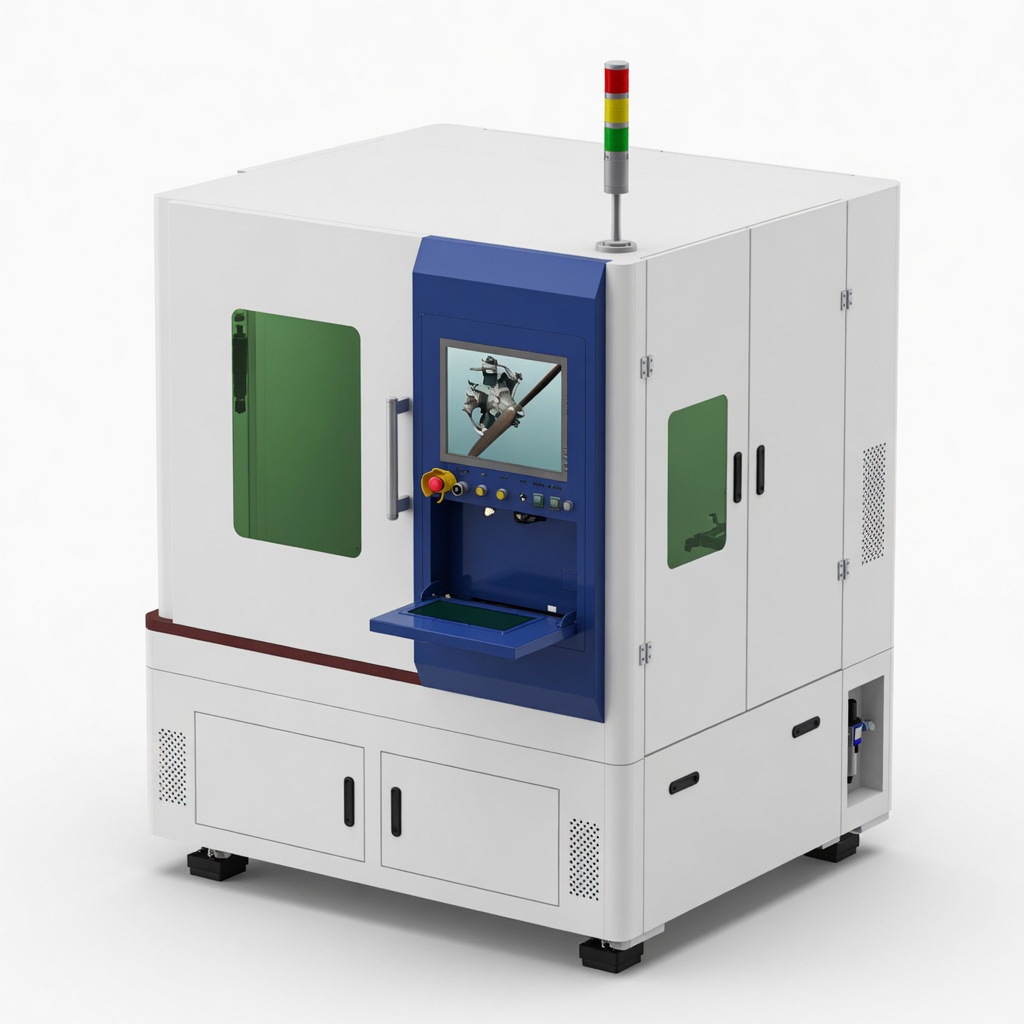
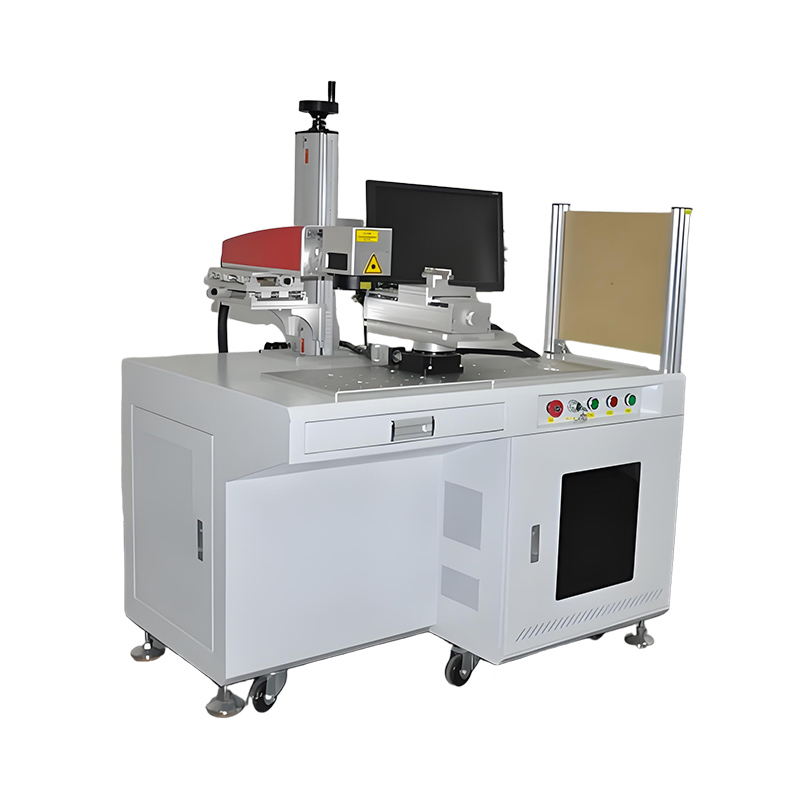
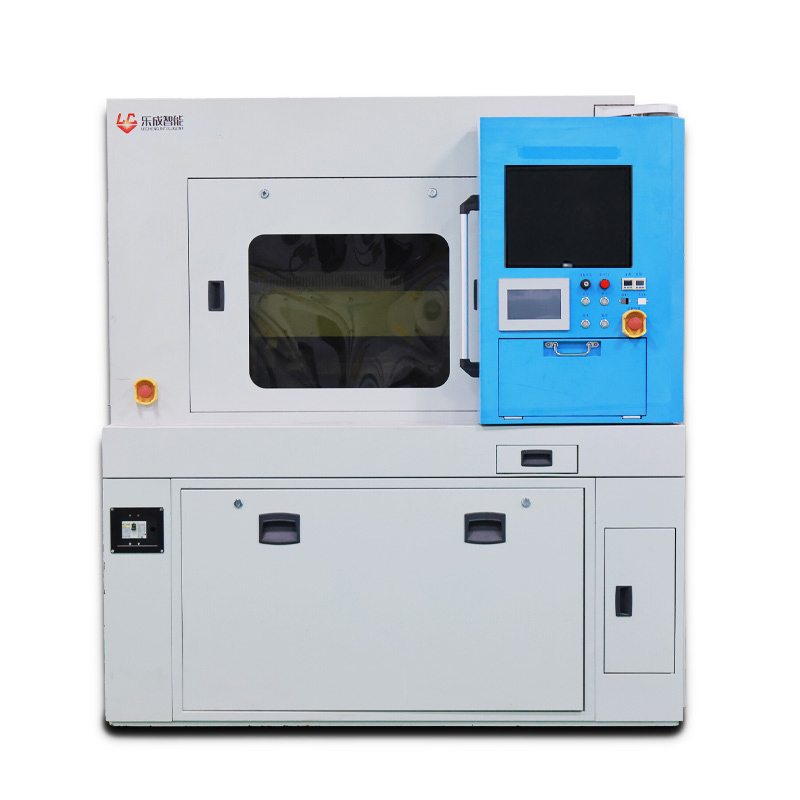
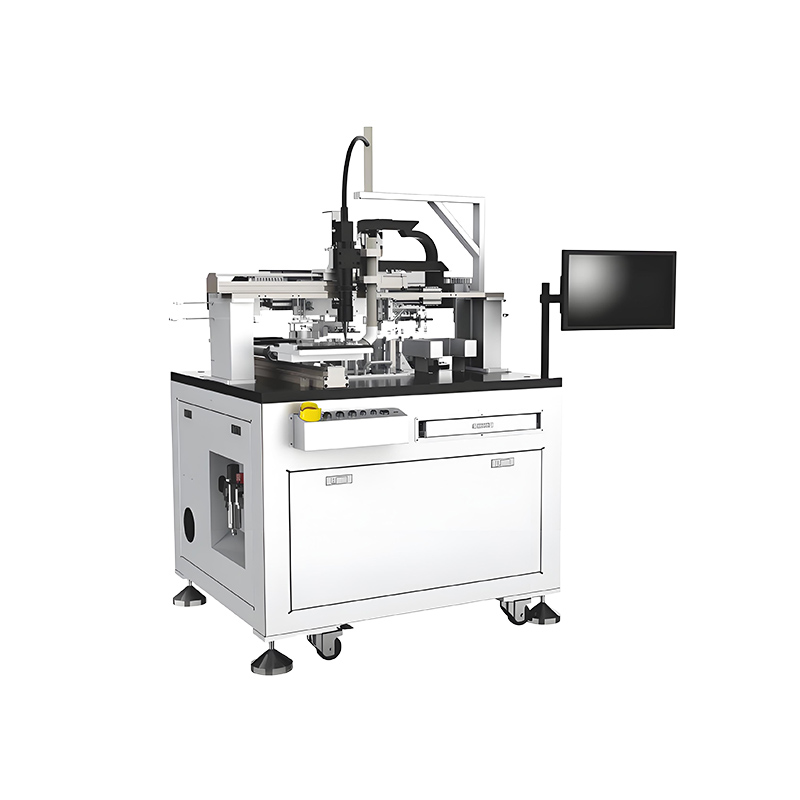
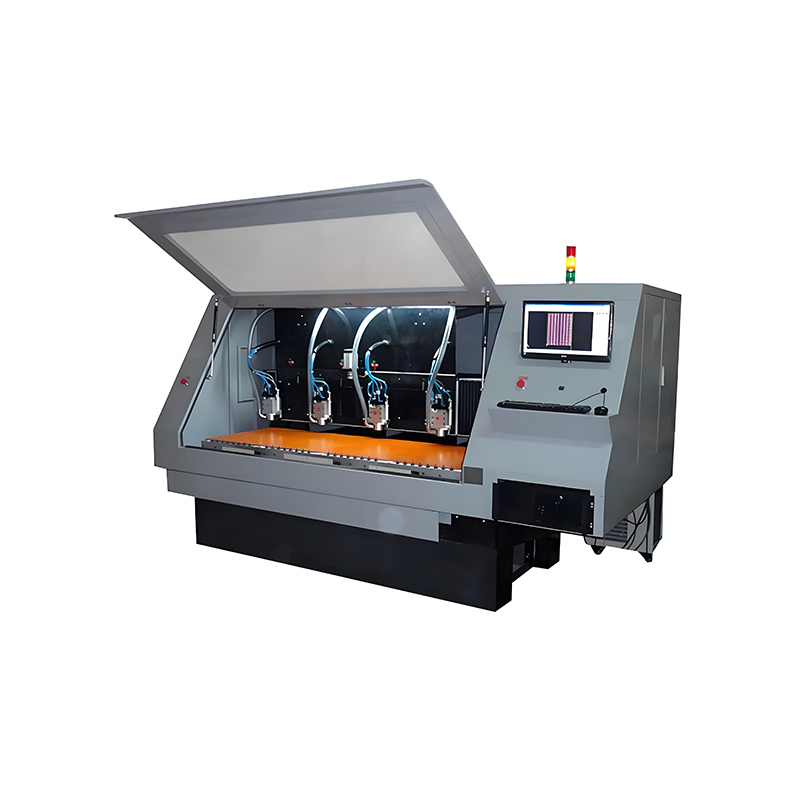
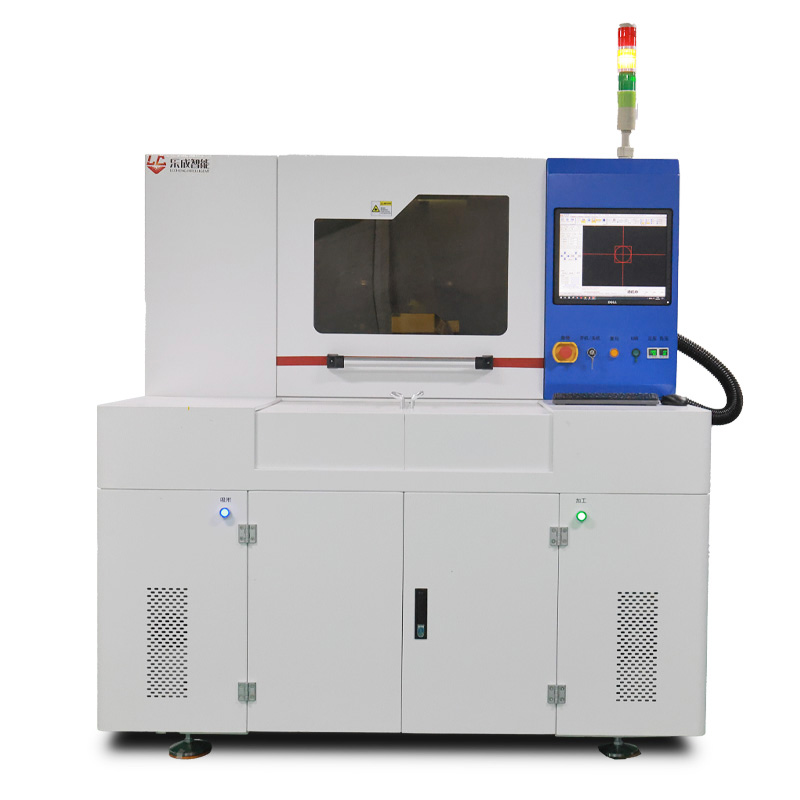
At Lecheng Intelligence, we've helped dozens of manufacturers transition from mechanical to laser glass cutting. Our systems are designed for production environments, with 24/7 reliability and comprehensive support.
Ready to explore laser glass cutting for your operation? Contact our engineering team for a free process evaluation.