


Laser Integrated Processing System: Combining P1-P4 Scribing and Isolation in One Platform
Rethinking the Production Line: From Sequential Stations to a Unified Cell
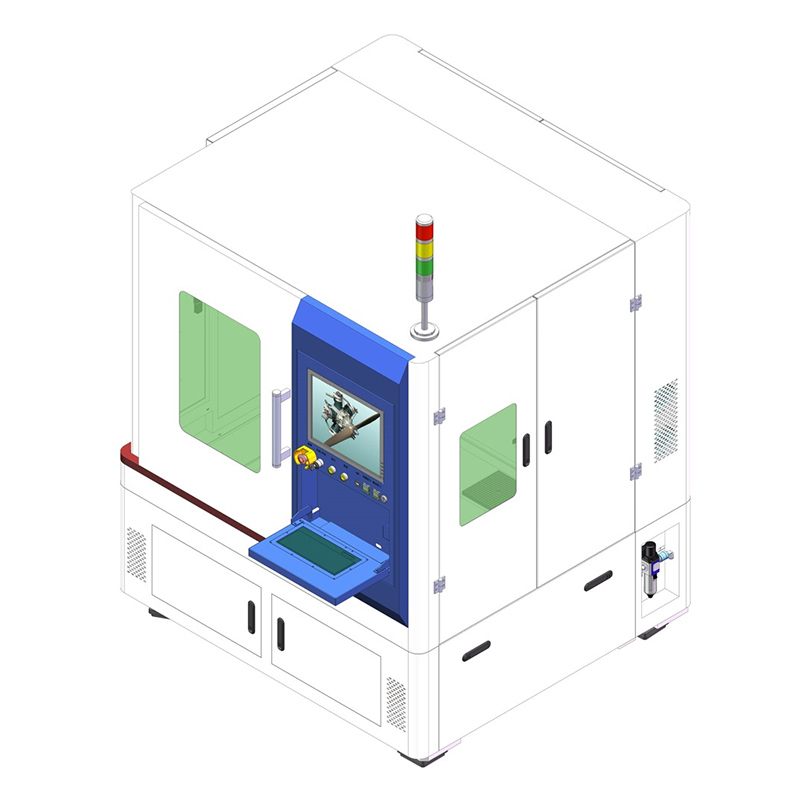
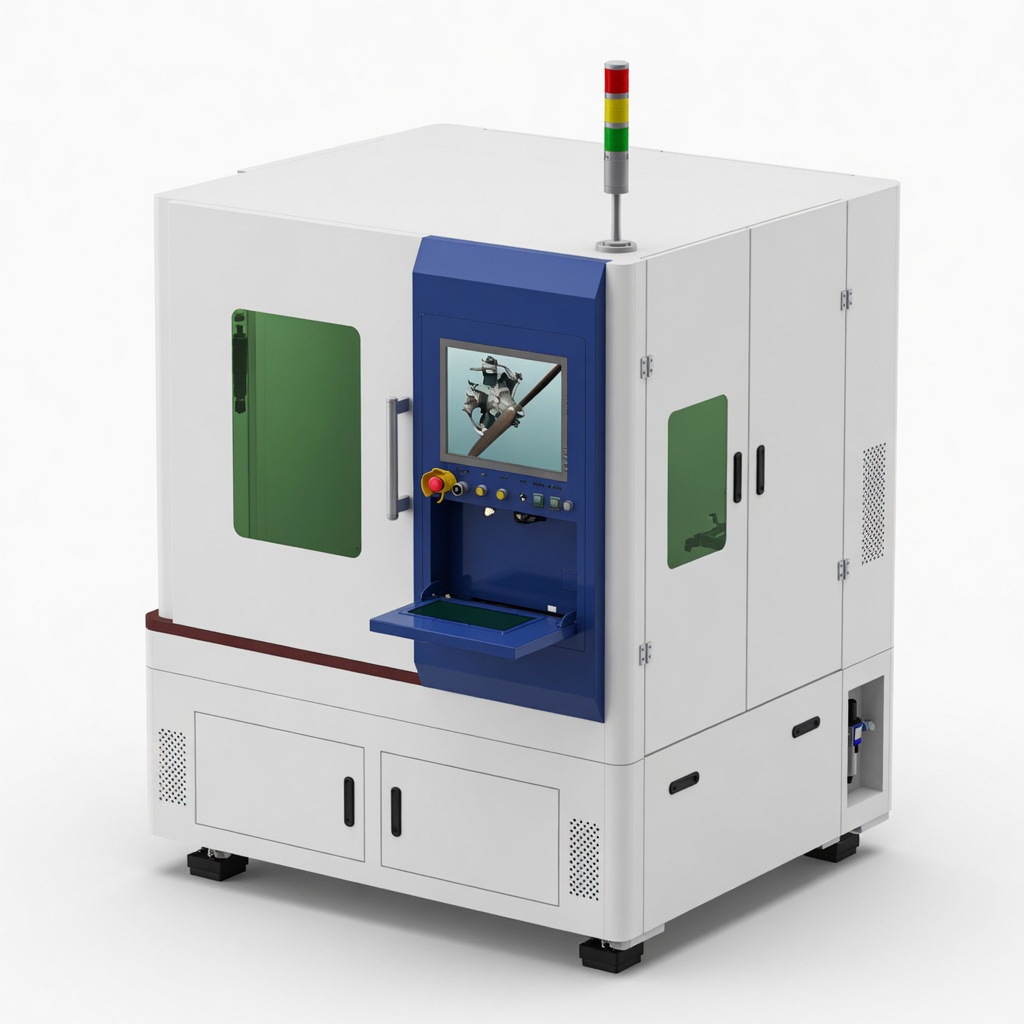
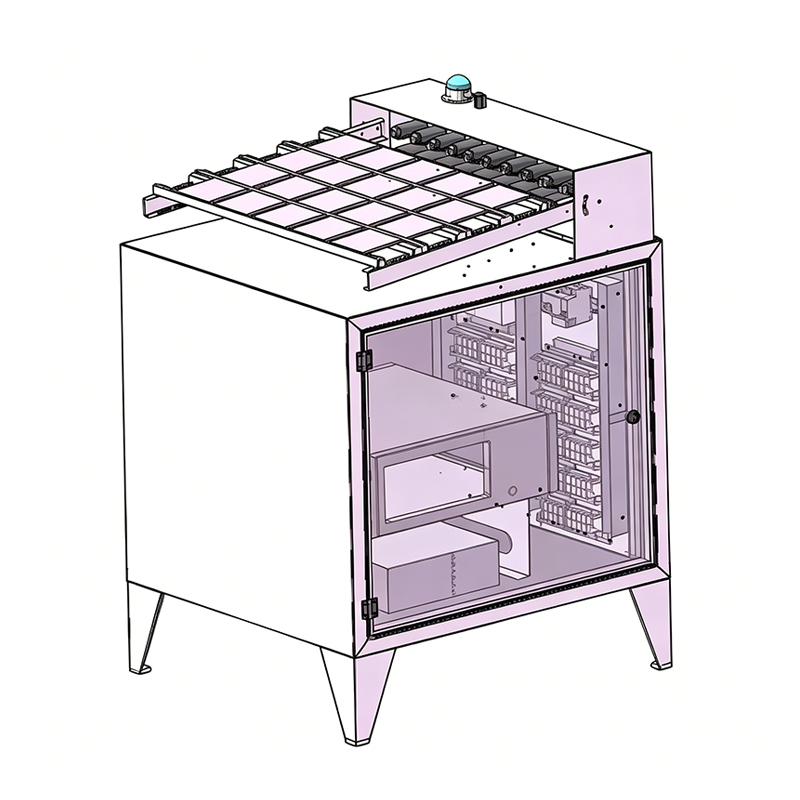
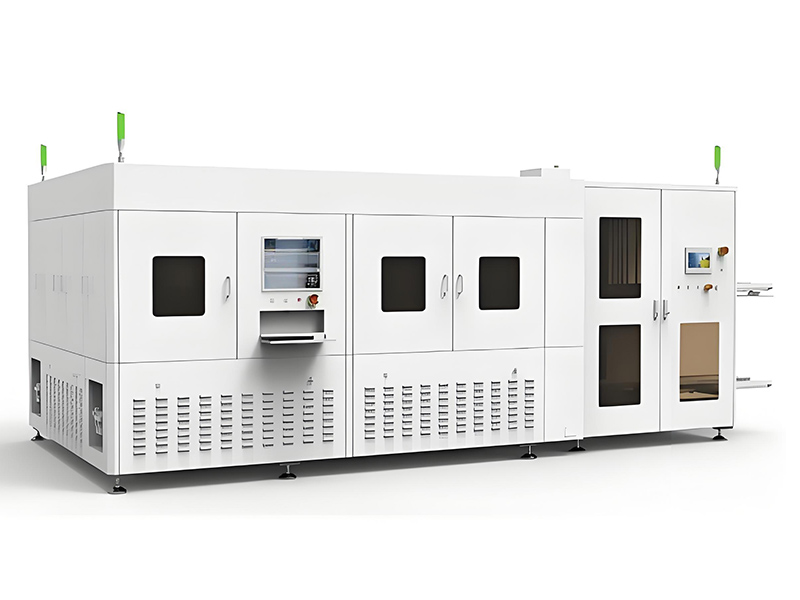
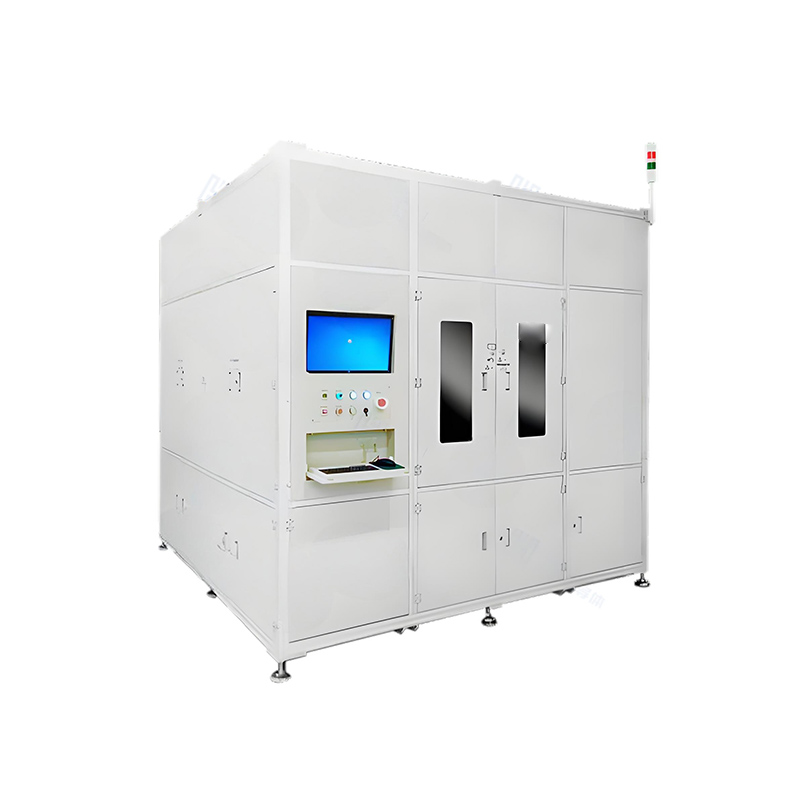
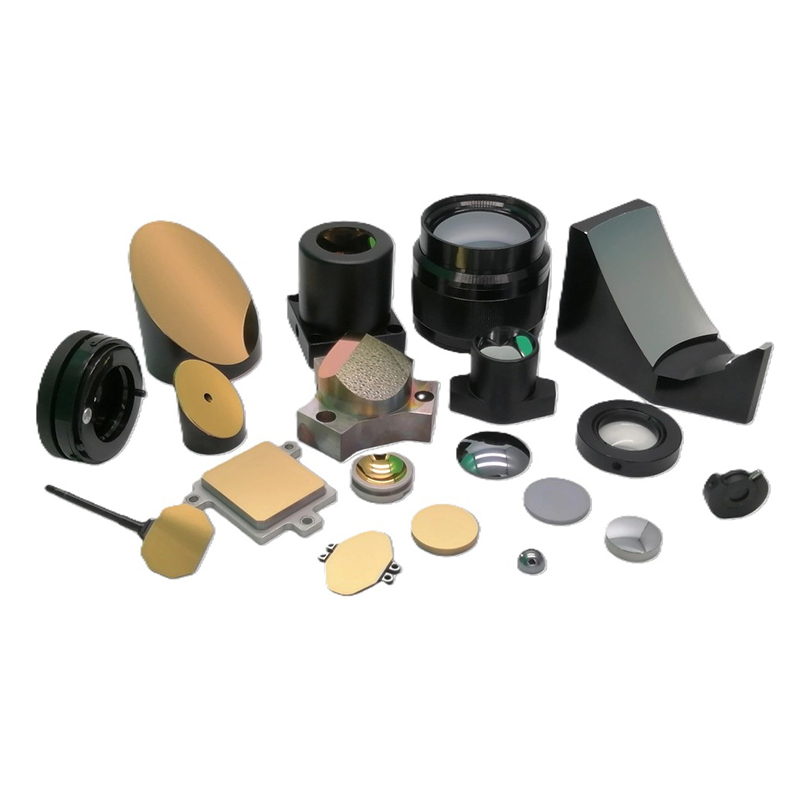
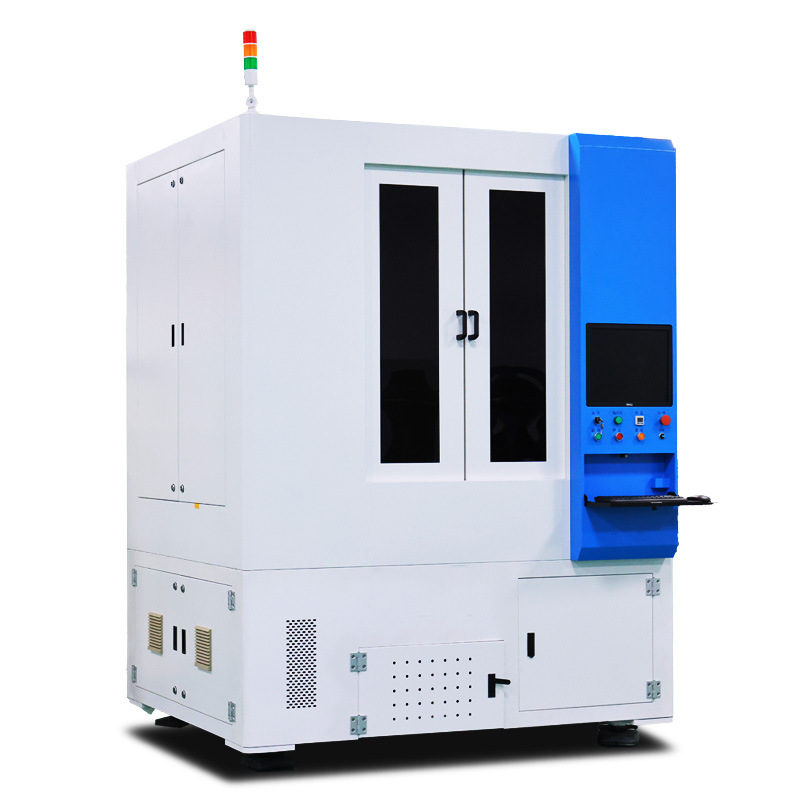
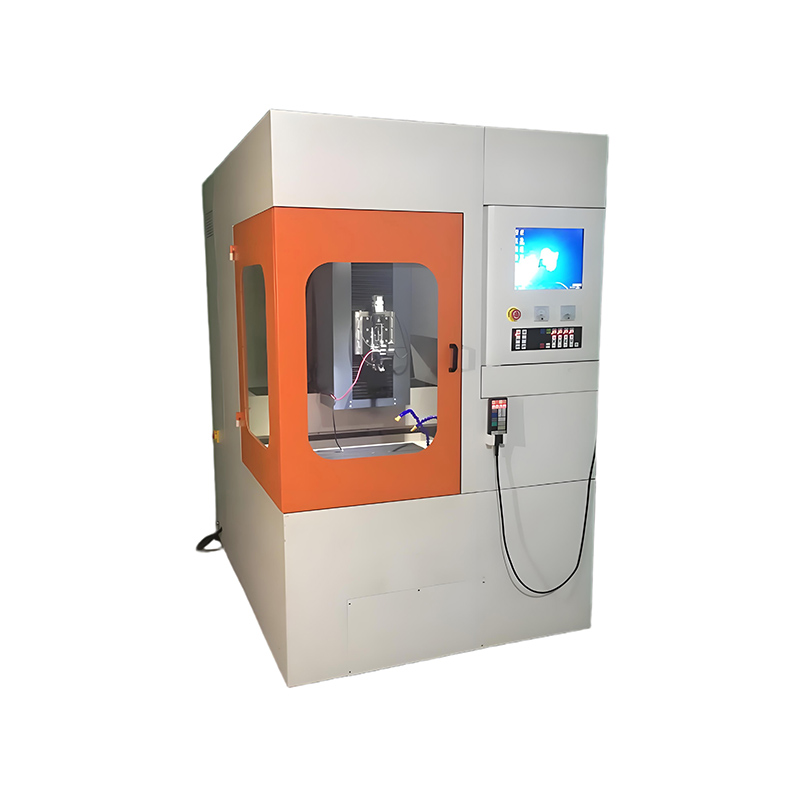
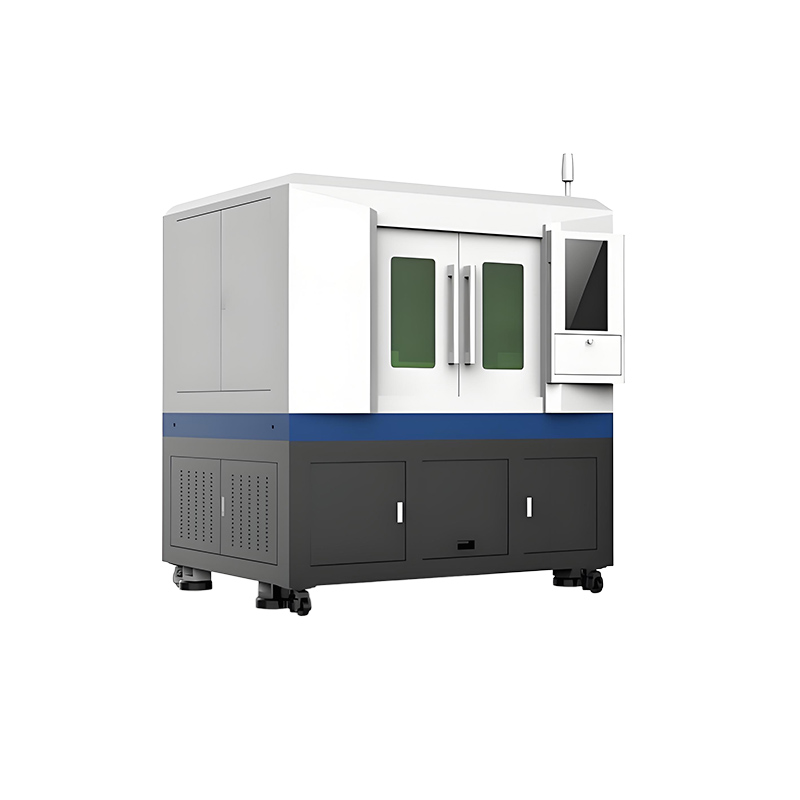
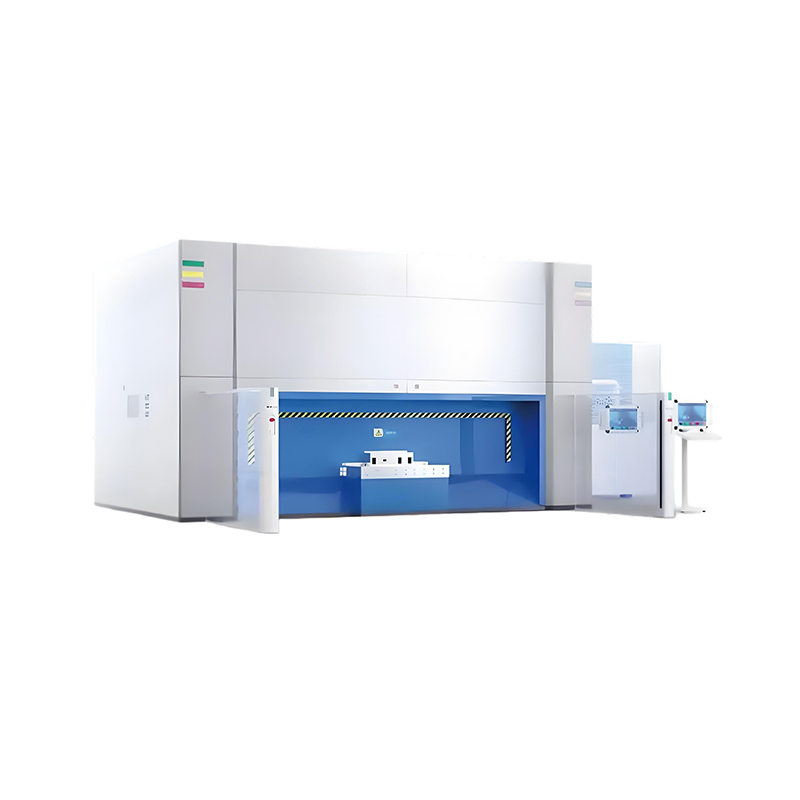
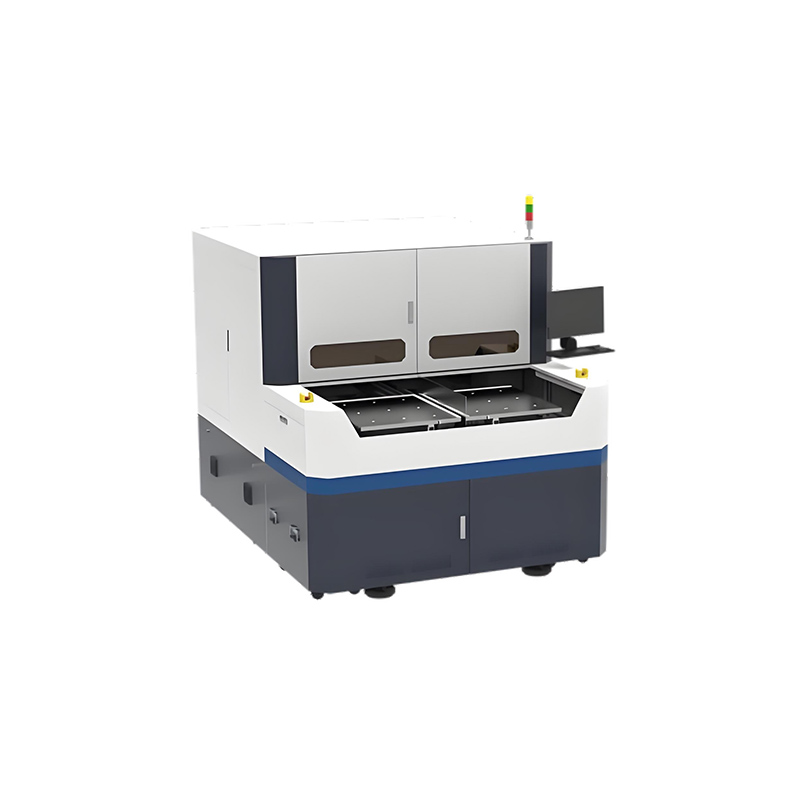
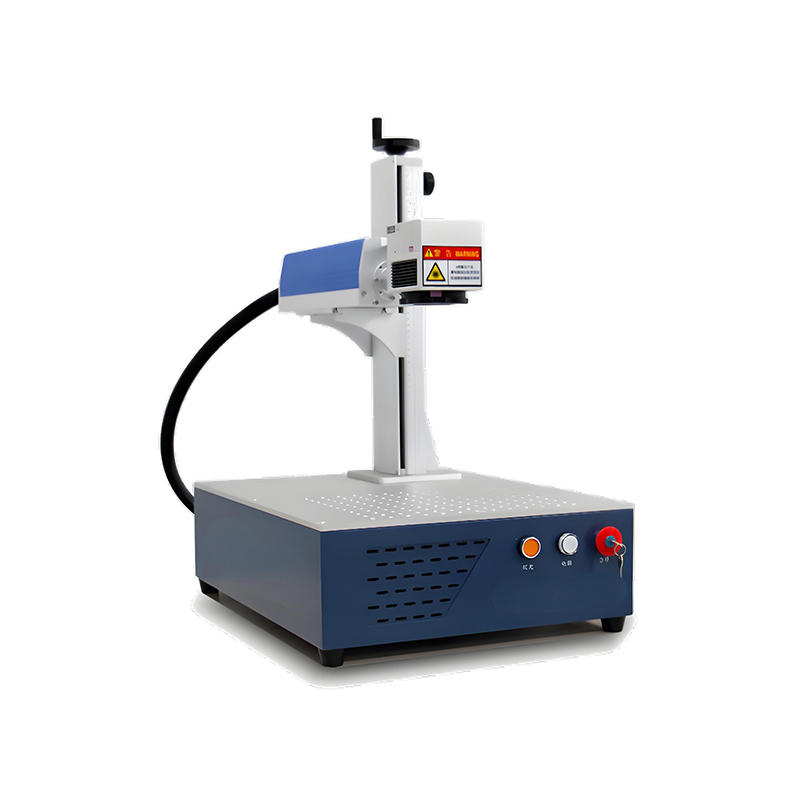
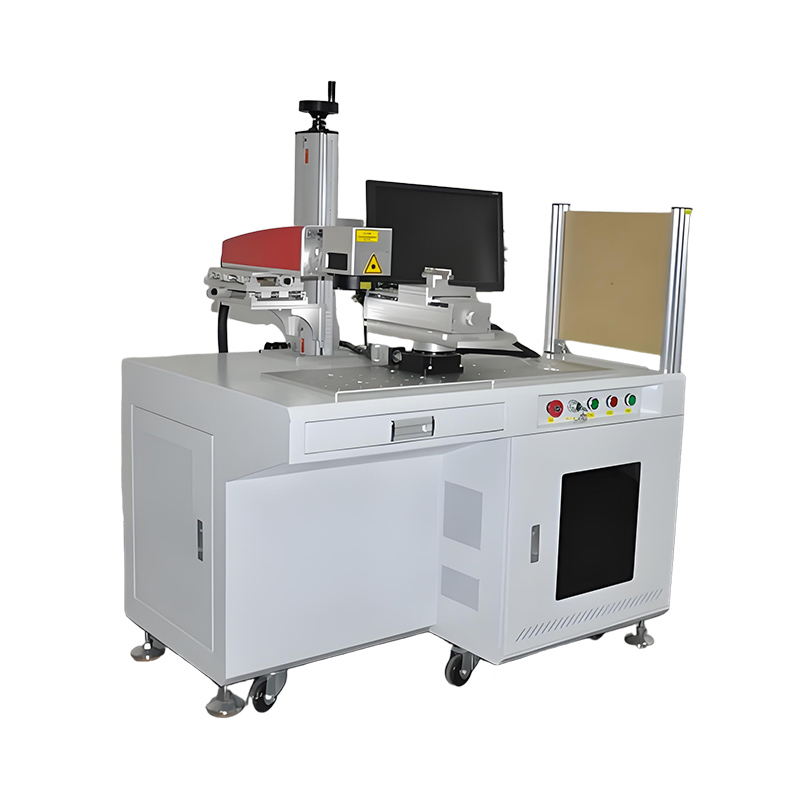
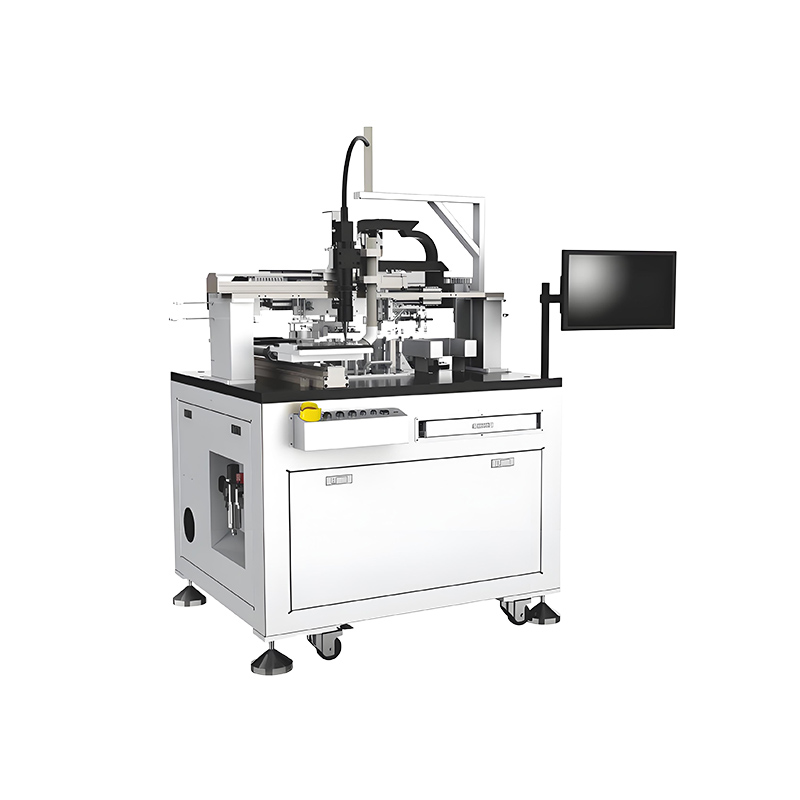
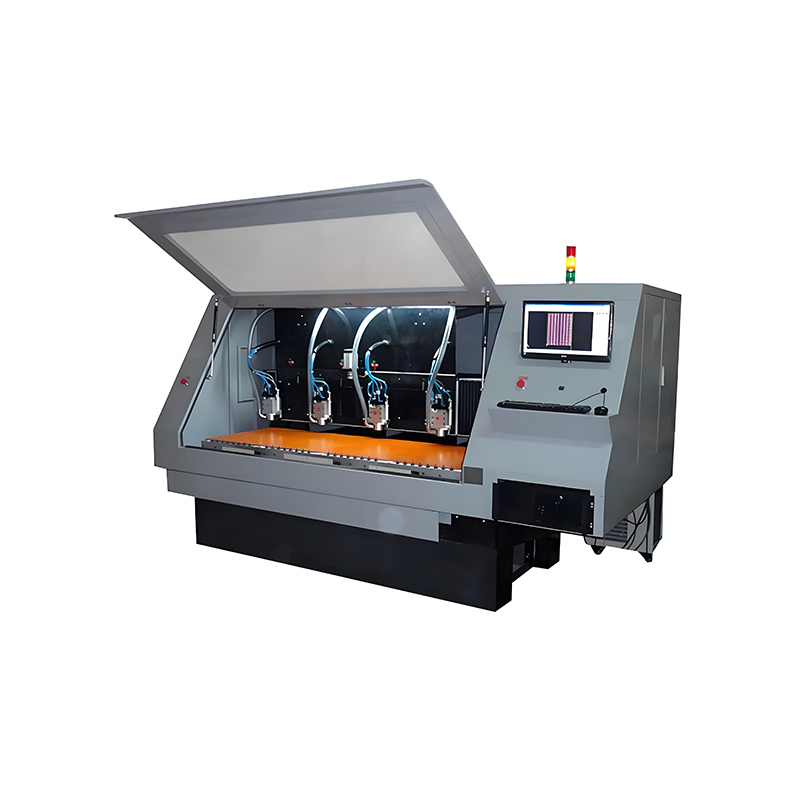
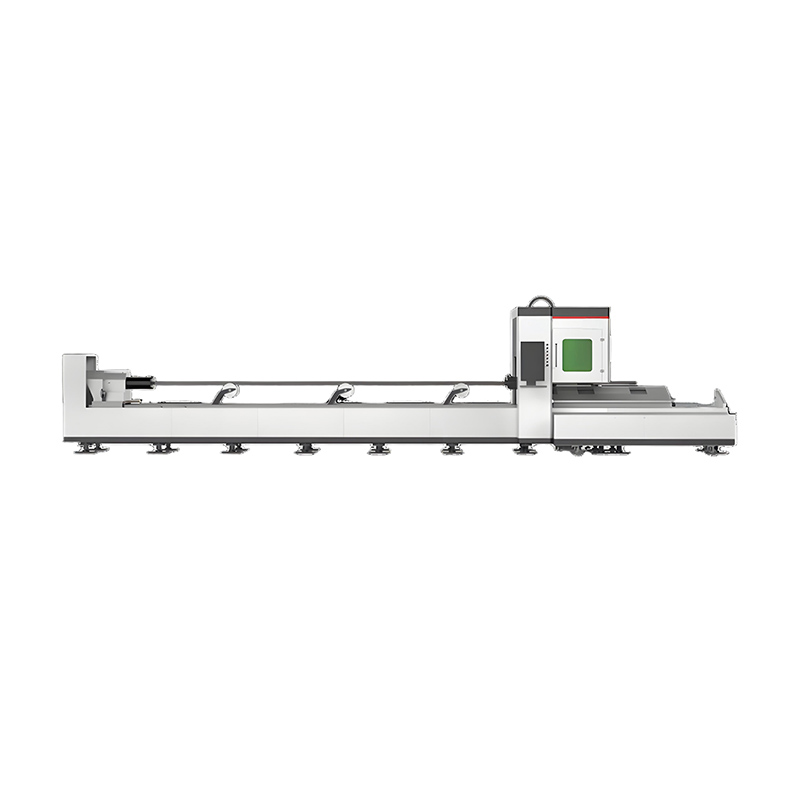
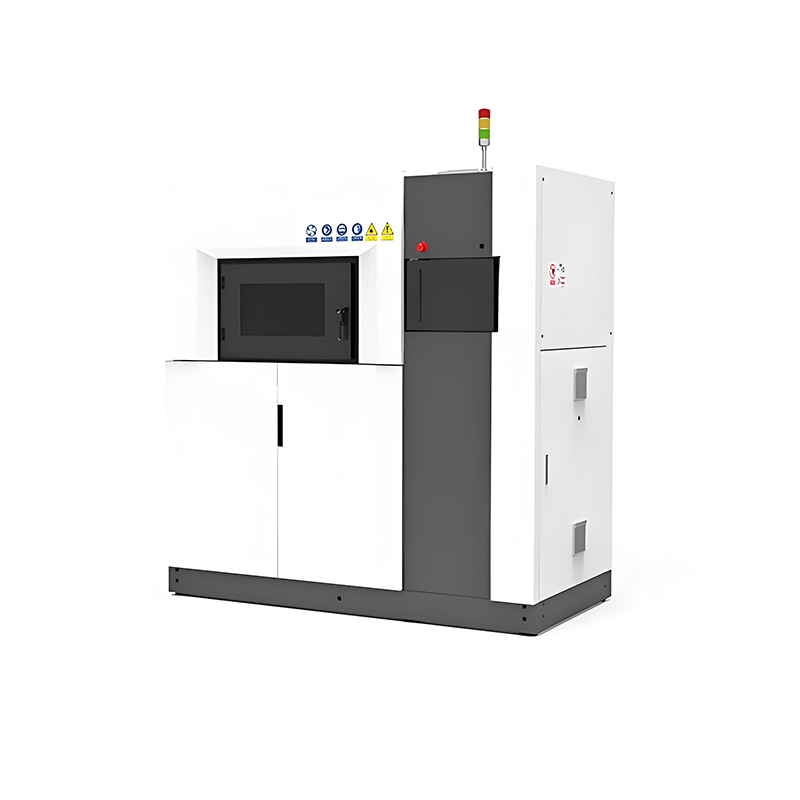
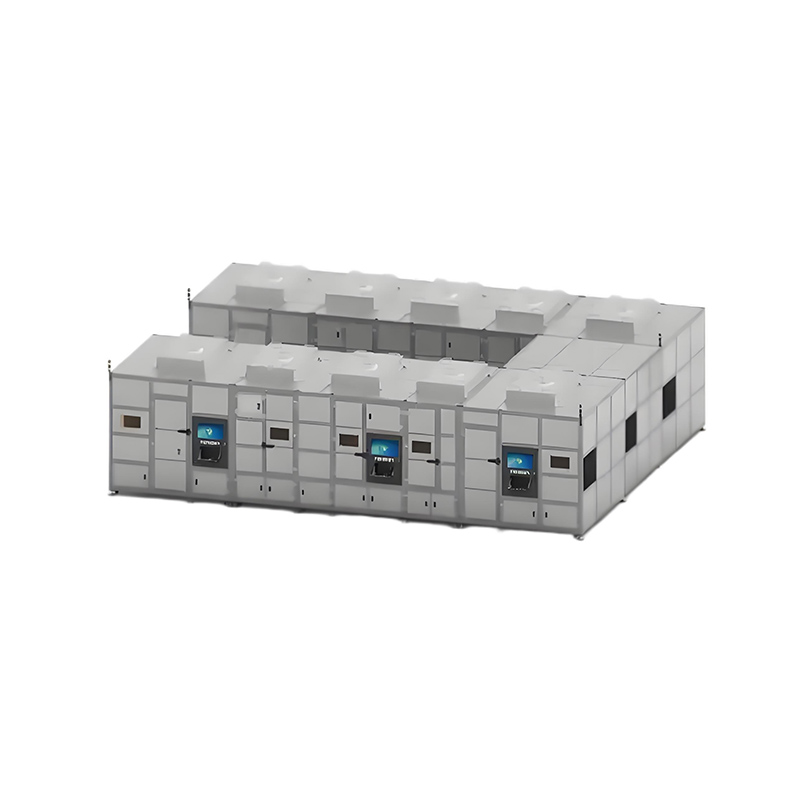
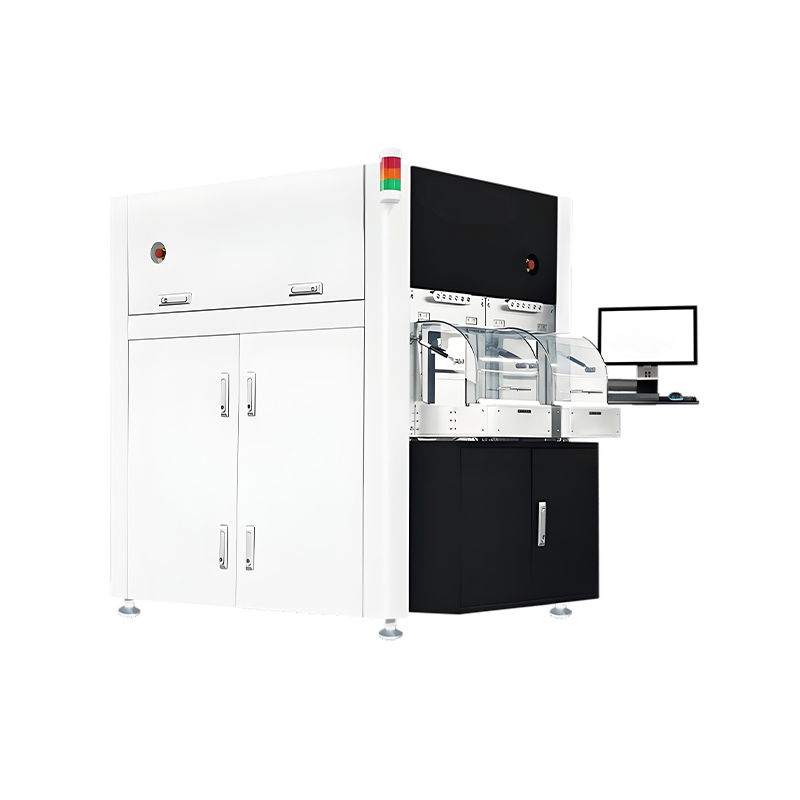
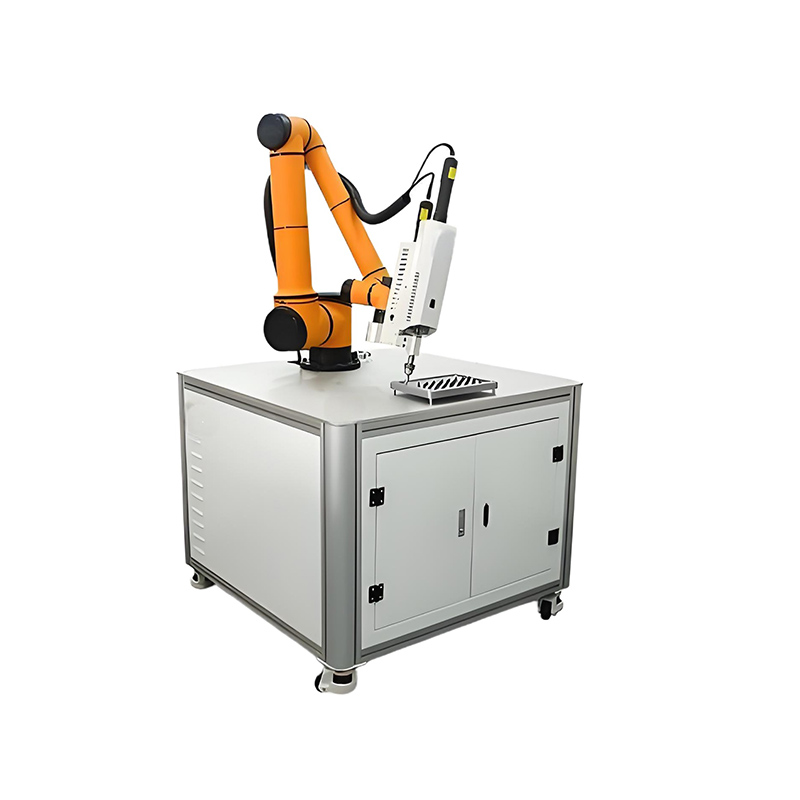
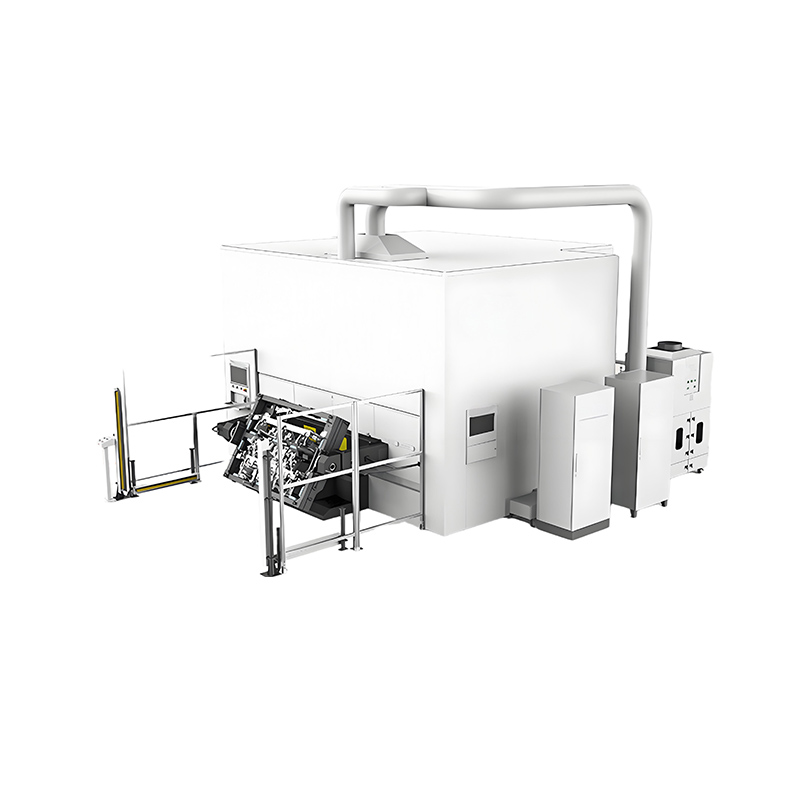
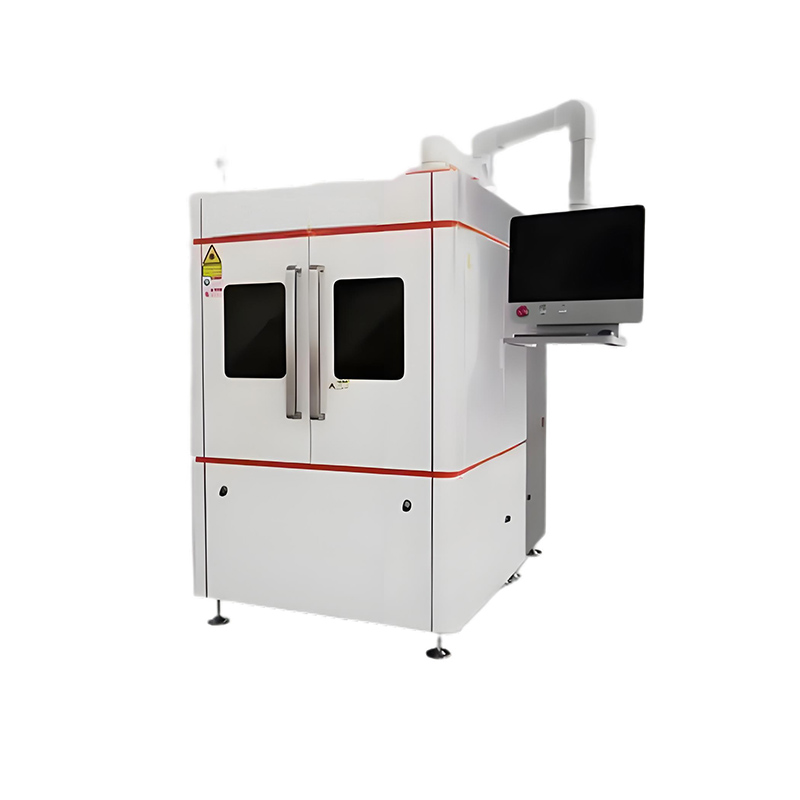
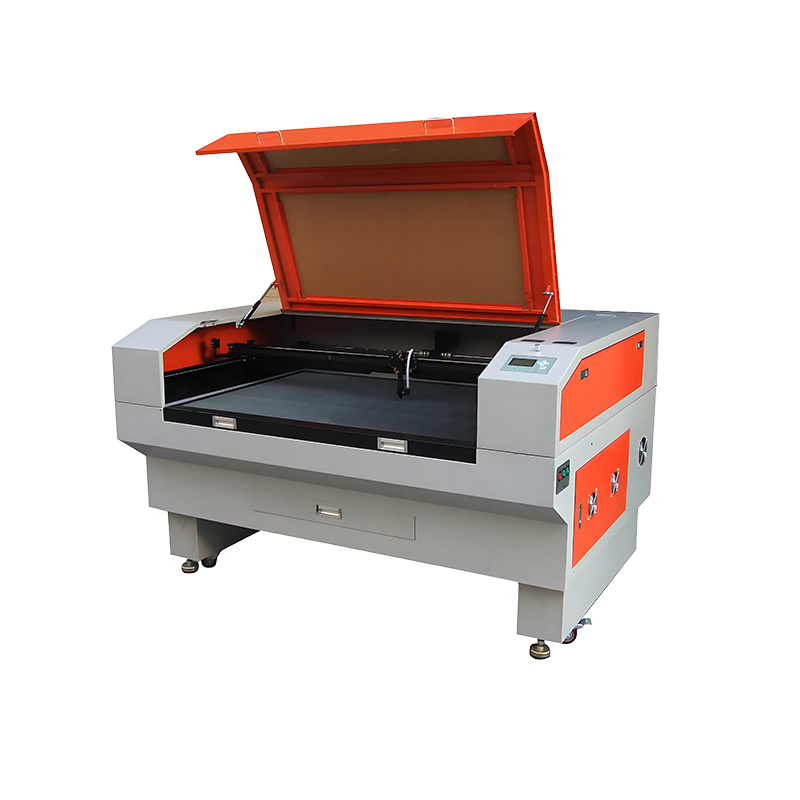
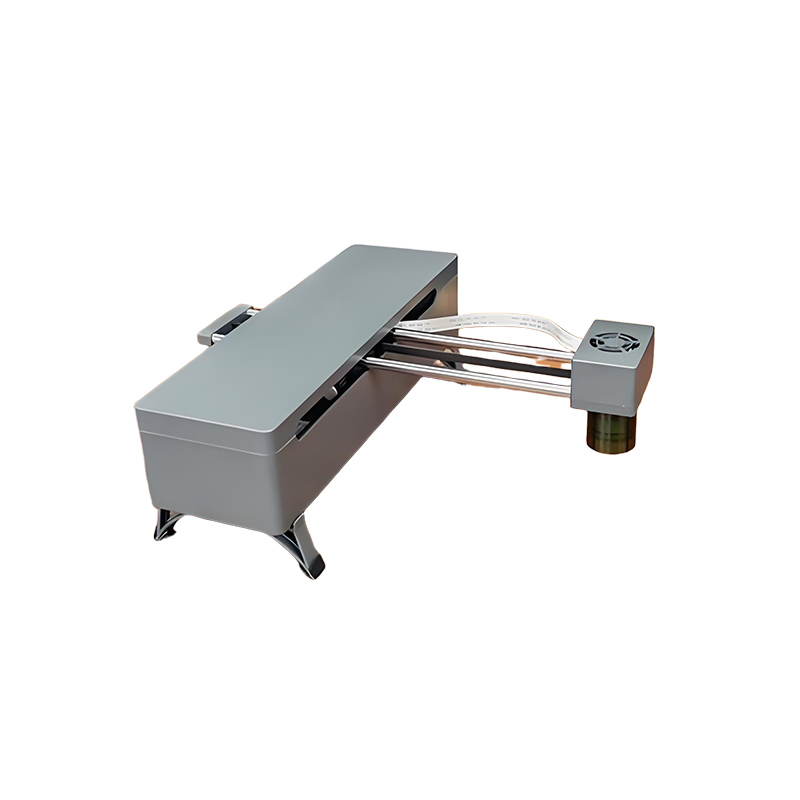
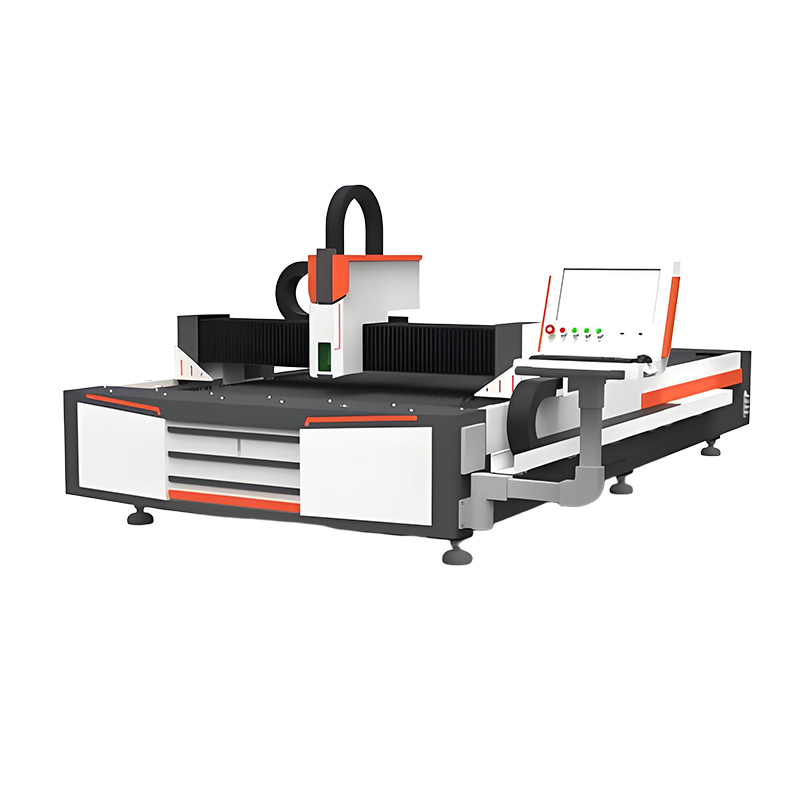
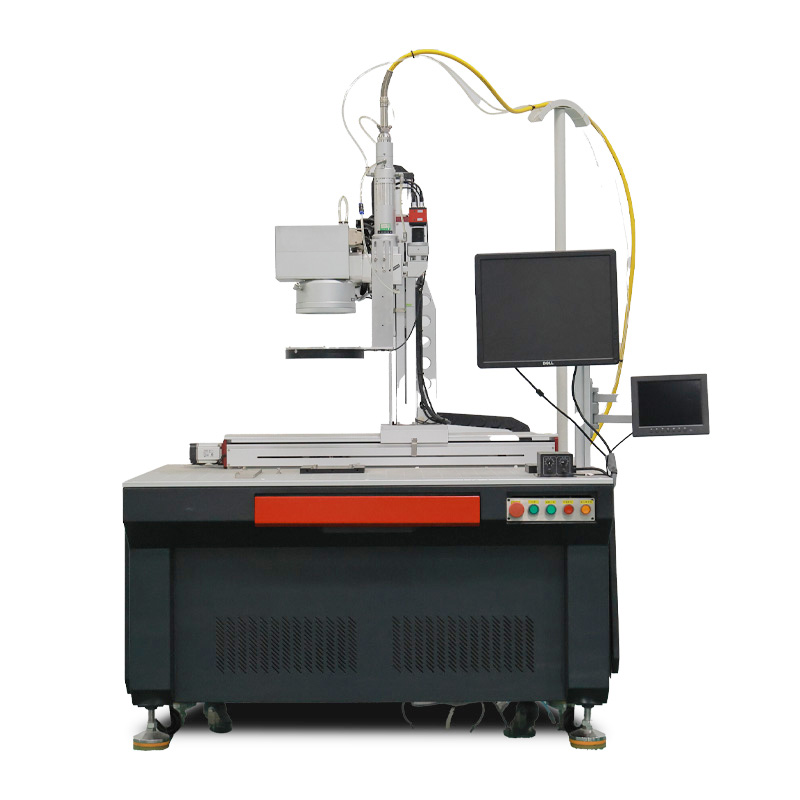
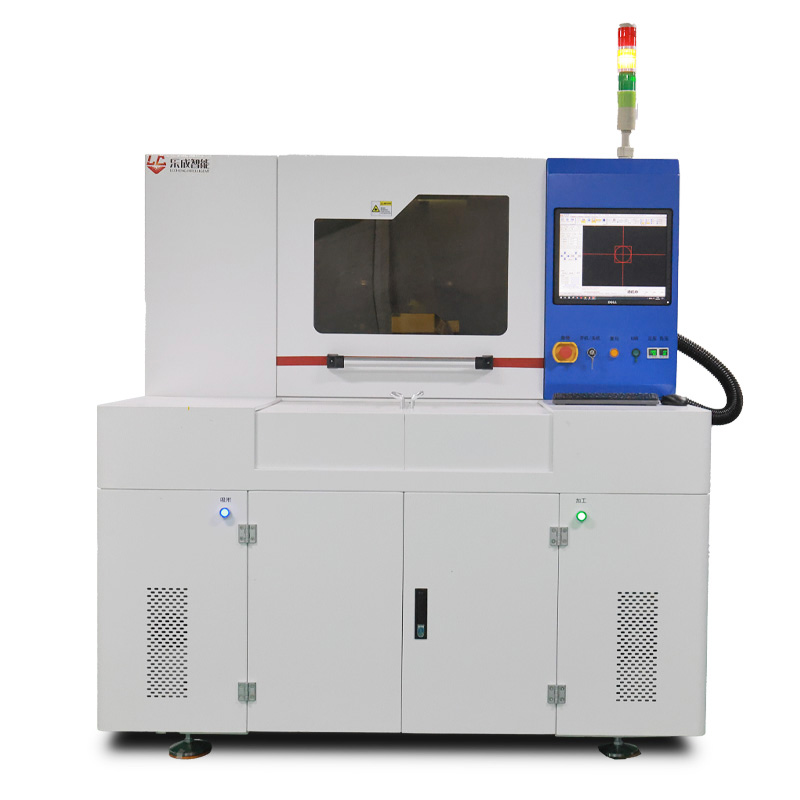
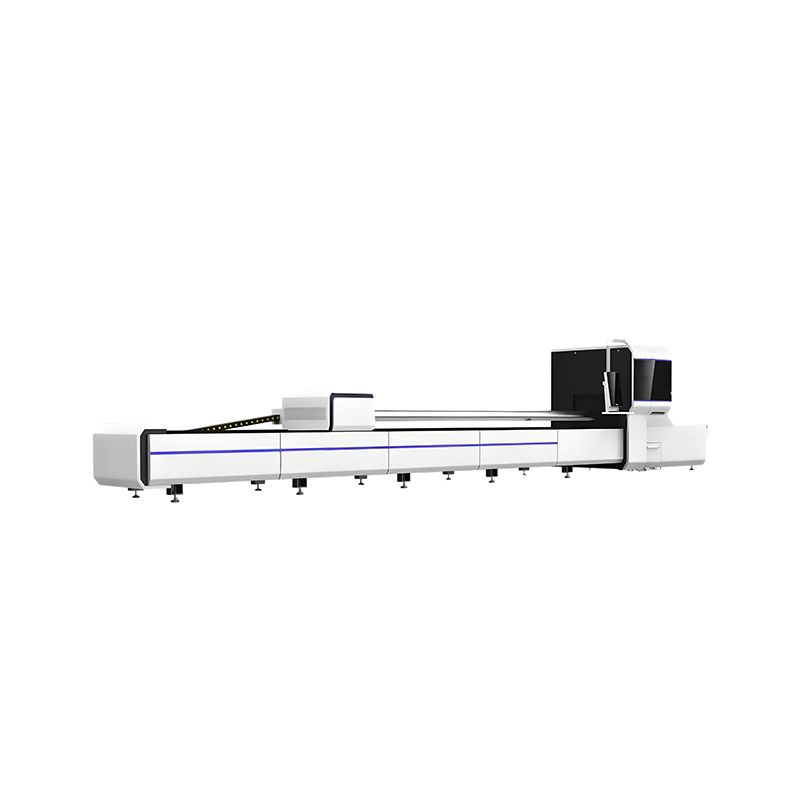
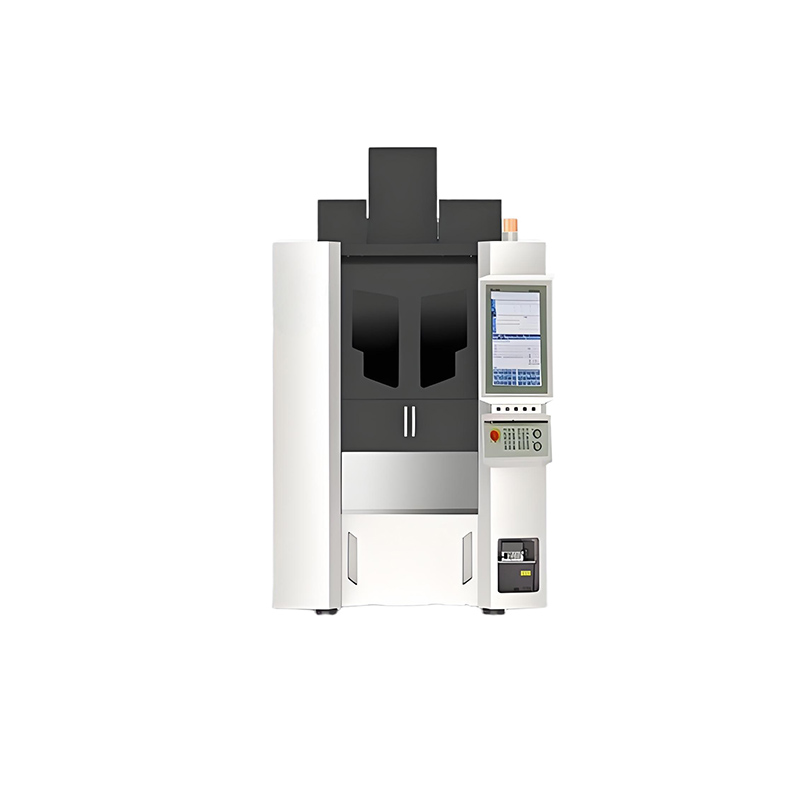
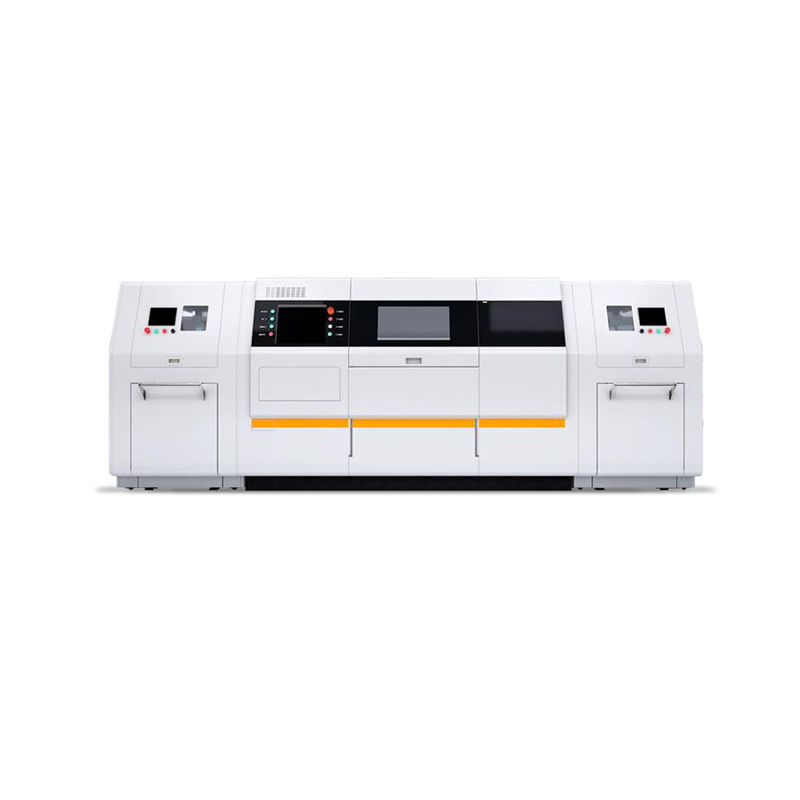
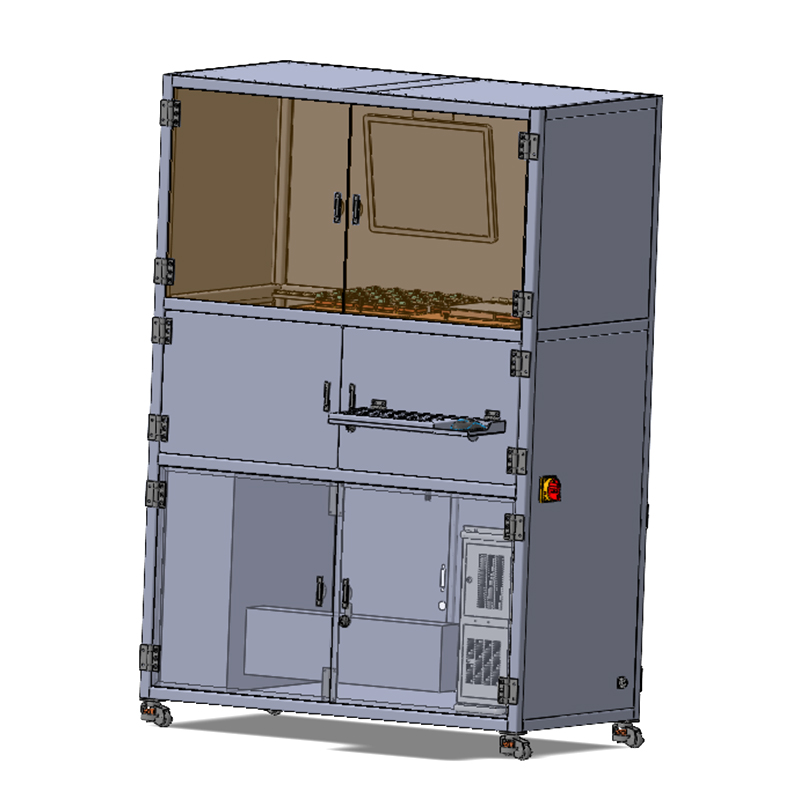
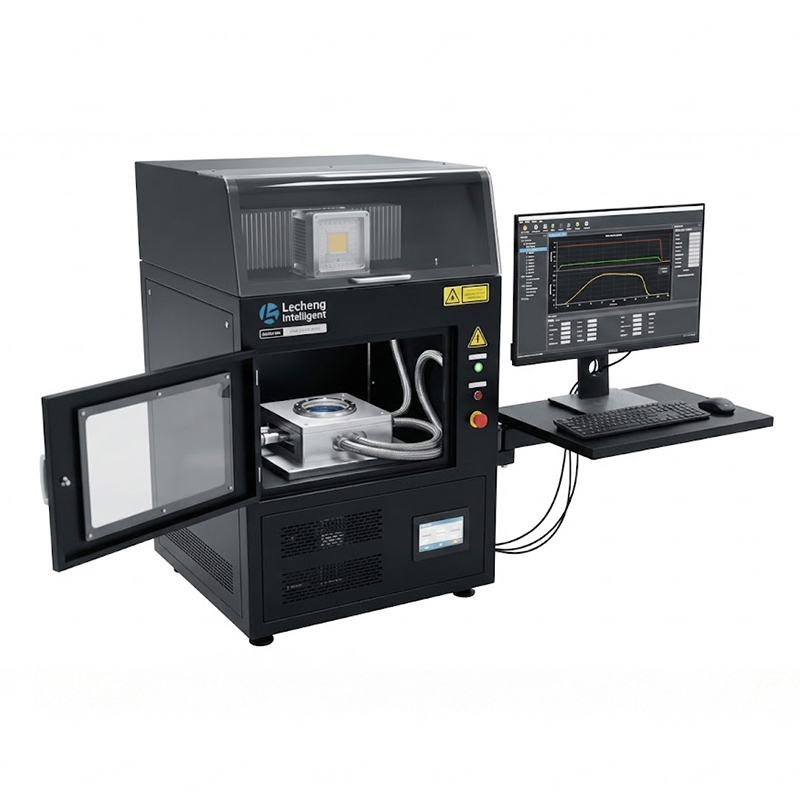
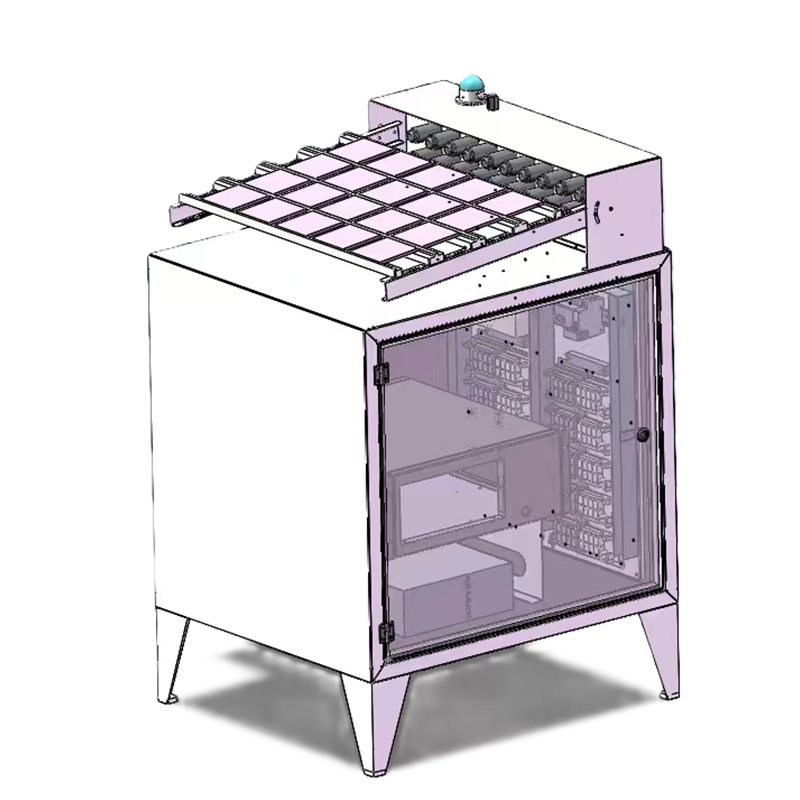
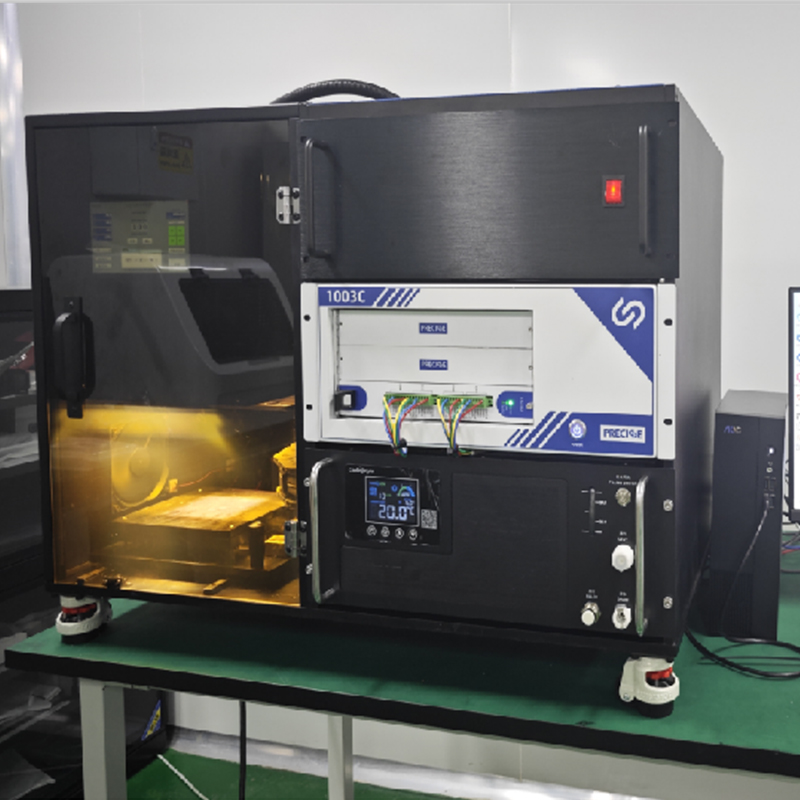
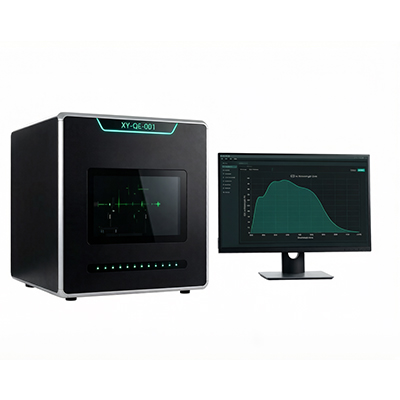
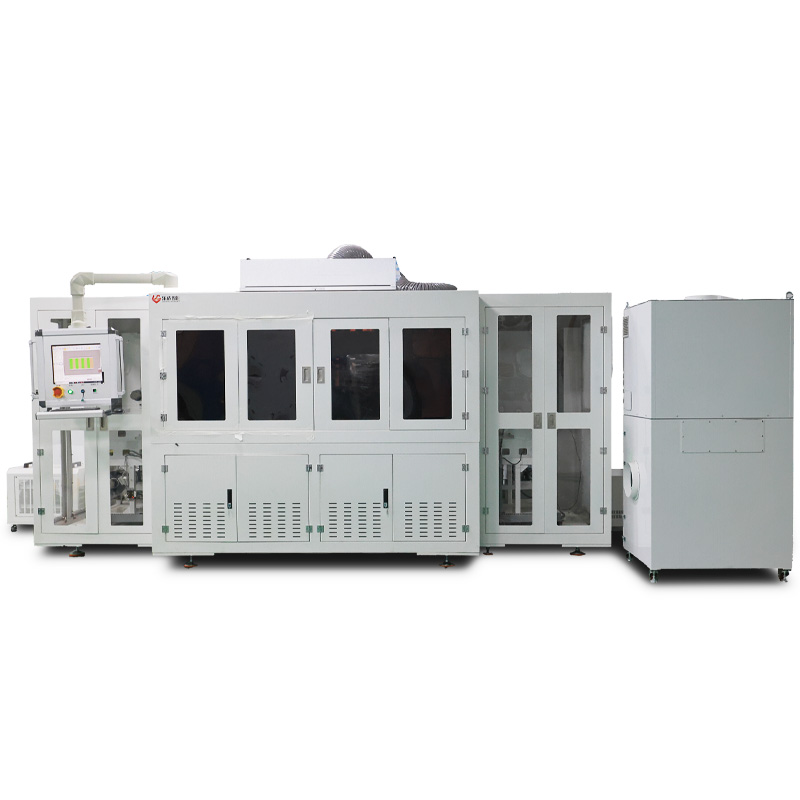
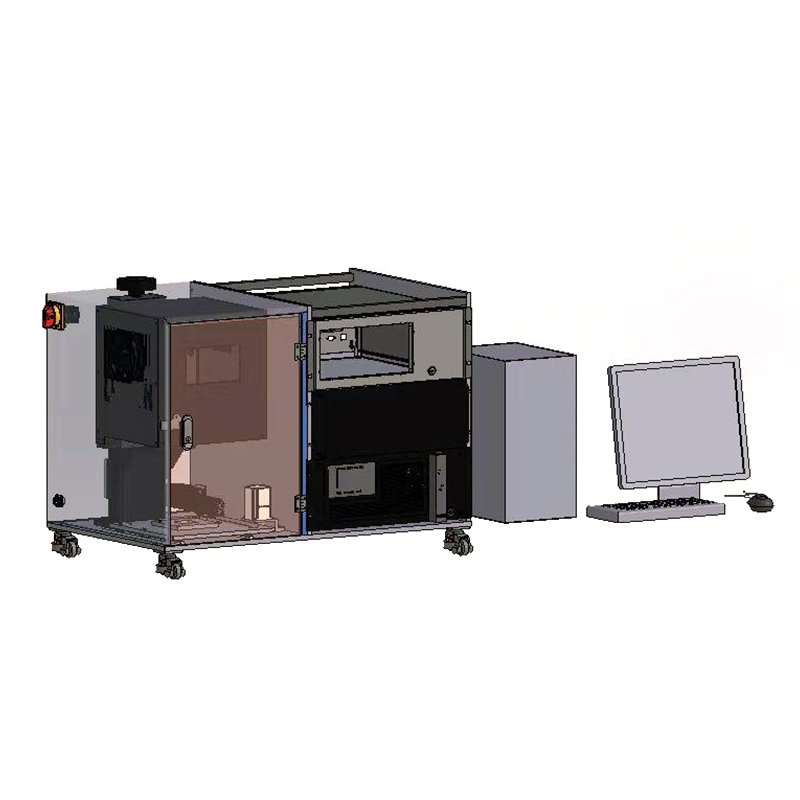
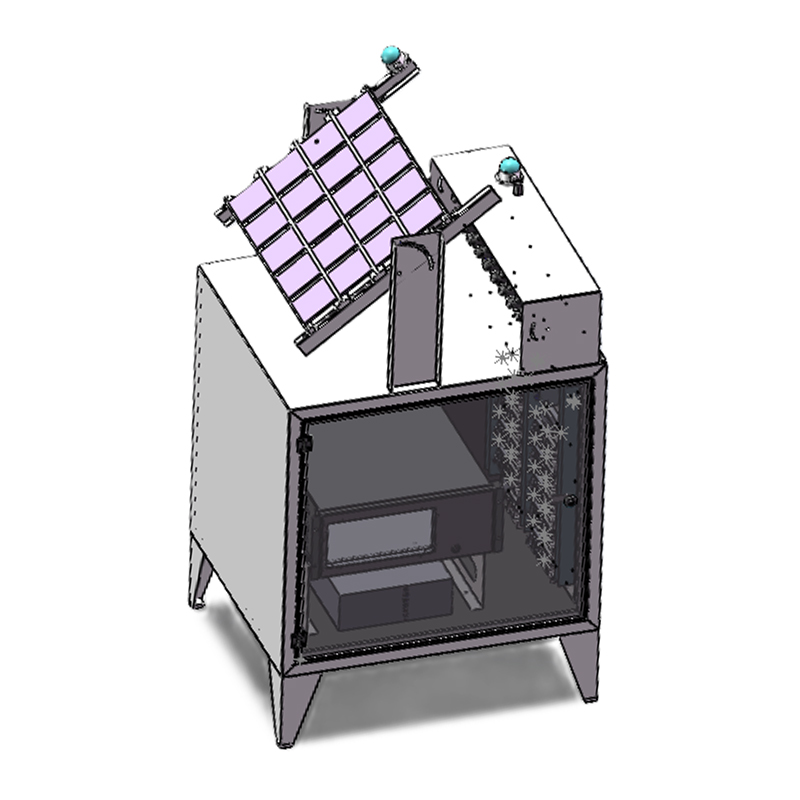
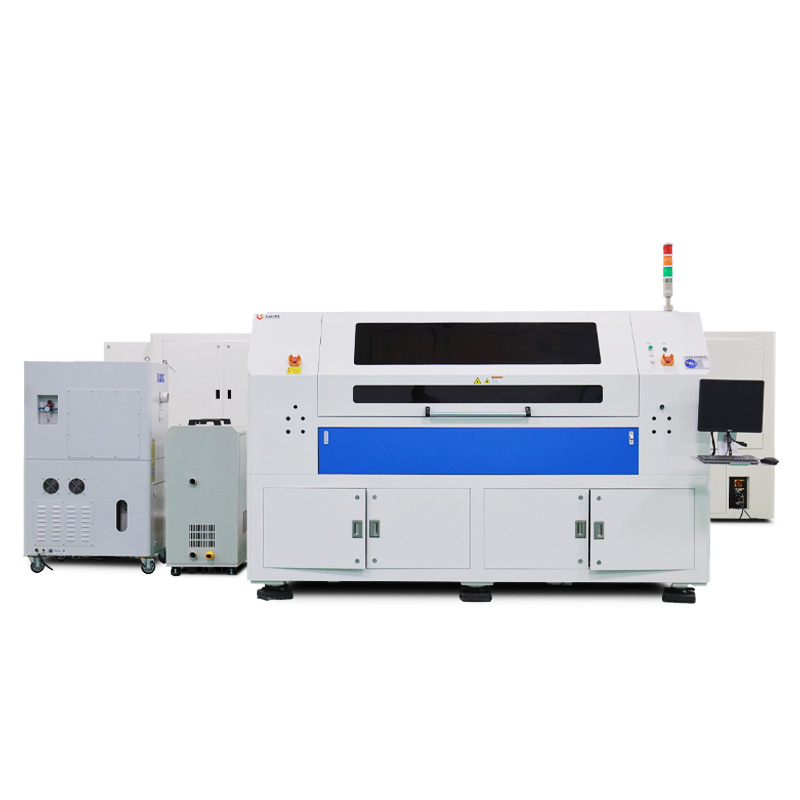
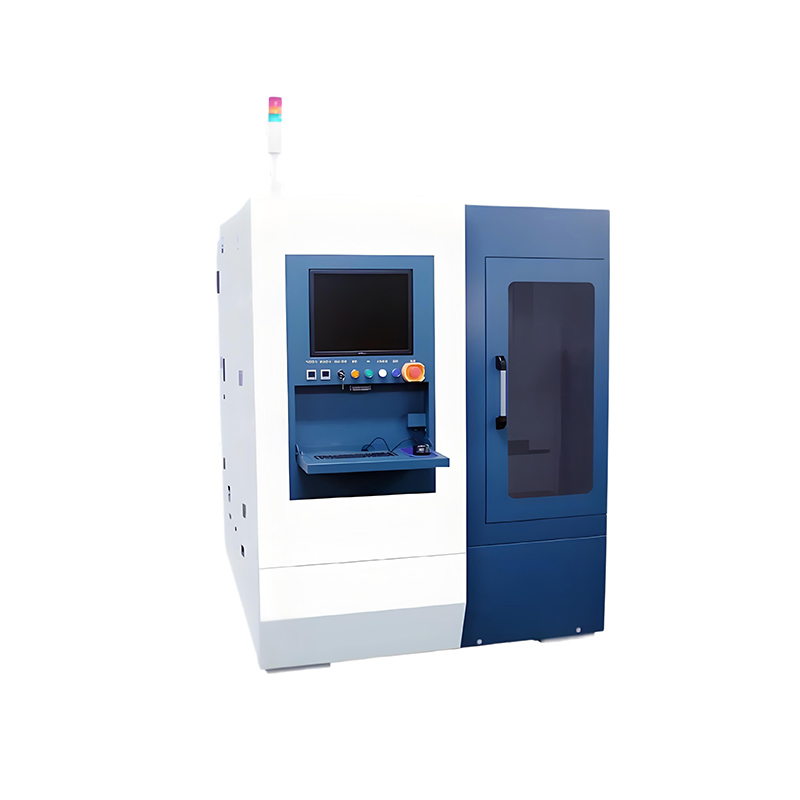
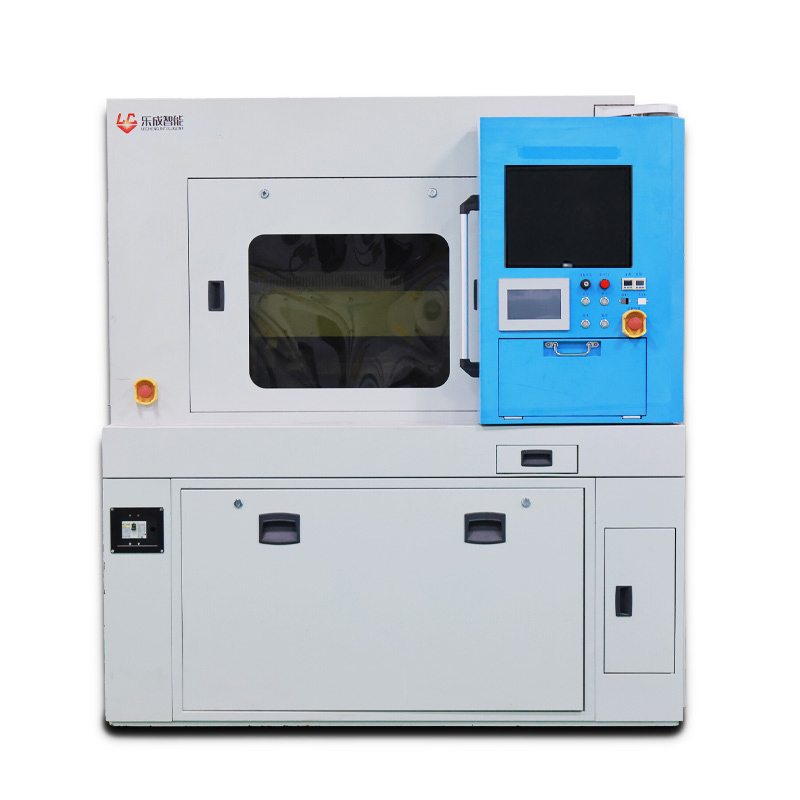
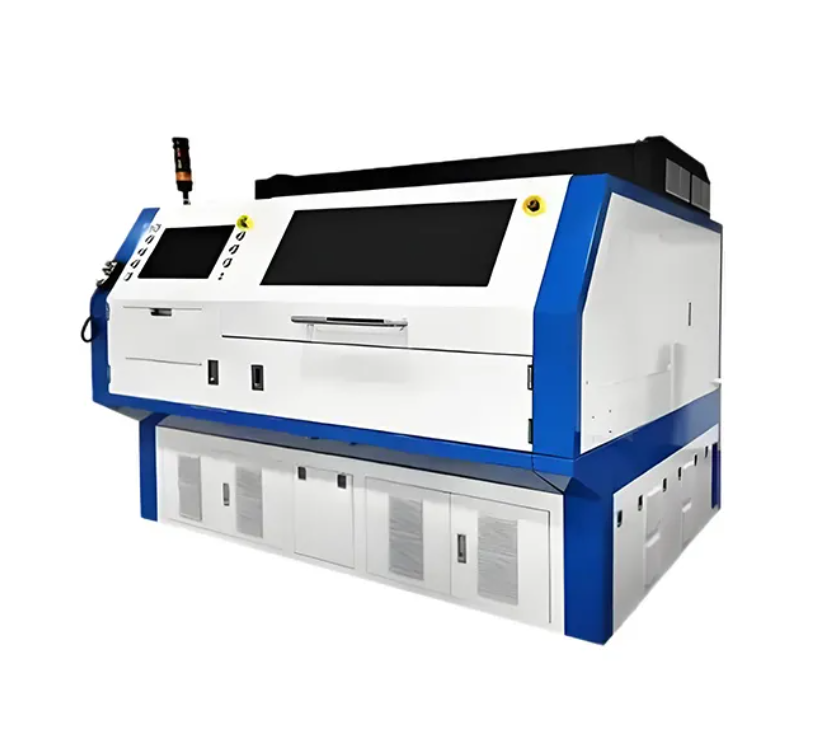
The conventional manufacturing flow for thin-film solar modules, such as perovskite, involves a series of discrete, specialized workstations: one for the P1 scribe on the TCO layer, another for P2, a third for P3, and often a separate station for the critical P4 edge isolation. This segmented approach, while functional, introduces inherent inefficiencies. Each transfer between stations risks particle contamination, alignment errors, and increases non-value-added handling time. The Laser Integrated Processing System fundamentally reimagines this architecture by consolidating all four laser patterning and isolation steps onto a single, intelligent platform. Picture a self-contained "process cell" where the substrate is loaded once. Inside, a precision motion system positions the substrate, while a sophisticated beam delivery system—often featuring configurable dual or even triple optical paths—directs different laser sources (e.g., UV, fiber) to perform the P1, P2, P3, and P4 steps in a seamless, pre-programmed sequence. This is not merely putting machines side-by-side; it is the deep integration of processes, controls, and laser technologies into a unified production entity, designed to maximize yield, minimize footprint, and accelerate cycle time from the very first panel.
The Core Advantages: Precision, Speed, and Process Sovereignty
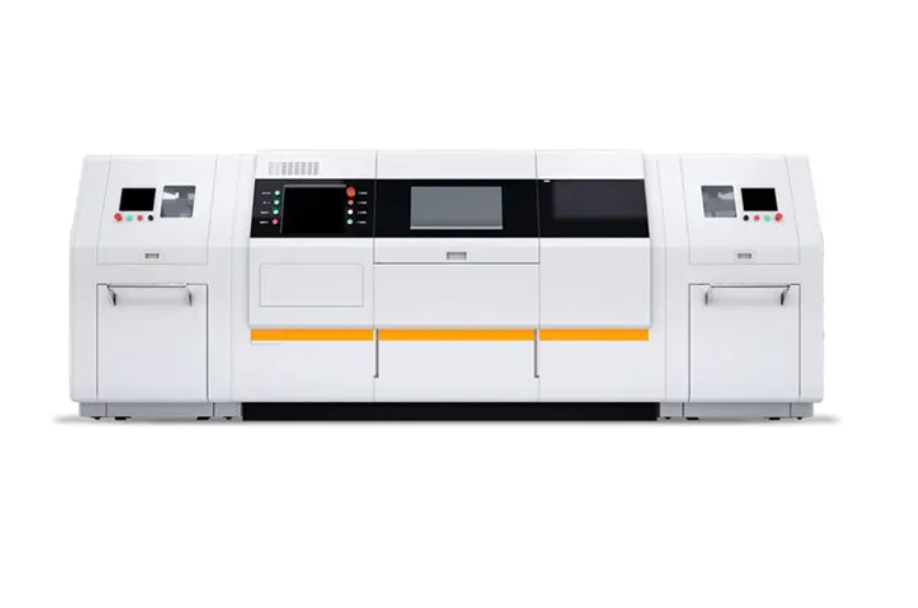
The benefits of integration are profound and multi-faceted. First and foremost is unmatched pattern-to-pattern registration accuracy. Since all scribes are performed on the same stage with a unified coordinate system, the cumulative tolerances and alignment errors inherent in moving a substrate between separate machines are eliminated. This guarantees perfect overlay of the P1, P2, and P3 lines and the P4 edge clean, which is critical for maximizing active area and minimizing electrical shunts. Second, throughput is dramatically increased by eliminating the overhead of loading, unloading, aligning, and transferring between multiple stations. The system operates as a single, high-speed unit. Third, it provides manufacturers with unparalleled process development flexibility and control. R&D engineers can experiment with different laser parameters, sequences, and overlap conditions in a closed-loop environment, rapidly iterating to find the optimal "recipe" for their specific cell architecture. This "all-in-one" approach also drastically reduces the factory floor footprint, simplifies utilities (power, cooling, exhaust), and offers a single point of technical support and service. It transforms a complex, multi-vendor process chain into a manageable, optimized, and highly reliable turnkey solution.
From Prototyping to Pilot Production: The Bridge to Scalable Manufacturing
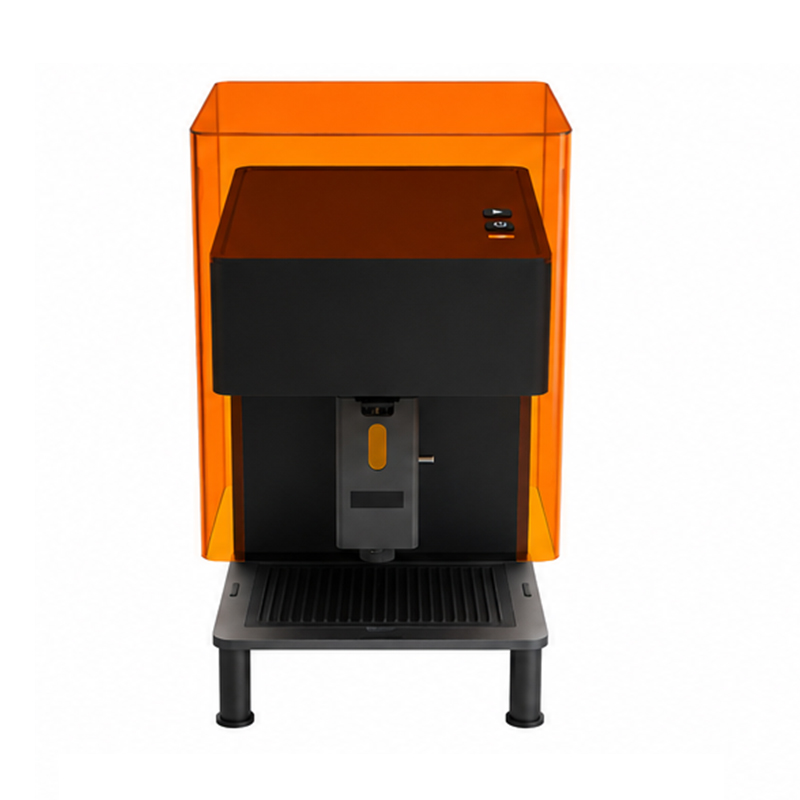
The Laser Integrated Processing System is strategically positioned as the essential bridge between laboratory innovation and high-volume manufacturing. In an R&D or process development setting, it serves as the ultimate testbed. Scientists can process small-format samples (e.g., 156x156mm) with the same integrated sequence that will be used in mass production, generating data that is directly scalable. Once the optimal process is locked in, the same integrated system becomes a powerful pilot production tool. It can manufacture pre-production batches, supply modules for customer qualification, and generate the precise process knowledge needed to confidently scale up to a GW-level production line. This de-risks the capital-intensive step of building a full line. The system validates not just the laser processes themselves, but also the material handling, software workflow, and quality control protocols in an integrated manner. Companies like Lecheng Intelligent design these systems with scalability in mind, ensuring that the process knowledge and control software developed on the integrated platform can be seamlessly transferred to their high-throughput, in-line production equipment. Thus, the integrated system is not an end-point, but the foundational keystone for a smooth, knowledge-driven transition from lab-scale discovery to industrial-scale manufacturing of next-generation solar technologies.
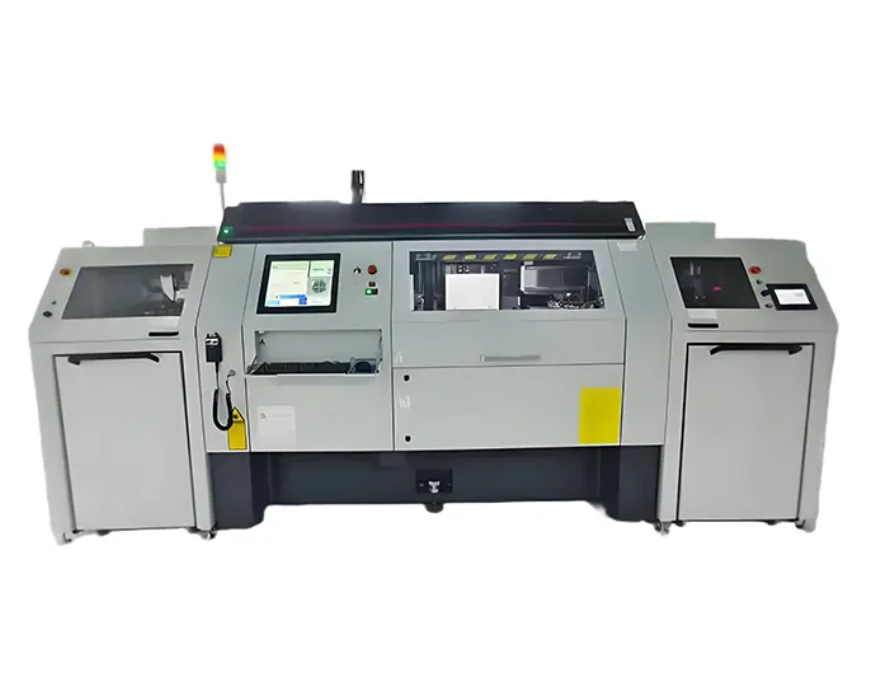
The Laser Integrated Processing System represents a paradigm shift in thin-film photovoltaic manufacturing. It moves beyond the limitations of sequential, disconnected processing steps by creating a holistic, intelligent, and self-contained manufacturing cell. By unifying P1 through P4 on one platform, it delivers superior precision, higher throughput, and unparalleled process control. More than just a machine, it is a comprehensive ecosystem for process development, pilot production, and knowledge generation. It empowers innovators to compress their time-to-market, de-risk scale-up, and confidently bridge the daunting gap between a promising lab result and a reliable, high-yield commercial product. In the race to commercialize advanced solar technologies, this integrated approach is not merely an advantage—it is becoming a necessity.