


User-Friendly Software And Intelligent Control Systems
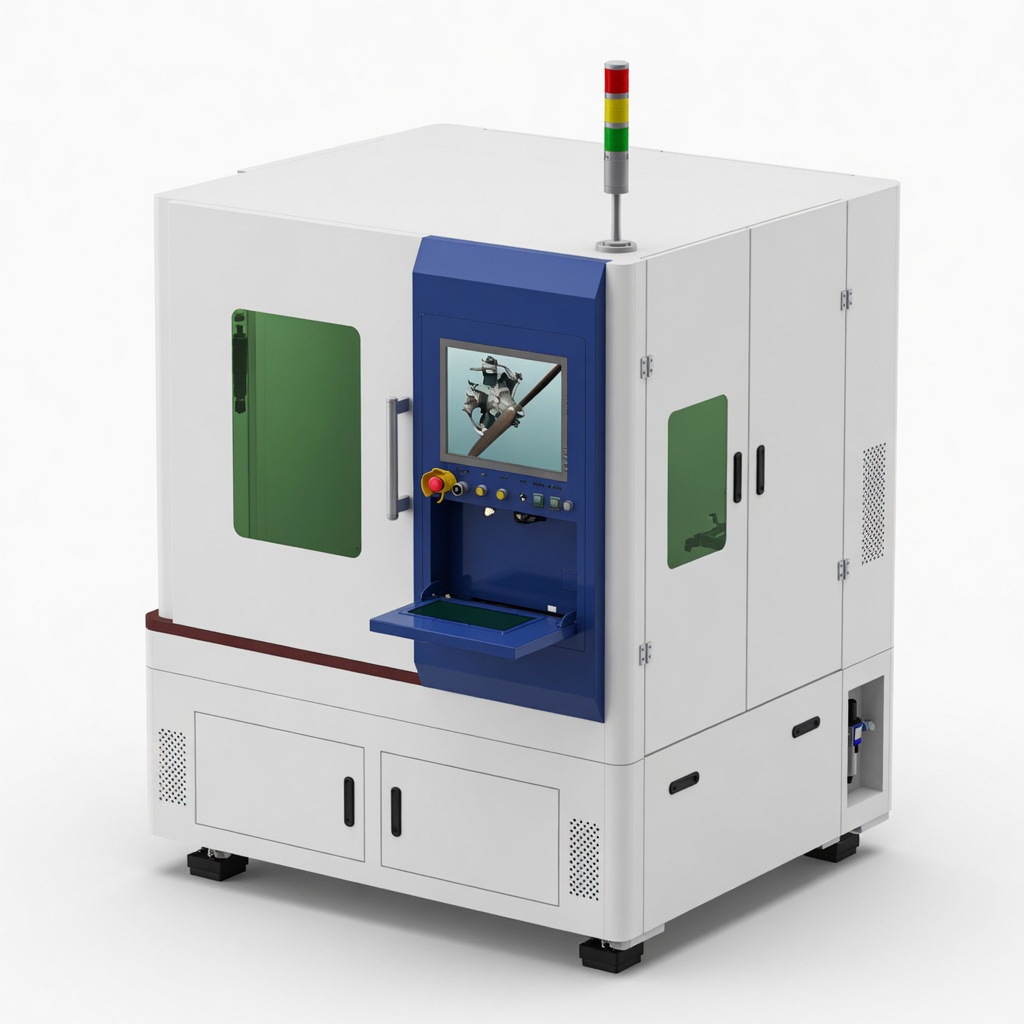
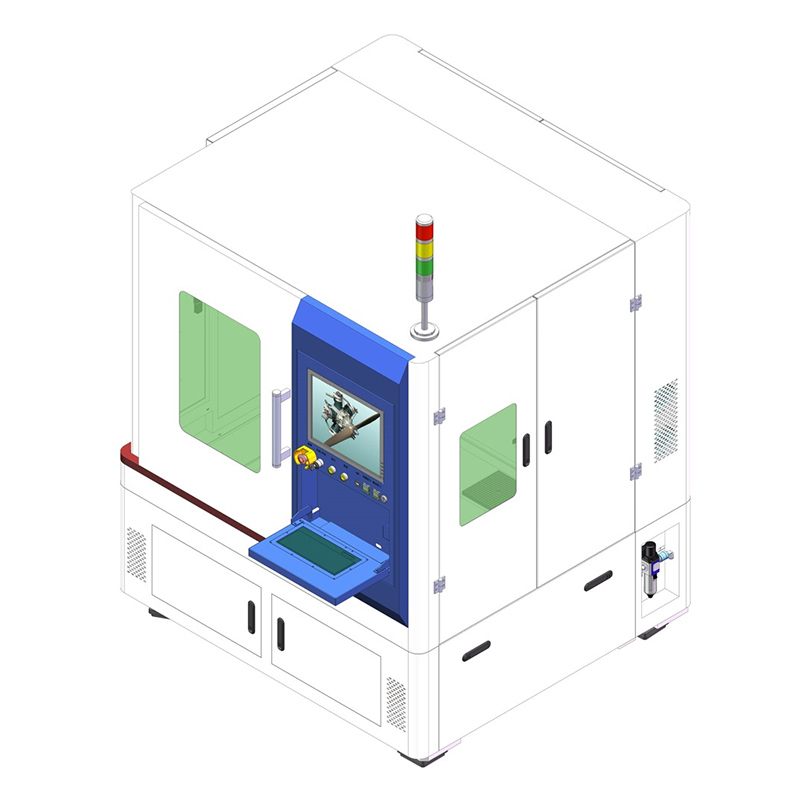
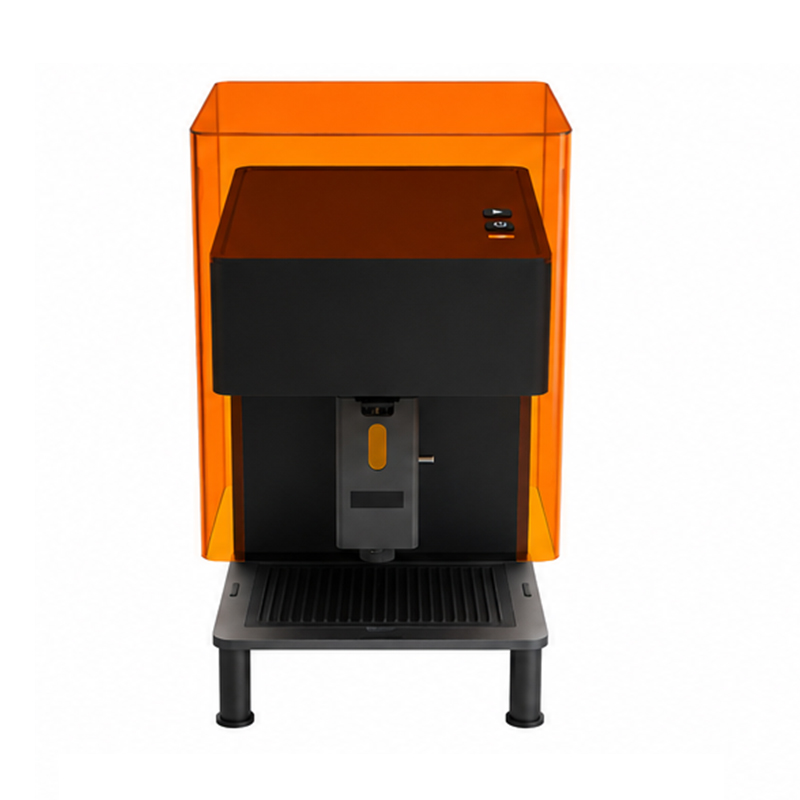
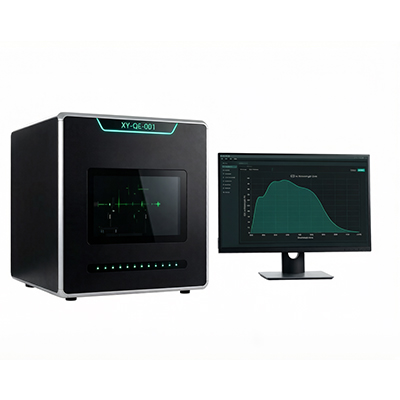
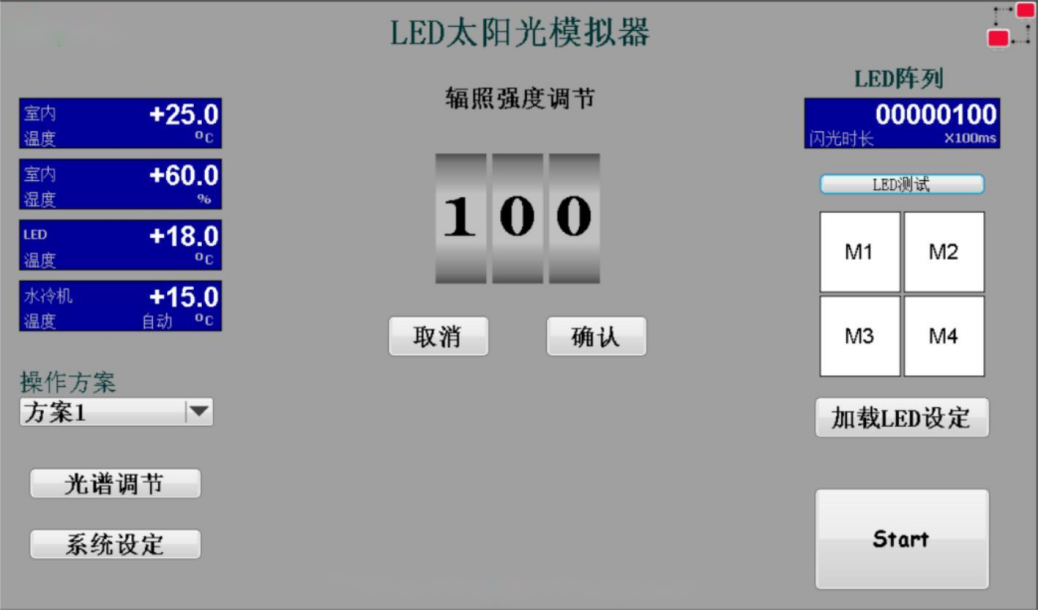
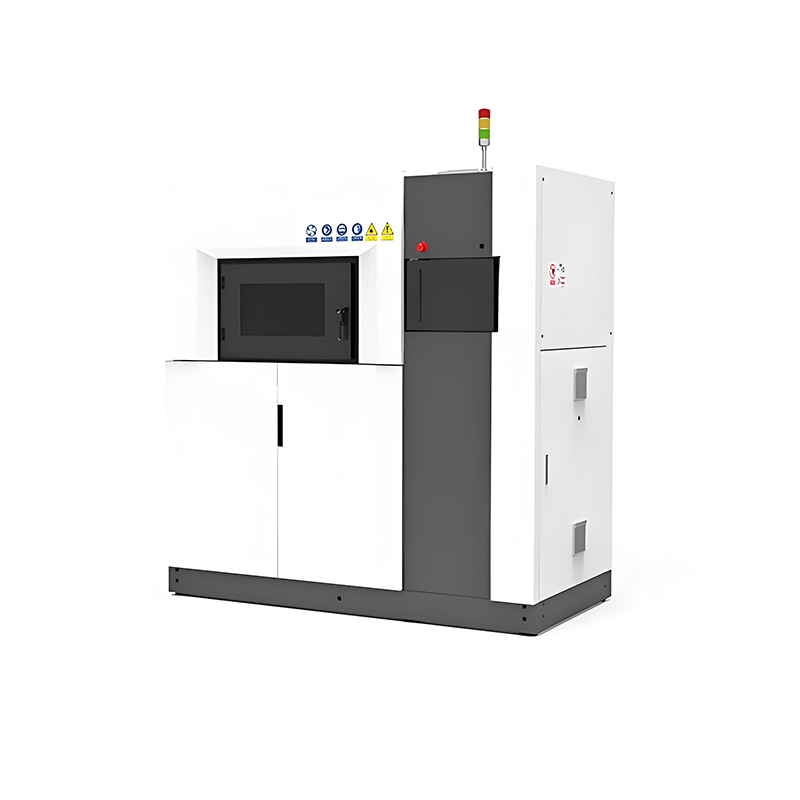
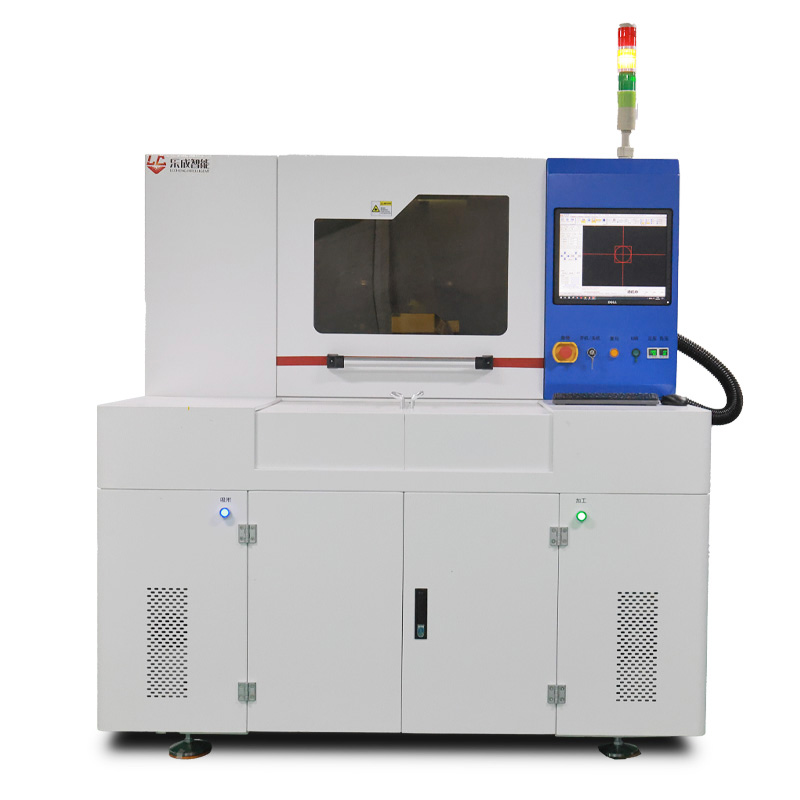
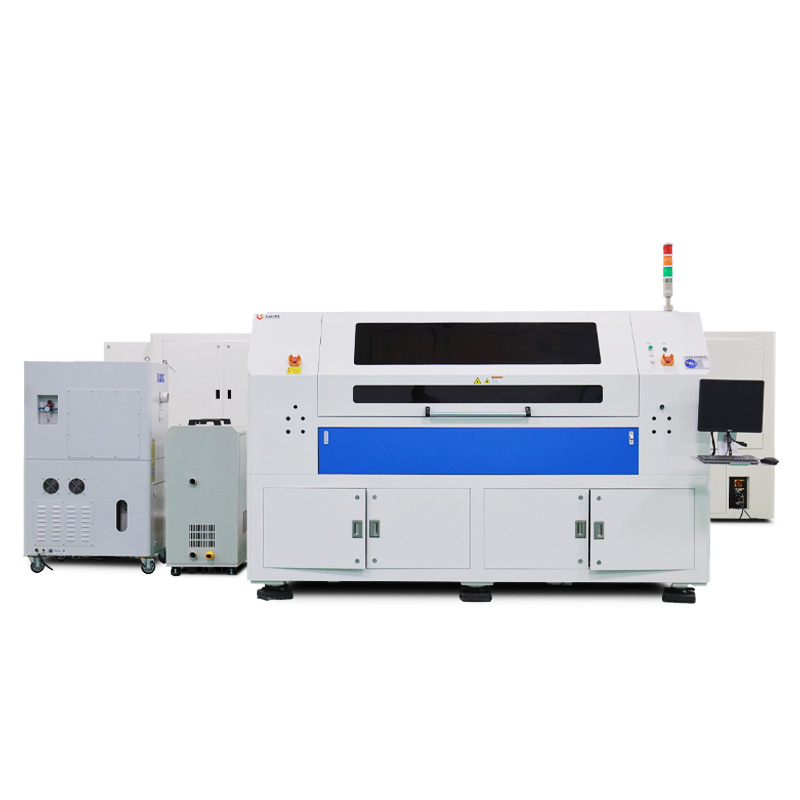
Modern laser metal 3D printing machines are designed with increasingly user-friendly software interfaces, making operation more intuitive than traditional expectations. Most systems now integrate slicing software, parameter presets, and visual control dashboards that allow operators to manage printing tasks with minimal manual intervention. This significantly reduces the learning curve compared to earlier generations of metal additive manufacturing equipment.
For buyers, the key is whether the system supports standardized operation workflows. A well-designed machine allows users to select predefined process parameters based on material type and part geometry. This reduces the need for deep technical knowledge and ensures consistent results even when operated by less experienced personnel.
Advanced systems also include automatic calibration, powder management, and error detection features. These intelligent functions help minimize operator mistakes and improve overall usability, making the machine more accessible for production environments rather than only research applications.
Training Requirements And Skill Level Expectations
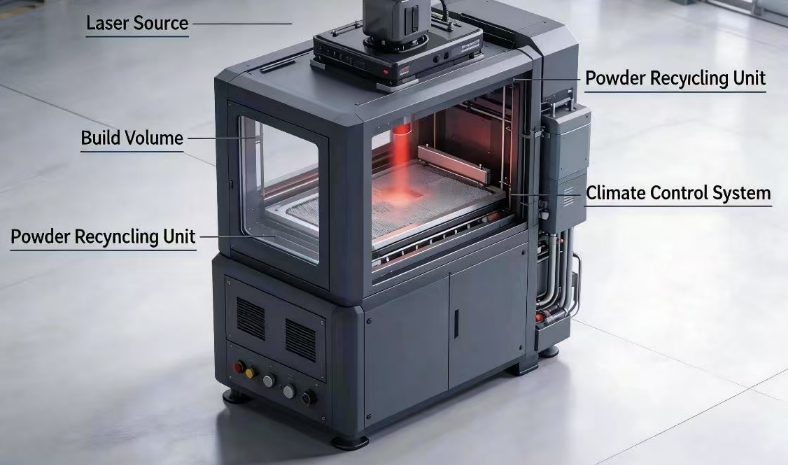
Although modern systems are easier to use, laser metal 3D printing still requires a certain level of technical understanding. Buyers often ask whether operators need to be highly specialized engineers or if standard technicians can handle daily operations. In practice, most systems are designed so that routine operation can be managed by trained technicians after a short training period.
Training typically includes machine setup, parameter selection, powder handling, and post-processing procedures. For many suppliers, this training can be completed within several days to a few weeks, depending on the complexity of the application. Once trained, operators can perform routine tasks efficiently, while advanced process optimization can be handled by specialized engineers when necessary.
From a procurement perspective, machines with structured training programs, clear documentation, and remote support are significantly more attractive. These features reduce onboarding time and ensure that the buyer’s team can quickly achieve stable production.
Operational Efficiency And Integration Into Production
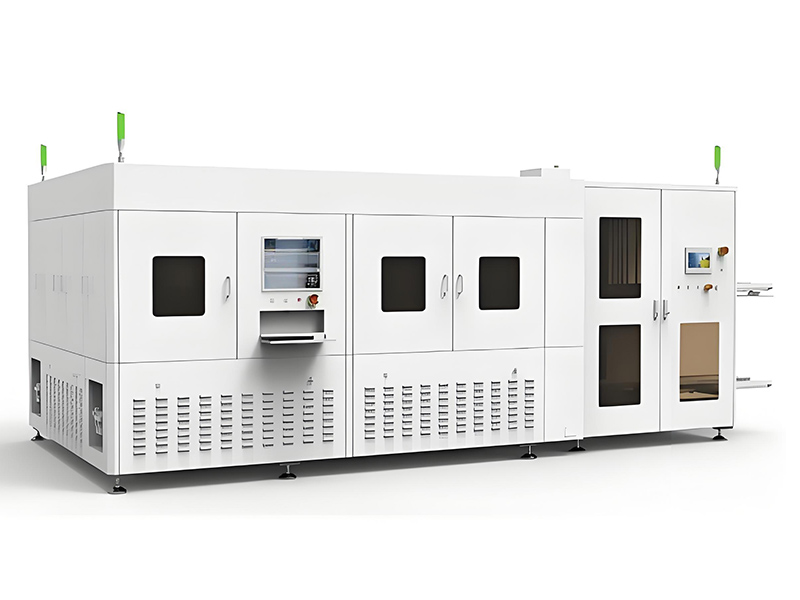
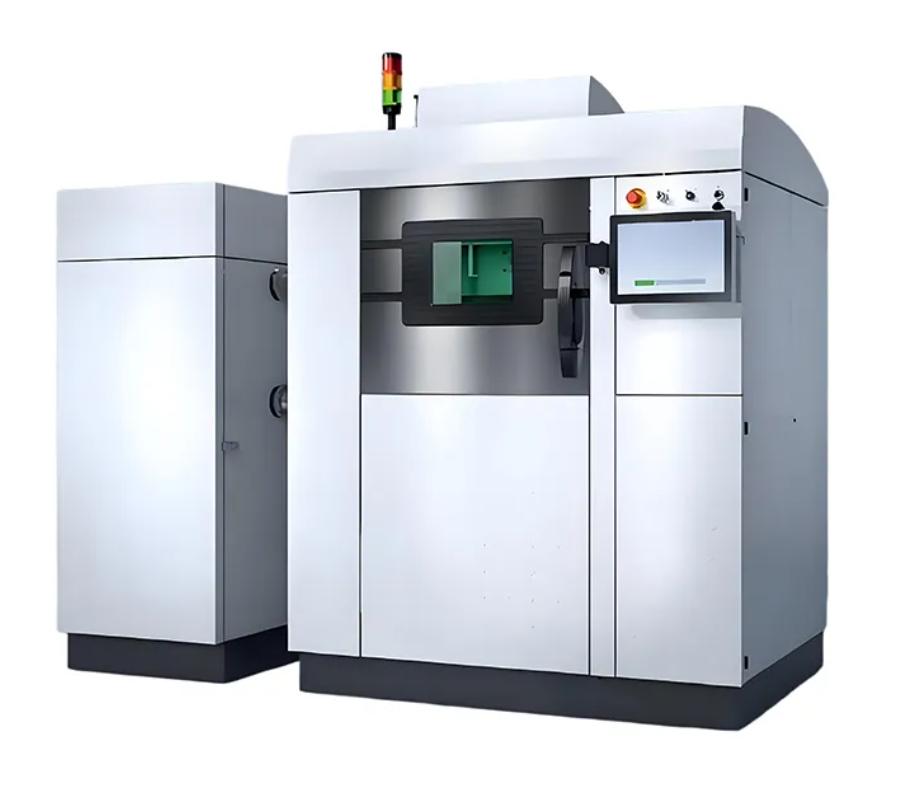
Another important consideration is how easily the machine can be integrated into existing production environments. Buyers are not only concerned about how to operate the machine, but also how efficiently it fits into their workflow. A well-designed laser metal 3D printing system supports automated job preparation, batch processing, and data management, which simplifies daily operation.
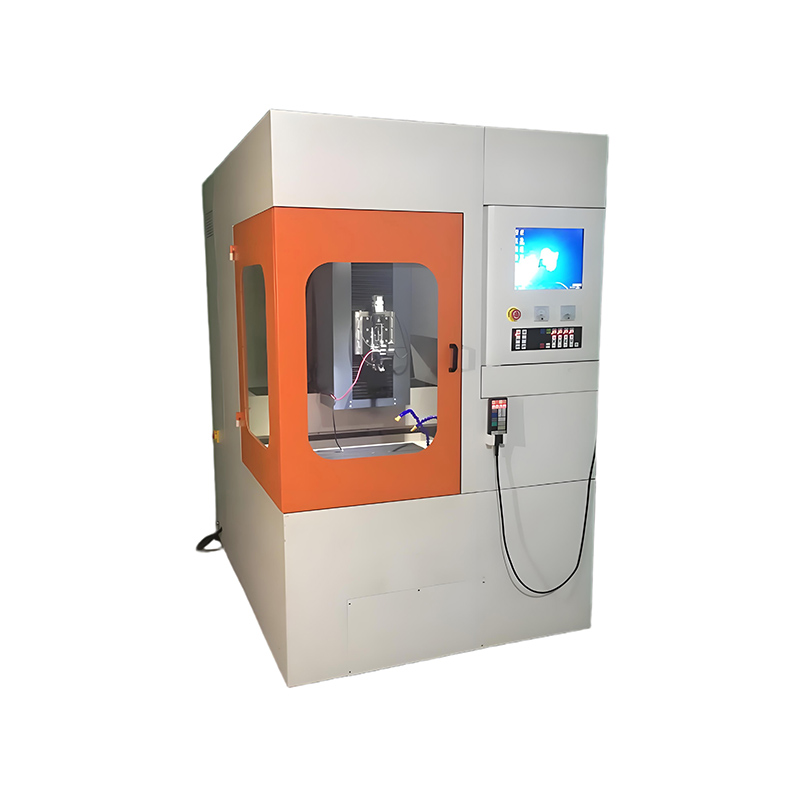
Automation features such as automatic powder feeding, build plate handling, and process monitoring reduce manual workload and improve consistency. This allows operators to focus on supervision rather than constant intervention, making the system more suitable for industrial-scale production.
For international buyers, ease of operation is ultimately defined by how quickly the machine can deliver reliable output with minimal training and intervention. A system that balances advanced capability with operational simplicity provides the highest value in real production scenarios.
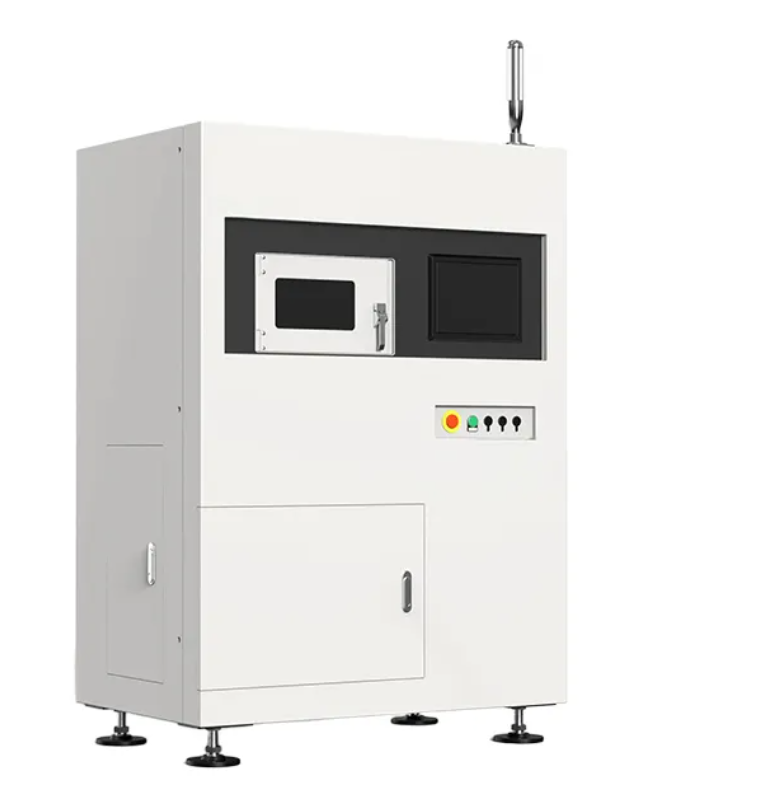
A laser metal 3D printing machine is not inherently difficult to operate when designed with modern software, intelligent automation, and structured training support. For buyers, the real question is not whether the technology is complex, but whether the system is designed to simplify that complexity. The best machines are those that allow standard operators to achieve stable results while still providing flexibility for advanced engineering optimization.