
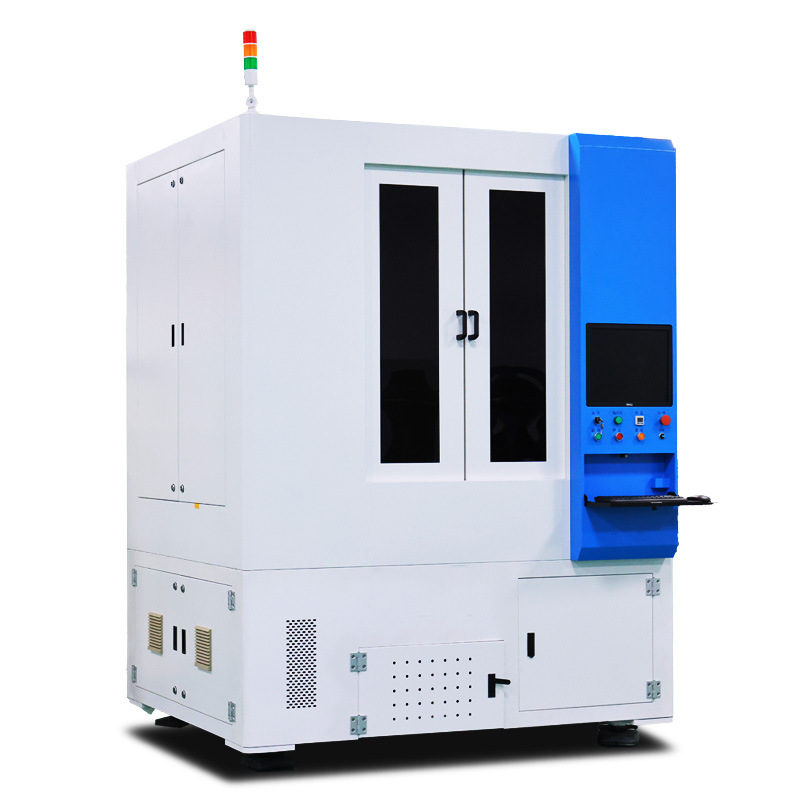
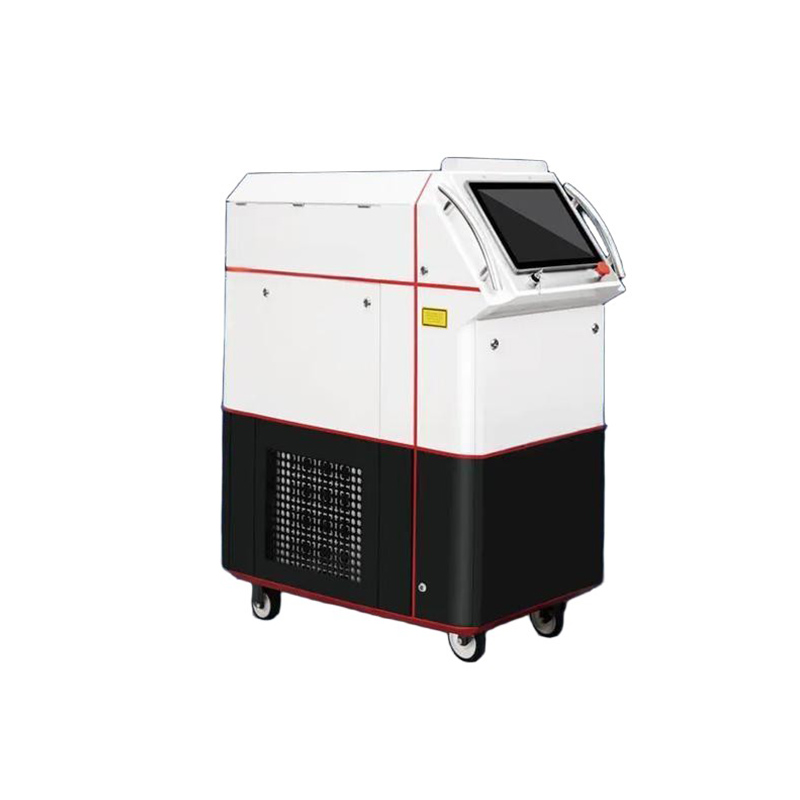
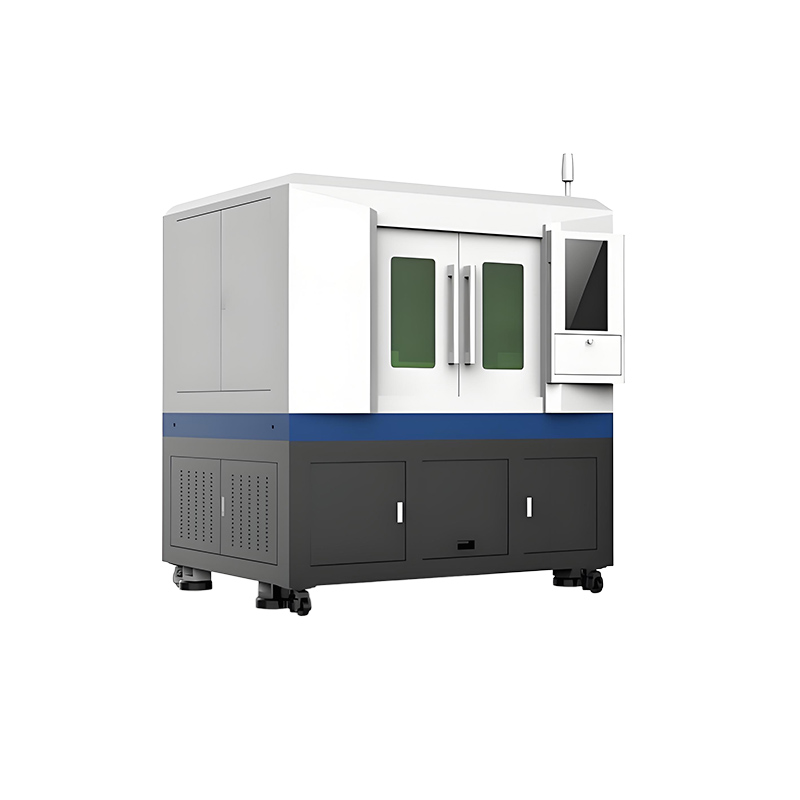
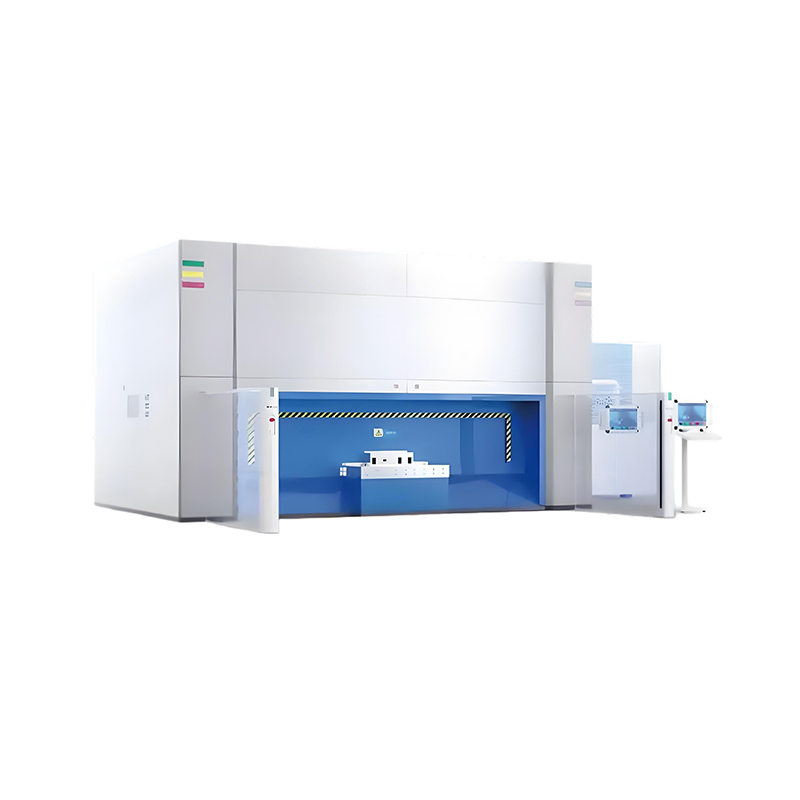
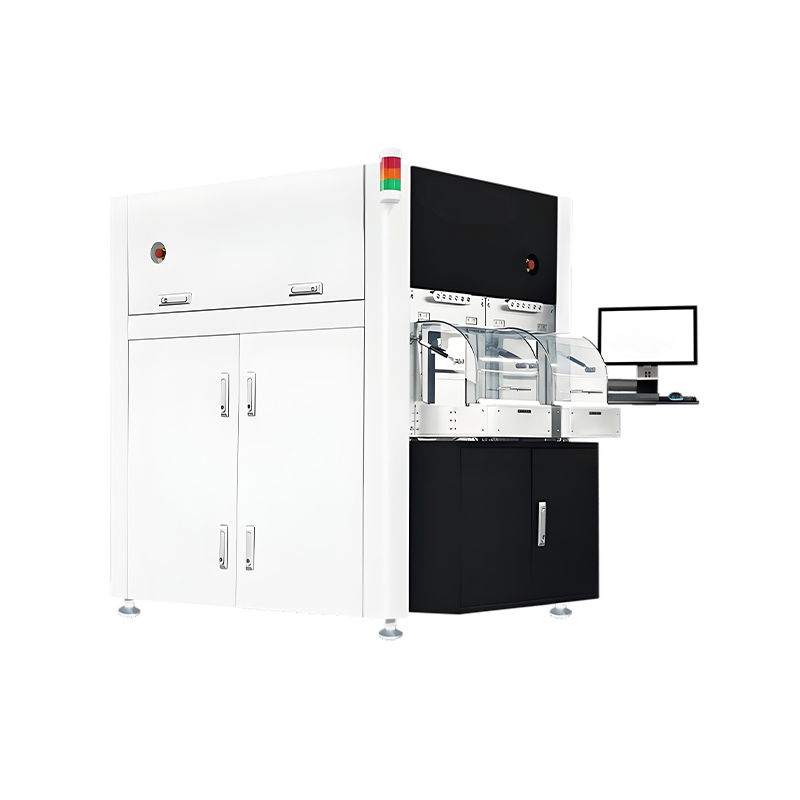
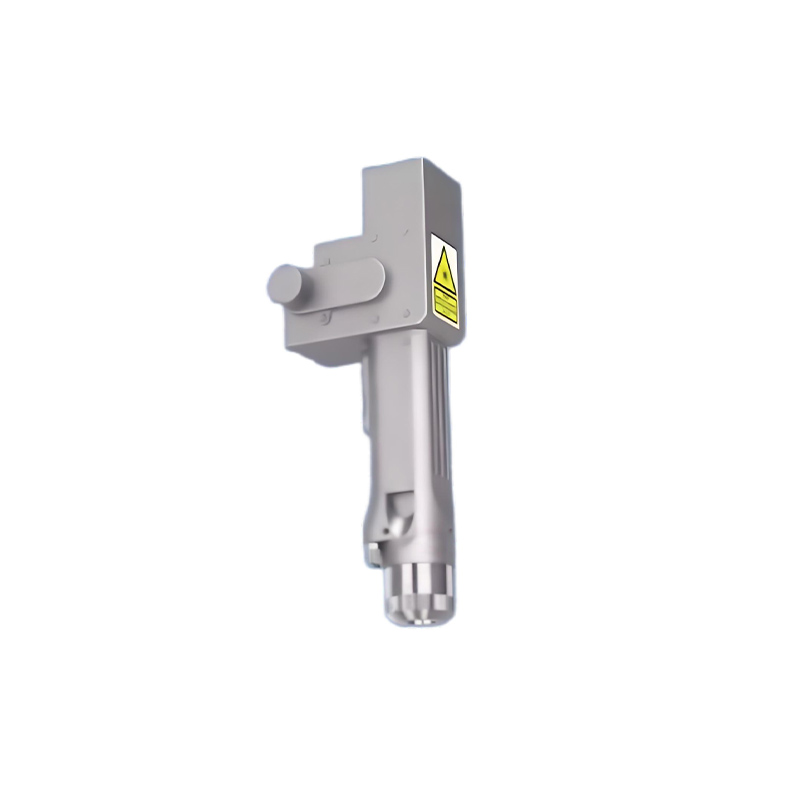
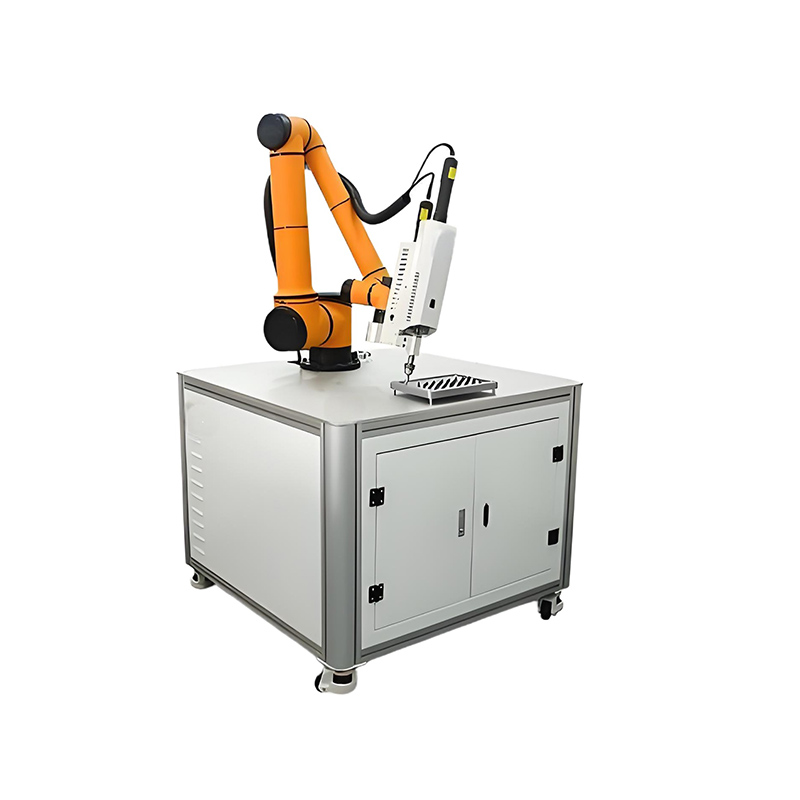
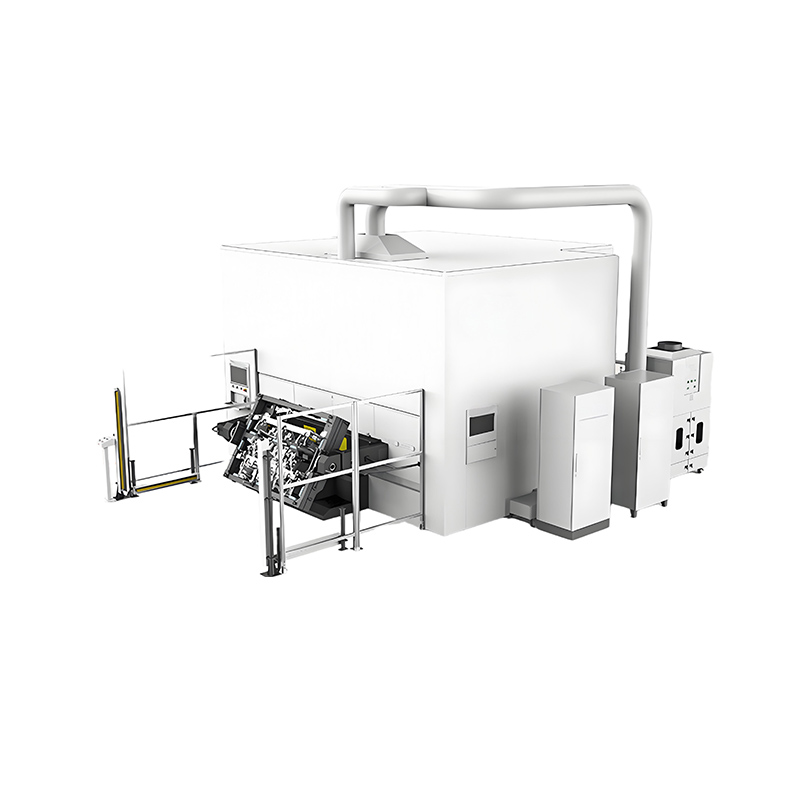
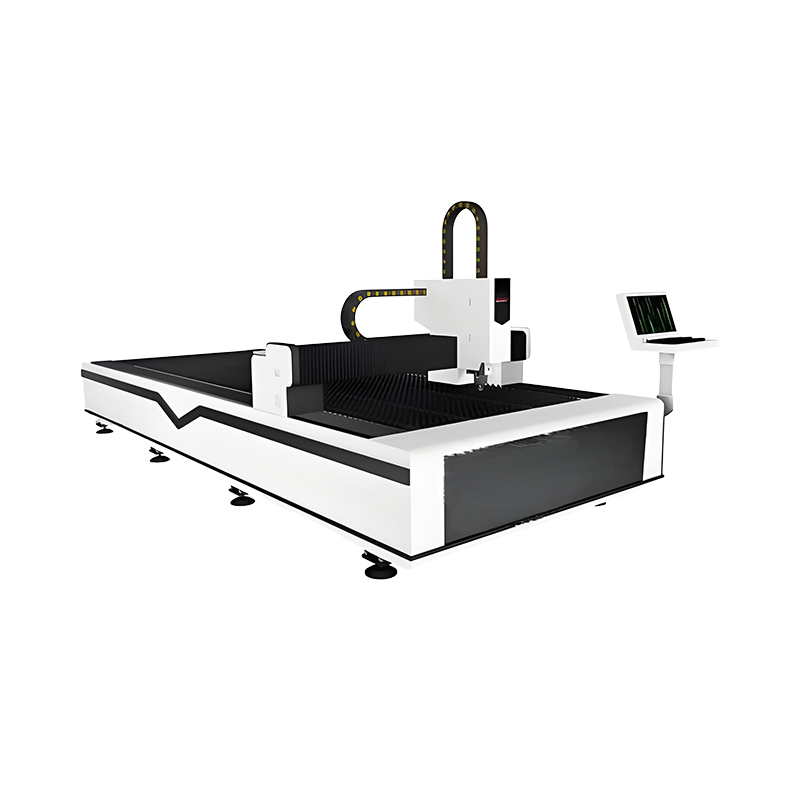
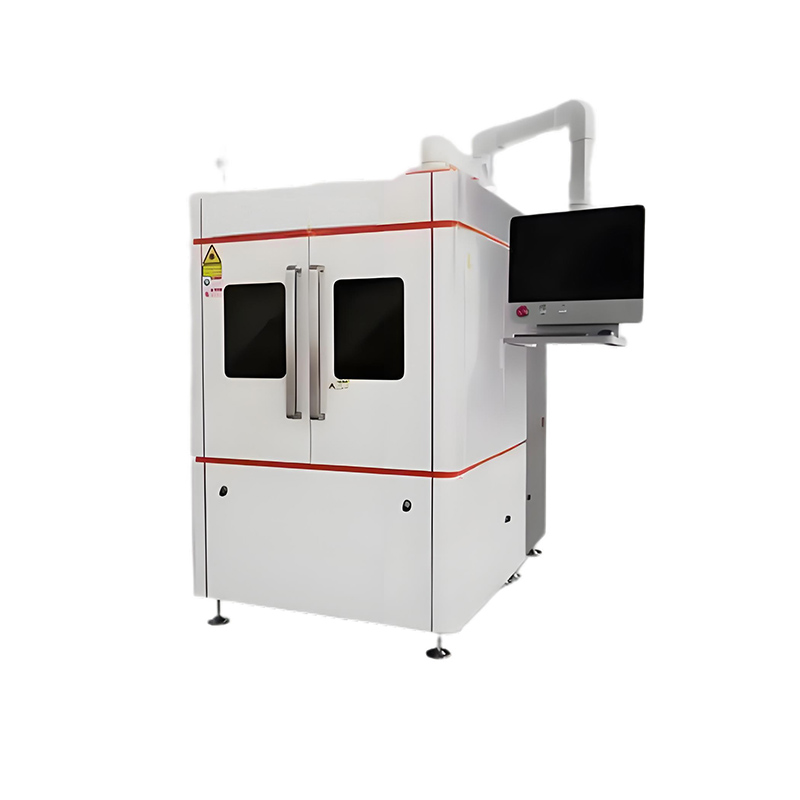
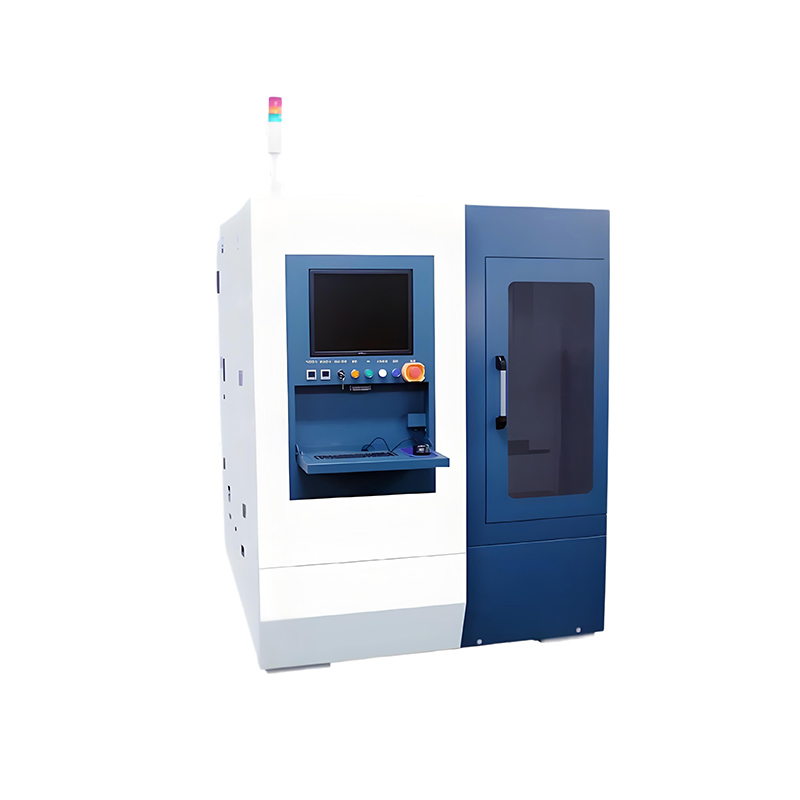
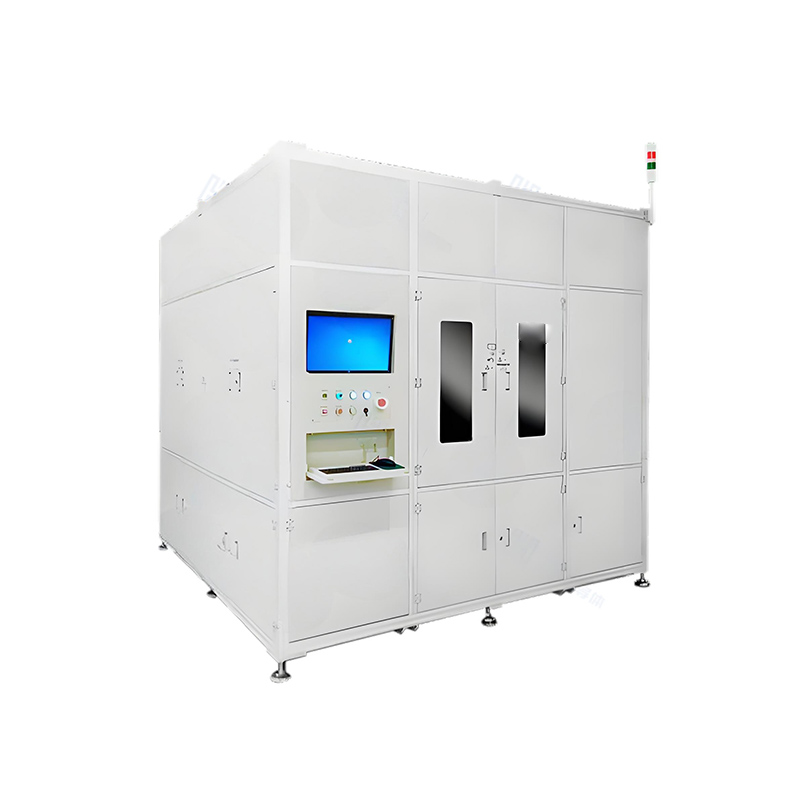

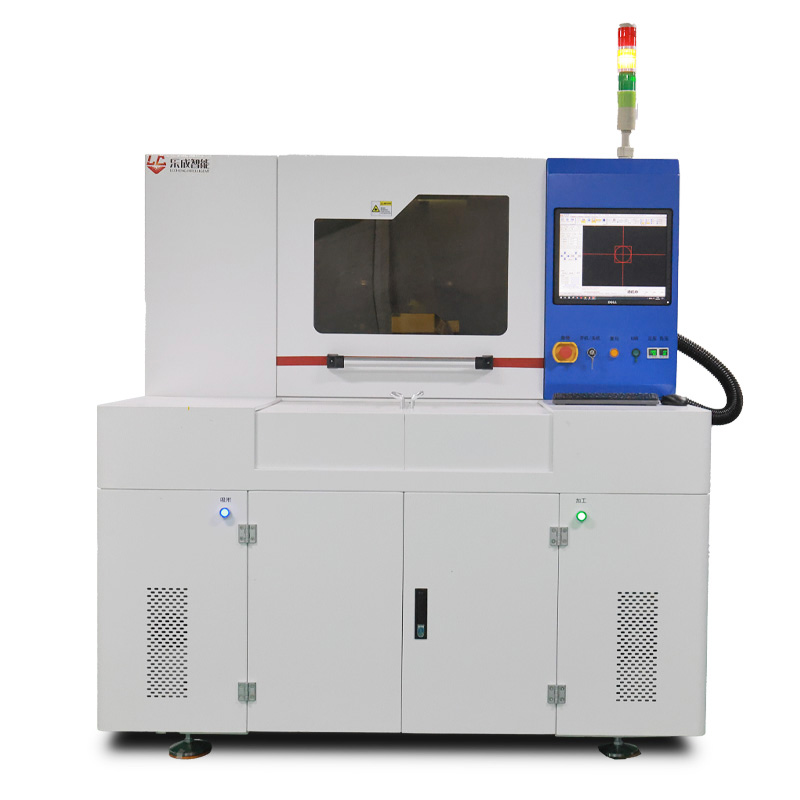
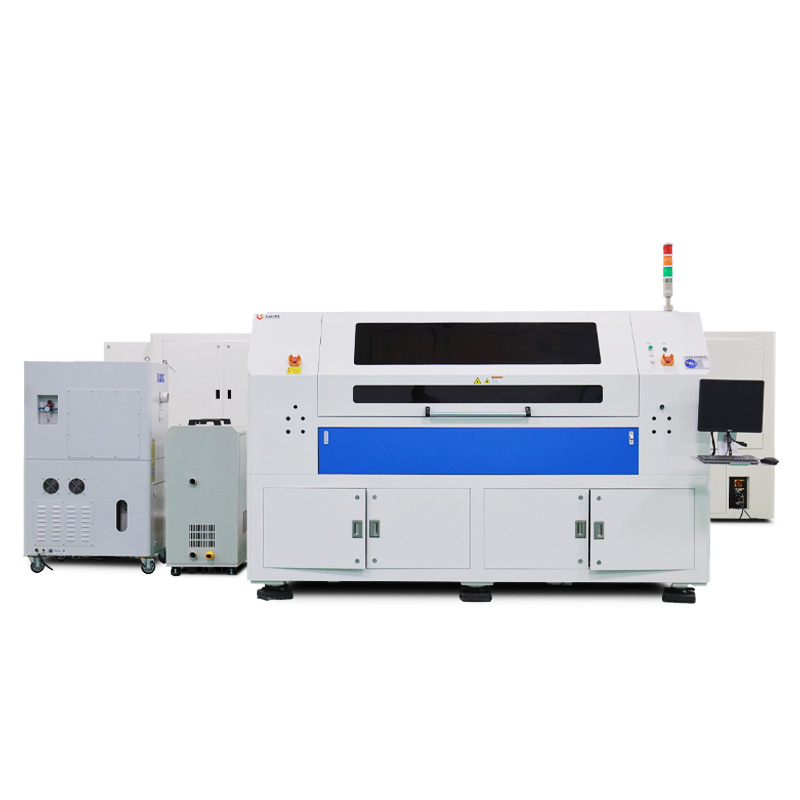

High-Precision Laser Control For Micro Soldering Applications
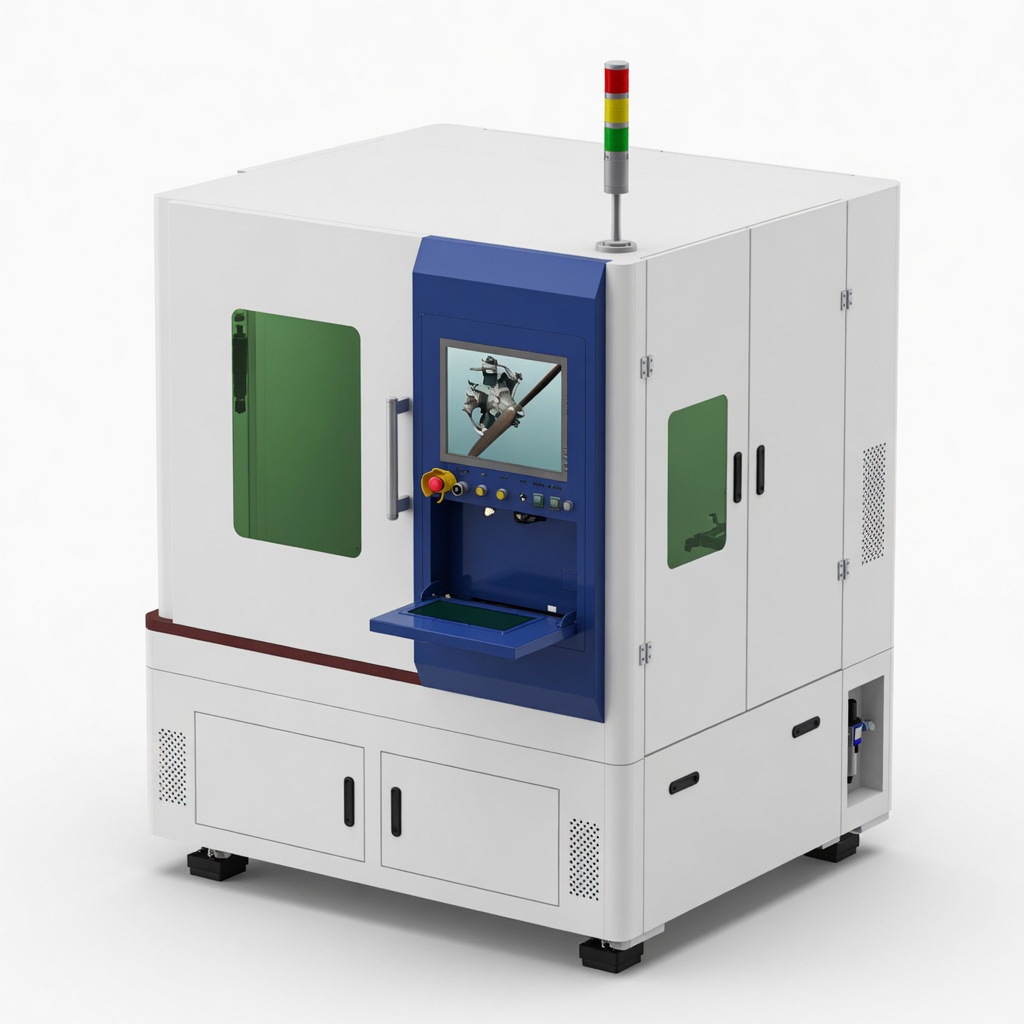
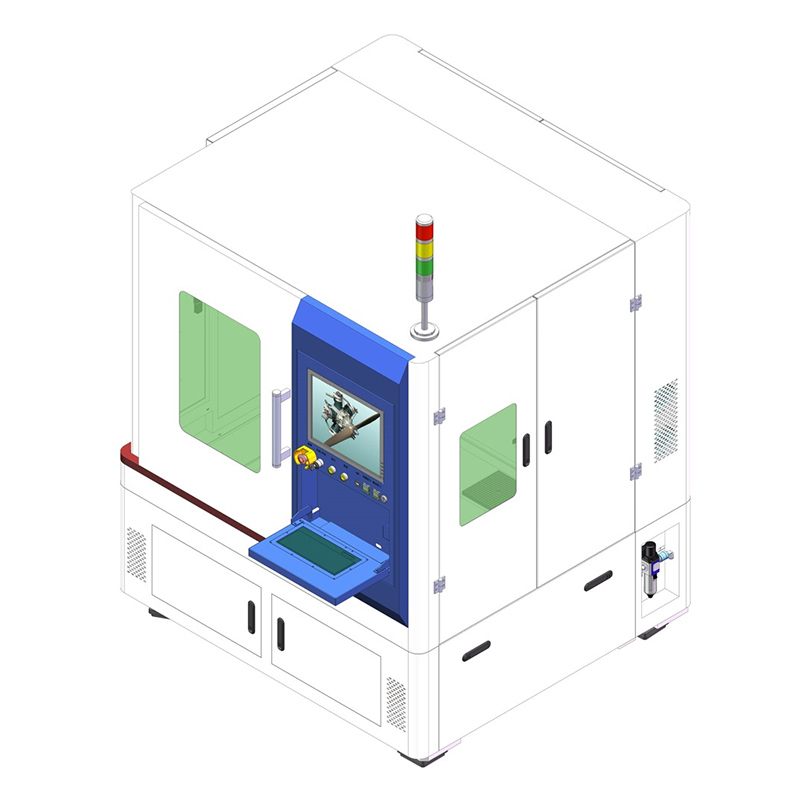
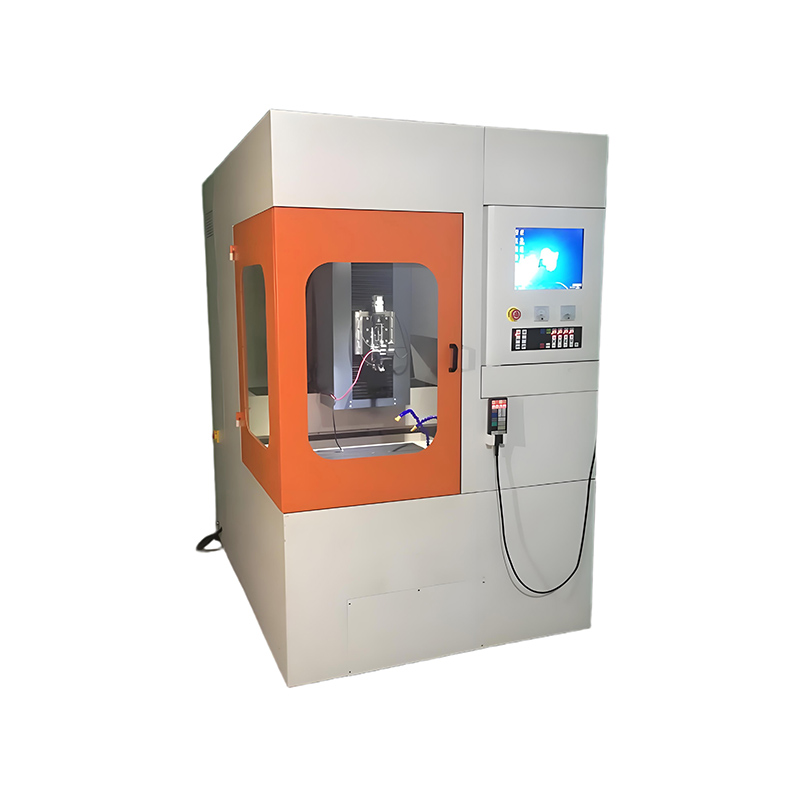
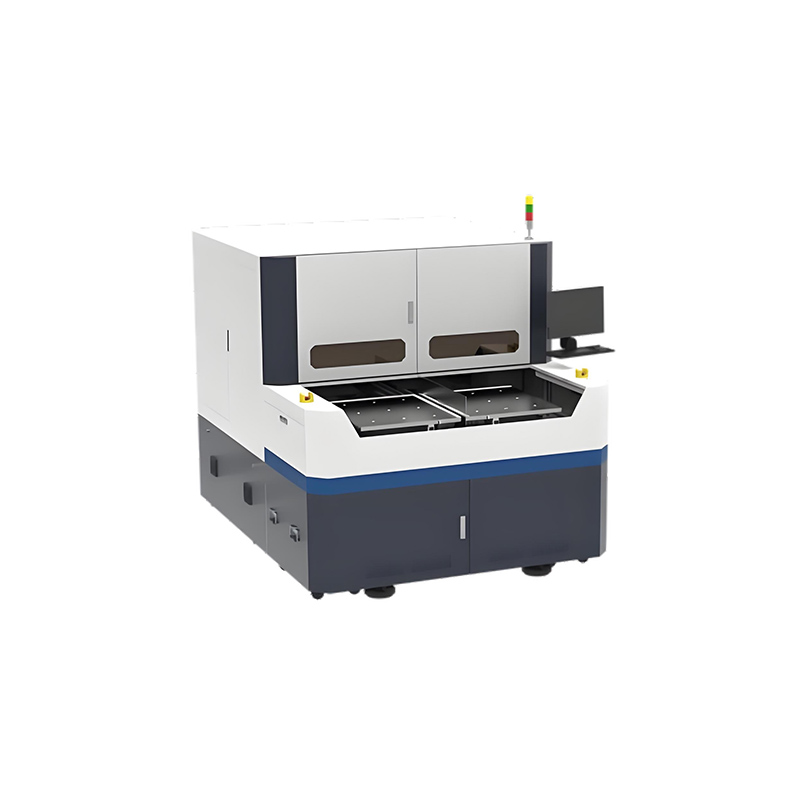
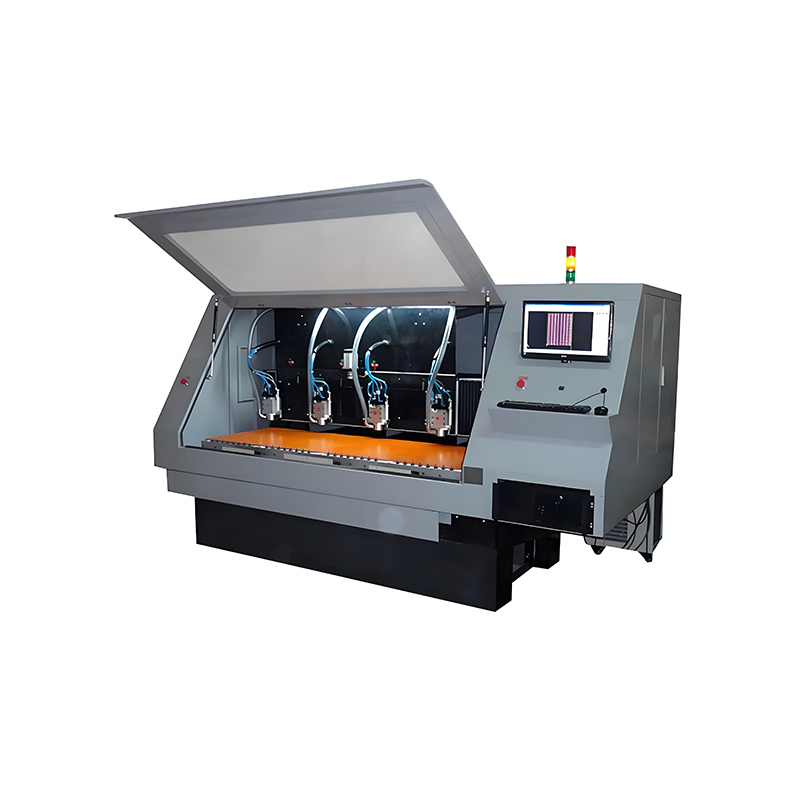
A double-station laser soldering machine must first demonstrate excellent precision in energy control and positioning. The laser beam needs to be accurately focused on the solder paste area, ensuring controlled heat input without damaging surrounding components. This is especially critical when working with micro solder joints, fine-pitch components, or temperature-sensitive materials. Precision is not only about spot size, but also about beam stability, scanning accuracy, and motion synchronization.
For buyers, the key question is whether the machine can maintain consistent solder joint quality across different product types. A well-designed system allows adjustment of laser power, pulse duration, spot size, and heating profile according to specific solder paste characteristics. This flexibility ensures that the same machine can handle different PCB layouts, materials, and soldering requirements without compromising precision.
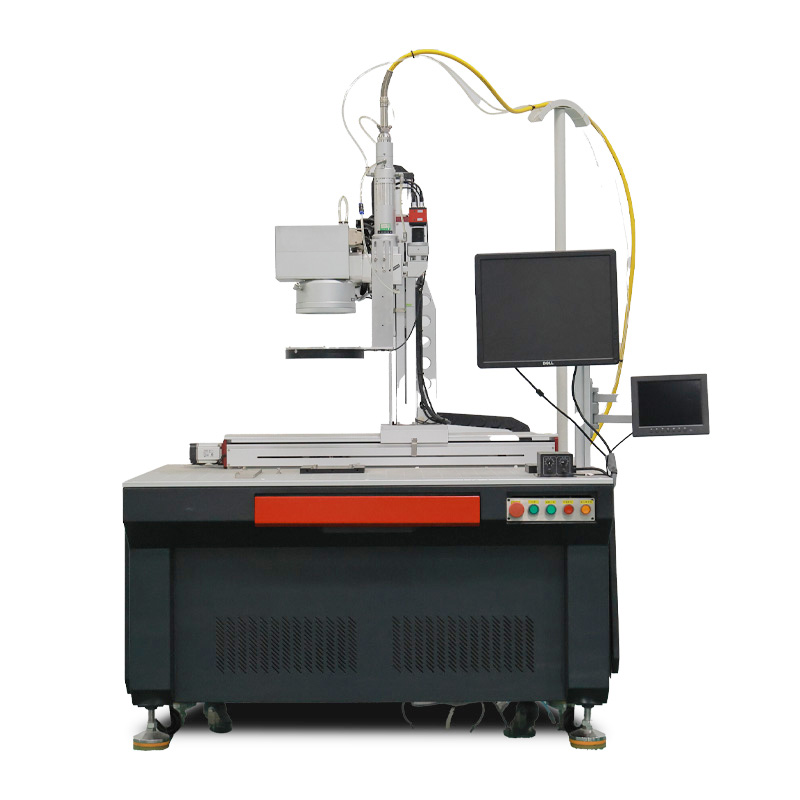
High-end laser soldering systems often integrate vision positioning systems to further enhance accuracy. By combining camera alignment and real-time correction, the machine ensures that each soldering point is precisely targeted, reducing human error and improving overall production quality.
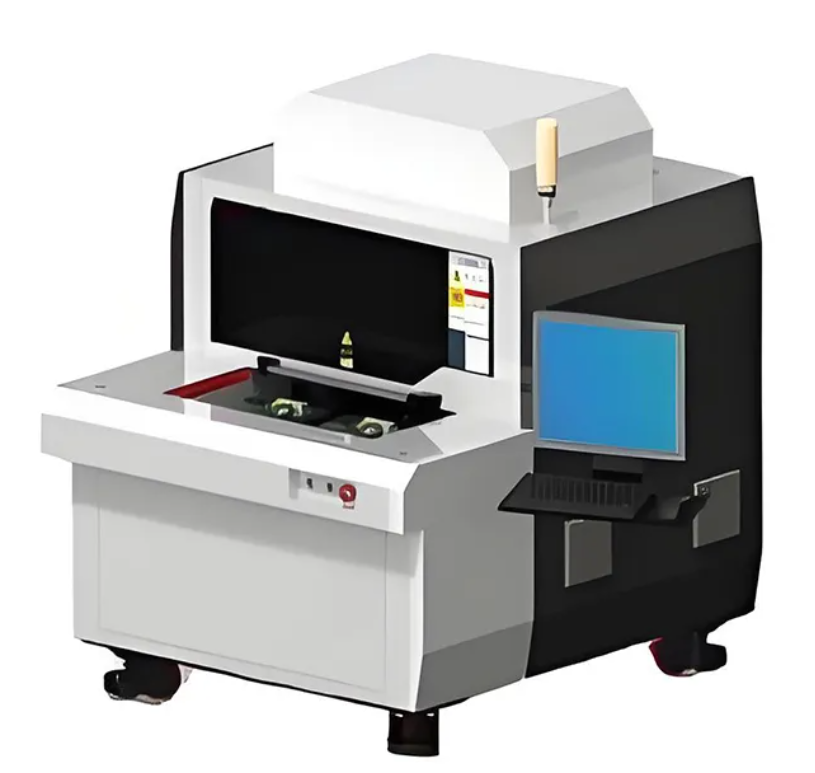
Process Consistency And Repeatability In Continuous Production
Even with high precision, buyers are more concerned about whether the machine can maintain consistent performance over long production runs. In mass manufacturing, consistency is directly linked to yield rate and cost control. A double-station design improves efficiency, but it also introduces the challenge of ensuring identical performance between both stations.
A reliable double-station laser soldering machine should ensure synchronized operation between stations. This includes identical laser parameters, stable motion control, and consistent thermal profiles. Any deviation between the two stations could lead to uneven solder joints, affecting product reliability and increasing defect rates.
Consistency also depends on system-level design, including temperature control, environmental stability, and software parameter management. Advanced machines provide recipe storage, automatic parameter switching, and real-time monitoring, allowing operators to maintain consistent output across different batches and production shifts.
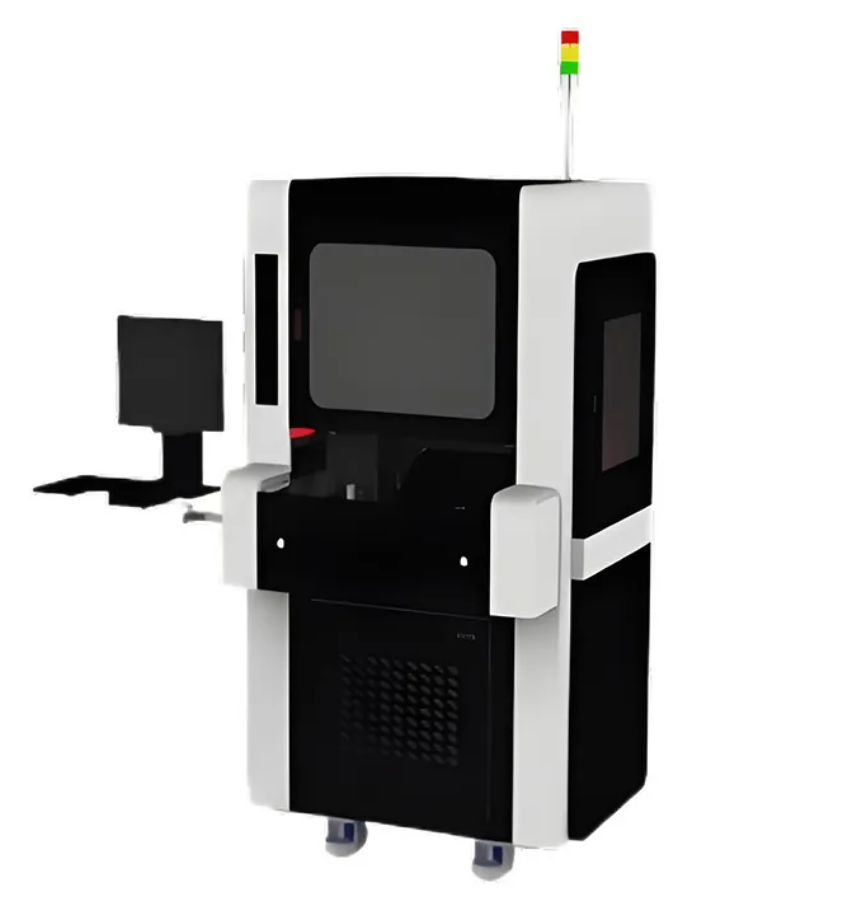
Dual-Station Efficiency With Stable Quality Output
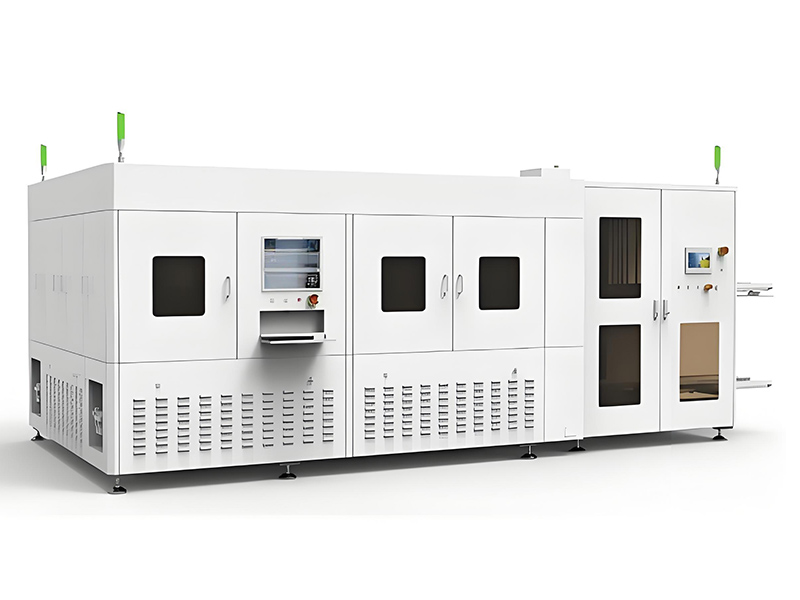
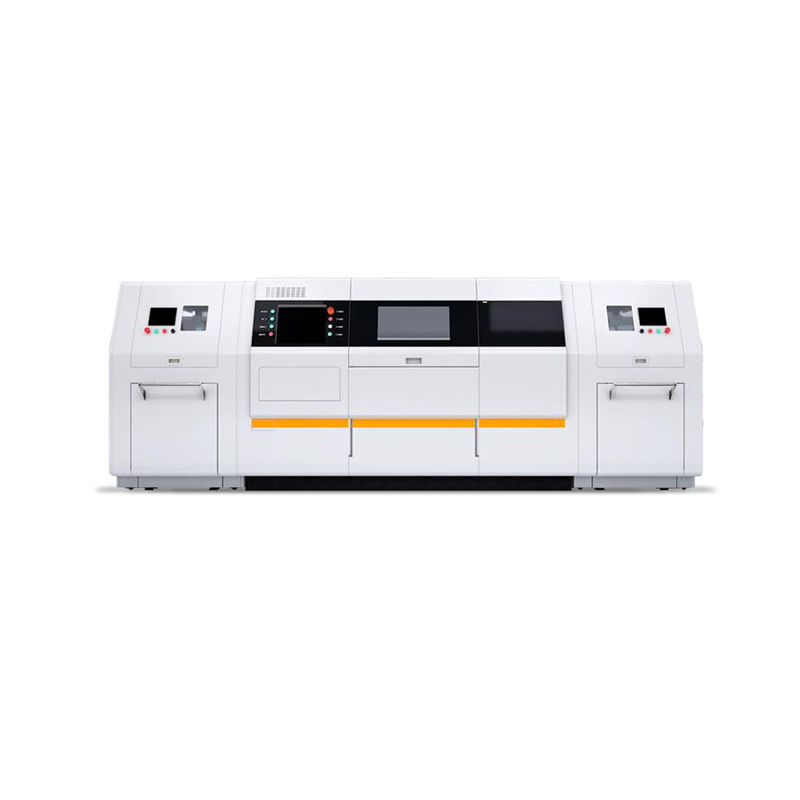
The advantage of a double-station laser soldering machine is its ability to increase throughput without sacrificing quality. While one station is processing, the other can be prepared for the next cycle, significantly improving production efficiency. However, buyers need assurance that higher efficiency does not compromise precision or consistency.
A well-designed system ensures that both stations operate under identical control logic and calibration standards. This includes unified software control, shared process parameters, and synchronized motion systems. With proper design, dual-station operation can actually improve consistency by reducing idle time and minimizing thermal fluctuation.
For international buyers, the real value lies in achieving both efficiency and reliability. A double-station laser soldering system that maintains micron-level precision, consistent solder joint quality, and stable long-term performance can significantly enhance production capability and reduce operational risk.
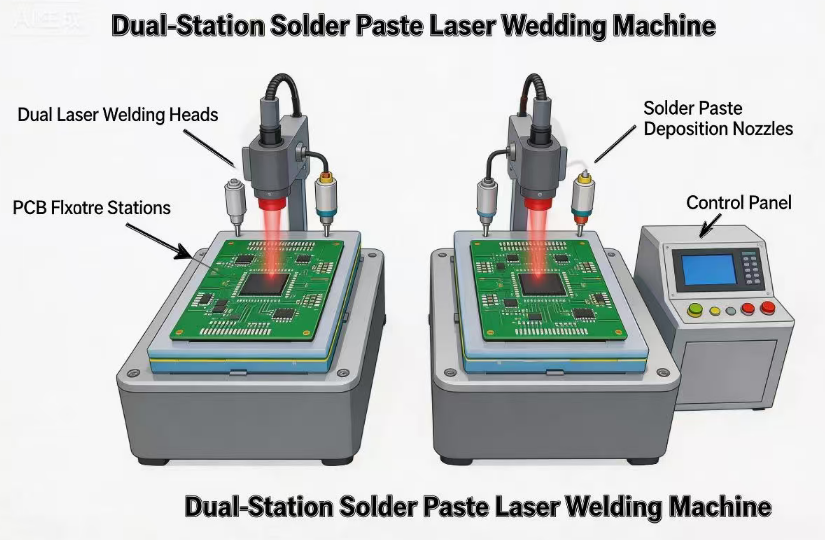
A double-station solder paste laser soldering machine can deliver high precision and excellent consistency only when it combines accurate laser control, synchronized dual-station performance, and intelligent process management. For buyers, the key is not just whether the machine can solder, but whether it can maintain stable quality across every product, every batch, and every production cycle.