
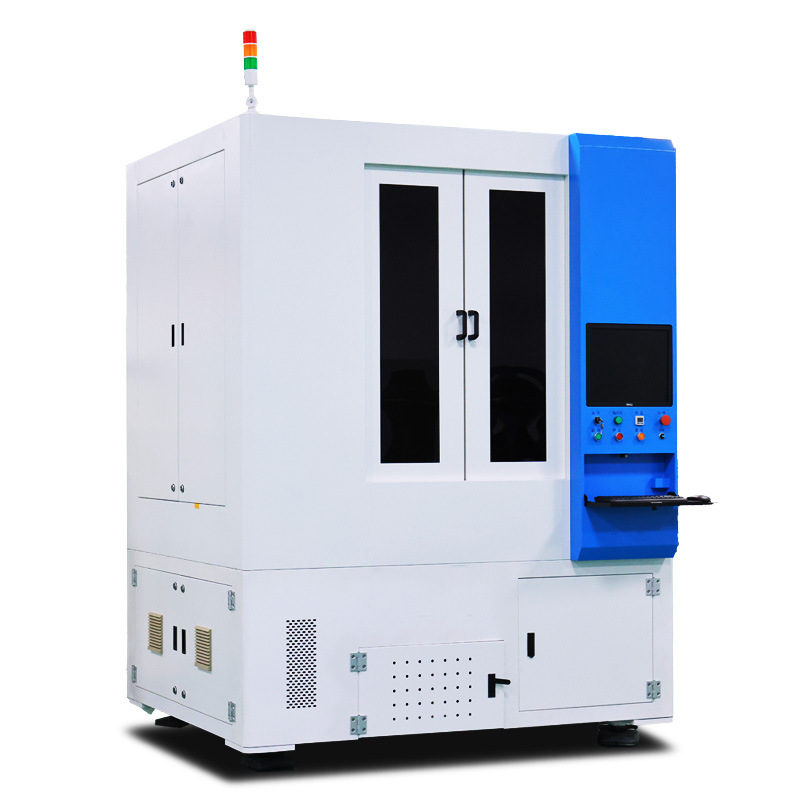
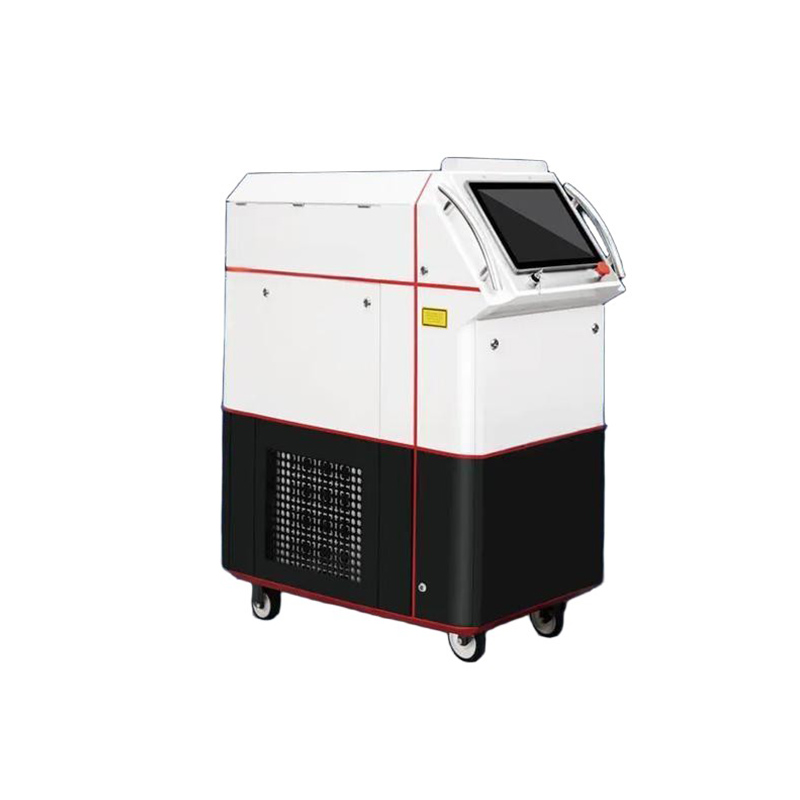
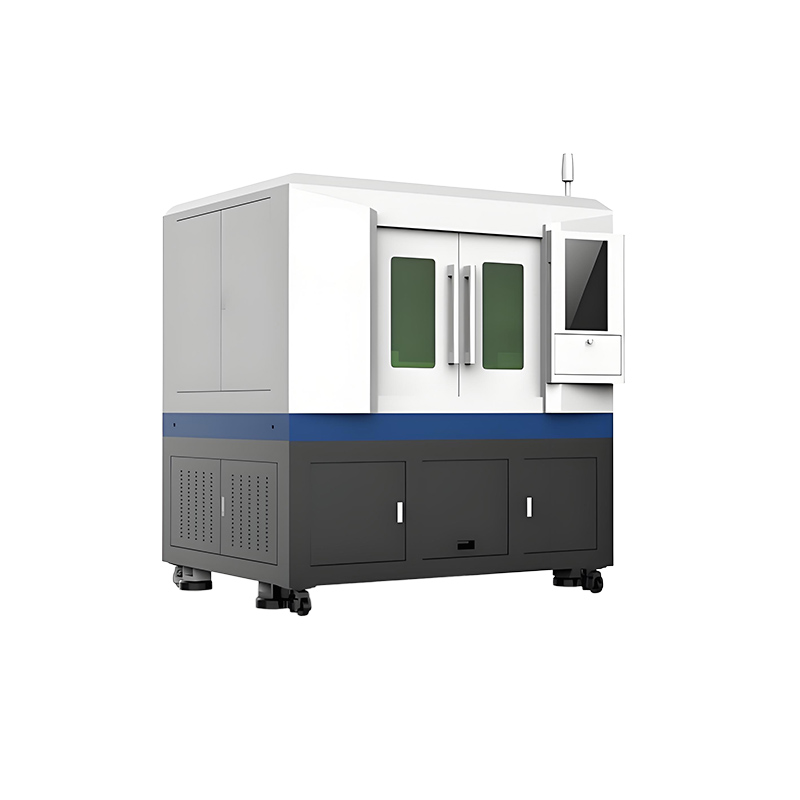
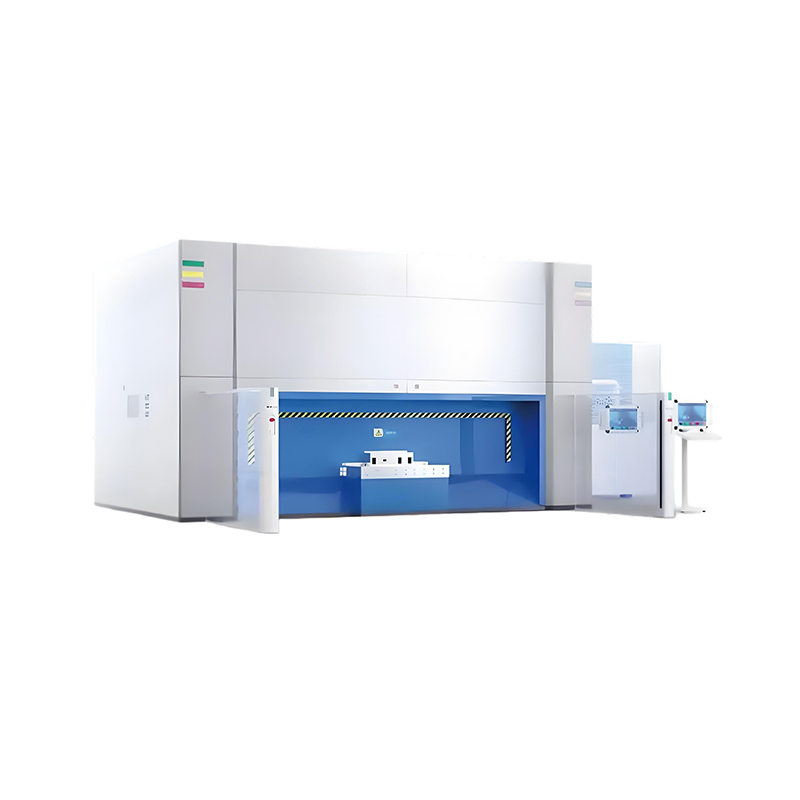
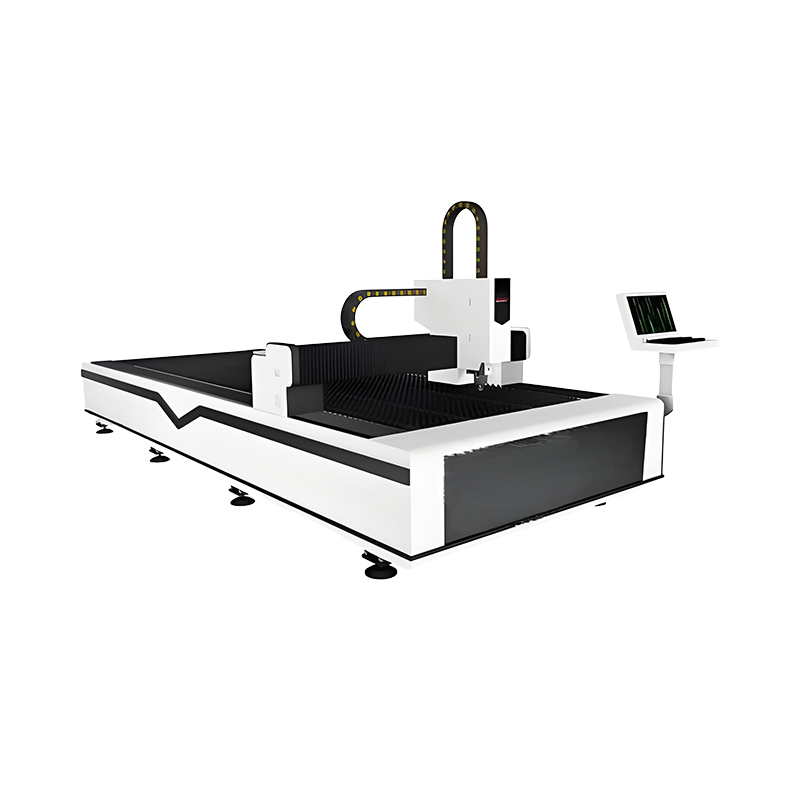
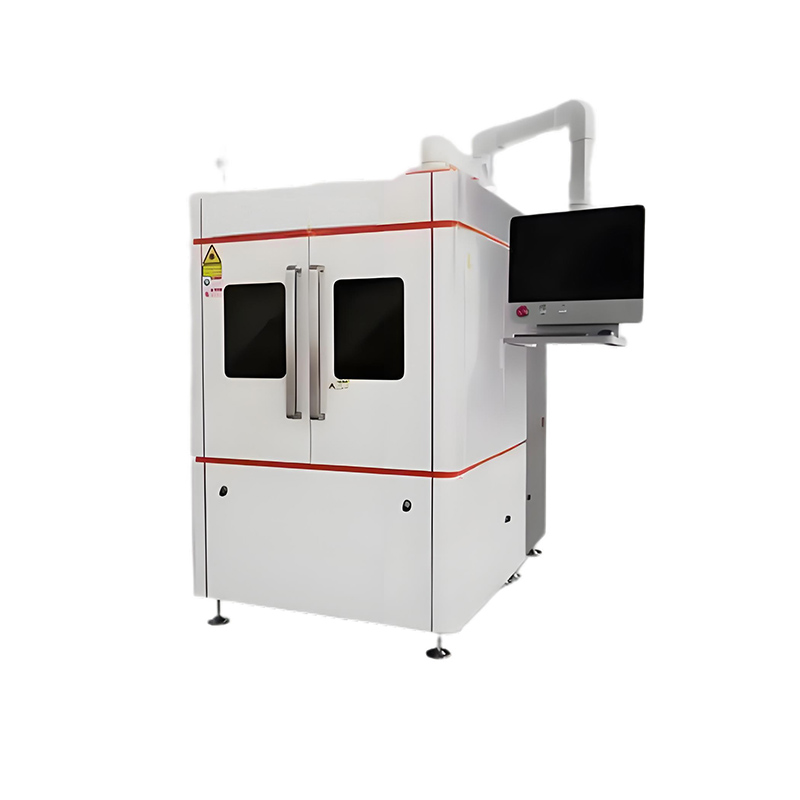
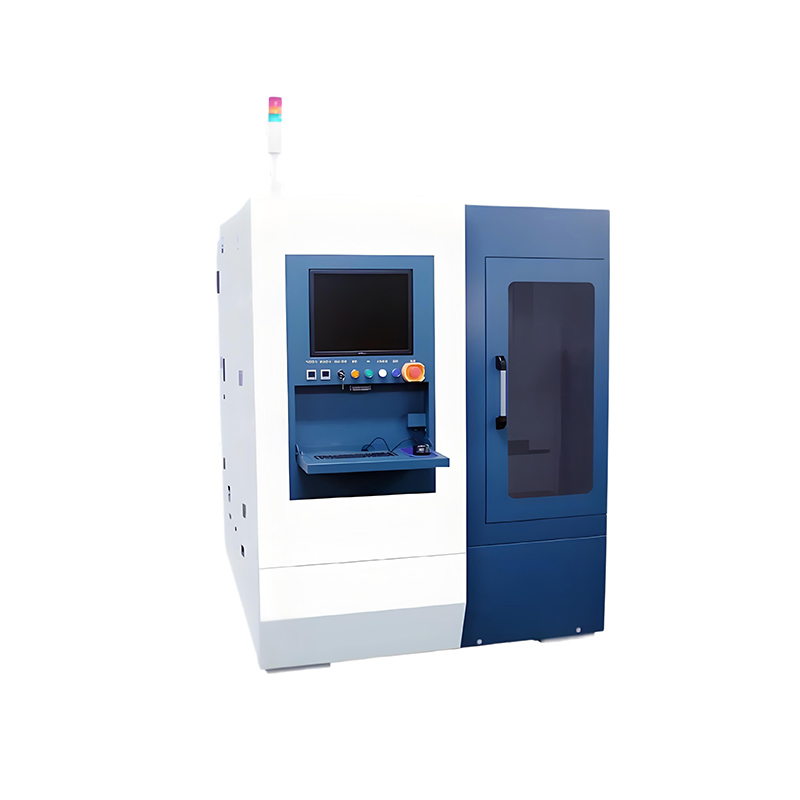
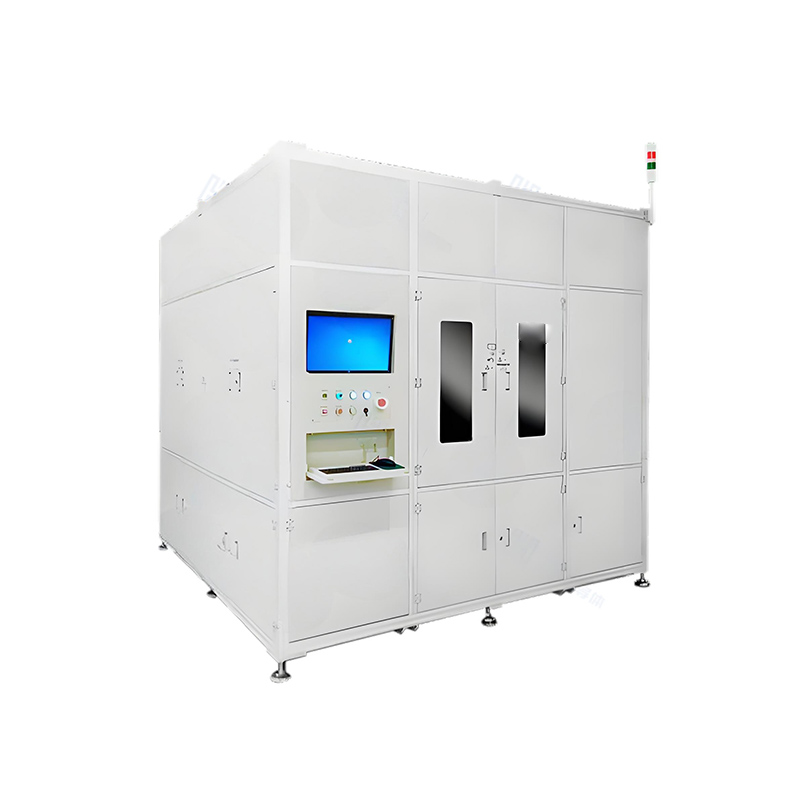


Stable Laser Process Performance In Continuous Thin-Film Production
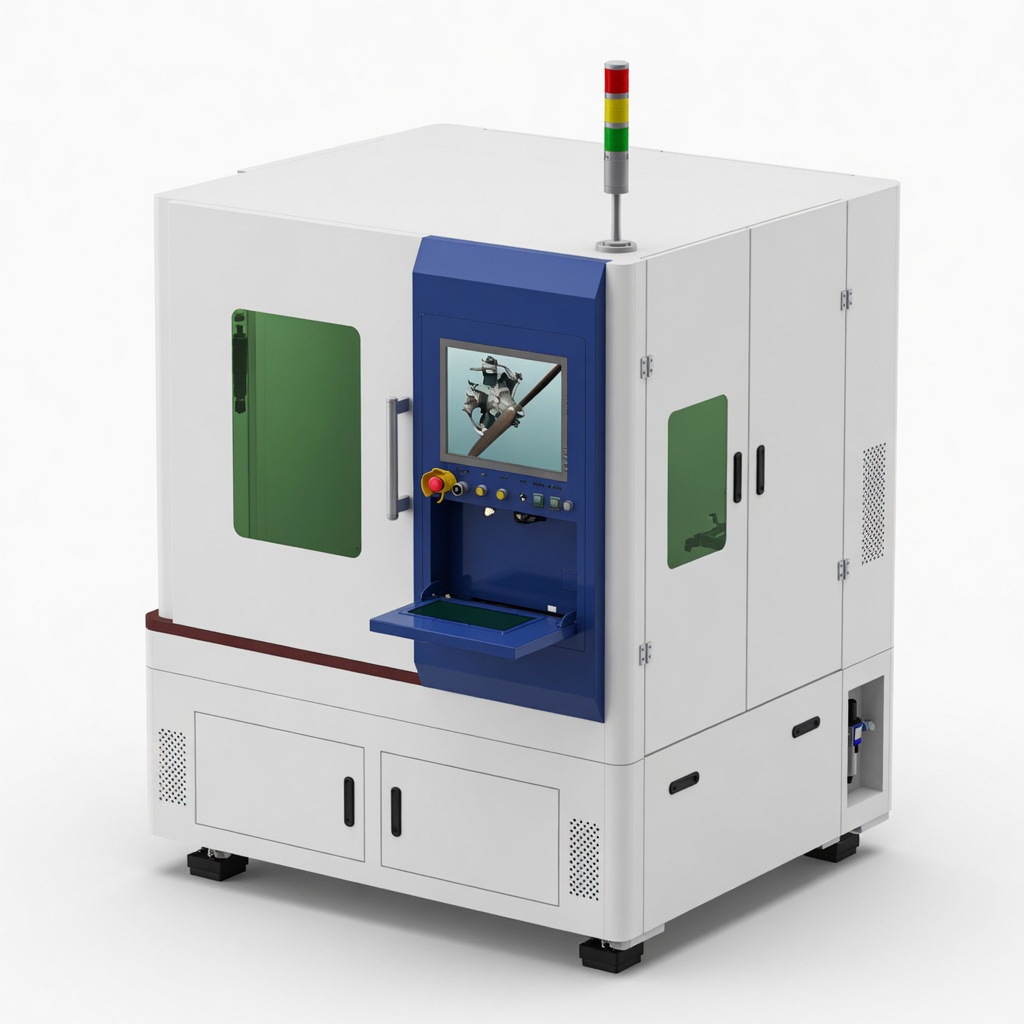
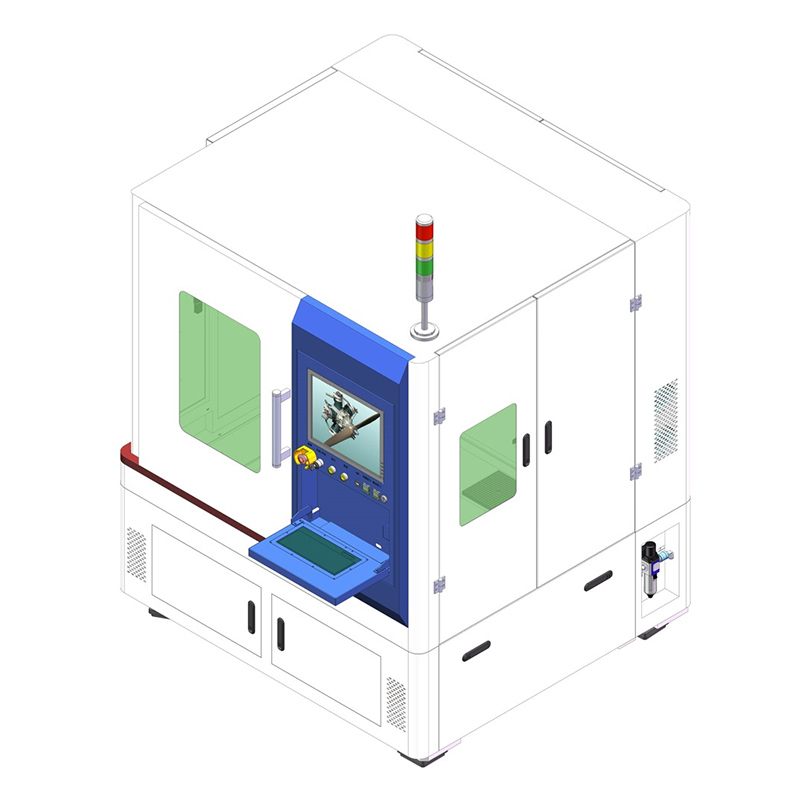
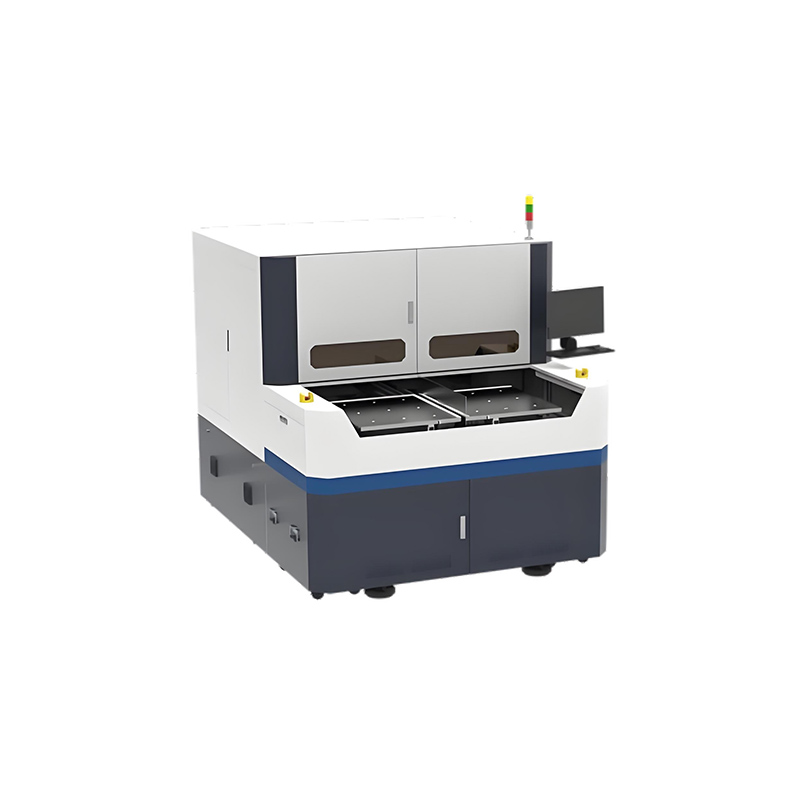
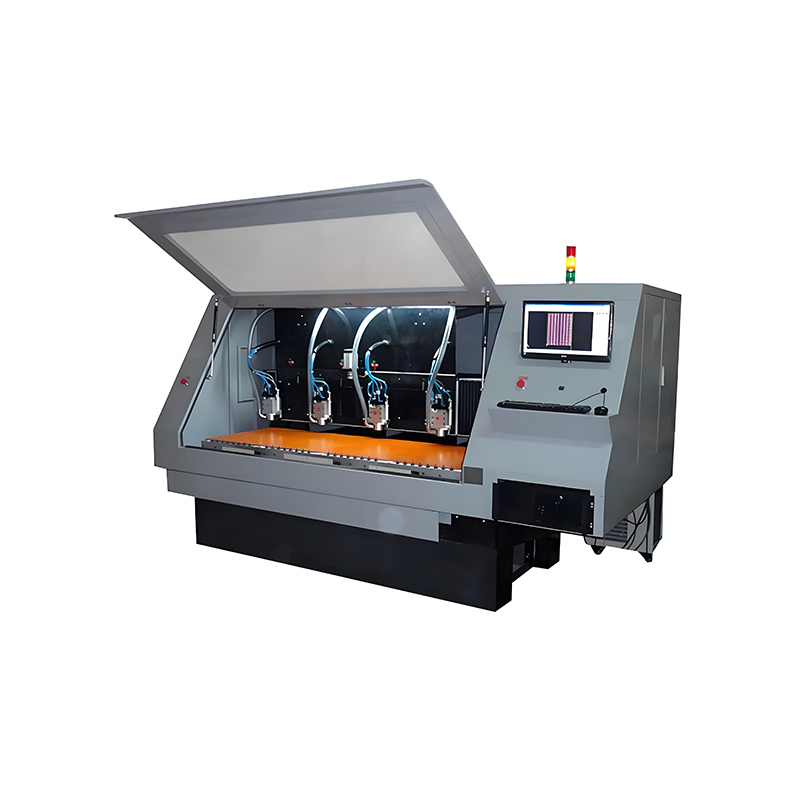
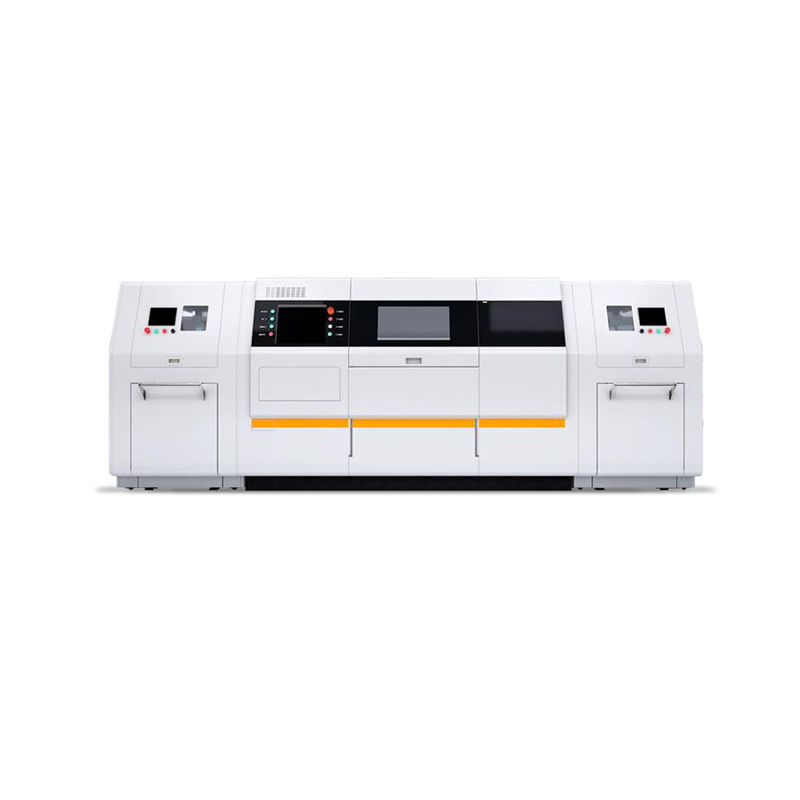
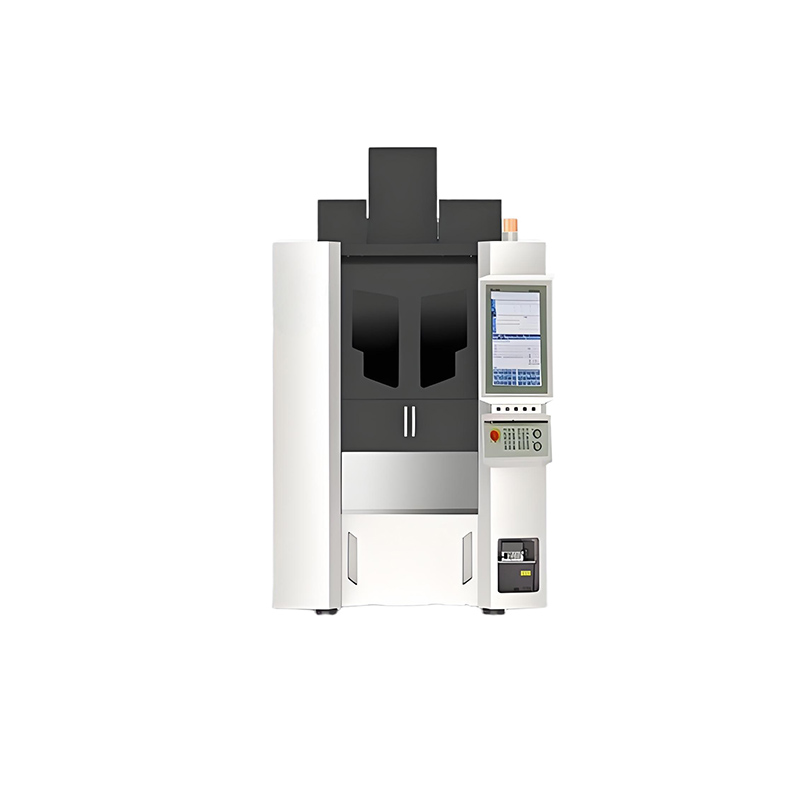
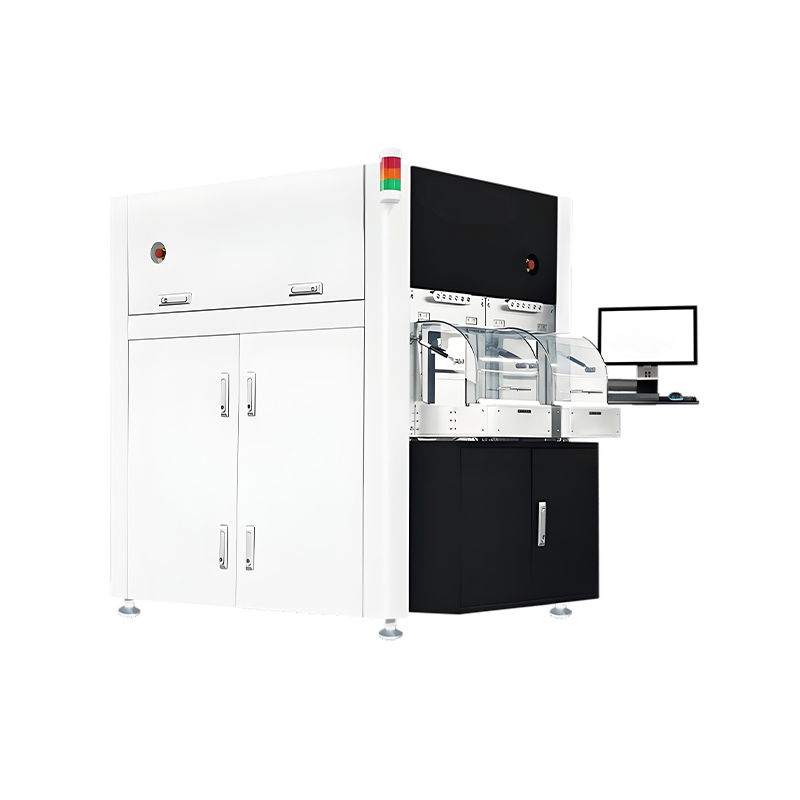
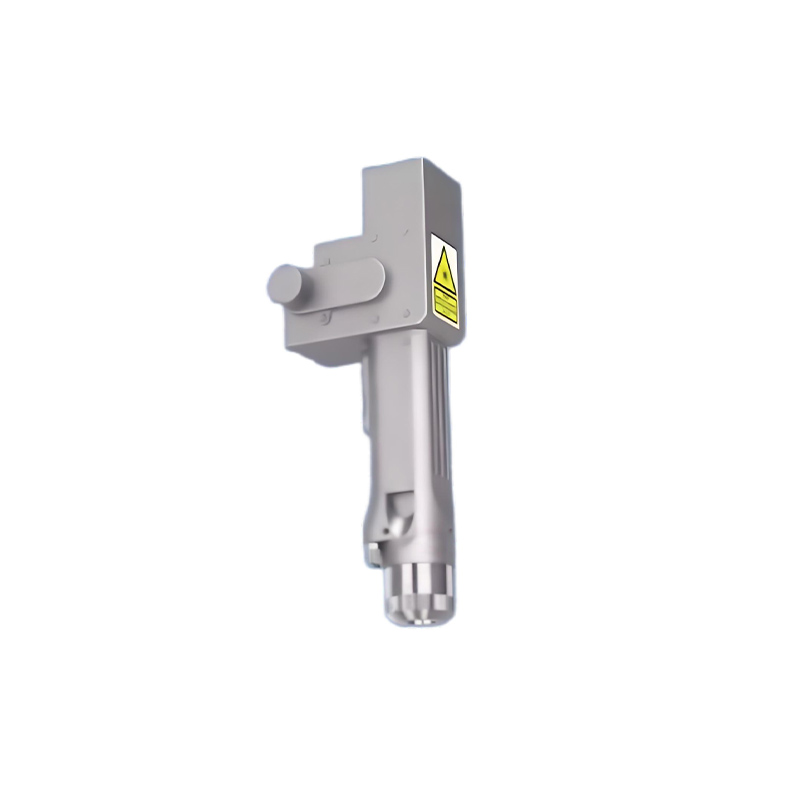
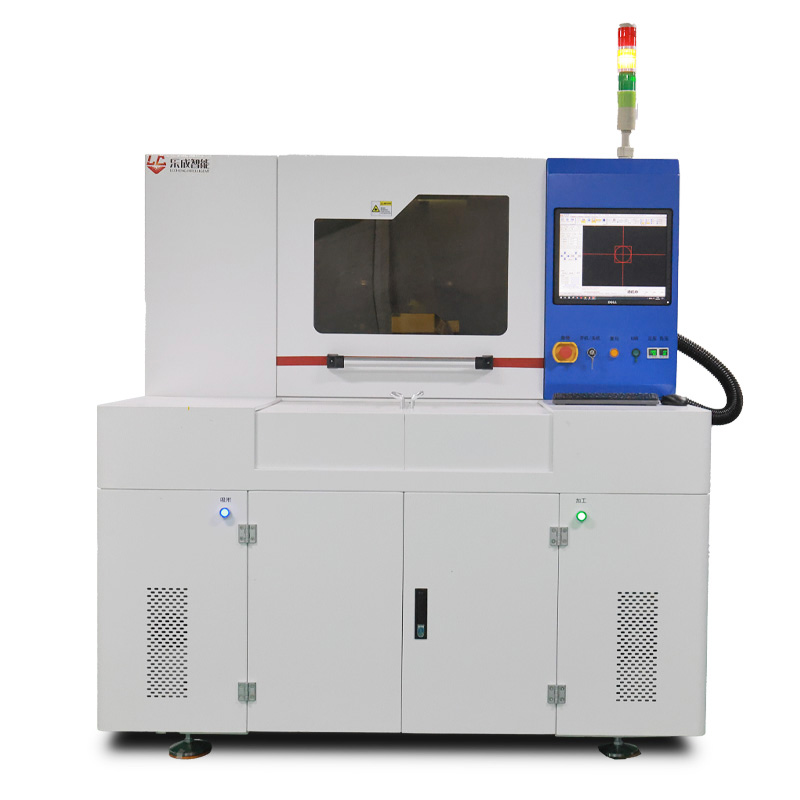
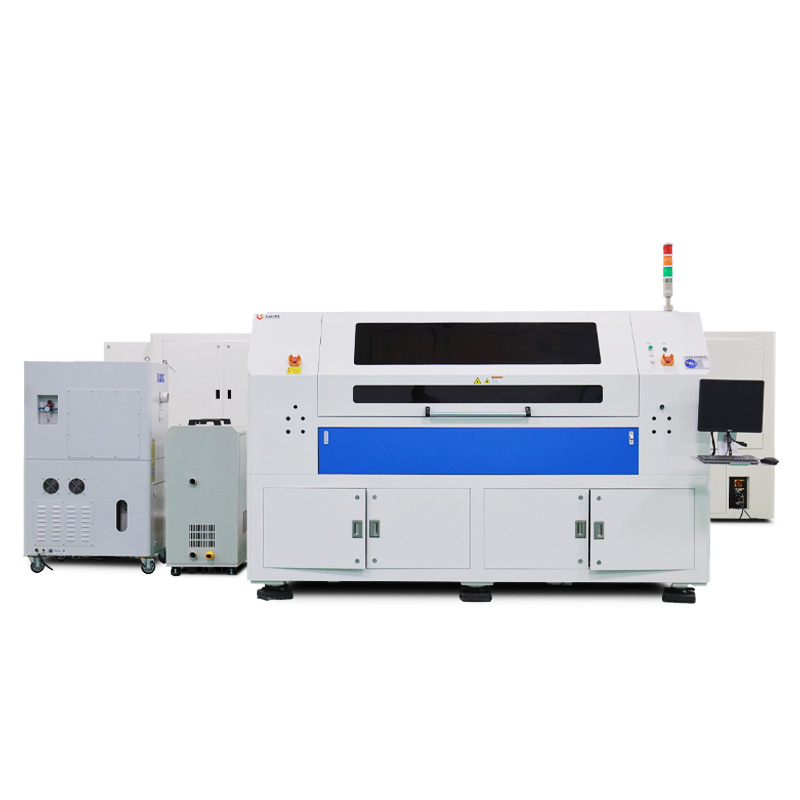
A fully automatic thin-film photovoltaic laser scribing machine must first prove that its laser process remains stable during continuous production. Thin-film photovoltaic products often require highly controlled scribing quality, clean isolation lines, and minimal thermal impact on delicate multilayer structures. In long-term operation, buyers will closely examine whether the machine can maintain consistent line width, precise positioning, and controlled energy output without noticeable drift.
From a procurement perspective, machine stability is not only about the laser source itself, but also about the coordination between optics, motion control, software, and automation modules. A stable system should ensure that repeated processing of the same product produces the same scribing quality from the first piece to the last piece of the shift. This kind of repeatability directly affects final module performance and overall production confidence.
Suppliers that can provide process verification data, sample results, and long-run testing records are far more convincing to serious buyers. These materials help demonstrate that the equipment is not just technically capable, but truly suitable for industrial operation.
Mechanical Reliability, Automation Coordination, And Yield Stability
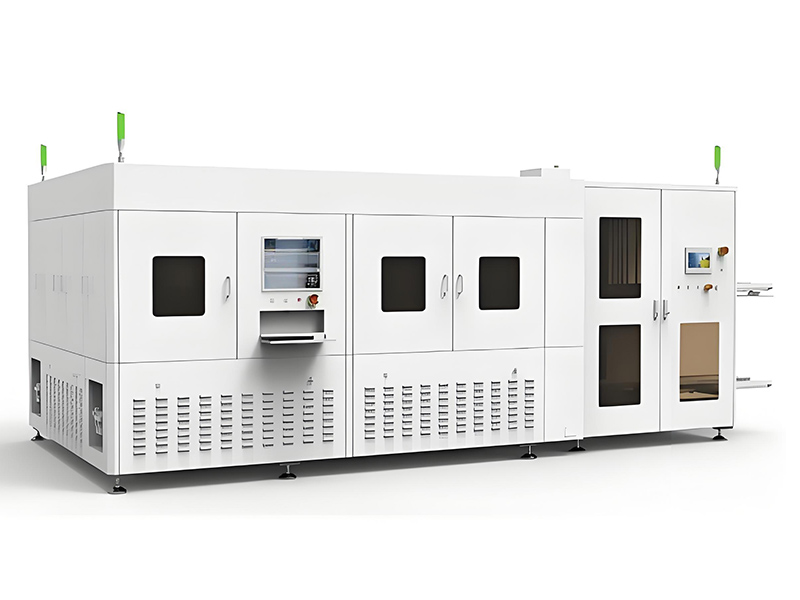
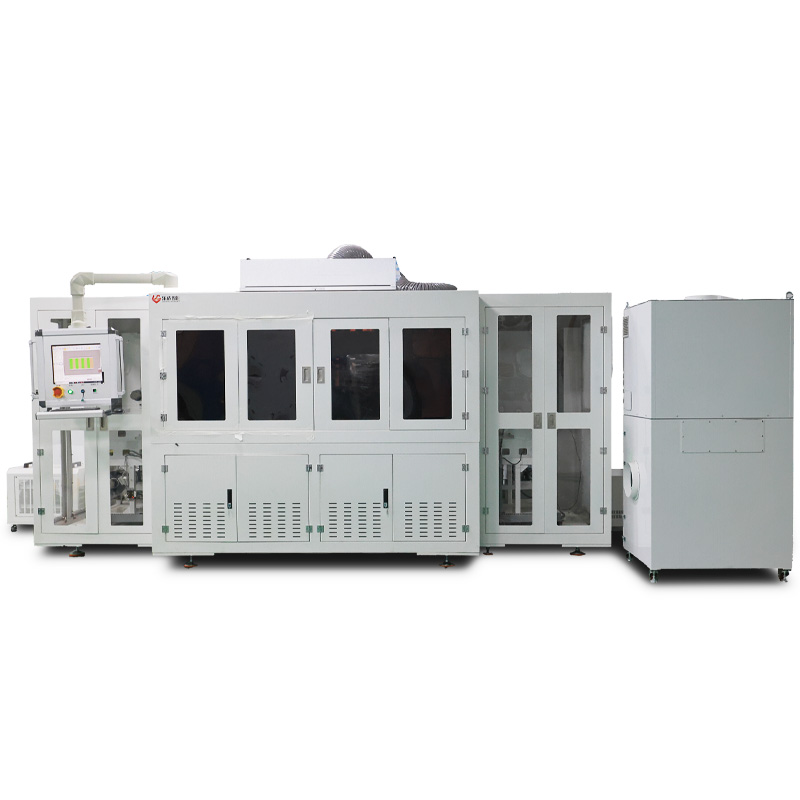
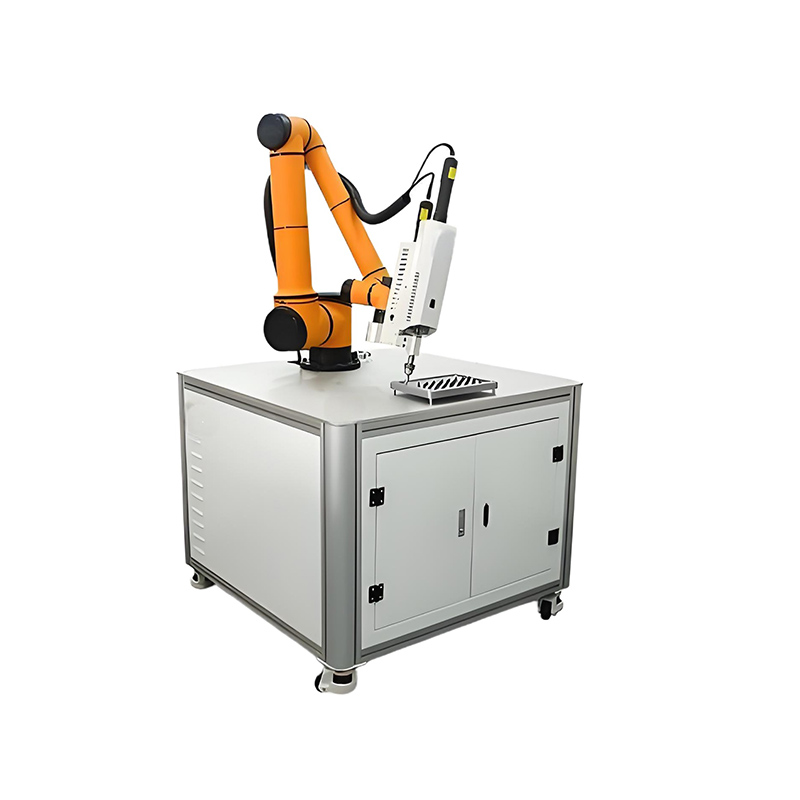
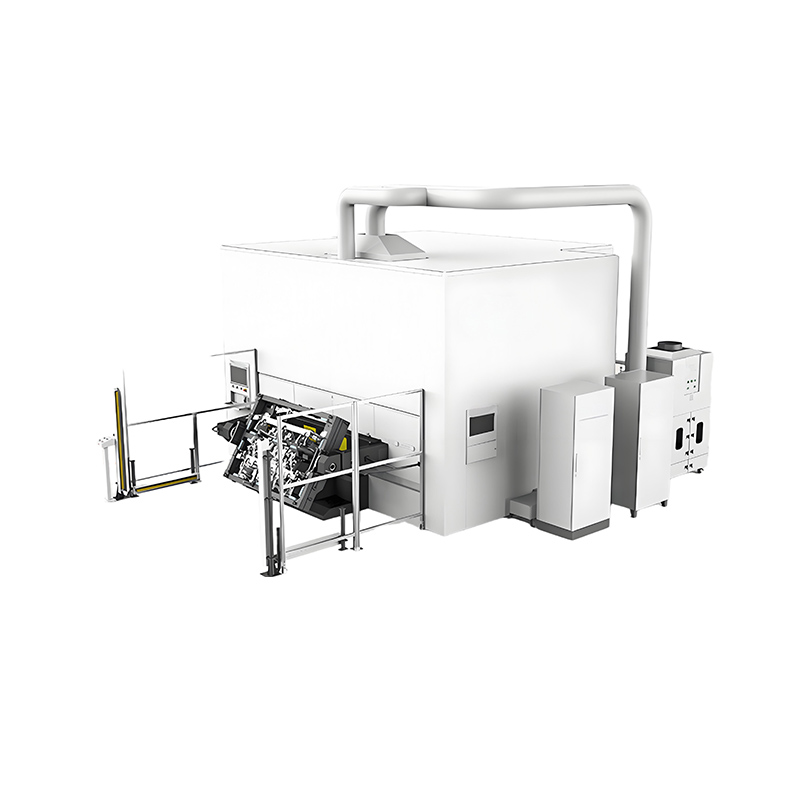
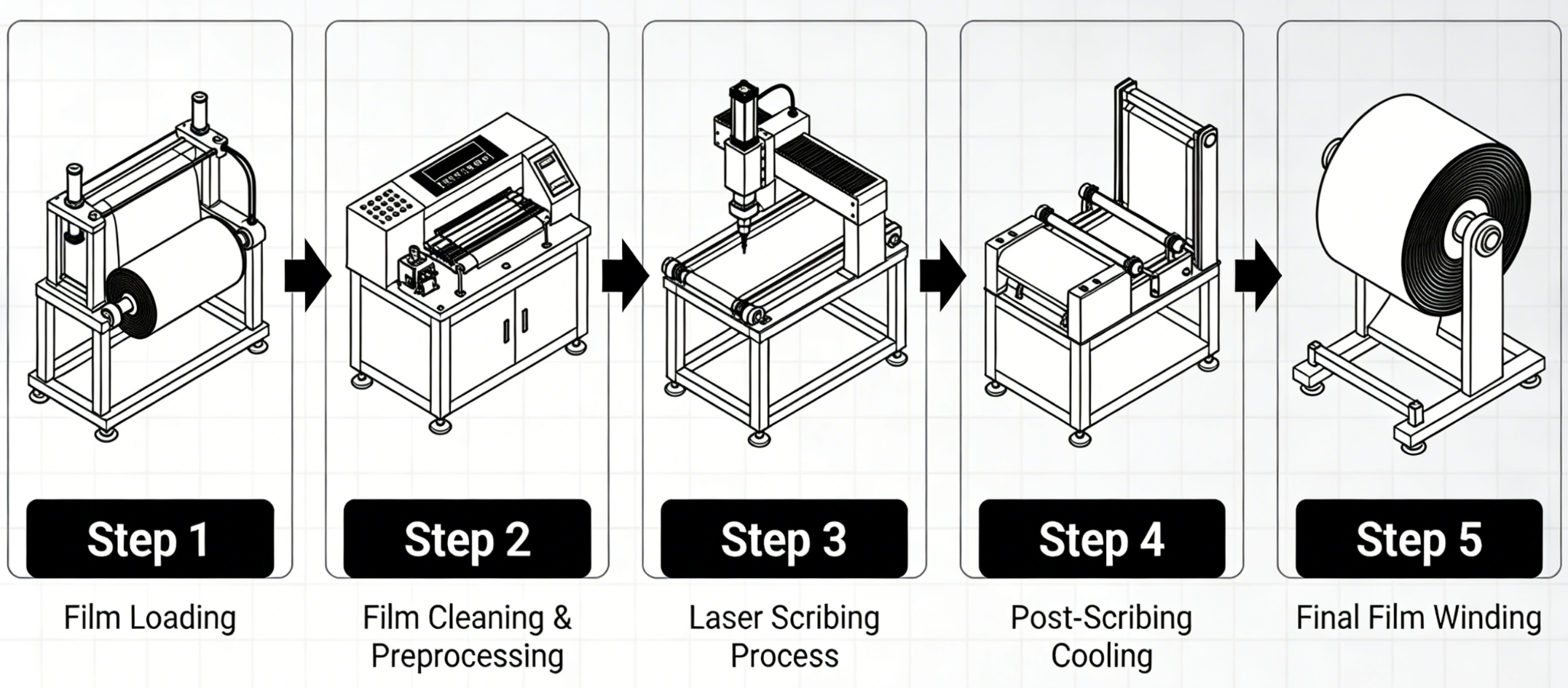
Long-term operating stability also depends heavily on the mechanical structure and automation design of the system. A fully automatic machine must maintain smooth substrate transport, accurate alignment, and synchronized station coordination over many hours or even around-the-clock production schedules. If the transport system becomes unstable, or if alignment accuracy changes over time, overall process consistency will be affected immediately.
Buyers often pay close attention to whether the machine is designed for industrial-duty use, including robust frame construction, durable motion components, stable control architecture, and intelligent fault monitoring. These factors determine whether the machine can reduce unplanned downtime, lower maintenance frequency, and keep production running efficiently.
For photovoltaic manufacturers, stable operation is closely tied to yield stability. A machine that runs for long periods without frequent recalibration, parameter drift, or automation errors will help maintain higher yield and lower operating risk. This is especially important for buyers who prioritize total cost of ownership rather than only equipment purchase price.
Service Support, Preventive Maintenance, And Long-Term Production Value
Even a high-performance machine must be supported by strong service capability if it is expected to operate reliably over the long term. International buyers are not only evaluating the equipment itself, but also the supplier’s ability to provide installation support, maintenance guidance, spare parts planning, and timely troubleshooting. A stable machine is often the result of both good engineering and good after-sales systems.
A supplier that offers preventive maintenance plans, remote diagnostics, clear operation manuals, and spare parts recommendations gives buyers much more confidence. These elements help customers identify potential issues before they cause downtime and ensure that the system continues to perform at a high level over time.
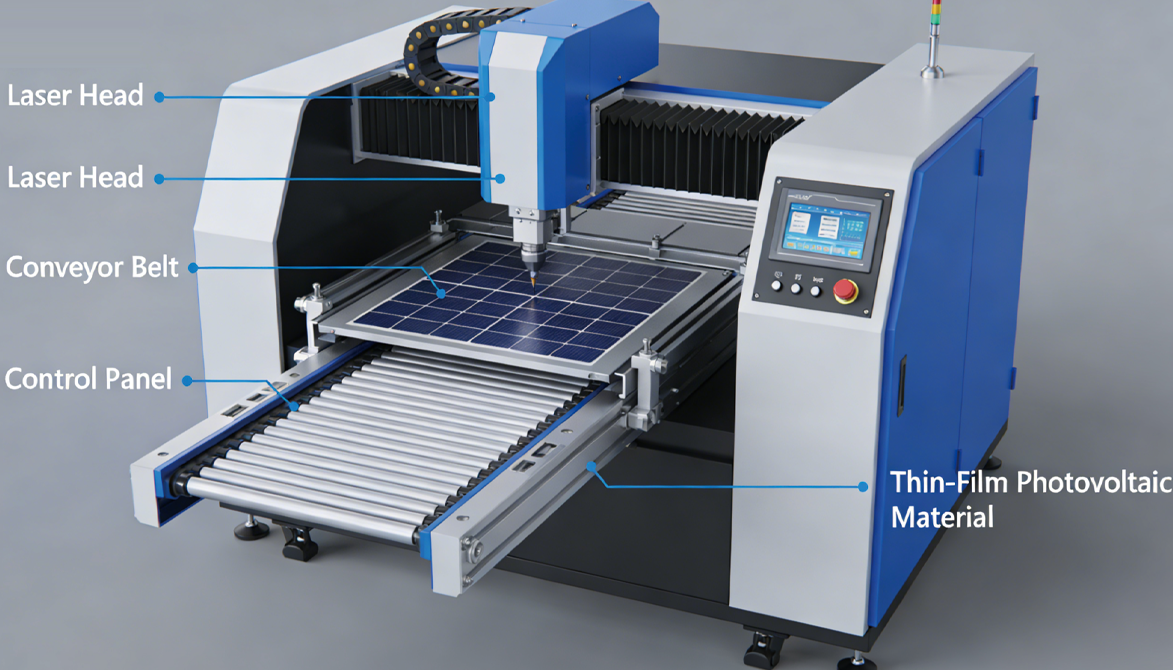
For serious procurement teams, the question of stability is ultimately linked to long-term production value. A fully automatic thin-film photovoltaic laser scribing machine is considered truly stable only when it delivers reliable processing, consistent yield, manageable maintenance, and dependable supplier support throughout the life cycle of the equipment.
A fully automatic thin-film photovoltaic laser scribing machine can be considered stable for long-term operation only when laser performance, mechanical reliability, automation coordination, and after-sales support work together as one complete production system. For buyers, long-term stability is not a single parameter, but a comprehensive indicator of whether the machine can keep delivering quality, efficiency, and predictable manufacturing results over time.