


Perovskite Cell Testing Guide
How To Select Solar Simulator Equipment For Perovskite Cell Testing
Solar simulator equipment is essential for evaluating perovskite solar cell efficiency, stability and electrical performance. Buyers should check spectral match, irradiance uniformity, temporal stability, test area, light source type, IV measurement integration and long-term testing needs before selecting a system.
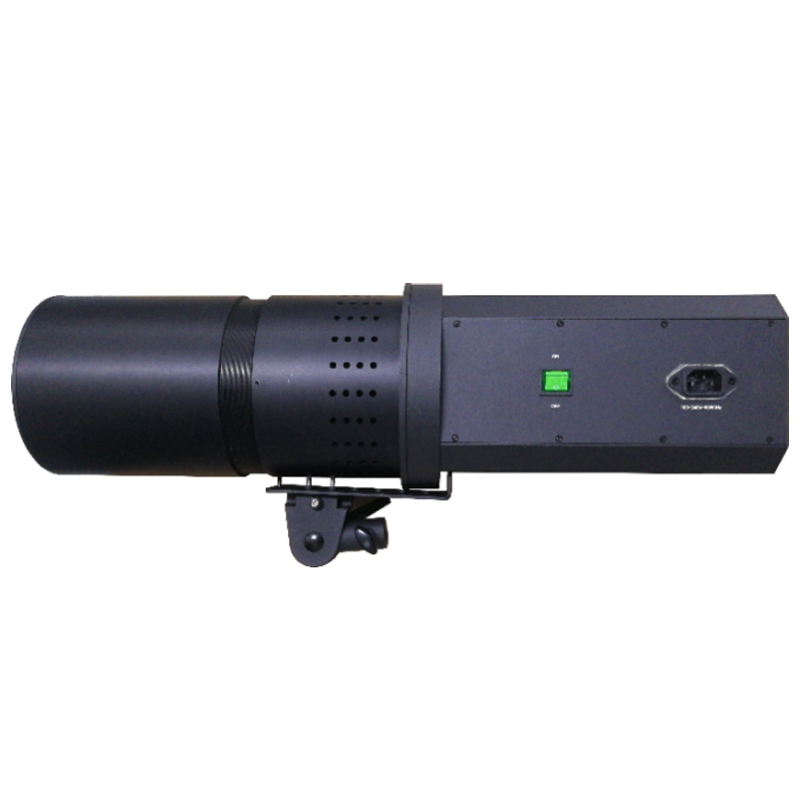
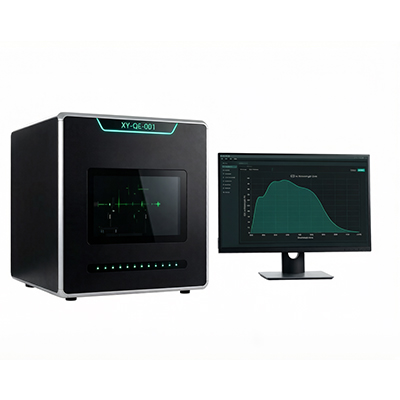
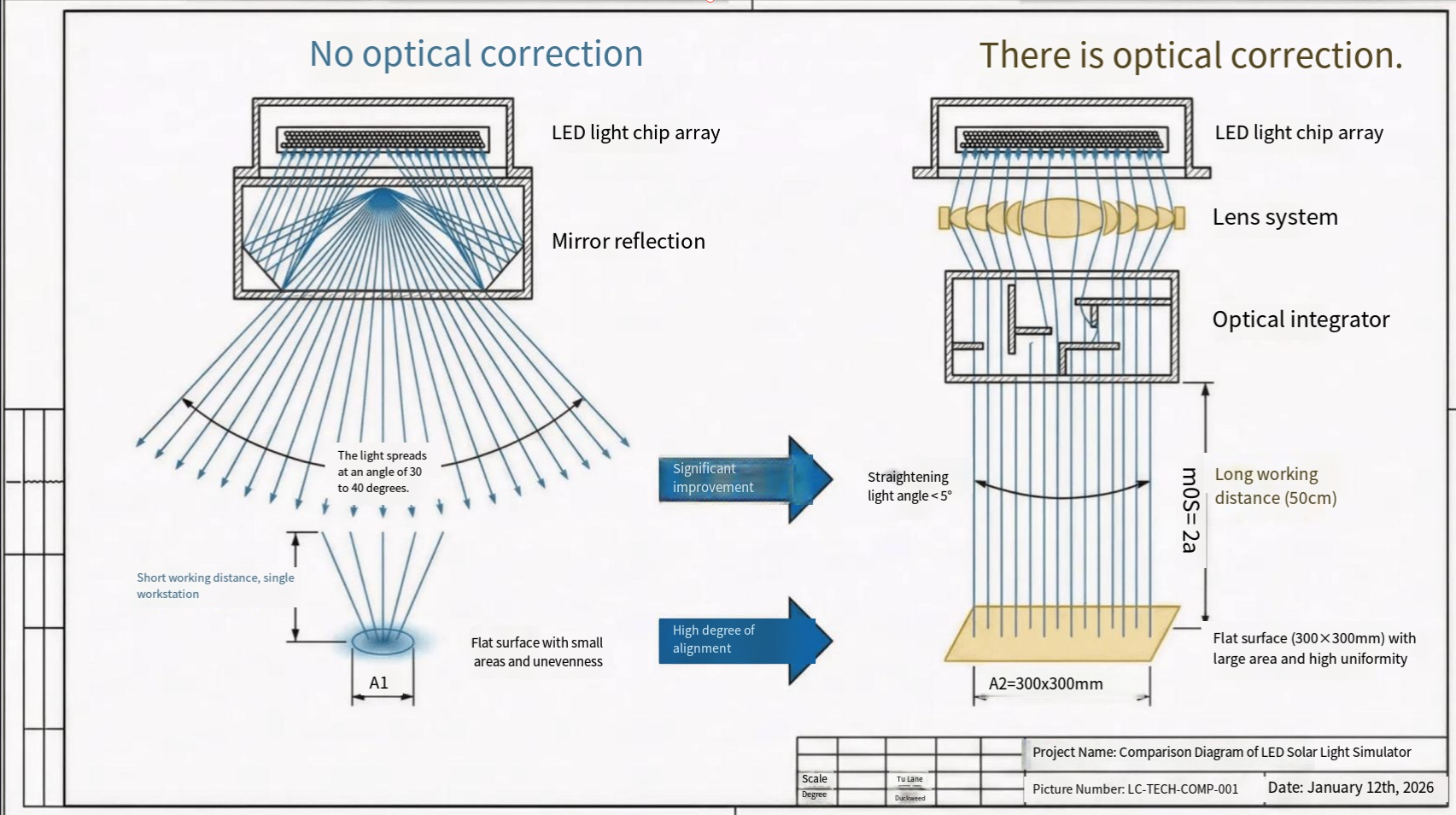
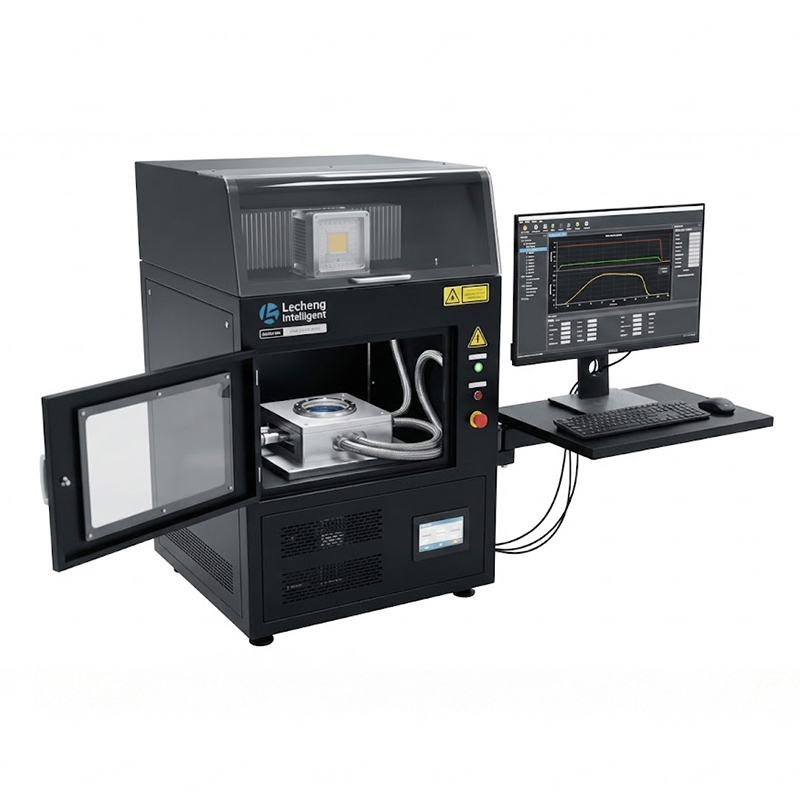
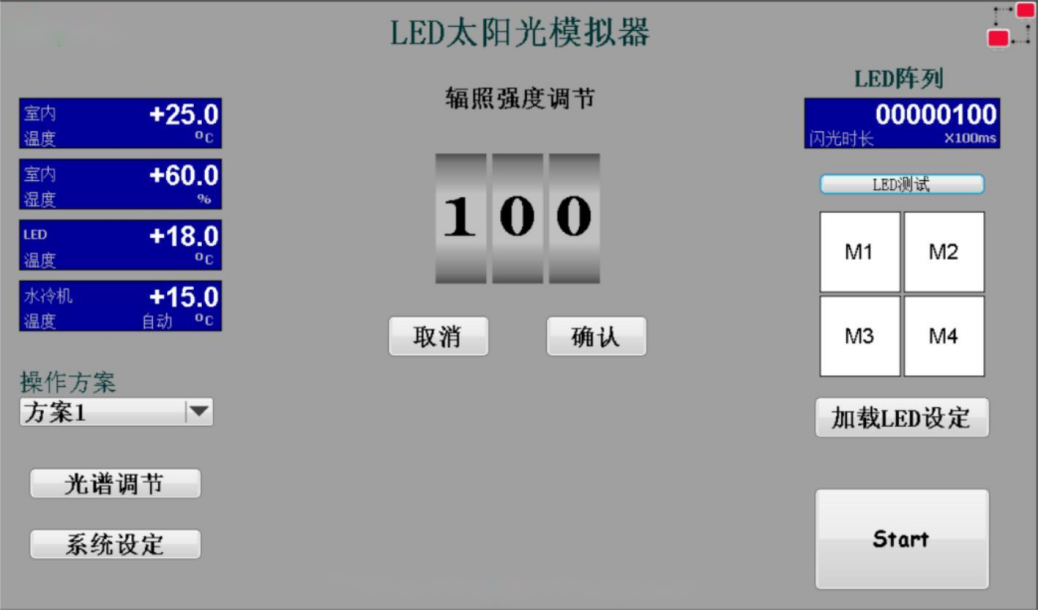
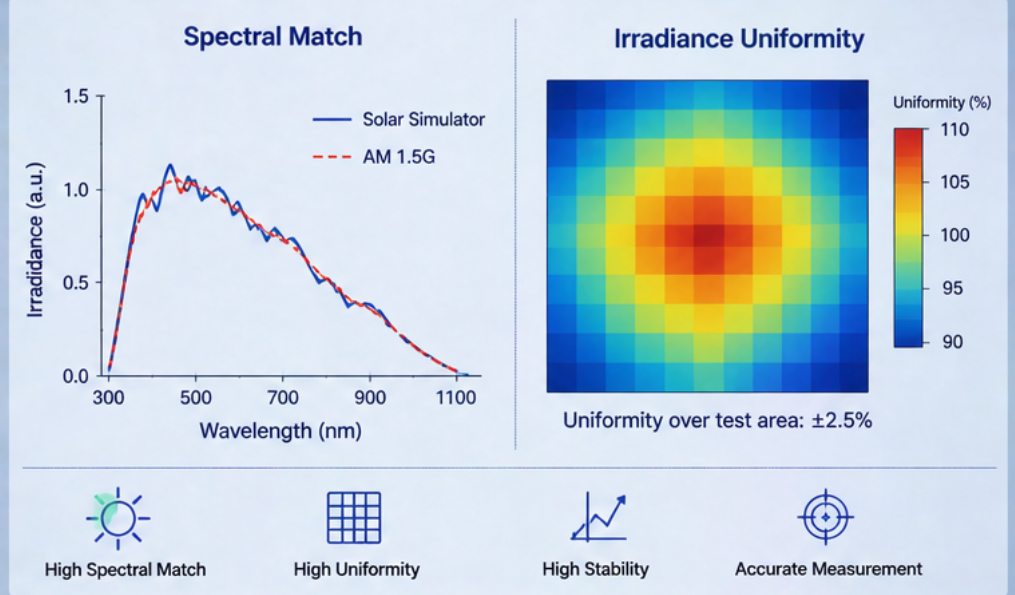
Get QuotePerovskite solar cells are highly sensitive to light conditions, measurement settings and testing environment. An unsuitable solar simulator may produce unstable or misleading efficiency results, making it difficult to compare samples or optimize the production process. For laboratories, pilot lines and module development teams, the solar simulator should provide repeatable illumination, accurate IV testing support and compatibility with the required cell or module size. Spectral match describes how closely the simulator light matches the standard solar spectrum. For perovskite cell testing, this is especially important because perovskite materials can respond differently across different wavelength ranges. Buyers should confirm whether the equipment supports the required test standard and whether the spectral distribution is suitable for the target cell structure, including single-junction and tandem perovskite cells. Irradiance uniformity affects whether different areas of the sample receive the same light intensity. Poor uniformity can cause inaccurate efficiency measurement, especially for larger perovskite cells or mini-modules. Temporal stability is also important. If the light output fluctuates during IV measurement, the test result may not reflect the real performance of the cell. Buyers should compare both uniformity and long-term light stability. The test area should match the sample size. A small-area solar simulator may be enough for early laboratory cells, while larger perovskite modules require a larger illumination area with stable uniformity. Before ordering, buyers should confirm the current sample size and possible future module size. Choosing a system with upgrade flexibility can reduce repeated investment when the project moves from R&D to pilot validation. A solar simulator is often used together with IV measurement equipment, source meters, temperature control and testing software. Good integration helps users quickly obtain key parameters such as open-circuit voltage, short-circuit current, fill factor, efficiency and maximum power point. For perovskite research, data consistency is very important. Buyers should check whether the system supports repeatable test recipes, automatic data recording and easy comparison between samples. Perovskite solar cells often require not only instant efficiency testing, but also stability evaluation under controlled illumination. If the project involves long-term reliability research, buyers may need MPPT aging test systems, environmental control or continuous illumination testing. In this case, the solar simulator should be selected together with the overall testing workflow instead of being treated as a standalone machine. What cell or module size do you need to test? Do you need single-junction or tandem perovskite cell testing? What spectral match, uniformity and stability level is required? Does the system support IV curve measurement and data export? Do you need temperature control or sample stage customization? Will the system be used for R&D, pilot line QC or reliability testing? Do you also need MPPT aging or long-term stability test equipment? Selecting solar simulator equipment for perovskite cell testing requires careful evaluation of spectral match, irradiance uniformity, temporal stability, test area, IV measurement integration, calibration and future stability testing needs. For perovskite R&D and pilot manufacturing, the right testing system helps improve data reliability, process comparison and technology scale-up decisions. Contact Lecheng Laser to discuss your perovskite cell size, testing standard, IV measurement requirements and stability testing configuration.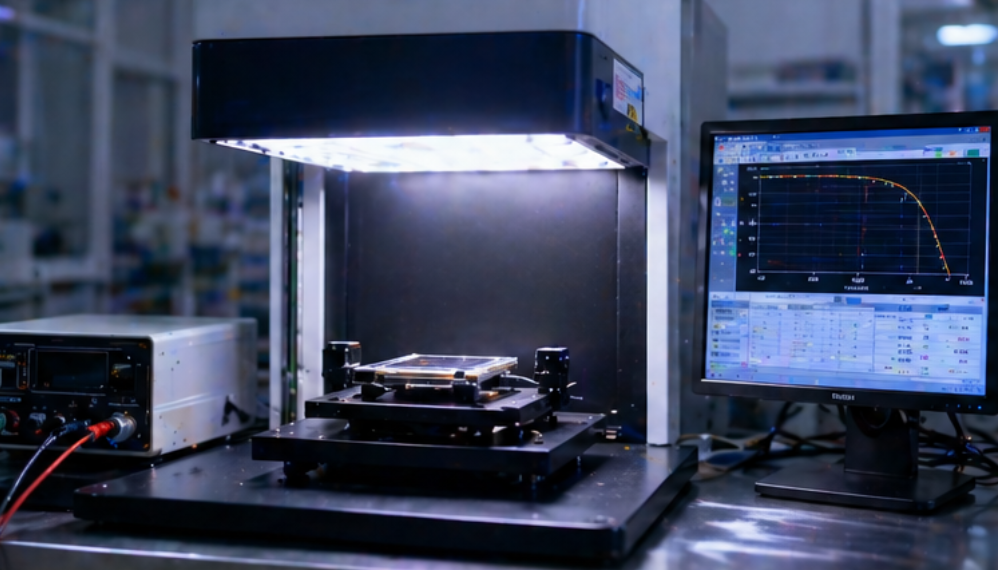
Why Solar Simulator Selection Matters
1. Check Spectral Match
2. Evaluate Irradiance Uniformity And Stability
3. Choose The Right Test Area
Solar Simulator Selection Checklist
Item To Check Why It Matters Buyer Question Spectral Match Affects measurement accuracy across wavelength range Is it suitable for perovskite or tandem cells? Irradiance Uniformity Ensures consistent illumination over the sample area What is the uniformity over the required test area? Temporal Stability Reduces measurement fluctuation during IV testing How stable is the light output during testing? Test Area Must match cell or module dimensions Can it support current and future sample sizes? IV Measurement Determines efficiency, voltage and current results Can it integrate with a source meter and software? Calibration Ensures long-term measurement reliability What calibration reference and method are provided? 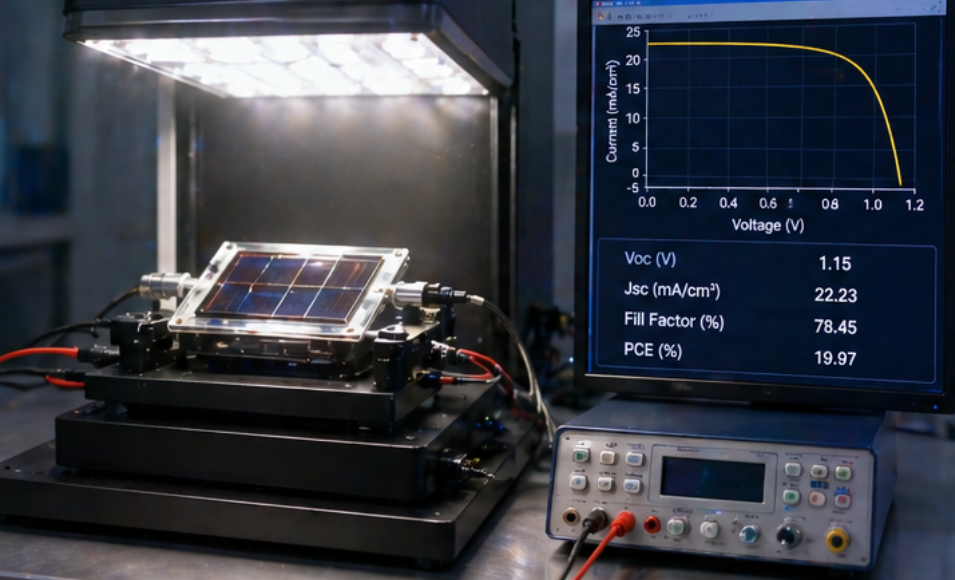
4. Confirm IV Testing And Data Software Integration
5. Consider Stability And Aging Test Requirements
Questions To Ask Before Ordering
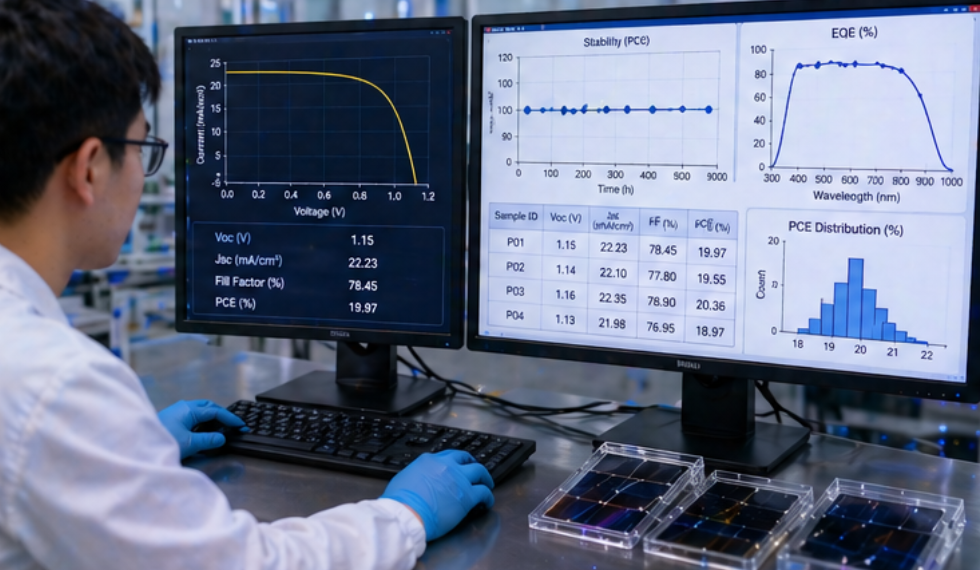
Conclusion
Need Solar Simulator Equipment For Perovskite Testing?