


Perovskite R&D And Pilot Line Guide
How To Select Laser Scribing Equipment For Perovskite R&D And Pilot Lines
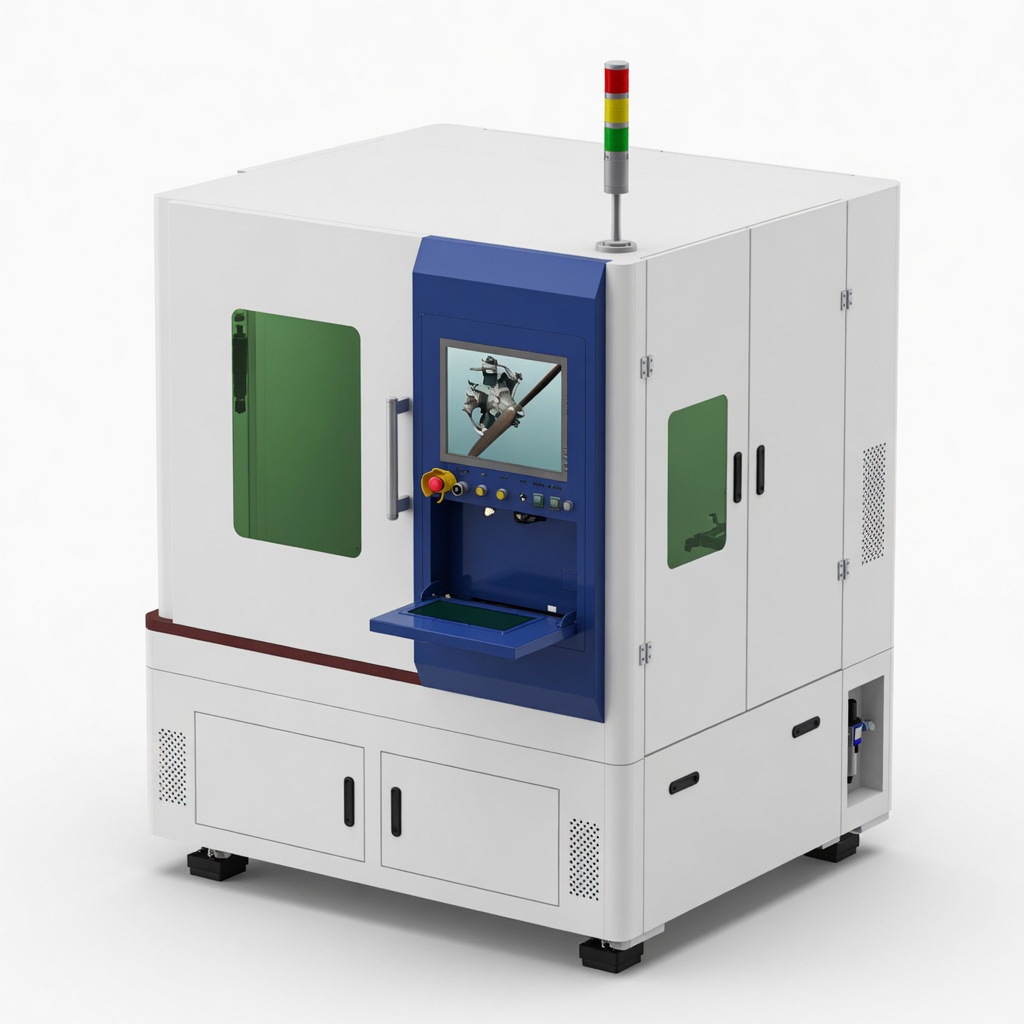
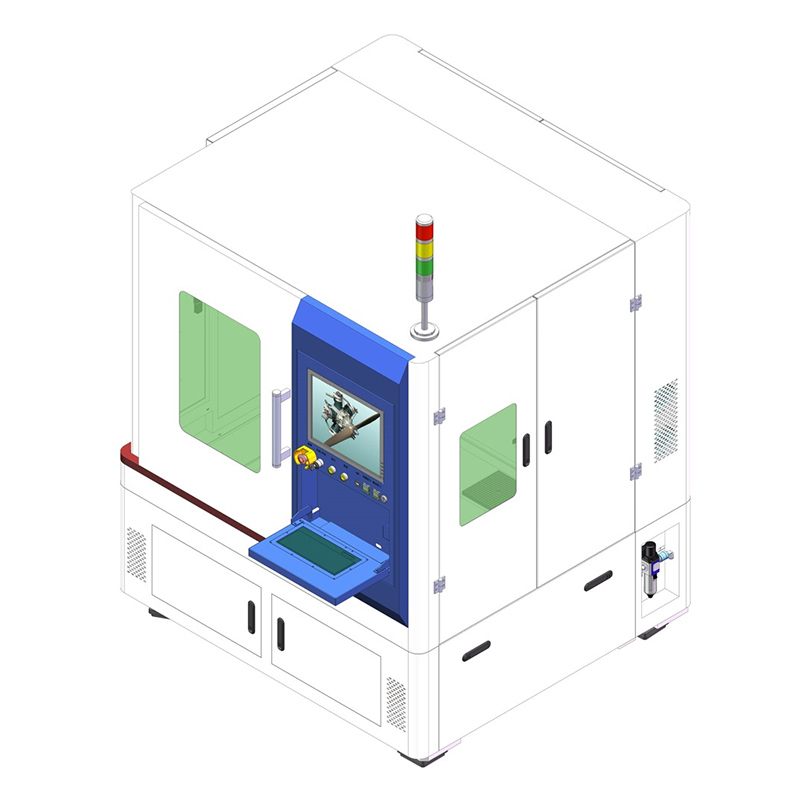
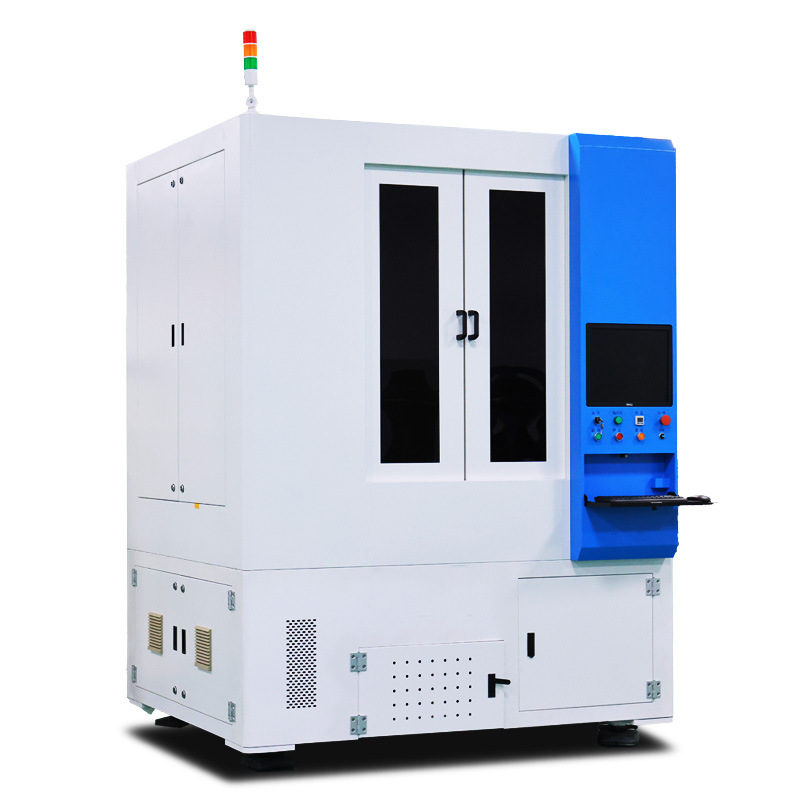
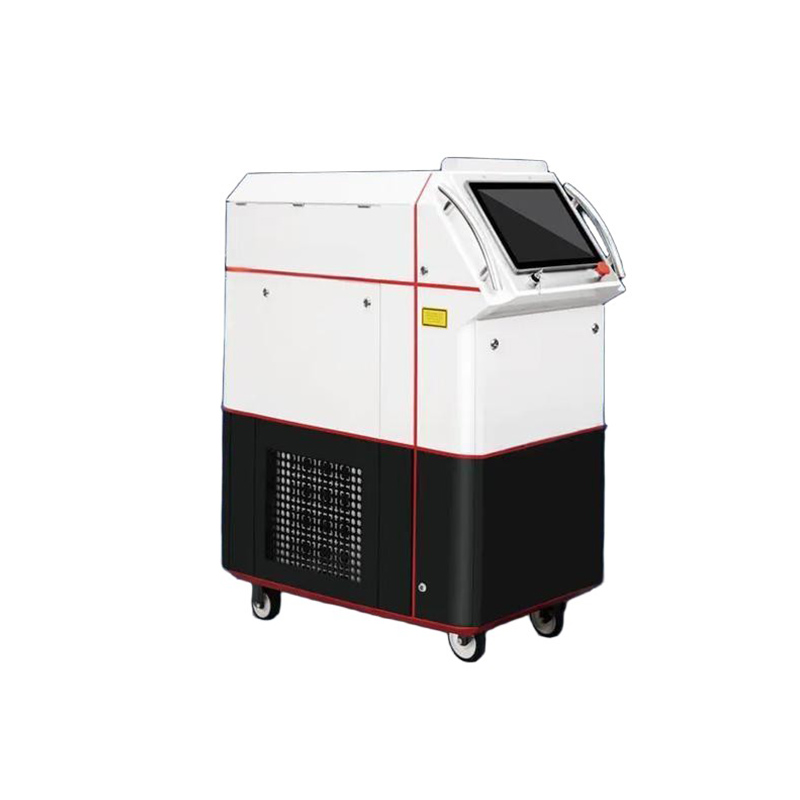
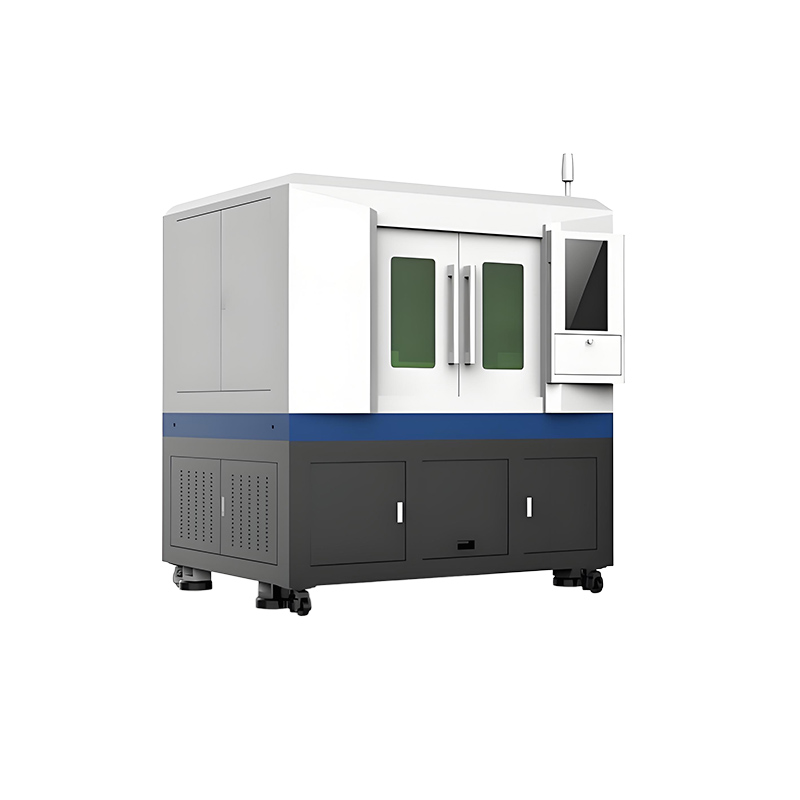
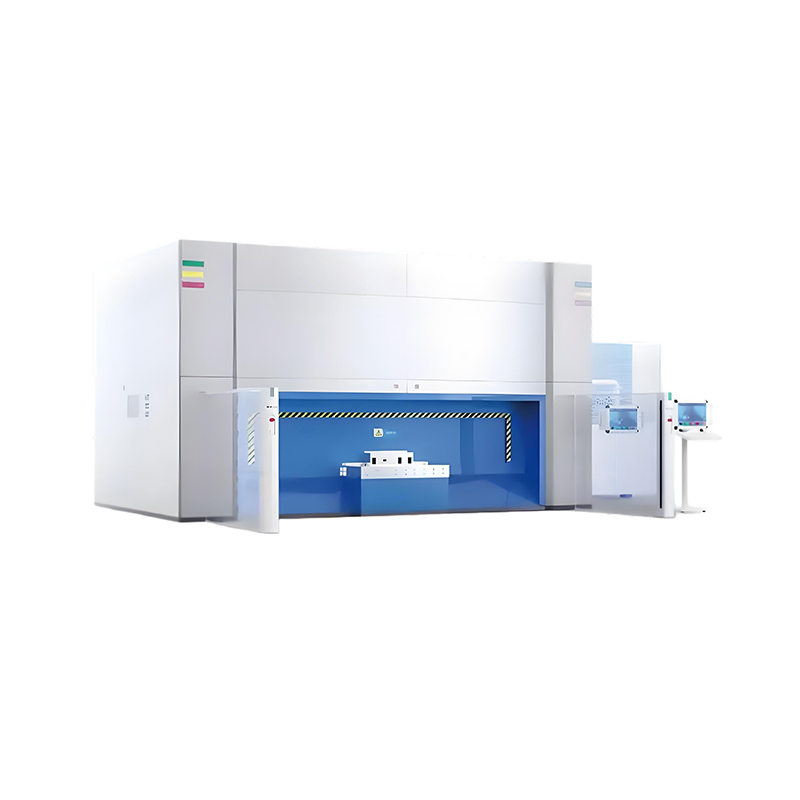
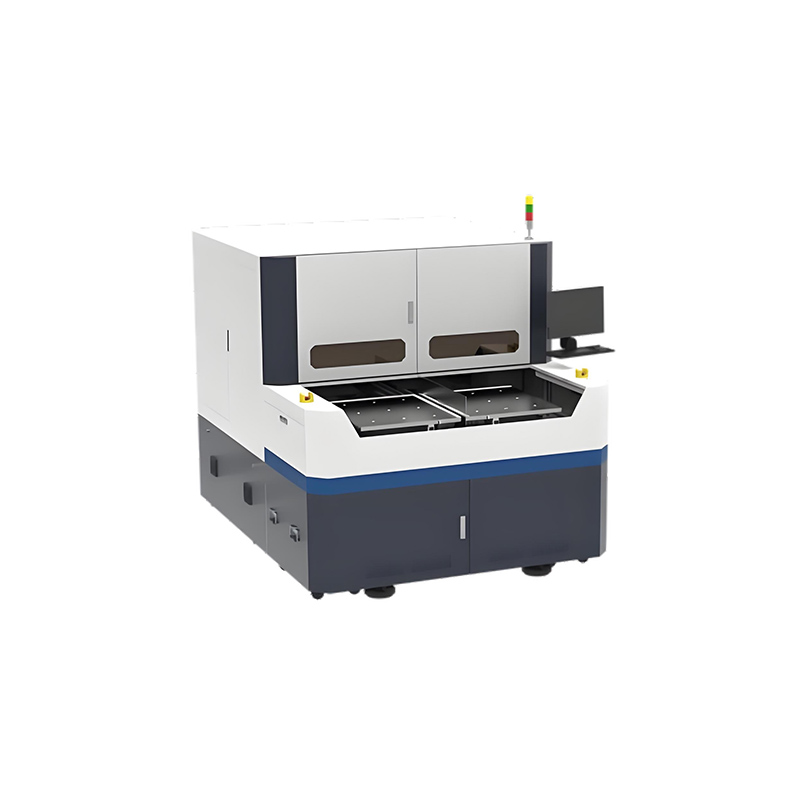
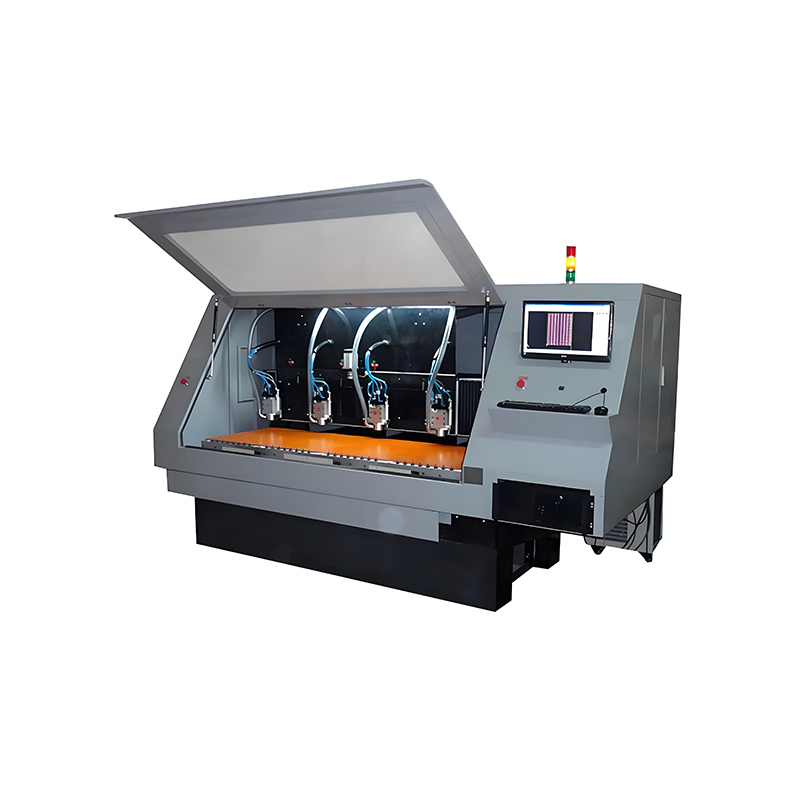
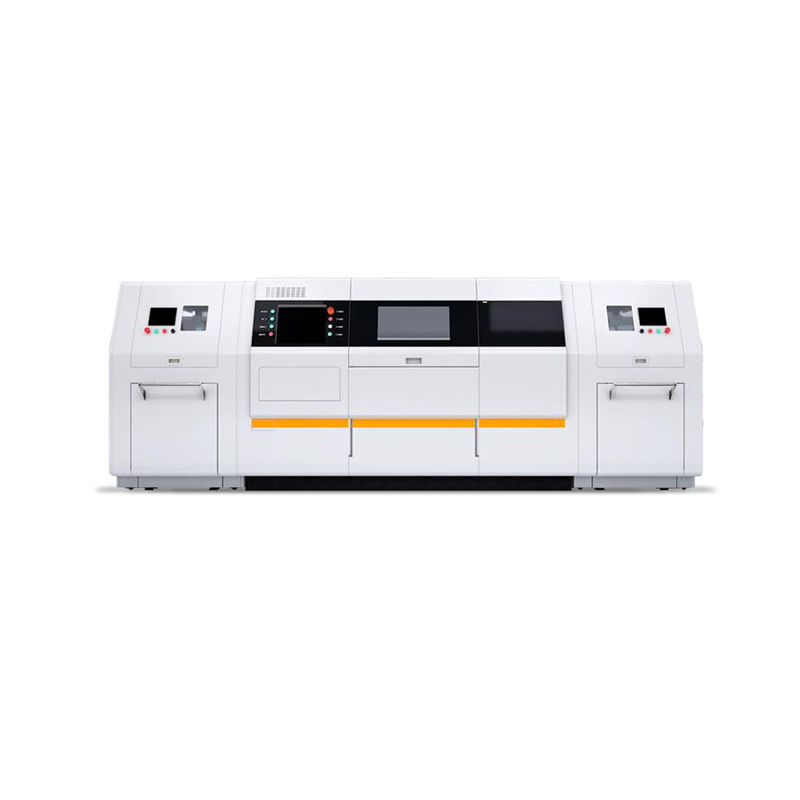
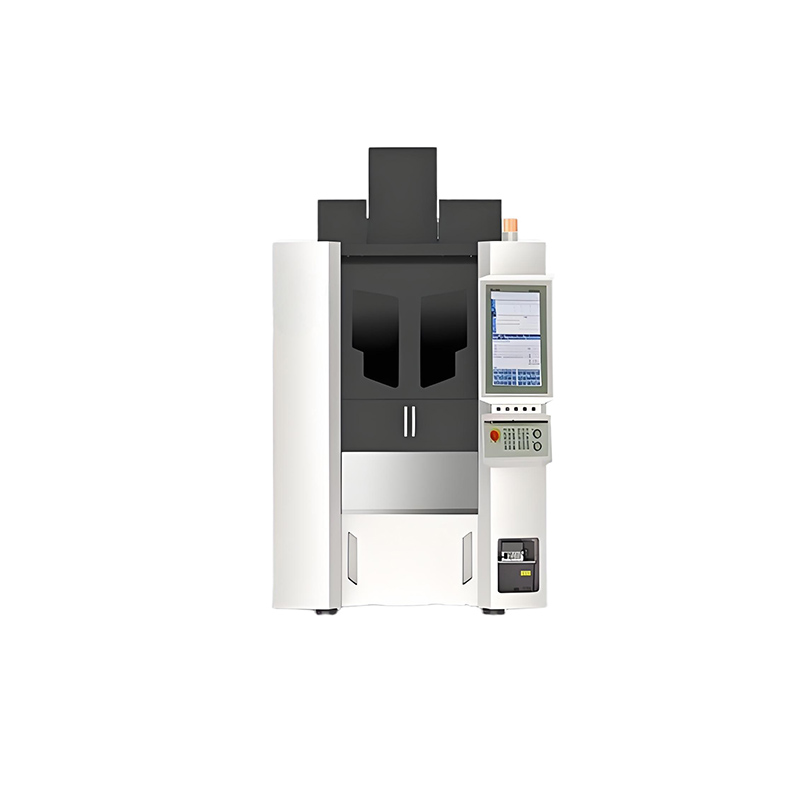
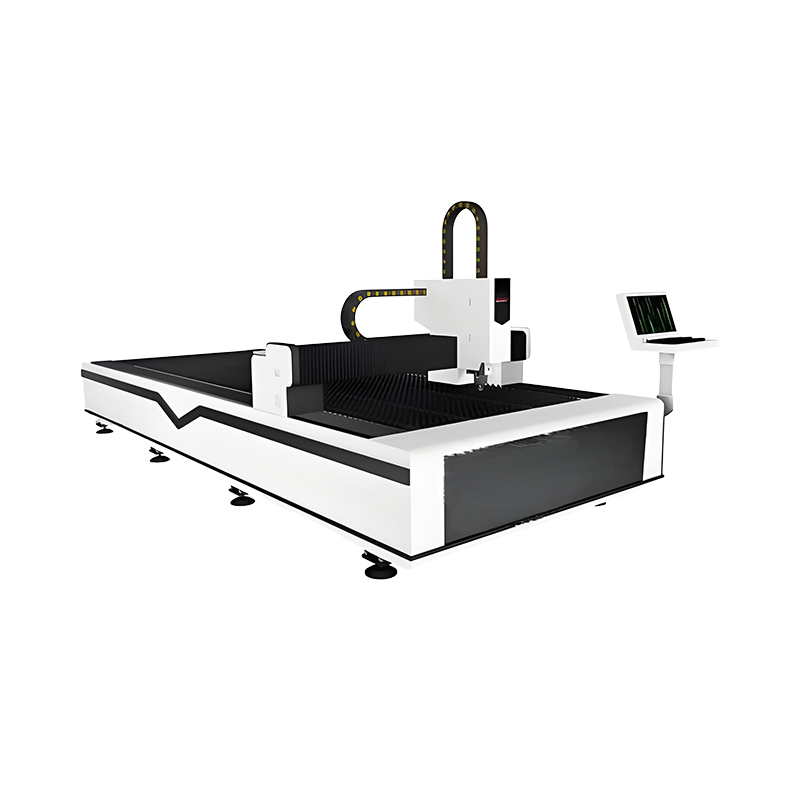
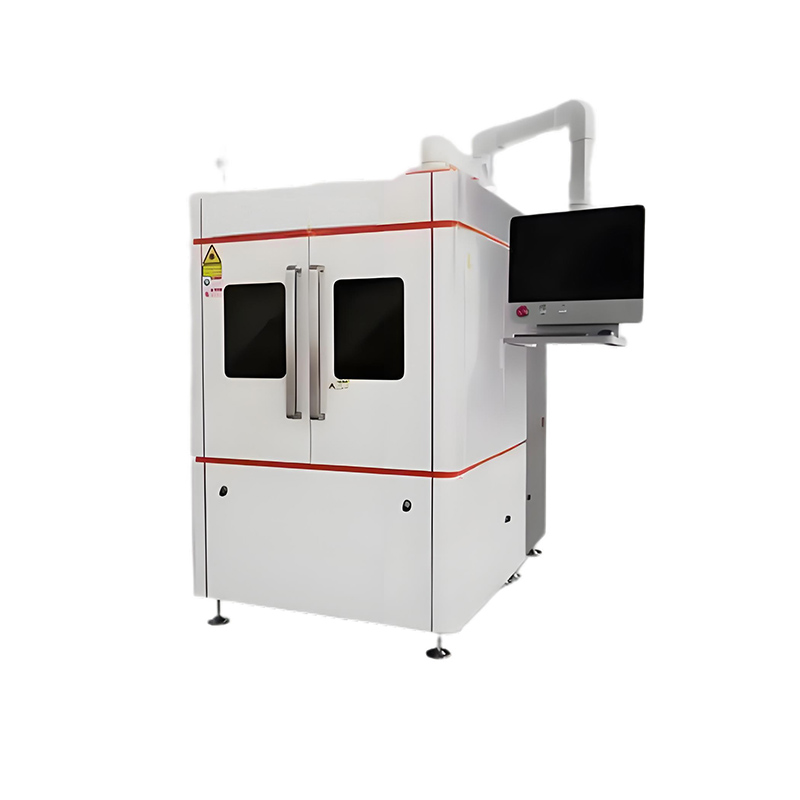
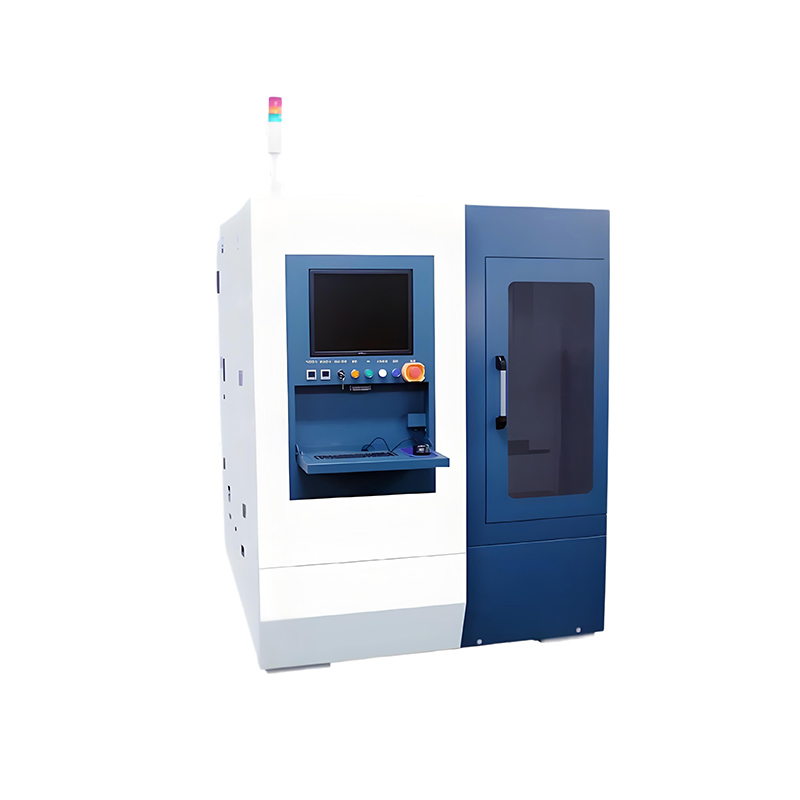
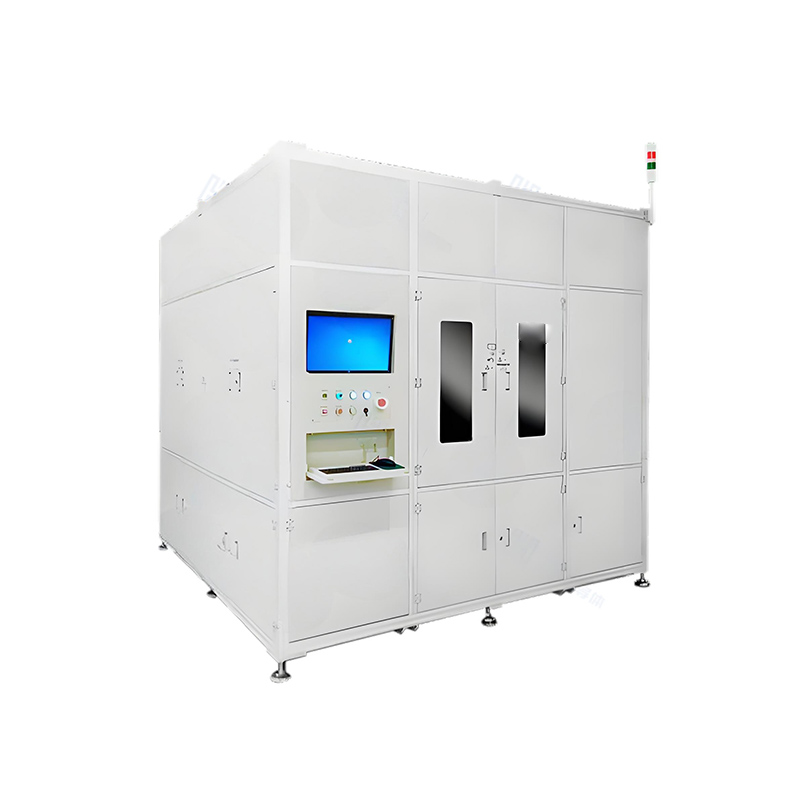
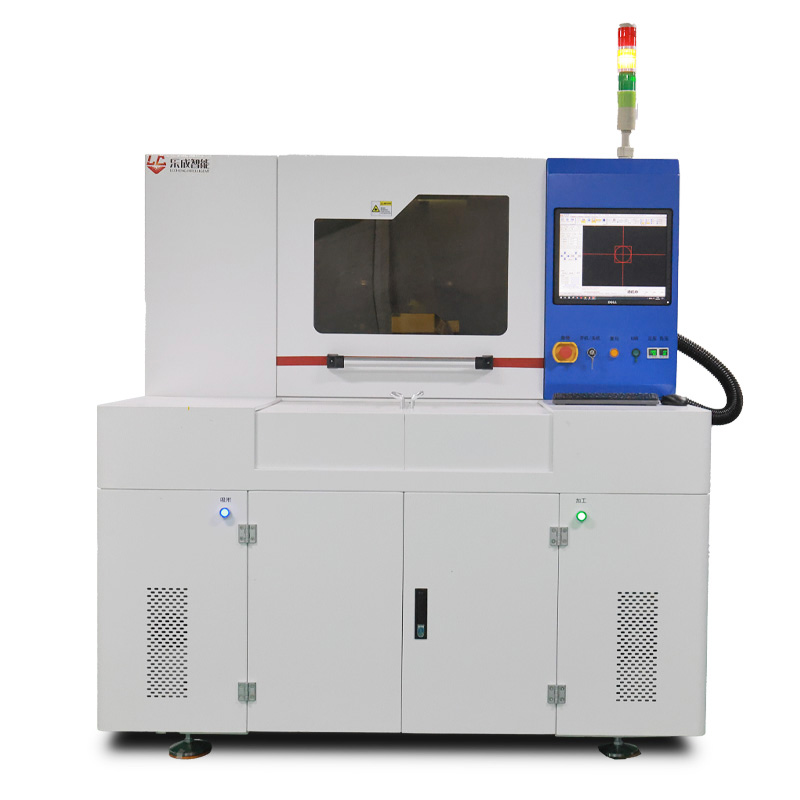
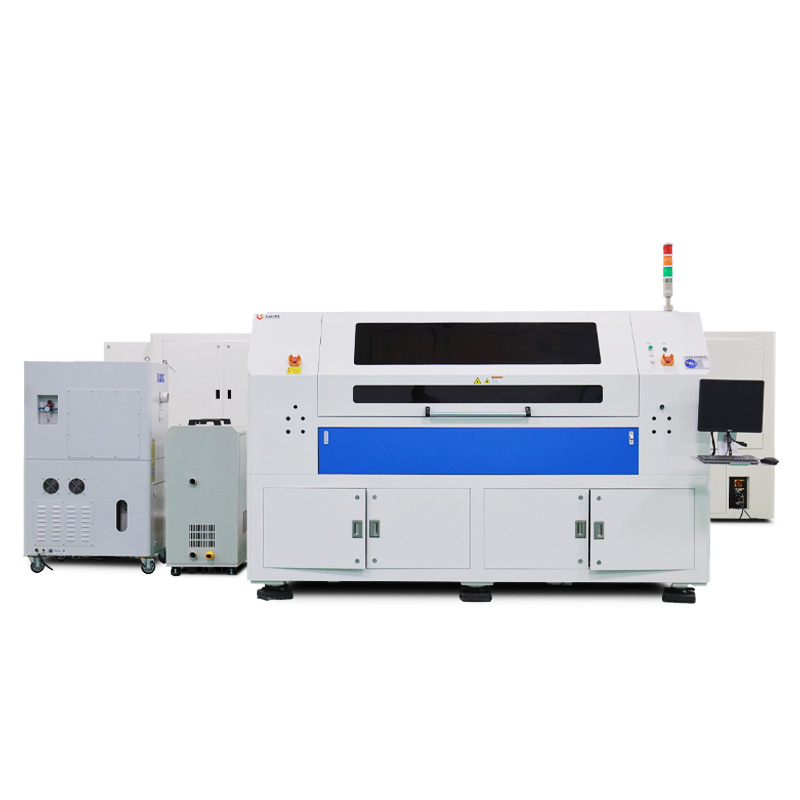
Selecting laser scribing equipment for perovskite R&D and pilot lines requires a balance between process flexibility, alignment accuracy, laser source compatibility, substrate size, automation level and future scale-up needs. The right system should support early material testing while also preparing the project for pilot manufacturing.
Get Quote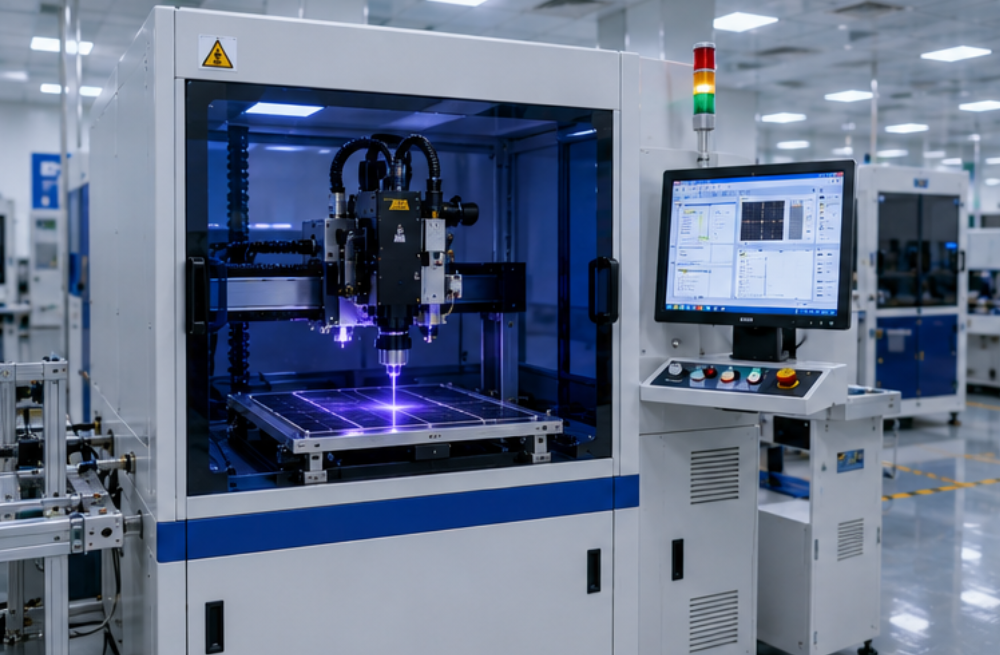
Why R&D And Pilot Lines Need Different Equipment Thinking
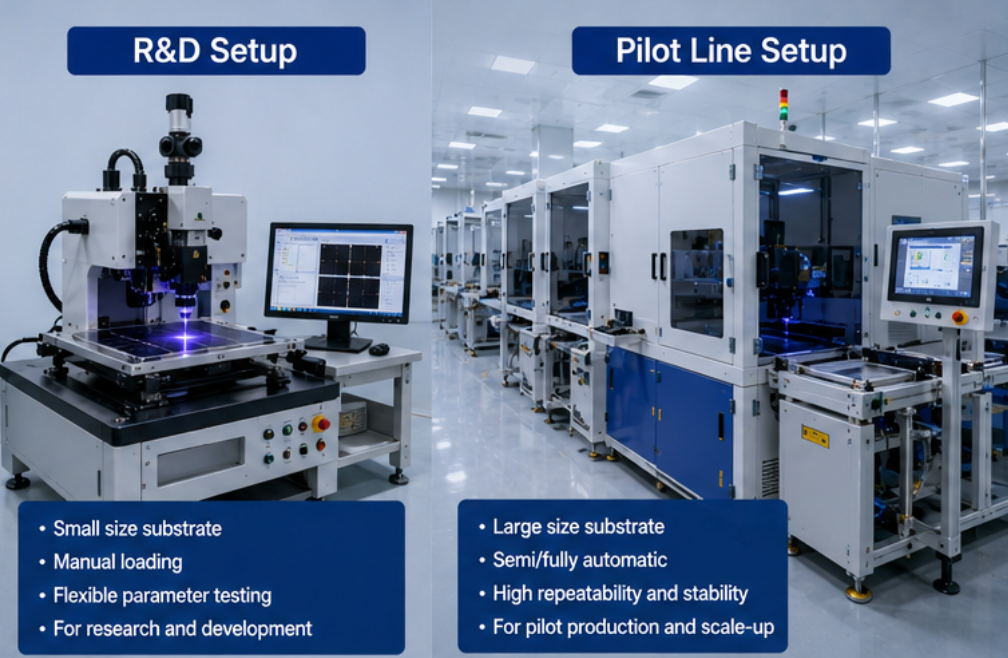
Perovskite R&D equipment should be flexible enough to test different material stacks, laser parameters and module layouts. Pilot line equipment needs more repeatability, automation and process stability because the goal is no longer only experimentation, but also sample validation and scalable process transfer.
Many buyers make the mistake of choosing a simple laboratory machine and expecting it to support pilot production later. A better approach is to select equipment that can handle current R&D tasks while leaving enough room for future substrate size, automation and process upgrade requirements.
1. Define Your Current Project Stage
Before selecting equipment, buyers should define whether the project is still in early-stage research, process development, pilot validation or pre-production preparation.
Early R&D: flexible recipes, small substrates and fast parameter testing.
Process Development: stable P1/P2/P3 results and material stack optimization.
Pilot Line: repeatability, alignment control, sample throughput and data tracking.
Pre-Production: automation, integration and long-term process stability.
2. Check P1, P2, P3 And P4 Process Capability
A perovskite laser scribing system should be selected based on the required process steps. P1 is used for TCO isolation, P2 for interconnection opening, P3 for final cell isolation and P4 for edge deletion before encapsulation.
For R&D, buyers may need a flexible platform that can test several processes. For pilot lines, the system should support stable recipes, automatic alignment and repeatable processing across multiple samples.
R&D vs Pilot Line Equipment Selection Checklist
| Selection Item | R&D Focus | Pilot Line Focus |
|---|---|---|
| Process Flexibility | Fast recipe adjustment and material testing | Stable process transfer and repeatability |
| Substrate Size | Small cells or mini modules | Larger pilot modules and upgrade planning |
| Alignment | Manual or semi-auto alignment may be acceptable | Automatic vision alignment is recommended |
| Automation | Simple loading and flexible operation | Semi-auto or fully automatic handling |
| Data Management | Basic process recording | Recipe control, data logging and quality tracking |
| Future Upgrade | Optional expansion | Important for scale-up and line integration |
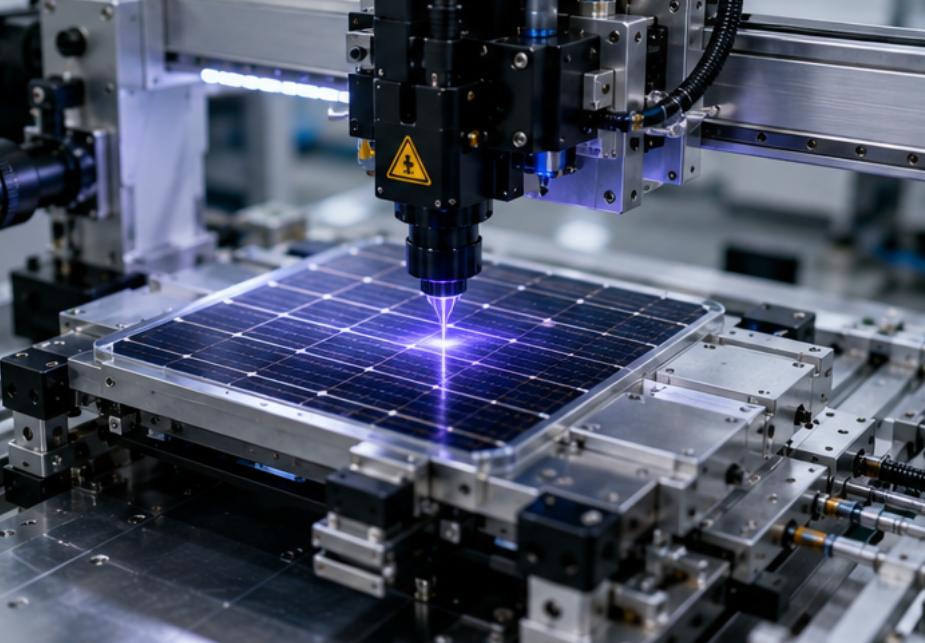
3. Evaluate Laser Source And Material Stack Compatibility
Different perovskite material stacks may require different laser wavelengths, pulse widths and energy settings. The laser source should remove the target layer cleanly while protecting adjacent layers.
Buyers should provide information about TCO, transport layers, perovskite absorber layer, electrode material and tandem structure if applicable. Sample testing is strongly recommended before final equipment configuration.
4. Focus On Alignment Accuracy And Repeatability
For perovskite modules, P1, P2 and P3 lines must be accurately aligned. Poor alignment increases dead area, causes interconnection defects and reduces module yield. This is especially important when moving from small R&D samples to larger pilot modules.
A good pilot line system should include vision alignment, precision motion control, calibration functions and stable software recipes. These features help reduce human error and improve process consistency.
5. Consider Integration With Coating And Testing Processes
Laser scribing equipment should not be selected in isolation. It must match coating uniformity, electrode formation, encapsulation design and testing requirements. For pilot lines, line layout and process sequence should be planned early.
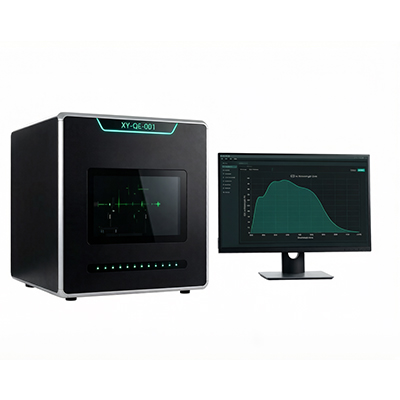
If buyers need solar simulator, IV testing, MPPT aging or QE testing equipment, these requirements should be considered together with laser processing equipment to avoid later integration problems.
Questions To Ask Before Selecting Equipment
Is the equipment mainly for R&D, pilot line or future production?
What substrate size and module size need to be supported?
Does the system support P1, P2, P3 and P4 processing?
Can different laser recipes be saved and repeated?
Does the system include automatic vision alignment?
Can the supplier test samples with your material stack?
Can the machine be upgraded or integrated into a larger pilot line?
What testing equipment should be planned together with the laser system?
Conclusion
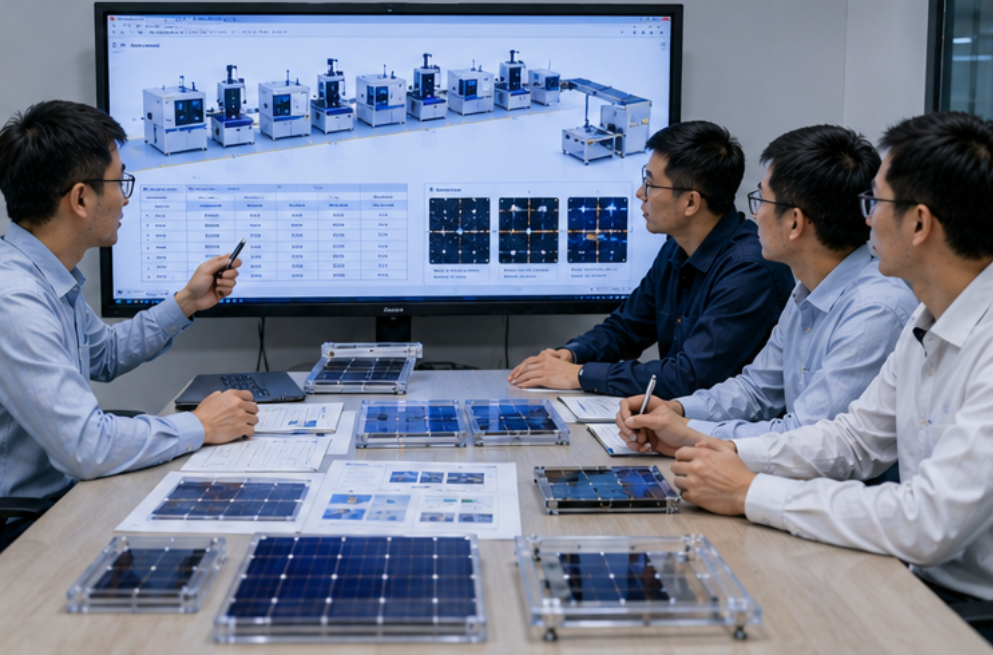
Selecting laser scribing equipment for perovskite R&D and pilot lines requires a clear understanding of project stage, process requirements, laser source compatibility, substrate size, alignment accuracy and future integration needs.
For early research, flexibility matters most. For pilot lines, repeatability, automation and process data control become more important. Buyers should choose a system that supports today’s experiments while preparing for tomorrow’s scale-up.
Need Laser Scribing Equipment For R&D Or Pilot Lines?
Contact Lecheng Laser to discuss your perovskite material stack, P1/P2/P3/P4 requirements, substrate size and pilot line planning.
Contact Us Get Quote