
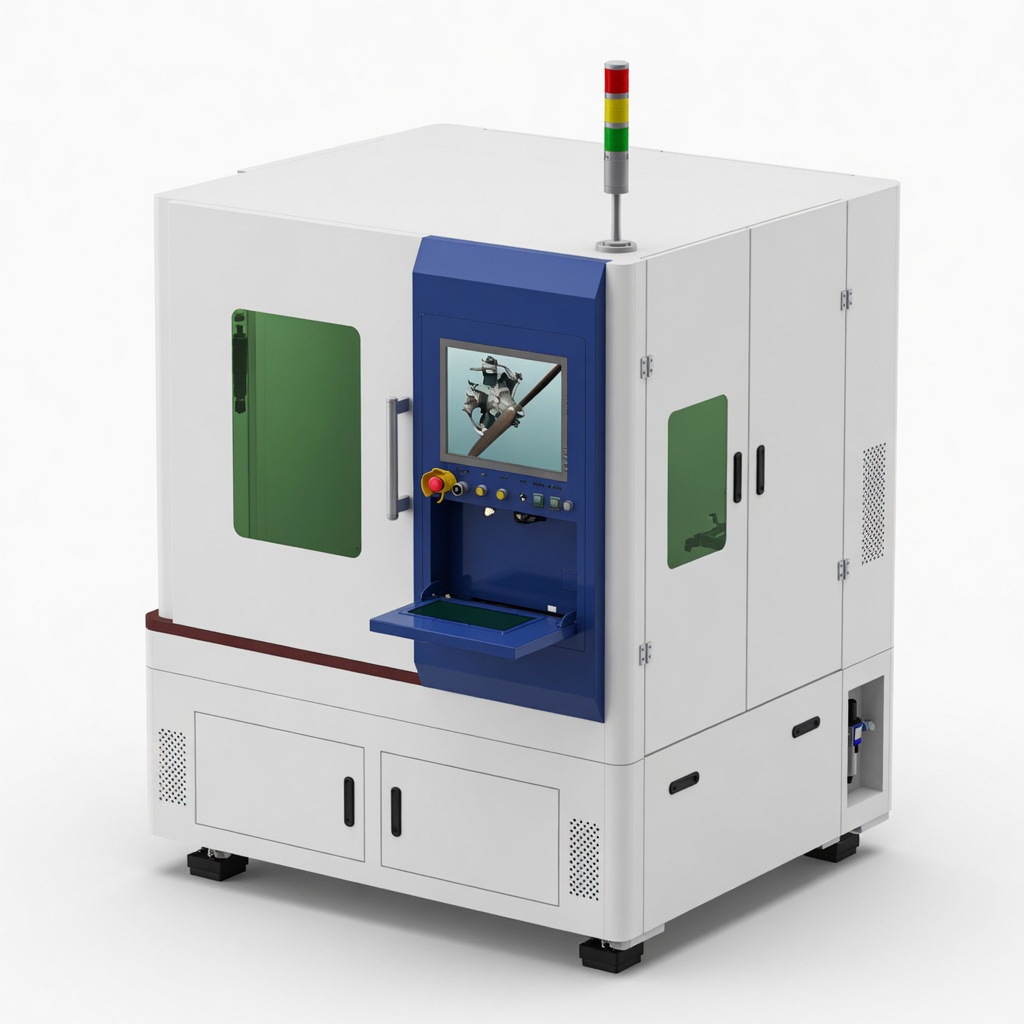
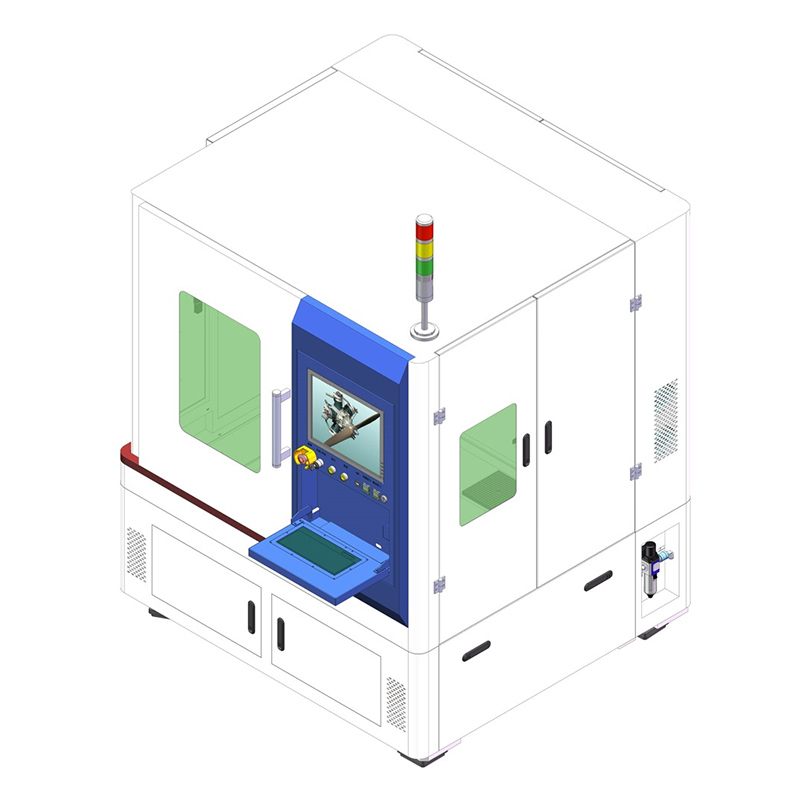
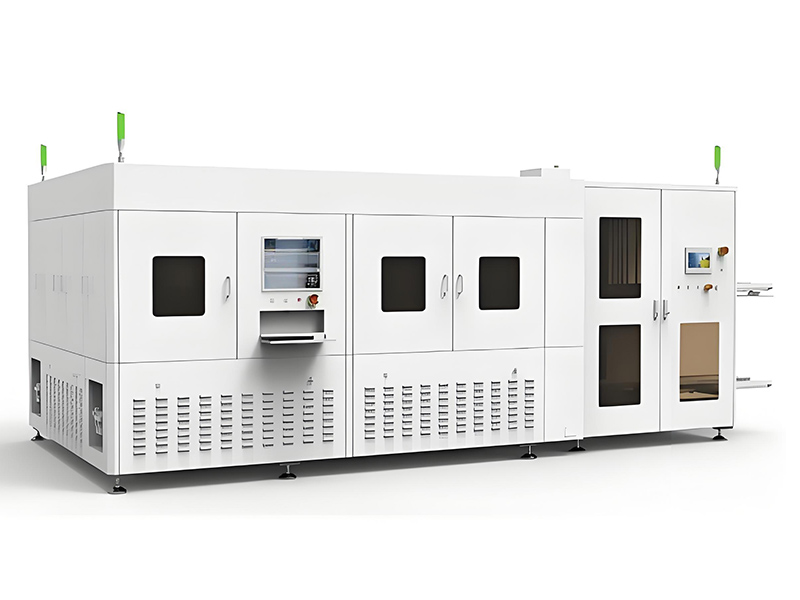
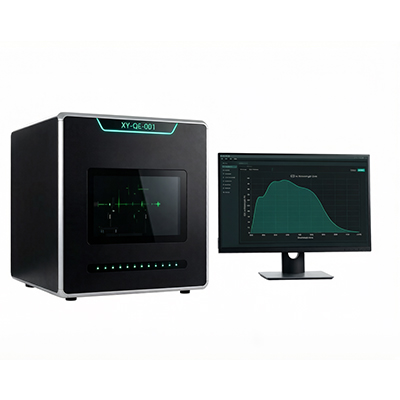
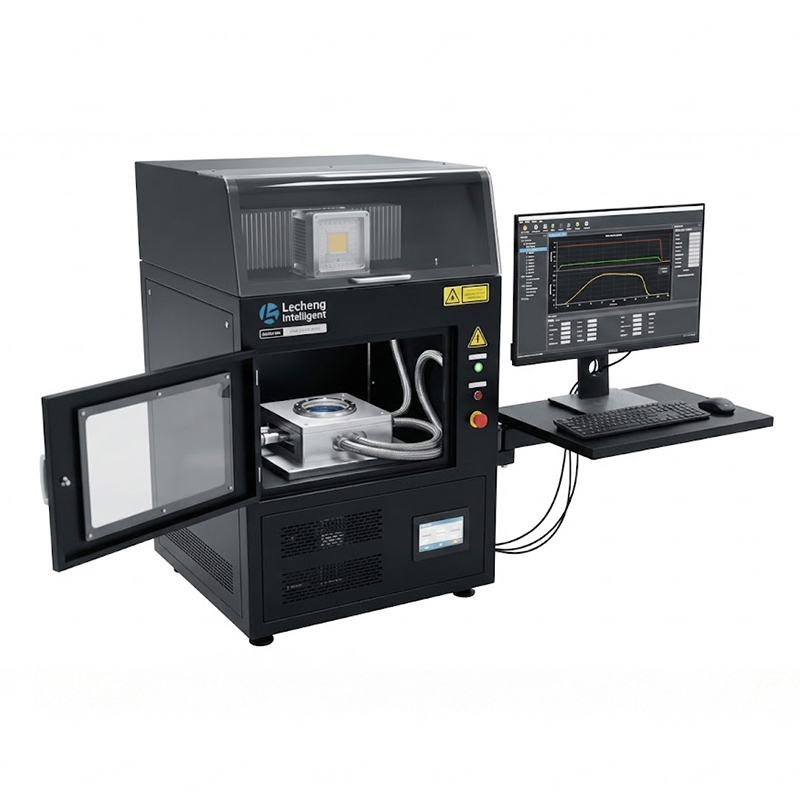
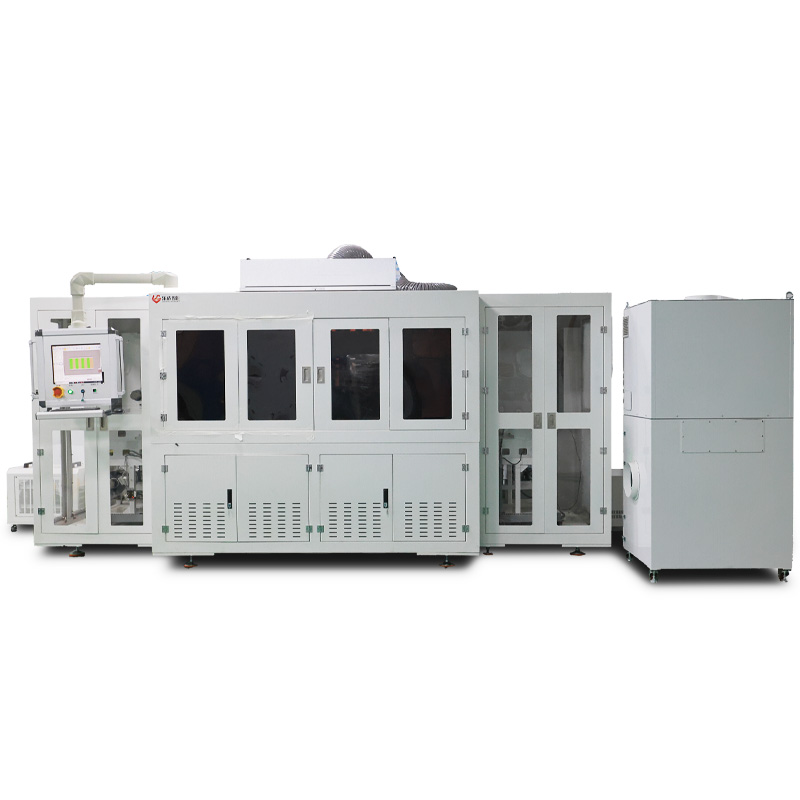
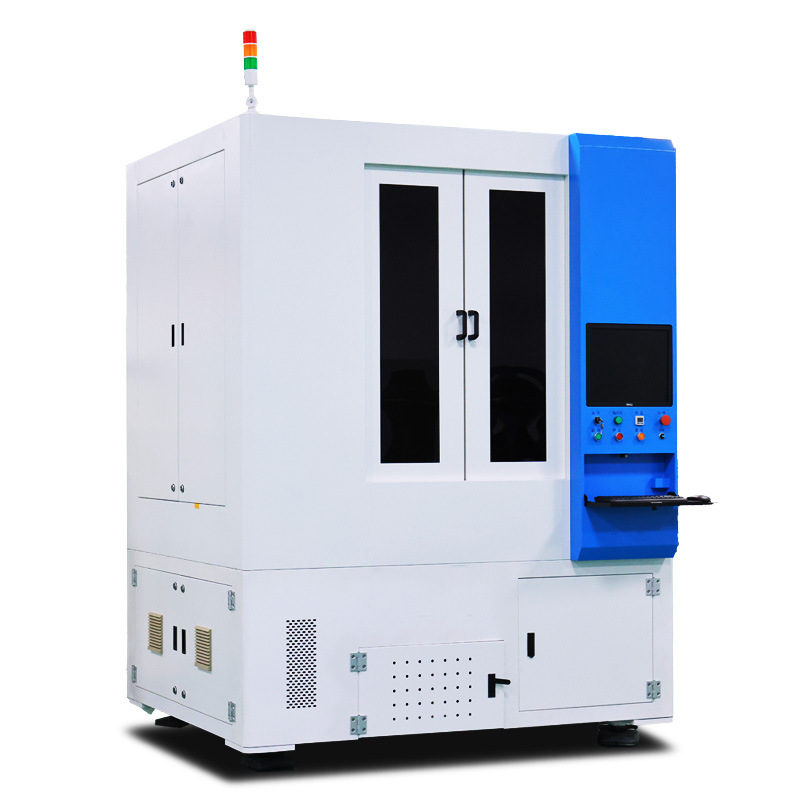
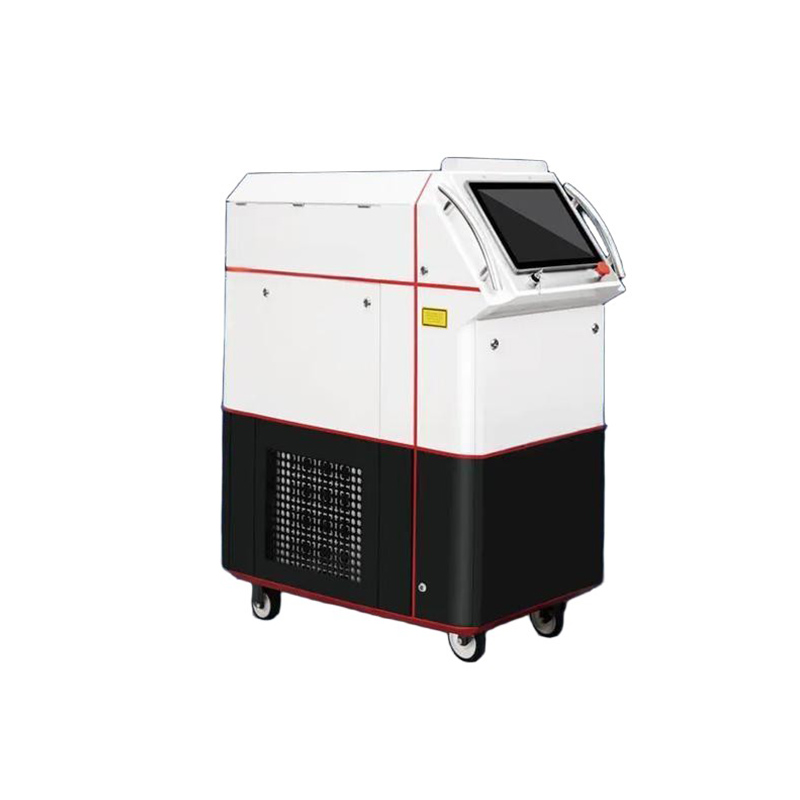
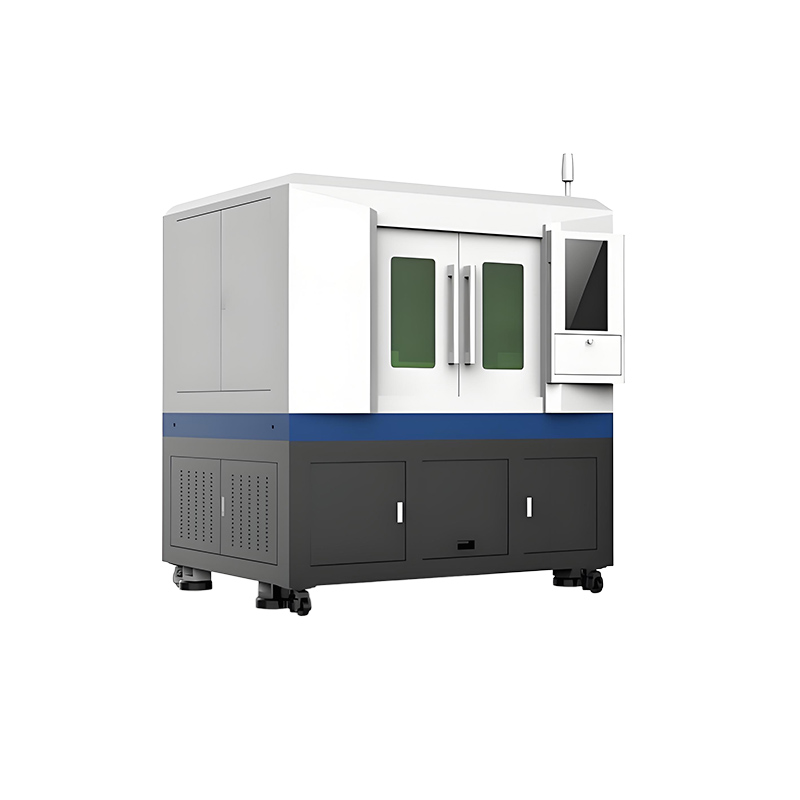
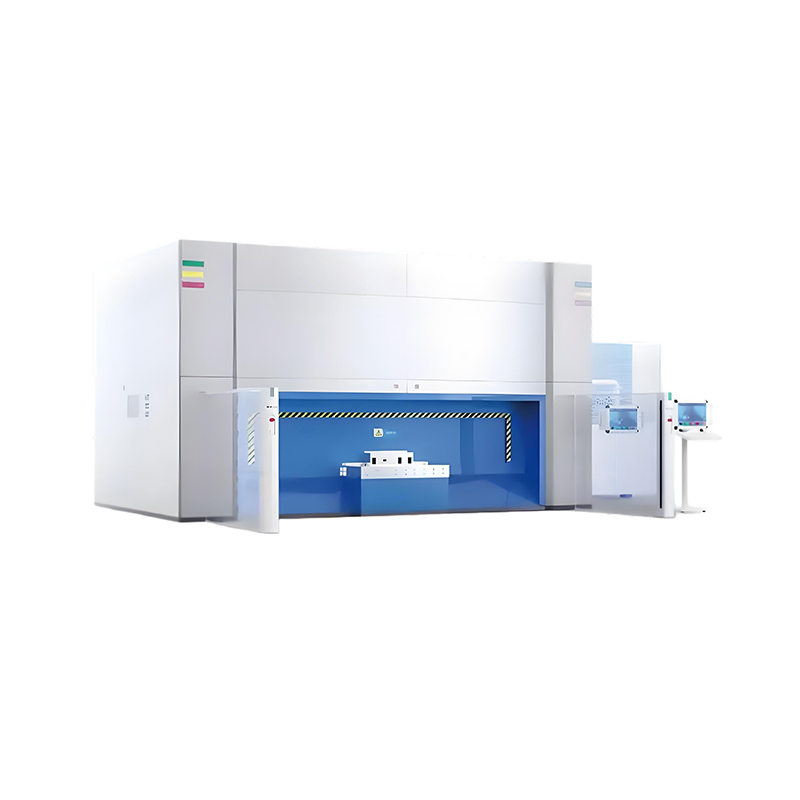
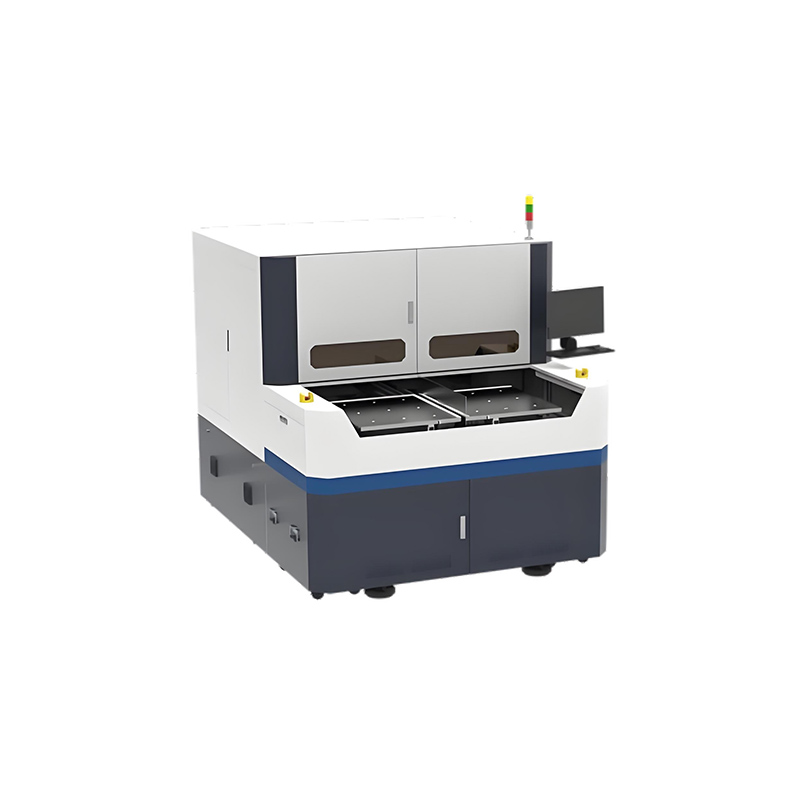
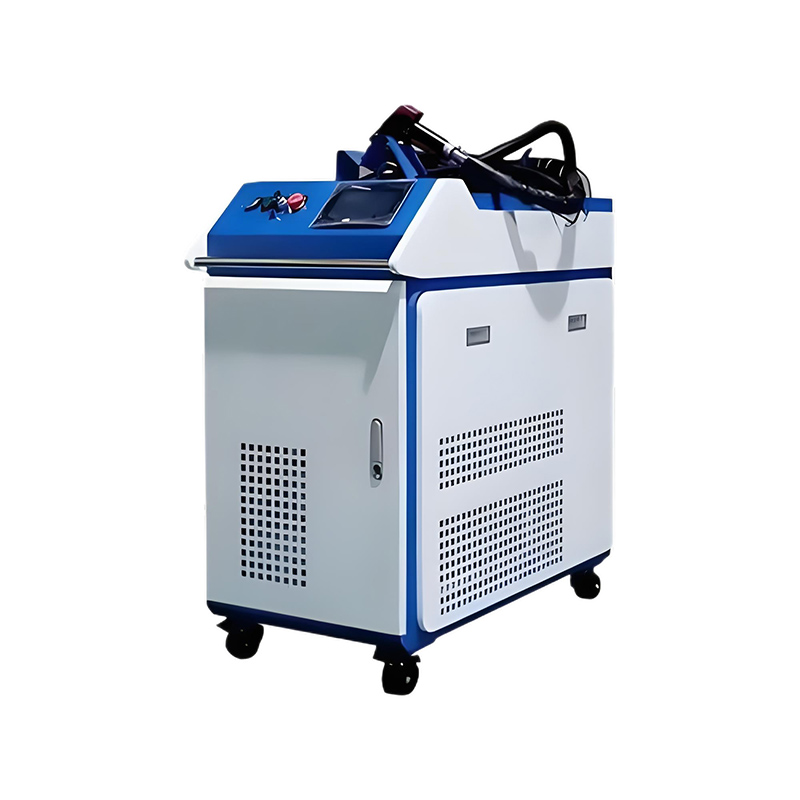
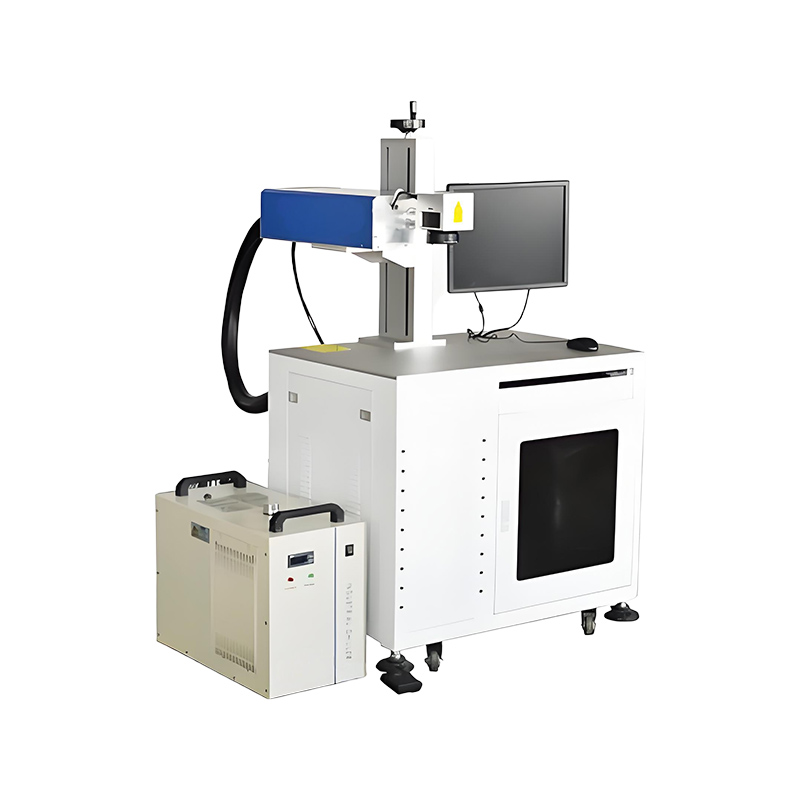
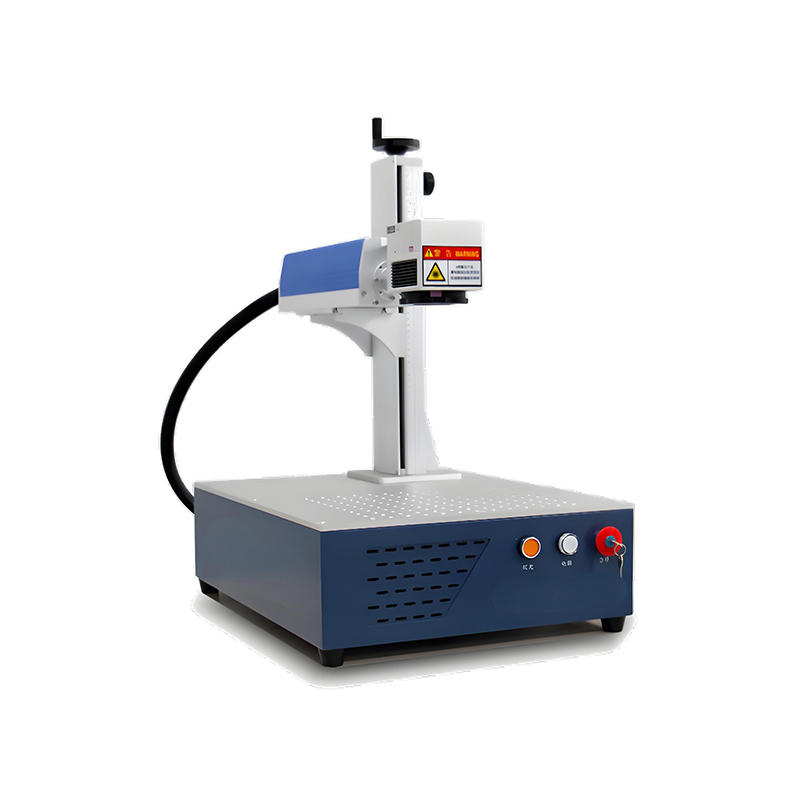
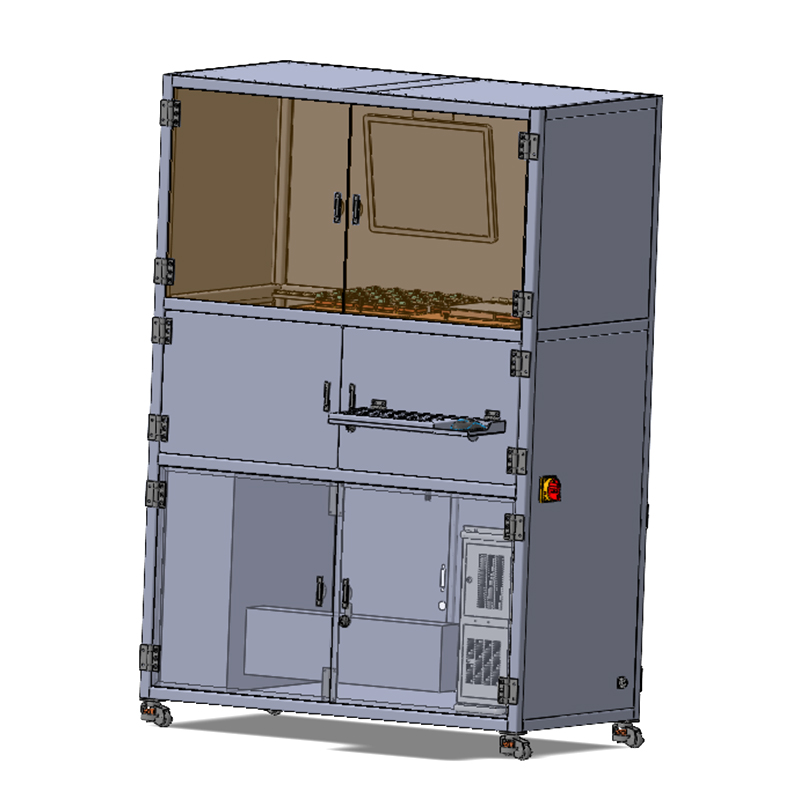
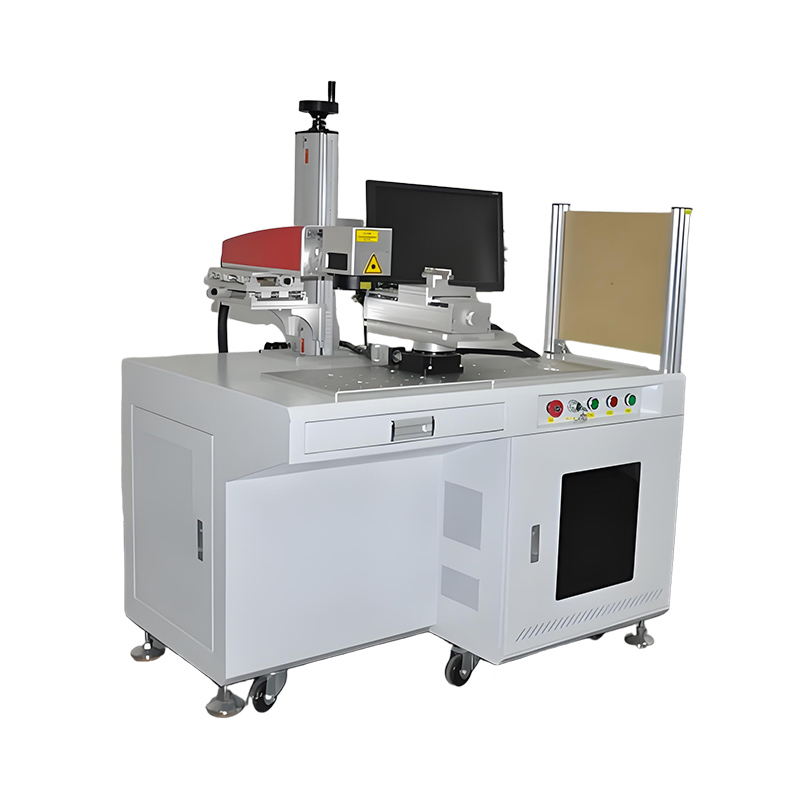
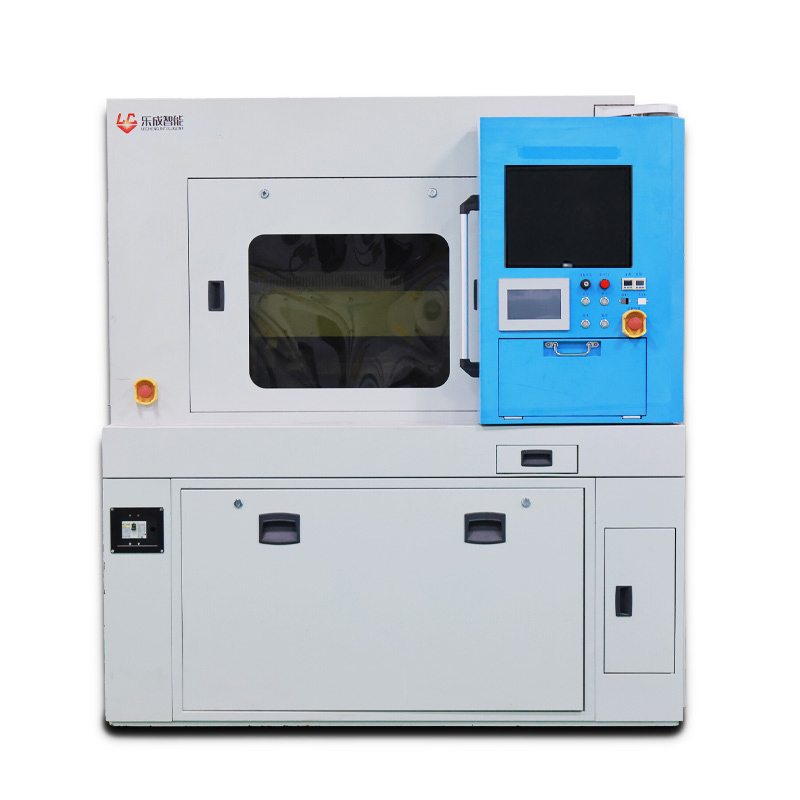
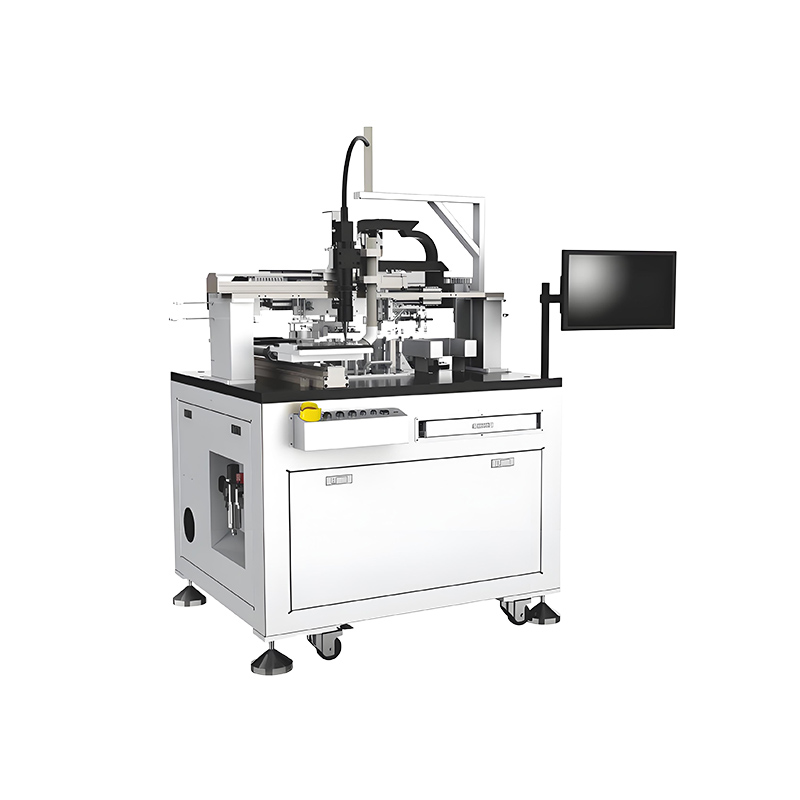
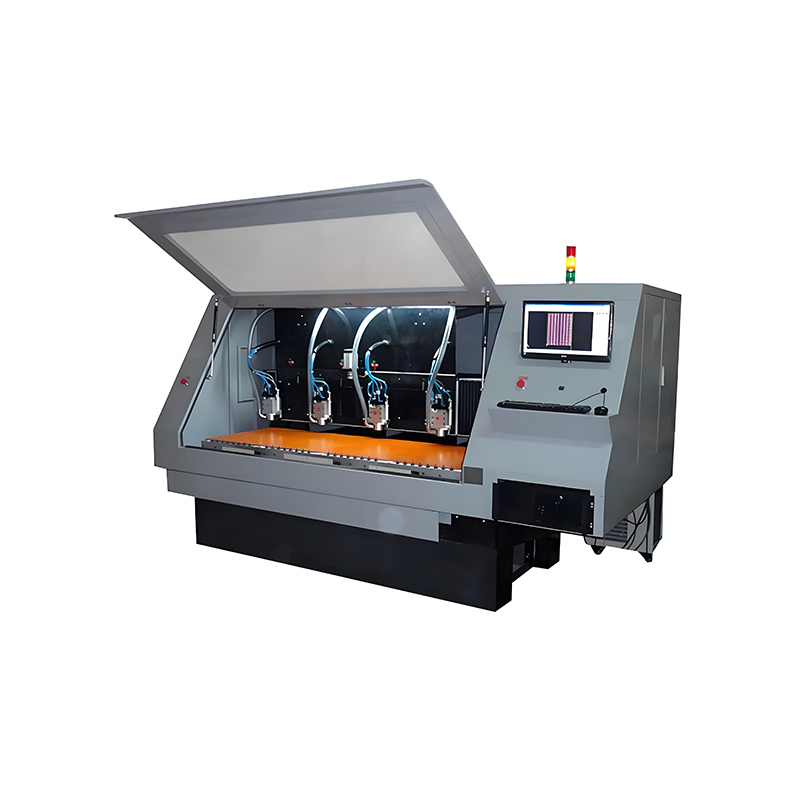
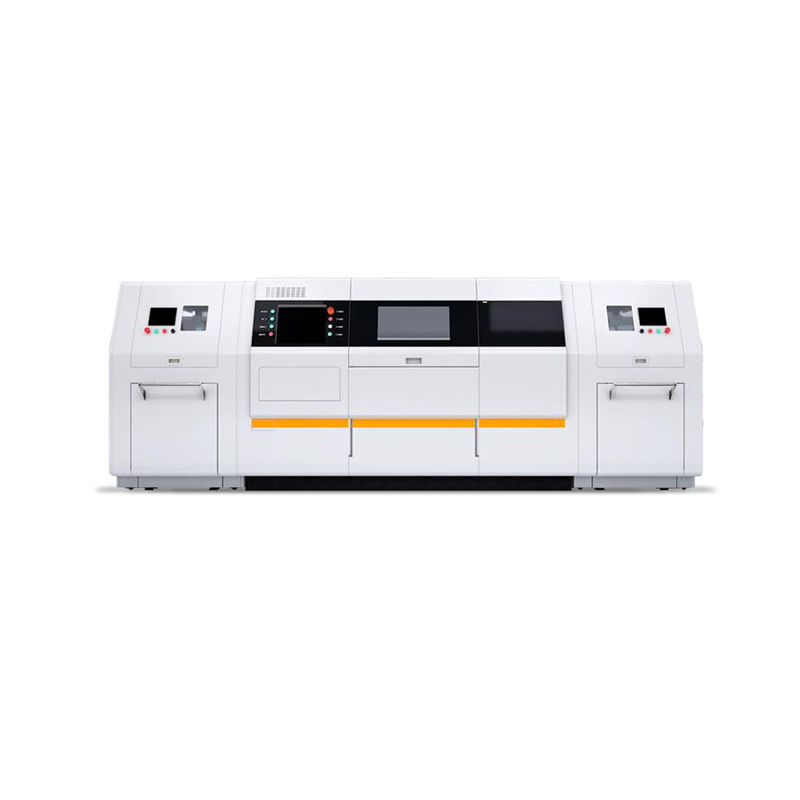
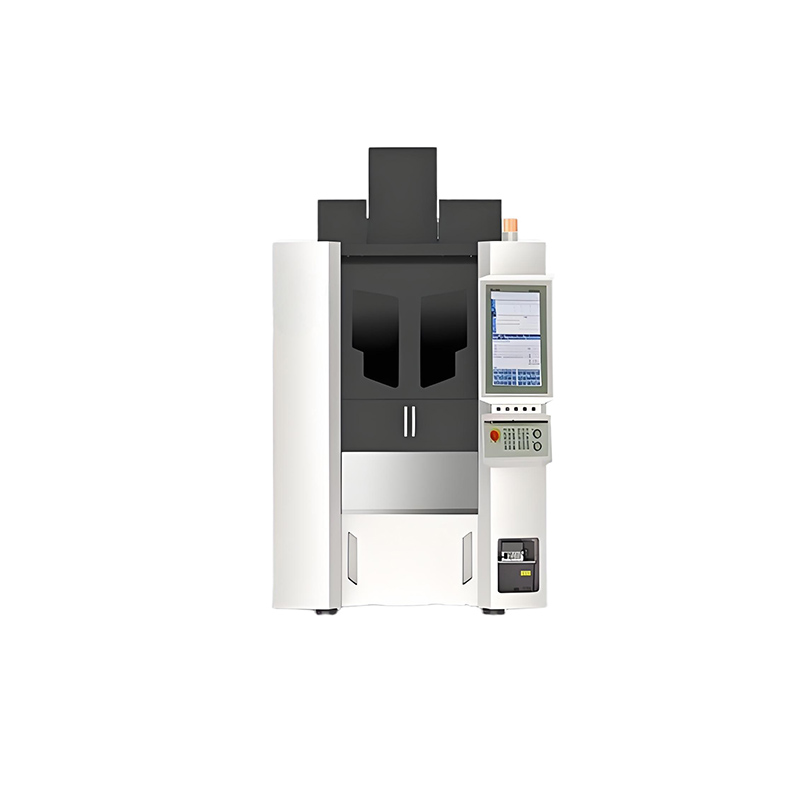
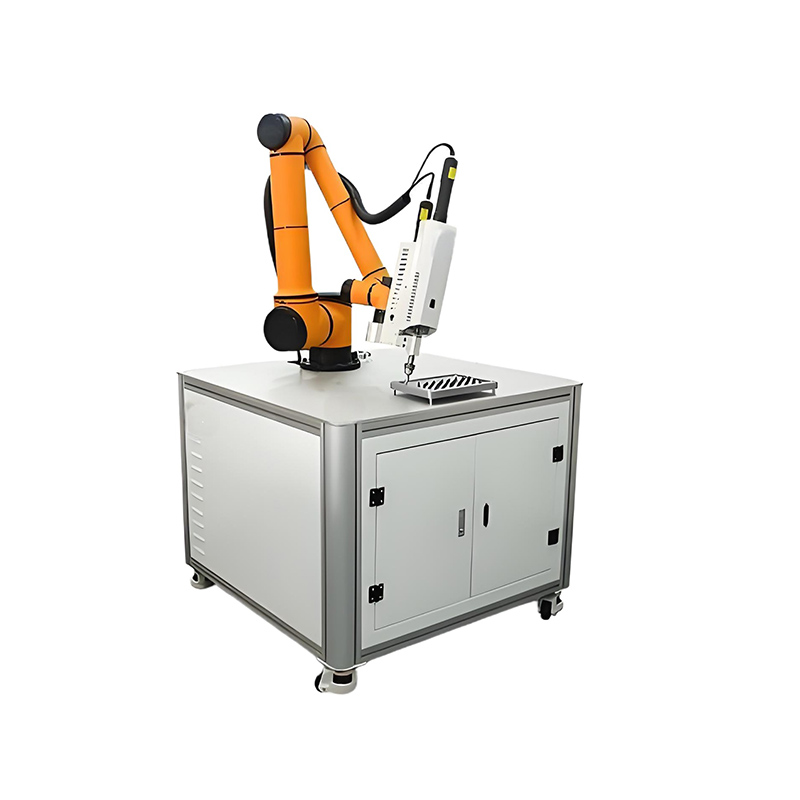
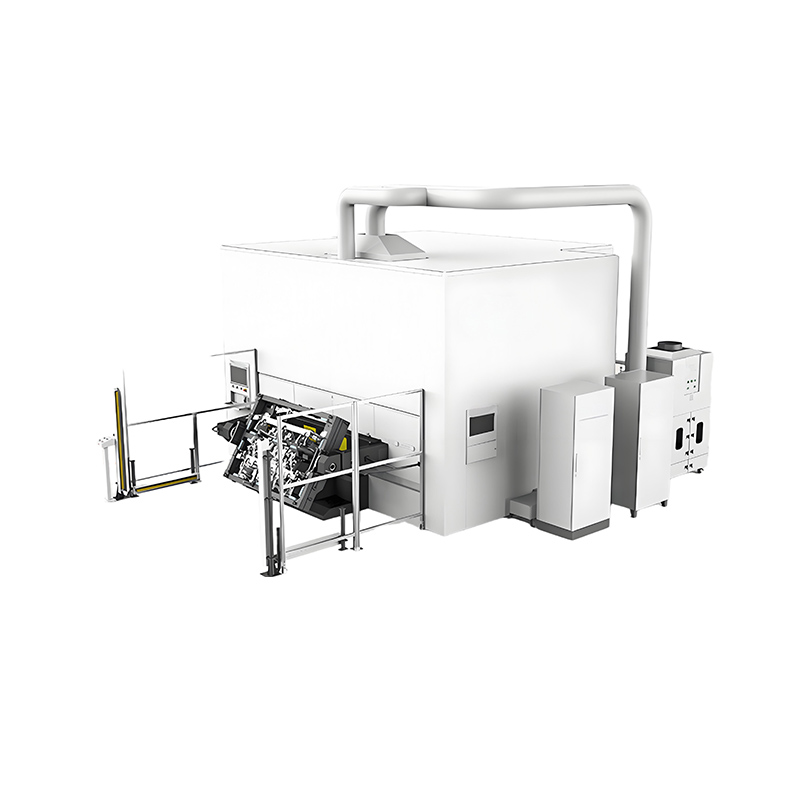
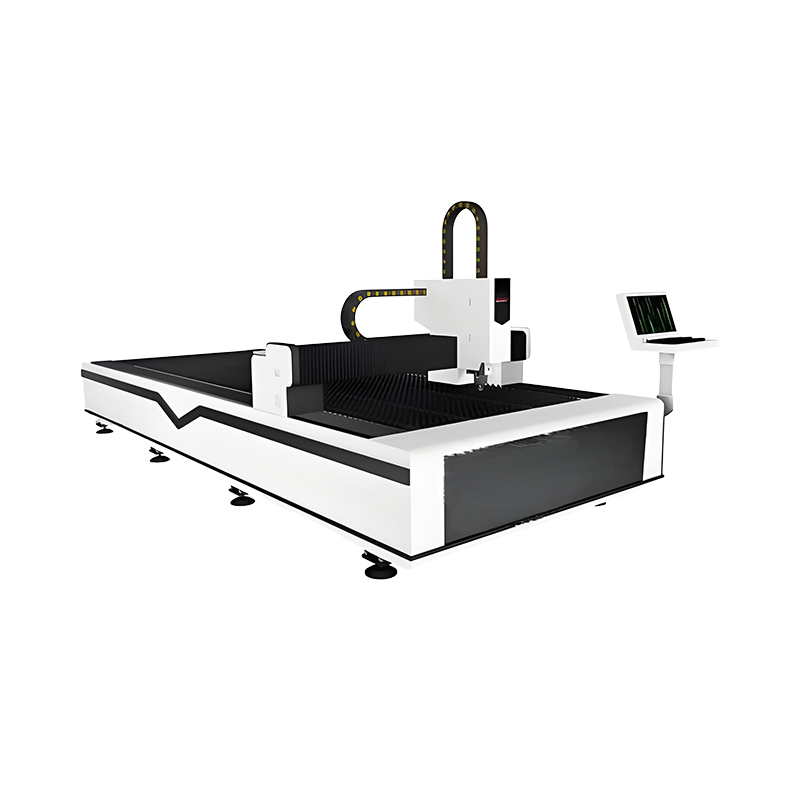
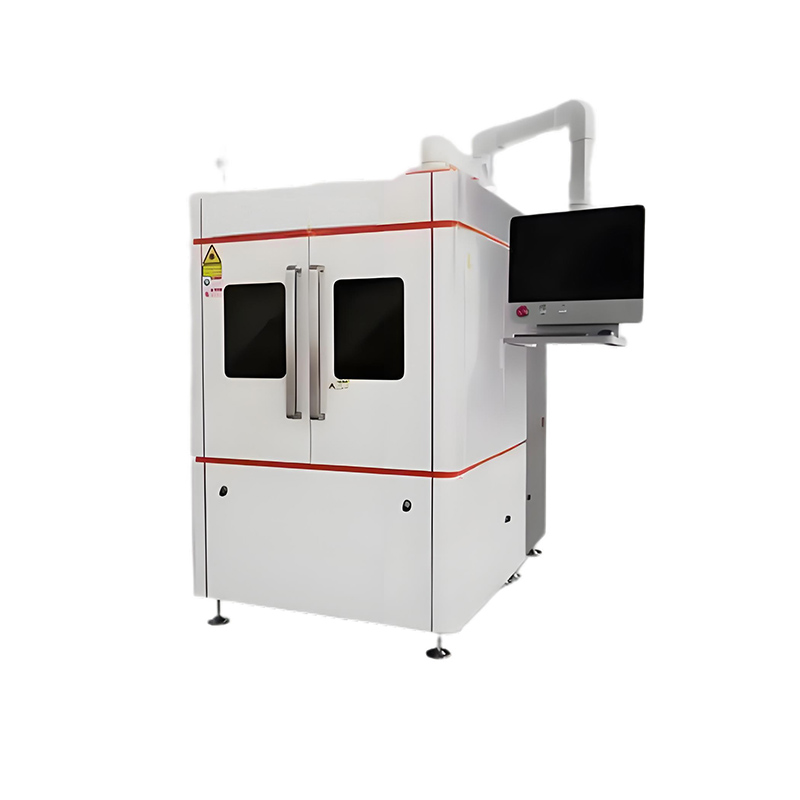
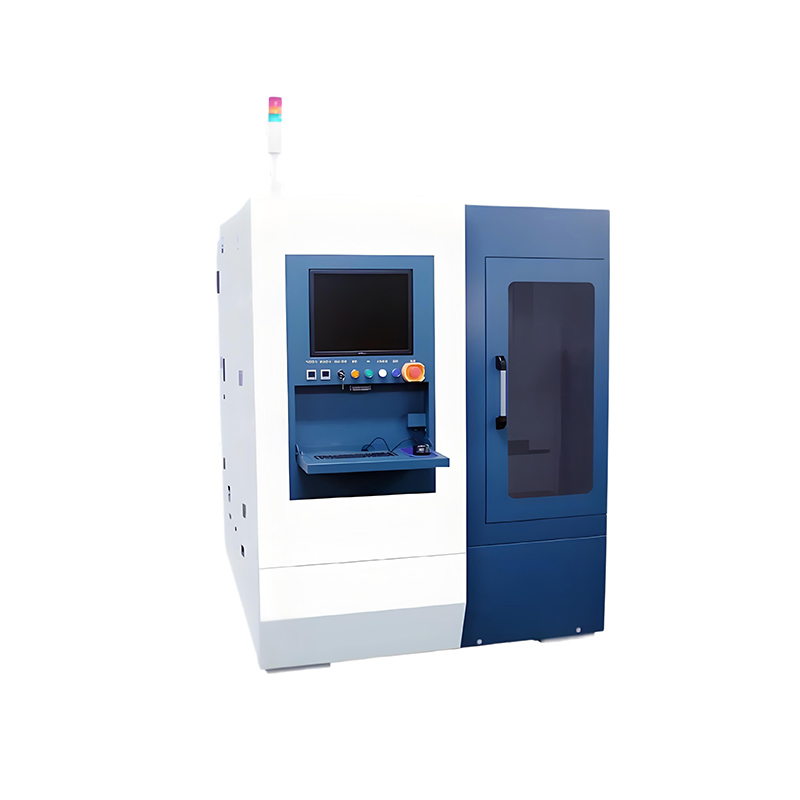
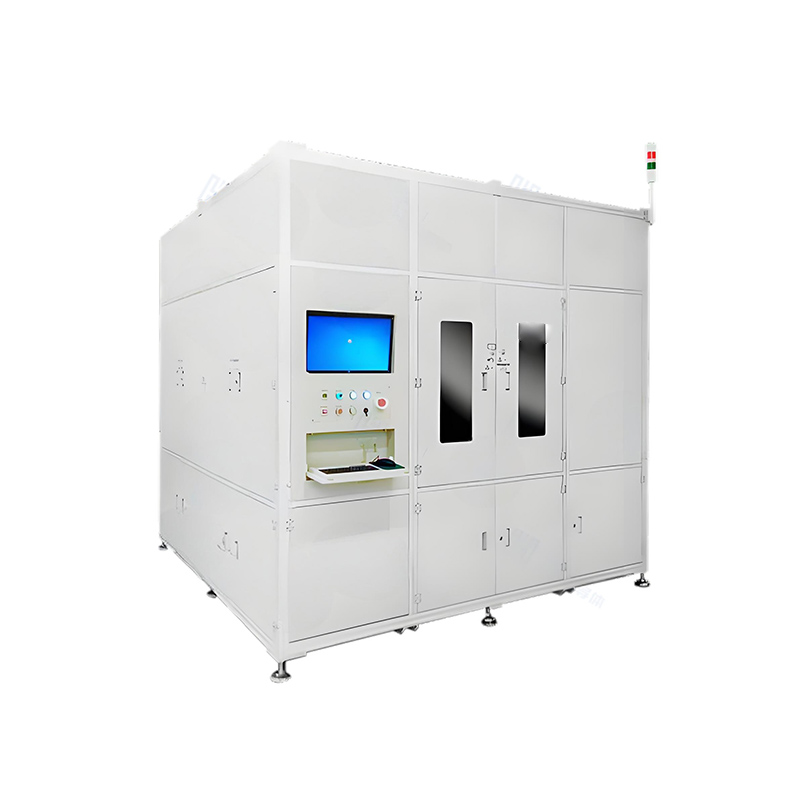


Investing in a laser glass cutting system is a significant decision that affects your production capabilities, quality, and costs for years to come. This guide covers everything you need to know to make the right choice for your specific application.
Step 1: Define Your Requirements
Before evaluating any equipment, document your needs clearly.
Parameter | Your Requirement | Typical Range
Glass type | _______________ | Soda-lime, borosilicate, fused silica, tempered, laminated
Thickness range | _______________ | 0.05-10mm+
Maximum sheet size | _______________ | 300×300mm to 2000×3000mm
Coating requirements | _______________ | None, AR, conductive, etc.
Feature | Your Requirement | Laser Capability
Minimum curve radius | _______________ | <5mm achievable
Internal features | _______________ | Yes (holes, slots)
Tolerance | _______________ | ±0.02-0.05mm typical
Edge quality | _______________ | Ra<0.5μm achievable
Parameter | Your Requirement | Typical Values
Parts per hour | _______________ | 50-500+ (varies by part complexity)
Shifts per day | _______________ | 1-3 shifts
Uptime requirement | _______________ | 95%+ for production systems
Step 2: Understand Laser Types
Different laser technologies suit different applications:
Best for: Precision scribing, thick glass, production environments
Advantages:
· Minimal heat-affected zone (<30μm)
· High processing speed
· Industrial reliability (20,000+ hour lifetime)
· Excellent for thick glass (>2mm)
Limitations:
· Higher initial cost ($250,000+ system)
· May still require thermal breaking for thick glass
Typical applications: Display glass, automotive, solar substrates
Best for:Thin glass, coated materials, specialty applications
Advantages:
· High absorption in most glasses
· Minimal coating damage
· Small spot size for fine features
· Lower cost than picosecond
Limitations:
· Lower average power (typically 20-40W)
· Slower processing of thick glass
· Optics require more maintenance (UV degradation)
Typical applications:** Touch screens, specialty optics, coated glass
Best for:Thermal breaking only (not standalone cutting)
Advantages:
· High absorption in glass
· Efficient thermal processing
· Lower cost
· Long lifetime (20,000+ hours)
Limitations:
· Creates thermal stress (not for precision scribing)
· Must be combined with scribing laser
· Edge quality depends on prior scribe quality
Typical applications: Breaking module in dual-laser systems
Best for: Ultra-precision applications, research
Advantages:
· Essentially zero thermal effect
· Capable of sub-micron precision
· Can process any transparent material
Limitations:
· Highest cost ($500,000+ systems)
· Lower average power
· Complexity requires specialized operators
Typical applications: Specialty optics, medical devices, research
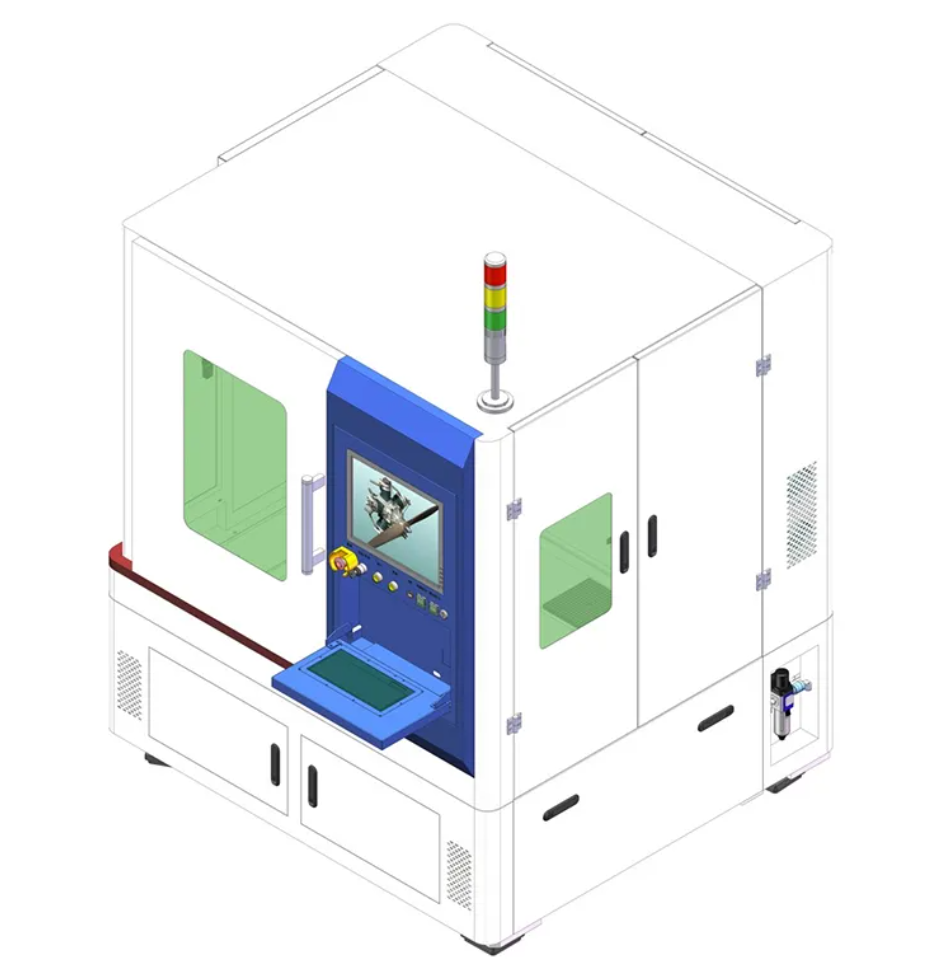
Step 3: Evaluate Machine Specifications
The motion system determines positioning accuracy and long-term reliability.
Key specifications:
· Positioning accuracy: ±0.005-0.02mm (better = more expensive)
· Repeatability: ±0.002-0.010mm
· Maximum speed: 500-2000 mm/s (affects throughput)
· Acceleration: 1-5G (higher = faster direction changes)
Motion technology comparison:
Technology | Accuracy | Speed | Cost | Maintenance
Ball screw | Good | Moderate | Low | Periodic
Linear motor | Excellent | High | High | Minimal
Air bearing | Best | High | Highest | Minimal
For production environments, linear motors are the standard. Air bearings offer the best performance but at premium cost.
Match work area to your needs, but don't over-buy:
Work Area | Typical Applications
300×300mm | Mobile devices, small optics
600×600mm | Tablets, automotive interior
1200×1200mm | Displays, solar panels
2000×3000mm | Architectural glass, large panels
Larger work area = higher cost and potentially slower acceleration.
Modern systems include vision alignment. Key features:
· Mark recognition: Automatic alignment to fiducials
· Distortion compensation: Corrects for glass warpage
· Inspection capabilities: Post-cut quality verification
· AI defect detection: Automated pass/fail decisions
Camera specifications:
· Resolution: 2-5MP typical (higher = better precision)
· Field of view: 5-20mm (trade-off: smaller FOV = more images = slower)
· Lighting: LED, multiple angles for mark visibility
Software affects productivity more than you might expect:
Essential features:
· DXF/DWG import (direct from CAD)
· Automatic nesting (material optimization)
· Process parameter database (preset for common materials)
· Production logging (traceability)
Advanced features:
· Multi-layer processing (different parameters for different features)
· Remote monitoring (production status via web)
· MES integration (factory system connectivity)
· Automatic reporting (quality and production metrics)
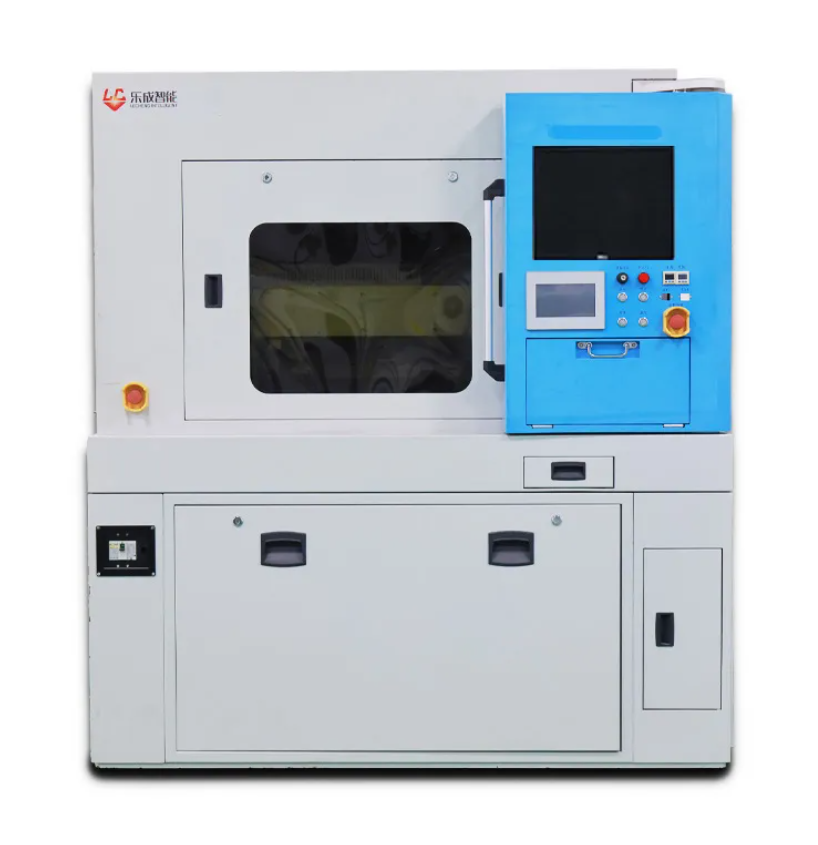
Step 4: Assess Vendor Capabilities
The machine is only as good as the support behind it.
Criteria | Questions to Ask | Red Flags
Response time | What's your guaranteed response time? | >24 hours for production stoppage
Support hours | Do you offer 24/7 support? | Business hours only for production
Remote capability | Can you diagnose remotely? | No remote diagnostics
Parts availability | What's typical parts lead time? | >2 weeks for common parts
On-site service | Do you have local technicians? | No regional presence
Ask about:
· Sample processing before purchase
· Process development for your specific materials
· Training for operators and maintenance staff
· Ongoing process optimization support
Request:
· Customer references in your industry
· Installed base size (how many systems running)
· Average system age (reliability indicator)
· Repeat customer rate
Step 5: Understand Total Cost of Ownership
Purchase price is only part of the equation.
Component | Typical Cost Range
Machine base | $150,000-300,000
Laser source upgrade | $30,000-100,000
Automation (loading/unloading) | $20,000-80,000
Installation and training | $10,000-30,000
Total | $210,000-510,000
Cost Category | Typical Annual Cost
Electricity (2-shift operation) | $3,000-8,000
Consumables (optics, gas) | $5,000-15,000
Preventive maintenance | $5,000-10,000
Service contract | $10,000-25,000
Operator labor (1 operator) | $40,000-80,000
Total | $63,000-138,000
If you currently outsource glass cutting, calculate:
· Current per-part cost: $____________
· Parts processed annually: $____________
· Total annual outsourcing cost: $____________
Compare to in-house laser cutting cost:
· Depreciation (5 years): Machine cost ÷ 5
· Operating cost: $63,000-138,000
· Per-part cost: Total ÷ annual volume
Step 6: Consider Future Needs
Can the system:
· Add a second laser source later?
· Increase work area?
· Add automation for loading/unloading?
· Upgrade software capabilities?
Laser technology improves rapidly. Ask:
· What's the laser source upgrade path?
· How often are software updates released?
· Is the control system compatible with future lasers?
Step 7: Plan Implementation
Phase | Duration | Activities
Evaluation | 4-8 weeks | Requirements, demos, quotes
Procurement | 4-6 weeks | Purchase order, scheduling
Preparation | 2-4 weeks | Site prep, utilities
Installation | 1-2 weeks | Machine installation
Training | 1 week | Operator and maintenance
Validation | 2-4 weeks | Process development, qualification
Production | Ongoing | Full operation
Verify before delivery:
· Floor space (machine + material handling + operator)
· Power (typically 380V 3-phase, 15-30kW)
· Cooling water (if required)
· Compressed air (for pneumatic systems)
· Ventilation (for fume extraction)
· Laser safety enclosure (Class 4 laser)
Decision Checklist
Before signing the purchase order, confirm:
· [ ] Requirements documented and validated
· [ ] Machine specifications match requirements
· [ ] Sample processing on YOUR materials completed
· [ ] Vendor references checked
· [ ] Support capabilities verified
· [ ] Total cost of ownership calculated
· [ ] ROI timeline established
· [ ] Implementation timeline realistic
· [ ] Site requirements confirmed
· [ ] Operator training planned
· [ ] Maintenance plan established
Conclusion
Choosing the right laser glass cutting machine requires careful evaluation of your requirements, understanding of technology options, assessment of vendors, and realistic cost analysis. Take time to do this right—the decision will affect your production for years.
At Lecheng Intelligence, we've helped hundreds of manufacturers navigate this process. We offer:
· Free application evaluation on your materials
· Transparent specifications and pricing
· Comprehensive training and support
· Proven track record across industries