
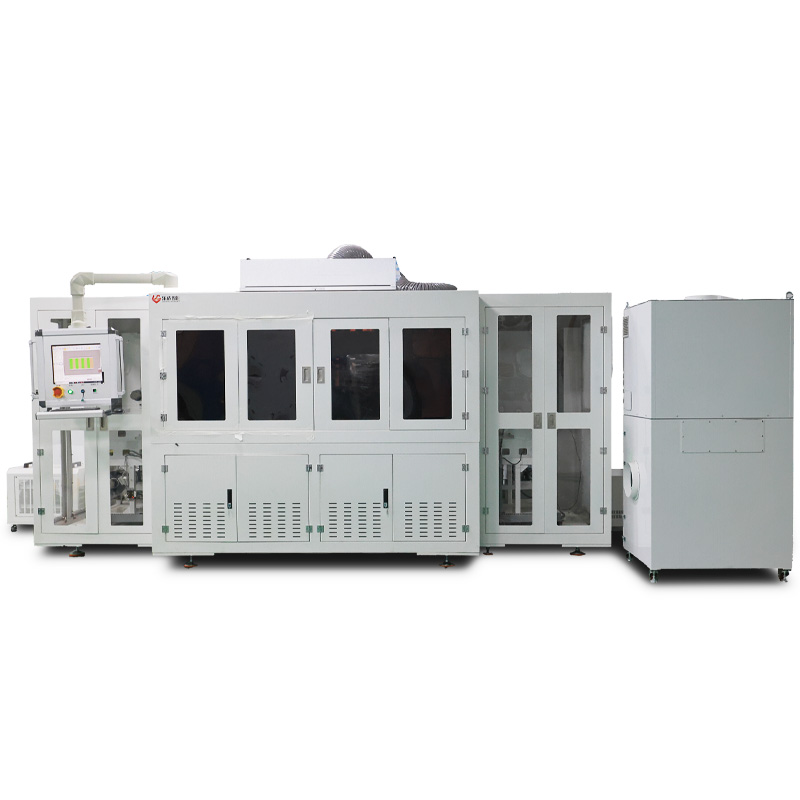
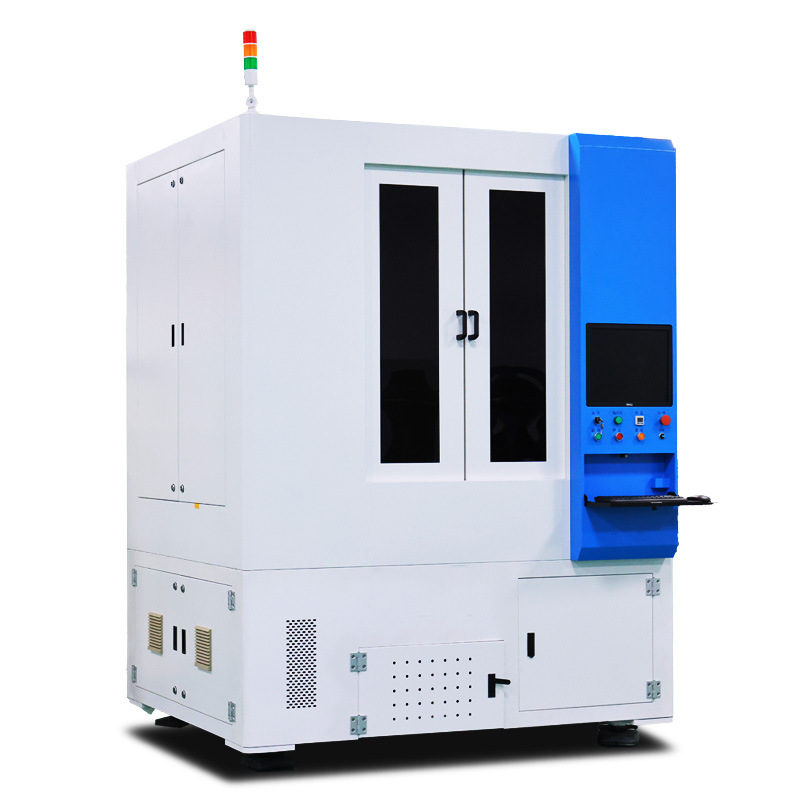
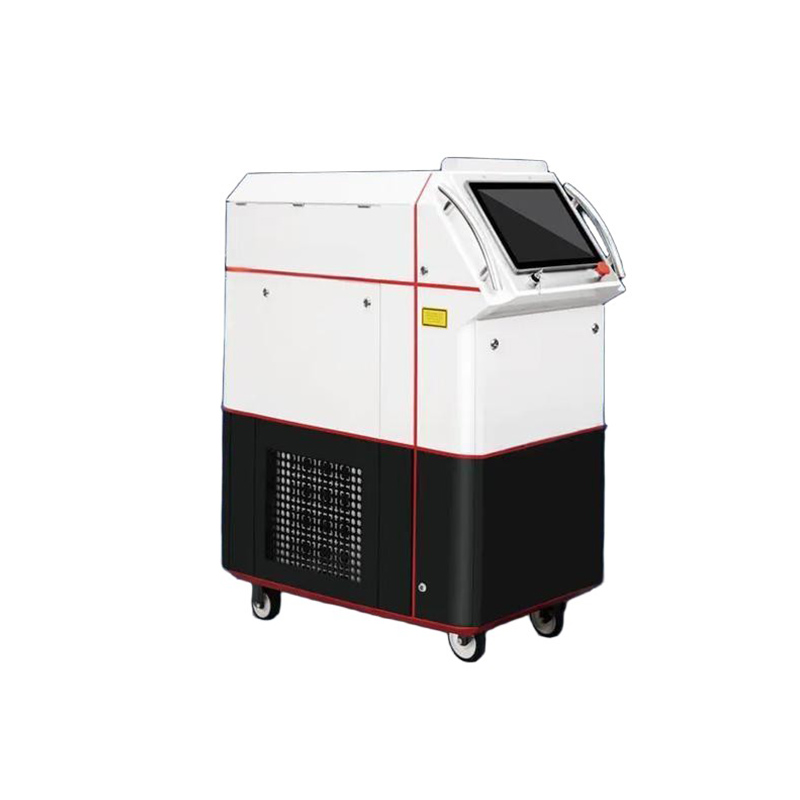
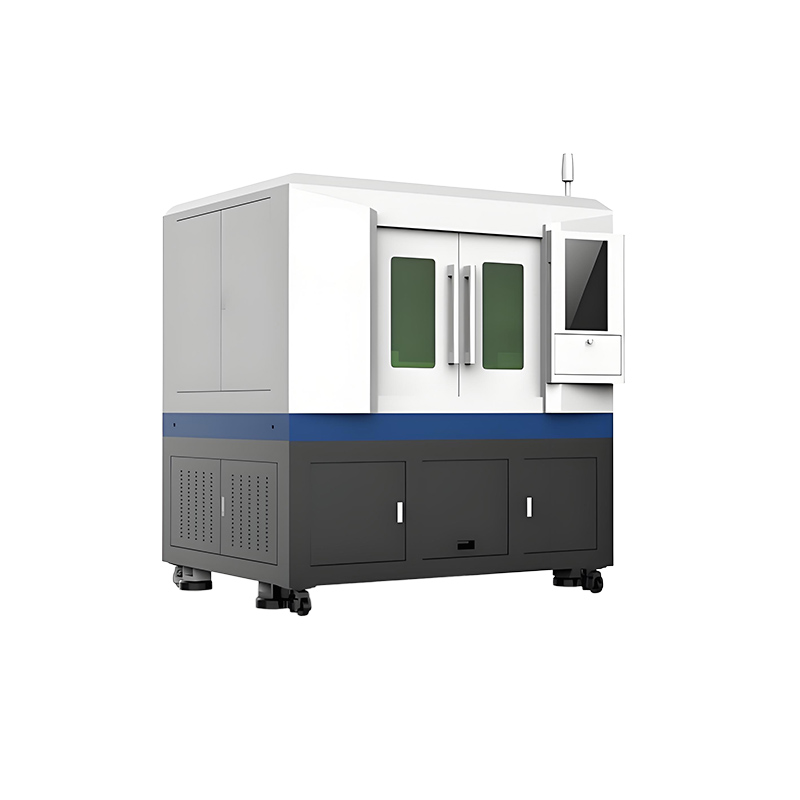
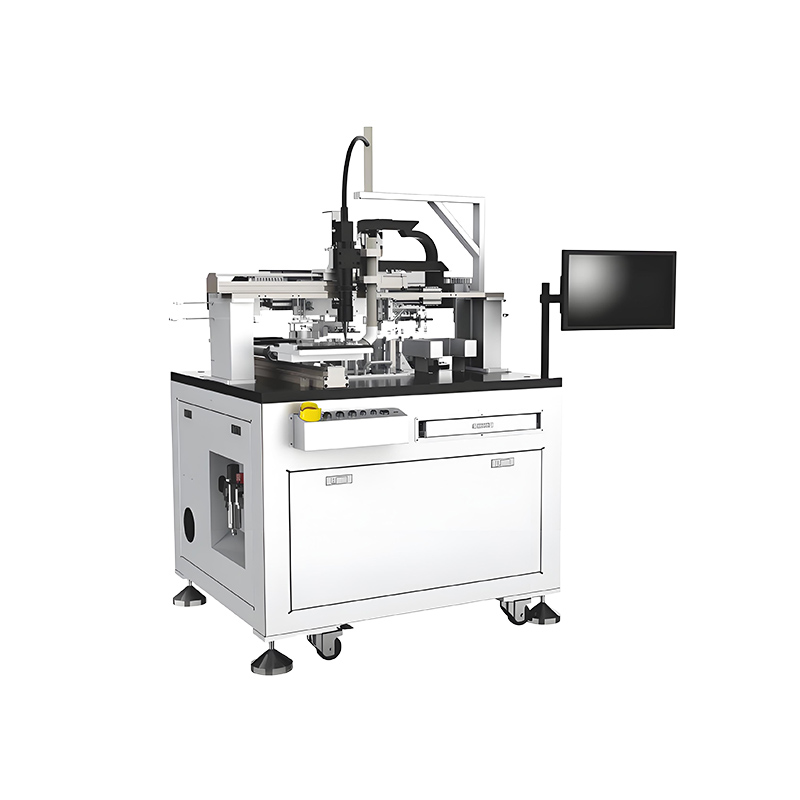
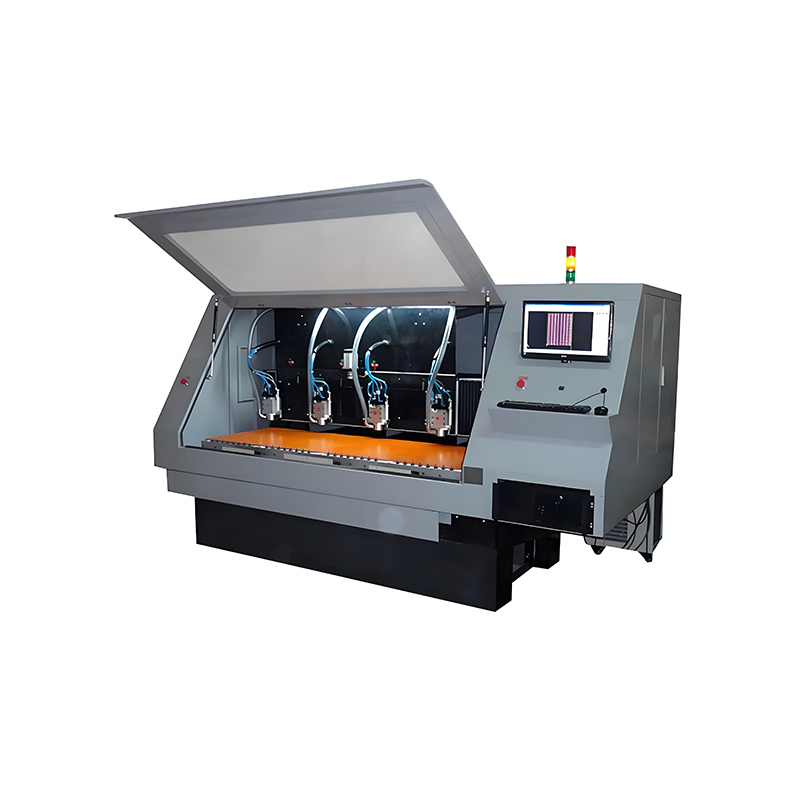
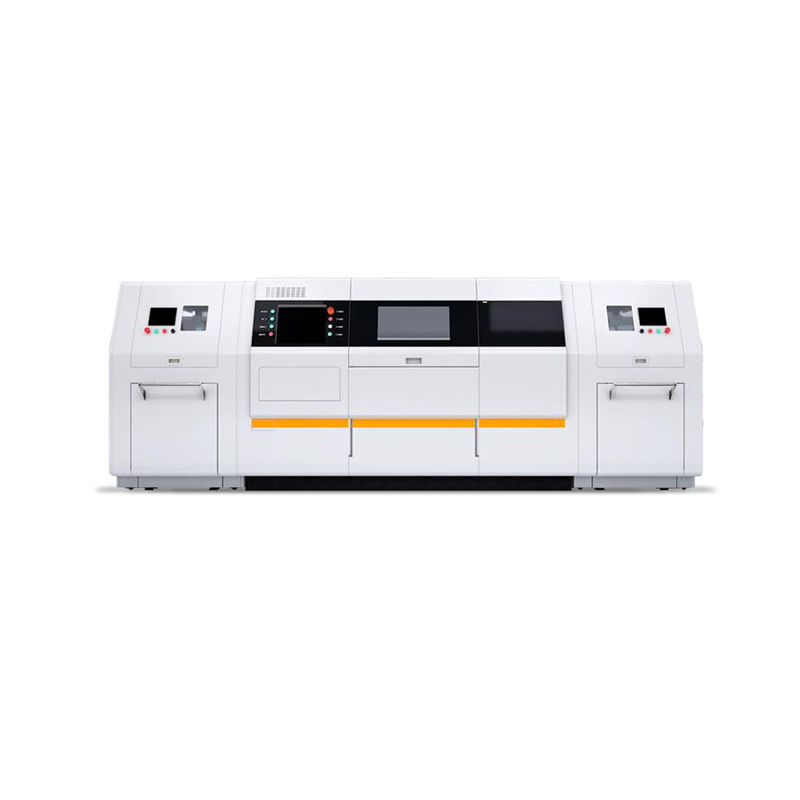
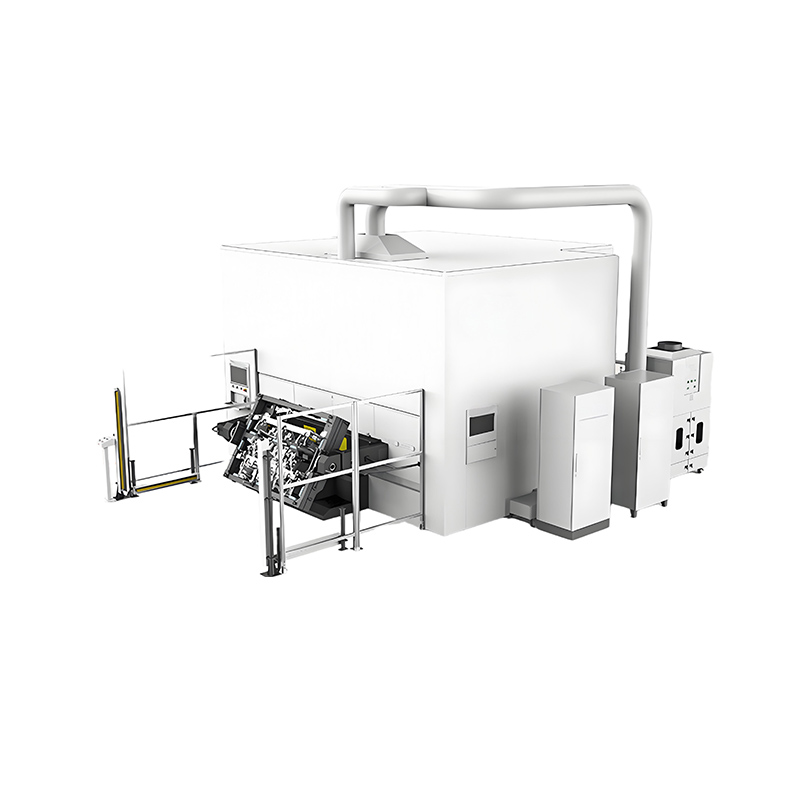
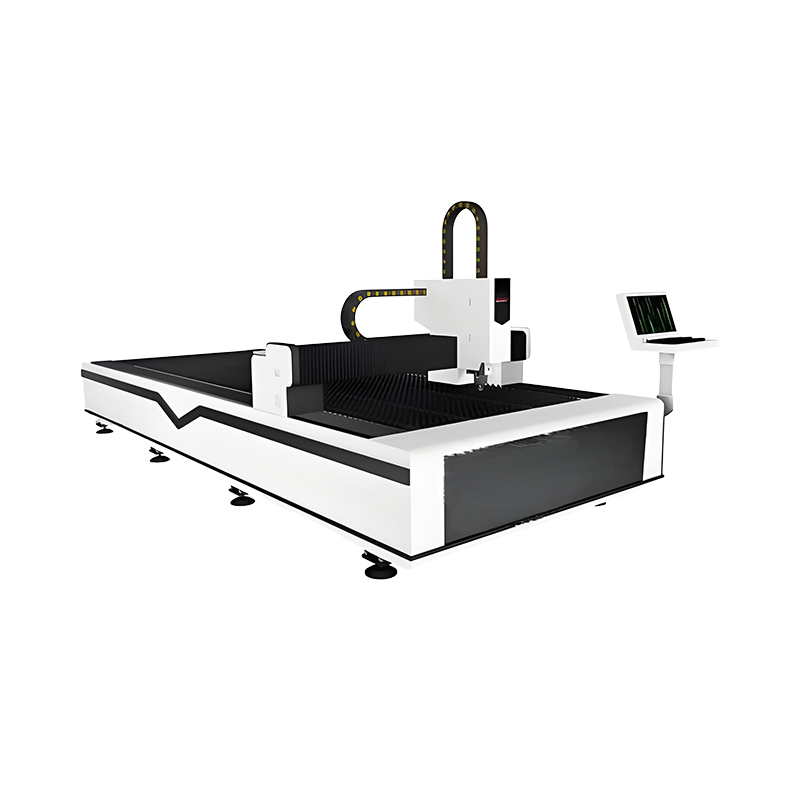
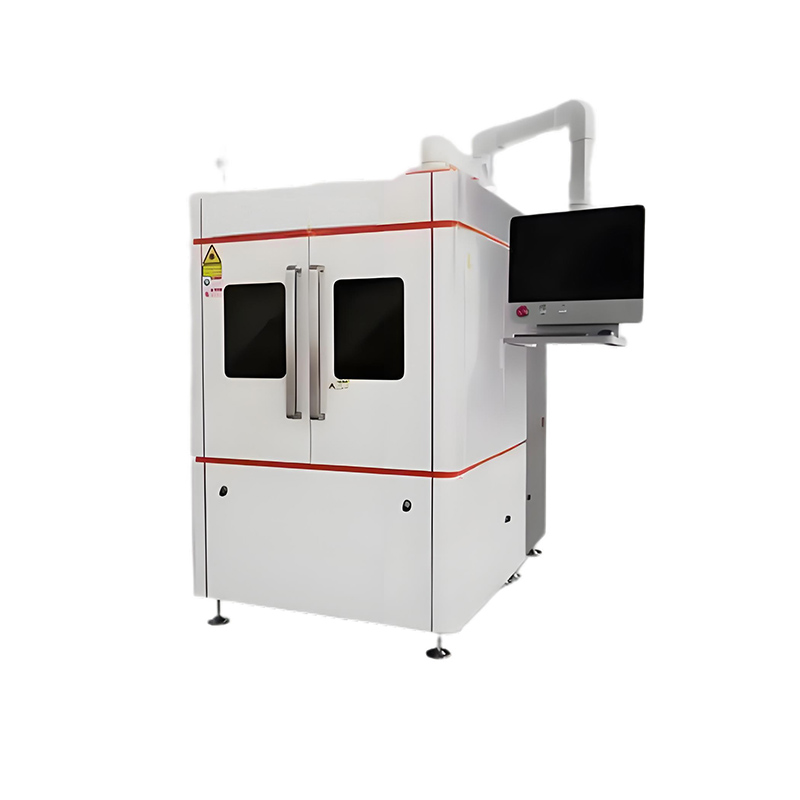
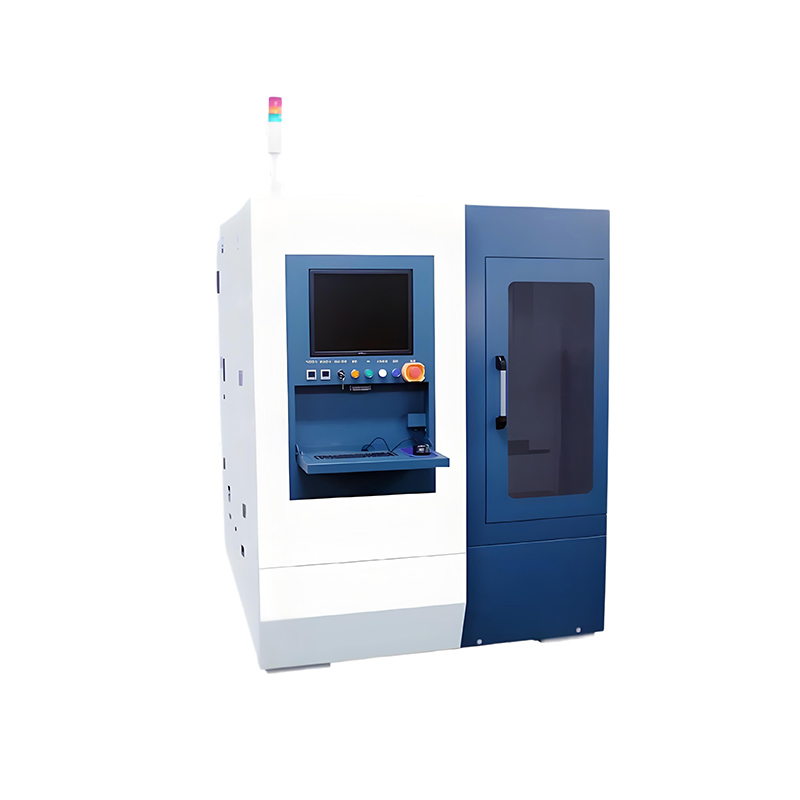

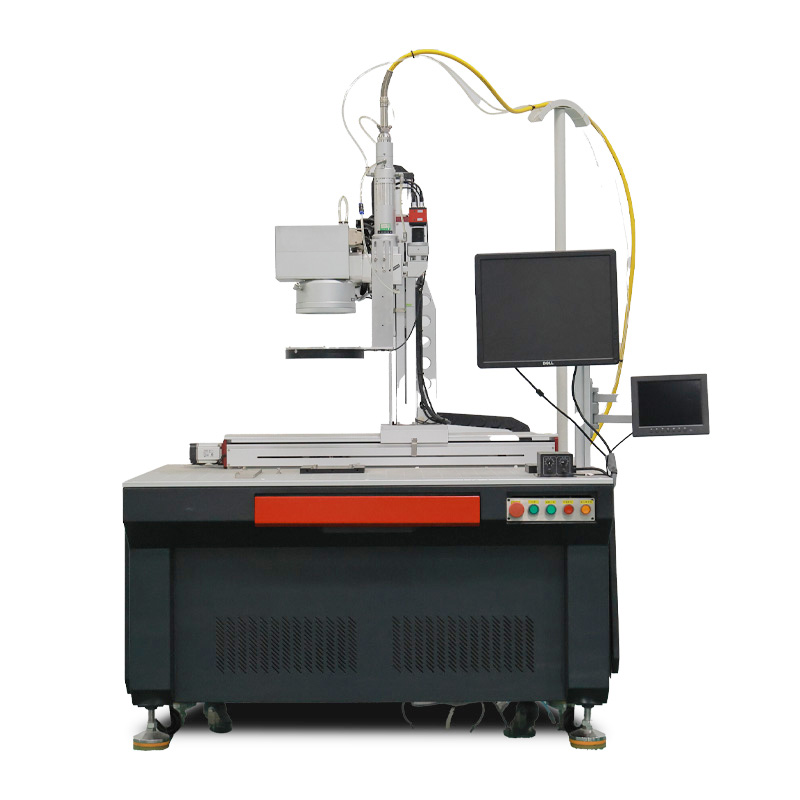
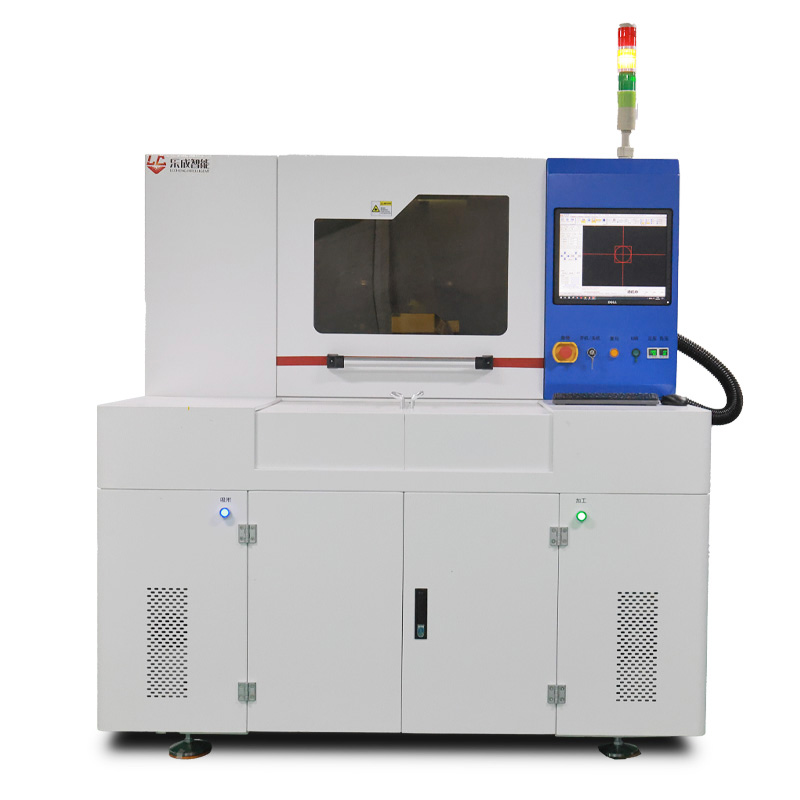
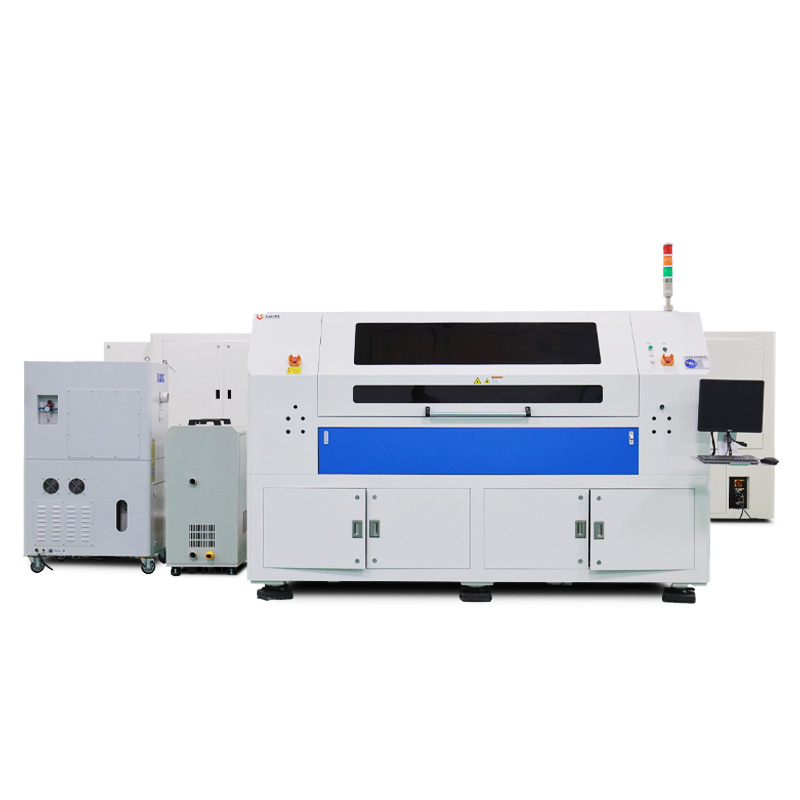

Laser glass cutting has moved beyond the laboratory into full-scale production across multiple industries. The unique capabilities of non-contact, high-precision cutting enable applications that were previously impossible or uneconomical. Here's how seven industries are using this technology to transform their products and processes.
1. Consumer Electronics: The Precision Revolution
The smartphone in your pocket likely contains laser-cut glass. The shift from mechanical to laser cutting in consumer electronics has been dramatic over the past decade.
Applications:
· Cover glass:Curved edges, camera cutouts, speaker grilles—all in one operation
· Display substrates: OLED and LCD panels with minimal dead zone
· Touch sensors: Fine patterns for capacitive sensing
· Smartwatch faces: Micro-scale features and tight curves
Why Laser?
· Mobile devices demand optical-quality edges without grinding
· Complex shapes (notches, camera holes) require single-operation processing
· High volume production requires consistent quality
Example: A smartphone manufacturer reduced cover glass processing from 4 operations to 1 by switching to laser cutting, cutting per-part cost by 60%.
2. Display Manufacturing: Edge-to-Edge Screens
Modern displays have pushed boundaries that traditional cutting methods cannot support.
Applications:
· LCD panels: Large-format cutting with minimal edge loss
· OLED substrates: Processing delicate organic layers without damage
· Flexible displays: Cutting polymer-glass composites
· Micro-LED transfer: Precision substrate preparation
Technical Requirements:
· Glass thickness: 0.3-1.1mm (thin glass)
· Edge chipping: <15μm required
· Cutting speed: 200-500mm/s for production
Why Laser?
The shift to bezel-less displays requires cuts closer to active areas. Mechanical cutting leaves too much dead zone (2-3mm), while laser cutting can achieve <0.5mm.
Example: A display manufacturer achieved 99.8% yield on large-format LCD panels after implementing laser cutting, up from 94% with mechanical methods.
3. Automotive: Safety and Style
Automotive glass requirements are unique: safety standards, complex curves, and aesthetic demands.
Applications:
· Instrument panel covers: Curved glass with printed markings
· Heads-up display (HUD) elements: Precision optical surfaces
· Interior trim pieces: Decorative glass with complex shapes
· Camera covers: Sensor protection with optical clarity
Special Considerations:
· Automotive-grade edge strength (>80 MPa)
· Scratch resistance requirements
· Integration with printed electronics
Why Laser?
Automotive glass often combines structural requirements with aesthetic needs. Laser cutting produces edges that are both strong and visually clean.
Example: A Tier 1 automotive supplier uses laser cutting for HUD combiners, achieving optical-grade edges without secondary processing.
4. Solar Energy: Maximizing Every Millimeter
Glass is essential in solar modules—as substrates for thin-film cells and covers for conventional panels.
Applications:
· Thin-film substrates: Cutting coated glass without damaging active layers
· Solar panel covers: Precision sizing with minimal waste
· Concentrated solar components: Optical-grade edges for reflectors
· BIPV (Building-Integrated PV): Custom shapes for architectural integration
Critical Factors:
· Material utilization (solar glass is expensive)
· Edge quality (affects module durability)
· Processing coated glass without layer damage
Why Laser?
Solar glass is often coated (anti-reflective, conductive). Mechanical cutting can damage these coatings near edges. Laser scribing with UV wavelengths can cut precisely without coating damage.
Example: A thin-film solar manufacturer improved substrate yield from 88% to 94% by switching to laser cutting, saving over $500,000 annually.
5. Optics and Photonics: Where Tolerance Matters
Optical components demand precision that few other industries require.
Applications:
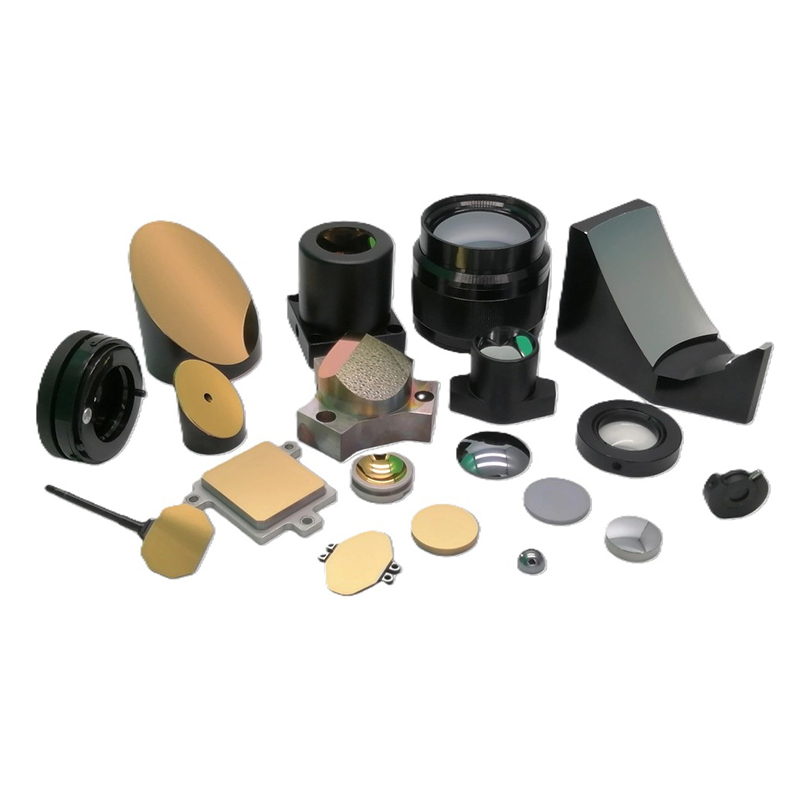
· Lenses: Pre-shaped blanks for polishing
· Optical filters: Precise dimensions and shapes
· Prisms: Complex geometries
· Optical windows: Flat components for instruments
Tolerance Requirements:
· Dimensional accuracy: ±0.02mm or better
· Edge quality: No visible defects
· Surface quality: No scratching or contamination
Why Laser?
Optical components are often made from specialty glasses (fused silica, optical crown) that are expensive and sensitive to thermal stress. Laser cutting with appropriate parameters preserves material properties.
Example: A precision optics manufacturer produces microscope slide formats that mechanical cutters cannot achieve, opening a new market segment.
6. Architecture and Interior Design: Beyond Rectangles
Architectural glass is no longer limited to flat rectangles. Laser cutting enables new design possibilities.
Applications:
· Decorative panels: Complex patterns and internal cutouts
· Partition walls: Custom shapes without grinding
· Furniture: Table tops and shelves with finished edges
· Lighting fixtures: Diffusers and lenses
Design Freedoms:
· Internal patterns (lattice, geometric designs)
· Tight curves and organic shapes
· Multiple thicknesses in same design
· Immediate finished edges
Why Laser?
Architectural applications often prioritize aesthetics. Laser-cut edges are clean and consistent, eliminating the visible grinding marks common in mechanical cutting.
Example: An architectural glass supplier now offers custom shapes with 2-week lead times (vs. 6 weeks previously), winning bids on premium projects.
7. Medical and Laboratory: Precision and Cleanliness
Medical and laboratory glassware has unique requirements for cleanliness and precision.
Applications:
· Laboratory slides: Custom formats for specialized tests
· Medical device windows: Optical components for instruments
· Diagnostic cartridges: Microfluidic glass components
· Pharmaceutical packaging: Precision vials and containers
Regulatory Requirements:
· Edge quality (no particle generation)
· Clean processing (no lubricants)
· Traceability (process documentation)
Why Laser?
Laser cutting is inherently clean—no cutting fluids, no tool wear particles. For medical and pharmaceutical applications, this eliminates contamination risks.
Example: A diagnostic device manufacturer uses laser cutting for microfluidic glass cartridges, achieving features that molded glass cannot provide.
Cross-Industry Trends
Several trends are driving adoption across all industries:
1. Thinner Materials
Devices are getting thinner, requiring processing of 0.3-0.5mm glass. Mechanical methods struggle at these thicknesses; laser cutting excels.
2. Complex Geometries
Curved edges, notches, and internal features are becoming standard. Laser cutting handles these without multiple operations.
3. Higher Quality Standards
Customers expect finished edges, not rough cuts. Laser cutting delivers optical-quality edges in one operation.
4. Material Cost Reduction
Expanding glass types and coatings require processing methods that don't damage material properties.
Implementation Considerations
When evaluating laser glass cutting for your application, consider:
Factor | Questions to Ask
Material | What glass type? What thickness? Any coatings?
Geometry | Simple shapes or complex contours? Internal features?
Quality | Edge strength requirements? Visual edge quality?
Volume | Production rate needed? Batch sizes?
Integration | Standalone machine or in-line system?
Conclusion
Laser glass cutting has proven itself across industries from consumer electronics to medical devices. The technology's unique capabilities—non-contact processing, complex geometry, and finished-edge quality—are enabling applications that were previously impractical.
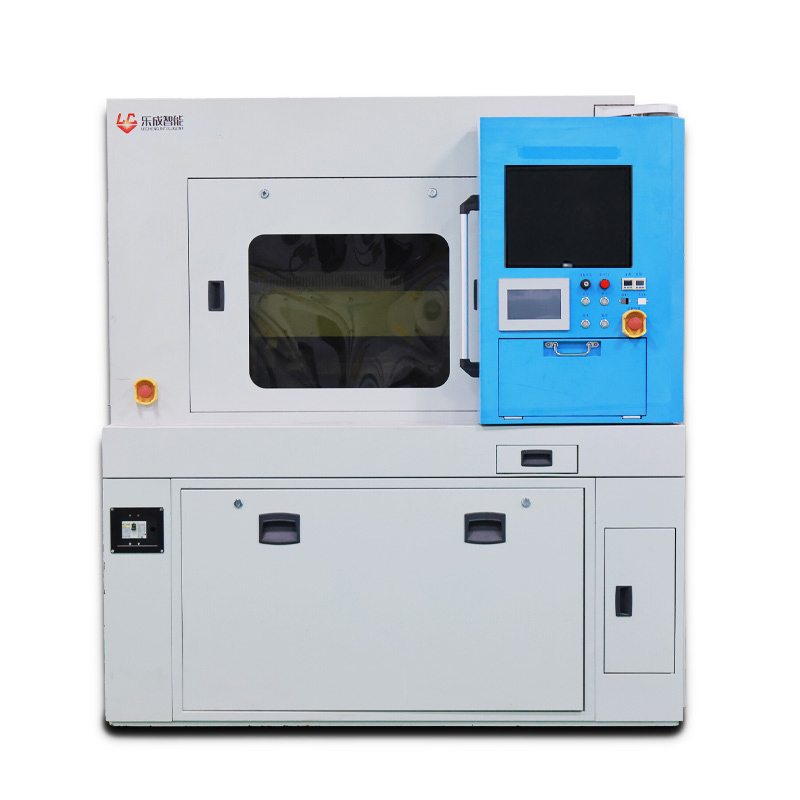
At Lecheng Intelligence, we've helped manufacturers across these industries implement laser glass cutting solutions. Our systems are designed for production environments, with the reliability and support needed for demanding applications.
Whatever your industry, we can help you evaluate whether laser glass cutting is right for your application. Contact our engineering team for a free consultation.