


Perovskite Pilot Line Testing Guide
How To Choose Testing Equipment For Perovskite Solar Cell Pilot Lines
Testing equipment is essential for perovskite solar cell pilot lines. Buyers need to evaluate solar simulators, IV testers, MPPT aging systems, quantum efficiency measurement systems, environmental chambers and data management tools to verify efficiency, stability, yield and long-term reliability.
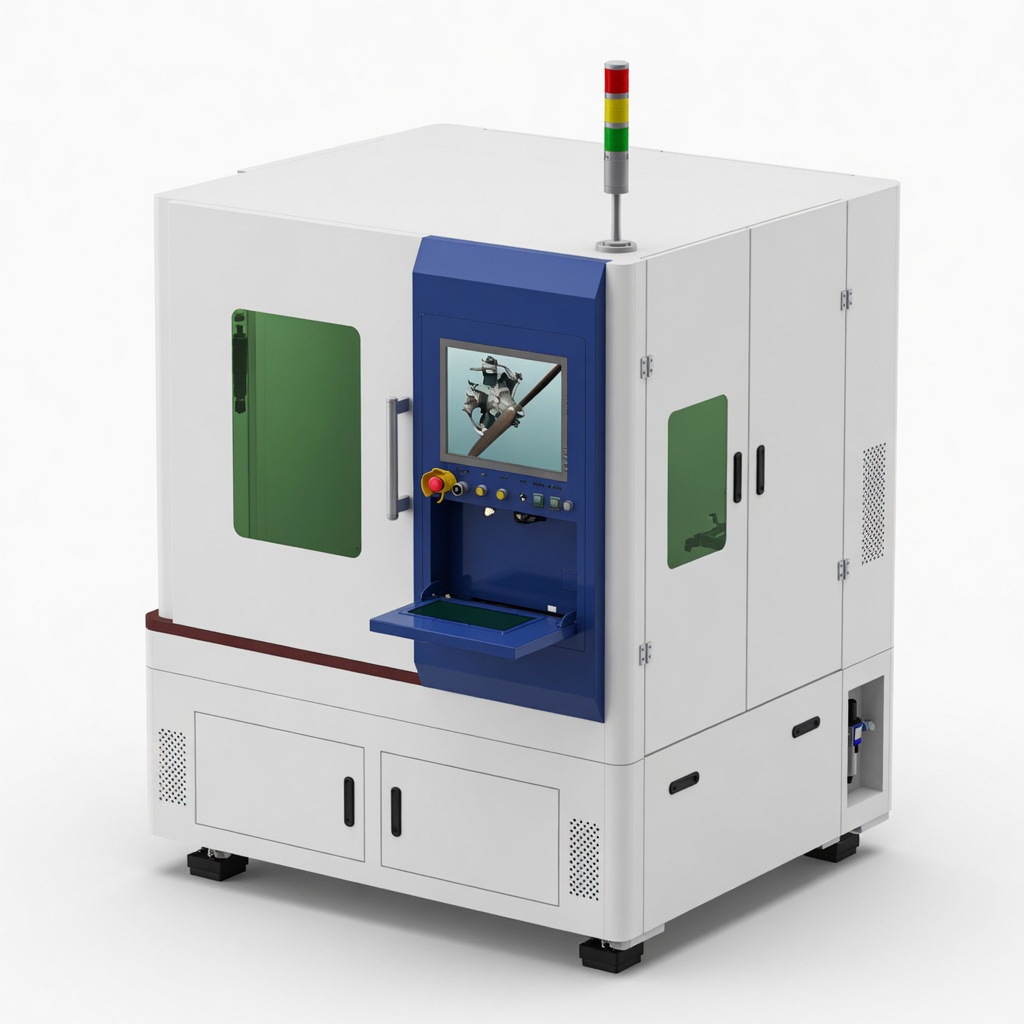
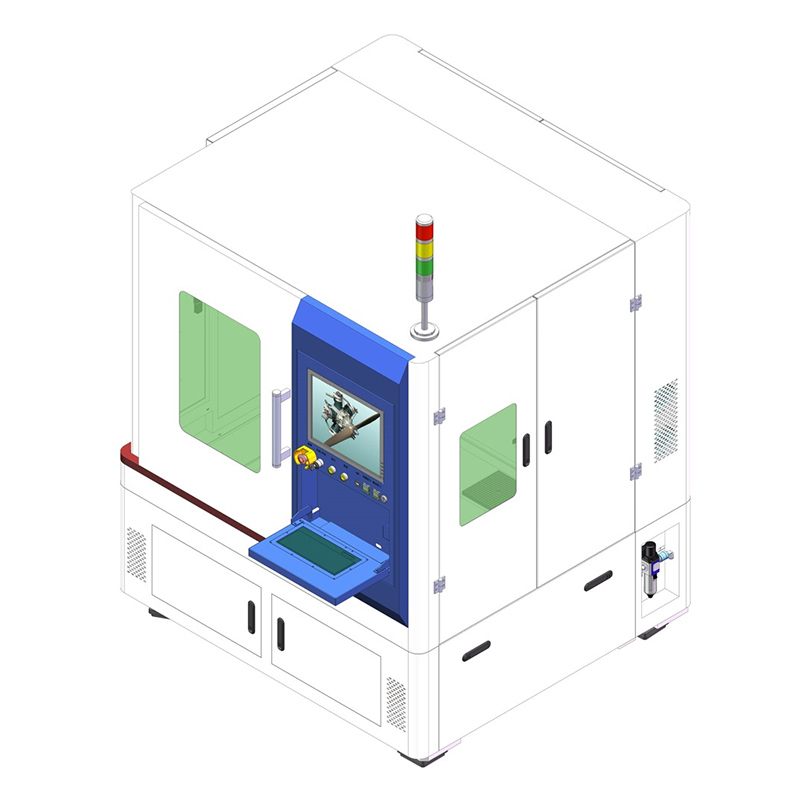
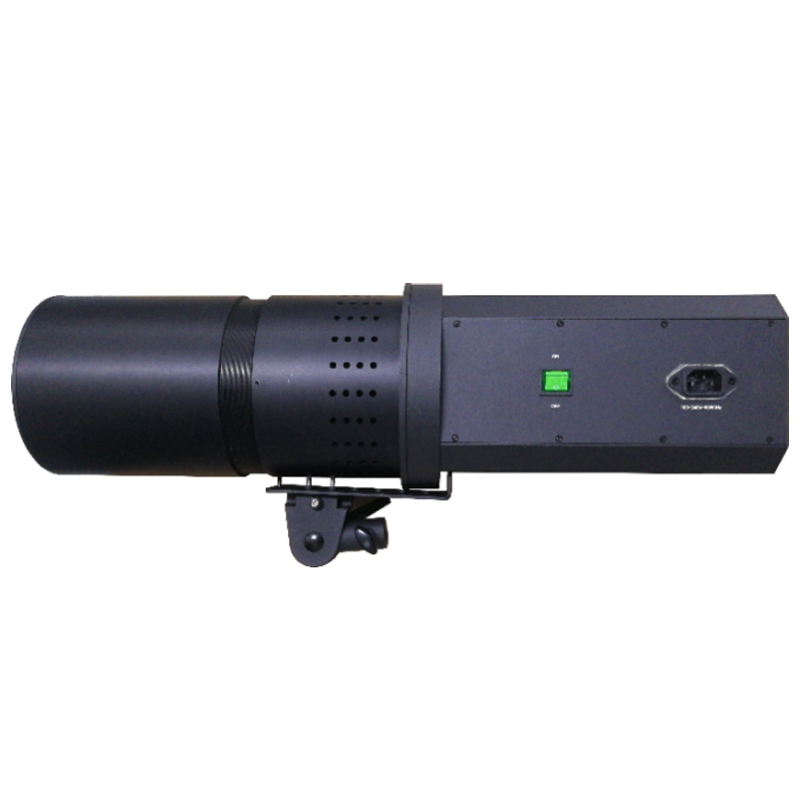
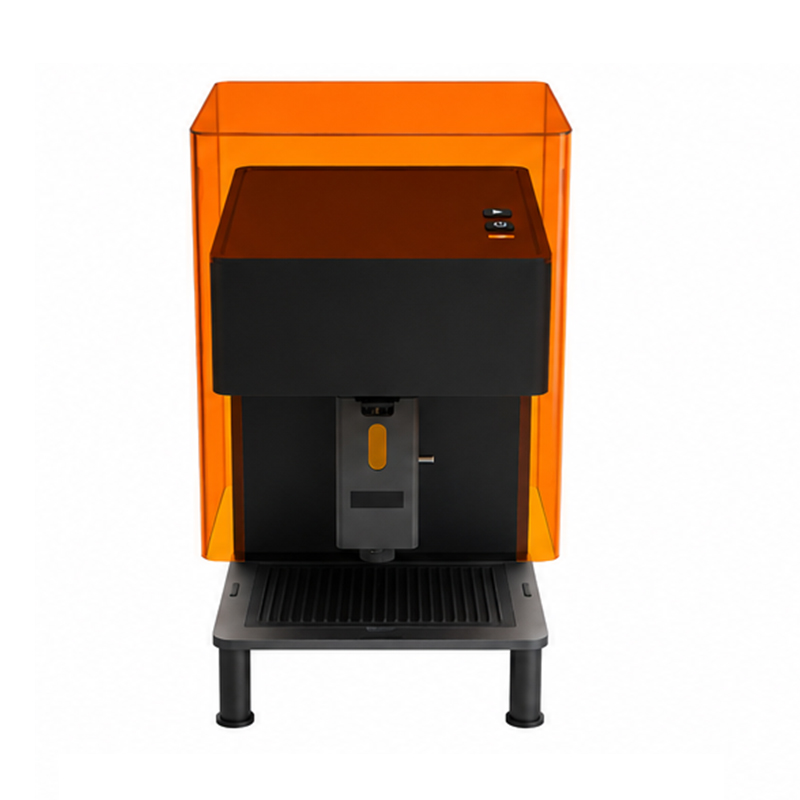
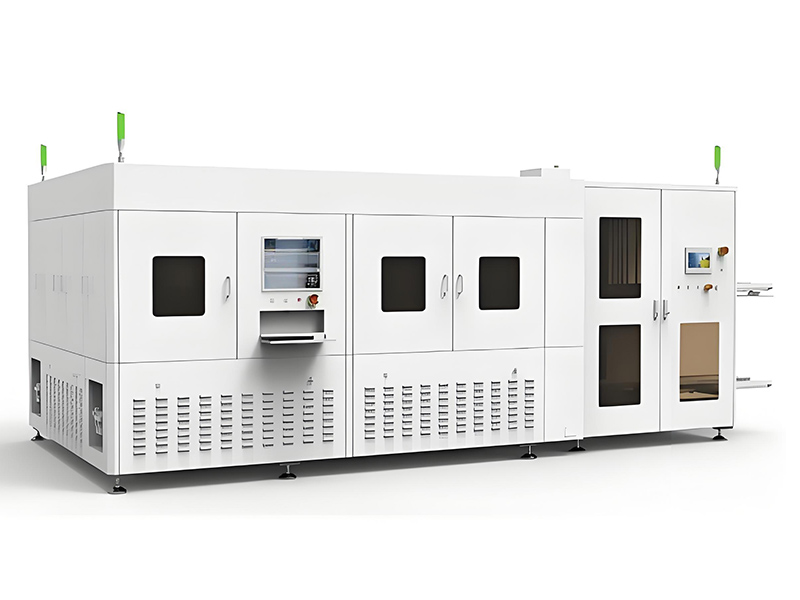
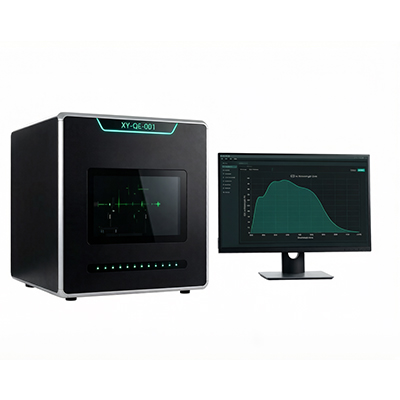
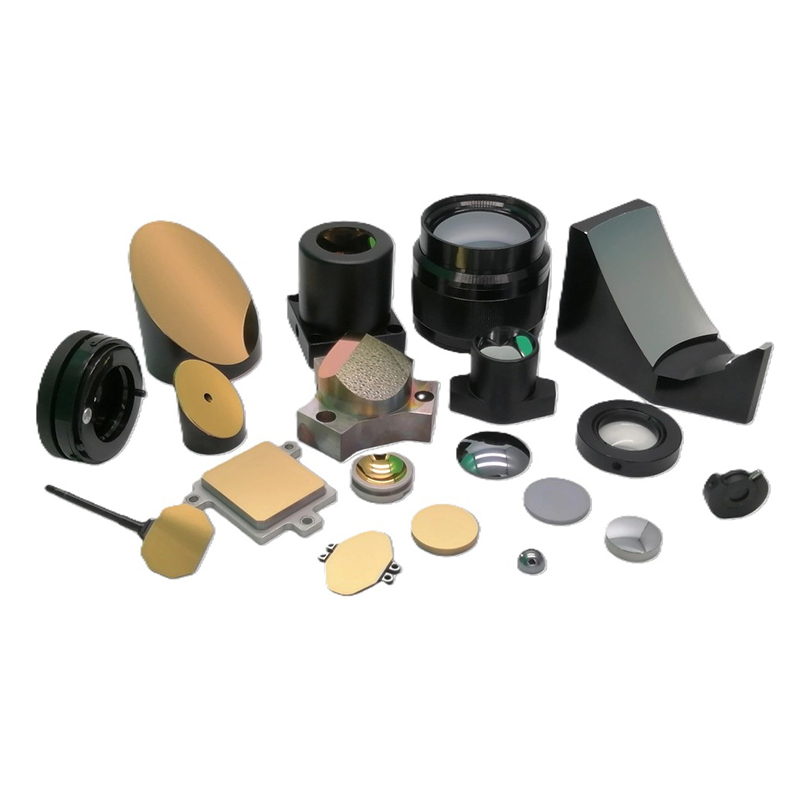
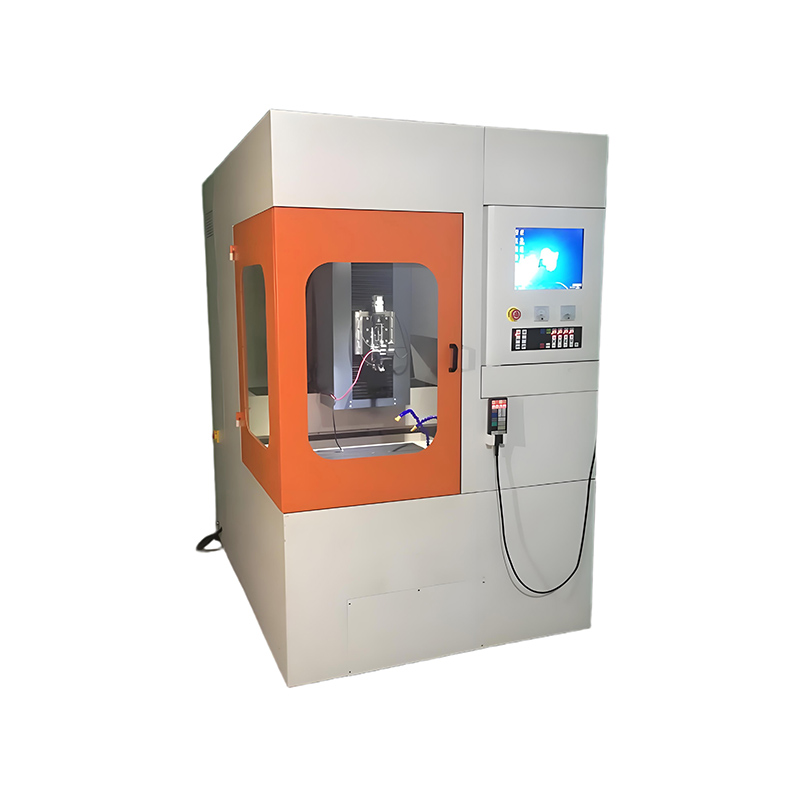
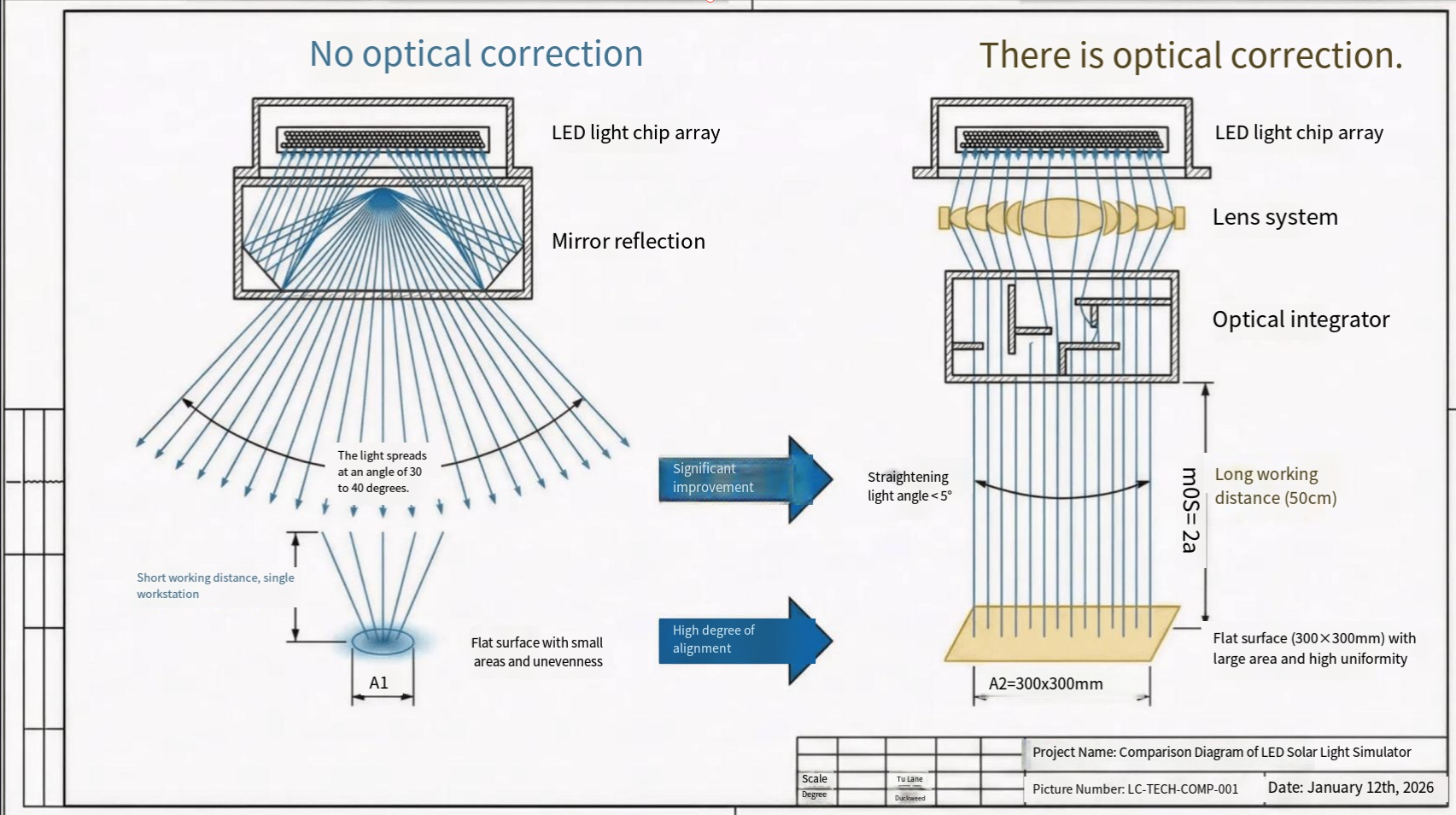
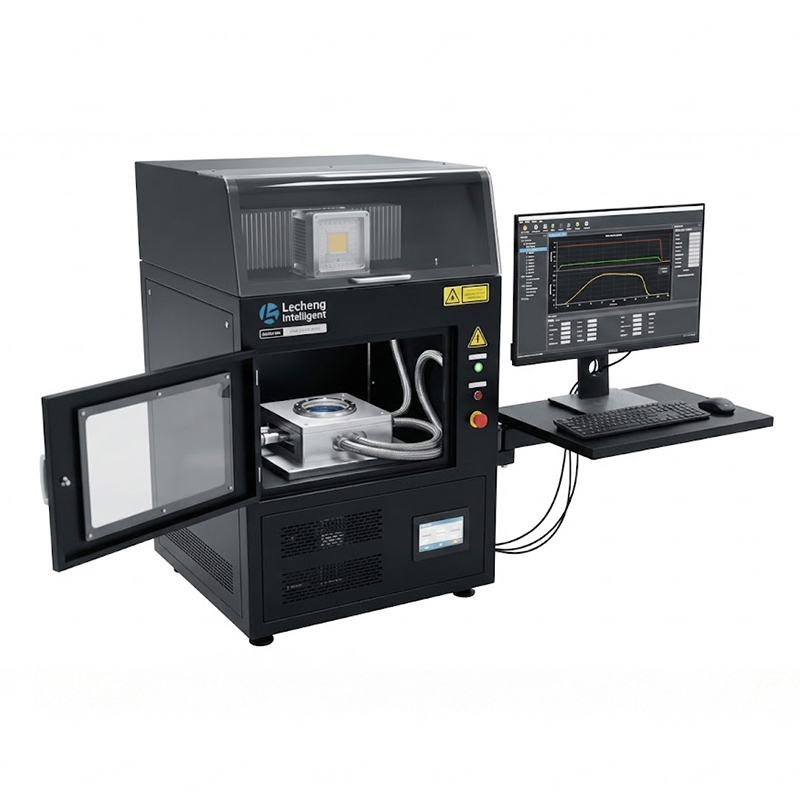
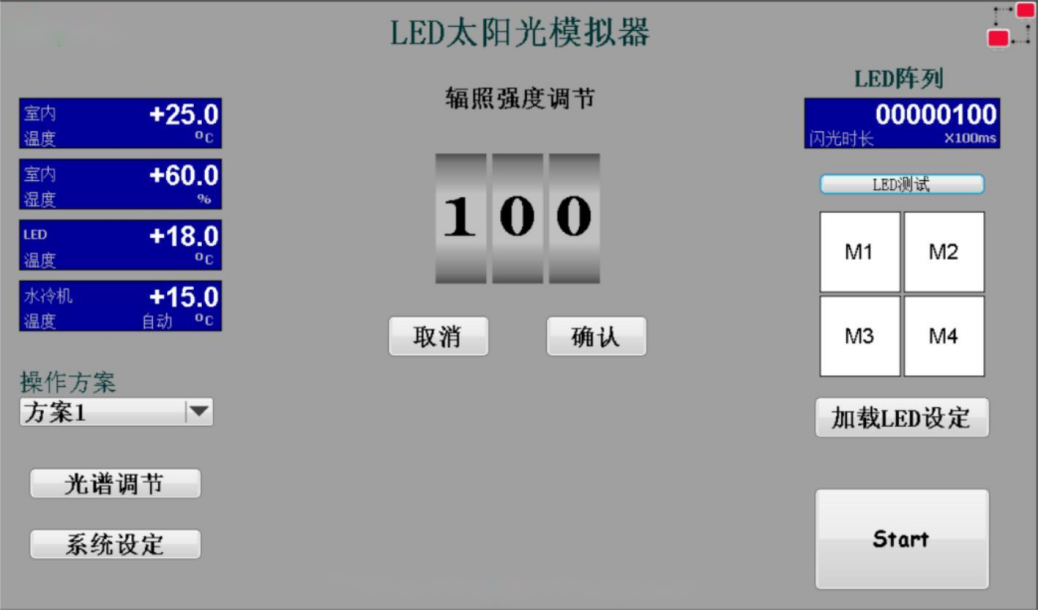
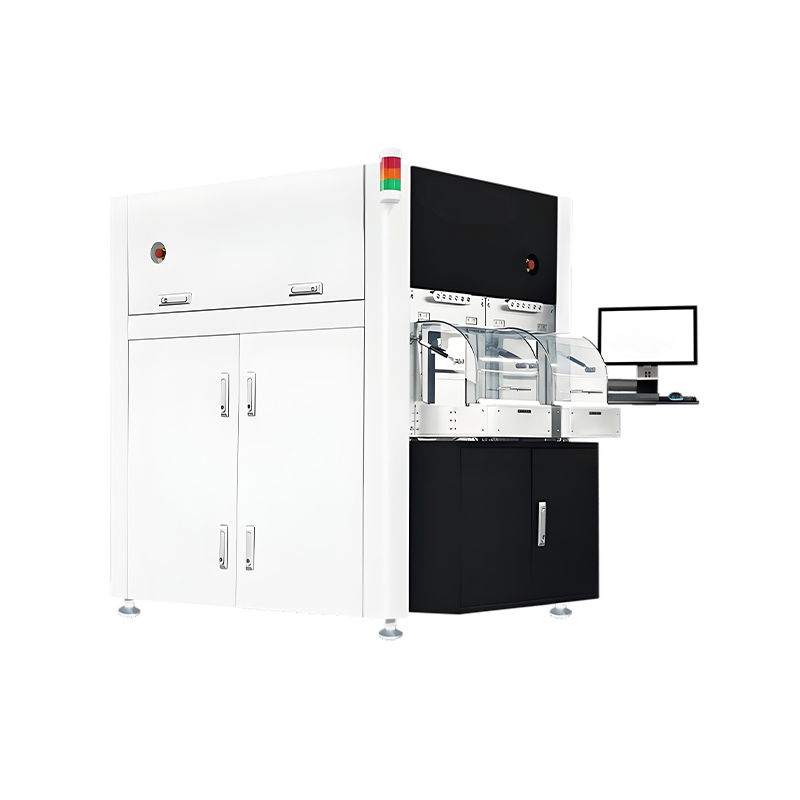
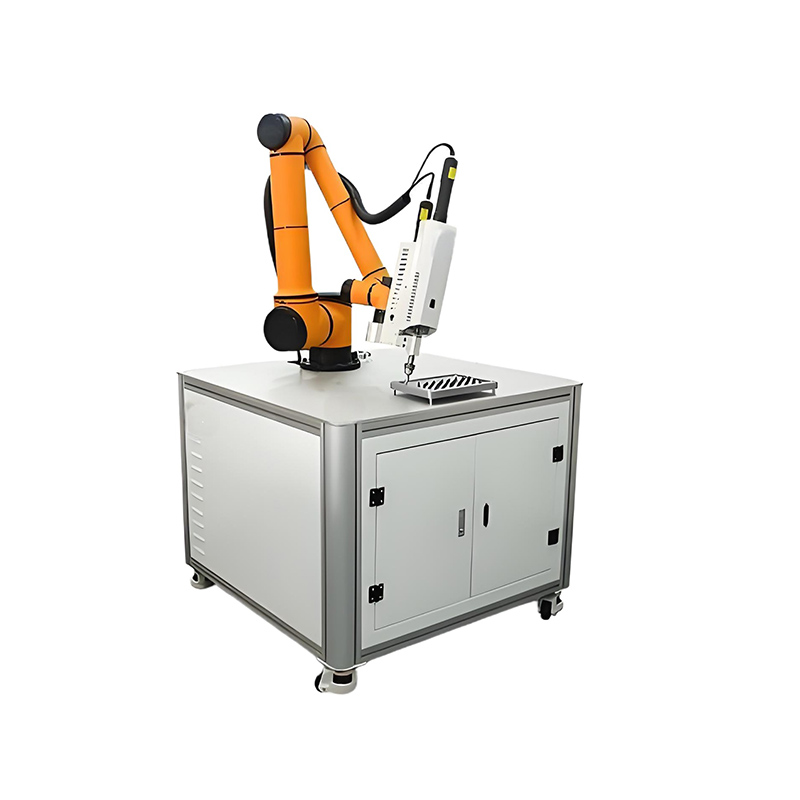
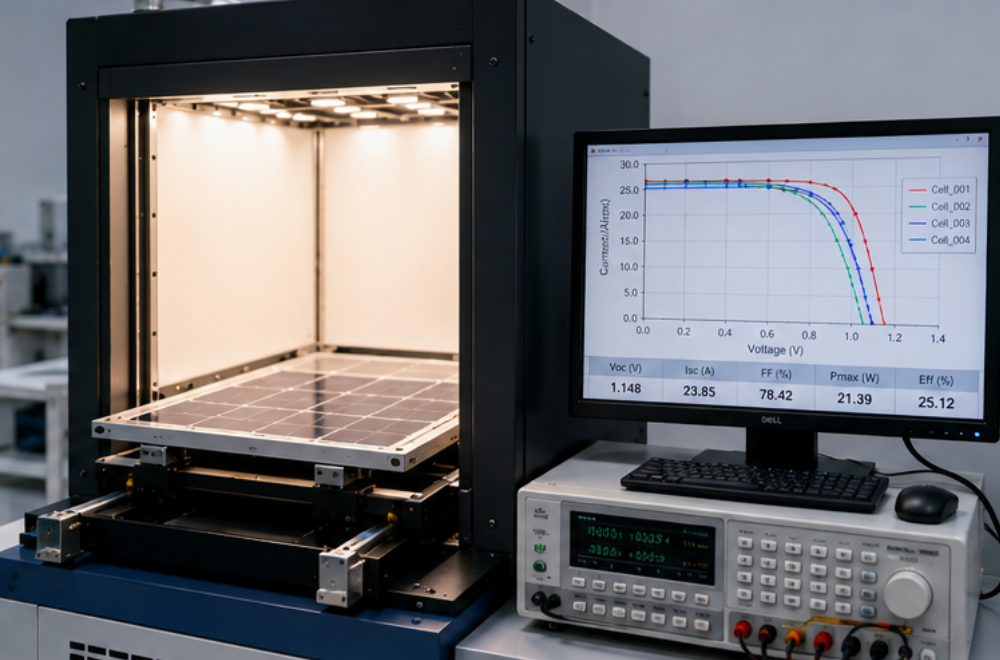
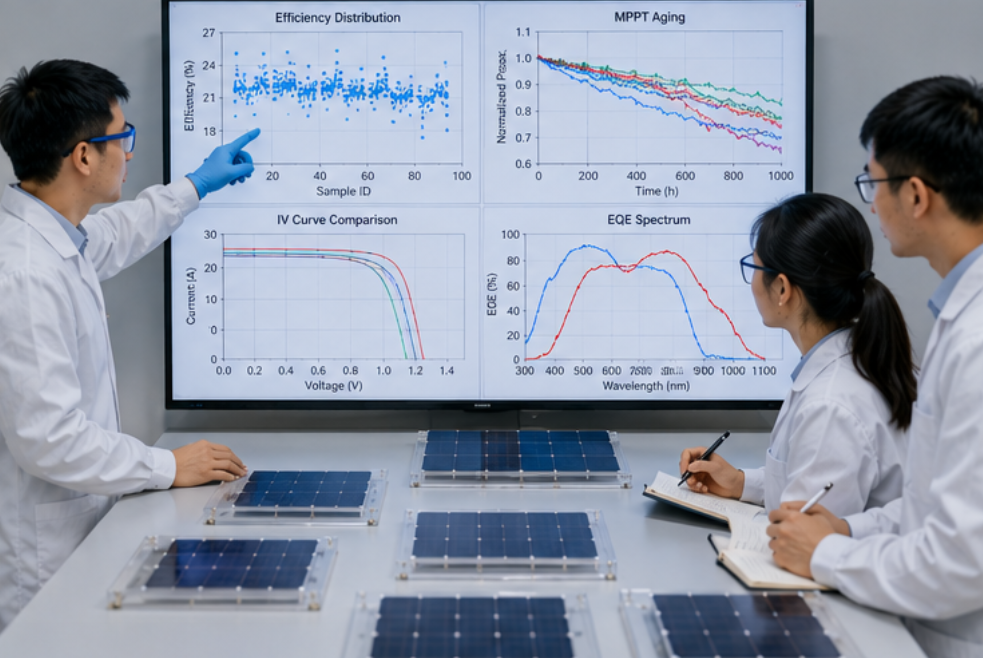
Get QuoteA perovskite pilot line is not only used to produce samples. It must also prove whether the process is stable, repeatable and ready for scale-up. Without reliable testing equipment, buyers cannot accurately evaluate cell efficiency, module output, degradation behavior or process consistency. Testing equipment helps teams identify problems in coating, laser scribing, electrode formation, encapsulation and environmental stability. For pilot manufacturing, accurate data is just as important as production equipment. A solar simulator is used to provide controlled illumination for measuring perovskite cell or module performance. Buyers should check spectral match, irradiance uniformity, temporal stability, test area and compatibility with IV measurement systems. Spectral match for perovskite or tandem cells Uniform illumination over the required test area Stable light output during measurement Suitable test area for current and future sample sizes IV testing is used to measure key electrical parameters such as open-circuit voltage, short-circuit current, fill factor, maximum power and conversion efficiency. For perovskite pilot lines, the IV testing system should support repeatable test recipes, stable source meter integration, data export and comparison between different process batches. Perovskite cells often require long-term stability validation. MPPT aging equipment tracks maximum power point performance under continuous illumination or controlled environmental conditions. This is important for evaluating degradation trends, encapsulation reliability and process improvements. Buyers planning commercialization should not ignore MPPT testing. Quantum efficiency measurement helps evaluate how well the cell responds to different wavelengths of light. It is useful for material research, layer optimization and tandem cell development. For perovskite-silicon tandem or multi-junction structures, QE testing becomes especially valuable because each sub-cell may respond differently to different spectral ranges. Perovskite materials are sensitive to moisture, oxygen, heat and light exposure. Environmental testing equipment helps buyers evaluate encapsulation quality and long-term module reliability. Temperature cycling Damp heat testing Light soaking Long-term stability monitoring What cell or module size needs to be tested? Do you need single-junction or tandem perovskite testing? What solar simulator test area and class are required? How many samples need to be tested per day? Do you need long-term MPPT aging channels? Will environmental testing be required for reliability validation? Can all test data be exported and compared by batch? Should testing equipment be integrated with pilot line workflow? Choosing testing equipment for perovskite solar cell pilot lines requires a complete view of efficiency measurement, spectral response, long-term stability, environmental reliability and data traceability. The right testing system helps buyers understand process quality, improve module yield and prepare for scalable commercialization. Contact Lecheng Laser to discuss solar simulator, IV testing, MPPT aging, QE measurement and pilot line testing configuration.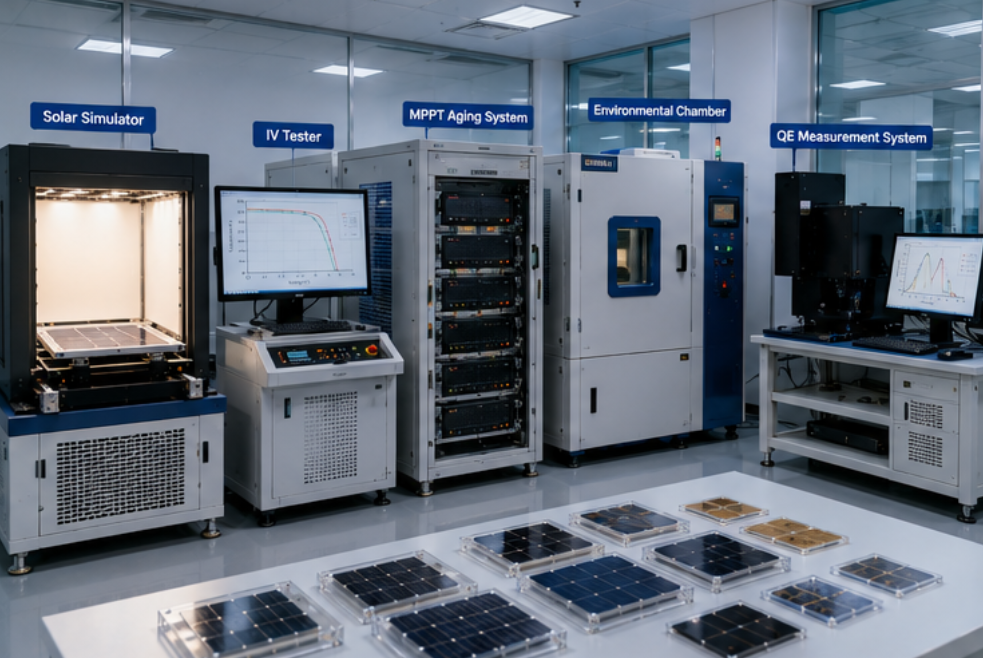
Why Testing Equipment Matters In Pilot Lines
1. Solar Simulator For Efficiency Testing
2. IV Testing System
3. MPPT Aging Test System
Testing Equipment Selection Checklist
Equipment Main Purpose Buyer Checkpoint Solar Simulator Provides controlled illumination Check spectral match, uniformity and test area IV Tester Measures electrical performance Check source meter, software and data export MPPT Aging System Tracks long-term power stability Check channel number and aging conditions QE Measurement System Evaluates spectral response Important for tandem and material optimization Environmental Chamber Tests temperature and humidity stability Check temperature, humidity and test duration range Data System Tracks process and performance data Check data logging, reporting and batch comparison 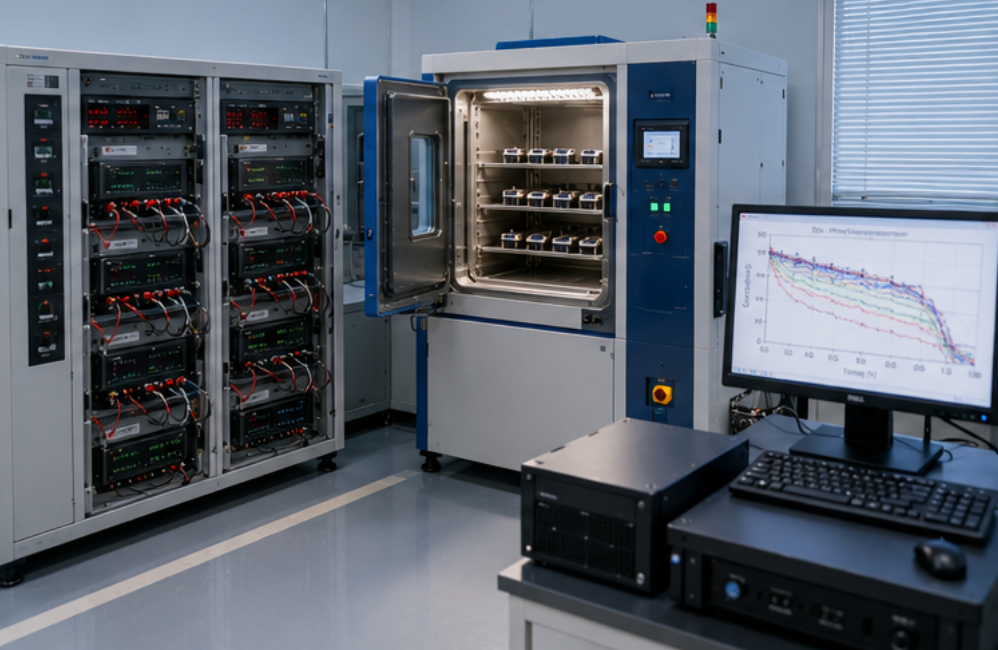
4. Quantum Efficiency Measurement System
5. Environmental And Reliability Testing
Questions To Ask Before Buying Testing Equipment
Conclusion
Need Testing Equipment For Perovskite Pilot Lines?