
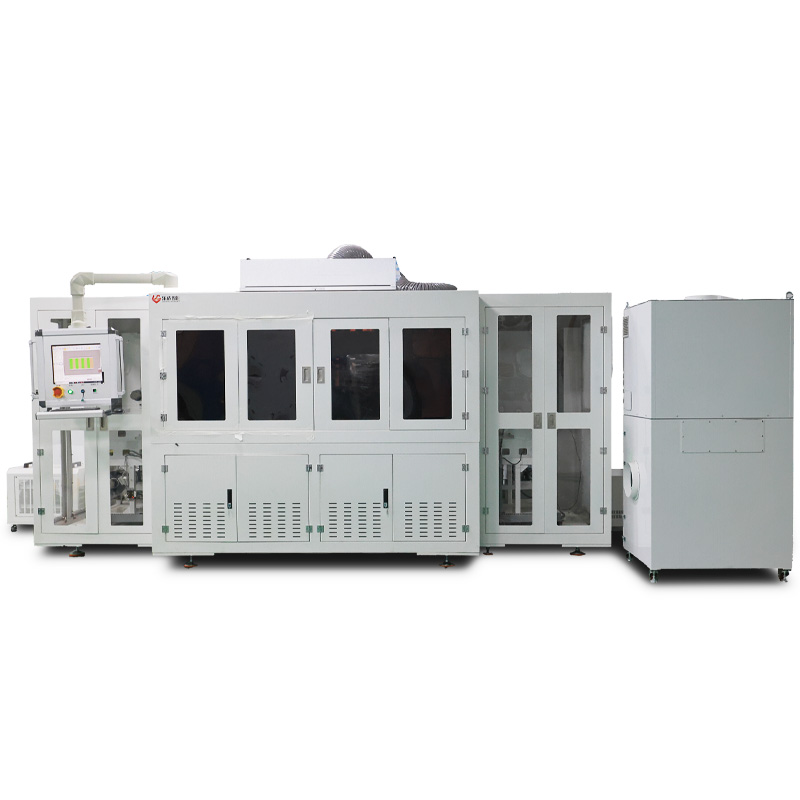
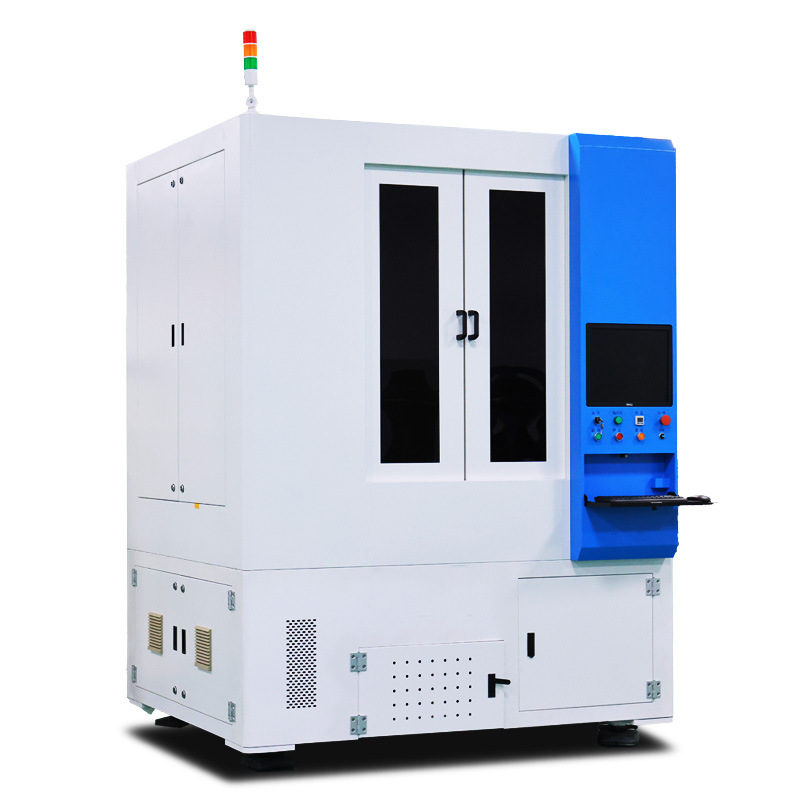
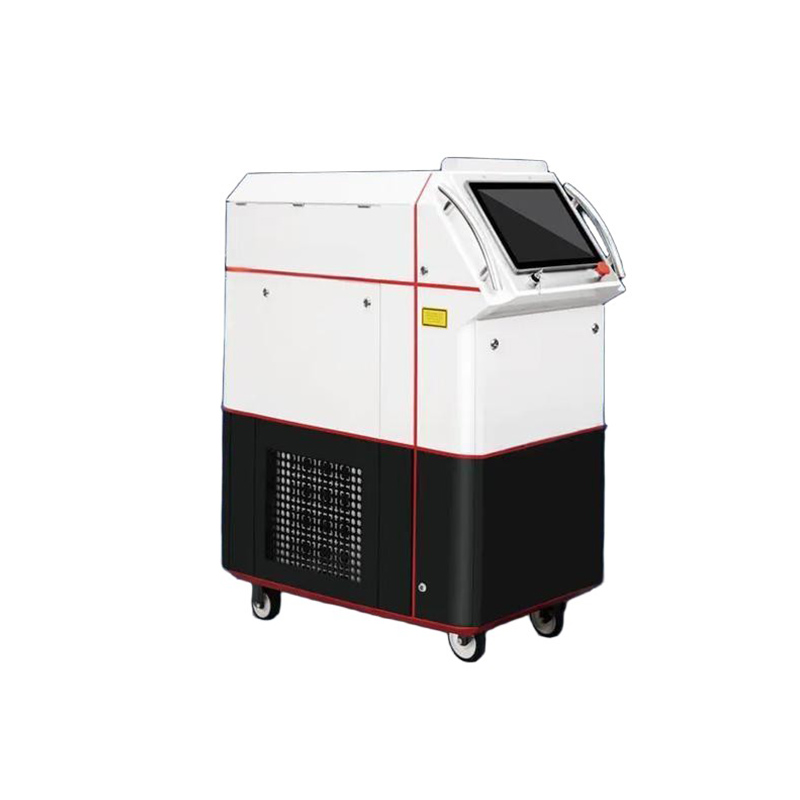
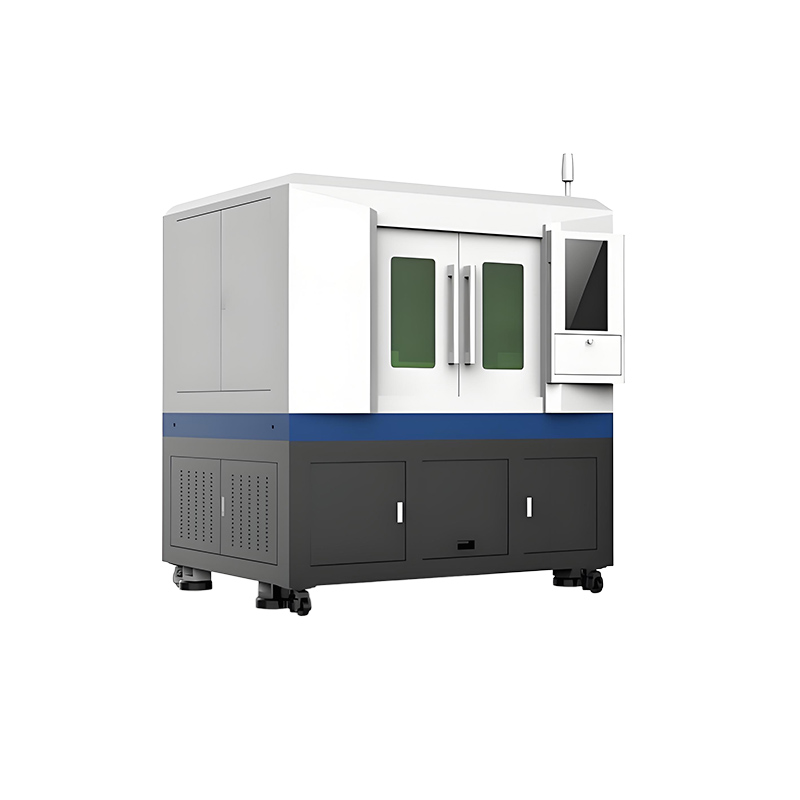
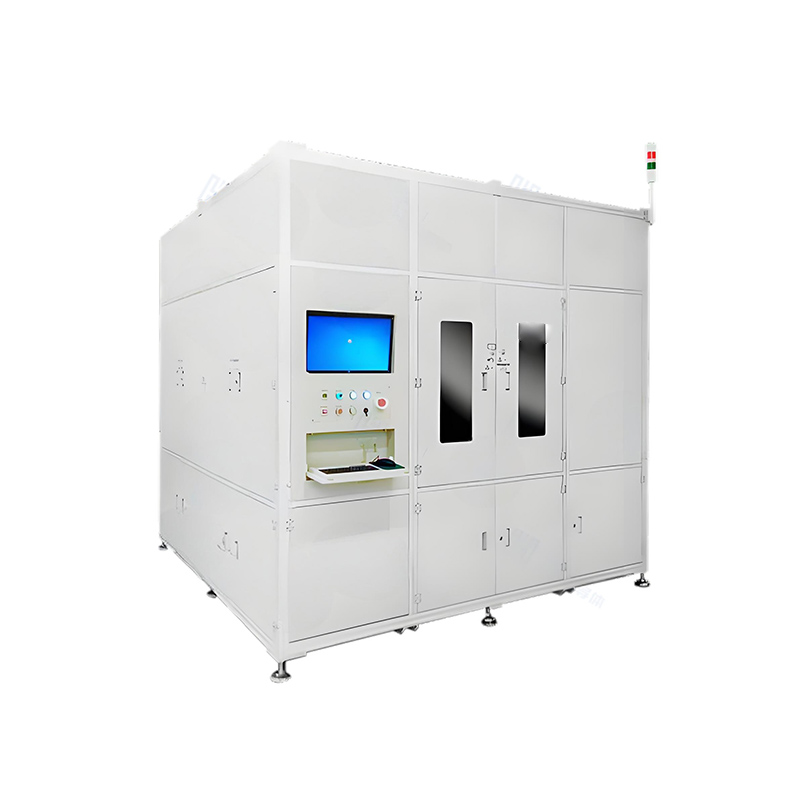
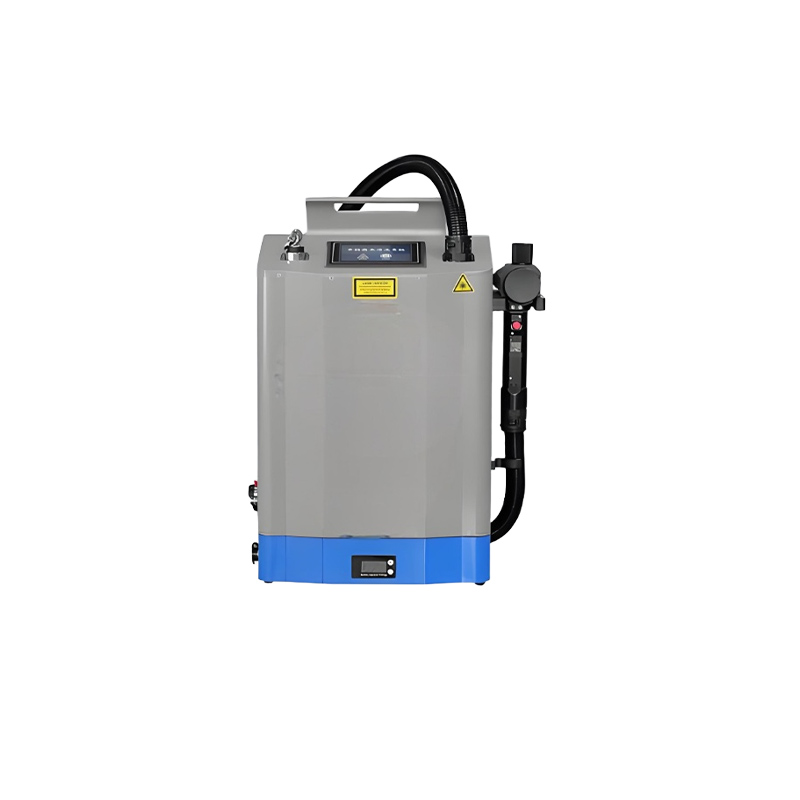
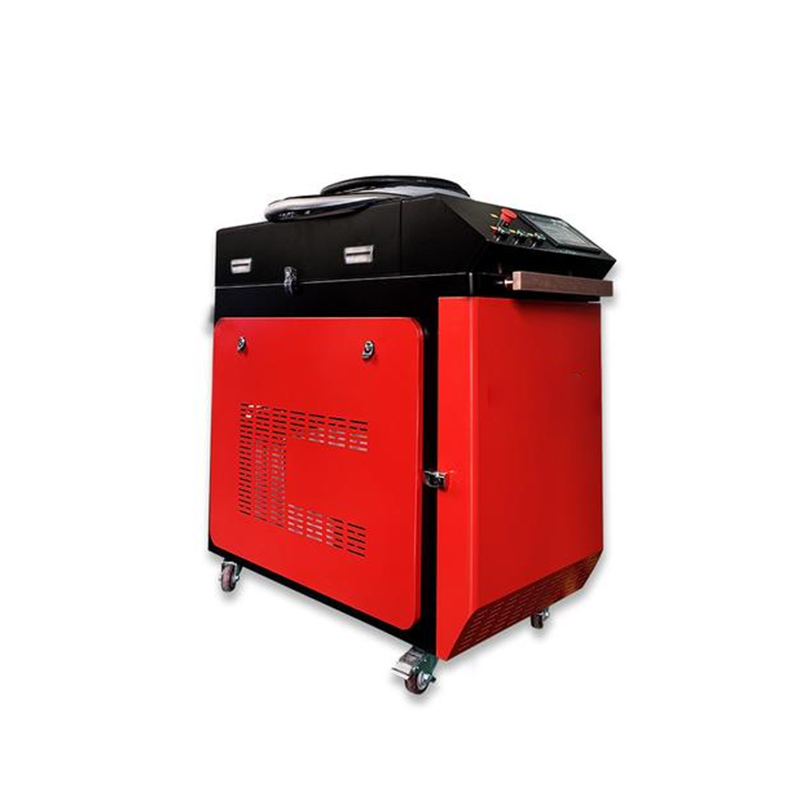
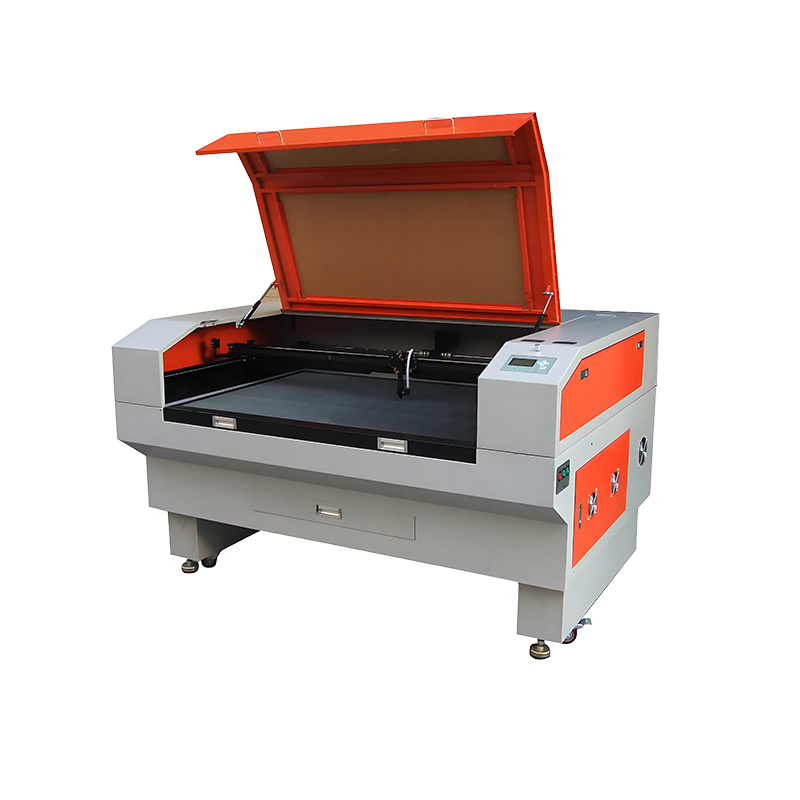


Laser Glass Cutting Equipment Guide
How To Choose Laser Glass Cutting Equipment For Thin-Film Solar Module Production
Choosing laser glass cutting equipment for thin-film solar module production requires careful evaluation of glass size, cutting accuracy, edge quality, laser source, motion platform, breakage control and production line integration. Buyers should select equipment that supports clean cutting, stable yield and future pilot or mass production needs.
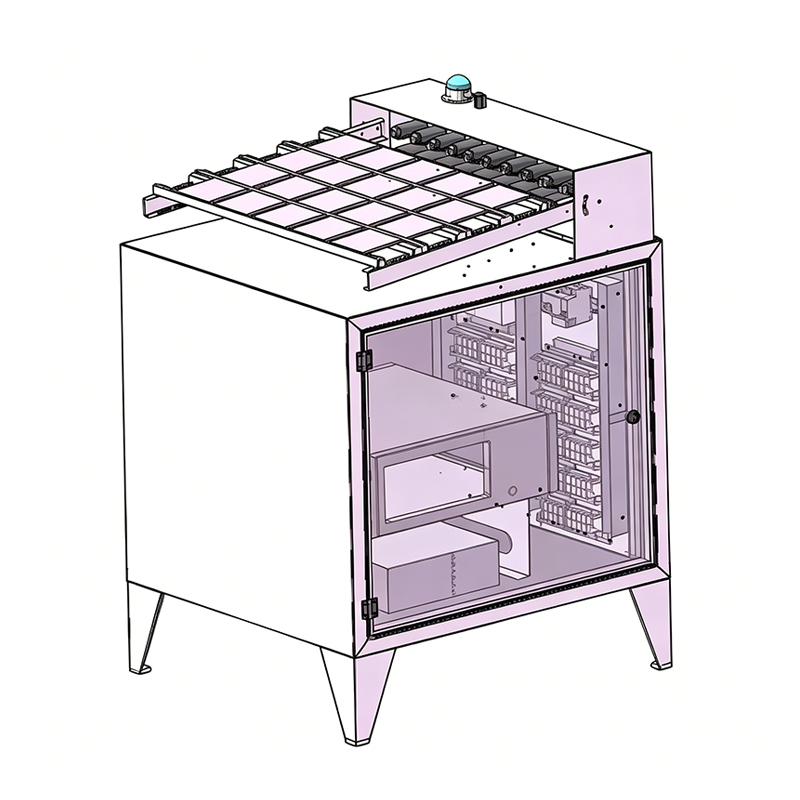
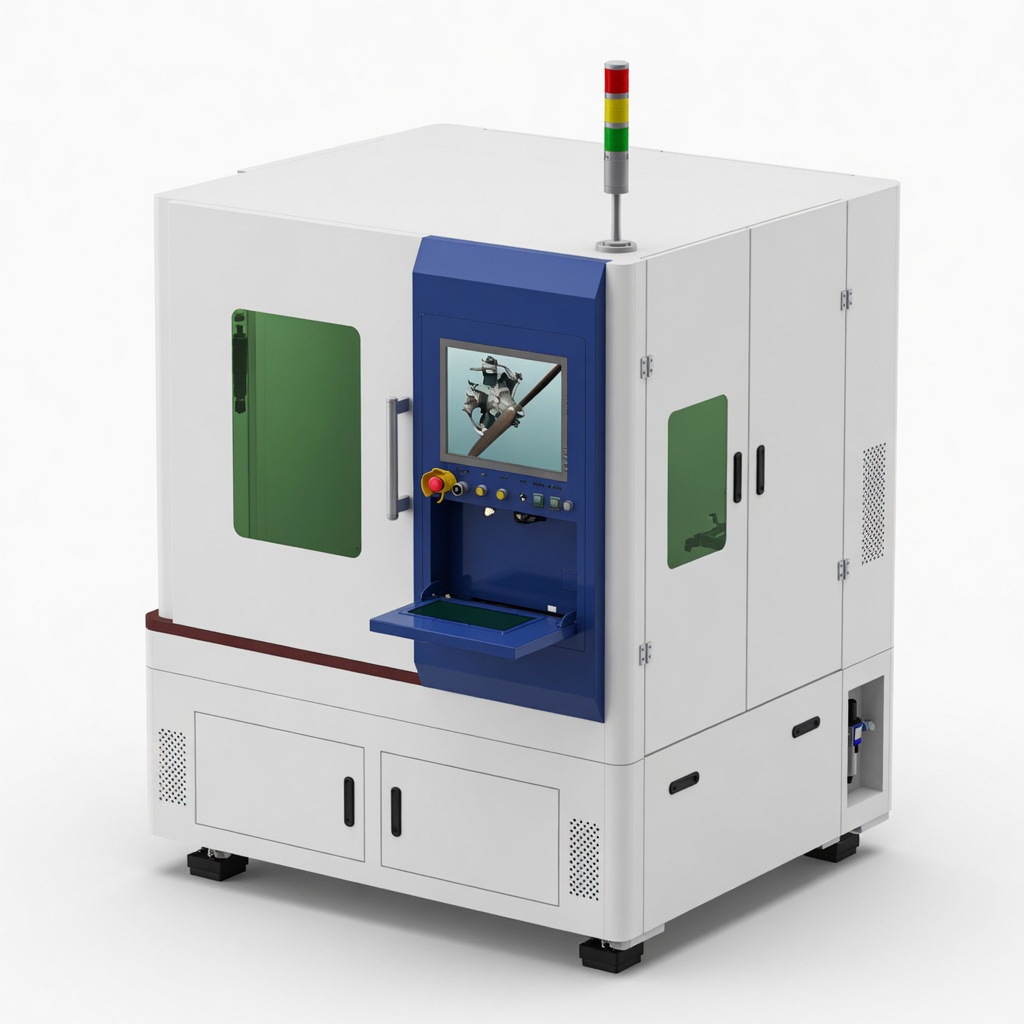
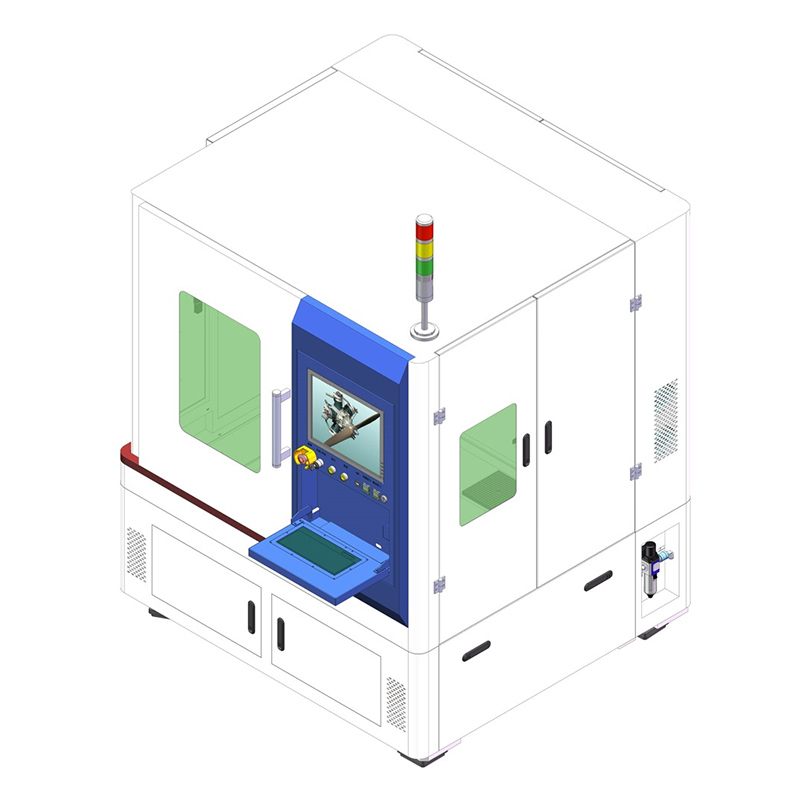
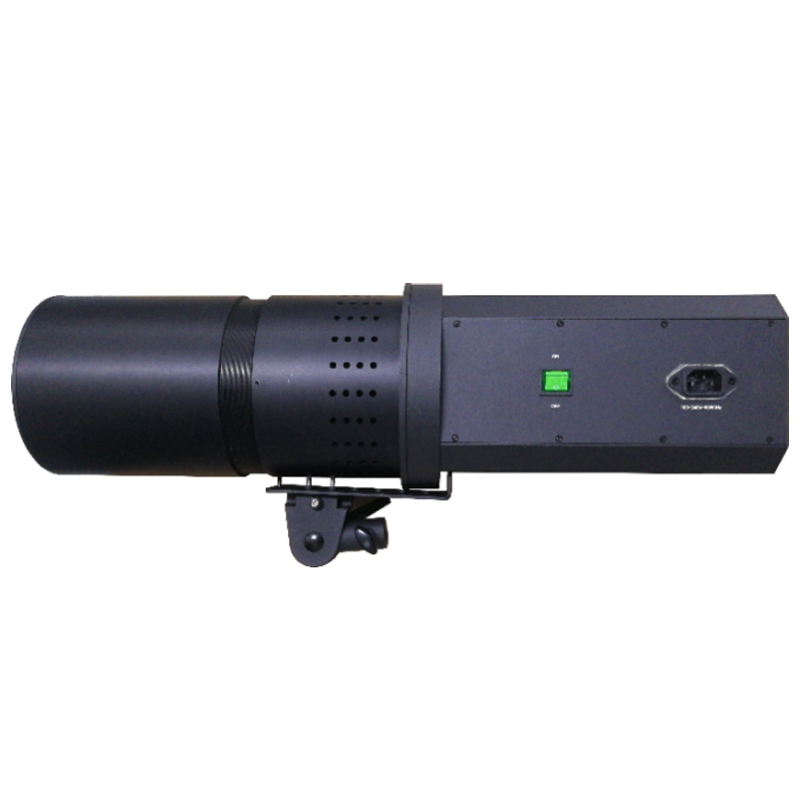
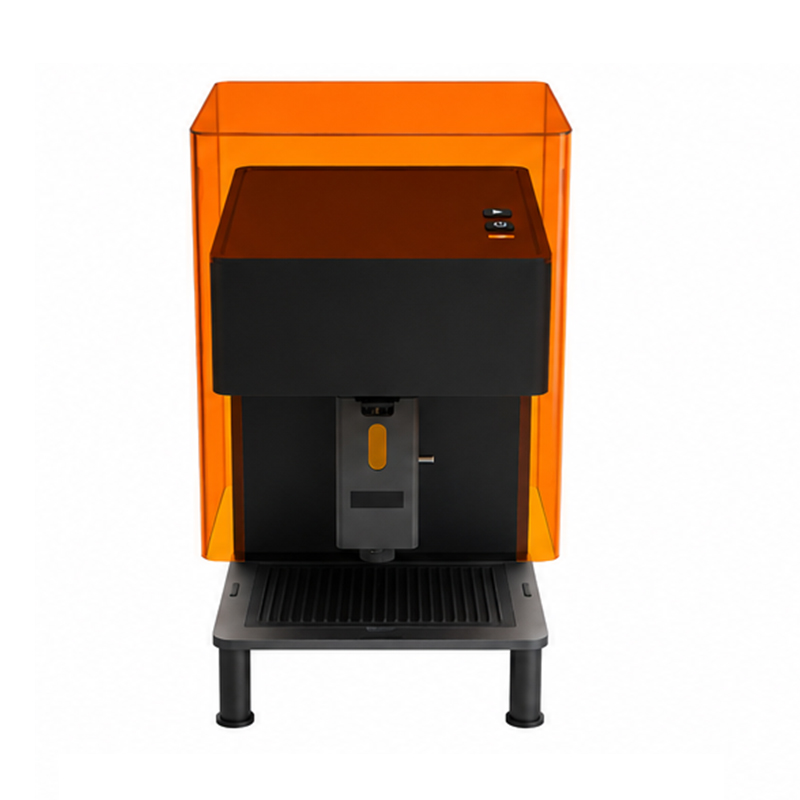
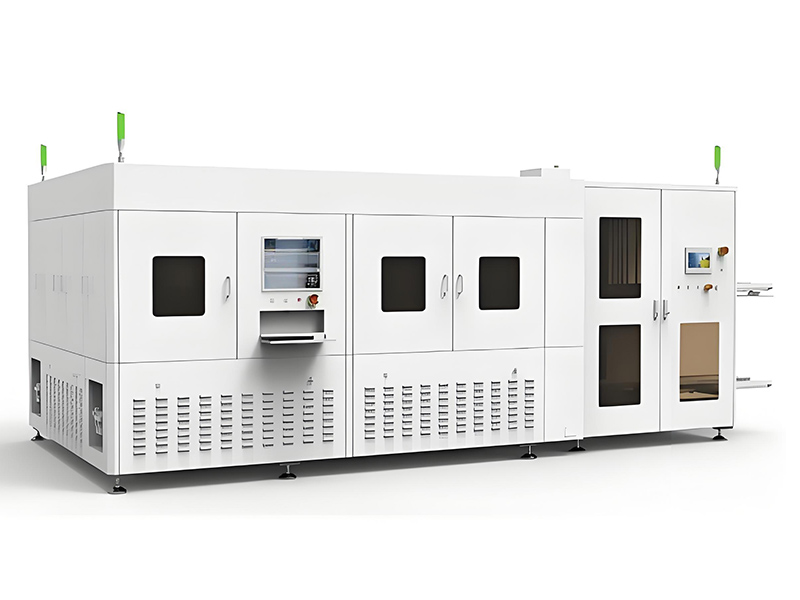
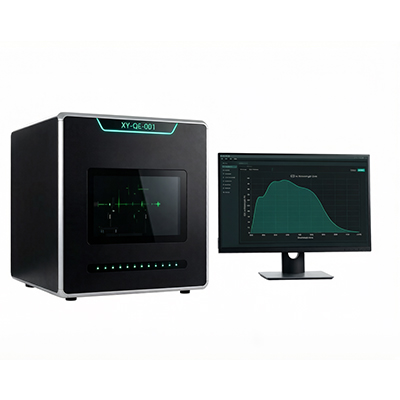
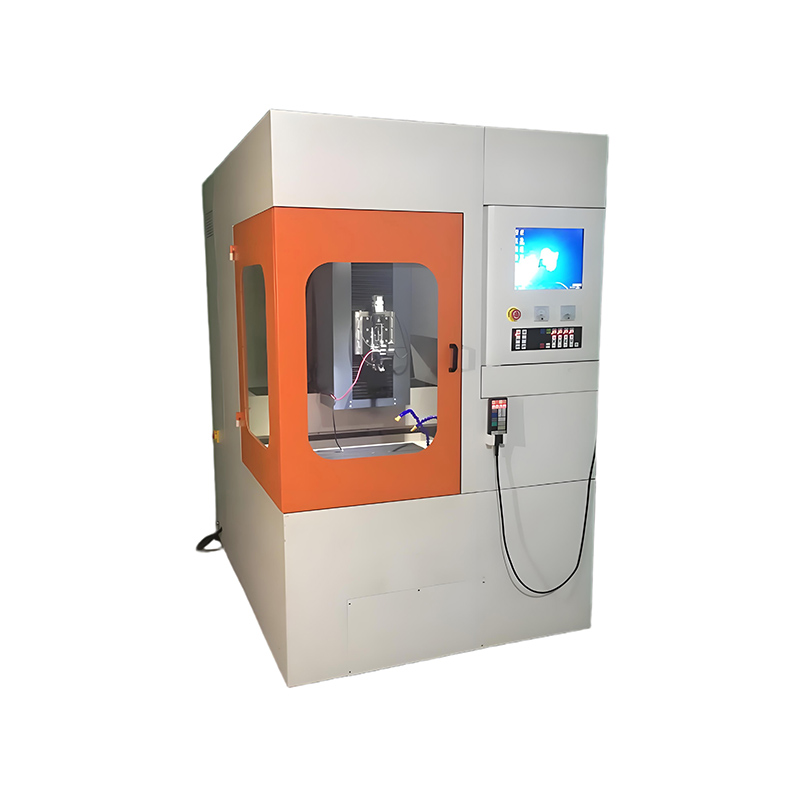
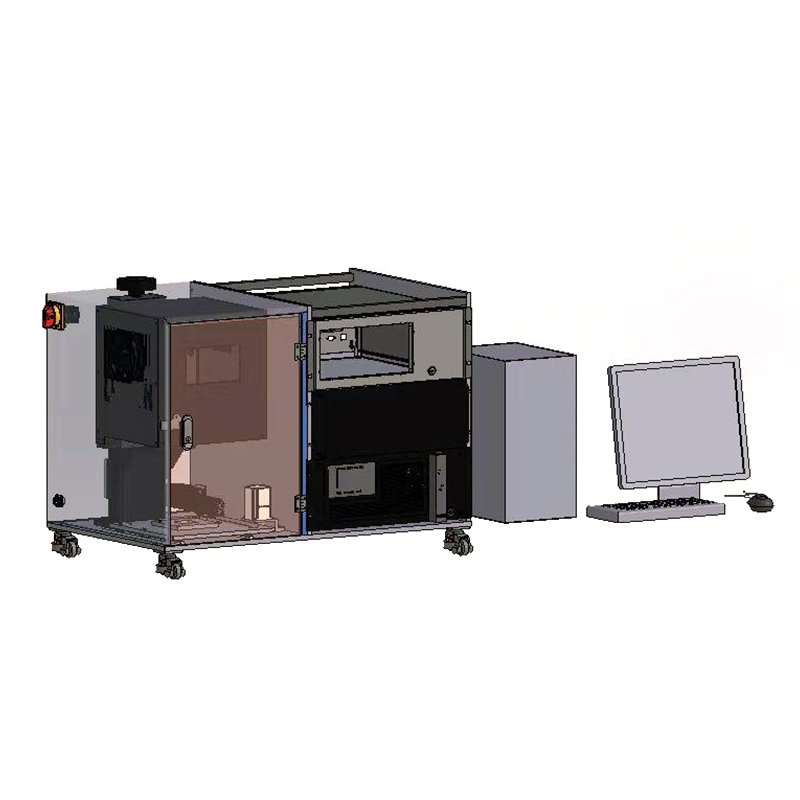
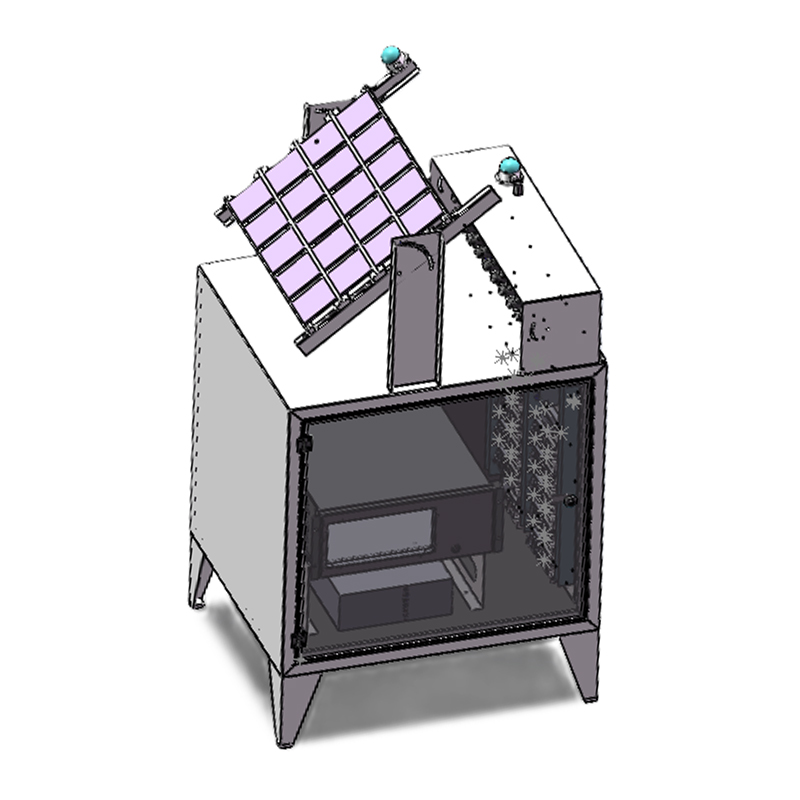
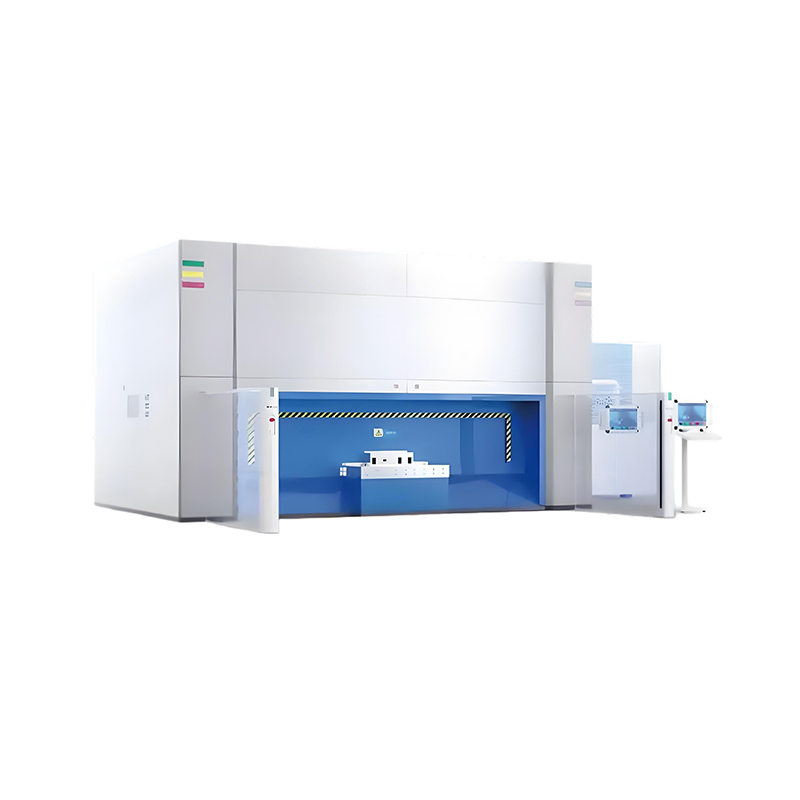
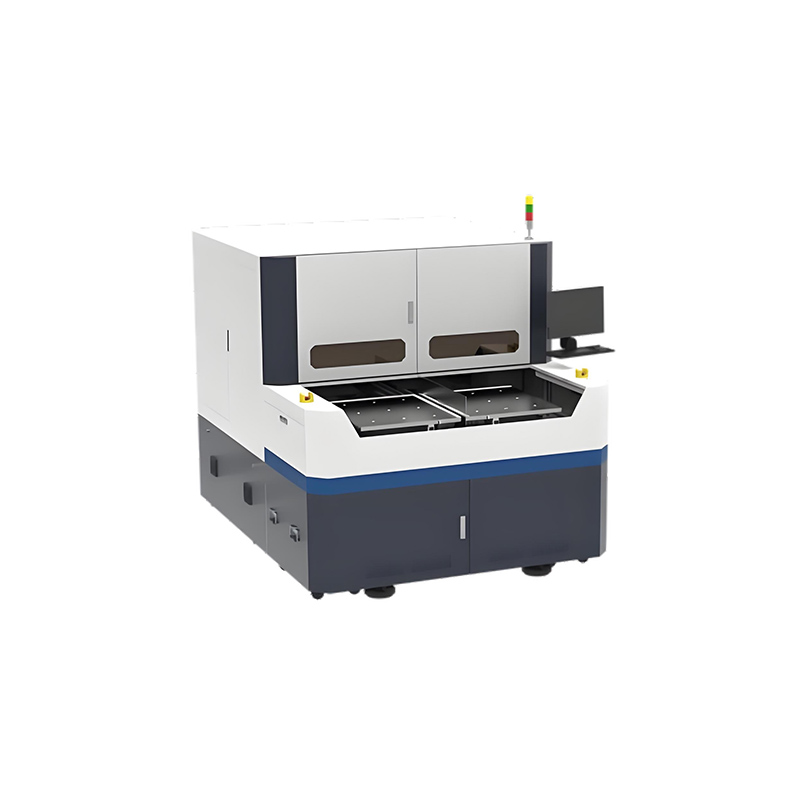
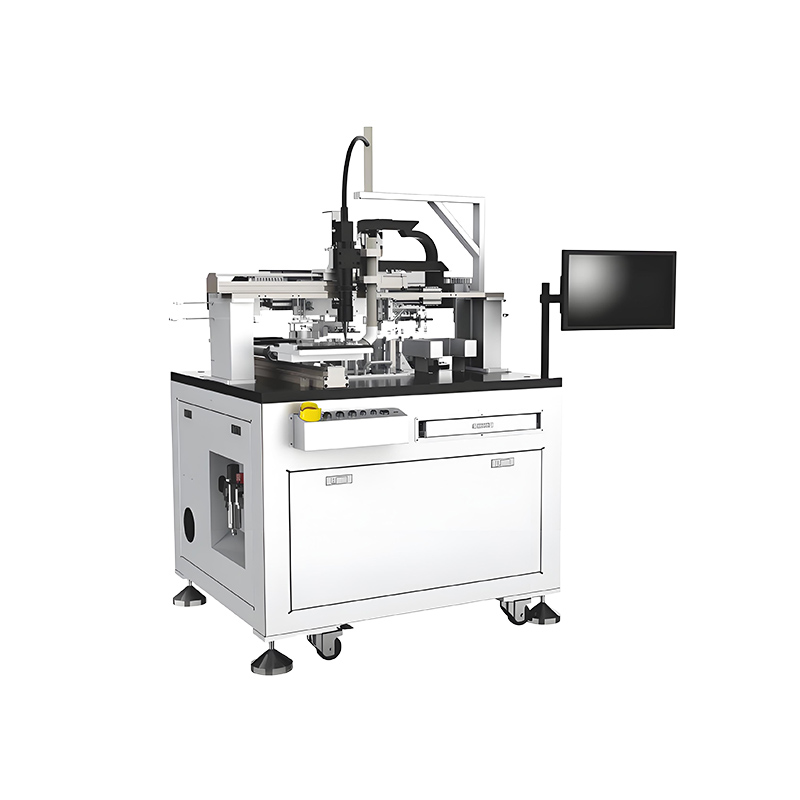
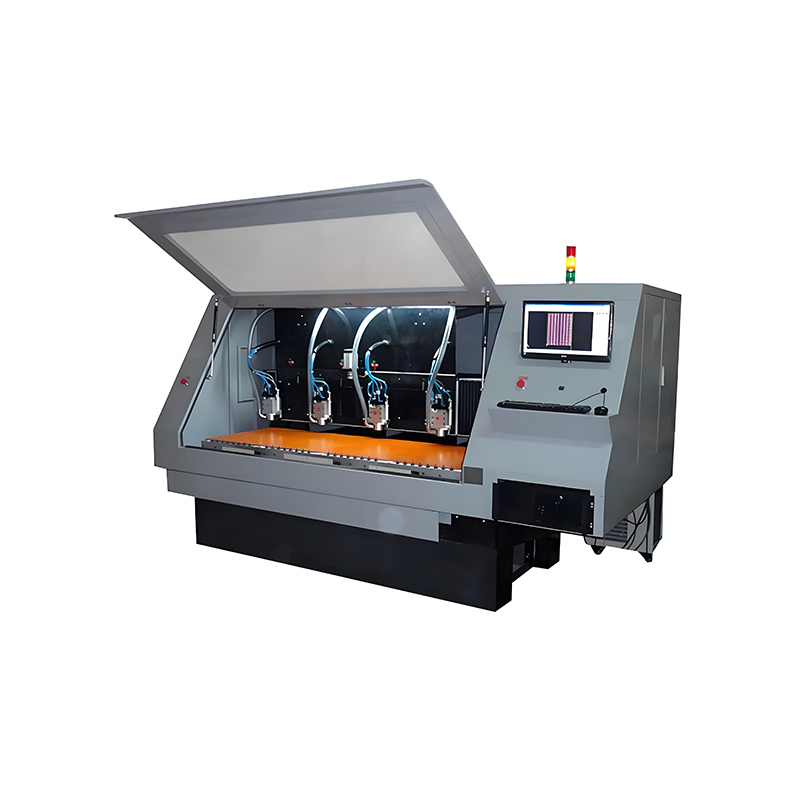
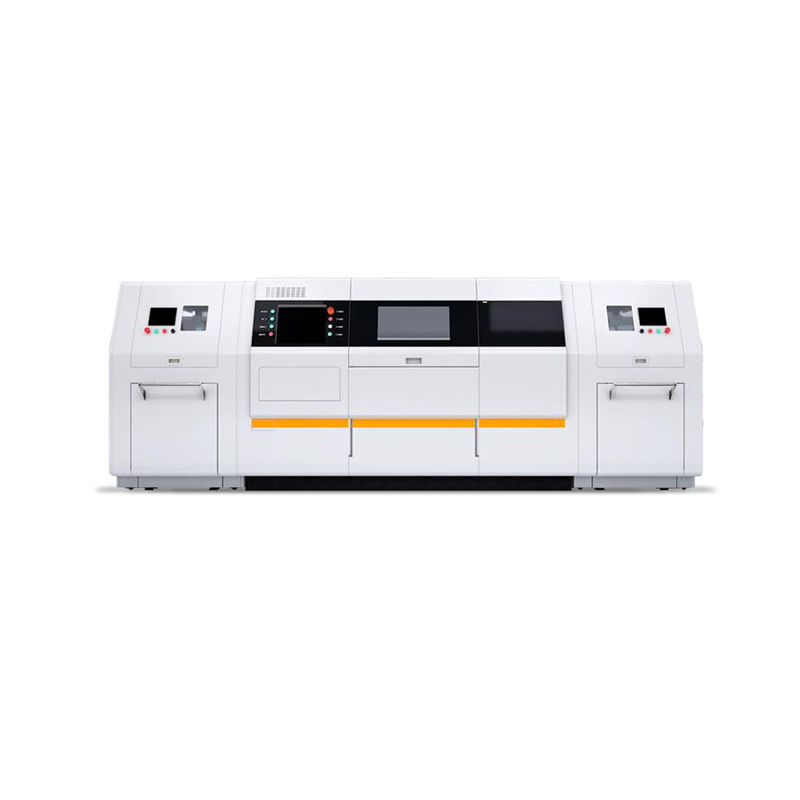
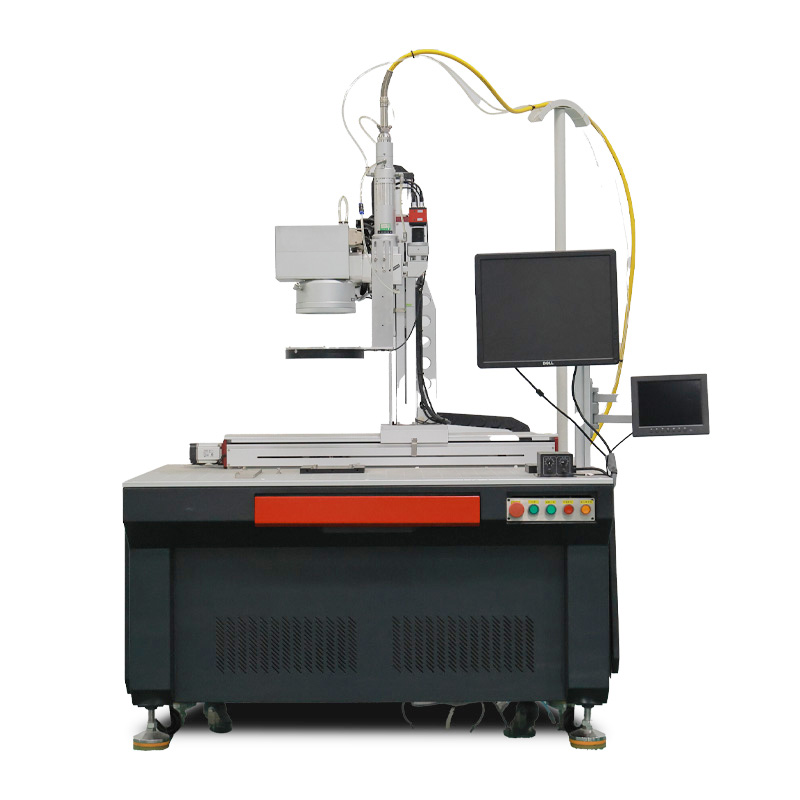
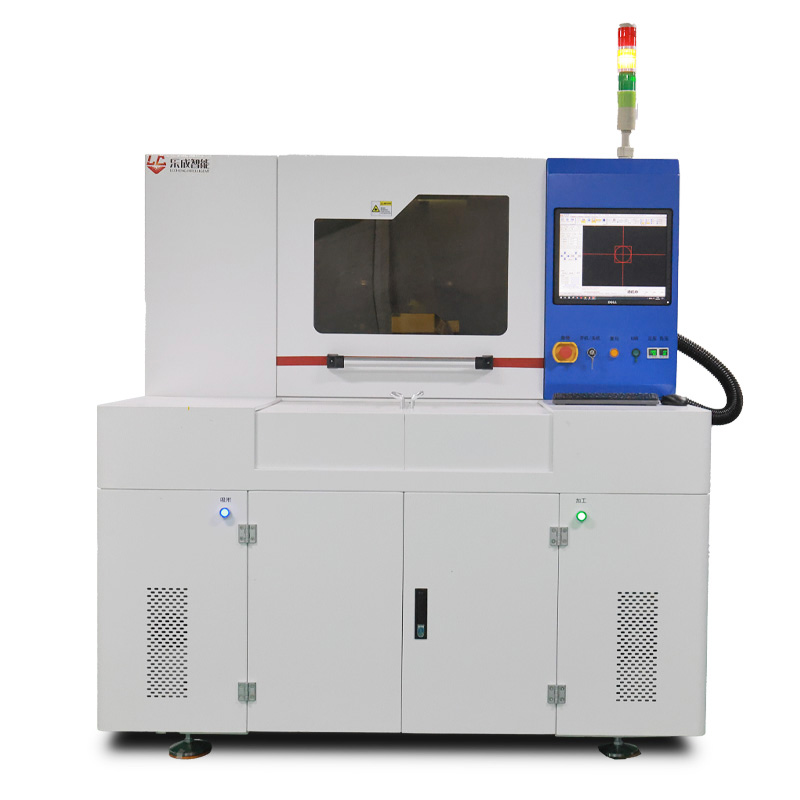
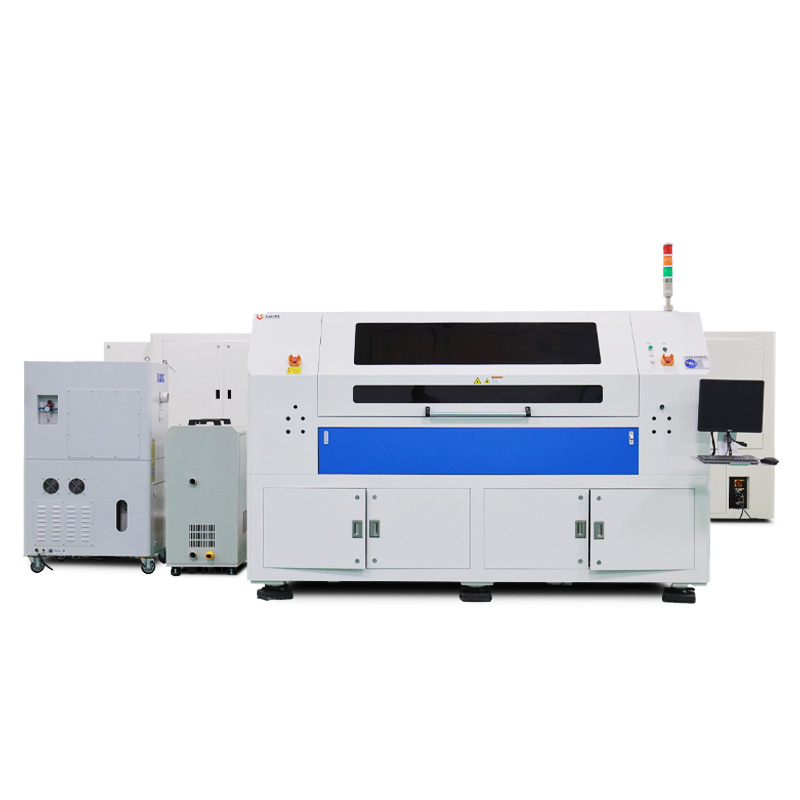
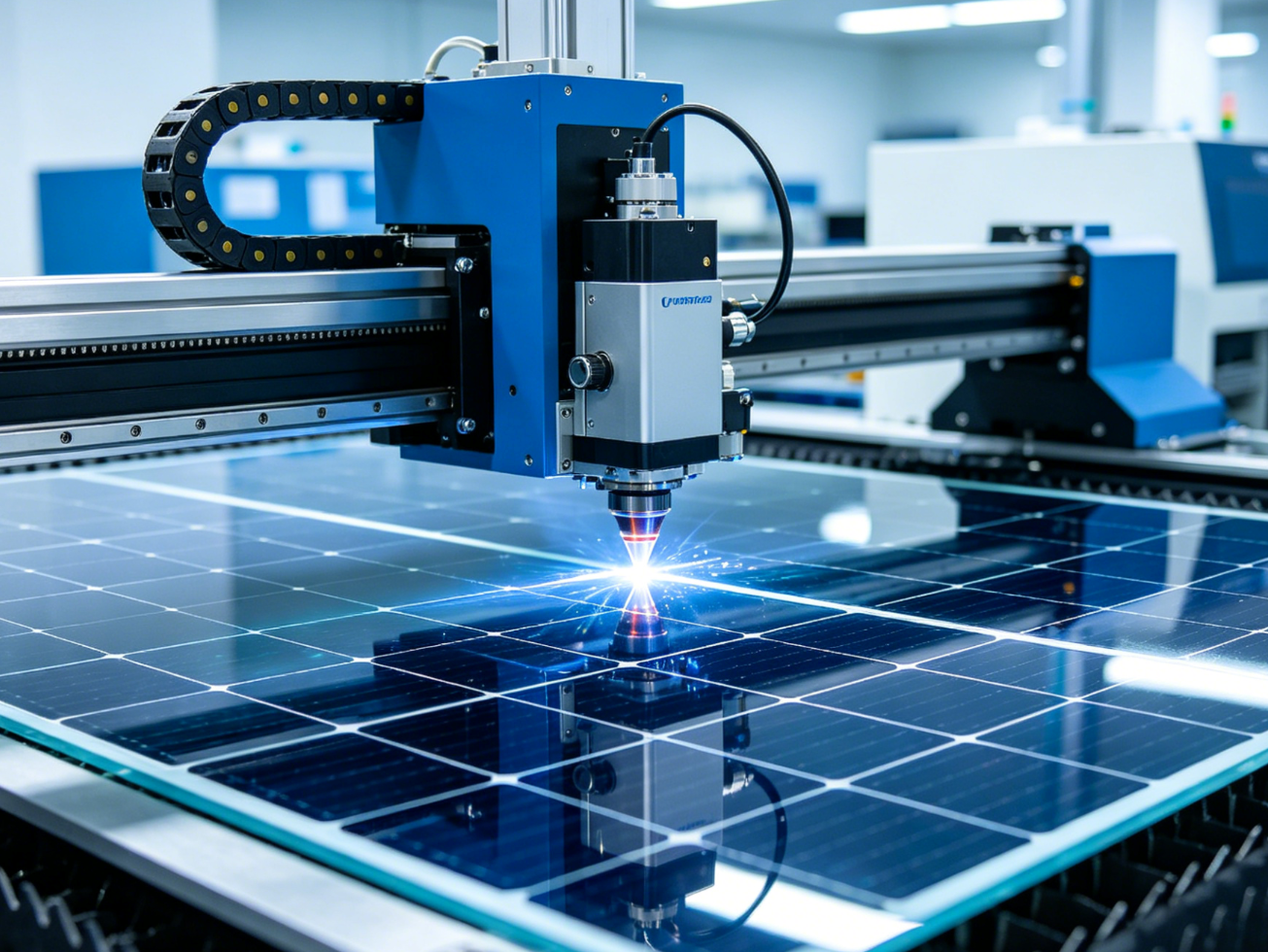
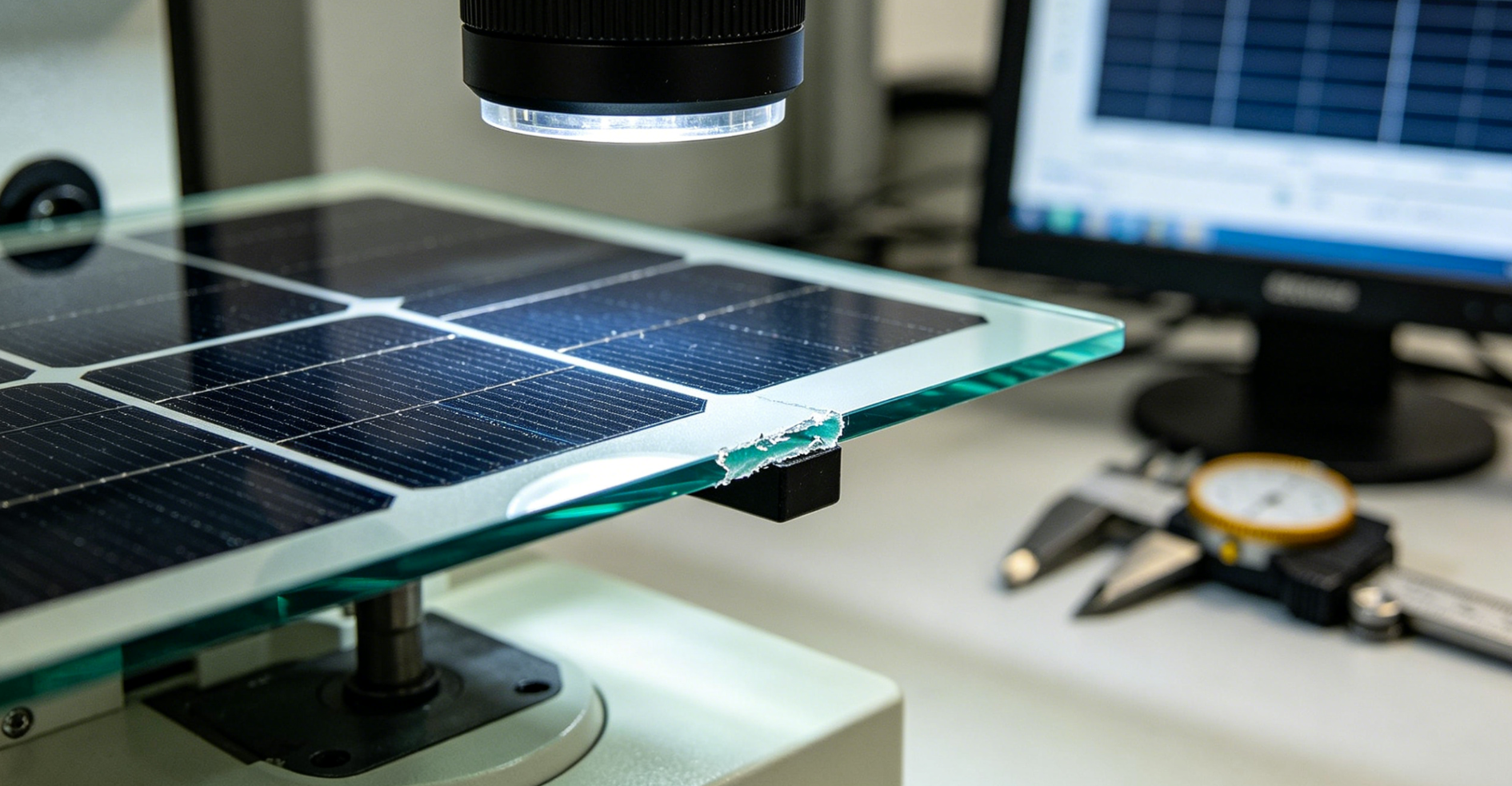
Get QuoteThin-film solar modules use glass substrates as an important structural and functional base. If the glass cutting process is unstable, it may cause edge chipping, micro-cracks, breakage, poor dimensional accuracy or later encapsulation problems. For pilot lines and production environments, glass cutting equipment should provide not only cutting capability, but also repeatable precision, clean edges and stable handling for fragile substrates. The first step is to confirm the glass size and thickness that the equipment must process. Thin-film solar projects may use small R&D samples, medium pilot modules or larger production substrates. Buyers should check whether the machine platform, motion stroke, loading method and breaking system can support both current and future glass sizes. Maximum glass size Minimum and maximum glass thickness Required cutting shape and path Future module size upgrade plan For thin-film solar modules, cutting accuracy affects module assembly, lamination, sealing and final product consistency. Edge quality is also important because micro-cracks or chips may increase breakage risk during later handling. Buyers should not only ask for cutting speed. They should ask for actual edge images, dimensional accuracy data, repeatability data and sample cutting results. Laser glass cutting requires stable energy delivery, accurate focusing and precise motion control. The equipment should maintain consistent cutting results across different glass batches and cutting paths. A high-quality motion platform helps reduce dimensional errors and improves cutting repeatability. For solar module production, stable machine structure is more important than only high cutting speed. Glass substrates can be fragile during cutting, loading, unloading and breaking. Poor handling design may cause scratches, contamination or hidden cracks. Buyers should check vacuum adsorption, support structure, loading method and safety protection. For pilot and production lines, automatic or semi-automatic handling can reduce human error and improve yield consistency. What glass size and thickness can the equipment process? What cutting accuracy and repeatability can be achieved? Can the supplier provide real sample cutting results? How does the system reduce edge chipping and micro-cracks? Does the machine support straight lines, curves or custom cutting paths? What loading and unloading method is used? Can the equipment integrate with a solar module pilot line? What maintenance, training and spare parts support are provided? Choosing laser glass cutting equipment for thin-film solar module production requires a full evaluation of glass size, thickness, cutting accuracy, edge quality, laser configuration, motion platform, handling design and line integration. The right equipment can reduce glass breakage, improve edge quality and support stable production from R&D samples to pilot line and larger-scale module manufacturing. Contact Lecheng Laser to discuss your glass size, cutting accuracy, edge quality and thin-film solar module production requirements.Why Glass Cutting Quality Matters In Thin-Film Solar Production
1. Confirm Glass Size And Thickness Range
2. Evaluate Cutting Accuracy And Edge Quality
Laser Glass Cutting Equipment Selection Checklist
Selection Item Why It Matters Buyer Checkpoint Glass Size Determines platform size and motion stroke Can it support current and future module sizes? Glass Thickness Affects laser configuration and breaking process What thickness range can be processed? Cutting Accuracy Impacts module assembly and sealing consistency Ask for dimensional accuracy and repeatability data Edge Quality Reduces chipping, cracks and breakage risk Request microscope images or sample edge photos Motion Platform Controls cutting path stability Check positioning accuracy and motion stability Line Integration Supports pilot or production workflow Can it connect with loading, cleaning or inspection systems? 3. Choose A Suitable Laser And Motion System
4. Check Breakage Control And Handling Design
Questions Buyers Should Ask Before Ordering
Conclusion
Need Laser Glass Cutting Equipment For Solar Module Production?