



Perovskite Manufacturing Guide
How Alignment Accuracy Affects Perovskite Module Yield
Alignment accuracy plays a critical role in perovskite solar module manufacturing. It directly affects P1, P2 and P3 laser scribing overlap, interconnection quality, active area utilization and overall module yield. Poor alignment can lead to electrical defects, efficiency loss and unstable performance.
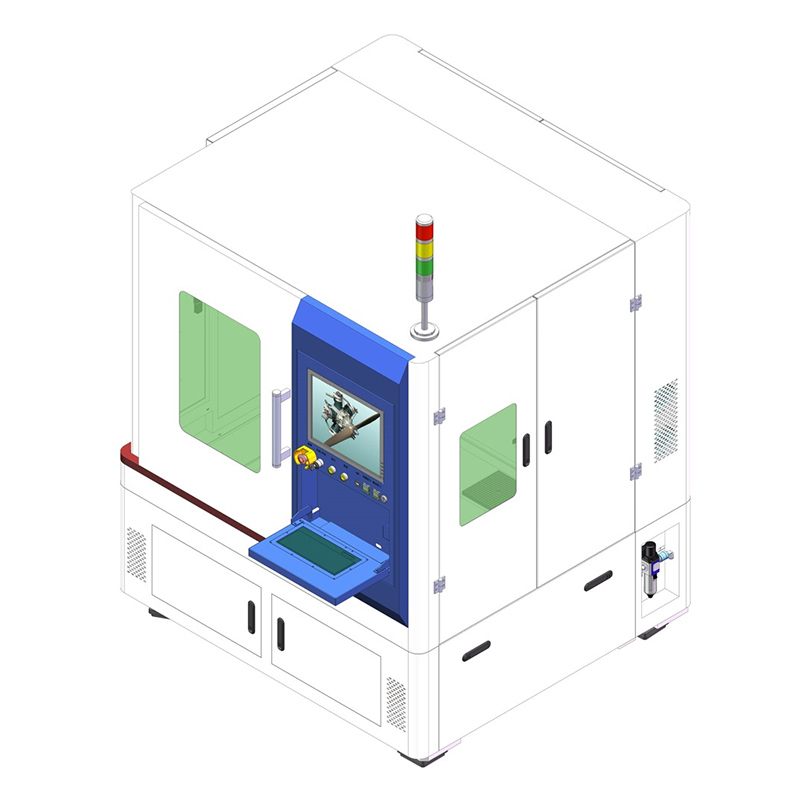
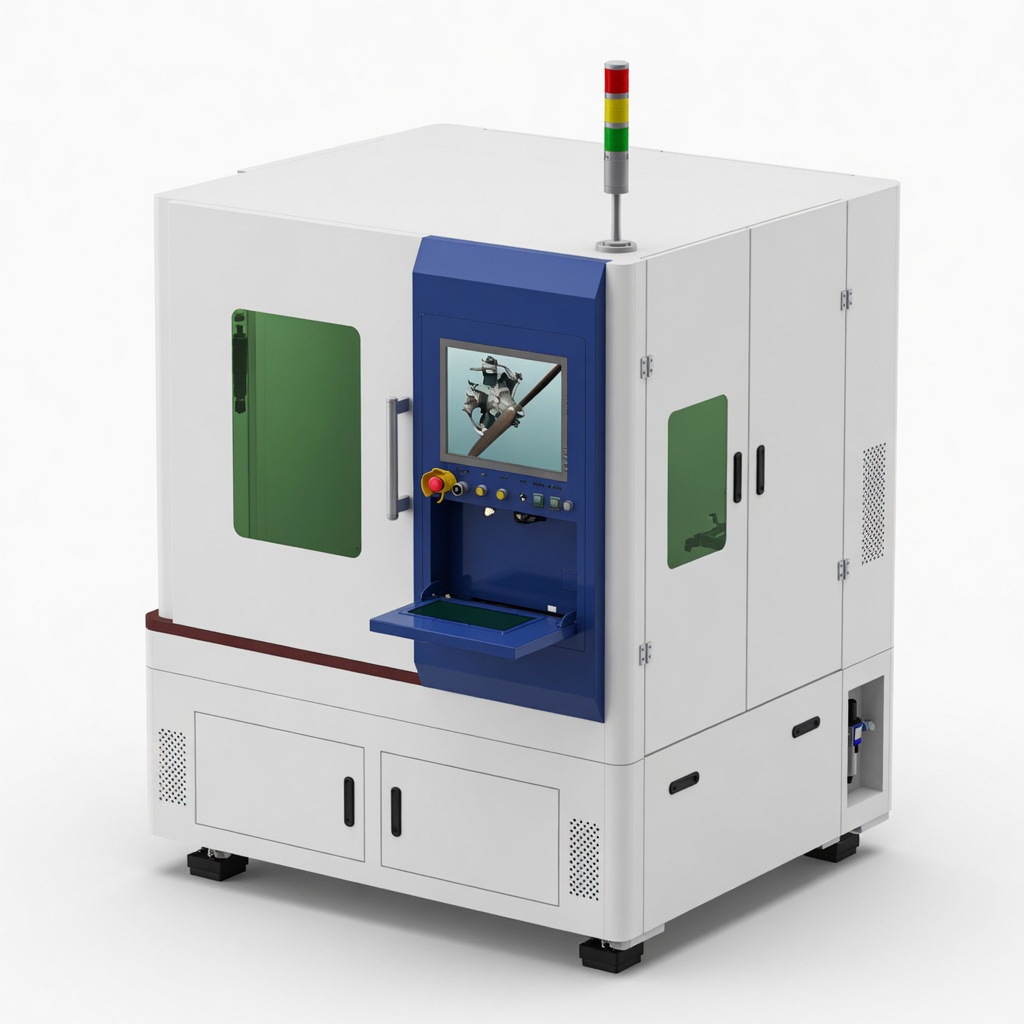
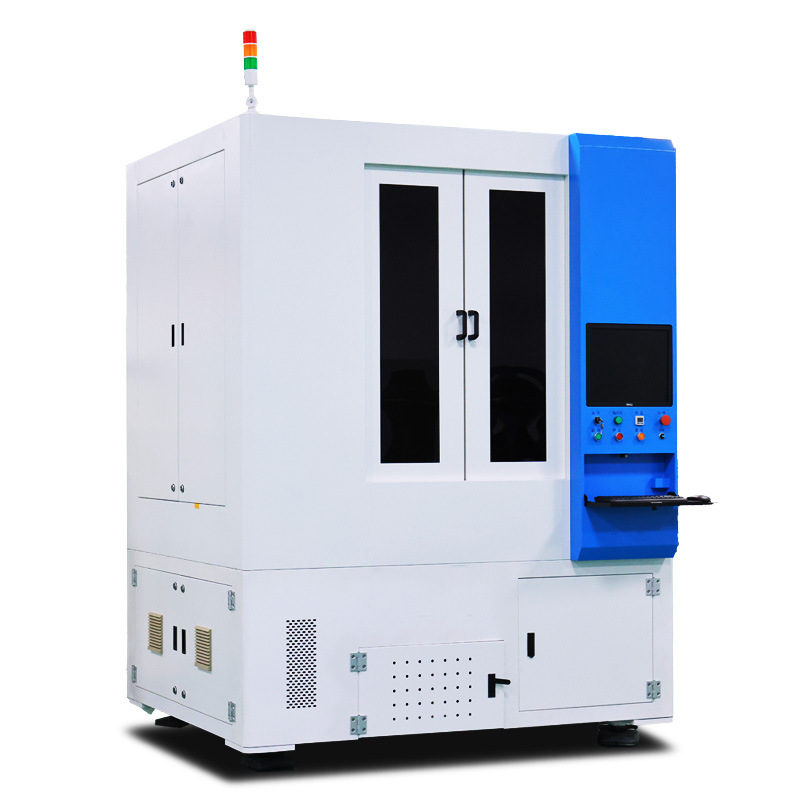
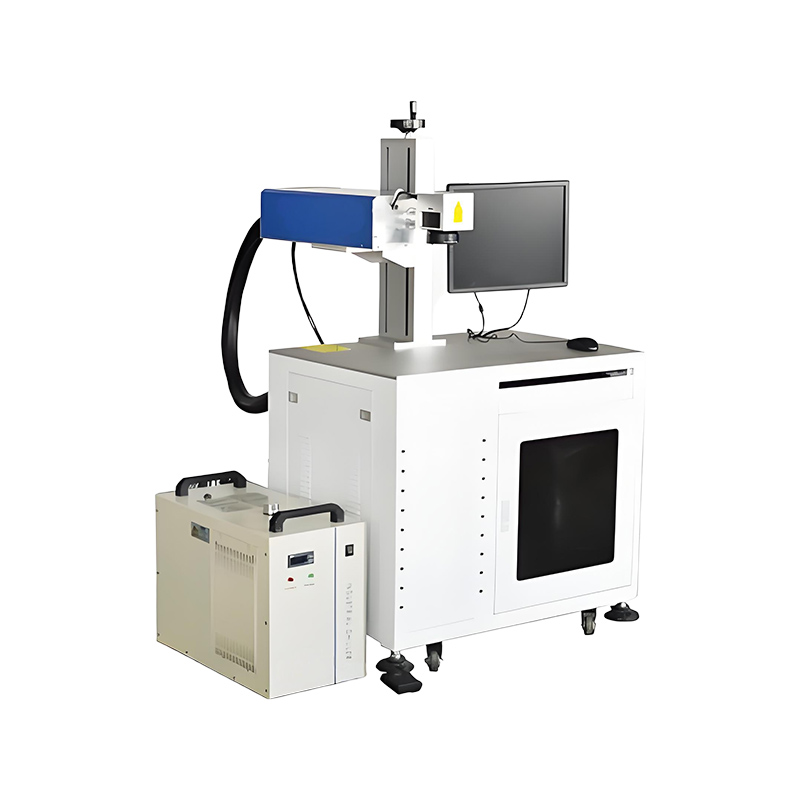
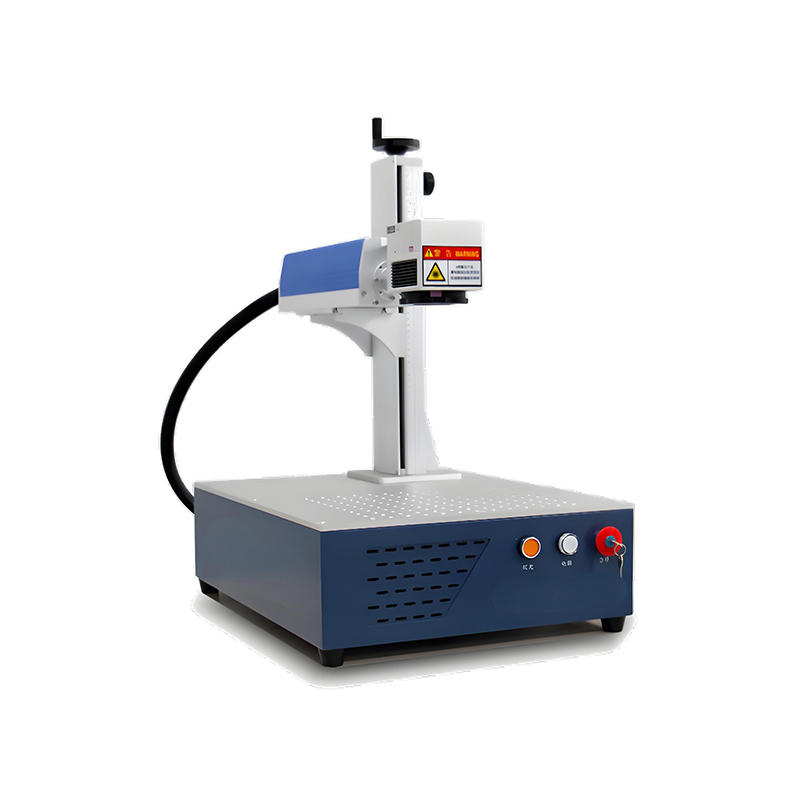
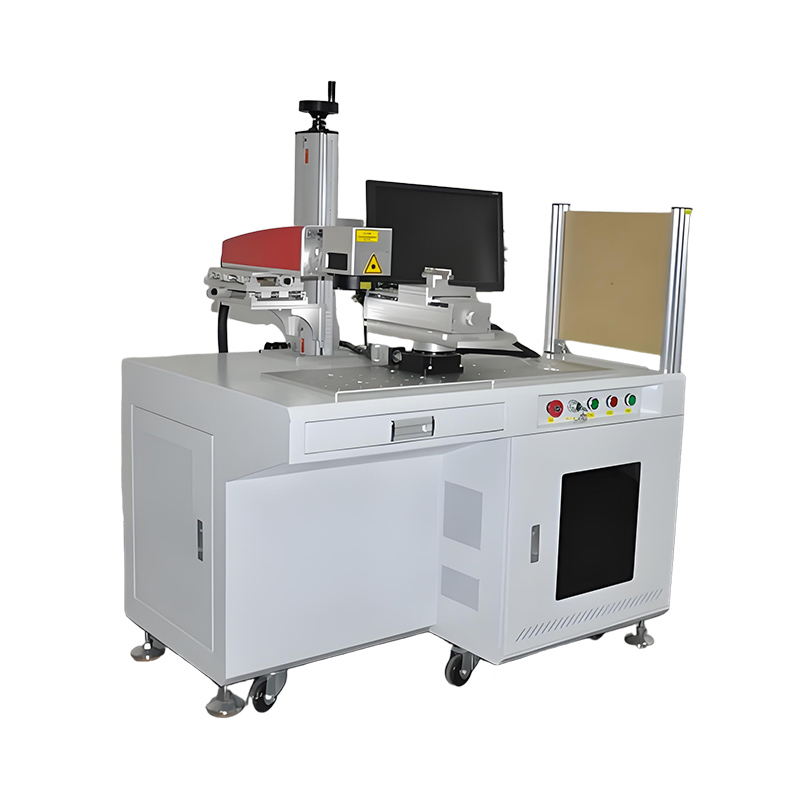
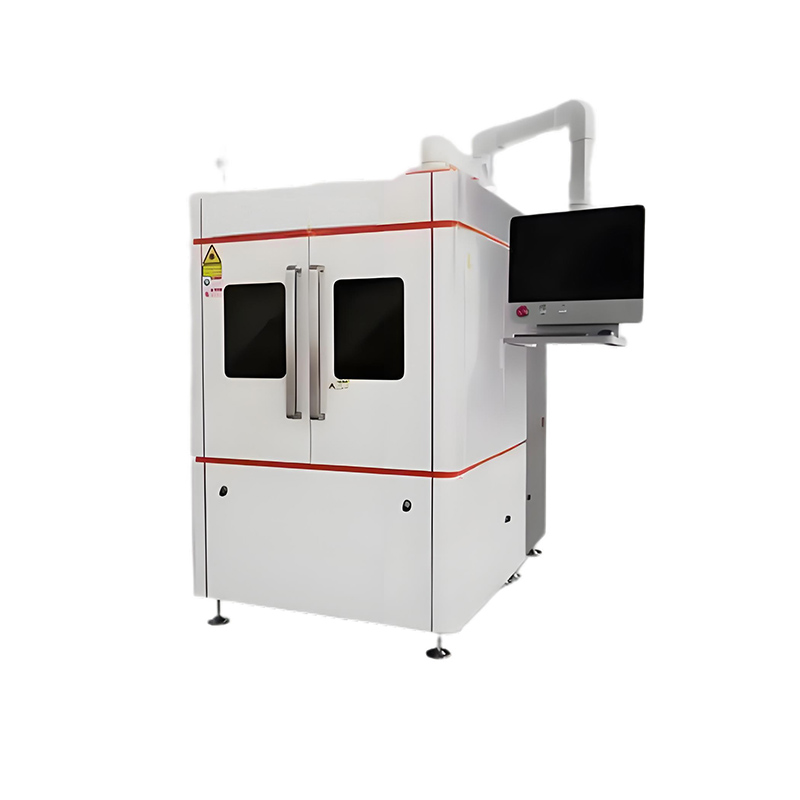
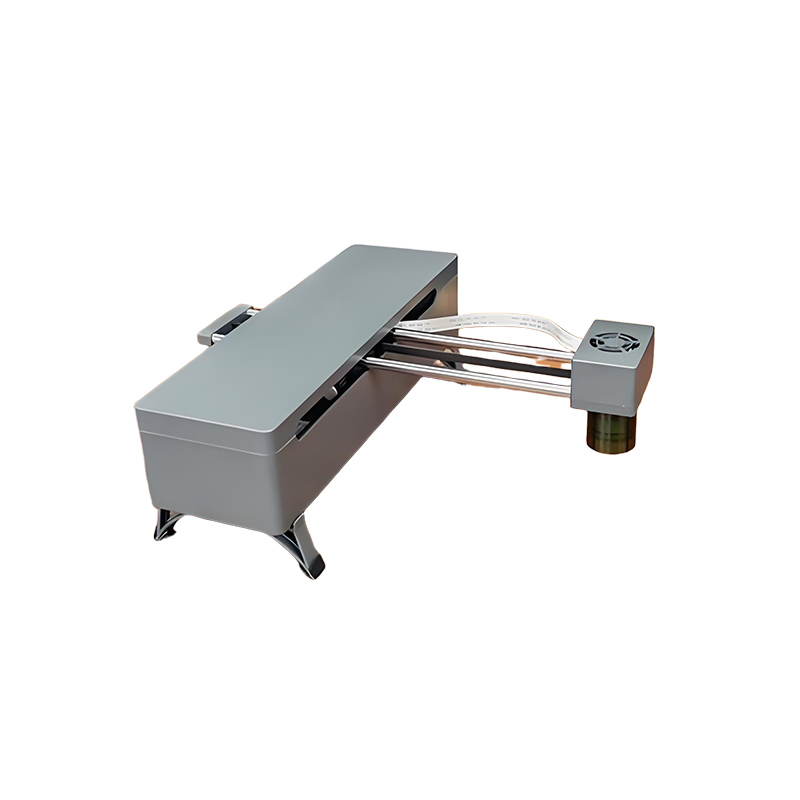
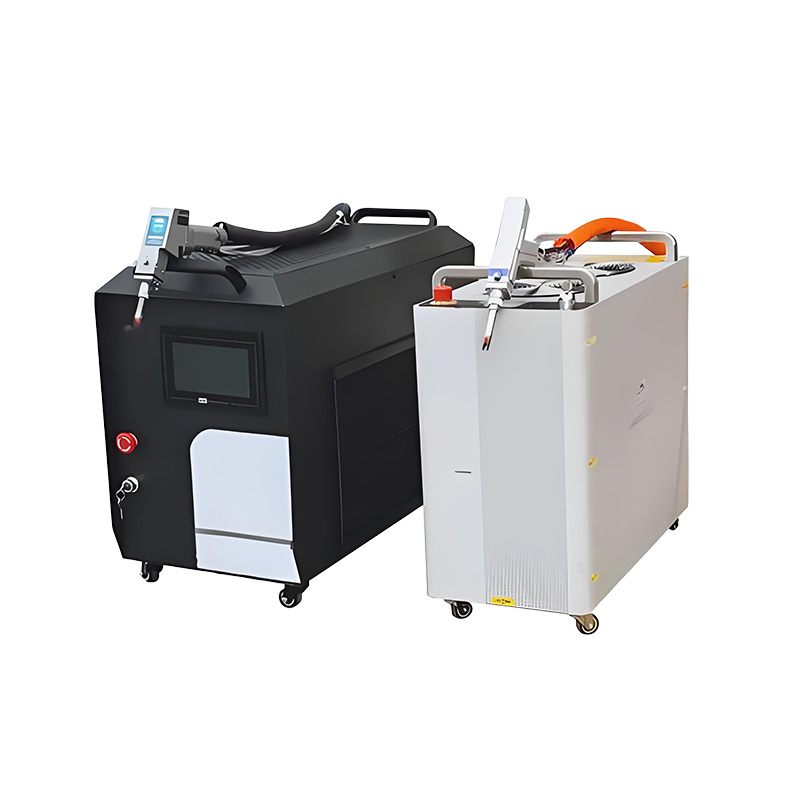
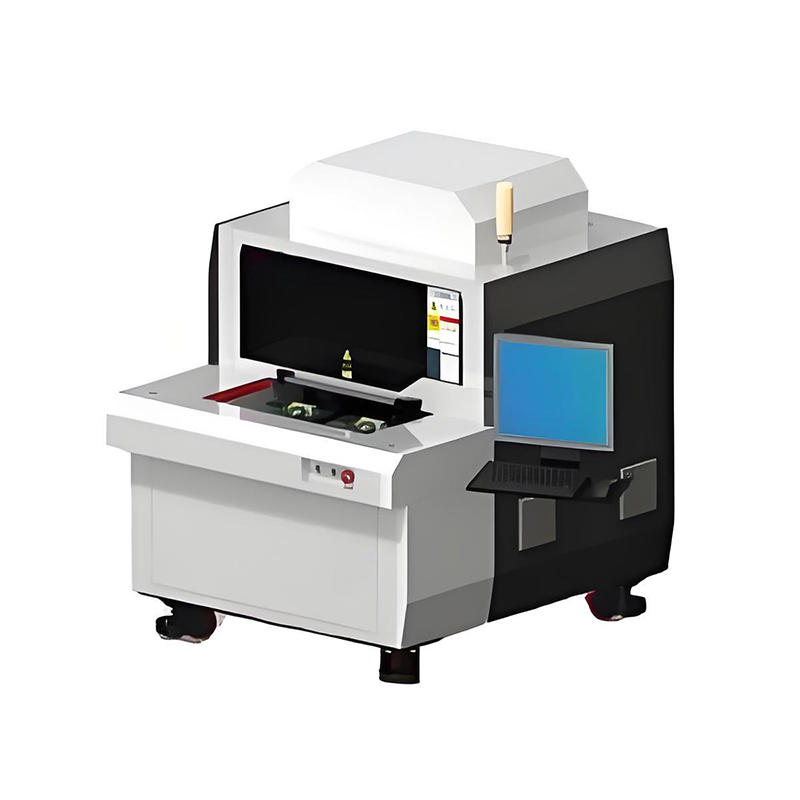
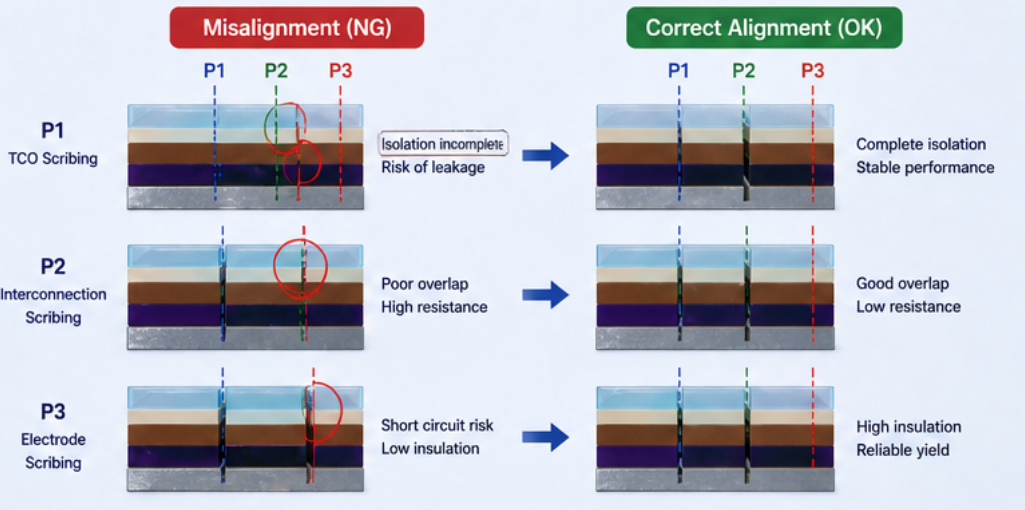
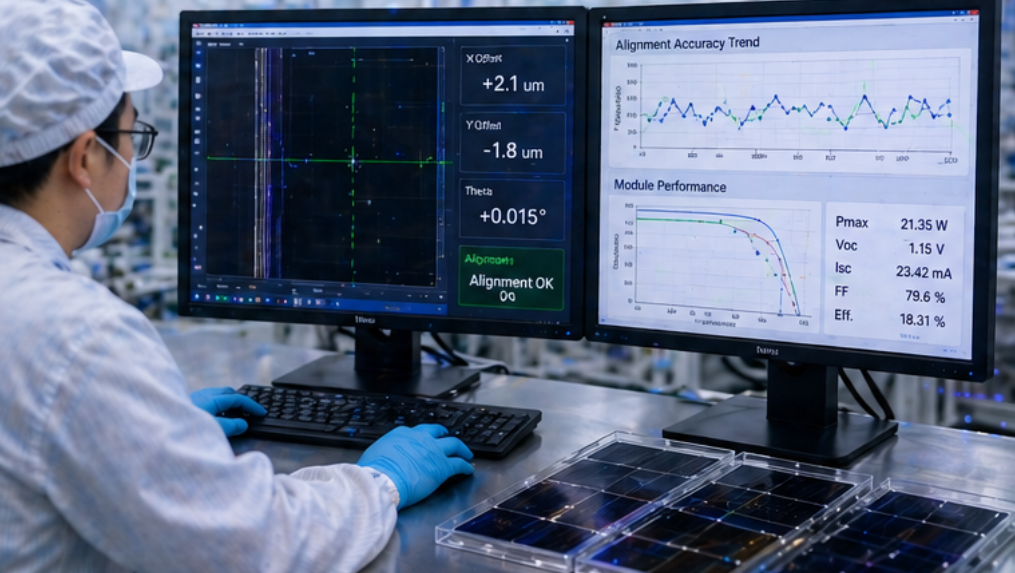
Get QuoteIn perovskite solar module manufacturing, multiple laser scribing steps must be precisely aligned with each other. P1, P2 and P3 scribing lines must overlap correctly to ensure proper electrical connection and isolation. Even small deviations can lead to incomplete interconnection, short circuits or increased resistance. Unlike rigid silicon wafers, perovskite thin-film structures are more sensitive to processing variations. This makes alignment accuracy even more important, especially for pilot lines and scalable production. Misalignment between P1, P2 and P3 lines can reduce the effective active area or cause electrical defects. If P2 does not fully overlap the P1 isolation line, interconnection may fail. If P3 is not correctly positioned, it may cause leakage or partial short circuits. Reduced active area and lower module efficiency Increased series resistance and power loss Higher risk of short circuits or leakage current Unstable module performance over time In perovskite modules, scribing lines create inactive zones between cells. If alignment accuracy is poor, these zones must be widened to avoid overlap errors, reducing the active area of the module. This directly impacts module efficiency and output power. High alignment accuracy allows narrower scribing lines and tighter process control, maximizing the active area and improving overall module performance. Achieving high alignment accuracy requires more than a precise motion system. It depends on the integration of vision alignment systems, stable mechanical platforms, accurate calibration and reliable process control. Modern perovskite laser systems often include camera-based alignment, automatic positioning, real-time correction and software-controlled recipes to ensure consistent results across multiple processing steps. Does the system include automatic vision alignment? What is the positioning accuracy and repeatability? Can the system handle multiple scribing steps with consistent alignment? Are there calibration and correction functions available? Can the supplier provide real sample testing results? Is the system stable for long-term pilot or production use? Alignment accuracy is a key factor that directly affects perovskite module yield, efficiency and long-term reliability. High-precision alignment enables better interconnection, higher active area utilization and more stable performance. For buyers, selecting a laser processing system with strong alignment capability is essential for successful transition from R&D to pilot line and scalable manufacturing. Contact Lecheng Laser to optimize your perovskite solar module alignment accuracy and improve yield.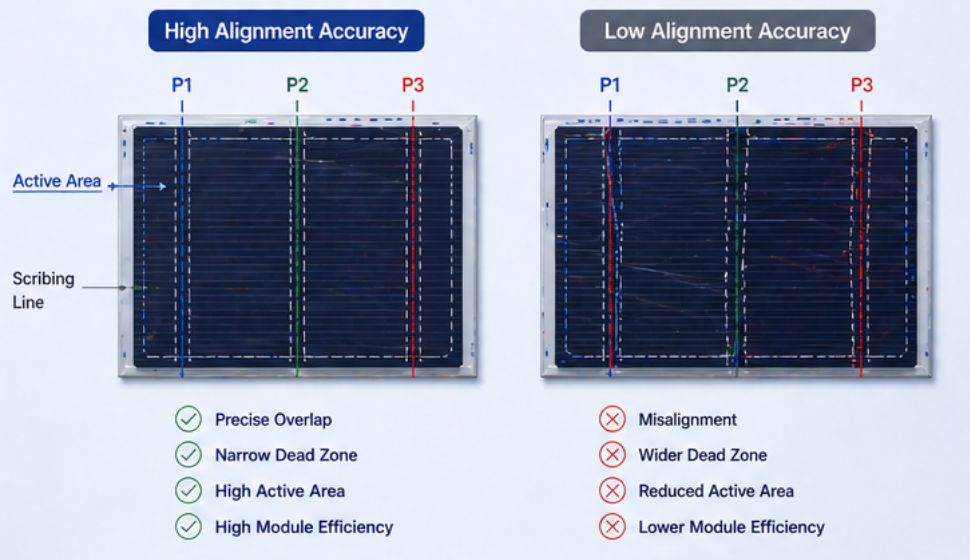
Why Alignment Accuracy Matters
How Misalignment Affects Module Performance
Alignment Accuracy And Active Area Utilization
Alignment Accuracy Impact Summary
Factor Low Accuracy Impact High Accuracy Benefit Scribing Overlap Misalignment, poor interconnection Stable electrical connection Active Area Wider dead zone, lower efficiency Higher active area utilization Electrical Performance High resistance or leakage Stable voltage and current output Module Yield More defects, lower yield Higher consistency and yield 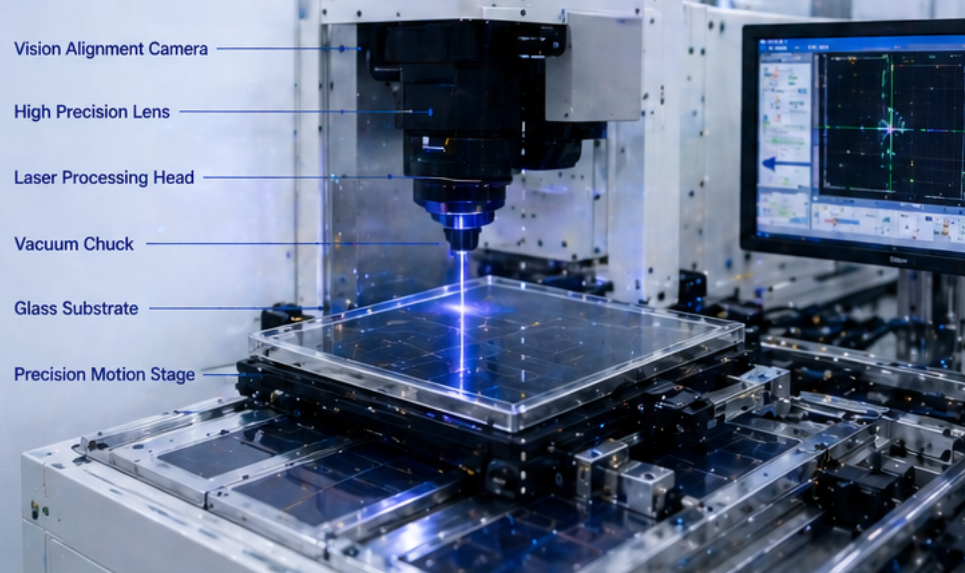
How To Achieve High Alignment Accuracy
Buyer Checklist For Alignment Accuracy
Conclusion
Need High Precision Alignment Solutions?
Related product and article resources
For procurement comparison and technical evaluation, readers can continue with these related product pages and supporting articles.
- Products
- Product catalog
- Contact the sales team
- Contact us
- Laser Scribing Machine RFQ Checklist for PV Cell Production Lines
- Laser Scribing vs Mechanical Cutting in Photovoltaic Production
- P1, P2 and P3 Laser Scribing: What Solar Manufacturers Should Know
- Lecheng Powers Dehu's 100MW Perovskite Pilot Line to Historic First Light