


Perovskite Laser Scribing Guide
How To Choose A Laser Source For Perovskite Solar Cell Scribing
Choosing the right laser source is one of the most important decisions in perovskite solar cell scribing. The laser wavelength, pulse width, beam quality, power stability and process window directly affect layer selectivity, scribing width, heat affected zone, insulation performance and final module yield.
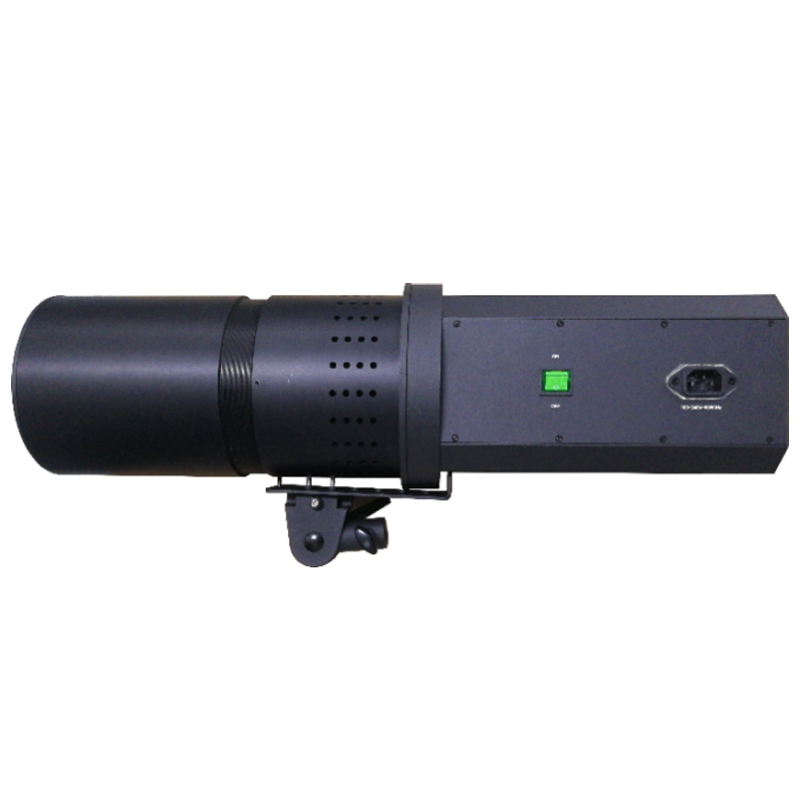
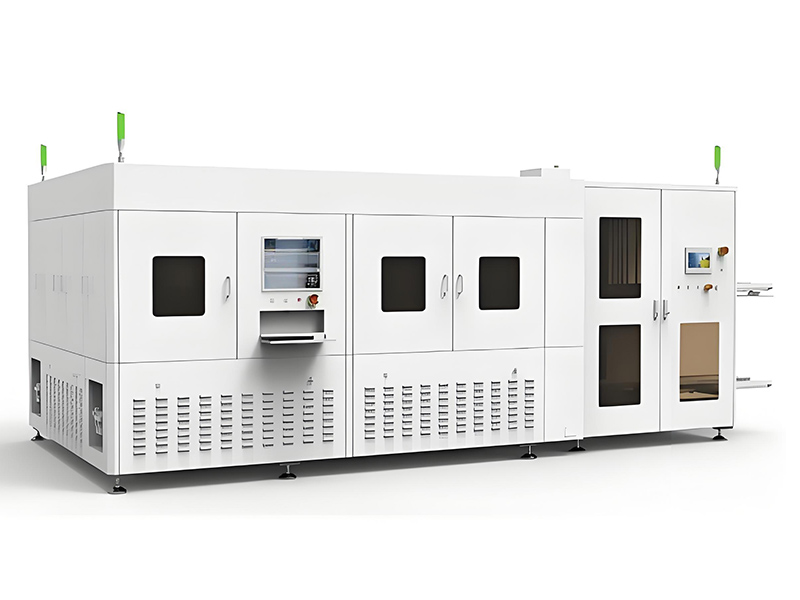
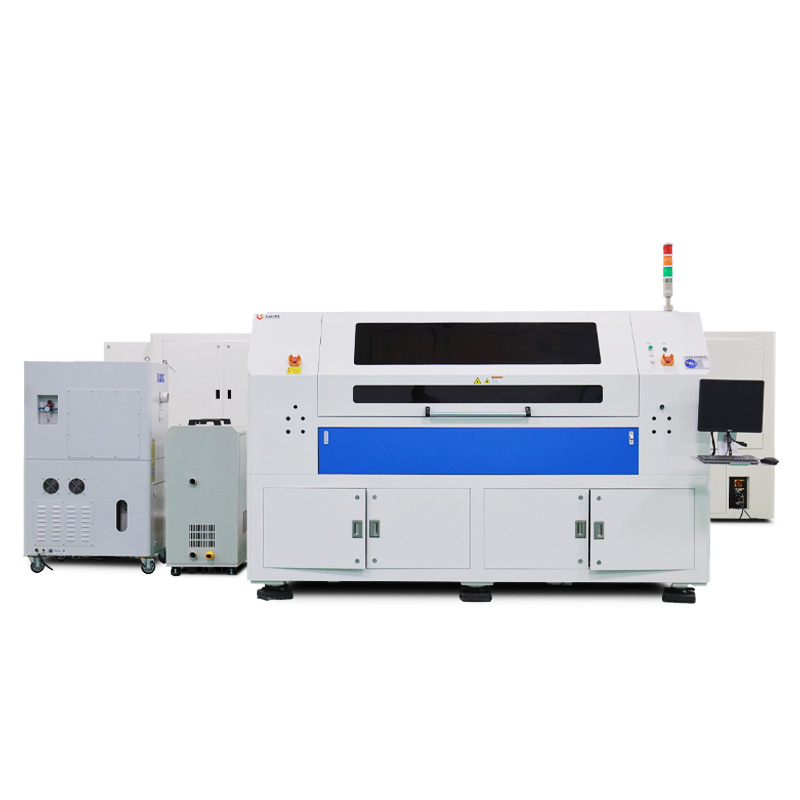
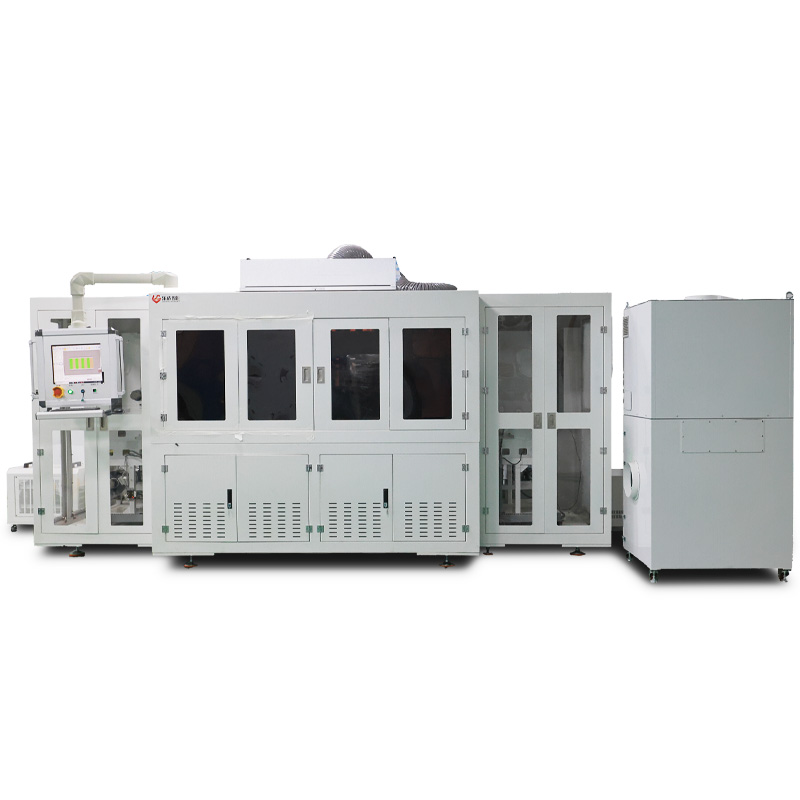
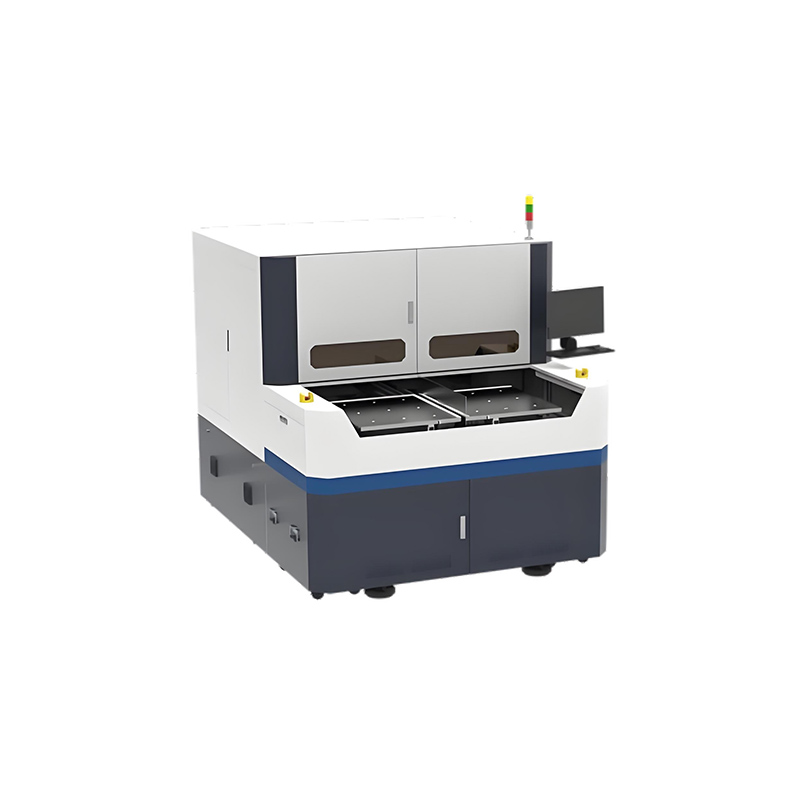
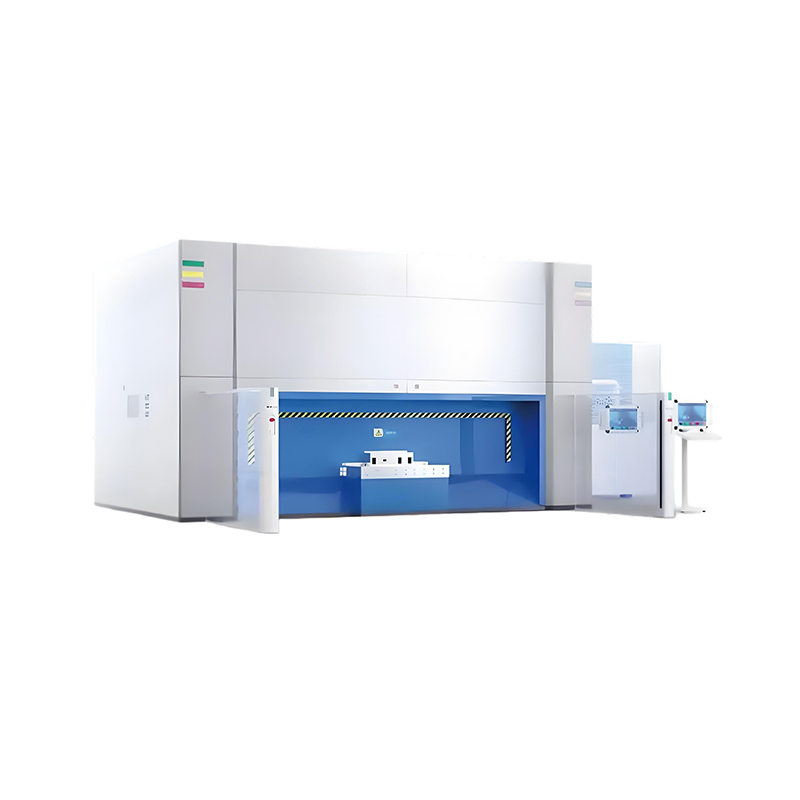
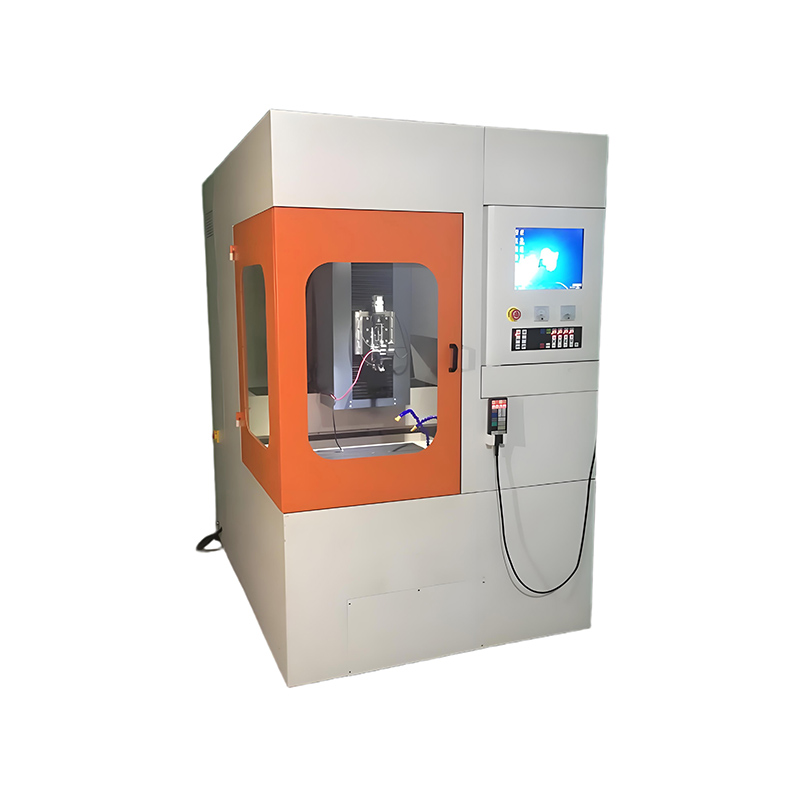
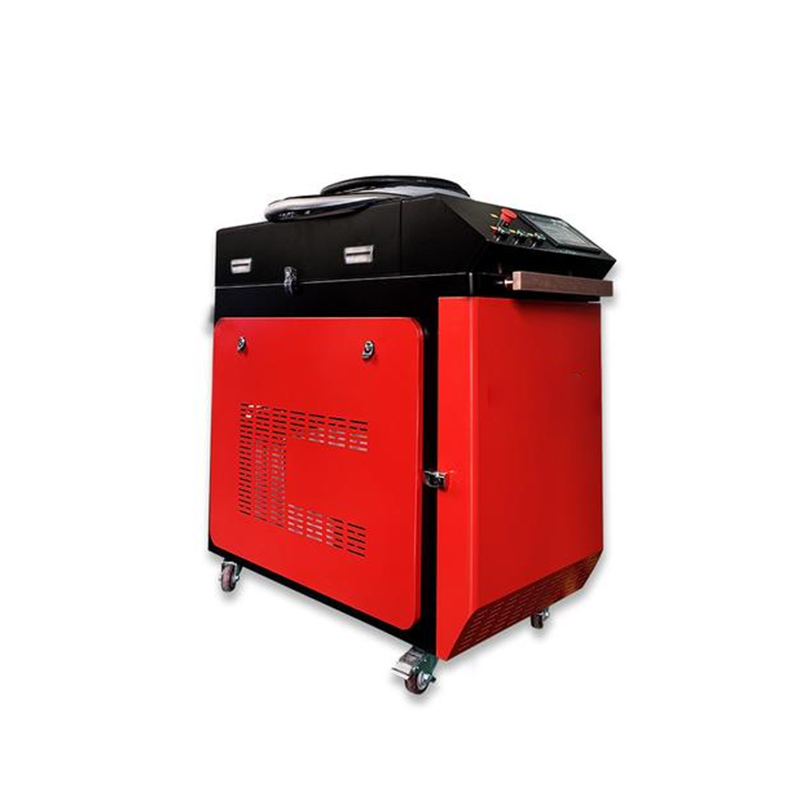
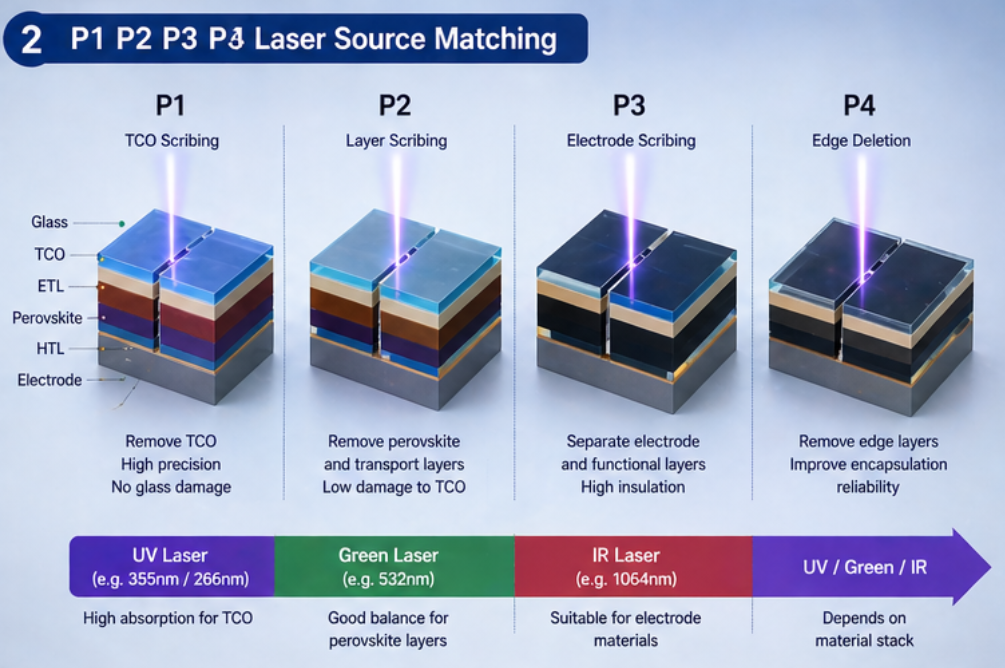
Get QuotePerovskite solar cells are made of multiple thin-film layers, including TCO, transport layers, perovskite absorber layers and electrode materials. Each layer responds differently to laser energy. A suitable laser source should remove the target layer cleanly while minimizing damage to adjacent layers. If the laser source is not properly selected, the process may cause incomplete removal, excessive heat affected zone, particle contamination, substrate damage, poor insulation or unstable interconnection. For this reason, buyers should treat laser source selection as a process decision, not only a hardware decision. Different scribing steps may require different laser characteristics. P1 usually focuses on TCO layer isolation. P2 removes functional layers to create an interconnection channel. P3 separates the back electrode and functional layers. P4 removes edge layers to improve encapsulation reliability. P1: requires clean conductive layer removal without glass damage. P2: requires selective removal of perovskite and transport layers. P3: requires stable electrode separation and high insulation. P4: requires clean edge deletion with controlled thermal impact. Laser wavelength determines how strongly each material layer absorbs energy. UV lasers are often considered for fine processing and selective thin-film removal. Green lasers may provide a balanced process window for certain material stacks. Infrared lasers may be suitable for specific electrode or substrate-related applications depending on absorption behavior. There is no universal wavelength for all perovskite solar cell structures. Buyers should ask the equipment supplier to recommend a wavelength based on actual samples, material stack and required scribing step. Pulse width affects how much heat is transferred to surrounding materials. Nanosecond lasers may be suitable for many industrial thin-film processes, while picosecond and femtosecond lasers can help reduce thermal damage and improve edge quality in more demanding applications. However, shorter pulse width does not automatically mean better results. Buyers should evaluate actual scribing quality, process speed, equipment cost, maintenance requirements and production stability. The best choice depends on the balance between precision, throughput and budget. In perovskite solar cell scribing, thermal control is extremely important. Excessive heat may damage the perovskite layer, transport layers or nearby interconnection area. Buyers should check microscope images of the scribing edge, debris level and electrical insulation performance after processing. A good laser source should produce stable scribing lines with low thermal impact and clean edges. This is especially important for P2 and P3, where the laser process directly affects interconnection resistance and cell isolation. A laser source alone does not determine the final scribing result. The full system also includes beam delivery, motion platform, focusing optics, vision alignment, control software and dust extraction. Even a high-quality laser source may perform poorly if the system integration is weak. Buyers should evaluate whether the supplier can provide a complete laser processing solution, including process testing, recipe development, alignment control and after-sales technical support. Which wavelength is recommended for my material stack? Should I choose nanosecond, picosecond or femtosecond laser processing? Can the supplier test my samples before final configuration? What scribing width and edge quality can be achieved repeatedly? How much heat affected zone will the process generate? Does the system support P1, P2, P3 and P4 process recipes? Can the laser source support future pilot line or production upgrades? Choosing a laser source for perovskite solar cell scribing requires a careful balance between wavelength, pulse width, beam quality, power stability, process window and system integration. Buyers should not select a laser source only by power or price. The best decision should be based on actual sample testing and process results. For perovskite R&D, pilot lines and scalable module manufacturing, a process-oriented laser equipment partner can help reduce trial-and-error costs and improve scribing quality, module yield and long-term reliability. Contact Lecheng Laser to discuss your perovskite material stack, P1/P2/P3/P4 requirements, substrate size and laser source configuration.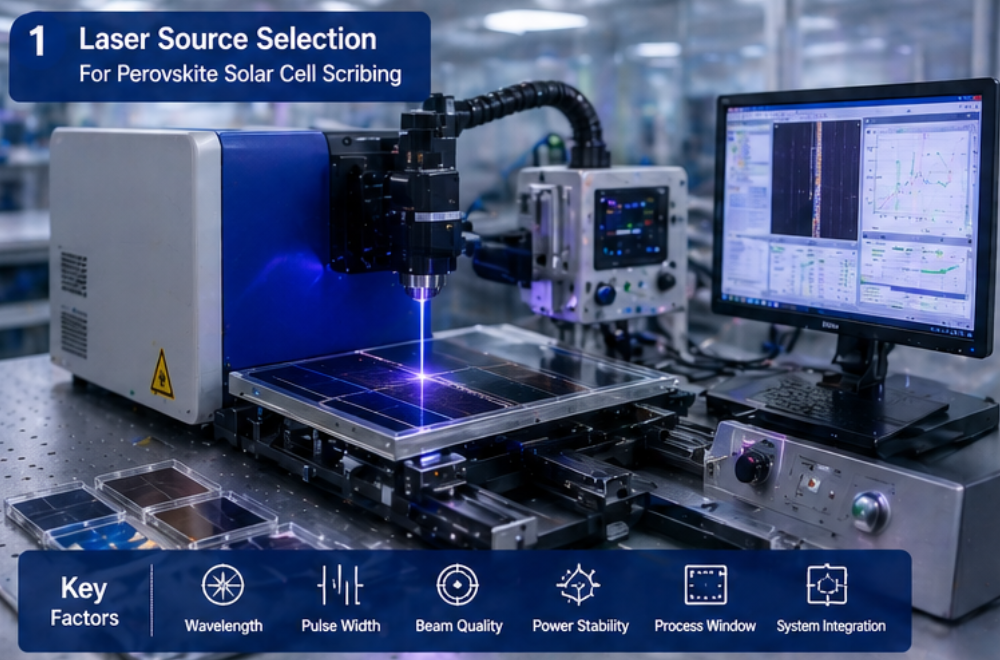
Why Laser Source Selection Matters
1. Match The Laser Source With P1, P2, P3 And P4 Processes
2. Compare UV, Green And Infrared Laser Options
3. Choose The Right Pulse Width
Laser Source Selection Comparison
Selection Factor Why It Matters Buyer Checkpoint Wavelength Controls absorption and layer selectivity Match with TCO, perovskite layer and electrode material Pulse Width Affects heat affected zone and edge quality Compare nanosecond, picosecond or femtosecond process results Beam Quality Influences scribing line stability and precision Check line width consistency and edge smoothness Power Stability Ensures repeatable processing over time Ask for long-term processing stability data Process Window Reduces risk during recipe adjustment Request sample testing with your material stack 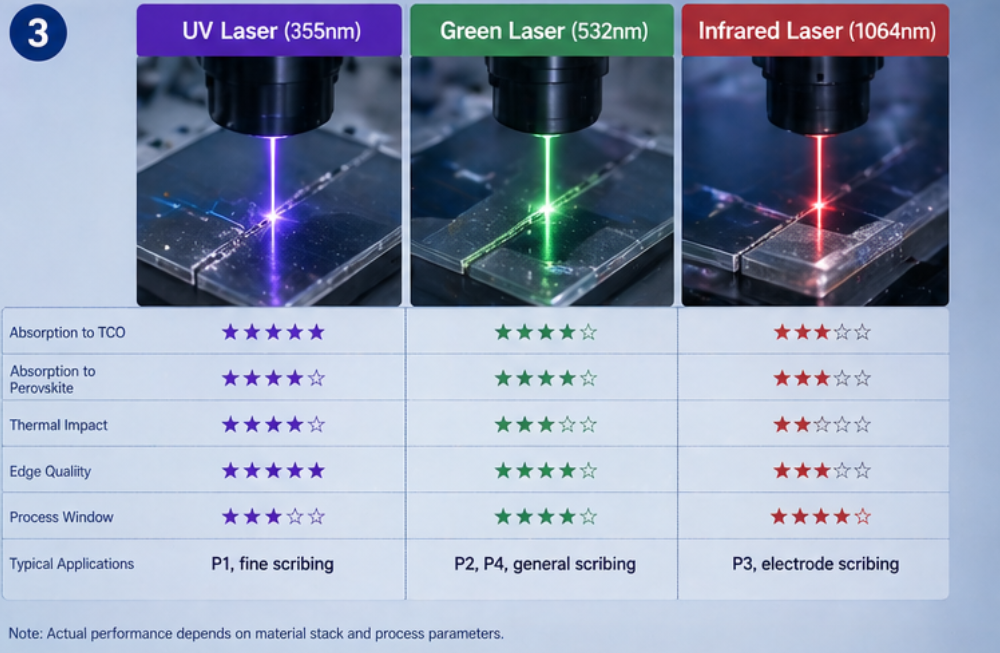
4. Evaluate Heat Affected Zone And Edge Quality
5. Do Not Ignore System Integration
Questions To Ask Before Choosing A Laser Source
Conclusion
Need Help Choosing A Laser Source?