


Building a Future-Proof Manufacturing Line with Modular Laser Systems
The Core Principle: Flexibility as a Strategic Advantage
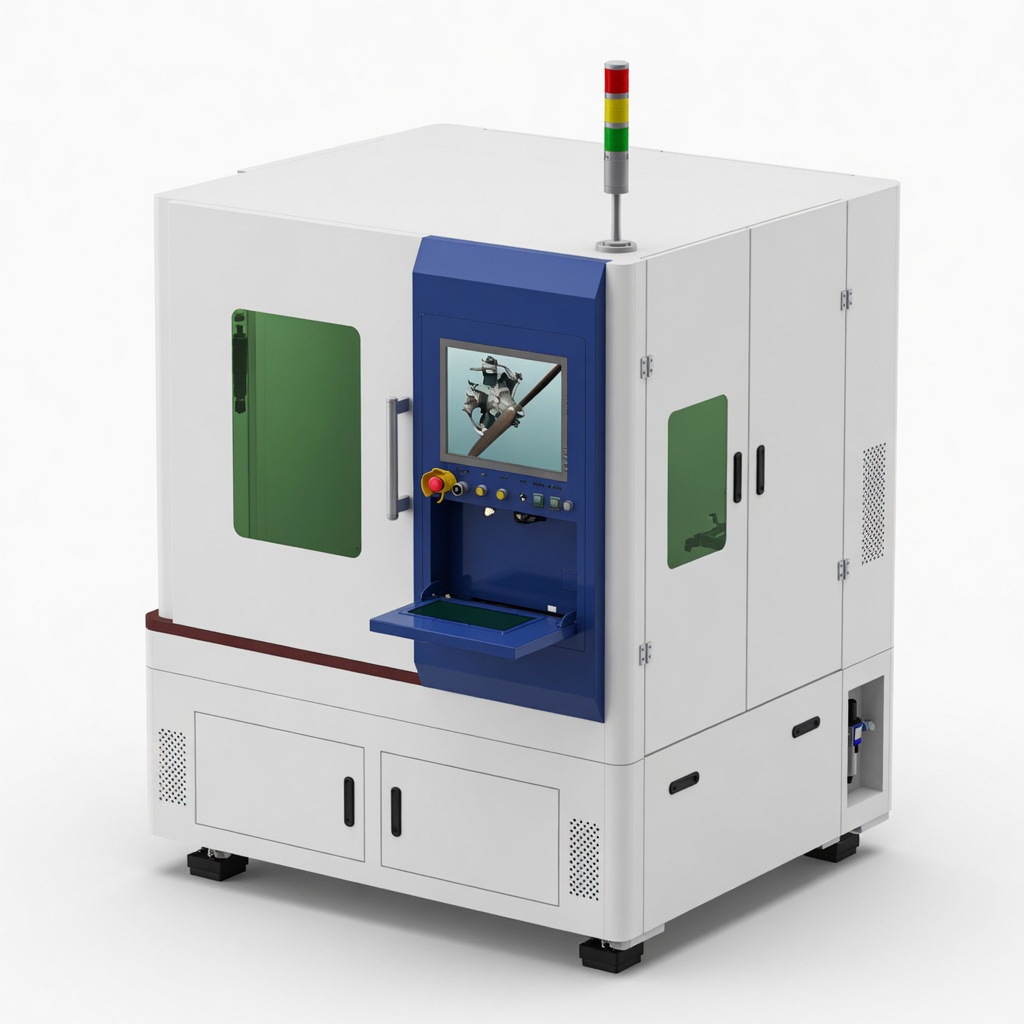
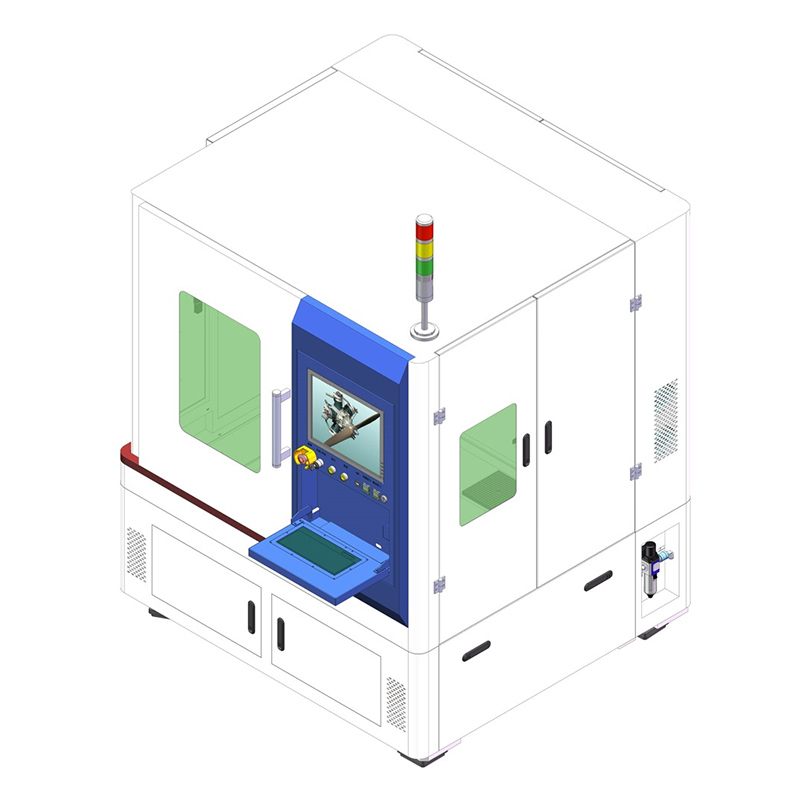
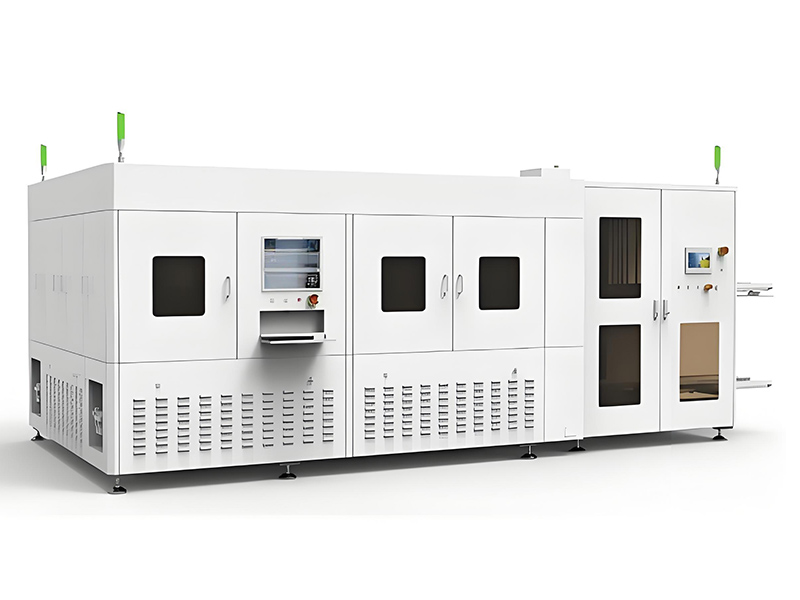
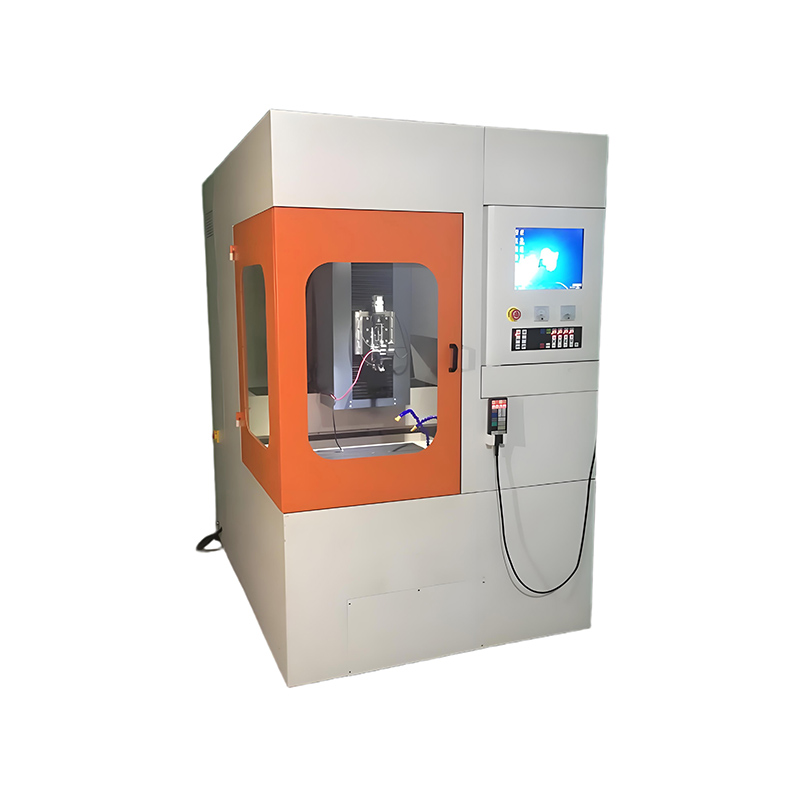
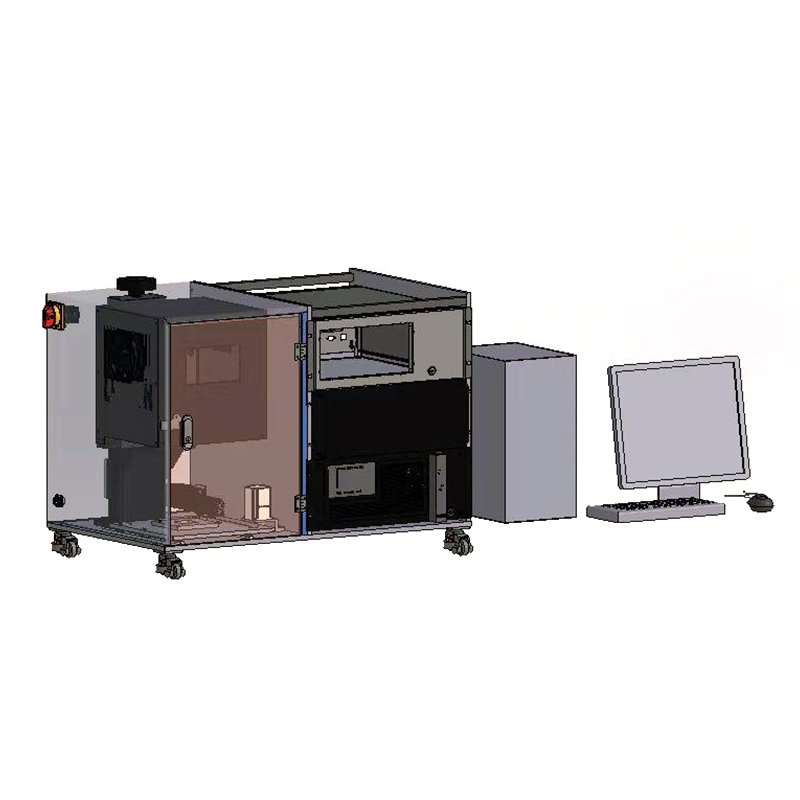
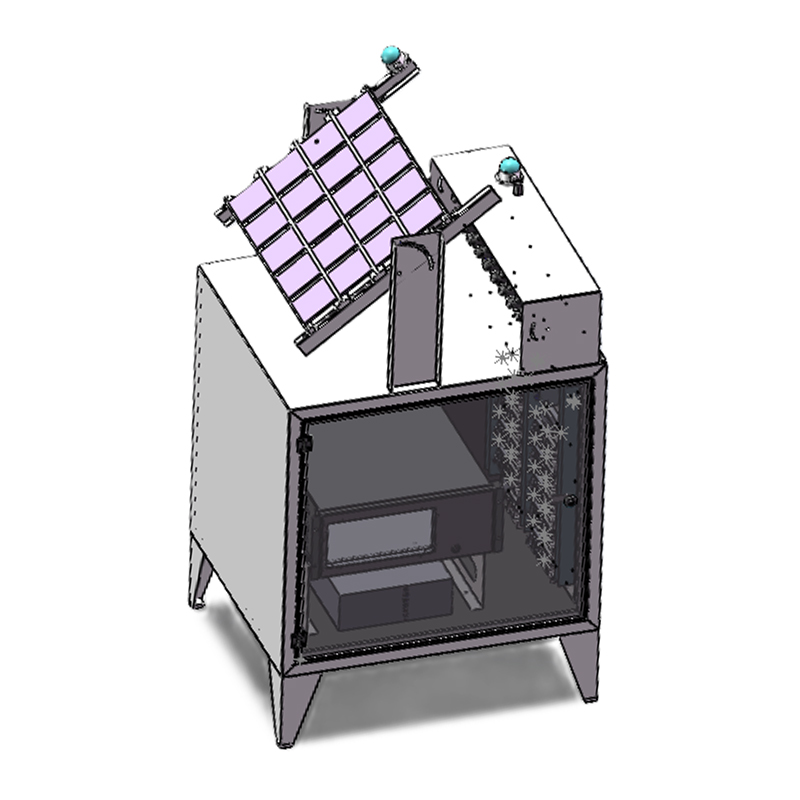
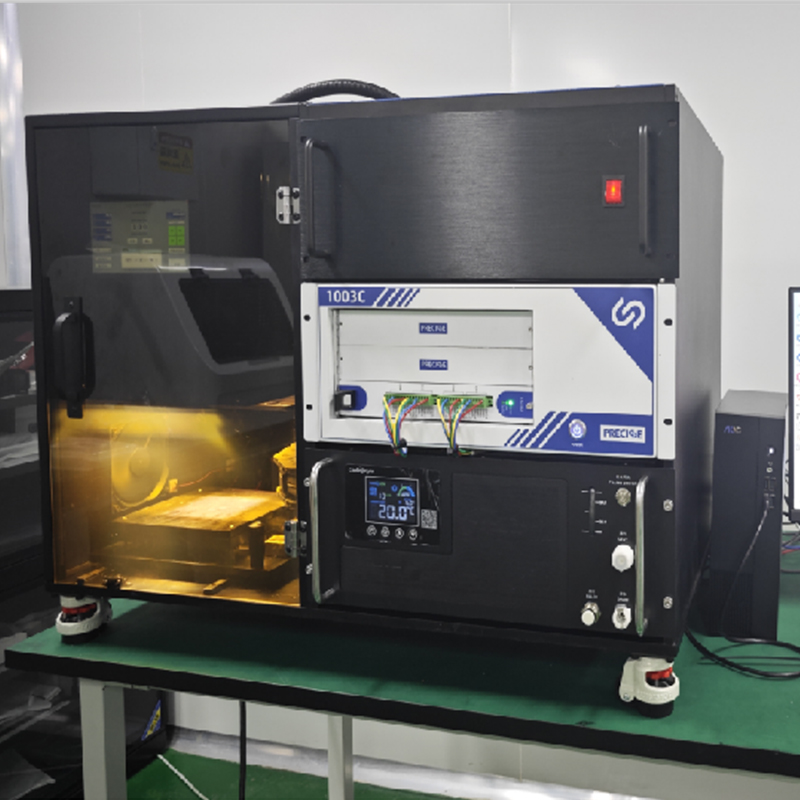
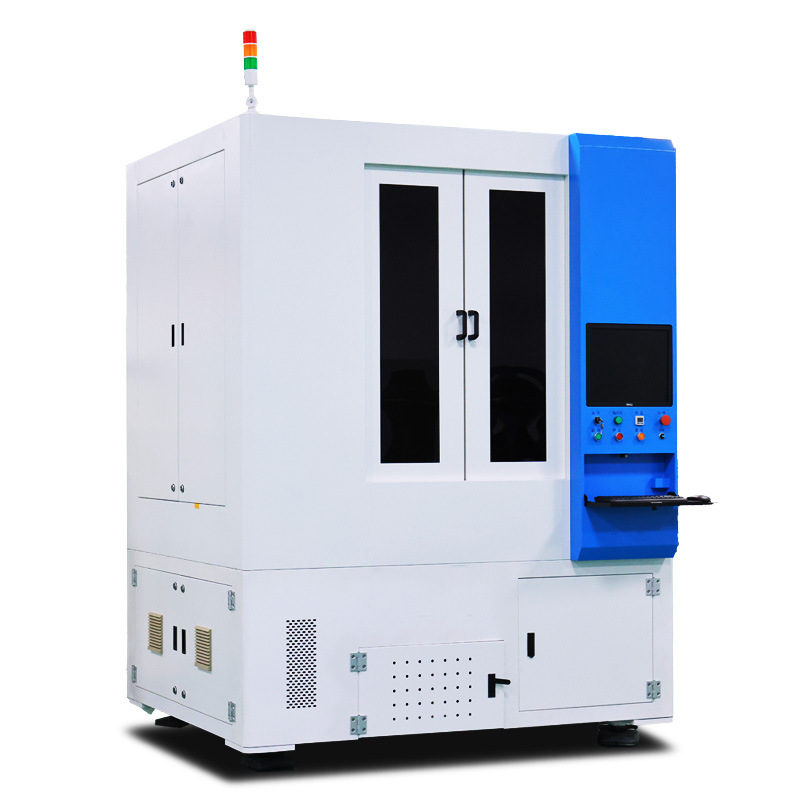
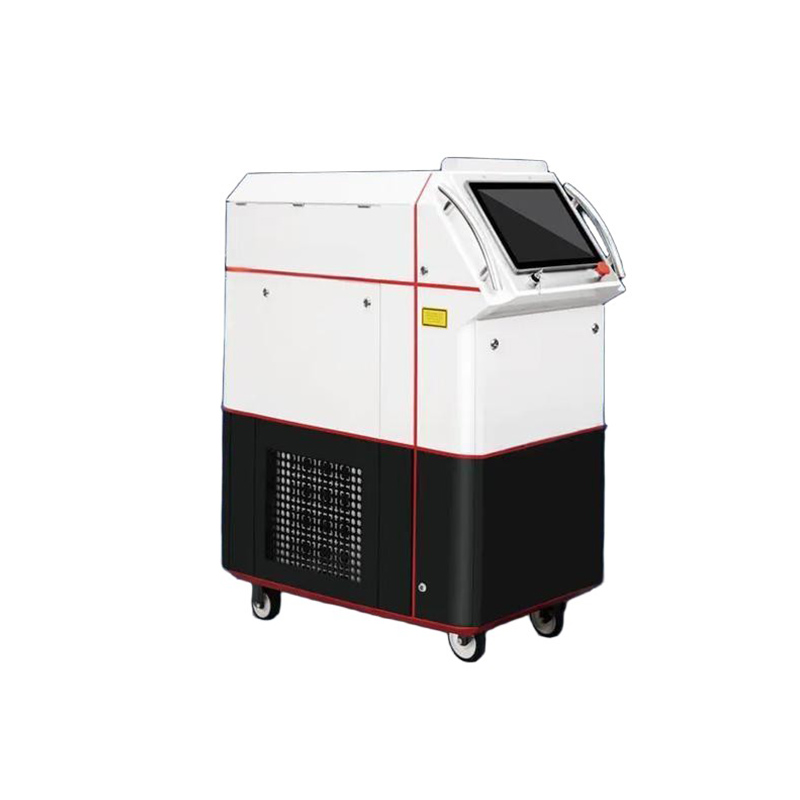
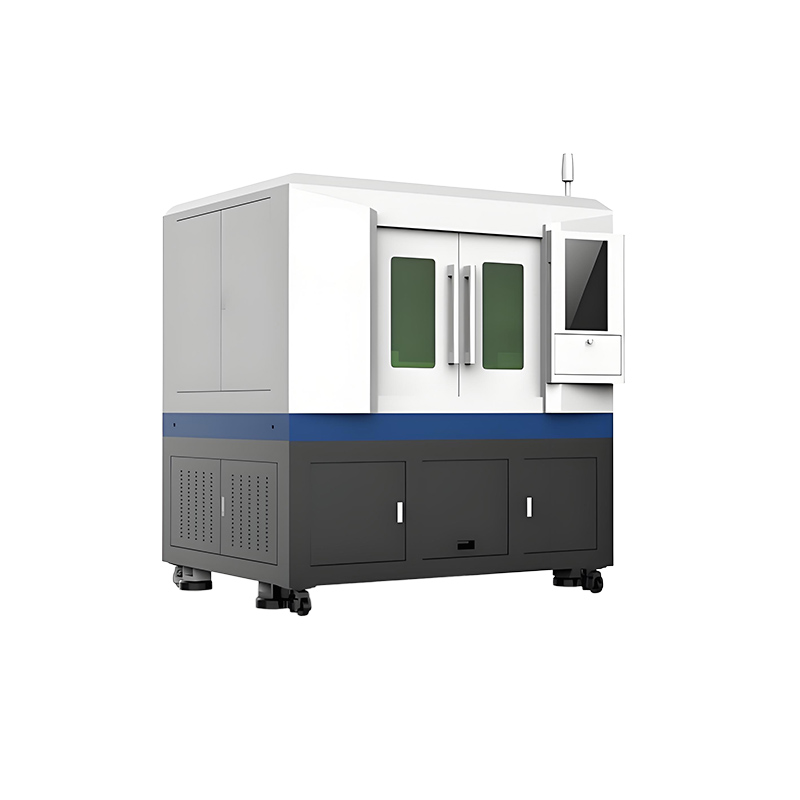
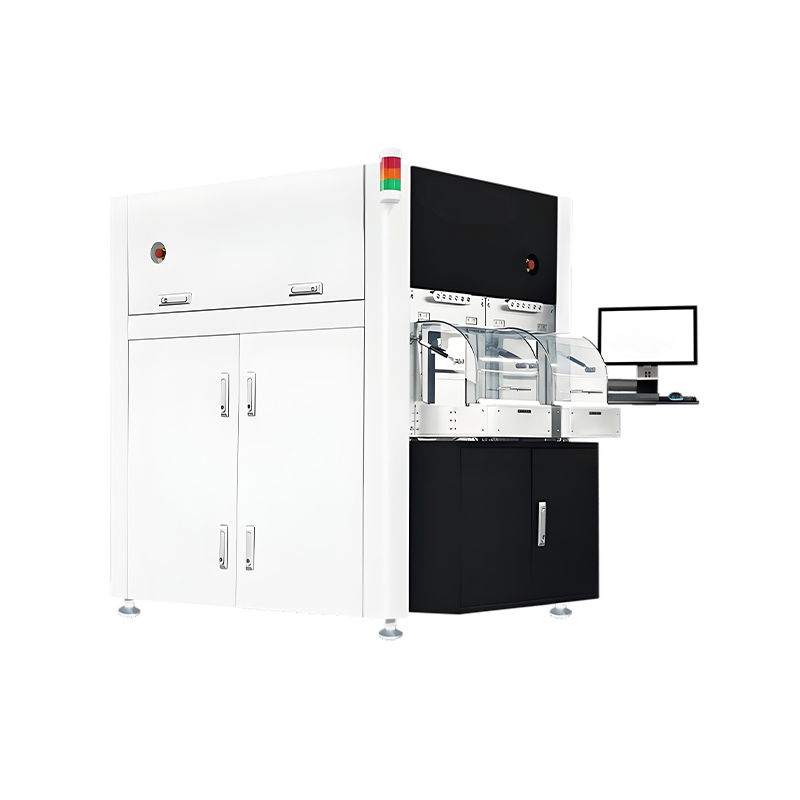
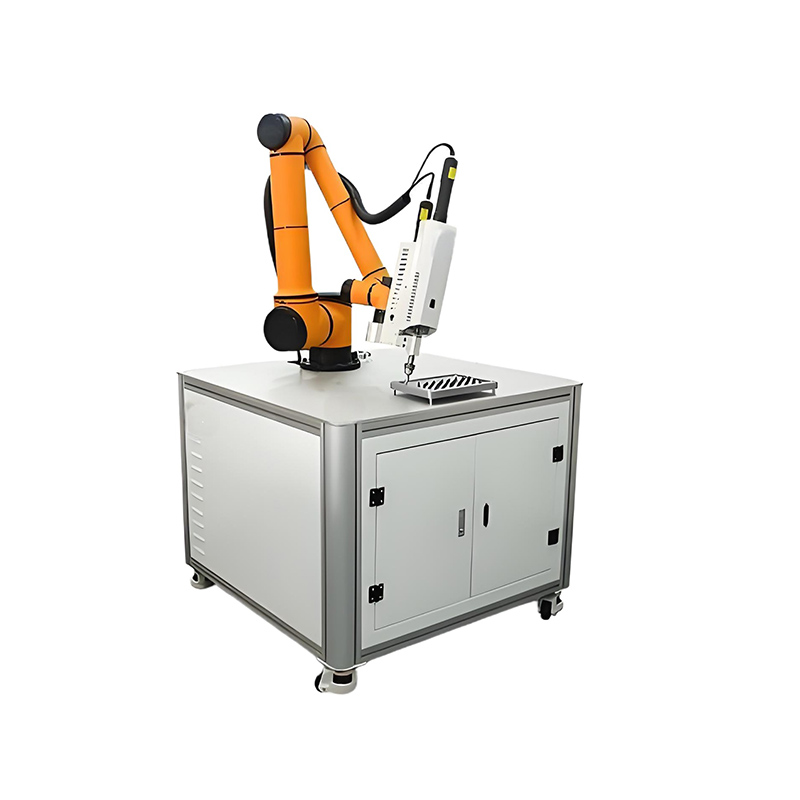
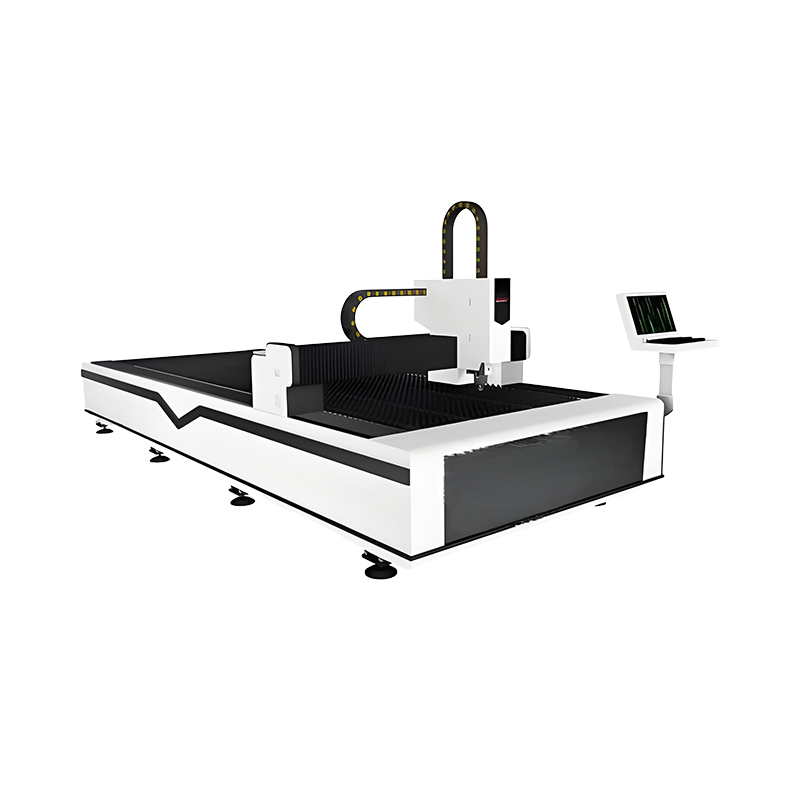
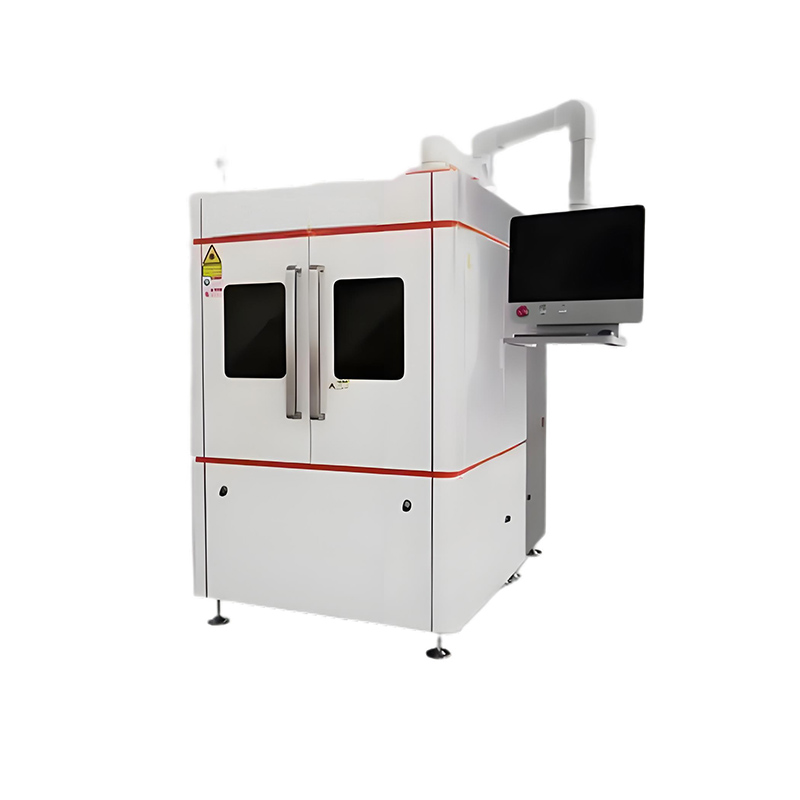
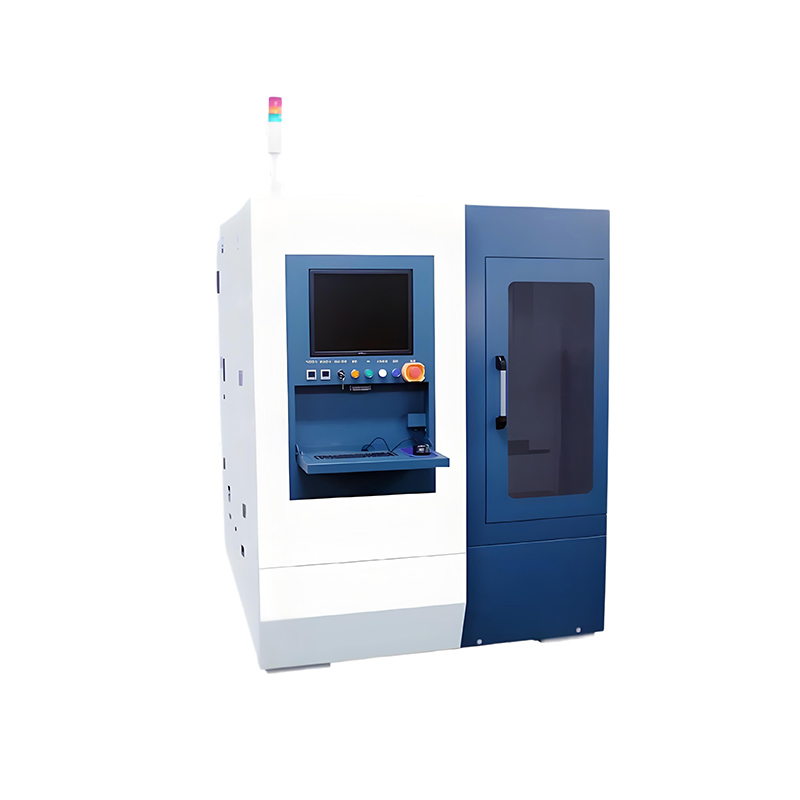
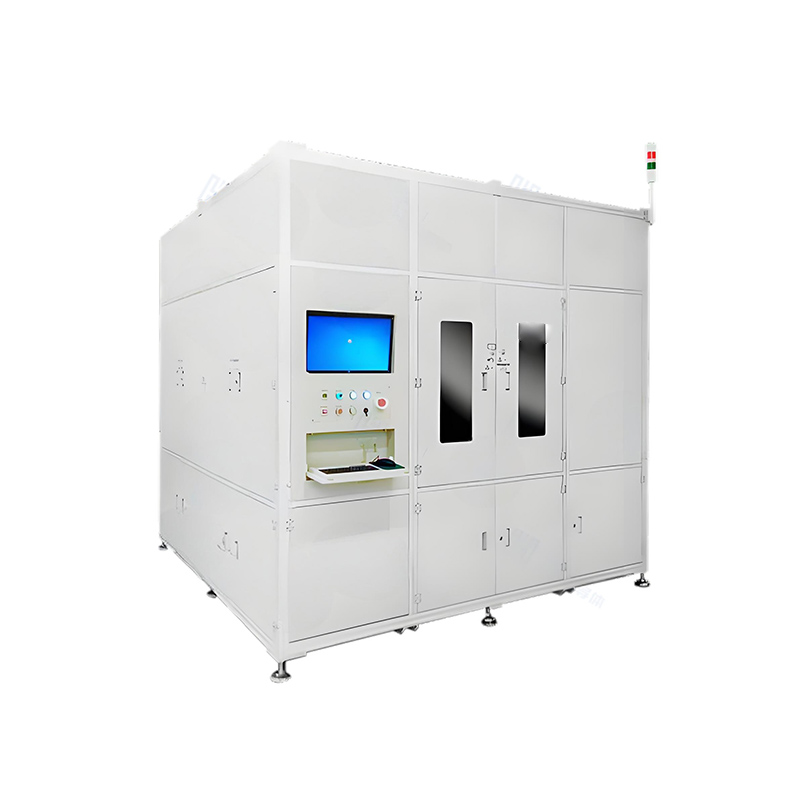
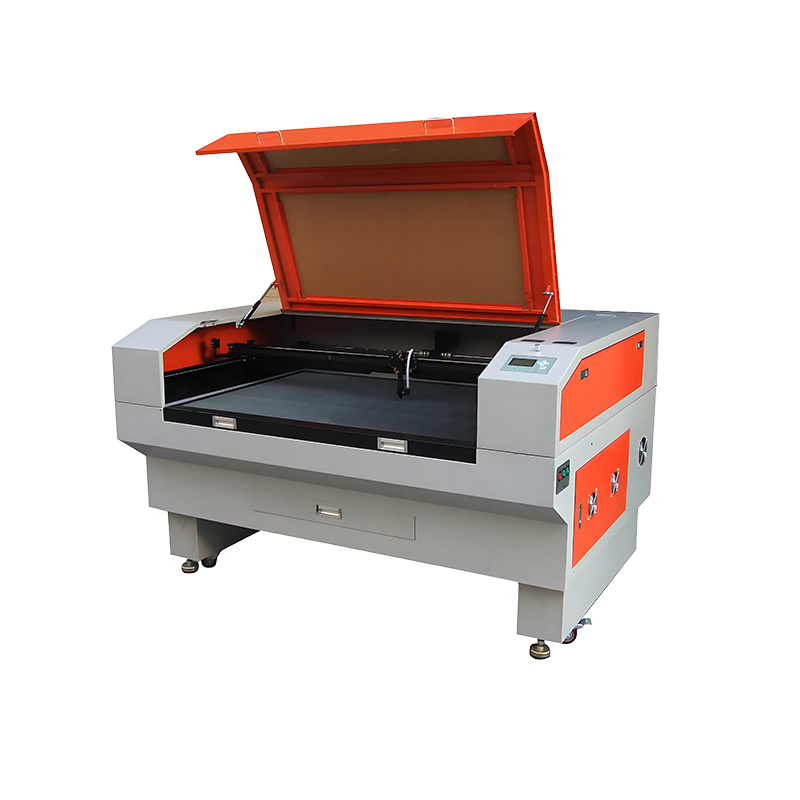
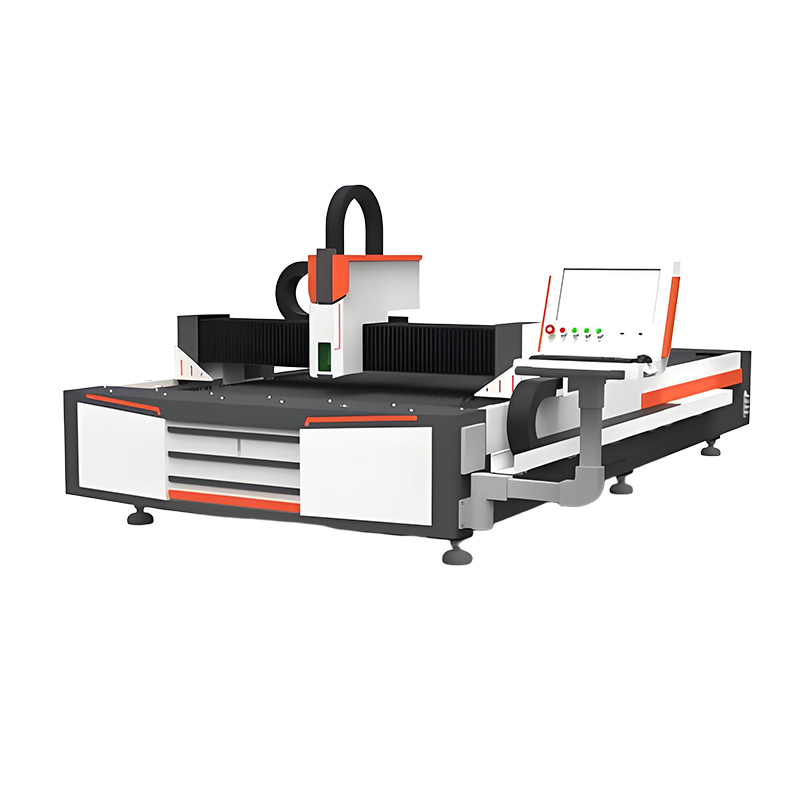
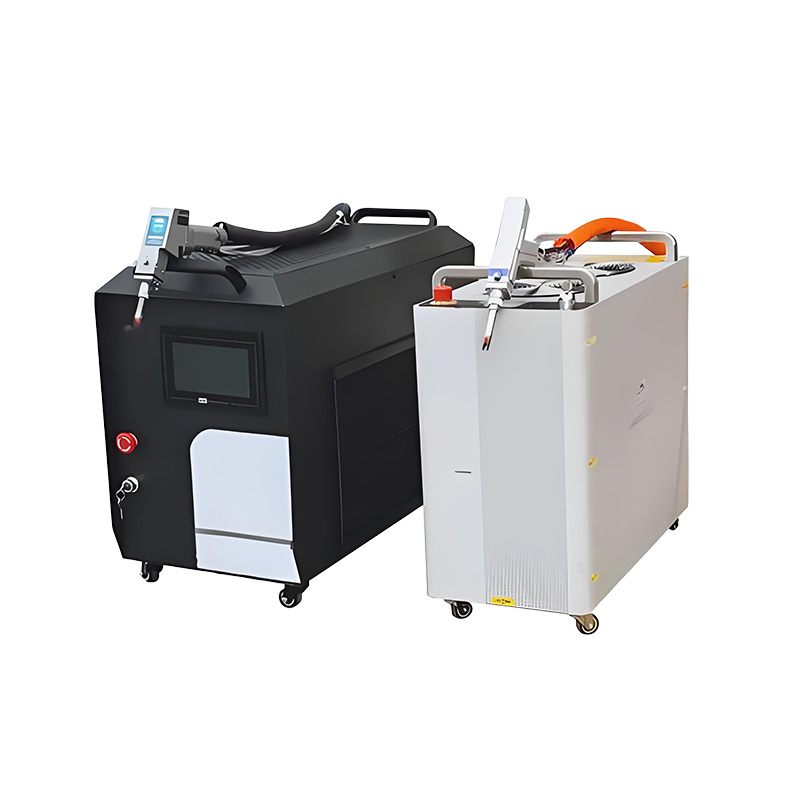
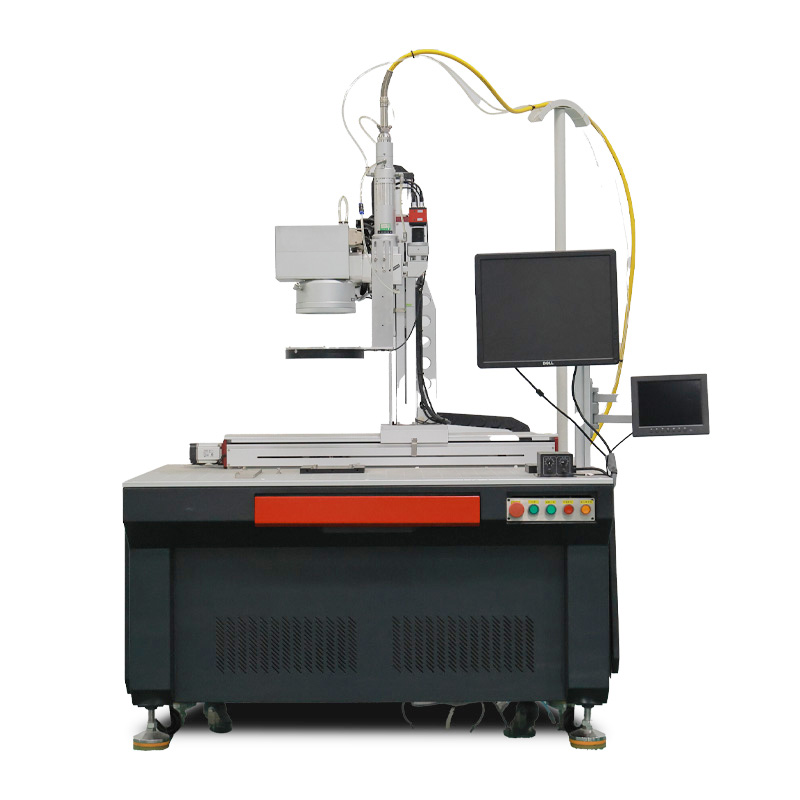
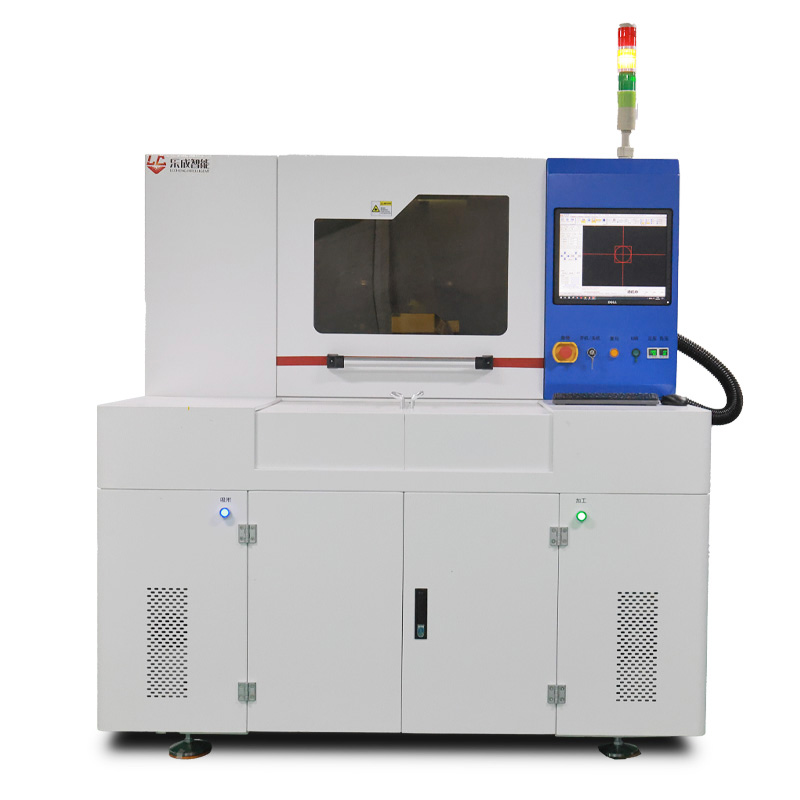
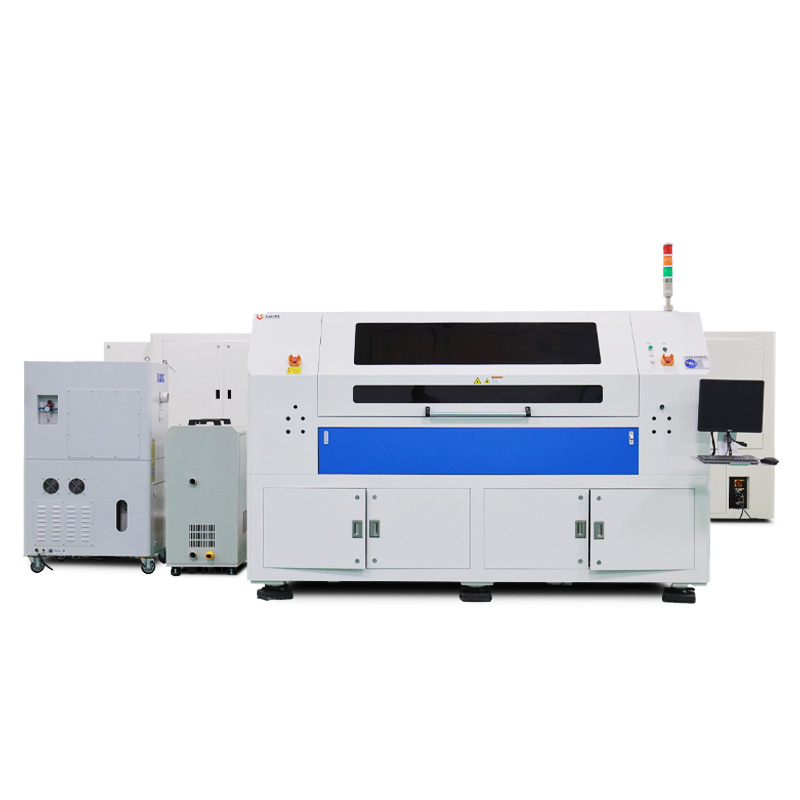
In today's volatile manufacturing landscape, where product lifecycles are shrinking and technological disruptions are constant, the greatest asset a production line can possess is not just speed or precision, but adaptability. Investing in rigid, single-purpose machinery is a strategic risk. This is where the philosophy of modular laser systems transforms capital expenditure from a fixed cost into a flexible, long-term investment. Unlike monolithic machines, a modular system is built around a core platform—such as a high-quality laser source, a precision motion platform, and a central control software—to which various functional processing heads and application-specific modules can be added, swapped, or upgraded. A manufacturer might start with a system configured for laser cutting sheet metal. When a new product line requires precision welding, they can integrate a dedicated welding head and change parameters in software, rather than purchasing an entirely new machine. Companies like Lecheng Intelligent design their solutions with this open architecture, allowing production lines to evolve alongside product portfolios. This inherent flexibility protects investments against obsolescence and enables rapid response to market changes, turning the manufacturing floor from a static cost center into a dynamic strategic enabler.
Key Components of a Modular Ecosystem: Interchangeability and Scalability
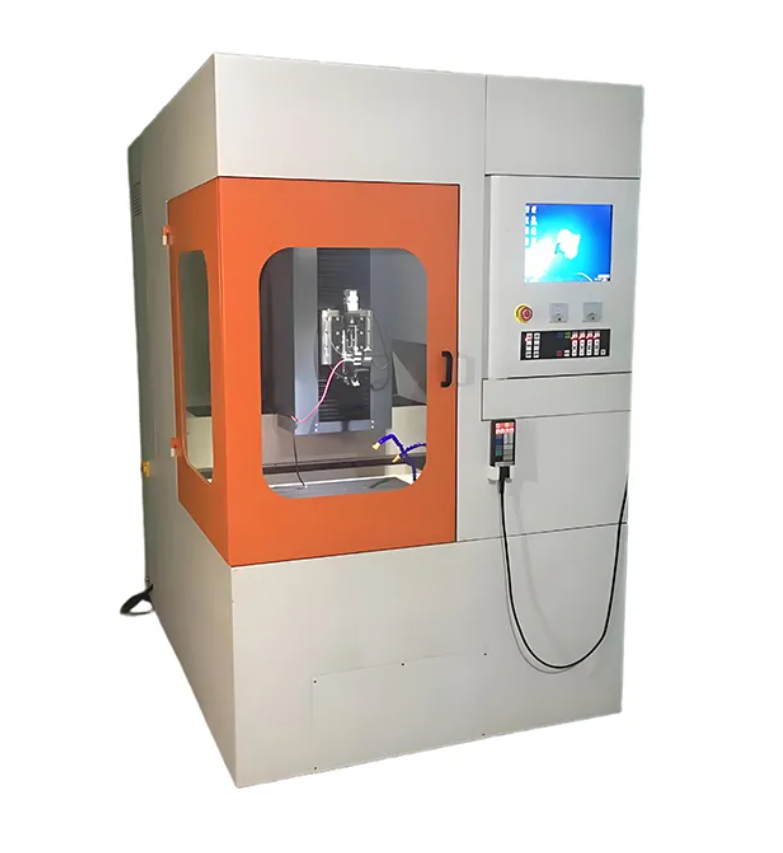
A truly future-proof modular system is defined by the seamless interoperability of its components. The foundation is a standardized interface platform that ensures mechanical, electrical, and software compatibility between modules. Key components include:
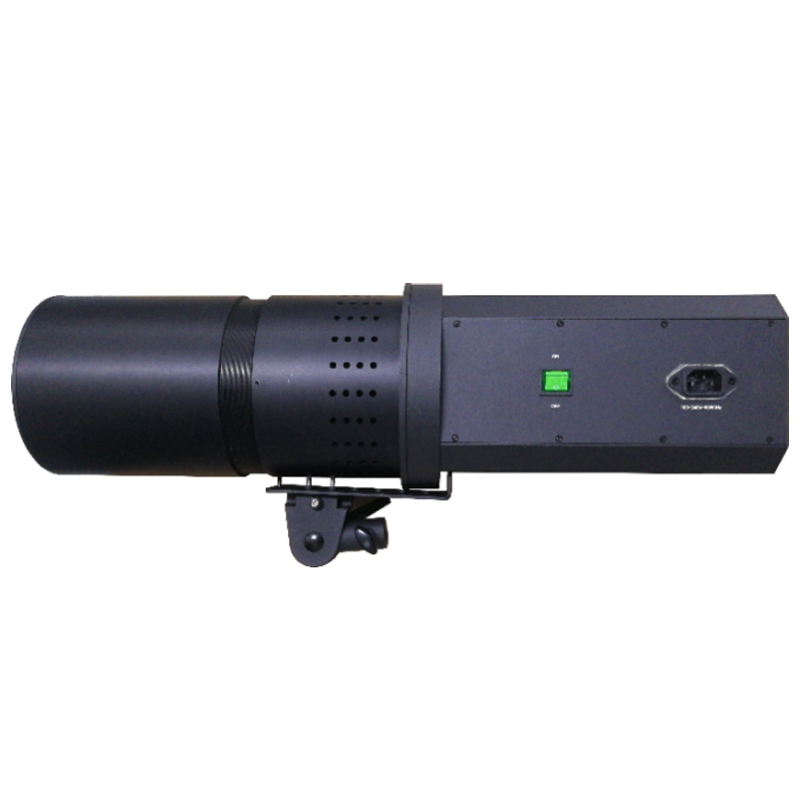
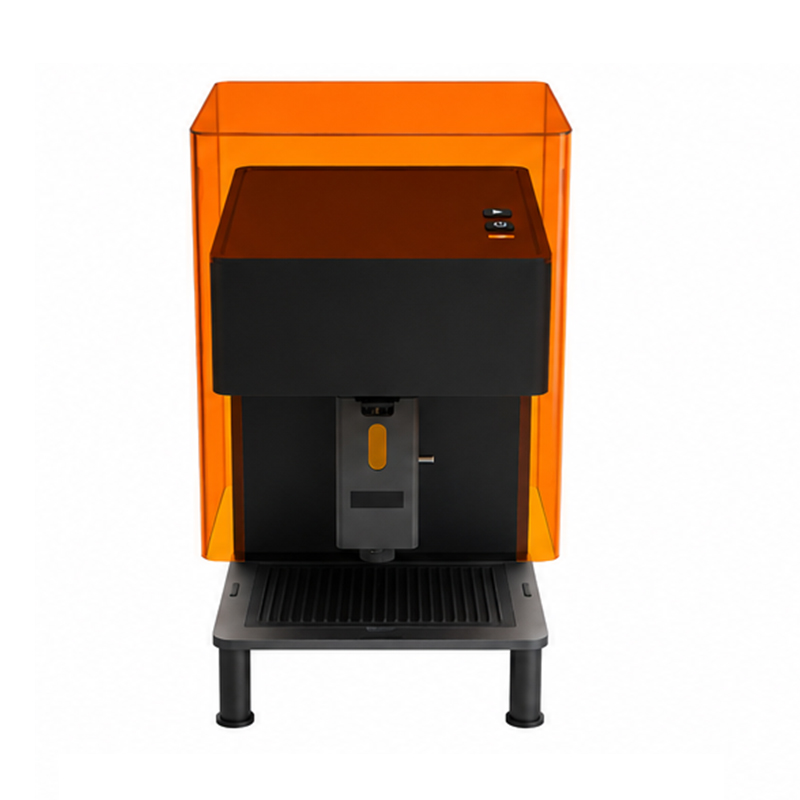
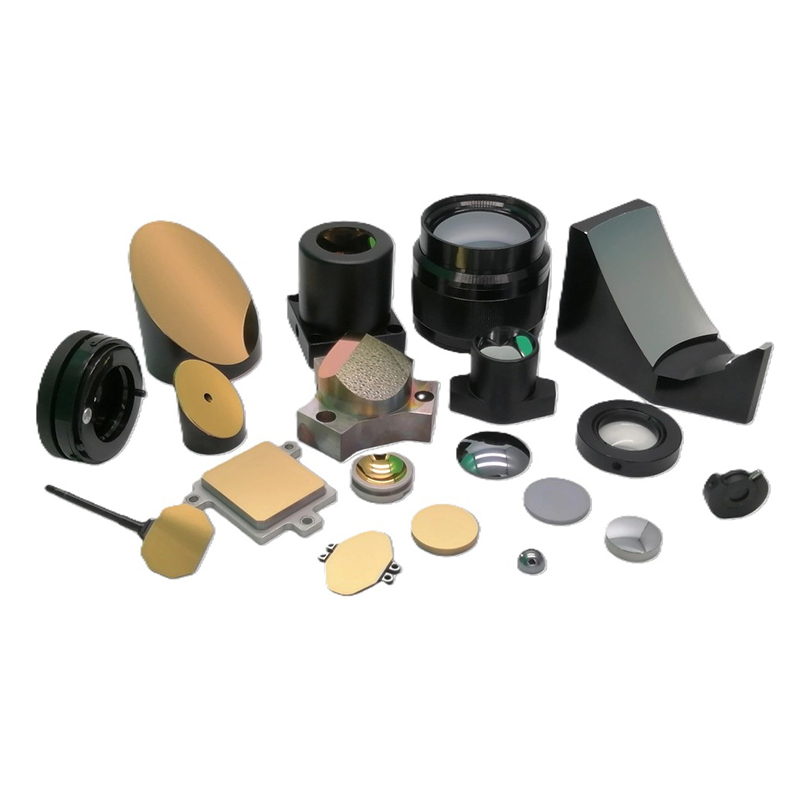
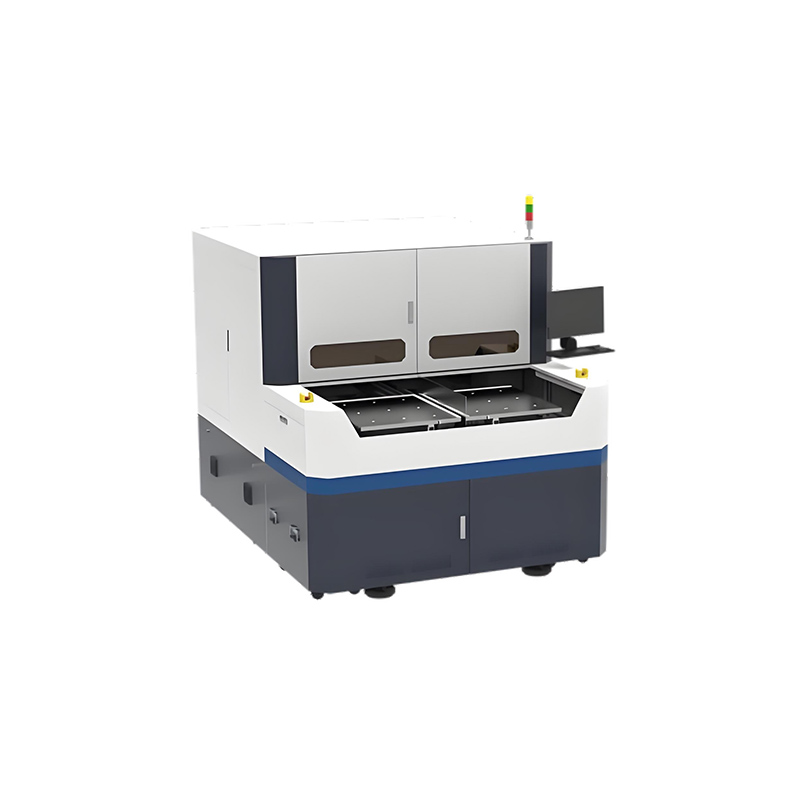
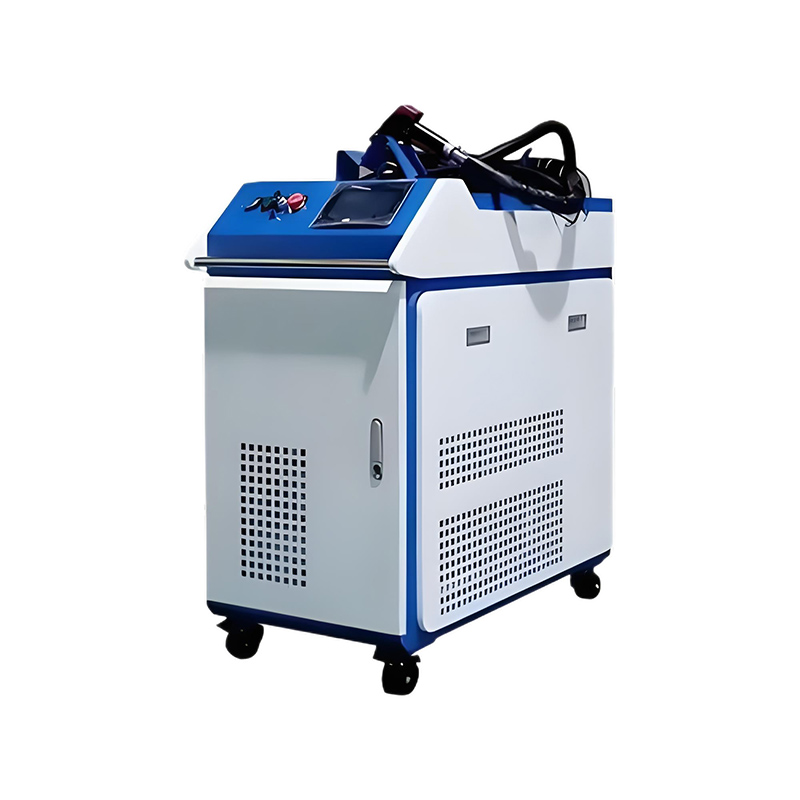
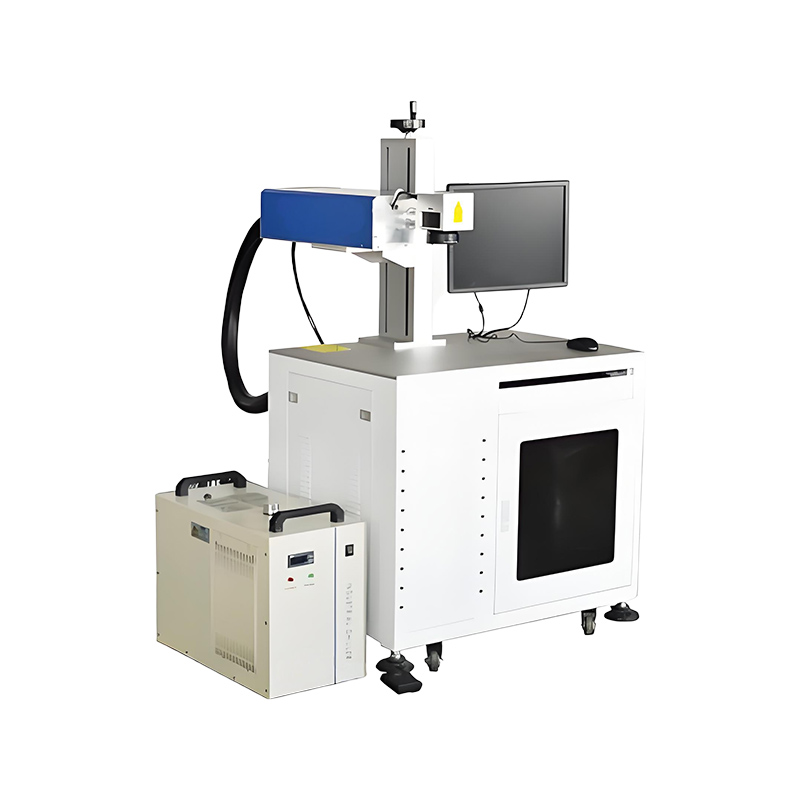
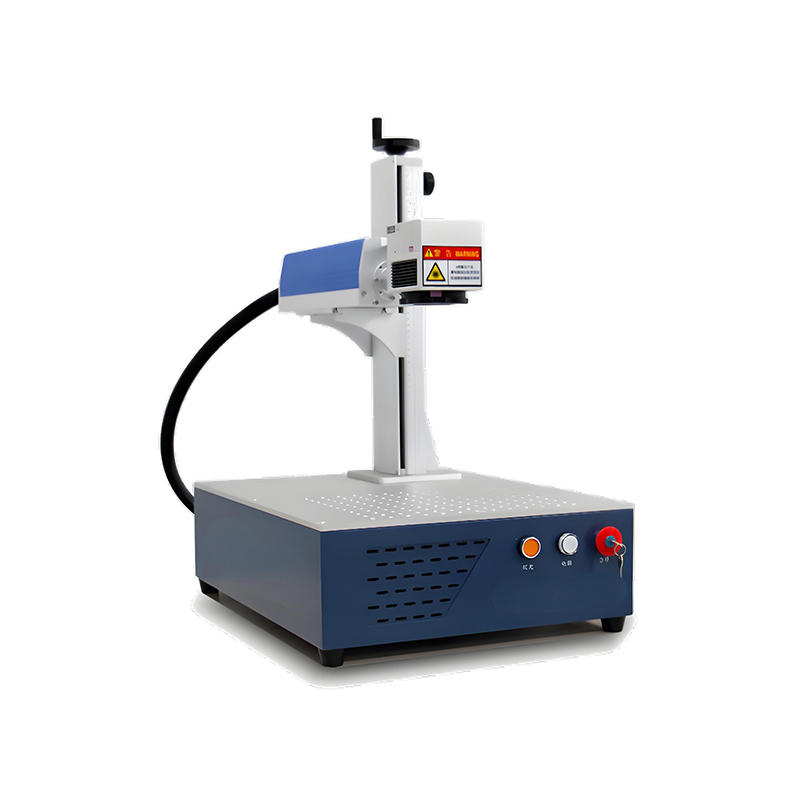
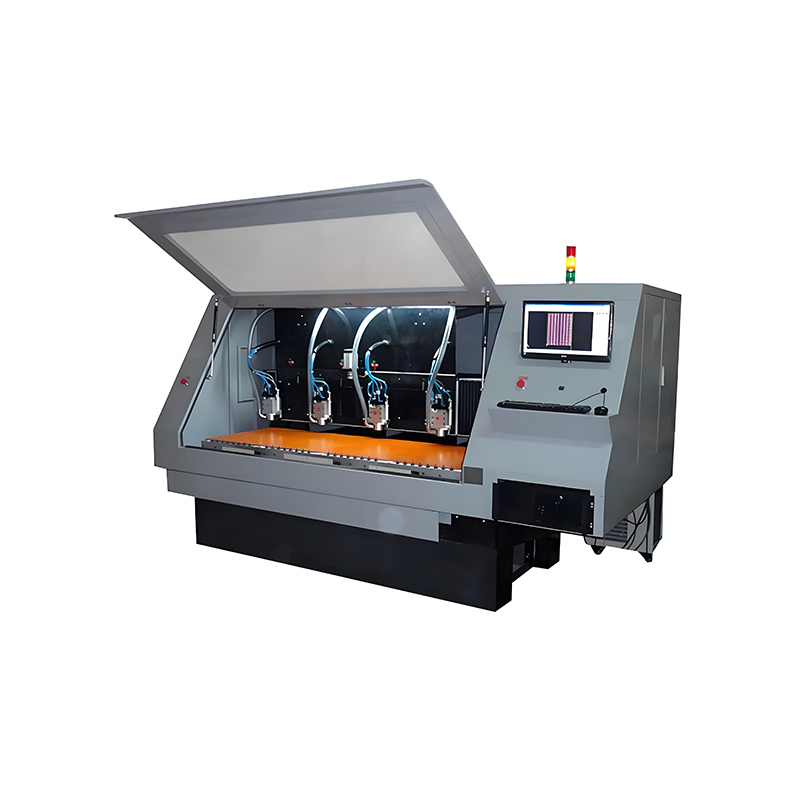
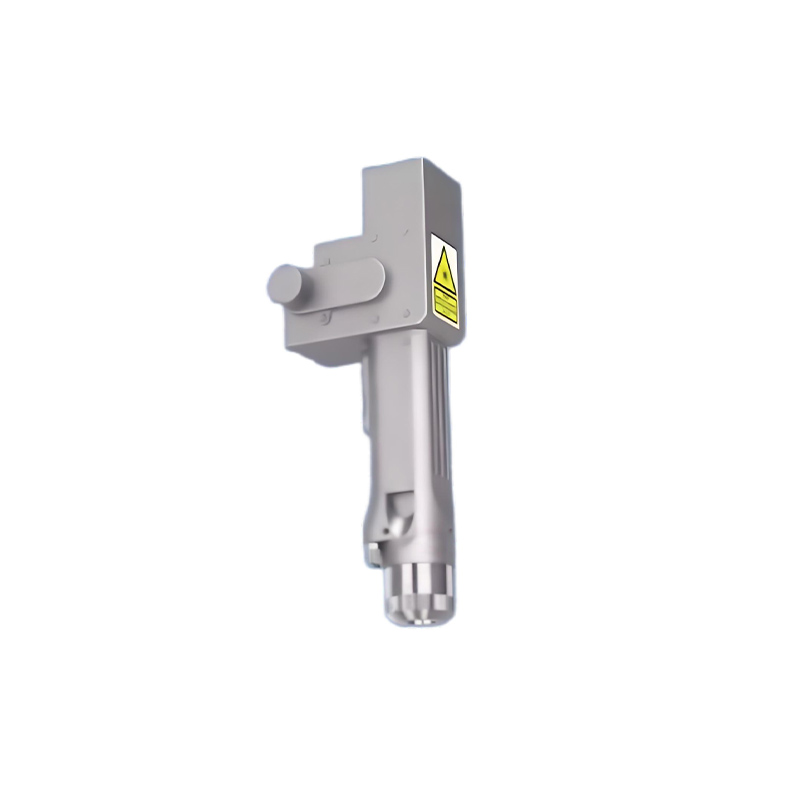
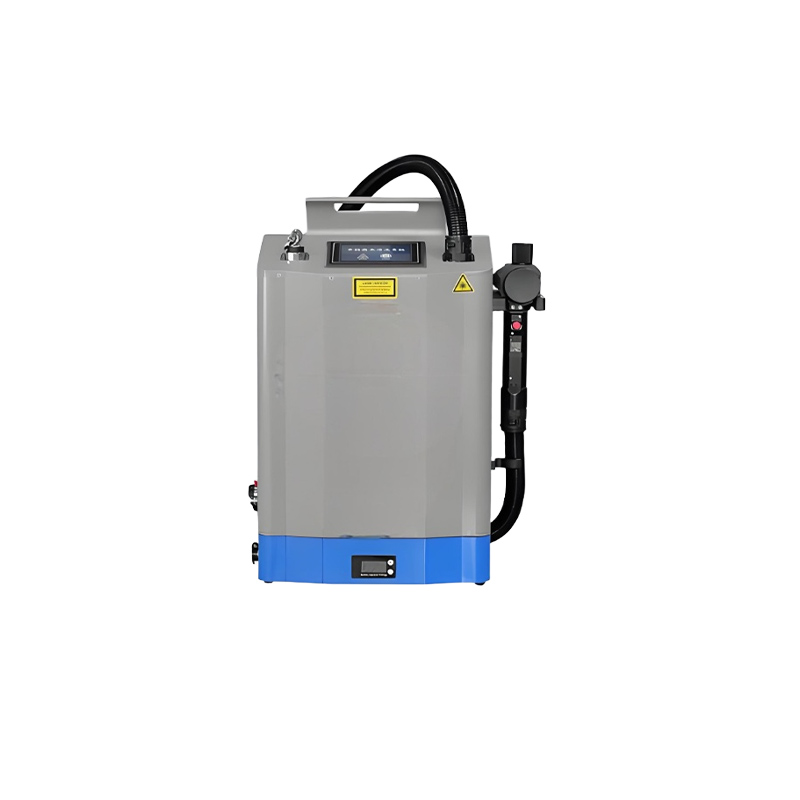
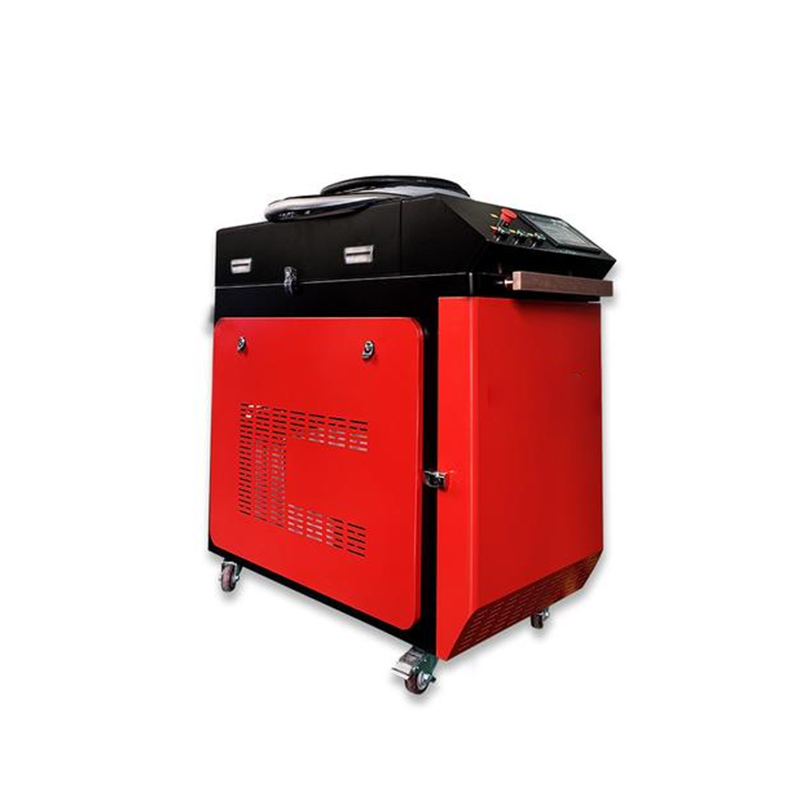
Interchangeable Processing Heads: A single motion system can be equipped with a cutting head for metals, a scanning galvo head for high-speed marking or surface treatment, a welding head for hermetic seals, or a specialty head for ultra-thin glass or ceramic scribing. Switching between functions can be automated or manual, taking minutes instead of days.
Scalable Laser Sources: The system can be designed to accommodate different laser source types (e.g., fiber laser, UV laser, green laser) and powers. As processing needs grow from prototyping to high-volume production, the laser source can be upgraded for higher power or a different wavelength without replacing the entire machine.
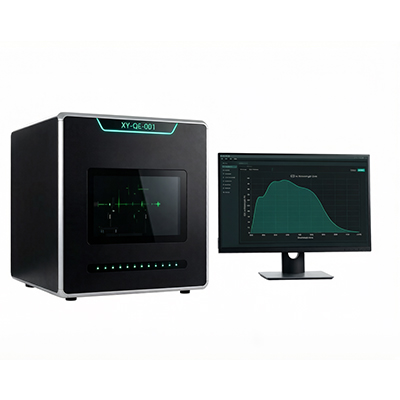
Unified Software Control: A central Human-Machine Interface (HMI) and production software is the brain of the operation. It stores parameter sets ("recipes") for each module and material, manages job queues, and collects production data for quality traceability. This software-centric approach, championed by providers like Lecheng, dramatically reduces operator training time and ensures process consistency regardless of which module is active. This ecosystem approach allows a production line to scale its capabilities horizontally (adding processes) and vertically (enhancing existing processes) with minimal downtime and reinvestment.
Realizing Smart Manufacturing and Maximizing Return on Investment
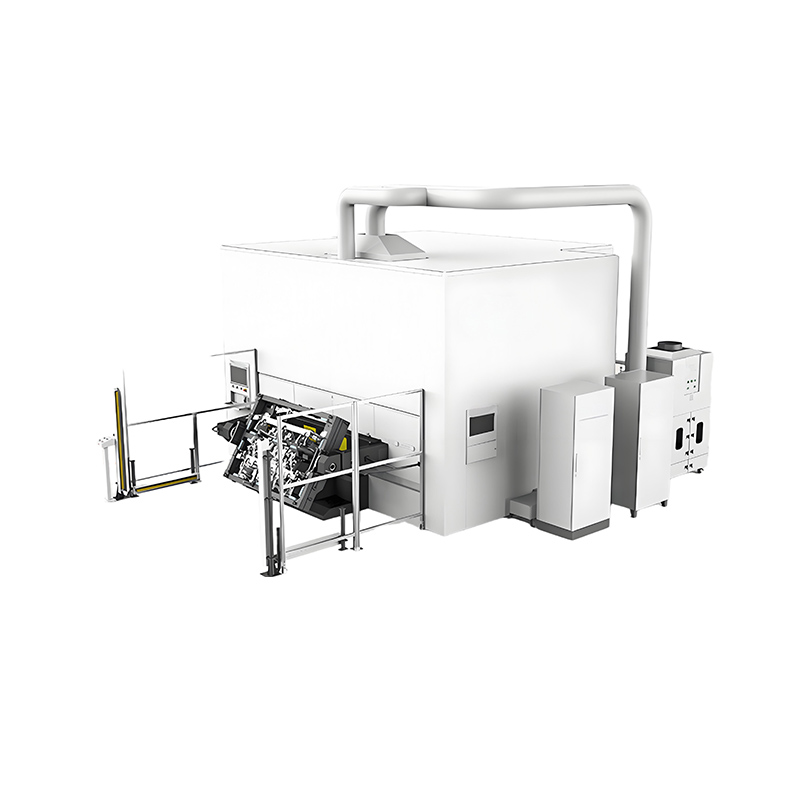
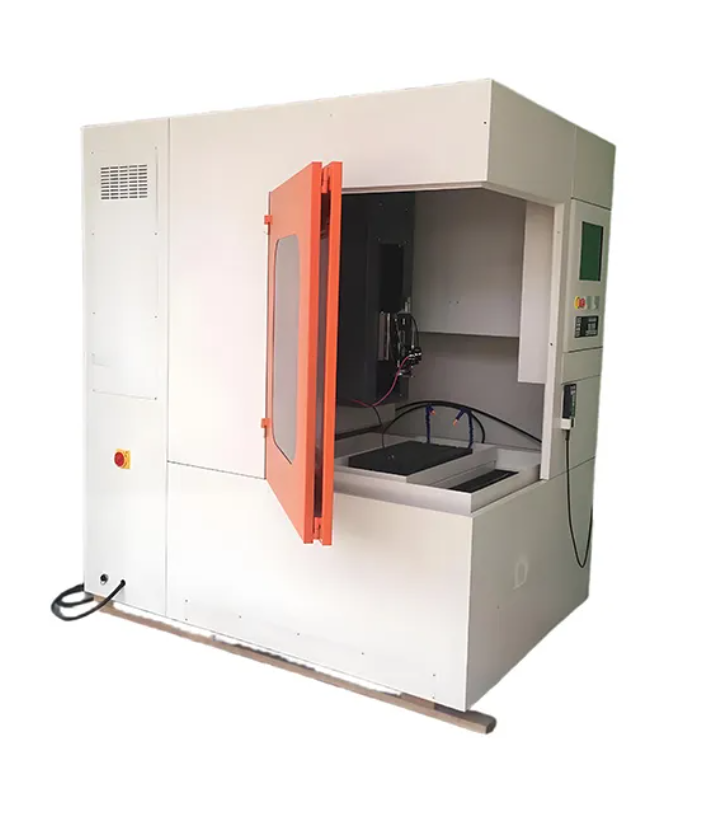
The ultimate value of a modular laser system is realized when it becomes a connected node in a smart factory ecosystem. Its digital-native design facilitates integration with Manufacturing Execution Systems (MES) and factory networks, enabling real-time production monitoring, predictive maintenance, and data-driven optimization. This connectivity turns the system from a standalone tool into a source of valuable operational intelligence. From a financial perspective, the Return on Investment (ROI) is maximized through multiple channels: it eliminates the need for multiple dedicated machines, reducing floor space and capital outlay; it minimizes changeover time and material waste during prototyping and low-volume runs; and it extends the productive lifespan of the core capital asset through upgrades. For a manufacturer navigating the shift from internal combustion engine to Electric Vehicle (EV) components, or from rigid to flexible circuit boards, a modular laser platform from Lecheng provides the agility to retool processes quickly. It future-proofs operations not by predicting the exact product of tomorrow, but by providing the versatile toolkit to build it efficiently, whatever it may be.
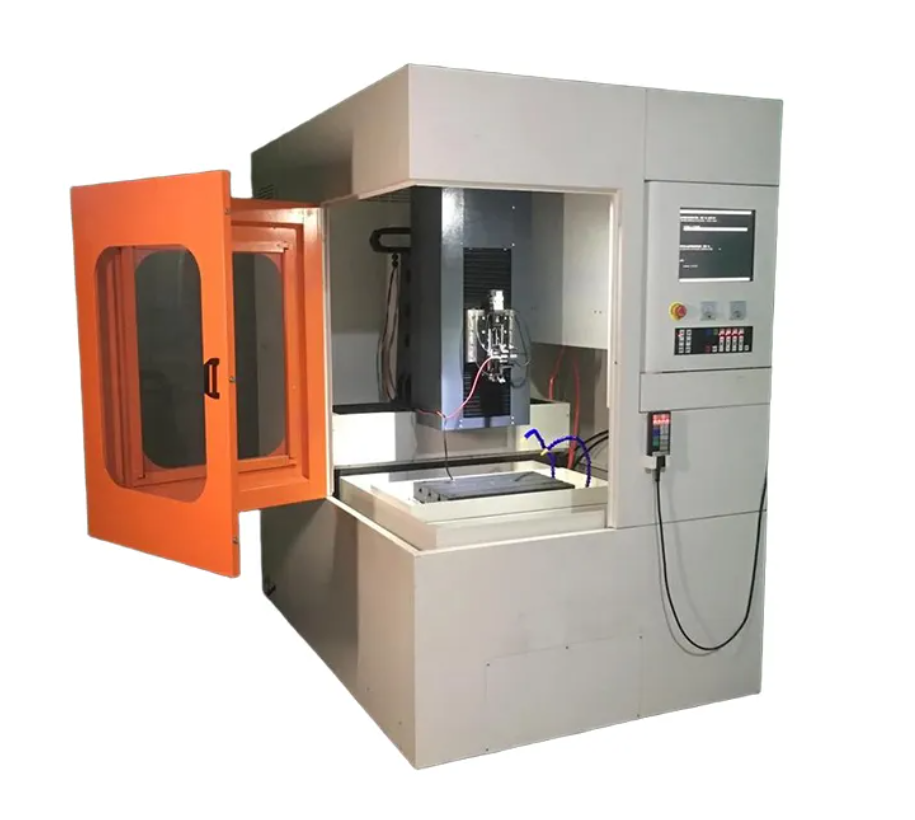
Building a future-proof manufacturing line is less about buying the latest machine and more about investing in an adaptable, upgradable ecosystem. Modular laser systems embody this principle, offering a strategic framework where hardware and software components can be reconfigured to meet evolving challenges. They provide the essential agility to pivot between products, scale processes efficiently, and integrate into the data-driven smart factories of Industry 4.0. In an era defined by change, the most prudent investment is not in a tool for today's task, but in a platform capable of mastering tomorrow's unknown challenges, turning manufacturing resilience into a sustained competitive advantage.