
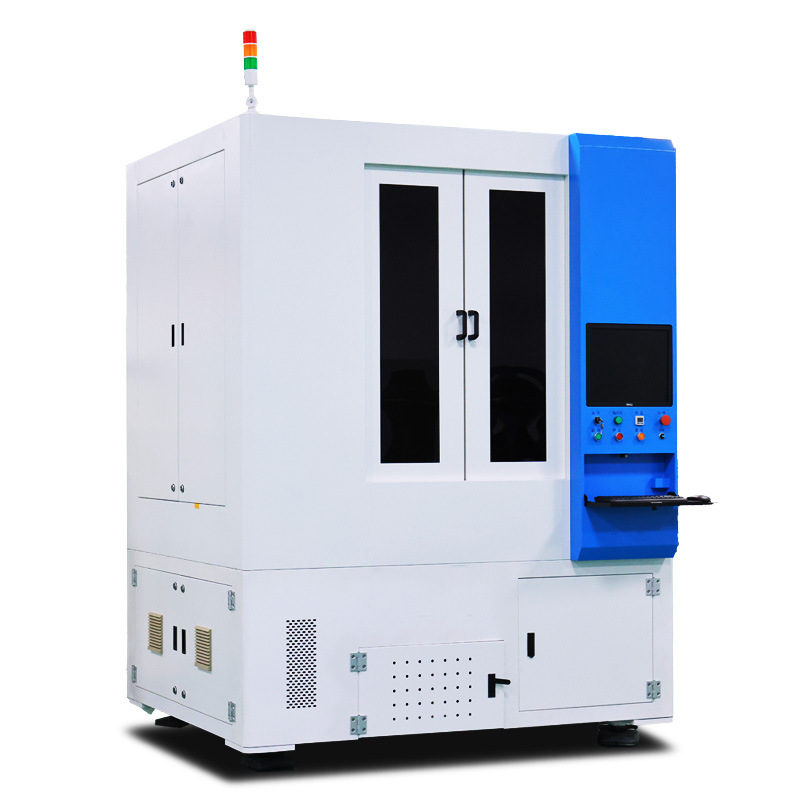
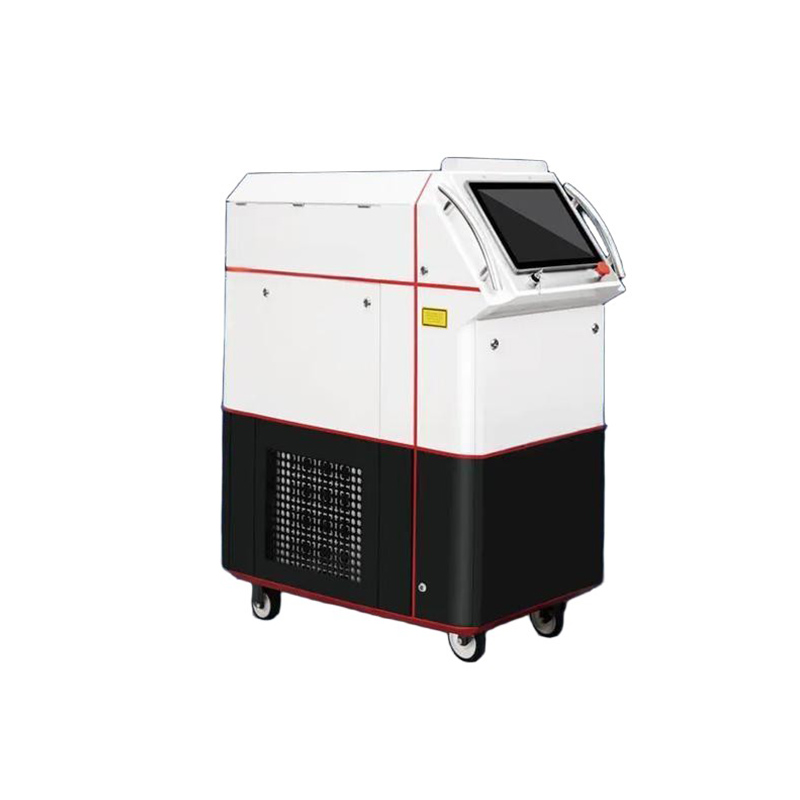
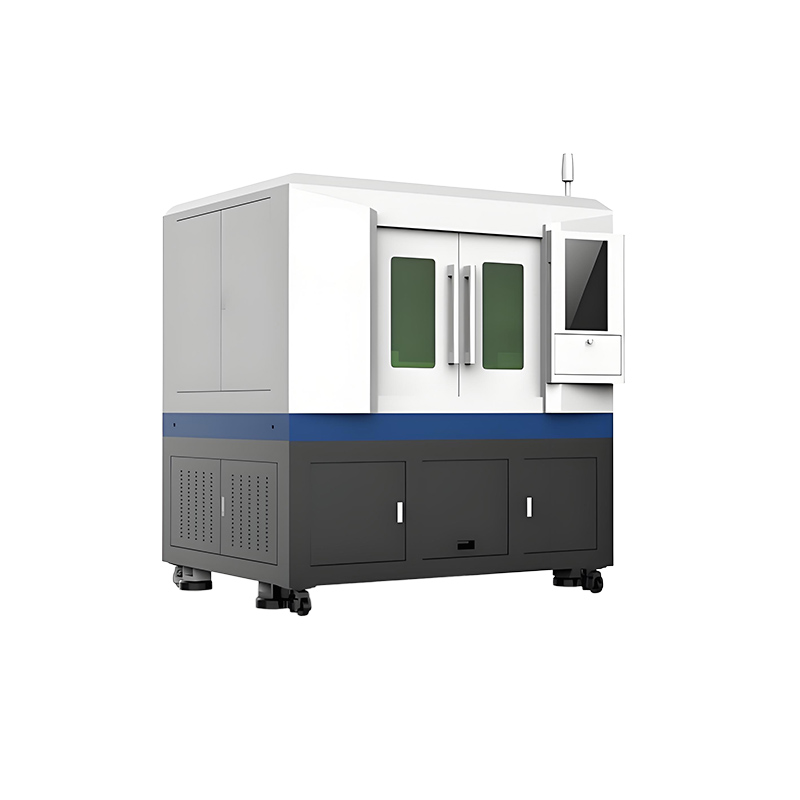
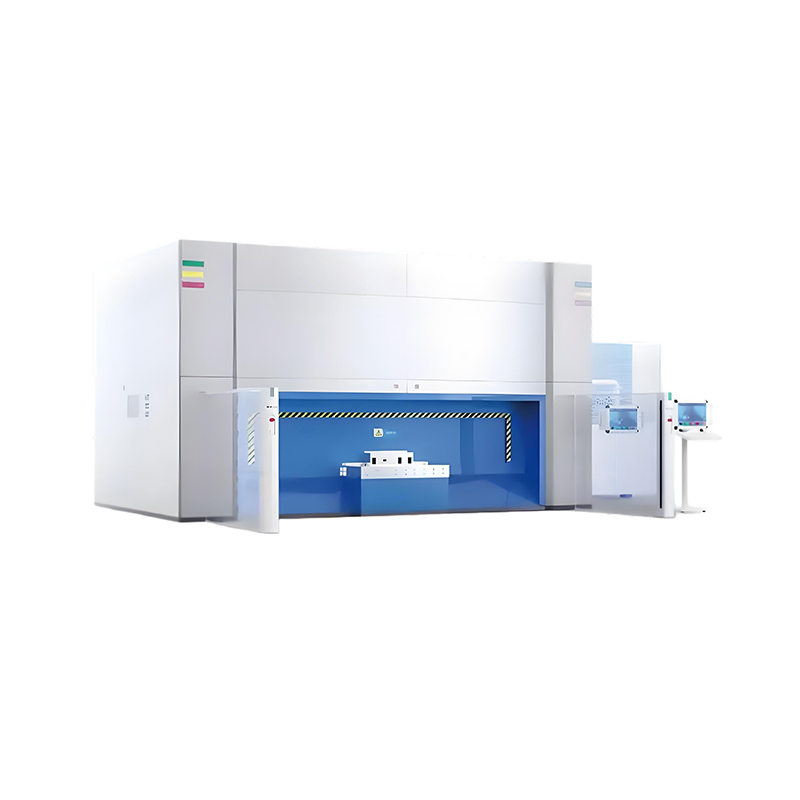


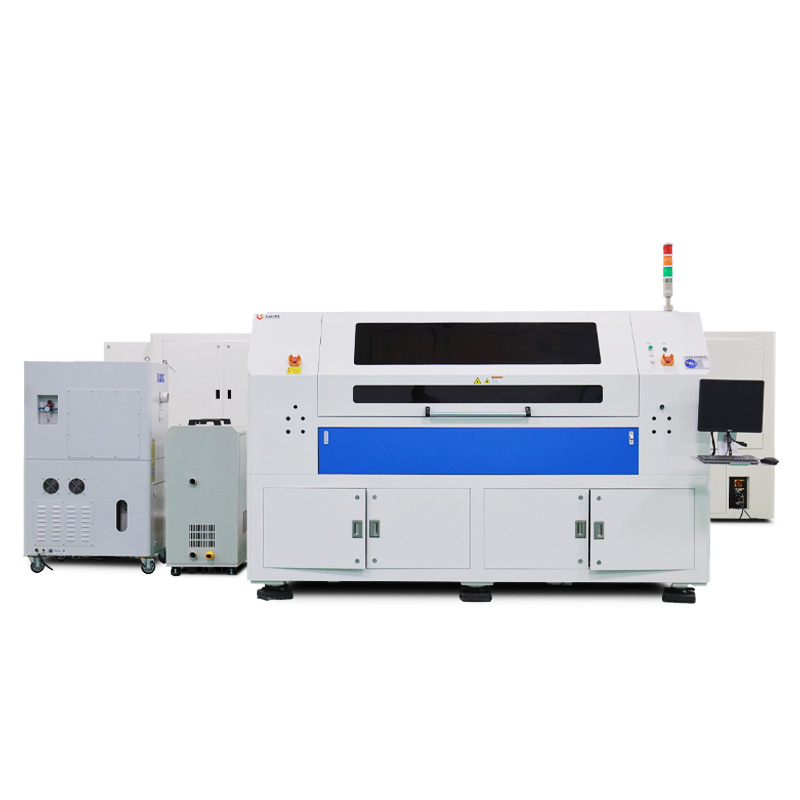

Redefining Portability: Liberation from the Fixed Workstation and Bulky Chillers
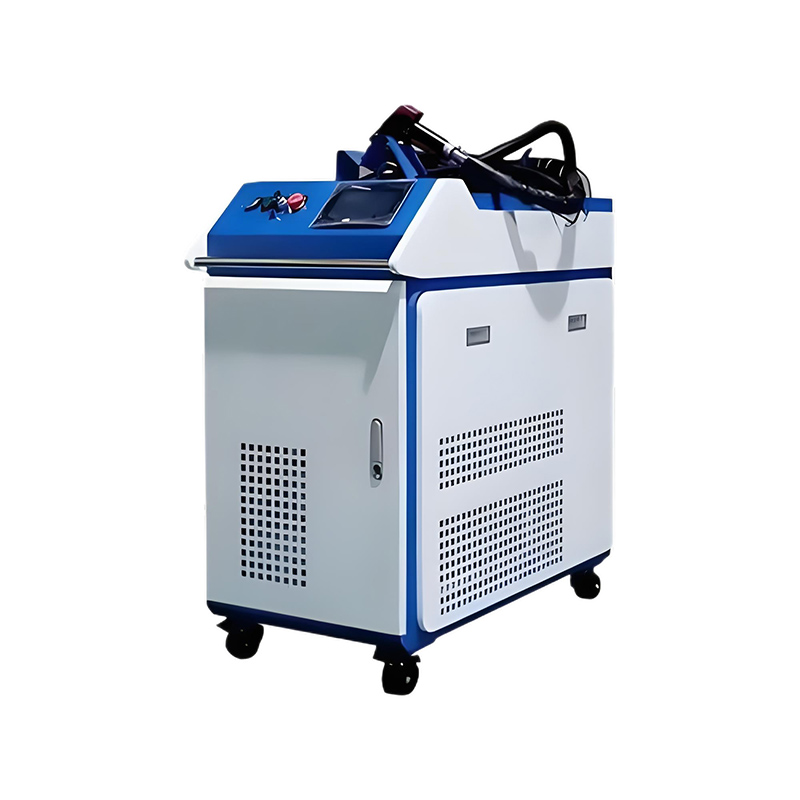
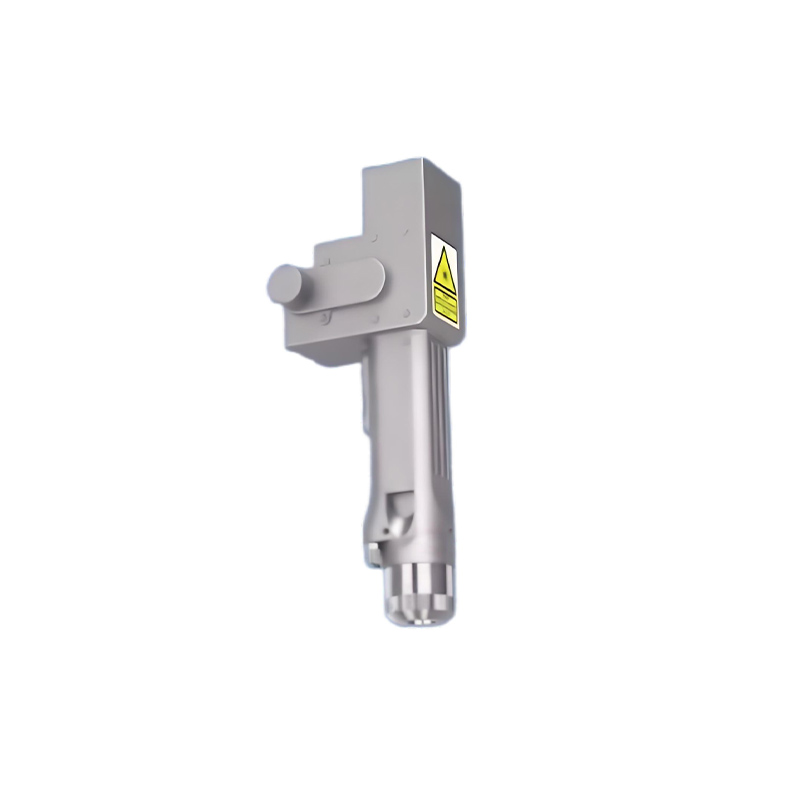
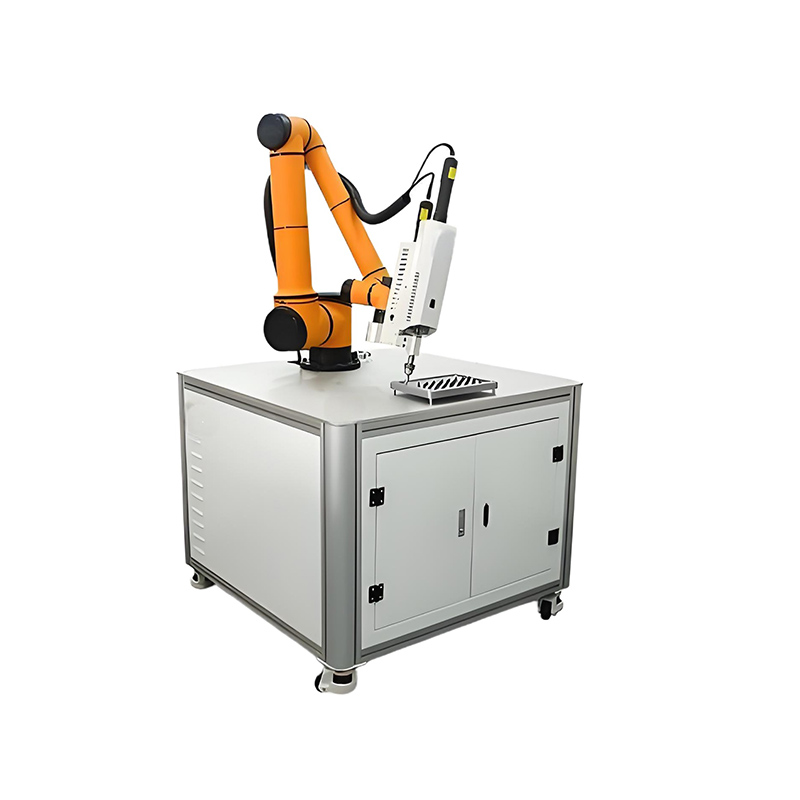
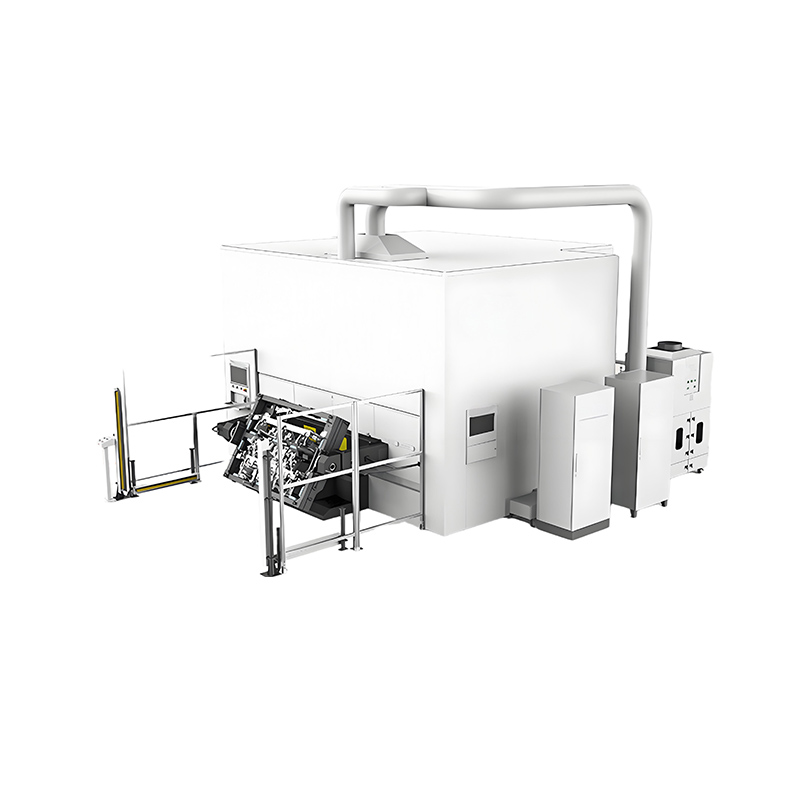
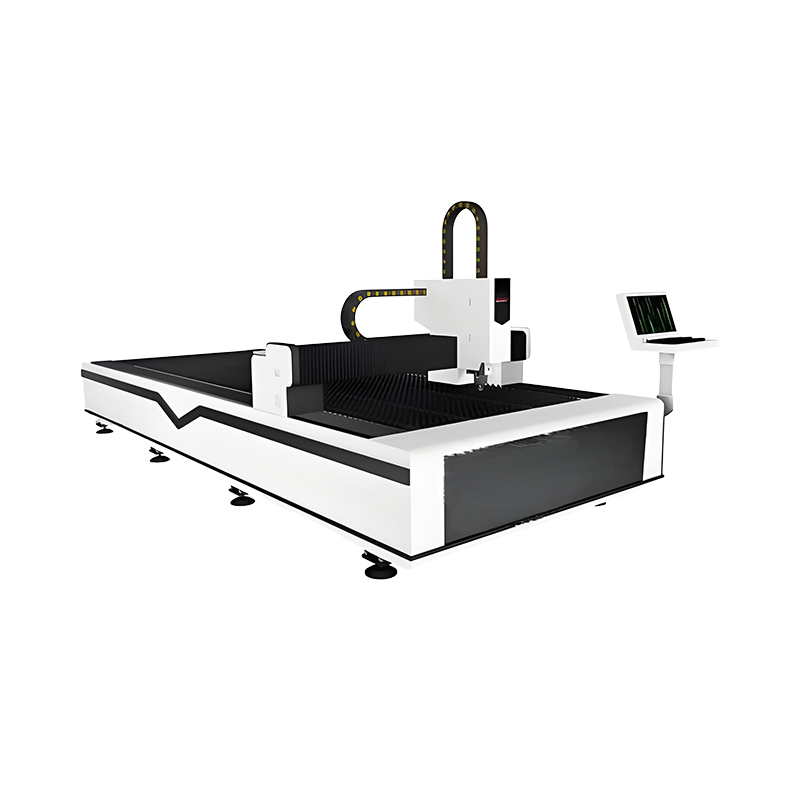
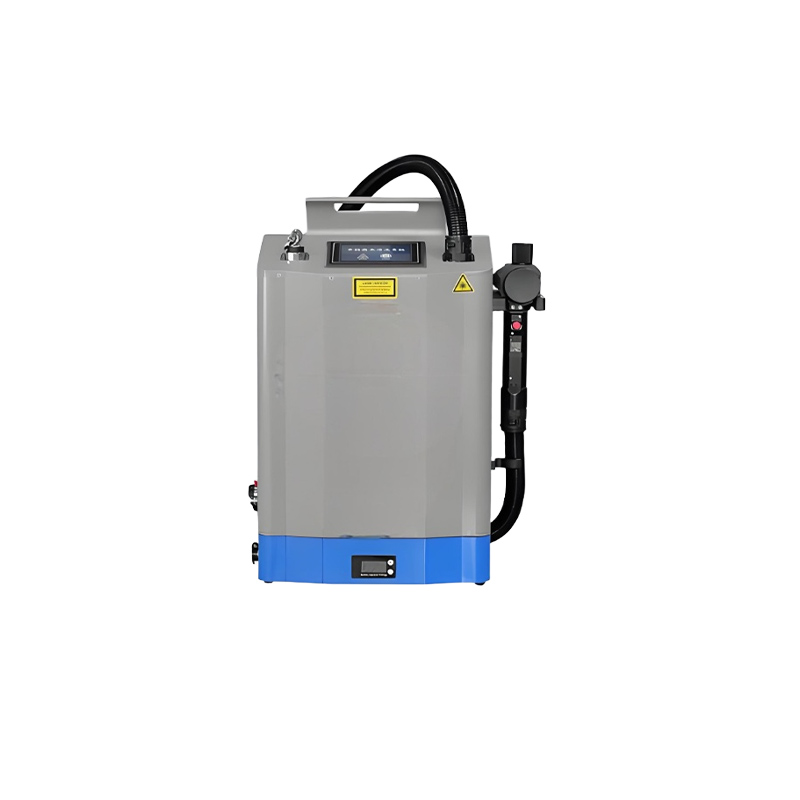
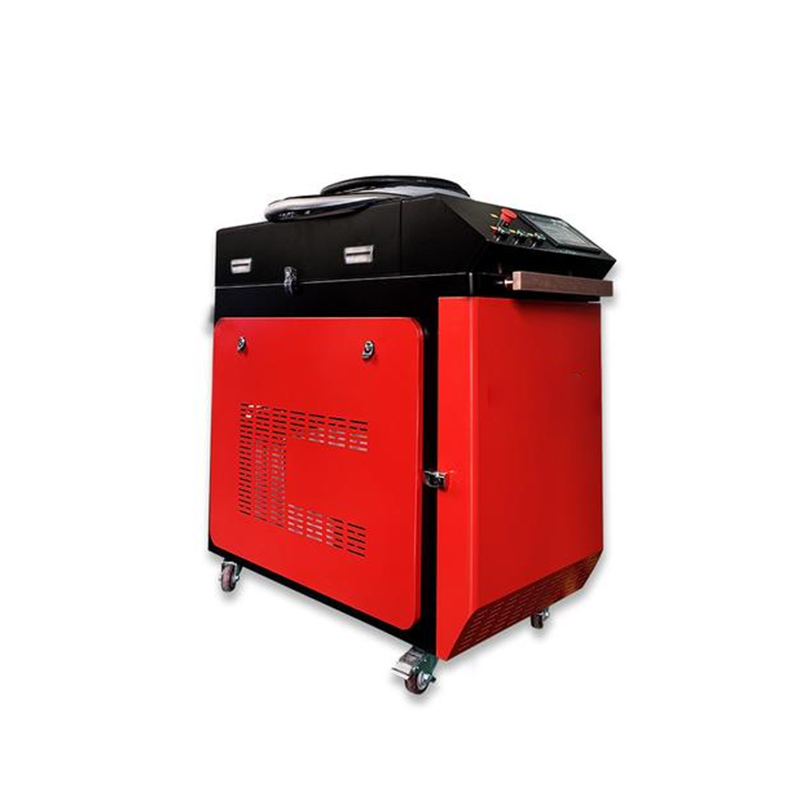
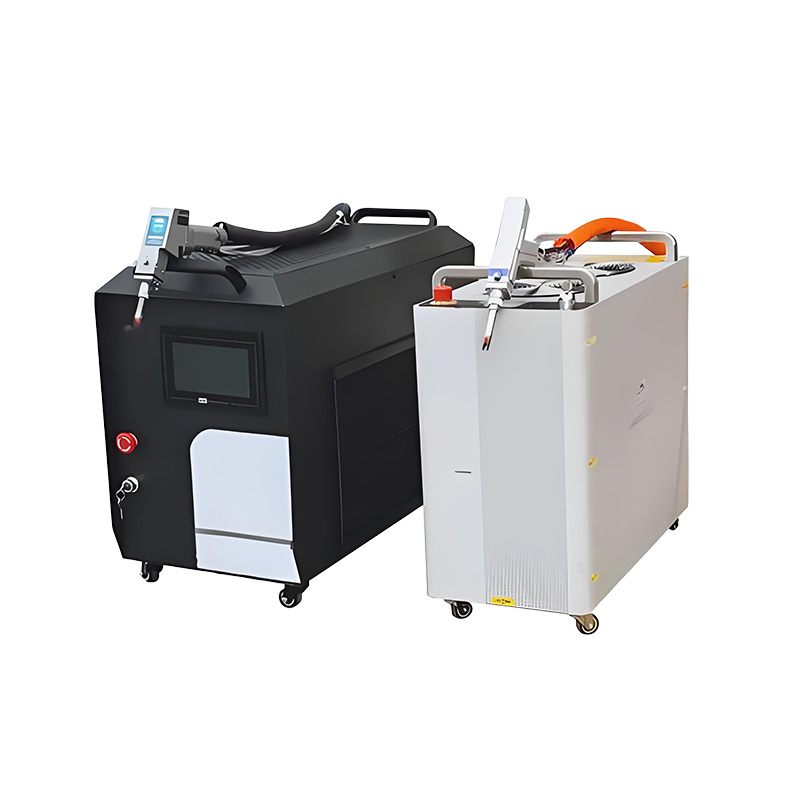
The traditional paradigm of laser welding has been anchored to the factory floor, tethered to complex external chillers, power supplies, and cooling water lines. This infrastructure, while enabling high-quality joins, fundamentally limits laser welding's potential to applications where the part can be brought to the machine. The advent of the all-in-one, air-cooled handheld laser welder shatters this constraint. This innovative tool integrates the laser source, control system, and cooling mechanism into a single, portable unit that can be carried to the workpiece. The most transformative aspect is the air-cooling system, which eliminates the need for external water chillers. This is achieved through advanced, high-efficiency heat dissipation designs that manage the thermal load of a compact, yet powerful, laser generator. The result is a tool of unprecedented operational freedom. Welders are no longer confined to the shop; they can now perform precision welds on-site for field repairs, in tight spaces for construction or shipbuilding, or directly on large, immovable assemblies. This leap in portability doesn't just add convenience; it fundamentally redefines where and how industrial-grade laser welding can be applied, moving it from a centralized, fixed process to a distributed, agile capability. It brings the precision and quality of laser welding directly to the point of need, whether that's on a factory gantry or a remote wind turbine.
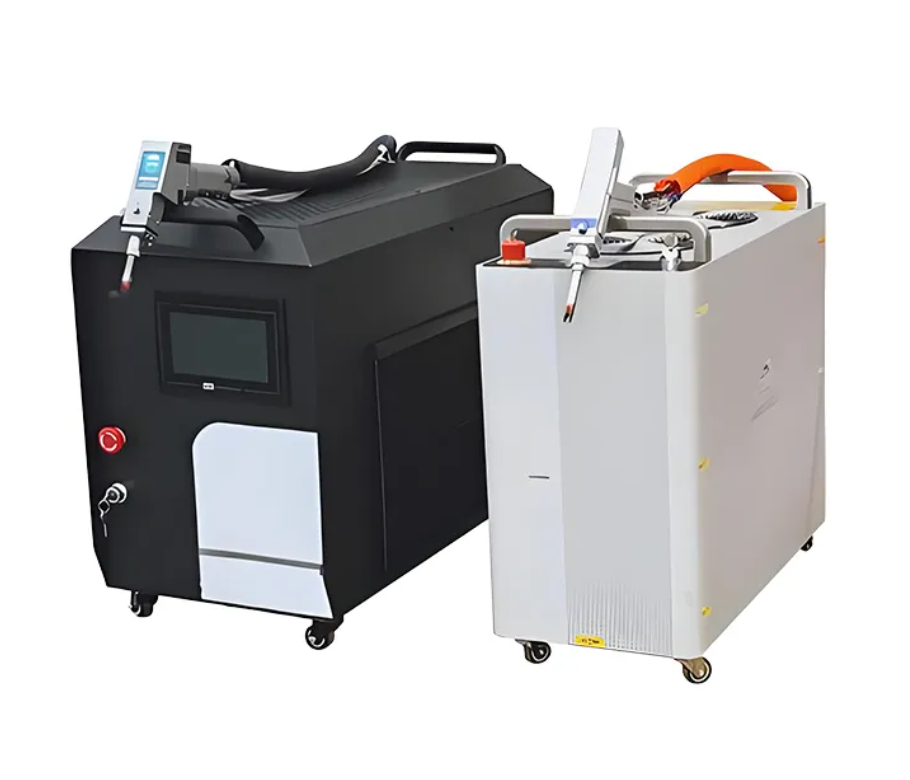
The Engineering Behind the Breakthrough: Maintaining Precision Without Compromise
Unlocking this portability would be meaningless if it came at the cost of weld quality. The core engineering challenge for an all-in-one air-cooled handheld system is to maintain the stability, precision, and reliability of a fixed industrial laser in a compact, self-contained package. The laser source itself is typically a compact, pulsed or continuous-wave fiber laser, engineered for efficiency and robustness. The integrated air-cooling system employs high-speed fans and optimized heat sink geometries to actively dissipate heat, ensuring the laser diode and optical components operate within a strict thermal window. This prevents power drift and mode instability, which are critical for consistent weld penetration and seam quality. Furthermore, advanced handheld units incorporate features to counteract the inherent challenge of manual operation: real-time distance sensors to maintain optimal focus, sway compensation algorithms, and intuitive user interfaces that guide the operator. The welding head is ergonomically designed for balance and reduced fatigue, while delivering a clean, shielded welding environment, often with integrated gas supply. The goal is to make industrial-grade results achievable by a skilled operator, not just a robotic arm. This involves a deep understanding of weld process parameters—pulse width, frequency, and waveform—and packaging that control into an accessible interface. The outcome is a tool that delivers low heat input, minimal distortion, and high-strength welds on everything from thin stainless steel and copper to challenging dissimilar metal joints, all without the umbilical cord of external cooling.
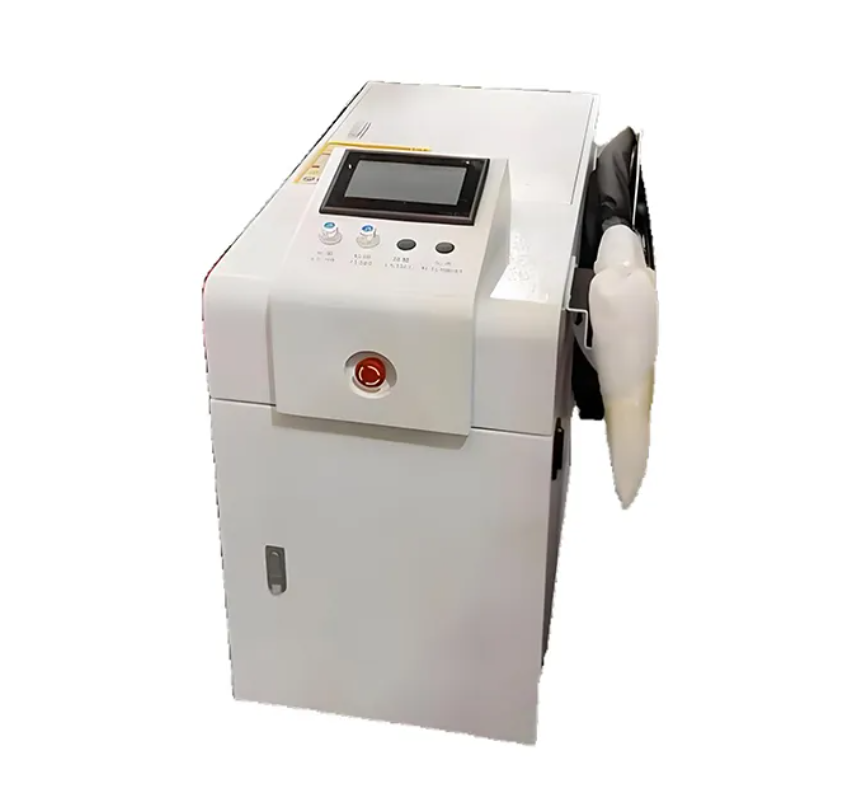
Expanding the Horizon: New Applications and Economic Advantages
The economic and operational implications of this technology are profound. By eliminating the capital expense and floor space of a chiller and fixed workstation, the barrier to entry for laser welding technology is dramatically lowered. Small and medium-sized enterprises, fabrication shops, and specialized repair services can now afford and deploy laser welding capabilities. The total cost of ownership is reduced through lower energy consumption (no chiller) and minimal consumables. The application scope explodes beyond traditional manufacturing. It becomes an invaluable tool for:
On-site & Field Repair: Precision repair of molds, tools, machinery, and infrastructure without disassembly.
Prototyping & R&D: Rapid iteration and joining of complex components in the lab.
Construction & Architecture: Welding decorative elements, structural components, and sculptures on location.
Automotive & Aerospace: High-quality repairs in maintenance hangars or on assembly lines for rework.
Artistic Fabrication: Enabling artists and craftsmen to work with metals in new, precise ways.
This democratization of precision welding fosters innovation and agility across industries. It allows for just-in-time repairs that minimize downtime, supports decentralized manufacturing models, and unlocks creative possibilities previously limited by technology access. The all-in-one handheld laser welder is not just a new product category; it is a catalyst for a more flexible, responsive, and innovative industrial landscape.
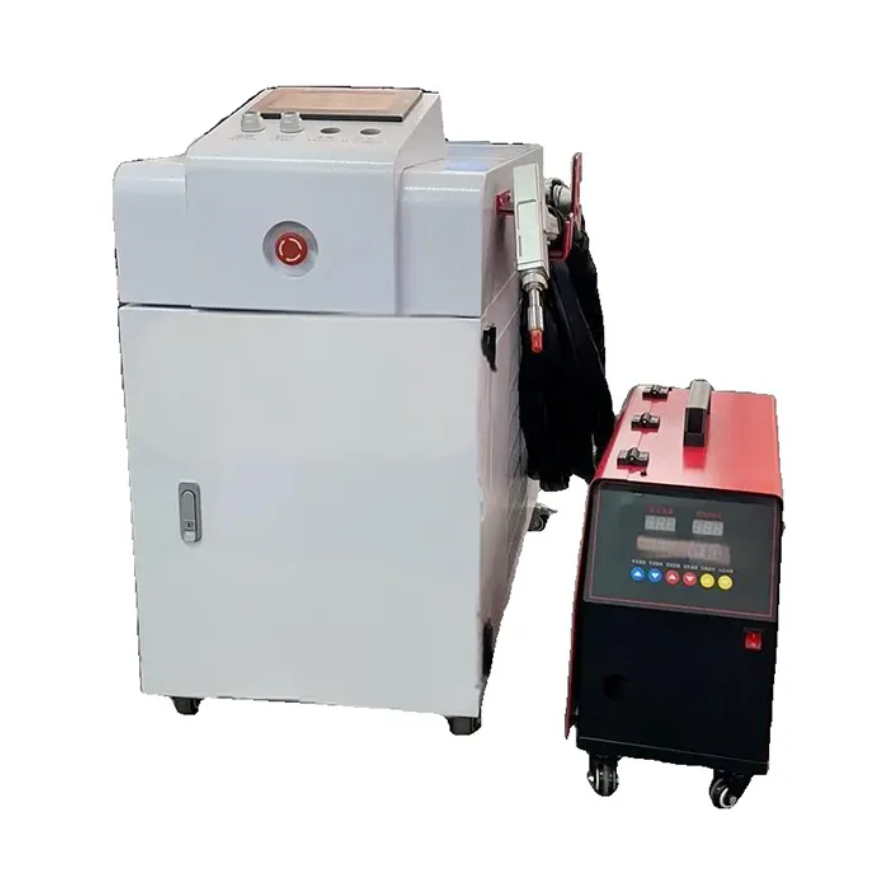
The all-in-one air-cooled handheld laser welder represents a paradigm shift in materials joining technology. It successfully decouples the precision and quality of laser welding from the fixed infrastructure that has historically confined it, offering unparalleled portability and operational freedom. By solving the critical challenge of thermal management through integrated air-cooling, it delivers reliable, industrial-grade performance in a compact, go-anywhere package. This innovation is more than a convenient tool; it is an enabler that democratizes advanced manufacturing, unlocks new applications across diverse sectors, and drives efficiency by bringing the workshop directly to the job. It truly marks the dawn of a new era in flexible, accessible, and high-precision welding.