


Why LED Technology is the New Standard for Next-Generation PV Research
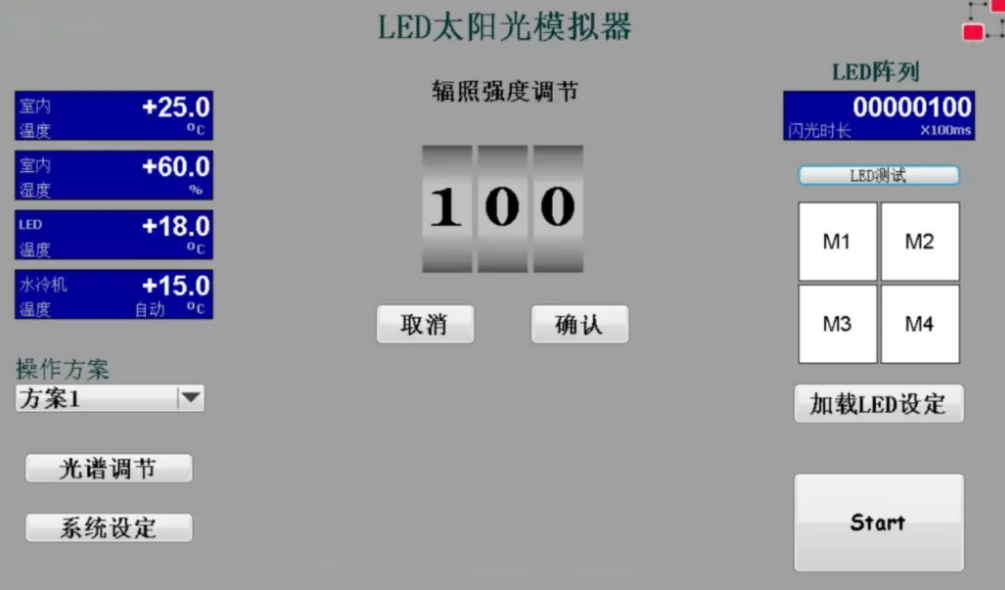
The relentless pursuit of higher photovoltaic efficiency, epitomized by perovskite and multi-junction tandem cells, demands a corresponding evolution in testing and measurement tools. For decades, Xenon arc lamp solar simulators were the industry standard. However, their inherent limitations—significant spectral mismatch from the AM1.5G standard, temporal light intensity drift, thermal output (infrared heating), and bulb degradation—introduce substantial uncertainty into the characterization of advanced, spectrally sensitive devices. The advent of the AAA-Class LED Solar Simulator marks a fundamental paradigm shift. By utilizing an array of carefully calibrated Light Emitting Diodes, these systems achieve an unparalleled spectral match (Class A+) to the sun's standard spectrum. Each LED's intensity can be individually controlled and stabilized, resulting in exceptional temporal stability (Class A). This means the light output does not fluctuate or decay over time, a critical factor for long-term maximum power point tracking (MPPT) and stability tests. For perovskite and tandem research, where precise knowledge of the photon flux at specific wavelengths is essential to understand current matching and sub-cell performance, this spectral fidelity is non-negotiable. The LED simulator provides a "cooler" light source, minimizing unnecessary sample heating that could skew performance data. In essence, it transitions solar simulation from an approximation to a precise, stable, and reproducible scientific instrument, setting a new foundational benchmark for credible R&D.
The Engineering Behind the Benchmark: Large Area, True Collimation, and Dual-Mode Flexibility
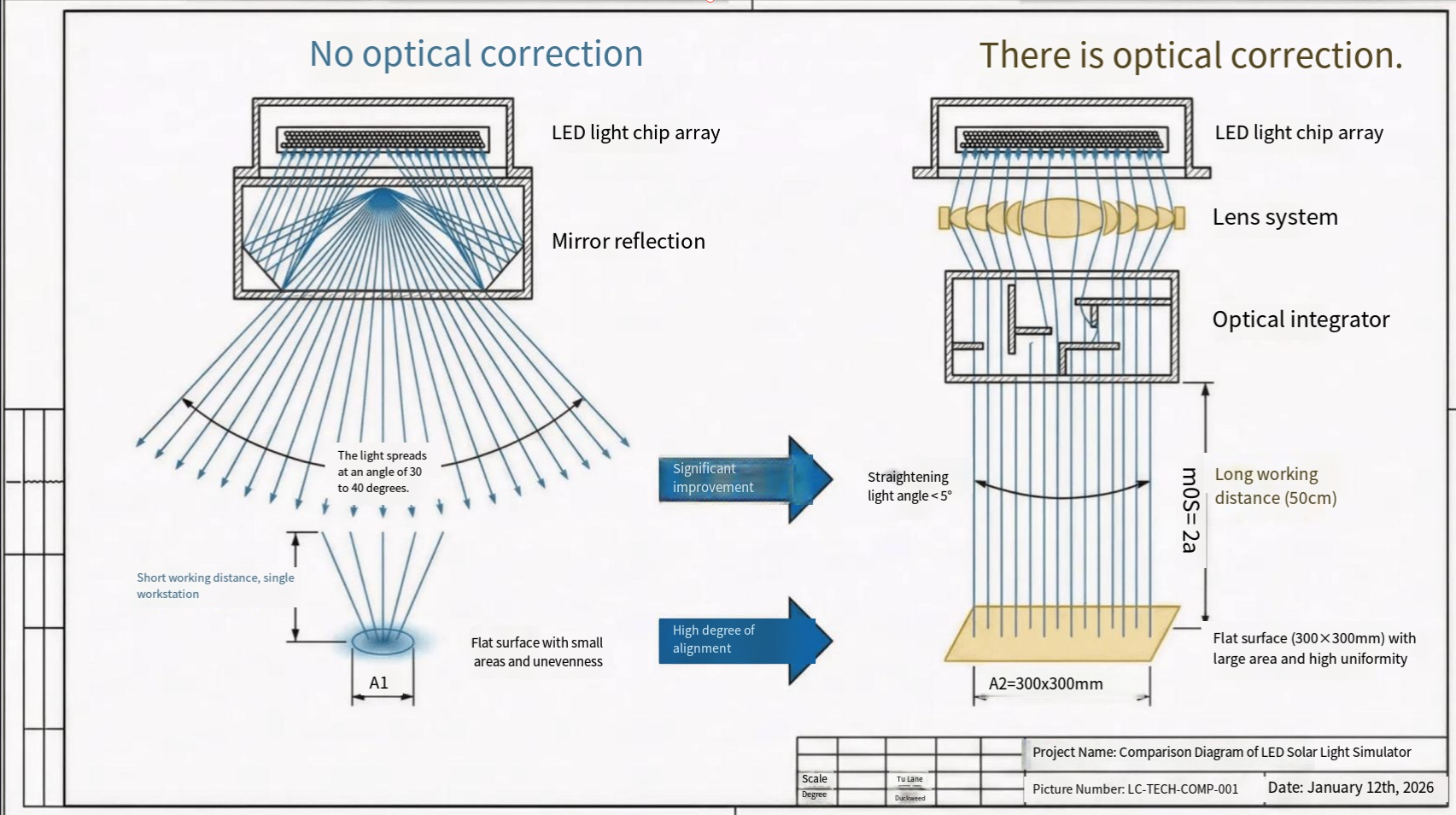
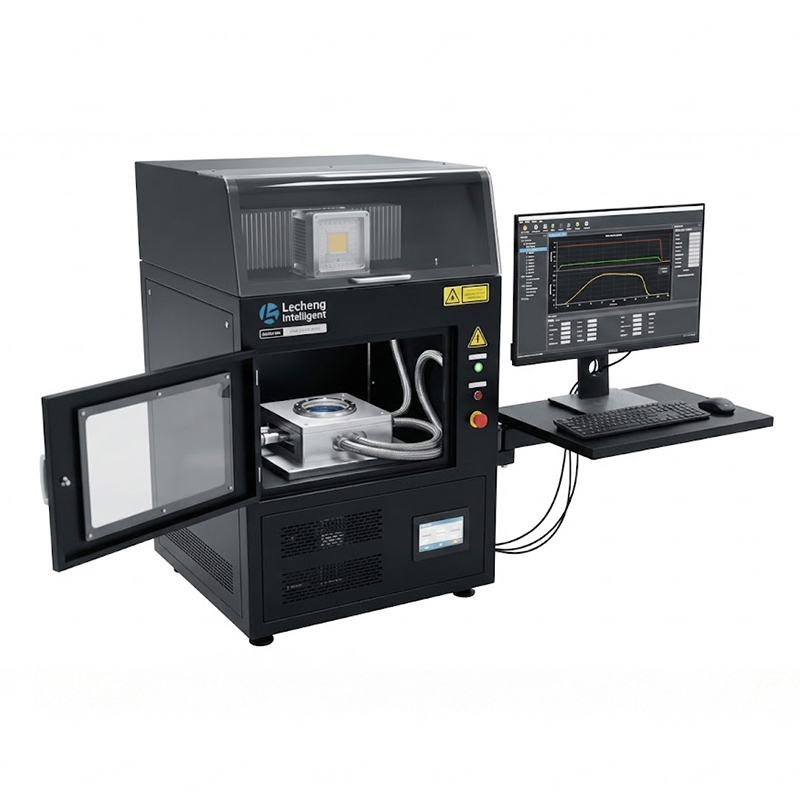
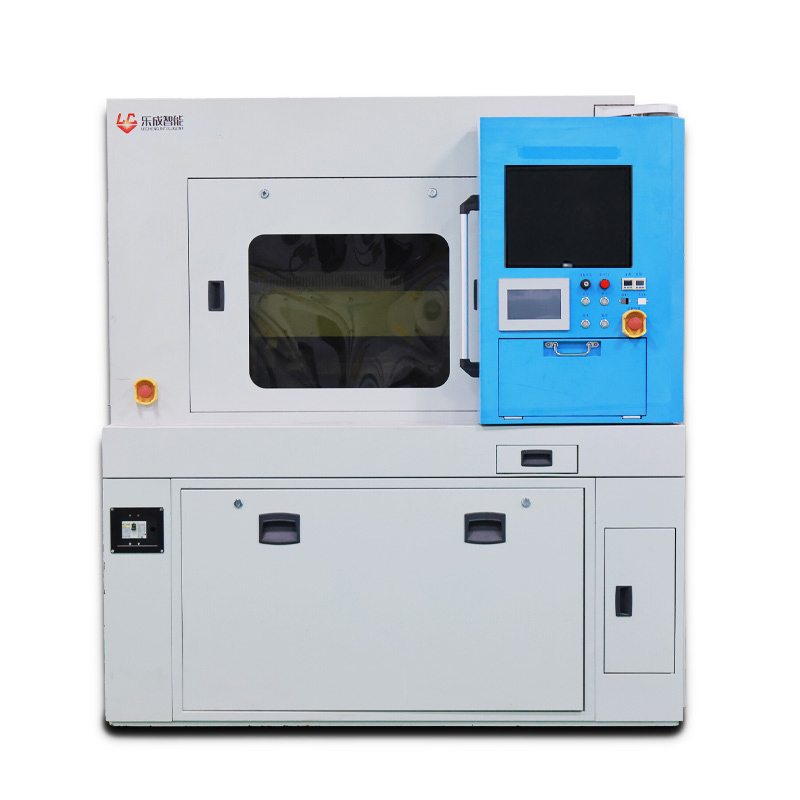
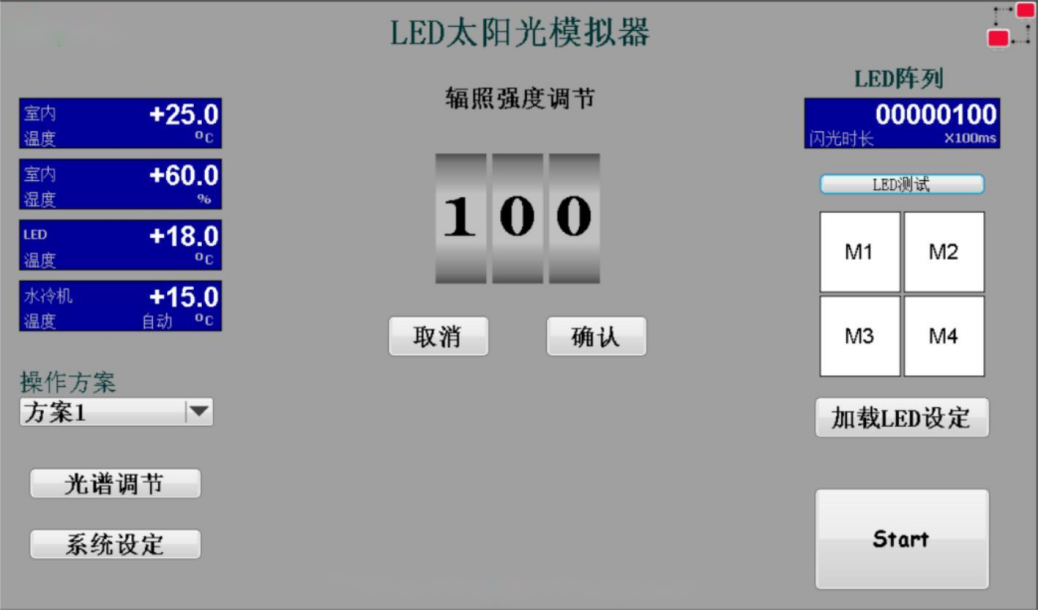
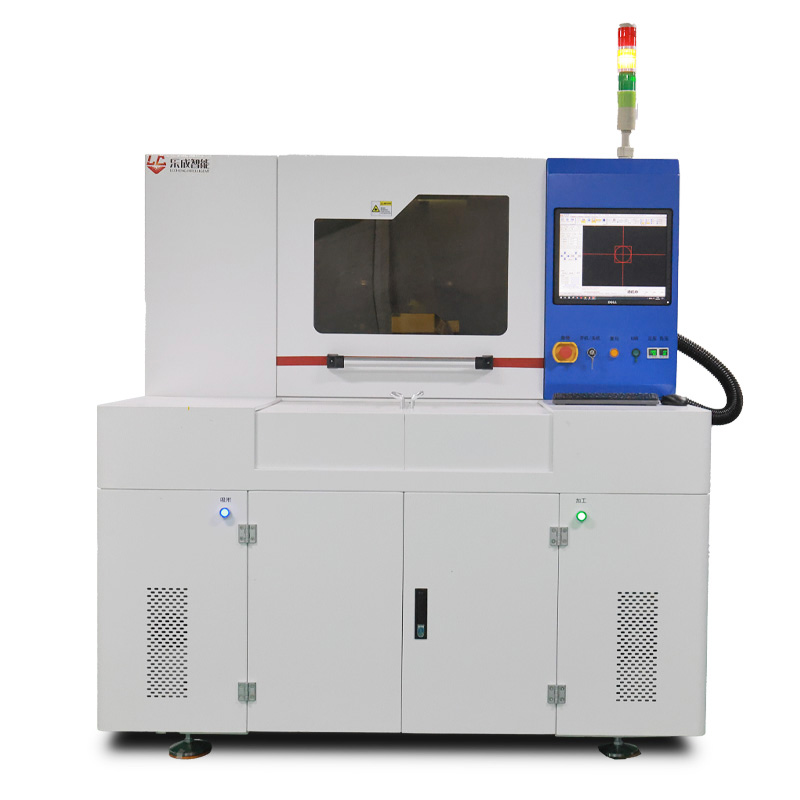
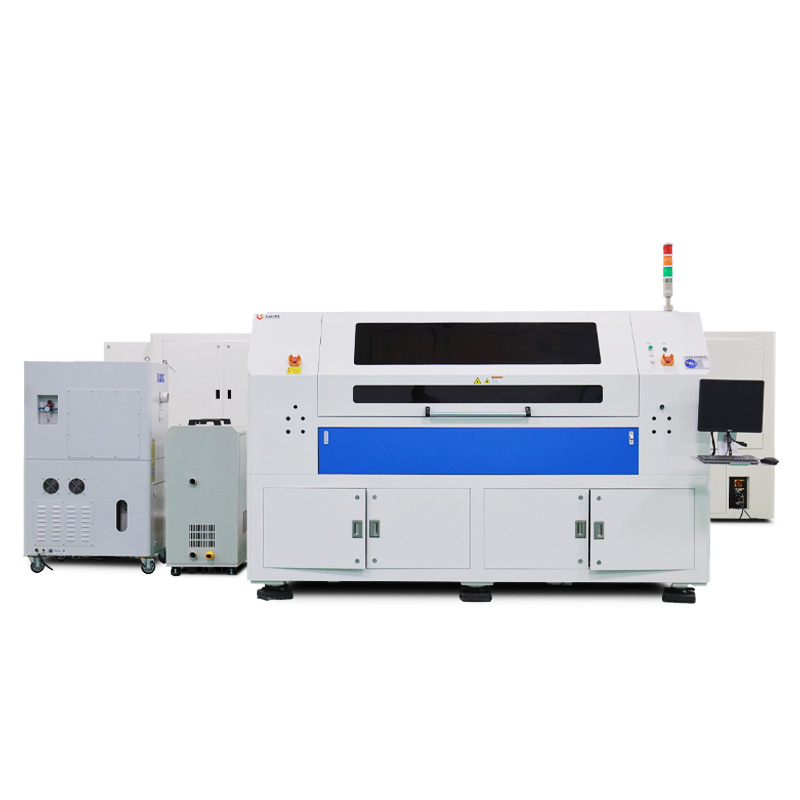
Setting a new benchmark requires engineering excellence that addresses the specific needs of cutting-edge research. A true benchmark-setting simulator excels in three key areas: illumination area, light quality, and operational flexibility. First, large-area uniformity (Class A) is paramount. Research is moving beyond small lab cells to mini-modules and sub-cells with complex interconnection patterns. A simulator with a 300mm x 300mm uniform illumination area, for instance, allows for parallel testing of multiple devices or the characterization of complete mini-modules under identical, stable light, accelerating statistical analysis and process validation. Second, true collimated light is critical. Traditional simulators often have high beam divergence, which can overestimate the short-circuit current of textured or structured cells. Advanced LED simulators achieve beam collimation of less than 5 degrees divergence. This "near-parallel" light accurately mimics solar irradiation at Earth's surface, providing realistic current measurements that are directly relevant to field performance. Finally, dual-mode operational flexibility is a game-changer. The ability to switch seamlessly between steady-state and pulsed modes within the same instrument makes it an all-in-one characterization suite. Steady-state mode is essential for measuring stabilized power output and conducting long-term reliability tests, while the pulsed mode is invaluable for rapid I-V sweeps and hysteresis analysis. This integration, embodied in systems like Lecheng's LC-LED-AAA-300S, eliminates the need for multiple light sources, streamlining workflow and ensuring data consistency across different test types.
Accelerating the Path to Commercialization for Tandem and Perovskite Technologies
The impact of a precision measurement tool is measured by the acceleration it provides to the technology development cycle. An AAA-Class LED solar simulator directly addresses the most critical bottlenecks in advancing perovskite and tandem cells from lab records to commercial products. For tandem solar cells (e.g., perovskite-on-silicon), it enables accurate measurement of each sub-cell's current under a matched spectrum, which is vital for optimizing the current-matching layer and maximizing the tandem device's efficiency. For perovskite single-junction cells, the stable, spectrally accurate light is indispensable for obtaining a reliable stabilized power output—the only efficiency metric that matters for commercialization—and for conducting meaningful accelerated lifetime tests (e.g., MPPT tracking under continuous illumination). The data generated is of publication-grade quality, reducing measurement uncertainty and enabling fair, reproducible comparisons between research groups worldwide. This fosters greater trust and faster consensus in the scientific community. For industrial R&D teams, it shortens the iteration loop for new material formulations and device architectures by providing rapid, trustworthy feedback. By offering a light source that is both a precise calibrator and a stable stressor, the AAA-Class LED simulator becomes the cornerstone of a rigorous, data-driven development process. It provides the confidence needed to make go/no-go decisions on technology pathways, ultimately de-risking the massive investments required to bring these next-generation photovoltaic technologies to market.
The AAA-Class Large-Area LED Solar Simulator is far more than an incremental improvement over Xenon-based systems; it is an enabling technology that redefines the standards of accuracy, stability, and practicality in photovoltaic characterization. By delivering unmatched spectral match, temporal stability, large-area uniformity, and true collimation, it provides the foundational truth against which perovskite and tandem cell performance must be measured. In the high-stakes race to commercialize the next generation of solar technology, this tool is not optional—it is essential. It ensures that every efficiency percentage point claimed is real, every stability improvement is measurable, and every step toward the factory floor is taken on a foundation of irrefutable data. It sets the benchmark that will separate credible innovation from mere speculation, powering the transition of groundbreaking laboratory discoveries into the sustainable energy solutions of tomorrow.