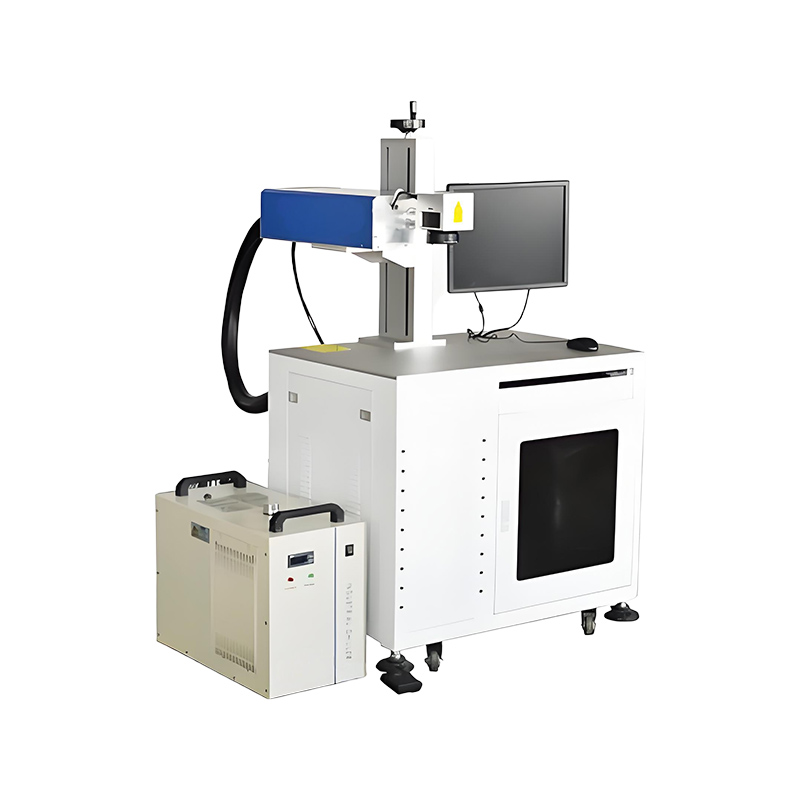
With the continuous innovation of MEMS technology, MEMS devices are widely used in consumer electronics, medical equipment, and aerospace applications, offering significant value due to their compact size, high speed, reliability, and low cost. MEMS packaging is a critical step in MEMS device development.
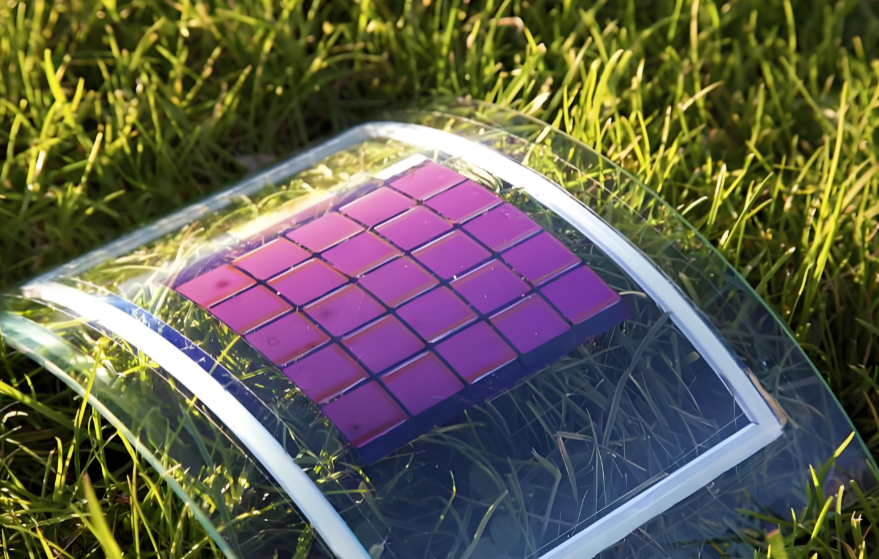
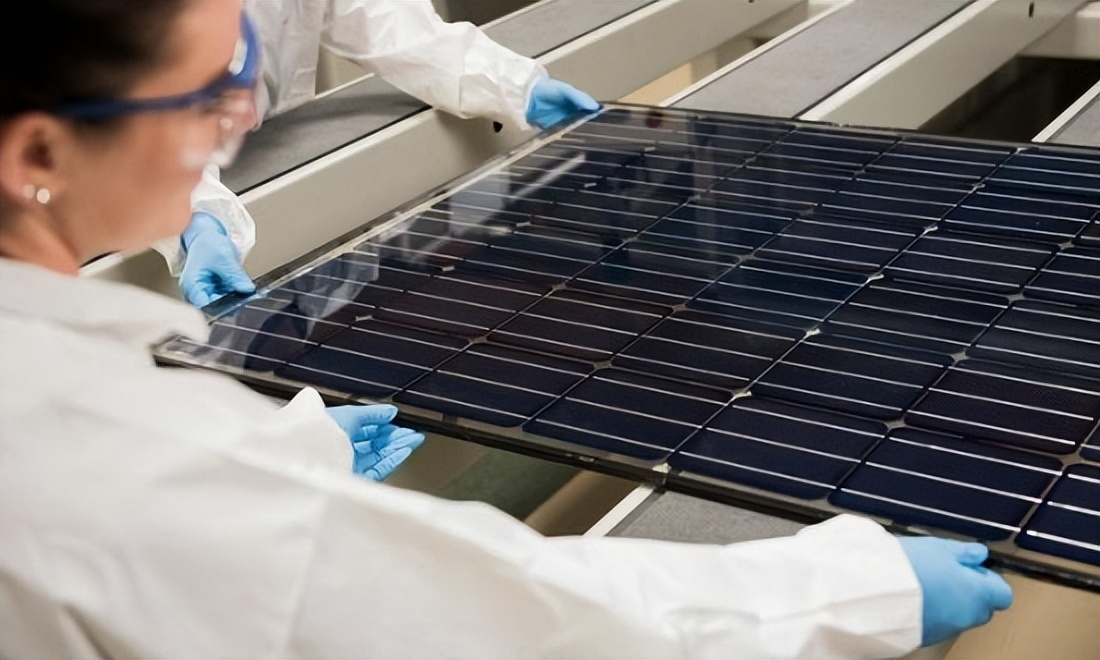
The manufacturing process of perovskite solar cells involves multiple precise steps, with laser technology playing a critical role in enhancing efficiency and stability. The key steps include:
Substrate Preparation: Cleaning and pre-treating the substrate (e.g., glass or flexible polymers) to ensure optimal adhesion and conductivity.
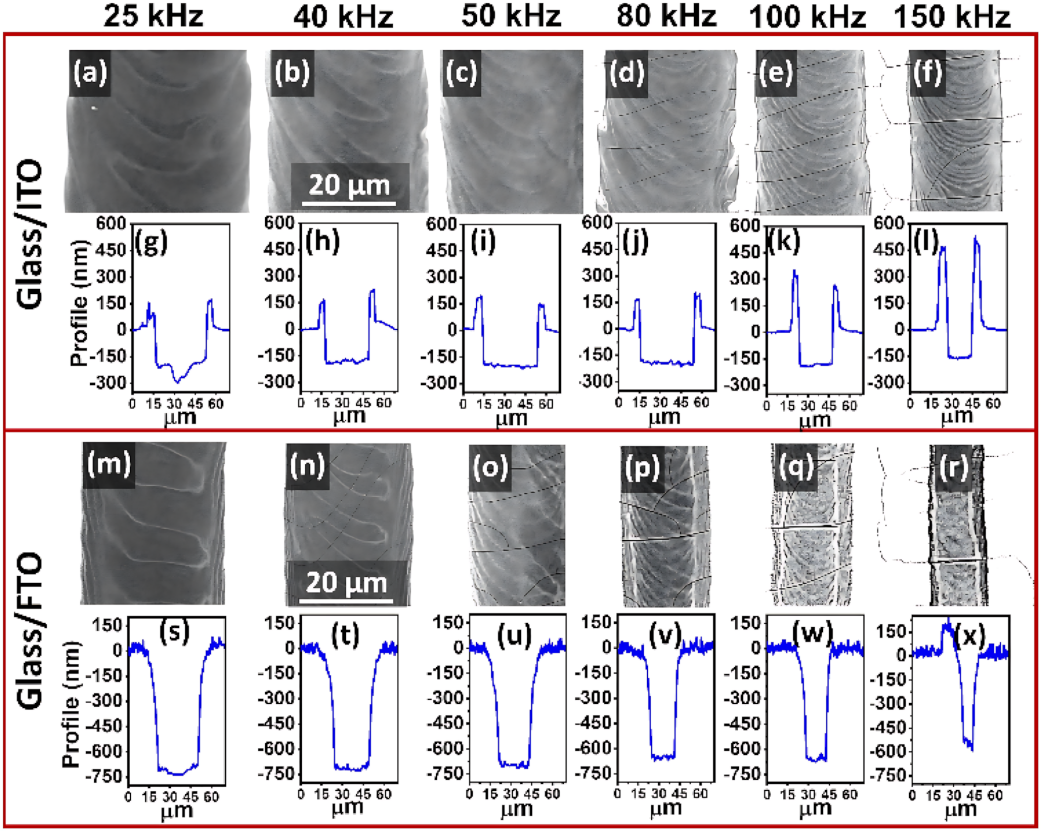
Electrode Deposition: Depositing transparent conductive oxides (e.g., ITO or FTO) as bottom electrodes.
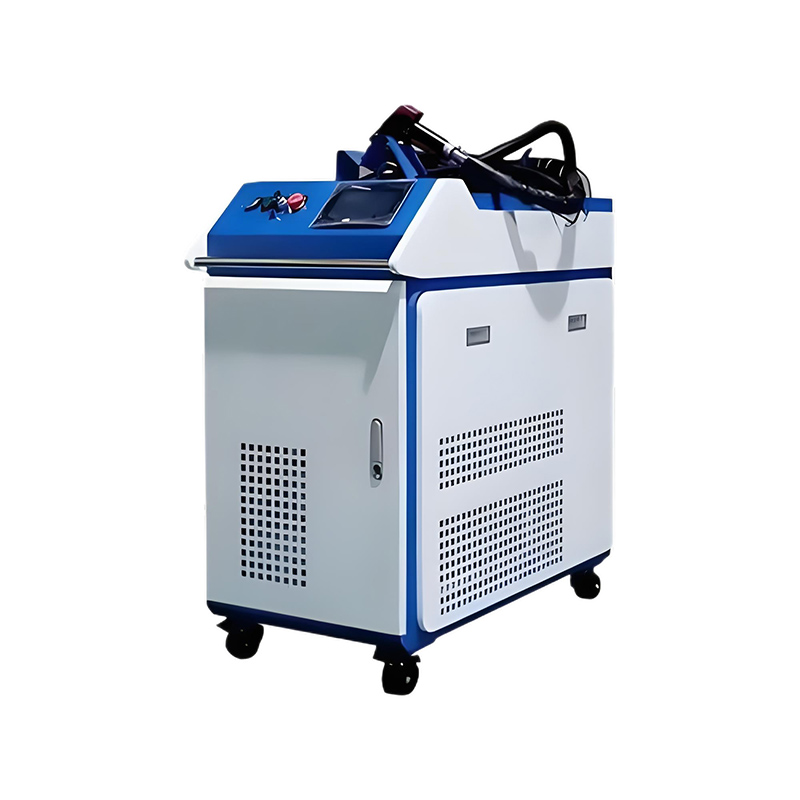
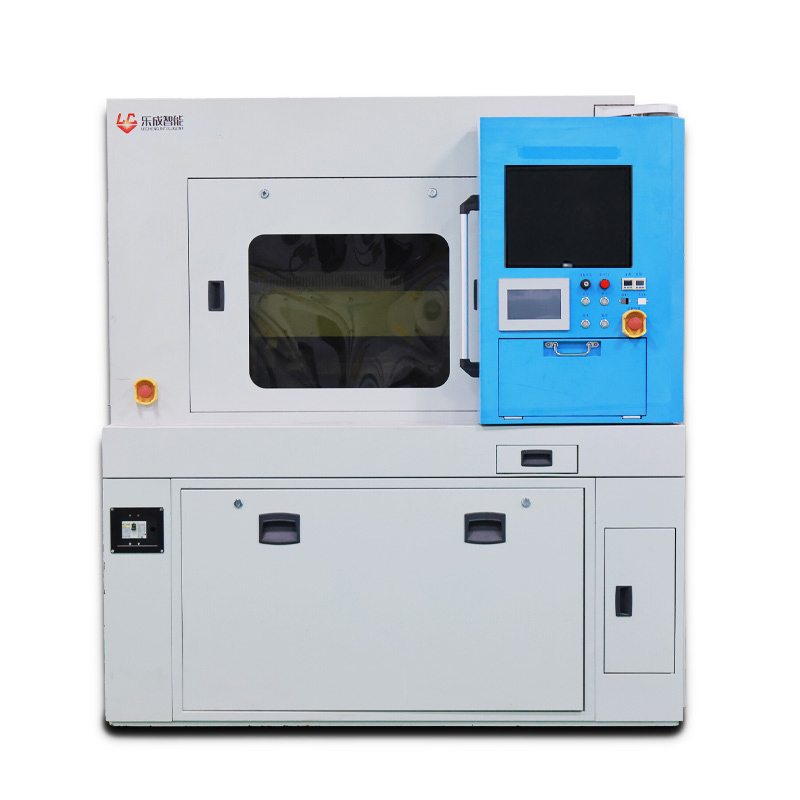
Laser technology, characterized by its non-contact processing, high precision, and exceptional flexibility, is rapidly replacing traditional mechanical methods across industries. From ultra-fast lasers to novel applications in composite materials and electric vehicles, advancements are driving efficiency and enabling breakthroughs in fields like medical devices and renewable energy.
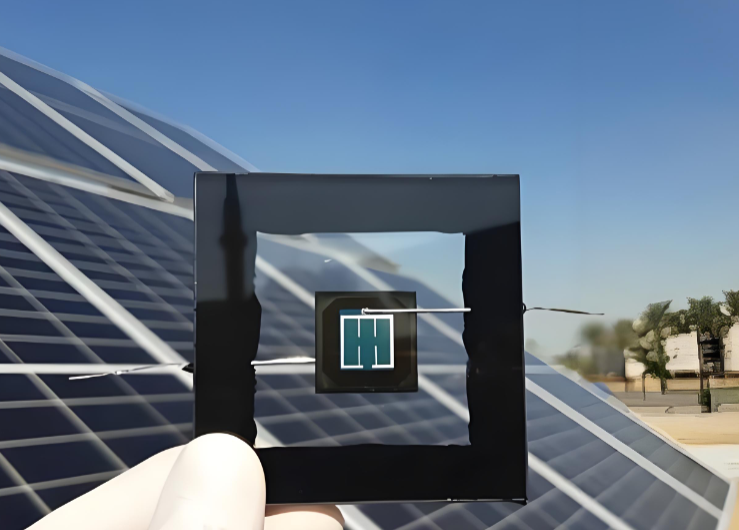
Perovskite solar cells (PSCs) have achieved a power conversion efficiency (PCE) of up to 26.95% under standard test conditions (STC). The current research focus has shifted from efficiency improvement to scalability and stability enhancement. Based on four years of outdoor data from Berlin, this study reveals significant seasonal performance fluctuations in PSCs: stable performance in summer but a substantial decline in winter (up to 30%).
Laser technology has become a cornerstone of innovation in the new energy industry, enabling breakthroughs in efficiency, precision, and sustainability across battery manufacturing, photovoltaics, and hydrogen energy systems. Its non-contact processing, micron-level accuracy, and flexibility make it indispensable for next-generation energy solutions.
Key Innovations:
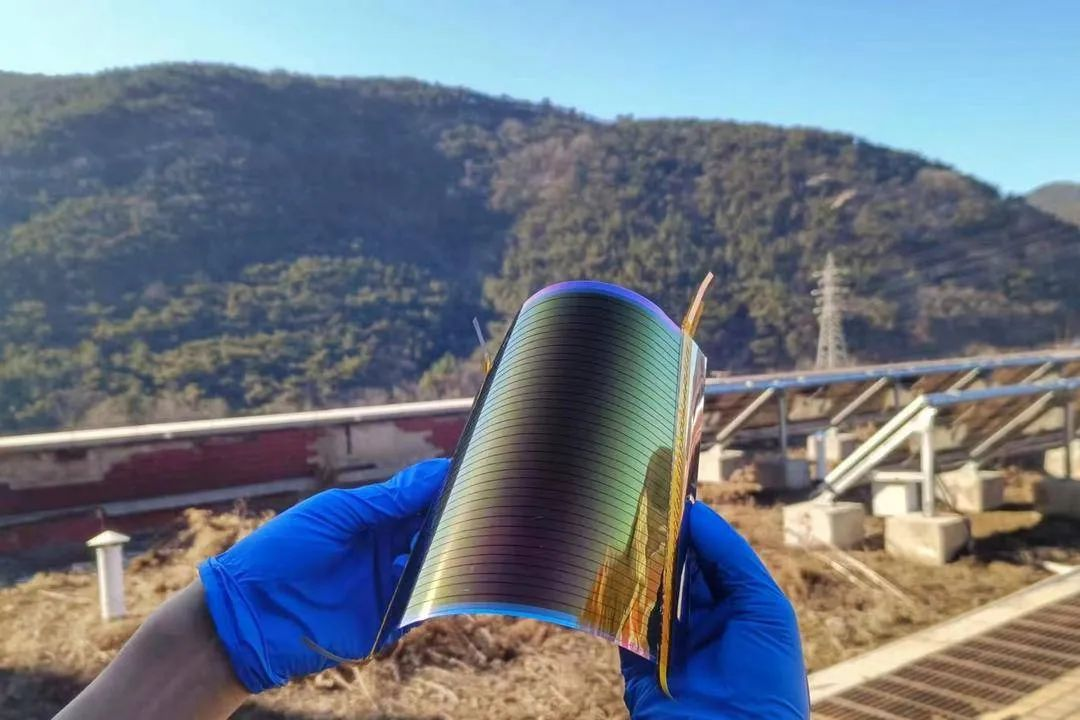
Record Flexibility: 0.1–0.2mm thickness, ≤5mm bending radius, survives 100k bends with <5% efficiency loss
High Efficiency: 33% theoretical efficiency for single-junction, 45%+ for tandem cells — surpassing silicon’s 27% ceiling
Roll-to-Roll Production: Simplified manufacturing cuts costs by 40% vs. silicon, with 30–70% customizable transparency