


Laser Engraving Material Guide
What Materials Can A Small Laser Engraving Machine Process? Buyer Selection Guide
Small laser engraving machines can process many different materials, but not every laser type is suitable for every application. Buyers should understand the relationship between laser type, material compatibility, marking quality and thermal impact before selecting equipment for labs, workshops, schools or custom marking businesses.
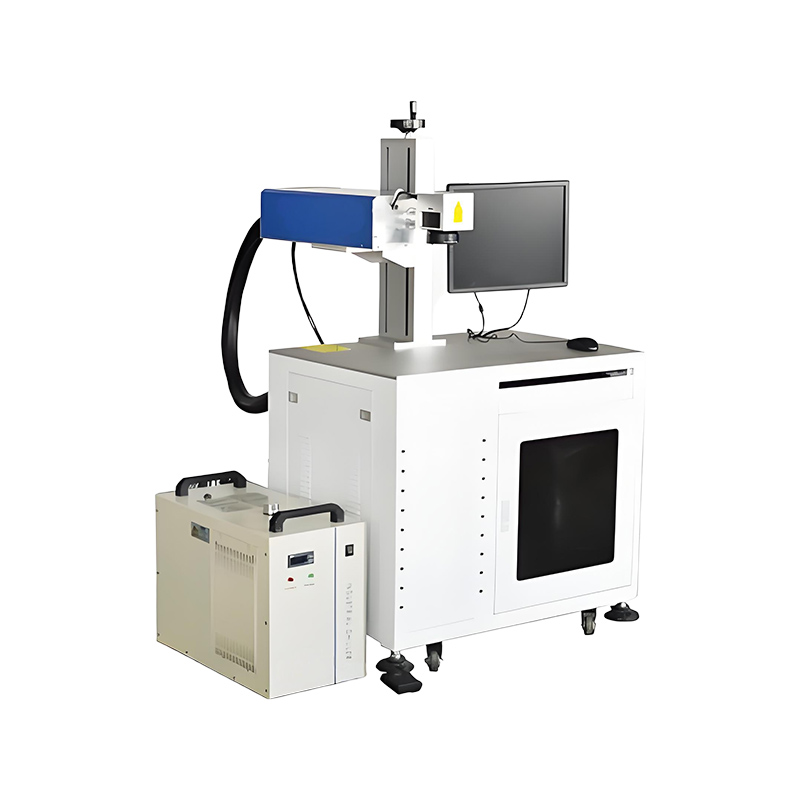
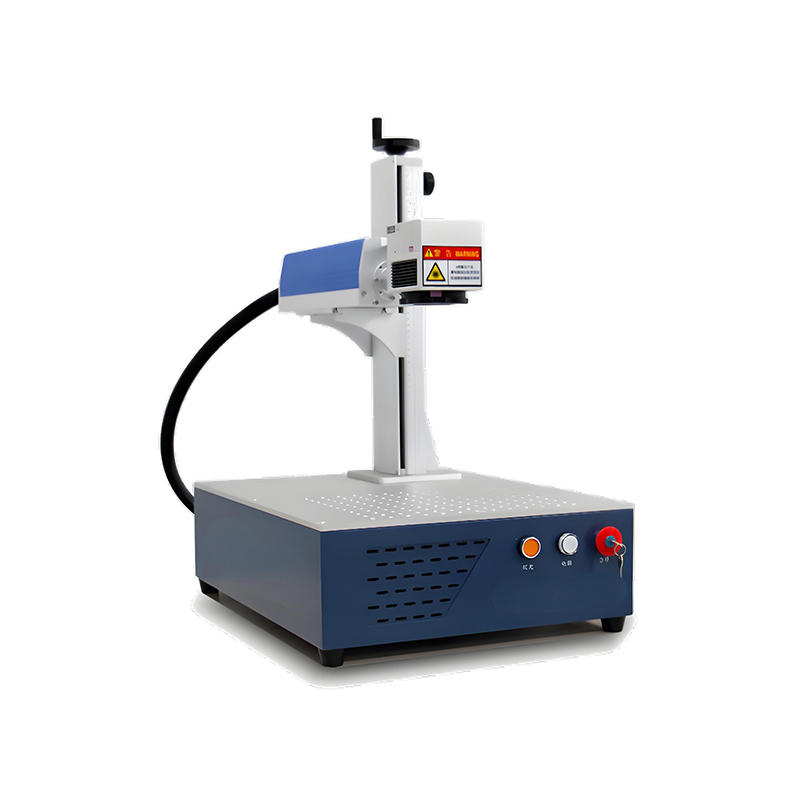
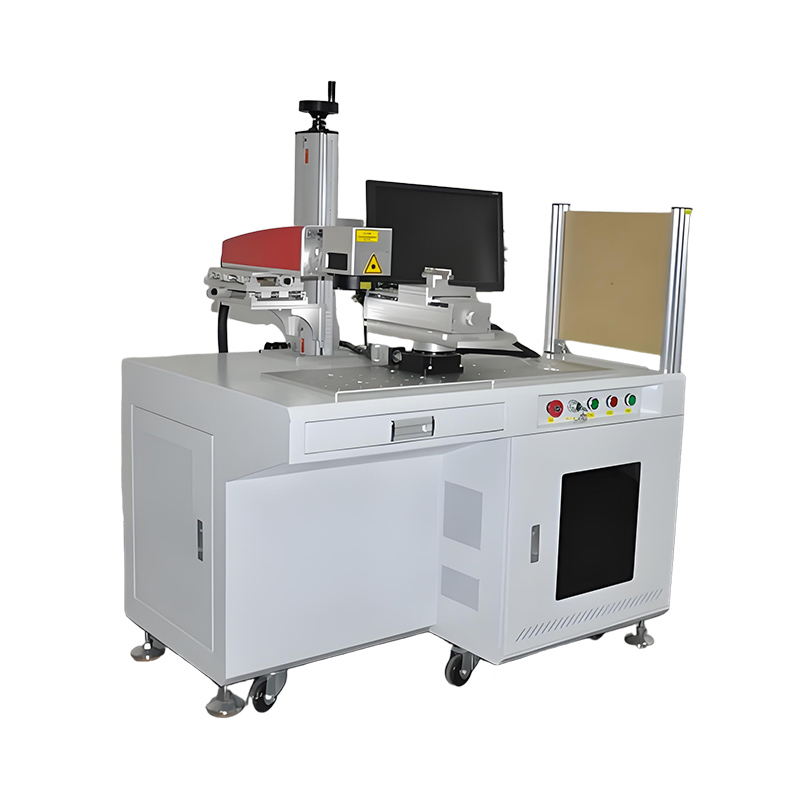
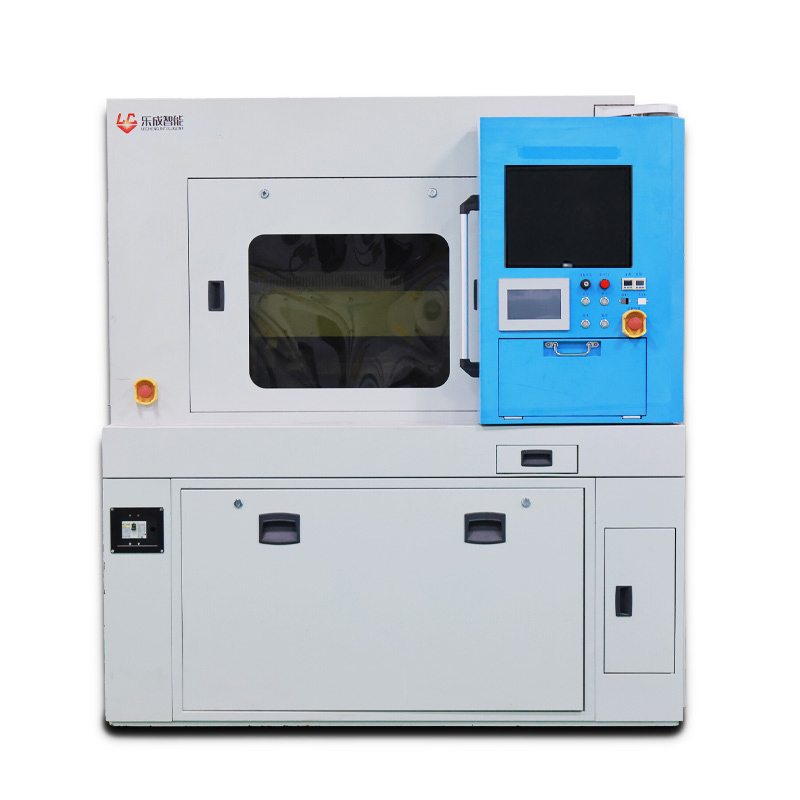
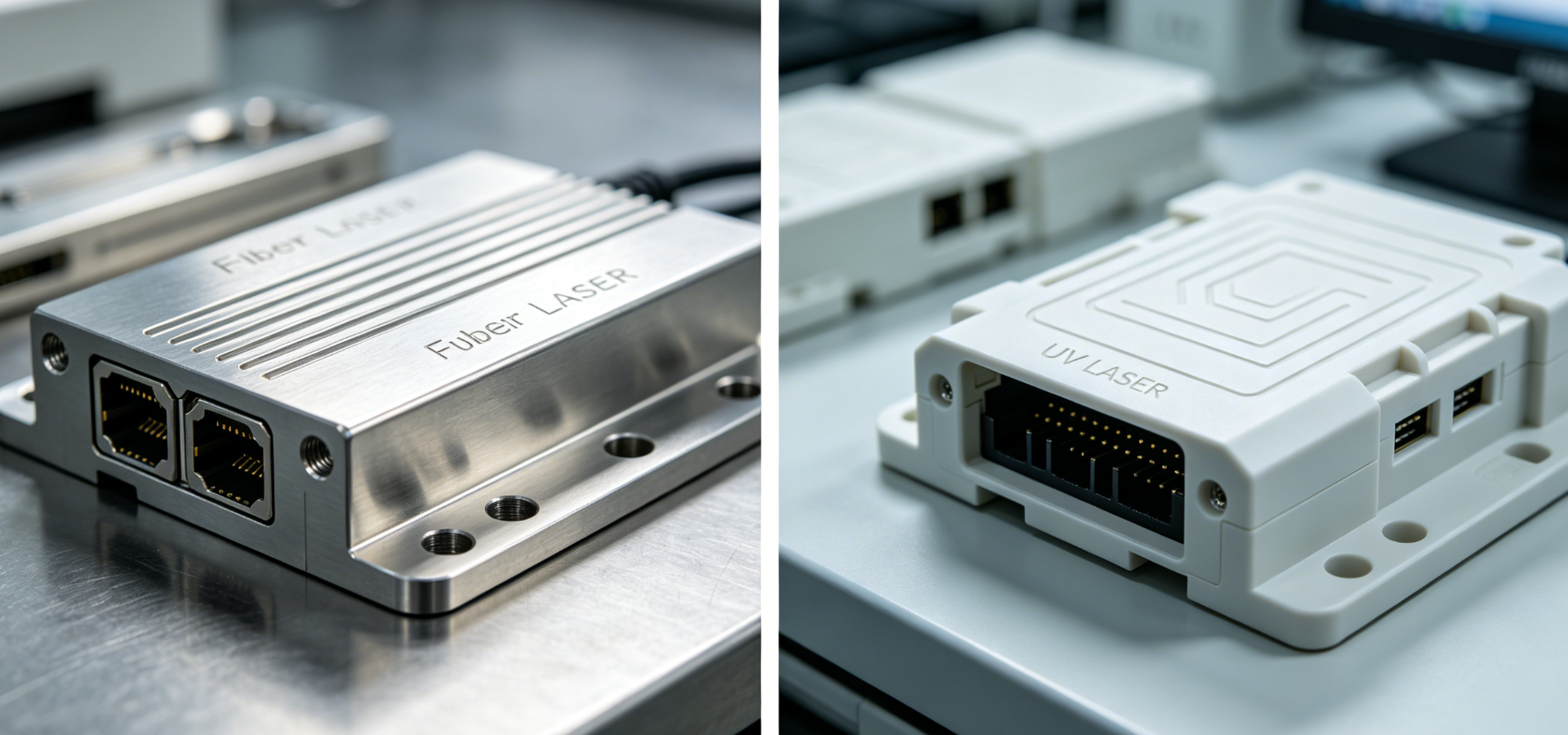
Get QuoteDifferent materials absorb laser energy differently. A laser machine that works well on stainless steel may not produce good results on acrylic or glass. Choosing the wrong laser type can lead to poor marking quality, low efficiency, excessive burning or material damage. Before ordering, buyers should clearly list the materials, marking effect and production requirements to help suppliers recommend the correct configuration. Fiber laser engraving machines are commonly used for metal marking and engraving. They are suitable for stainless steel, aluminum, brass, titanium, coated metal and many industrial components. Stainless steel nameplates Aluminum parts Metal tools and hardware Electronic components Industrial serial number marking For deep engraving or high-speed marking, buyers should compare laser power and beam quality carefully. Many plastics can be laser marked, but the result depends on the material composition and laser wavelength. UV lasers are often preferred for sensitive plastics because they create lower thermal impact and finer marking quality. Common plastic applications include: Electronic housings Medical plastic parts Keyboard buttons Packaging materials Custom logo and QR code marking CO2 laser engraving machines are widely used for non-metal materials such as wood, acrylic, leather, bamboo, paper and packaging products. They are popular in workshops, schools, gift customization and advertising industries. Buyers should compare engraving depth, cutting edge quality and smoke extraction systems when processing organic materials. Glass and delicate materials require lower thermal impact during processing. UV laser systems are often selected because they provide finer marking quality and reduce crack risk compared with higher thermal laser systems. For precision electronics or medical applications, buyers should also check marking accuracy and microscopic edge quality. What materials will be marked or engraved? Do you need surface marking or deep engraving? Is the application industrial, educational or custom gift production? What marking size and production speed are required? Do you need QR code, barcode or logo marking? Is low thermal impact important for the material? Can the supplier provide real sample marking results? Does the machine include exhaust, enclosure or safety protection? Small laser engraving machines can process metals, plastics, wood, acrylic, leather, glass and many other materials, but the correct laser type is critical for achieving stable marking quality and production efficiency. Before purchasing, buyers should evaluate material compatibility, engraving quality, thermal impact, safety design and supplier support to ensure the machine matches actual application needs. Contact Lecheng Laser to discuss your materials, marking requirements, laser type and sample testing needs.Why Material Compatibility Matters
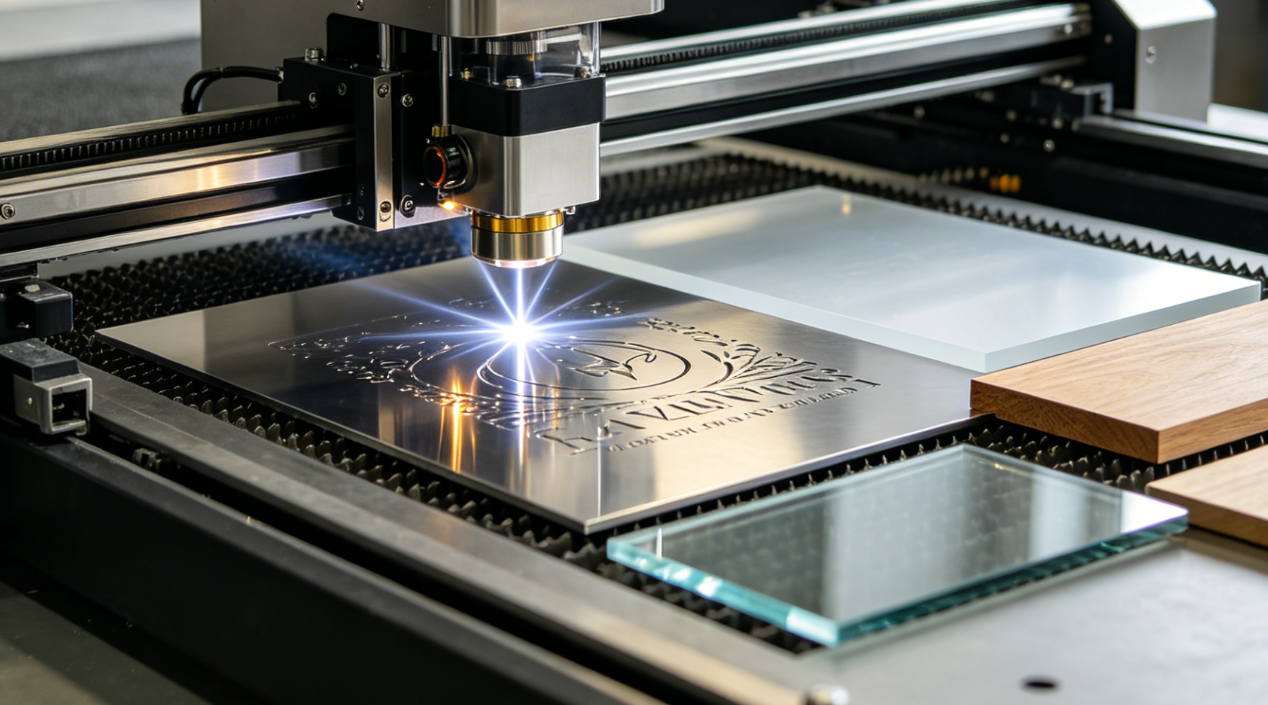
1. Metal Materials
2. Plastic Materials
Material Compatibility Guide
Material Type Recommended Laser Typical Application Stainless Steel Fiber Laser Nameplates, serial numbers, logos Aluminum Fiber Laser Industrial parts and electronic products Plastic UV Laser Electronic housing and medical parts Wood CO2 Laser Crafts, signs and decorative engraving Acrylic CO2 Laser Display products and customized gifts Glass UV Laser Fine surface marking and decoration Leather CO2 Laser Fashion products and branding 3. Wood, Acrylic And Leather
4. Glass And Sensitive Materials
Questions Buyers Should Ask Before Ordering
Conclusion
Need Help Choosing A Laser Engraving Machine?