
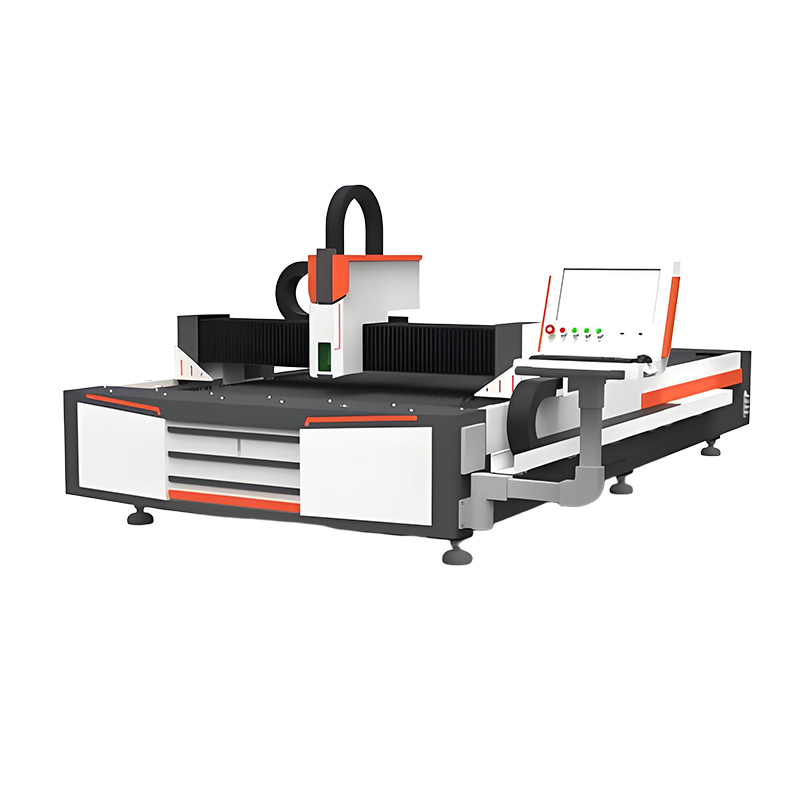
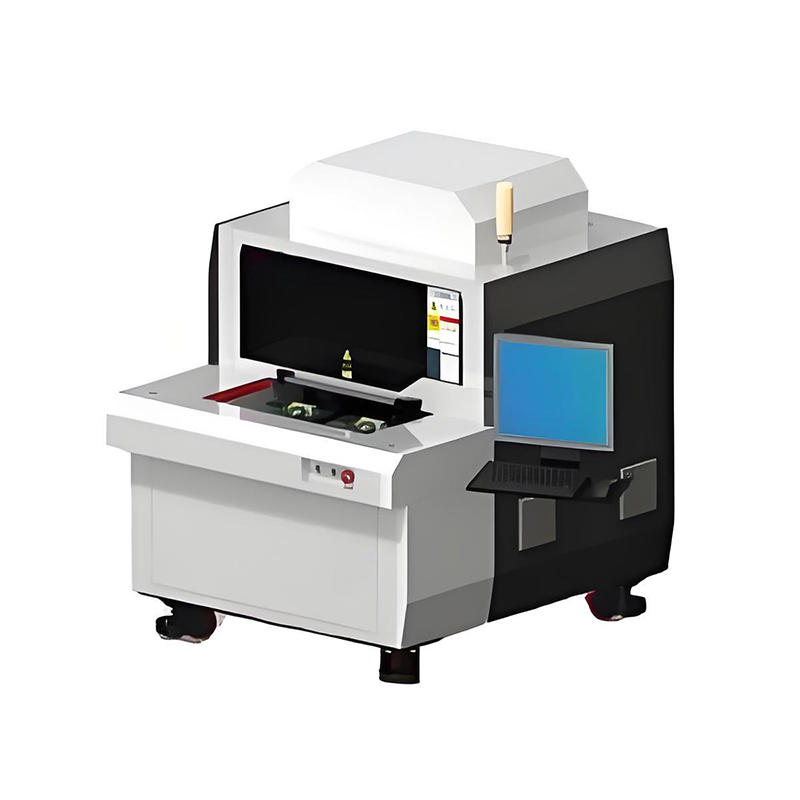
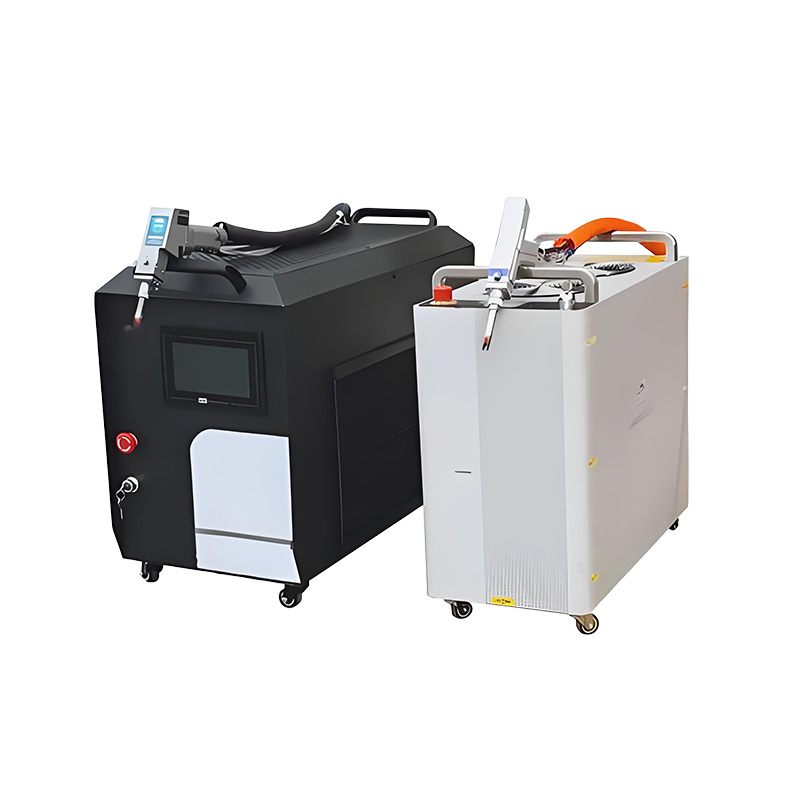

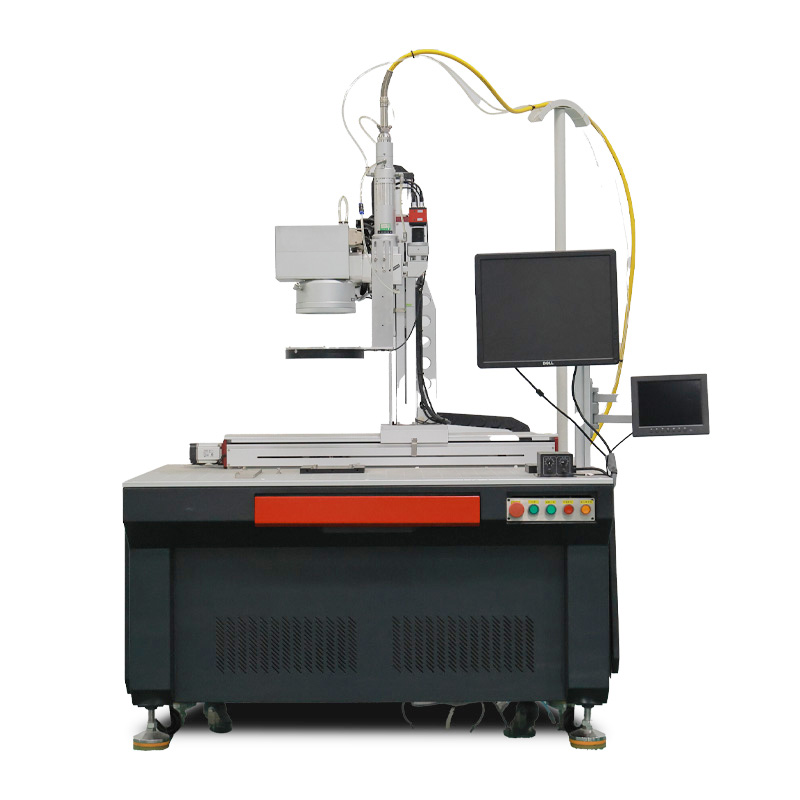
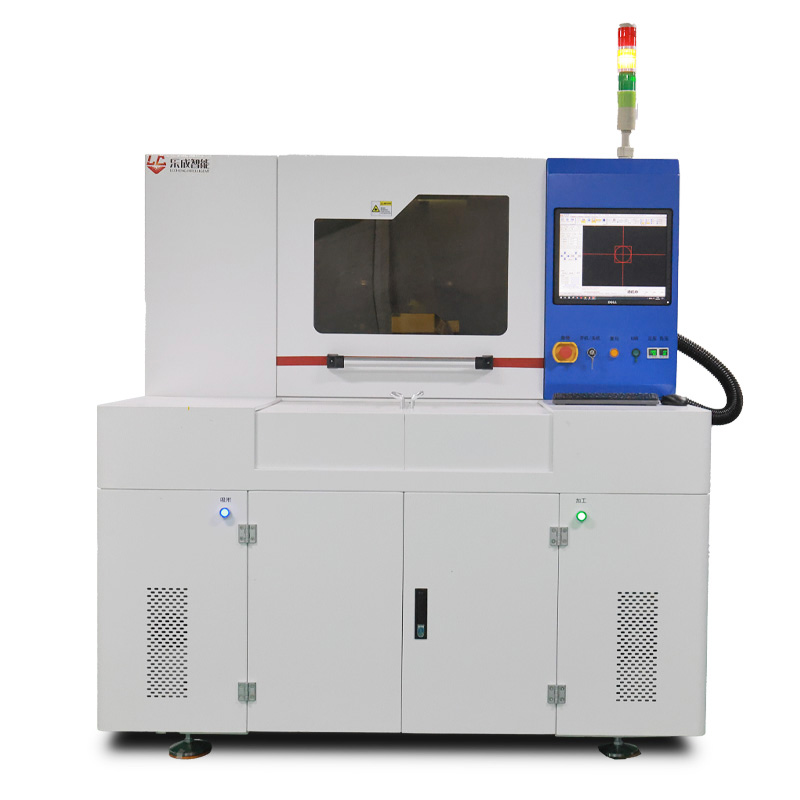
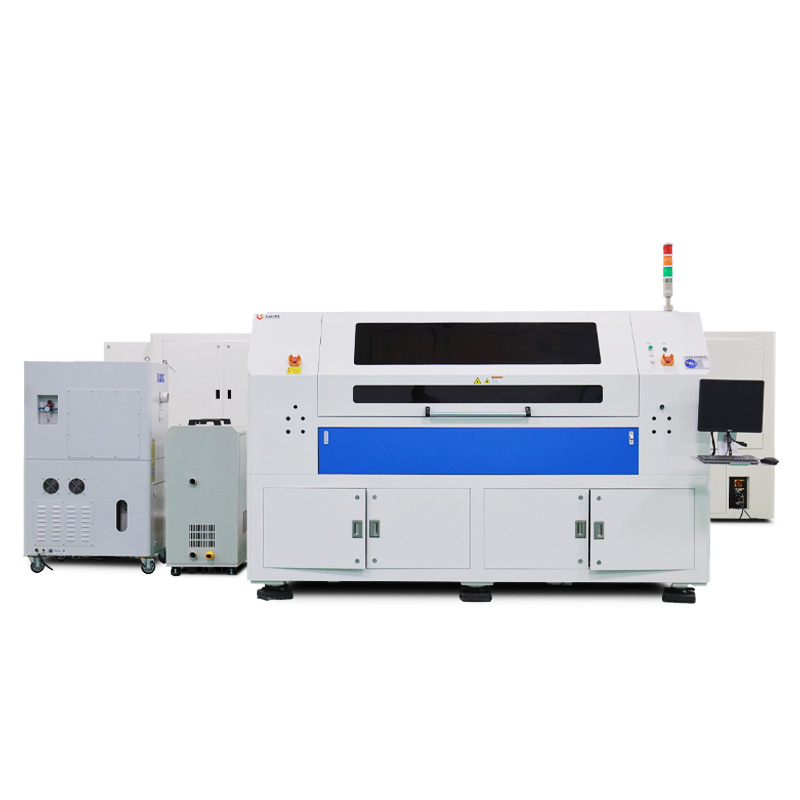

In solar cell manufacturing, material compatibility is one of the most important factors when selecting a laser scribing machine. Different photovoltaic technologies use a wide range of materials, each with unique optical, thermal, and structural properties. For international buyers, understanding what materials a laser system can process—and how well it can process them—is essential to ensure stable production and avoid costly process mismatches.
Common Materials Used In Photovoltaic Laser Scribing
Photovoltaic cells are typically composed of multiple layers, including substrates, conductive layers, absorber layers, and back contacts. Laser scribing machines must be capable of processing these materials individually or selectively depending on the process step.
Common substrate materials include glass and flexible polymer films. Conductive layers such as TCO (Transparent Conductive Oxide) are widely used and require precise removal during P1 scribing. Absorber layers in thin-film or perovskite cells often involve complex materials that demand careful control of laser energy.
Back contact layers, typically made of metals such as aluminum, silver, or molybdenum, must be cleanly isolated during P3 processing. Each material responds differently to laser energy, which makes material-specific parameter optimization essential.
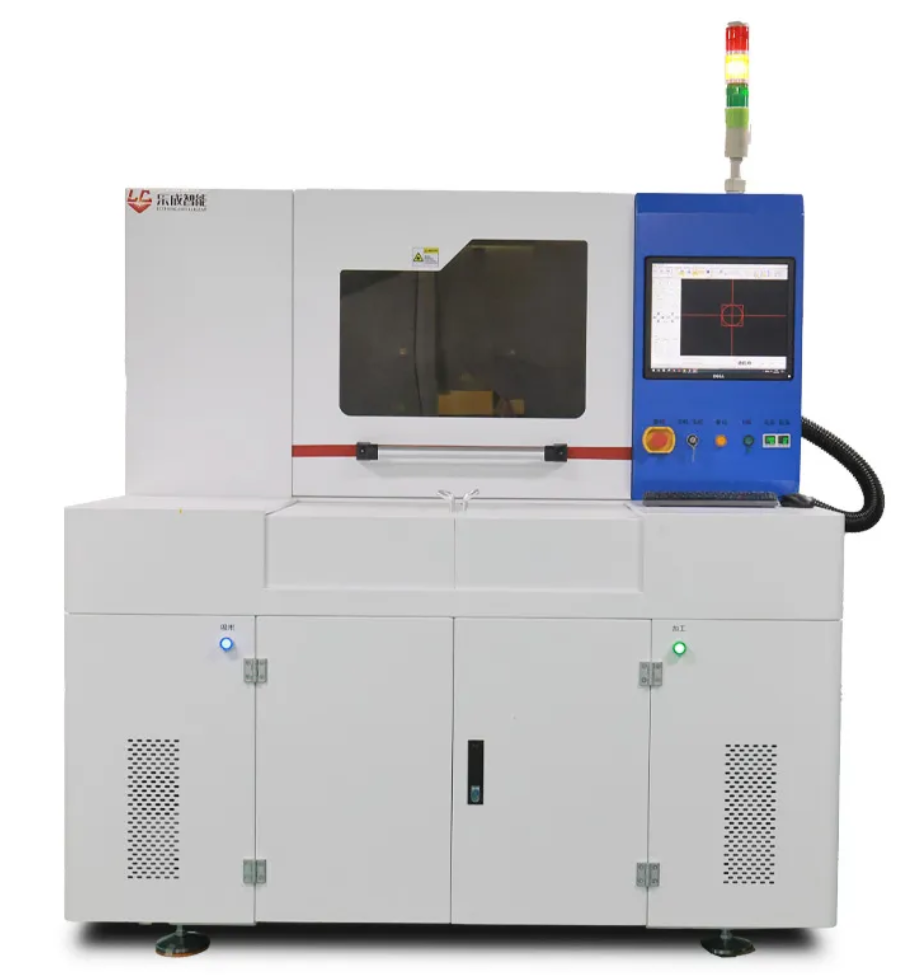
Material-Specific Processing Challenges And Precision Requirements
Each material used in photovoltaic cells presents unique challenges during laser processing. For example, glass substrates require crack-free processing, while conductive layers demand precise removal without damaging underlying structures.
Thin-film materials and perovskite layers are often highly sensitive to heat. Excessive laser energy can cause thermal damage, while insufficient energy may result in incomplete scribing. This requires fine control of laser parameters such as power, pulse duration, and scanning speed.
Metal back contacts require efficient energy absorption and clean separation to ensure proper electrical isolation. Inconsistent processing can lead to short circuits or performance degradation in the final module.
For buyers, this means that a laser scribing machine must be flexible enough to handle different materials while maintaining consistent quality across all layers.
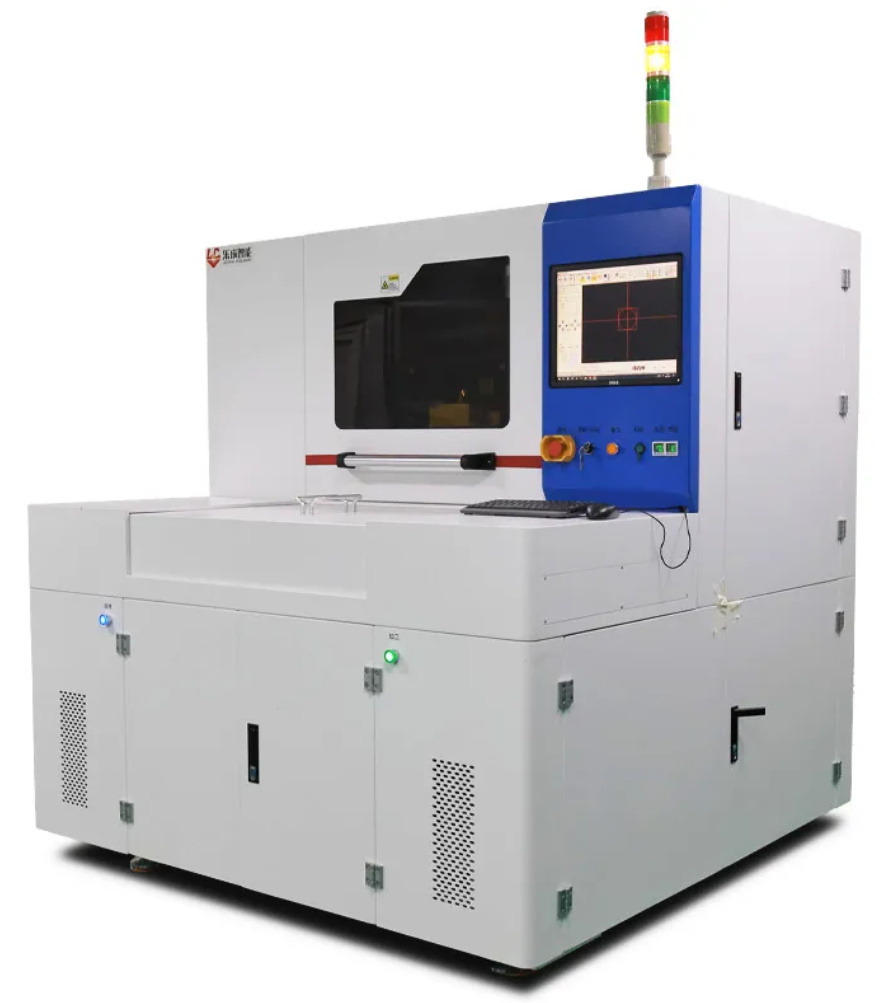
Material Compatibility And Long-Term Production Performance
Material compatibility is not only about whether a machine can process a material once, but whether it can do so consistently in mass production. In industrial environments, the same material must be processed repeatedly without variation in quality.
A high-quality laser scribing system should support stable parameter control, repeatable results, and minimal maintenance adjustments. This ensures that material processing remains consistent over time, reducing production risk and improving yield.
Buyers should also consider future flexibility. As photovoltaic technologies evolve, new materials and layer structures may be introduced. A system that can adapt to these changes provides greater long-term value and reduces the need for equipment replacement.
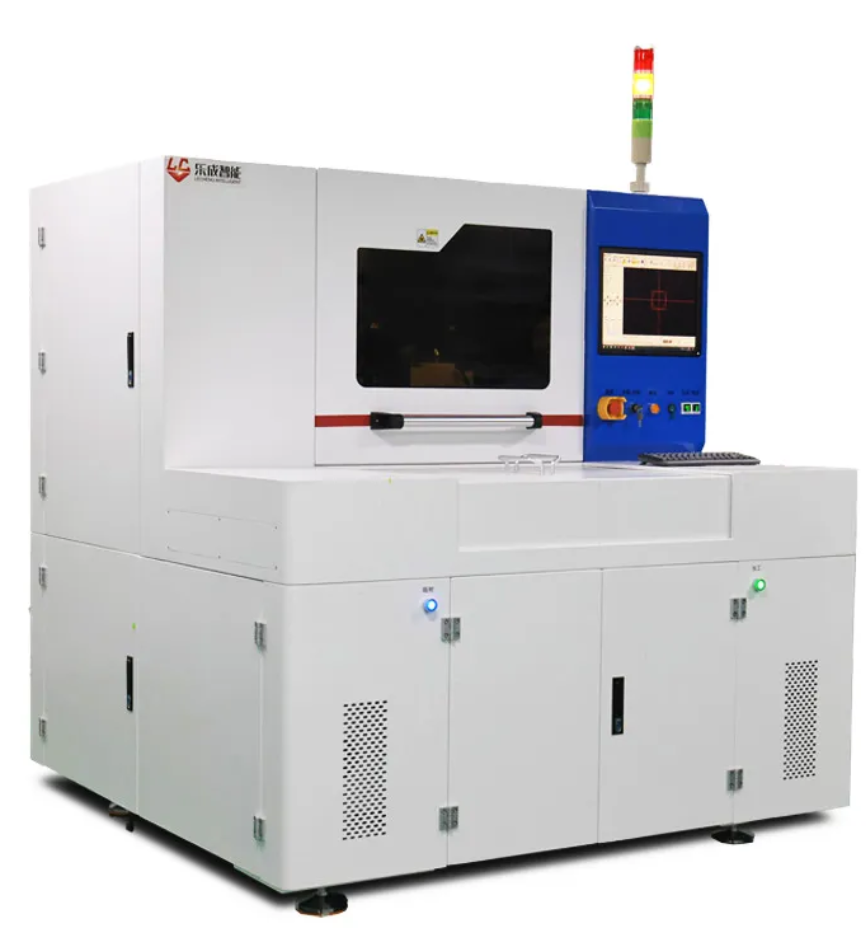
A laser scribing machine for solar cell manufacturing must be capable of processing a wide range of materials with precision and consistency. For international buyers, the key is not only the number of materials supported, but how well the system can handle each material under real production conditions. A machine with strong material compatibility and stable performance will provide higher yield, lower risk, and better long-term value.