


The Core Technologies Behind High-Precision Laser Scribing
The Engine of Precision: Advanced Laser Sources and Beam Delivery
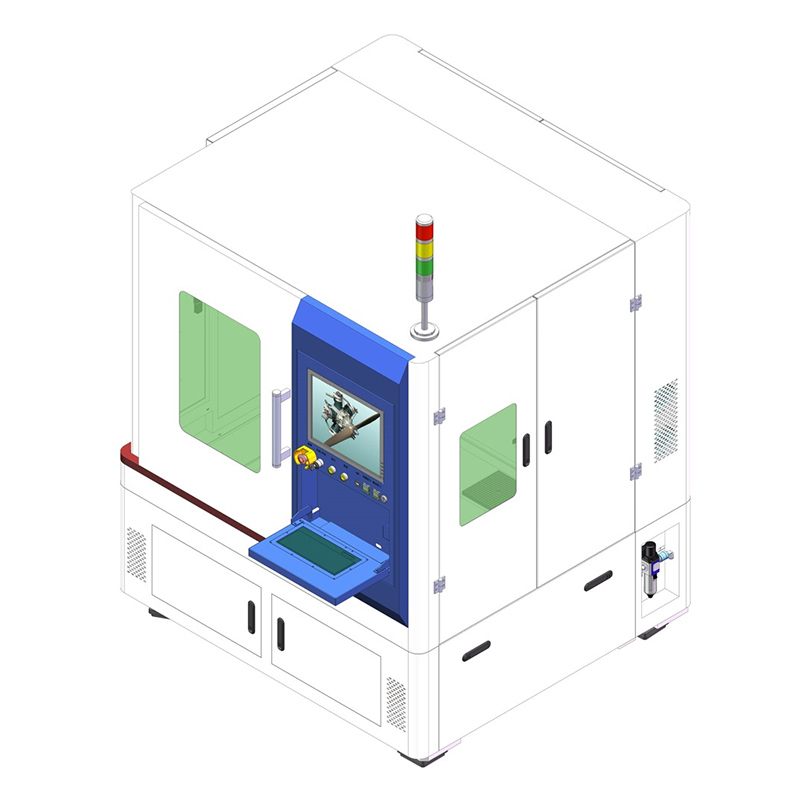
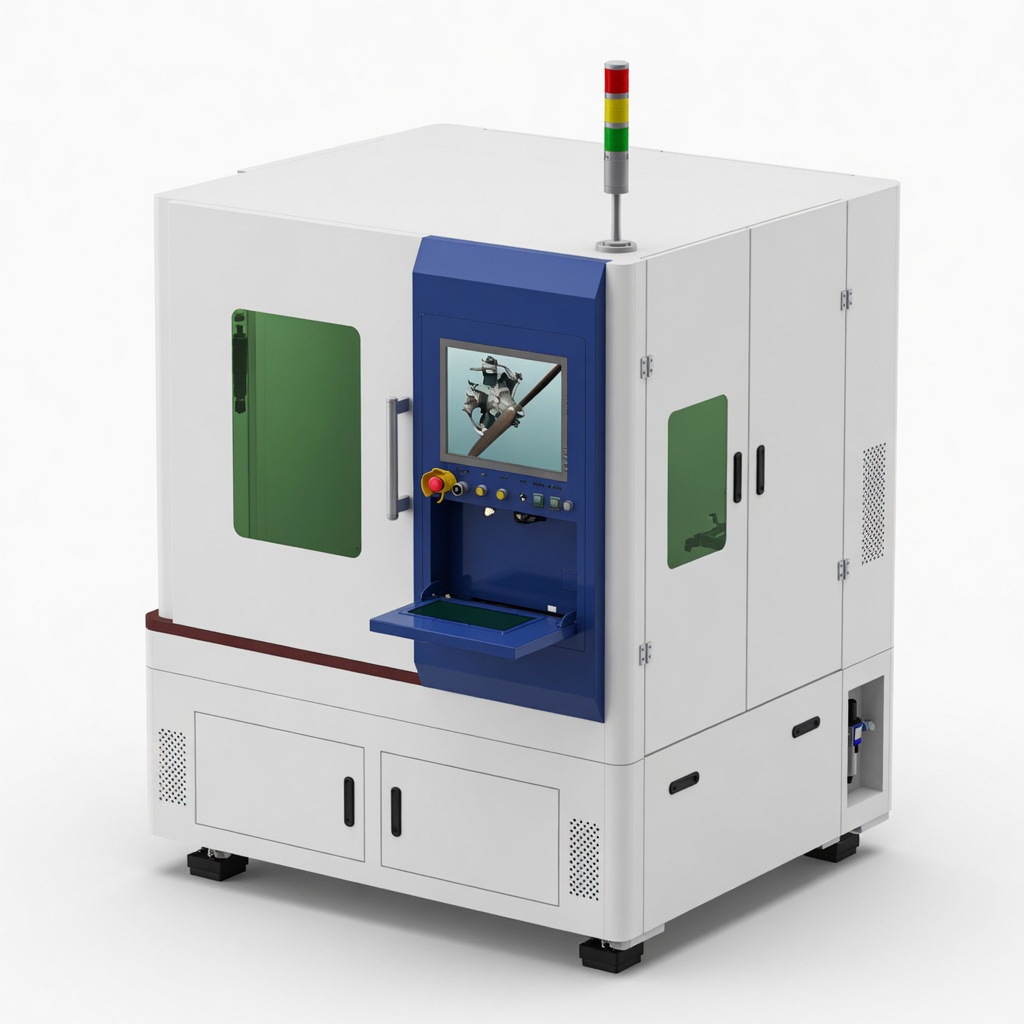
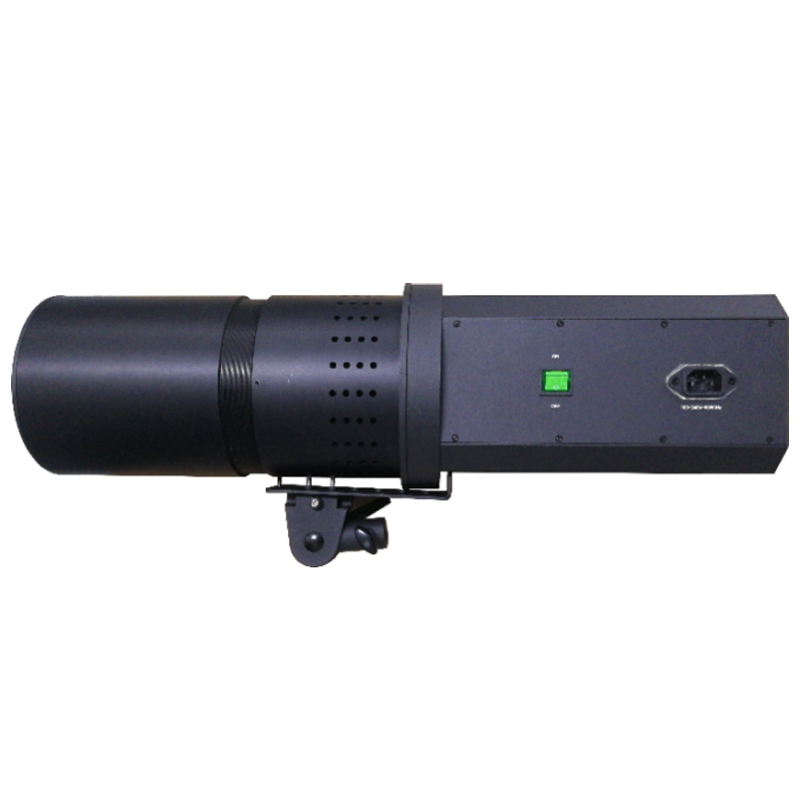
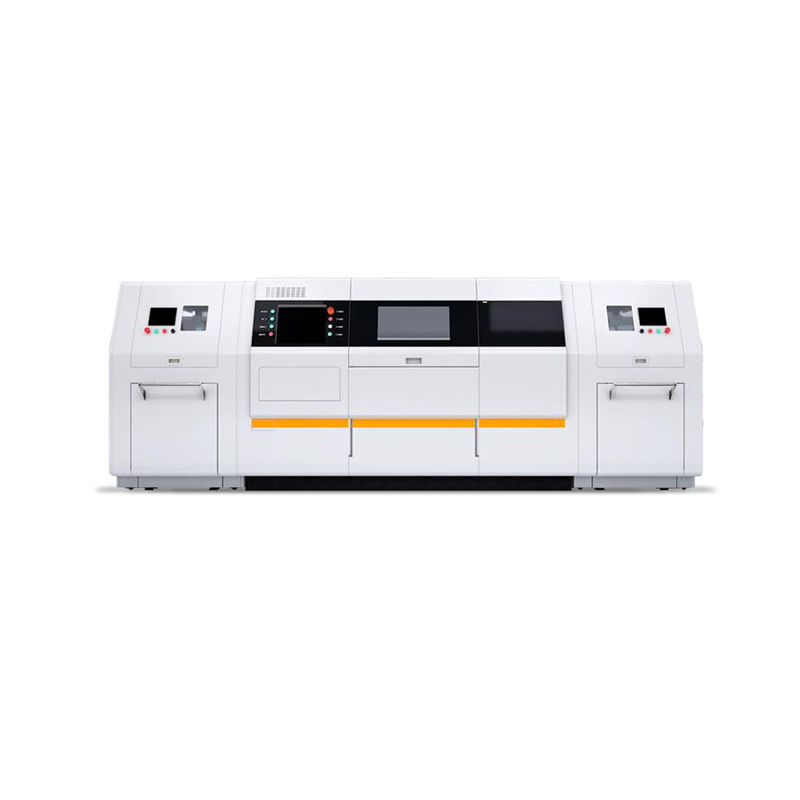
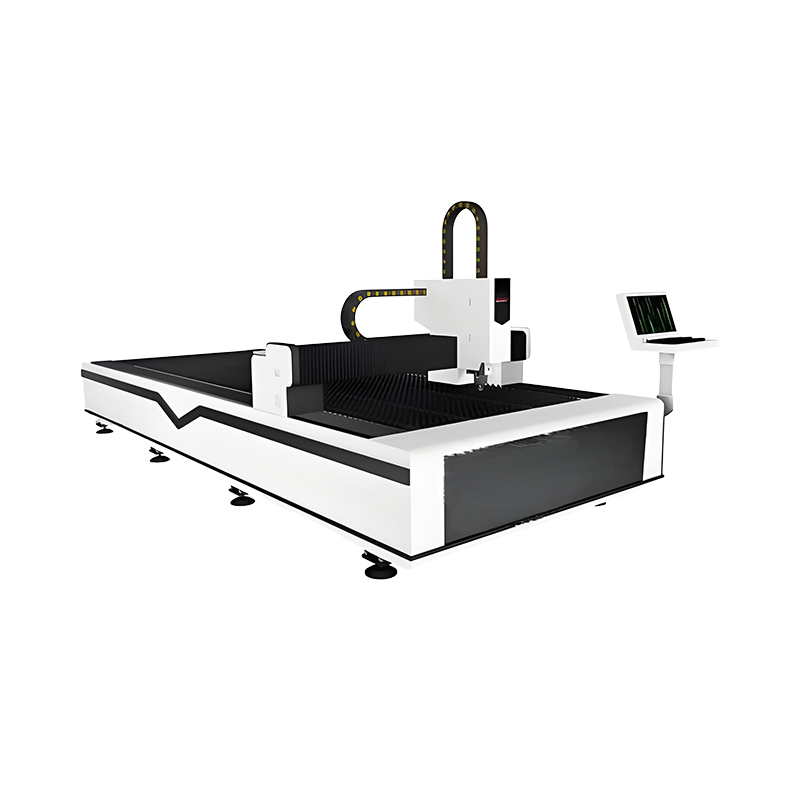
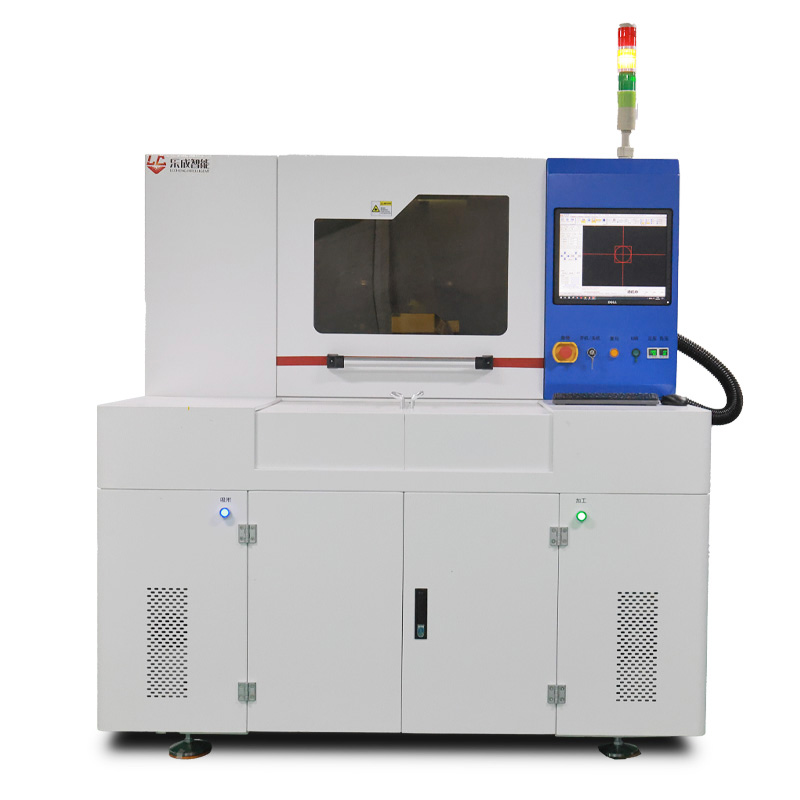
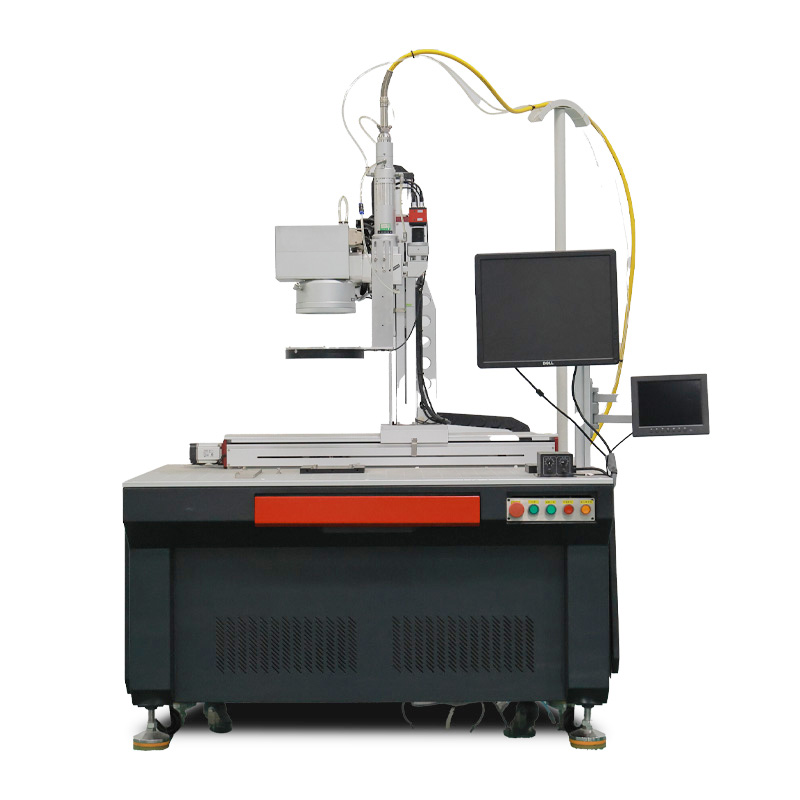
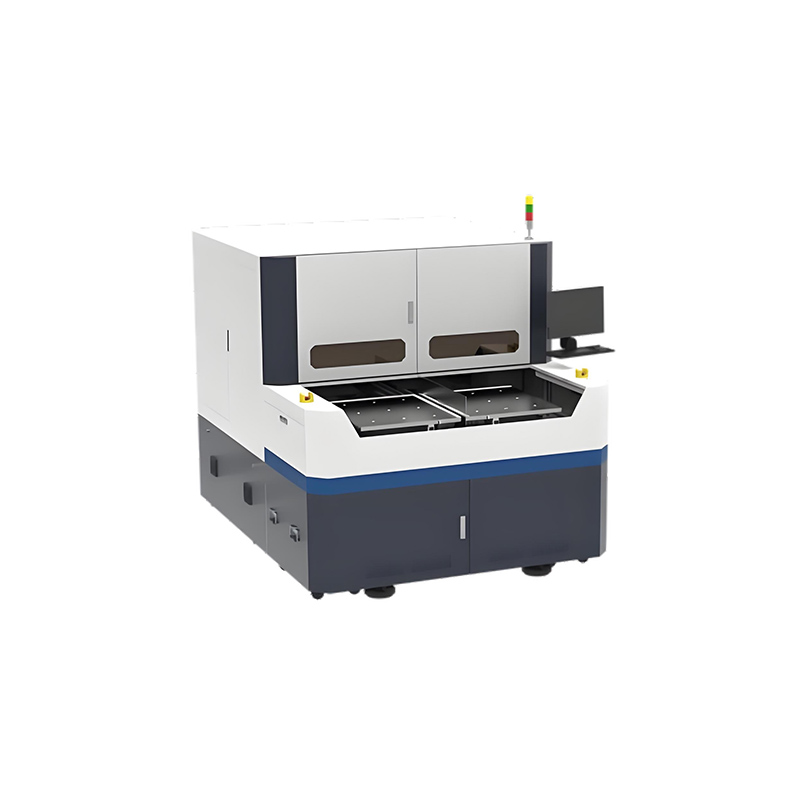
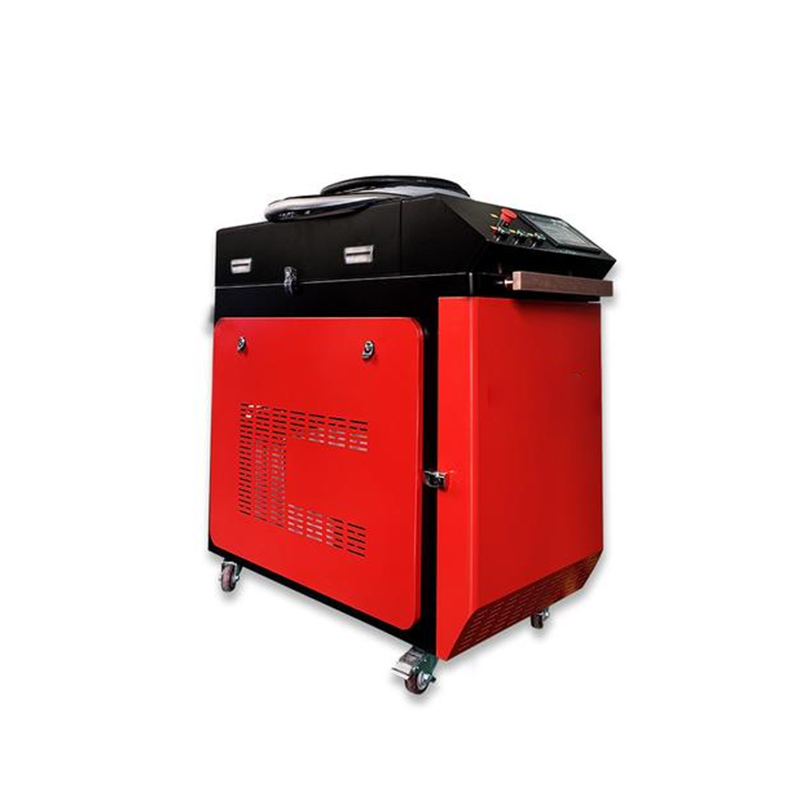
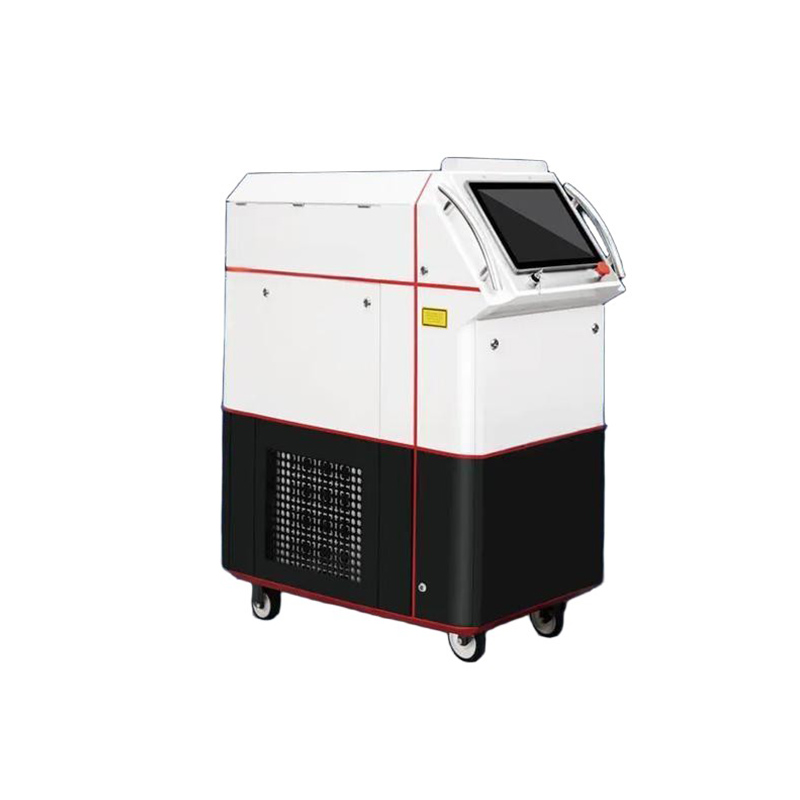
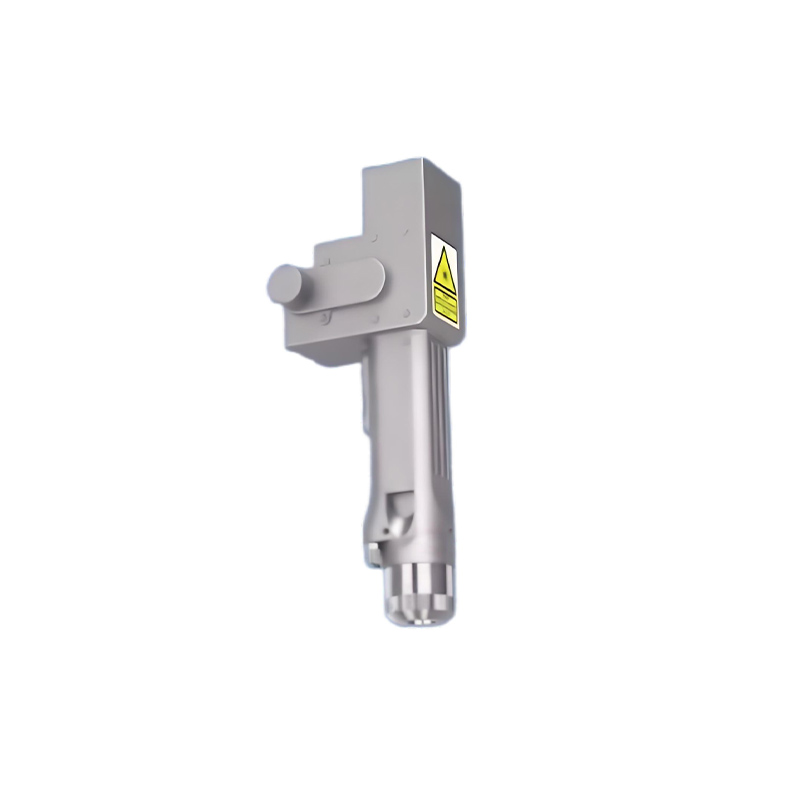
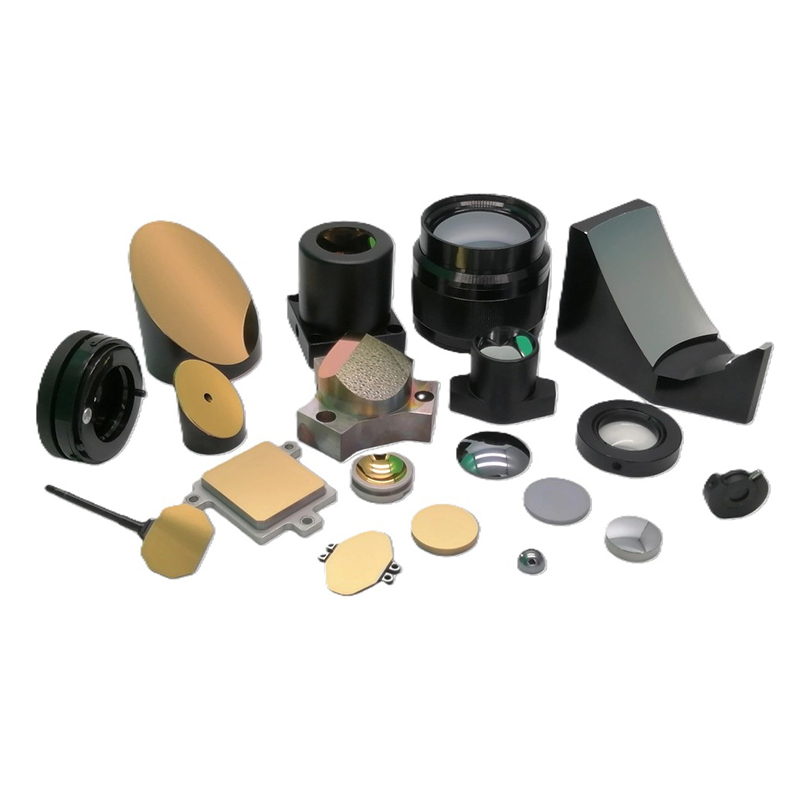
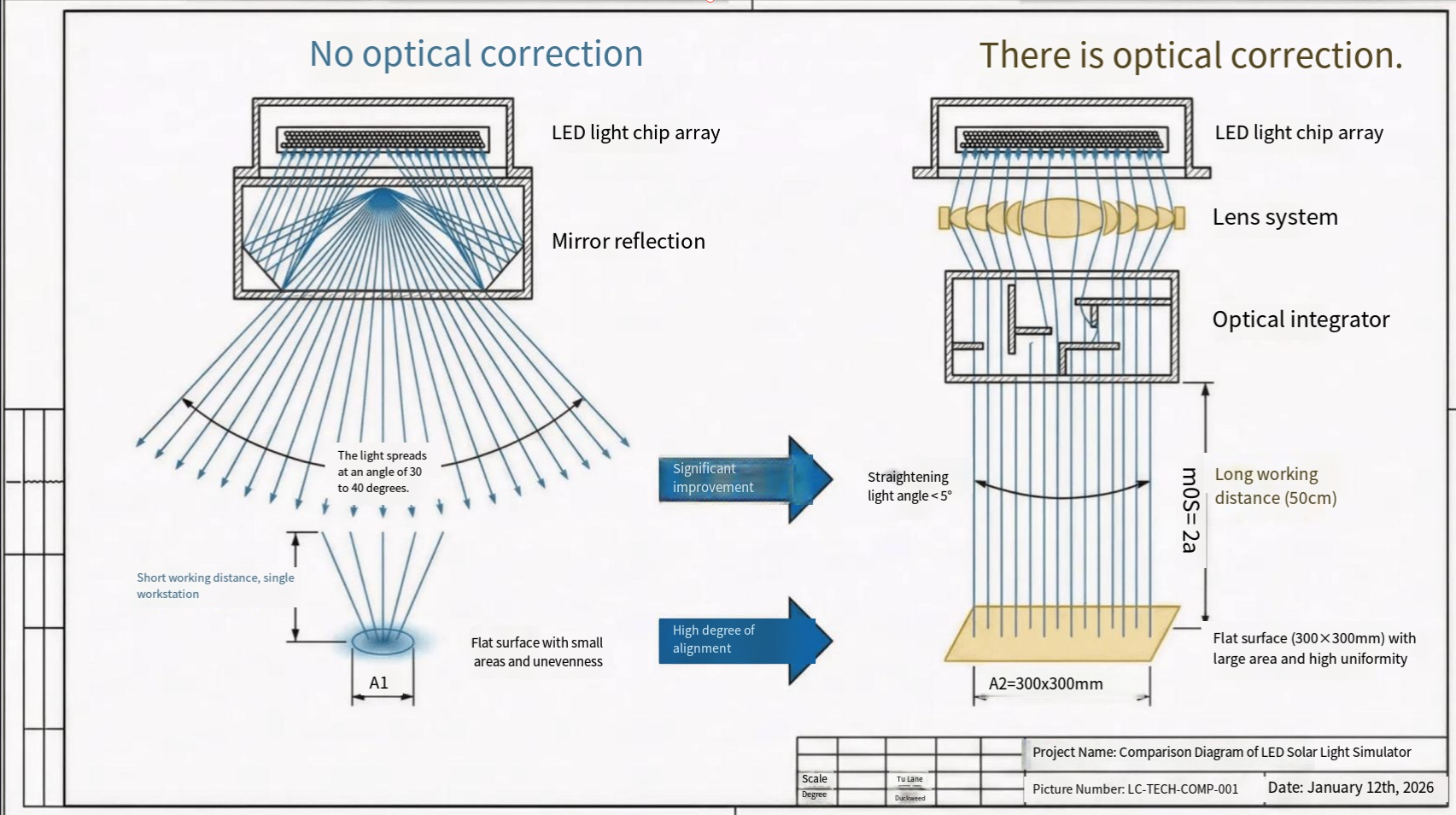
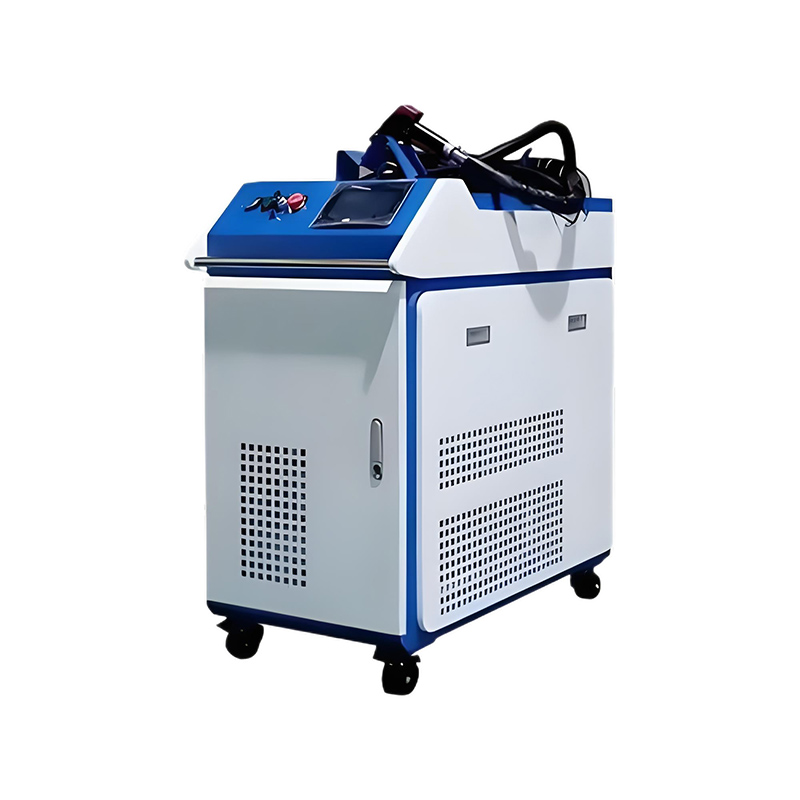
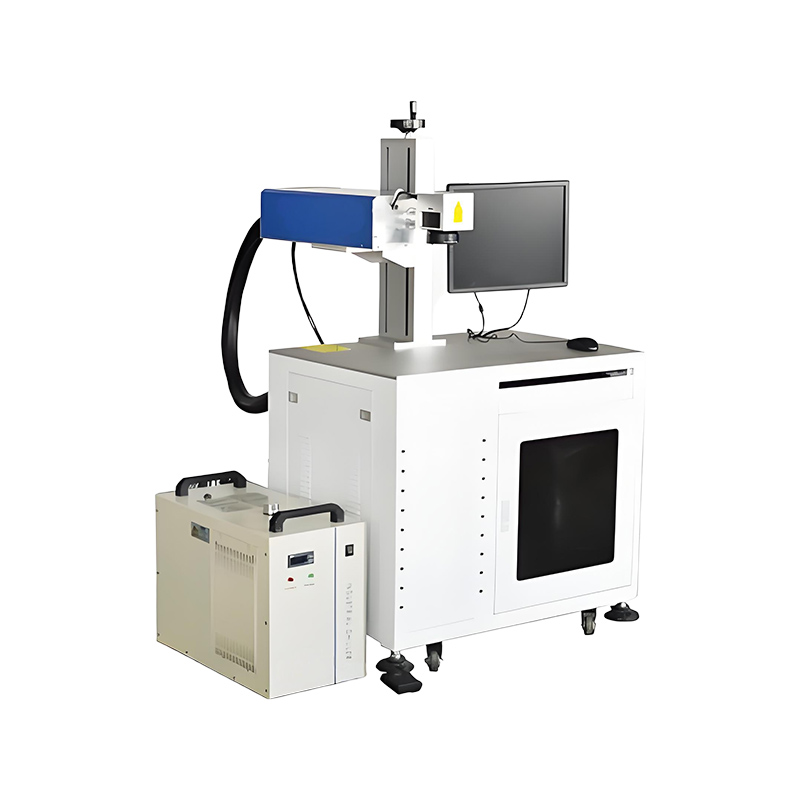
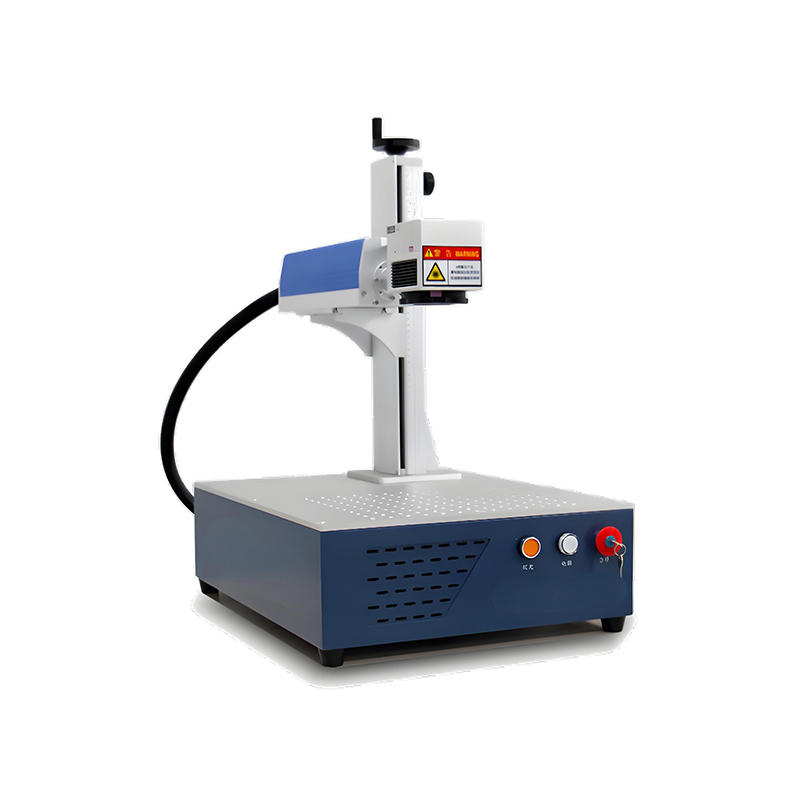
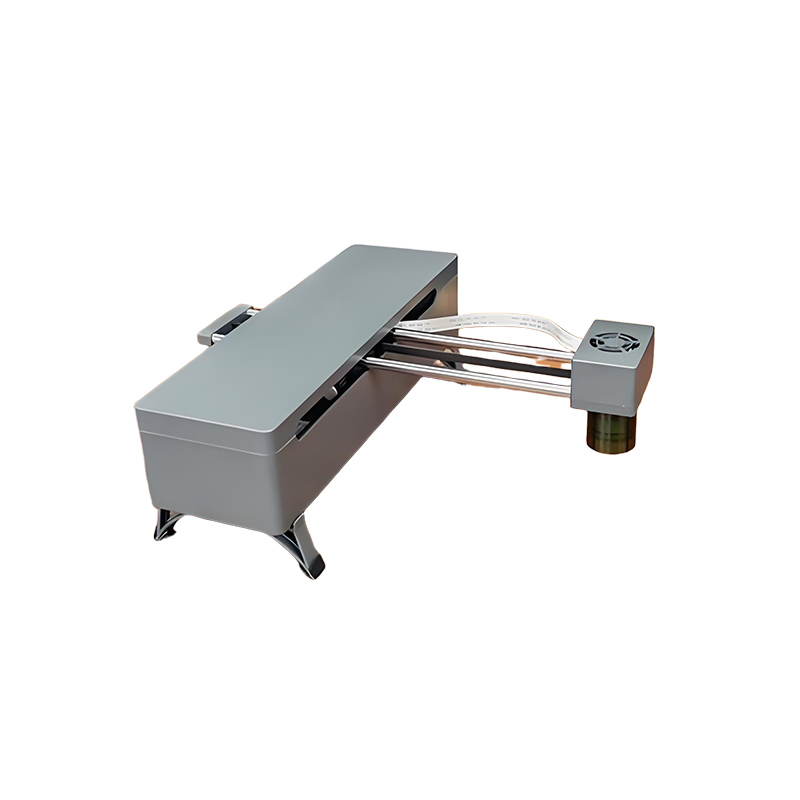
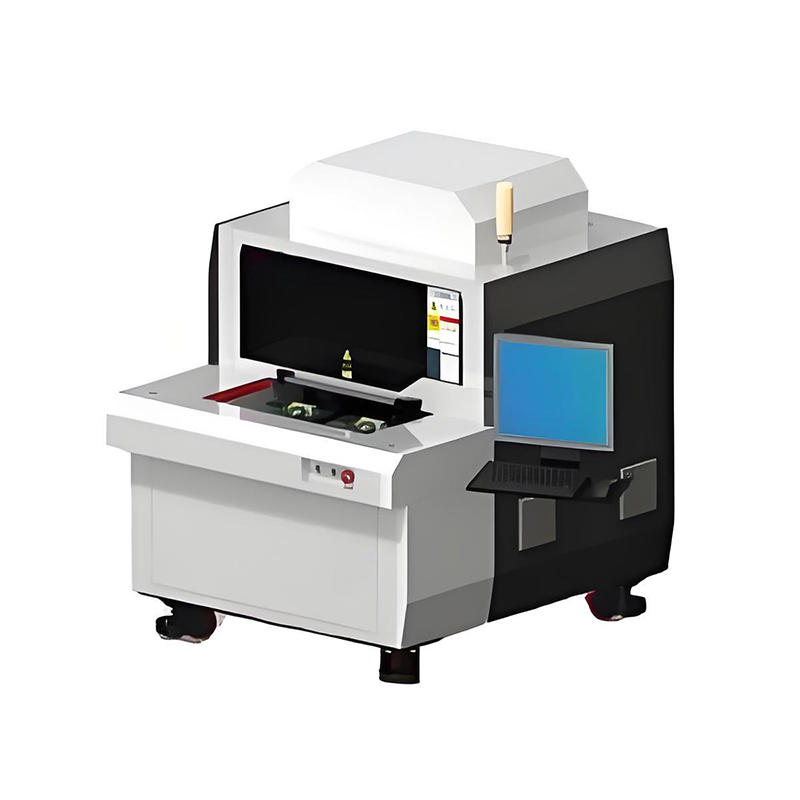
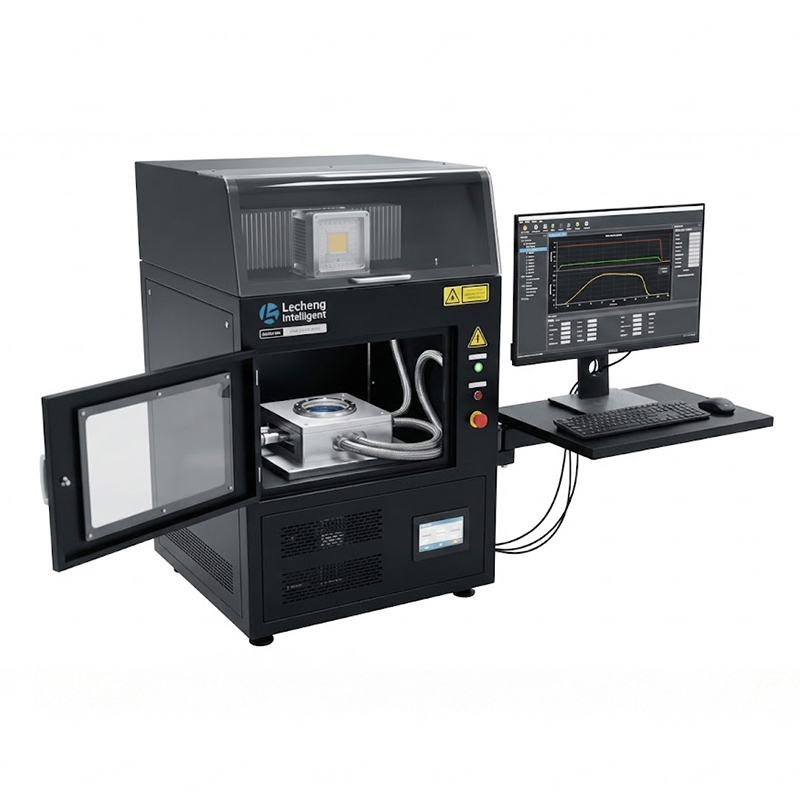
At the heart of any high-precision laser scribing system lies the laser source itself, whose characteristics define the fundamental capability of the process. Modern systems, like those from Lecheng Intelligent, employ pulsed lasers—fiber, UV, or green—selected based on the target material's absorption spectrum. For thin-film photovoltaics, UV lasers (e.g., 355nm) are often preferred for their "cold processing" capability; their high-photon-energy light is strongly absorbed by materials like TCO (Indium Tin Oxide) and perovskite layers, enabling precise ablation with a minimized Heat-Affected Zone (HAZ). This is critical for preventing micro-cracks and material degradation that compromise cell efficiency. The quality of the raw beam, characterized by its M² factor (beam quality) and pulse stability, determines how tightly and consistently it can be focused. This pristine beam is then shaped and directed by a high-performance beam delivery system, comprising ultra-low-distortion optics and a galvanometer scanner. The scanner, with its fast-moving mirrors, is the actuator of precision, positioning the focused laser spot with micron-level accuracy at speeds exceeding several meters per second across the workpiece. The synergy between a stable, high-quality laser and a responsive, accurate beam delivery system forms the non-negotiable foundation for all subsequent precision.
The Foundation of Accuracy: Motion Control, Vision, and Environmental Stability
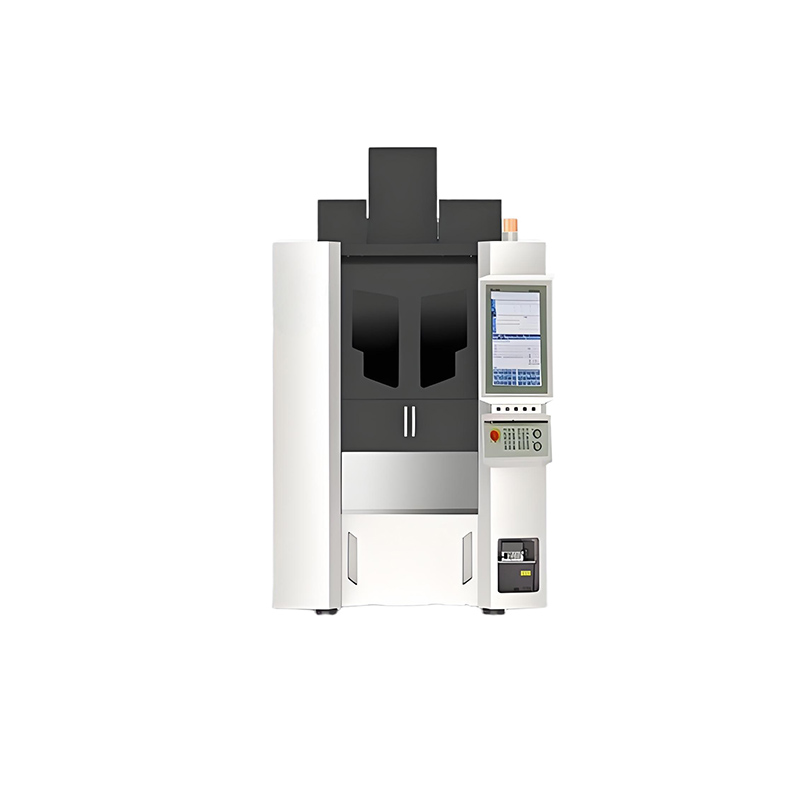
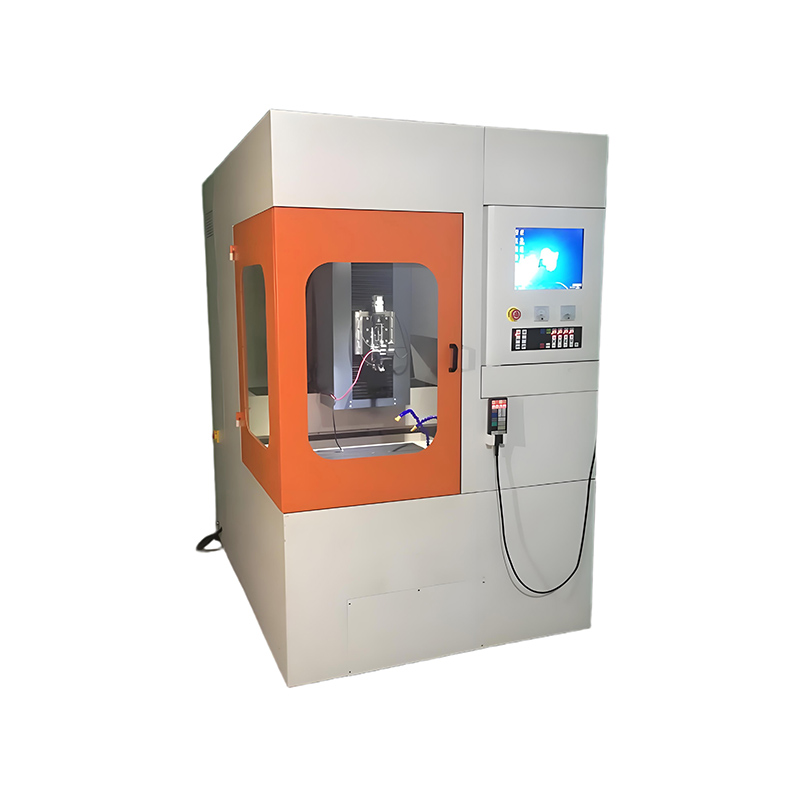
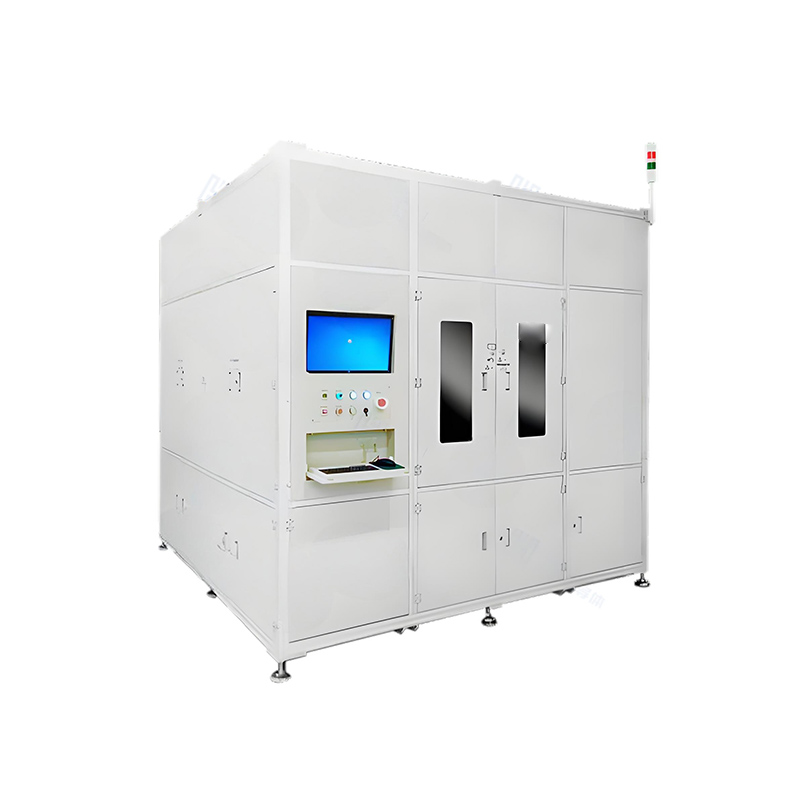
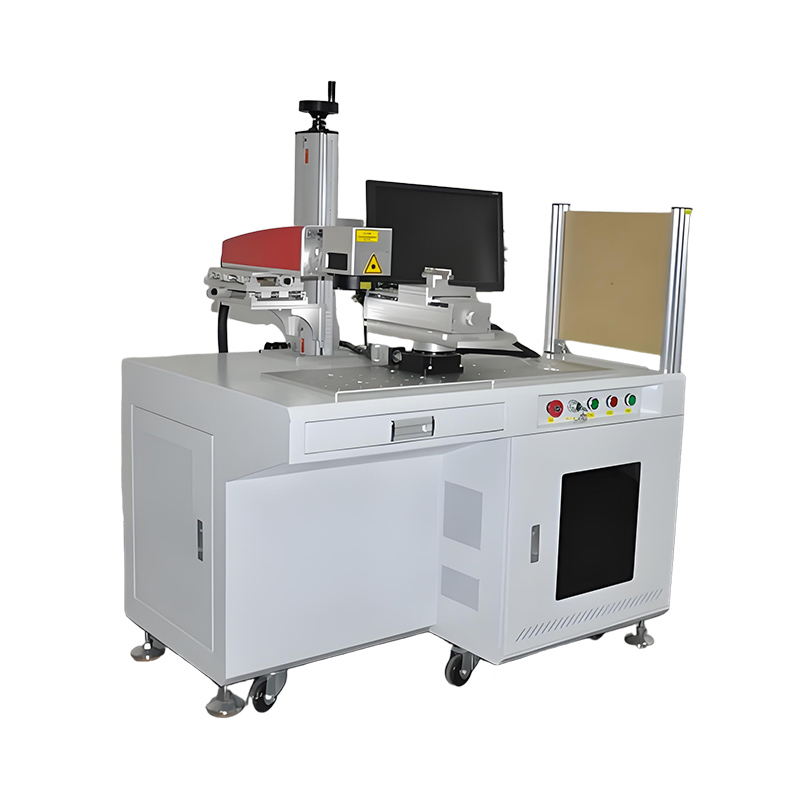
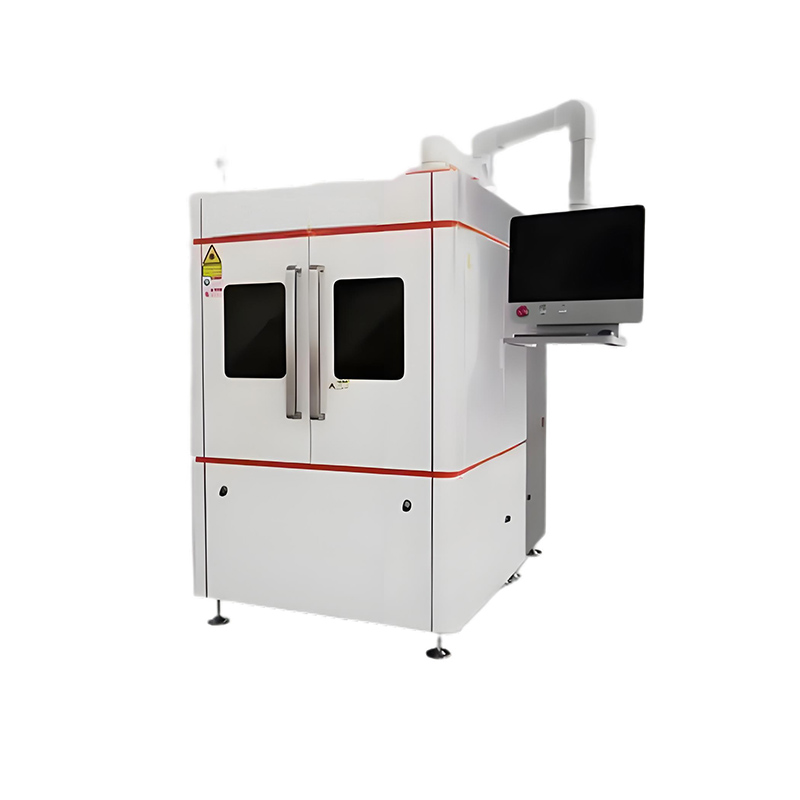
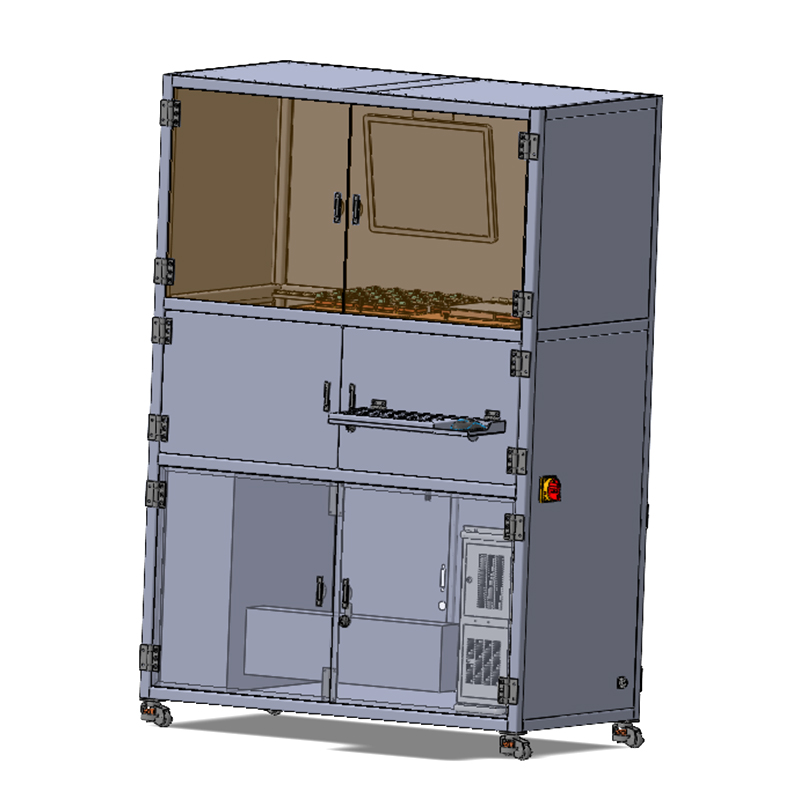
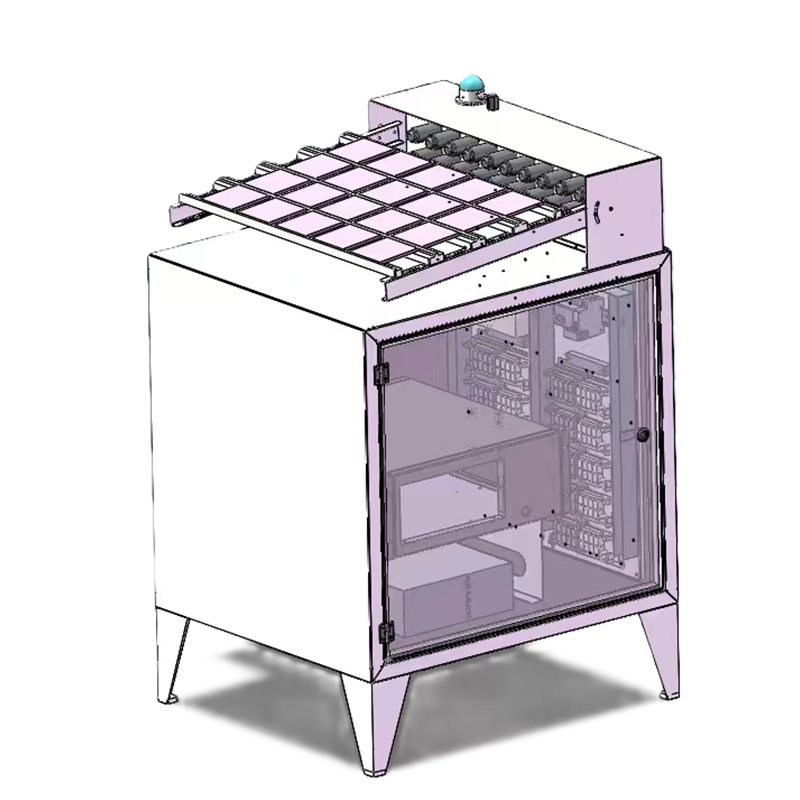
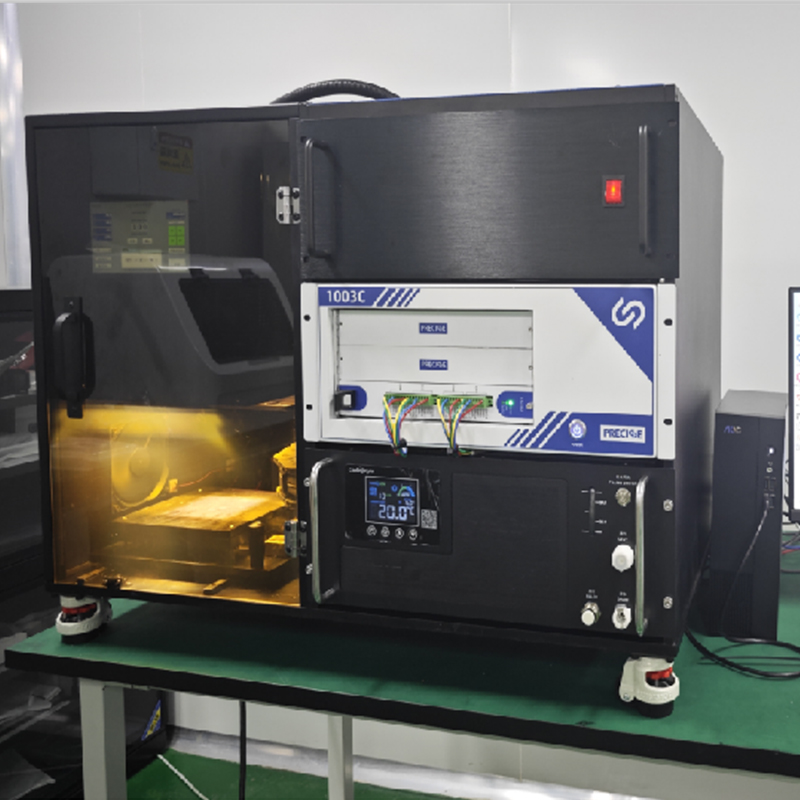
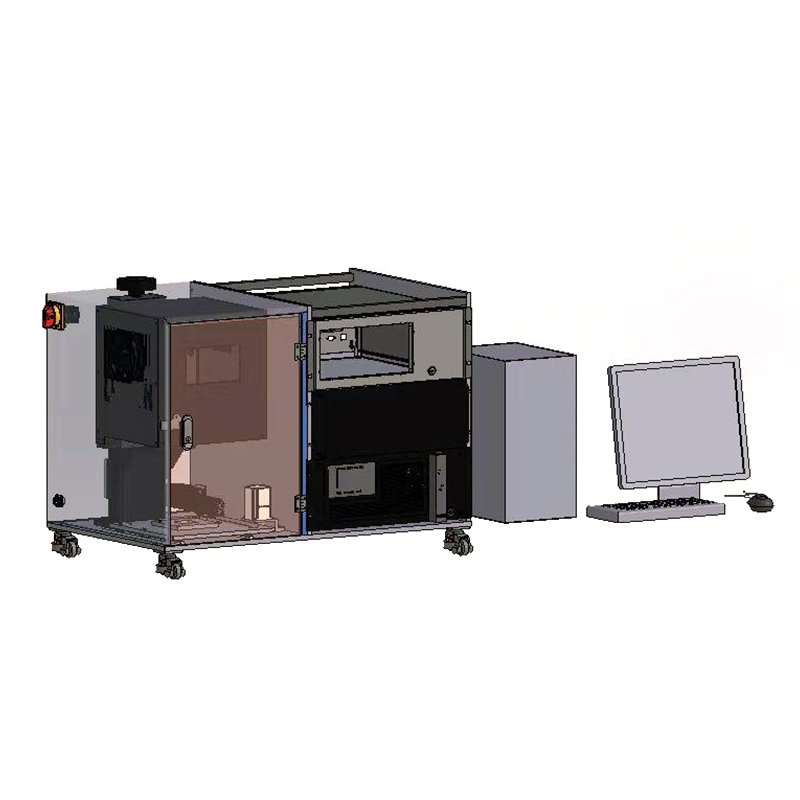
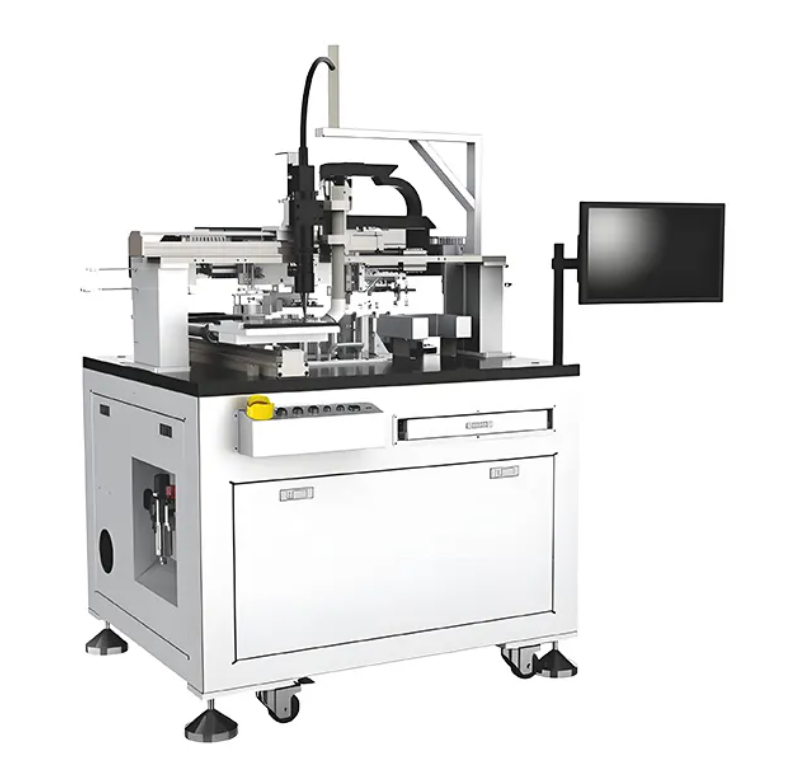
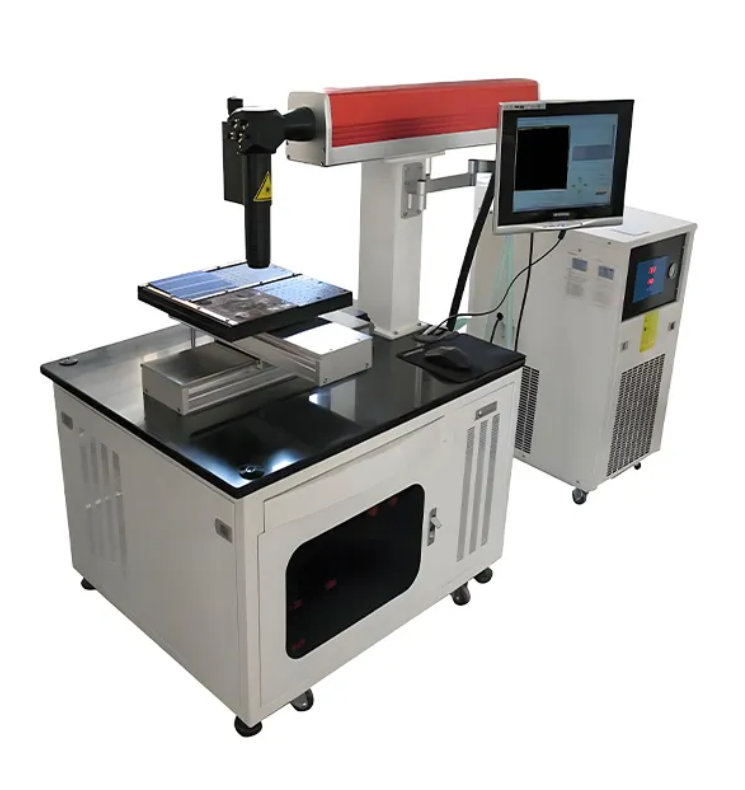
While the laser defines the "pen," the system's ability to position the "paper" and maintain a perfect "drawing hand" is equally critical. This is the domain of ultra-precision motion control. The substrate rests on a granite or vibration-damped base supporting a high-accuracy, typically air-bearing, XY linear stage. These stages provide long-travel, nanoscale-resolution movement, positioning the entire substrate for the scanner's field of view. Even more crucial is the integration of a high-resolution machine vision system. This camera system performs fiducial mark recognition prior to scribing, compensating for any substrate placement error, bow, or warp. In some advanced applications, real-time vision compensation is used during scribing to adjust the beam path dynamically, counteracting minor stage vibrations or thermal drift. Furthermore, the entire system operates within a controlled thermal environment. Even slight temperature fluctuations can cause micrometer-scale expansions in mechanical components, ruining accuracy. Therefore, precision scribers employ active thermal management for the laser, optics, and stages, and often house critical components in a temperature-stabilized enclosure. This holistic focus on mechanical stability, intelligent alignment, and thermal equilibrium ensures that the theoretical precision of the laser and scanner is translated into consistent, real-world accuracy on every panel.
The Brain of the Operation: Intelligent Software and Process Control
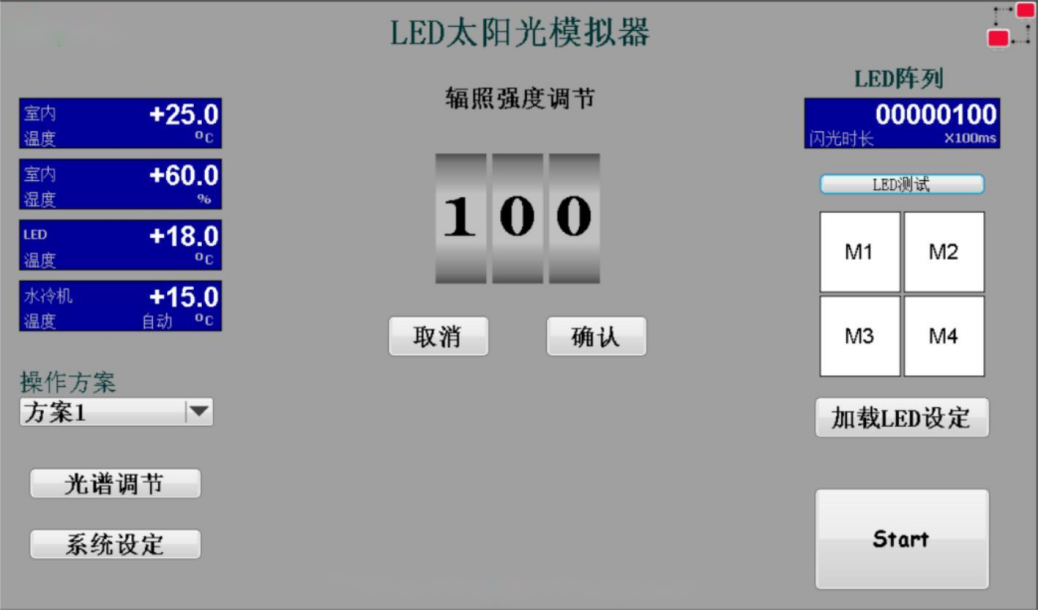
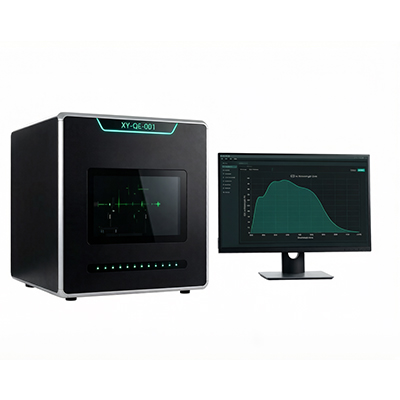
The hardware provides the tools, but the intelligent control software is the brain that orchestrates the entire high-precision operation. This software operates on multiple levels. At the process level, it provides a user interface for importing CAD designs, defining complex scribe patterns (P1, P2, P3, P4), and setting intricate laser parameters (power, pulse overlap, frequency) for each layer. It manages the synchronization between the galvo scanner and the linear stages for large-area patterning. Crucially, it enables closed-loop process control. By integrating sensors that monitor laser power, beam profile, and even acoustic emissions from the scribe, the software can make micro-adjustments in real-time to maintain consistent scribe depth and quality. For production, the software includes advanced recipe management, storing optimal parameters for different materials and products, and features for statistical process control (SPC) to track key metrics like line width and resistance over time. This data-rich environment facilitates predictive maintenance, rapid diagnosis of process drift, and continuous optimization. In systems from leaders like Lecheng, this software transforms the scribing machine from a passive tool into an adaptive, self-optimizing smart manufacturing node, capable of maintaining its specified micron-level precision over thousands of hours of operation and across varying production conditions.
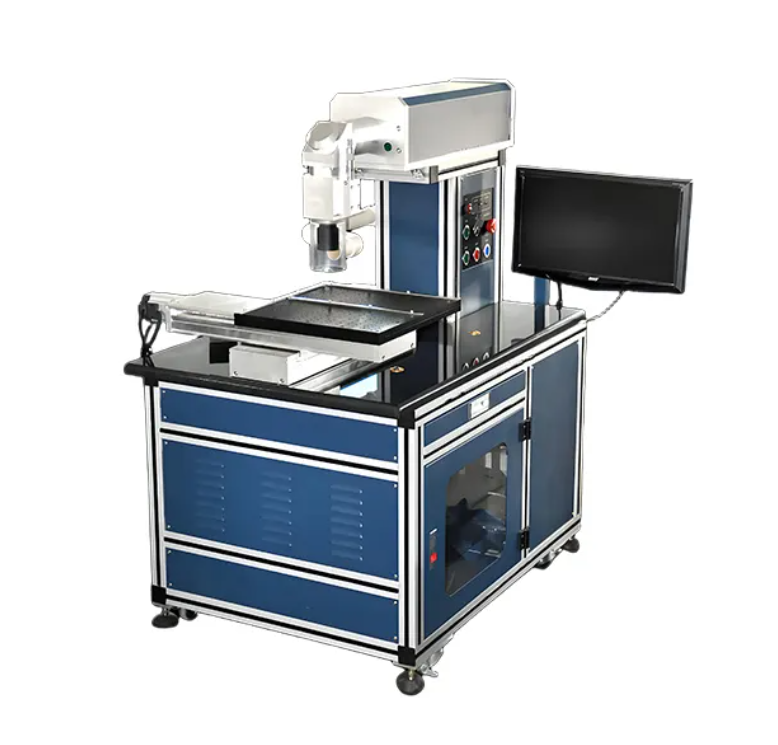
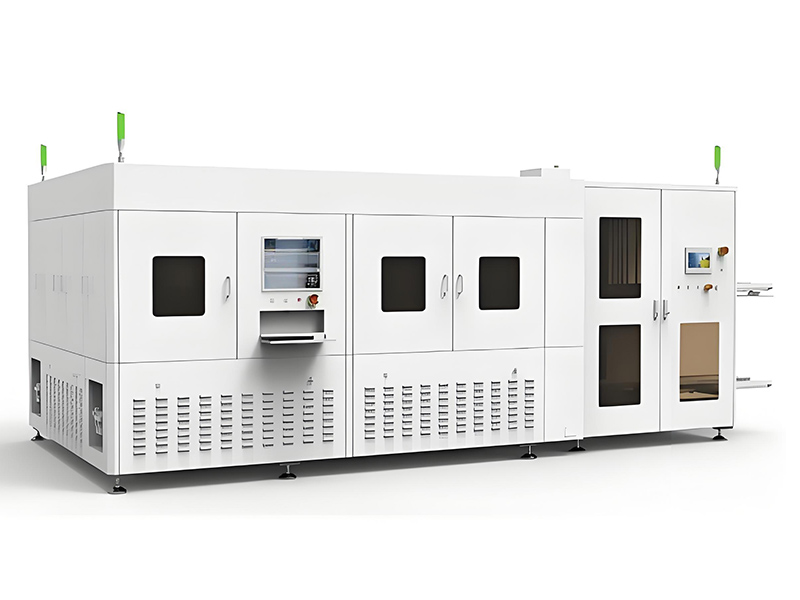
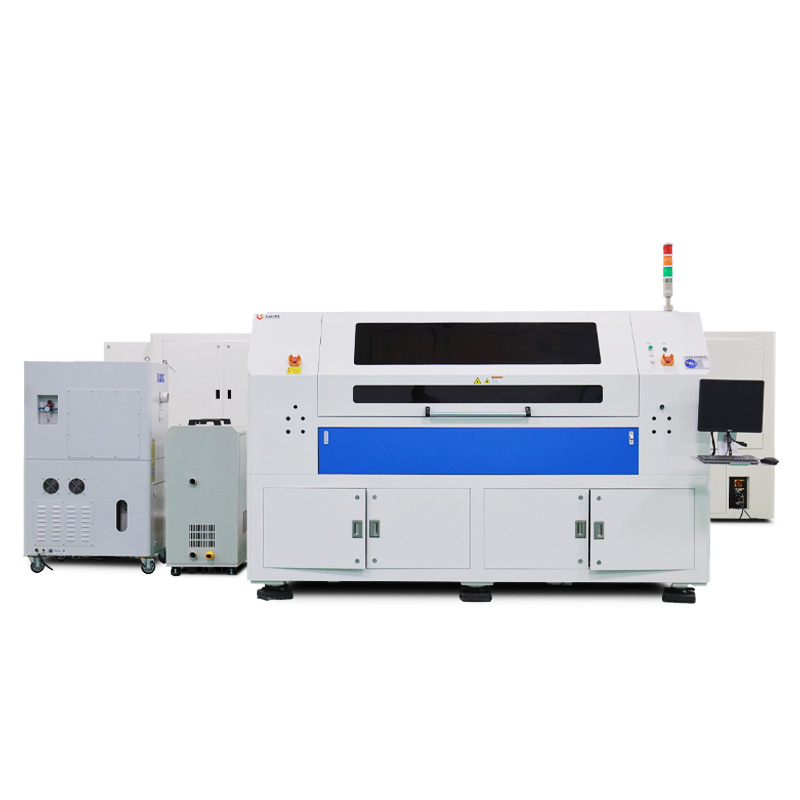
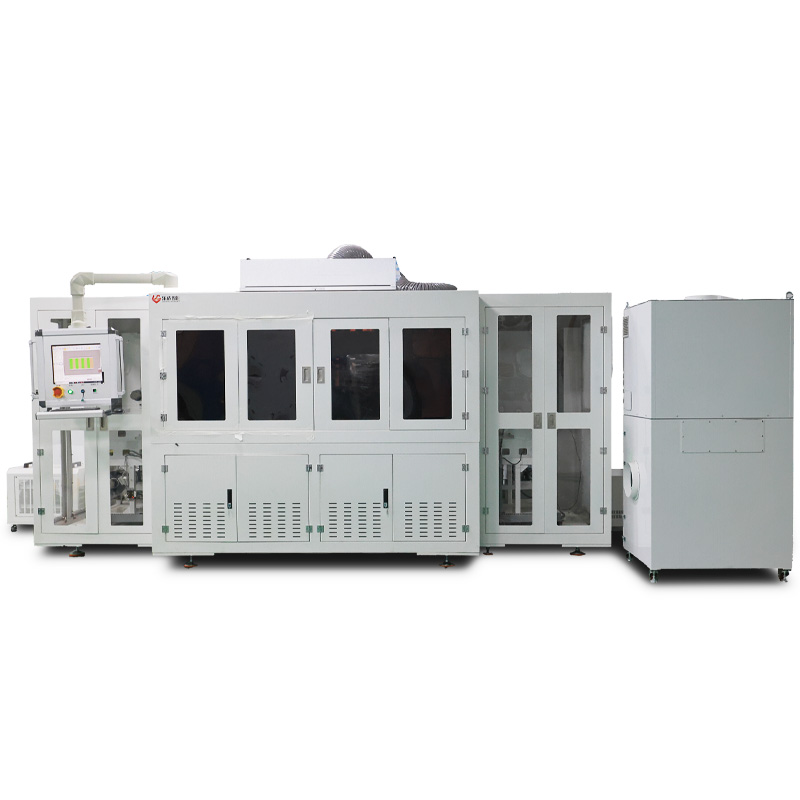
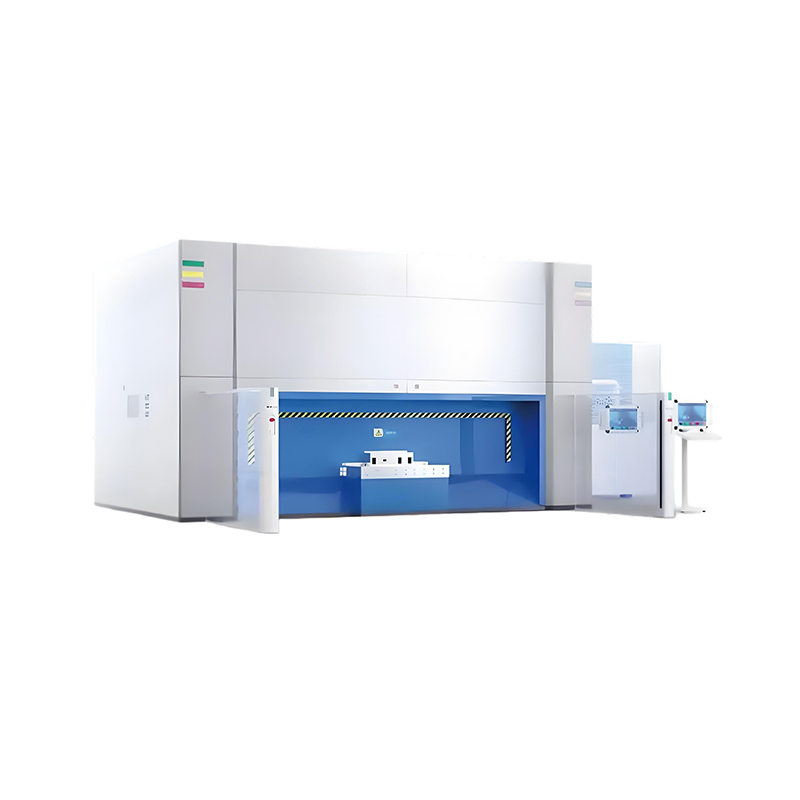
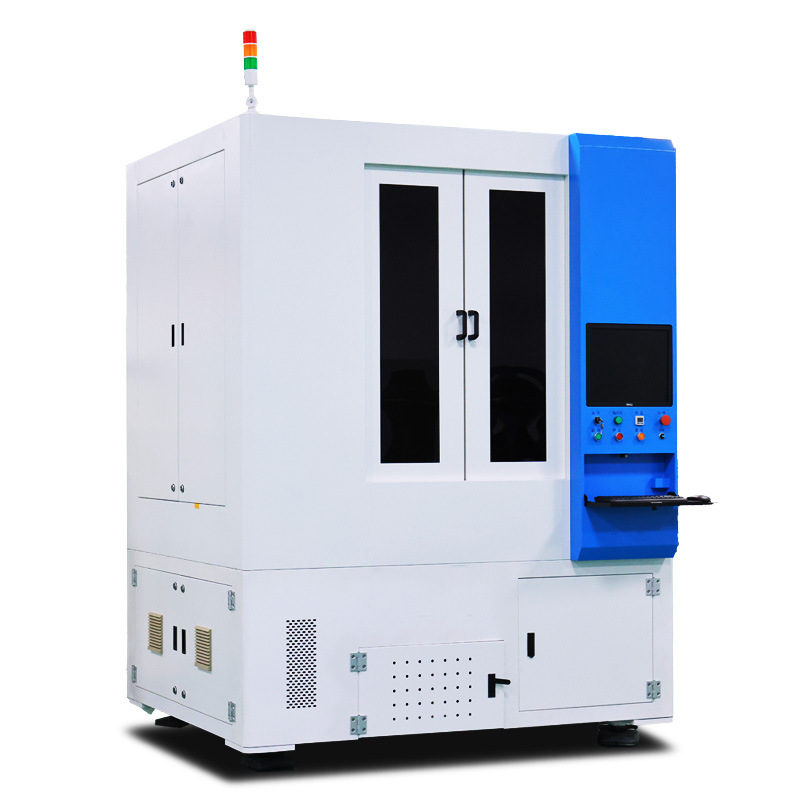
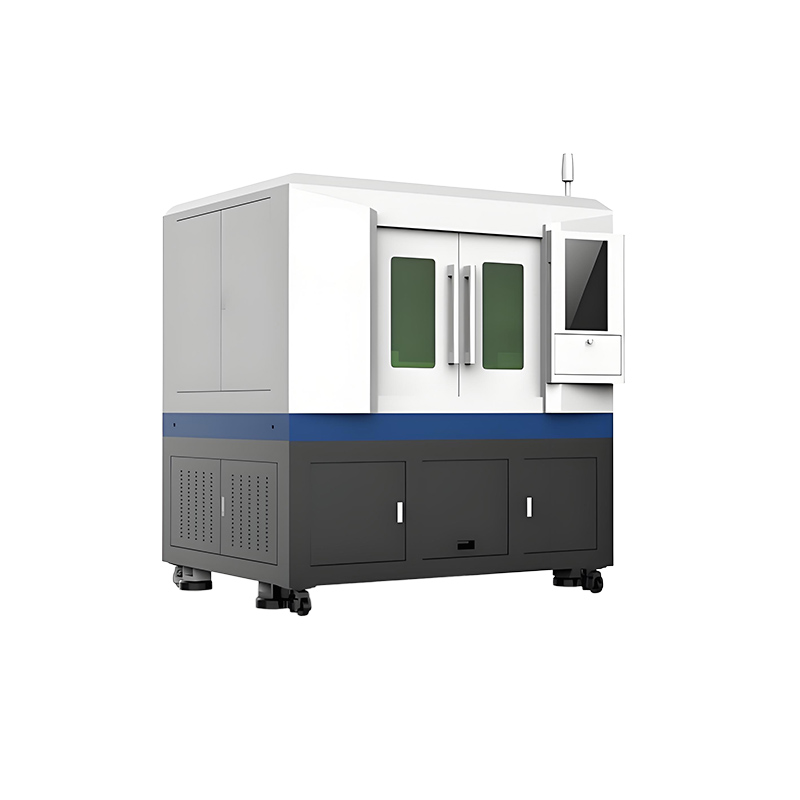
High-precision laser scribing is not the result of a single breakthrough, but the meticulous integration of several core technology pillars: the controlled photon energy of advanced lasers, the nanoscale stability of precision mechanics, the adaptive intelligence of machine vision, and the orchestration of sophisticated software. It is the harmonious interplay of the laser source, the motion platform, the vision system, and the control software that transforms a powerful beam of light into a reliable, micron-scale manufacturing tool. This integrated technological ecosystem, as embodied in solutions from companies like Lecheng Intelligent, is what enables the manufacturing of today's most advanced thin-film solar cells and electronic devices, where a micron's deviation can mean the difference between high efficiency and failure. In the pursuit of smaller, faster, and more efficient products, mastering these core technologies is not optional—it is the very definition of capability.