


Perovskite Module Cost Guide
Perovskite Module Equipment Cost Guide: What Affects Your Investment
Investing in perovskite module manufacturing equipment requires understanding key cost drivers. Buyers must consider process scope, substrate size, laser scribing system, coating/deposition methods, automation level, testing equipment, and integration capabilities. Making decisions based on total line configuration, not single machine prices, ensures better ROI and scalable pilot line operations.
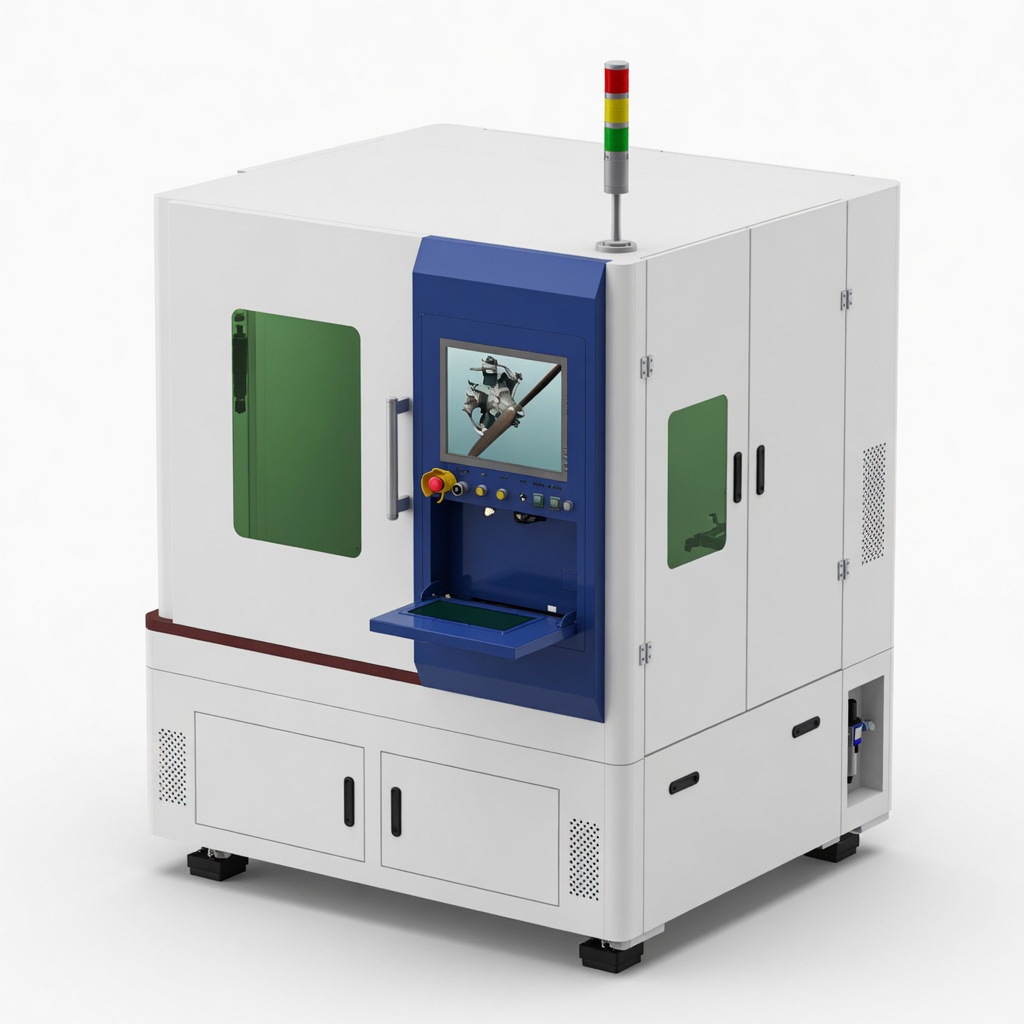
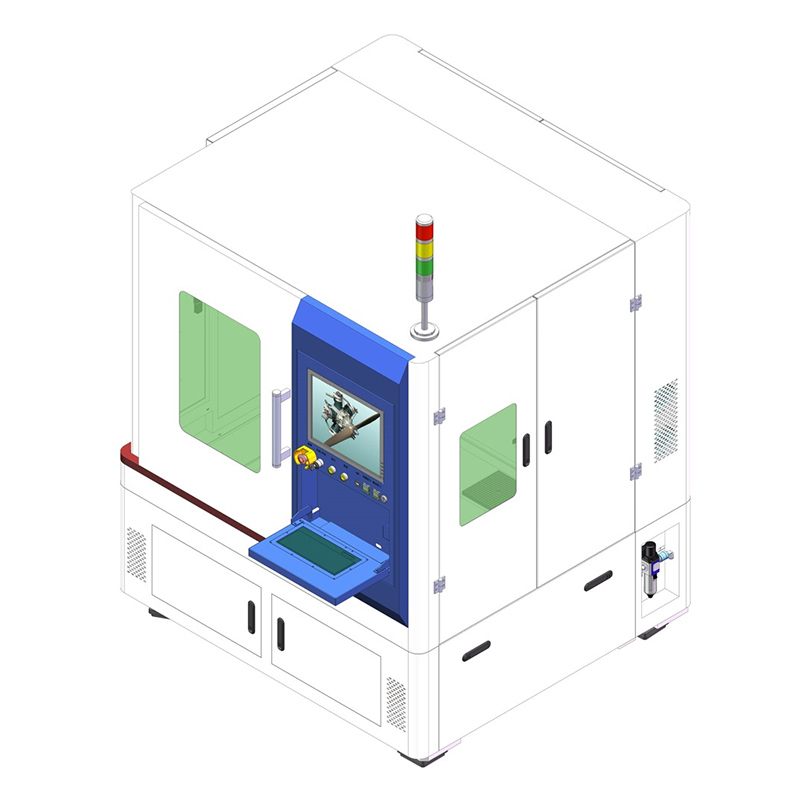
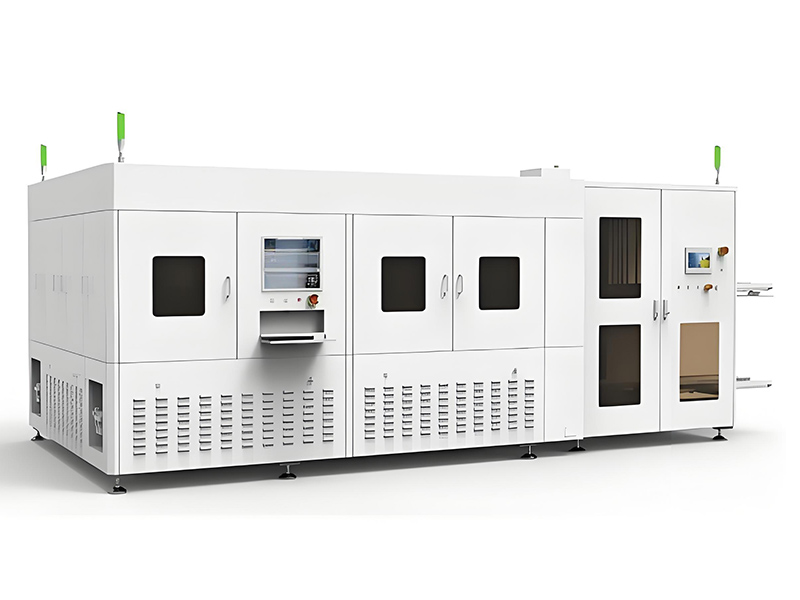
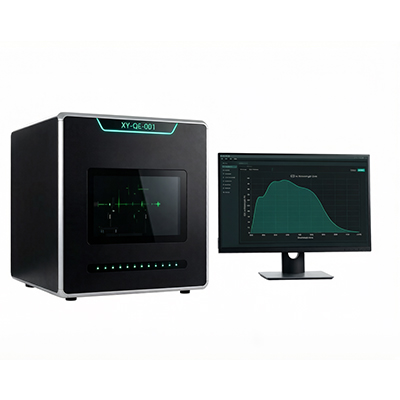
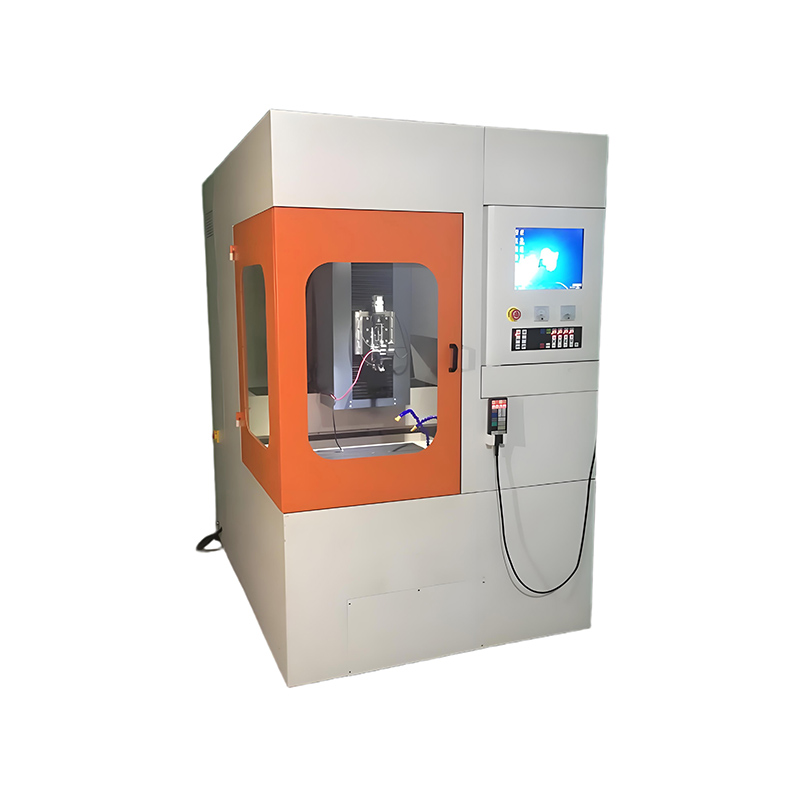
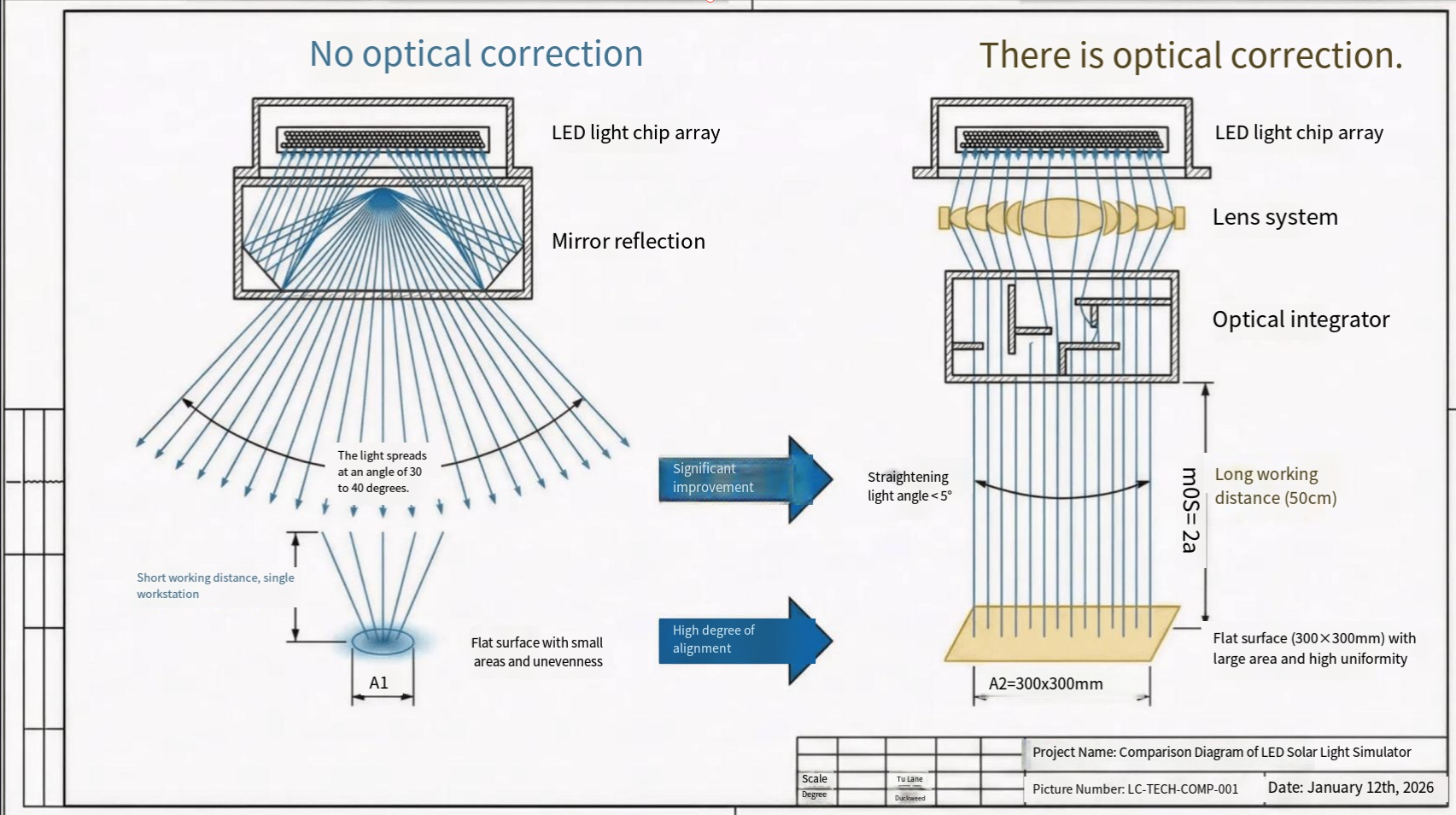
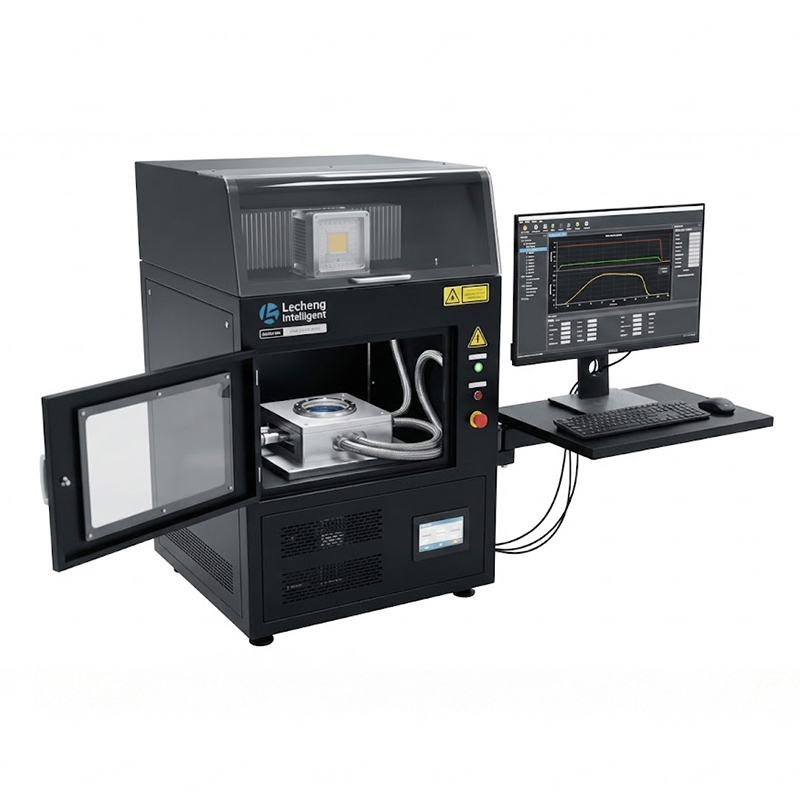
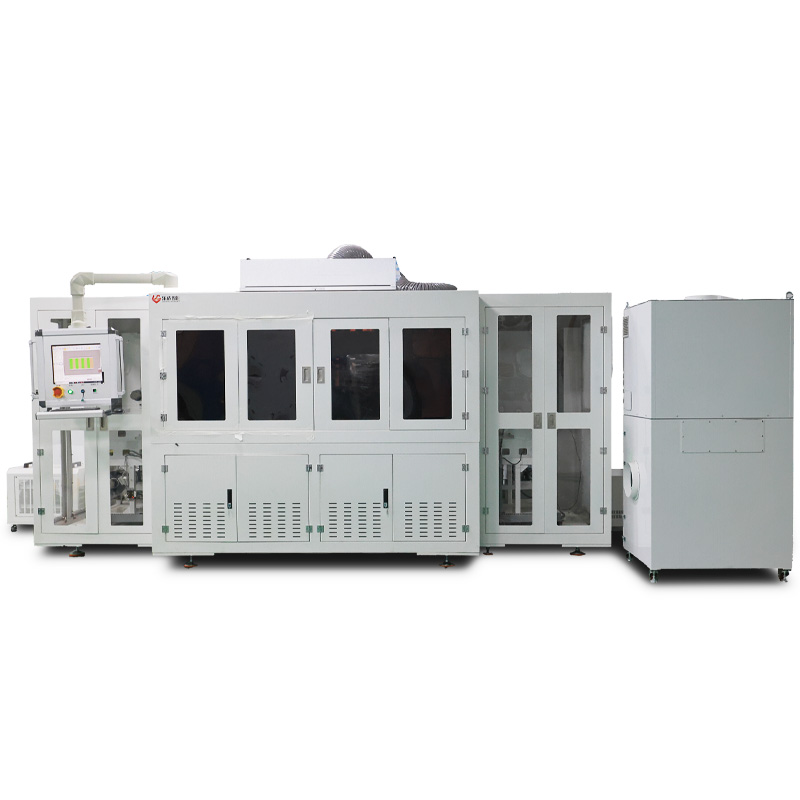
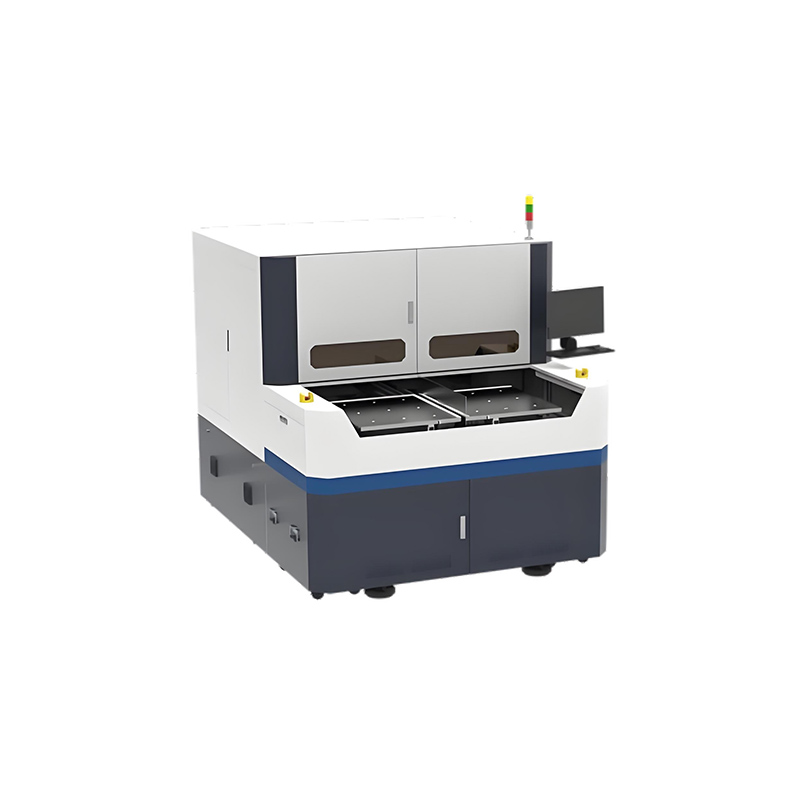
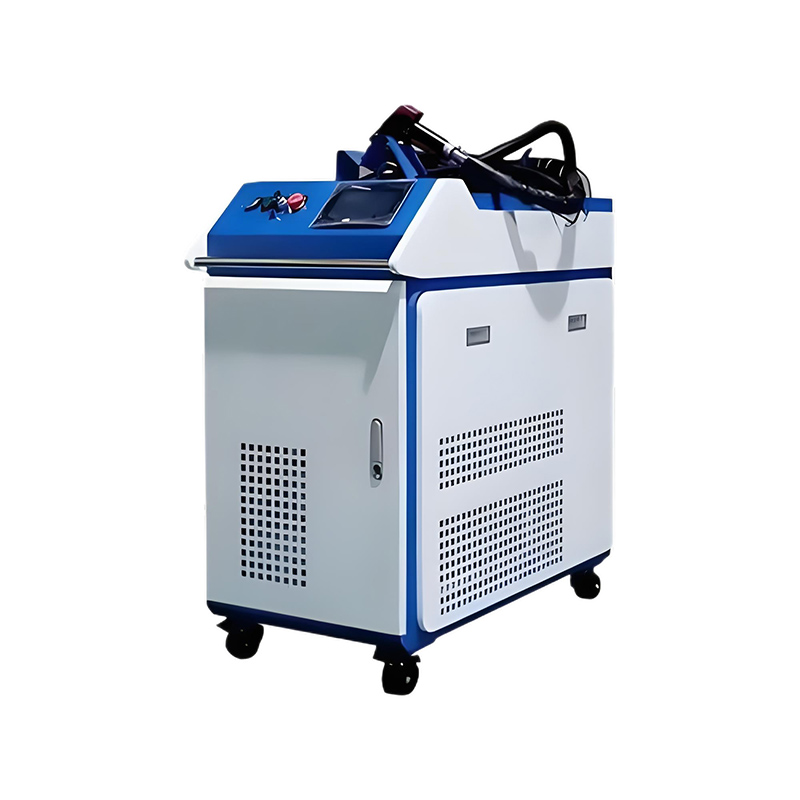
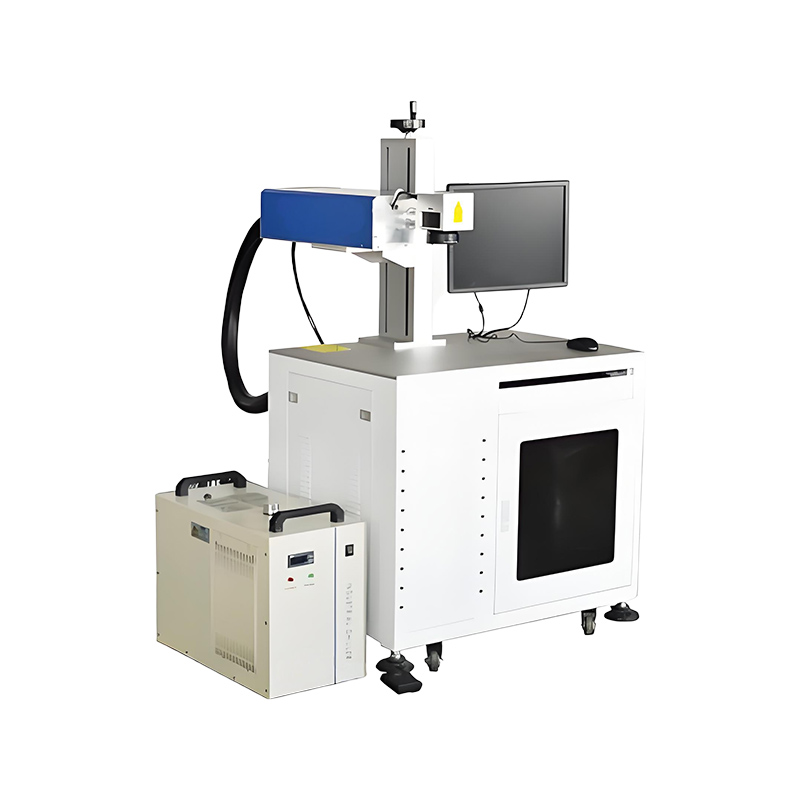
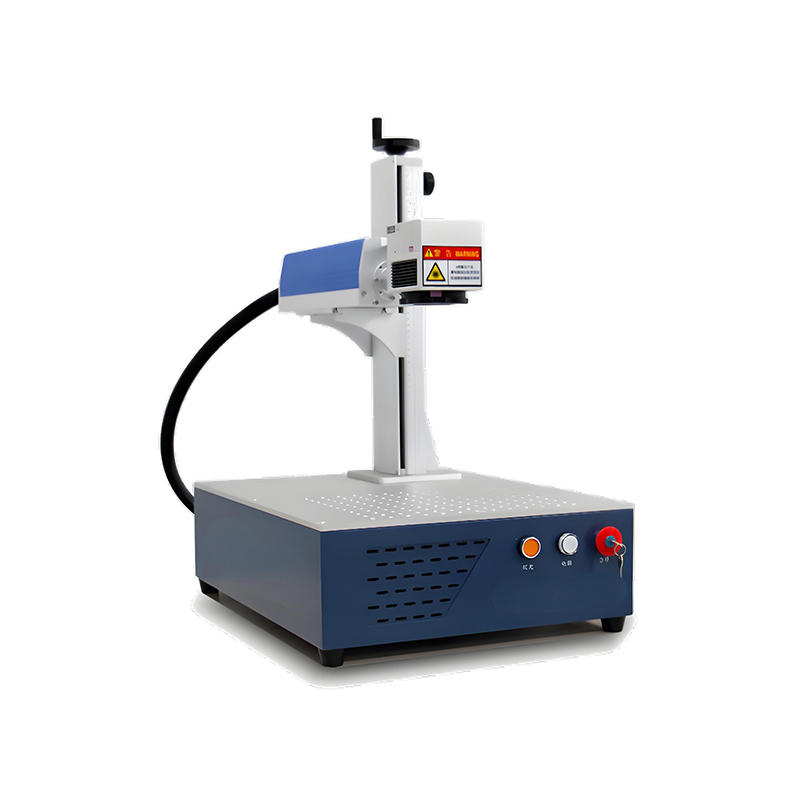
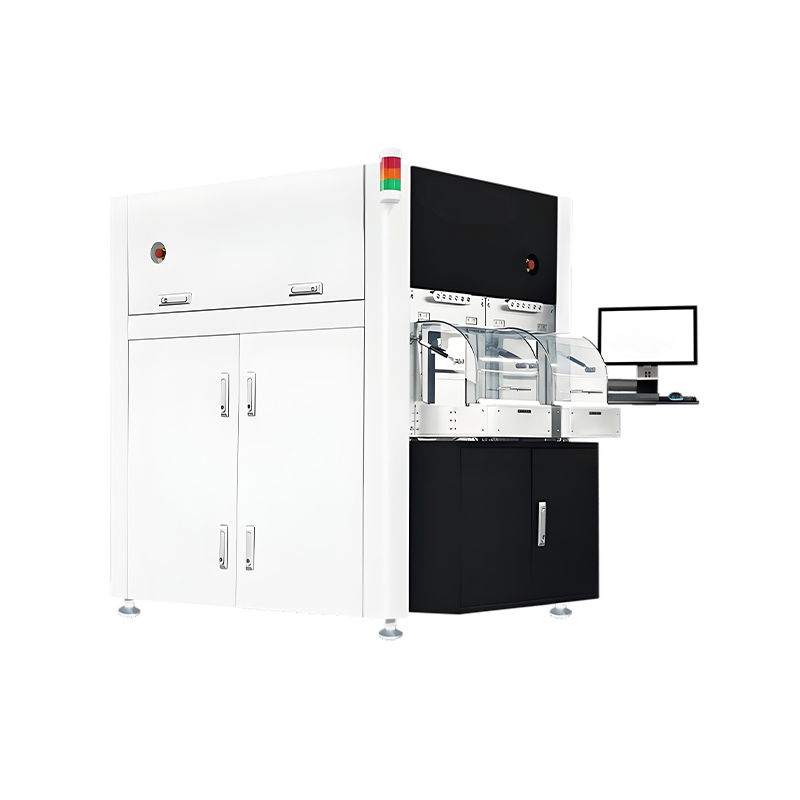
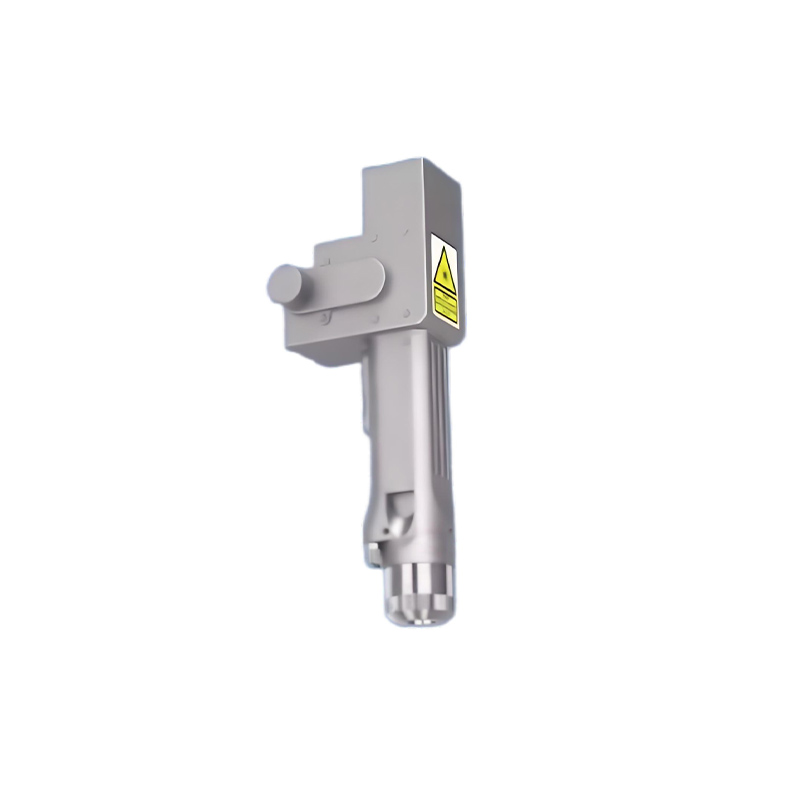
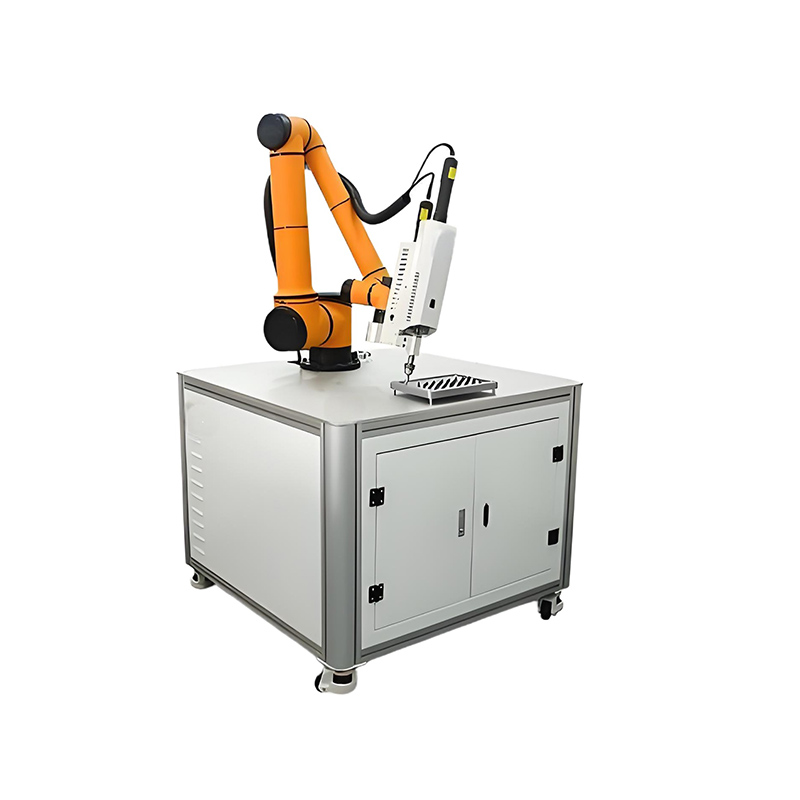
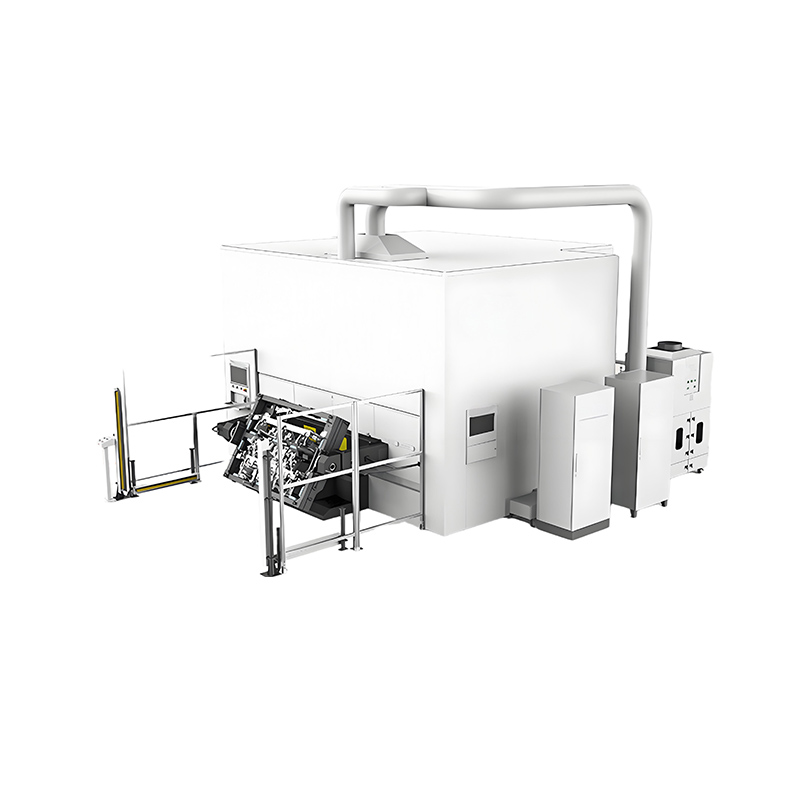
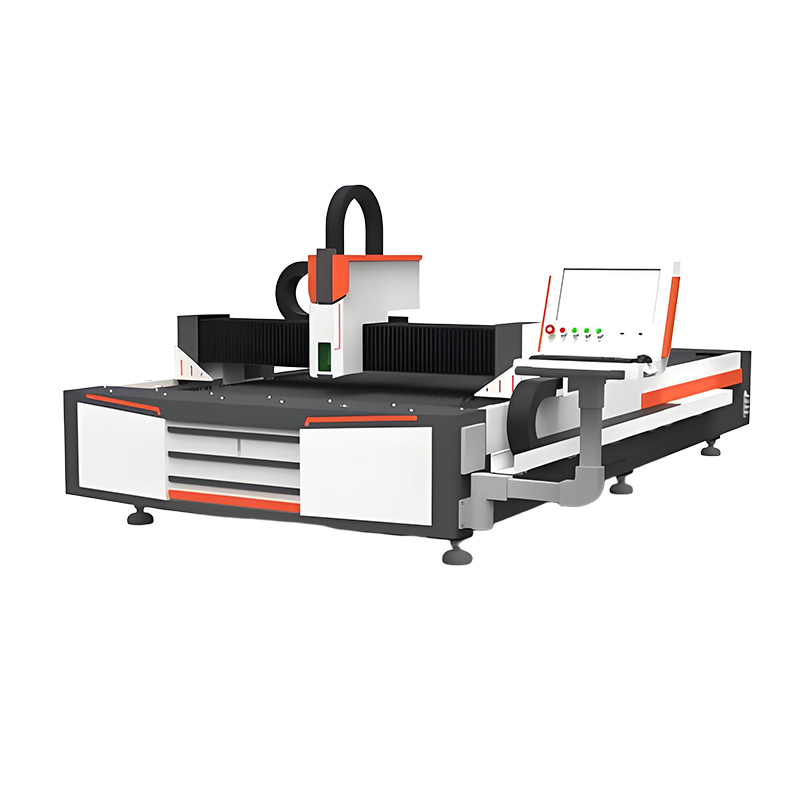
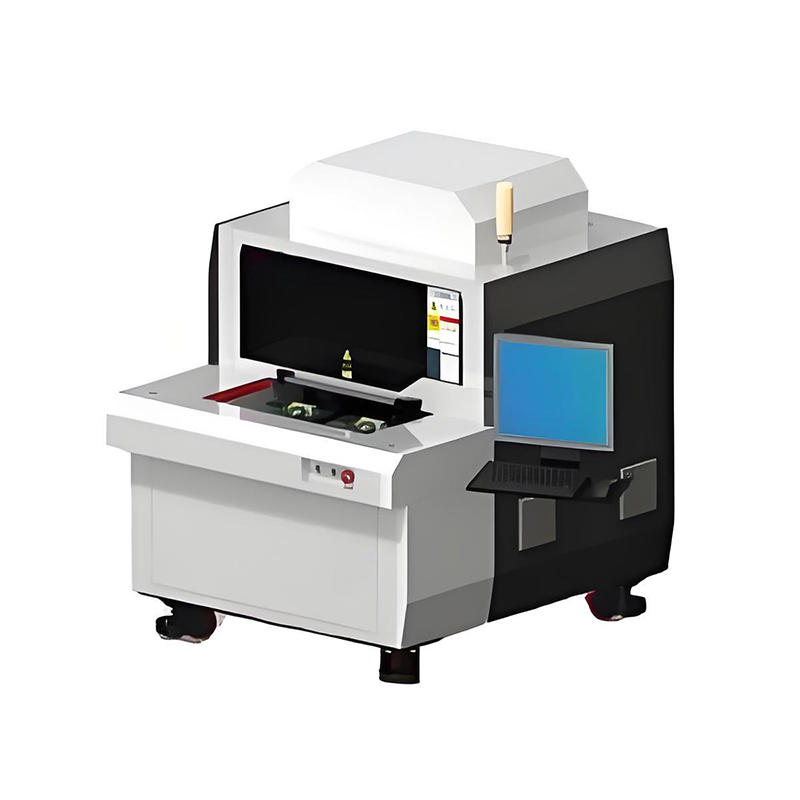
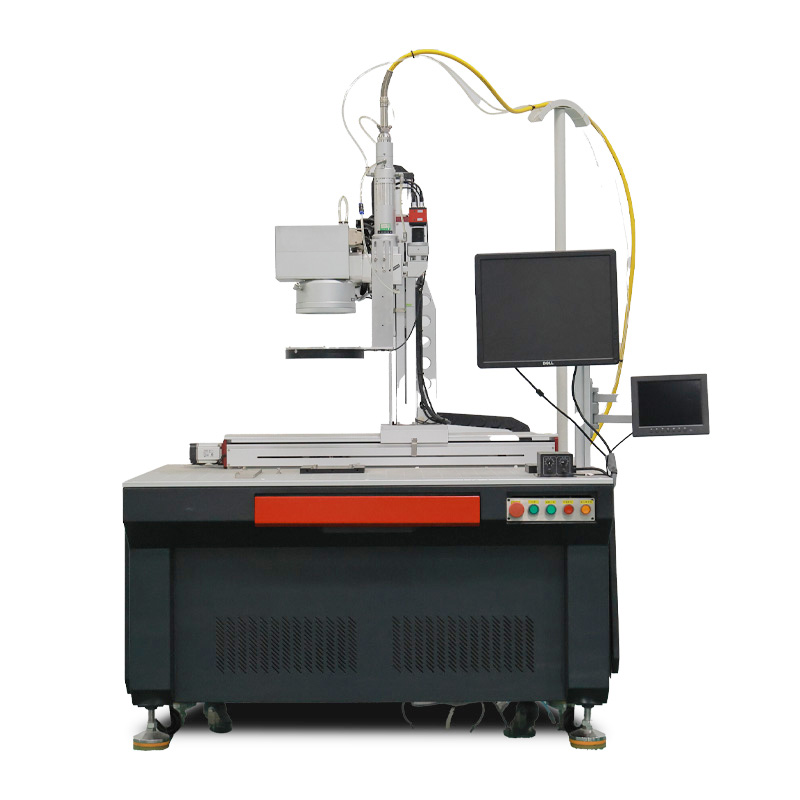
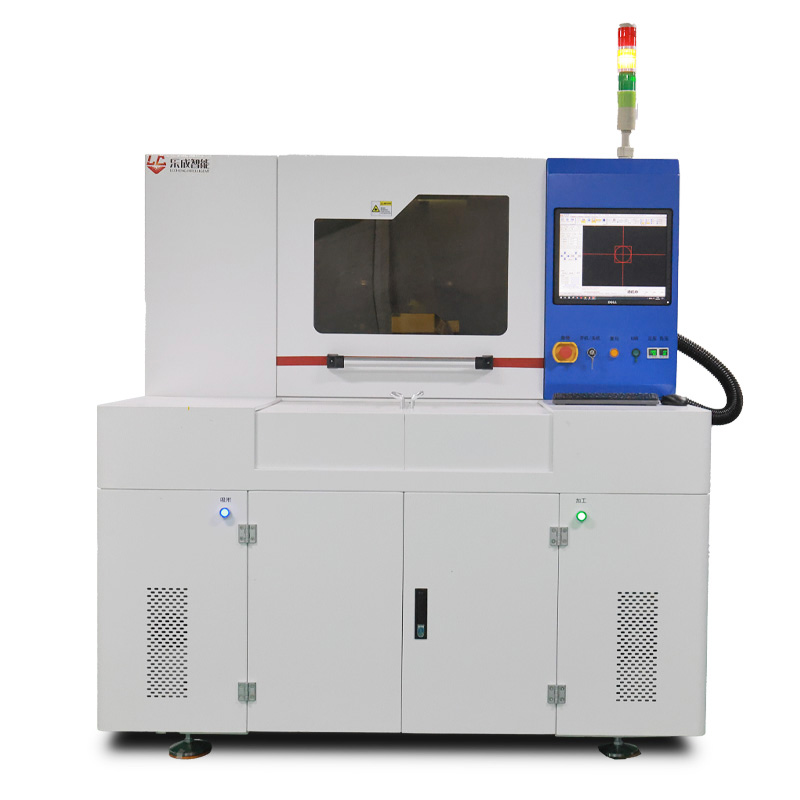
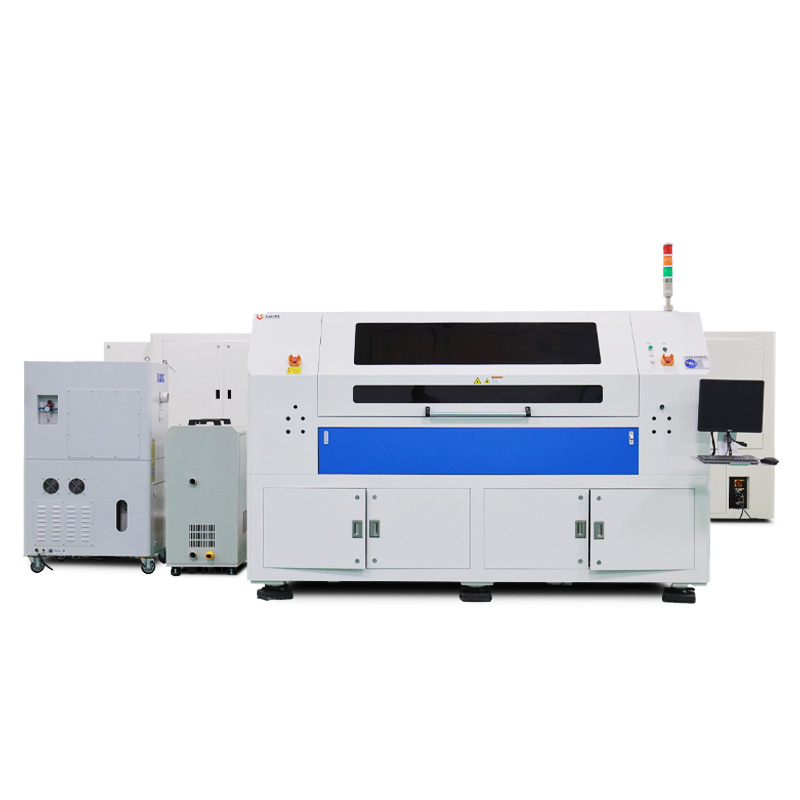
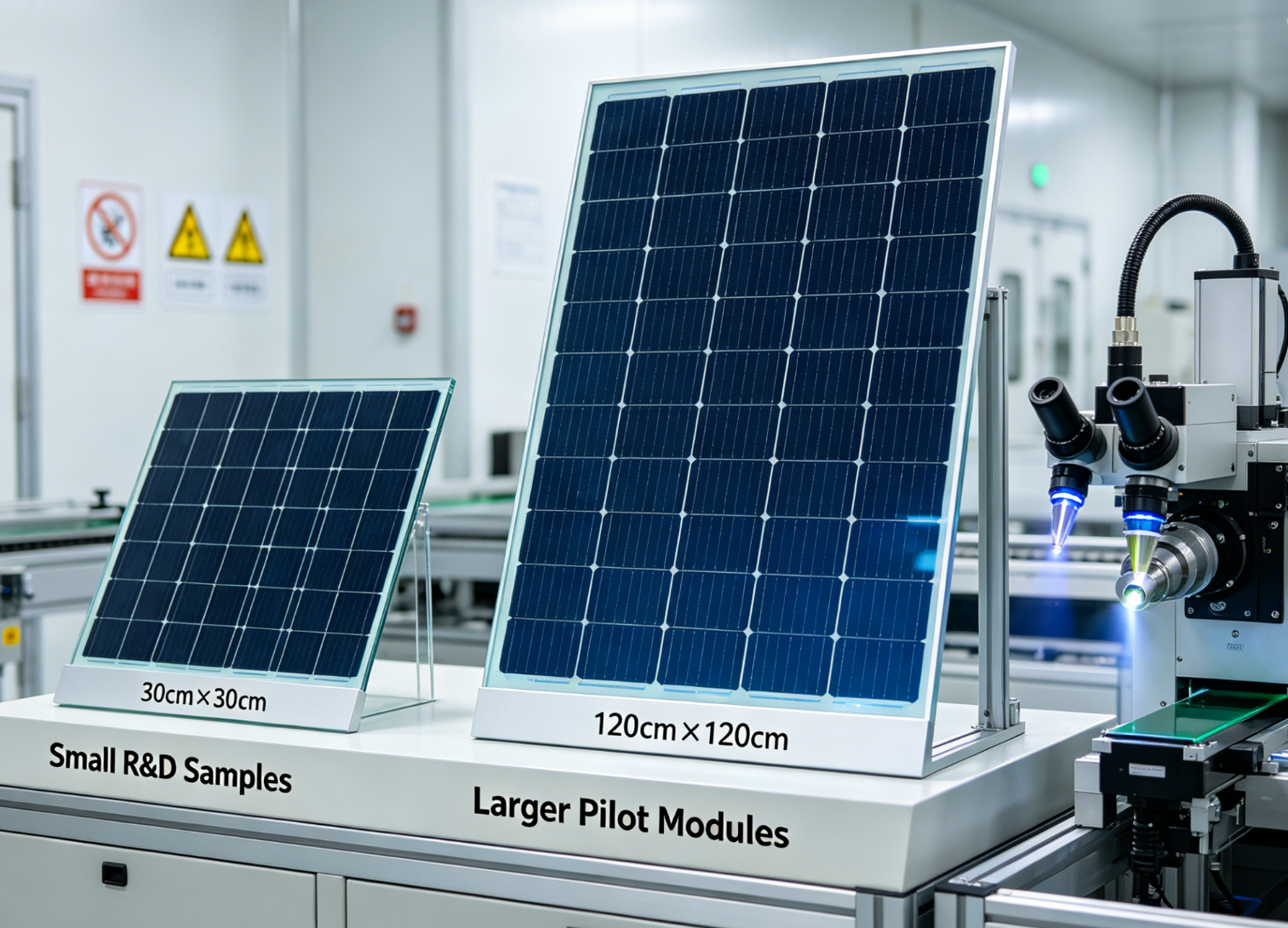
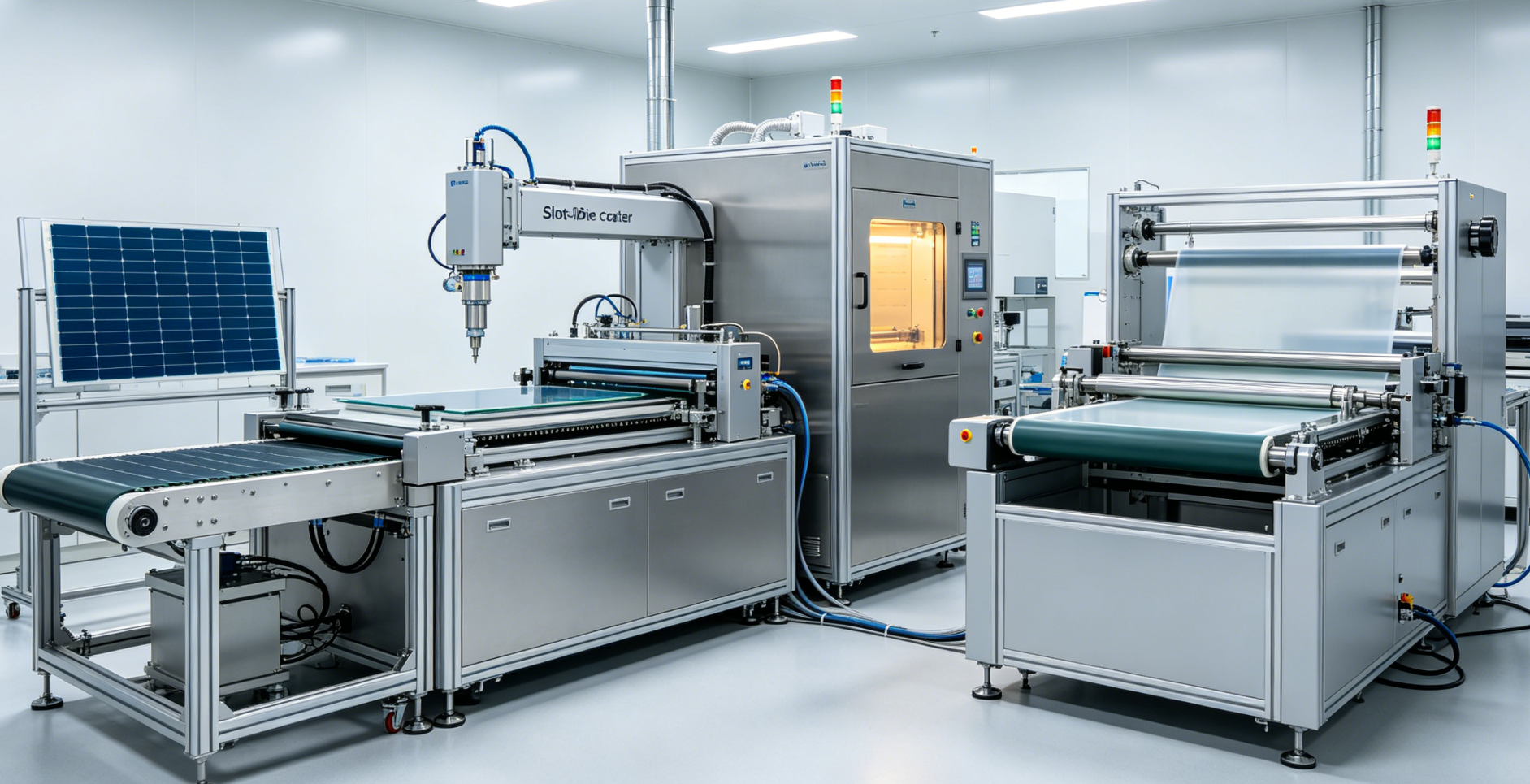
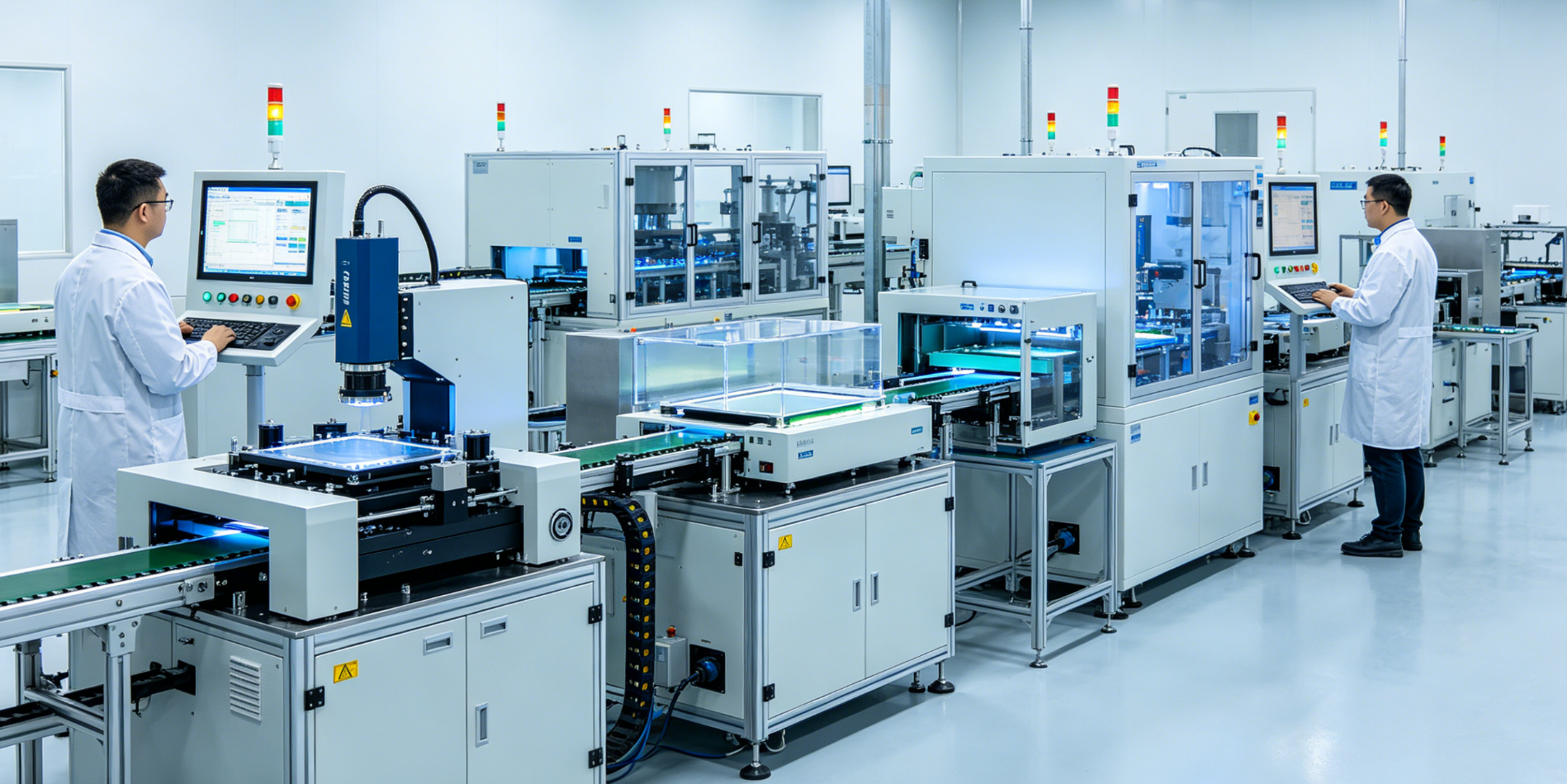
Get QuoteThe first factor affecting cost is the process scope. Full pilot lines include substrate prep, coating, P1/P2/P3 laser scribing, P4 edge deletion, encapsulation, and testing. Partial setups are less expensive but may limit scalability. Larger substrates require bigger platforms, stronger alignment systems, and more complex handling solutions. Line throughput also affects cost: low-capacity R&D lines are simpler than higher-throughput pilot or demonstration lines. Laser processing is a major cost driver. P1, P2, P3, and P4 processes may require separate lasers or adjustable systems. Higher precision, automatic vision alignment, and stable motion control increase investment but reduce defects and improve yield. Different coating or deposition methods (spin, slot-die, blade, or vapor deposition) affect equipment type and cost. Encapsulation for moisture-sensitive perovskite modules adds lamination and sealing equipment requirements. Testing is essential for pilot line validation. Solar simulators, IV measurement systems, MPPT aging, QE testing, and environmental chambers contribute to cost but are necessary to validate module efficiency and stability. Automation level affects labor cost and consistency. Integration with upstream coating, laser processing, and downstream encapsulation or testing systems adds complexity and cost but increases reliability and reduces human error. Perovskite module equipment cost is influenced by process scope, substrate size, laser scribing configuration, coating/encapsulation, testing, automation, and integration. Buyers should evaluate total line requirements, not only single machine prices, to ensure ROI and scalable pilot line success. Contact Lecheng Laser to discuss equipment configuration, cost factors, and pilot line planning.1. Process Scope
2. Substrate Size & Line Capacity
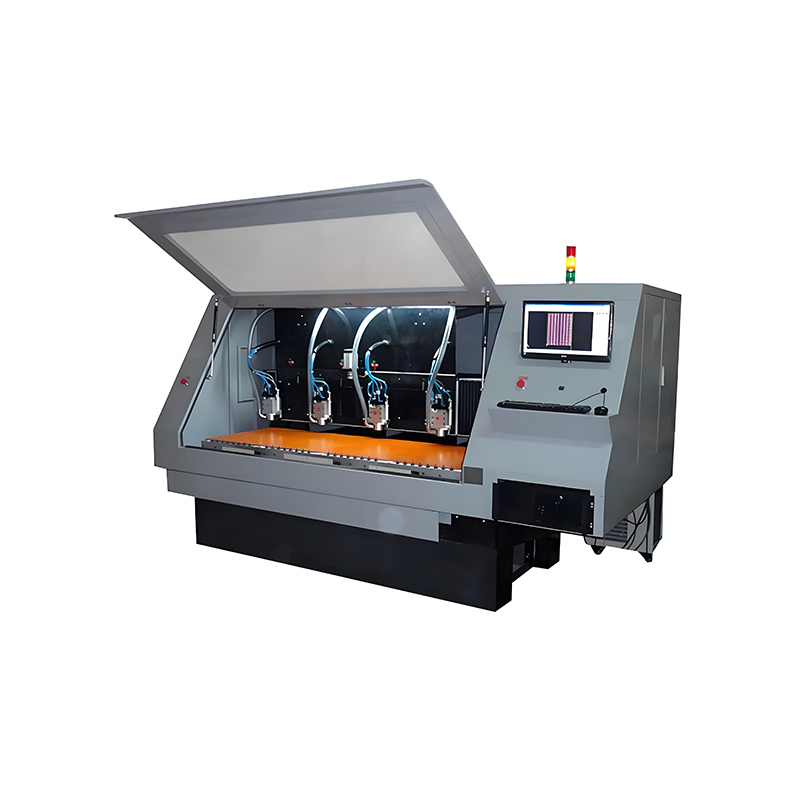
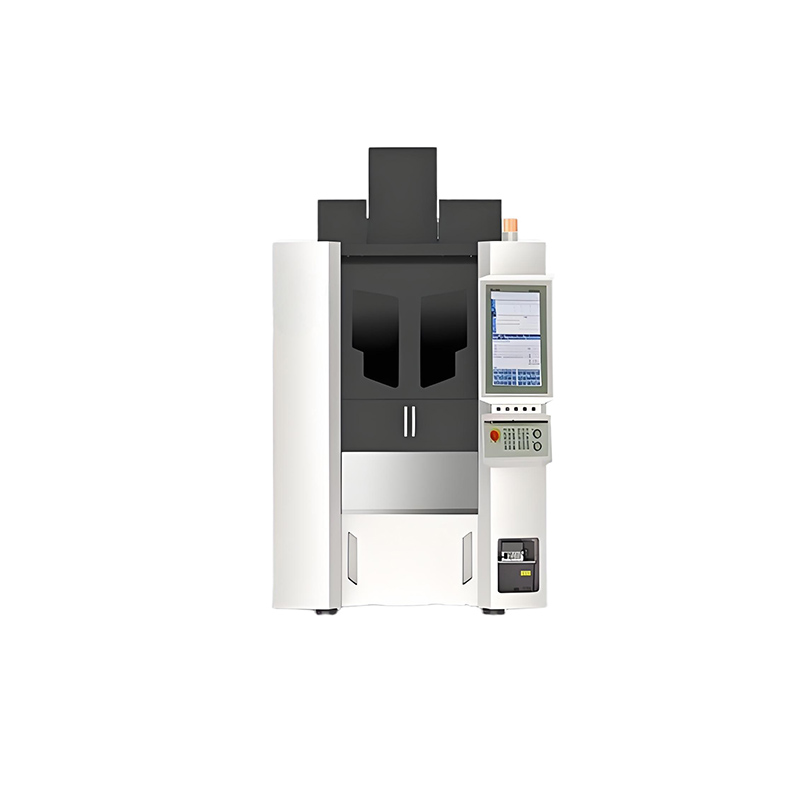
3. Laser Scribing Configuration
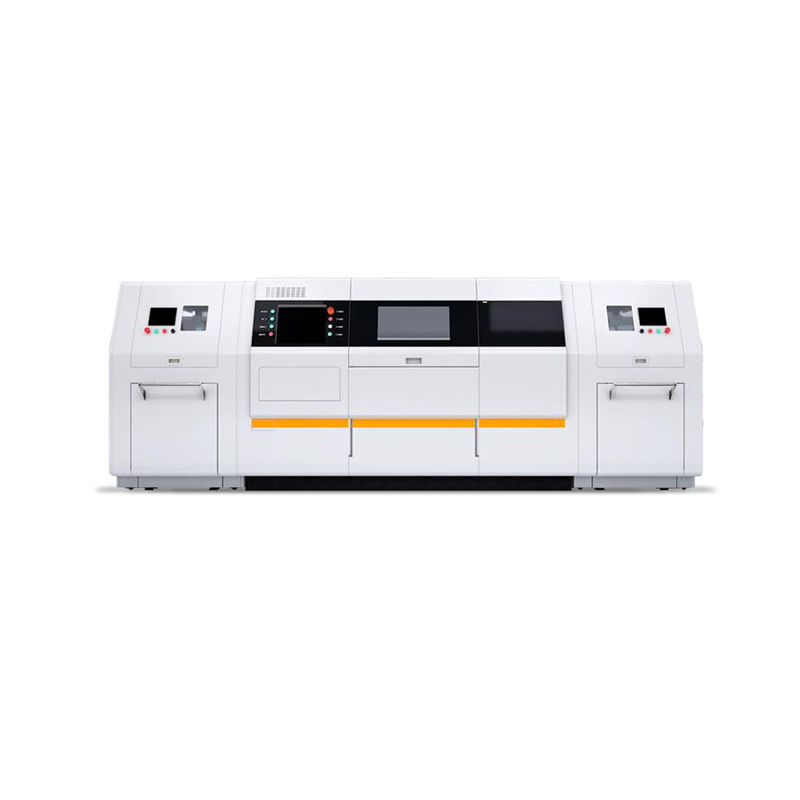
4. Coating, Deposition & Encapsulation
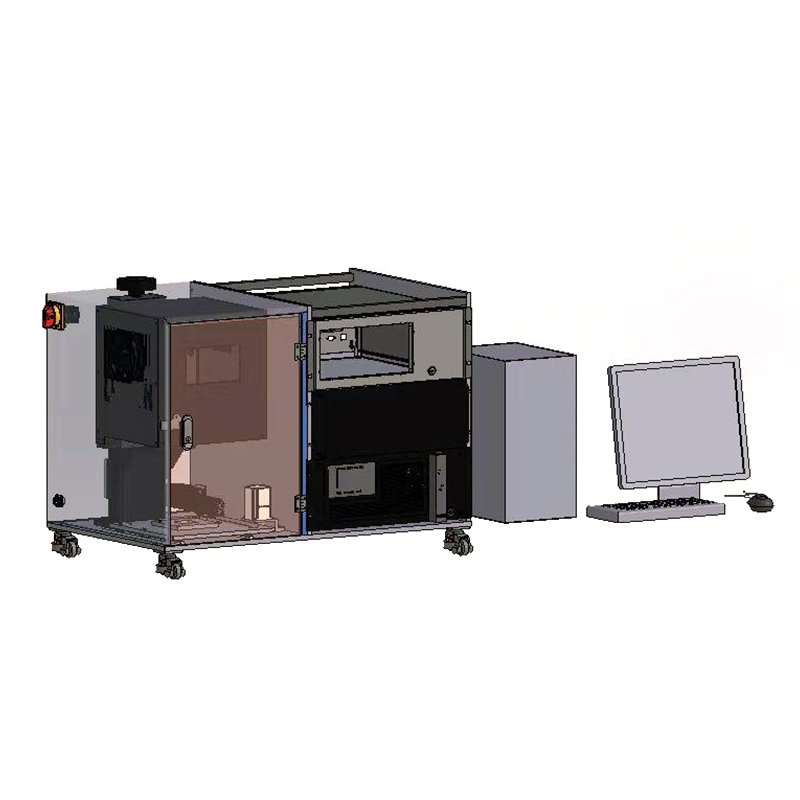
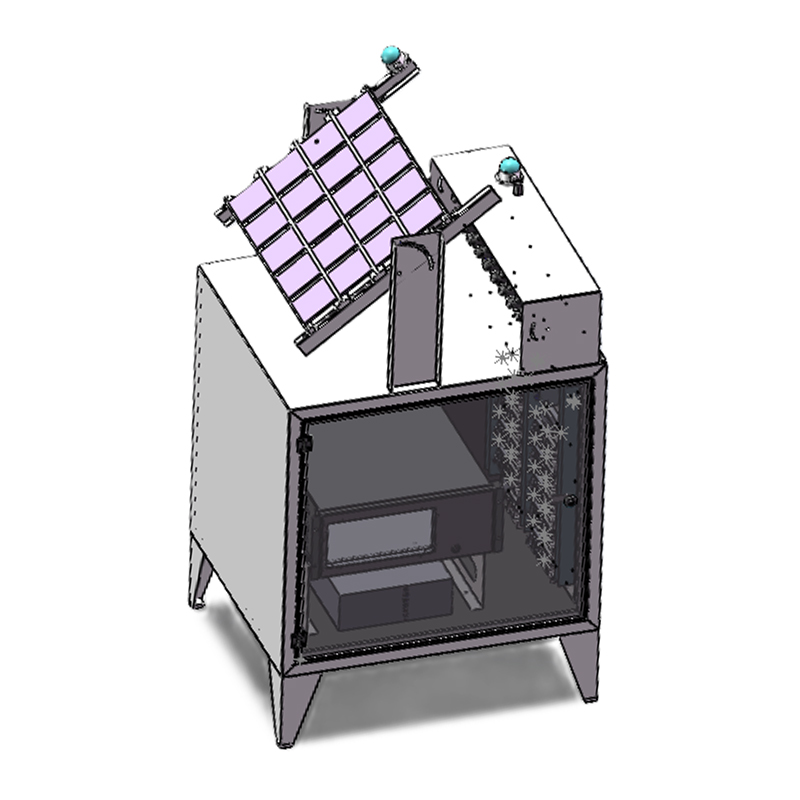
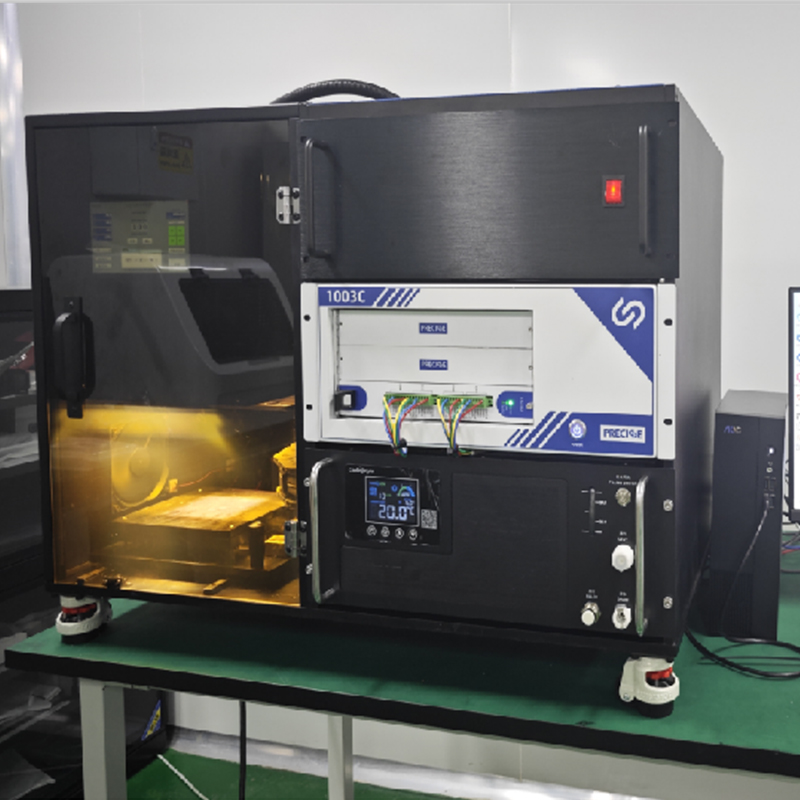
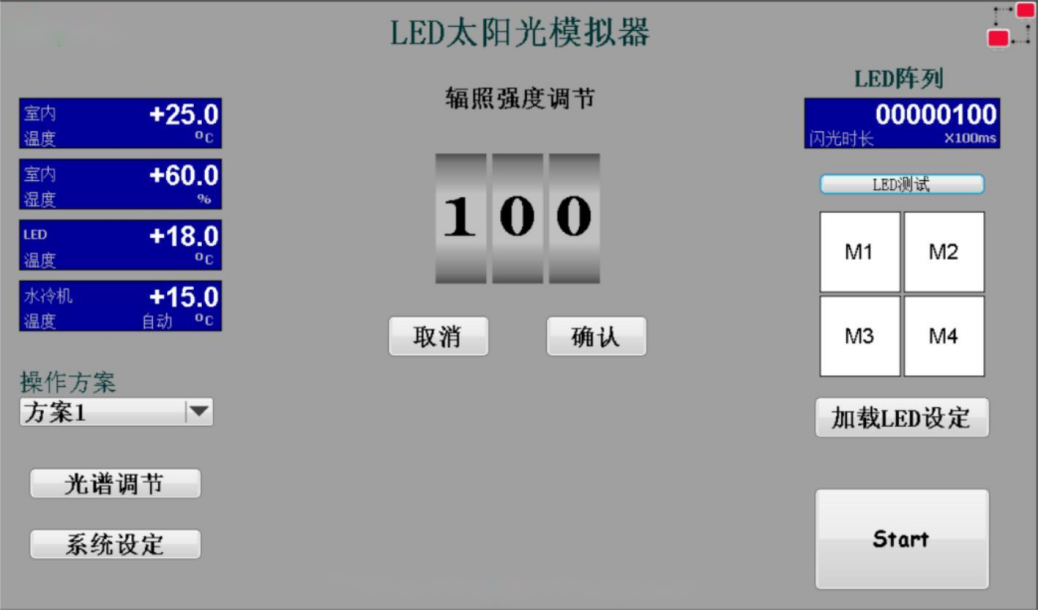
5. Testing Equipment
6. Automation & Integration
Conclusion
Need A Cost Estimate For Your Perovskite Module Line?