
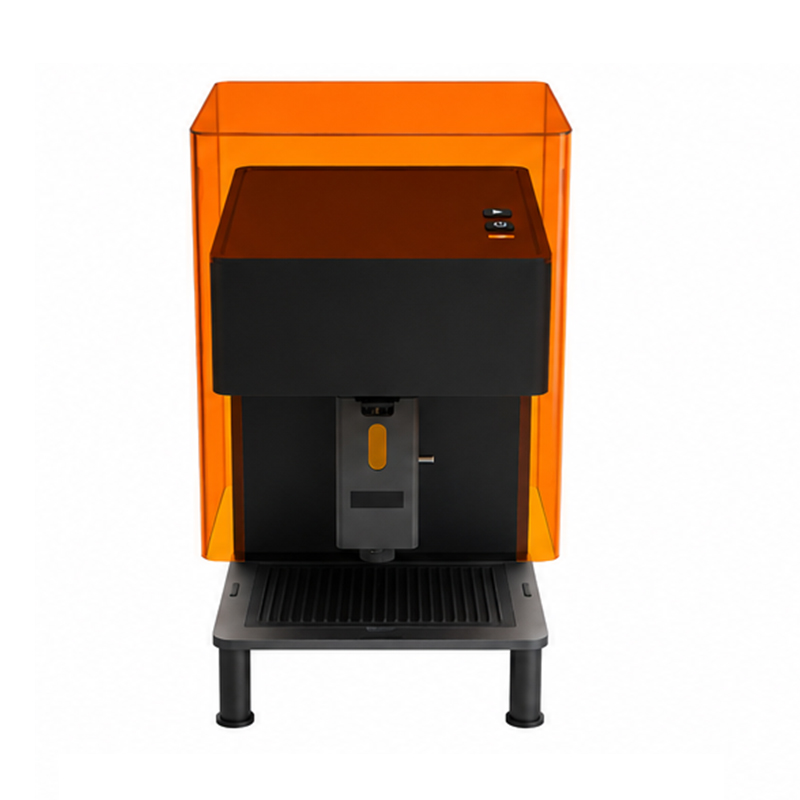
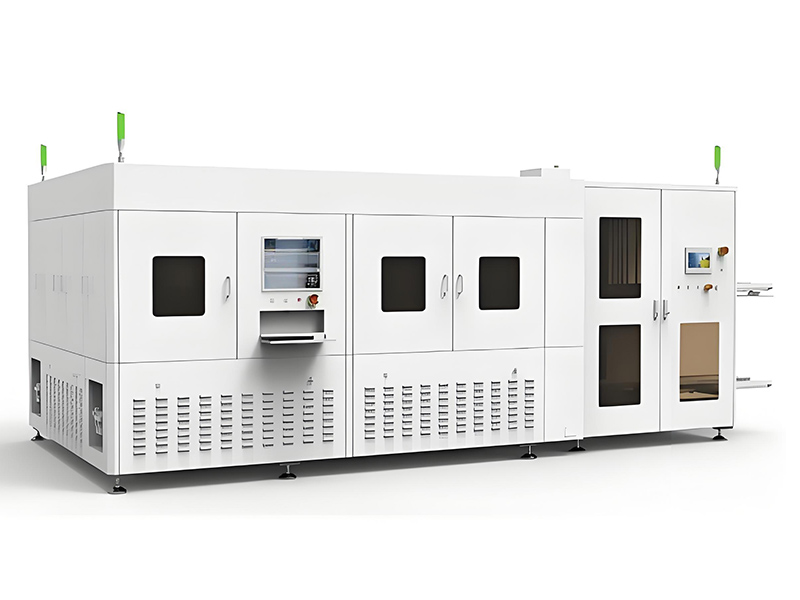
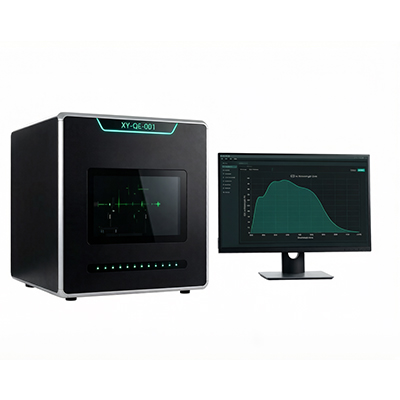
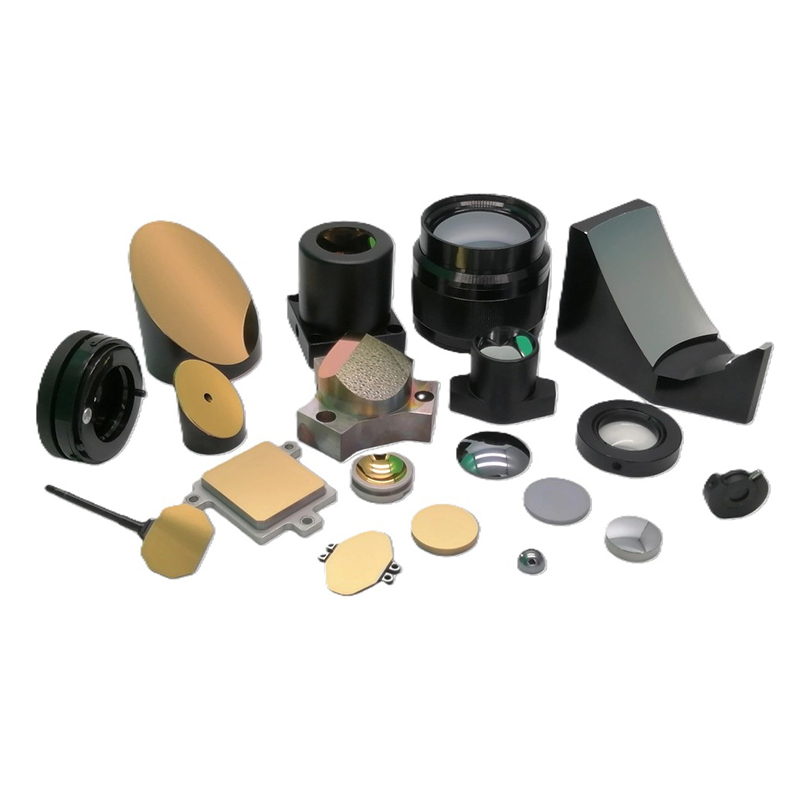
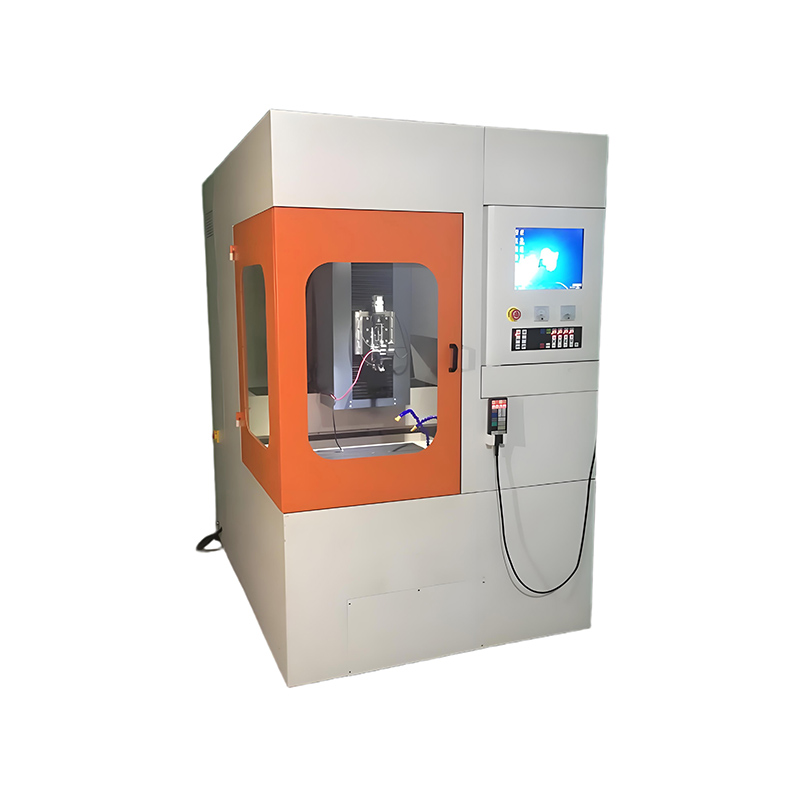
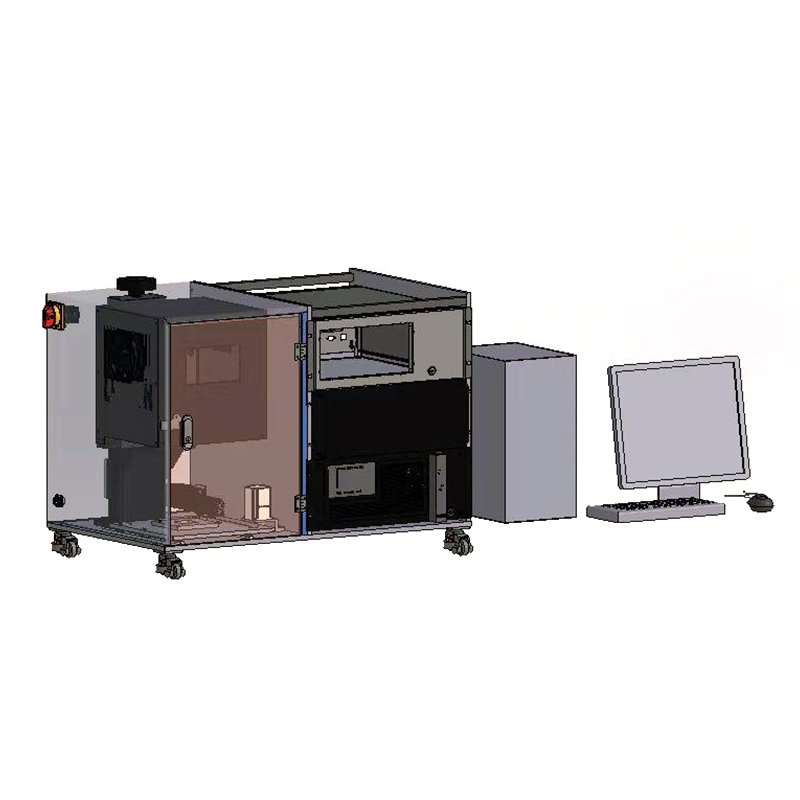
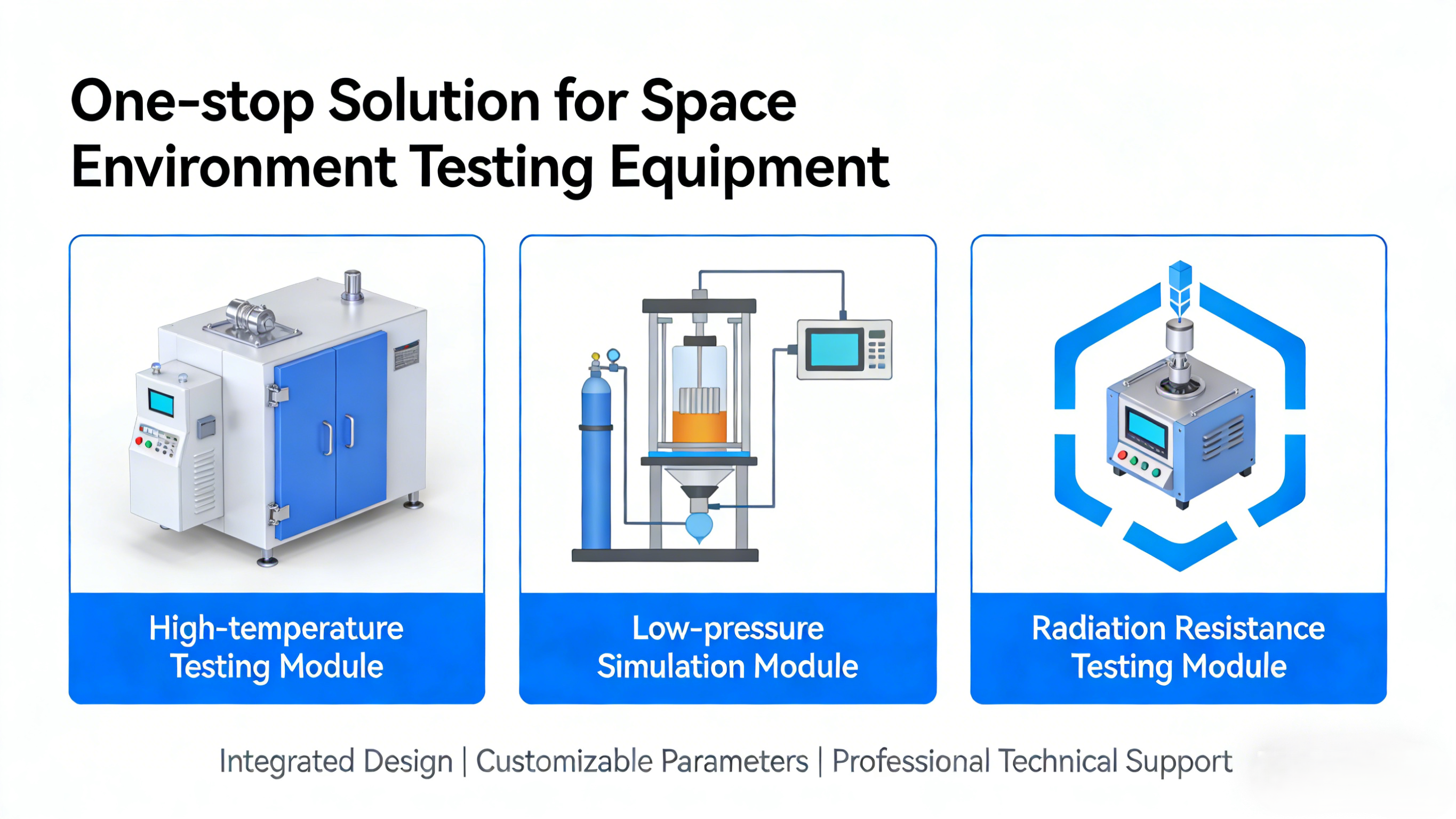
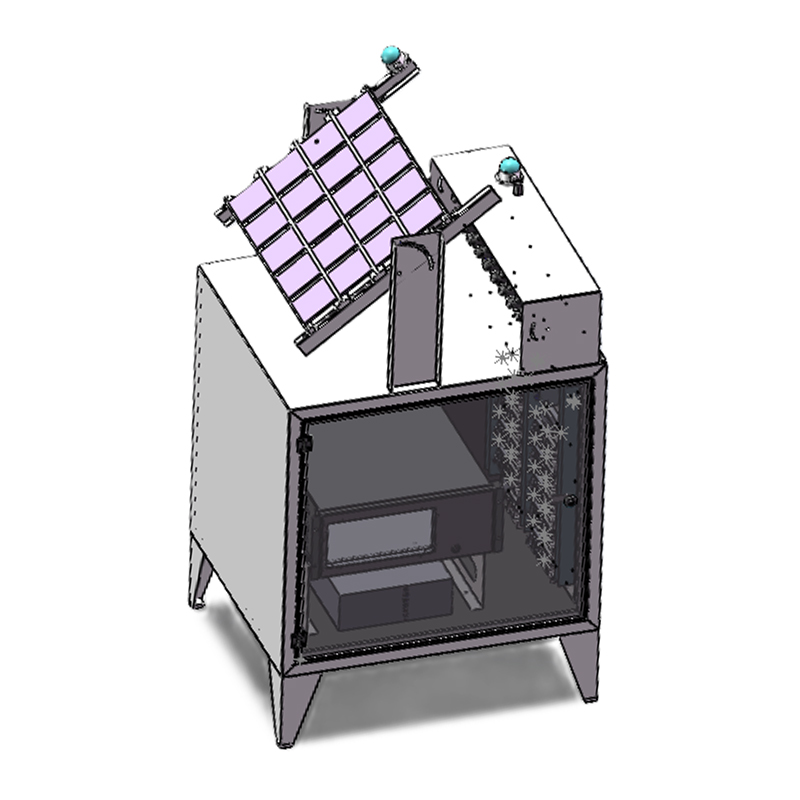
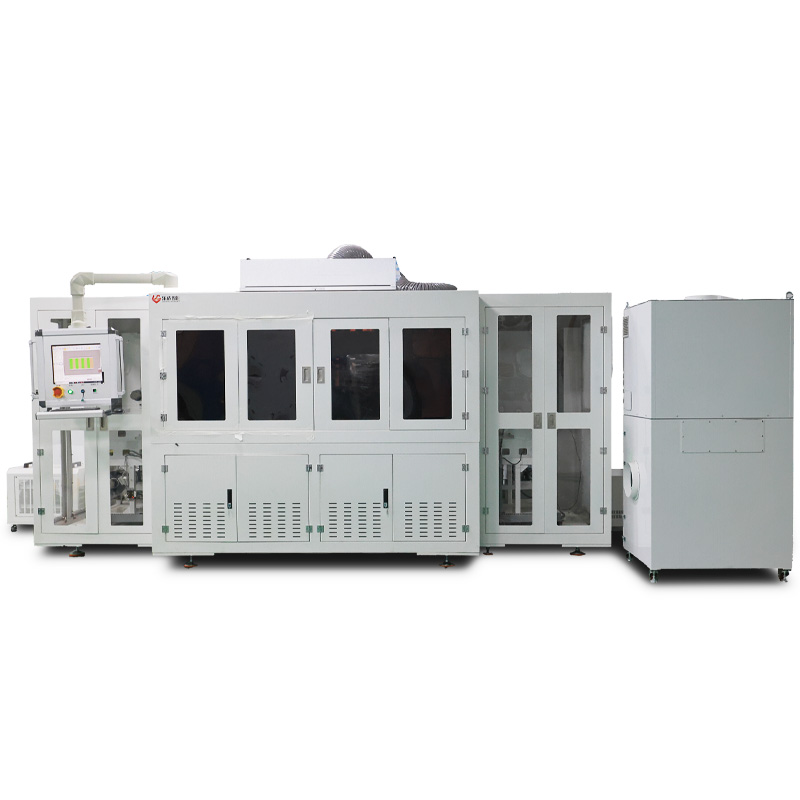
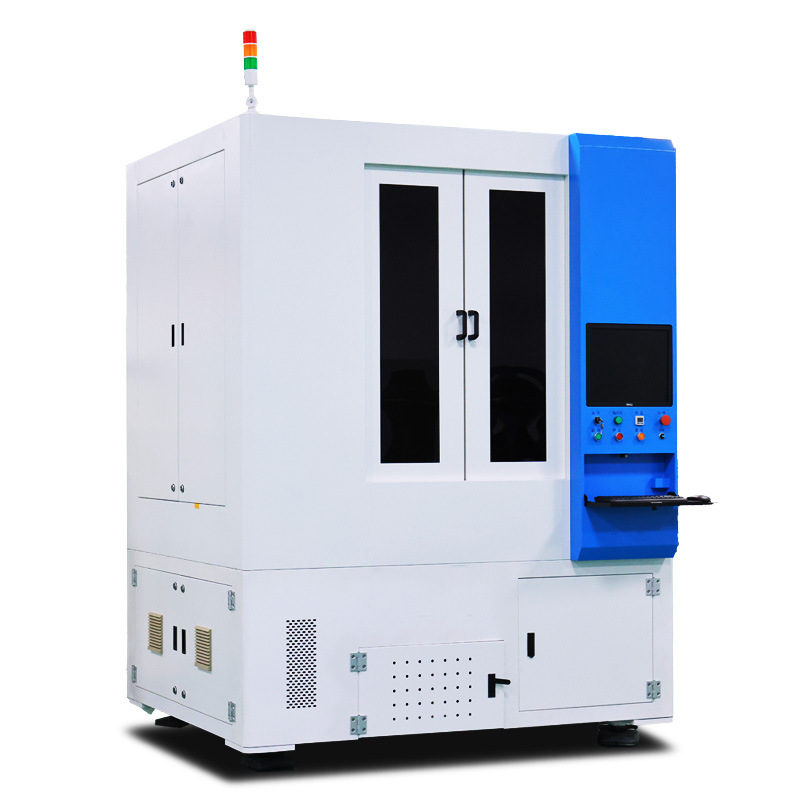
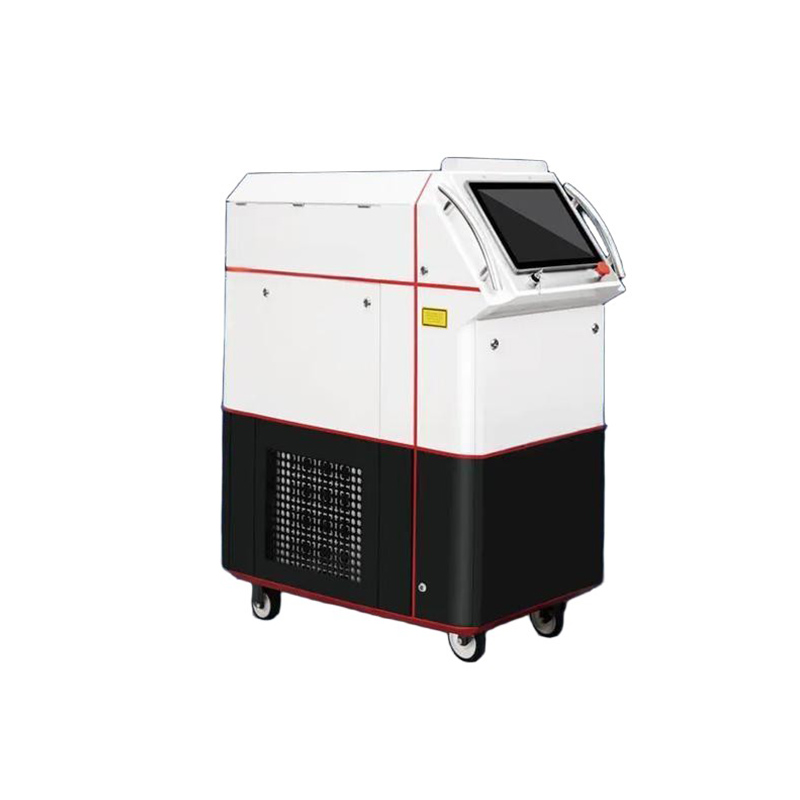
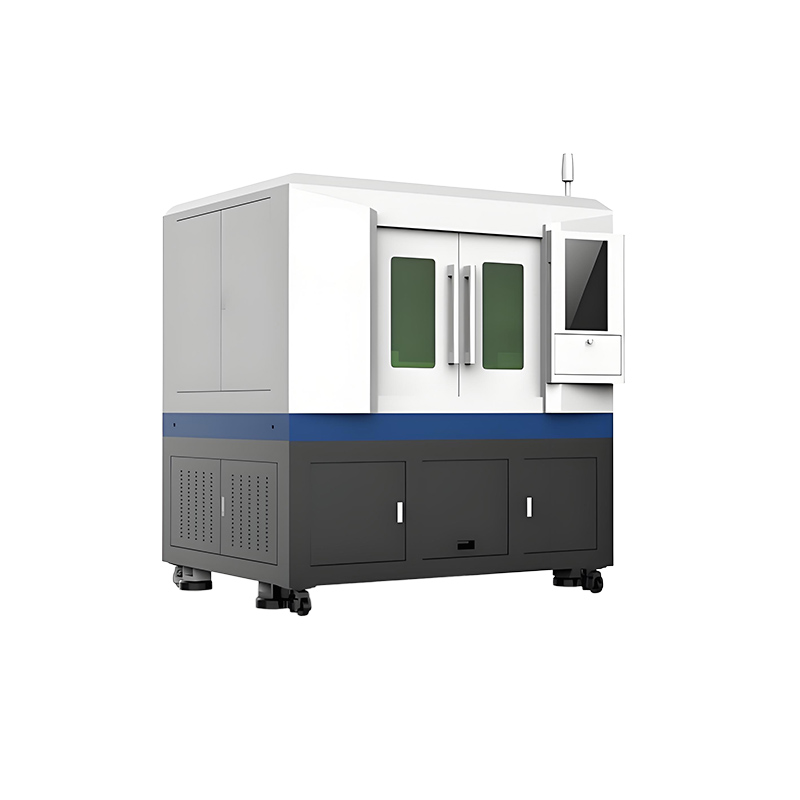
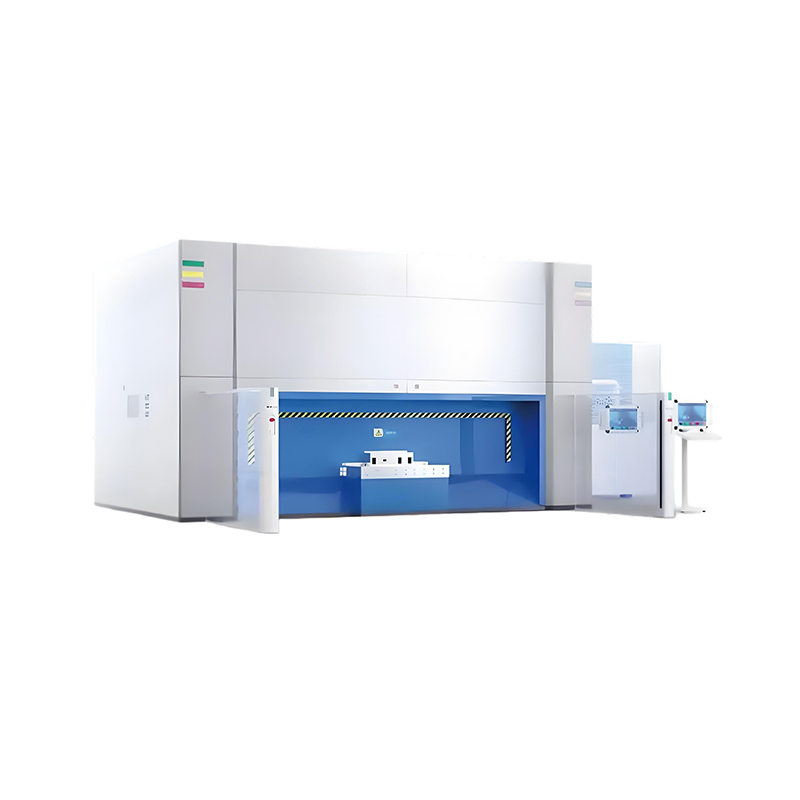
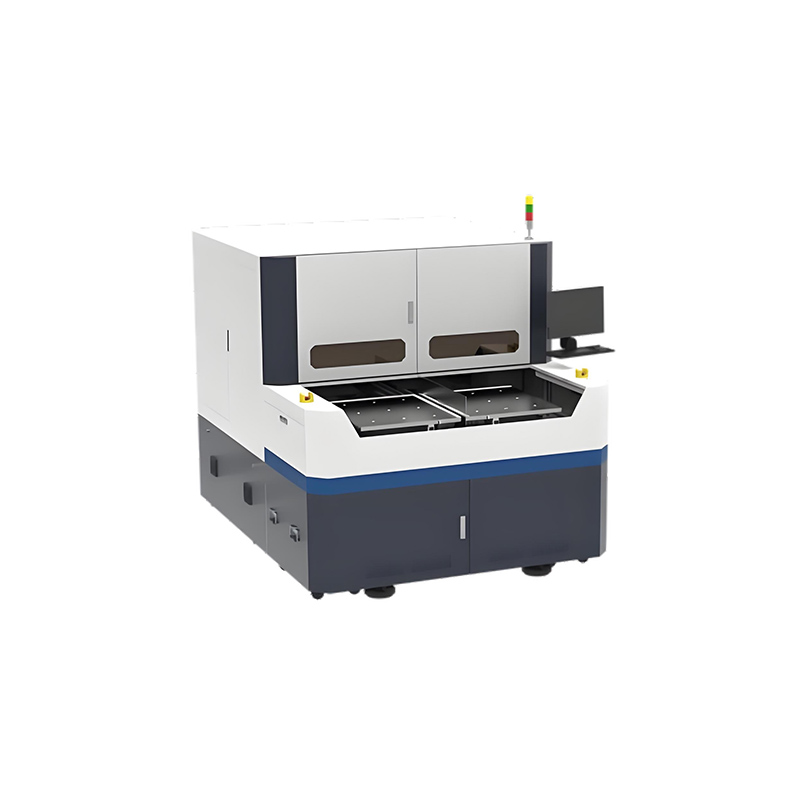
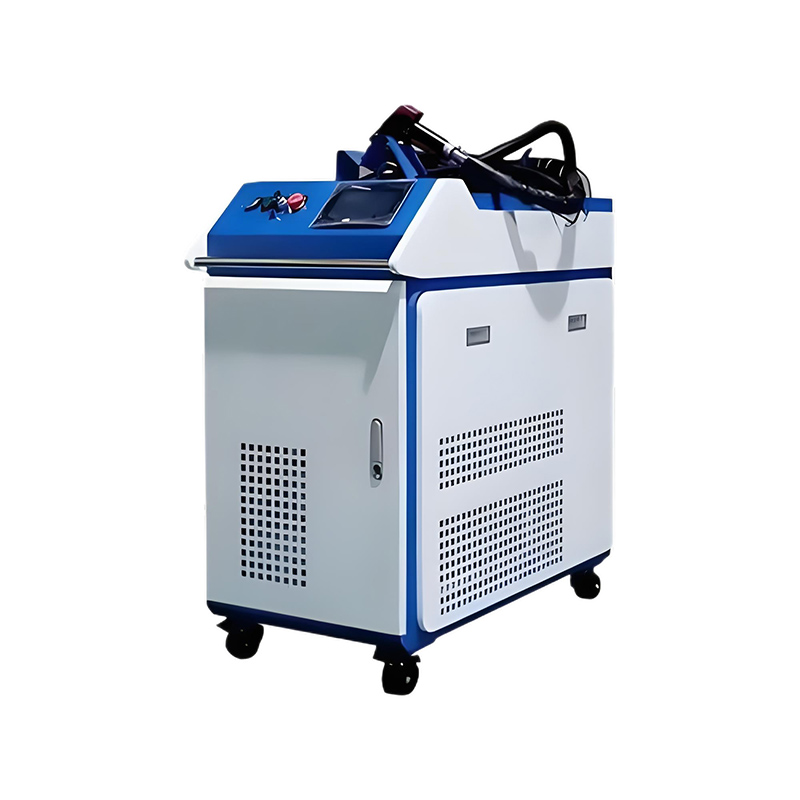
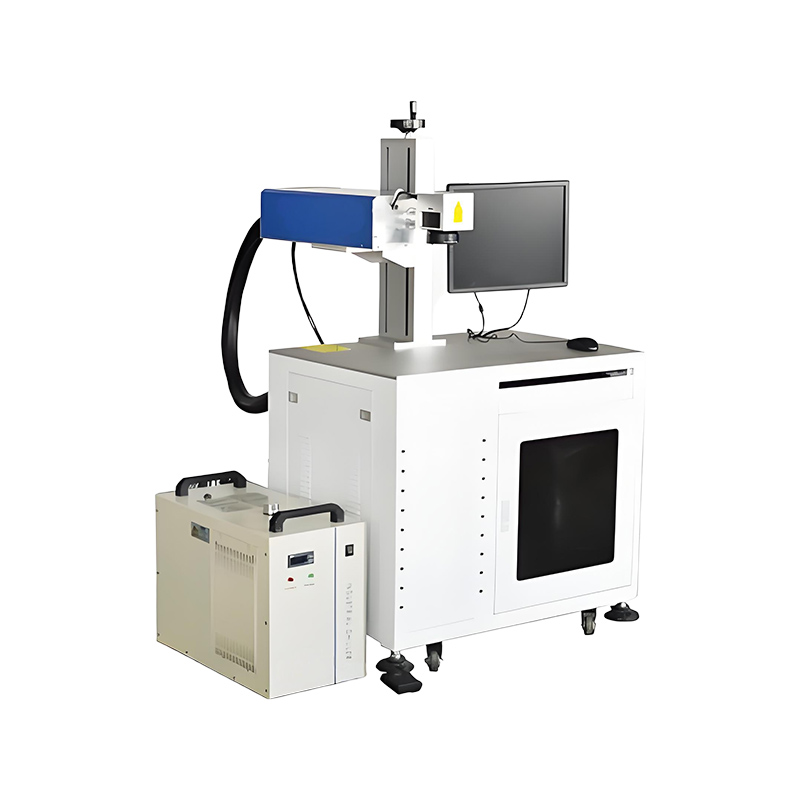
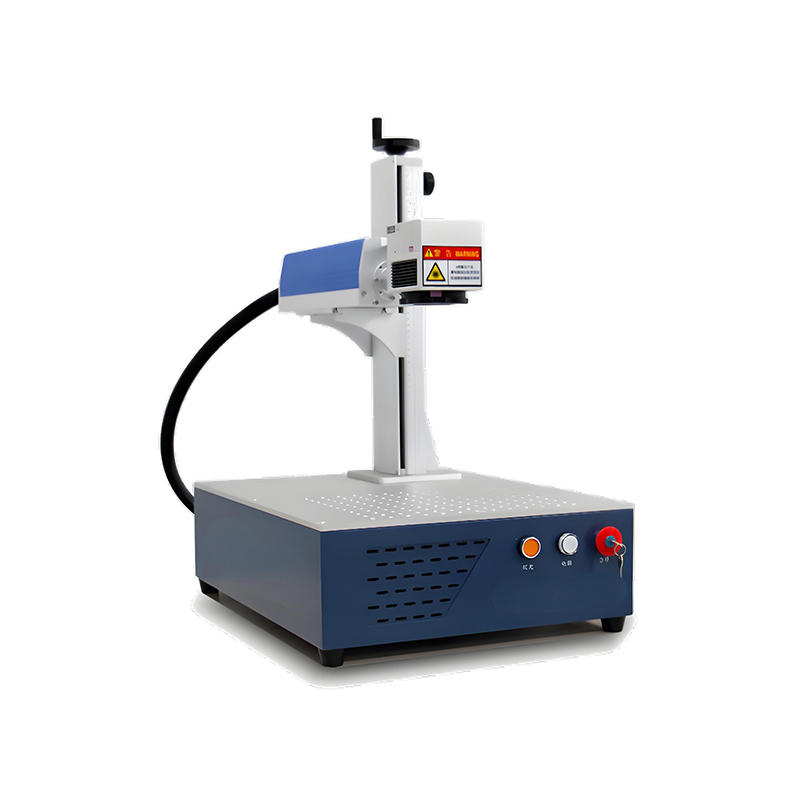
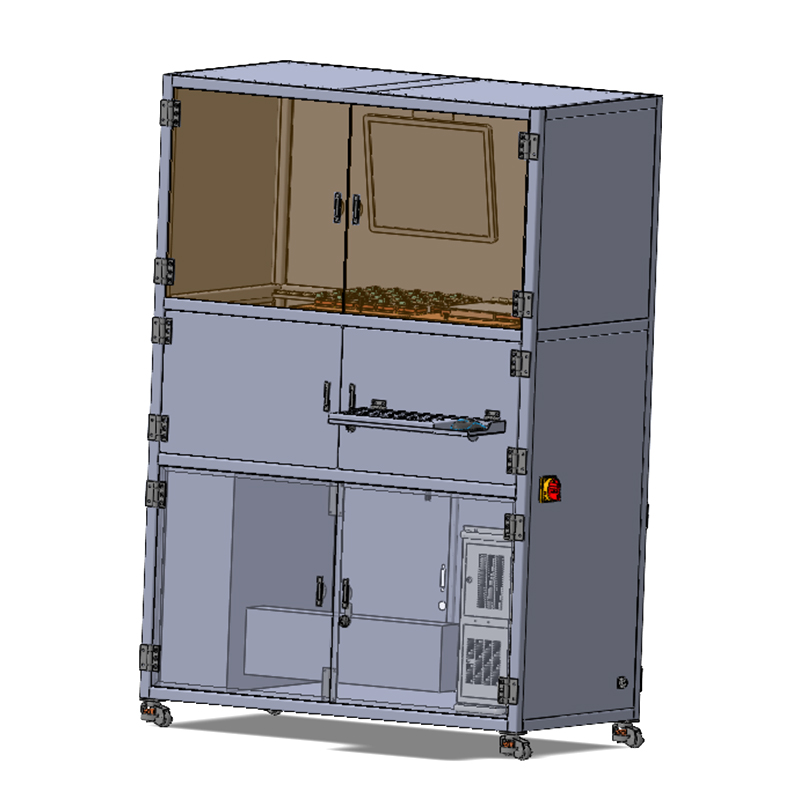
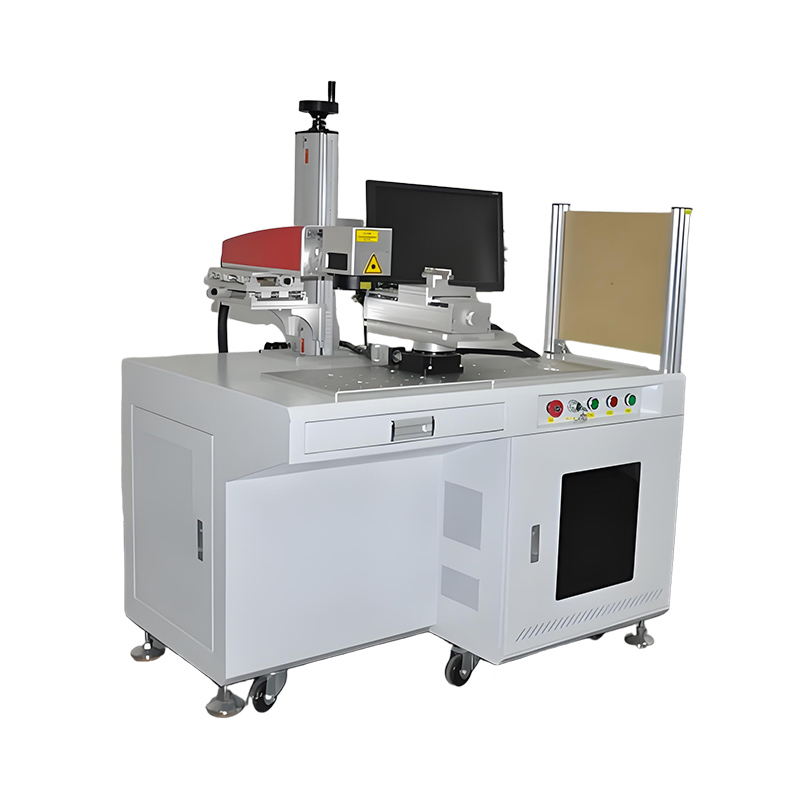
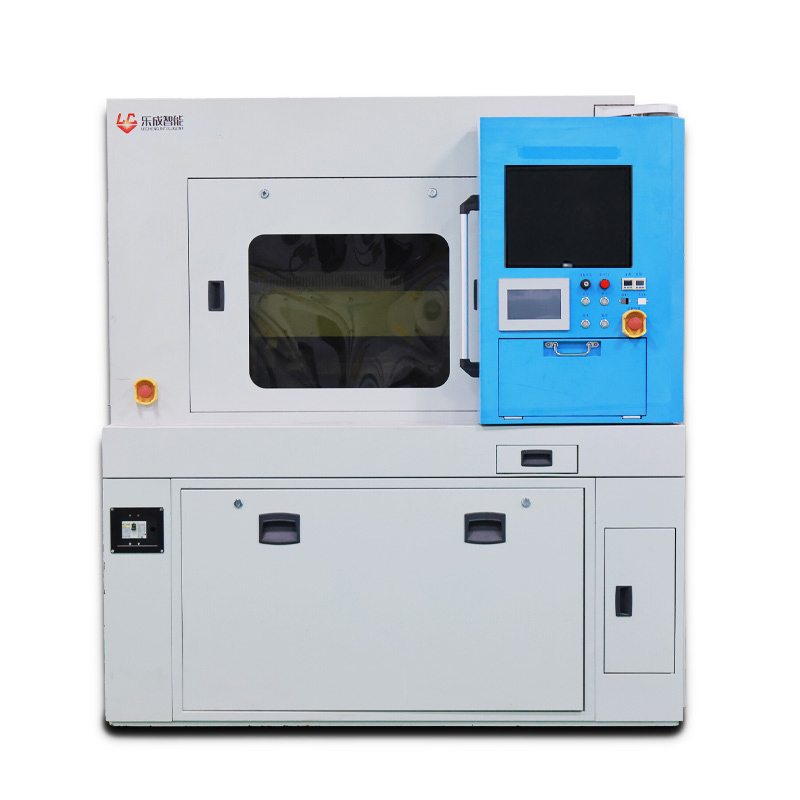
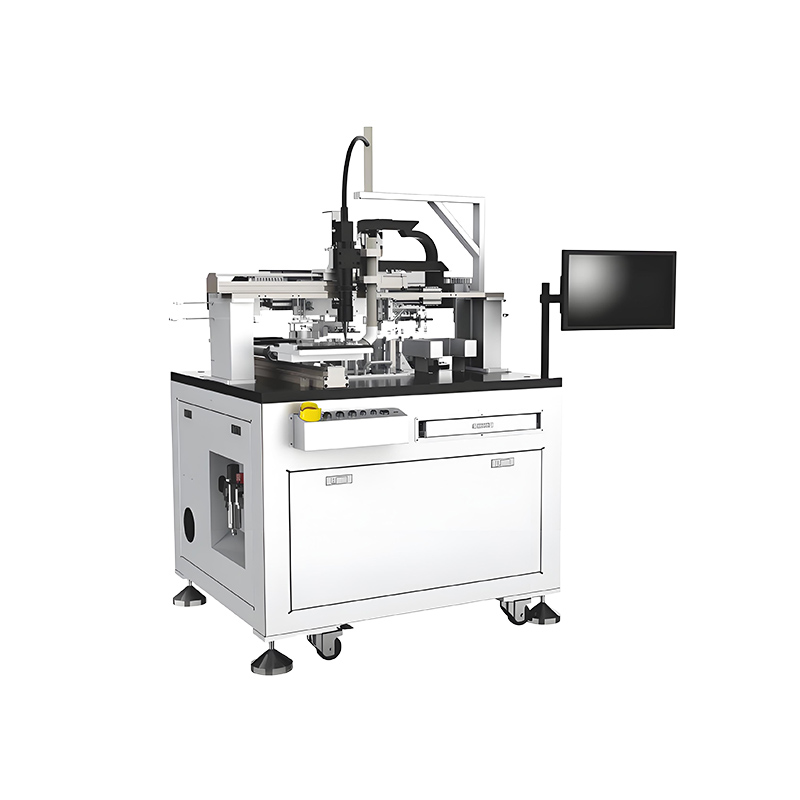
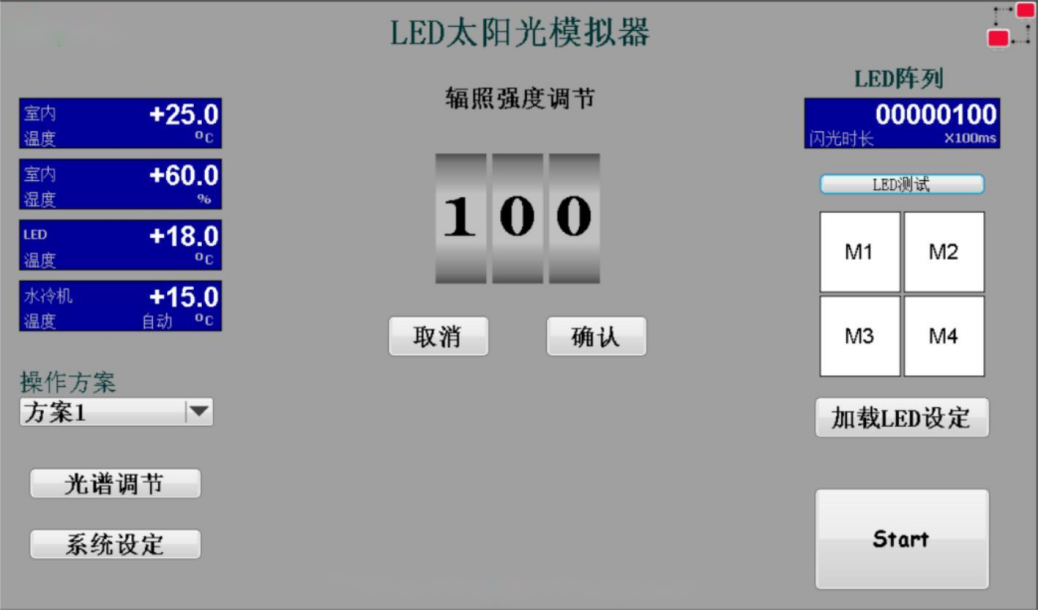
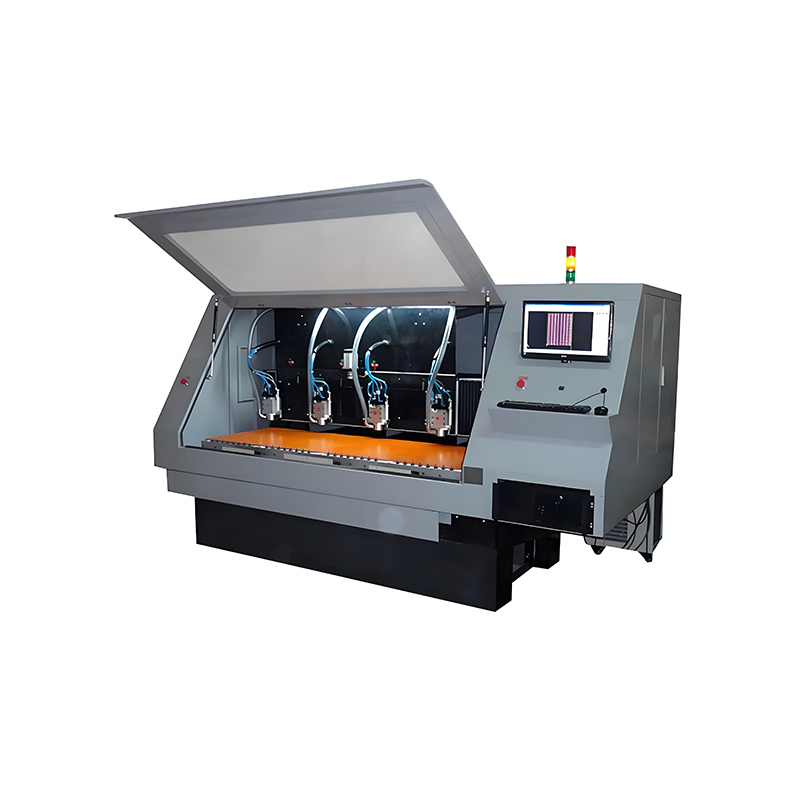
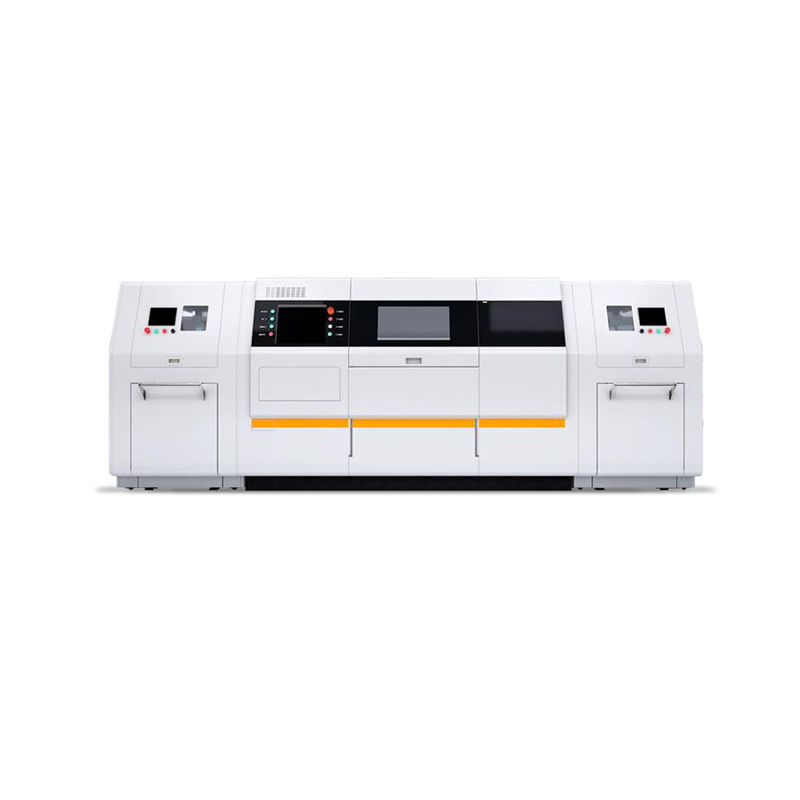
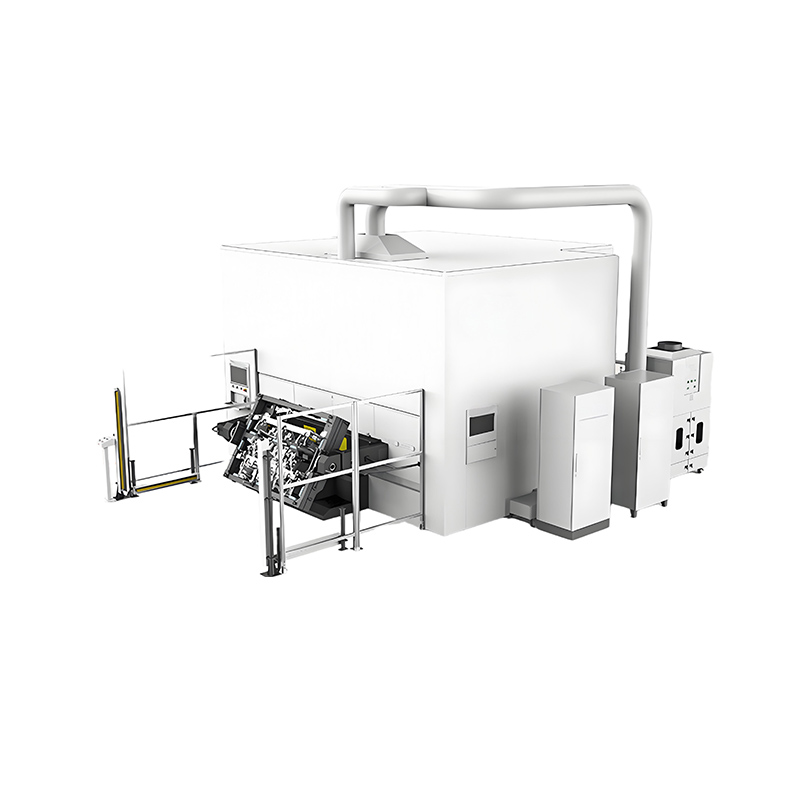
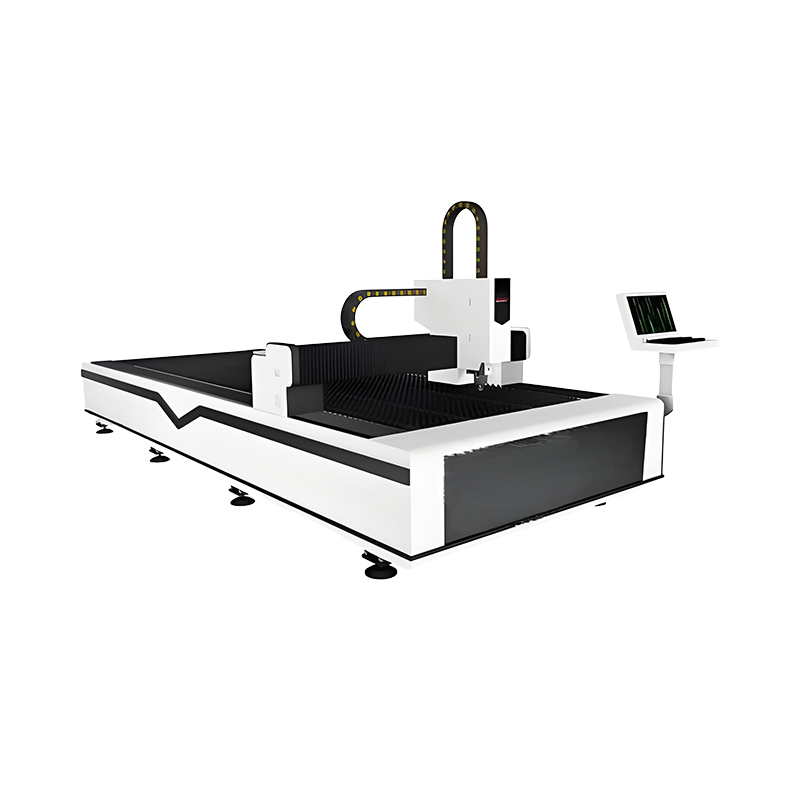
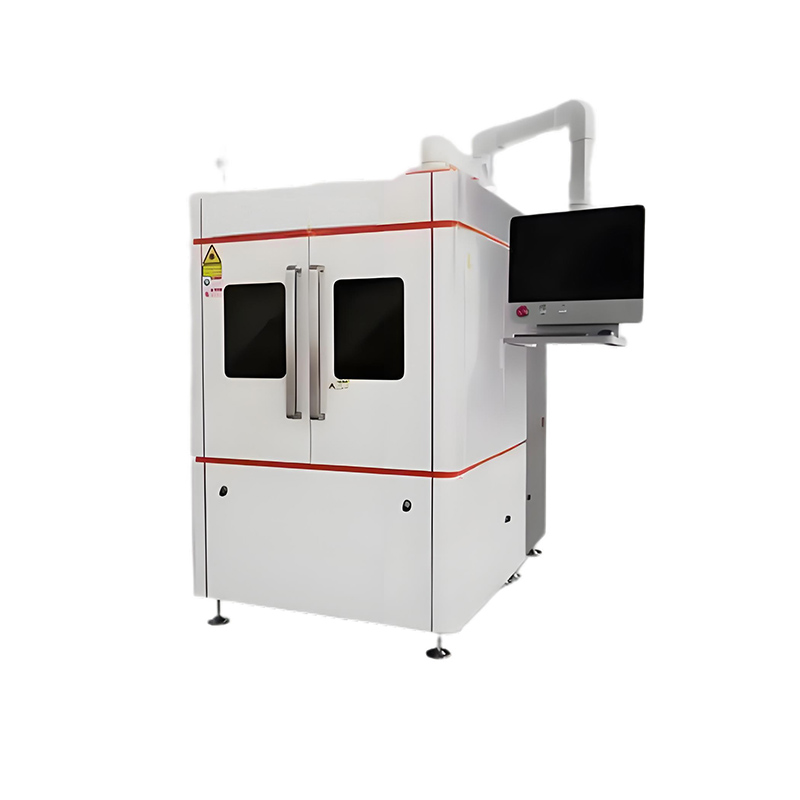
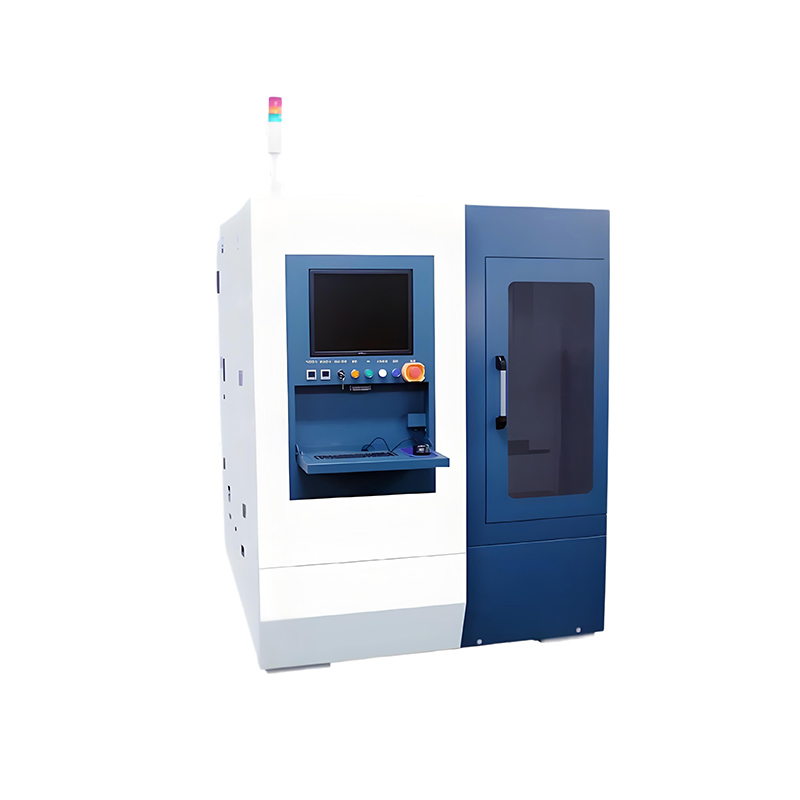
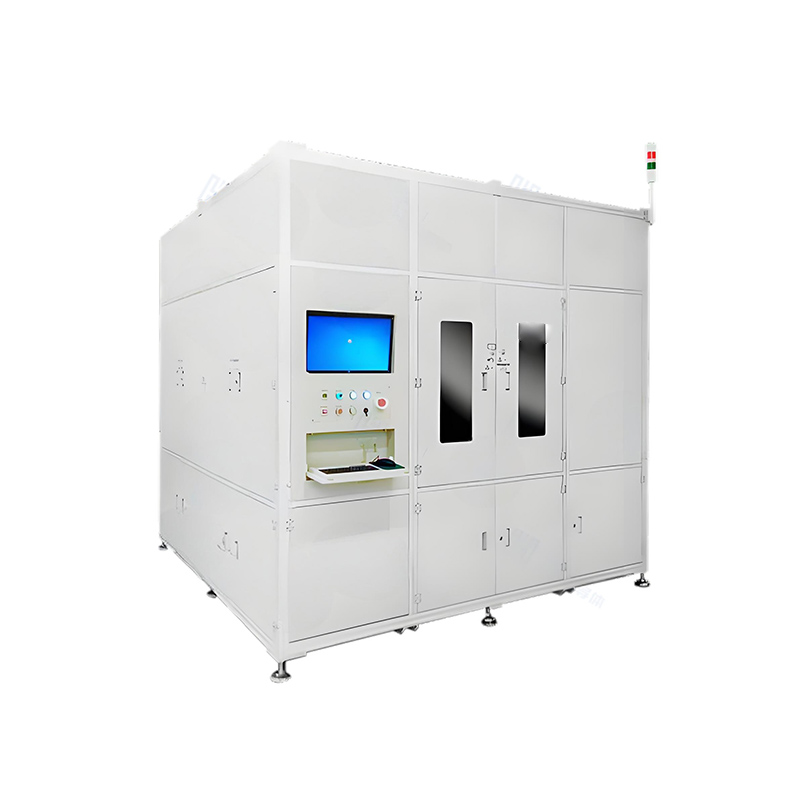
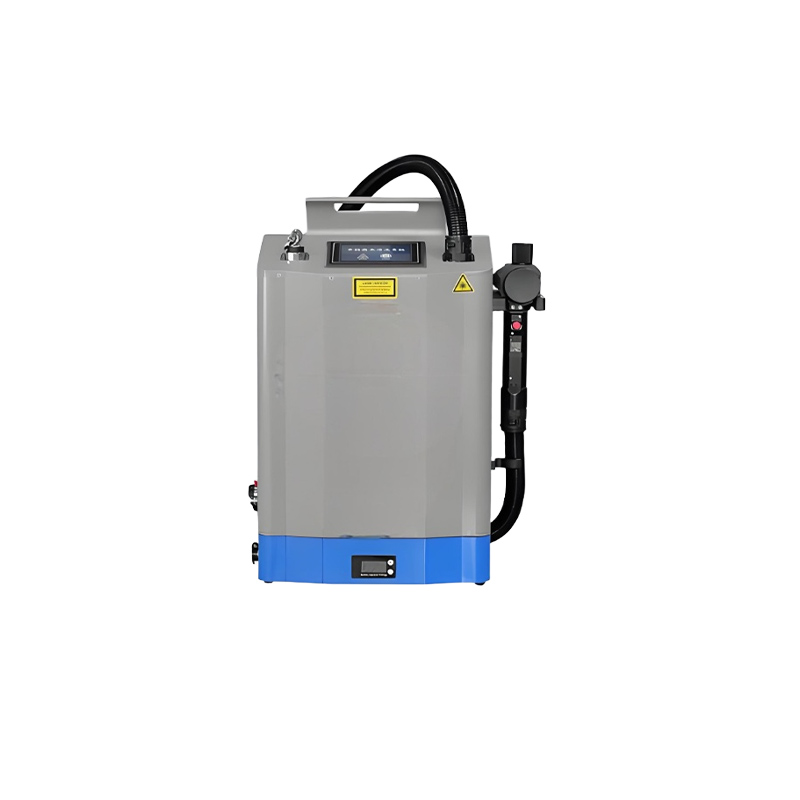
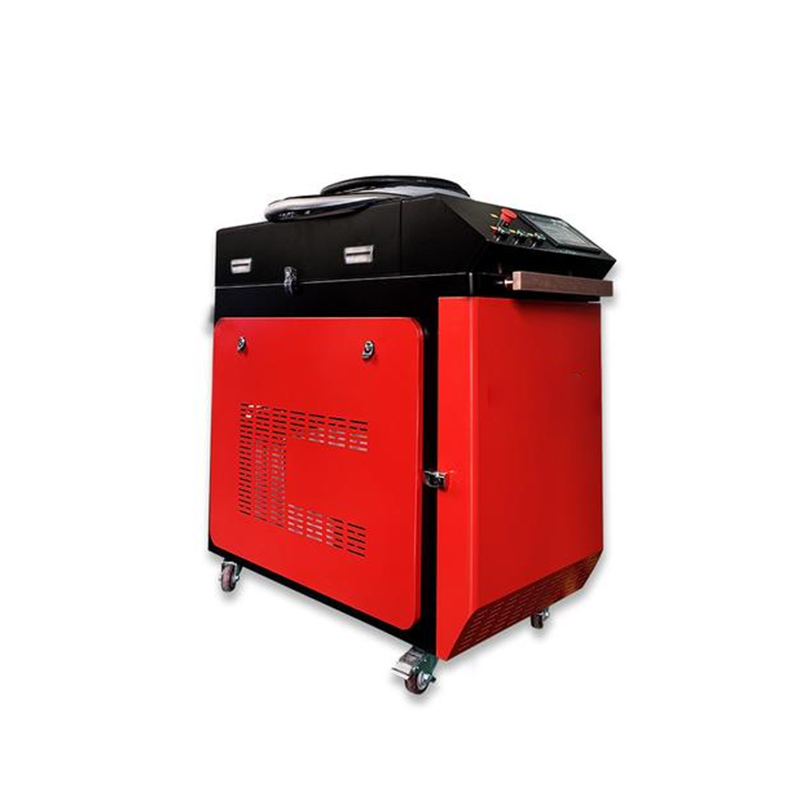
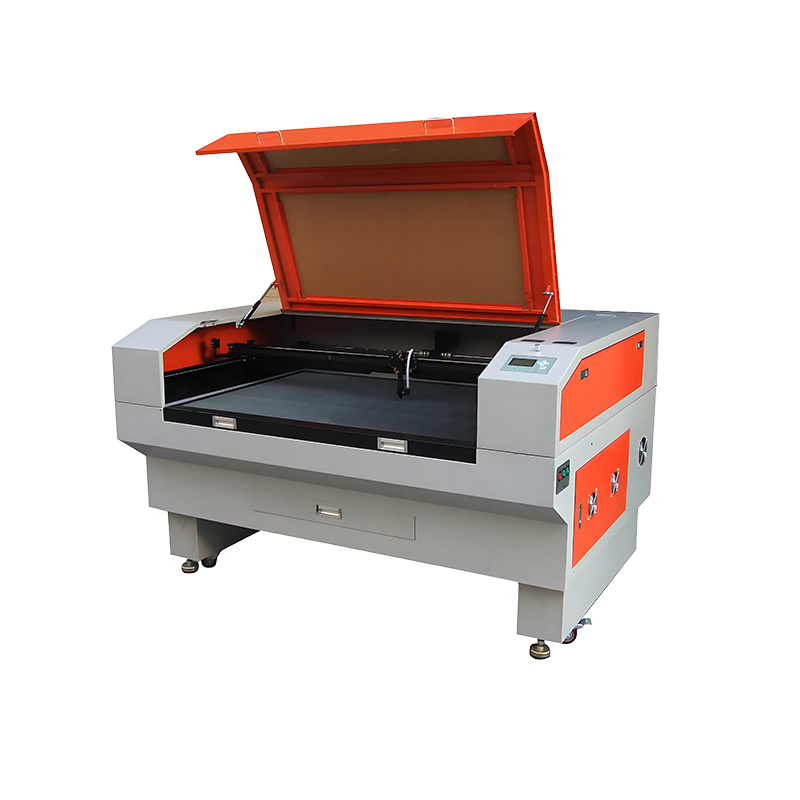
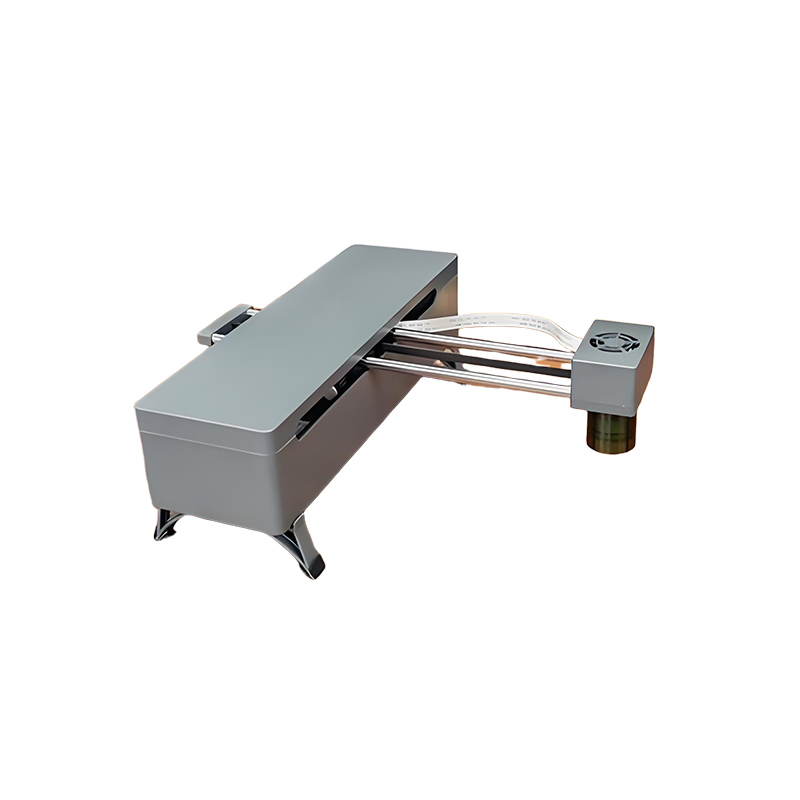
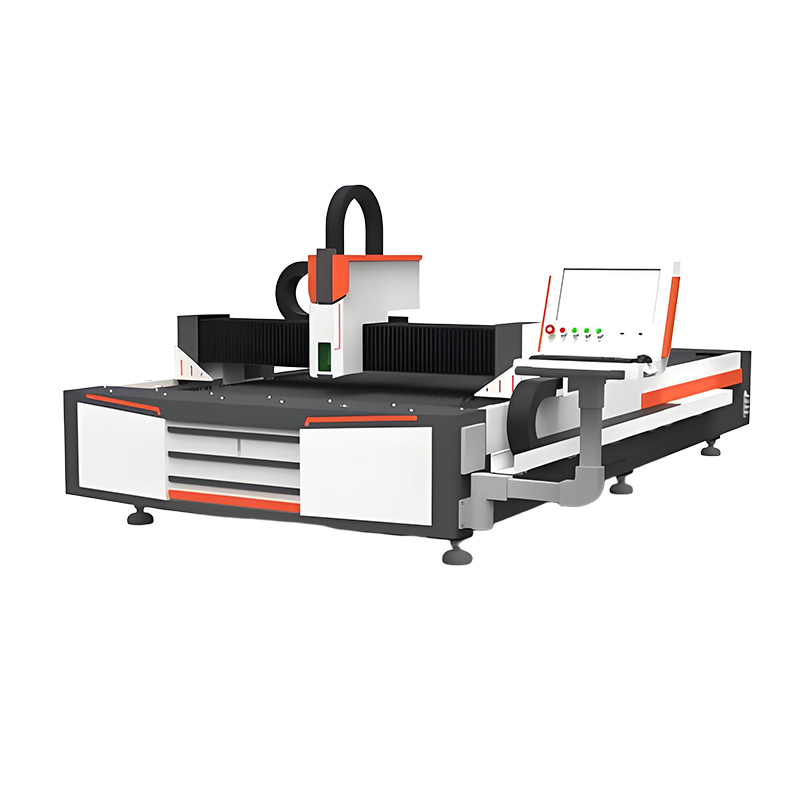
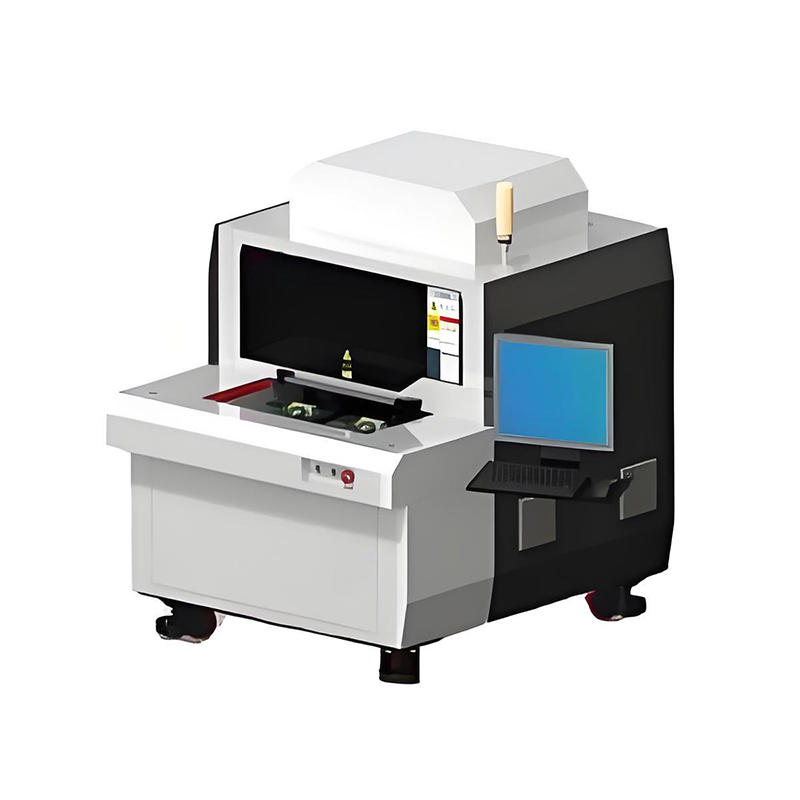
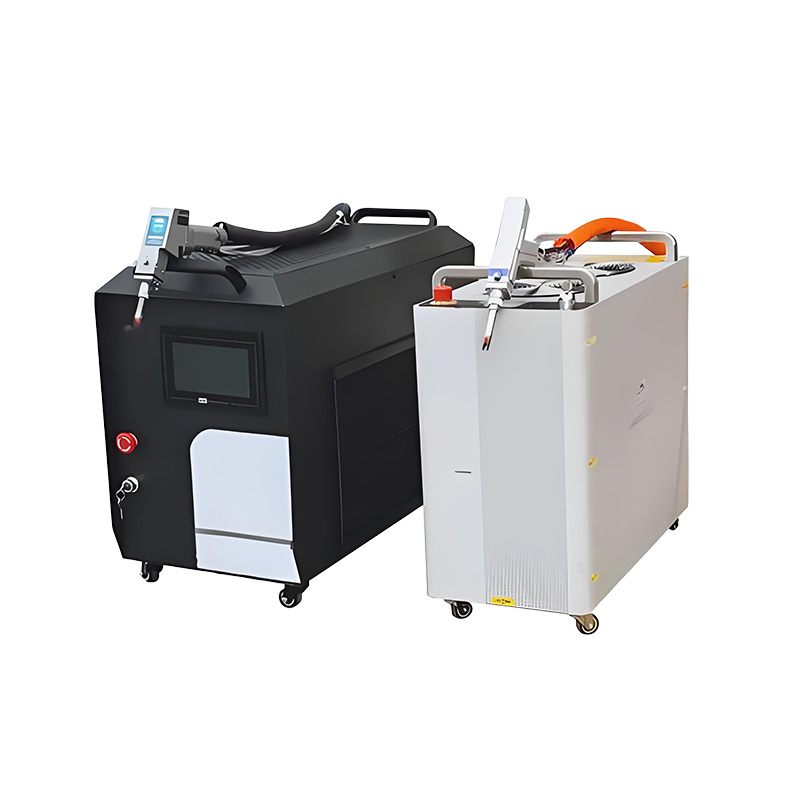

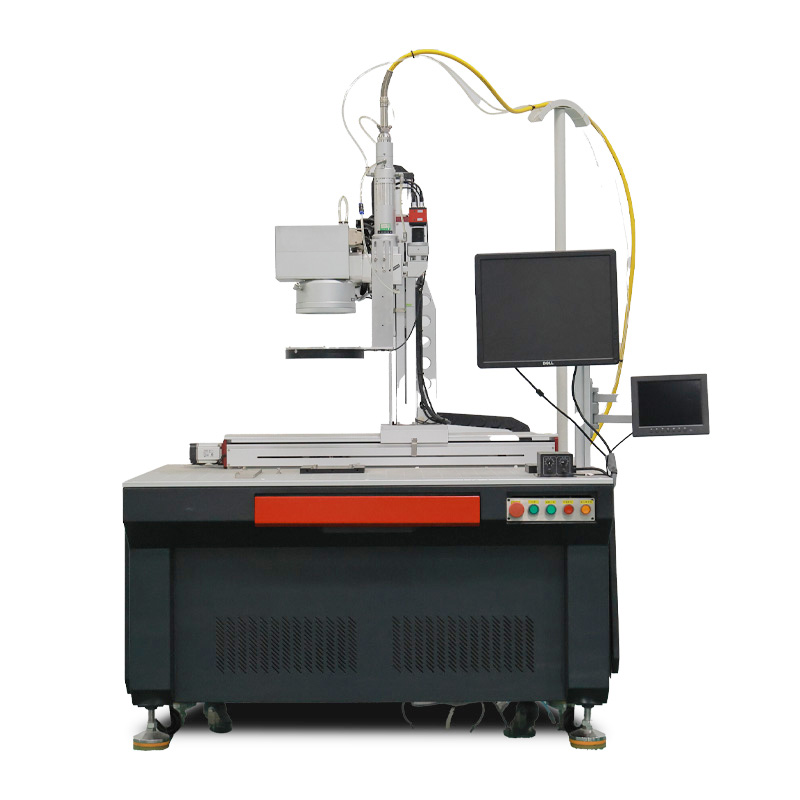
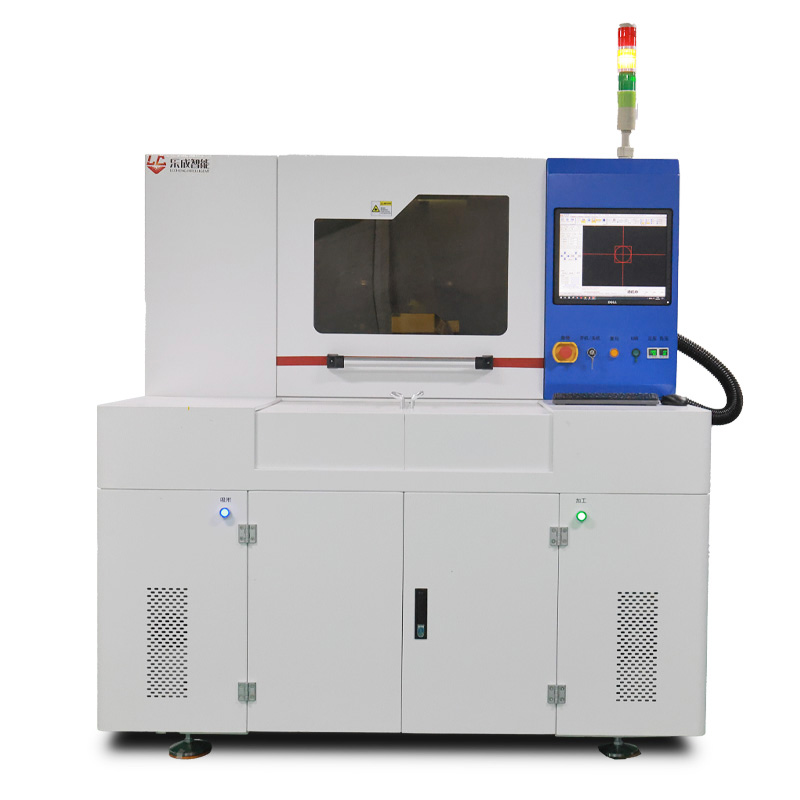
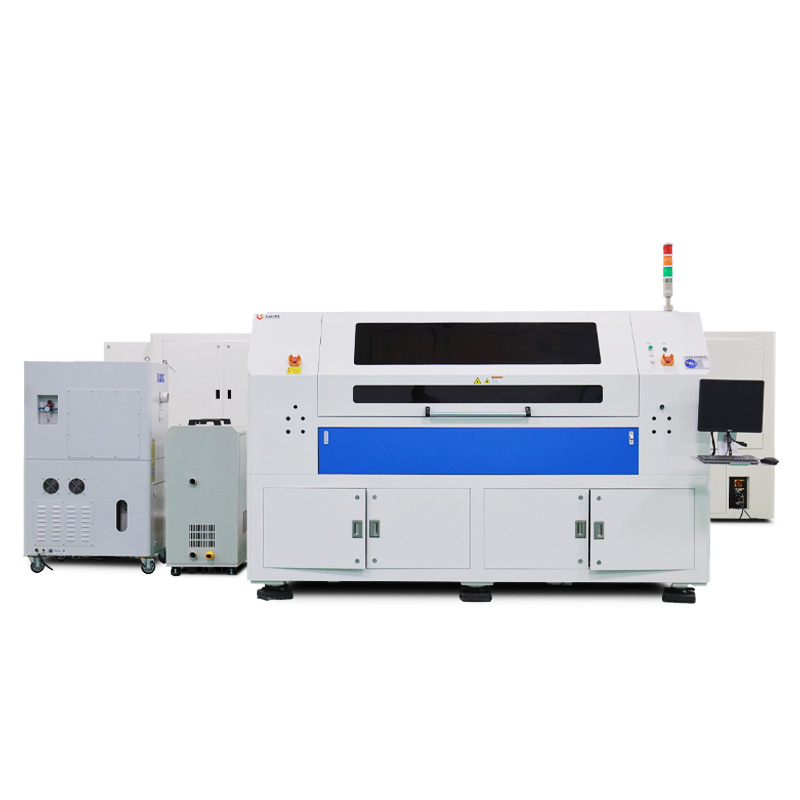

In solar cell manufacturing, selecting the right processing method is essential for achieving high efficiency and stable production. Two common approaches are laser scribing and traditional mechanical processing. While both methods can be used to structure materials, they differ significantly in precision, flexibility, and impact on product quality. For international buyers, understanding these differences is critical for choosing the most suitable technology for their production needs.
Processing Principles And Technical Differences
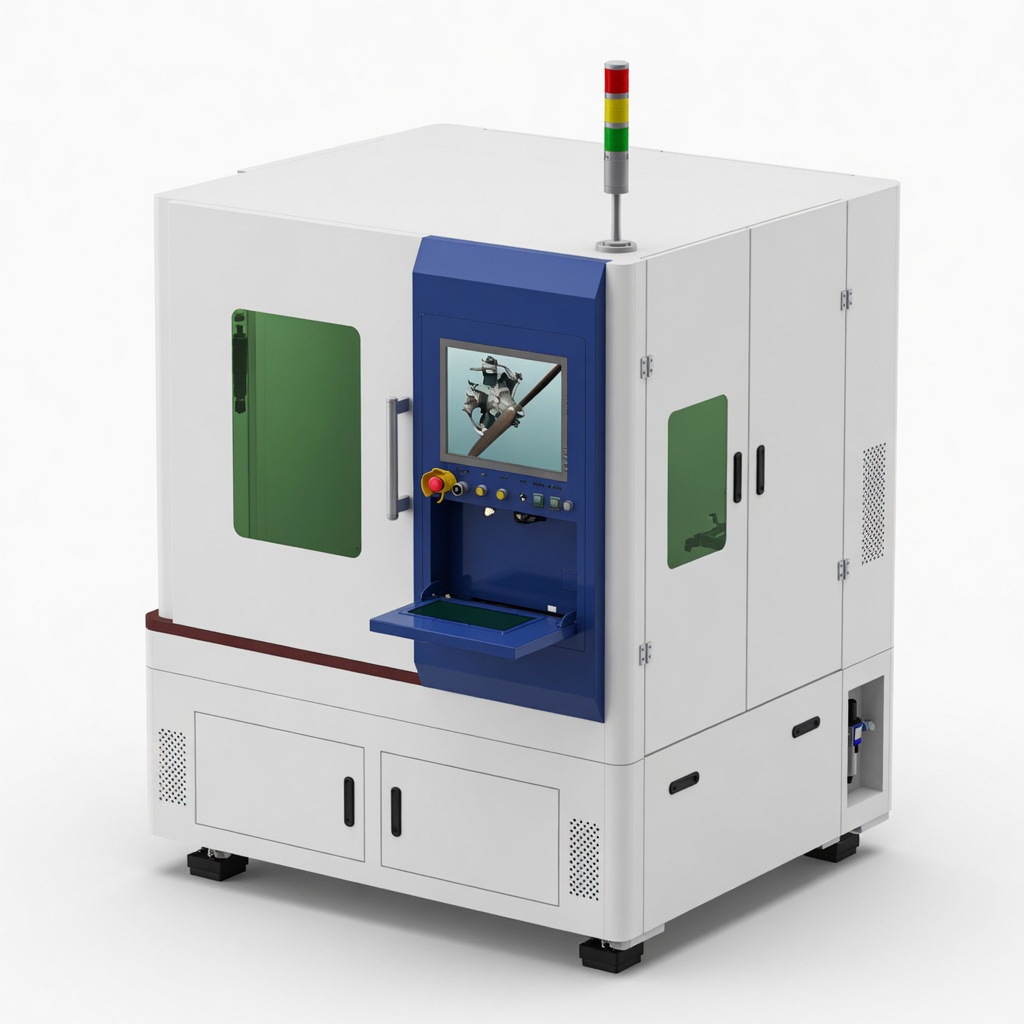
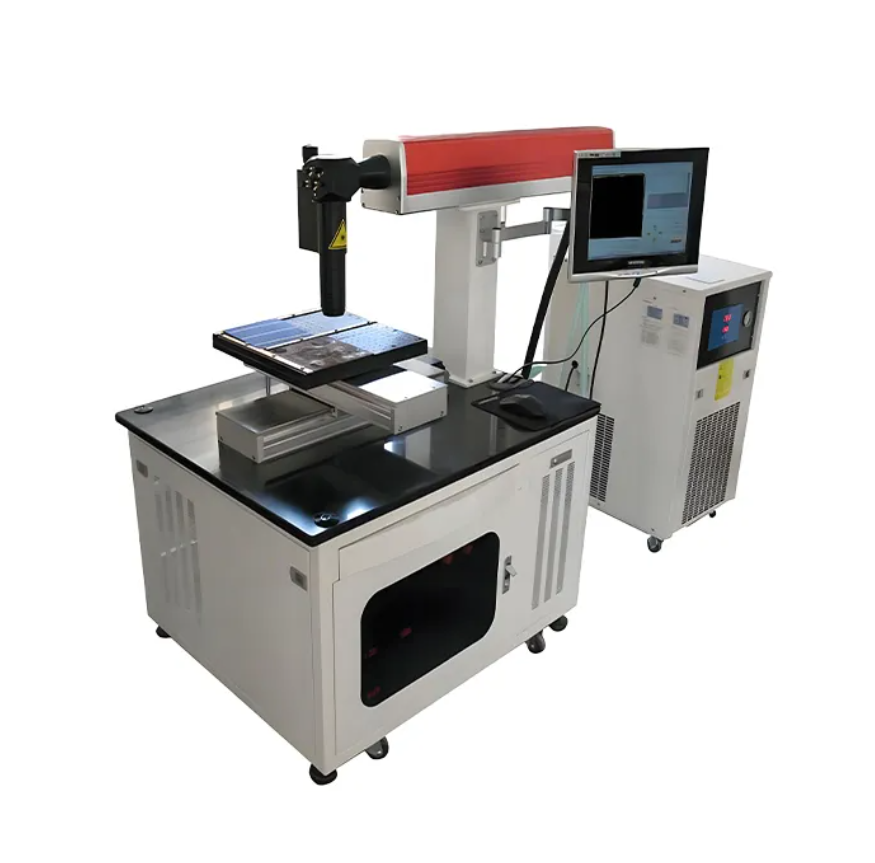
Laser scribing uses a focused laser beam to selectively remove material with high precision. The process is non-contact, meaning there is no physical force applied to the material. This allows for clean and controlled processing, especially for delicate layers in photovoltaic cells.
Mechanical processing, on the other hand, relies on physical tools such as blades or drills to remove material. This contact-based method can introduce mechanical stress, vibration, and potential damage to sensitive structures.
From a procurement perspective, the key difference lies in control and precision. Laser systems offer higher flexibility and finer control, while mechanical systems are typically simpler but less precise.
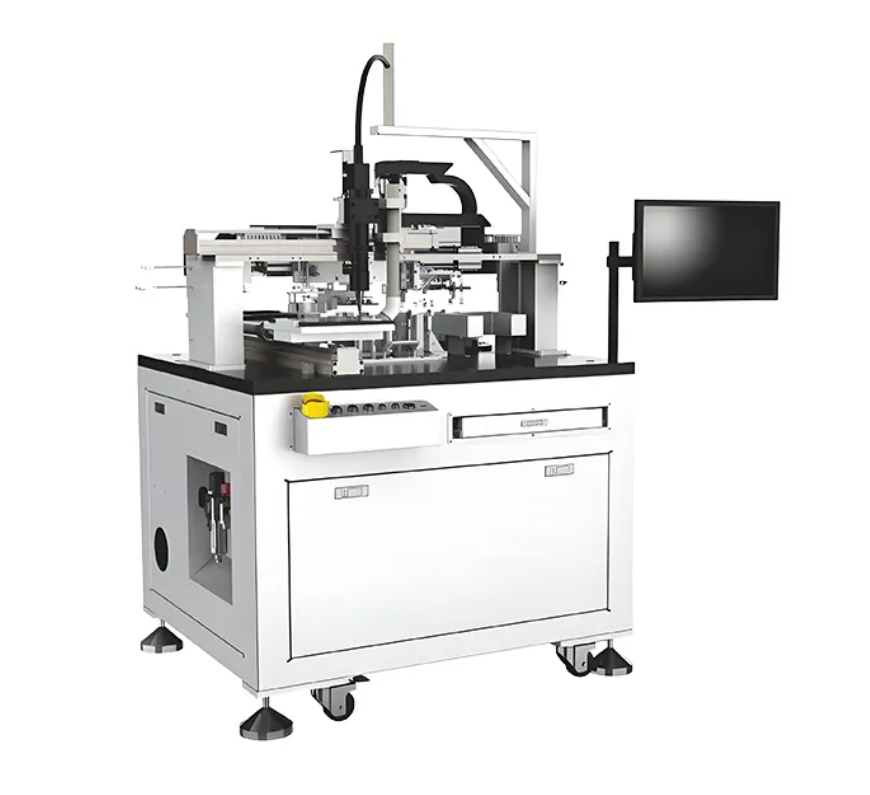
Impact On Product Quality And Yield
In photovoltaic production, product quality is directly linked to processing precision. Laser scribing can achieve extremely fine line widths with minimal thermal or mechanical impact, which helps maintain the integrity of cell structures and improves electrical performance.
Mechanical processing, however, may cause micro-cracks, uneven edges, or material deformation. These defects can reduce yield and negatively affect downstream processes.
Consistency is another important factor. Laser systems can maintain stable results across large production volumes, while mechanical tools may wear over time, leading to variation in processing quality.
For buyers focused on high-efficiency solar cells, laser scribing is often the preferred choice due to its superior precision and consistency.
Efficiency, Flexibility, And Long-Term Investment Value
Laser scribing systems offer greater flexibility in adapting to different materials and process requirements. Parameters such as laser power, speed, and pulse duration can be adjusted to suit various applications. This makes laser technology suitable for advanced photovoltaic processes and future upgrades.
Mechanical processing, while often lower in initial cost, is less flexible and may require tool changes or system modifications for different applications. This can increase downtime and reduce efficiency.
From a long-term perspective, laser systems typically provide better return on investment due to higher yield, lower maintenance requirements, and improved production efficiency.
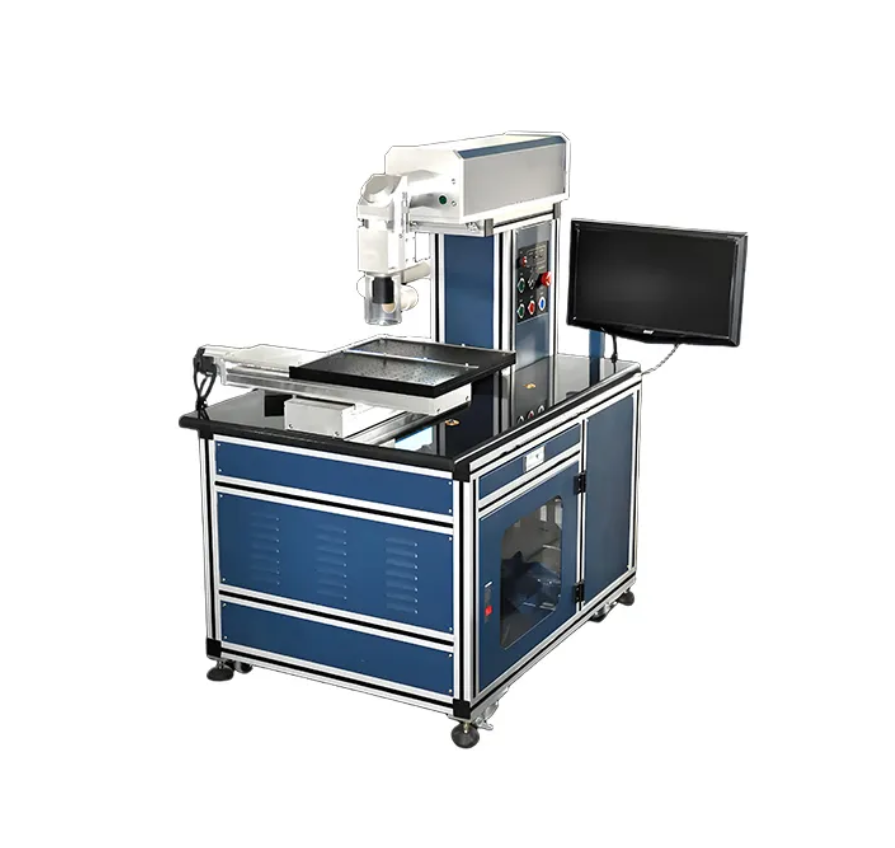
Laser scribing and mechanical processing each have their own advantages, but for modern photovoltaic manufacturing, laser technology offers clear benefits in precision, consistency, and flexibility. For international buyers, the choice should be based on production requirements, product quality targets, and long-term investment goals. In most advanced applications, laser scribing provides a more reliable and future-ready solution.