
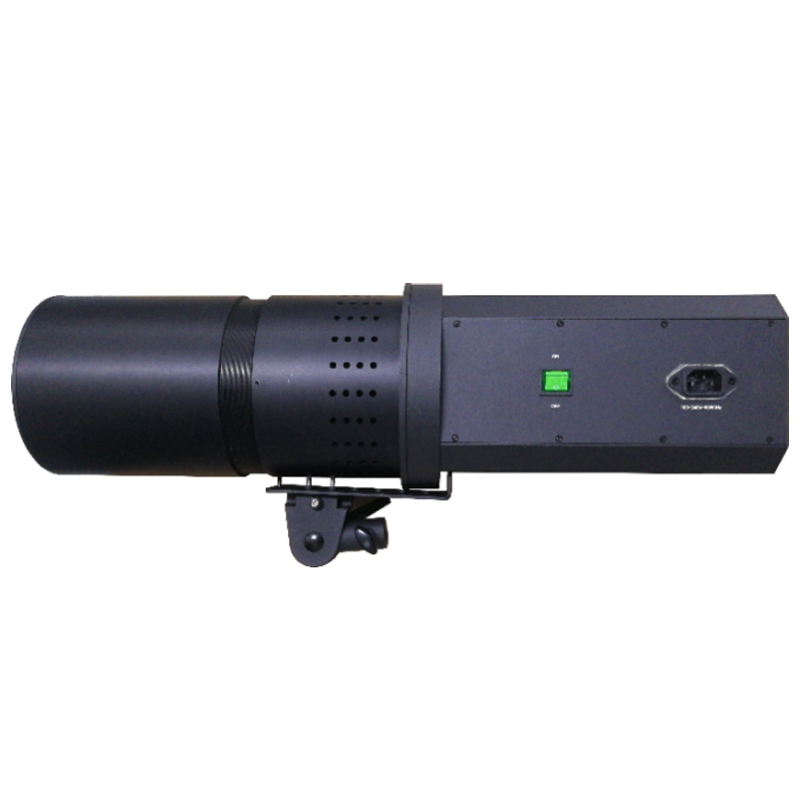
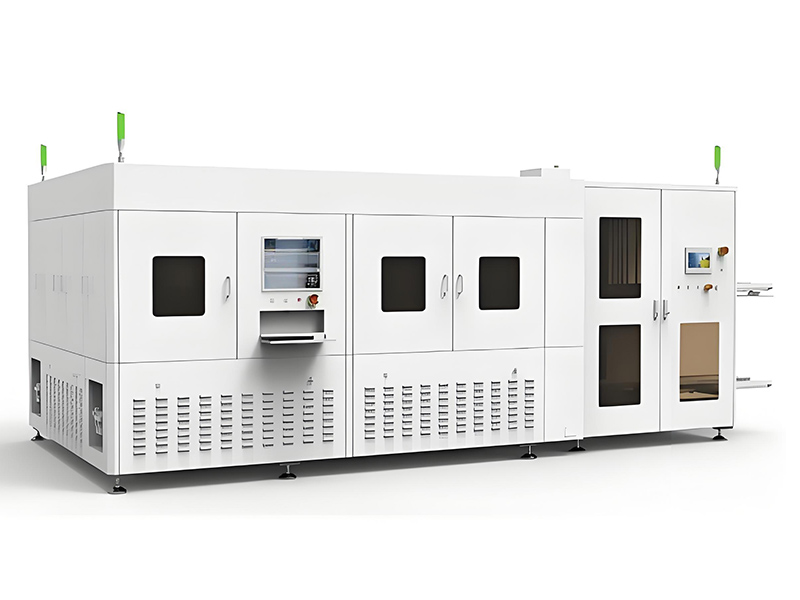
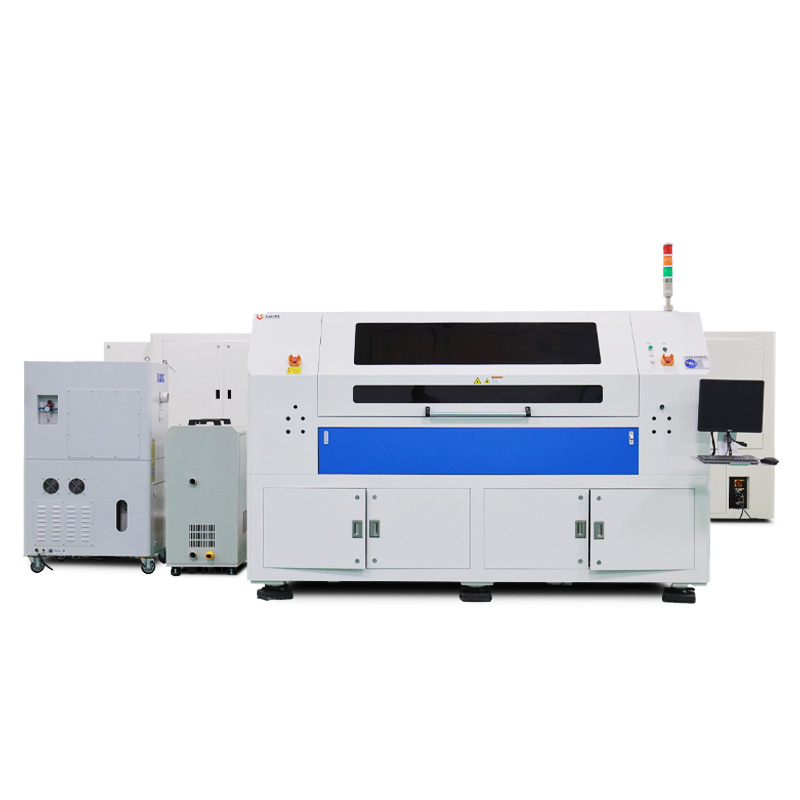
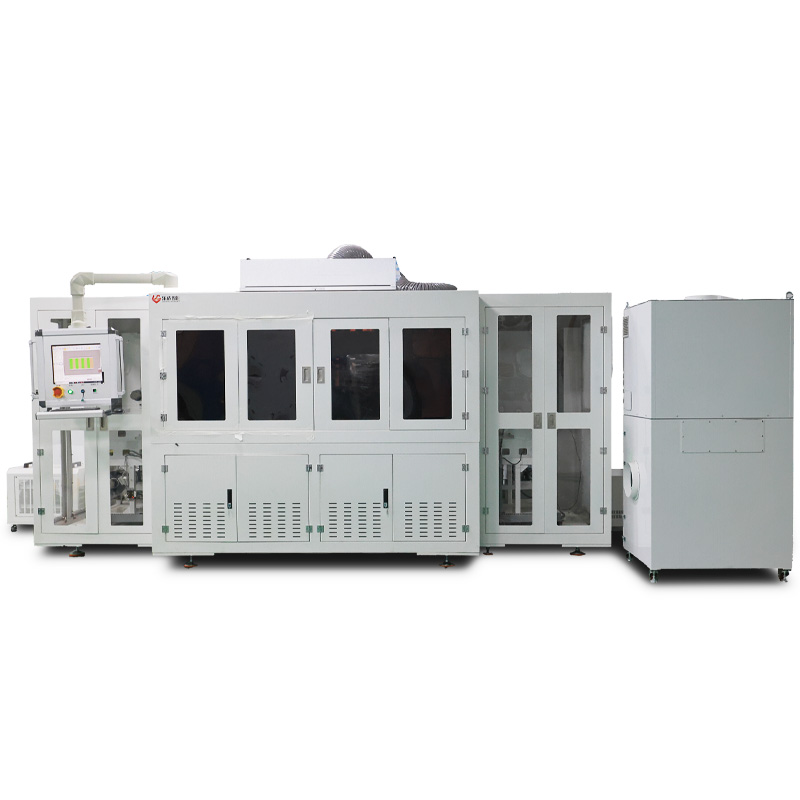
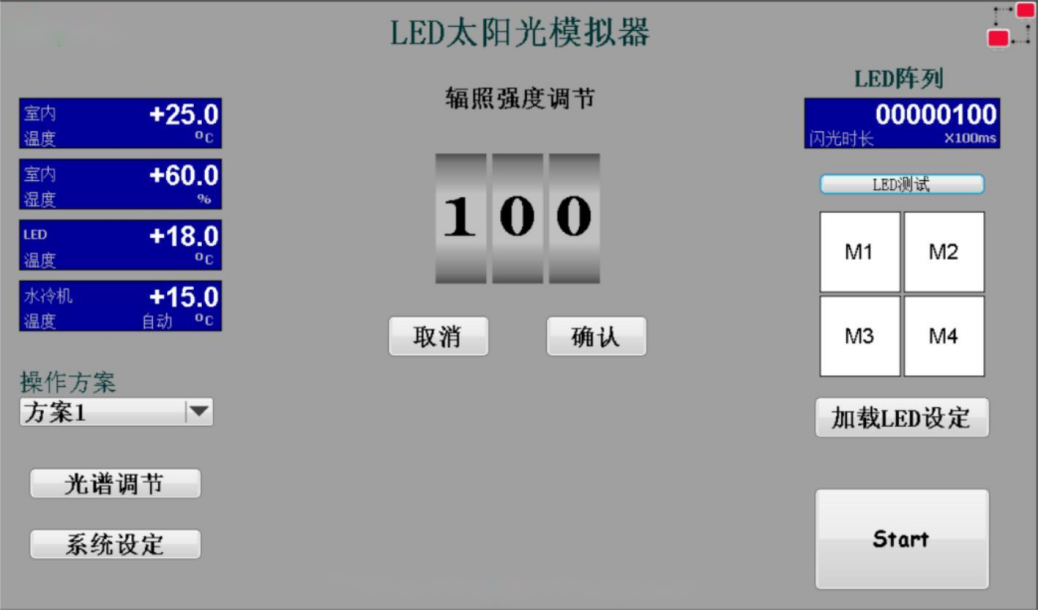
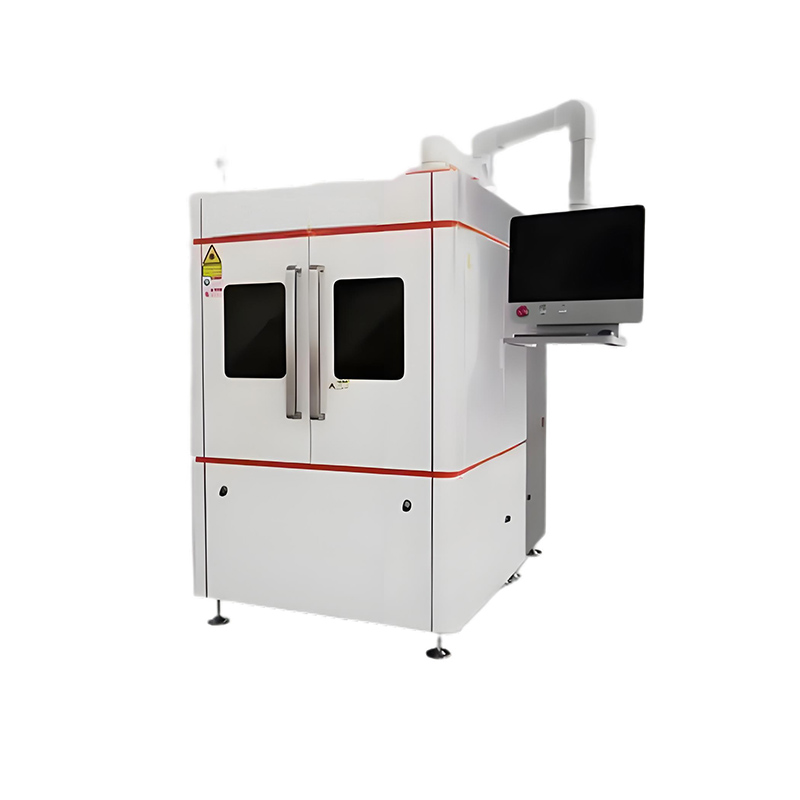

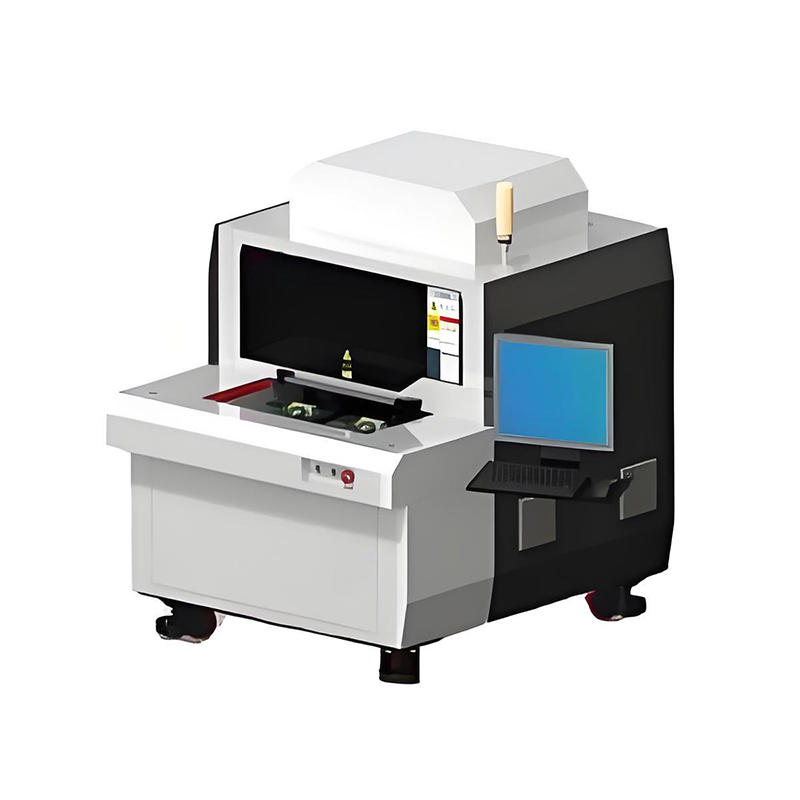
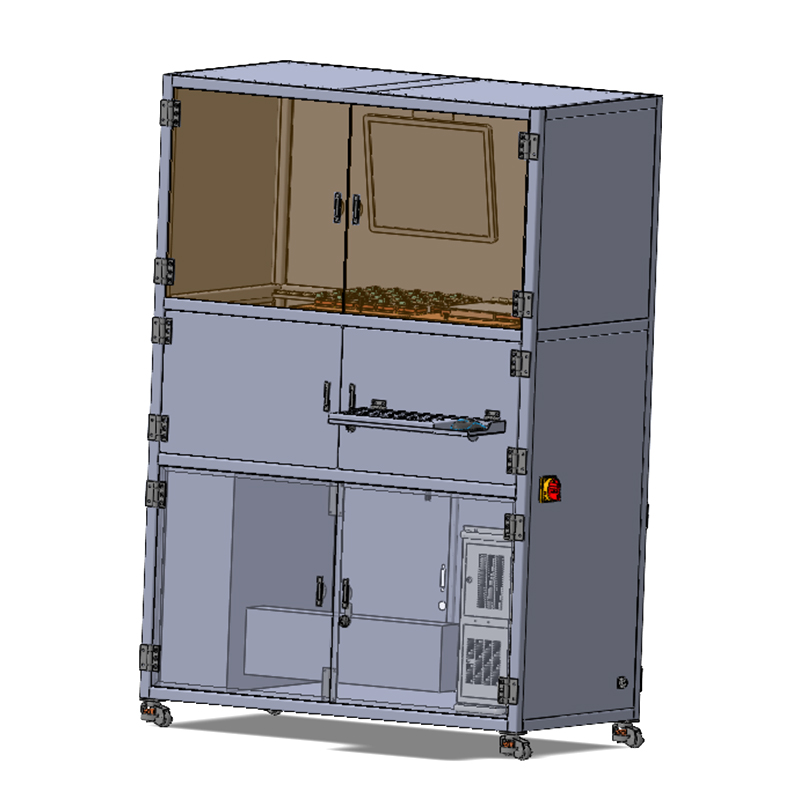
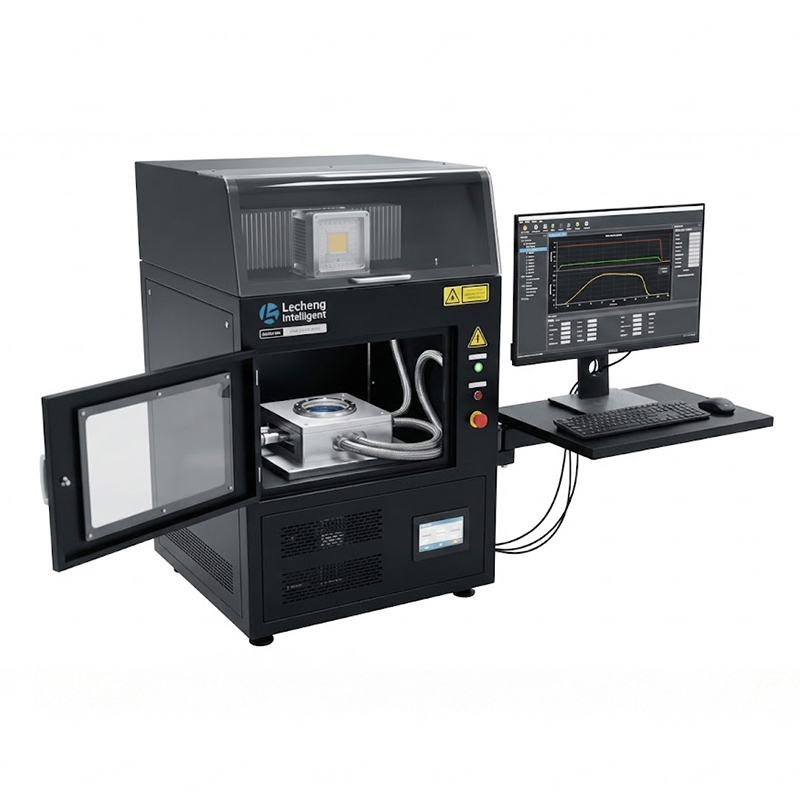
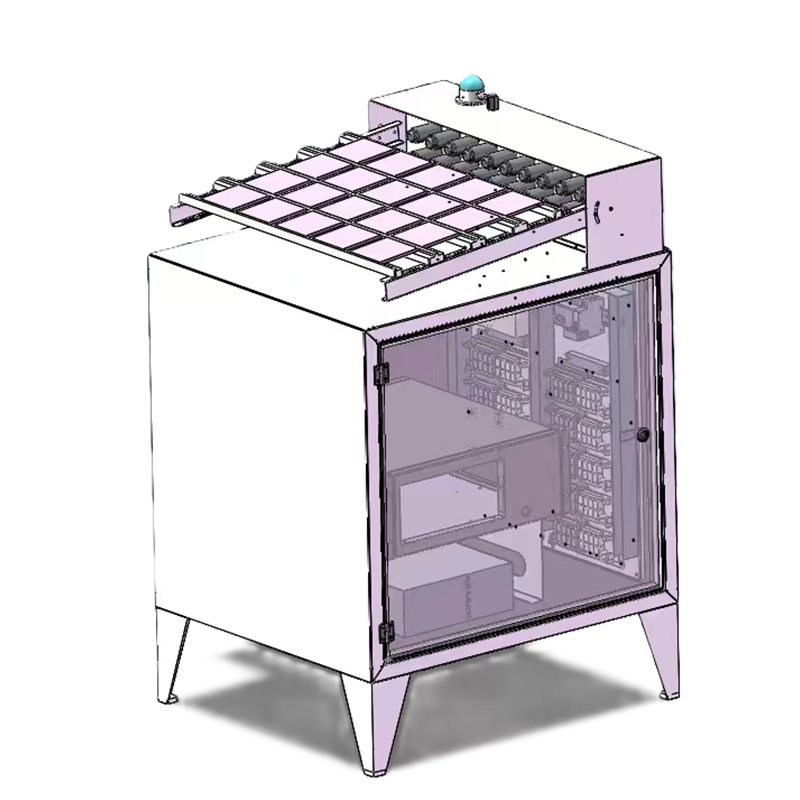
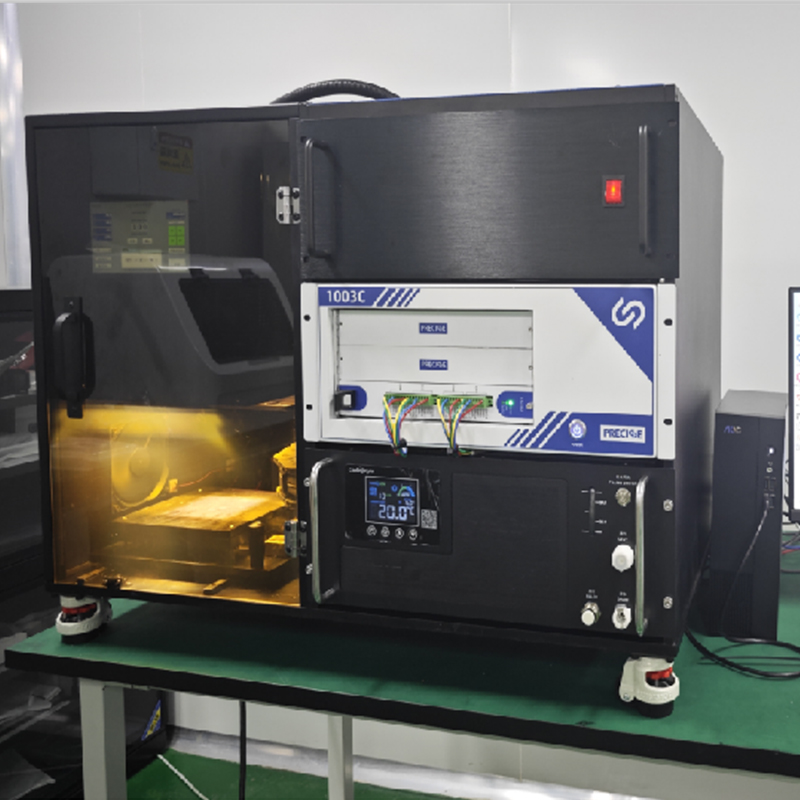
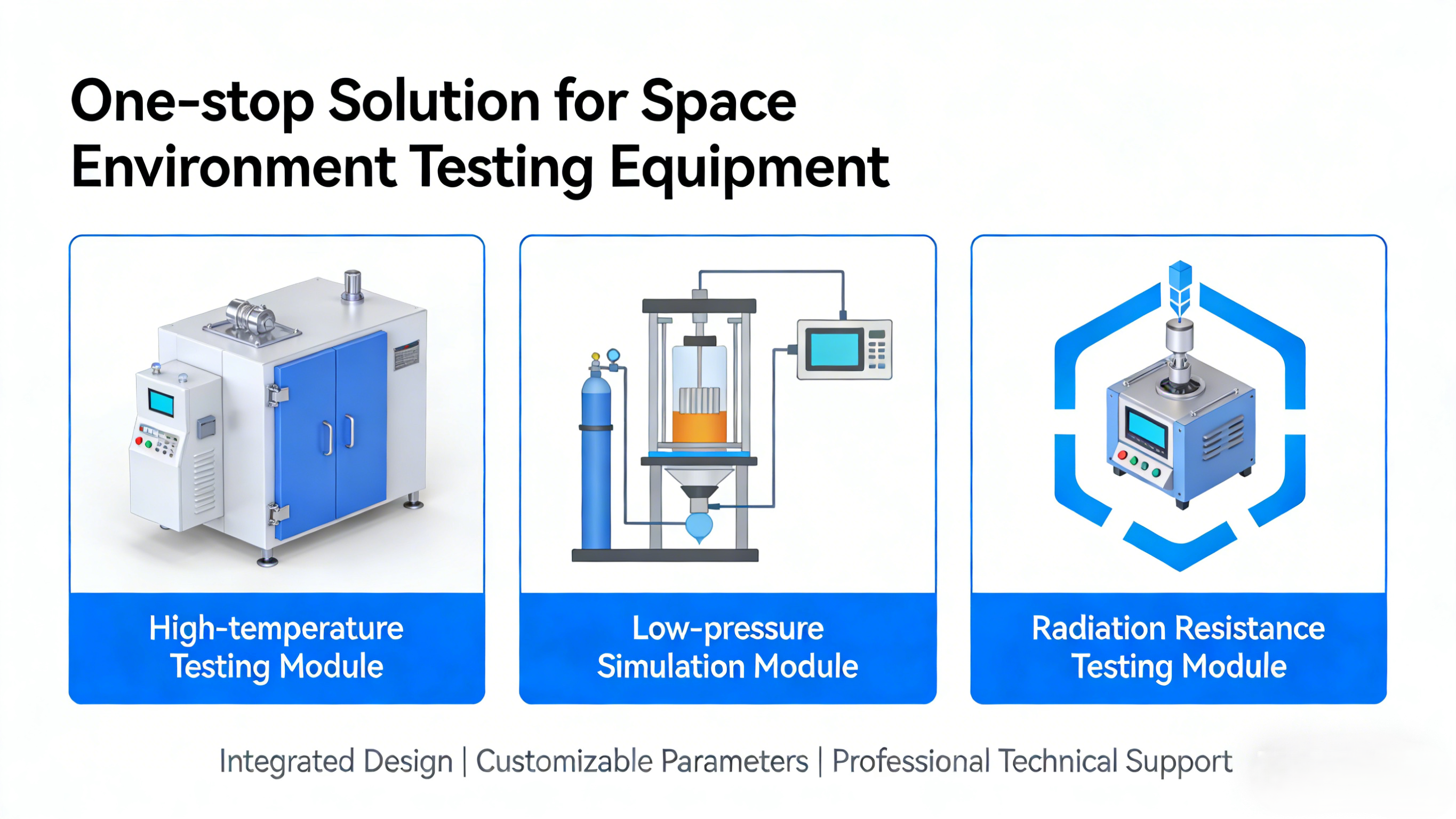
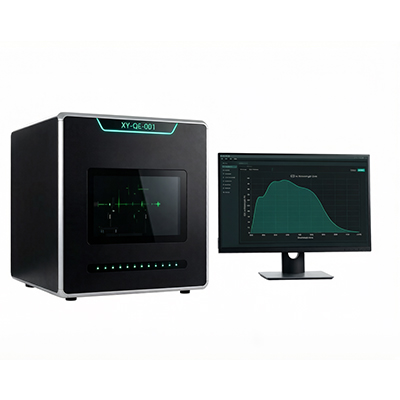
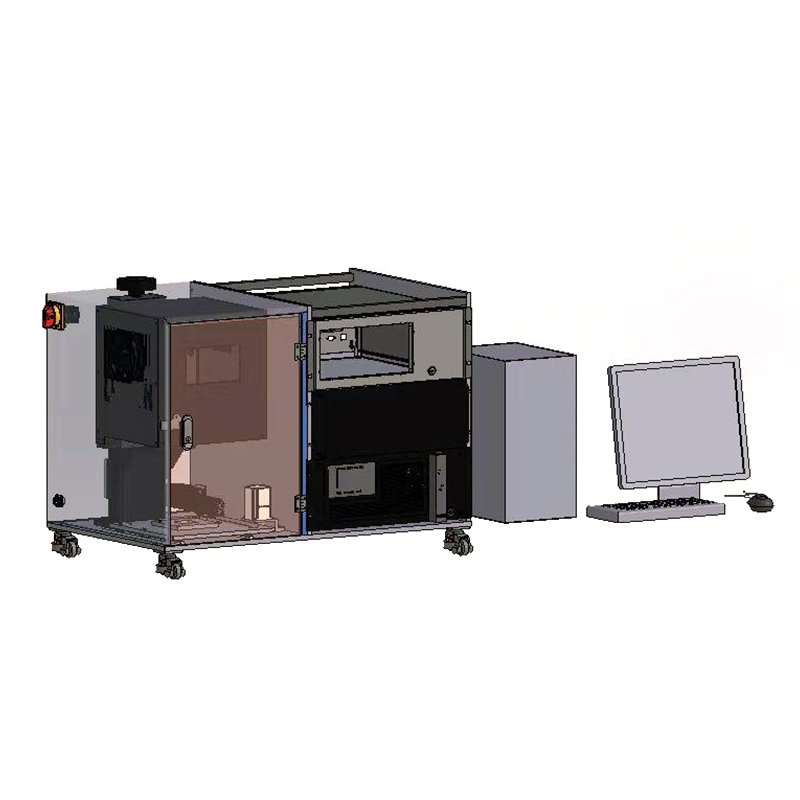
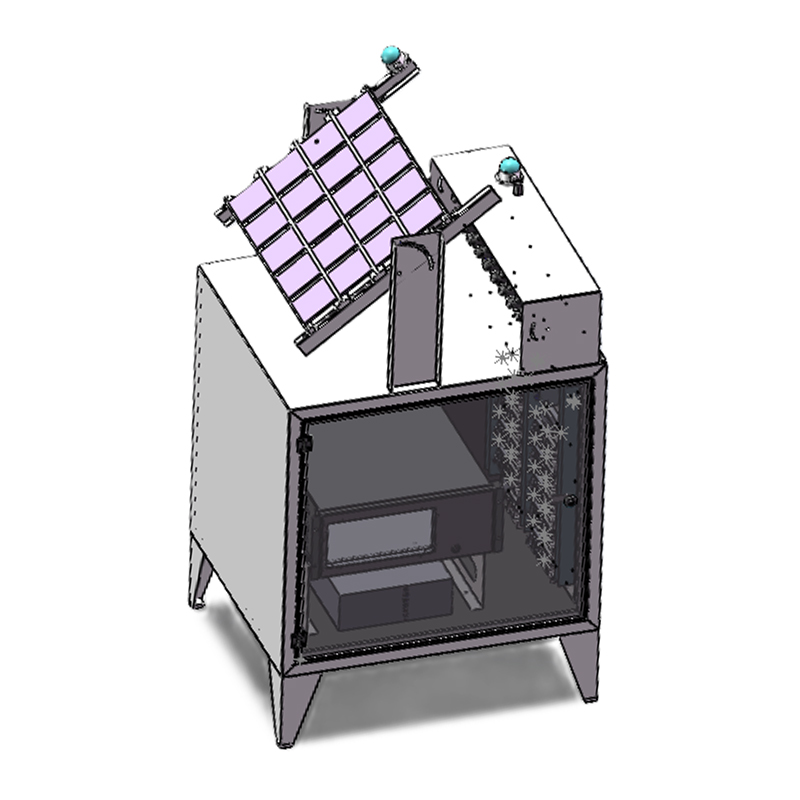
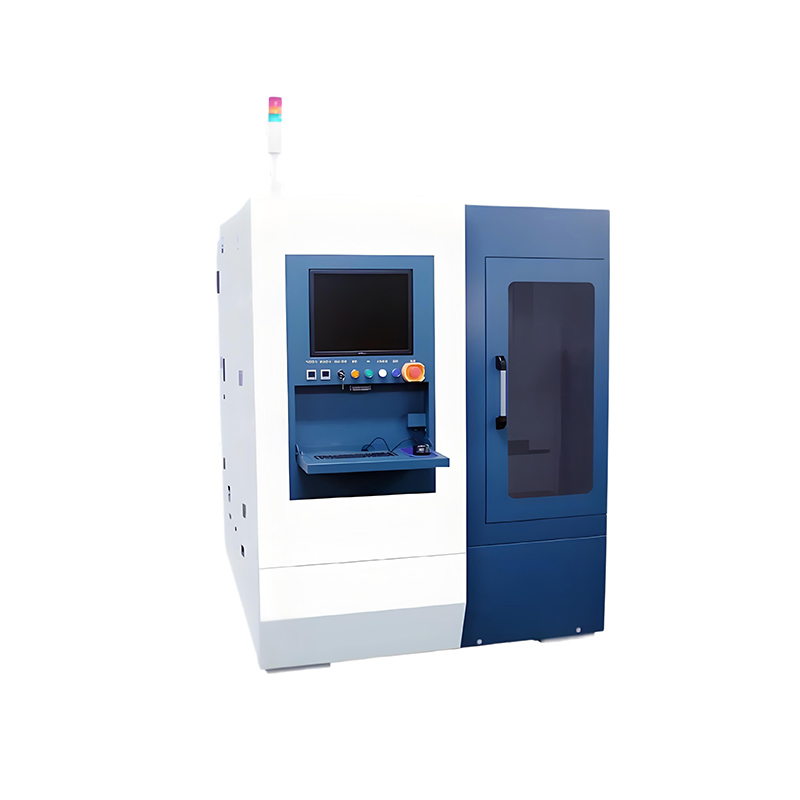
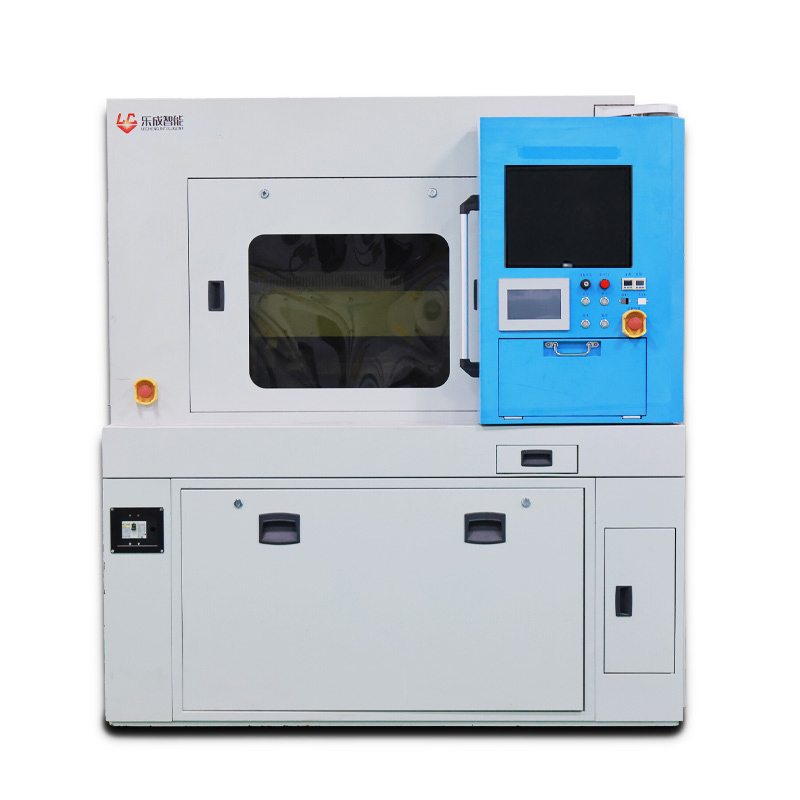

Many buyers hope to reduce investment by using one solar simulator for both laboratory development and production testing. This is an attractive idea, but whether it is realistic depends on the design of the system and the actual testing requirements. R&D environments emphasize flexibility and parameter control, while production environments emphasize speed, repeatability, and integration. Understanding the balance between these needs is essential before making a purchasing decision.
R&D And Production Have Different Priorities
In laboratory R&D, users often need flexibility. They may test different cell sizes, technologies, materials, or spectral conditions. They may also require manual adjustment, detailed data analysis, and frequent experimental changes. In this setting, the solar simulator should support adaptability rather than just fast routine output.
In production testing, however, priorities are different. Factories need repeatability, speed, easy operation, low downtime, and data consistency across many units. The system should support standardized workflows, operator simplicity, and often automated handling or system integration.
Some Advanced Systems Can Support Both
A well-designed solar simulator can support both R&D and production testing if it combines flexibility with standardized operation. Such systems usually offer adjustable recipes, scalable test areas, flexible software control, and the option to move from manual to semi-automatic or automatic workflows.
However, buyers should not assume that all “versatile” systems truly perform well in both contexts. Some systems are too laboratory-oriented to be efficient in production. Others are so optimized for production rhythm that they lose the flexibility researchers need. The ability to support both depends on actual architecture, not just a marketing claim.
Buyers Should Define The Primary Scenario First
The most practical way to decide is to define the main application first. If the system will spend most of its time in research, then production capability should be treated as a secondary advantage. If the system will mainly be used in production, then R&D flexibility should be considered an added feature rather than the central requirement.
Buyers should also evaluate upgrade potential. A modular system that can be configured differently at different stages often provides the best long-term value. In this way, one solar simulator can support early development and later scale-up without creating a severe compromise in either stage.
A solar simulator can support both R&D and production testing, but only if its design truly balances flexibility, repeatability, and integration capability. Buyers should define their primary use case first and then judge whether the system’s architecture can grow with their needs. The best investment is not the one that promises everything, but the one that fits the real workflow best.
Related product and article resources
For procurement comparison and technical evaluation, readers can continue with these related product pages and supporting articles.
- Products
- Product catalog
- Contact the sales team
- Contact us
- Laser Scribing Machine RFQ Checklist for PV Cell Production Lines
- Laser Scribing vs Mechanical Cutting in Photovoltaic Production
- P1, P2 and P3 Laser Scribing: What Solar Manufacturers Should Know
- Lecheng Powers Dehu's 100MW Perovskite Pilot Line to Historic First Light