


Why Laser Welding is Ideal for Fuel Cell Components
Unmatched Precision and Minimal Thermal Impact
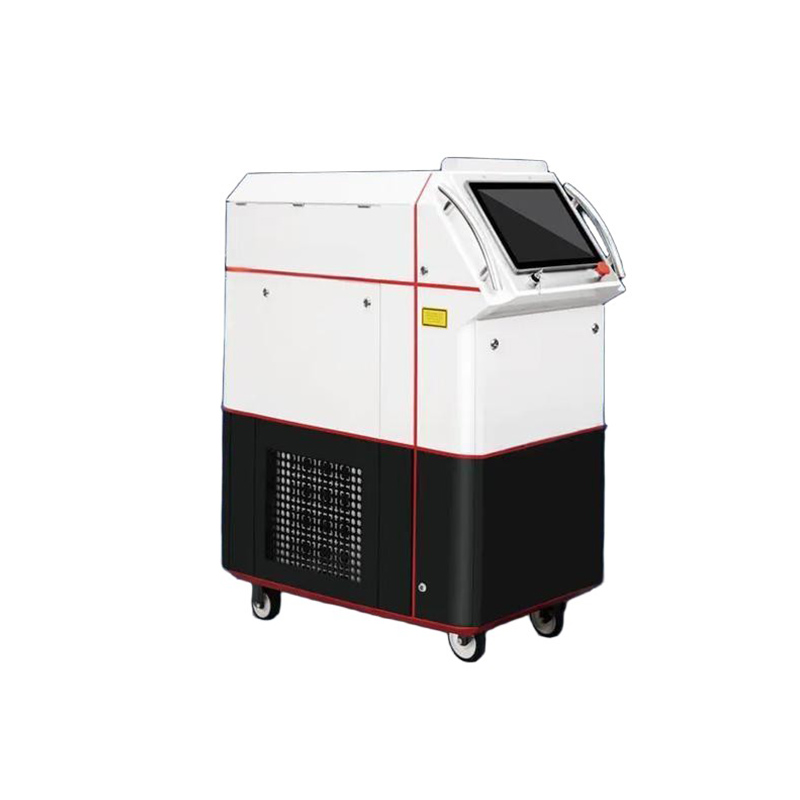
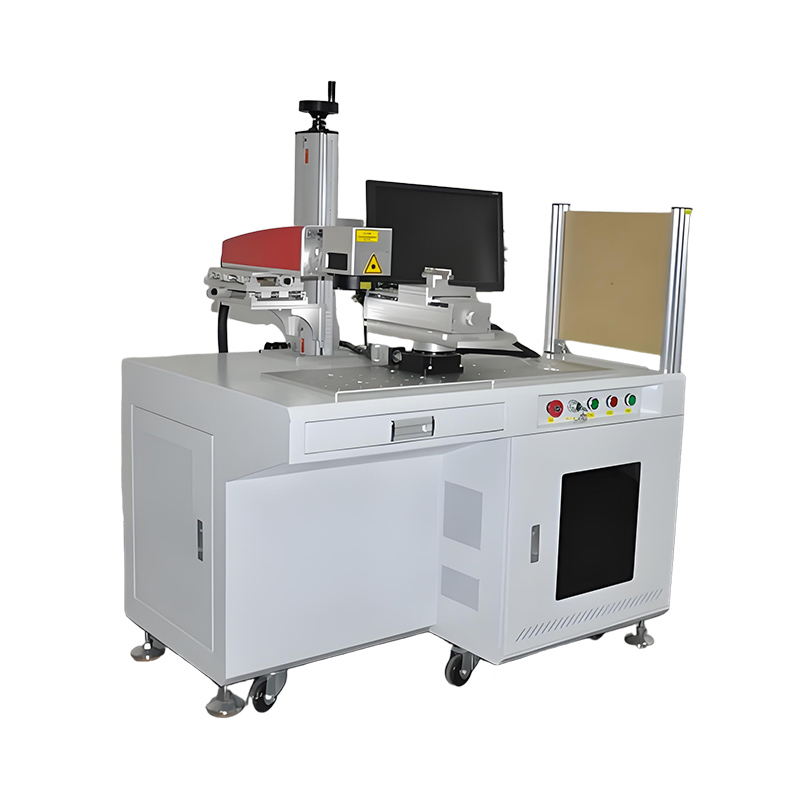
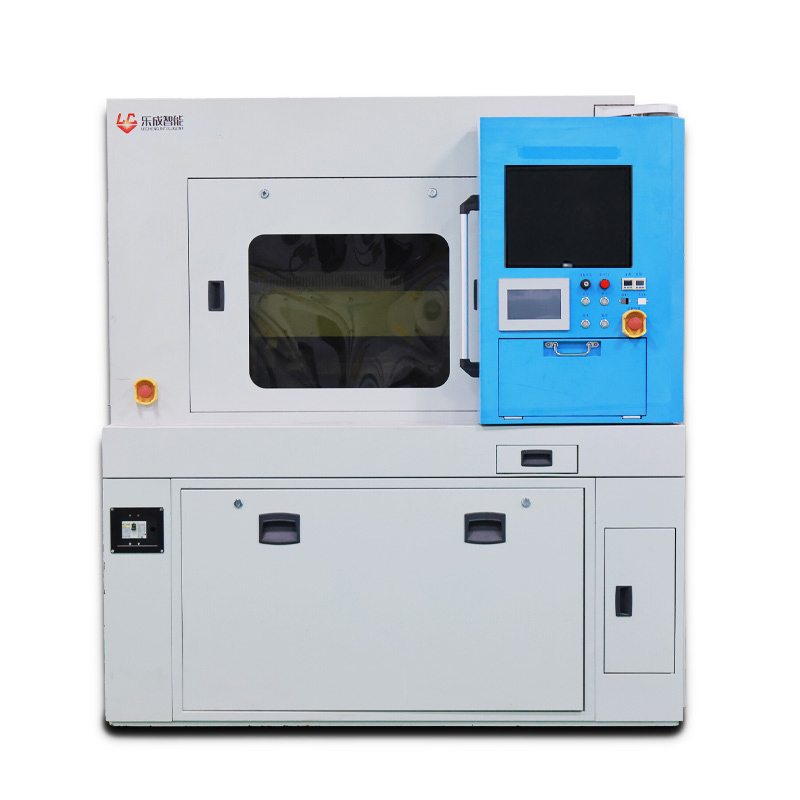
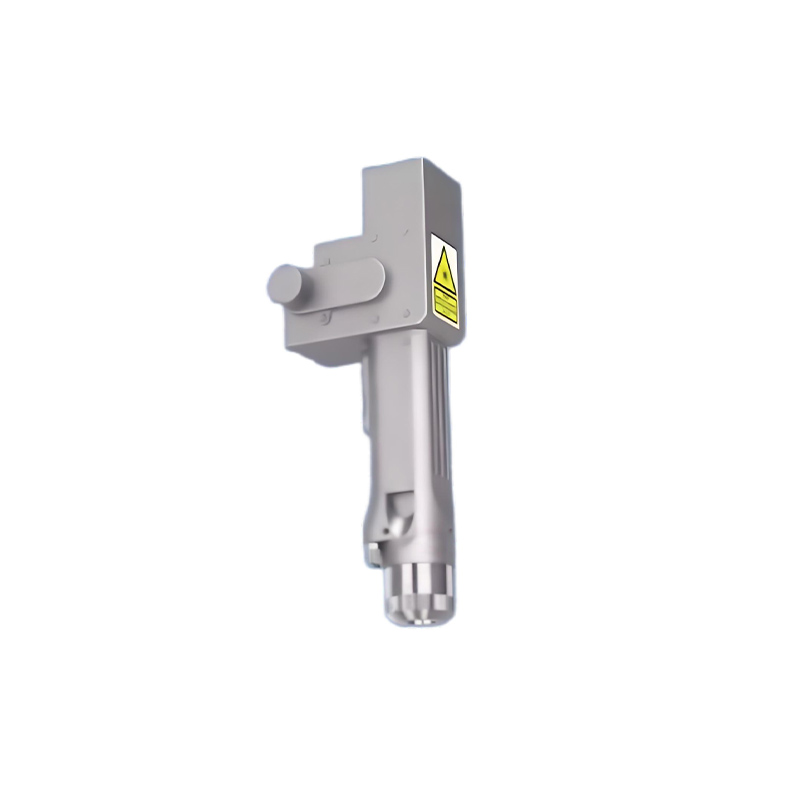
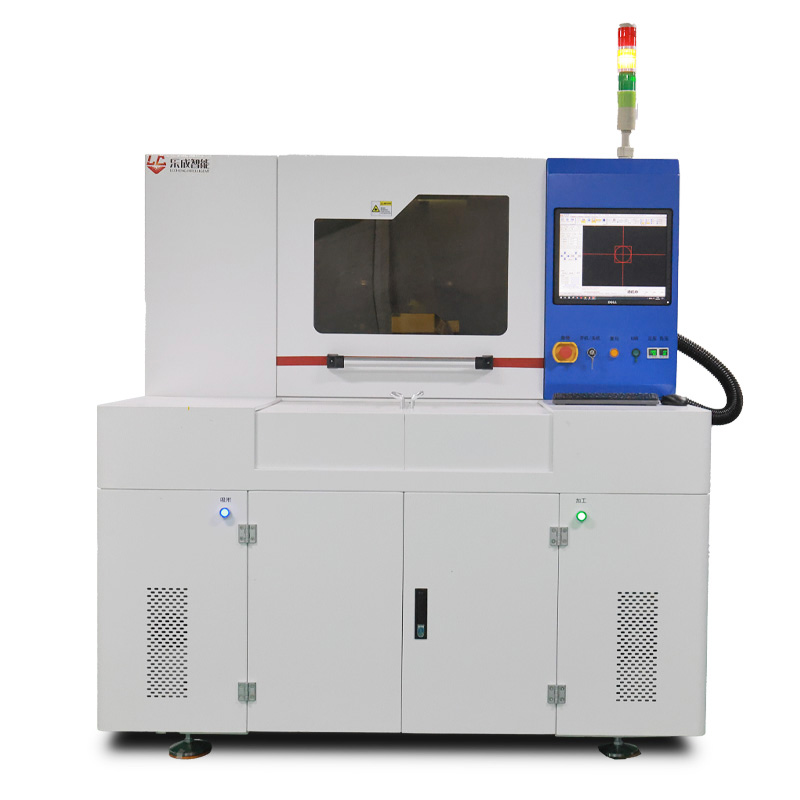
Laser welding stands as the superior joining method for fuel cell components due to its exceptional precision and controlled heat input. In applications such as bipolar plate sealing, where channel integrity and material properties must be preserved, traditional welding techniques often introduce excessive heat. This can cause distortion, micro-cracks, or changes in the material's metallurgical properties, compromising the component's functionality and longevity. Lecheng Intelligent's laser welding technology concentrates energy into a microscopic spot, achieving weld widths as narrow as 0.08mm with a positional accuracy of ±0.02mm. This precision ensures hermetic seals without affecting the delicate flow fields on the plates. The minimal and localized heat input significantly reduces the Heat-Affected Zone (HAZ), preventing warping and preserving the critical corrosion resistance of materials like stainless steel or coated metals. For fuel cell stacks, where even minor leaks can lead to efficiency losses or failure, this level of precision and control is not just beneficial—it is essential for ensuring reliability and performance under demanding operating conditions.

Enabling Complex Geometries and Automation-Friendly Processes
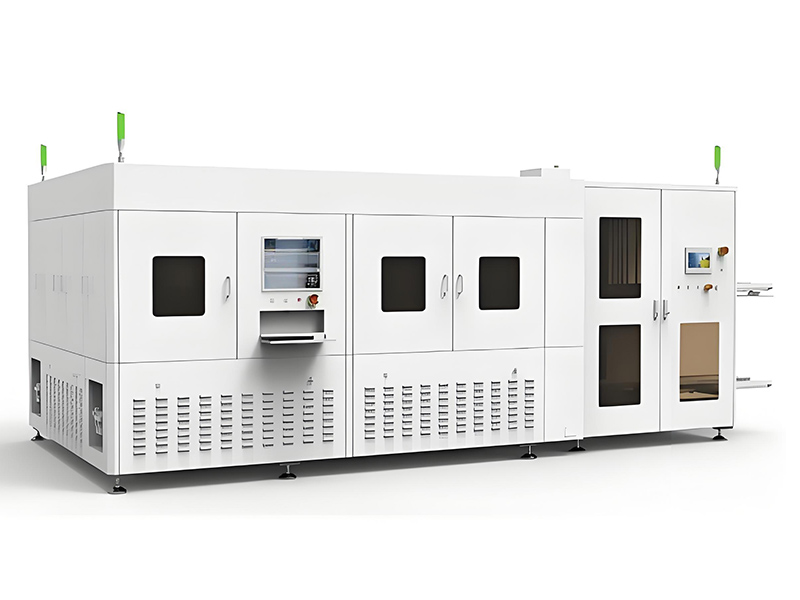
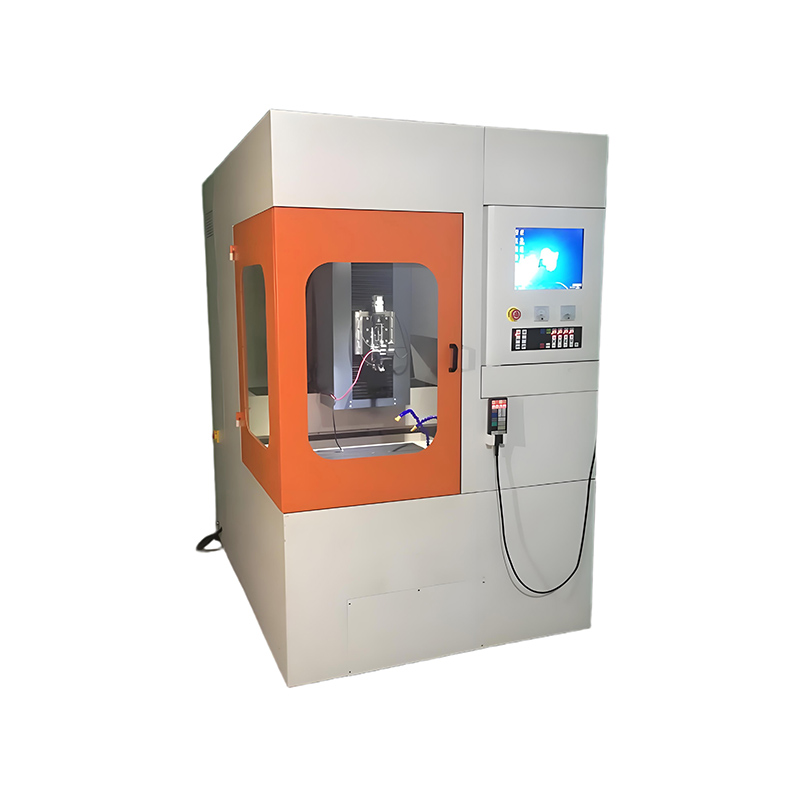
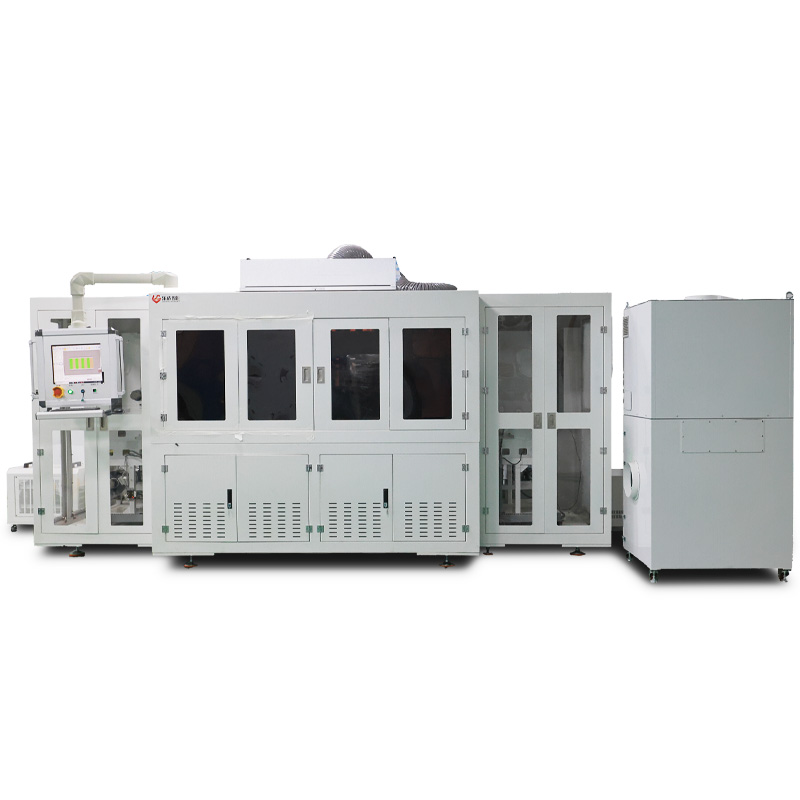
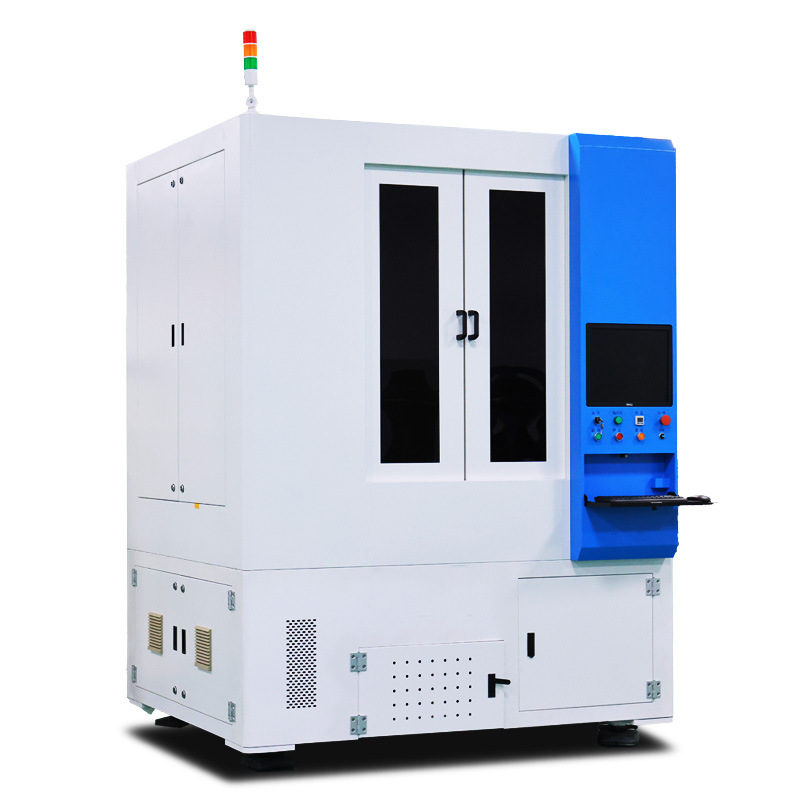
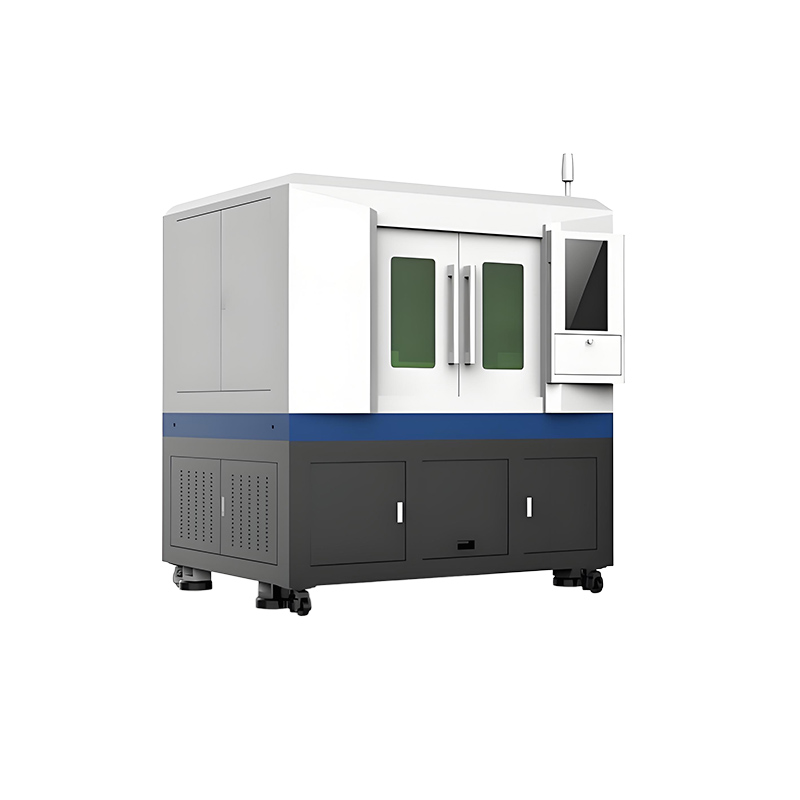
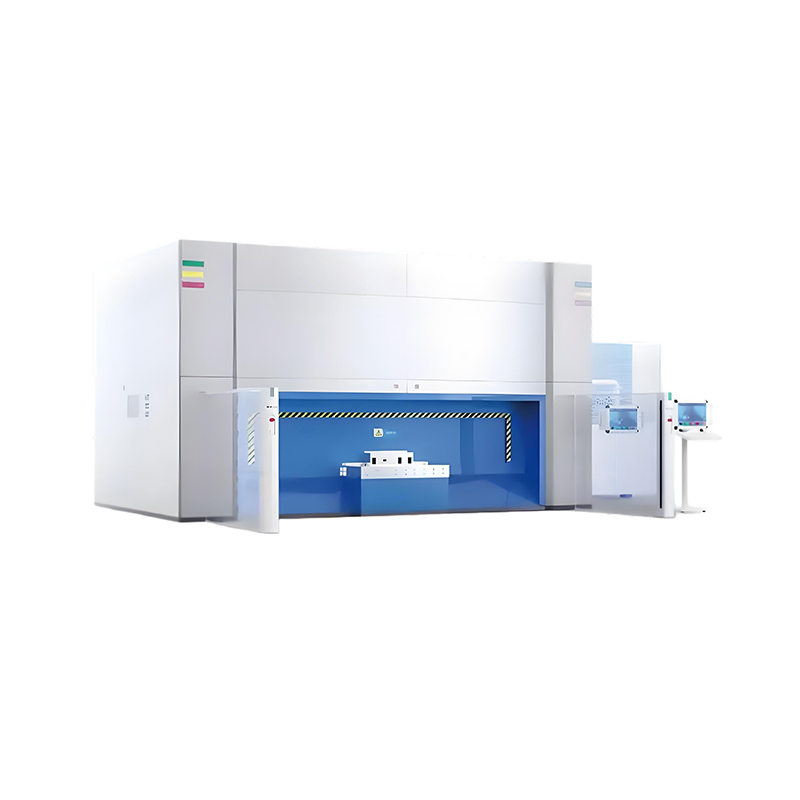
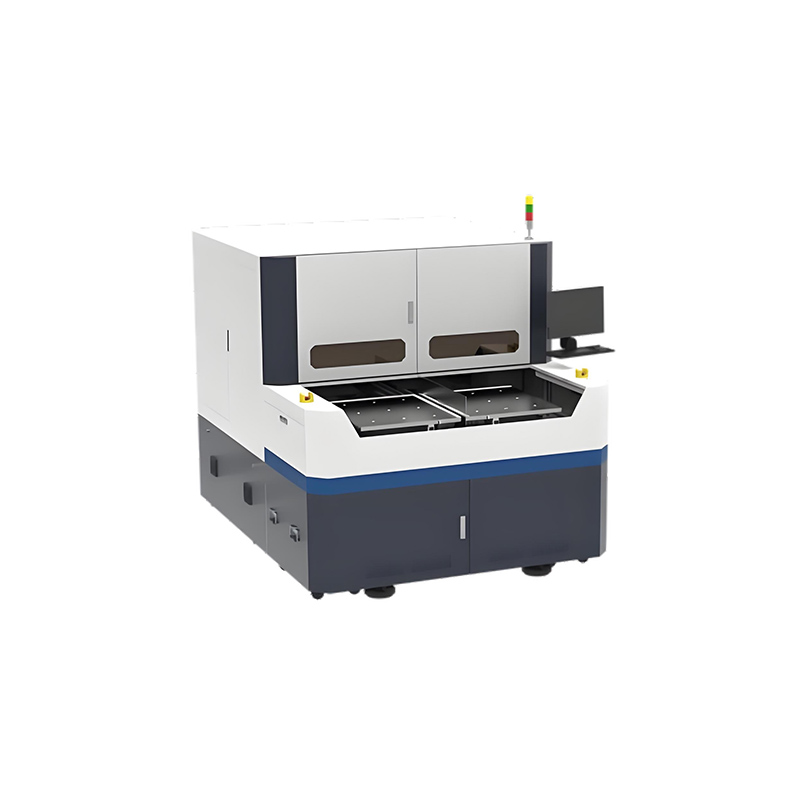
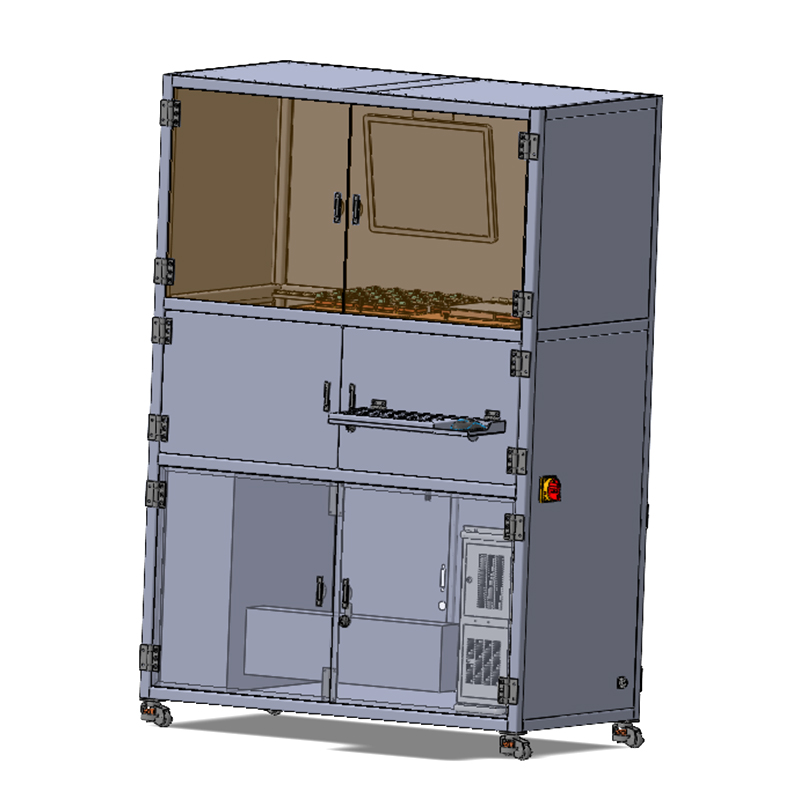
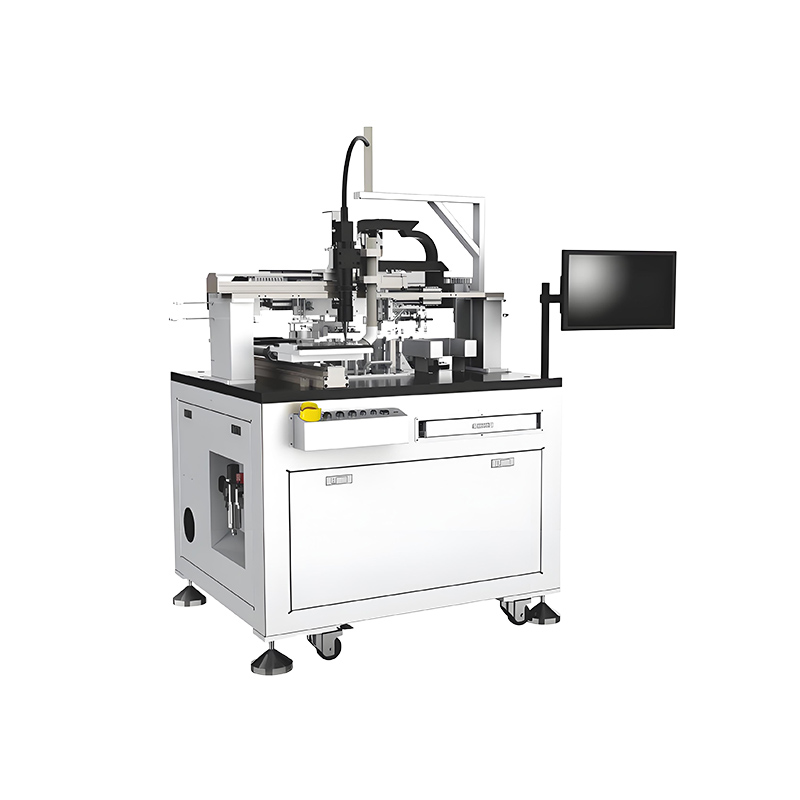
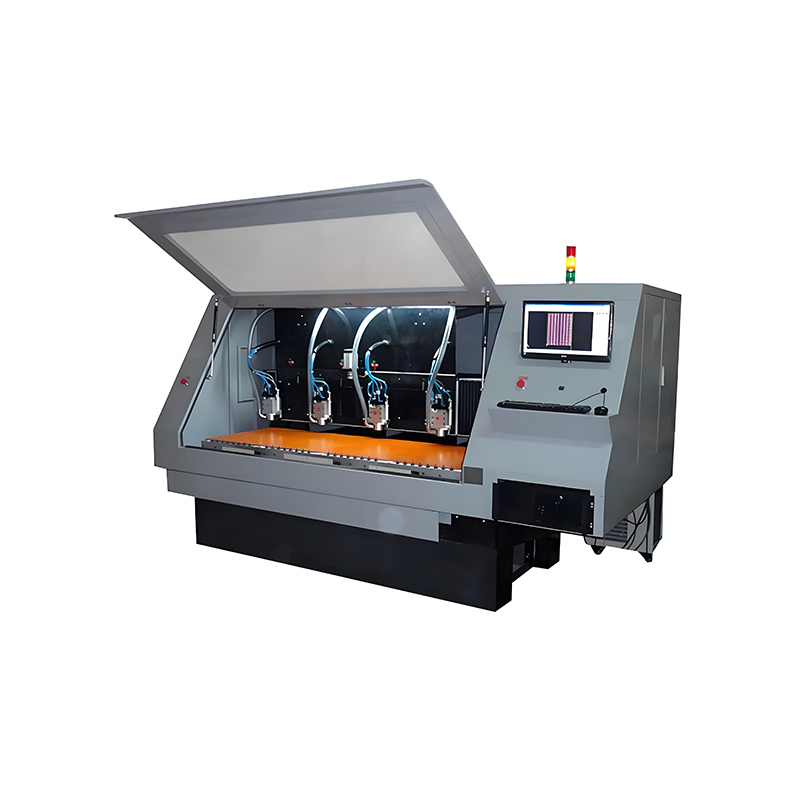
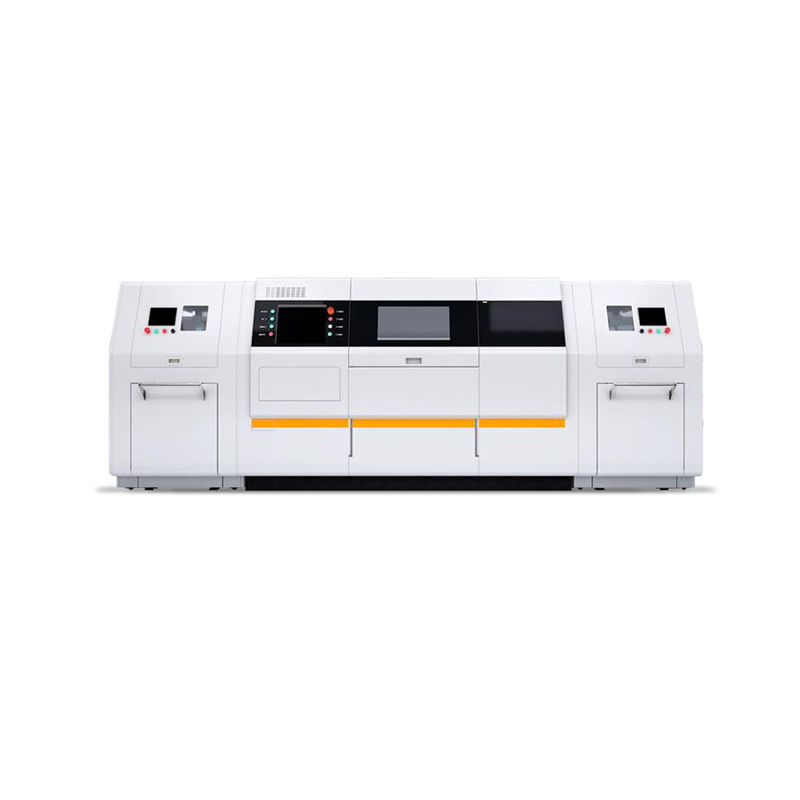
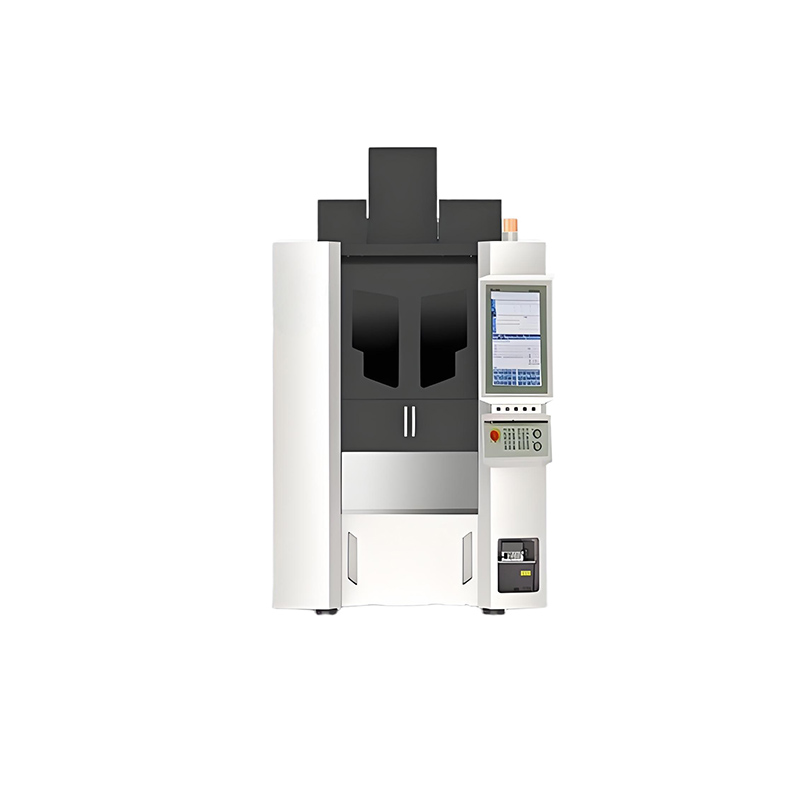
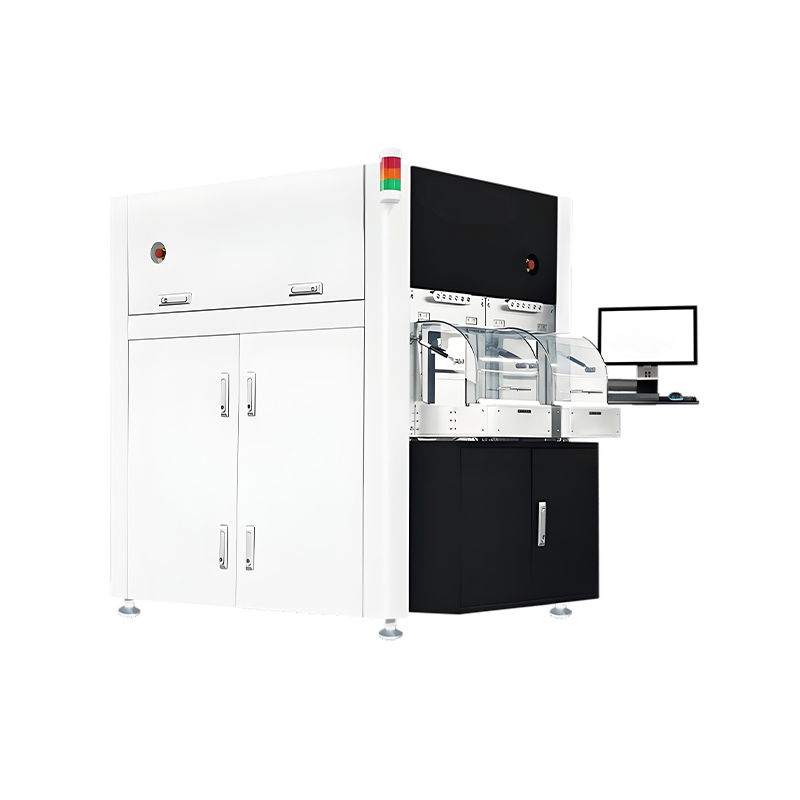
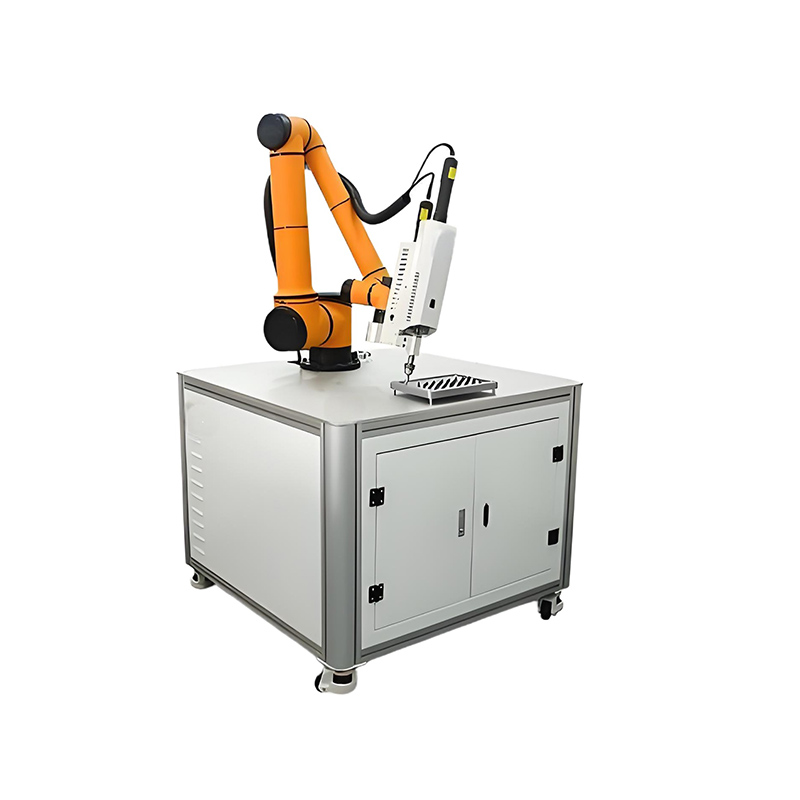
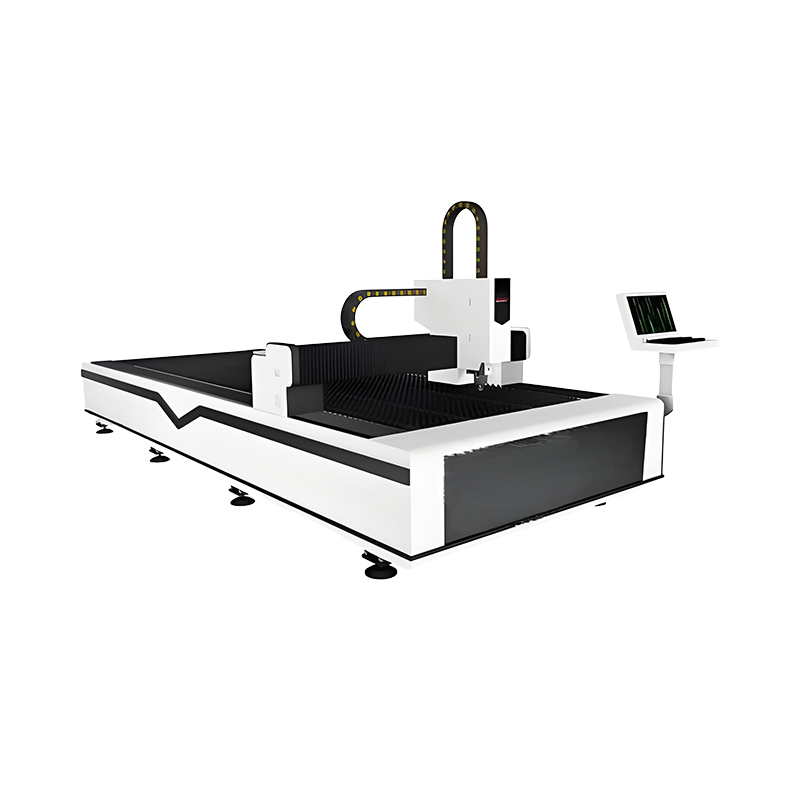
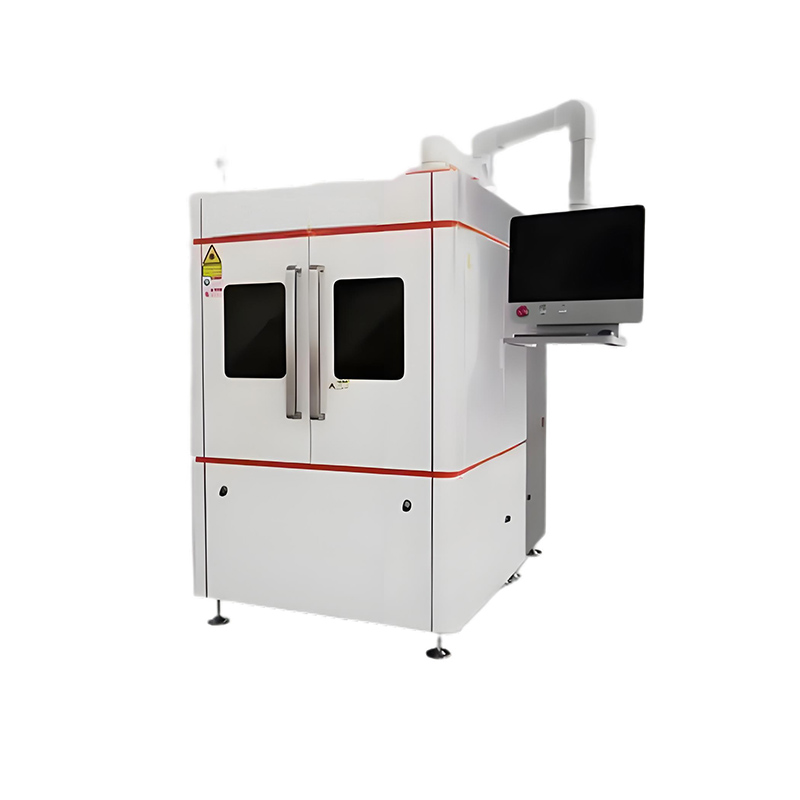
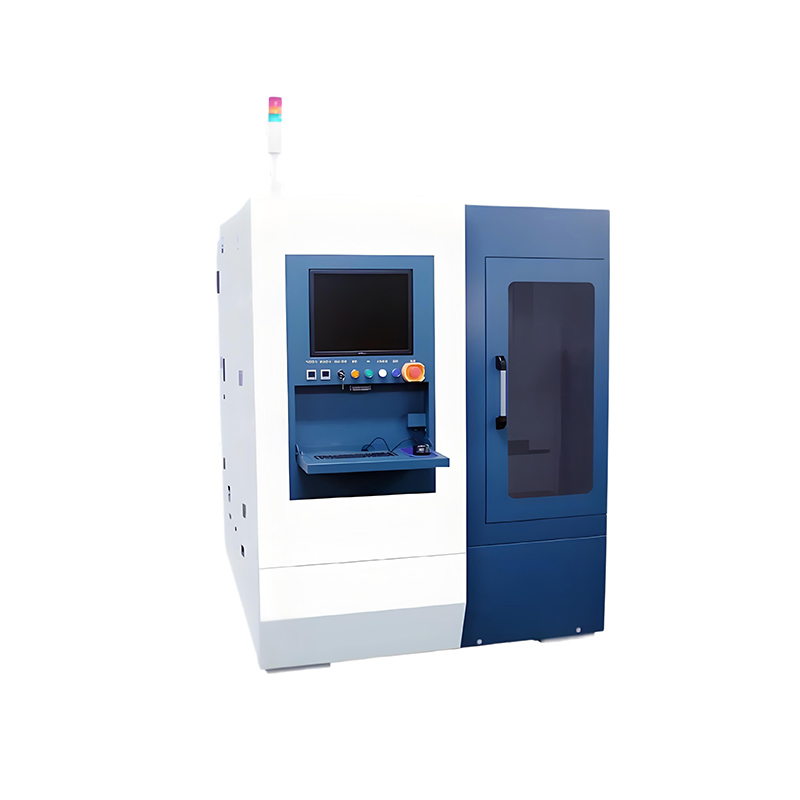
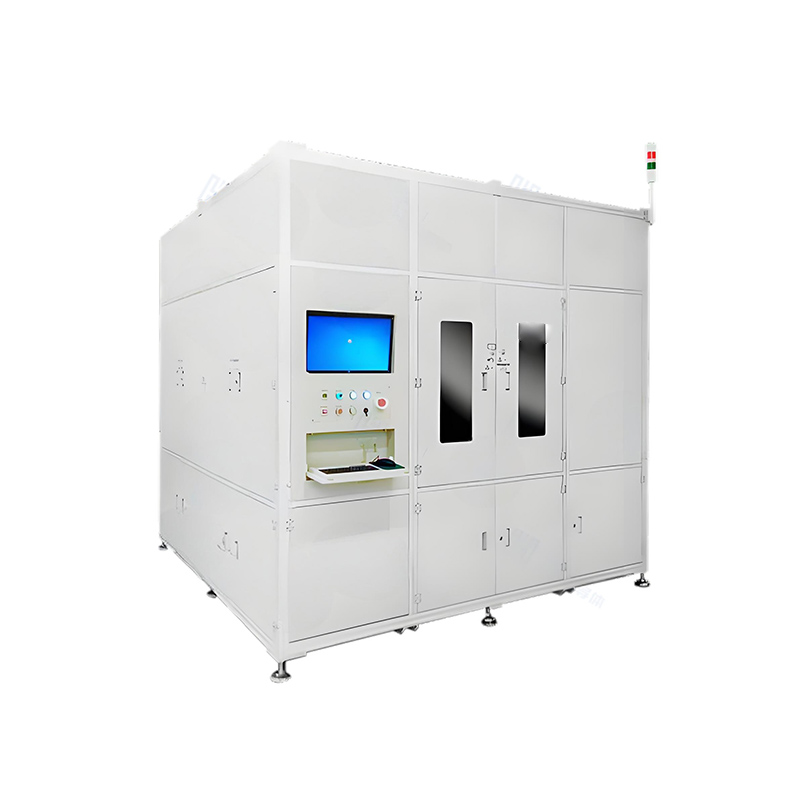
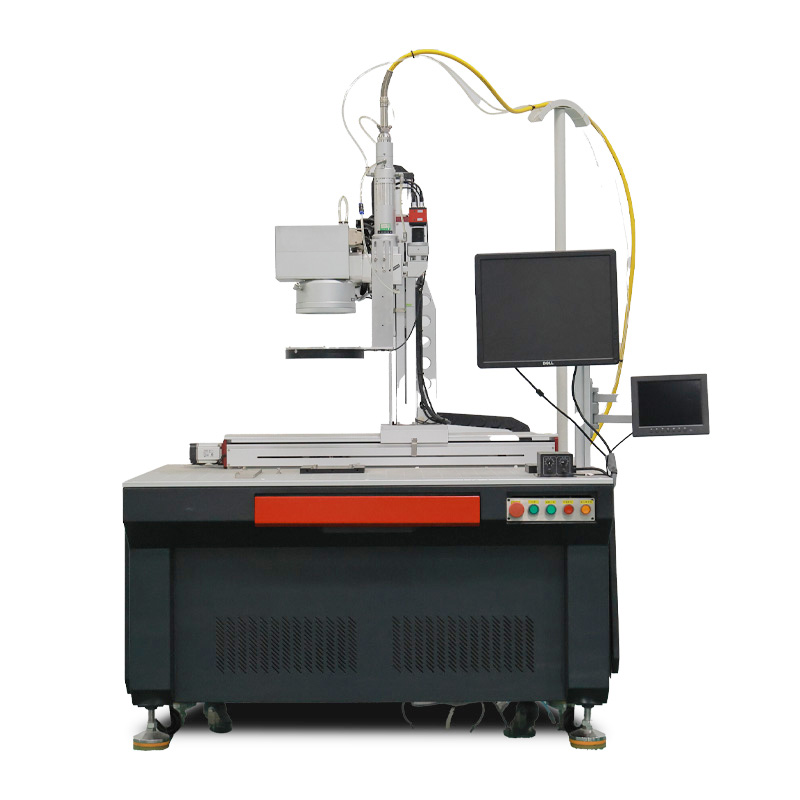
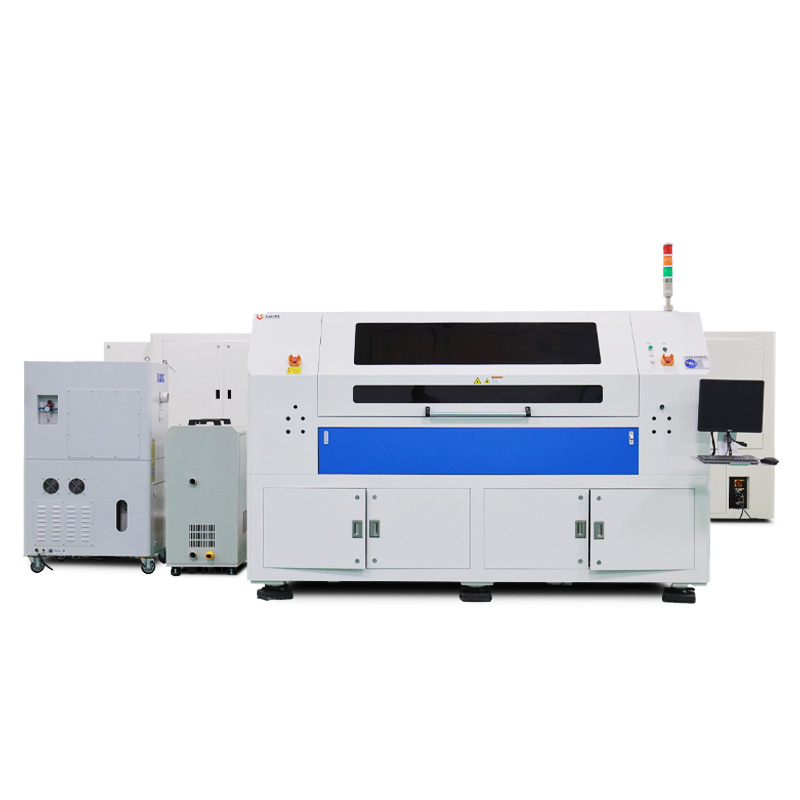
The flexibility of laser welding makes it uniquely suited for the complex geometries and high-volume production requirements of fuel cell manufacturing. Unlike conventional methods that may require physical contact or specific tooling access, laser welding is a non-contact process. This allows it to easily handle intricate weld patterns on bipolar plates and reach confined areas without mechanical stress. Lecheng Intelligent's systems, such as their dual-station setup with robotic arms and vision modules, leverage this flexibility for automated, high-throughput production. The process can be easily programmed and adapted for different designs, making it ideal for prototyping and scaling to mass production. Furthermore, the consistency and repeatability of laser welding are critical for quality assurance in automotive-grade fuel cell stacks. With features like real-time monitoring and automatic parameter correction, Lecheng ensures each weld meets strict standards. This compatibility with automation not only boosts efficiency but also enhances traceability through MES integration, providing manufacturers with the data needed for continuous improvement and compliance with industry regulations.
Driving Durability and Cost-Effectiveness in Hydrogen Applications
For fuel cells to become a commercially viable energy solution, components must exhibit long-term durability while keeping manufacturing costs manageable. Laser welding directly contributes to both goals. The high-integrity seals created by Lecheng's technology prevent gas cross-contamination and leakage, which are primary failure modes in fuel cell stacks. This enhances the operational lifespan of the system, reducing the total cost of ownership. Additionally, the speed and efficiency of laser welding—especially in systems designed for parallel processing—lower per-part production time and labor costs. The minimal need for post-weld finishing or rework further streamlines the manufacturing process. Lecheng's expertise in optimizing parameters for different materials ensures robust welds that withstand the thermal cycling and vibrational stresses encountered in real-world applications. By enabling the production of more reliable fuel cells at a competitive cost, laser welding technology from innovators like Lecheng Intelligent is helping accelerate the adoption of hydrogen energy, supporting a sustainable future with cleaner power sources.
Laser welding has emerged as the gold standard for fuel cell component manufacturing, offering a combination of precision, flexibility, and efficiency that traditional methods cannot match. Lecheng Intelligent's advanced laser welding solutions are at the forefront of this technology, enabling the production of high-quality, durable fuel cells that meet the rigorous demands of the hydrogen economy. As the world continues to seek sustainable energy alternatives, the role of precision manufacturing technologies like laser welding will only grow in importance.