

How Lecheng Achieves ≤10μm Precision
A Foundation of High-Fidelity Core Components: The Source of Stability
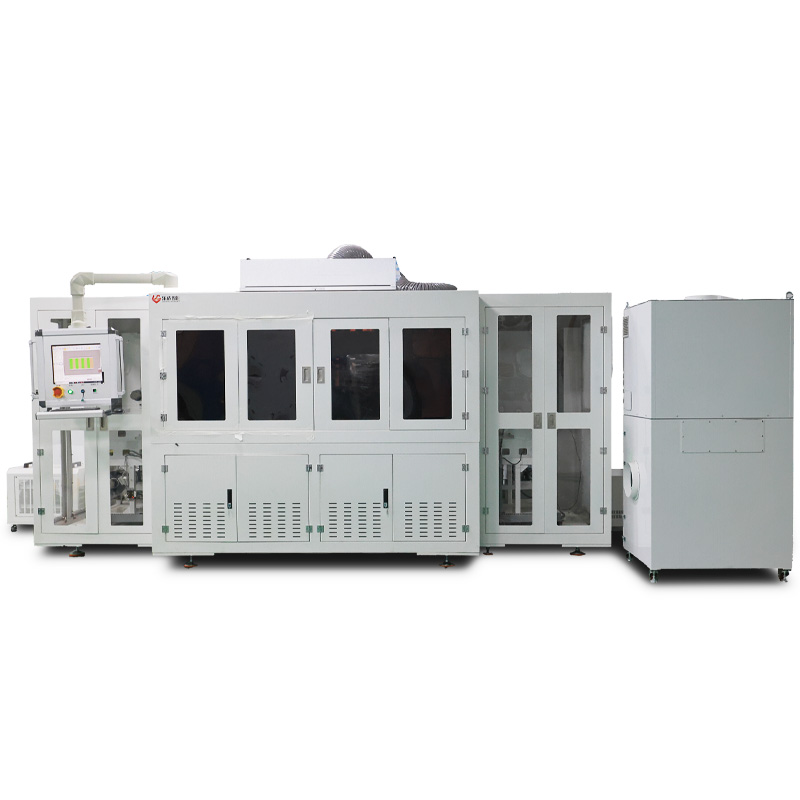
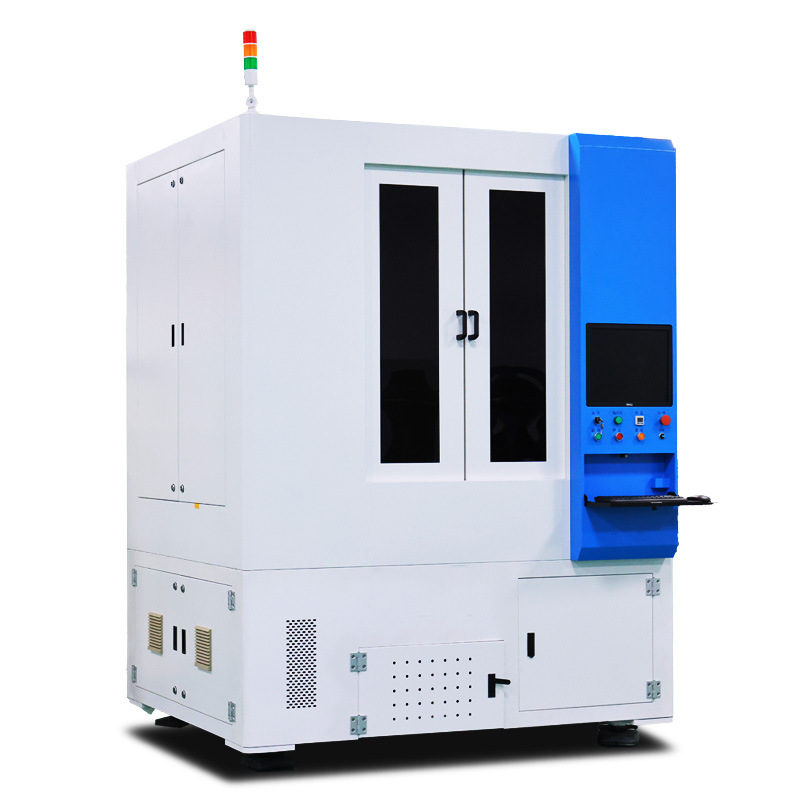
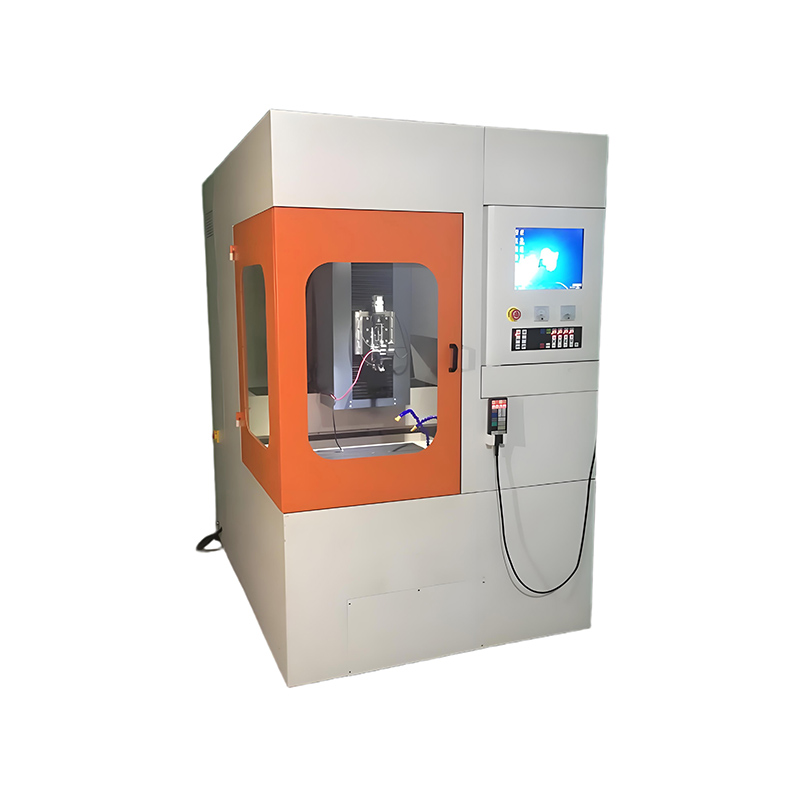
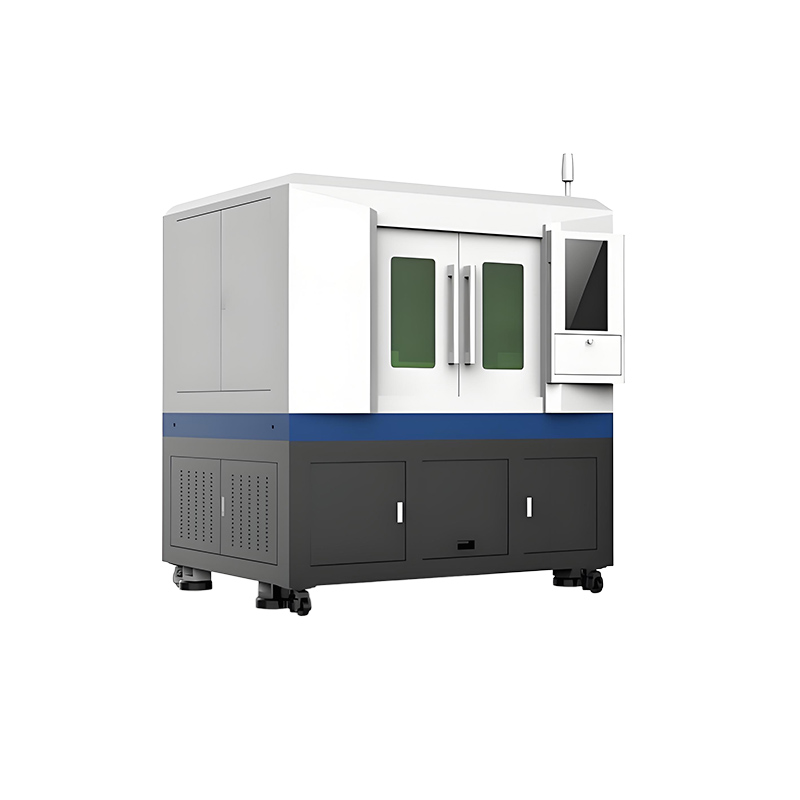
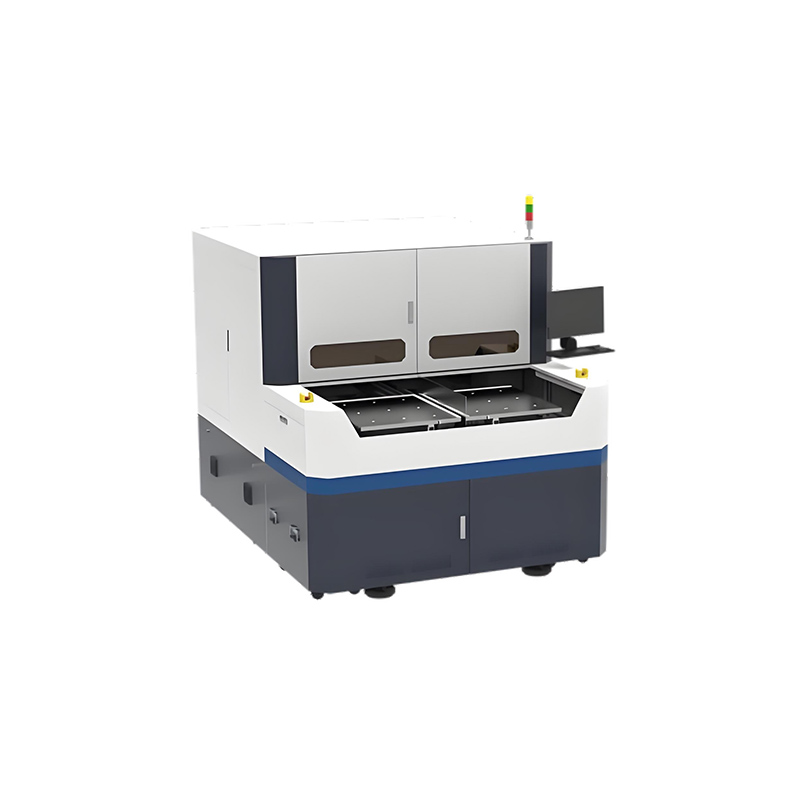
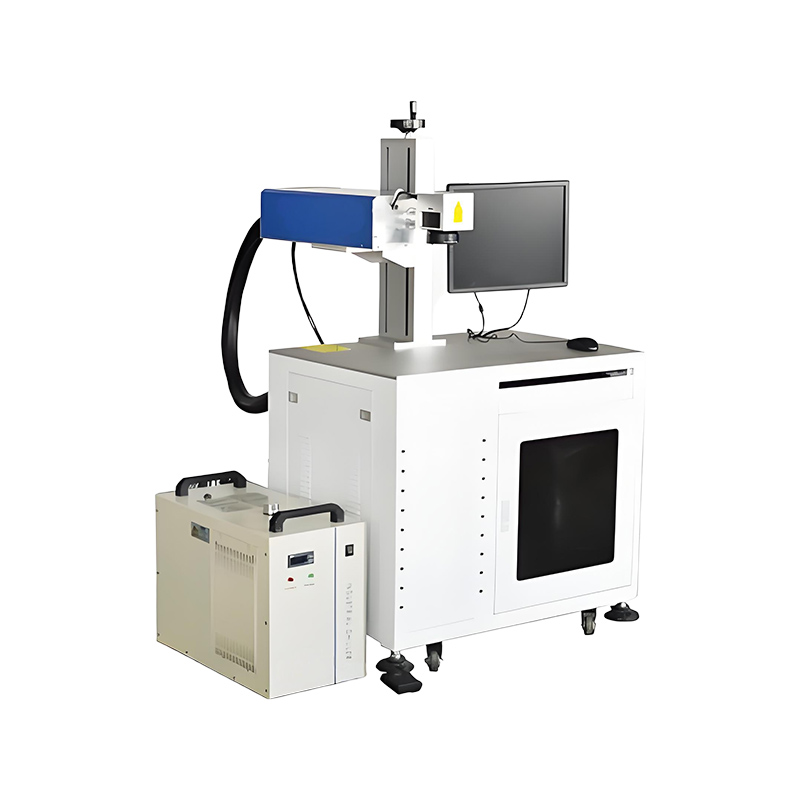
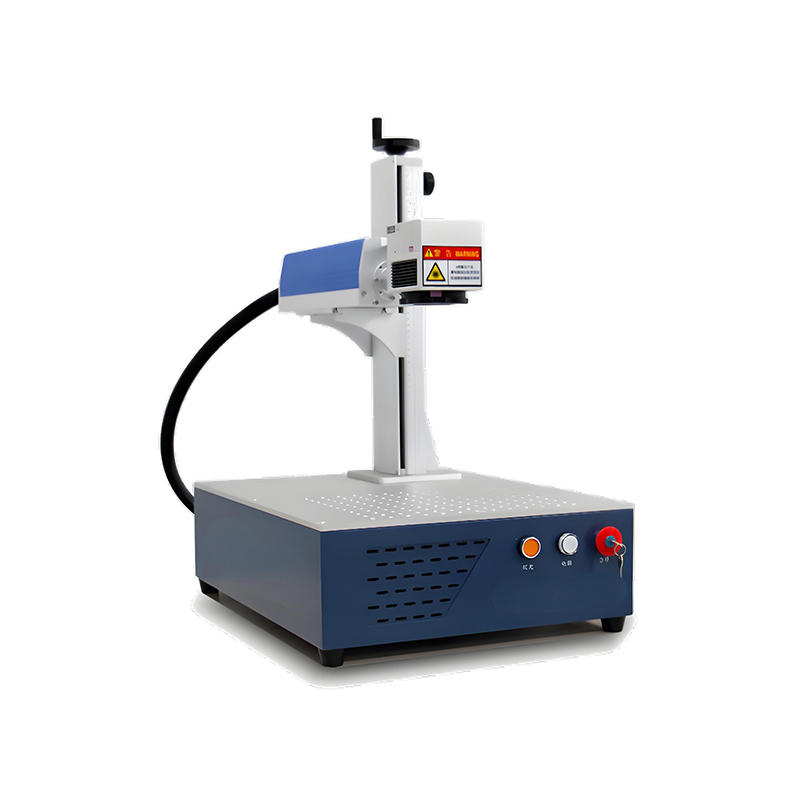
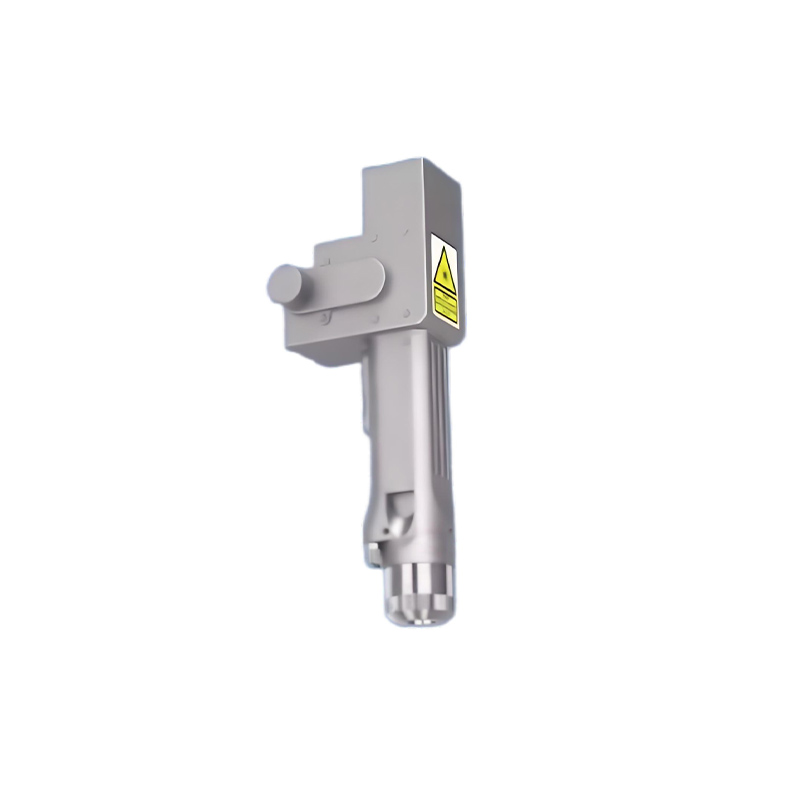
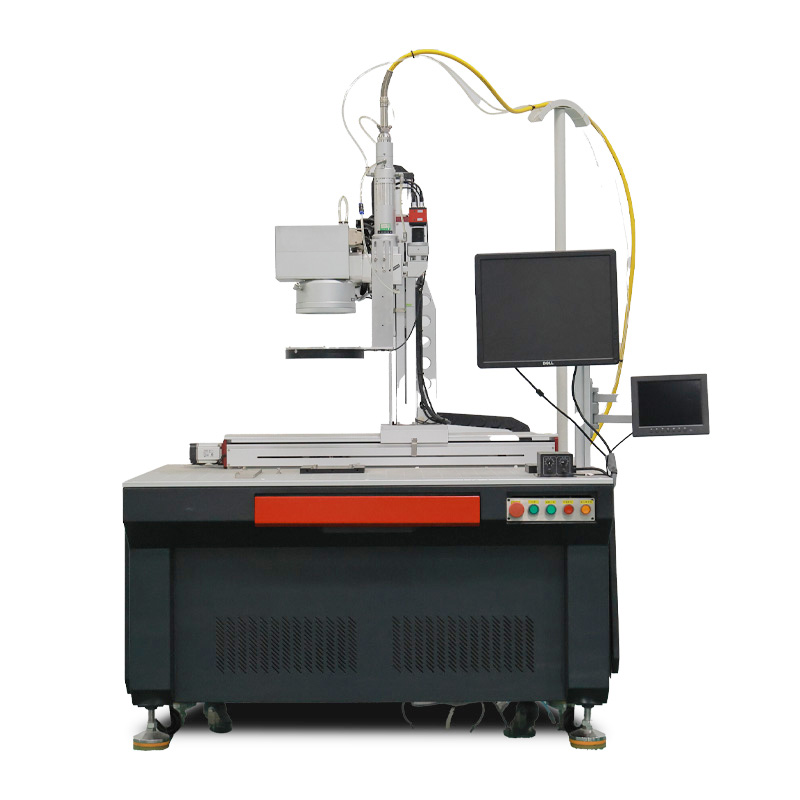
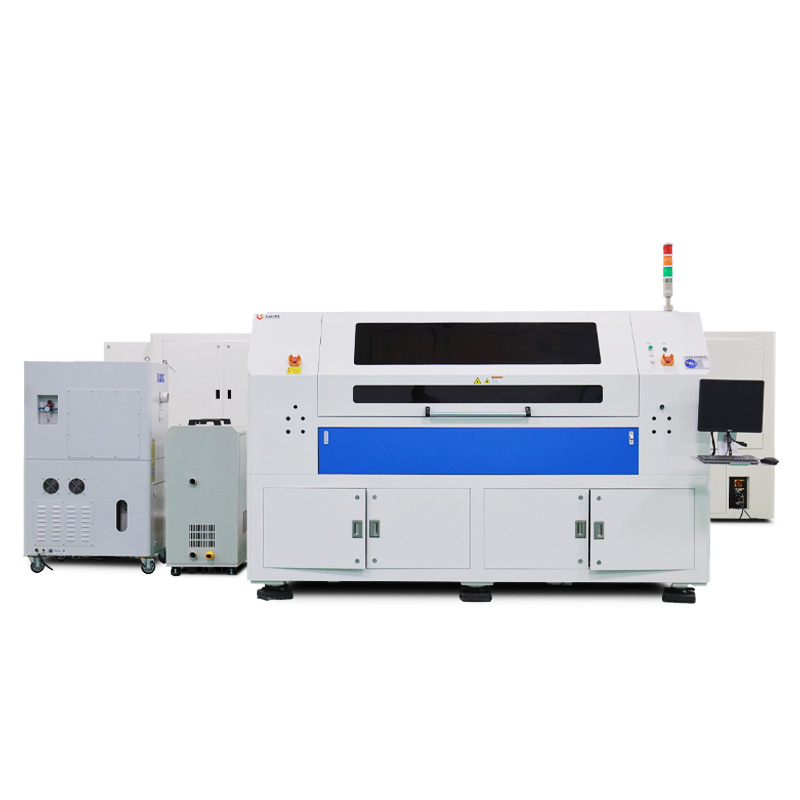
Achieving and, more importantly, consistently maintaining micron-level precision begins at the most fundamental level: the quality and stability of the core hardware. Lecheng Intelligent's systems are engineered with a meticulous selection of high-fidelity components that form an unshakable foundation. This starts with the laser source itself. Utilizing industrial-grade fiber lasers or UV lasers with superior beam quality (M² factor) ensures that the emitted light is near-perfect, providing a clean, small, and stable focal spot—the primary tool for precision. This laser is then integrated with a high-rigidity motion system. Components such as precision linear guides, high-resolution encoders, and servo motors work in concert to move the workpiece or optics with sub-micron repeatability, free from the vibrations and backlash that plague lesser systems. The physical structure, or machine frame, is designed with advanced materials and engineering to provide exceptional thermal stability and mechanical rigidity, ensuring that the spatial relationship between the laser head and the workpiece remains constant despite environmental fluctuations. Without this bedrock of component-level excellence, pursuing single-digit micron accuracy is futile.
The Symphony of Closed-Loop Feedback and Dynamic Compensation
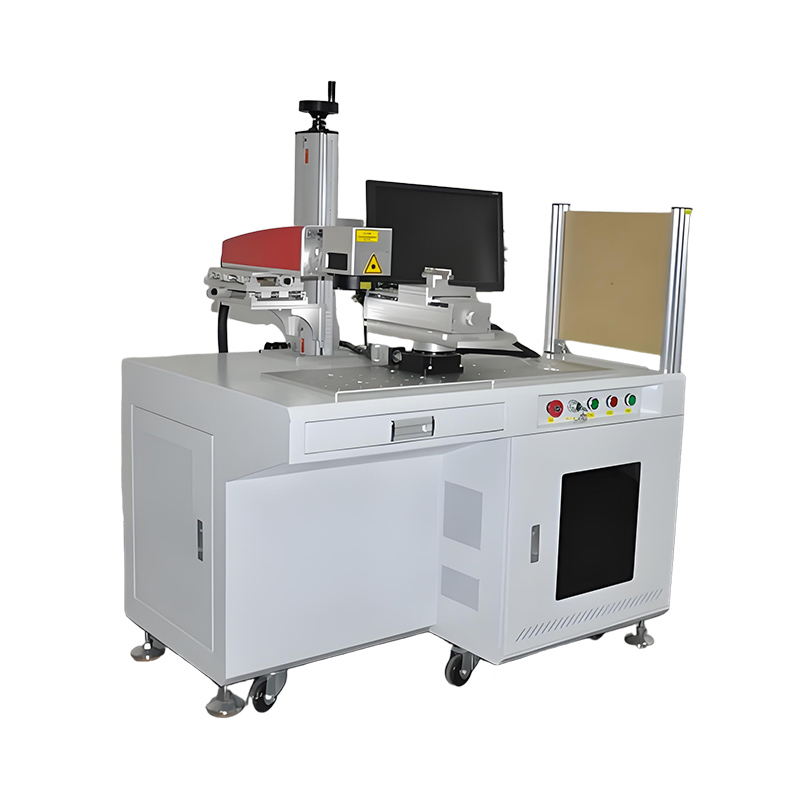
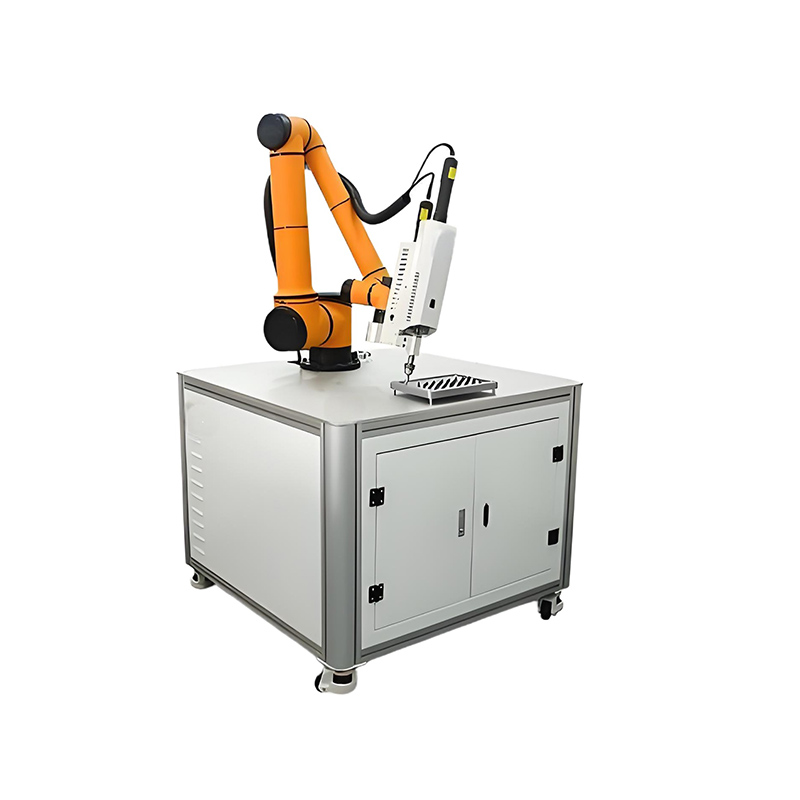
Raw mechanical precision is necessary but insufficient. In a real-world production environment, variables such as material surface topography, thermal drift, and minute stage positioning errors are inevitable. To counter these, Lecheng systems employ a sophisticated network of closed-loop feedback and real-time compensation technologies. At the heart of this network are high-speed, high-accuracy galvanometer scanners for beam steering, coupled with capacitive height sensors or confocal distance measuring devices. These sensors provide real-time feedback on the exact distance to the workpiece surface. This data is fed to the controller, which dynamically adjusts the focal position of the laser using a dynamic focus system, ensuring the beam waist is always perfectly positioned on the material surface, even over warped or uneven substrates—a process known as constant working distance control. Furthermore, machine vision systems with sub-pixel accuracy are used for automatic alignment and compensation of positional errors. If a part is misloaded by a few microns, the vision system detects the offset and instructs the motion system to adjust the entire processing path accordingly. This creates a self-correcting system where potential errors are measured and nullified in real-time, transforming static machine accuracy into adaptive, in-process precision.
The Role of Advanced Software and Process Control Algorithms
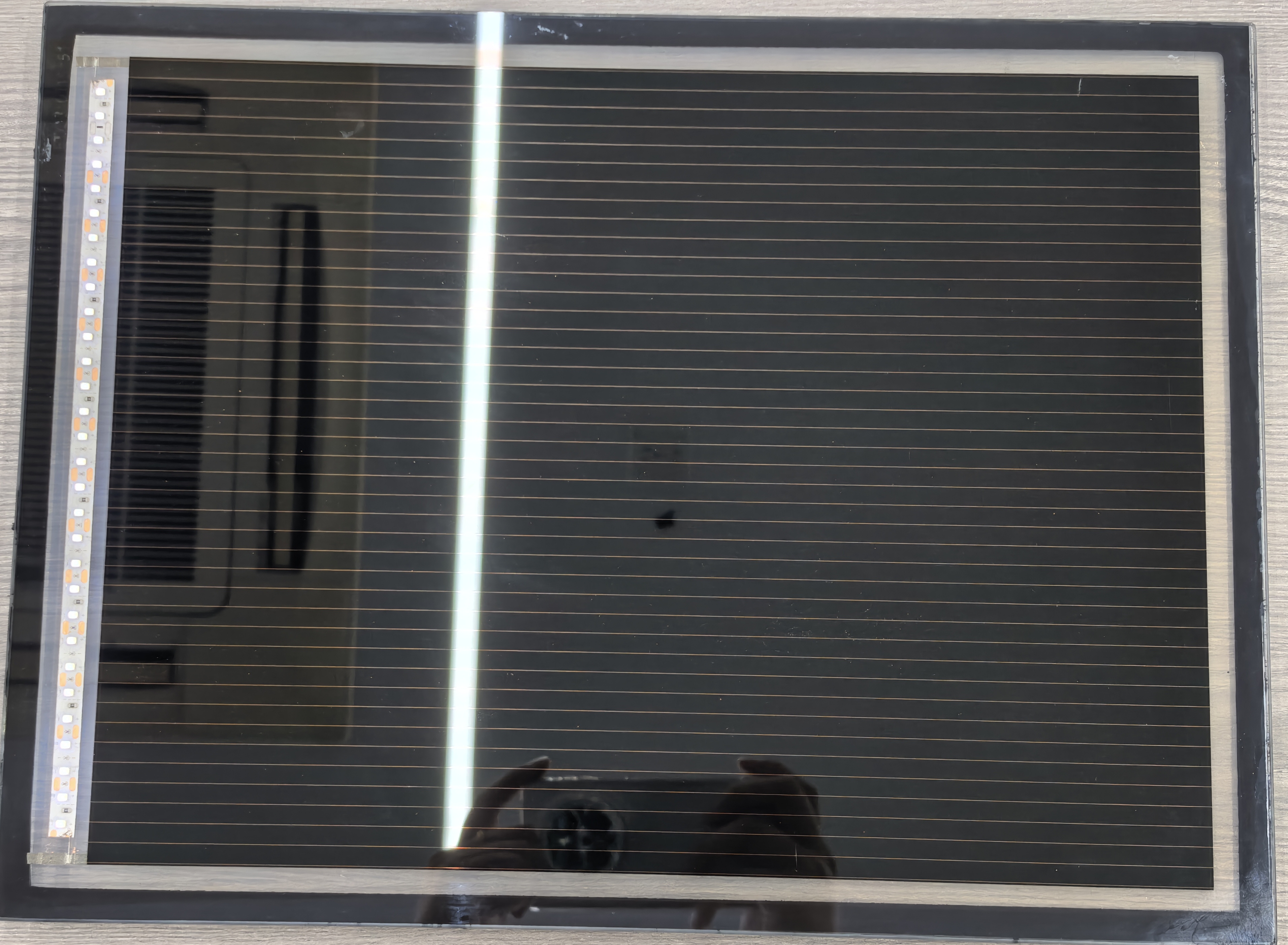
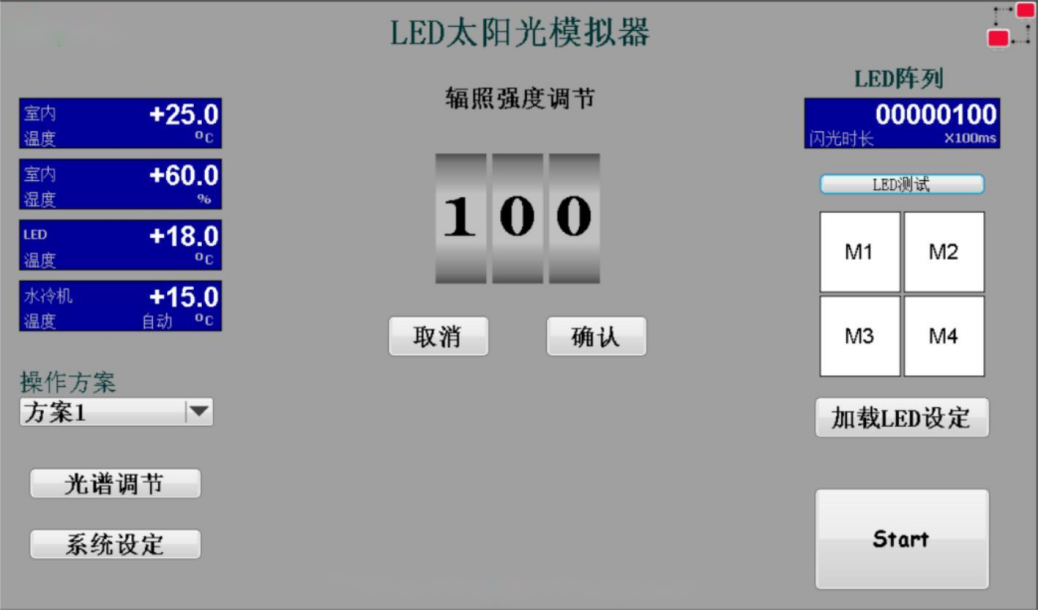
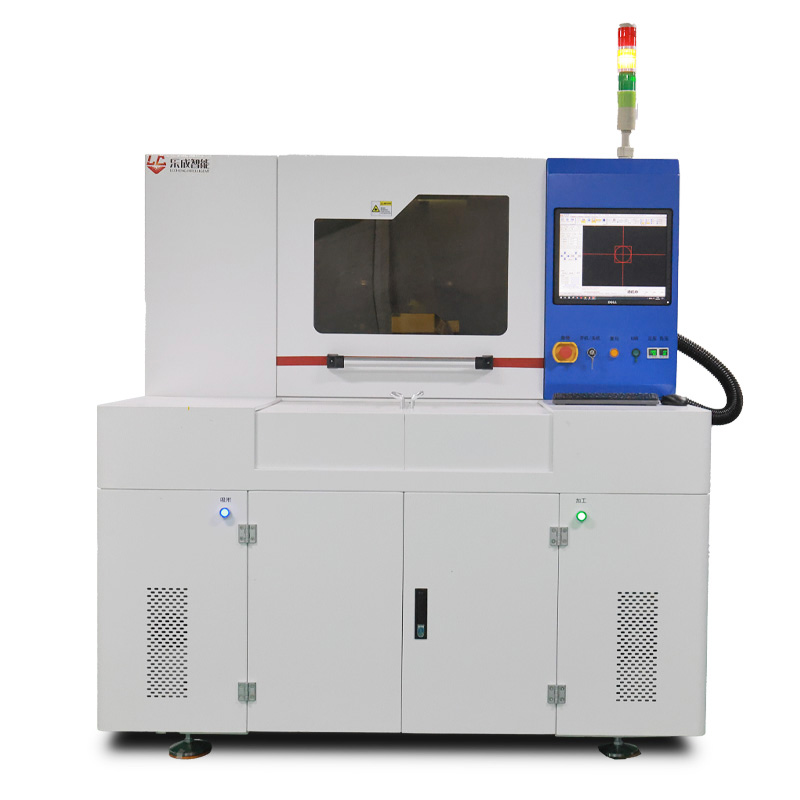
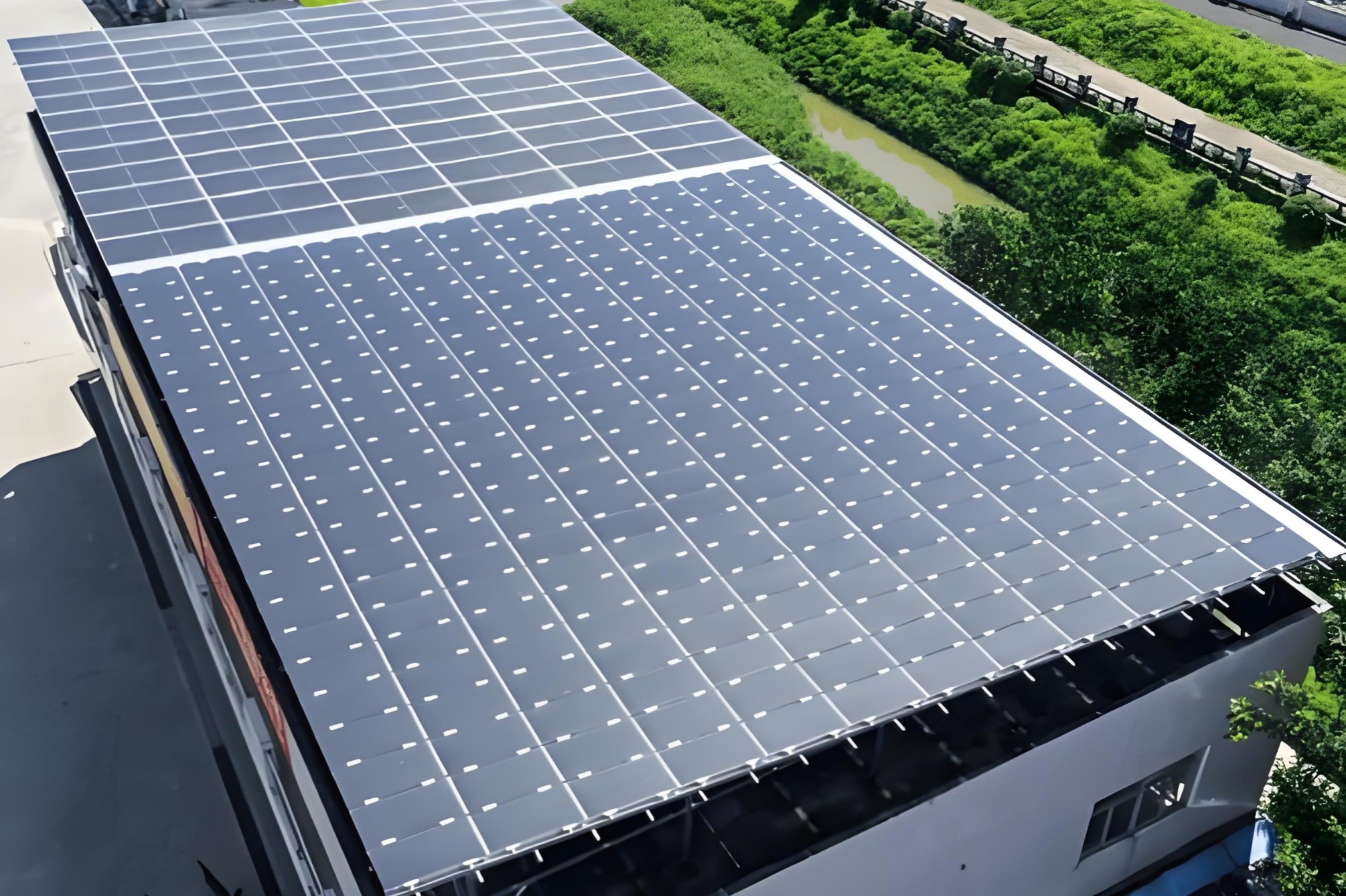
The ultimate realization of ≤10μm precision is governed by the intelligence embedded in the control software and process algorithms. The hardware provides the potential; the software actualizes it. Lecheng's proprietary software suite serves as the central command, where all sensor data converges and all compensation commands are issued. It allows for meticulous process parameter optimization—fine-tuning laser power, pulse frequency, scan speed, and overlap to achieve the desired material interaction (cutting, welding, ablation) with minimal thermal spread, preserving precision. Crucially, the software incorporates sophisticated path planning algorithms and look-ahead functions that anticipate sharp corners and direction changes. This ensures that the motion system and galvos decelerate and accelerate optimally, preventing overshoot or distortion at geometric features, which is critical for maintaining contour accuracy. For applications like perovskite laser scribing or micro-welding, the software can manage complex multi-step processes and store countless "recipes," ensuring that once a perfect process is developed, it can be replicated identically every time. This marriage of intuitive human interface and powerful backend algorithms turns complex precision machining into a reliable, repeatable, and user-accessible operation.

The ultimate realization of ≤10μm precision is governed by the intelligence embedded in the control software and process algorithms. The hardware provides the potential; the software actualizes it. Lecheng's proprietary software suite serves as the central command, where all sensor data converges and all compensation commands are issued. It allows for meticulous process parameter optimization—fine-tuning laser power, pulse frequency, scan speed, and overlap to achieve the desired material interaction (cutting, welding, ablation) with minimal thermal spread, preserving precision. Crucially, the software incorporates sophisticated path planning algorithms and look-ahead functions that anticipate sharp corners and direction changes. This ensures that the motion system and galvos decelerate and accelerate optimally, preventing overshoot or distortion at geometric features, which is critical for maintaining contour accuracy. For applications like perovskite laser scribing or micro-welding, the software can manage complex multi-step processes and store countless "recipes," ensuring that once a perfect process is developed, it can be replicated identically every time. This marriage of intuitive human interface and powerful backend algorithms turns complex precision machining into a reliable, repeatable, and user-accessible operation.