

Choosing Laser Equipment for Photovoltaic Manufacturing: A Specifier Checklist
Photovoltaic factories buy lasers for a dozen jobs — scribing, edge deletion, cutting, drilling, marking, welding — and the same physics questions decide success in each: which wavelength does this layer absorb, how short must the pulse be to avoid thermal damage, and how accurately must the beam land. This checklist walks through the decisions in the order a line-builder should make them.
1. Start from the material stack, not the laser catalog
List every layer the beam will touch: glass, TCO, absorber (perovskite, silicon, CIGS), metal electrodes, polymer encapsulants. Each has absorption edges that pick the wavelength (IR/green/UV) and damage thresholds that pick pulse duration (ns for bulk removal, ps/fs where heat-affected zones must approach zero). A supplier who asks for your stack details before quoting is doing it right; one who quotes from the model number alone is guessing.
2. Process development is the product
The laser source is perhaps a third of the outcome. The rest is the process recipe — fluence, overlap, scan strategy, assist gas or extraction, and the metrology proving it. Insist on sample processing: send your actual plates or cells, get back processed samples with microscope/SEM documentation and measured electrical results where relevant (shunt resistance after scribing, strength after cutting). This is the acceptance evidence your quality system will need anyway.
3. Accuracy budget: optics, motion and vision together
Placement accuracy is a chain: galvo accuracy + stage accuracy + calibration mapping + thermal drift + vision correction. For interconnect scribing, ±5-10µm across meter-scale plates is the working class; for cell cutting and marking, tolerances relax. Ask for the accuracy specification measured at the work plane across the full field, with the vision system running — not the galvo datasheet number.
4. Throughput honesty
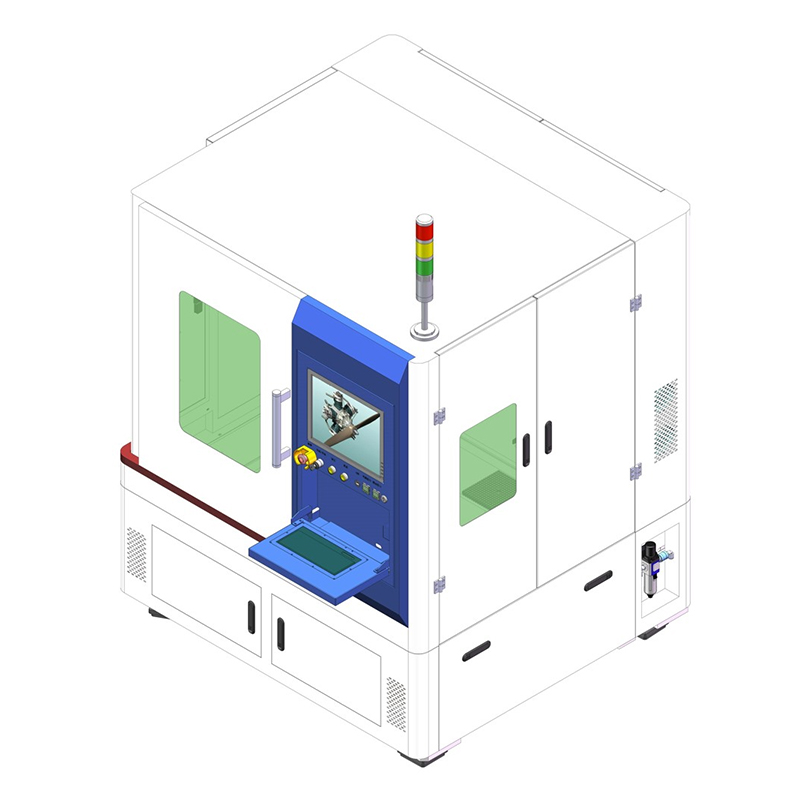
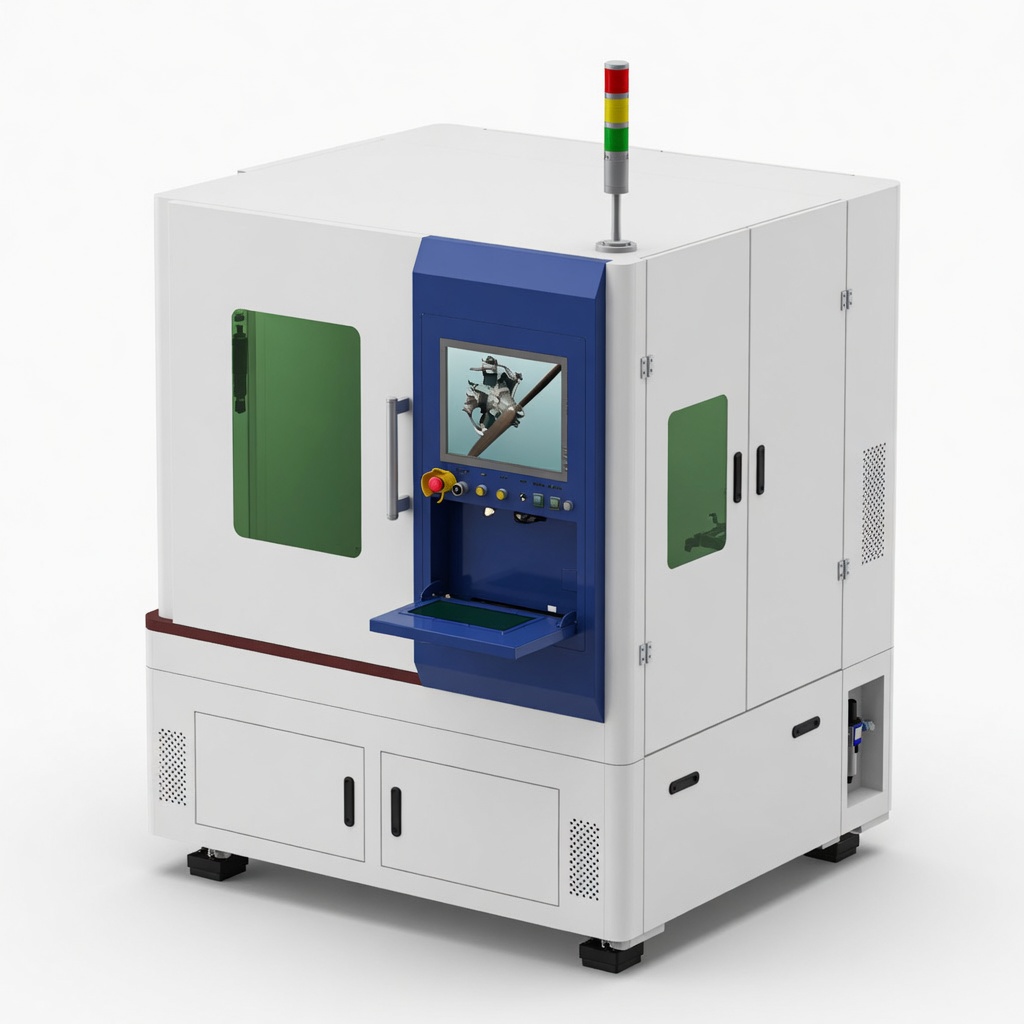
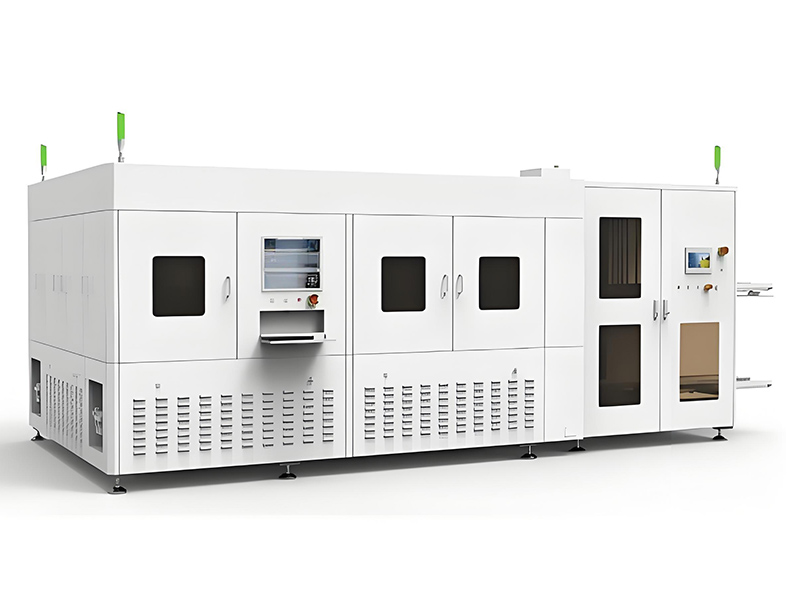
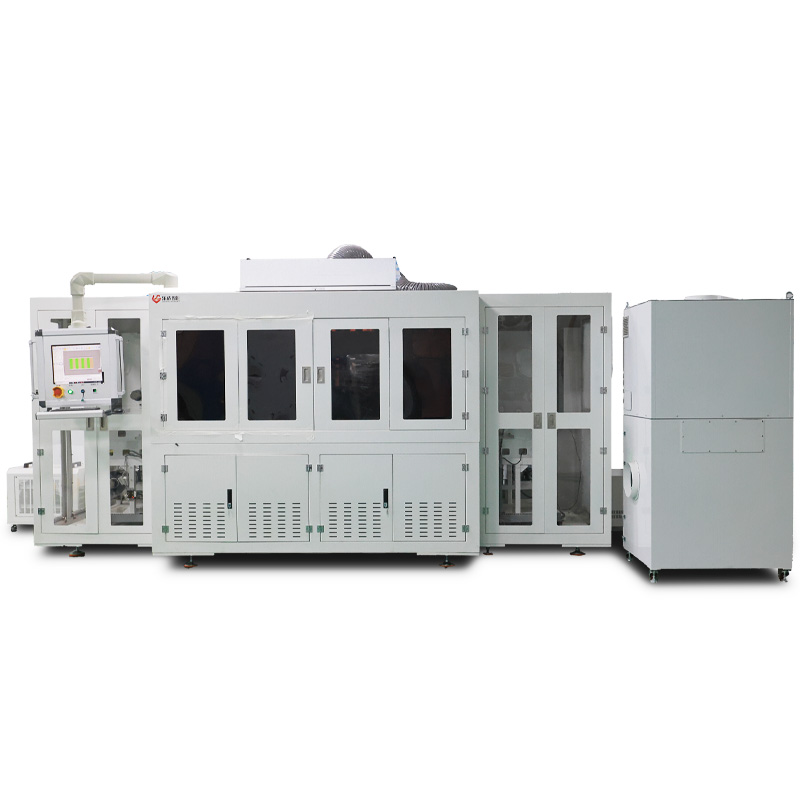
Takt calculations must include plate load/unload, alignment time, and maintenance windows — not just beam-on time. Multi-head configurations and integrated multi-process platforms (scribe + edge deletion + marking in one enclosure) often beat separate faster tools once handling is counted. Request the throughput model with your plate size and pattern, and check it against the demonstrated cycle on your samples.
5. Factory integration and support
Check: automation interfaces (SECS/GEM or PLC handshakes), debris extraction and filtration, recipe management with user permissions, remote diagnostics, and local service response. Laser tools live for a decade; the supplier relationship matters as much as the initial specification. Lecheng supplies scribing, edge isolation, cutting, welding and marking equipment for PV and precision manufacturing, with process development on customer samples as the standard first step — send your material and takt target, and we return trial results with a line proposal.