

Laser Processing FAQ: 10 Questions from PV and Precision Manufacturing Engineers
1. What information do you need to recommend a laser system?
Material stack or part drawing, the process goal (scribe/cut/weld/mark), tolerance and quality criteria, plate or part size, and target throughput. With these we select wavelength, pulse regime and platform, then prove it on your samples.
2. Nanosecond, picosecond or femtosecond — how do I know which pulse width?
The shorter the pulse, the less heat spreads into surrounding material. ns lasers remove material fast and cheaply where small heat-affected zones are acceptable; ps/fs lasers serve heat-sensitive stacks (perovskite, thin polymers, brittle films) where melt ridges or microcracks cost device performance. The stack decides, and sample trials confirm.
3. Can you process our samples before we buy?
Yes — sample processing with documented results (microscopy, dimensional reports, electrical measurements where relevant) is our standard first step. It fixes the recipe early and becomes your acceptance baseline.
4. What placement accuracy can scribing systems hold on large plates?
Production-class systems hold ±5-10µm at the work plane across meter-scale fields, using calibrated galvo+stage mapping with vision correction for plate distortion and thermal drift. Ask for full-field measured data, not component datasheets.
5. How do you prevent debris and redeposition from degrading the process?
Engineered extraction at the process zone, optimized scan direction relative to airflow, and periodic optics protection checks. For interconnect scribing, redeposition directly lowers shunt resistance — extraction design is part of the process recipe, not an accessory.
6. Do your systems integrate into automated lines?
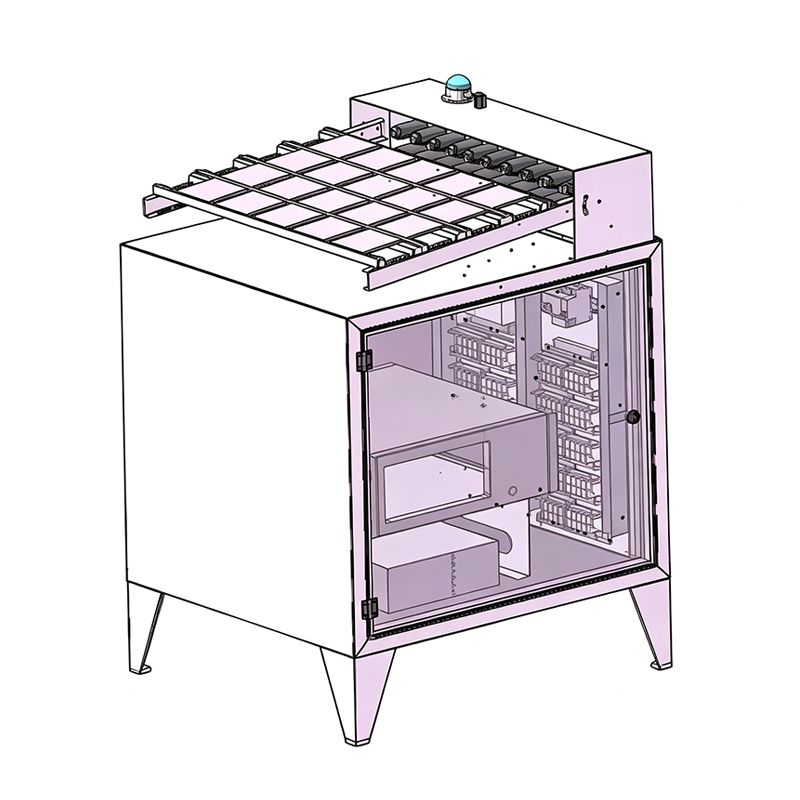
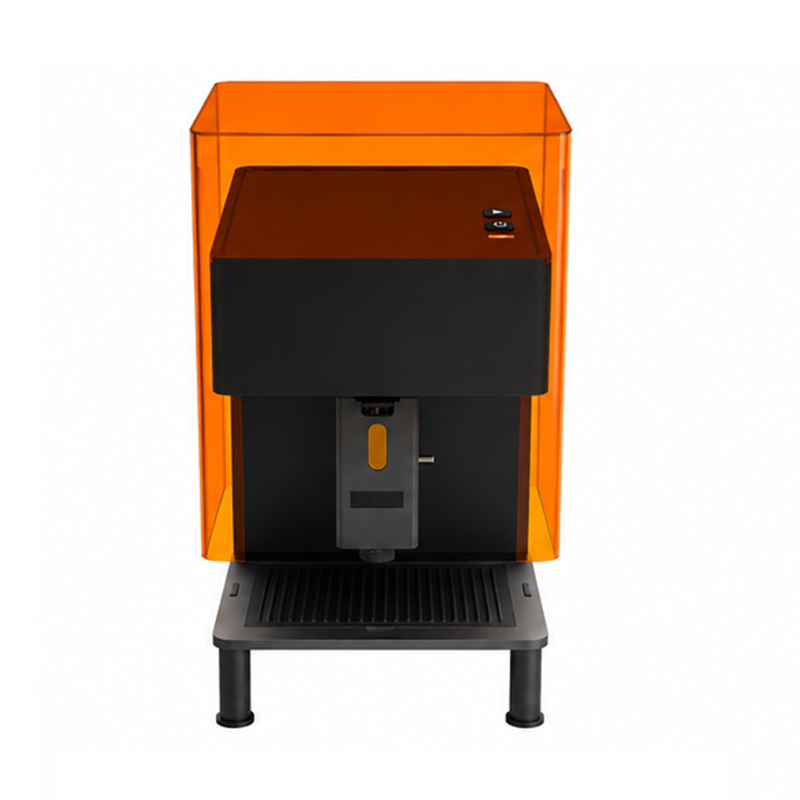
Yes — PLC handshakes, conveyor/robot loading interfaces, recipe selection by MES, and optional SECS/GEM for fab environments. Standalone bench configurations are available for labs and pilot lines, upgradeable toward automation.
7. What maintenance do industrial laser tools need?
Routine: protective window checks/cleaning, filter changes on extraction, calibration verification at defined intervals. Modern sources run tens of thousands of hours; the schedule is light but must be followed — we provide the maintenance plan and remote diagnostics with each system.
8. Can one machine combine several processes?
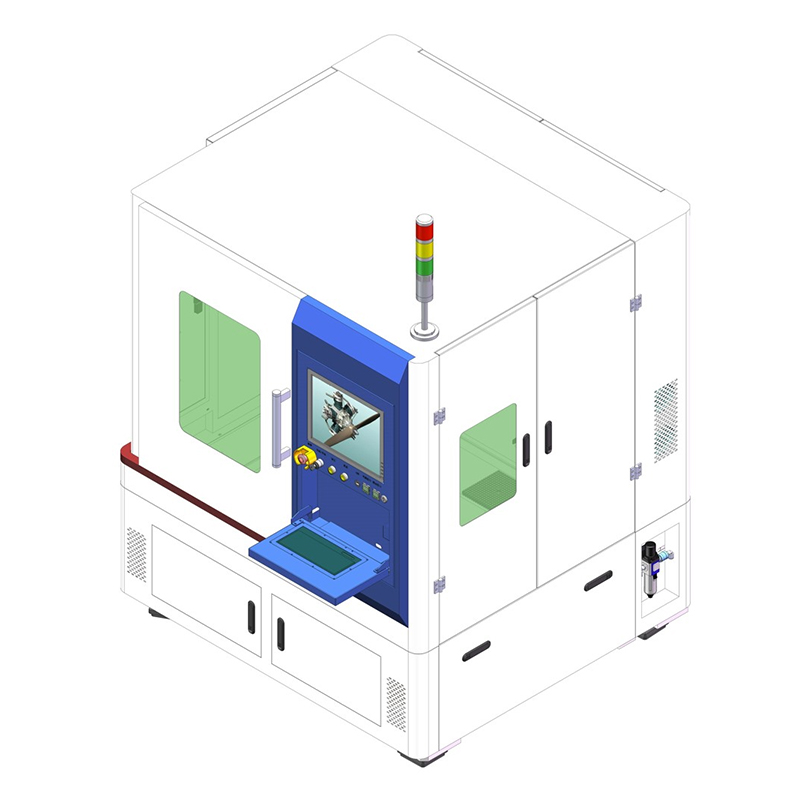
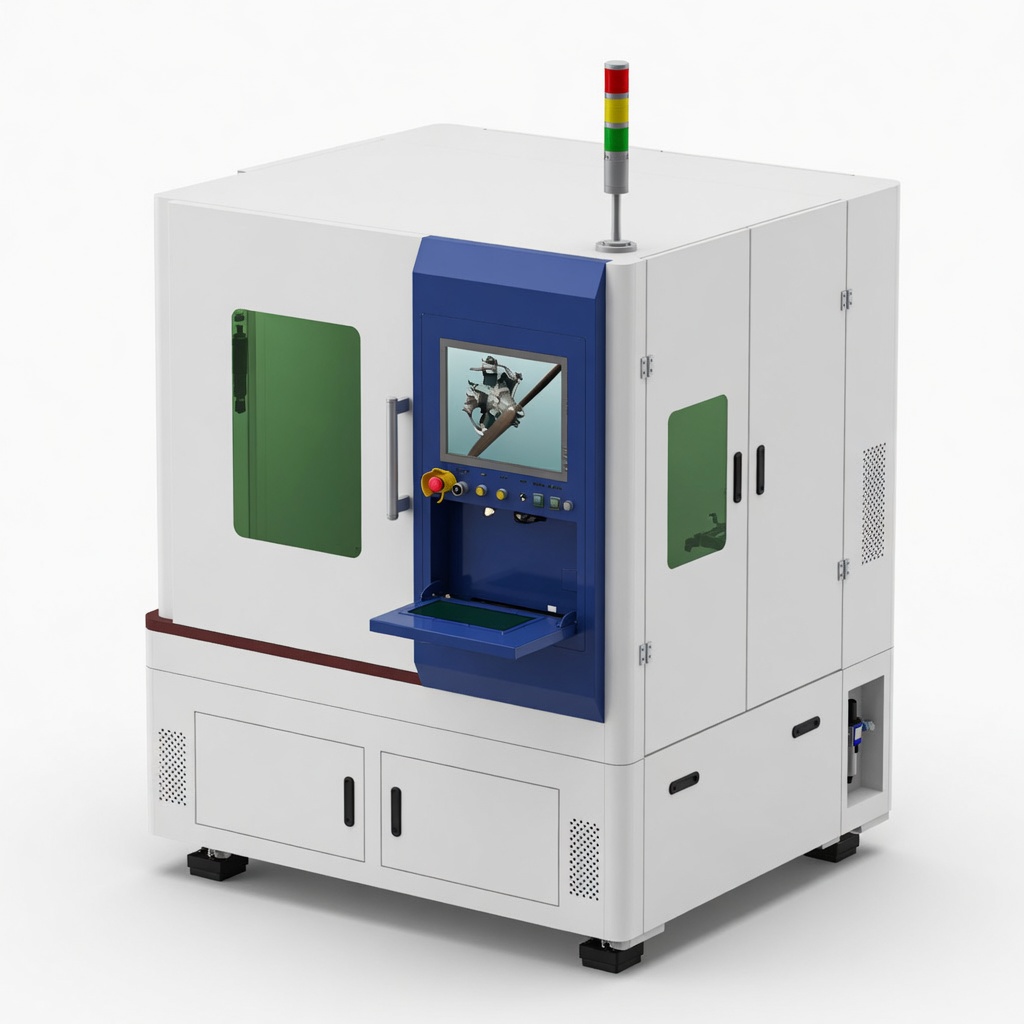
Yes — integrated platforms combine scribing steps, edge deletion and marking in one enclosure with shared alignment, reducing handling and cumulative placement error. Whether integration or separate stations wins depends on takt and redundancy needs; we model both in the proposal.
9. How do you support recipe stability across shifts and operators?
Recipes are locked with permission levels, process parameters logged per run, and inline vision measures scribe width/position so drift is caught by data rather than by yield loss. Training and golden-sample procedures ship with the tool.
10. What are typical lead times and how do we start?
Standard platforms: 8-14 weeks; integrated custom lines: per project schedule after design review. Start by sending samples and your specification — Lecheng returns trial results and a quotation with the throughput model, normally within two weeks for standard processes.