Procurement Guide

  • How To Choose P1 P2 P3 P4 Laser Scribing Equipment For Perovskite Modules
    2026
    05-20
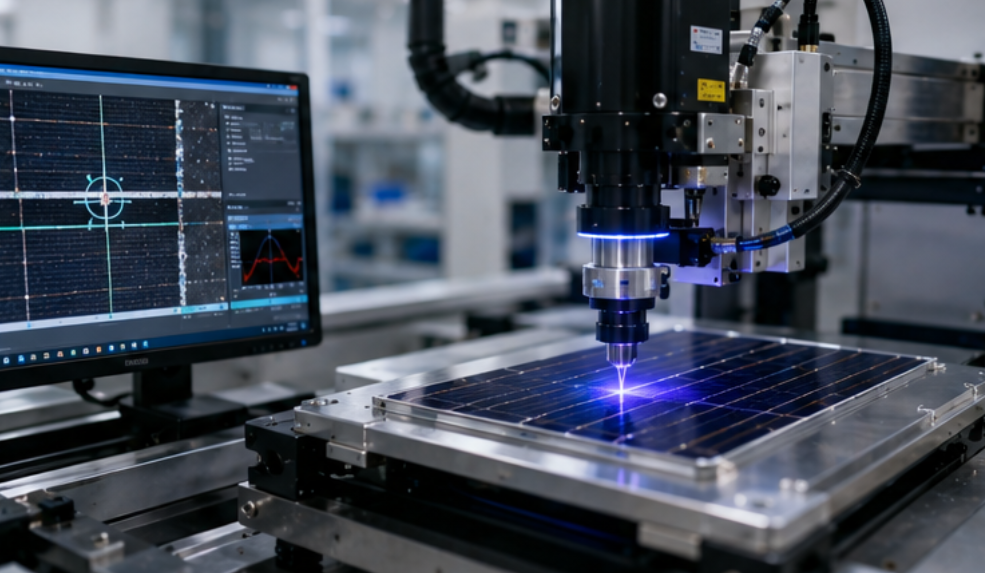
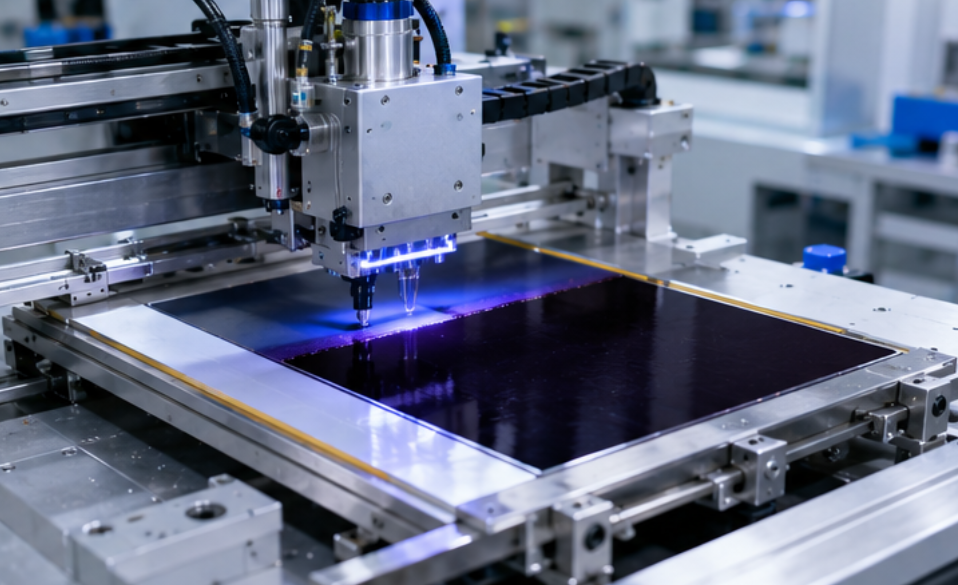
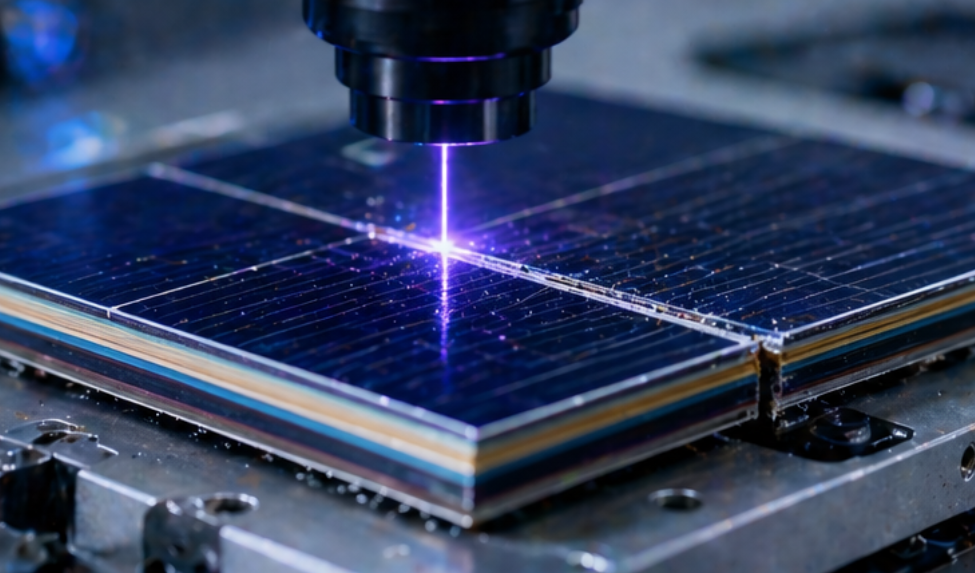
    Choosing P1 P2 P3 P4 laser scribing equipment for perovskite modules requires a process-oriented approach. Buyers should evaluate laser source compatibility, scribing quality, alignment accuracy, substrate size, automation level and future pilot line integration. The right equipment partner should provide not only laser hardware, but also sample testing, process recommendations and long-term support for perovskite module scale-up.
  • Perovskite Pilot Line Equipment List: What Buyers Need To Prepare
    2026
    05-19
    A successful perovskite pilot line requires full equipment coordination—not isolated machine purchases. Buyers that plan substrate prep, coating, laser processing, encapsulation and testing together can scale much faster toward commercialization.
  • What Information Is Needed Before Quoting A Perovskite Laser Processing System
    2026
    05-18
    Before requesting a quotation for perovskite laser processing equipment, buyers should prepare complete technical information to avoid inaccurate pricing and project delays. The more clearly you define your process needs, the faster suppliers can provide accurate solutions.
  • How To Select Solar Simulator Equipment For Perovskite Cell Testing
    2026
    05-17
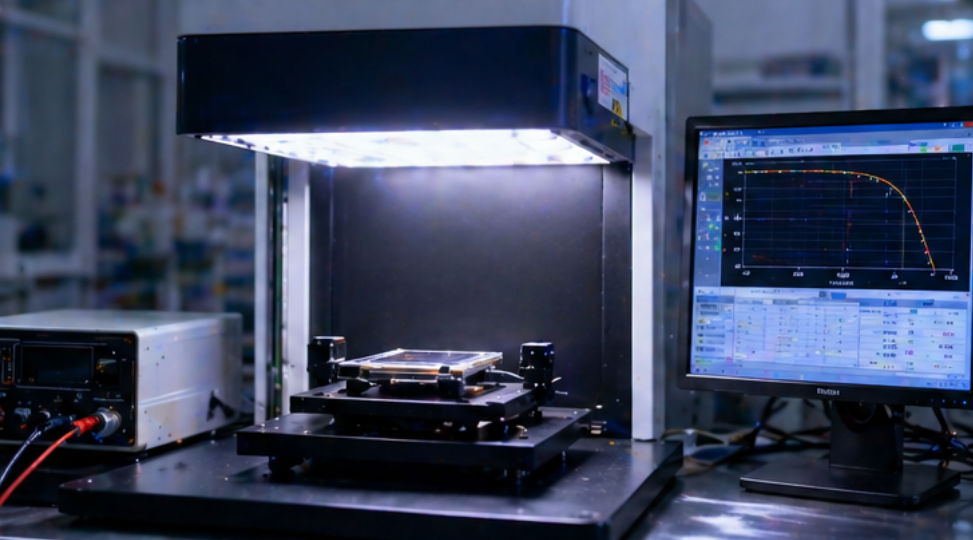
    Selecting solar simulator equipment for perovskite cell testing requires careful evaluation of spectral match, irradiance uniformity, temporal stability, test area, IV measurement integration, calibration and future stability testing needs. For perovskite R&D and pilot manufacturing, the right testing system helps improve data reliability, process comparison and technology scale-up decisions.
  • Perovskite Laser Scribing vs Mechanical Scribing: Which Is Better
    2026
    05-16
    Laser scribing and mechanical scribing can both be used in thin-film solar cell research, but they are not equal for scalable perovskite module manufacturing. Laser scribing offers higher precision, better repeatability, lower mechanical stress and stronger automation potential. For buyers planning perovskite pilot lines or future commercial production, laser scribing is usually the more reliable and scalable solution.
  • How To Reduce Heat Affected Zone In Thin-Film Solar Cell Laser Processing
    2026
    05-15
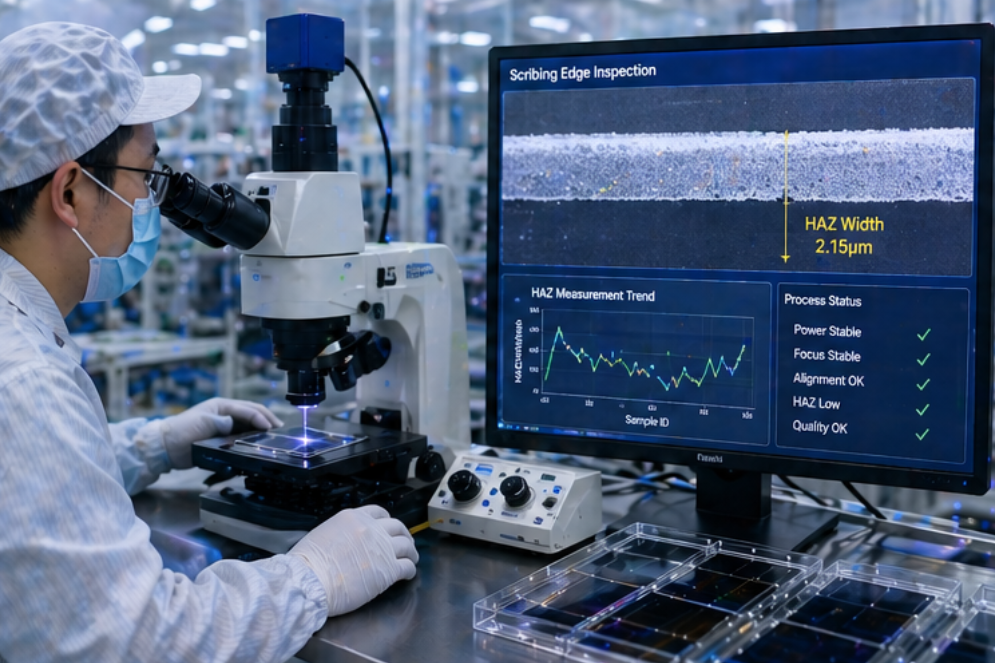
    Reducing heat affected zone in thin-film solar cell laser processing requires the right combination of laser wavelength, pulse width, energy density, beam quality, focusing stability and scanning strategy. Buyers should rely on process testing and real sample evidence instead of only comparing machine specifications. For perovskite and other thin-film photovoltaic applications, a low-HAZ laser process can help improve scribing quality, module yield and long-term reliability.
  • How Alignment Accuracy Affects Perovskite Module Yield
    2026
    05-14
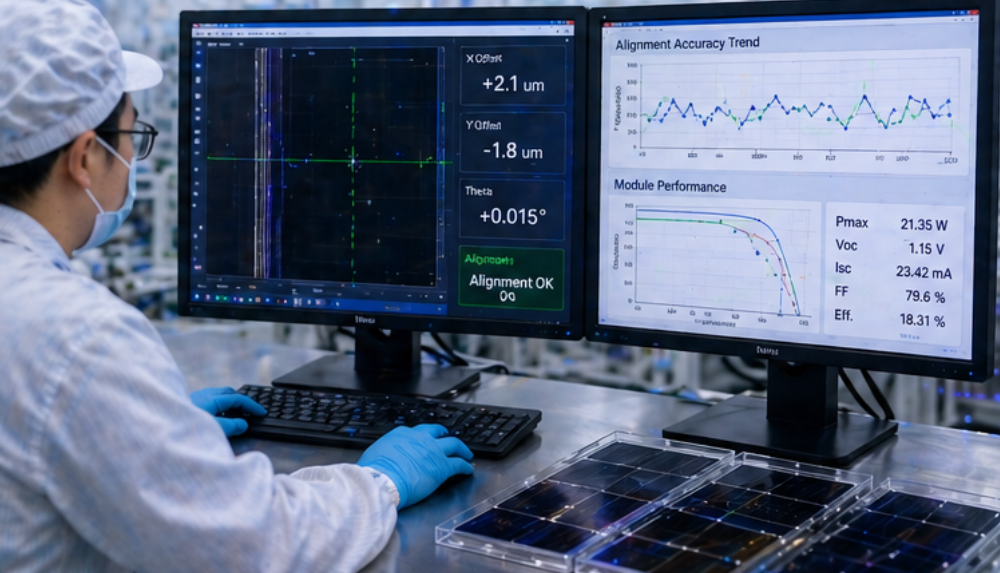
    Alignment accuracy is a key factor that directly affects perovskite module yield, efficiency and long-term reliability. High-precision alignment enables better interconnection, higher active area utilization and more stable performance. For buyers, selecting a laser processing system with strong alignment capability is essential for successful transition from R&D to pilot line and scalable manufacturing.
  • How To Choose A Laser Source For Perovskite Solar Cell Scribing
    2026
    05-13
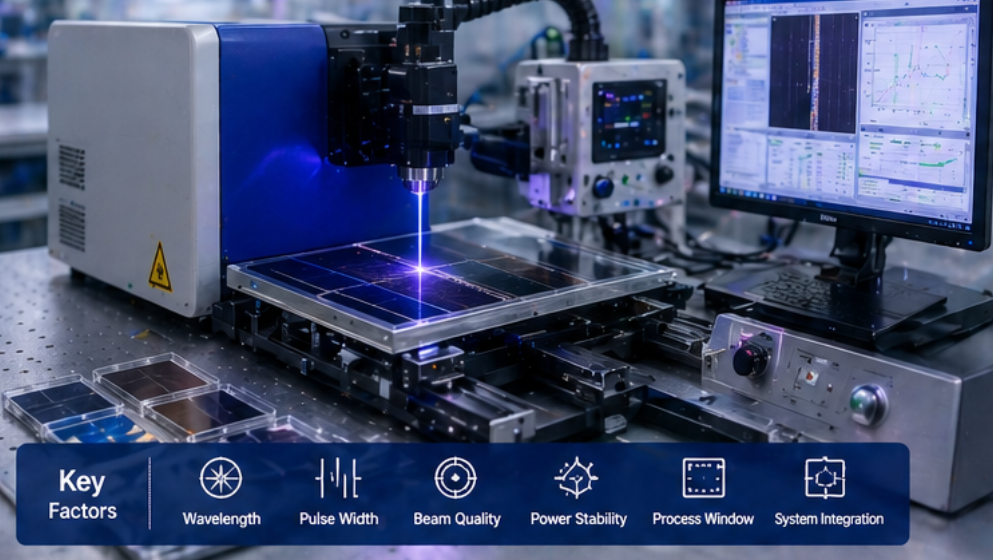
    Choosing a laser source for perovskite solar cell scribing requires a careful balance between wavelength, pulse width, beam quality, power stability, process window and system integration. Buyers should not select a laser source only by power or price. The best decision should be based on actual sample testing and process results. For perovskite R&D, pilot lines and scalable module manufacturing, a process-oriented laser equipment partner can help reduce trial-and-error costs and improve scribing quality, module yield and long-term reliability.
  • What Buyers Should Check Before Ordering A Perovskite Laser Processing System
    2026
    05-12
    Before ordering a perovskite laser processing system, buyers should check process capability, laser source compatibility, alignment accuracy, substrate size, automation level, sample testing support and future upgrade flexibility. A reliable system should not only meet today’s R&D needs, but also support pilot line validation and scalable manufacturing. The best equipment partner should understand both laser processing and perovskite solar cell manufacturing, helping buyers reduce process risk and improve module development efficiency.
  • How To Build A Perovskite Solar Cell Pilot Line
    2026
    05-11
    Building a perovskite solar cell pilot line requires more than buying individual machines. Buyers must design a complete process flow from TCO glass preparation to P1/P2/P3/P4 laser scribing, coating, electrode formation, encapsulation and testing. The right pilot line should support process development, stable sample production and future scale-up. For buyers planning perovskite commercialization, a process-oriented equipment partner can help reduce trial-and-error costs and improve the transition from laboratory results to scalable module manufacturing.

40px

80px

80px

80px

Get Quote