

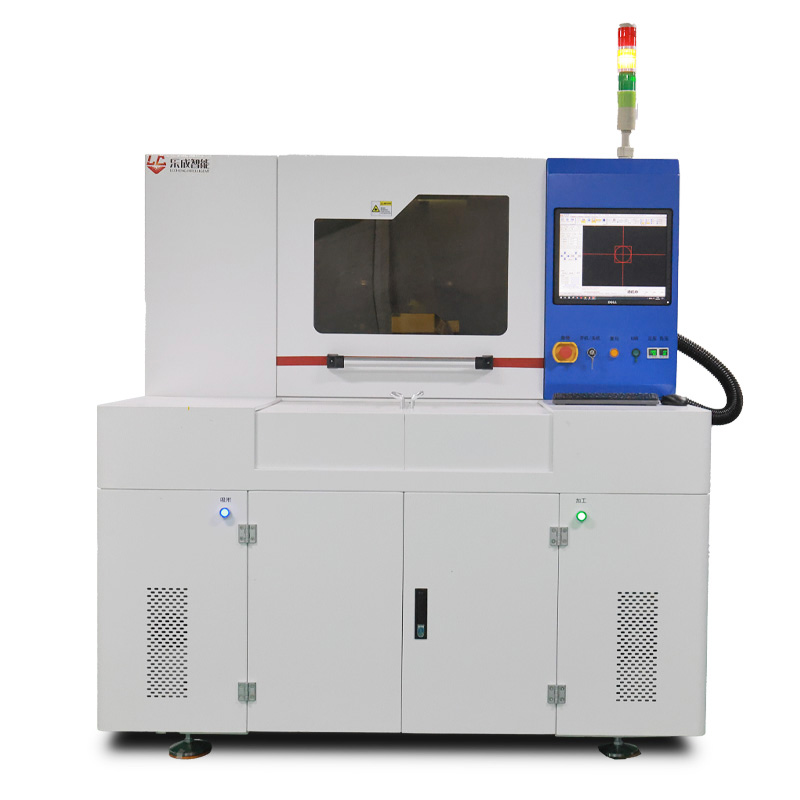
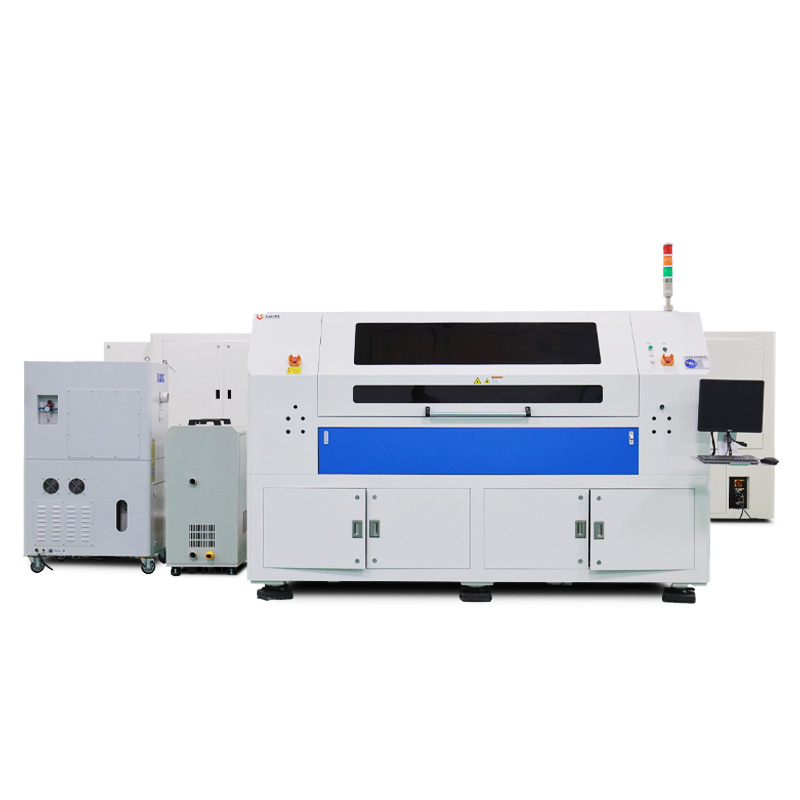

Perovskite Manufacturing Guide
How To Build A Complete Perovskite Module Manufacturing Line
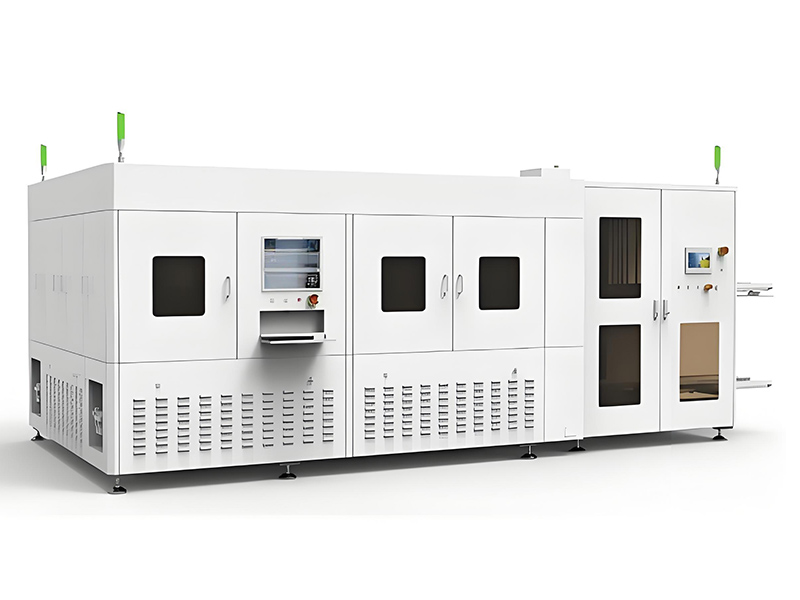
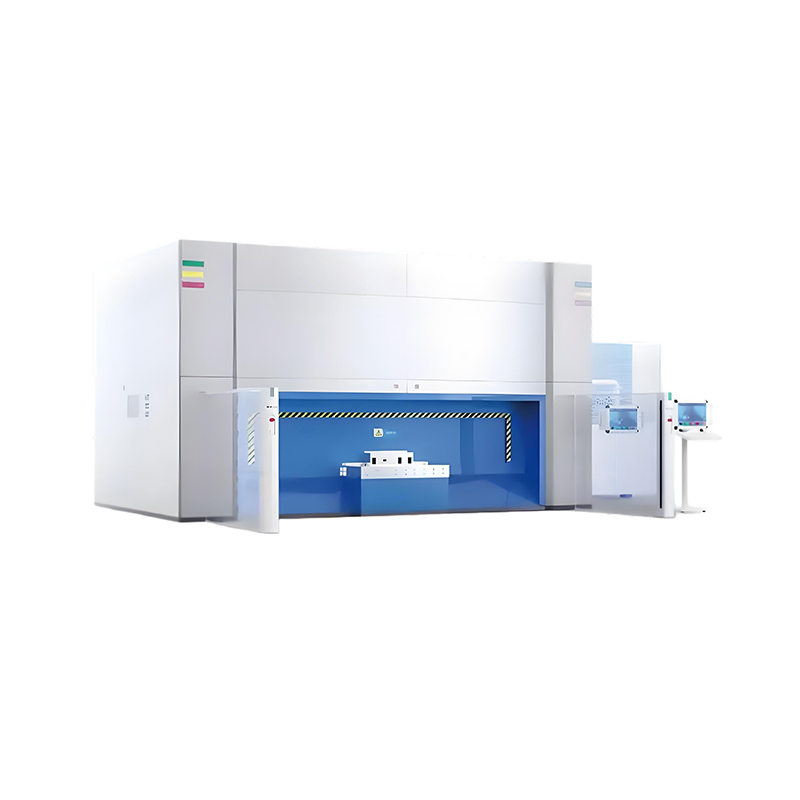
Building a complete perovskite module manufacturing line requires more than simply purchasing individual machines. Buyers need to plan substrate preparation, coating processes, laser scribing, electrode deposition, encapsulation, testing systems and future automation upgrades. A well-designed production line improves yield, reduces process risk and accelerates commercialization.
Get Quote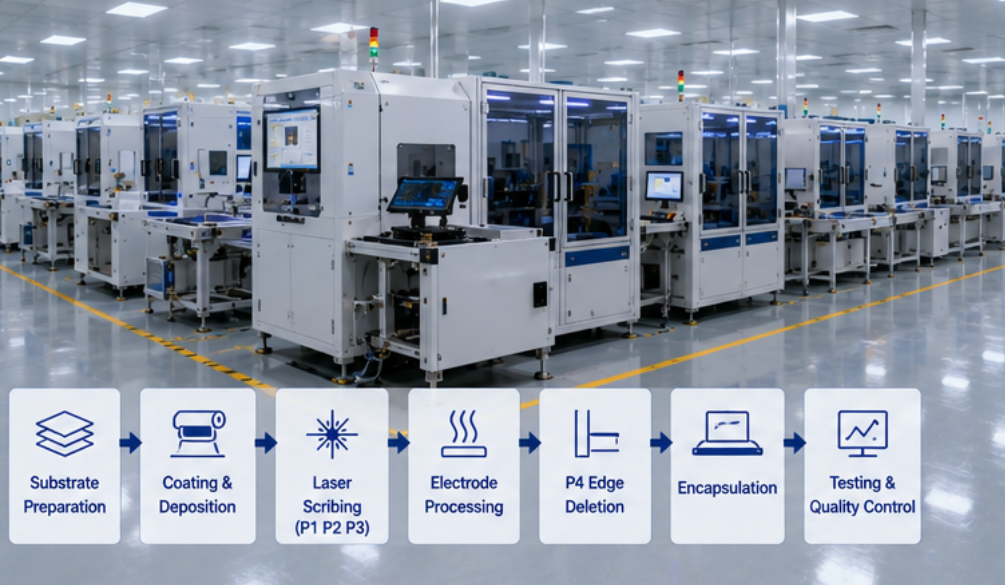
Step 1: Substrate Preparation
Every production line starts with substrate preparation. Glass quality, cleanliness and surface consistency directly affect coating performance and final module yield.
Glass cleaning systems
Ultrasonic cleaning equipment
Drying systems
Surface treatment equipment
Without stable substrate preparation, downstream coating quality becomes unstable.
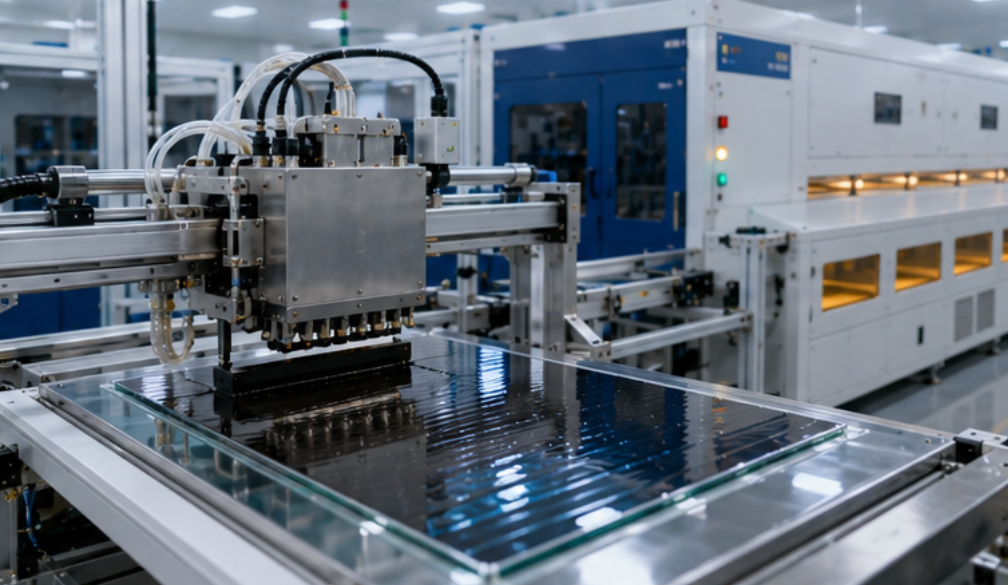
Step 2: Coating And Layer Deposition
This stage builds the active perovskite structure.
TCO preparation
Electron transport layer deposition
Perovskite coating
Hole transport layer deposition
Drying and annealing systems
Depending on the production route, buyers may use slot-die coating, spin coating, blade coating or vapor deposition systems.
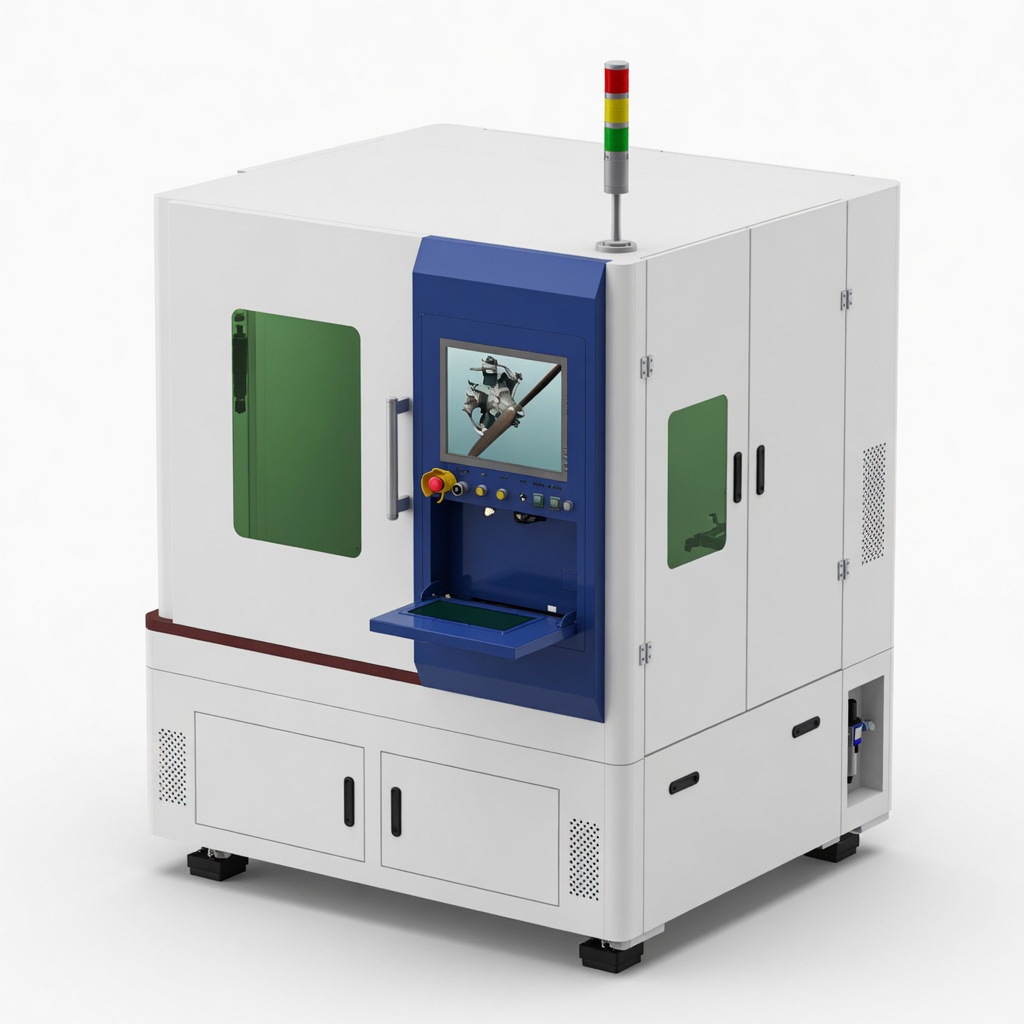
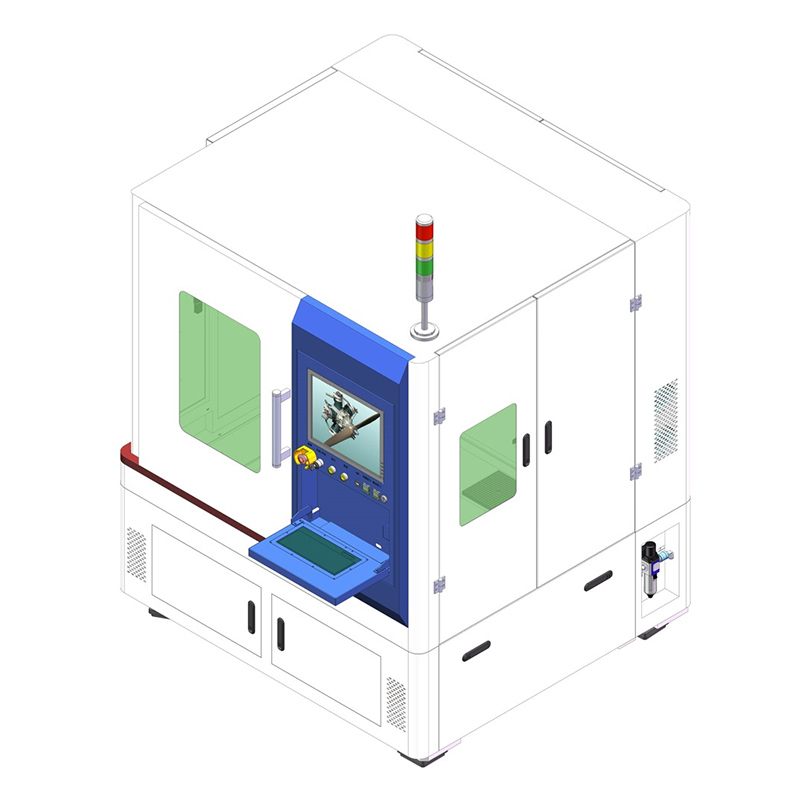
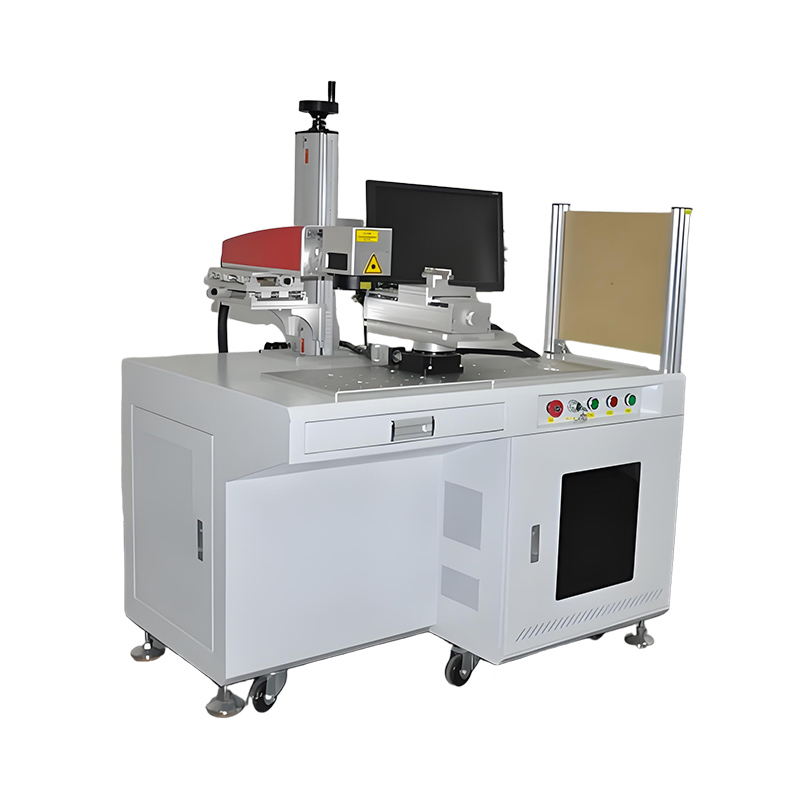
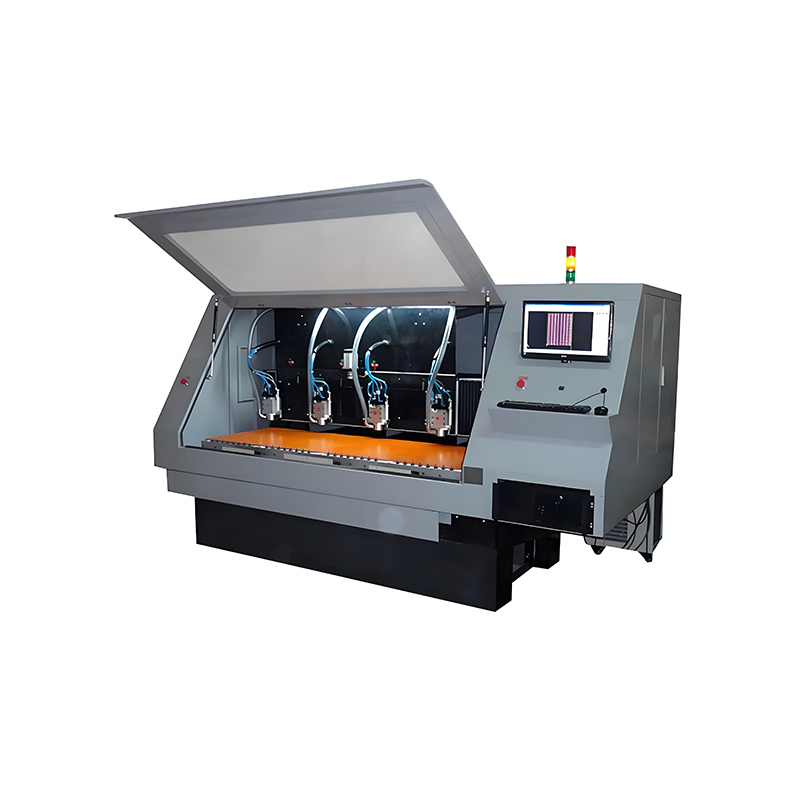
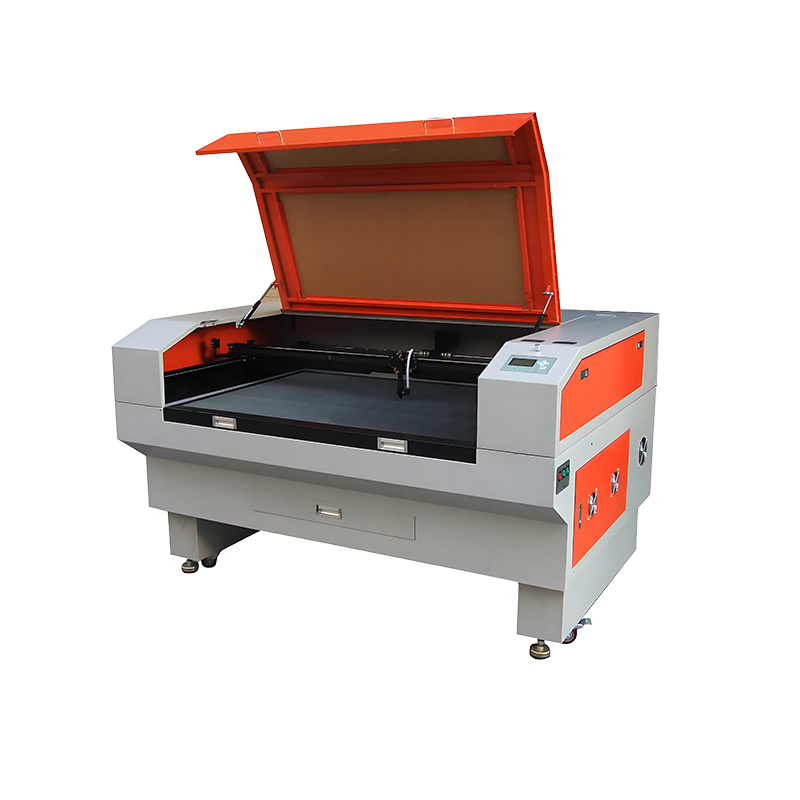
Step 3: P1 P2 P3 Laser Scribing
Laser scribing creates electrical interconnections between sub-cells.
P1: TCO isolation
P2: Interconnection opening
P3: Final cell isolation
Laser precision directly impacts dead area, module efficiency and yield.
Step 4: Electrode Processing
After laser processing, the back electrode layer must be deposited.
Metal deposition systems
Printing systems
Vacuum coating systems
This stage affects conductivity and module stability.
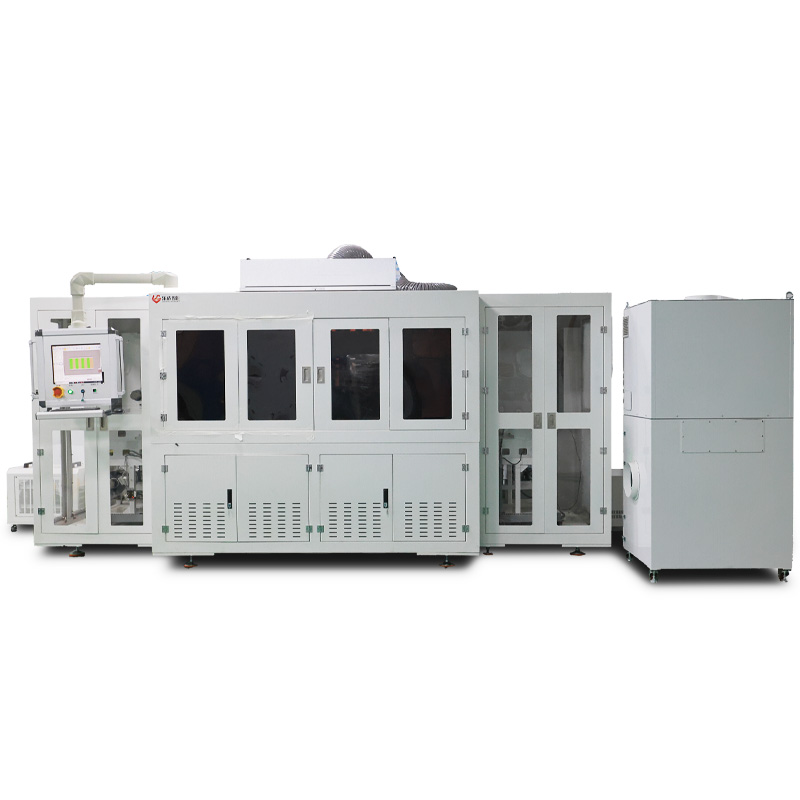
Complete Production Line Equipment List
| Production Stage | Core Equipment |
|---|---|
| Substrate Prep | Cleaning + drying systems |
| Layer Deposition | Coating + annealing systems |
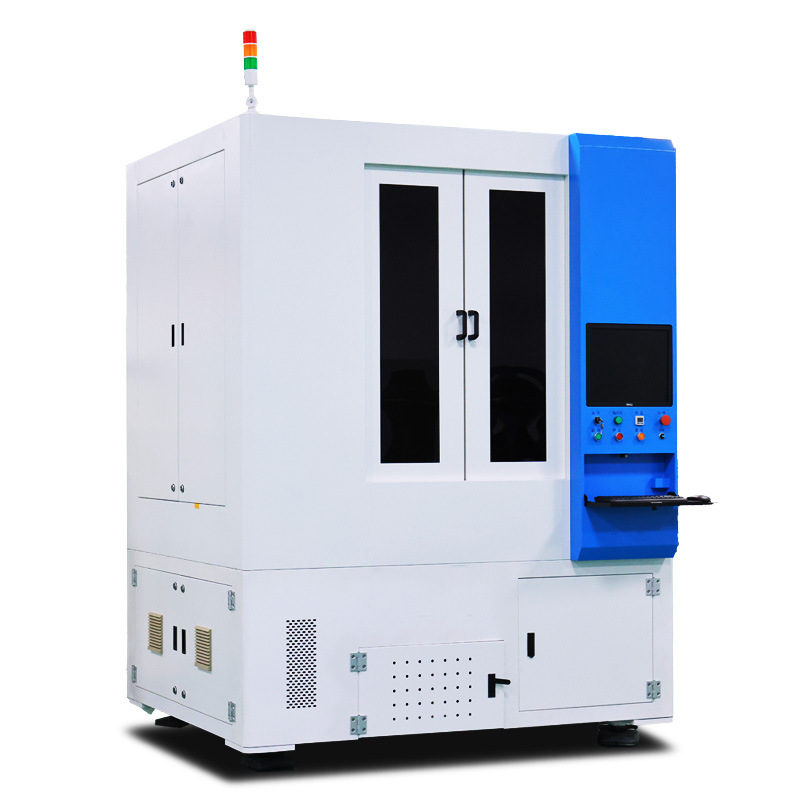
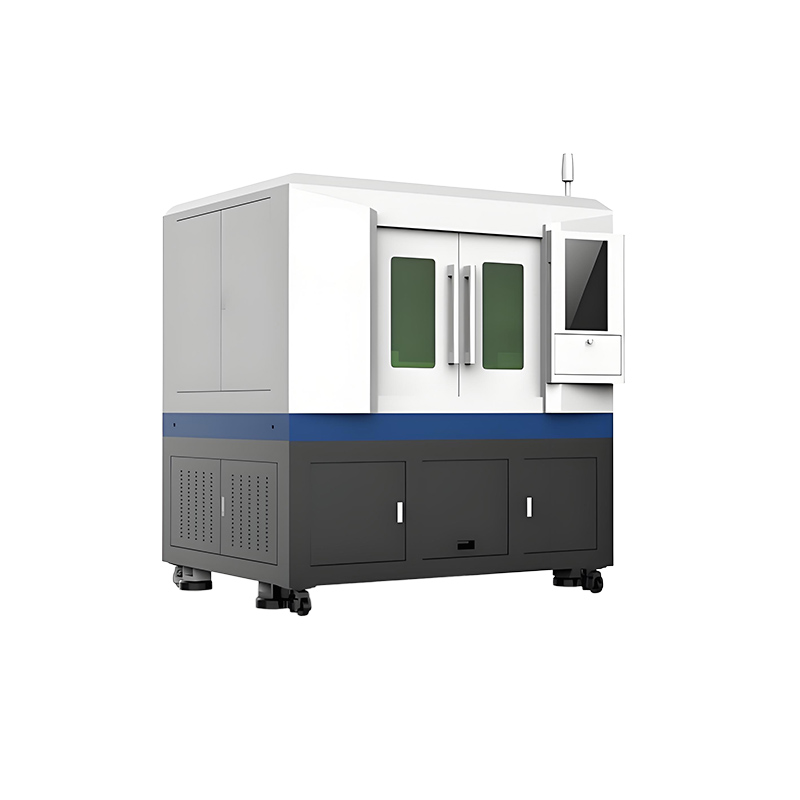
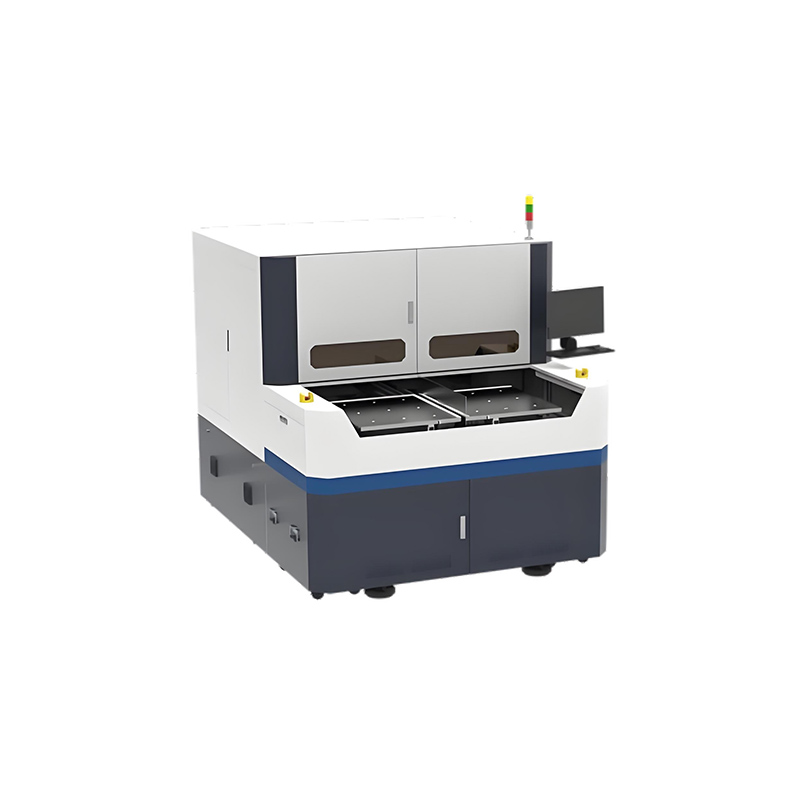
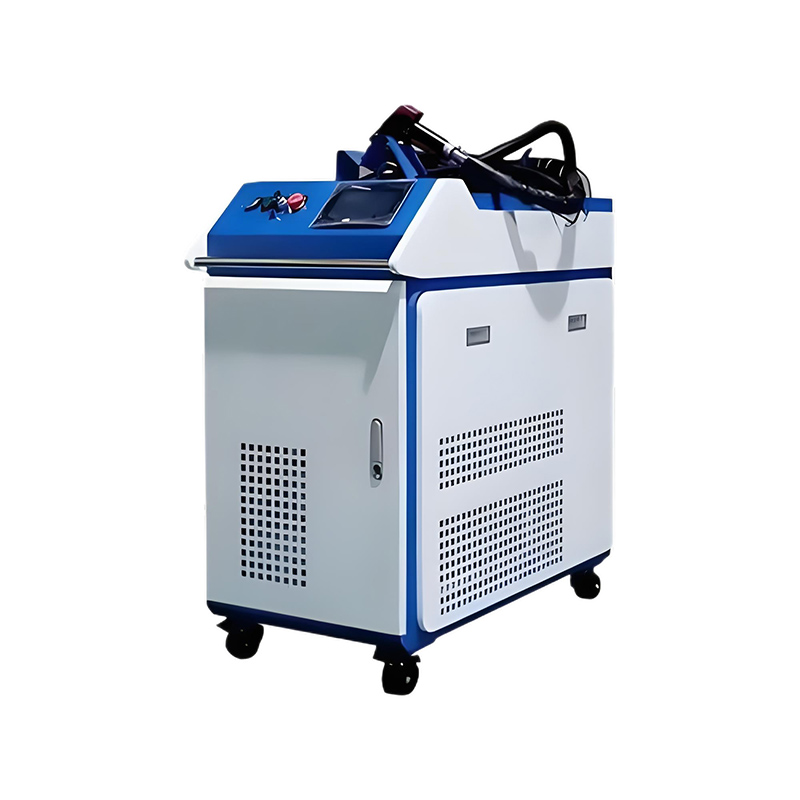
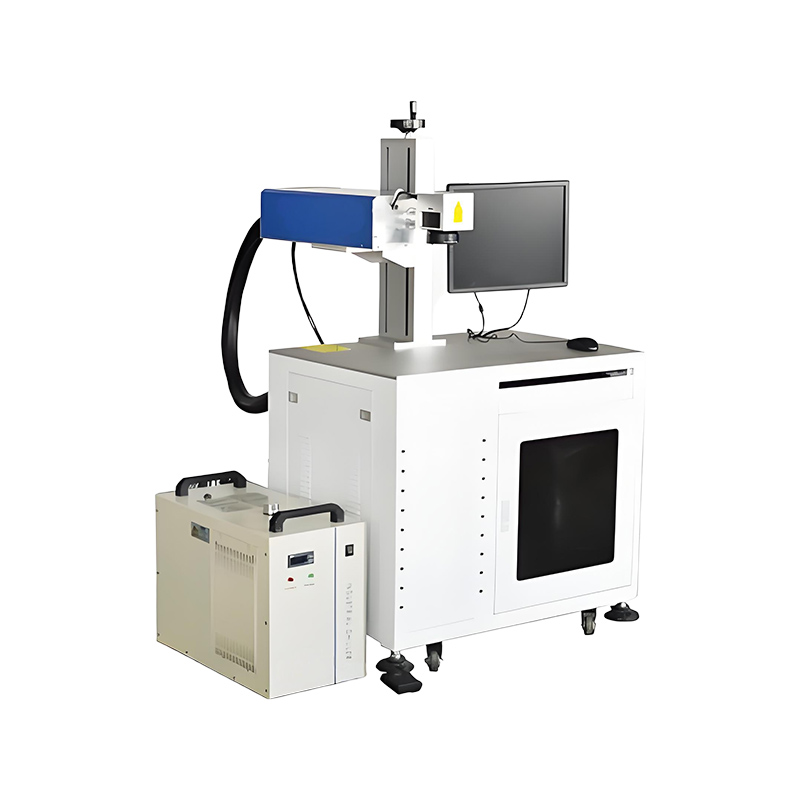
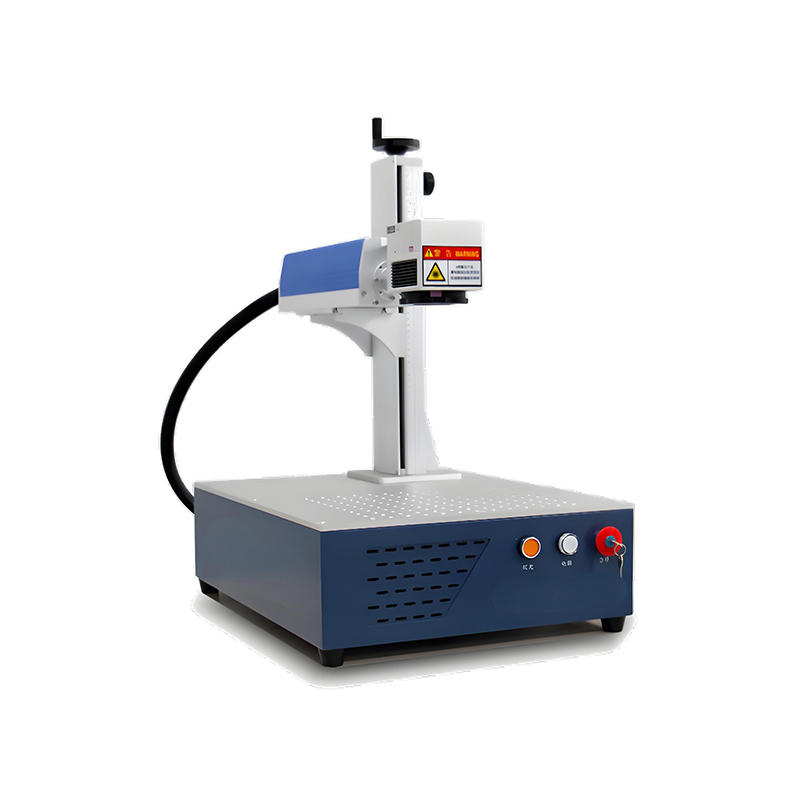
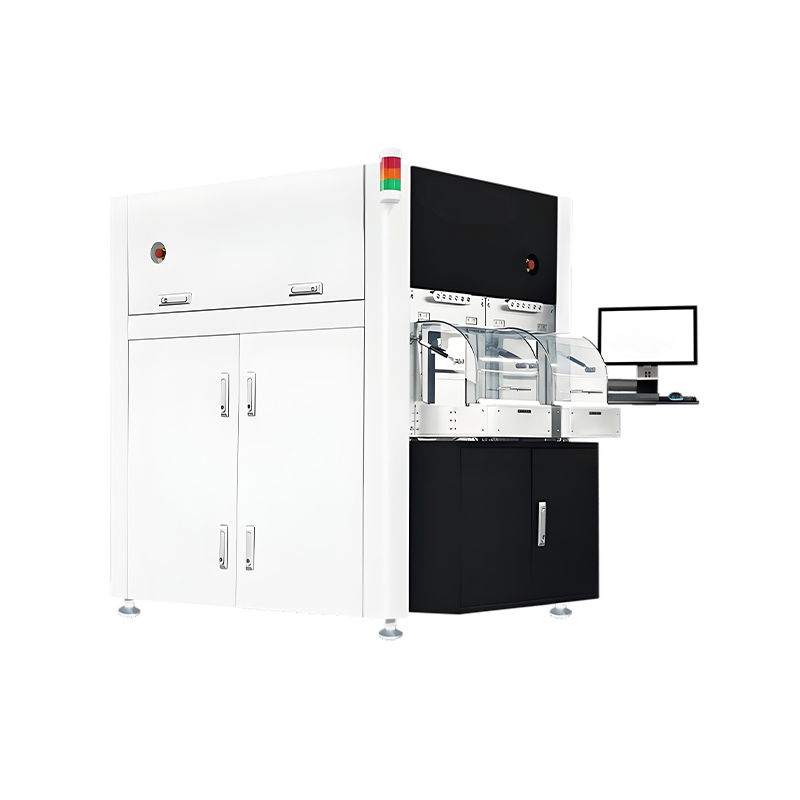
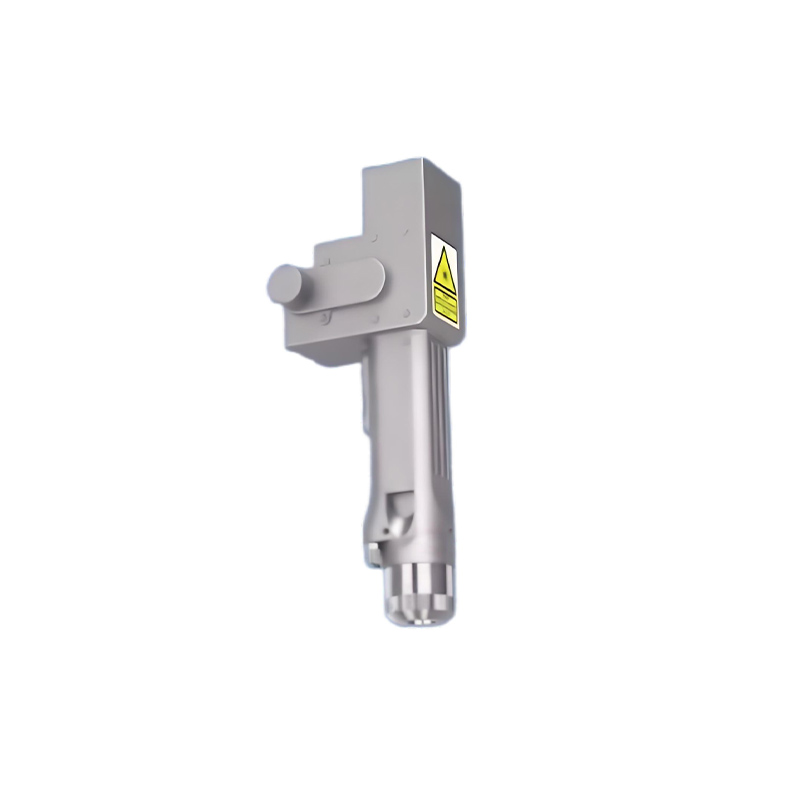
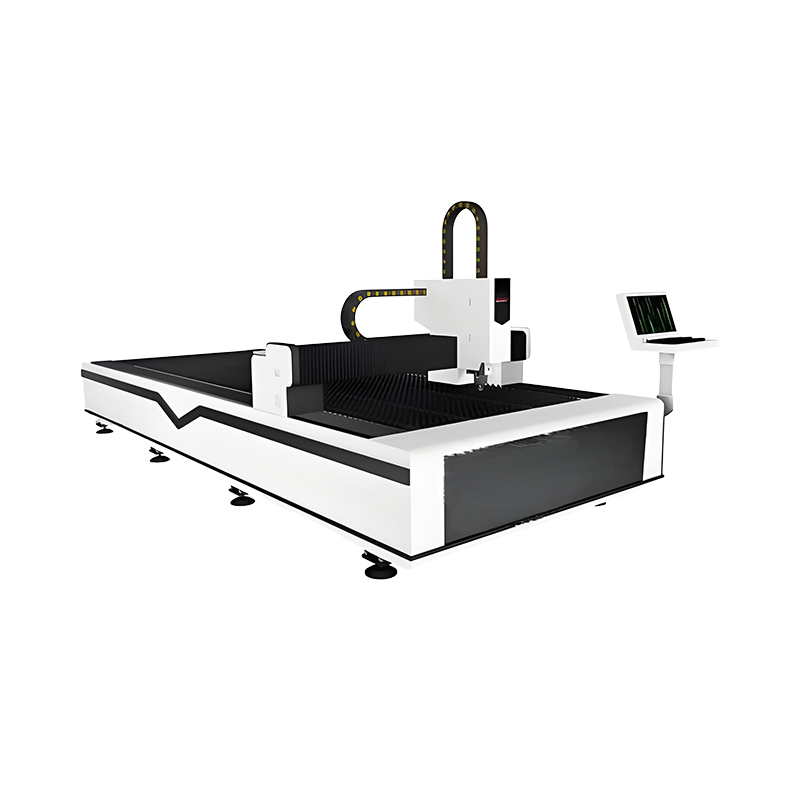
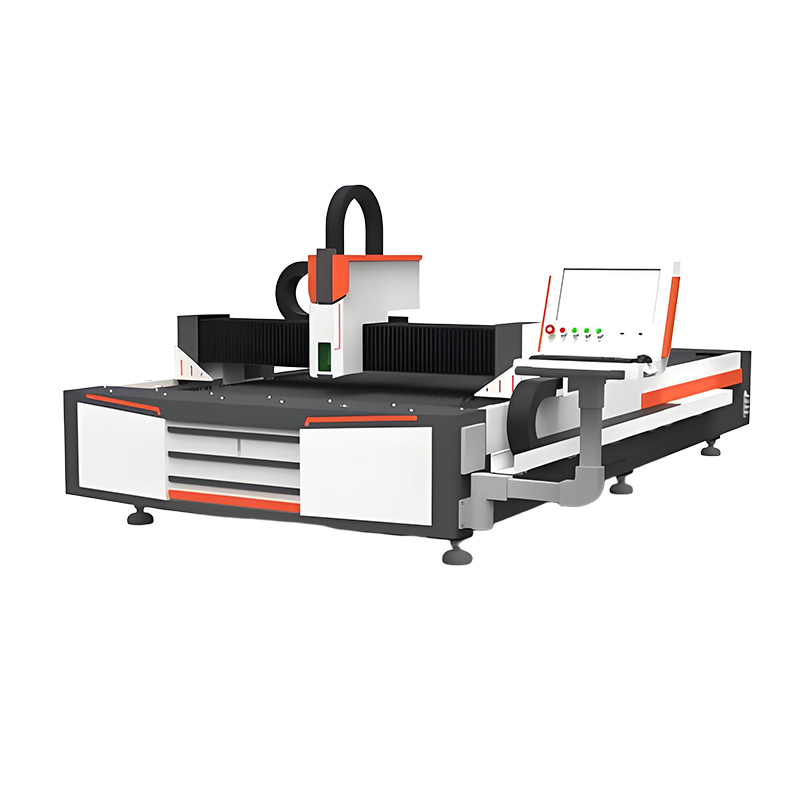
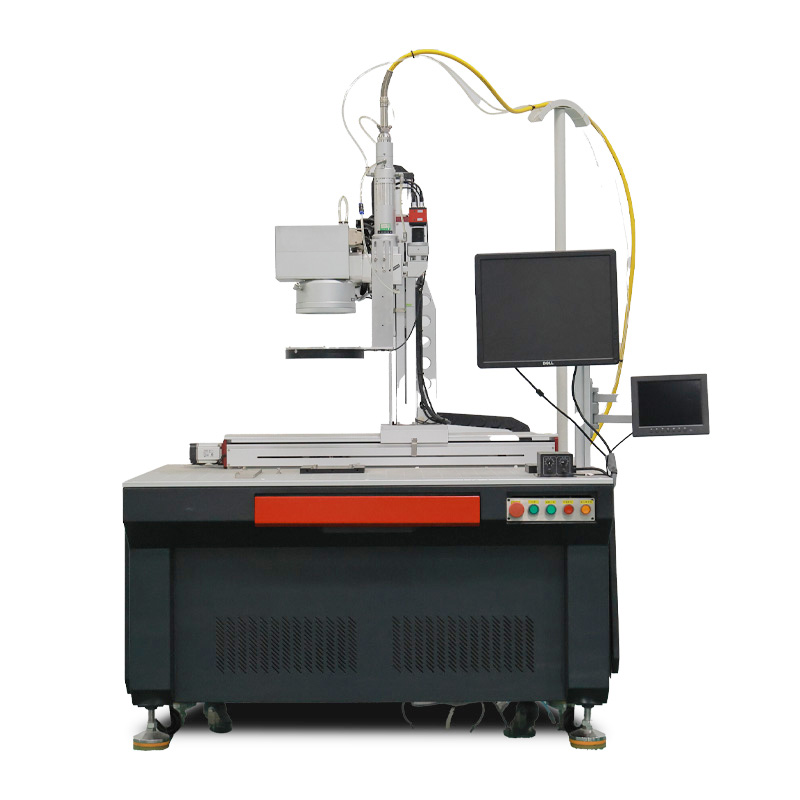
| Laser Processing | P1 P2 P3 laser systems |
| Electrode Process | Metal deposition equipment |
| Encapsulation | Lamination + sealing systems |
| Testing | Solar simulator + IV + MPPT systems |
Step 5: P4 Edge Deletion And Encapsulation
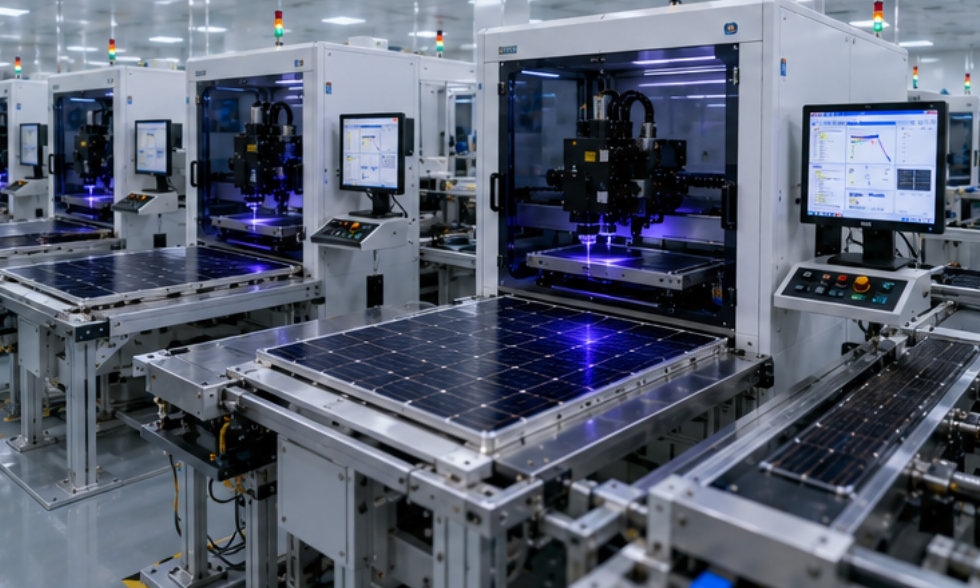
P4 edge deletion removes unnecessary edge materials before final sealing.
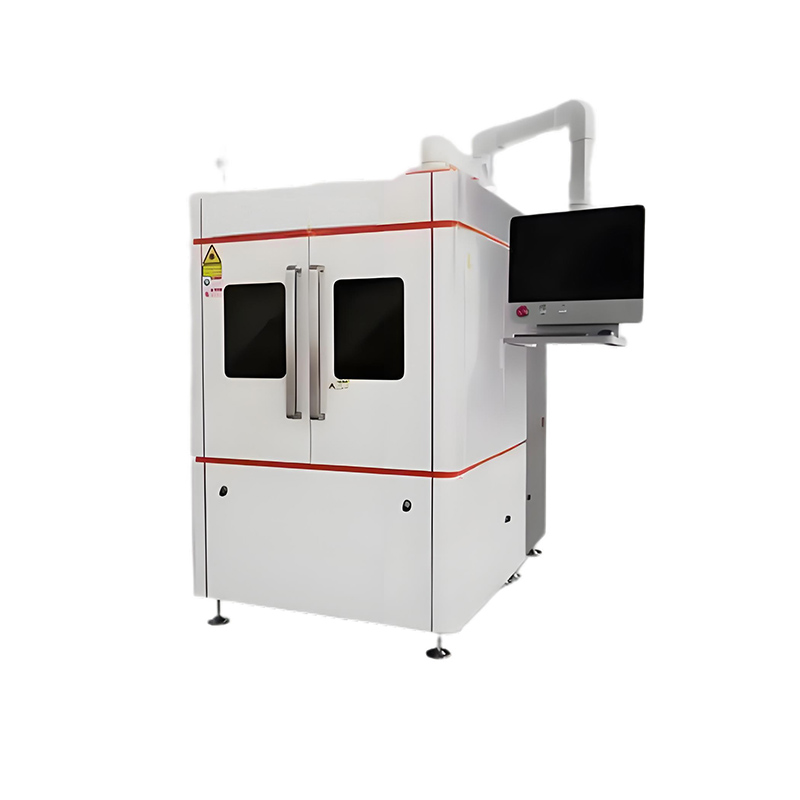
P4 laser systems
Lamination systems
Sealing equipment
Moisture barrier integration
Encapsulation is critical because perovskite materials are highly sensitive to moisture.
Step 6: Final Testing And Quality Control
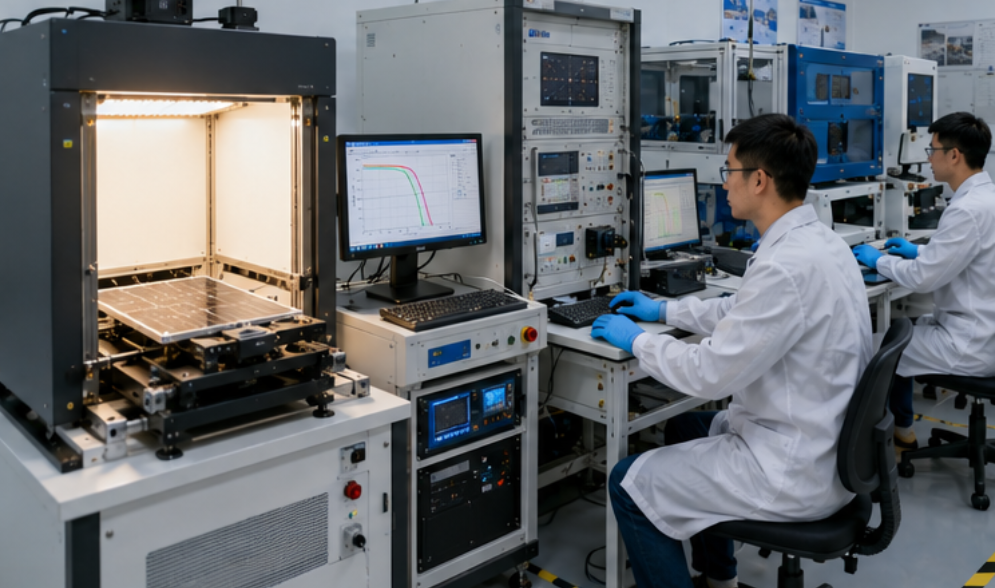
Testing validates product performance before shipment.
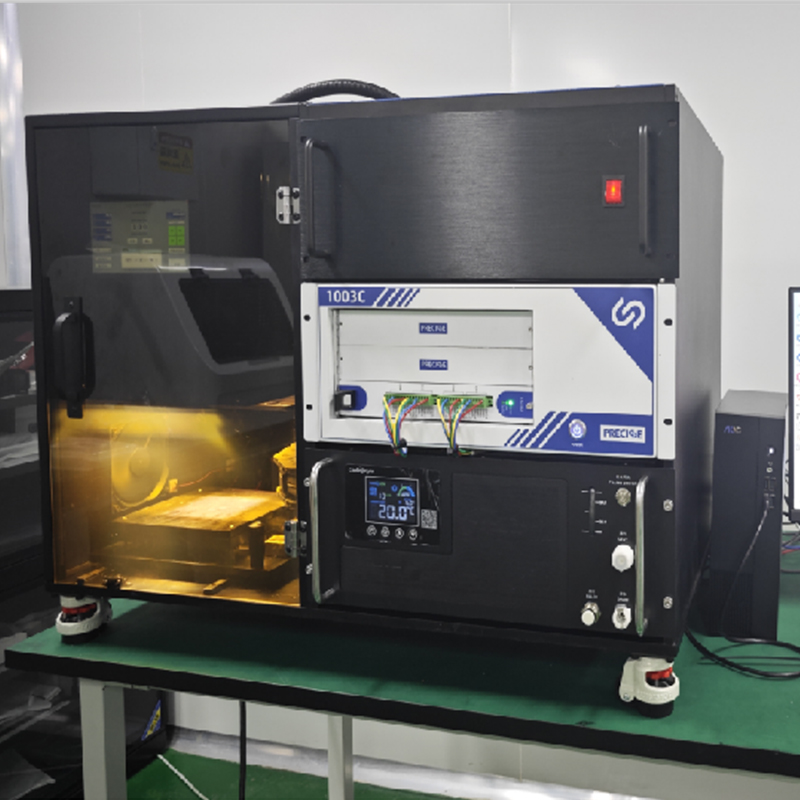
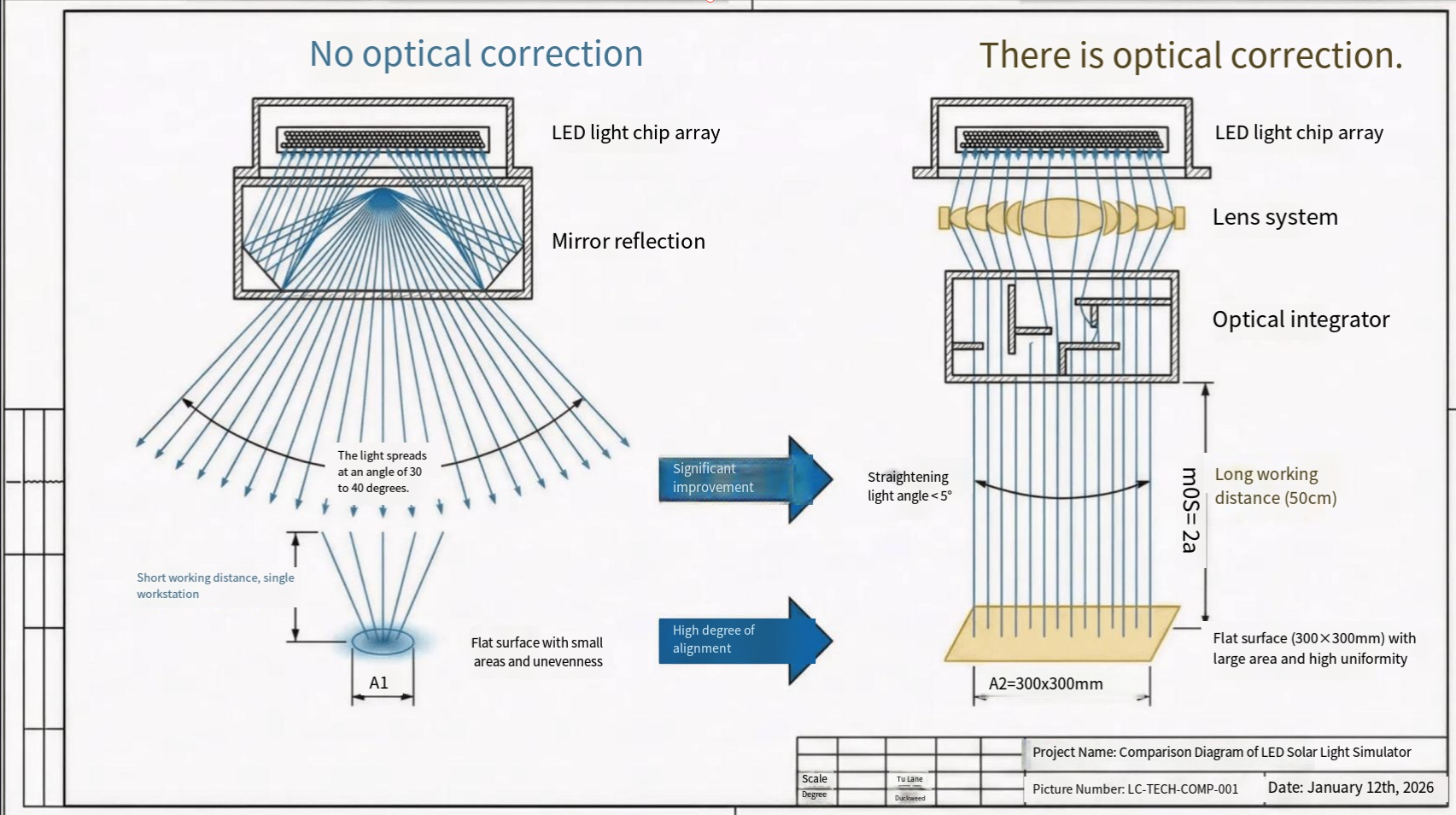
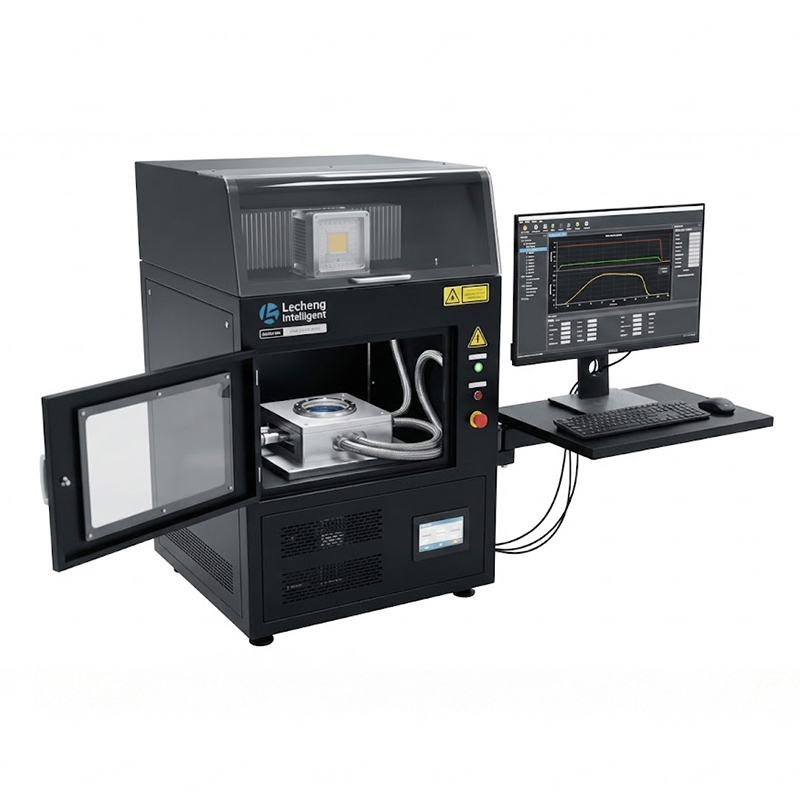
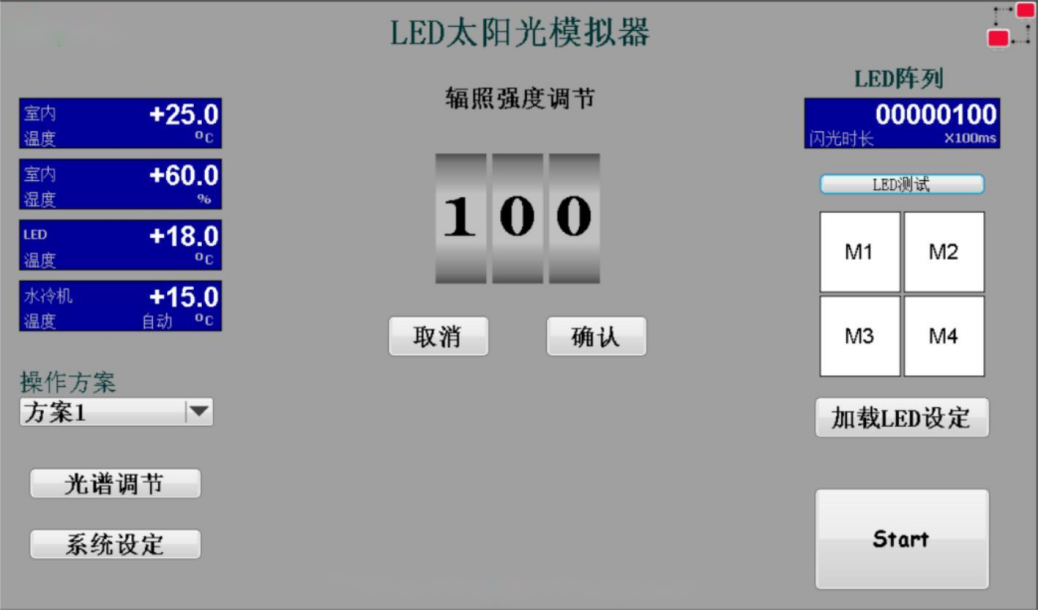
Solar simulators
IV testing systems
MPPT aging systems
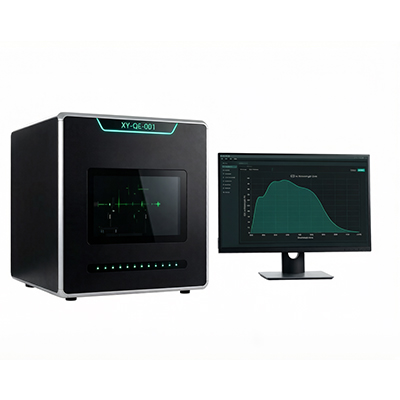
QE testing systems
Environmental chambers
Without testing systems, buyers cannot validate module efficiency or long-term stability.
Step 7: Plan Future Automation Upgrades
Many companies start with semi-automatic pilot lines and later move toward full automation.
Buyers should consider robotic handling, MES integration, automated inspection and throughput upgrades when planning their first production line.
Conclusion
A complete perovskite module manufacturing line requires careful planning across every production stage. Buyers who design the full workflow from substrate preparation to final testing can reduce risk and scale faster.
The best suppliers provide not only equipment, but also process integration support for long-term commercialization.
Need Help Building A Complete Perovskite Manufacturing Line?
Contact Lecheng Laser to discuss your full production line requirements.
Contact Us Get Quote